
Understanding the Importance of a Bowed Left Wrist
If you've ever struggled with flipping or scooping at impact, you’re not alone. Many golfers aim for a flat or even bowed lead wrist to help compress the ball effectively. The key to achieving this lies in the way you initiate your downswing.
The Role of Inertia in Your Downswing
Starting the downswing correctly is crucial. If you begin by pulling or pushing down hard with your arms, you will find it almost impossible to bow your wrist at impact. Instead, you want to start down by casting the club. Yes, you heard that right—casting!
When you cast the club, your hand becomes light as the club begins to move under its own inertia. This technique allows your hands to remain soft, making it easier to bow your wrist and deloft your irons. Think of it like allowing the club to fall into position rather than forcing it down.
How to Feel the Bowed Wrist Motion
To get started, practice feeling how the club picks up momentum. As it does, your hand should feel almost weightless for a brief moment. This sensation occurs because you're no longer trying to pull the club down; instead, you're allowing it to move naturally with its own inertia.
Visualizing the Bowed vs. Cued Wrist
For those unfamiliar with wrist positions, a cued wrist is the opposite of a bowed wrist. The goal is to achieve a slight bow in your lead wrist as you approach impact. This small adjustment can make a significant difference in your swing performance.
Practicing the Movement
As you practice, focus on making sure that your hand and the club are moving together rather than forcing one to go down. This synchronization is vital for creating that desired bowed wrist at impact.
Consider incorporating AI swing analysis into your practice routine to measure your wrist position and other swing patterns. This technology can provide valuable insights into how well you’re executing the bowing motion and help you refine your technique.
Key Takeaways
- Starting the downswing with a casting motion helps create a bowed wrist at impact.
- Let the club move under its own inertia for a light, natural feel.
- A slight bow in the lead wrist is essential for compressing the ball effectively.
- Practice feeling the weightlessness of the club to improve wrist positioning.
- Utilize AI swing analysis for detailed feedback on your swing mechanics.
See What GOATY Finds in Your Swing
Upload a swing video and get your GOATScore, root cause diagnosis, and personalized drill prescription in 60 seconds.
Analyze My Swing FreeFree, no credit card
Get Your Free Swing AnalysisRelated Articles

Mastering the Golf Swing Release: Feel the Motion
Discover the key to a powerful golf swing release and how it should feel for maximum performance.
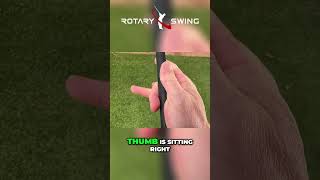
Mastering the Middle Finger Pressure Point in Golf
Learn how to utilize the pressure point of your middle finger for a better golf swing and increased power.

Mastering Head Movement for Powerful Golf Swings
Learn how head and ear positioning improves your golf swing for better impact and power.