
Understanding the DEAD Drill
The DEAD Drill is a fundamental exercise designed to enhance your golf swing mechanics. It focuses on developing the core movements essential for an effective swing. The beauty of this drill lies in its simplicity, allowing golfers to build their swing progressively by stacking various components. In this article, we'll explore when and how to stack the next piece in the DEAD Drill for maximum efficiency.
Analyzing Your Swing Mechanics
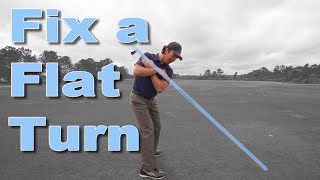
When working on the DEAD Drill, it's crucial to analyze your swing mechanics thoroughly. For instance, maintaining a centered head position throughout your swing is vital. If you're overdoing any aspect—like having your right shoulder too elevated or your shoulders too steep—you might need to flatten your shoulder turn. This adjustment helps enhance your overall posture and alignment.
It's essential to remember that the hips in your swing perform two primary functions: they rotate and move laterally. A common issue is that one of these movements tends to dominate the other. For effective swing mechanics, you want your hips to rotate while minimizing excessive lateral movement.
Recognizing Key Checkpoints
As you work through the DEAD Drill, pay attention to specific checkpoints. You want to ensure your left hip is in a neutral position, your knee is aligned, and your shoulders remain square. These checkpoints are vital indicators of whether you're executing the drill correctly. If you notice that your hips are moving too far laterally, it may disrupt the rotational aspect of your swing, leading to ineffective outcomes.
When to Stack the Next Piece
Knowing when to stack the next piece is essential for progression in the DEAD Drill. You should challenge yourself to the point where you feel confident in your current movements. This confidence comes from consistently hitting your checkpoints during practice. When you reach this level of proficiency, it’s time to add the next component.
To stack the next piece, for instance, you can incorporate your left arm into the drill. Imagine your left arm sticking out, and practice the drill while keeping the rest of your body mechanics intact. If you notice any changes in your head position or shoulder alignment, it's crucial to address these issues before proceeding.
Progressing Through the Drill
As you stack additional components, remember that the goal is to execute the entire drill as one cohesive movement. This holistic approach means that all elements of your swing should work together seamlessly. You should also practice at varying speeds—starting slow and gradually increasing the pace to simulate real-game conditions.
Once you feel comfortable incorporating your left arm, introduce a club into the practice. At this point, it’s critical to remain aware of any breakdowns in your mechanics. For example, if you find your shoulders opening up during a swing with the club, return to the basic body-only drill to reinforce proper form.
The Importance of Repetition
Repetition is key to mastering the DEAD Drill. Rather than counting thousands of individual reps, focus on performing the drill as an integrated whole. Aim to complete the entire drill 3,000 to 5,000 times to truly own the movements. This approach ensures that you are building muscle memory for the entire swing rather than just isolated components.
Key Takeaways
- Maintain a centered head position and focus on your shoulder alignment.
- Understand the balance between lateral movement and rotational hip action.
- Only stack the next piece when you are consistently hitting your checkpoints.
- Practice the entire drill holistically, aiming for 3,000 to 5,000 repetitions.
- Use progressive speeds to better prepare for real-game scenarios.
See What GOATY Finds in Your Swing
Upload a swing video and get your GOATScore, root cause diagnosis, and personalized drill prescription in 60 seconds.
Analyze My Swing FreeFree, no credit card
Get Your Free Swing AnalysisRelated Articles

The Simplest Way to Improve Your Golf Swing: A Game-Changer
Discover the simplest method to improve your golf swing and boost performance, perfect for golfers of any skill level.

Boost Your Golf Swing Speed: 12-Minute Guide
Learn how to quickly increase your golf swing speed in just 12 minutes with effective techniques for better clubhead spe
Fix Your Flat Shoulder Turn with This Simple Drill
Learn how to achieve a proper shoulder plane in your golf swing with a simple drill. Improve your game now!