
The Importance of the Release in Golf
Hi guys, Chuck Quinton here, founder of RotarySwing.com. Today, I want to discuss the most critical part of the golf swing: the release. This is the moment when everything comes together, and it’s what we do everything for. The release is not only the most fun part of the swing but also the most essential. You can have a beautiful setup, a great transition, and an excellent position at the top of your swing. However, if you fail to release the club properly at impact, you risk hitting a poor shot.
Understanding the Two Types of Releases
There are two fundamental ways to release the club. While some may argue that both methods have their merits, I’m here to say one is right, and one is wrong. The main goal in a golf swing is to generate speed, not power. Power is necessary when dealing with a fast-moving object, like in baseball, where you need strength to control the bat against the kinetic energy of the ball. However, in golf, the ball is stationary, weighing just an ounce and a half, so our focus should be on moving the club rapidly.
Speed Over Power
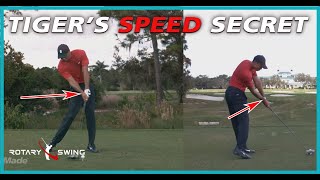
To move the club quickly, we must allow our forearms to rotate naturally. The club is designed to release on its own, thanks to the shaft being positioned in the heel of the club. This design encourages the toe of the club to rotate around the hosel during the hitting area, allowing for a natural release. It’s crucial to understand that you shouldn’t be trying to flip your hands over; that’s a timing issue that most golfers struggle with.
The Body Release vs. The Arms Release
Many instructors advocate for a body release, suggesting that you should turn your rib cage through impact. However, this method puts unnecessary shear force on your spine, leading to potential injuries. Think about it: is it more efficient to rotate your entire rib cage, the largest bone structure in your body, as fast as possible, or to let your forearms do the work? Clearly, using your arms will allow for a quicker and more effortless release.
Why the Forearms Matter
The key is to let go of the club through the hitting area. When you let your forearms turn over naturally, you create speed and control without overexerting yourself. This method also helps square the face of the club and de-loft it, an essential factor for better iron play.
Injury Prevention and Efficiency
In addition to speed and control, an arms release can help prevent injuries. Many swing-related injuries stem from the excessive strain placed on the body due to a body-focused release. By allowing your forearms to do the work, you minimize wear and tear on your spine and hips, promoting a healthier swing.
Conclusion
In summary, mastering the release in your golf swing is crucial for achieving optimal performance. By focusing on an arms release rather than a body release, you’ll not only increase your speed and control but also protect your body from injuries. Understanding these mechanics is vital for any golfer looking to improve their game.
Key Takeaways
- The release of the golf club is the most critical part of the swing.
- Speed, not power, should be your primary goal in the release.
- Let your forearms naturally rotate to achieve a proper release.
- A body release can lead to injuries and inefficiencies in your swing.
- Improving your release technique can enhance your overall performance on the course.
See What GOATY Finds in Your Swing
Upload a swing video and get your GOATScore, root cause diagnosis, and personalized drill prescription in 60 seconds.
Analyze My Swing FreeFree, no credit card
Get Your Free Swing AnalysisRelated Articles

Increase Your Golf Swing Speed with Hip Movement
Discover how hip speed correlates with clubhead speed and learn to swing faster with less effort.
Unlock Distance: The J Movement for Golf Swing Speed
Discover how drawing the letter 'J' with your wrists can instantly boost your golf swing speed and add distance to your

Boost Your Golf Swing Speed with This One-Hand Drill
Learn to increase your swing speed with the one-hand throwing drill. Master timing and relaxation for optimal performanc