
Understanding the Importance of Club Release Timing
The key to a powerful and consistent golf swing lies in the timing of your club release. Many golfers struggle with this aspect, often releasing the club too early or too late, which can lead to diminished speed and accuracy. In this article, we'll explore when the best time to release the golf club is and how a simple drill can help you master this crucial element of your swing.
When to Release the Golf Club
The ideal moment to achieve maximum speed in your swing is right at impact, at the bottom of the swing arc. Unfortunately, many golfers mistakenly try to generate speed earlier in the swing, relying too much on their hands and arms. This premature acceleration can result in a lack of lag, which is essential for generating clubhead speed. By learning to delay the release until the right moment, you can harness the power of leverage, which accounts for over 60% of your clubhead speed.
Introducing the Drill
To help you train your body for the proper release timing, we have a straightforward drill that you can practice at home. Follow these steps to get started:
- Set Up: Place a tee in the ground at ball height, then grab a golf club.
- Position the Tee: Position the tee so it is up off your left ear. This will indicate your ball position.
- Grip the Club: Flip the club over and hold it in your right hand. This may feel unusual, but it is essential for training your release timing.
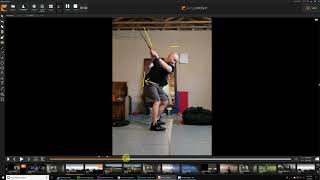
- Mimic the Backswing: Turn to the top of your backswing, ensuring you maintain a good wrist hinge and the angle between your forearm and bicep. This position is critical for leverage.
- Shift and Snap: As you shift your weight to your left side, snap down at the tee. The goal is to create a whooshing sound as the club accelerates at the bottom of the swing arc.
Refining Your Technique
As you practice this drill, aim to knock the tee out of the ground. This action signifies that you're making good contact at the center of the clubface, which is vital for consistency. Start slowly, focusing on the feeling and sound of the club accelerating at the bottom of your swing. Once you can consistently hit the tee and hear the whoosh sound, you can transition to using both hands on the club.
Transitioning to Full Swings
After becoming proficient with the one-handed drill, flip the club over and grip it with both hands. Repeat the same movements: turn to the top, shift your weight, and snap down at the tee. Expect this to be a bit more challenging since the heavier end of the club makes it harder to accelerate. However, this is a good sign that you're engaging your whole body in the swing.
Practice Makes Perfect
Continue to practice hitting the tee and making that whoosh sound at the bottom for 25 repetitions with both the one-handed and two-handed drills. After you’ve completed your drills, take these sensations to the driving range and apply them while hitting golf balls. This practice will help you develop greater speed and consistency in your swing.
Key Takeaways
- Release the golf club at impact for maximum speed.
- Use leverage effectively to enhance clubhead speed.
- Practice the one-handed drill to train proper release timing.
- Transition to two-handed swings for more comprehensive practice.
- Consistency in practice leads to better performance on the course.
See What GOATY Finds in Your Swing
Upload a swing video and get your GOATScore, root cause diagnosis, and personalized drill prescription in 60 seconds.
Analyze My Swing FreeFree, no credit card
Get Your Free Swing AnalysisRelated Articles

Mastering Golf Club Release: Craig's Phase 2 Insights
Learn the proper golf club release techniques in Craig's Phase 2 session. Discover tips for improving your swing and enh
Mastering the RotarySwing System for Consistent Golf
Discover key techniques from a student's journey to mastering the RotarySwing system for improved golf swing consistency

Triple Your Golf Swing Lag: Essential Drills and Techniques
Learn how to triple your golf swing lag with these simple drills and techniques to improve your game. Create powerful, c