
Understanding the Importance of Divots in Golf
For many amateur golfers, learning how to take a proper divot is a crucial step towards achieving crisp and consistent iron play. A divot that starts in front of the ball, rather than even with or behind it, is often the ultimate goal. Proper divot mechanics not only contribute to cleaner contact but can also enhance overall performance on the course. In this article, we will explore tips and techniques to help you take divots in front of the golf ball, as well as delve into the biomechanical aspects that govern these movements.
The Role of the Left Hand in Golf Swings
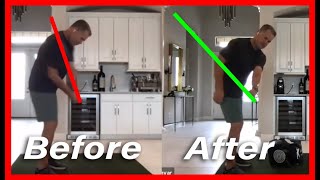
The key to controlling the conditions that affect your swing—such as club face alignment, swing plane, and shaft lean at impact—lies primarily in the movements of the left hand and the associated muscles on the left side of your body. Most amateur golfers, however, tend to be right-handed and right-side dominant, which can lead to improper release of the right wrist and excessive loft on the club face. This results in a lack of shaft lean at impact, which is detrimental to achieving a solid strike.
Training the Left Hand
To improve your ability to position your left hand correctly at impact, it is essential to practice drills that isolate this movement. One effective drill involves taking your normal setup and placing a ball in position. With just your left hand, choke up on the club and make practice swings without moving your body. This approach allows you to focus solely on your left arm swinging freely from the shoulder socket, which is crucial to ensuring that your divot starts in front of the ball.
Drill for Consistent Divots
When practicing this drill, aim for your divots to bottom out approximately two club widths or five to six inches in front of the ball. This not only signifies that you are making good contact but also reinforces the proper mechanics of your swing. Conversely, if you use your right hand alone, you will likely find that your divots tend to bottom out behind the ball. This emphasizes the importance of training your left hand to achieve the correct position.
Why Tour Players Practice with Their Left Hand
Observing elite players, you may notice that many of them frequently practice with just their left hand while waiting on the tee. This is not a coincidence—it's a conscious effort to ensure their mechanics are sound. The right hand has a vital role in the swing, but when it comes to taking divots that start in front of the ball, the left hand must take center stage.
Progressing to Chip Shots
Once you have gained confidence in making divots consistently in front of the ball with your left hand, the next step is to incorporate this movement into actual shots. Start by hitting little chip shots, but be aware that it may be challenging to resist the urge to flip your wrists. To mitigate this issue, review impact alignment videos to understand the positions needed at impact.
Creating Lag in Your Swing
Another essential element to achieving the desired divot position is the concept of lag in your swing. To effectively create lag, the right wrist should remain bent back as you come down into your swing. This delayed release allows more time for your left hand to get into the correct position at impact. It is crucial for all these components—left hand positioning, lag, and right wrist stabilization—to work in harmony for optimal results.
Conclusion
By focusing on the left hand's movement and practicing the drills outlined above, you can significantly improve your ability to take divots in front of the golf ball. Remember, mastering these techniques takes time and patience, but with consistent practice, you'll notice a marked improvement in your iron play and overall game.
Key Takeaways
- Focus on training your left hand to control the clubface and swing mechanics.
- Practice taking divots in front of the ball using left-hand-only swings.
- Incorporate lag into your swing to enhance impact positioning.
- Progress to chip shots while maintaining correct wrist positions.
- Consistent practice is key to mastering divot mechanics for better iron play.
See What GOATY Finds in Your Swing
Upload a swing video and get your GOATScore, root cause diagnosis, and personalized drill prescription in 60 seconds.
Analyze My Swing FreeFree, no credit card
Get Your Free Swing AnalysisRelated Articles

Stop Hitting Behind the Golf Ball with This Simple Fix
Learn how to stop hitting behind the golf ball with this one simple fix that focuses on your swing mechanics.

How Far to Stand from the Golf Ball: The Perfect Setup
Learn how far to stand from the golf ball for an optimal swing setup. Master your golf game with expert tips from Rotary
Why You Shouldn't Pull the Butt of the Club Toward the Ball
Learn the key reasons not to pull the butt of the club toward the ball for better swing mechanics and consistency.