
What is Golf Elbow Pain?
Golf elbow pain, commonly referred to as golfers elbow, is a type of tendinitis that affects the inner part of the elbow. It is characterized by pain and inflammation where the tendons of the forearm muscles attach to the bony prominence on the inside of the elbow. This condition can be particularly troublesome for golfers, as the repetitive motion of swinging can exacerbate the issue.
Understanding the Causes
One of the most prevalent causes of golf elbow pain is an improper impact position during your swing. When your impact position is not aligned correctly, it can lead to excessive stress on the tendons in your elbow. This misalignment often results from taking deep divots or striking the ground frequently during your swing.
The Role of Repetitive Stress
The nature of golf involves repetitive motions, and when these motions are executed incorrectly, they can lead to injury over time. For instance, consistently hitting the ground rather than the ball can create a repetitive stress injury to the elbow. This is compounded if you are practicing on mats, as the synthetic surface does not provide the same feedback as natural grass, often leading to a greater risk of injury.
Identifying Symptoms
Symptoms of golf elbow pain can include tenderness and pain on the inside of the elbow, stiffness, and weakness in the hands and wrists. In more severe cases, you may even experience pain radiating down your forearm. It is essential to pay attention to these symptoms early on to prevent further damage to the elbow.
Preventive Measures
Preventing golf elbow pain begins with ensuring your impact position is correct. The goal is to achieve a more efficient swing that minimizes stress on the elbow. Here are some strategies:
- Focus on Impact Position: Work on achieving a proper impact position where your lead arm is extended and your wrist is in a neutral position. This alignment can help reduce strain on the elbow.
- Minimize Deep Divots: Practice striking the ball cleanly without excessively digging into the ground. This will help reduce the repetitive stress on your elbow.
- Strengthening Exercises: Incorporate exercises that strengthen your forearm and elbow muscles. Stronger muscles can help absorb some of the stress placed on the tendons.
- Use of Support Bands: Some golfers find relief by wearing elbow bands that apply pressure to the tendon, helping to keep it attached to the bone and reduce pain.
Conclusion
Understanding the causes of golf elbow pain is crucial for any golfer looking to maintain their game without injury. By focusing on your impact position and making adjustments to your swing mechanics, you can greatly reduce your risk of developing this painful condition.
See What GOATY Finds in Your Swing
Upload a swing video and get your GOATScore, root cause diagnosis, and personalized drill prescription in 60 seconds.
Analyze My Swing FreeFree, no credit card
Get Your Free Swing AnalysisRelated Articles

Mastering Nelly Korda's Bent Left Arm Technique
Learn how to improve your golf swing like Nelly Korda with the bent left arm technique for maximum power and control.
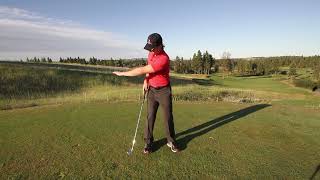
Cure Golf Elbow Pain: Injury Prevention Tips
Learn how to prevent golf elbow pain with a safe, efficient swing that protects your body. Discover injury prevention te
Mastering Head Movement for Powerful Golf Swings
Learn how head and ear positioning improves your golf swing for better impact and power.