
Understanding the J Motion Release Technique
Golf is a game of precision and technique, and one of the most critical aspects of achieving a powerful swing is mastering the release. In this article, we will delve into the J motion release technique, a simple yet effective method that can significantly enhance your swing and power on the course.
The Importance of Pressure Points
To grasp the J motion release, we must first understand the concept of pressure points in your grip. Imagine that your middle finger is the primary point of contact with the club. By maintaining this pressure point throughout your swing, you ensure stability and control. If you shift this pressure point, the effectiveness of your swing diminishes, leading to inconsistent results.
Creating the Ideal Grip
When you take your stance, ensure that the club sits comfortably in the cradle of your fingers. Supination, or the motion of turning your palm upward, plays a crucial role in achieving the right path for your swing. As you lift the club to the top, keep that middle finger engaged, allowing the club to rest securely in your grip.
Executing the J Motion
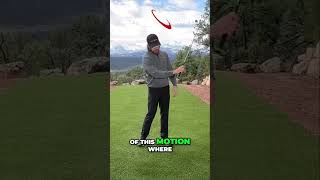
Once at the top of your swing, the real magic happens. As you begin your downswing, initiate the motion by continuing the supination. This action will guide you into the optimal position, known as the Ground Force Connection (GFC). From here, you are set up for the release, which is where the J motion comes into play.
The Release: Snap and Go
Imagine you are slinging a stone off a string. You wouldn’t throw it from a stiff position. Instead, you let the motion flow naturally, using your wrist and hand to guide the stone, much like how you should approach the golf swing. As you release the club, allow your palm to turn inward, which is an essential part of the J motion. This motion should feel fluid and effortless, ensuring that you harness the power of your swing without straining larger muscle groups.
Common Pitfalls to Avoid
Many golfers struggle with the release because they instinctively want to engage their larger muscles, such as the arms and shoulders. This approach can lead to a less effective swing. Remember, the goal is to mimic the natural motion of slinging a stone, which emphasizes wrist and hand action rather than brute strength. Focus on the finesse of the movement, allowing your body to support the swing without forcing it.
Practice Makes Perfect
To truly master the J motion release, practice is essential. Start by focusing on the grip and the pressure points, then work on the fluid motion of supination and the release. Utilize tools such as AI swing analysis to measure your progress and ensure you are on the right path. This technology can provide invaluable feedback, helping you refine your technique and achieve greater consistency in your swing.
Key Takeaways
- Maintain a stable pressure point with your middle finger during the swing.
- Utilize supination to guide your downswing into the Ground Force Connection.
- Emulate the natural motion of slinging a stone for an effective release.
- Avoid relying on larger muscle groups; focus on wrist and hand mechanics.
- Practice consistently and consider using AI swing analysis for feedback.
New release-back training: The J motion is easier to own when you start from the finished release and work backwards. Watch Chuck's newer GOAT whip video, then use the GOATY Whip Focus live lesson page to practice the release action with real-time feedback.
See What GOATY Finds in Your Swing
Upload a swing video and get your GOATScore, root cause diagnosis, and personalized drill prescription in 60 seconds.
Analyze My Swing FreeFree, no credit card
Get Your Free Swing AnalysisRelated Articles

Unlock Effortless Power in Your Golf Swing
Discover how to achieve distance and consistency in your golf swing with effortless power techniques from Chuck Quinton.

Master the GOAT Delivery Position for Better Ball Striking
Unlock the secrets of great ball strikers by mastering the GOAT delivery position with supination techniques for improve
Mastering Your Golf Swing: Wrist Release Techniques
Learn how to improve your golf swing by focusing on wrist release techniques for maximum speed and power.