
Understanding the Role of Hips in the Golf Swing
In the world of golf, the importance of hip movement cannot be overstated. Many golfers are often told that their hips are the key to generating power in their swing. However, the reality is more nuanced. The average Tour Pro's hips only reach peak speeds of about 12 to 15 miles per hour during the downswing, which is relatively slow compared to the speed of the golf club. Therefore, it’s essential to understand how to use your hips properly, not just to add speed to your swing but also to prevent injuries.
Initiating the Downswing
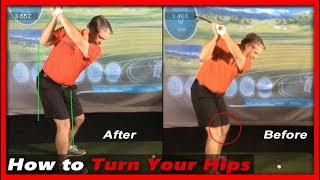
The primary function of your hips during the downswing is to initiate weight transfer and start the rotation. When you reach the top of your backswing, you need to make sure that your hips shift towards the target. If you simply shift your hips without any rotation, your arms will get stuck, leading to poor sequencing and potential over-the-top swings.
To achieve a proper downswing, you must focus on two key movements: weight shifting and hip rotation. As you shift your weight, rotate your hips to about 30 to 40 degrees open while keeping your shoulders square. This alignment helps maintain lag in your wrists, allowing for a more controlled impact position.
Why Proper Hip Movement Matters
Improper hip movement can lead to a host of issues, including lower back pain and ineffective swings. If you rotate your shoulders too early, you increase the shear force on your spine, which can lead to injuries. Instead, by focusing on shifting and rotating your hips, you create a stable and powerful position that allows for a more effective swing.
The Sequence of Movements
The sequence in which you move your body segments is crucial for generating power. Many high-handicap golfers make the mistake of unwinding their shoulders first, which causes them to lose lag and creates an over-the-top move. This is why it’s important to focus on moving your hips first. When your hips initiate the downswing, the arms will follow naturally, rather than being forced into action.
To visualize this, imagine a stick figure: the hips are the smallest segment, the shoulders are larger, followed by the arms and finally the golf club. When you initiate the downswing with your hips, the movement cascades through the rest of your body, allowing all segments to unwind in harmony.
Decelerating the Hips
A common mistake is not learning to decelerate the hips after they have initiated the downswing. Many golfers continue to rotate their hips through impact, which can lead to a late release of the club. Instead, your hips should decelerate, allowing the upper body to accelerate naturally. This sequence maximizes the power transferred to the clubhead at impact.
At impact, your hips should ideally be 30 to 45 degrees open, while your shoulders remain more square. This position allows for a straight line between your left arm and the club, enabling a powerful release of energy without losing control.
Drills for Proper Hip Movement
To help you practice these concepts, consider incorporating the following drills into your routine:
- Weight Shift Drill: Practice shifting your weight from your back foot to your front foot while maintaining hip stability.
- Hip Rotation Drill: Work on rotating your hips in a controlled manner while keeping your shoulders square during the downswing.
- Slow Motion Swing: Take slow swings focusing on hip movement before your shoulders and arms. This will help engrain the correct sequence into your muscle memory.
Key Takeaways
- Proper hip movement is essential for generating power and preventing injuries in your golf swing.
- Shift your weight and rotate your hips before your shoulders to maintain control and lag in your swing.
- Decelerate your hips after initiating the downswing to allow for a powerful release of the clubhead at impact.
See What GOATY Finds in Your Swing
Upload a swing video and get your GOATScore, root cause diagnosis, and personalized drill prescription in 60 seconds.
Analyze My Swing FreeFree, no credit card
Get Your Free Swing AnalysisRelated Articles

Speed vs Power in Golf Swing: What You Really Need
Discover why speed, not power, is crucial for an effective golf swing and how it can improve your distance and accuracy.
Mastering Hip Movement in the Golf Swing: Advanced Techniques
Learn how to correctly use your hips in the golf swing to enhance power and accuracy with expert insights from Chuck Qui

Unlock Effortless Power in Your Golf Swing
Discover how to achieve distance and consistency in your golf swing with effortless power techniques from Chuck Quinton.