
Understanding Your Backswing
In the journey to perfecting your golf swing, one of the most crucial aspects to focus on is the backswing. Many golfers struggle with the takeaway, often due to tension in their arms and hands. The primary goal should be to minimize the movement of the arms and club during the initial stages of the swing. Instead, golfers should concentrate on using their core and legs to load properly, which will create a more efficient and powerful swing.
The Role of Your Body
It's essential to understand that the movement begins from the ground up. Your hips and trunk should initiate the rotation, allowing your arms to follow naturally. When practicing your takeaway, aim to feel the muscles in your core, glutes, and legs engaging, while your arms remain relaxed. This approach helps in reducing unnecessary tension that can lead to a host of swing issues.
Focus on Arm Movement
One common mistake golfers make is overthinking their arm position during the backswing. They may try to manipulate their arms too much, which results in a disconnected swing. Instead, try to keep your arms relaxed and allow your body to dictate their position. When your arms move as little as possible, they will naturally align in a more effective position at the top of your backswing.
Minimizing Elevation
As you work on your backswing, pay attention to the elevation of your arms. Ideally, your left arm should not rise excessively high above your shoulder plane. A lower arm position can lead to a more stable and efficient swing. The key is to practice maintaining this low elevation while focusing on your body's rotation.
Grip Adjustments for Better Control
Your grip plays a significant role in how you control the club throughout your swing. If your grip feels uncomfortable, it can lead to tension and poor performance. A relaxed grip is crucial; ideally, your fingers should lightly hold the club without excessive pressure. Pay attention to how your left hand interacts with your right hand, ensuring they work cohesively to prevent unnecessary movement during the swing.
Finding the Right Hand Position
Experiment with your hand positioning on the club. If you find your grip is too loose or tight, you may need to adjust the placement of your right hand. Some golfers benefit from an interlocking grip, while others prefer the ten-finger grip. Find what feels comfortable for you and helps keep your hands working together during the swing.
Practice with Purpose
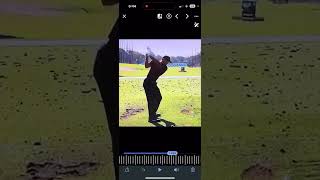
When practicing your swing, remember to focus on the feel rather than just visual feedback. Utilize mirrors or video analysis to see how your arms are moving relative to your body. This can help reinforce the idea of minimal arm movement and greater body rotation. The more you practice with this mindset, the more natural it will become.
Drills to Enhance Your Swing
Incorporate specific drills that emphasize the relationship between your body and arms. For instance, practice taking your arms away from the ball while concentrating on turning your hips and maintaining a low arm position. This can help you internalize the correct feelings and make them second nature when you’re on the course.
Key Takeaways
- Minimize arm movement during the takeaway for a more efficient backswing.
- Focus on engaging your core and legs to initiate the swing.
- Maintain low elevation in your arms to improve swing stability.
- Ensure your grip is relaxed and comfortable to prevent tension.
- Use drills and video analysis to reinforce proper swing mechanics.
See What GOATY Finds in Your Swing
Upload a swing video and get your GOATScore, root cause diagnosis, and personalized drill prescription in 60 seconds.
Analyze My Swing FreeFree, no credit card
Get Your Free Swing AnalysisRelated Articles

Mastering the Perfect Golf Takeaway with One Simple Move
Learn how to achieve a perfect golf takeaway with one simple move from Chuck Quinton. Transform your swing today!
Unlocking Power: Lessons from the GOAT Model's Check Swing
Discover how to harness power in your golf swing by analyzing the GOAT Model's check swing technique. Learn key insights

Discover Your Golf Swing Style: Lead Side vs Trail Side
Learn about lead side and trail side dominant golf swings to improve your game. Take the quiz to find your style and enh