
Introduction: The Origins of RotarySwing
In the world of golf instruction, one question frequently surfaces: how did the unique methods of RotarySwing come to be? The answer is a journey marked by frustration, determination, and a quest for clarity in the chaotic landscape of golf teaching. In this article, we’ll explore the development of RotarySwing, revealing the story behind its creation and the fundamental principles that guide its approach.
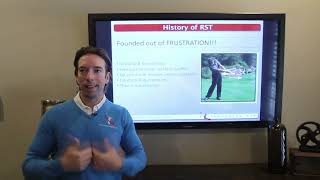
The Frustration of Learning Golf
Many golfers experience a common struggle when seeking improvement: the overwhelming confusion caused by conflicting advice. This was my reality when I moved to Colorado on a golf scholarship. I had high hopes, but instead of finding clear guidance, I was met with a barrage of contradictory instructions from various teachers.
Each instructor had their perspective, often teaching methods that contradicted one another. This left me feeling lost and frustrated, unable to discern which advice would actually help my game. In my pursuit of excellence, I wanted to learn from the best, but I quickly found that the top instructors could not provide the clarity I needed.
The Search for Effective Instruction
Determined to improve, I began traveling between Colorado and Florida, seeking out renowned golf instructors. My criteria for selecting a coach were simple: they needed to demonstrate their skills on the course. I wanted to see their abilities firsthand, as I believed that a great player could offer valuable insights.
Unfortunately, most of the top instructors declined my request to play a round together. However, one lower-profile instructor agreed and proceeded to show me what elite-level play looked like, effortlessly shooting a score that far surpassed mine. This experience solidified my decision to work with him, as I realized he possessed the skills and understanding I needed.
Understanding the 'Why' Behind Instruction
As I delved deeper into my lessons, I encountered another hurdle: the inability of instructors to explain the rationale behind their techniques. I often asked questions related to my swing mechanics and ball flight, only to receive vague answers. This lack of clarity was frustrating, especially as I was willing to put in the hard work to improve.
The instructors I encountered operated on a trial-and-error basis, relying on what had worked for them personally, rather than conveying universal principles applicable to all golfers. This left me yearning for a systematic approach grounded in biomechanics and physics.
Establishing Fundamental Principles
Realizing that the golf instruction landscape lacked a cohesive framework, I decided to take a step back and reassess the fundamentals of the swing. I identified the core requirements of a golf swing and began to build my understanding from there.
For example, consider stance width. Many instructors suggest a stance width that corresponds to shoulder width without explaining the underlying reason. However, I believed that a golfer's stance should primarily focus on stability and the ability to transfer weight effectively without compromising balance. This insight led to the development of the RotarySwing approach, emphasizing fundamentals rooted in logical biomechanics.
The Importance of a Requirements-Based Perspective
By adopting a requirements-based perspective, I was able to analyze every aspect of the golf swing, from grip to takeaway. Each component was evaluated through the lens of what we were trying to achieve and how we could do it effectively. This methodical approach allowed me to establish clear, logical fundamentals that could be universally applied.
For instance, I emphasized that a golfer’s stance should provide stability while allowing for smooth weight transfer. This balance is crucial for maintaining a consistent swing. By grounding our understanding in physical laws and biomechanics, we can create a framework that transcends individual preferences and styles.
Neuromechanics and Learning Patterns
In addition to biomechanical principles, I explored the neuromechanics of how our brains learn new movement patterns. Recognizing that effective instruction requires an understanding of how golfers acquire skills led to the development of the online learning platform at RotarySwing.com. This system provides a structured, step-by-step approach to mastering the golf swing, making it accessible for golfers of all levels.
Conclusion: A New Era in Golf Instruction
The journey to creating RotarySwing was born from my own frustrations and the desire to establish clear, effective instruction for golfers. By focusing on fundamental principles and understanding the 'why' behind each technique, we can empower golfers to improve their games meaningfully.
Key Takeaways
- Frustration with inconsistent golf instruction drove the development of RotarySwing.
- Effective golf teaching requires clarity and a rationale behind techniques.
- A requirements-based perspective allows for the establishment of fundamental principles in golf.
- Understanding neuromechanics is crucial for learning and mastering the golf swing.
- RotarySwing emphasizes logical biomechanics and physics to create a more effective learning experience.
See What GOATY Finds in Your Swing
Upload a swing video and get your GOATScore, root cause diagnosis, and personalized drill prescription in 60 seconds.
Analyze My Swing FreeFree, no credit card
Get Your Free Swing AnalysisRelated Articles

Mastering the RotarySwing DEAD Drill for Golf Success
Learn the key movements of the RotarySwing DEAD Drill to simplify your golf swing and improve your performance on the co

The Inspiring Journey of RotarySwing and Chuck Quinton
Explore Chuck Quinton's journey in golf instruction and the evolution of RotarySwing, focusing on effective techniques a
The Evolution of RotarySwing: From Frustration to Fundamentals
Discover how RotarySwing evolved from personal frustration into a systematic golf instruction method, emphasizing biomec