
Understanding Shoulder Mechanics in the Golf Downswing
In the world of golf instruction, one of the most critical yet often misunderstood aspects of the golf swing is the role of the shoulders during the downswing. Many golfers overuse their shoulders, which can lead to a loss of power and control. In this comprehensive guide, we will explore how to properly utilize your shoulders in the downswing, drawing from expert insights and practical drills.
The Importance of Keeping Your Chest Open
One of the primary focuses when executing the downswing is maintaining an open chest position. To visualize this, you can practice in front of a mirror. Start by positioning yourself down the line and as you begin your downswing, aim to keep your chest open while trying to see the logo on your shirt. The goal is to keep your chest facing the mirror for as long as possible until you reach impact.
This might feel exaggerated at first, but it’s essential for achieving a square impact position. If your chest closes prematurely, it can lead to poor angles and loss of power. Instead, ensure your legs drive the motion down to impact, allowing your shoulders to naturally follow.
Utilizing Your Legs for Proper Shoulder Alignment
As you practice keeping your chest open, remember that your legs play a crucial role in this process. When you correctly engage your legs during the downswing, your body will naturally position itself into an optimal impact position. This is where the real power comes from—your legs should be driving your movement, not your shoulders.
As you shift your weight, aim to keep your butt cheeks visible in the mirror while ensuring your shoulders remain open. This alignment is vital for generating power in your swing.
Transitioning from Slow to Fast Movements
Many golfers make the mistake of practicing these movements in slow motion exclusively. While slow motion is helpful for understanding the mechanics, it’s crucial to incorporate speed into your practice. For effective learning, you should perform the downswing movements at an accelerated pace—just fast enough to maintain proper form without losing control.
Begin by executing the drills at your current pace, gradually increasing your speed until you reach a point where you can perform the movement without breaking down.
Maintaining the Right Shoulder Position
Another key aspect of the downswing is ensuring that your right shoulder remains back. This is vital in preventing the shoulders from prematurely opening, which can lead to a loss of control. As you transition into the downswing, consciously focus on keeping your right shoulder in its position, allowing your body to rotate around it. This not only enhances your control but also aids in maintaining the width of your swing.
Using Visual Cues to Improve Your Swing
While working on your shoulder mechanics, using visual aids such as mirrors can be incredibly beneficial. Continuously watching yourself in the mirror during practice helps you identify mistakes in real-time and adjust accordingly. As you execute your downswing, monitor your shoulder position and ensure they stay aligned properly.
Understanding the Role of Arm Movement
Once you feel comfortable with the movements and mechanics of your body, you can begin to integrate your arms back into the swing. The arms should not be the primary initiators of the swing; instead, they should follow the natural motion initiated by your legs and core. As you add arm movement, ensure that your focus remains on your lower body.
Key Takeaways
- Maintain an open chest during the downswing to achieve a square impact position.
- Utilize your legs to drive the downswing, allowing your shoulders to follow naturally.
- Incorporate speed into your practice to simulate real swing conditions and improve muscle memory.
- Keep your right shoulder back to enhance control and maintain proper alignment.
- Use mirrors and visual cues to monitor your shoulder positioning for effective adjustments.
See What GOATY Finds in Your Swing
Upload a swing video and get your GOATScore, root cause diagnosis, and personalized drill prescription in 60 seconds.
Analyze My Swing FreeFree, no credit card
Get Your Free Swing AnalysisRelated Articles

Understanding the Fulcrum in Your Golf Swing
Learn how to harness the fulcrum in your golf swing for improved performance and power.

Unlocking Power: Lessons from the GOAT Model's Check Swing
Discover how to harness power in your golf swing by analyzing the GOAT Model's check swing technique. Learn key insights
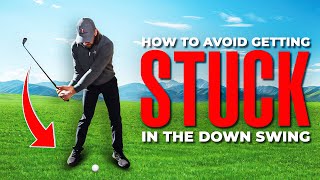
Avoid Getting Stuck in the Golf Downswing: Key Techniques
Learn how to avoid getting stuck in your golf downswing with essential techniques and drills from Chuck Quinton.