
Understanding the Transition in Your Golf Swing
One of the most critical aspects of a successful golf swing is the transition phase, specifically how we manage our hands and club. Many golfers struggle with throwing their hands at the ball, which can lead to poor shots and inconsistent striking. In this article, we will explore how to shallow your hands and club during the downswing.
What Does "Shallowing" Mean?
Shallowing refers to the movement of the club in the downswing that allows it to come down on a more horizontal plane instead of a steep angle. By doing this, you not only improve your ball striking but also reduce the risk of hitting the ball fat or topping it. The goal is to keep the club on a good path that allows for a natural release through impact.
The Importance of Hip Movement
Proper hip movement is crucial in achieving a shallow swing. Many golfers have a tendency to rely on their arms, which can lead to a steep swing path. Instead, focus on the following:
- Maintain Your Hip Angle: As you transition from the backswing to the downswing, keep your hip angle steady. This means your right hip (for right-handed golfers) should be moving back while your left hip is pushing down towards the ground.
- Push Your Left Hip Back: During the downswing, aim to push your left hip back. This movement creates space for your arms to drop naturally, leading to a shallower swing path.
Timing is Everything
Timing plays a significant role in achieving the right shallowing move. If your arms start to move too soon, it can cause you to lose your posture, leading to an undesired steep angle. Here are some tips to improve your timing:
- Let Your Hips Move First: Focus on initiating the downswing with your hips. As your hips begin to rotate forward, your arms will drop naturally, helping to shallow the club.
- Practice with High Hands: While high hands can give you leverage, they can also complicate your transition. Consider practicing with lower hands to simplify your swing mechanics and reduce the need for steepening moves.
Drills to Improve Your Transition
To help you feel the correct movements, consider these drills:
- Right Arm Only Drill: Practice swinging the club with just your right arm. This will help you feel how your arms should drop relative to your body during the transition.
- Stab Drill: Imagine you are stabbing your right thigh with the club during the transition. This exaggeration will help you feel how to keep your arms in closer to your body and allow your hips to clear.
- Video Analysis: Recording your swing can provide valuable insights. Compare your movements to those of elite models to see where you need to improve.
Why You Should Consider AI Swing Analysis
Utilizing AI swing analysis can provide you with precise measurements of your swing patterns. It helps identify areas where you might be losing efficiency and allows for more tailored instruction, ensuring that you can make adjustments effectively.
Implementing the Changes
As you work on these concepts, remember that consistency takes time. Focus on integrating these new movements into your practice routine. The more you practice, the more natural it will feel to shallow your hands and club during your transition.
Key Takeaways
- Focus on maintaining your hip angle during the transition to promote shallowing.
- Let your hips initiate the downswing to improve timing and posture.
- Practice drills that emphasize the connection between your arms and body.
- Consider utilizing AI swing analysis for detailed feedback on your swing patterns.
- Consistency is key; integrate these changes gradually into your practice routine.
See What GOATY Finds in Your Swing
Upload a swing video and get your GOATScore, root cause diagnosis, and personalized drill prescription in 60 seconds.
Analyze My Swing FreeFree, no credit card
Get Your Free Swing AnalysisRelated Articles

Avoid Getting Stuck in the Golf Downswing: Key Techniques
Learn how to avoid getting stuck in your golf downswing with essential techniques and drills from Chuck Quinton.

Mastering the Shallow Golf Swing: Key Techniques Explained
Learn how to shallow the golf club with these essential tips from Chuck Quinton. Improve your swing depth and technique
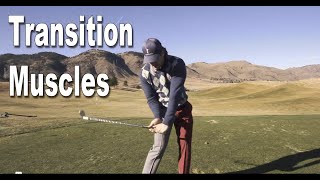
Mastering the Golf Swing Transition: Key Muscle Engagement
Learn how to engage the right muscles during your golf swing transition for improved performance and consistency.