Today we're going to talk about a powerful drill that teaches you how to exaggerate the positions of lag at impact. If you've been spinning your wheels trying to keep the clubhead behind your hands on the downswing, this approach can be the breakthrough you've been waiting for.
This drill is intentionally an exaggeration. You'll begin with normal positions of golf swing lag and push them well beyond what you'd ever use on the course.
Is this the fault costing you strokes?
Film one swing on your phone. In about a minute GOATY measures it and names the single biggest thing costing you strokes — free, no card.
Analyze My Swing Free
Related: Golf impact position — how AI scores yours →
Android users: Download GOATY on Google Play — free AI golf coaching on your Android phone. →
This is specifically for golfers who have been unable to get sufficient lag in the downswing. The goal is to create ten times more lag than you'll ever need in a real swing. Once your body finally understands what that sensation feels like, you can dial it back to the correct amount and start hitting the ball with genuine compression.
Stop reading about it — feel it in your swing today
GOATY watches your swing live and coaches you between every rep. Free. No signup.
Start Your FREE Live Lesson →Here's How

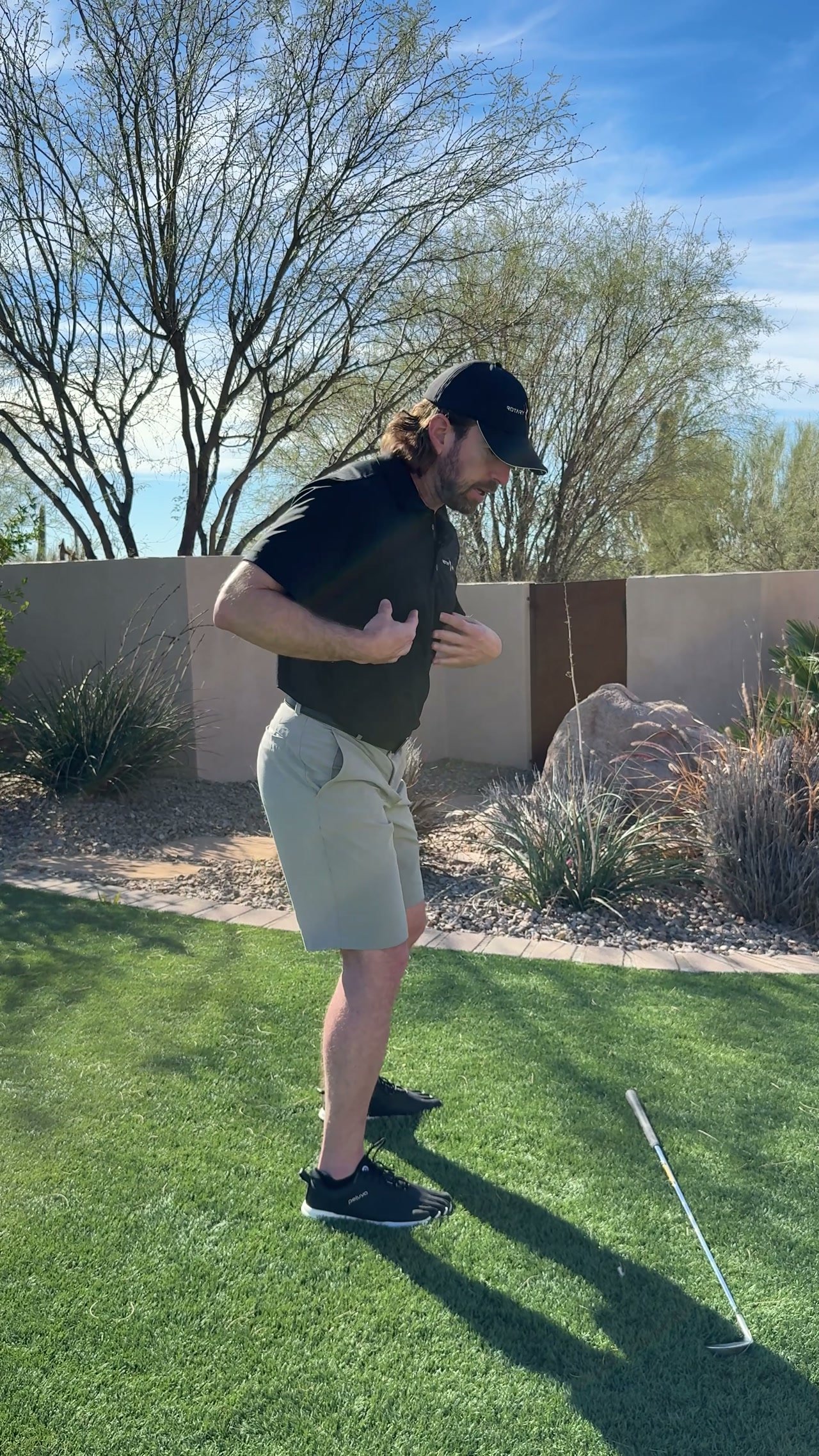
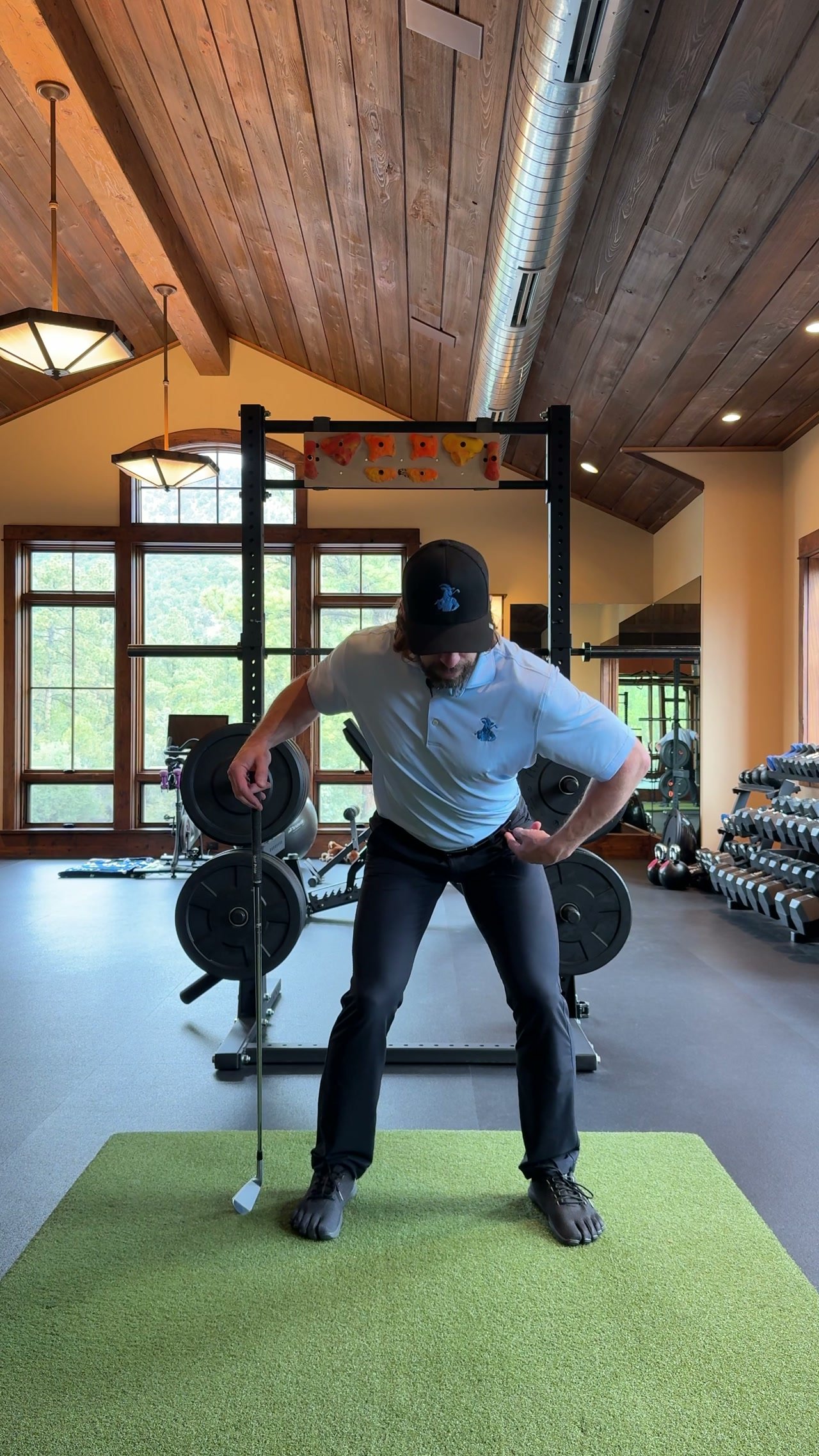
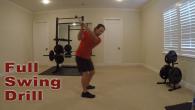
Exaggerated Lag Drill: Left wrist flat on backswing, then bows forward through "impact"
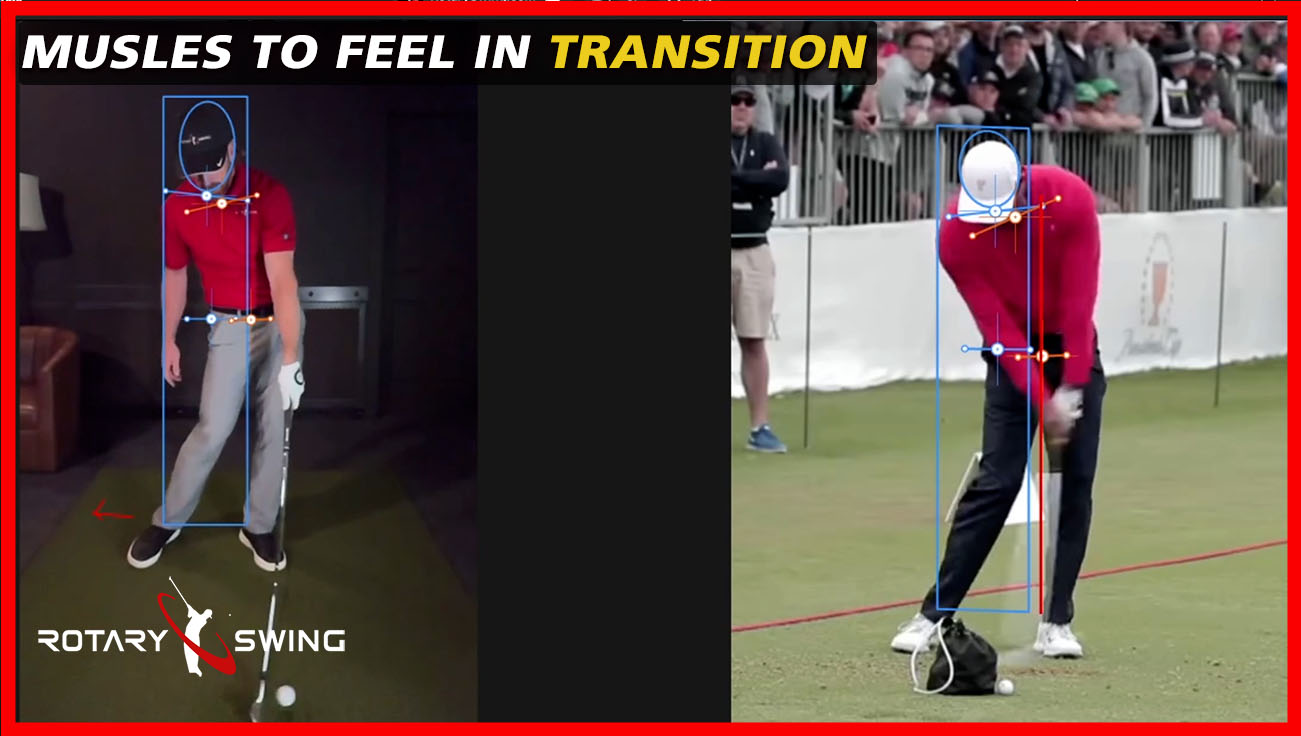
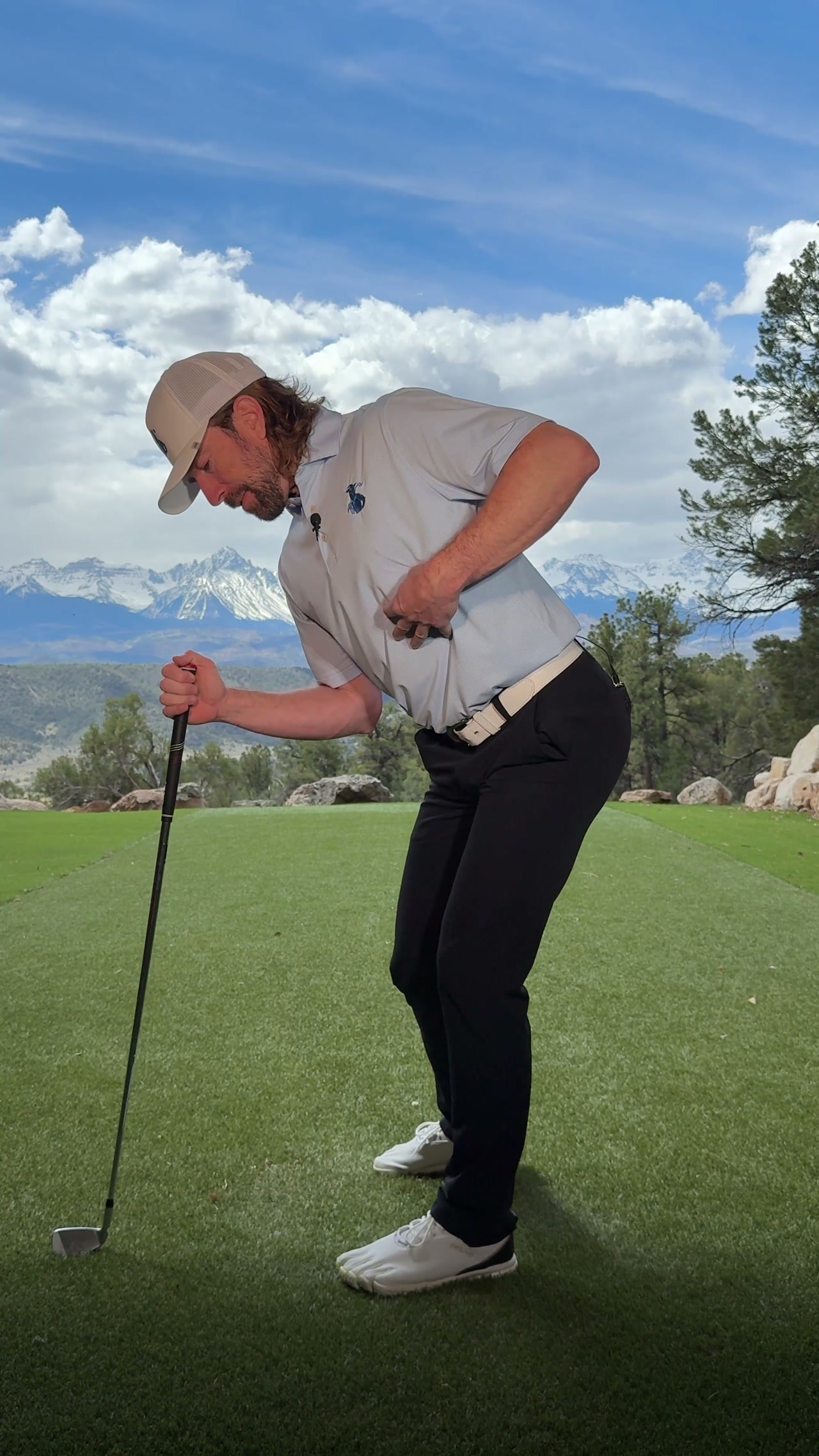
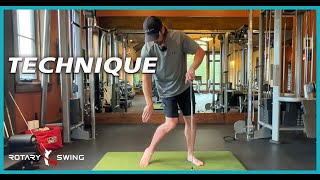
The first step is to set the club aside entirely. Put it down, settle into your address posture, and simply swing your lead arm back and through. Stop when your lead hand is 6-8 inches in front of your lead thigh.
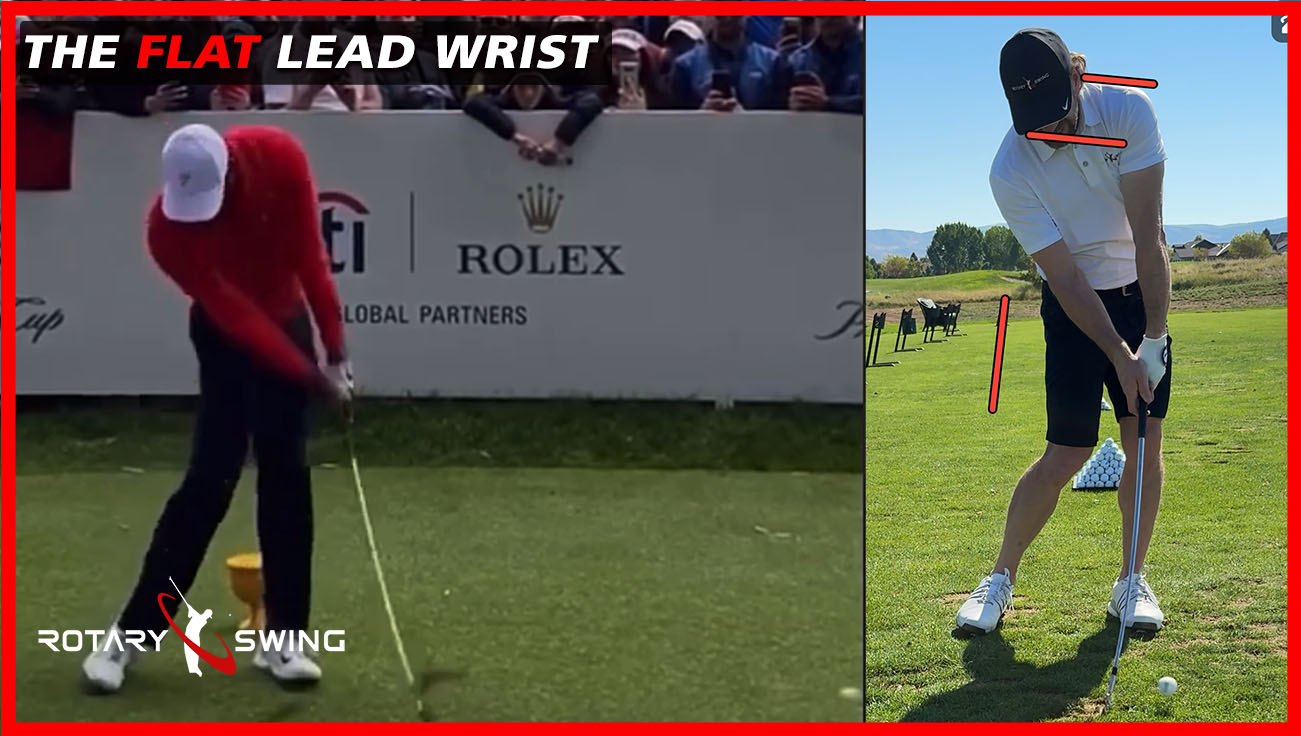
Make sure your lead wrist stays completely flat during the "backswing" portion of the drill. You don't want any cupping or bowing creeping in — a flat lead wrist at the top is essential to maintaining proper wrist angles throughout the motion.
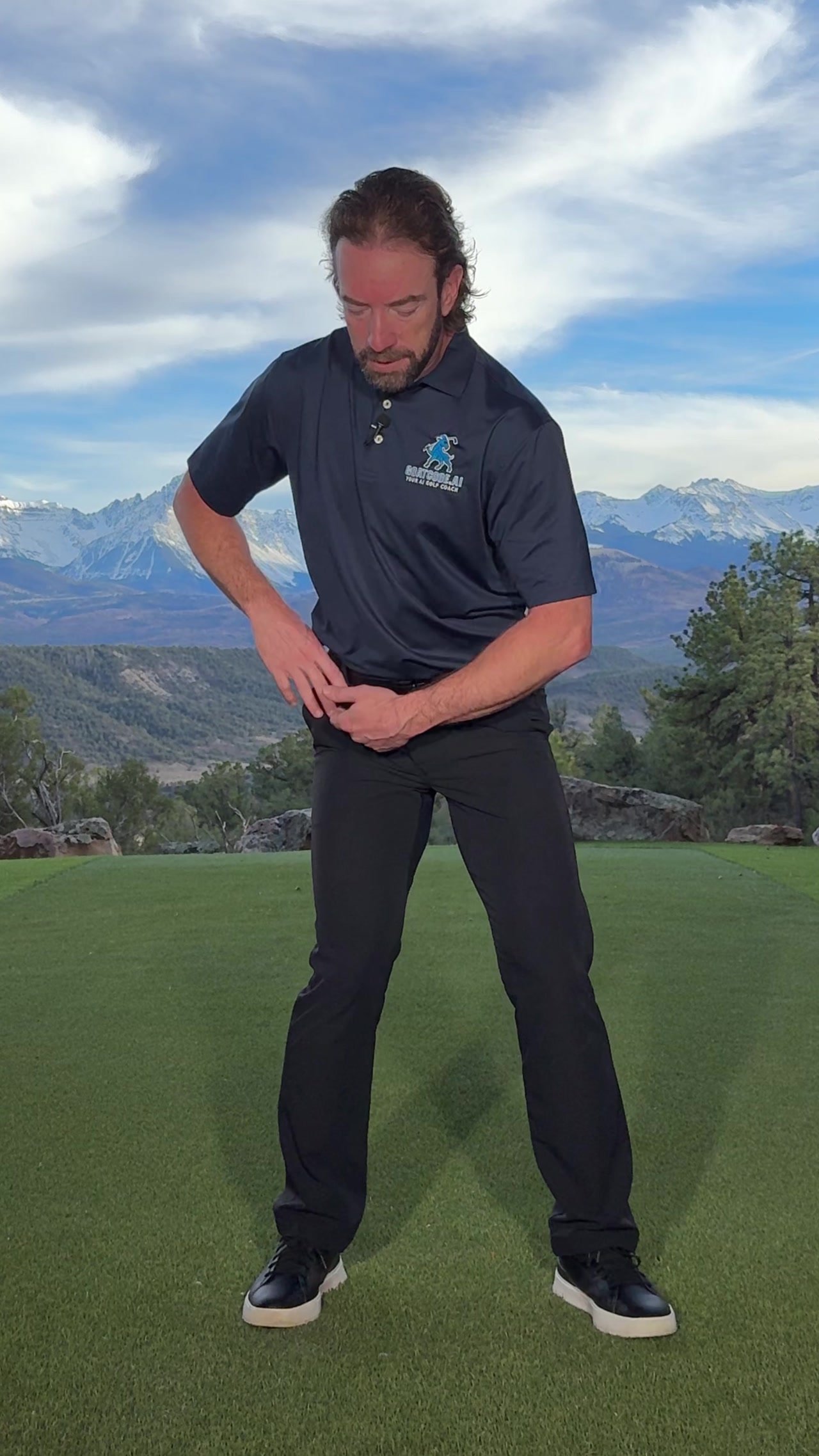
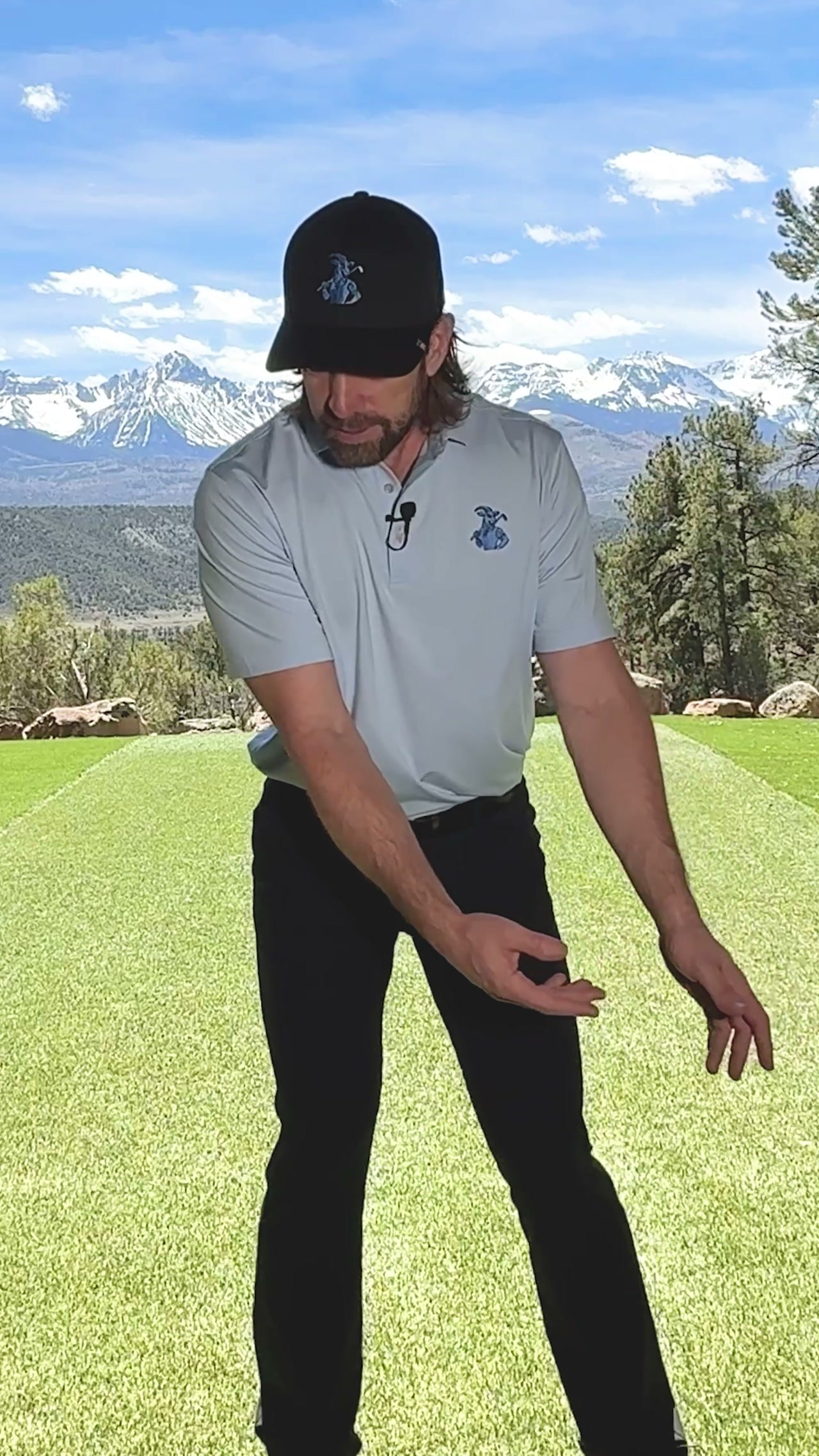
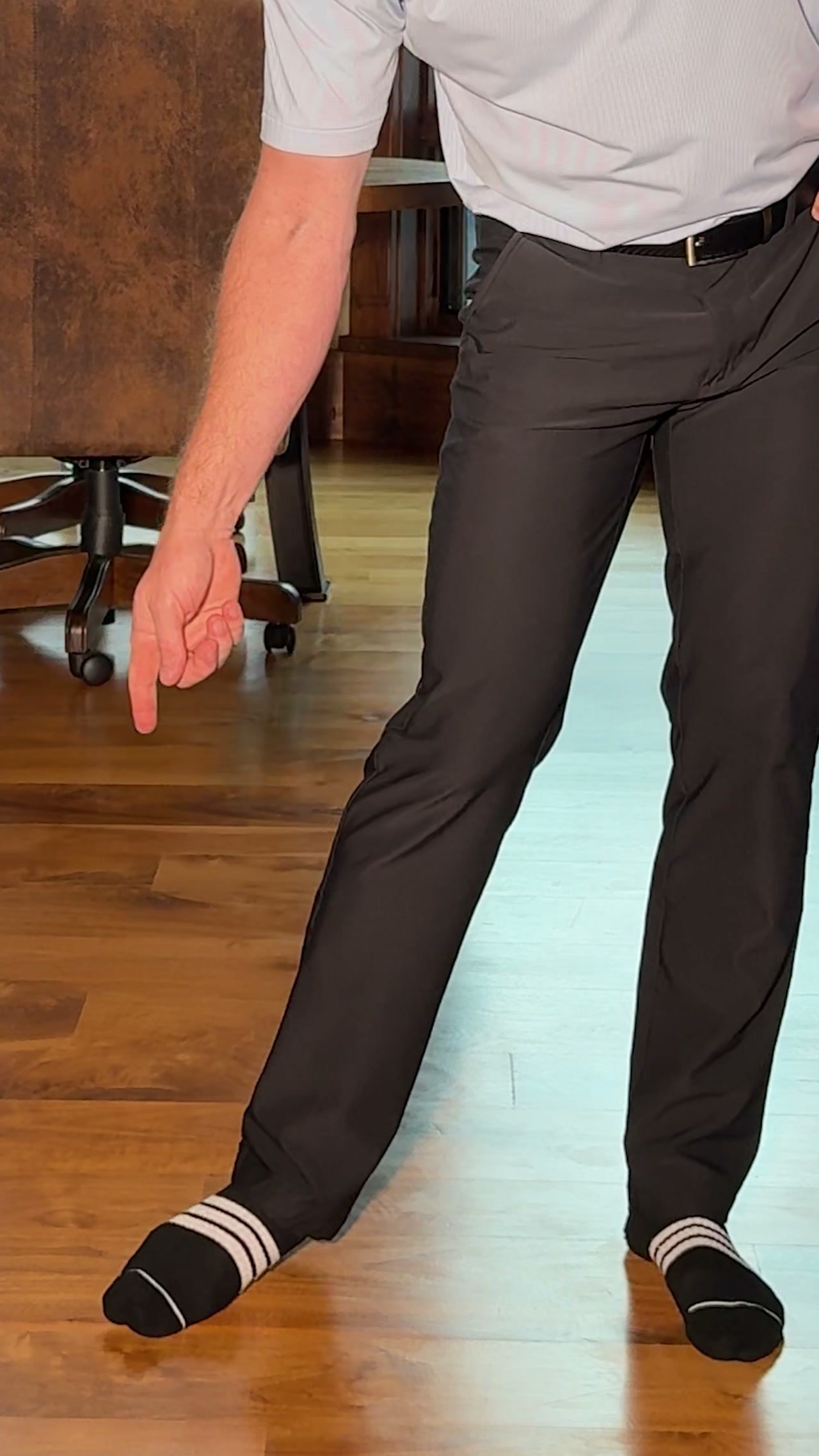
As you swing down, allow the lead wrist to bow progressively forward. By the time your hand stops in front of your lead thigh, it should feel as though the back of your hand is pointing straight down at the ground. If you close your lead hand, your fingertips should be visible from the front — that's the hallmark of a properly bowed lead wrist at impact.

Exaggerated Lag Drill from down the line - holding the hand as if there were a club
That final position represents an extreme amount of forward shaft lean — the kind of lag very late in the swing that elite ball-strikers exhibit. Repeat this motion back and through four or five times until the sensation starts to feel familiar.
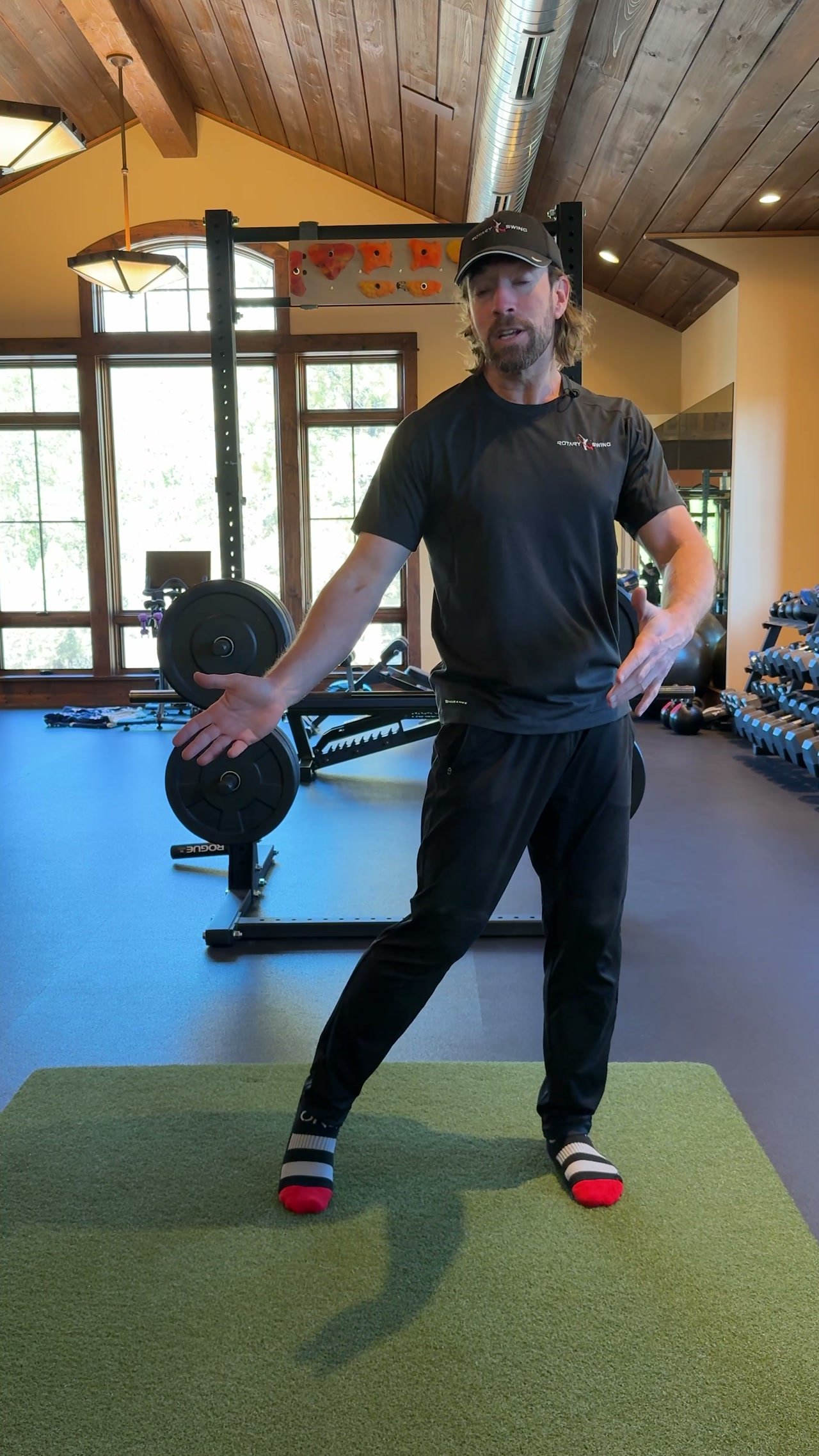
You can preset your weight onto your lead side, or include a small if that feels more natural. Either way, make sure your weight is on your lead foot by the time the lead hand reaches the end of its swing, exactly as it would be at impact in a real golf swing. This pairing of weight transfer and forward shaft lean is what gives professional ball-strikers their distinctive downward strike.
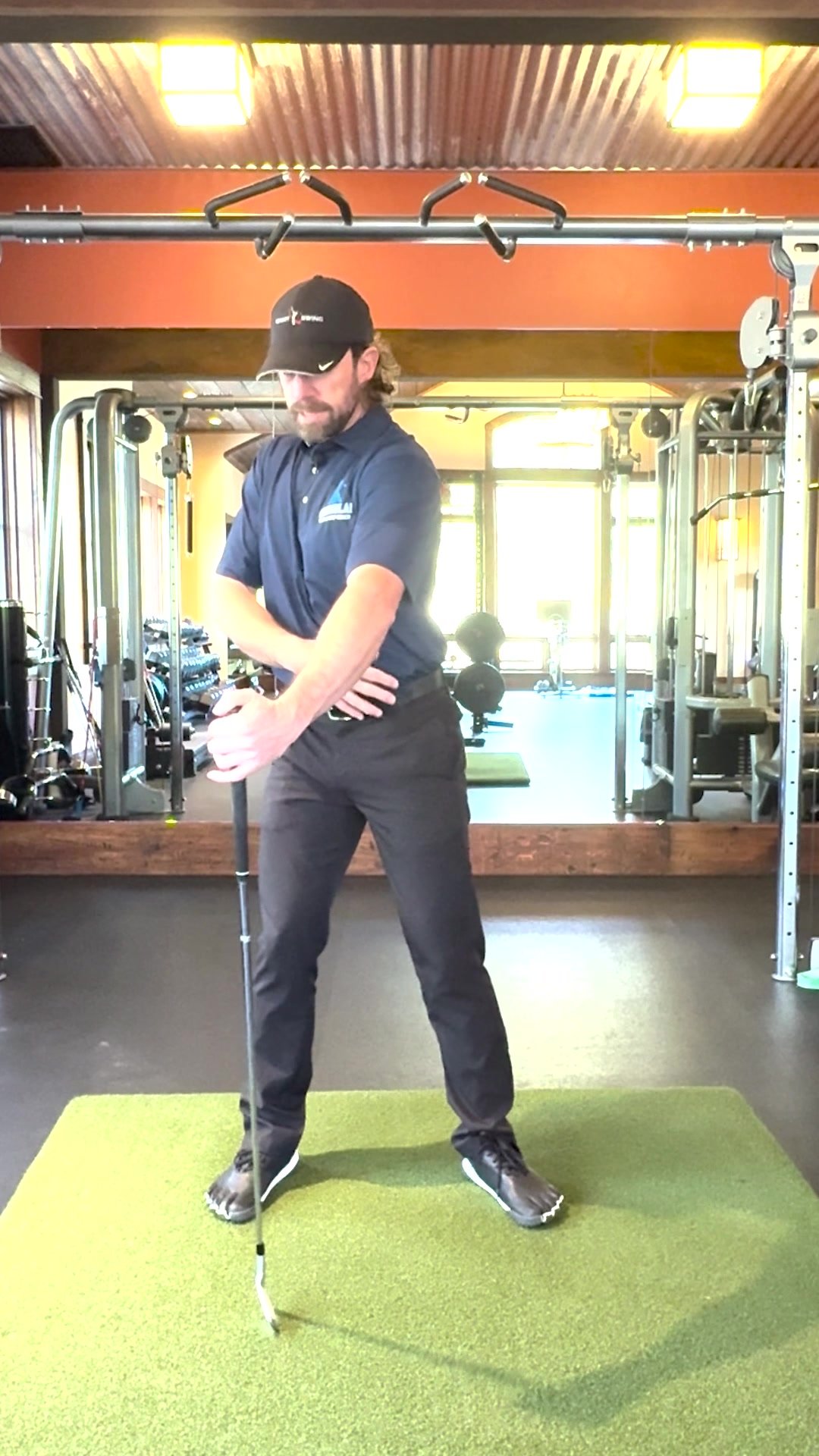
Repeat the drill a few more times, then close your lead hand as though you were gripping a club, and once again swing back and down.
Try a free live lesson with GOATY
GOATY, my AI golf coach, watches your swing through your phone camera and coaches every rep. Free, about 20 minutes, no credit card.
At full speed it will resemble a fluid wave motion — back, then down. The wrist is flat going back, and then the hand lags behind as the body drives toward the target, creating that all-important lag angle in the downswing.
Put the Trail Hand Back In
Once you're executing that sequence consistently, it's time to reintroduce the trail hand.
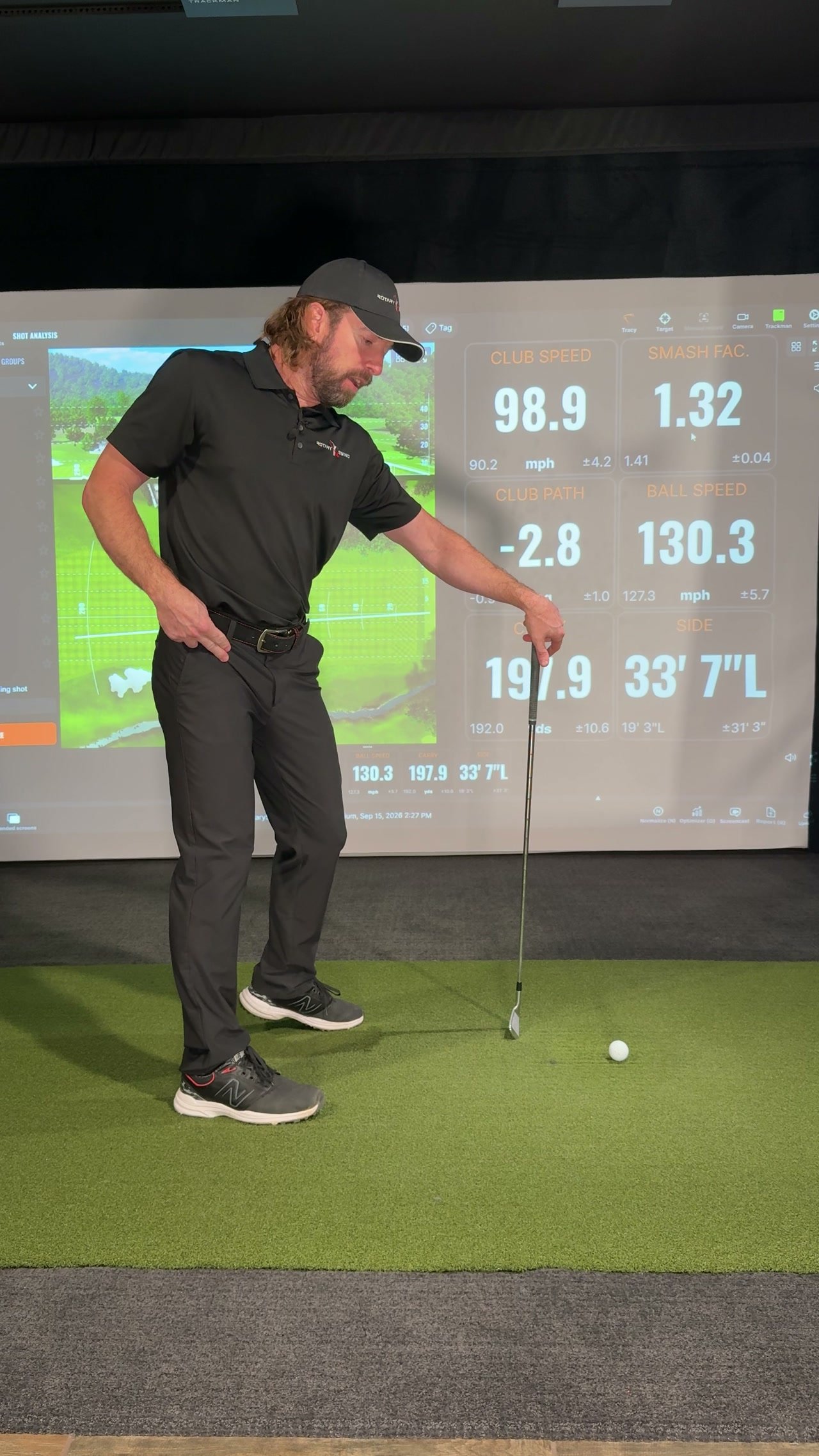
Hold the lead hand in its final position, 5-6 inches in front of your lead thigh. This is a position of extreme golf swing lag — and that's exactly what you want right now.
If you were holding a club at this point it would display an exaggerated amount of forward shaft lean at impact. That's the entire point of this drill — to feel what it's truly like to take these positions to their absolute limit.

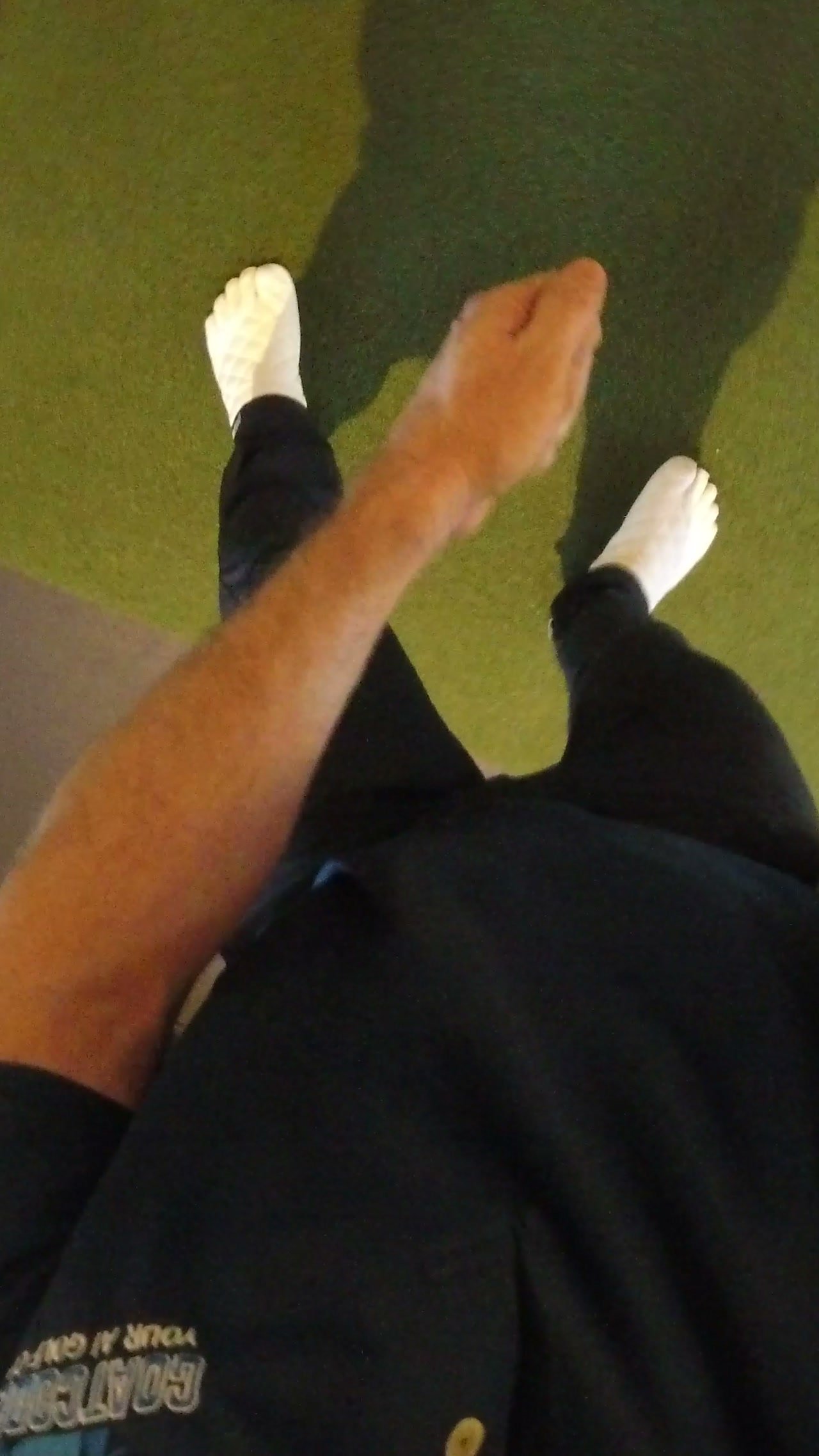
Position of extreme lag (left). Hold position with left, then throw the right hand in (center). The right hand leans forward (right).
Hold the lead hand in its lagged position, then fire the trail hand down to meet it as if you're delivering a "Low 5" into your lead palm. The motion of slapping the trail hand down reinforces the critical concept that the trail hand must stay passive and low while the lead side drives forward — the defining characteristic of a strong impact position.
The back of your lead hand will appear to face the ground. Remove the lead hand and you'll notice the trail hand is bent back, palm angled downward. This represents a substantial amount of forward shaft lean and is precisely what you're training your body to produce. If you want to verify your progress with real data, try a free AI swing analysis to see exactly where your hands are at impact.
Now Try it With the Club
After you've logged 30-40 repetitions of the drill and developed a clear feel for these positions, pick the club back up.
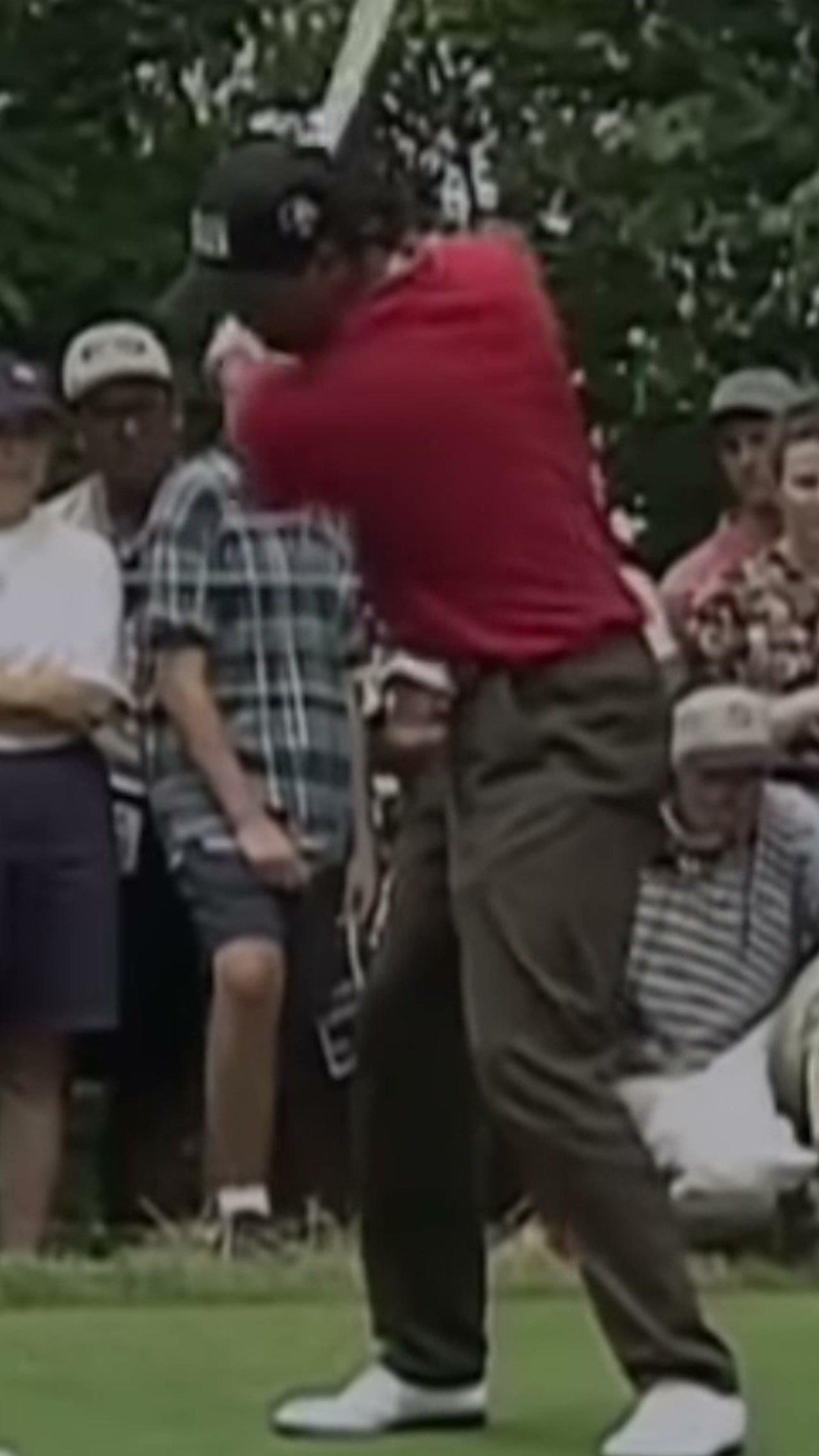
It will resemble something like a photo sequence of a tour player at the halfway-down position. Stay wide on the backswing with the lead wrist flat. Let the hands and clubhead lag behind as you drive down and through, building up significant forward shaft lean. The entire motion is fluid and smooth — never forced.
There's very little lag on the way back. The club lags behind naturally on the way down as a result of proper sequencing, and your hands arrive ahead of the clubface at impact, creating the hands-ahead-at-impact position that generates true compression and ball-first contact.

Now pick up the club and repeat the movements of the drill.
Try This Variation to Reinforce the Positions
For additional reinforcement, run through the same sequence but this time exaggerate not just the positions themselves, but the duration that you hold each one.
Swing down, then pause with your hands in front of your trail thigh. Check that the club shaft is parallel to the ground at that point.
This midpoint check is what you're working to create in every downswing. When your hands pass in front of your trail thigh, the club should still be roughly parallel to the ground — a textbook expression of lag retention through the hitting zone.
If you want to push the exaggeration even further — and again, this is only recommended if you've been chronically struggling to create any lag in your golf swing — swing back wide, then on the way down try to get your hands all the way in front of your lead thigh while the club is still parallel to the ground.
In a real swing, this would be far too much lag. If the shaft were parallel to the ground with your hands that far forward, you'd be blocking shots off to the right and hitting the ball weakly because there would be no room to release the stored angle through impact.

Stopping and holding positions of lag further reinforces the drill.
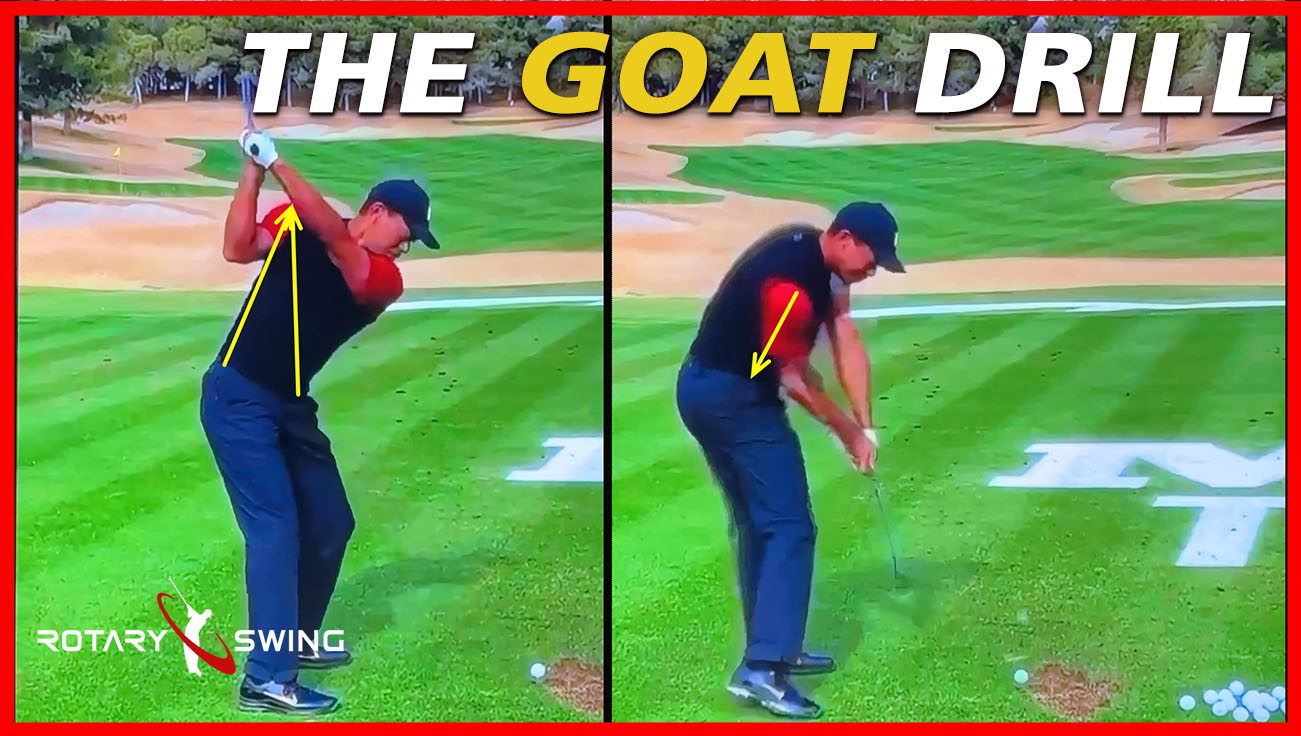
But if you've spent months or years swinging without any appreciable lag, running through these exaggerated motions gives your nervous system a reference point it can work back from. Understanding the extreme end of the spectrum is often what allows golfers to finally find the correct positions naturally. For a structured way to work on this with real-time feedback, check out the GOAT Drill video lesson.
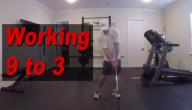
9 to 3 Drill
Complete several more repetitions of the Extreme Lag Drill until you're fully comfortable with the sensations, then transition into a standard 9 to 3 Drill.
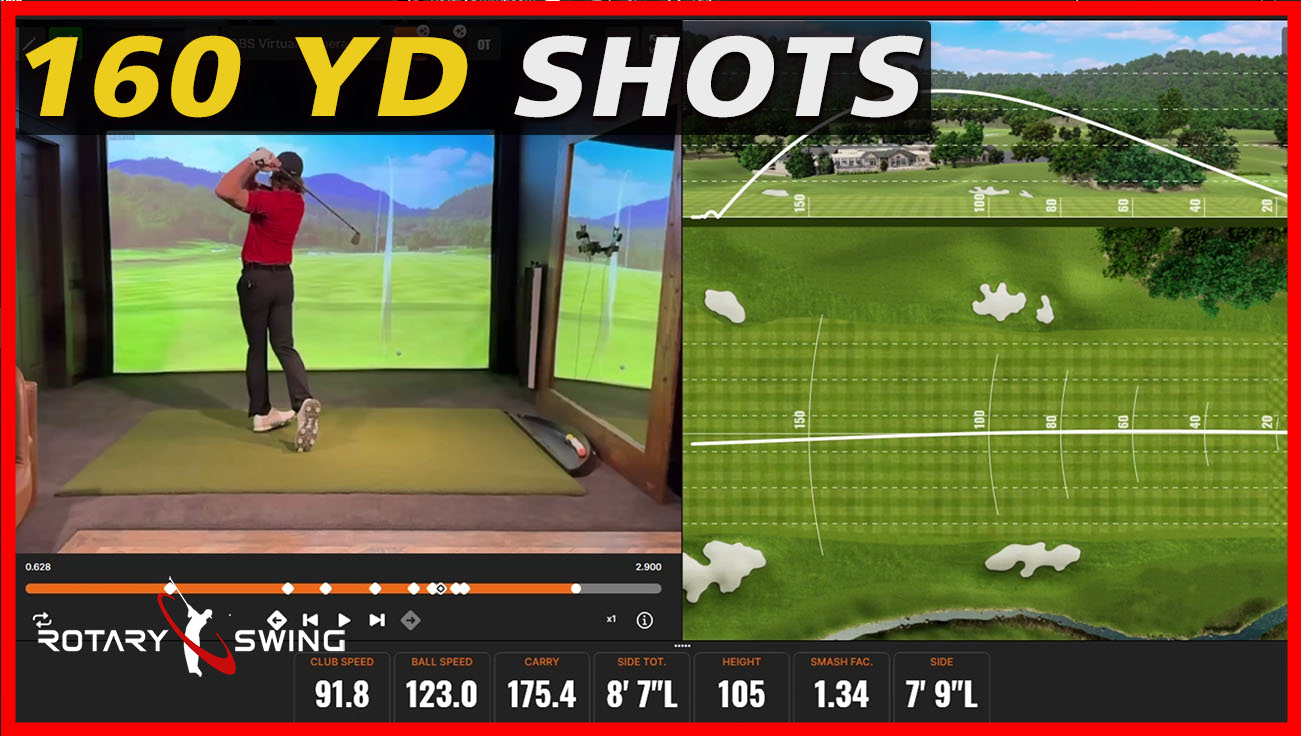
Swing back to 9 o'clock nice and wide, shift direction and begin building wrist lag on the way down. Arrive at impact with solid forward shaft lean, then let the club release naturally through to 3 o'clock.
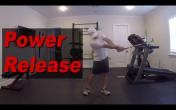
You are not trying to hold that position of lag at impact. Let it go. Retain the angle as you swing down, then allow the clubhead to release past your hands — that's how clubhead speed and compression are generated simultaneously. The lag isn't held; it's built and then unleashed.
If has been the missing piece in your game, commit to these exaggerated drills over several practice sessions. The breakthrough tends to come faster than most golfers expect once the body finally experiences what it actually feels like to have the hands ahead at impact.
Watch part 2 now to see how you're moving your body in the opposite direction of the pros!









































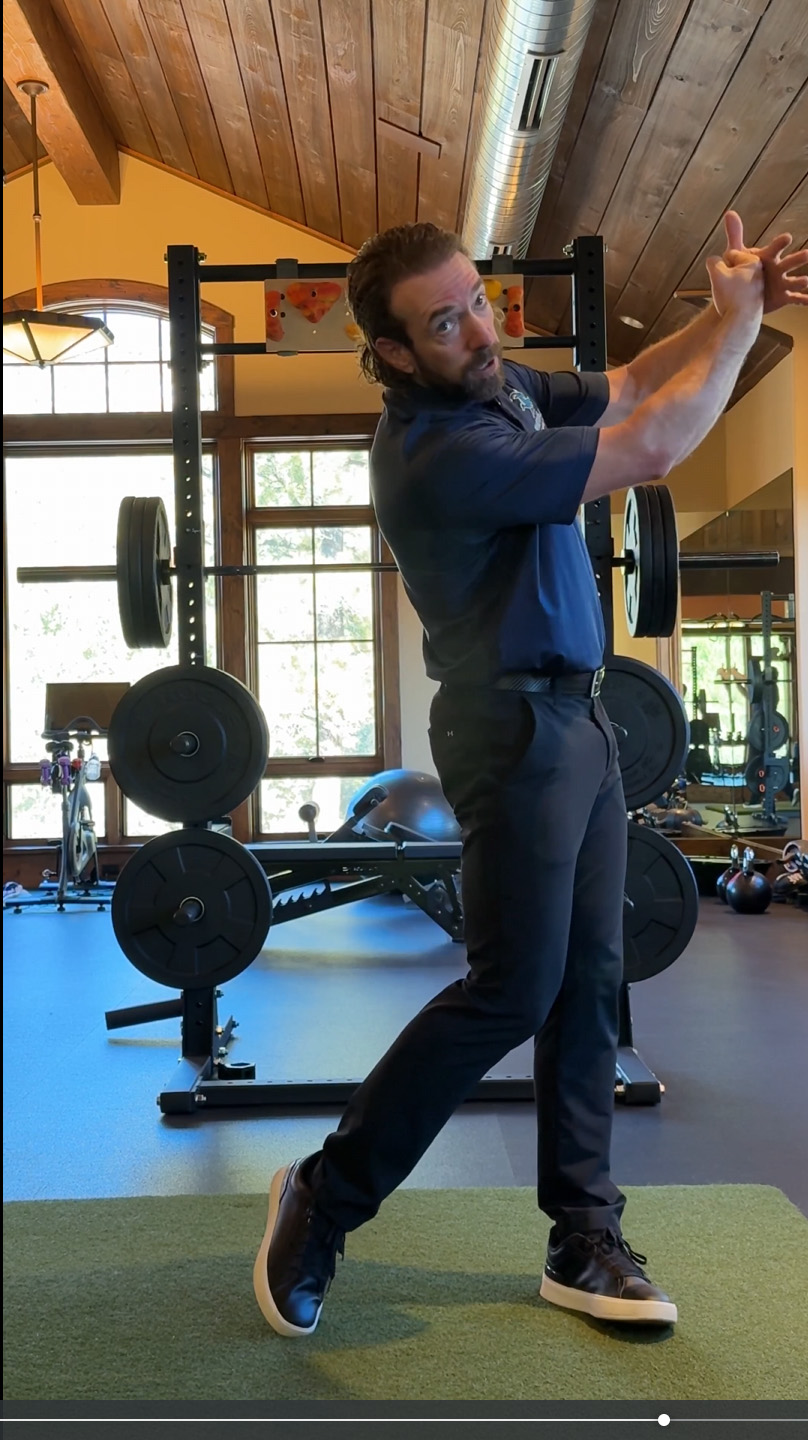
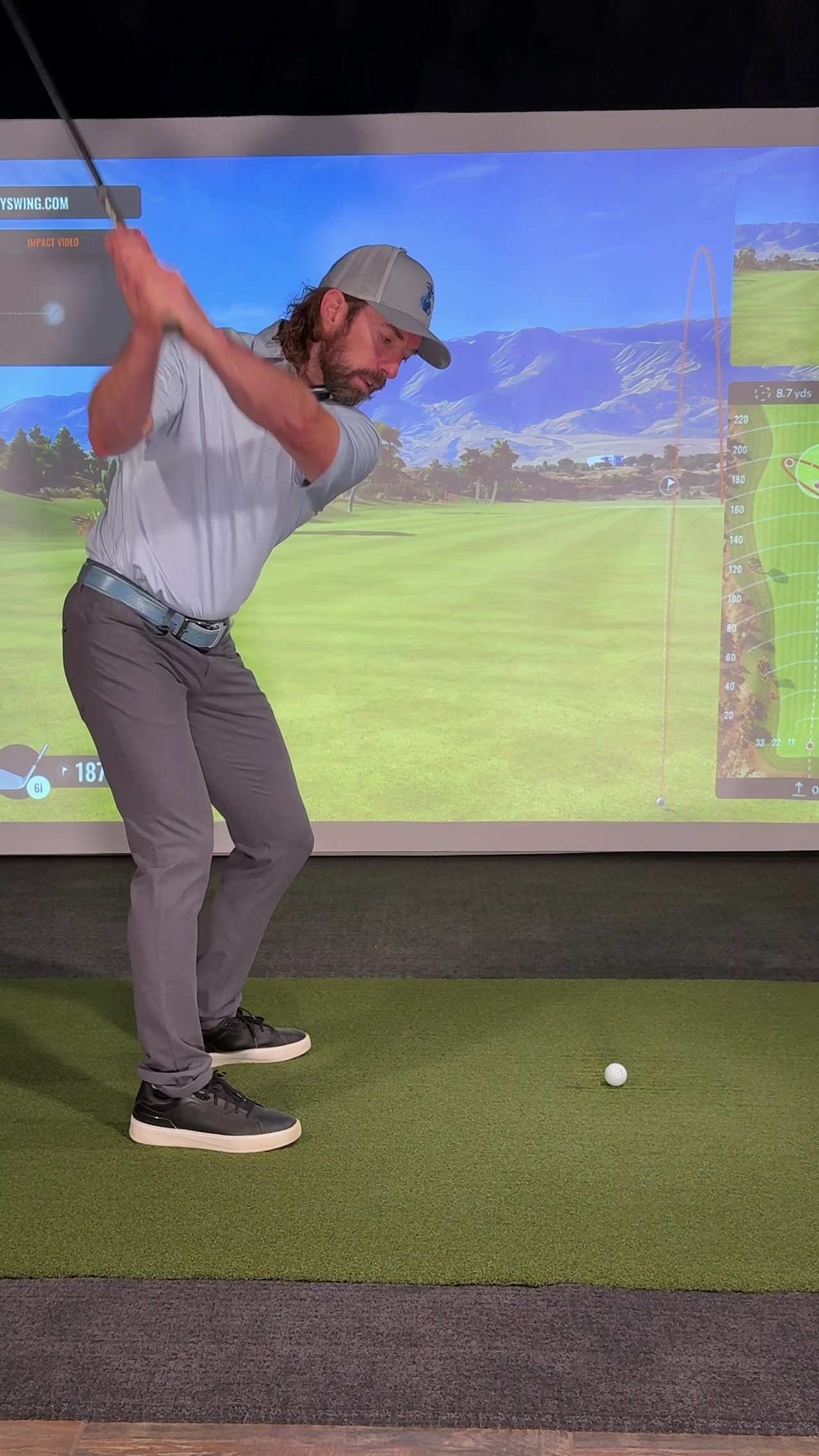















































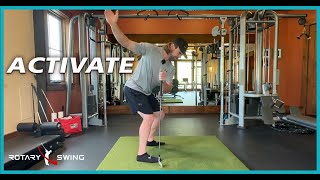













































































 Work up to a regular 9 to 3 Drill