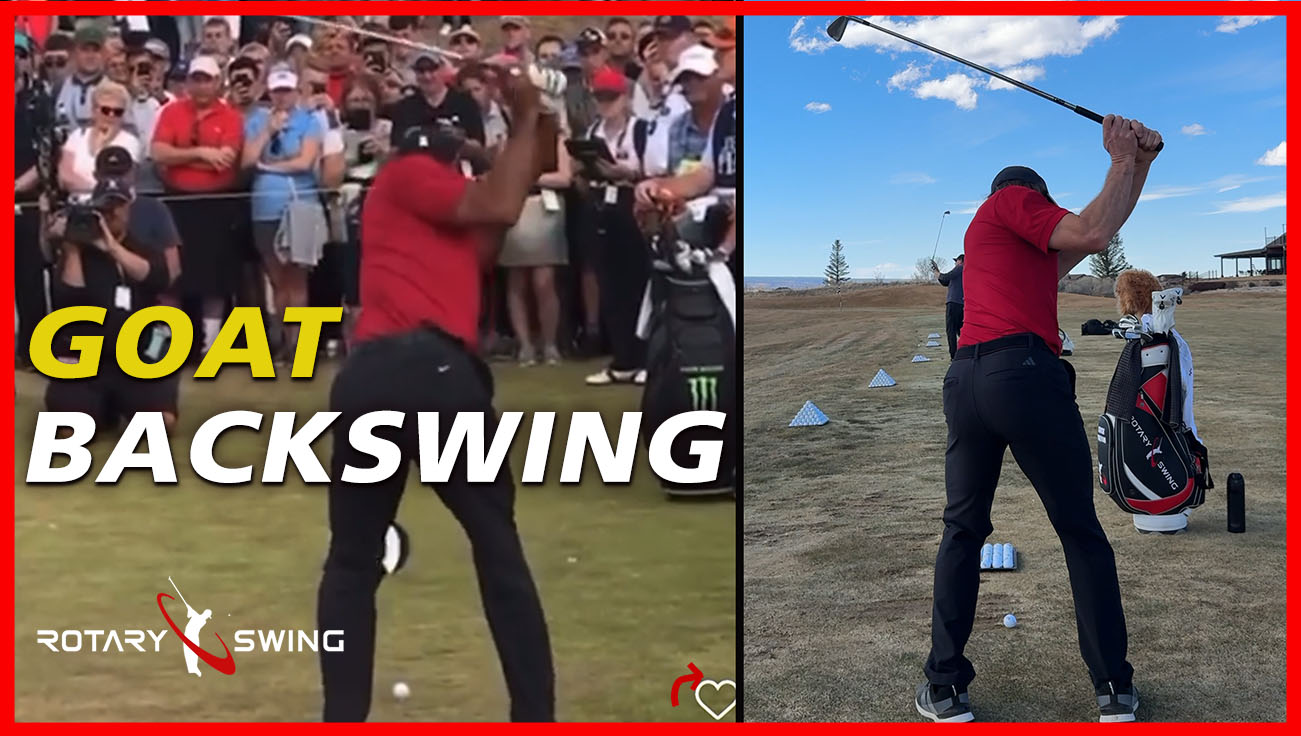
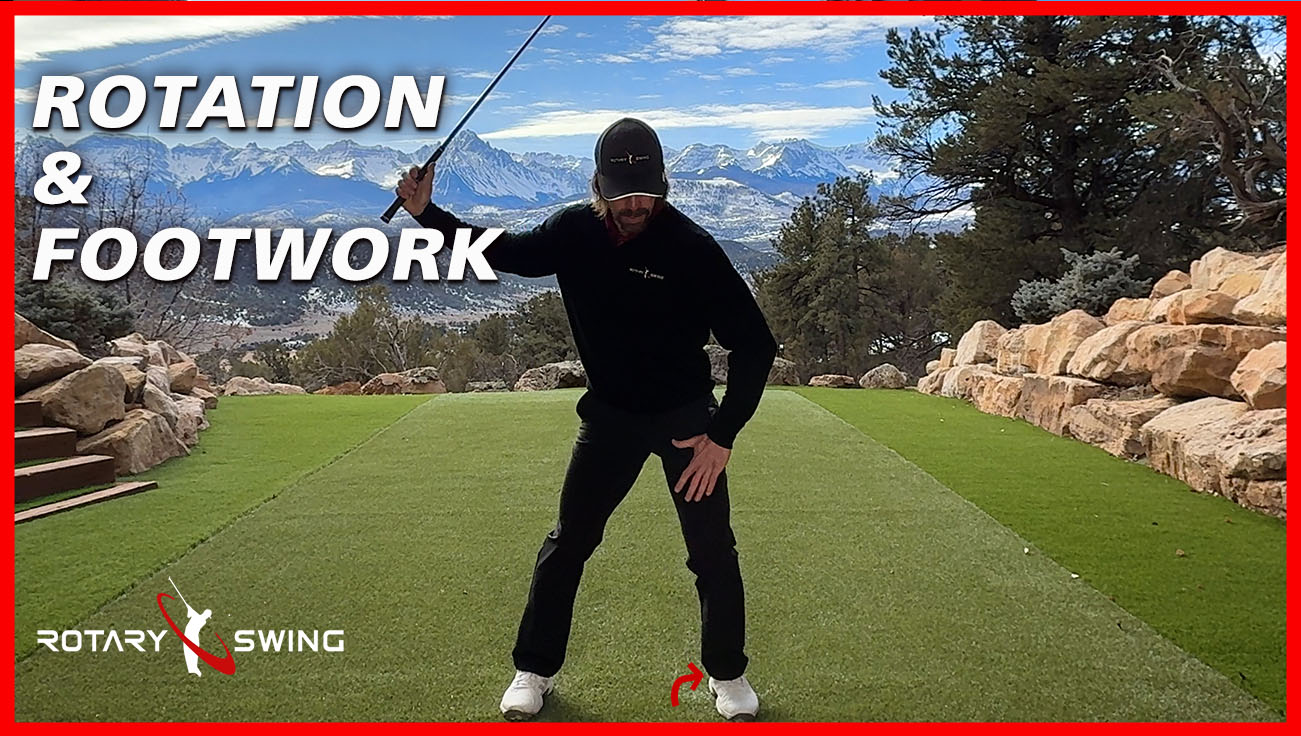
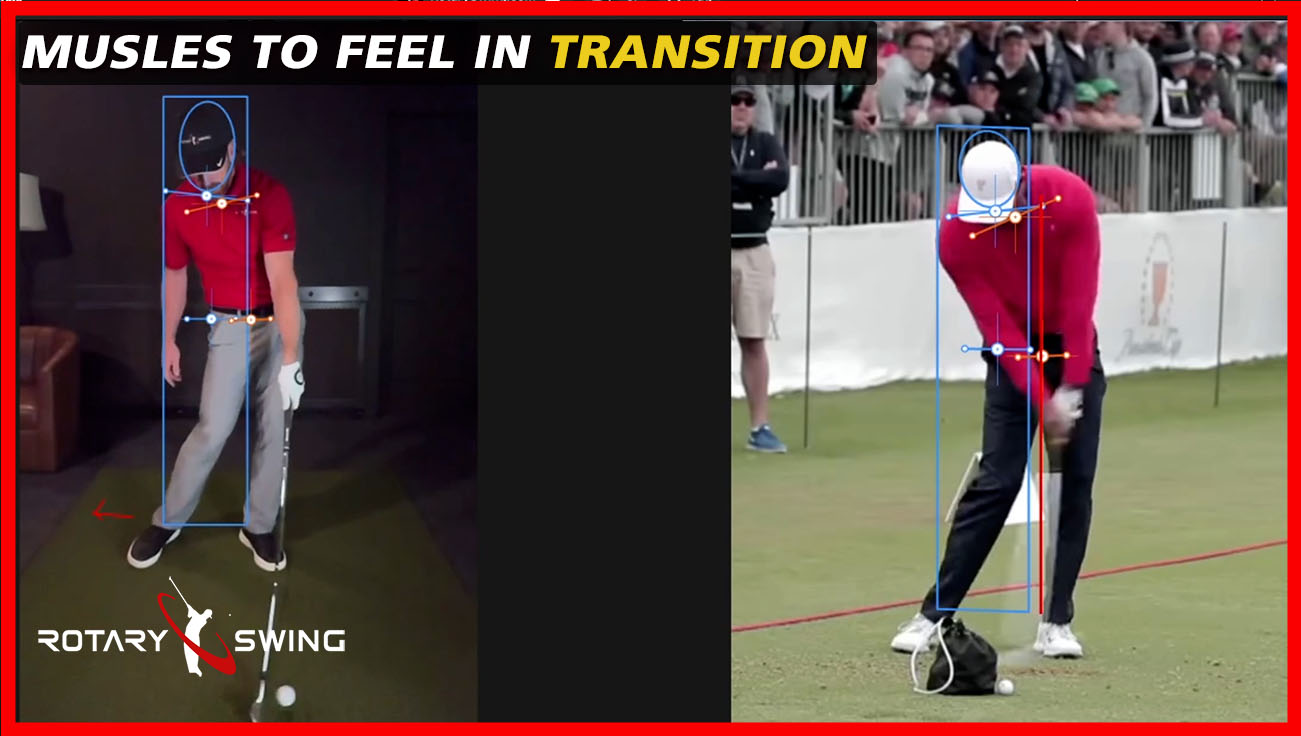
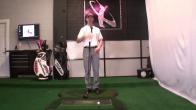
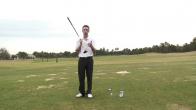
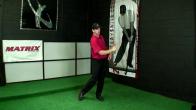
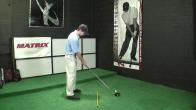
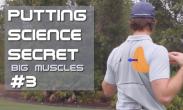
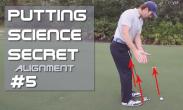
is probably one of the most underrated aspects of the golf swing, and few things are more critical than achieving good posture at address.
The simple positioning of the scapula (shoulder blade) drastically affects the golfer's ability to accomplish all of the following...
Is this the fault costing you strokes?
Film one swing on your phone. In about a minute GOATY measures it and names the single biggest thing costing you strokes — free, no card.
Analyze My Swing Free
Related: Golf backswing — the 3 AI-measured gates →
Android users: Download GOATY on Google Play — free AI golf coaching on your Android phone. →
- set the club in the correct position at the top of the swing,
- grip the club properly, and
- transfer energy to the ball from the muscles in the trunk.
One would think that with all of these critical aspects being affected by the position of a single joint, significantly more attention would be devoted to understanding it.
Stop reading about it — feel it in your swing today
GOATY watches your swing live and coaches you between every rep. Free. No signup.
Start Your FREE Live Lesson →
"The scapula is pivotal in transferring forces and high energy from the legs, back, and trunk to the delivery point, the arm and the hand, thereby allowing more force to be generated in activities such as throwing than could be done by the arm musculature alone. The scapula, serving as a link, also stabilizes the arm to more effectively absorb loads that may be generated through the long lever of the extended or elevated arm."
W. Ben Kibler & John McMullen, ATC. | Journal of the America Academy of Orthopedic Surgeons, Vol 11, No 2, March/ April 2003
The Rotary Swing Tour is largely built around the positioning of the scapula throughout the golf swing for all the reasons mentioned above, as well as injury prevention. Shoulder impingements and rotator cuff injuries are common consequences of poor posture that persists throughout the swing.
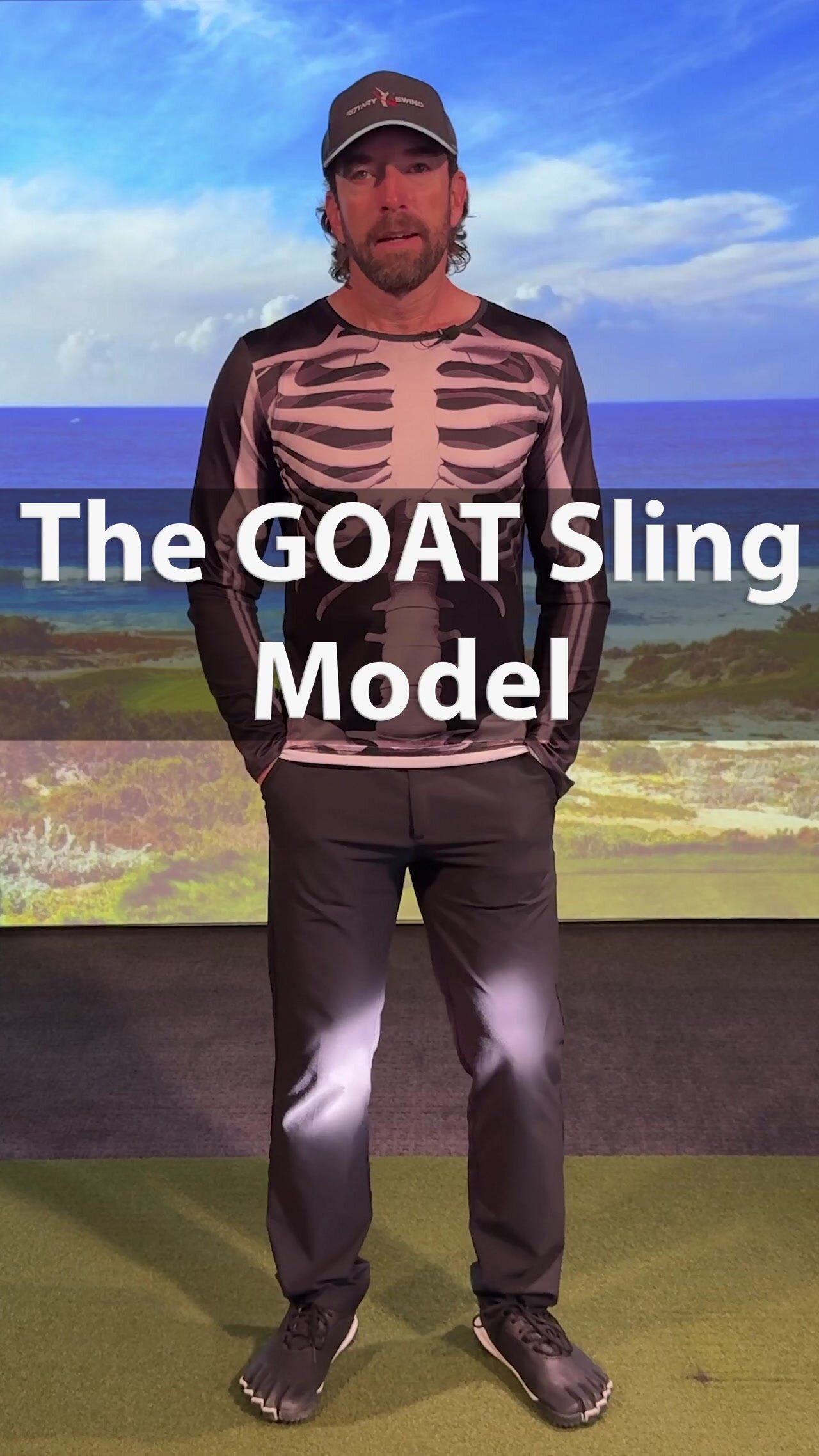
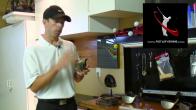
In this video, we feature an innovative bio-feedback shirt that instantly alerts the golfer when the scapula has moved out of its optimal position — and best of all, it is extremely affordable. Ensuring that you maintain good posture is crucial on every shot, and this shirt allows you to verify your alignment every single time.
Without an instructor by your side to check your posture before each swing, it is nearly impossible to monitor what is happening in real time, especially on the course. Additionally, if you cannot feel when you are in bad posture, how will you ever correct it?
This shirt can be worn under your regular golf shirt and will remind you with a subtle vibration (similar to a cell phone on vibrate) every time you slip into poor posture, providing the immediate corrective feedback needed to build a powerful and safe golf swing.
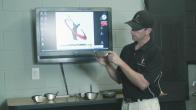
Dr. McKeon used ultrasound and X-ray imaging to demonstrate the effectiveness of the PostureTek shirt in correcting bad posture and revealed just how dramatically poor posture affected mobility and injury potential.
Below are several slides from Dr. McKeon's presentation on the findings. He was able to demonstrate that bad posture limited subacromial space, while correct posture opened the space significantly — reducing the potential for shoulder impingement and rotator cuff injuries that are so common among golfers.
If you are serious about protecting yourself from golf swing injuries, developing the best possible golf swing, and maximizing energy transfer from your torso, pick up a PostureTek shirt today!
To pick up your PostureTek shirt today, click here!
Partial Video Transcript:
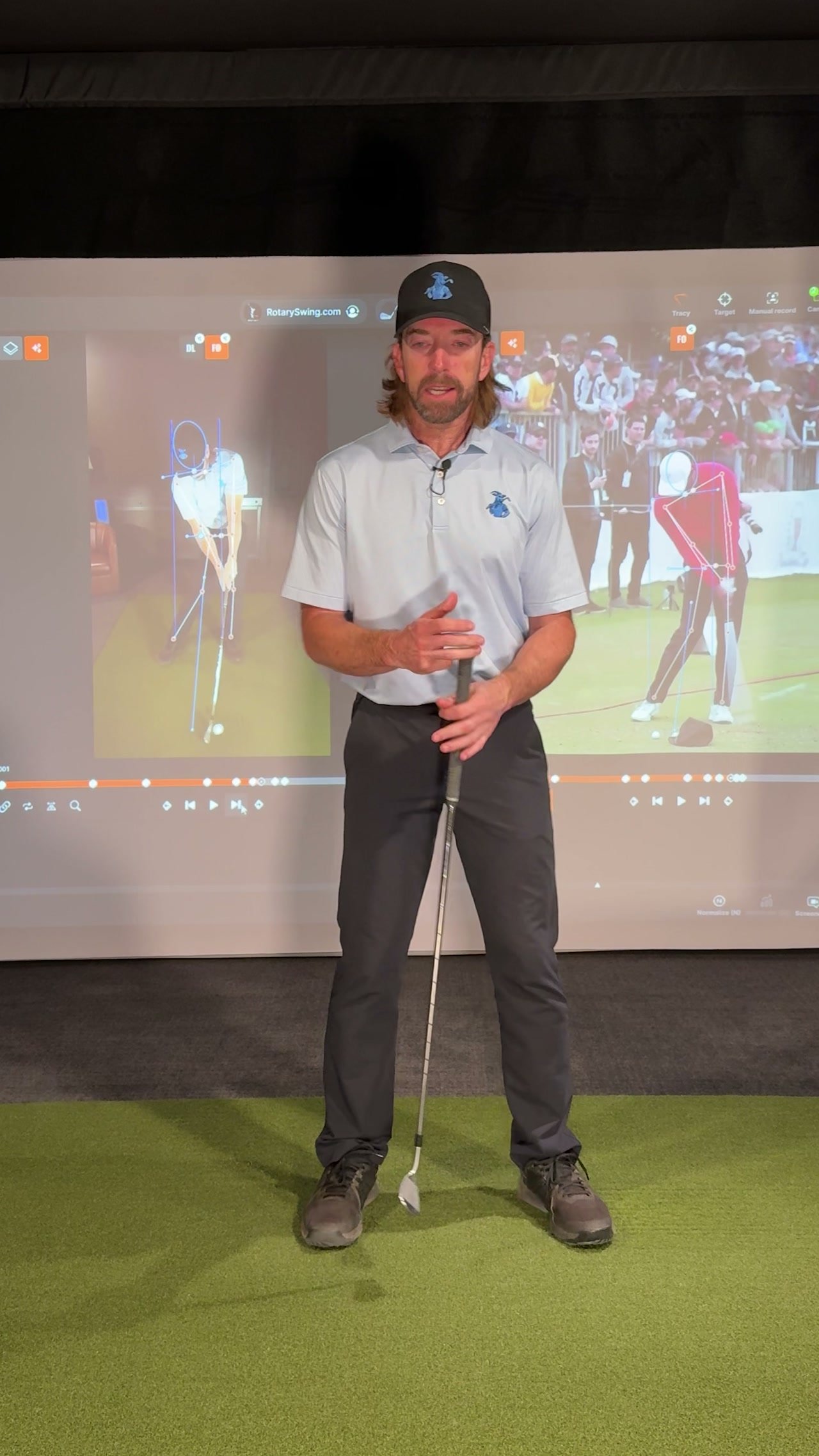
Hands down, the number one problem I see at golf setup is poor posture. And the reason is that most people do not even know what good posture actually looks like.
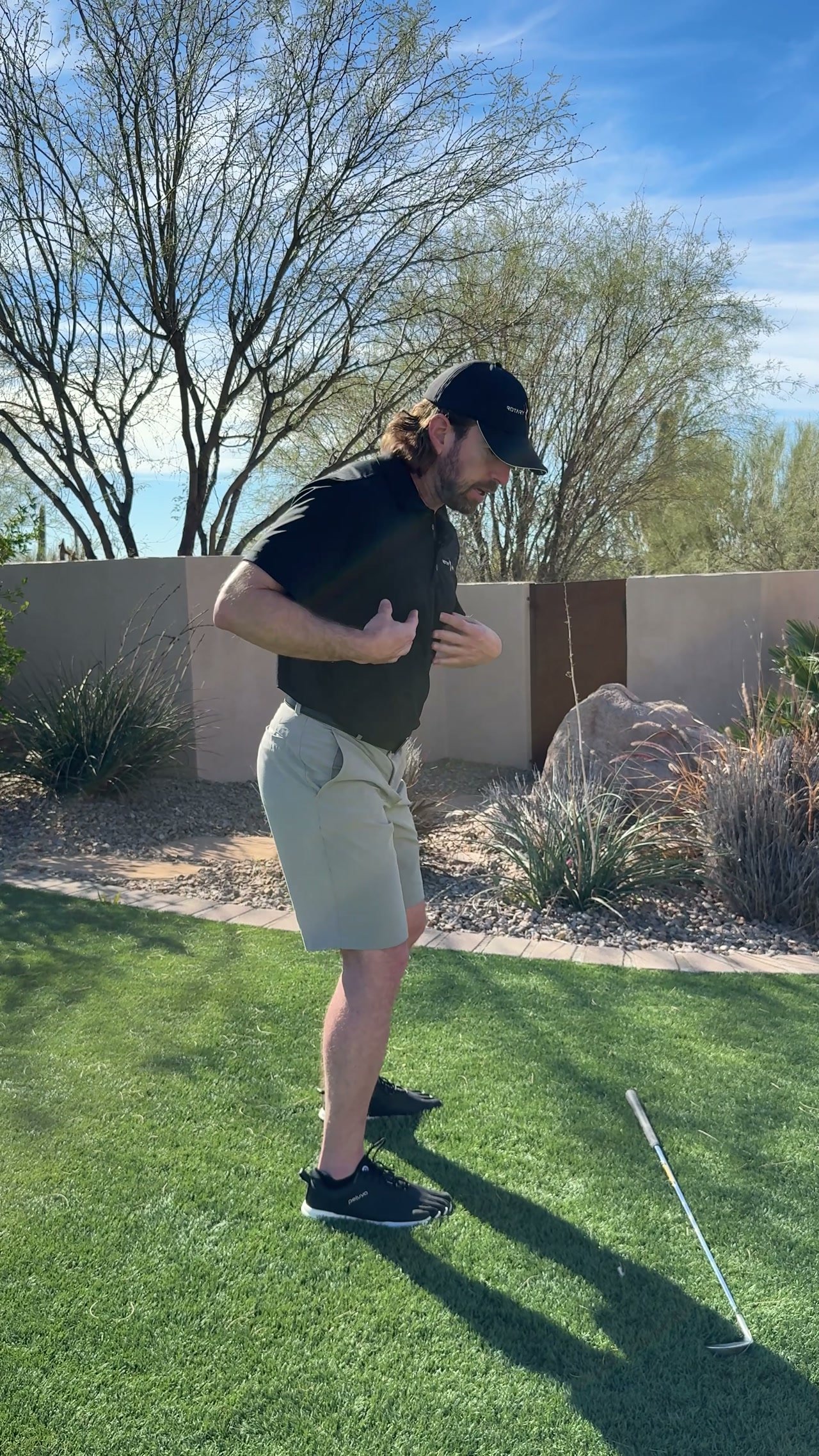
Due to the sedentary lifestyle that most of us lead — sitting at computer desks all day — it is extremely common for the shoulders to slump forward, creating this lazy posture where the shoulder blades are protracted. And of course, when we head to the golf course, that bad posture carries right over.
Try a free live lesson with GOATY
GOATY, my AI golf coach, watches your swing through your phone camera and coaches every rep. Free, about 20 minutes, no credit card.
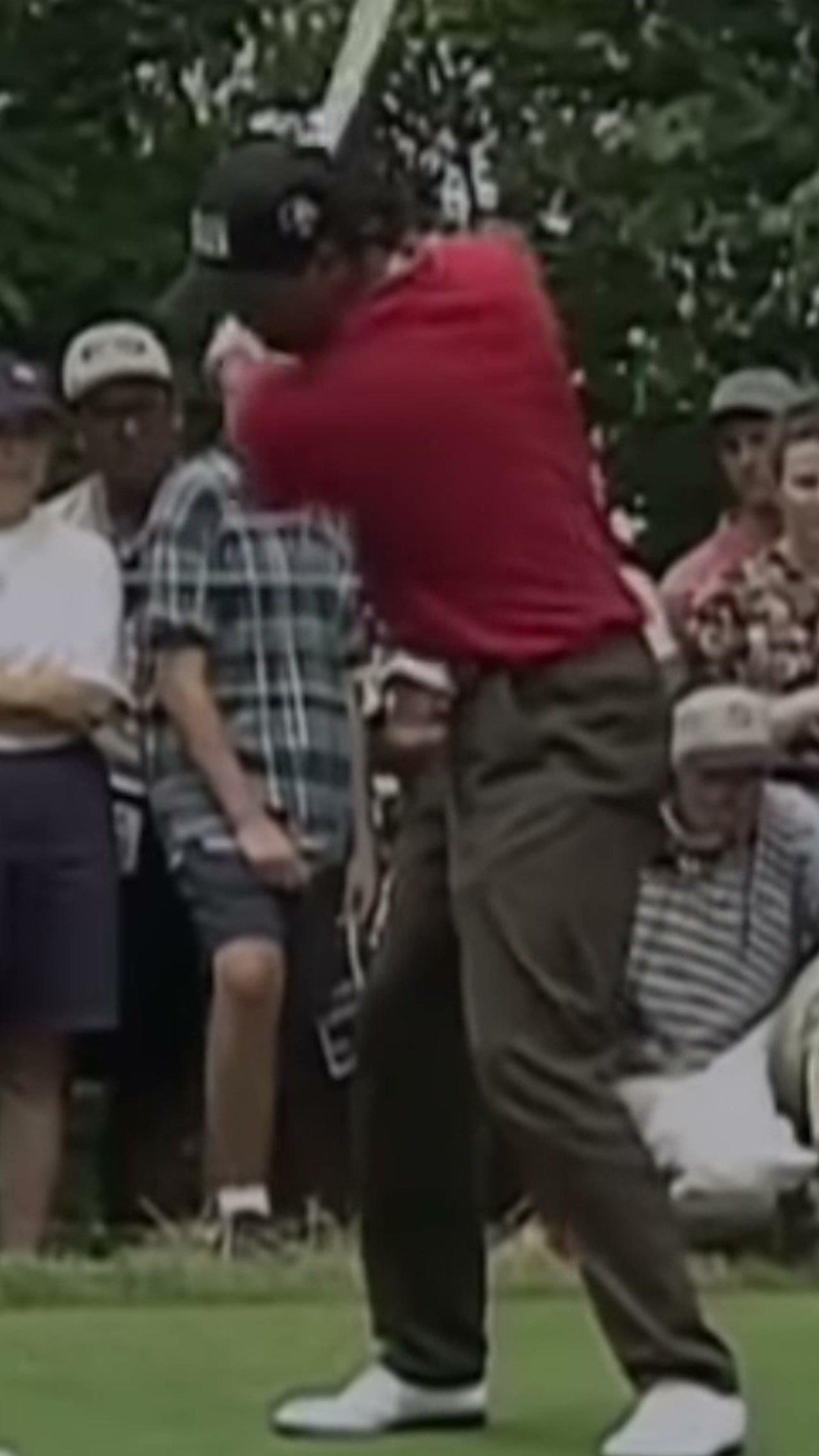
You are not going to have terrible posture all day at work and then suddenly step onto the golf course looking like . That is why it always surprises people when they see Tiger's posture looking so impeccable — they wonder how it is possible, because for them maintaining good posture feels like such a struggle.
The truth is, developing good posture is actually very straightforward.
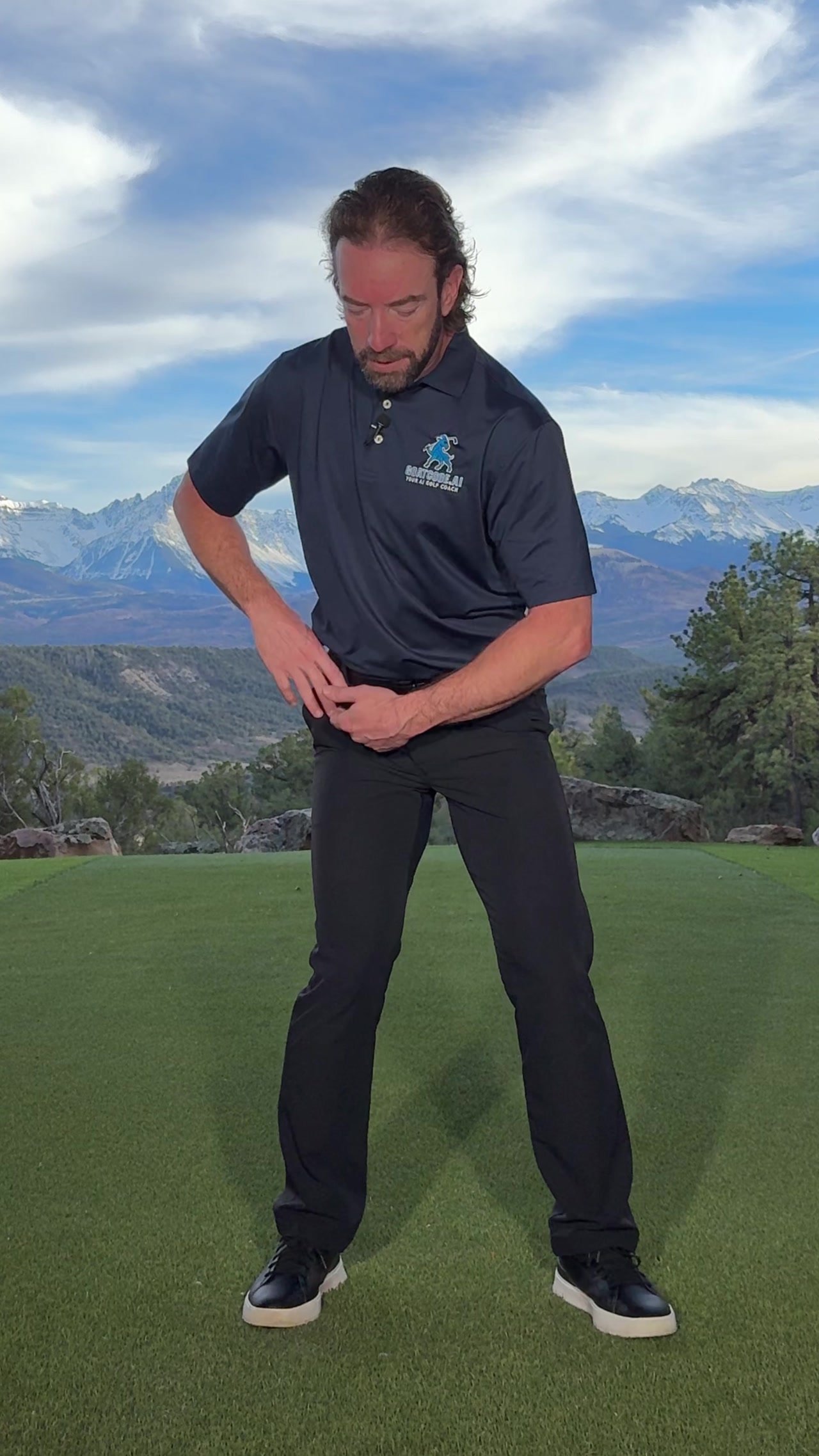
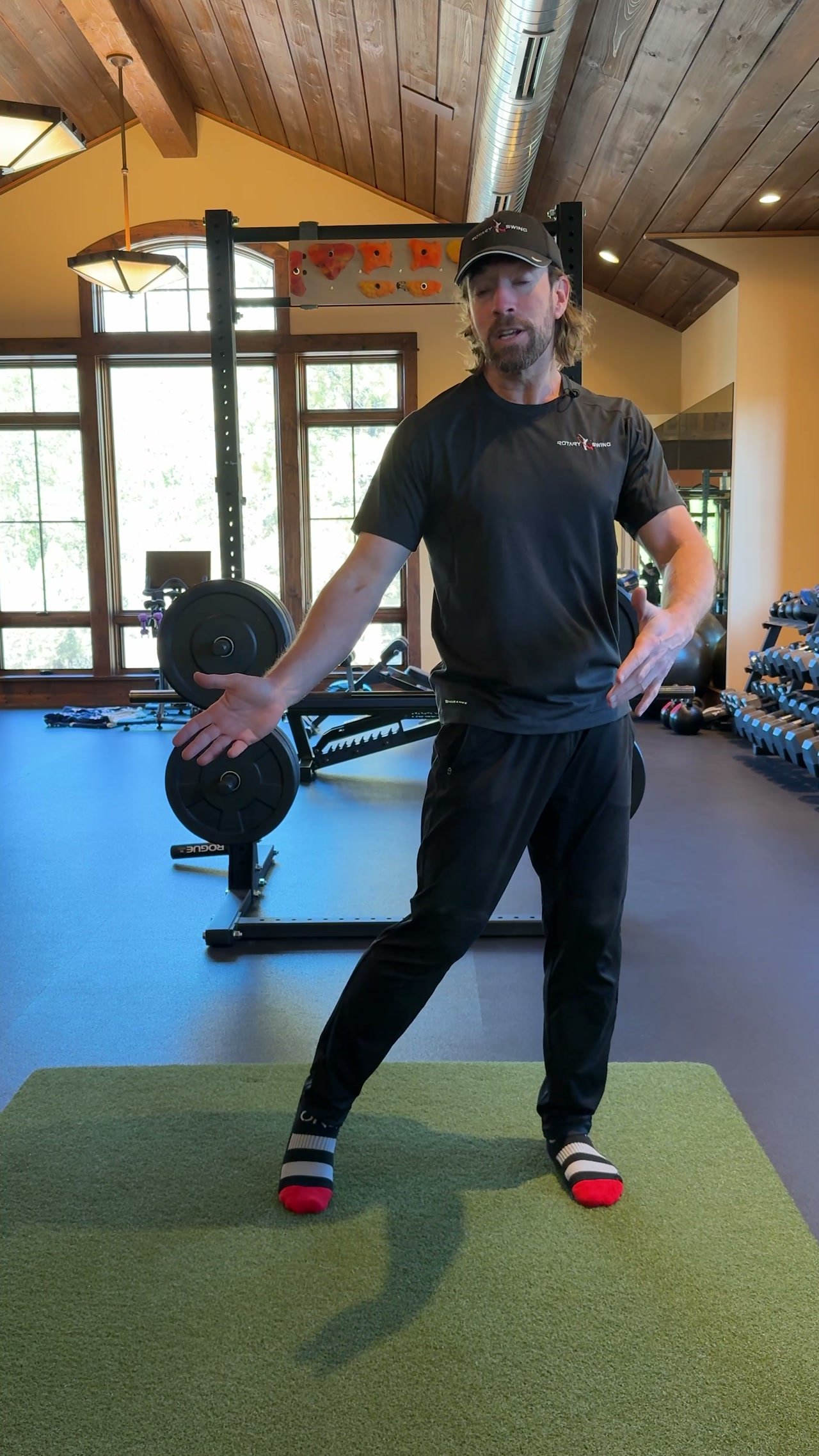
Posture is one of the key fundamentals we address at clinics. We have golfers stand straight up and get into proper posture, and you can do this along with me right now.
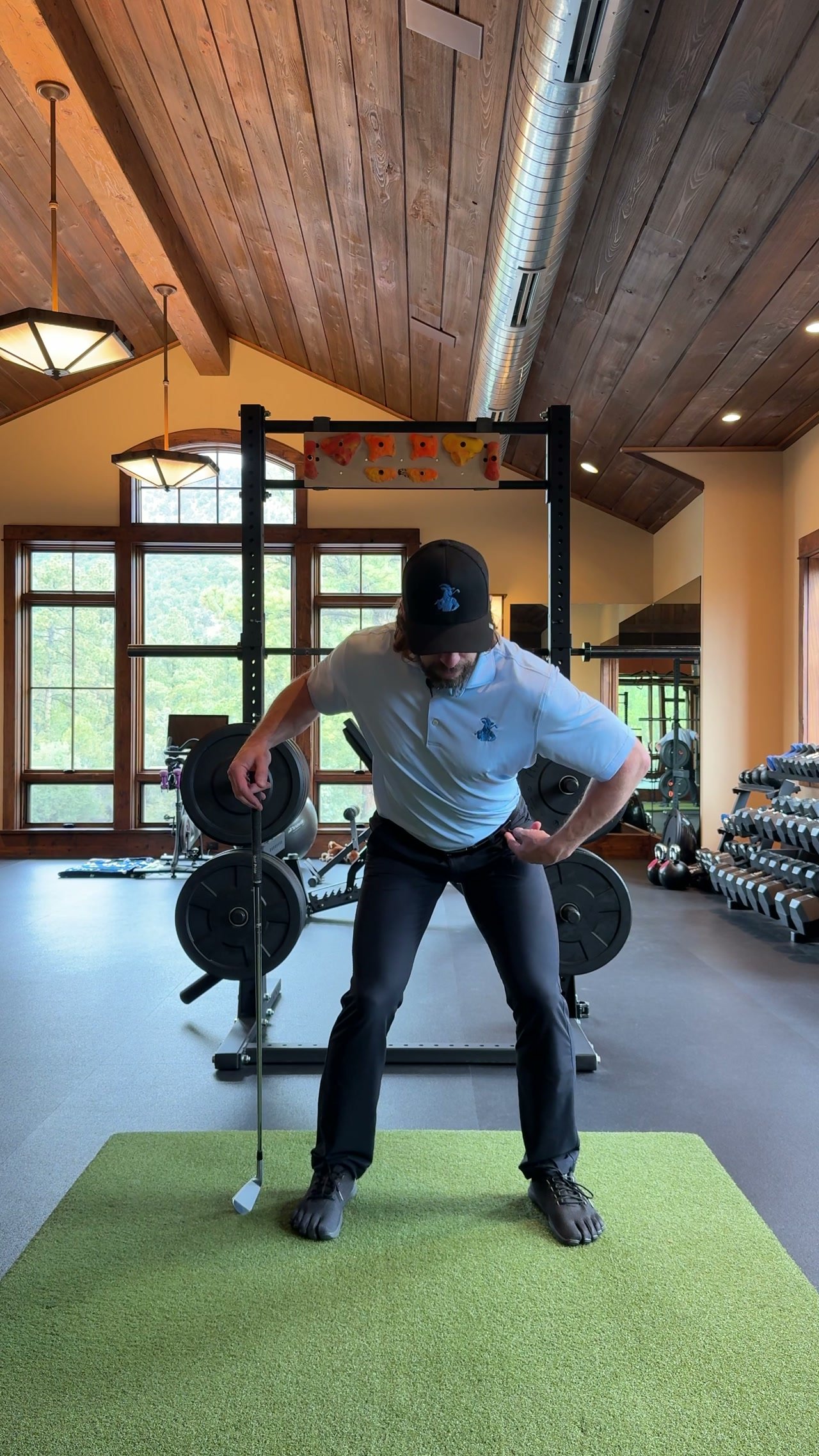
Stand straight up, shrug your shoulders up toward your ears, and then pull them straight down as if you are trying to push your fingers into the ground. Do not let the shoulders roll forward — your chest will naturally push out — then pull your bellybutton in slightly. Now you are in neutral posture.
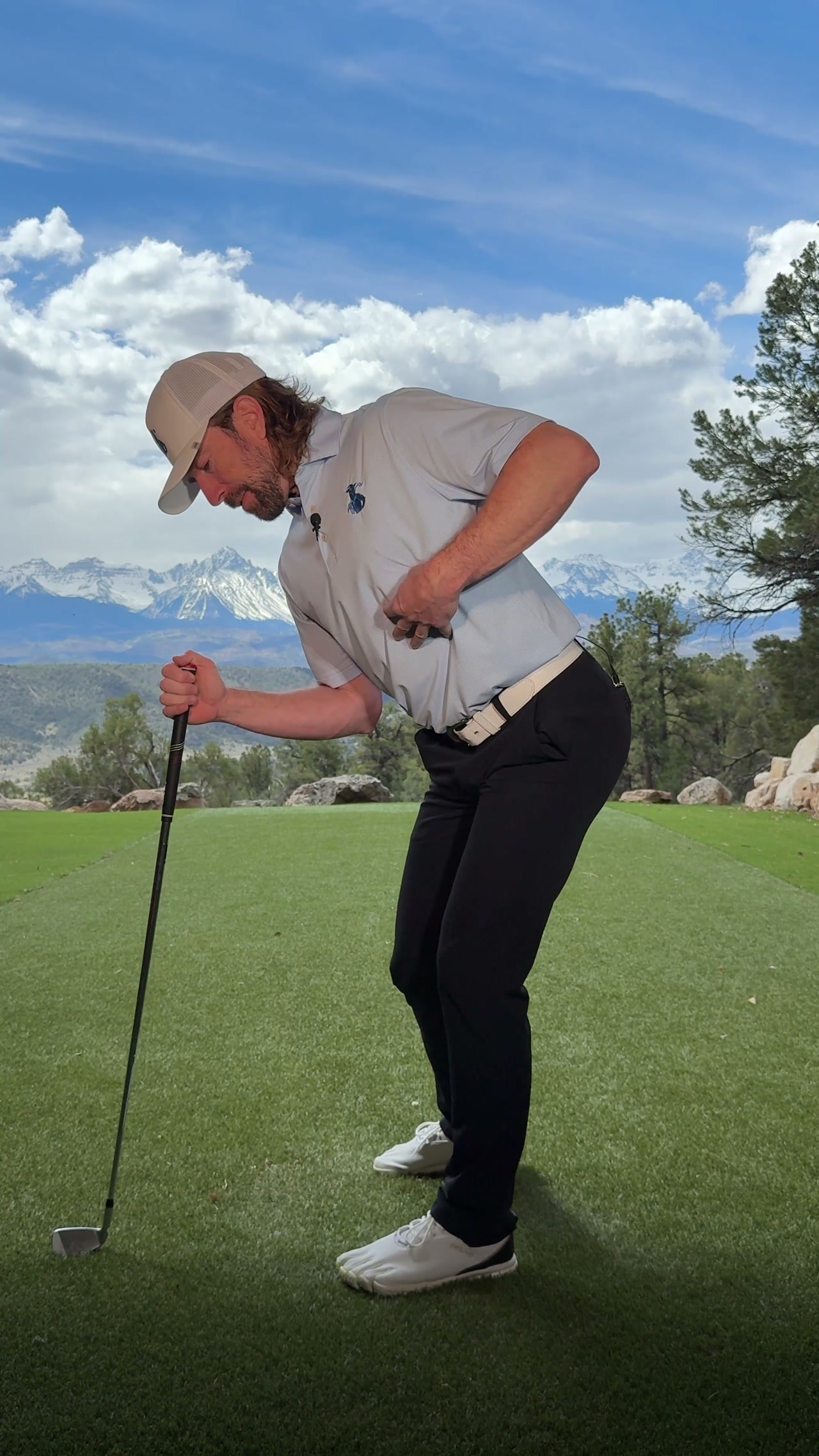
That is simply how you achieve good posture. Now, as I hinge from the hips to get into my golf setup, I want to maintain the shoulder blades in their retracted position. This is what creates the appearance of having a nice, flat back at address.
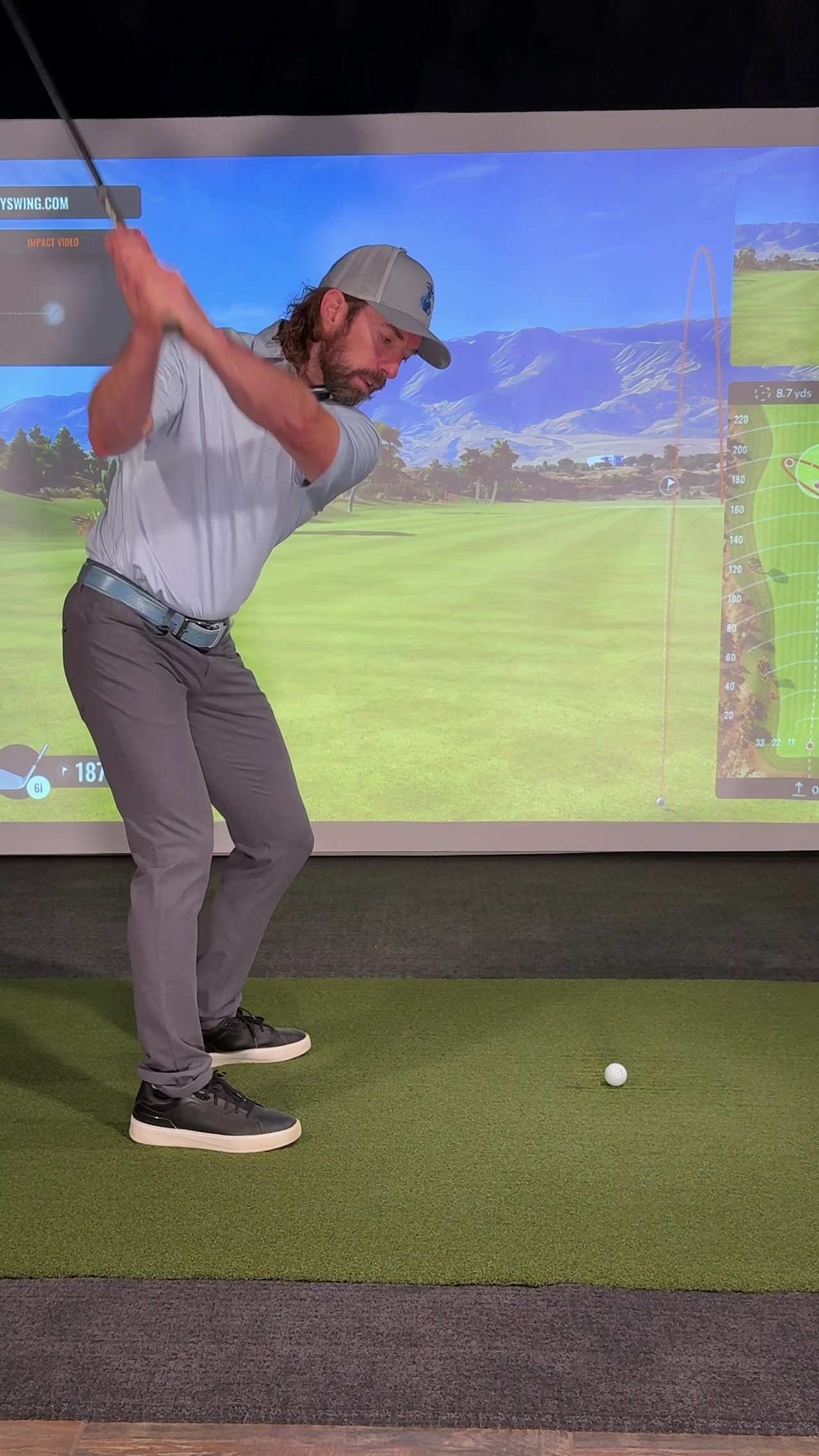
As you hinge forward into your setup posture, gravity naturally tries to pull your arms down away from your body toward the ground. The instinctive reaction is for your shoulders to roll forward — your shoulder blades protract. This gives you that rounded-shoulder or even hunchback appearance that you frequently see, particularly among players on the Champions Tour.
So the question becomes: how do I work on and maintain my posture throughout the golf swing? You did not develop bad posture overnight. Sitting at desks for years, working at a computer with poor alignment, driving with slouched shoulders — bad posture develops gradually over many years.
Golfers need some form of feedback mechanism. Of course, if you are working with Rotary Swing instructors, we will immediately correct poor posture. But if you are not working with one of us, it would be tremendously helpful to have some sort of system that provides instant feedback when your posture deteriorates. To get an objective assessment of how your own posture and setup affect your swing, try a free AI swing analysis.
That is where the PostureTek shirt comes in. There is a small disc in the shirt that vibrates just like your cell phone. Nobody else can really hear it, but you can feel it every time you let your shoulder blades protract.
You get instant biofeedback from this simple, affordable shirt. The disc is adjustable so you can calibrate it to your specific build and posture requirements. The instant you protract and slip out of good posture, the disc vibrates to let you know that you need to correct your alignment.
Now, when you get into your golf posture, your shoulder blades do need to be allowed to protract slightly to permit the arms to reach across the body and grip the club.
However, as you creep into bad posture, the shirt will instantly notify you. So if you start getting lazy during a round of golf, you will be alerted immediately. This serves as a constant reminder of what correct posture should feel like over every single golf shot. Beyond improving your golf swing, the PostureTek Shirt also helps prevent injury.
One of the most common causes of back and neck pain is bad posture resulting from protracted shoulder blades. You increase the force on the thoracic spine by 300% compared to when you are in neutral alignment.
Take that multiplied force and combine it with the forces generated on the spine during the golf swing, and you have a recipe for serious injury. Shoulder impingements are extremely common, and they are almost always attributable to bad posture because the acromion space becomes limited when the shoulder blades are elevated.
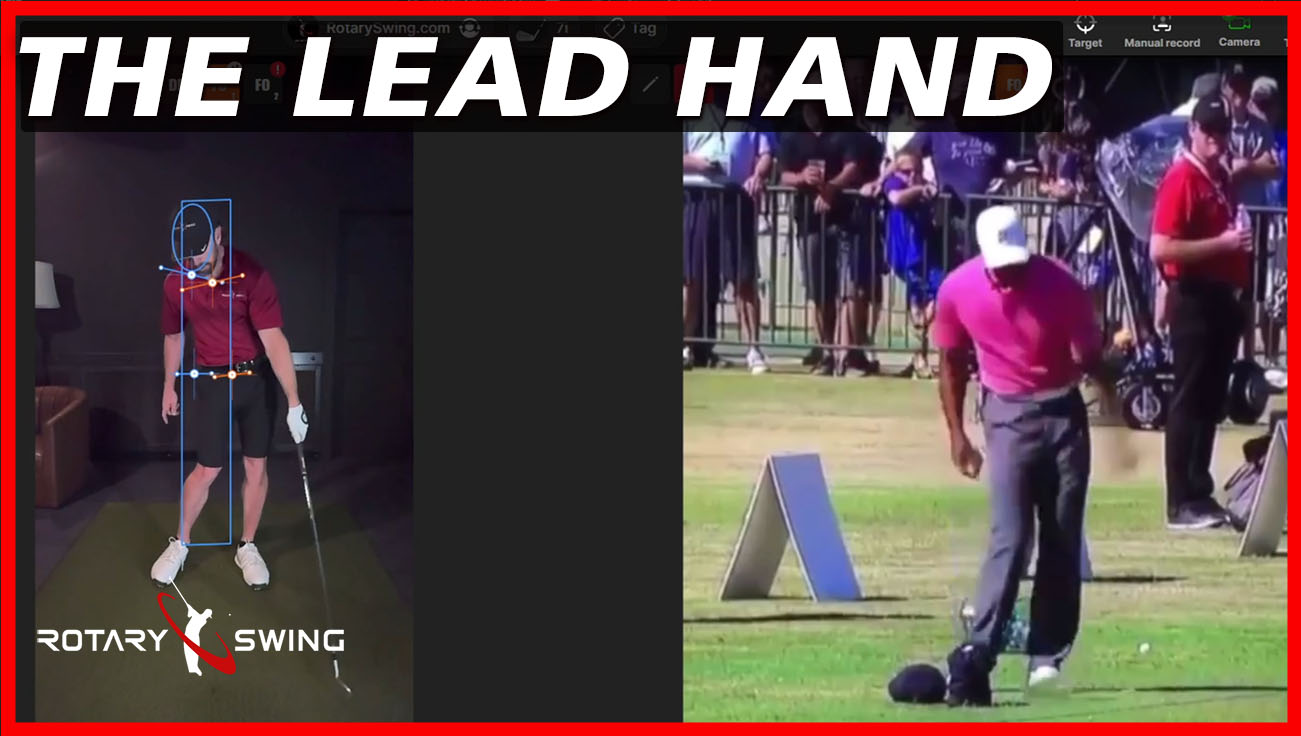
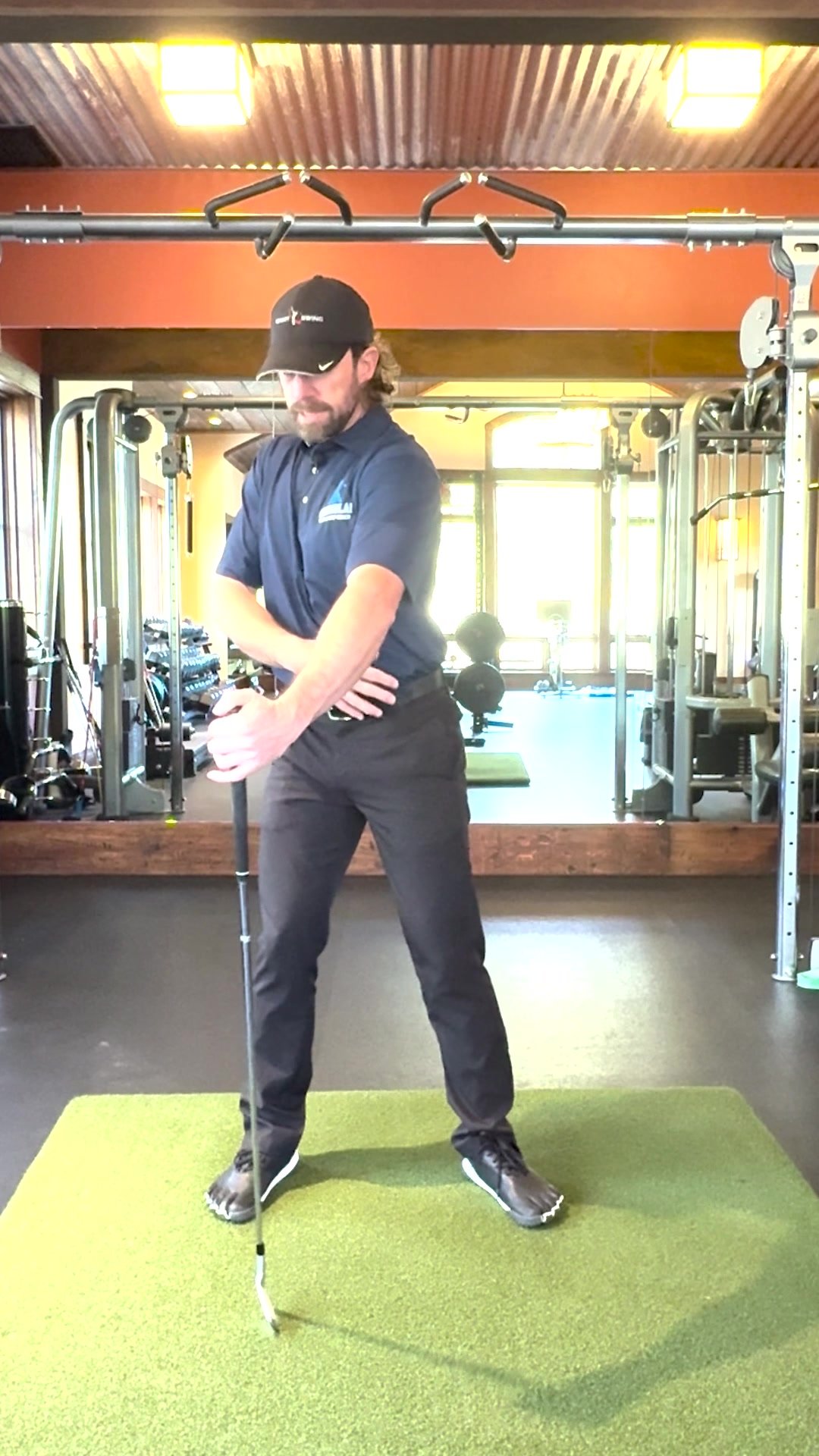
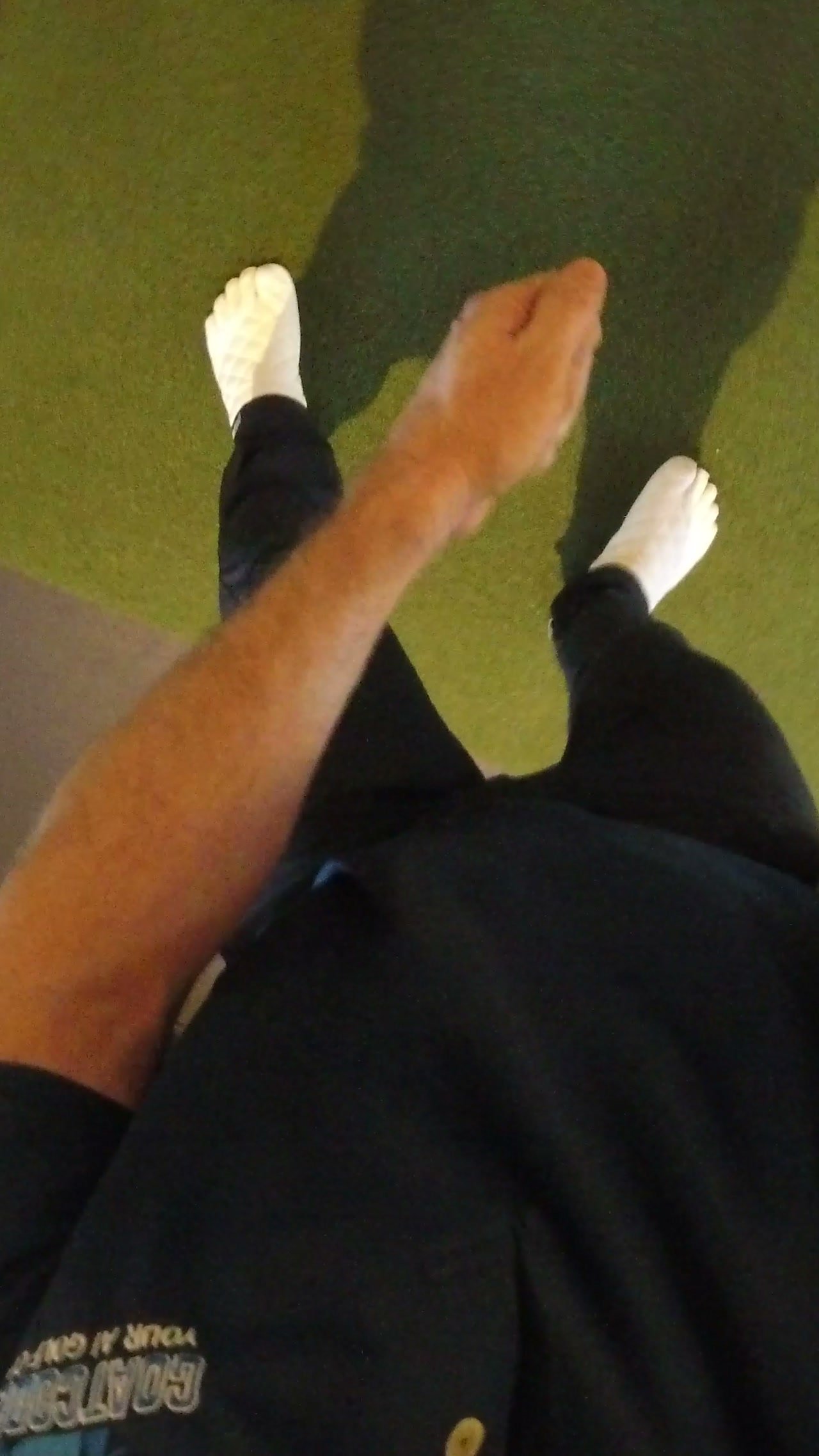
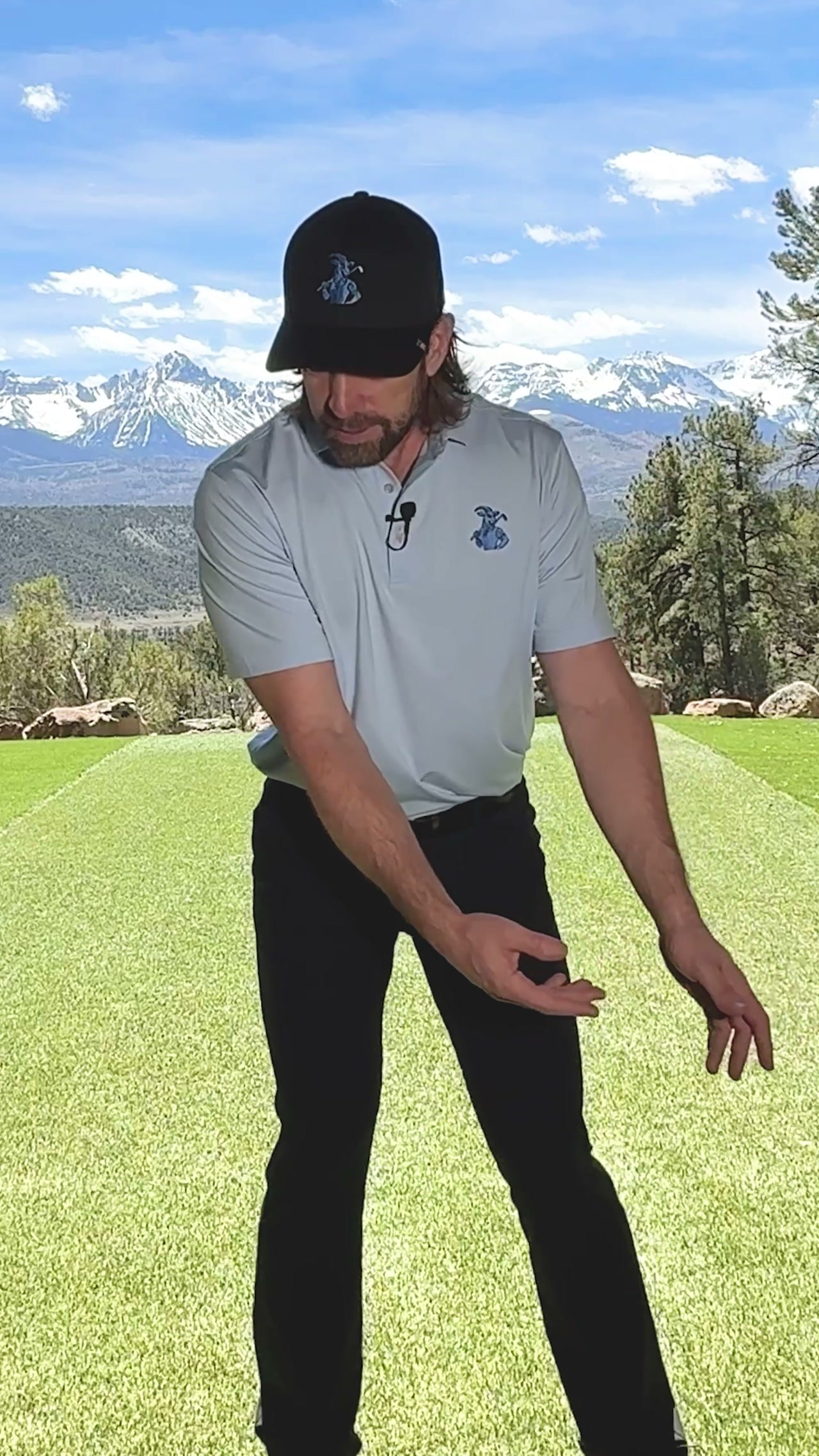
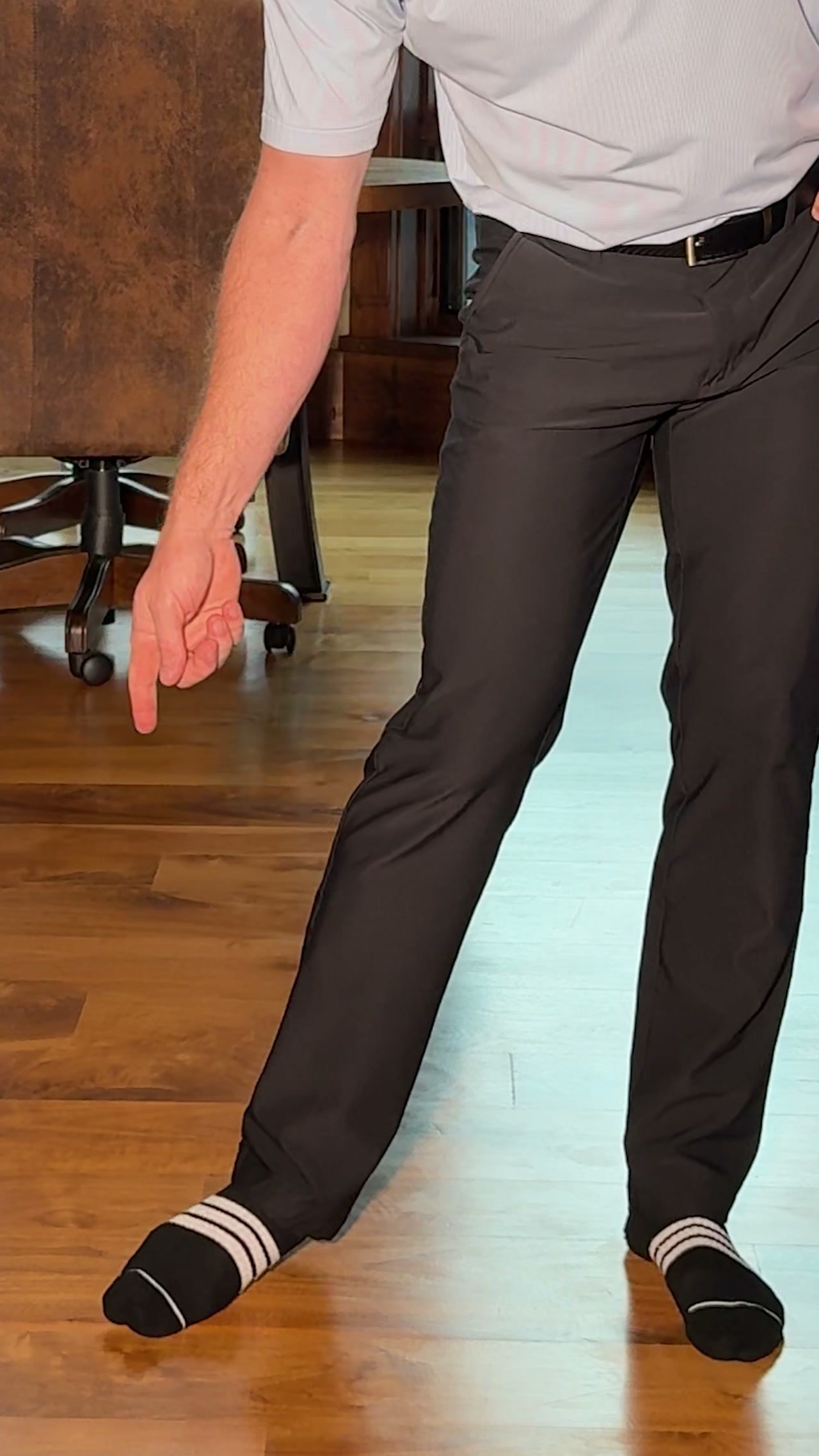
When it comes to the golf swing, one of the first things affected by bad posture is the . Notice that when I am in good posture, my palms face each other naturally.
The only way the palms will face your thighs is when you allow your shoulder blades to protract. This protracted position is a common cause of shoulder impingements, golfer's elbow, and numerous swing faults. Nobody's palms actually face their thighs when they are in proper posture.
This is a piece of golf instruction advice that cannot disappear soon enough. With protracted posture, the lead hand is forced to take a very strong grip, and the trail hand has to rotate 90 degrees to get into a normal golf grip position. Now you have your arm in an awkward position that sets you up for injury.
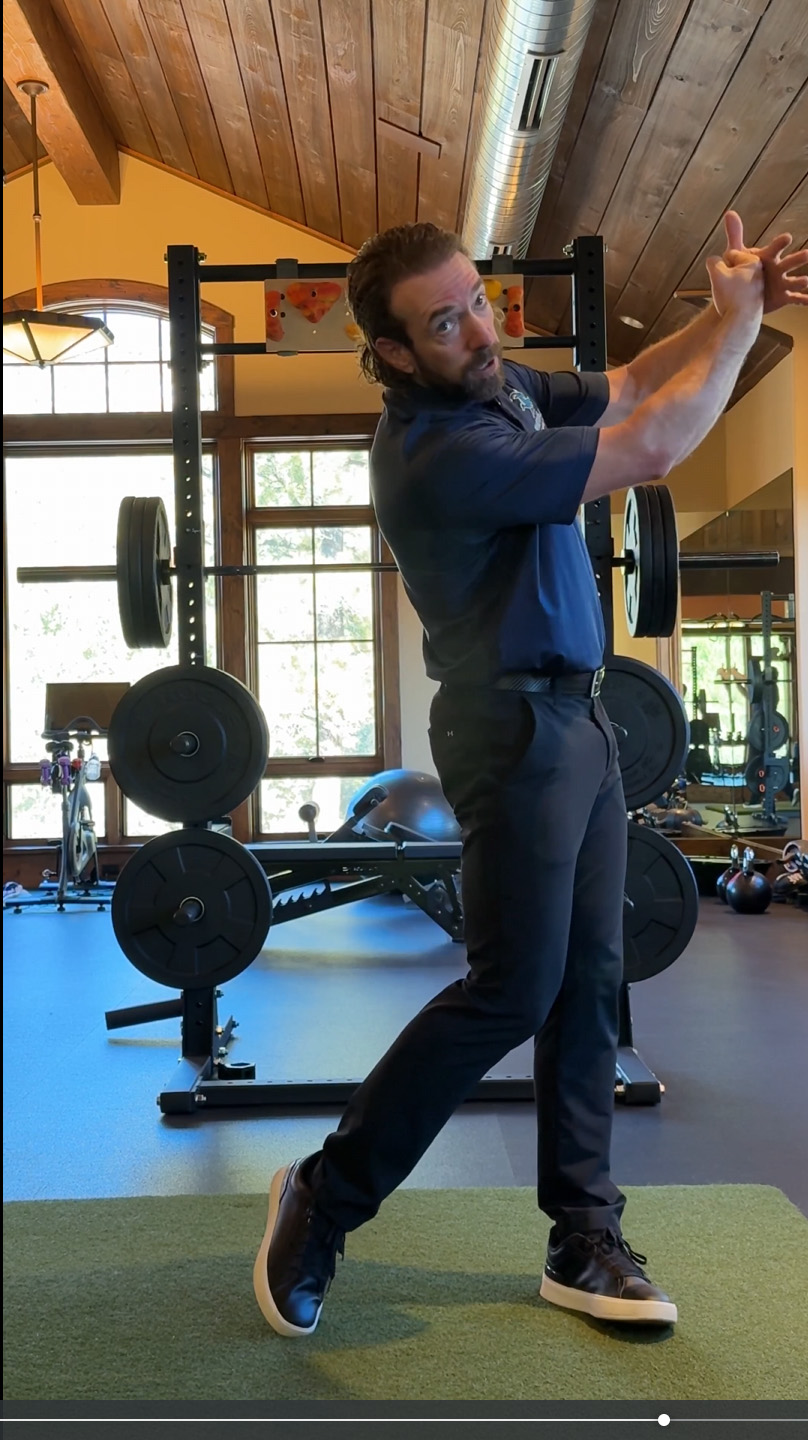
What about arm movement during the golf swing? When the shoulder blades are protracted, notice that the trail elbow faces away from the target and is parallel to the target line.
How does this affect the way the golf club is going to be set during the backswing? Notice that the elbow naturally wants to hinge back behind the body because of the setup position created by protracted shoulder blades. The elbow bends only in one plane, and when you set it in this protracted position, it is going to work back behind the body.
Now you have to make numerous compensations to bring the club back down into a proper delivery path — versus having the elbow in neutral when you are in good posture, with the elbow pit facing away from the body. In that neutral position, all you have to do is hinge at the elbow. This keeps the arm in front of the body, which is exactly what we want. The PostureTek shirt helps correct this fundamental issue.
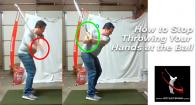
The final critical aspect of scapular position is power transfer in the golf swing. The scapula is pivotal in transferring power to the arms and hands and serves as the key link between core muscles and the golf club.
When the scapula is not in an optimal position, you will have minimal energy transfer from your core. Imagine trying to throw a powerful punch from a slumped position.
There is dramatically less power available versus when the scapula is depressed and retracted — and when you turn your body, your arm is accelerated by the rotating torso, which is one of the most powerful elements of the kinematic sequence. Your arm is transported forward by the rotating torso. When you throw a ball, what is your shoulder blade doing?
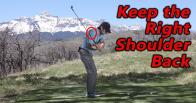
Your shoulder blade is depressed and retracted as the body begins to uncoil. As we come down at impact in the golf swing, we do not want the trail shoulder blade moving away from the spine toward the ball.
The scapula needs to maintain its retracted position so the arm can receive energy transfer from the core. In this correct position, the shoulder blade is back, down, and in — allowing you to transfer energy to the golf club with maximum power from the large muscles of the trunk at impact. For a data-driven assessment of how your posture and swing mechanics affect your performance, try a free AI golf lesson that evaluates your form in real time.
All of these issues can be corrected simply by achieving good posture at address and maintaining it throughout the golf swing. You can wear the shirt anywhere — at the gym or just around the house — to constantly reinforce good posture and protect yourself from injury.
Watch part 2 now to see how you're moving your body in the opposite direction of the pros!