If you suffer from golfer's elbow or simply want to learn a simple trick to square the club face every time at impact, this article is for you.

Learn to avoid golfer's elbow.
Traumatic overuse injury to the lead elbow is an extremely common and completely preventable problem in the golf swing. For right-handed golfers, that means the left elbow — and it takes a beating every single round if positioned incorrectly.
Is this the fault costing you strokes?
Film one swing on your phone. In about a minute GOATY measures it and names the single biggest thing costing you strokes — free, no card.
Analyze My Swing Free
Related: Golf swing lag — why AI coaching fixes it faster →
Android users: Download GOATY on Google Play — free AI golf coaching on your Android phone. →
If I had a dollar for every golfer who told me their lead elbow pain was ruining their game, I would be a very wealthy instructor.
Stop reading about it — feel it in your swing today
GOATY watches your swing live and coaches you between every rep. Free. No signup.
Start Your FREE Live Lesson →For many players, this nagging issue escalates into painful injections, corrective surgery, or — worst of all — giving up the game entirely. None of that needs to happen.
By learning the simple fundamental covered in this lesson, you can completely avoid injury to the elbow and get back to enjoying the game pain free. No cortisone shots, no surgery, no quitting.

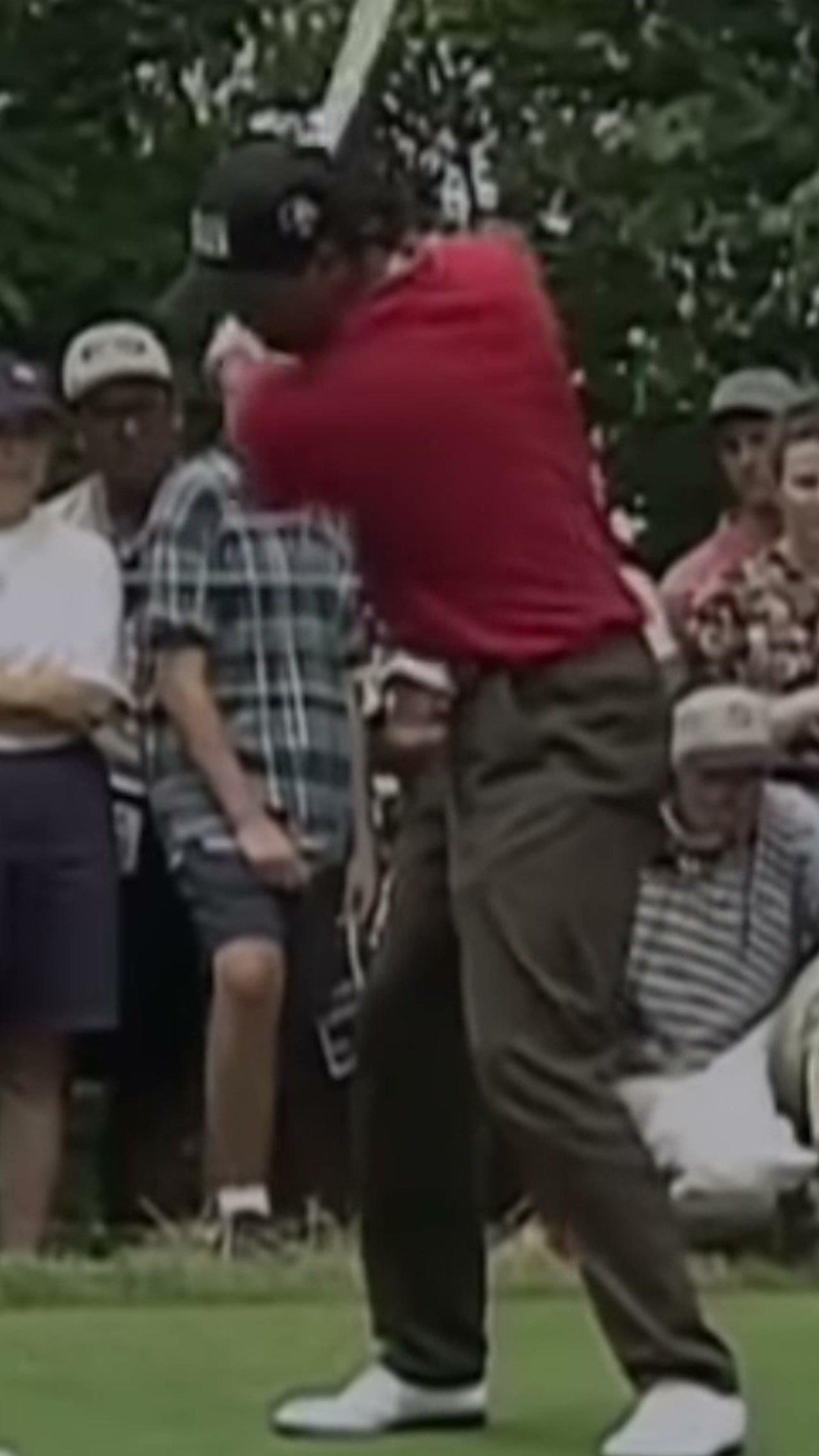
TV commentators advocate this lead elbow position. Expect pain and soreness if you follow their advice.
As an added bonus, you will be able to square the club face consistently at impact and have a concrete checkpoint during practice to start hitting the ball straighter and on a more penetrating, powerful trajectory. If any of that sounds useful, keep reading — and consider running your swing through a free AI swing analysis to see exactly where your lead elbow sits at impact right now.
The first step to enjoying all these benefits is to make sure your elbow doesn't look like this at impact...
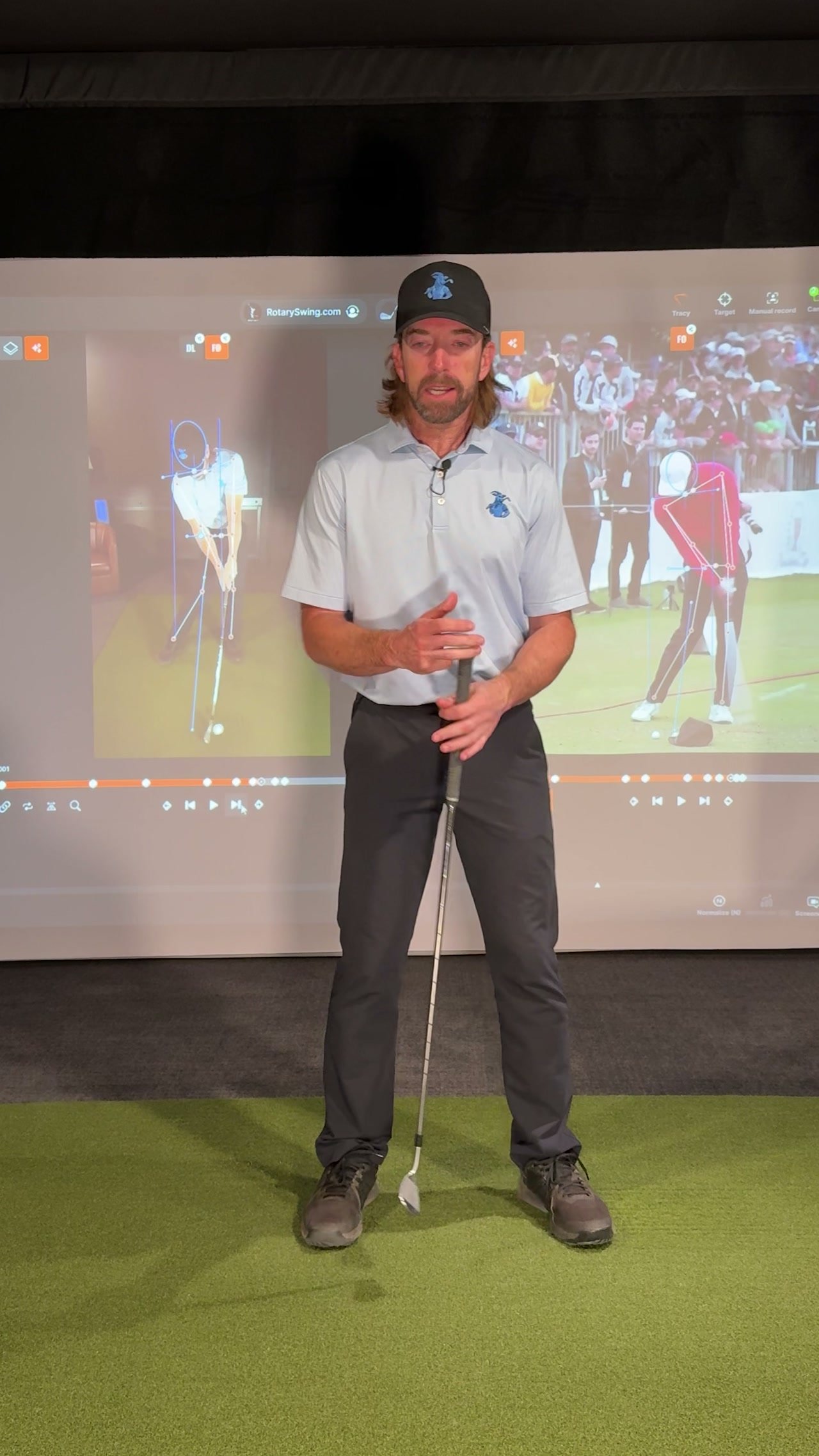
The video below goes into detail about why it can be very dangerous to take swing advice from TV commentators who try to dissect a PGA Tour player's swing mid-broadcast — and why following that advice is costing amateur golfers their health.
As you will see, even common sense tells you that having your lead elbow externally rotated at impact — with the elbow pit facing directly away from you — is dead wrong and is the leading cause of chronic trauma to the lead elbow. The joint simply is not designed to absorb impact forces in that position.
Fortunately, you are getting your golf instruction at RotarySwing.com, where we verify the biomechanical and anatomical safety of every movement and position before recommending it to students.
Now that you know what to avoid, watch the video to learn the proper movement and positioning of the lead elbow through the impact zone.
It is straightforward to understand and delivers all of this:
- Places the elbow in a structurally safe position so it can naturally bend and absorb the shock of striking the ground.
- Teaches you to properly square the club face at impact without relying on timing or hand manipulation.
- Delofts the club for longer, more penetrating golf shots that hold their line through the wind.
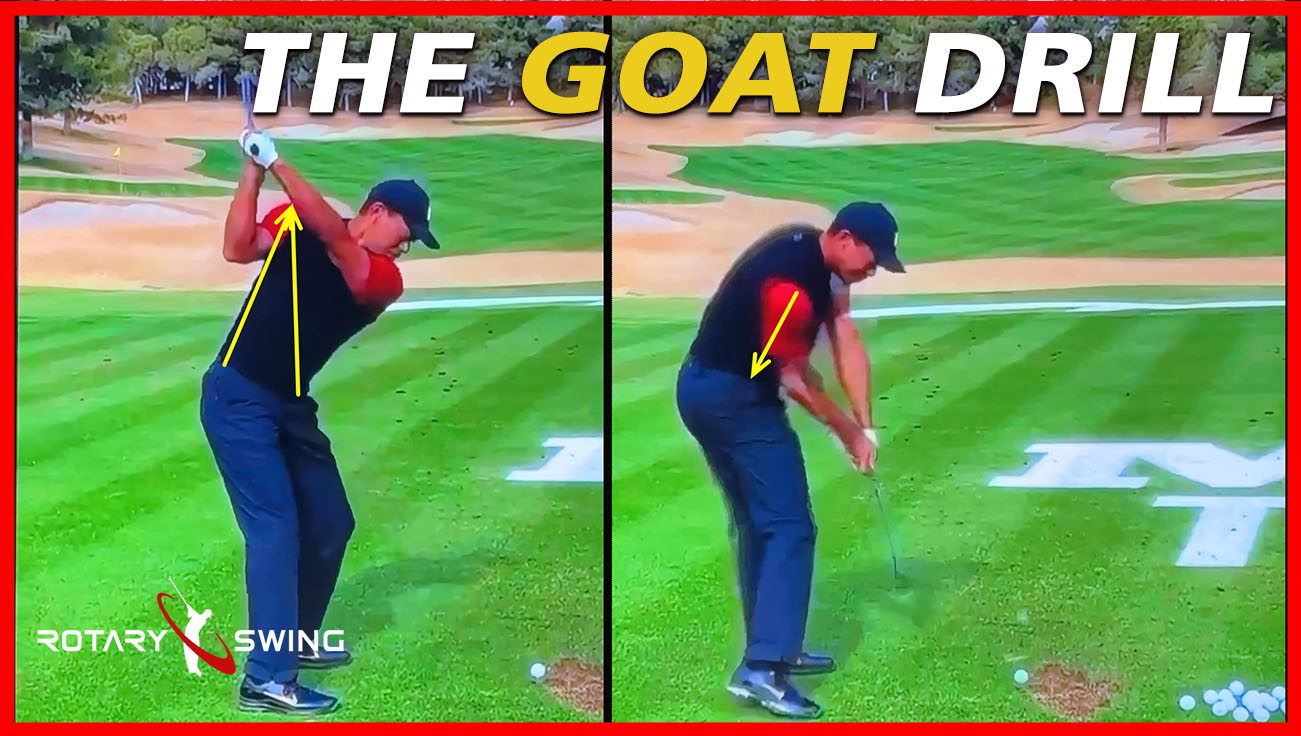
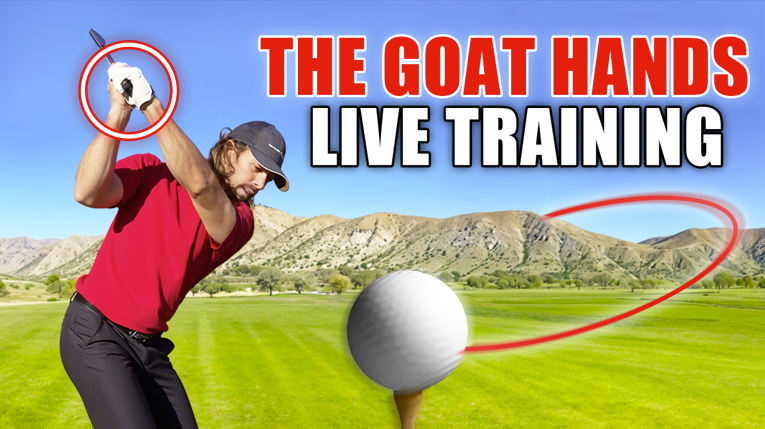
If you could use all of that in your swing, then check out this video now! And when you are ready to put it into practice, the GOAT Drill video lesson will walk you through exactly how to train these positions with real-time feedback.
"Went to the range to try this, now I know where those quick hooks come from!!! Anxious to try it out on the course. Now I feel like I can release as much as I want and not go left!!!"
-Randall B. | Aug 21, 2012 | 5 HDCP
Video Transcription: Lead Elbow at Impact
One of the most unfortunate things for a lot of golfers is that they listen to what the TV pundits say when watching a golf telecast. Unfortunately, 99 percent of the time, if they are talking about the golf swing, they are wrong.
I know that sounds like a bold statement to make, but we have reasons for everything we teach. One of the things we hear fairly often — and I heard a golf pundit say it recently — is that your lead elbow at impact should be pointing back away from you, meaning the arm is externally rotated.

The elbow pit faces down the line at impact
There are a couple of reasons you do not want to do this, and I will give you a clear example in just a moment. But let us first talk about what we do want to do, because that is simpler.
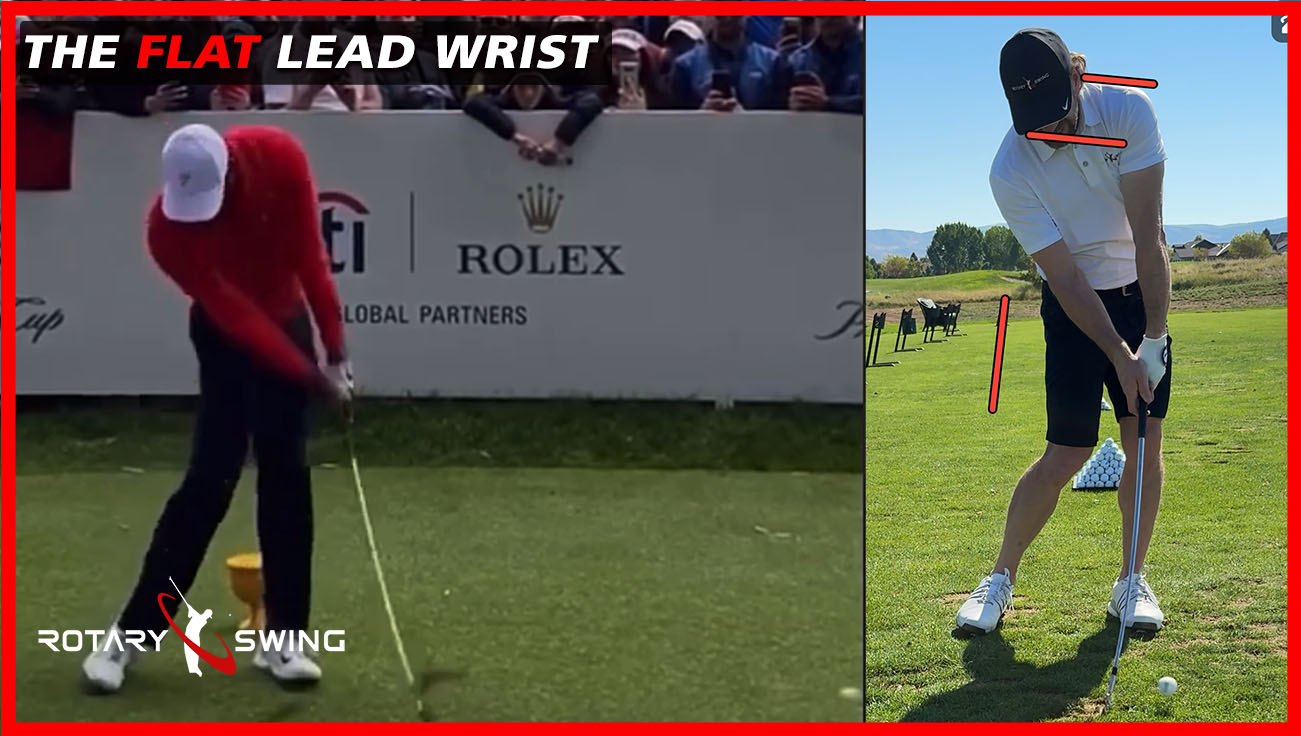
Your elbow needs to be pointing down the target line, or close to it, at impact. I could just say that and leave it there, but that is not how we do things with RST. Everything has a reason, a justification, and a very logical answer. I am going to give you two of them.
The next time you hear this on TV and some pundit is explaining why your lead arm should be externally rotated, you will know exactly why that advice is wrong.
First, one of the central pillars of RST is injury prevention in the golf swing. That is why we have orthopedic surgeons on our Medical Panel — they help us understand the biomechanics at a clinical level. Protecting your body is the primary motivator behind every position and movement we teach. We are always asking whether a particular position creates long-term injury risk.
If your elbow pit is pointing away from you at impact — that external rotation position — you are going to get injured. In fact, at one of my last clinics a student was doing exactly that. He said, "My elbow is really sore doing this drill." I told him, "That is because you are not doing it correctly," and the culprit was the position of his lead elbow at impact.

The club face is square
Here is the visual. When I have my lead arm internally rotated with the elbow pointing more or less down the target line and I come into impact a little heavy — hit it a touch chunky, or the ground is firm, or I have just hit a large bucket of balls on a mat — my elbow simply bends. There is no trauma in that motion. Your elbow is designed to flex exactly that way.
Zero injury. Your arm does this naturally all the time and is never going to be harmed by it.
Now let us hit that same heavy shot with the arm externally rotated. Guess what happens? The bones at the joint compress directly into each other. The elbow cannot flex to absorb the force — it only bends in one direction — so instead of dissipating the energy, the joint simply takes the full load.
This is exactly how many golfers develop golfer's elbow in the lead arm, especially those who hit off mats during the winter. Every shot, the bone is crushing up into the humerus and smashing the cartilage. Do that thousands of times and you are going to have serious problems. The joint was never designed to absorb force in that direction.
When the arm is externally rotated, all you are doing is compressing those bones together at impact, over and over again with every swing. Of course injuries will follow.
That is terrible advice, and for that reason alone — without anything else — you would not want to follow it. You need your lead arm internally rotated so the elbow points down the target line. Hit thousands of balls, come in a little steep, and there is not a single injury concern. That is reason number one.

The club face is completely shut
Number two is squaring the club face at impact. Once my arm is externally rotated, my hand has to travel through nearly its full range of wrist motion just to return the face to square. I am twisting the wrist bones as far as they can go, and that is the only position where the club face is square. There is almost no margin for error.
If I go any farther, the face closes and the ball goes left. If I fall short, the face is open and I push it right. The timing window is impossibly small at full swing speed.
Now flip the script. With the elbow pointing down the target line and the wrist approaching its natural range of motion, I have a definitive checkpoint at impact. I just move the arm and hand as far as they will naturally travel, and the club face arrives square. There is no guessing, no timing, no manipulation. The geometry does the work for you.
When a golfer is hitting consistent pull hooks, it is almost always because external rotation has given the wrist so much additional range of movement that they can slam the face shut in a split second. They have to time that rotation perfectly on every single swing, which is wildly inconsistent.

The club face is nice and square at impact
Get your lead elbow internally rotated at impact and the face simply cannot over-rotate. You reach the end of your natural range of motion and it stops. The ball cannot go left. You can swing as hard as you want and trust the release completely.
For those two critically important reasons — squaring the club face and protecting your elbow from impact stress — you should never follow the advice that tells you to externally rotate the lead arm. Follow that cue long enough and you will develop elbow pain and a chronic hook pattern that is nearly impossible to self-correct.
If your elbow hurts and you are hitting flip hooks, check the position of your lead elbow at impact. That is almost certainly the root cause — and a free AI swing analysis can confirm it with frame-by-frame precision.
Frequently Asked Questions
What is golfer's elbow and how can it be prevented?
Golfer's elbow is a common overuse injury affecting the lead elbow, particularly in right-handed golfers. It occurs when the elbow is positioned incorrectly during the swing, leading to chronic pain. To prevent this injury, it’s essential to maintain a proper lead elbow position that allows the joint to absorb impact forces safely, as outlined in our instructional article.
Why is the lead elbow position crucial for hitting the ball straighter?
The position of the lead elbow at impact is vital for squaring the club face consistently. An incorrect external rotation of the elbow can lead to misalignment and poor shot accuracy. By keeping the elbow pit pointing down the target line, you can achieve a structurally safe position that enhances both your swing mechanics and ball flight, resulting in straighter shots.
How does following TV commentators' advice affect my golf swing?
Many TV commentators provide swing advice that can be misleading, particularly regarding lead elbow rotation. Following their guidance often leads to external rotation of the elbow at impact, which is anatomically incorrect and can cause injury. It's crucial to rely on verified instruction, like that from RotarySwing.com, to ensure your swing mechanics promote safety and effectiveness.
What are the benefits of having the correct lead elbow position during a swing?
Maintaining the correct lead elbow position not only helps prevent injuries but also improves your overall swing performance. This position allows for a natural bend in the elbow, which can absorb shock during impact, leading to better control of the club face. Additionally, it promotes longer, more penetrating shots that maintain their line, enhancing your game significantly.
Watch part 2 now to see how you're moving your body in the opposite direction of the pros!














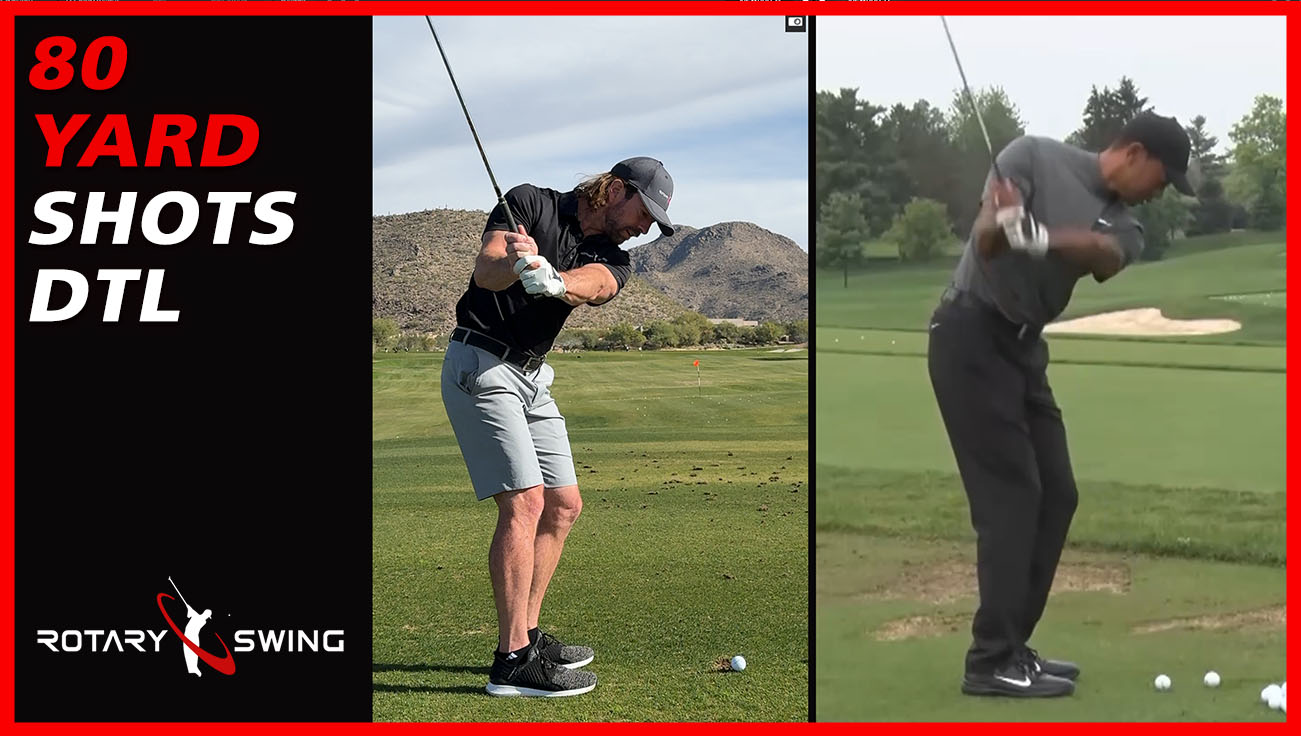
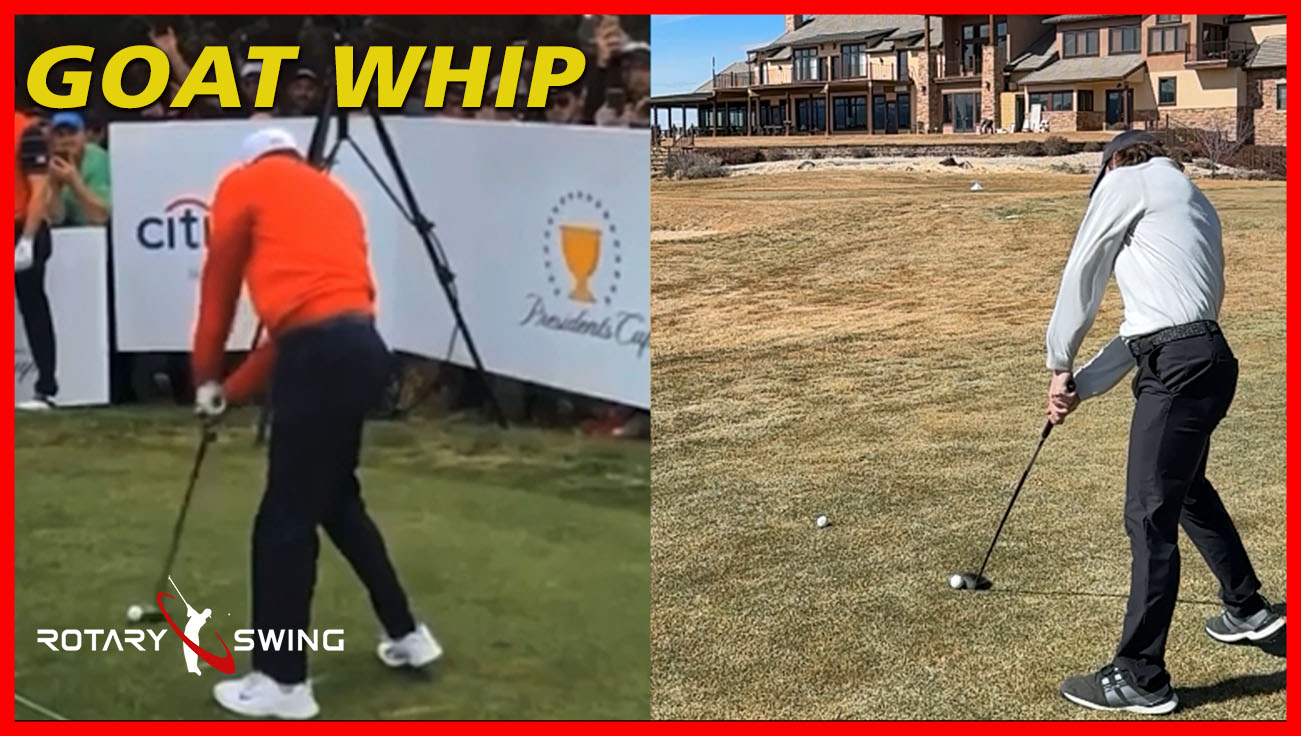

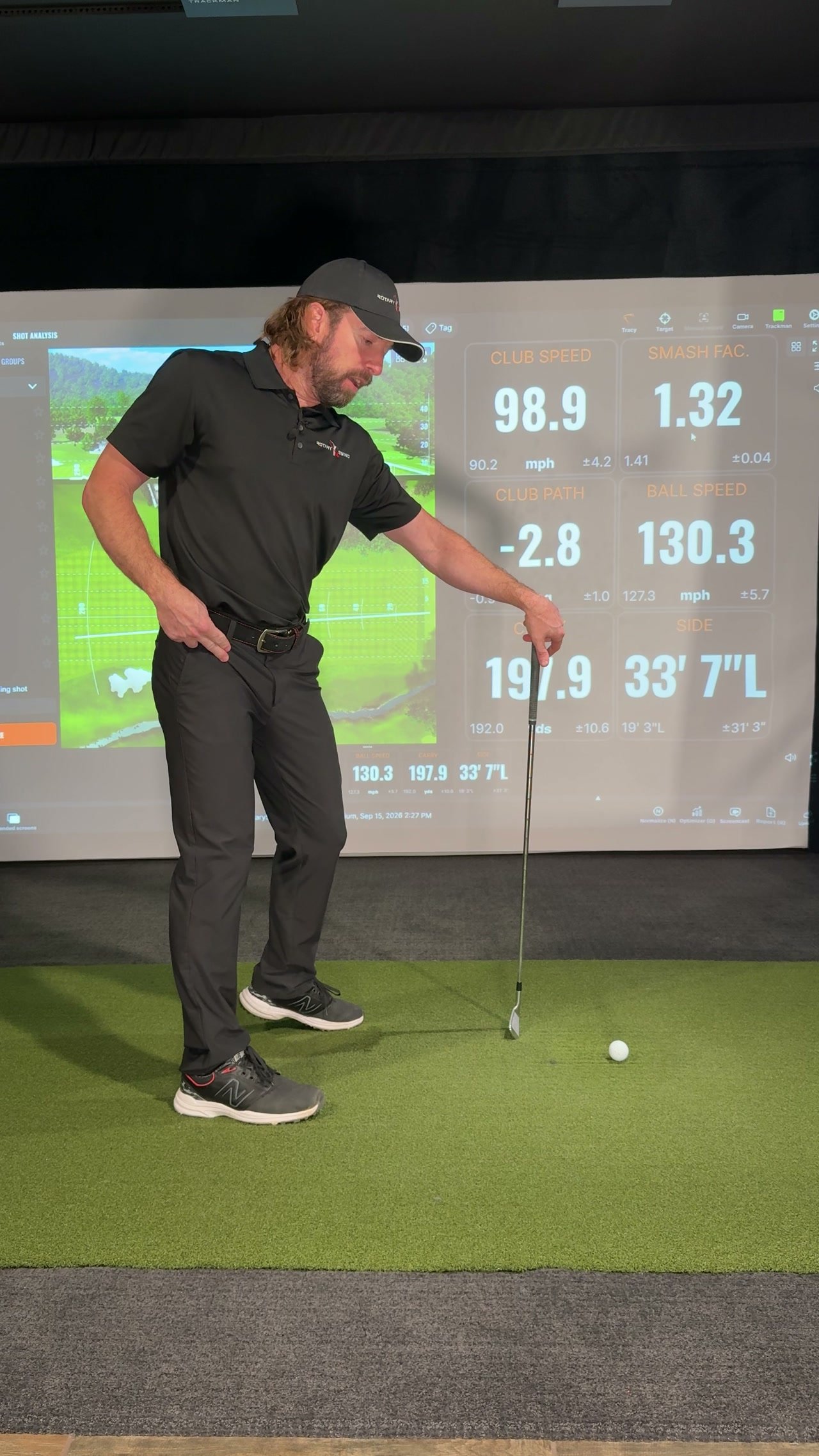
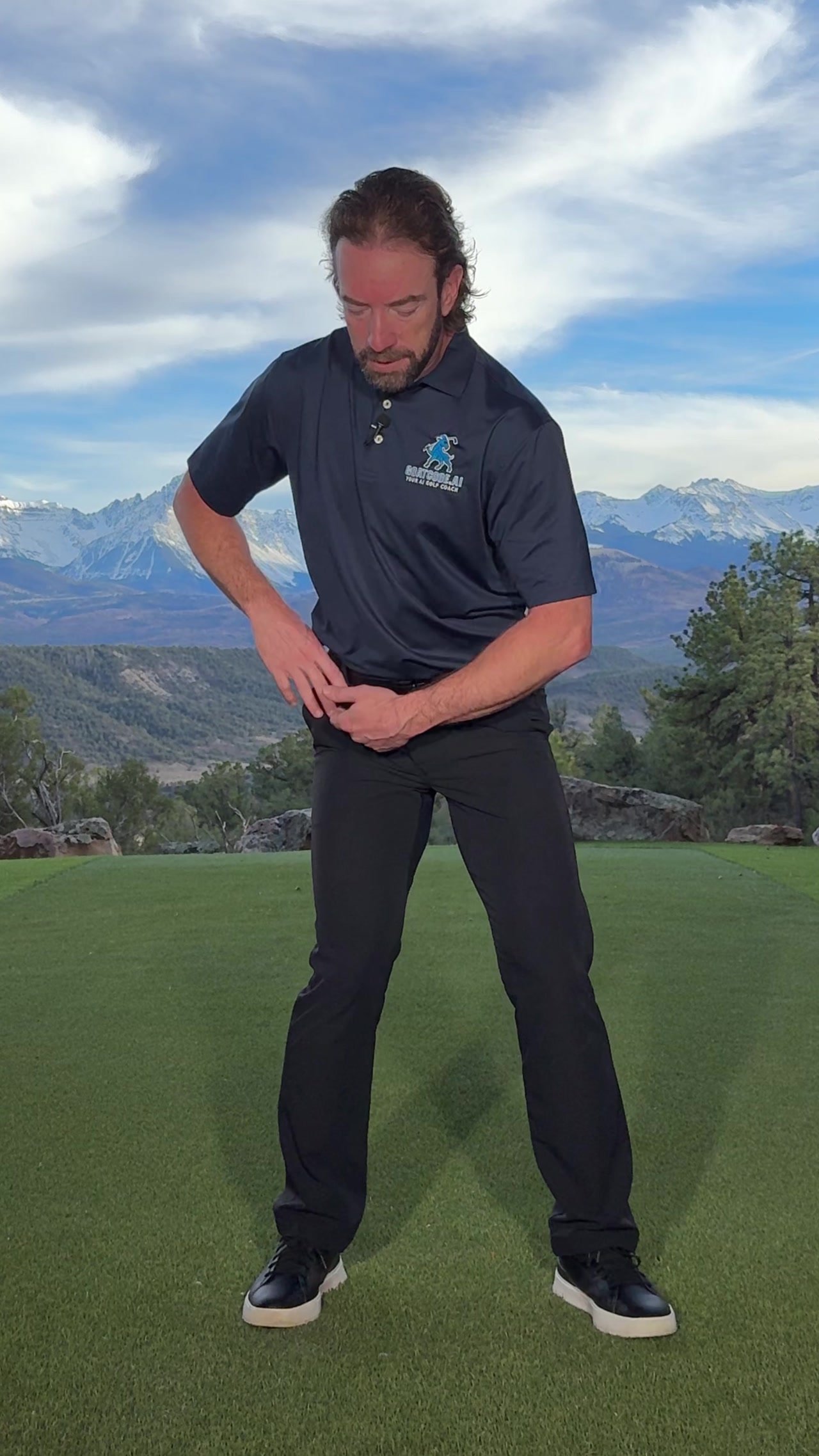
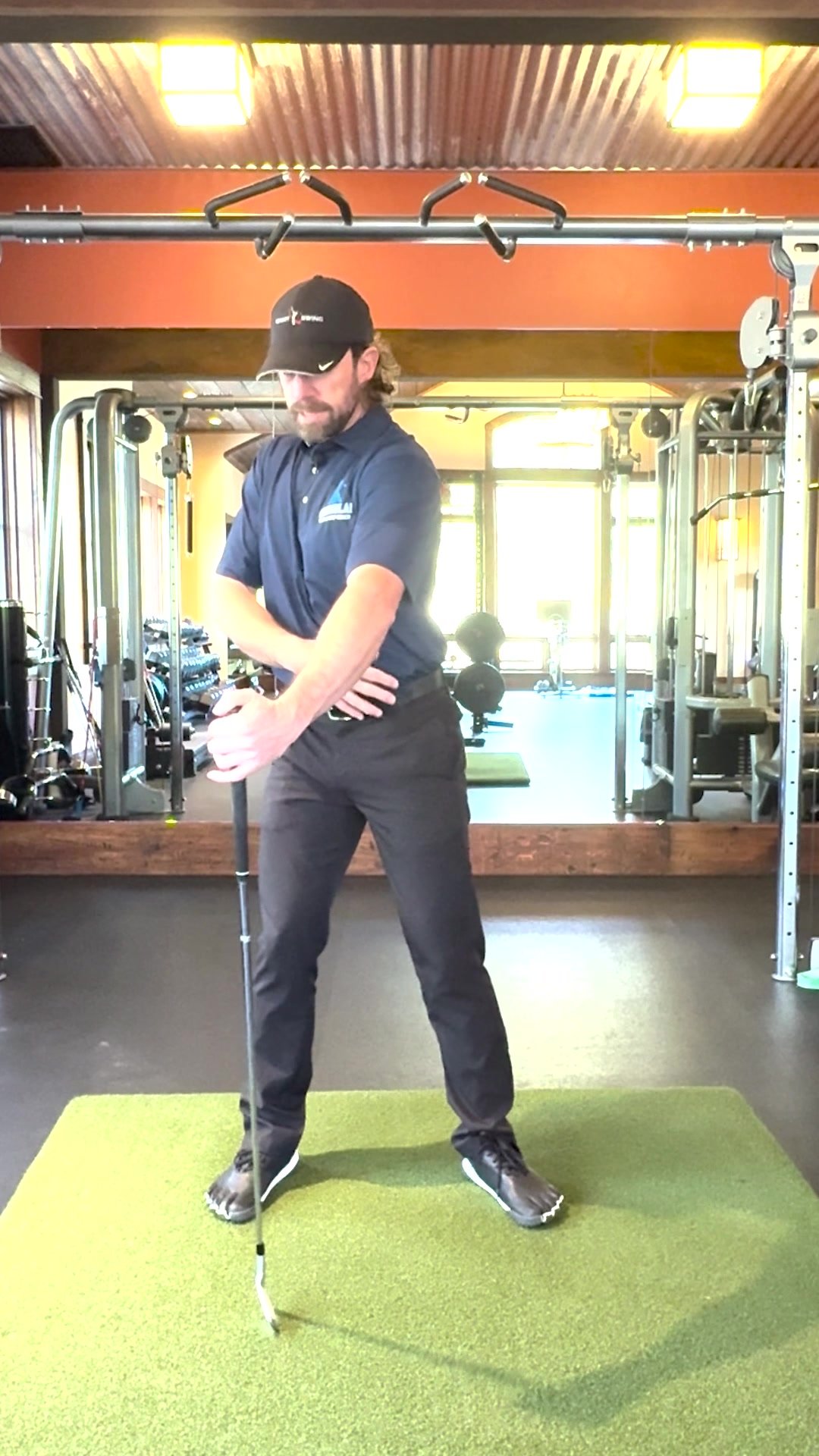
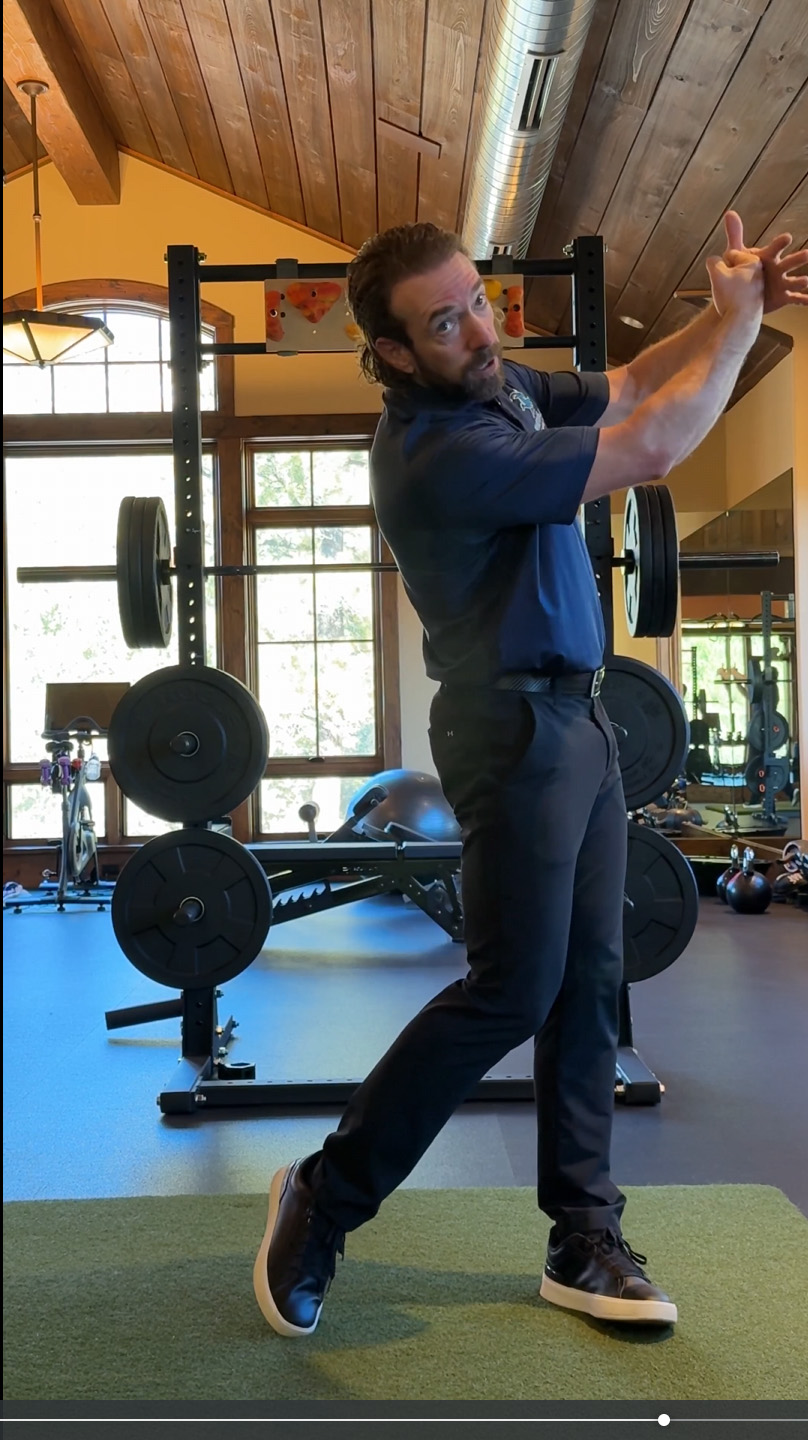
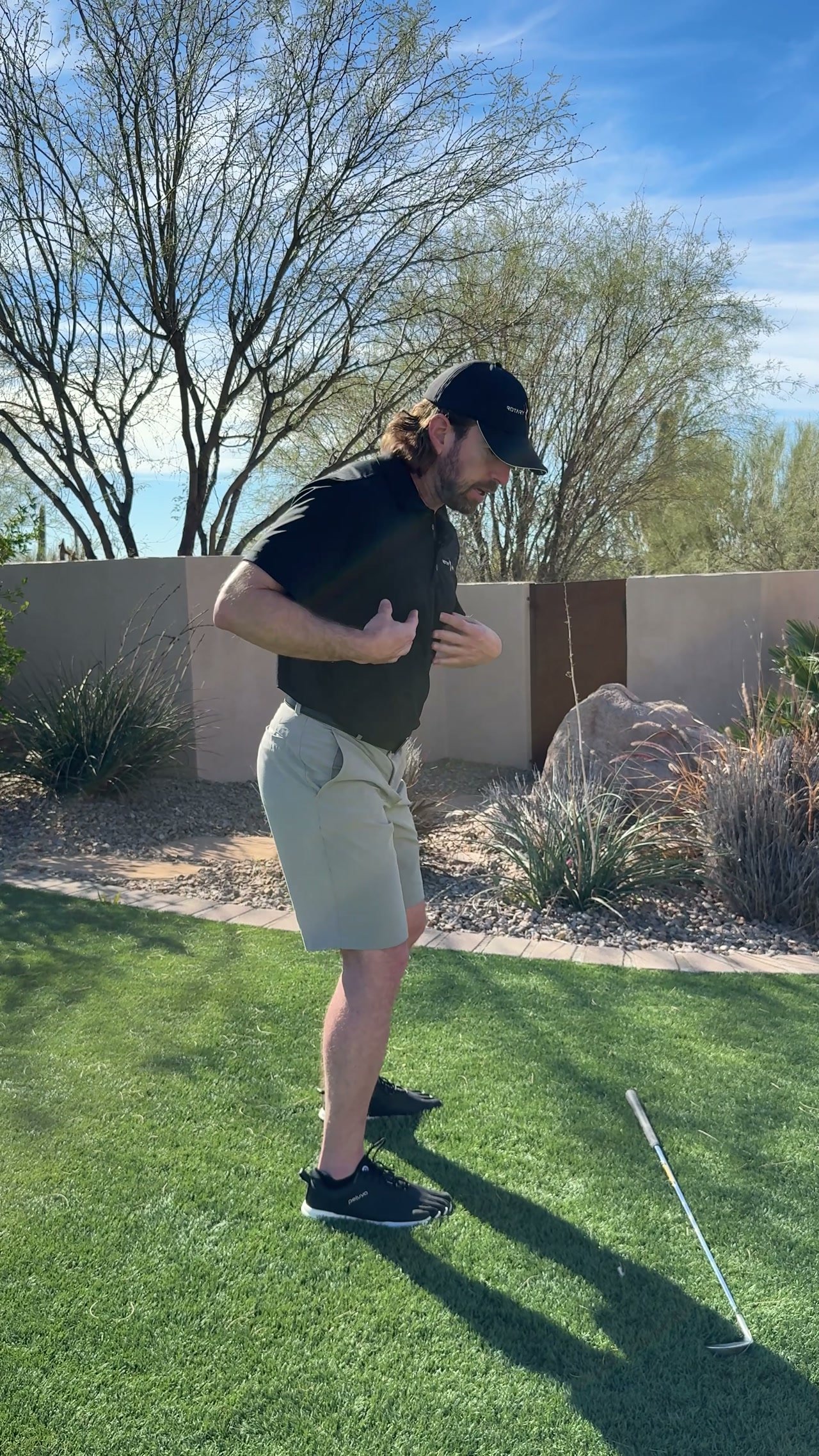
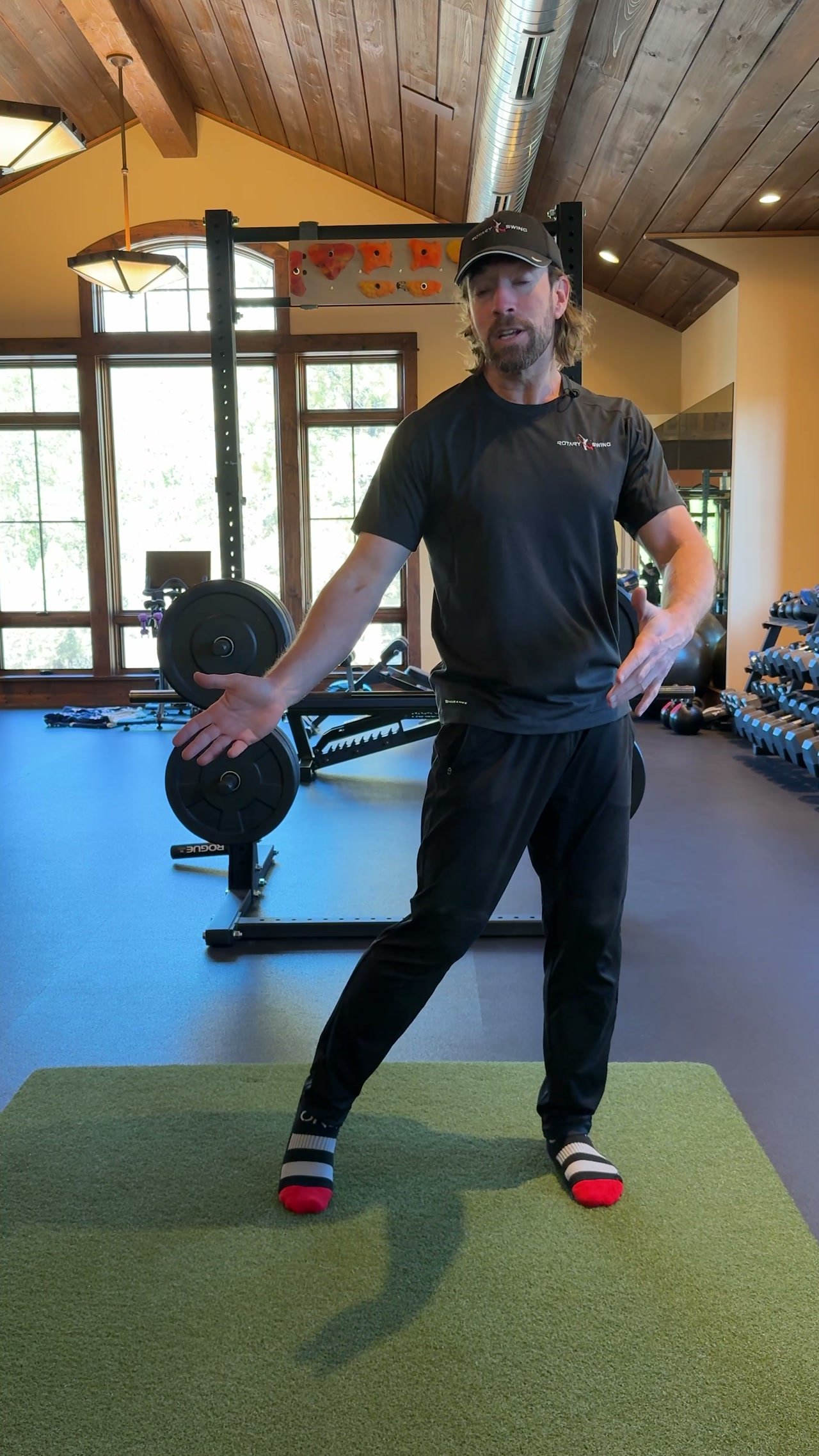
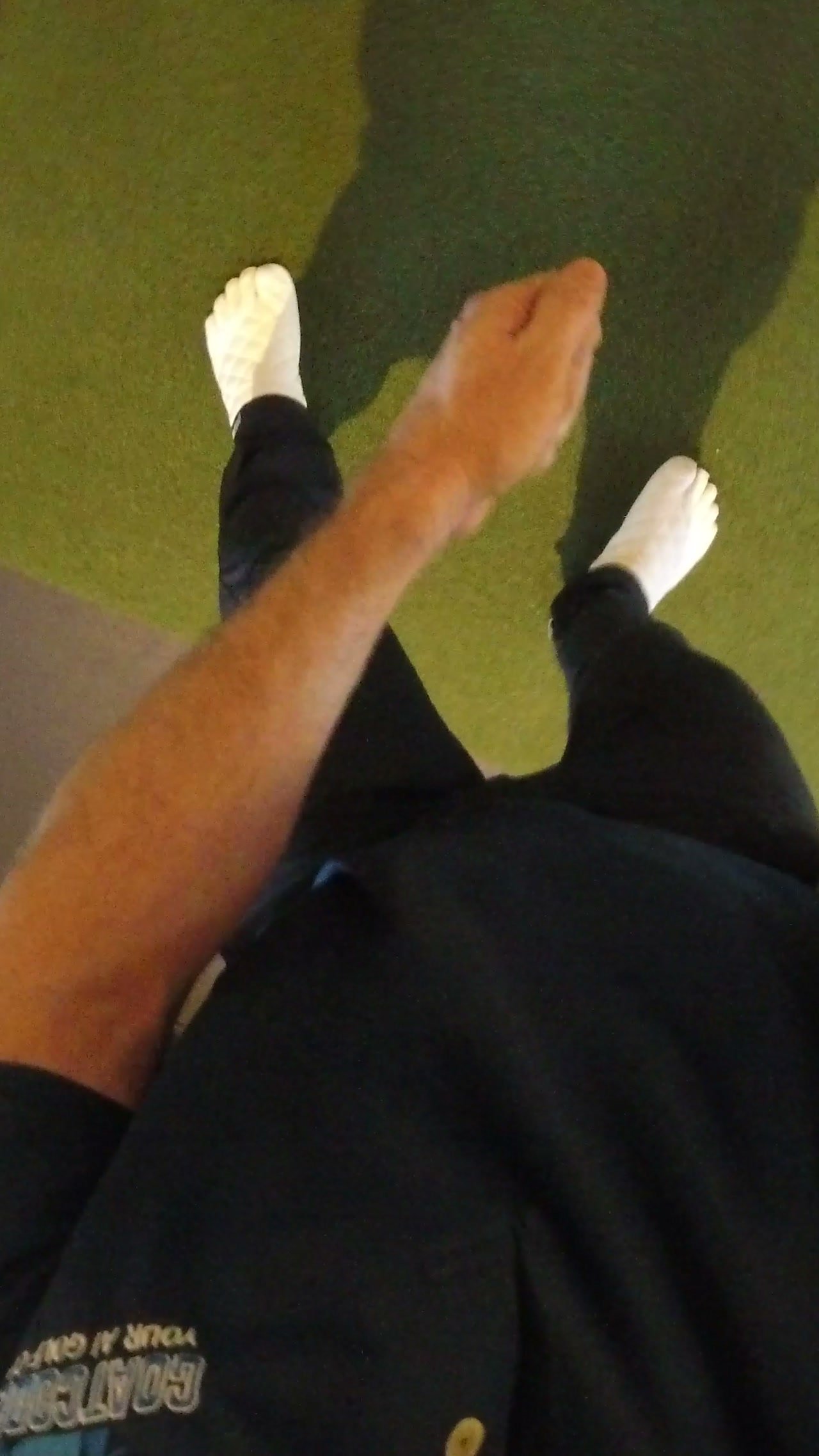
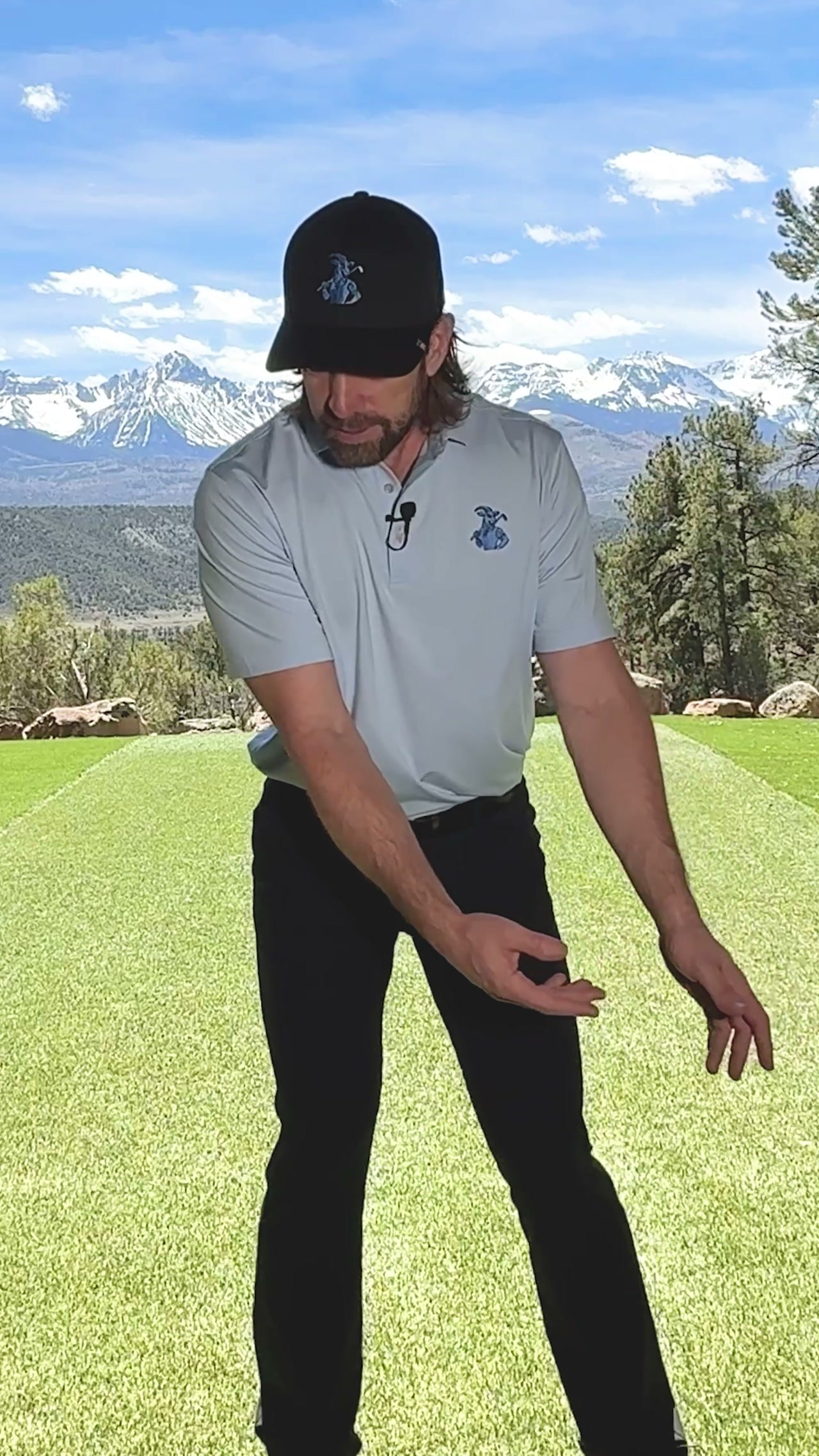
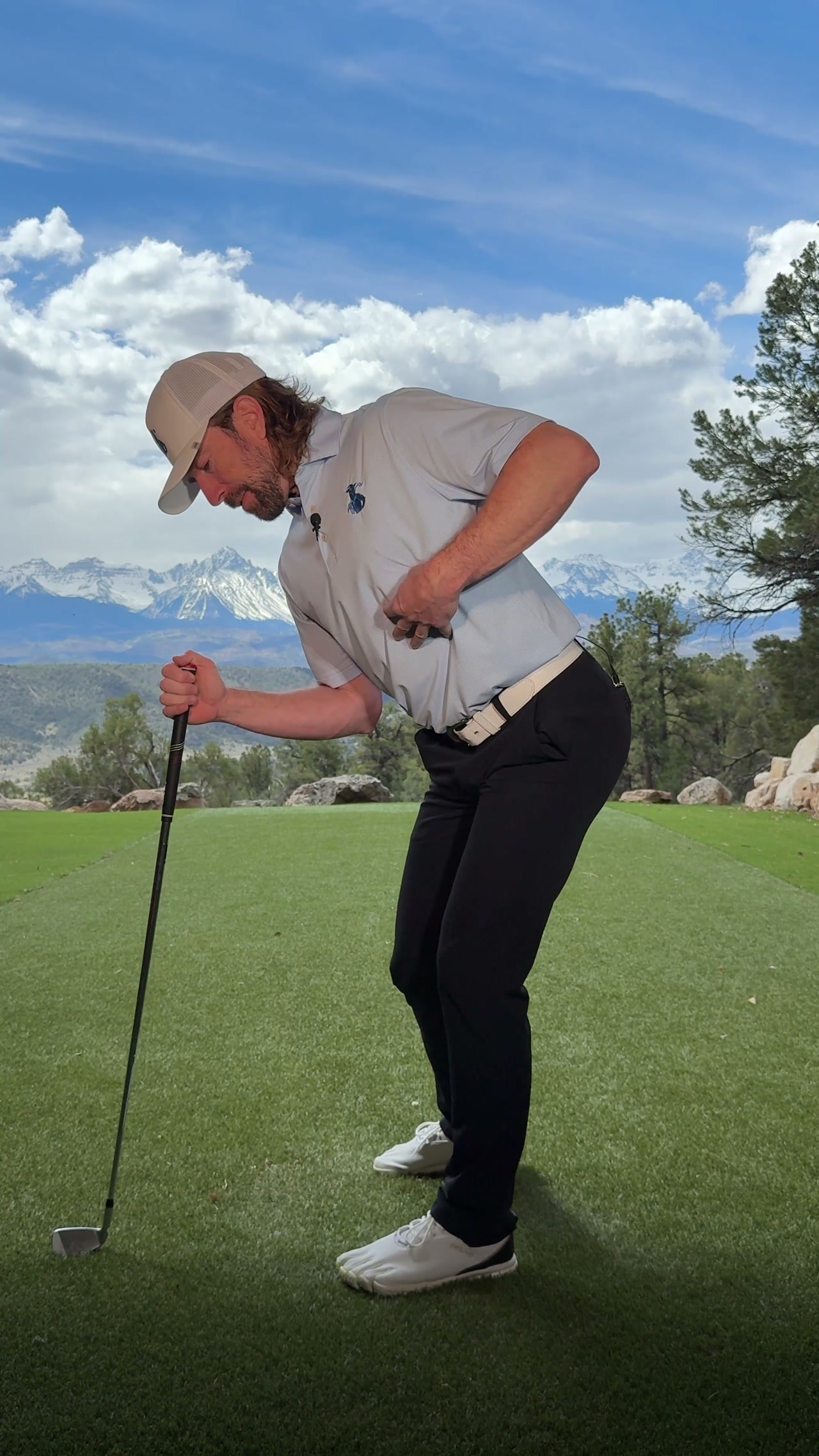
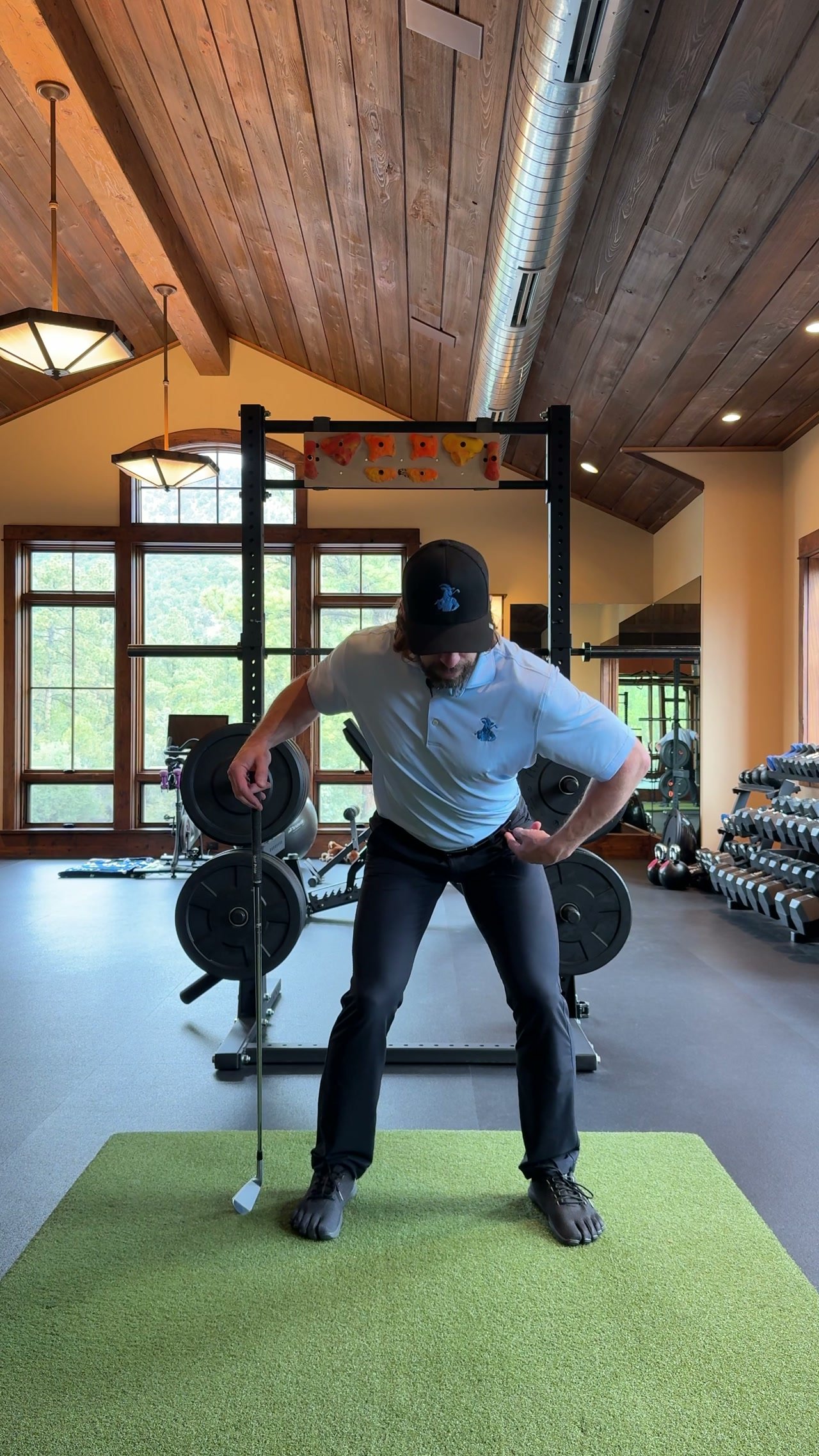
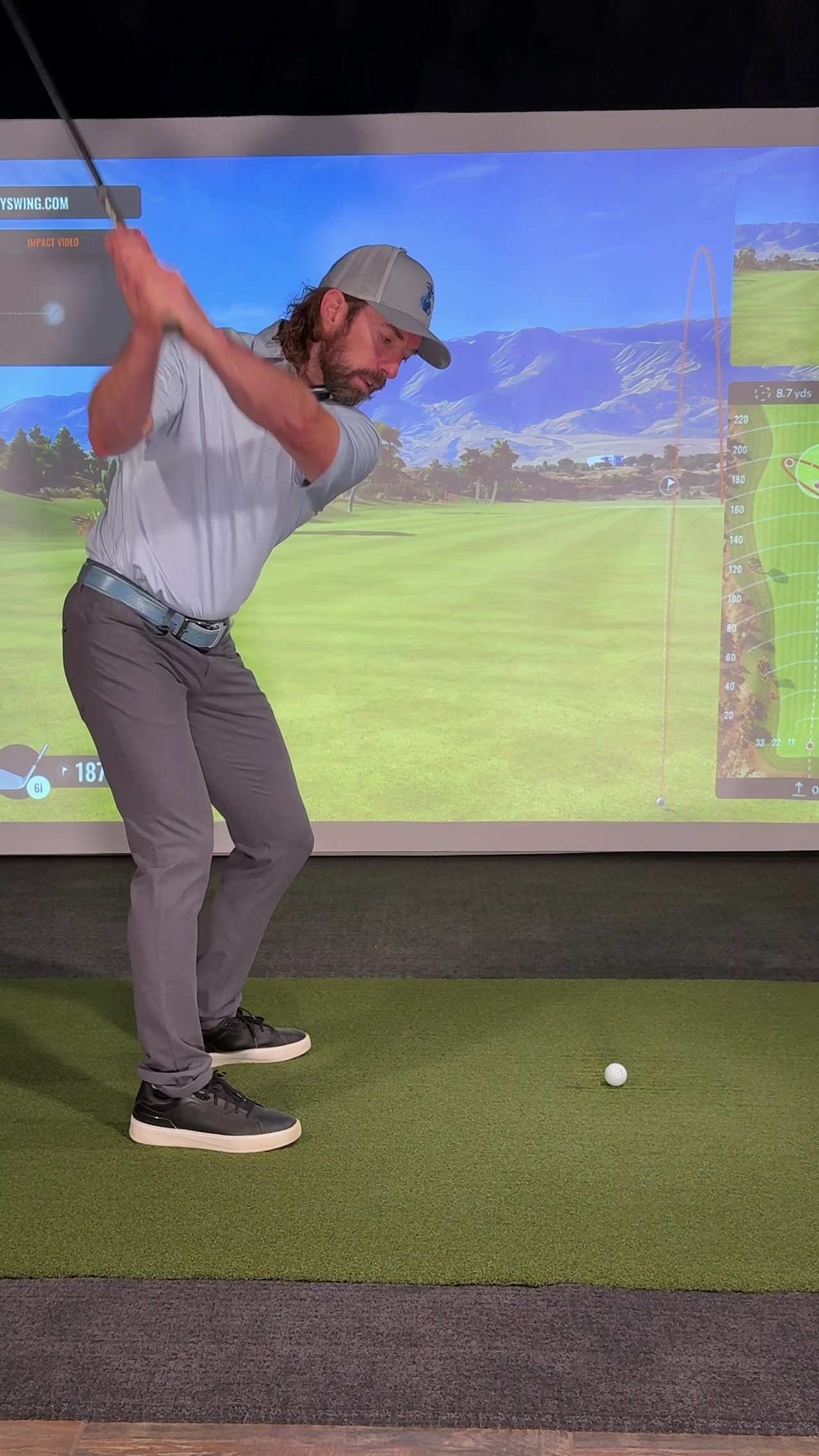
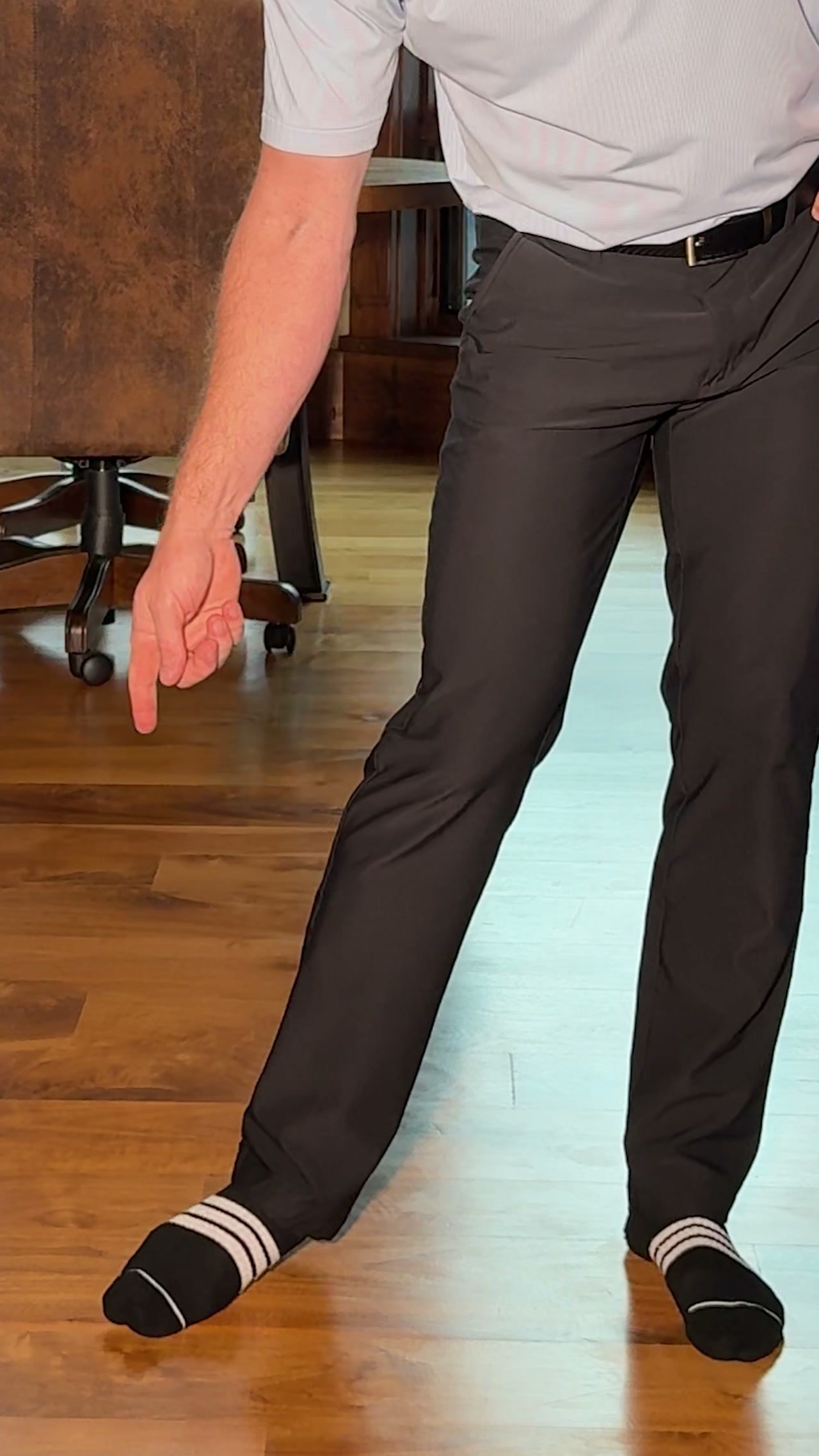















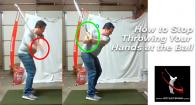

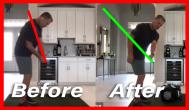









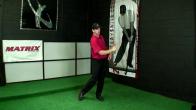
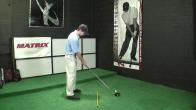

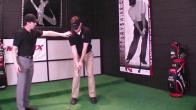












 External rotation (above) & internal (below)