This bad advice will often result in a player focusing so intensely on the ball that the chin digs into the chest, completely locking up the cervical spine and killing the ability to effectively rotate. When you can't rotate freely, consistent ball striking becomes nearly impossible — and no amount of "keep your head down" reminders will fix that.
Stop reading about it — feel it in your swing today
GOATY watches your swing live and coaches you between every rep. Free. No signup.
There's a better, more biomechanically sound way to fix this issue.
End the Frustration
What's most likely going on is that you are losing your posture, or spine angle, in the downswing.
Loss of posture and fixing loss of posture can be one of the most frustrating aspects of the game. Yet, it is also one of the most important elements of the swing — perhaps the single biggest separator between players who strike the ball cleanly and those who struggle with inconsistency.
One of the biggest differences between touring professionals or good amateurs and higher handicap players is maintaining posture in the downswing. The best ball-strikers in the world are remarkable at preserving their original setup angles all the way through impact, and that discipline is something any golfer can train with the right drills.
"Welcome, Chad! What a great video; so simple to work on for a part of my swing that is the most difficult to change..."
-Robert H. | Sept 16, 2012 | 16 HDCP
The Camera Doesn't Lie!
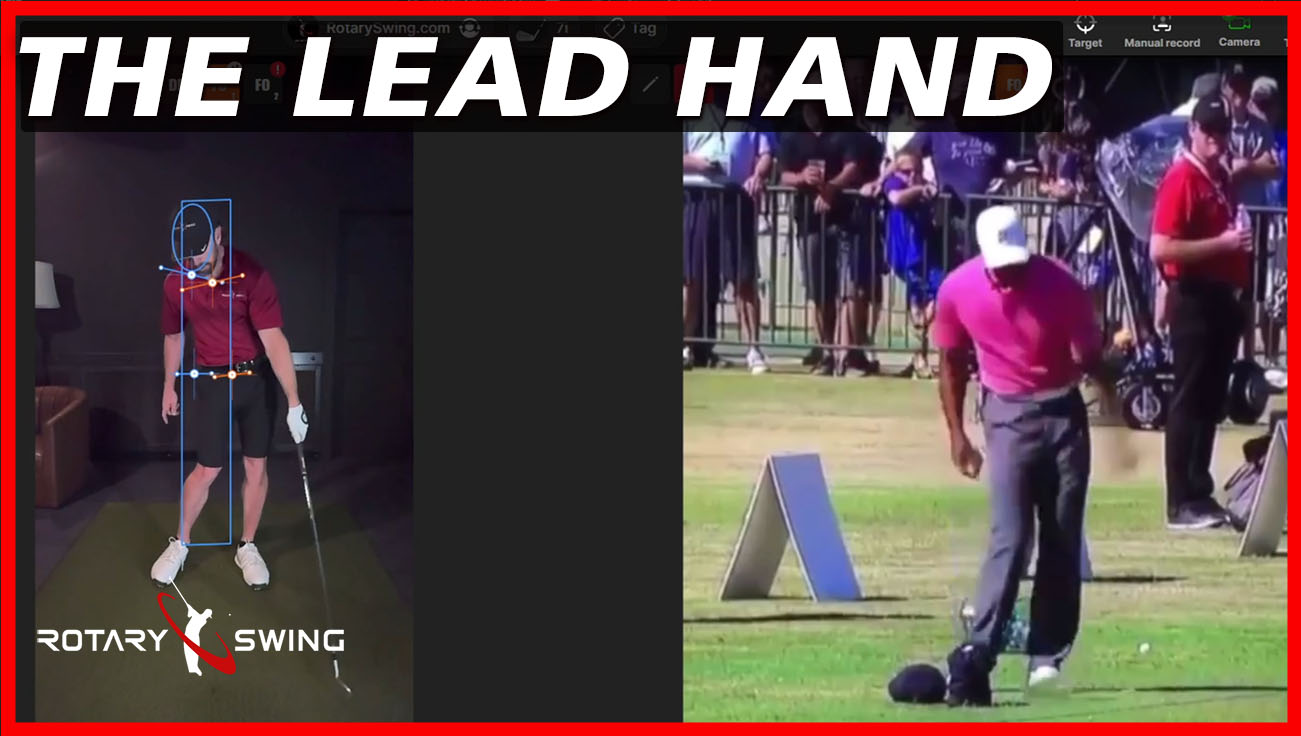
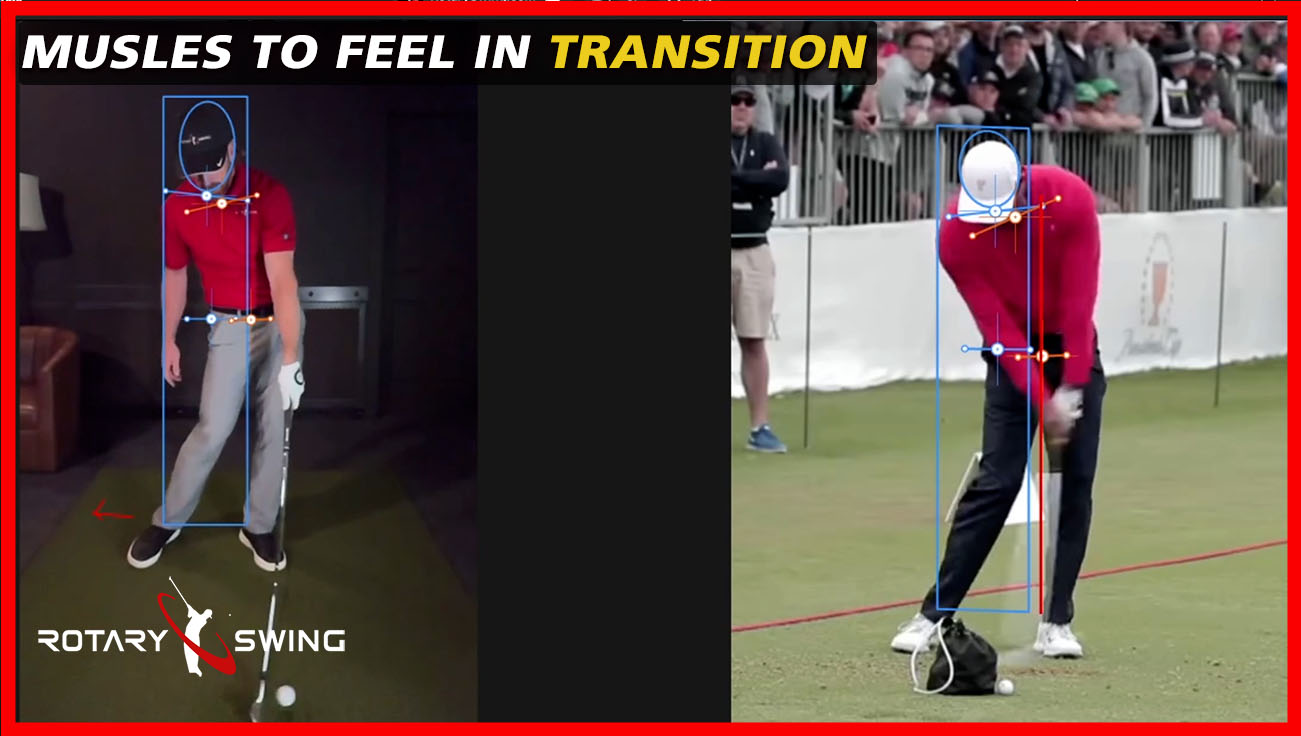
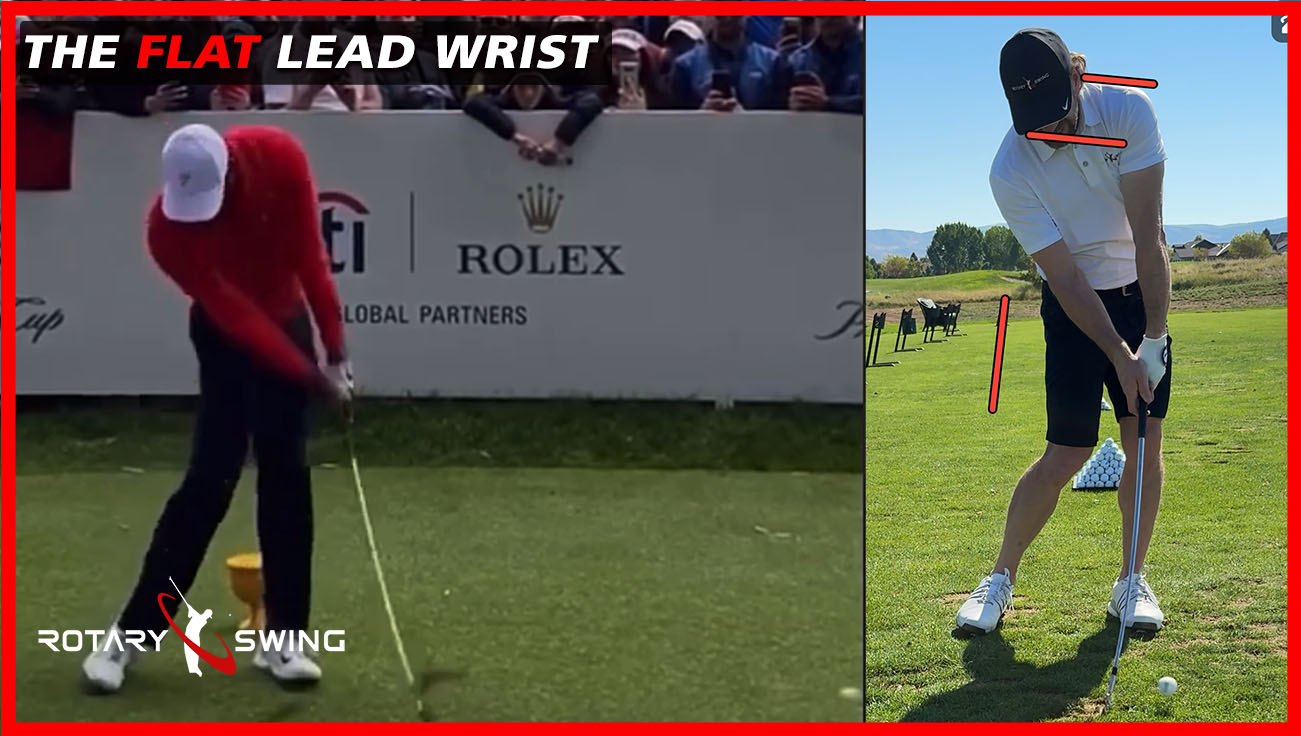
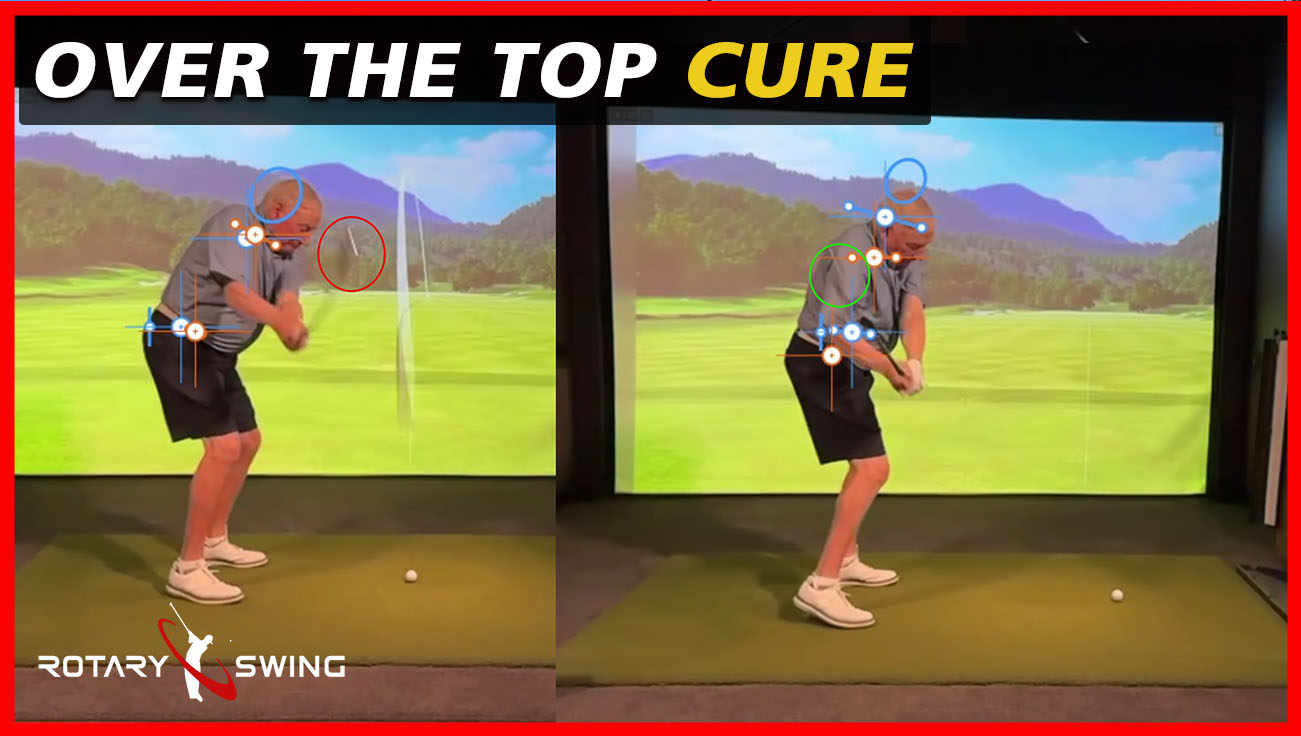
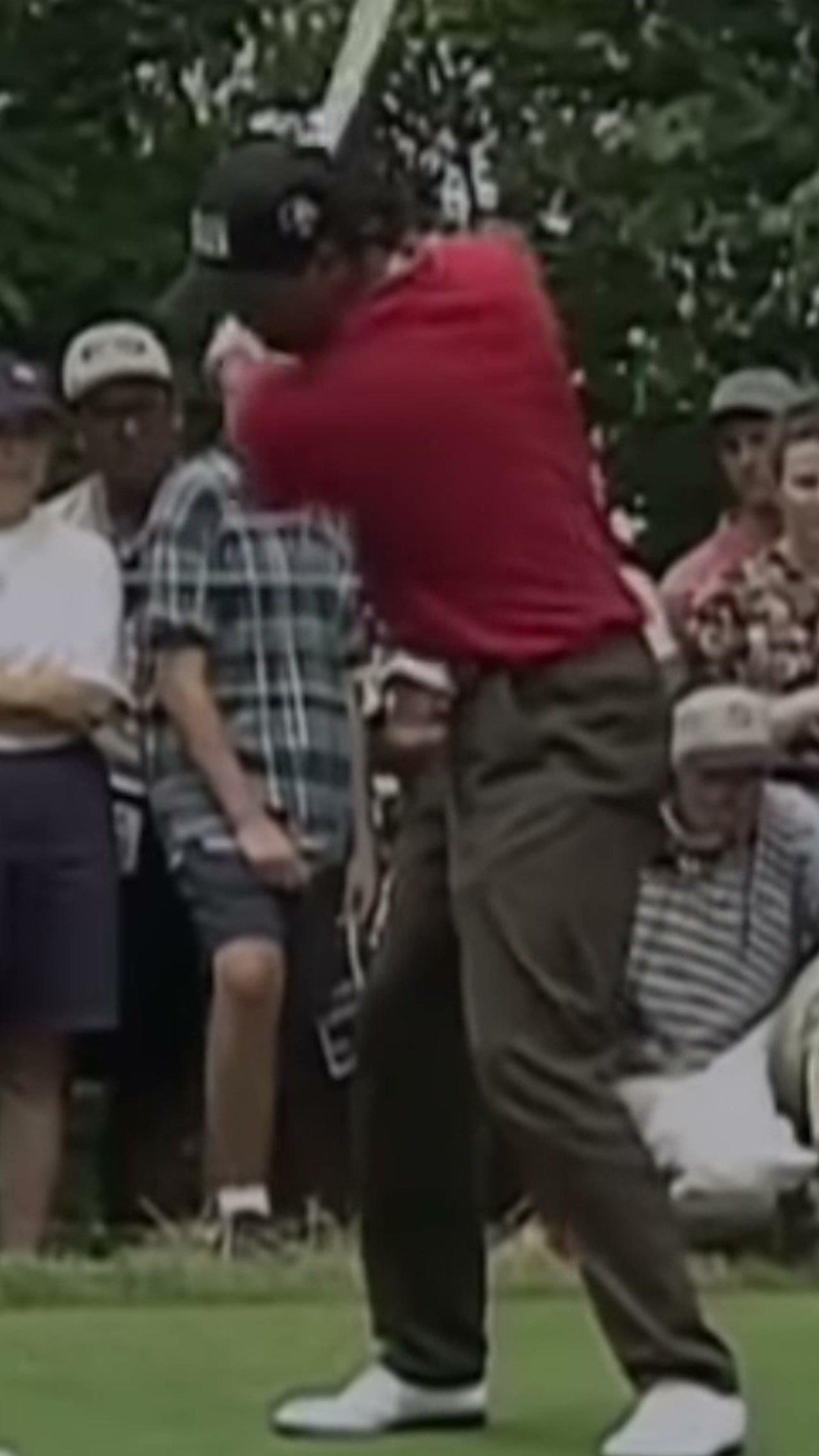
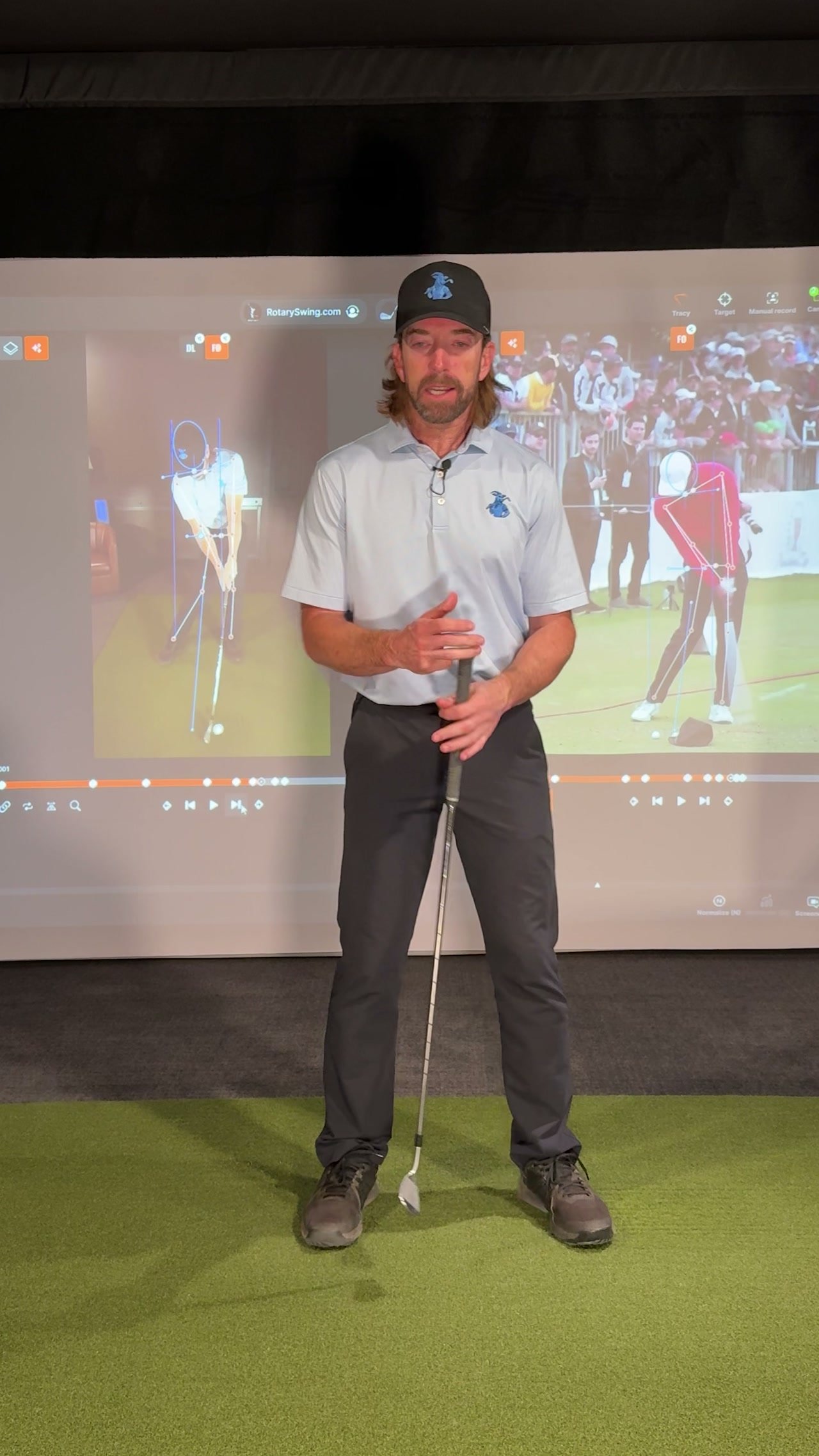
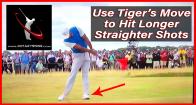
In the pictures below, the red lines represent where the "tush line" was at address. Ideally, you want to stay on that line — or even push slightly beyond it — in the downswing. This visual reference is one of the clearest ways to see whether you're truly maintaining your golf posture or inadvertently standing up through impact.
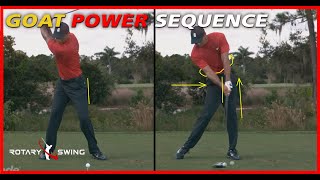
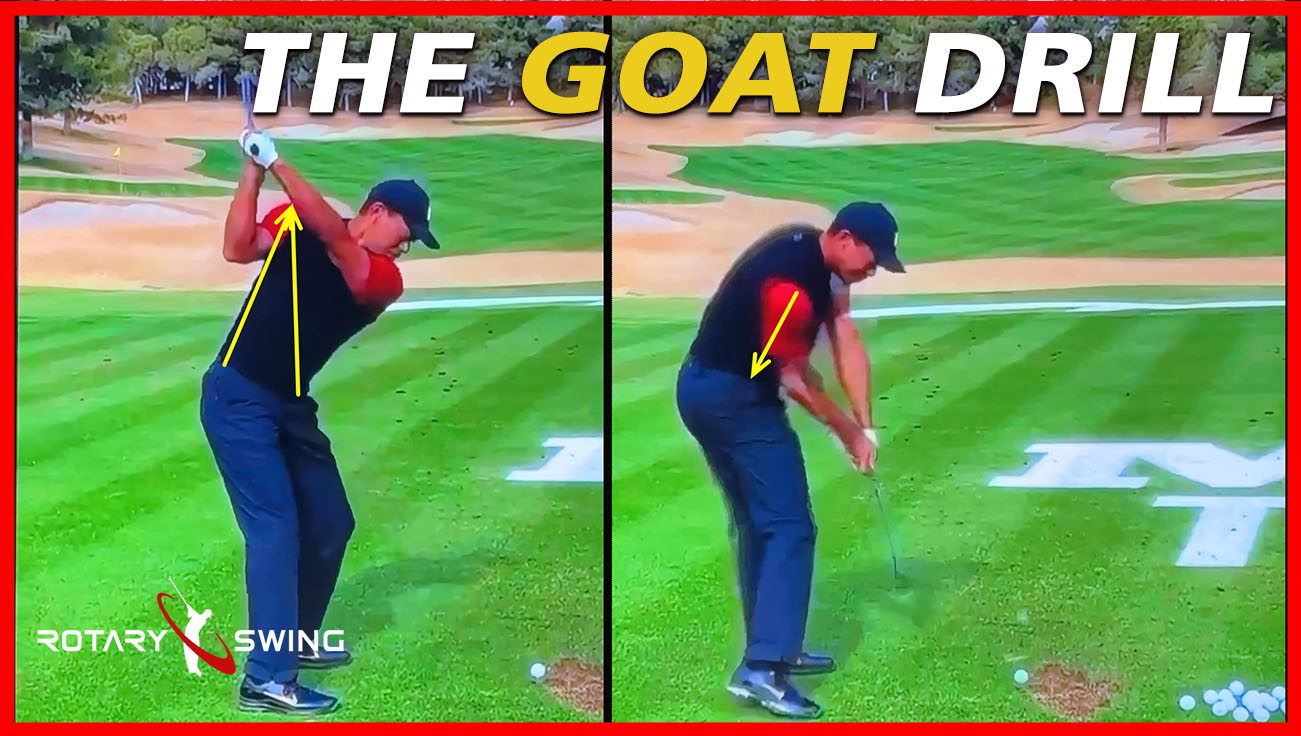
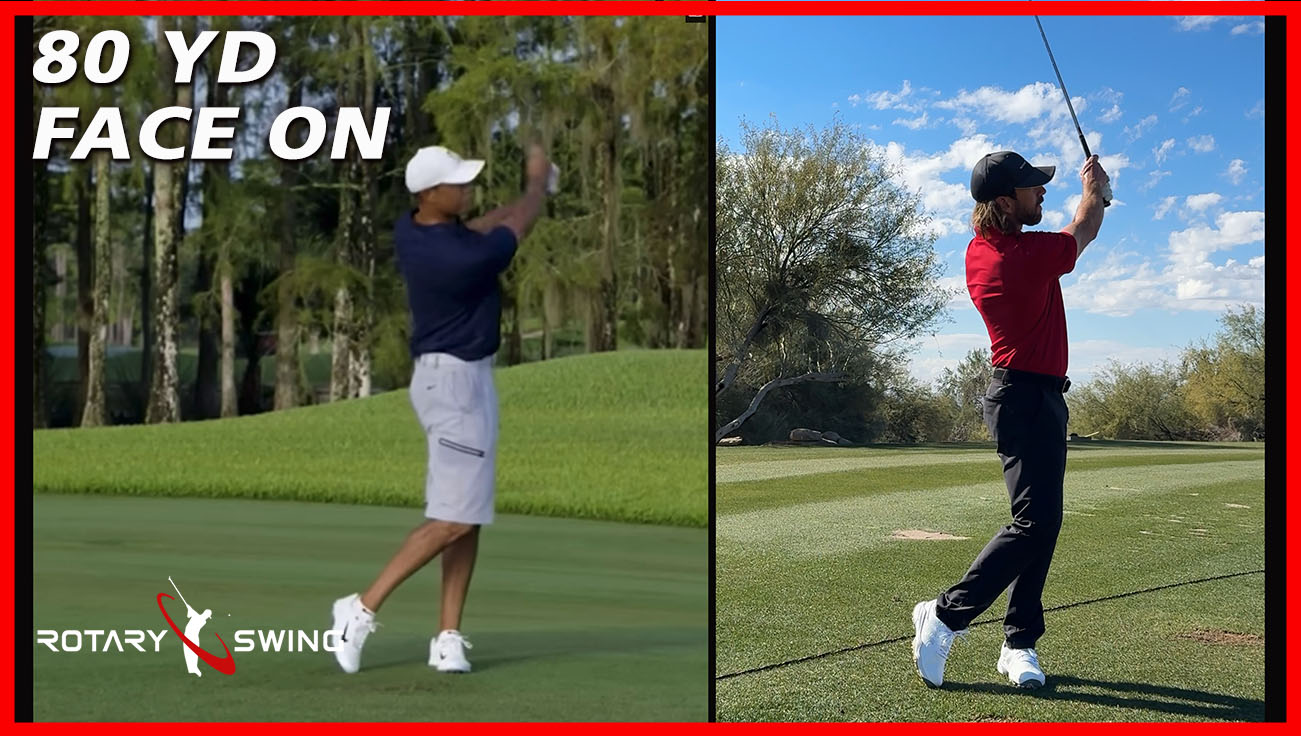
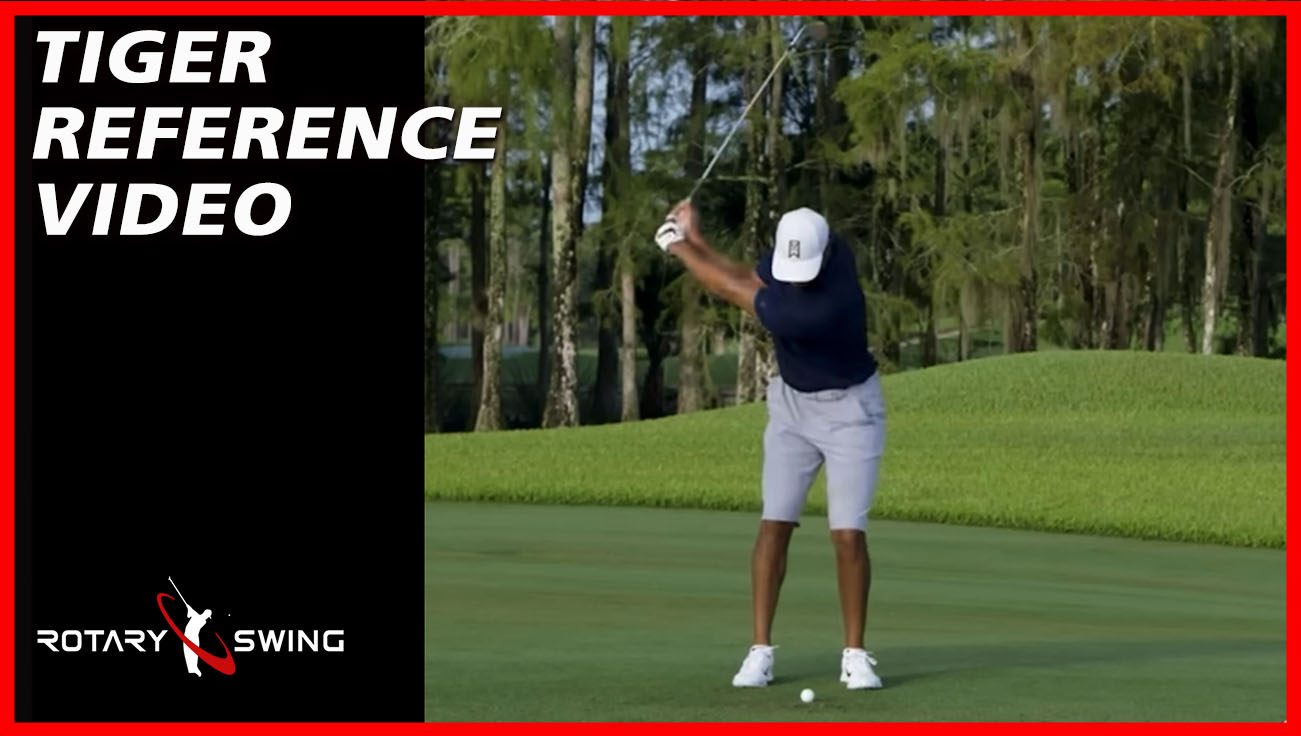
The picture on the left shows Tiger working deep into the tush line. It is a great example of maintaining posture in the downswing, with the glutes staying back and the upper body staying down through the impact zone.
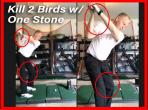
The red lines are the "tush line" at address. Tiger does a great job of keeping and even increasing his spine angle. I used the drill in this video to get better at it.
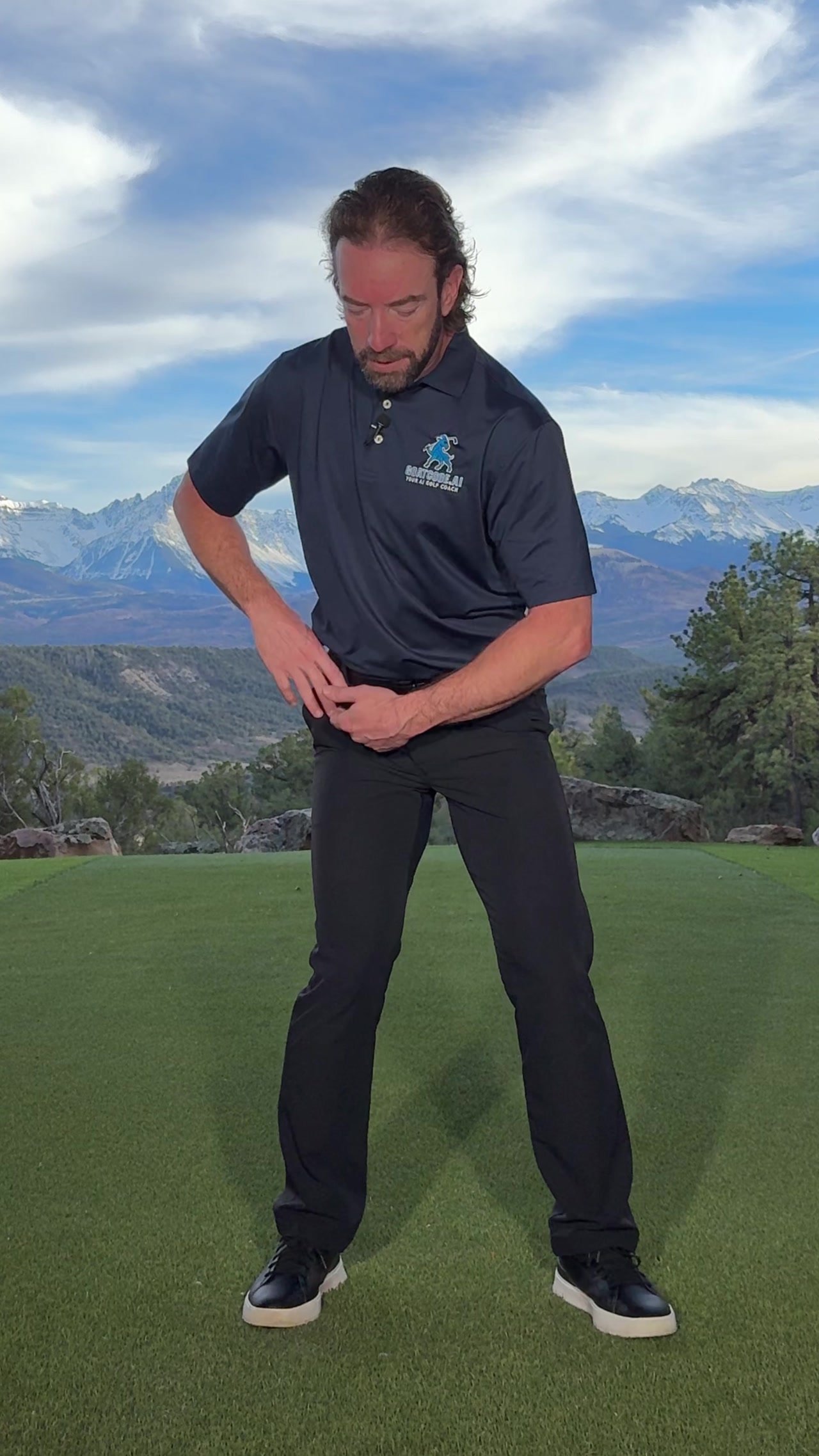
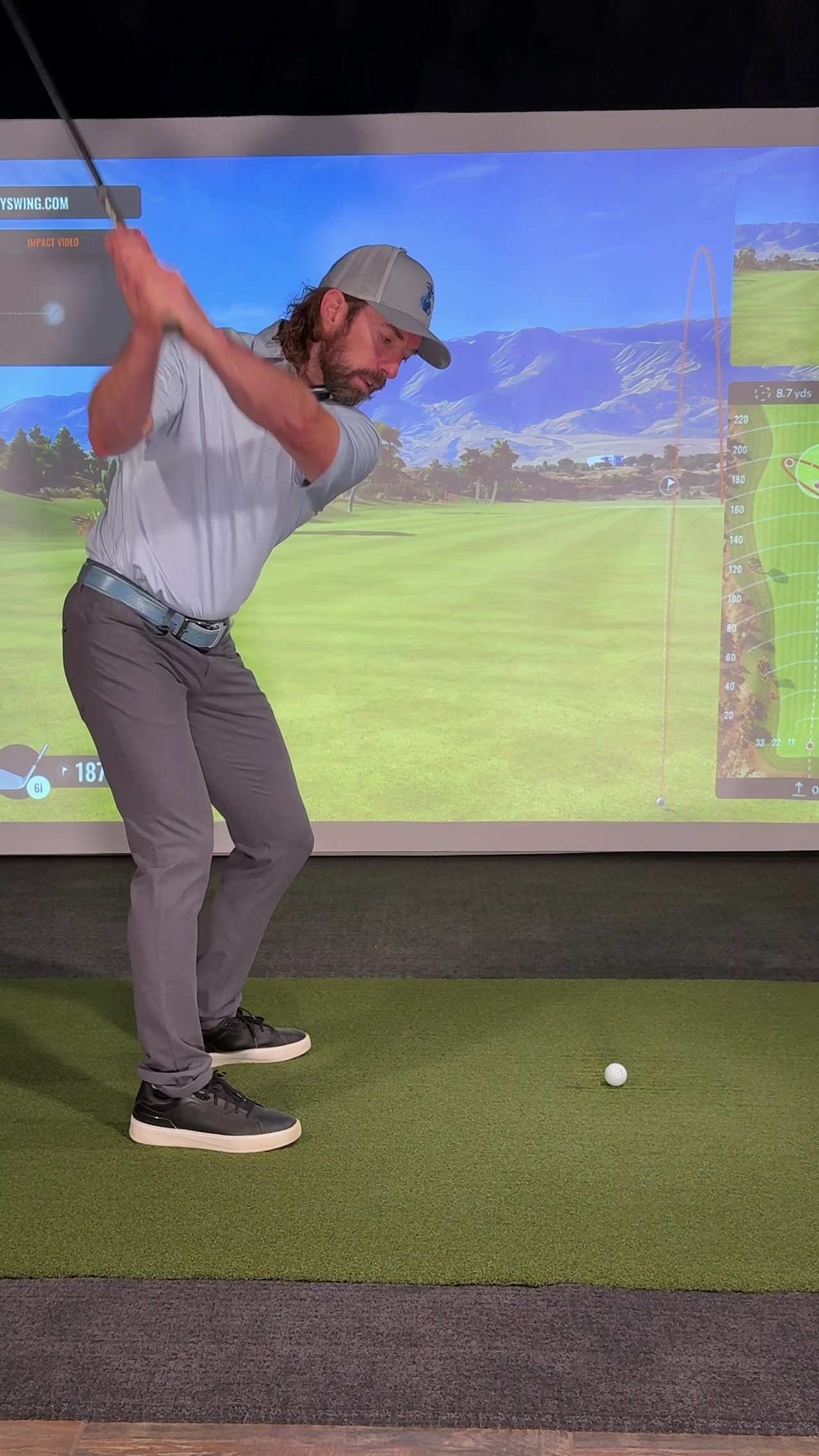
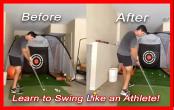
The picture in the center is of me struggling to maintain posture.
You can clearly see that I am driving off the trail foot, causing my hips to thrust forward and my upper body to lift up and back. This is the classic early extension fault — and it's extraordinarily common among recreational golfers who have never been shown the correct lower-body movement pattern.
"Great drill to help me recognize and address my tendency to lose posture mid swing...This helps me visualize where my swing is headed. This and Chuck's latest video...it's all coming together. Thanks guys."
-Piper S. | Oct 7, 2012 | 17 HDCP
To Fix Swing Faults: Repeat, Repeat, Repeat!
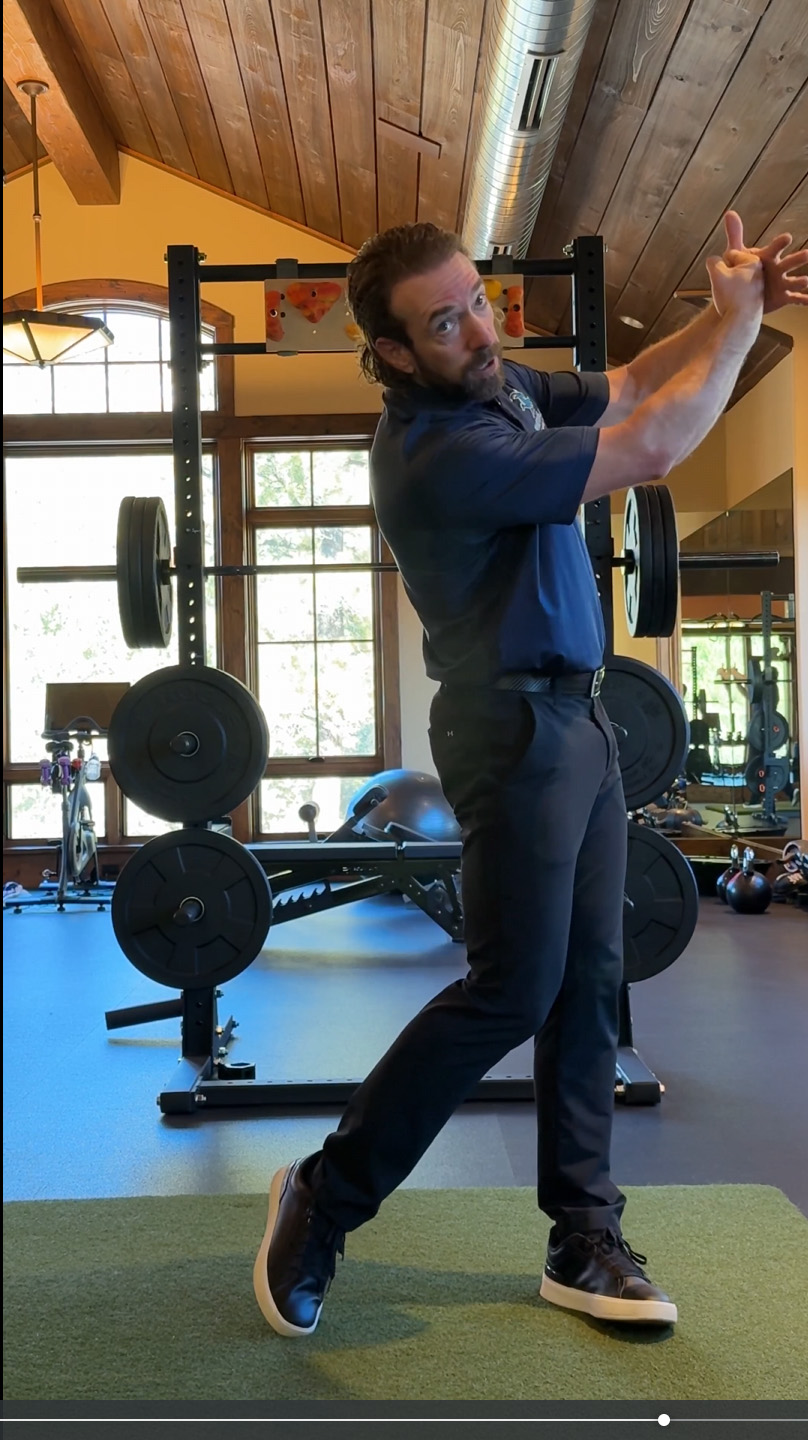
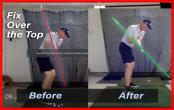
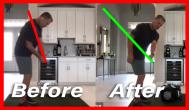
My "after" image is a great example of how the "Merry Go Round" drill described in this video helped me change the faulty movement pattern for good. If you've been battling the same issue, you can get a detailed breakdown of your own swing with a free AI swing analysis — it will show you exactly whether early extension is costing you distance and consistency.
Try a free live lesson with GOATY
GOATY, my AI golf coach, watches your swing through your phone camera and coaches every rep. Free, about 20 minutes, no credit card.
The drill taught me the proper feeling of keeping the hips back and the chest down as I transitioned from the top of my swing into the downswing. That sensation — of the trail hip staying deep while the upper body holds its forward tilt — is the key to solid impact position and repeatable ball striking.
Just days after I started using the "Merry Go Round" drill I was able to maintain my spine angle in the downswing. The change was fast because the drill delivers an immediate, undeniable feedback loop: if you lose posture, the drill tells you instantly.
"Nice video..I have the same issue of maintaining the posture at impact..will try it out. Chad, keep more of such videos coming...!!"
-Ravi H. | Sept 16, 2012 | 25 HDCP
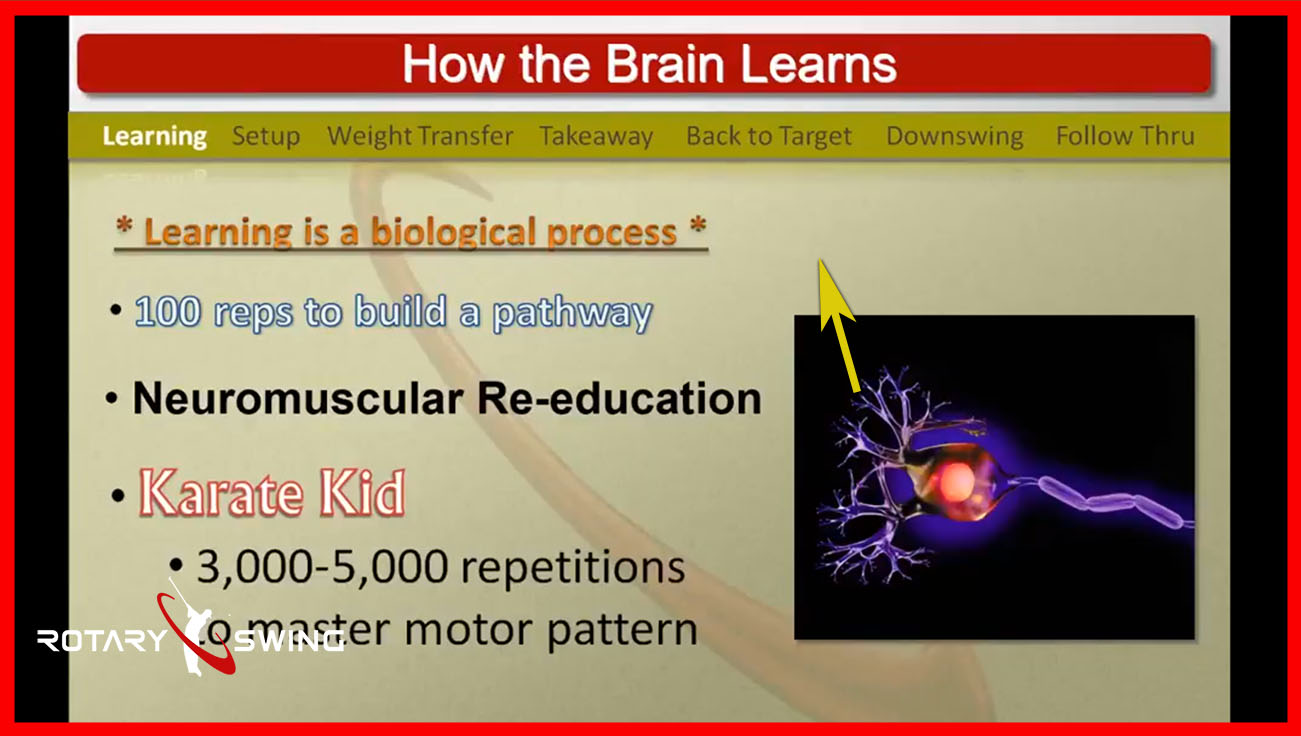
Don't get me wrong — maintaining posture through the downswing is still a constant work in progress, even for experienced players. Scientific research has shown that we have to constantly reinforce the proper movement at slow speeds for the brain to internalize the new pattern. You cannot shortcut motor learning by swinging full speed from the start.
Long-time members know that it takes roughly 3,000-5,000 correct repetitions to master a new movement. But the good news is that the Merry Go Round drill makes those reps accessible anywhere — no range required. Pair your practice with the GOAT Drill video lesson for a complete system that tracks your progress rep by rep.
Why Should You Watch This Video?
"You guys are psychic! I have learned more from this site in a month then I have in 20 years of golfing! Thanks again for another great video and drill!!!!"
-James T. | Sept 16, 2012 | 10 HDCP
Maintaining posture in the downswing is crucial for consistent contact — it is the foundation that everything else in the golf swing is built upon. When your spine angle holds, your club path stabilizes, your impact position becomes repeatable, and your ball striking improves across every club in the bag. Check out the video now!
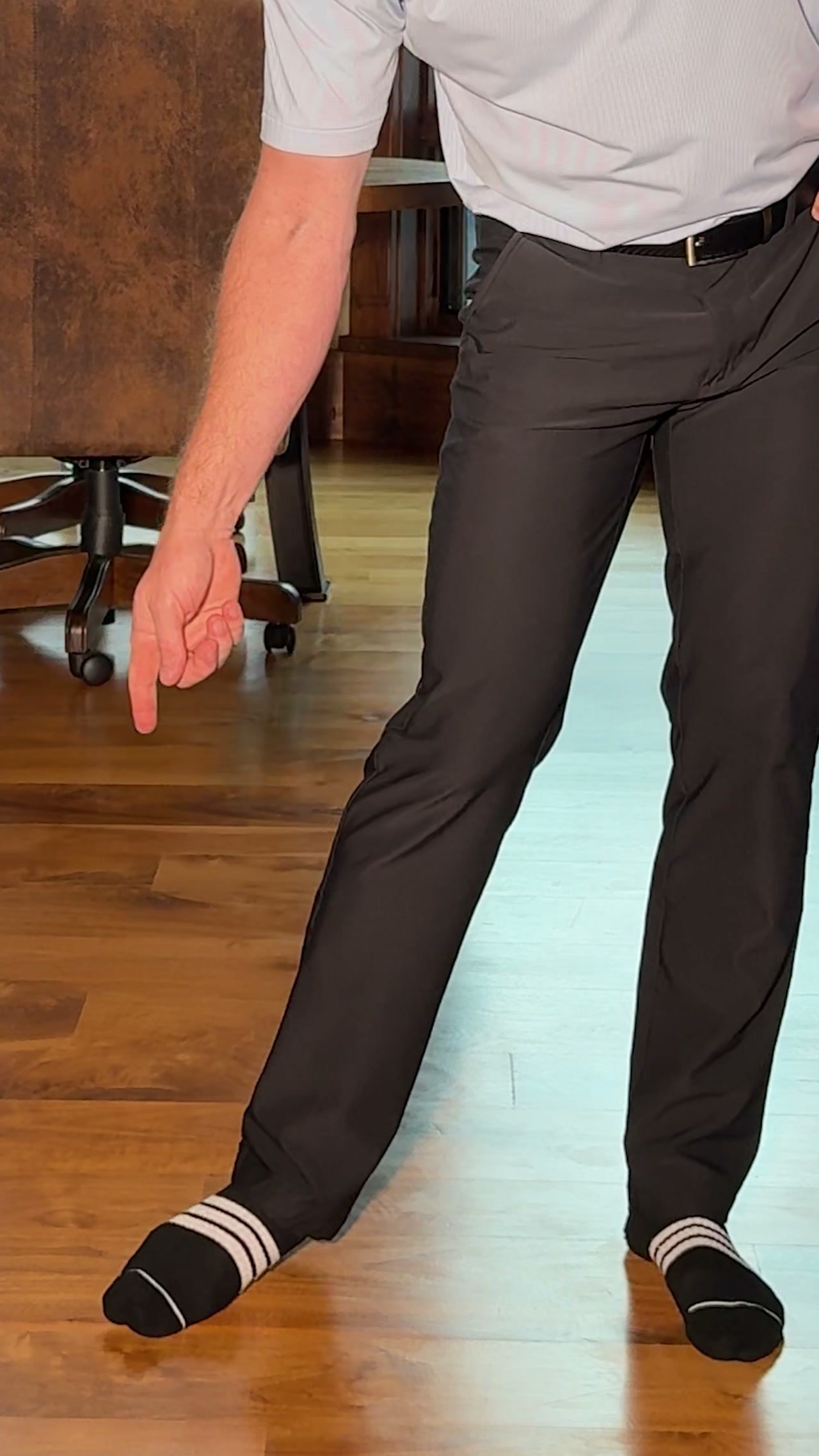
The lower body should work back away from the ball in the downswing, creating room for the hands & arms to deliver the club on a consistent path
Many golfers do the opposite — thrusting the knees & hips forward and lifting the chest up away from the ball, destroying their spine angle at impact
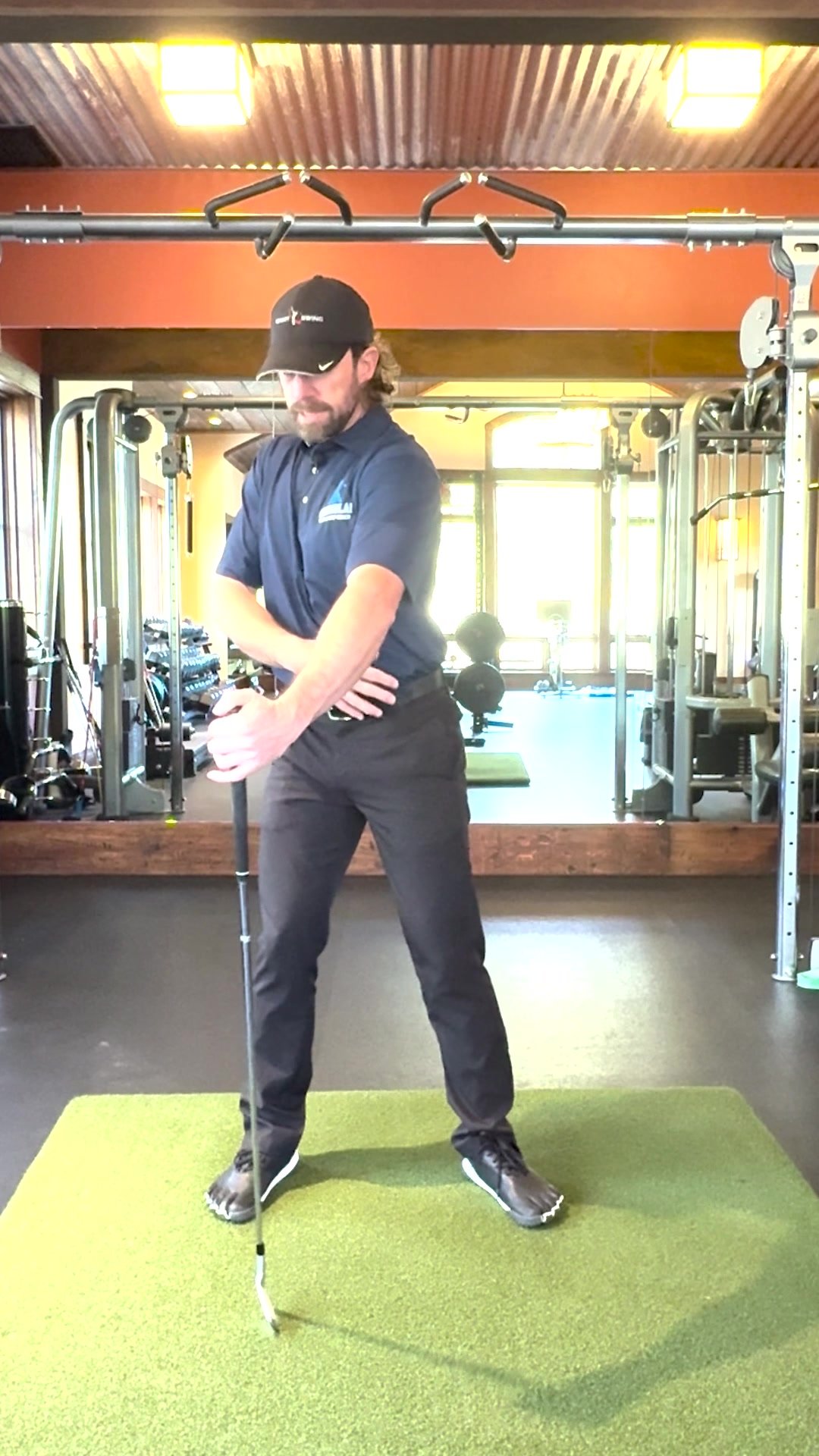
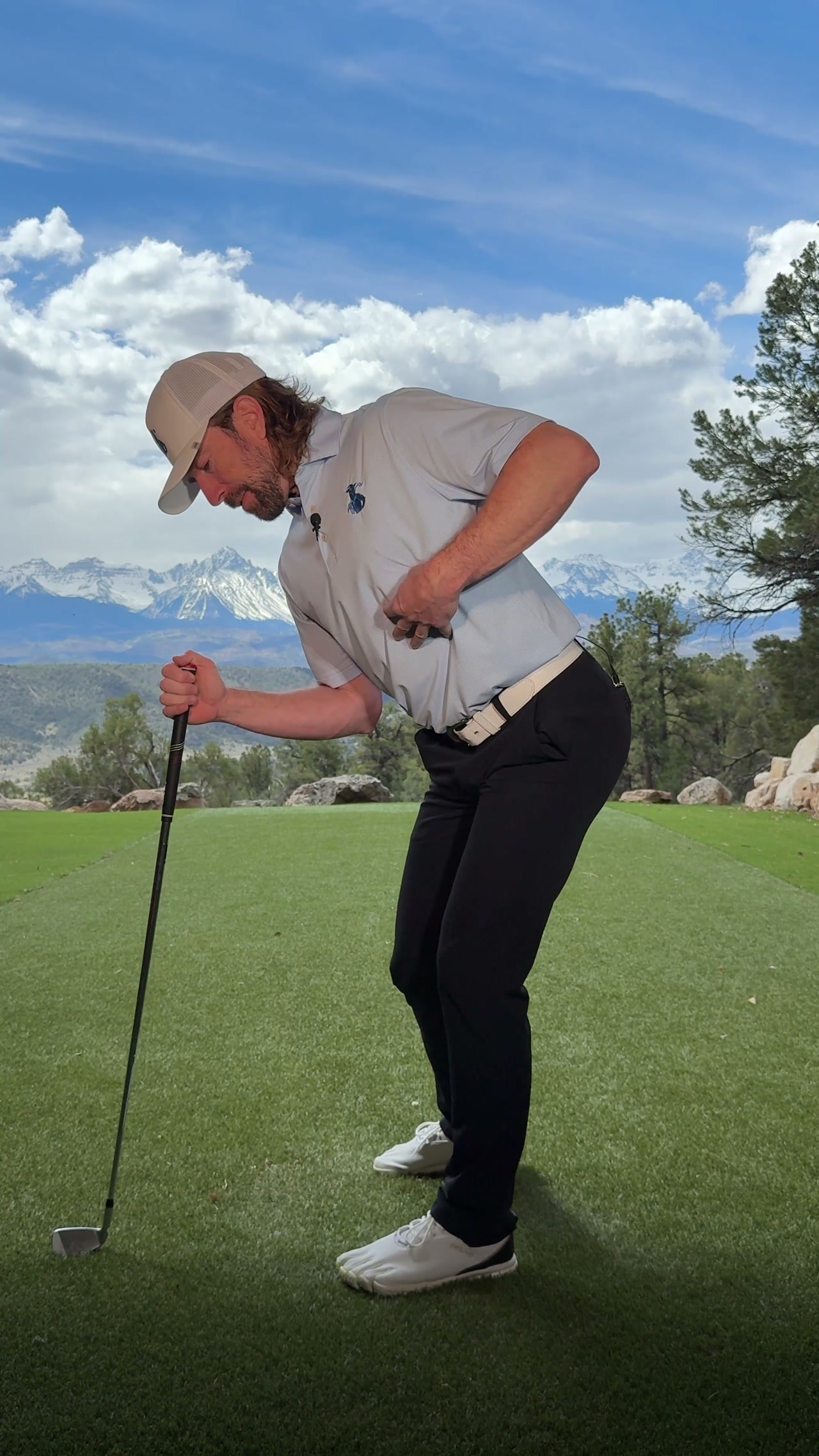
Drill: Hold a club against your chest and get into a solid address posture with your weight balanced evenly
Rotate the club to the top, then drive it all the way back down into impact position while keeping your chest angled toward the ground
If you lose posture mid-drill, you won't be able to get the club back to impact position — the drill gives you instant, honest feedback
Video Transcription: Maintain Your Golf Swing Posture
Chest comes up & out
A common problem I see in players of all skill levels is the inability to maintain posture in the downswing.
This can occur for a number of different reasons — poor swing path, clubs that are too long, standing too far away from the ball at address, or having your weight too far back into your heels at address — but the most common cause that I see involves players who tend to push or drive off of their trail foot in the downswing. That trail foot thrust sets off a chain reaction that makes good ball striking nearly impossible.
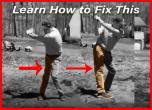
When they do this, it causes the knee and hips to thrust forward, toward the ball, and the chest to move up and away from the ball in an effort to counterbalance. The result is early extension — one of the most destructive and stubborn swing faults in the game.
Hips & lower body work back
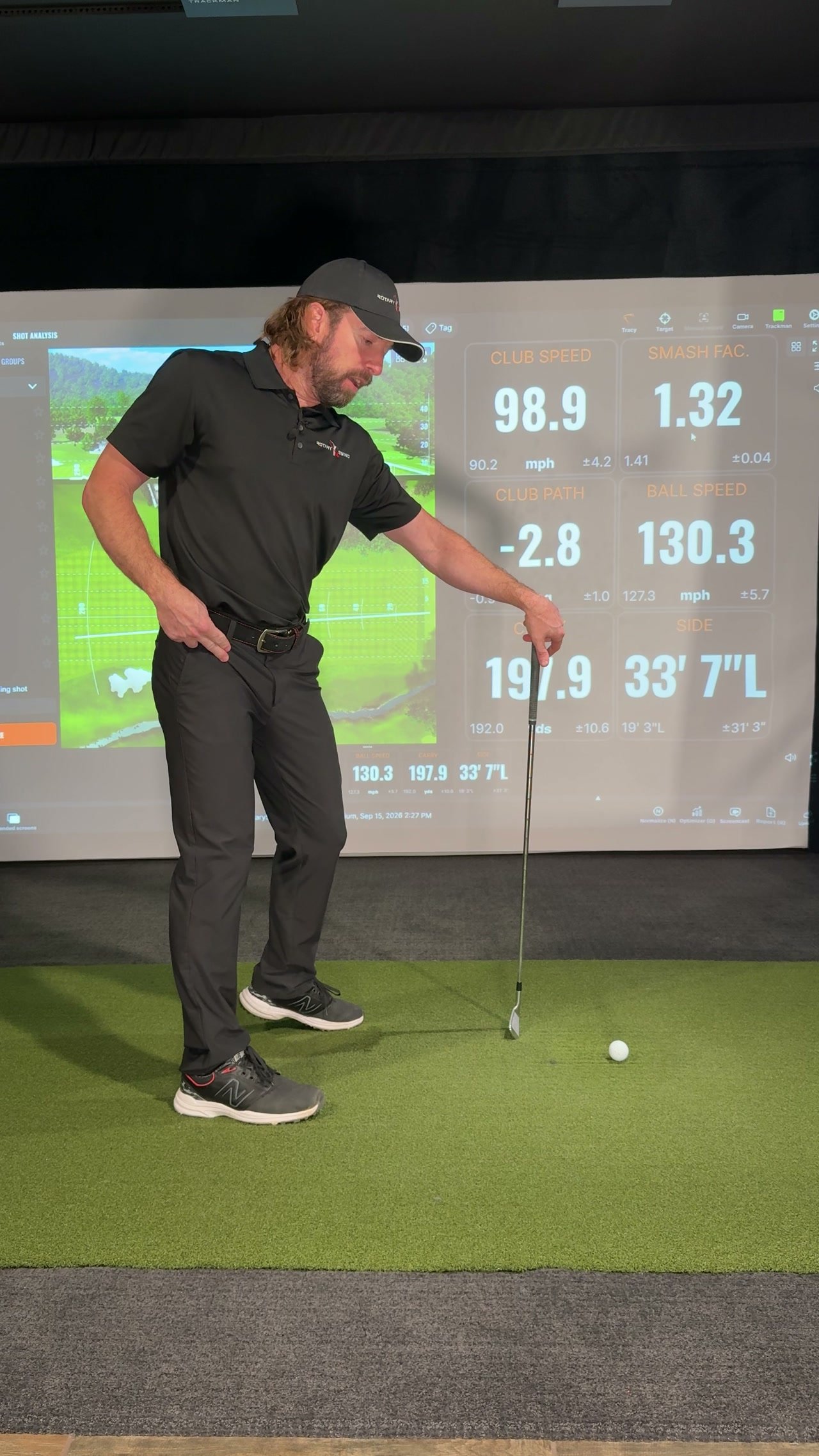
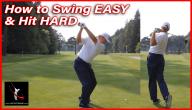
In the downswing we always want to see the hips and lower body work back away from the golf ball, in order to create space for the hands and the arms to swing freely through the impact zone. We never want to see the lower body or the hips move toward the golf ball. The trail hip staying back and deep is the key that unlocks everything else.
If that happens — if the hips thrust forward — like I showed you before, you can see my chest comes up and out, I lose posture, and any number of things can happen from there. You can release the golf club early, you can hit blocks, hooks, fat shots, thin shots — you name it. No amount of swing path correction will save a shot when posture has already been lost at transition.
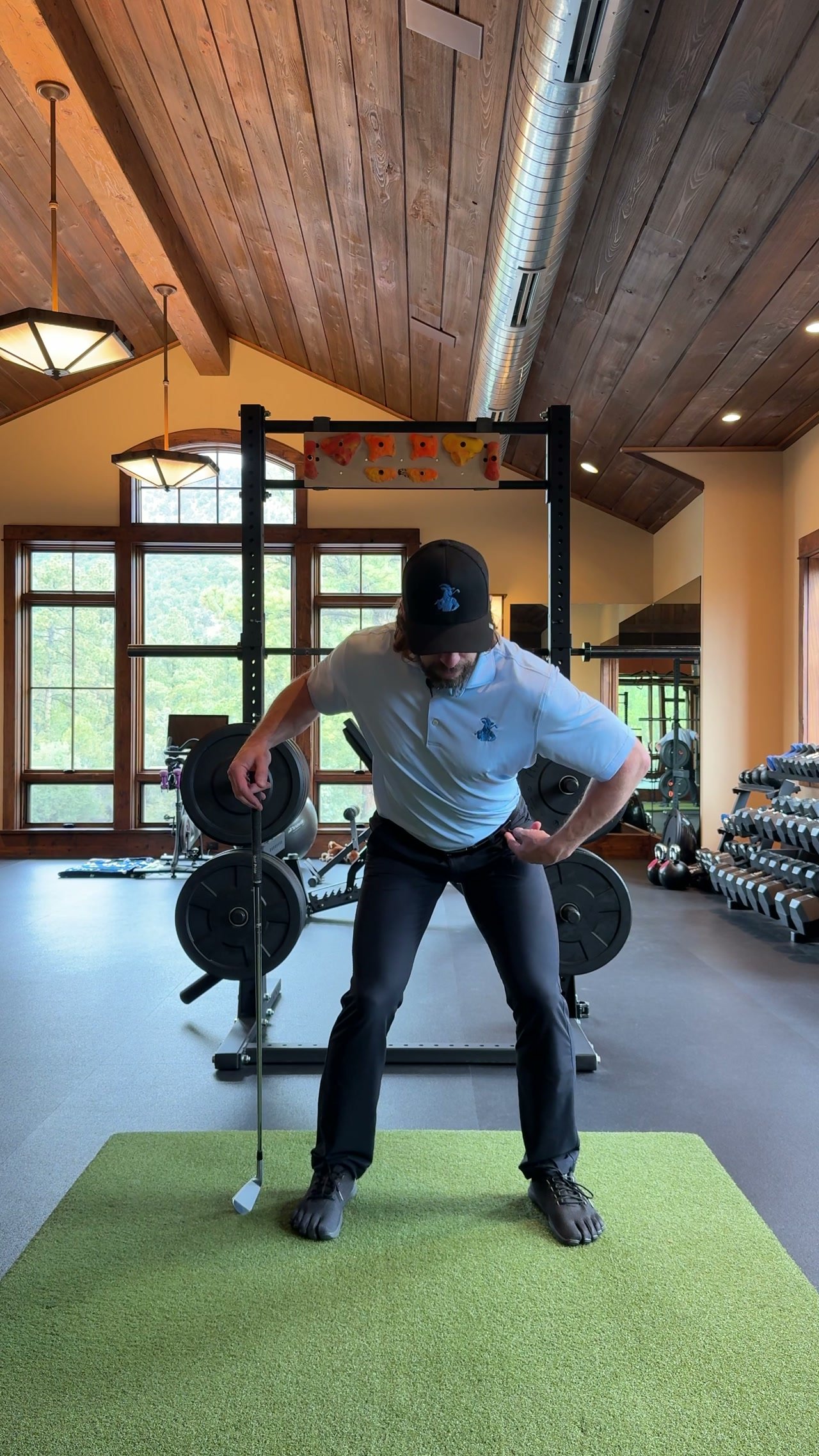
Here's a drill to help you change the movement and hit the ball with more power and consistency. This drill is called the Merry Go Round, and it's going to help you eliminate loss of posture in the downswing by giving you a tactile, real-time feedback mechanism that you can use at home, at the range, or anywhere in between.
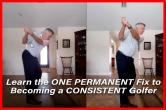
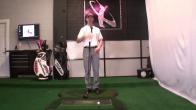
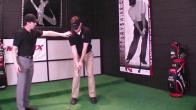
Lay a club across your chest (above), go to address, then to the top, then rotate to impact
The way we're going to perform this drill is to take the golf club and lay it across the chest like so. From there, get into a good address posture and rotate the golf club to the top. This is where it all starts. From here I want you to focus on getting the golf club all the way back to impact — chest staying down, hips driving back.
Again, good address posture, rotate the club to the top, get the golf club all the way back to impact. Just to note, this is not where impact occurs in the real golf swing, because the golf club is not strapped to our chest. This is actually where the release would be occurring. But for the purpose of training your downswing posture, this is the position you're targeting.
It's a great opportunity for you to work on maintaining your golf posture and rehearsing that perfect, compressed release feeling.
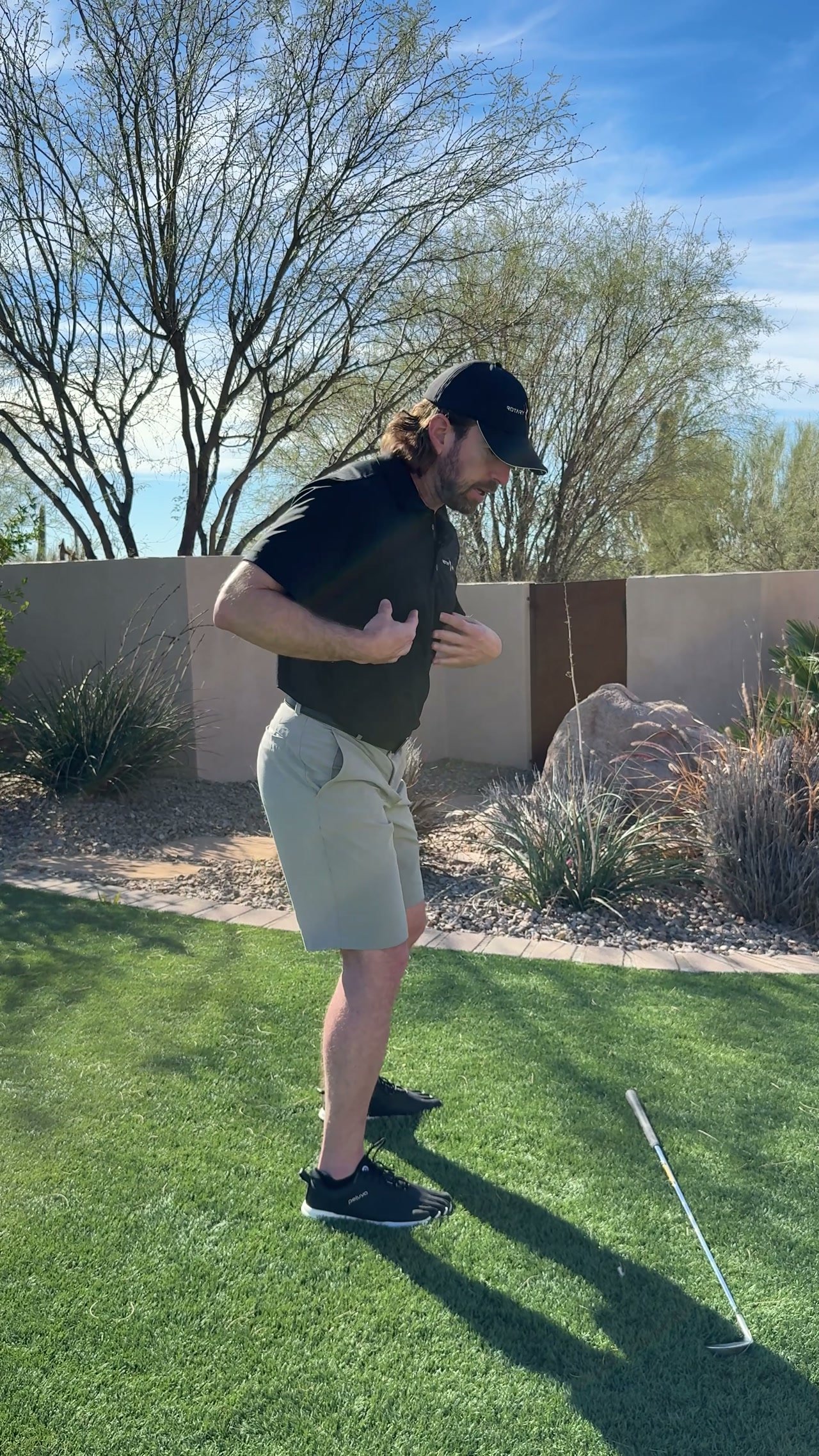
From this view what you'll notice is, if you have loss of posture, you won't be able to get the golf club back to impact. There you have it — driving off the trail foot, knee comes forward, hips come forward, chest moves back. The fault exposes itself completely with this drill.
You can't reach impact with bad posture
The cool thing about this drill, when performed properly, is that it teaches you exactly what you need to do with your upper body in order to eliminate what you don't want to do with your lower body — which is get the hips thrusting forward. It retrains the movement pattern at the source, not just the symptom.
As a side note, it also teaches you a great deal about the mechanics of the trail foot in the downswing, and how we want it to roll inward versus thrusting up off the ground. That inward roll is what keeps the hips back and lets you maintain your spine angle all the way through to a full, balanced finish.
Do this drill consistently, log your reps, and it will help you eliminate loss of posture in the downswing — and transform your ball striking in the process.
Posture loss through impact is almost always linked to one specific fault — if your hips thrust toward the ball in the downswing, read our guide on early extension in golf to understand exactly why it happens and how to stop it.
How to Maintain Your Posture for Better Ball Striking
Learn to maintain your posture during the downswing for improved ball striking consistency.
1
Understand the Importance of Posture
Recognize that maintaining your spine angle throughout the swing is crucial for consistent ball striking. Many golfers struggle with this, leading to common faults like topping the ball.
2
Visualize the Tush Line
Use a visual reference, such as the 'tush line,' to see where your body should be during the swing. This helps you maintain your posture and avoid standing up through impact.
3
Perform the Merry Go Round Drill
Practice the 'Merry Go Round' drill to reinforce the feeling of keeping your hips back and your chest down during the transition from the top of your swing into the downswing.
4
Focus on Hip and Upper Body Position
As you swing, concentrate on keeping your trail hip deep while maintaining a forward tilt in your upper body. This position is key for achieving a solid impact.
5
Repeat and Reinforce
Consistently repeat the drill to build muscle memory. The immediate feedback from the drill will help you recognize when you lose your posture.
6
Monitor Your Progress
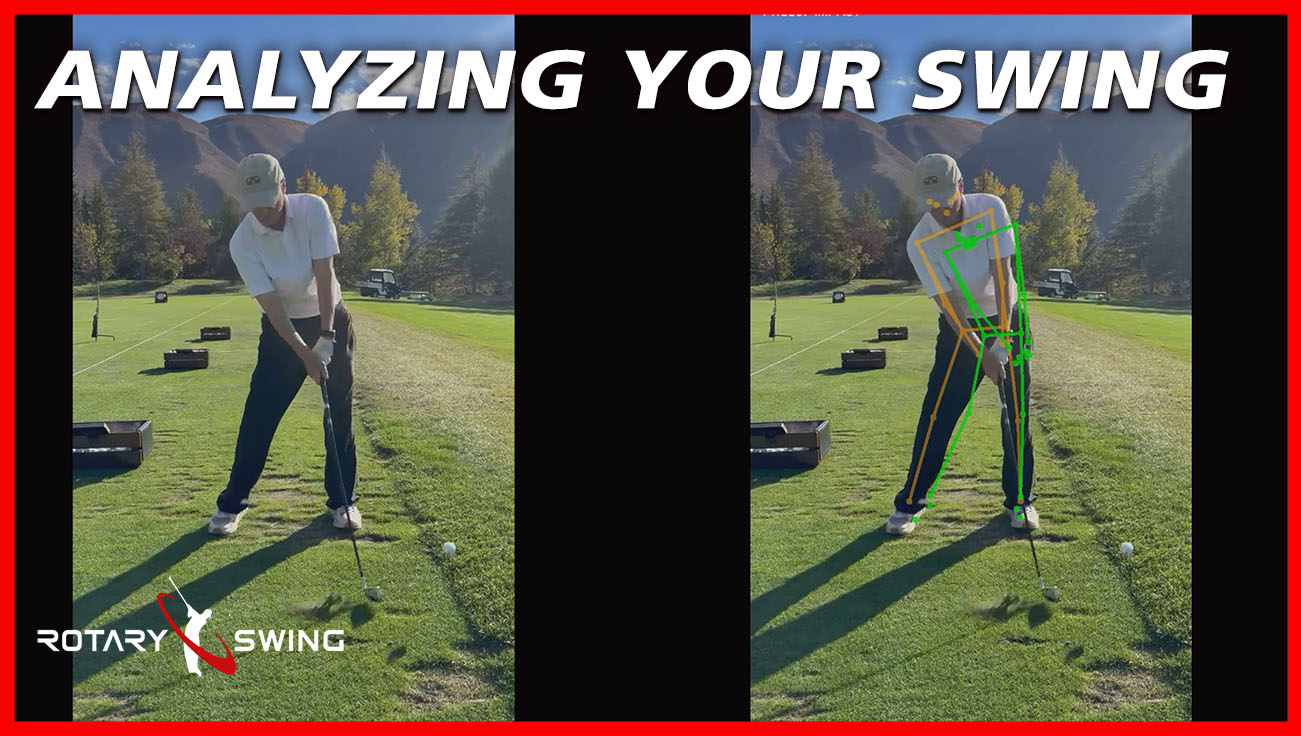
Regularly check your posture during practice sessions. Use video analysis or feedback tools to see improvements and make necessary adjustments.
What is the significance of maintaining posture during the downswing?
Maintaining posture during the downswing is crucial for consistent ball striking. Many golfers struggle with loss of posture, which can lead to poor contact and inconsistency. By preserving your spine angle and setup throughout the swing, you can improve your ability to strike the ball cleanly, much like the best players in the world do.
How can the 'Merry Go Round' drill help improve my swing?
The 'Merry Go Round' drill is designed to help golfers maintain their posture and spine angle during the downswing. By practicing this drill, you can learn to keep your hips back and your upper body down, which are essential for achieving a solid impact position. This drill not only aids in correcting early extension but also reinforces the proper lower-body movement pattern.
Why do golfers often receive the advice to 'keep their head down'?
The advice to 'keep your head down' is common but can be misleading. Focusing too much on this can cause golfers to lock their cervical spine, restricting rotation and negatively impacting their swing. Instead, it's more effective to maintain your posture and spine angle, allowing for a more natural and effective rotation through the ball.
What visual cues can help me assess my posture during my swing?
Using visual references like the 'tush line' can be an effective way to evaluate your posture during the swing. By comparing your position at address to your position at impact, you can determine if you are maintaining your setup angles. Ideally, you should stay on or slightly beyond this line, which indicates that you are preserving your spine angle and posture throughout the swing.
Try a free live lesson with GOATY
GOATY, my AI golf coach, watches your swing through your phone camera and coaches every rep. Free, about 20 minutes, no credit card.
Learn the 3 Tour Pro Consistency Secrets You've NEVER Heard!
Watch part 2 now to see how you're moving your body in the opposite direction of the pros!
Get a Free AI Golf Lesson — 10 Minutes of Live CoachingJust prop up your phone, start swinging, and GOATY coaches you live with real-time voice feedback. No upload needed.
We're after one thing: Real Results - Real Fast.
And that's exactly what our members achieve.
And that's why they say the AXIOM is:
Mind-blowing. Game changing. Revolutionary.
RotarySwing was founded out of frustration with the current state of golf instruction. Quinton knew a better way had to exist to learn this game we all love.
The GOAT Code is finally ready after 3 decades of exhaustive work -
you can now learn how to play the game like Tiger and have incredible
control over the ball. This NEW program is truly a step-by-step process
that takes you from green to tee and will teach you the secrets of how
to play like the Greatest Of All Time. If you would like to switch over
to the new GOAT Code program, simply click the green button below.
Don't worry, you can easily switch back at any time and will see a new
button at the top of your screen to switch back whenever you like.
What are the main advantages of the new program?
It cuts down on the clutter - the videos you will see are all
you need to play your best golf ever - nothing more, nothing less
It is truly step-by-step - no more wondering what you should be
working on, the program guides you through every step of the way
Faster progress - you will see improvements in your scores incredibly
fast and this will immediately begin to spill over into your full swing,
even while working on just your putting!
There's a reason that Earl Woods taught Tiger how to play the game
from the green back.
I admit, at first, even I didn't think it was necessary. I thought I
could skip ahead and learn the full swing without building a solid
foundation in putting, chipping and pitching.
All this belief did was cost me MORE time than had I started
at the beginning just like The GOAT did. Over the past 20 years of
doing golf clinics, my observations of thousands of students was
always the same - those who started the slowest at the beginning
always got there the fasted in the end.
In other words, the students I observed being diligent with the
small things like grip, setup, posture and the basics of controlling
the clubface on day 1 were always WAY further ahead of those who
didn't on day 1.
In the post above by member Everett, he said it all in a nutshell.
Go through the program exactly the way it is laid out and you
will have extraordinary results. Skip to the end and you'll end up
with the exact same swing you started with.
This is a system, not a grouping of random tips.
There is a method to my madness deeply rooted in learning psychology
and over 30 years of teaching hundreds of thousands of golfers
just like you how to hit a ball with a stick. Slow down and you'll
get there faster...


















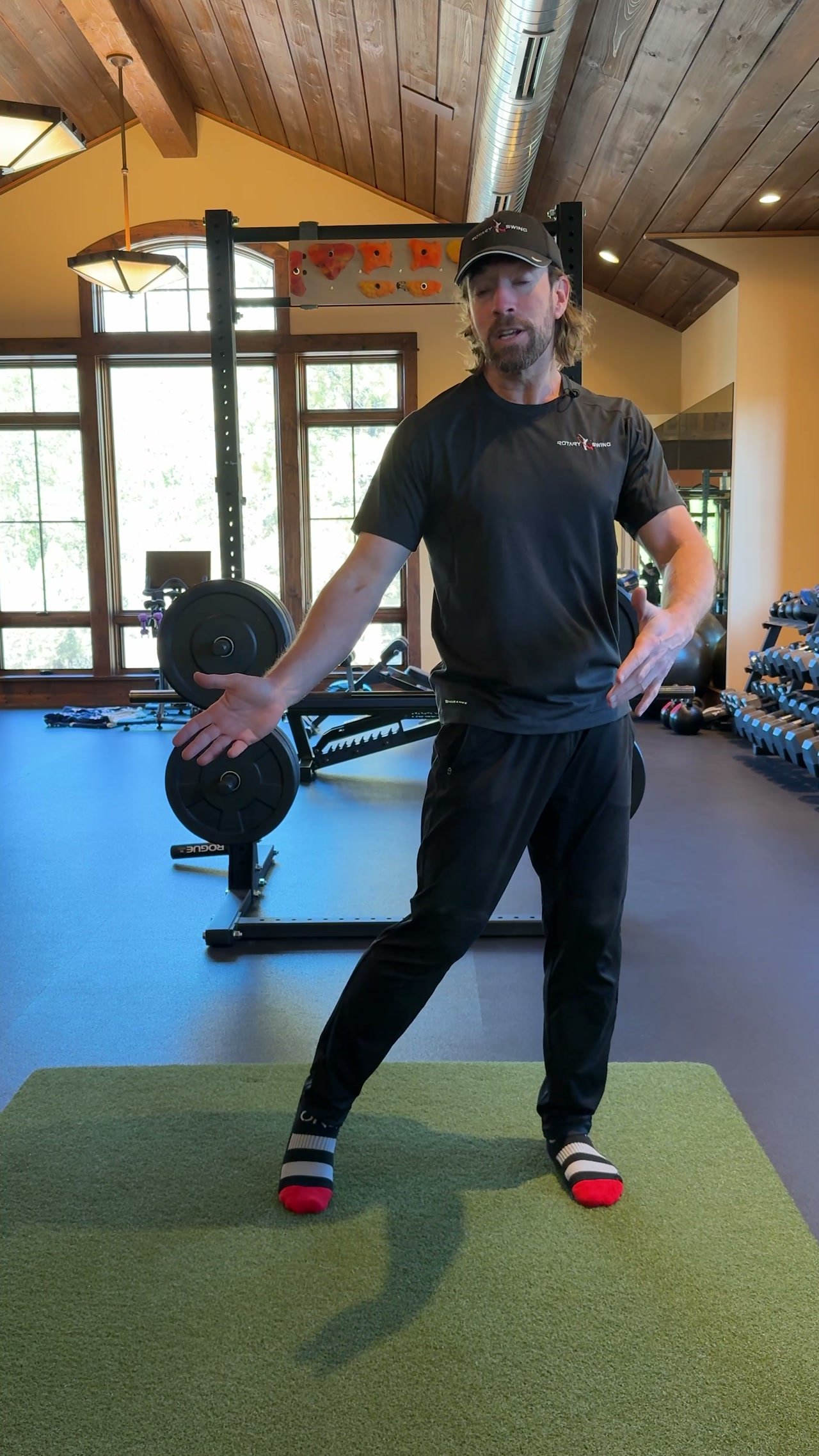
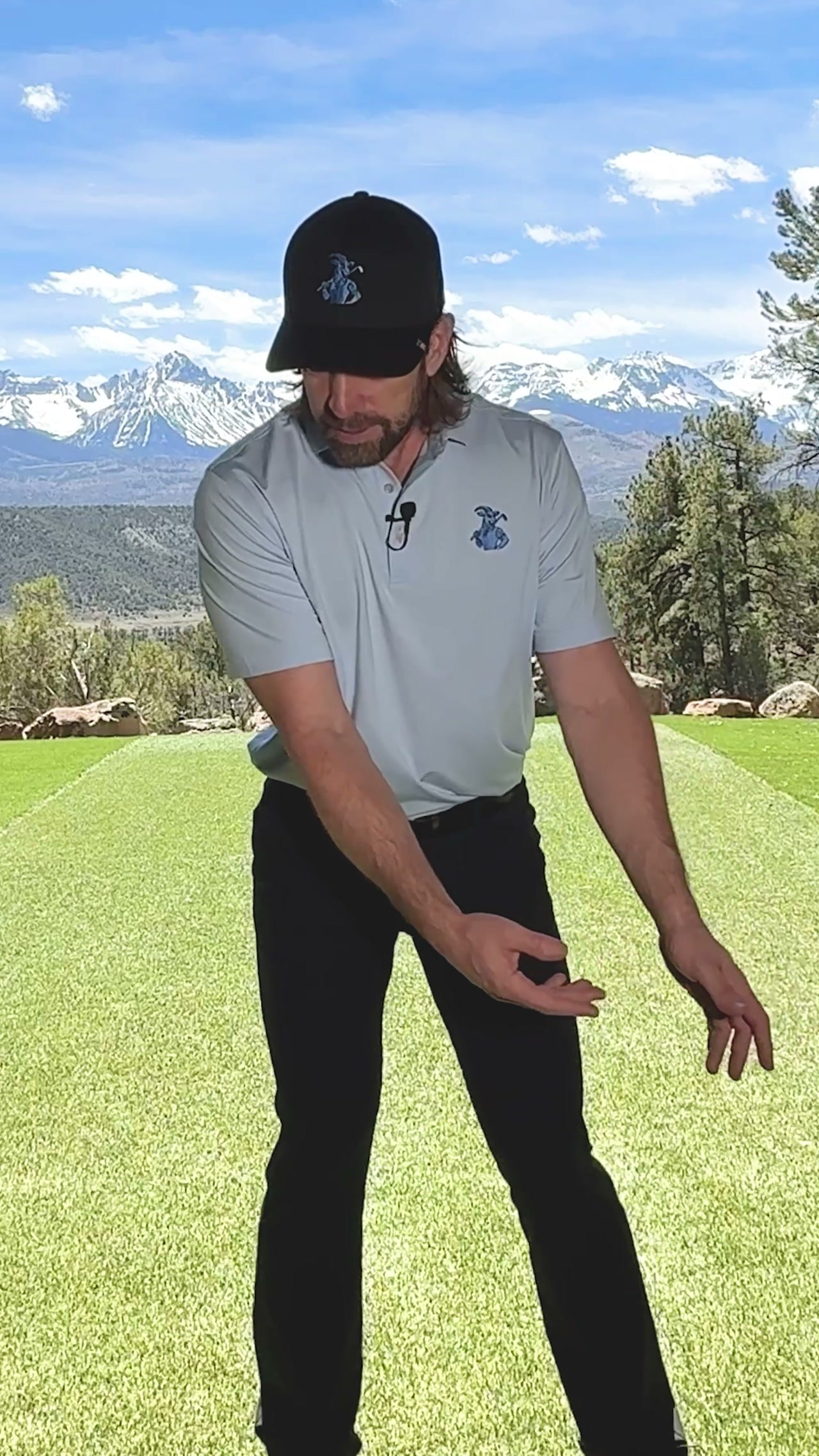











































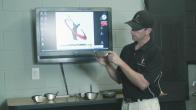

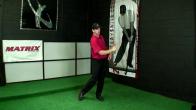
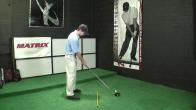








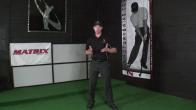

























 Learn the "Merry Go Round" drill.
 The red lines are the "tush line" at address. Tiger does a great job of keeping and even increasing his spine angle. I used the drill in this video to get better at it.
 Chest comes up & out
 Hips & lower body work back
 Lay a club across your chest (above), go to address, then to the top, then rotate to impact
 You can't reach impact with bad posture