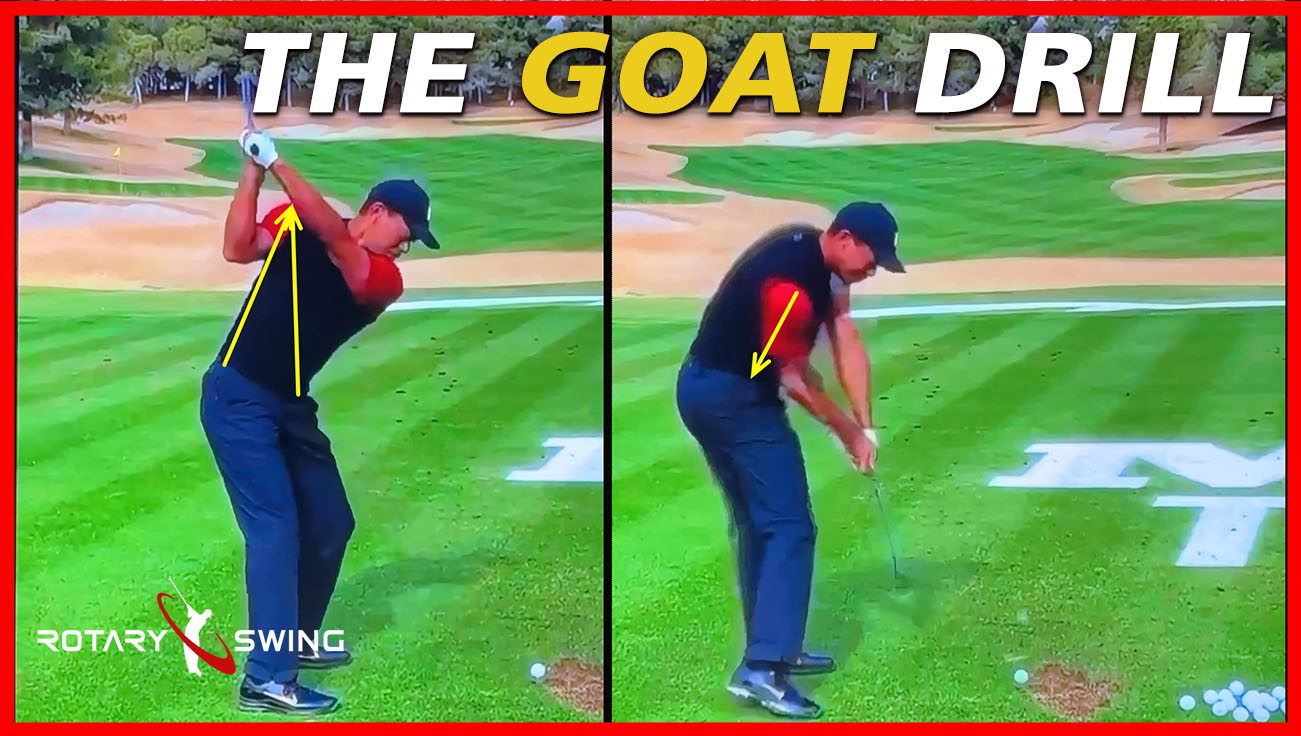
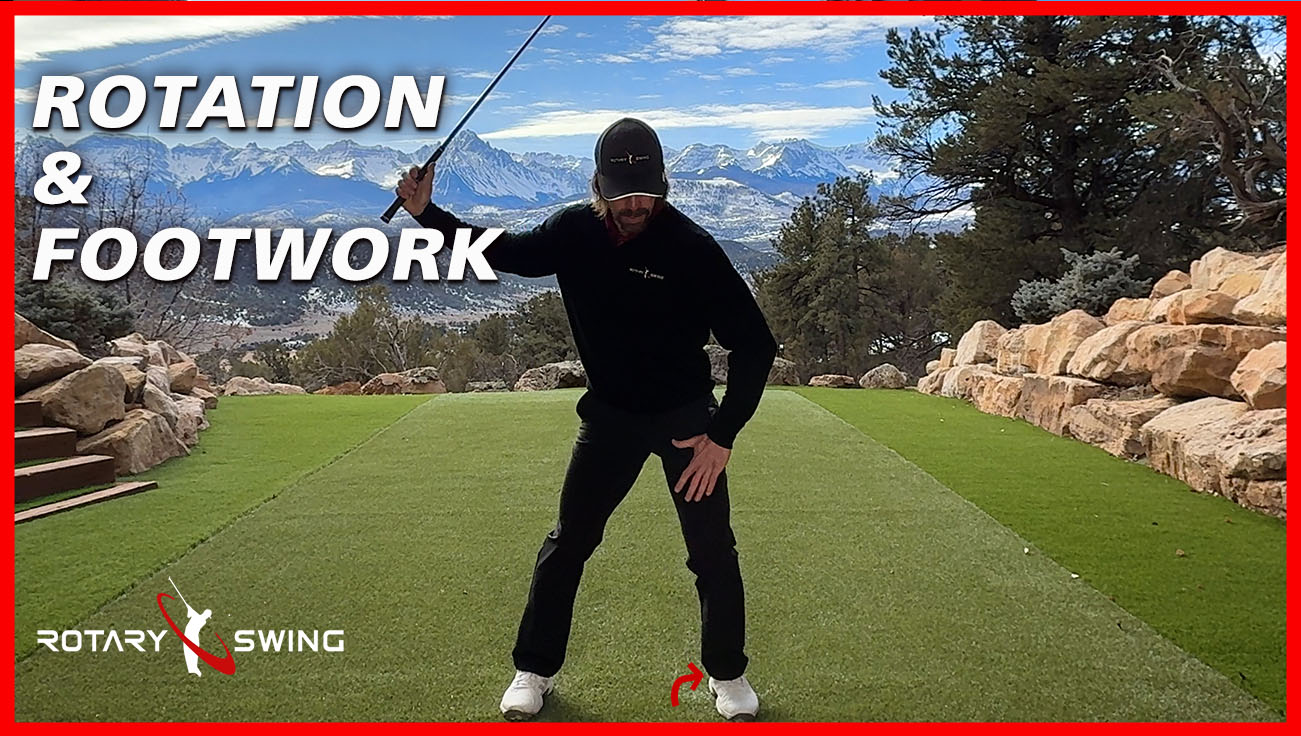
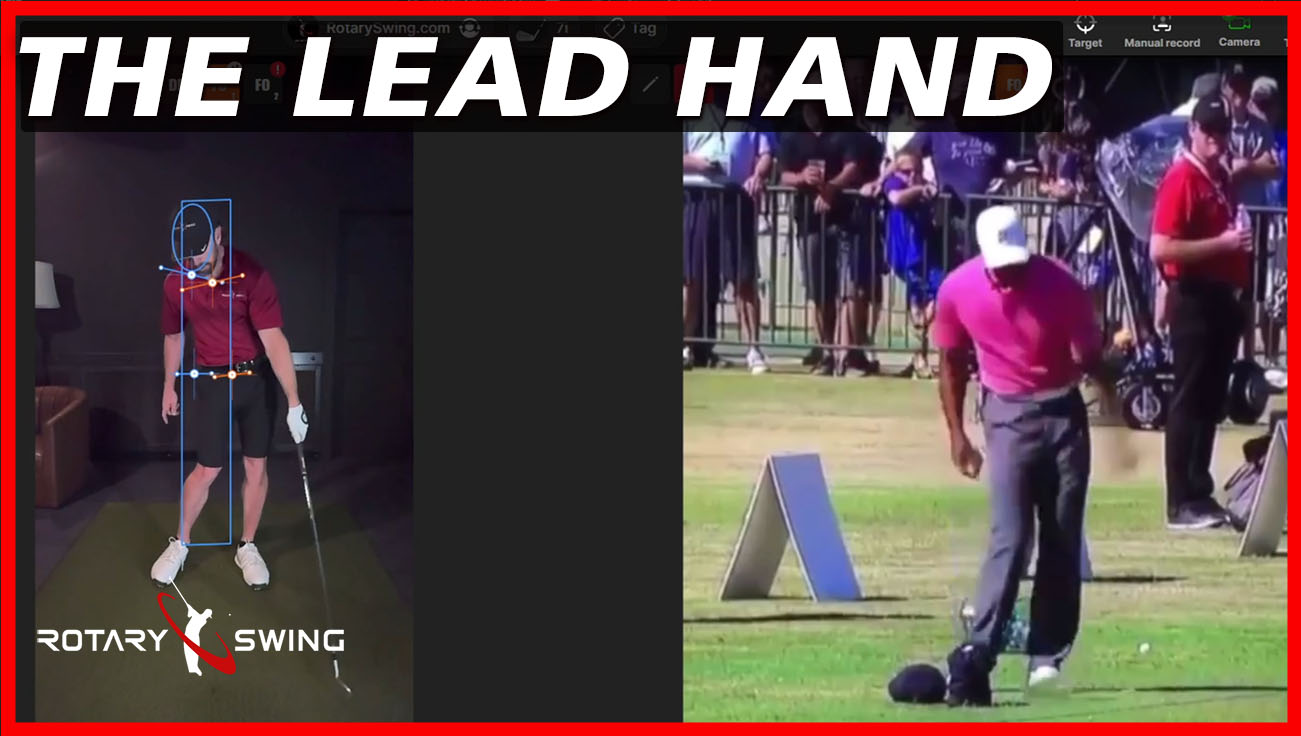
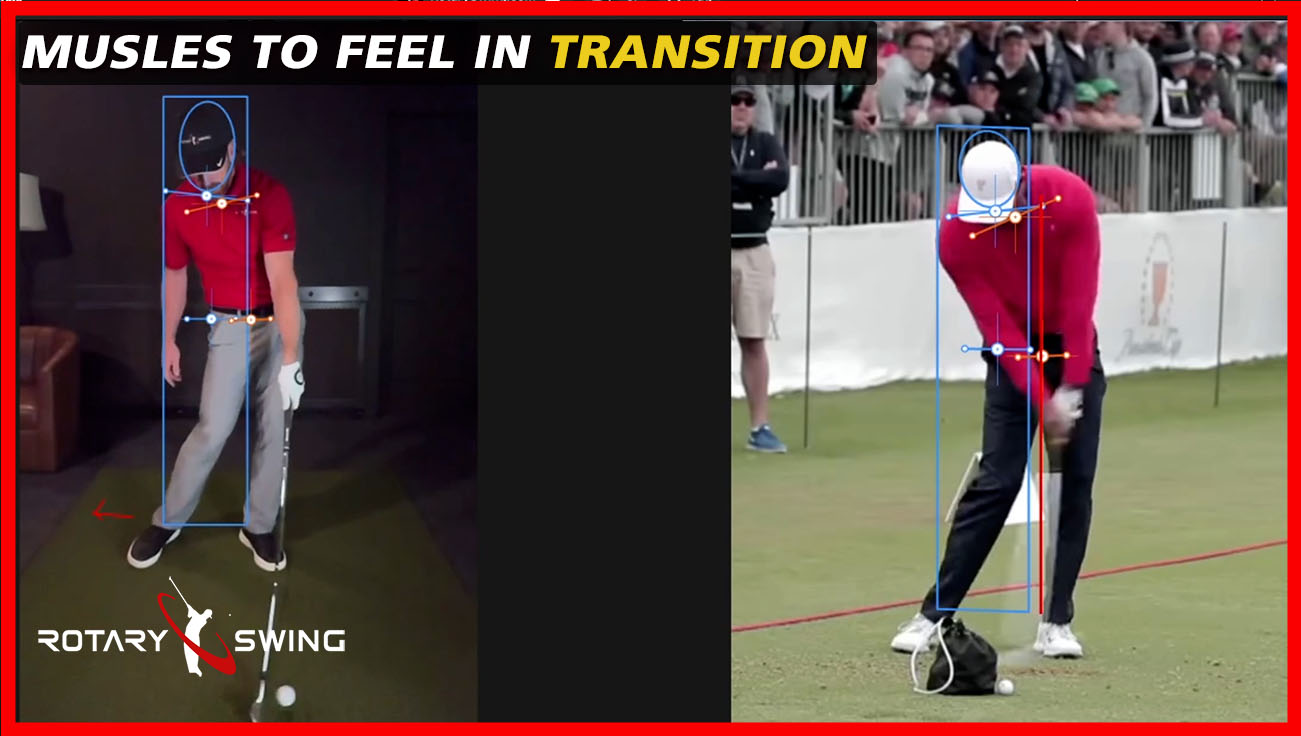
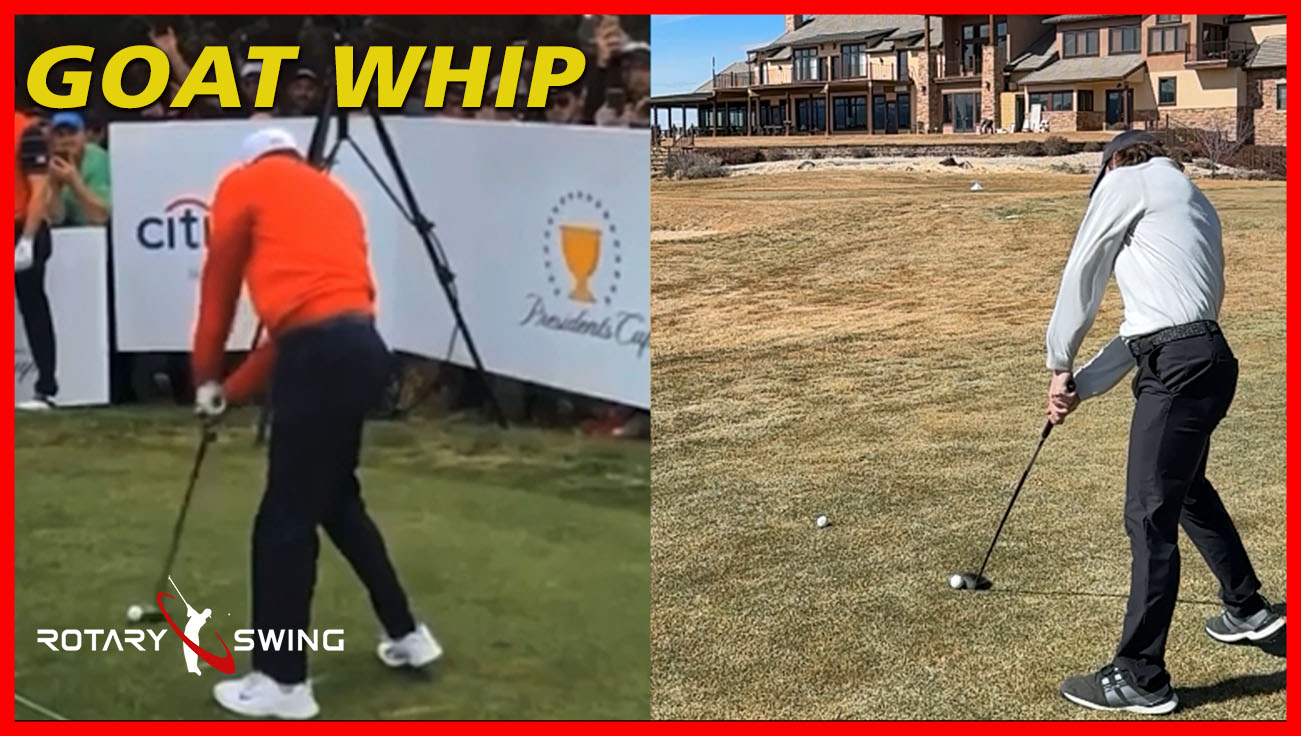
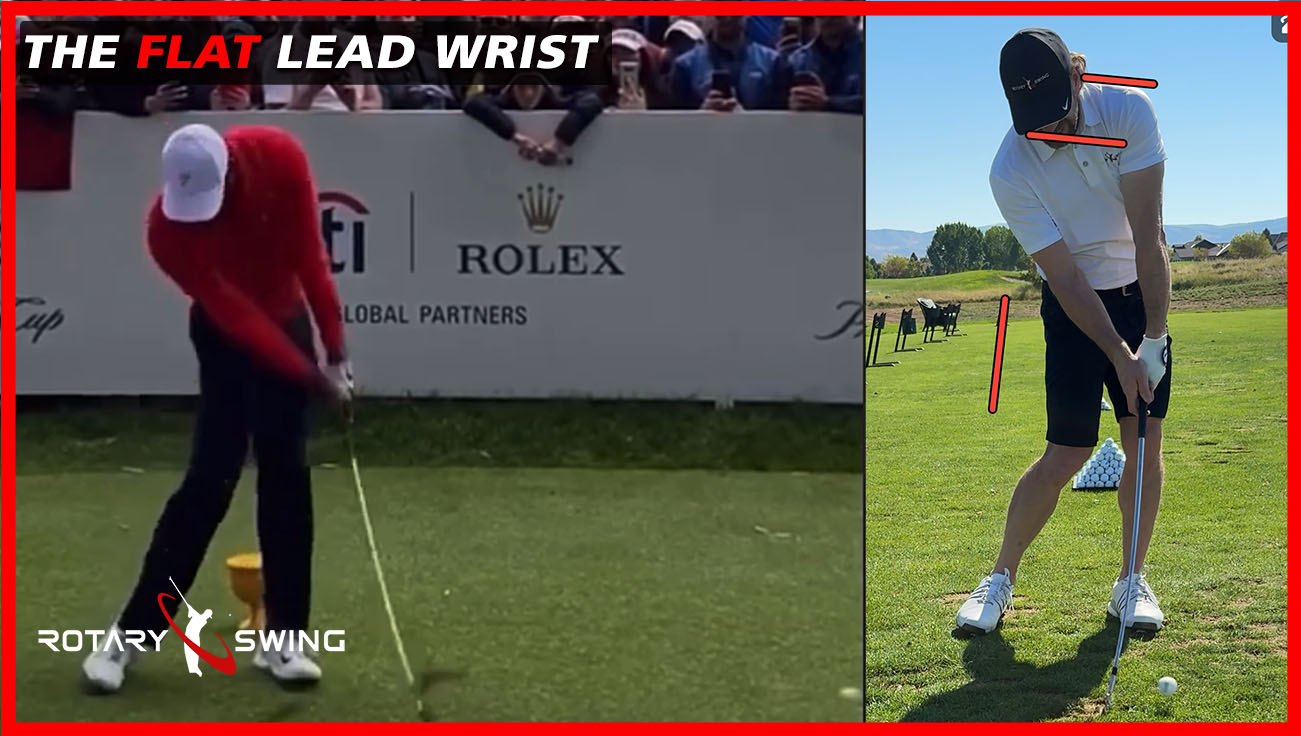
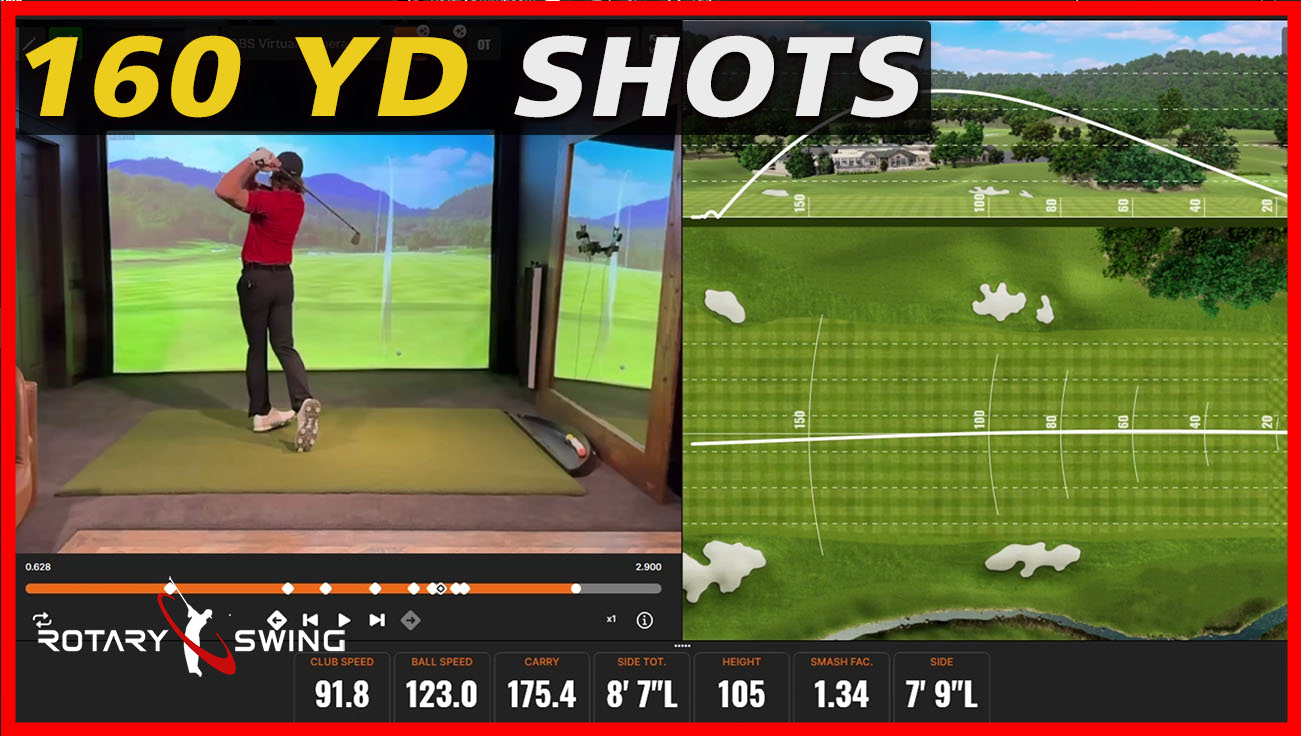
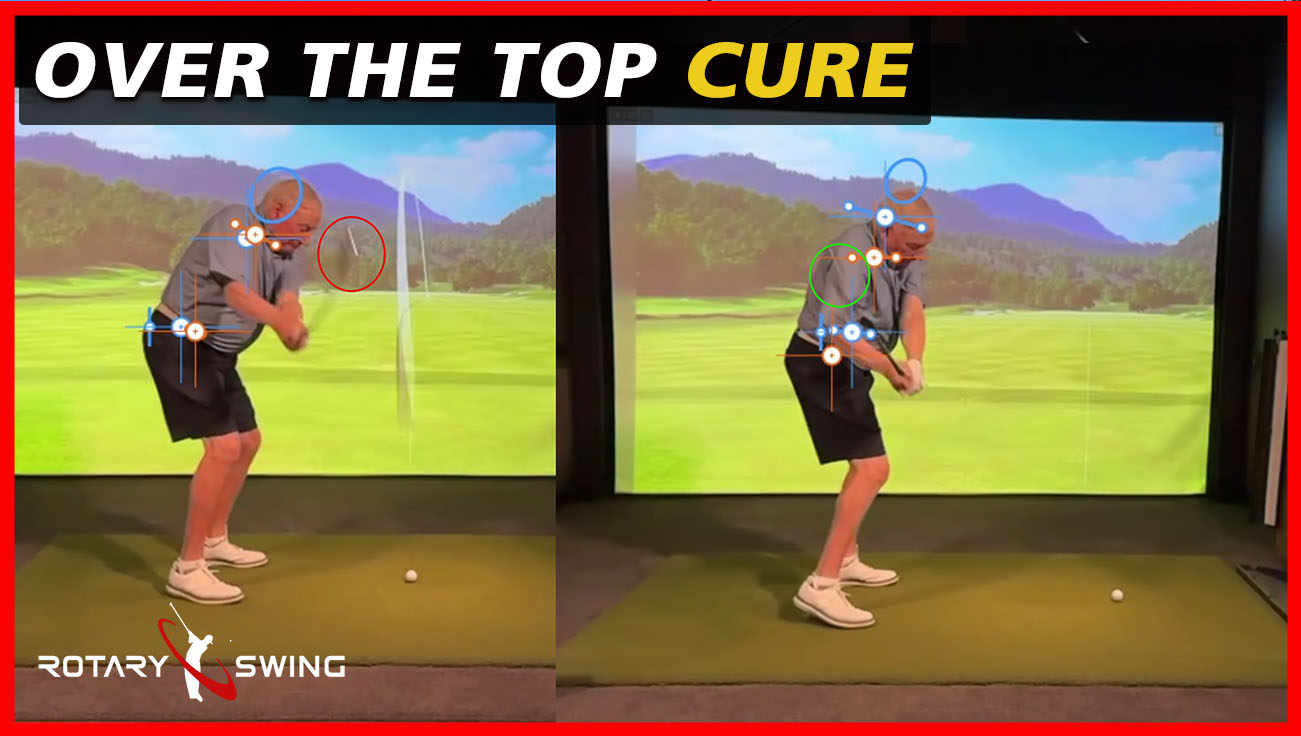
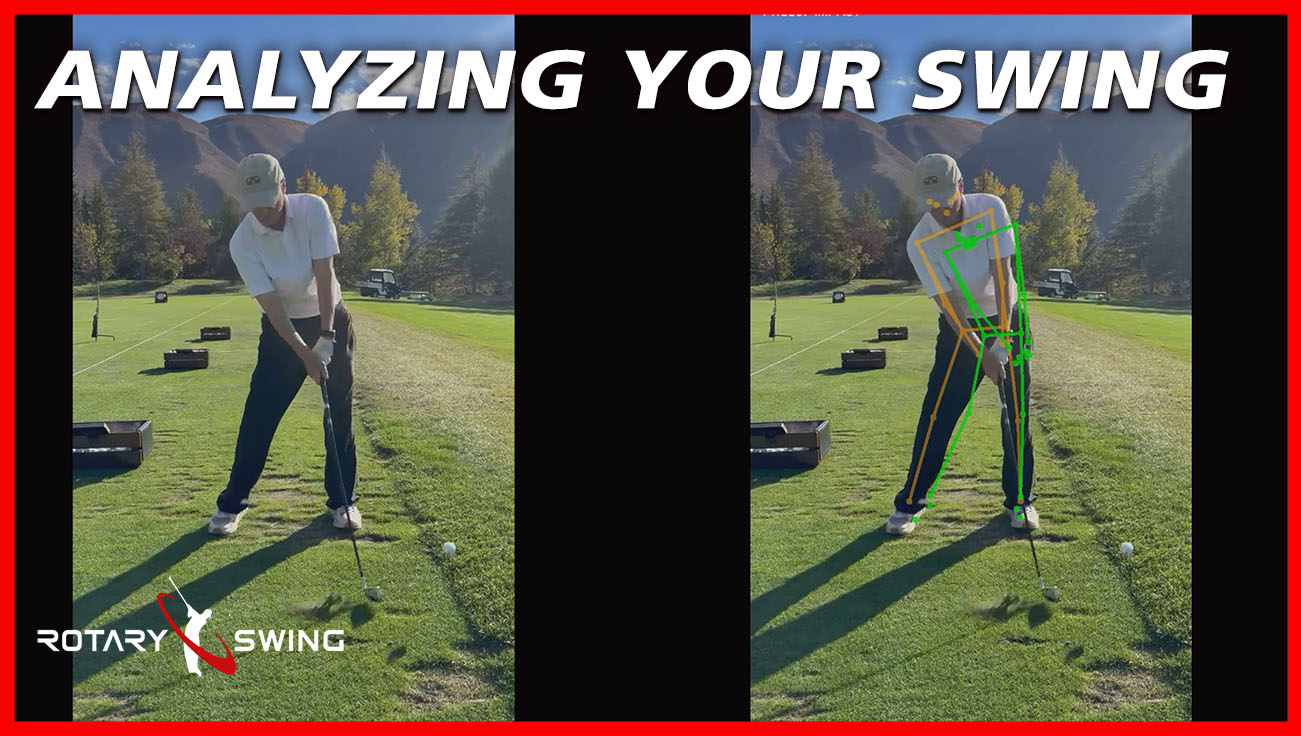
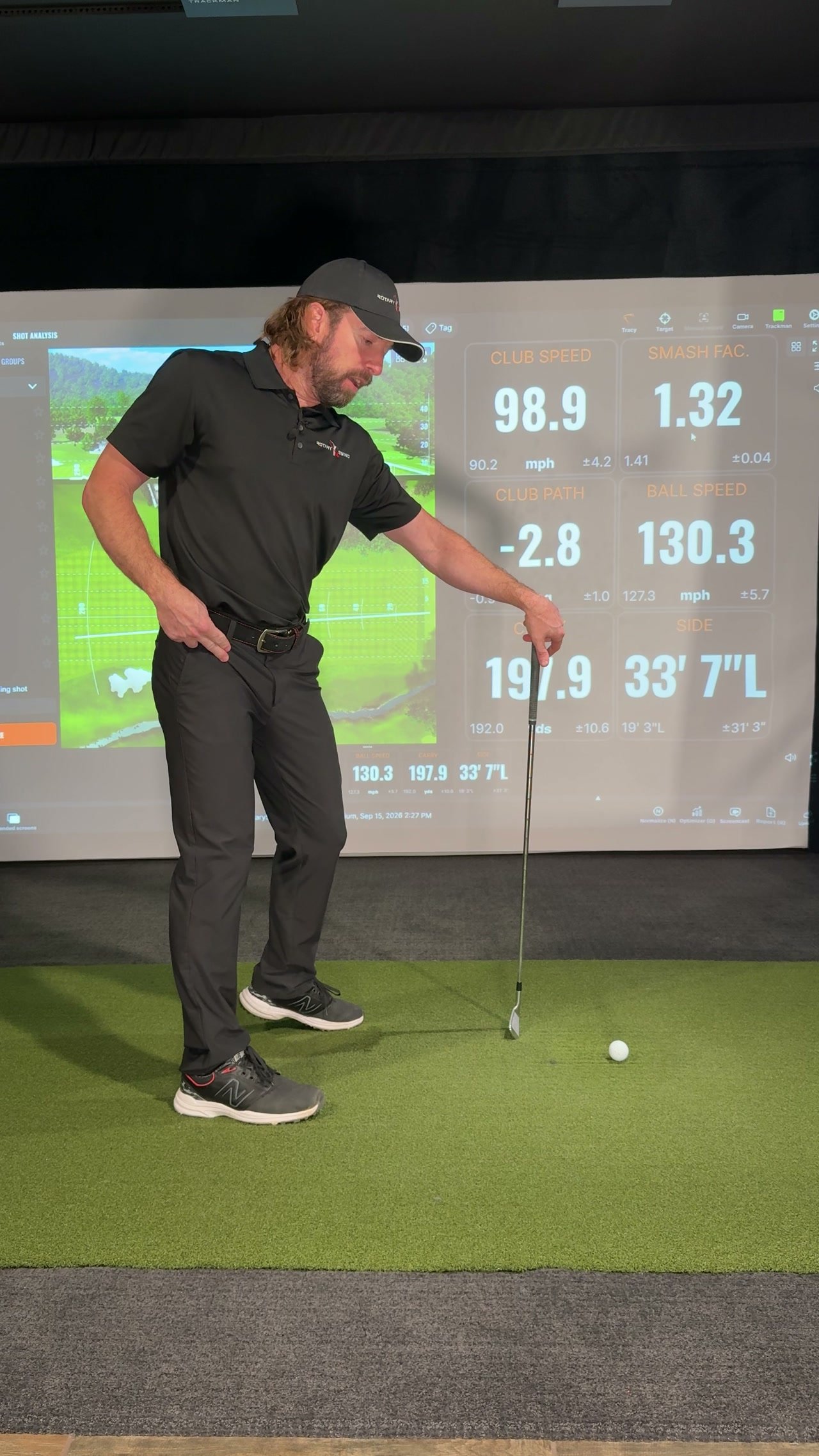
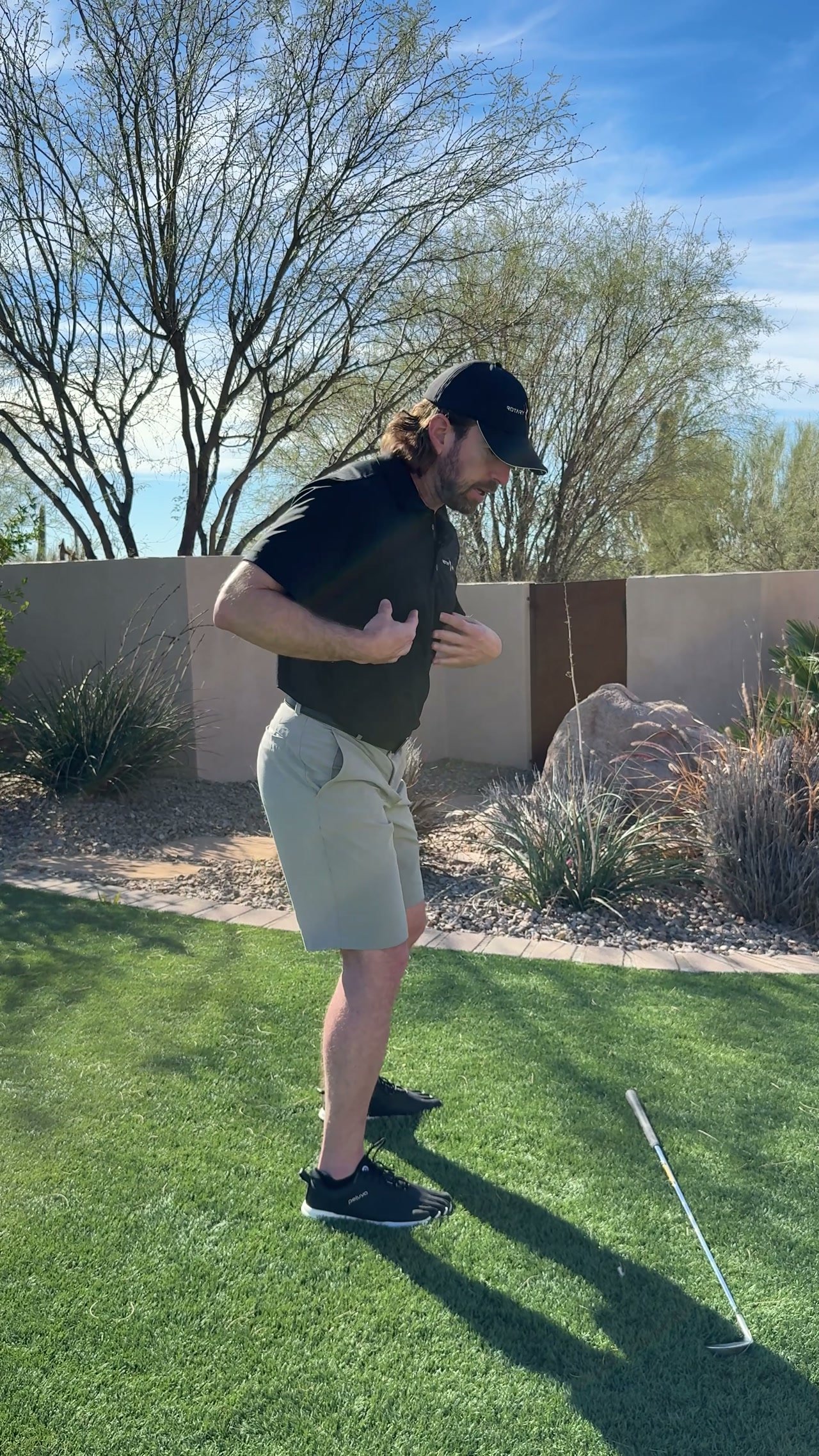
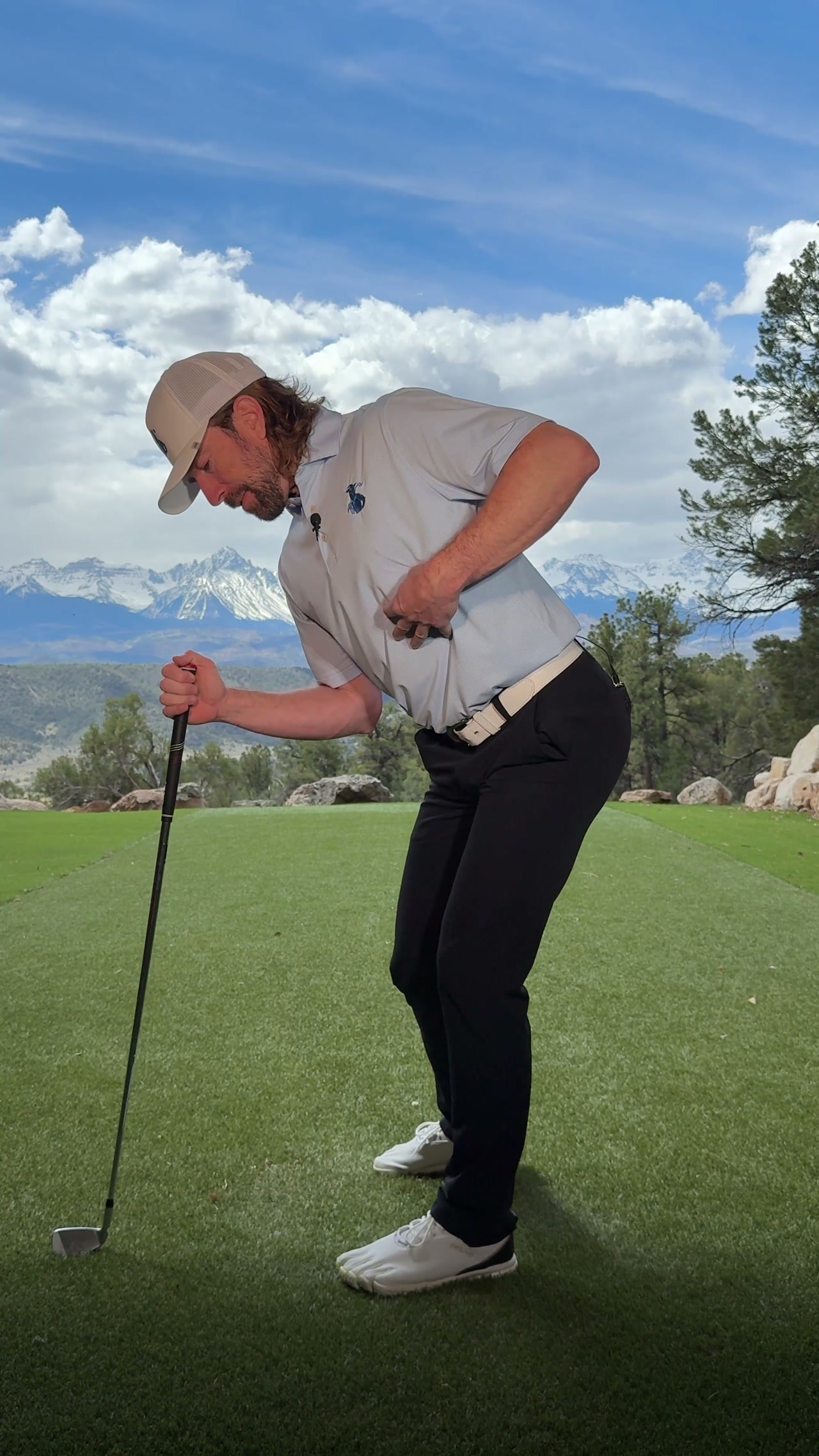
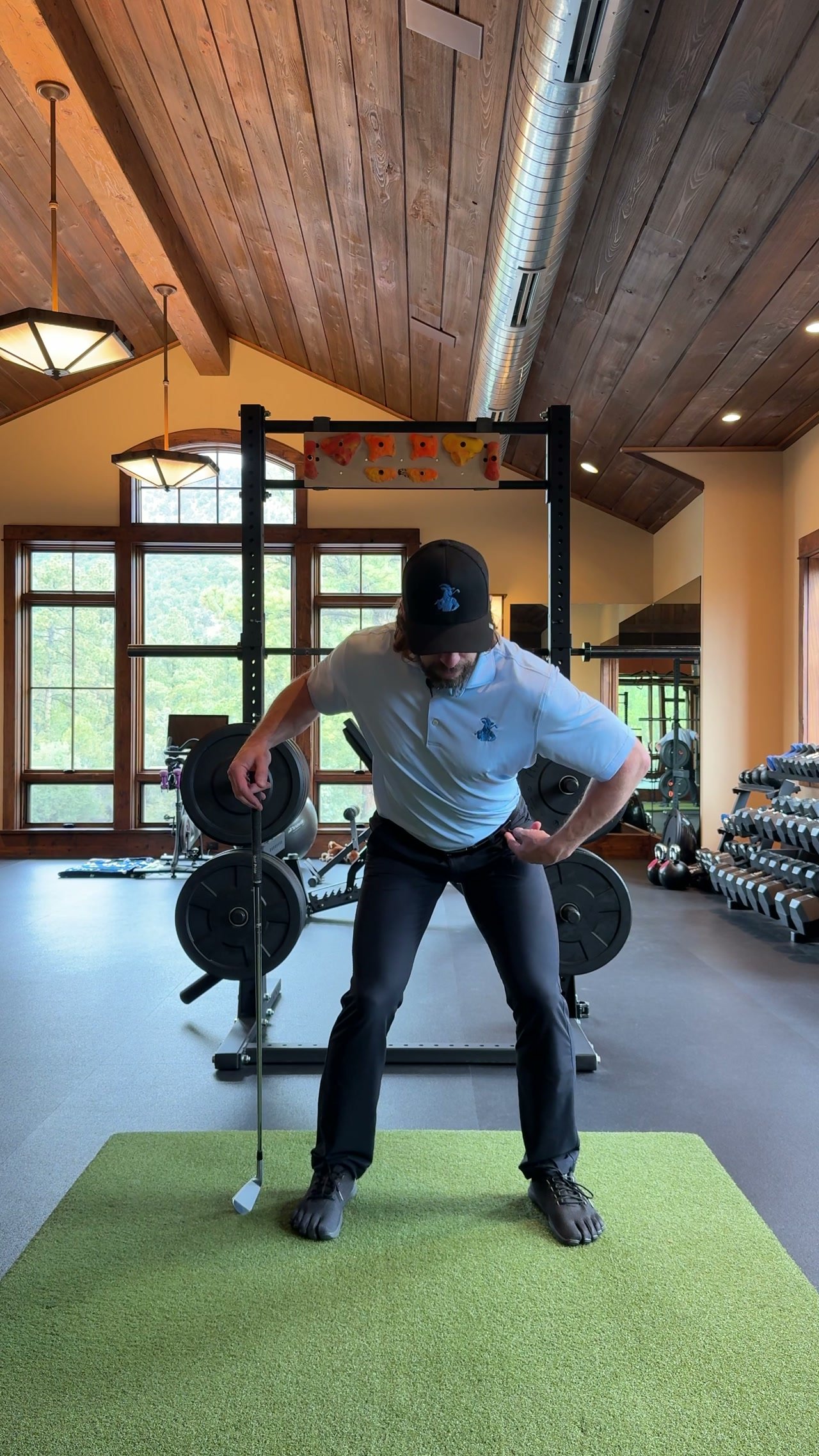
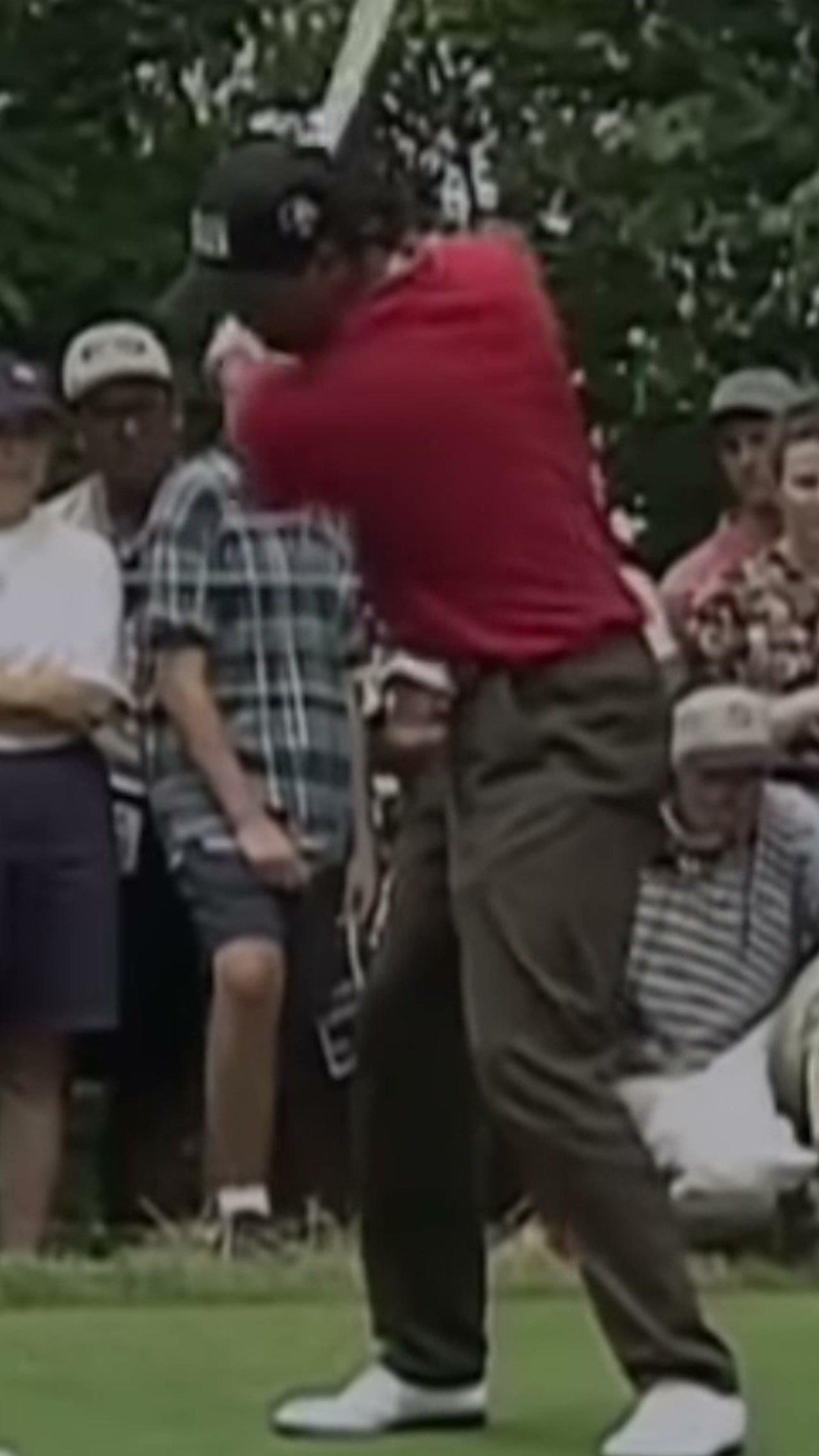
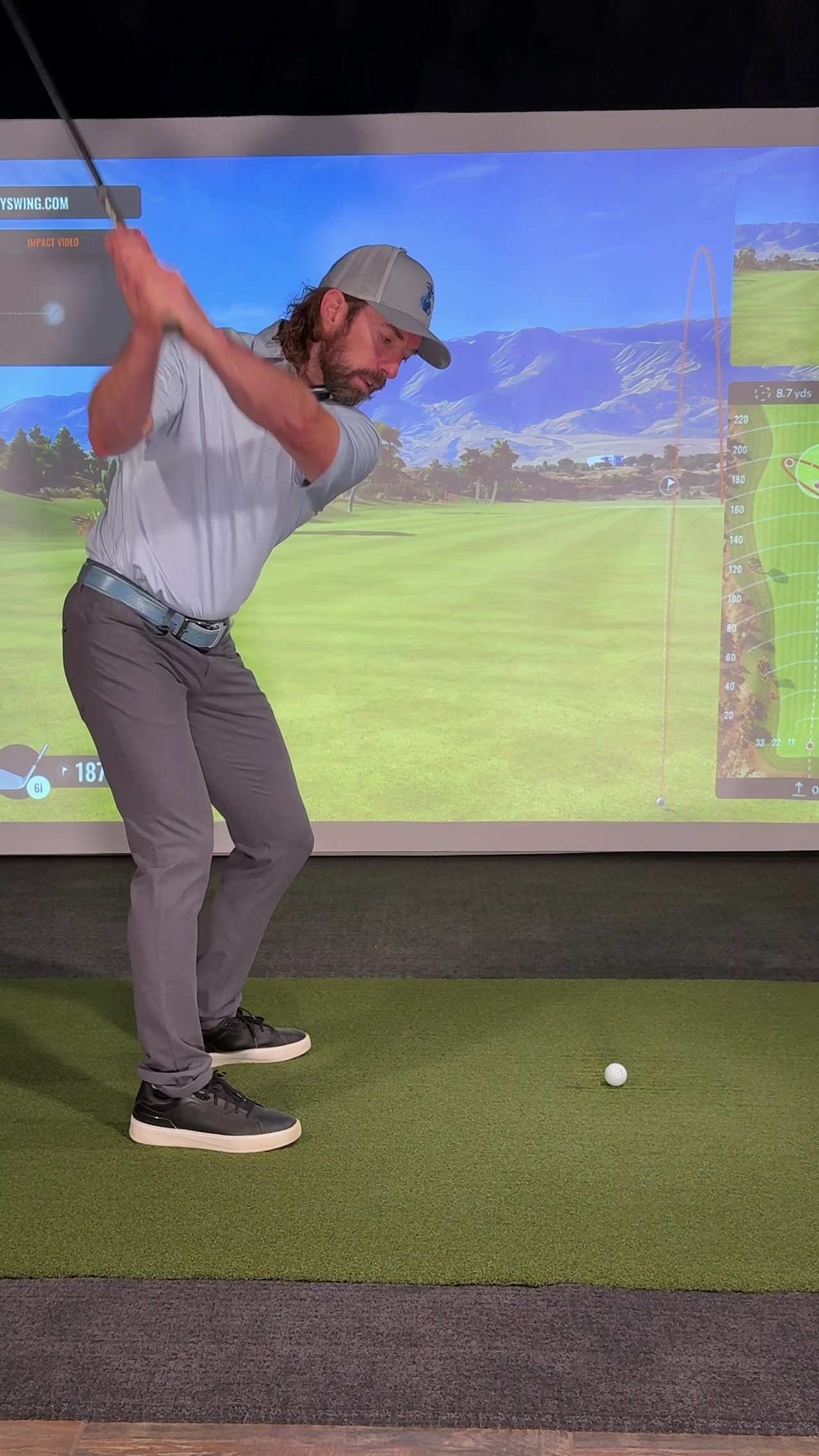
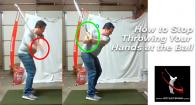
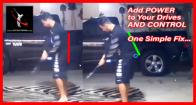
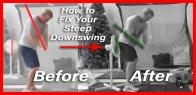
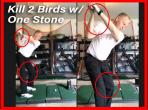
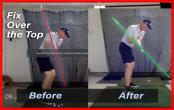
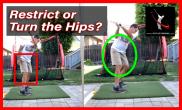
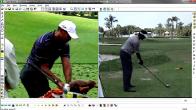
The image below represents two very different swing paths into the ball. In this article, you'll learn a key principle to help you get on the right path and on plane — one of the most fundamental fixes in golf swing instruction.
The Problem: No Idea How to Control His Ball
On the trail side, our golfer Ian was approaching the ball severely from in to out and hit everything high with a strong right-to-left curve. It was nearly impossible for him to get the ball to start on his line, and if it did, it would end up well left of his target due to his excessive in-to-out club path.
Is this the fault costing you strokes?
Film one swing on your phone. In about a minute GOATY measures it and names the single biggest thing costing you strokes — free, no card.
Analyze My Swing Free
Related: Golf swing plane — AI coaching vs alignment sticks →
Android users: Download GOATY on Google Play — free AI golf coaching on your Android phone. →
It got so bad that he couldn't even aim himself anymore because the ball was going all over the place. Ian's a very good player (low single digit handicap) and couldn't figure out the problem or how to fix his ball flight issues.
Stop reading about it — feel it in your swing today
GOATY watches your swing live and coaches you between every rep. Free. No signup.
Start Your FREE Live Lesson →In about 10 minutes, we had his path much more square into the ball, and the ball was coming out much lower and right on his line with zero curvature. This is exactly the kind of rapid improvement that tools like an AI swing analyzer can help identify — pinpointing the root cause of problems almost instantly.
Try a free live lesson with GOATY
GOATY, my AI golf coach, watches your swing through your phone camera and coaches every rep. Free, about 20 minutes, no credit card.
Read on to learn what the problem was and how we fixed it...
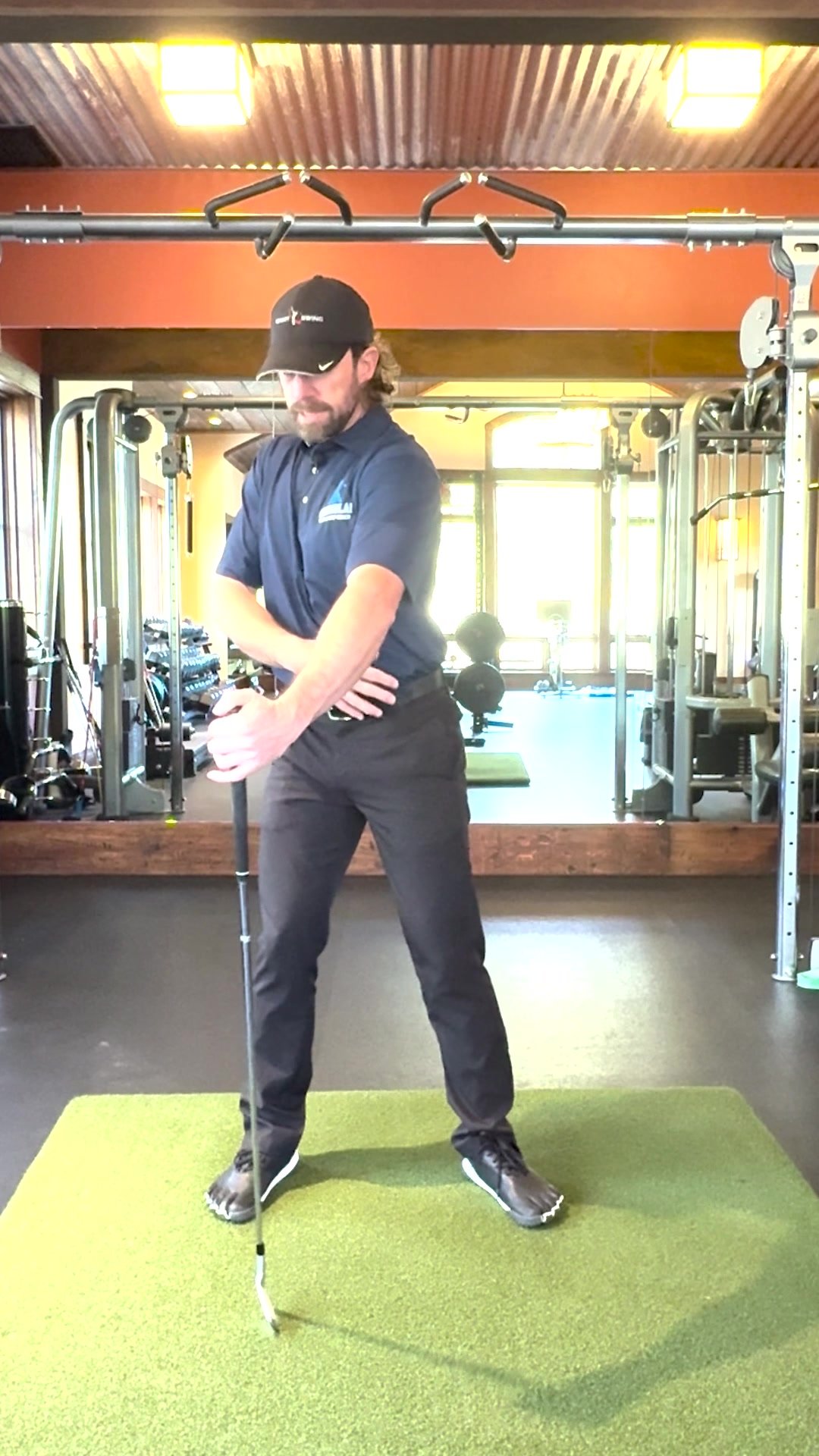
Halfway down, Ian's clubhead should be working down the yellow line, which is through the center of his trail forearm, to be on plane. However, in the swing on the trail side, you can see the clubhead is almost behind his back pocket – well below the plane, a classic sign of a steep-to-shallow transition gone wrong.
After a few minutes of mirror work and helping Ian understand the problem, we were able to move the club almost a foot at this point in the downswing — a dramatic correction of his downswing path.
Below are the results one frame before impact. You can see how much more of a square path the club head is taking into the ball compared to his approach on the trail side, which is moving at least 15° in to out.
The club head on the lead side is coming more on top of the ball as well, which gave him a more negative . This brought his ball flight down and took the timing out of the club head release, which had previously been necessary to try and bring the ball back toward the target — a compensation pattern that elite players never need to rely on.
Golf's hard enough without starting each shot 20 yards right of your intended target and then trying to guess how much to bring it back each time!
The Solution: It's All in the Shoulders
So, how did we fix this? Simple, really.
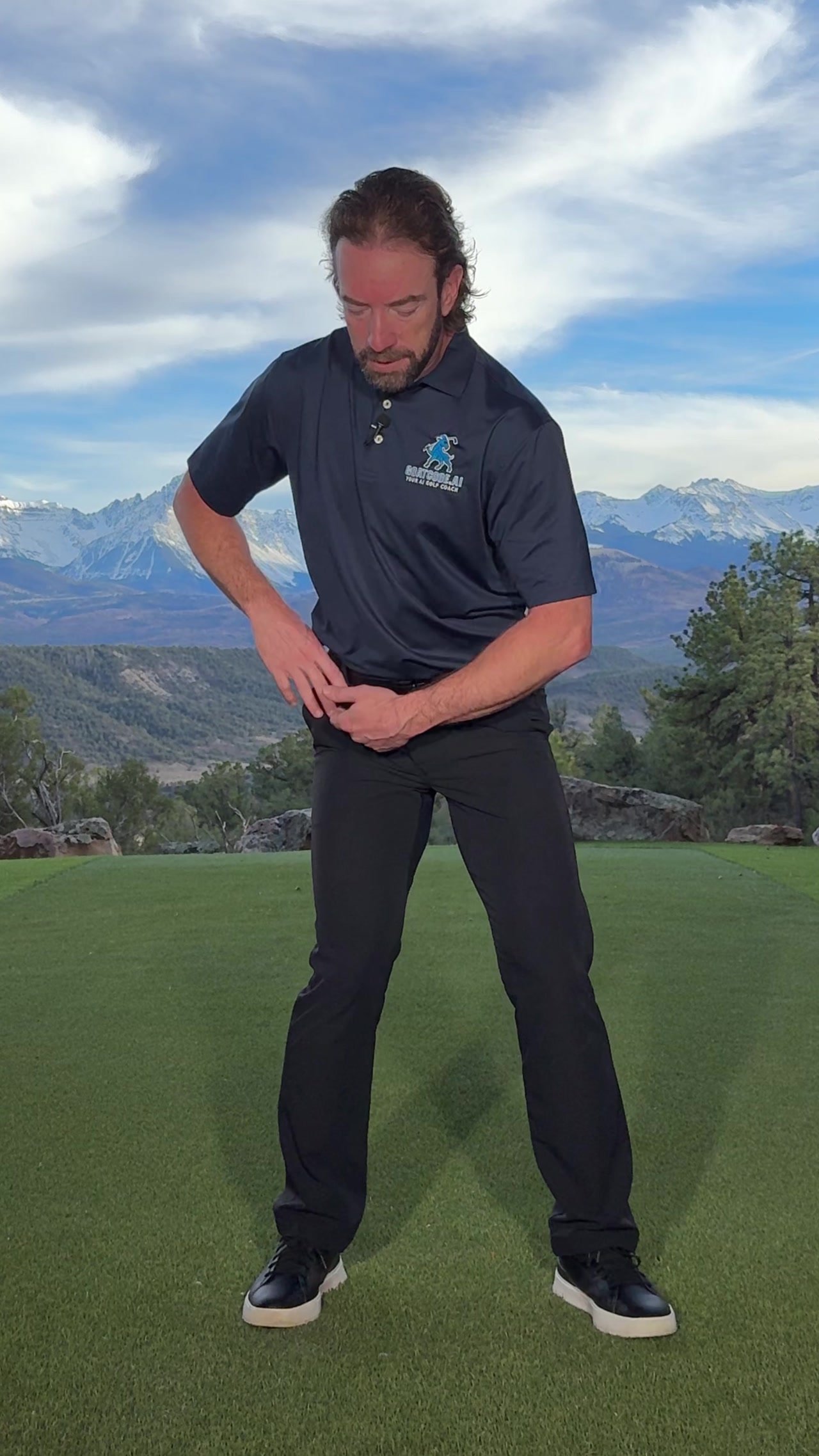
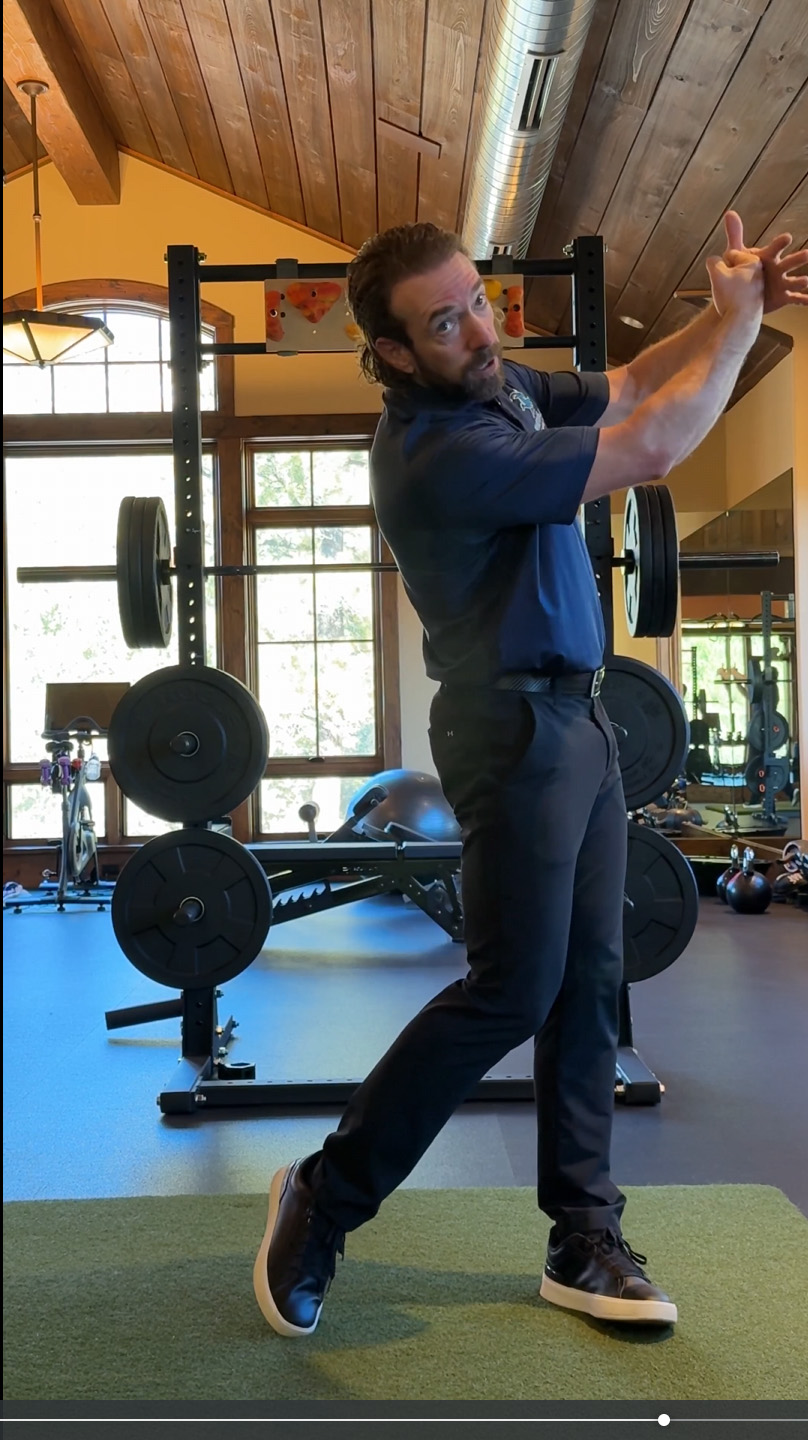
Ian's swing plane issue was coming from his lead shoulder working up too early in the downswing. This tilts your spine angle too far back too soon and tilts the plane away from square — one of the most common causes of an in-to-out club path.
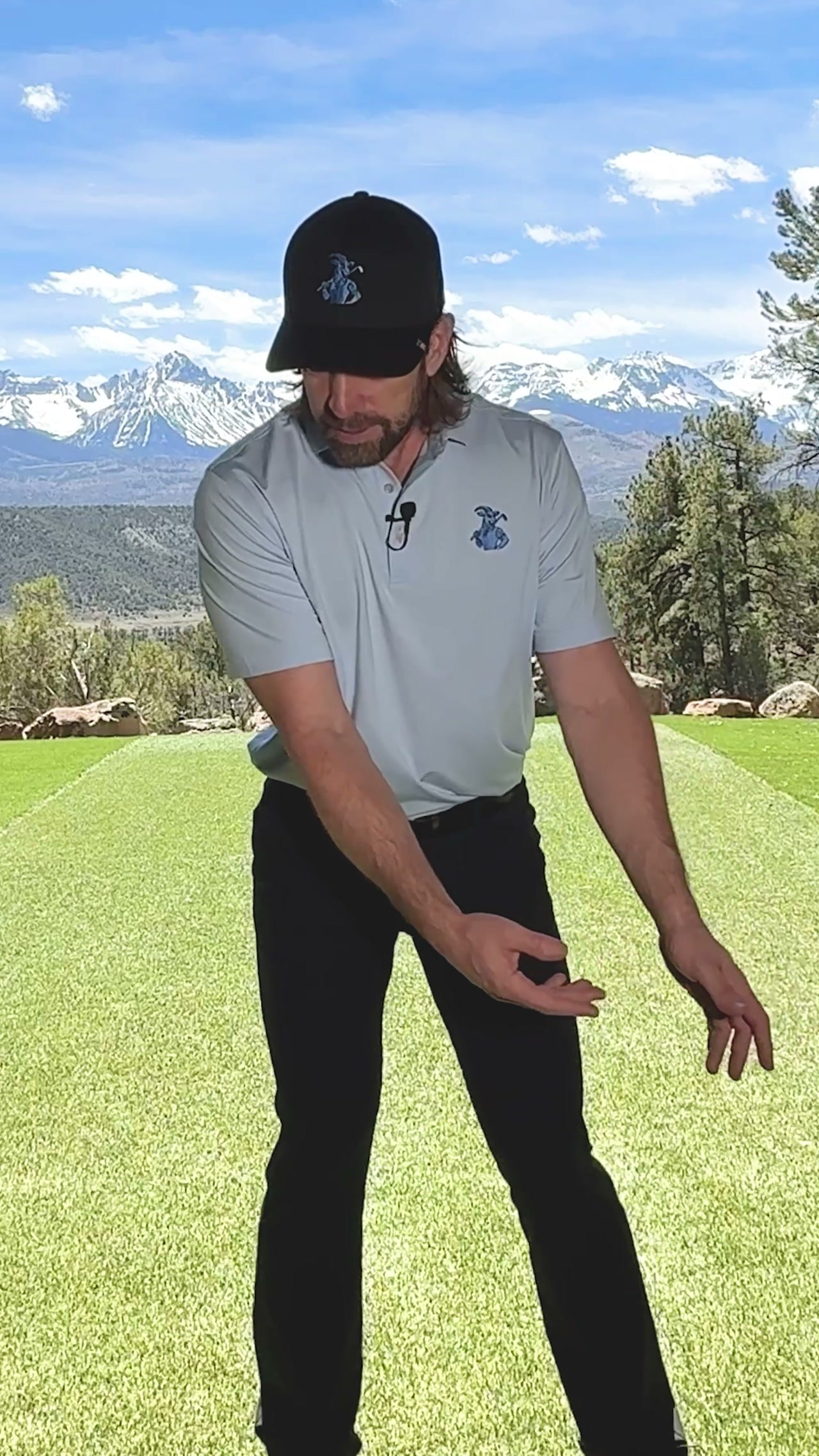
In the mirror, I worked with Ian to feel that his lead shoulder always felt lower than his trail shoulder in the downswing and that his spine felt very upright at impact. This is the same shoulder tilt at impact you see when you analyze the mechanics of elite players.
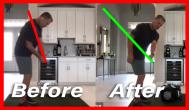
His first swing after drilling this for only about 10 minutes is on the lead side. You can see that his angles changed by about 6-7°, and that is what brought the club down more on plane and led to much more penetrating shots with genuine ball compression. Structured repetition like this is exactly what the GOAT Drill system is designed to reinforce — turning a single mirror session into a lasting motor pattern.

Click the image to enlarge it.
Even More Help for Improving Plane & Compression
If you need to get your shoulders more level in the downswing for a better plane or improved compression, you won't want to miss this video:
Level Shoulders at Impact.

How to Fix Your Golf Swing Plane
Learn to correct your golf swing plane for better ball flight and accuracy.
-
1
Identify Swing Plane Issues
Observe your swing path and note if your clubhead approaches the ball from too far in to out. This can cause high shots with a strong curve.
-
2
Use a Mirror for Feedback
Stand in front of a mirror and check your lead shoulder position during the downswing. Ensure it remains lower than your trail shoulder to maintain a proper spine angle.
-
3
Adjust Your Shoulder Movement
Focus on keeping your lead shoulder down as you initiate the downswing. This helps to prevent tilting your spine too far back and keeps your swing on plane.
-
4
Practice Structured Repetition
Drill the corrected shoulder movement in front of the mirror for about 10 minutes. This repetition will help reinforce the correct motor pattern in your swing.
-
5
Evaluate Your Ball Flight
After practicing, hit some shots and observe the ball flight. Look for a more square path into the ball and reduced curvature, indicating improved swing plane.
Frequently Asked Questions
What is the difference between an on-plane and under-plane golf swing?
An on-plane swing occurs when the clubhead follows a proper path relative to the golfer's body, allowing for consistent ball striking. In contrast, an under-plane swing often results in a steep-to-shallow transition, leading to issues like excessive in-to-out club paths. Understanding this distinction is crucial for golfers aiming to improve their swing mechanics and ball flight.
How can I identify if my swing is under the plane?
One key indicator of an under-plane swing is when the clubhead approaches the ball from too far inside, resulting in a severe in-to-out path. If you notice your shots consistently start right and curve left, or if you struggle to aim accurately, these could be signs of an under-plane issue. Analyzing your swing with a coach or using tools like an AI swing analyzer can help pinpoint these problems.
What adjustments can I make to improve my swing plane?
To improve your swing plane, focus on keeping your lead shoulder lower than your trail shoulder during the downswing. This adjustment helps maintain an upright spine angle at impact, promoting a more square club path. Practicing in front of a mirror can enhance your awareness of these positions, leading to more consistent ball striking and better compression.
Why is it important to have a correct swing plane in golf?
A correct swing plane is vital because it directly influences your ball flight and accuracy. When your swing is on-plane, you are more likely to strike the ball consistently and achieve the desired trajectory and spin. Conversely, an incorrect plane can lead to erratic shots, forcing you to compensate with timing adjustments that elite players avoid, ultimately making the game more challenging.
Watch part 2 now to see how you're moving your body in the opposite direction of the pros!