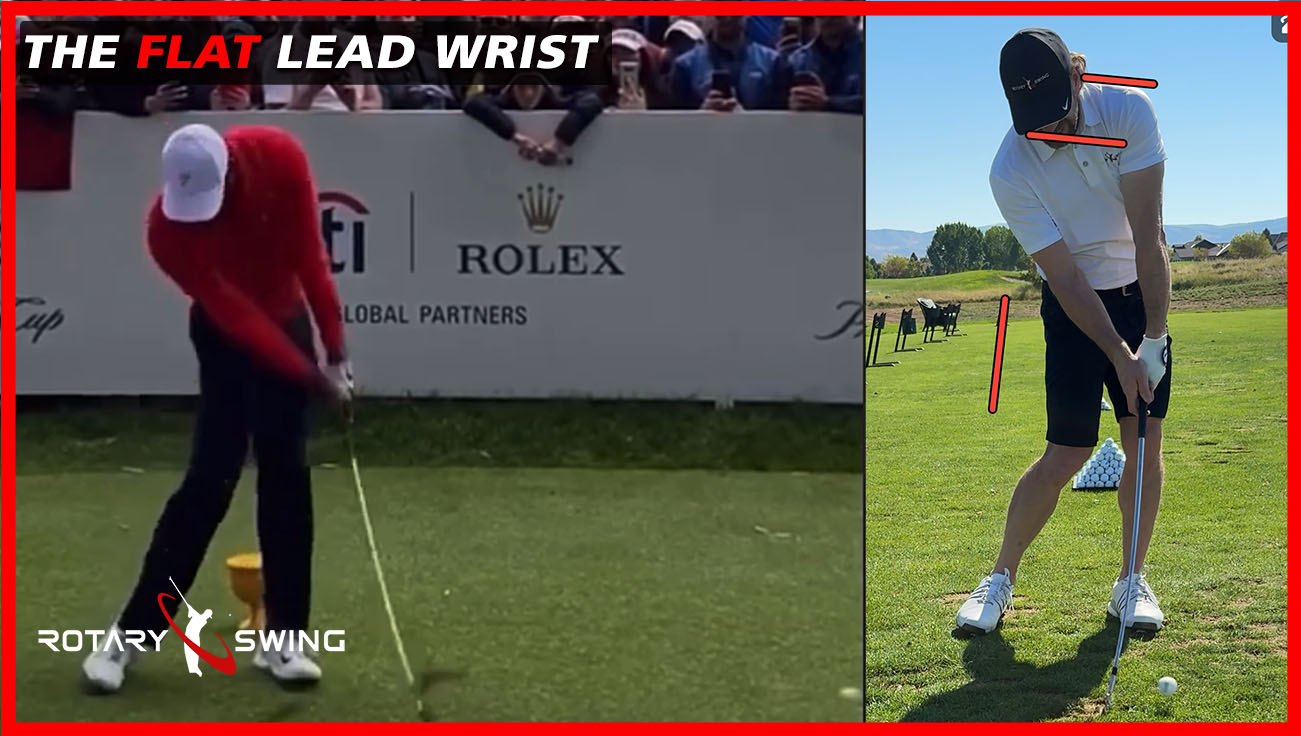
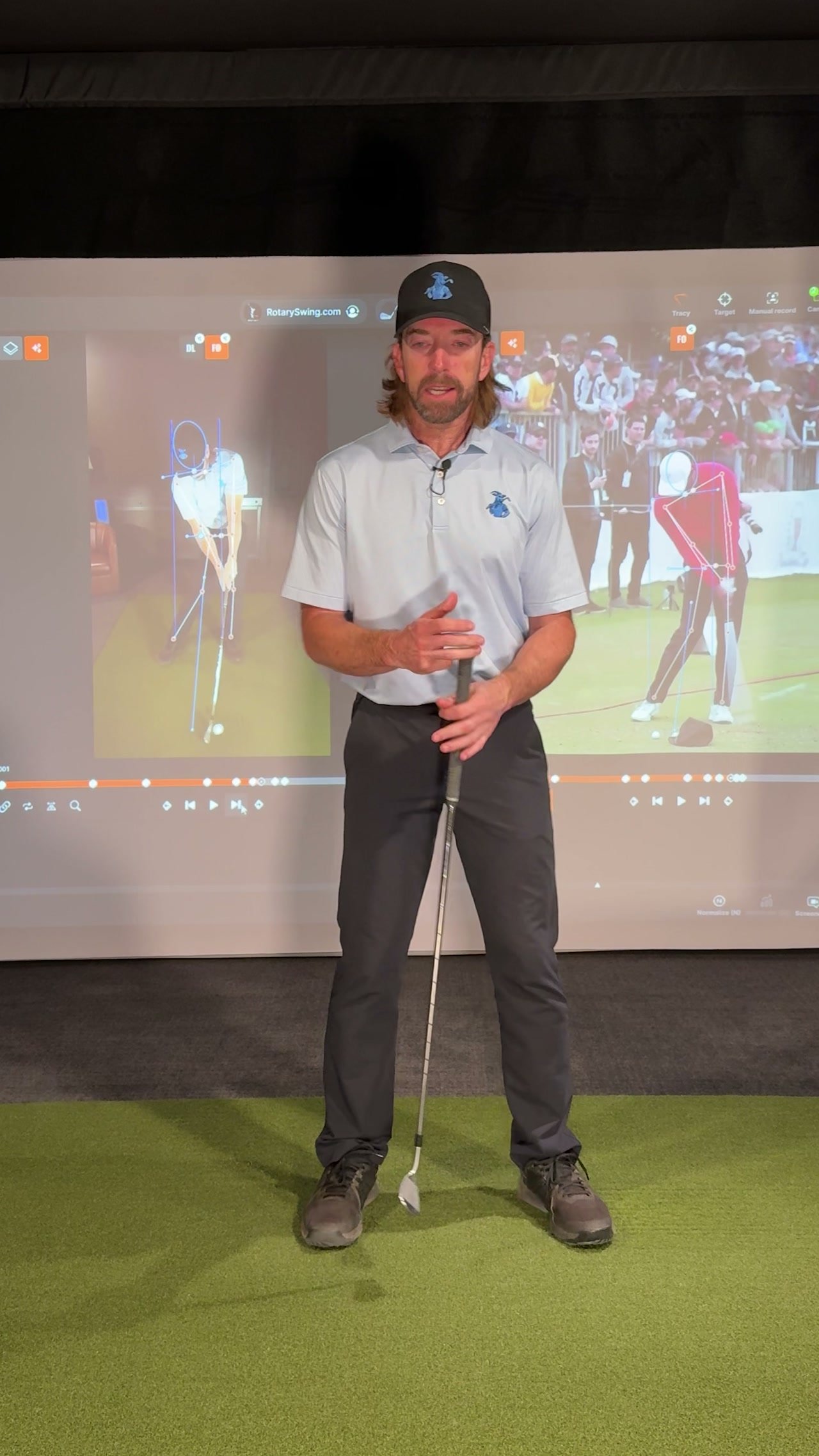
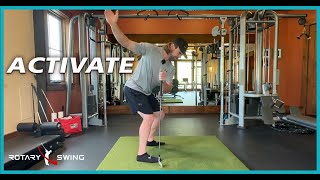
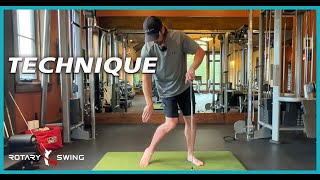
Today we're going to talk about the flat lead wrist at impact as it pertains to the Rotary Hitter golf swing.

The left wrist never bends
Keeping the lead wrist flat through impact and beyond is critical for controlling the of the golf ball and the direction the clubface is pointing.
Is this the fault costing you strokes?
Film one swing on your phone. In about a minute GOATY measures it and names the single biggest thing costing you strokes — free, no card.
Analyze My Swing Free
Related: Golf impact position — how AI scores yours →
Android users: Download GOATY on Google Play — free AI golf coaching on your Android phone. →
That's our topic for today, and we're going to learn it on little half pitches to start with. It's very basic stuff, but very, very important and critical to master this move by working on the chipping stroke first.
Stop reading about it — feel it in your swing today
GOATY watches your swing live and coaches you between every rep. Free. No signup.
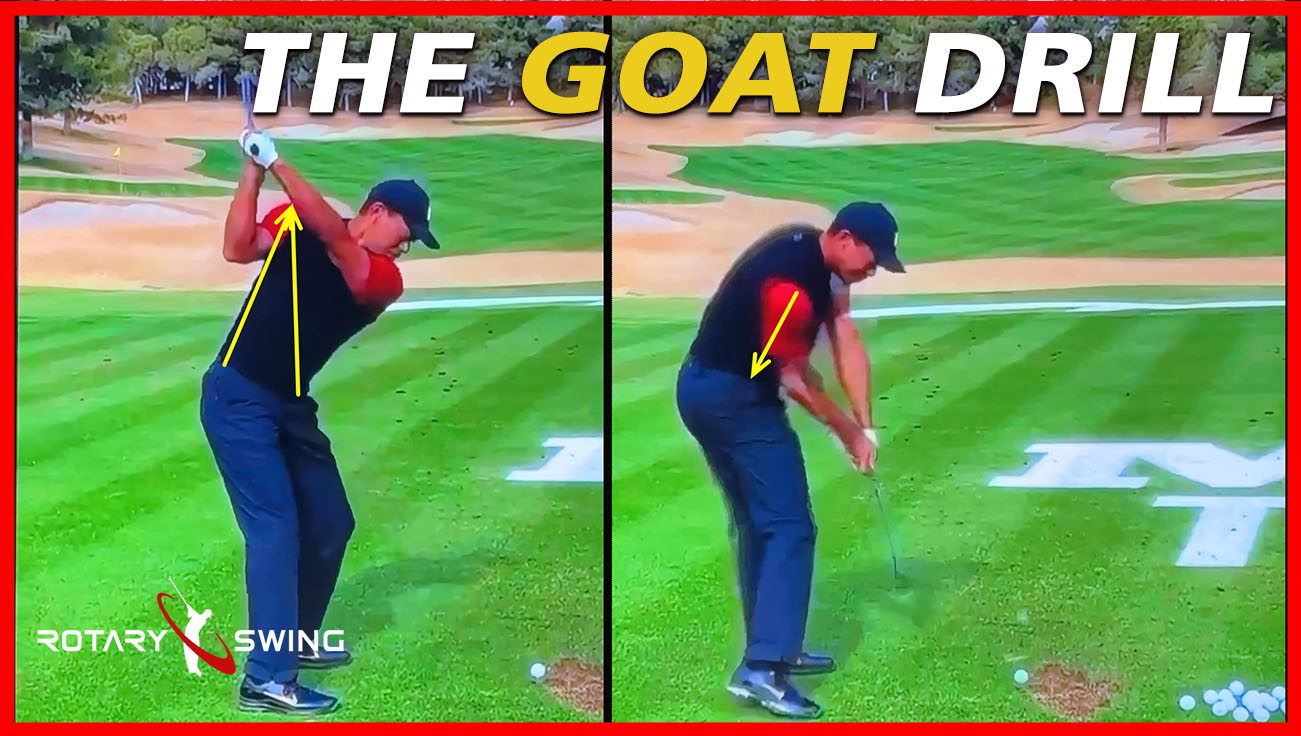
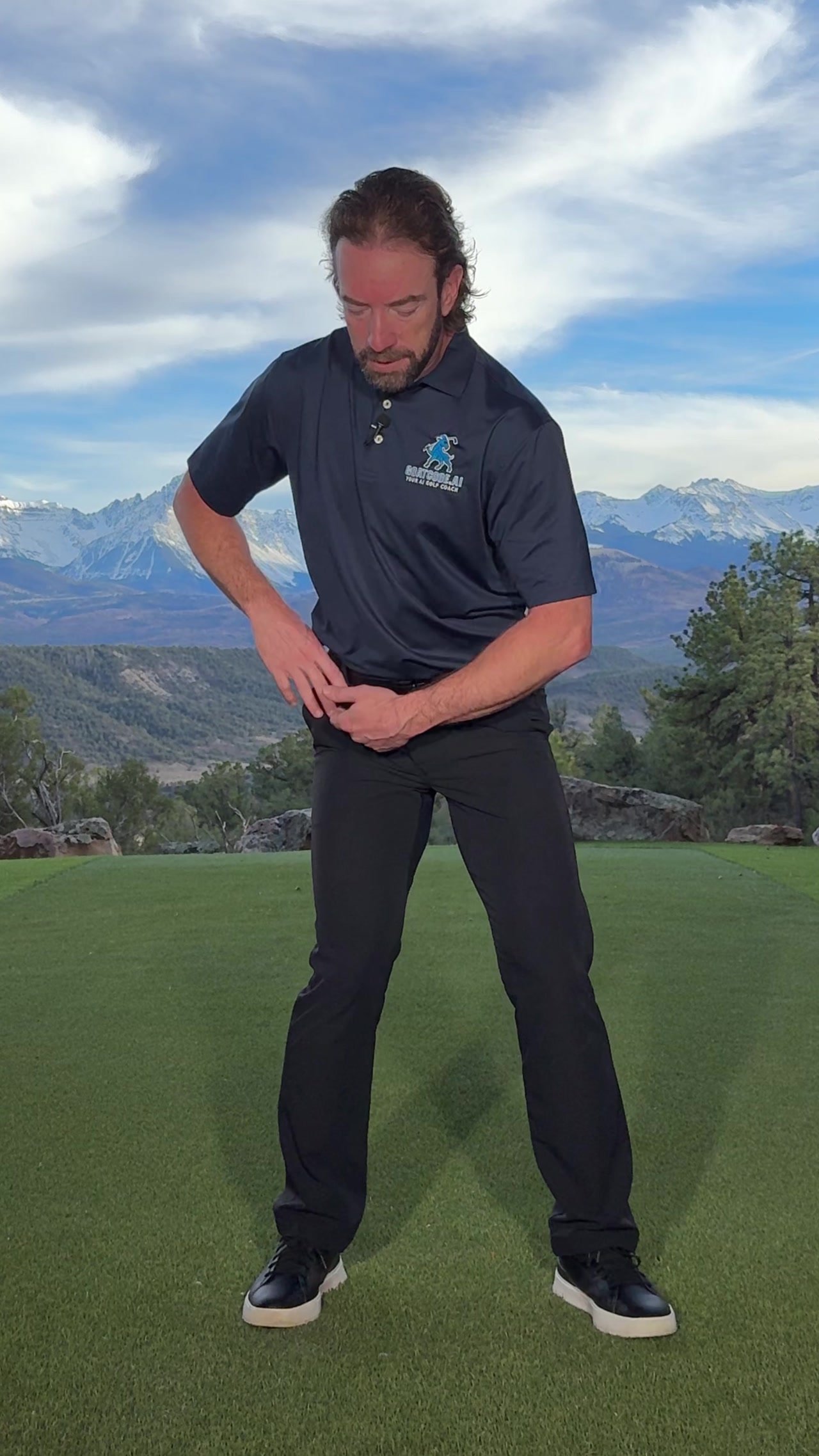
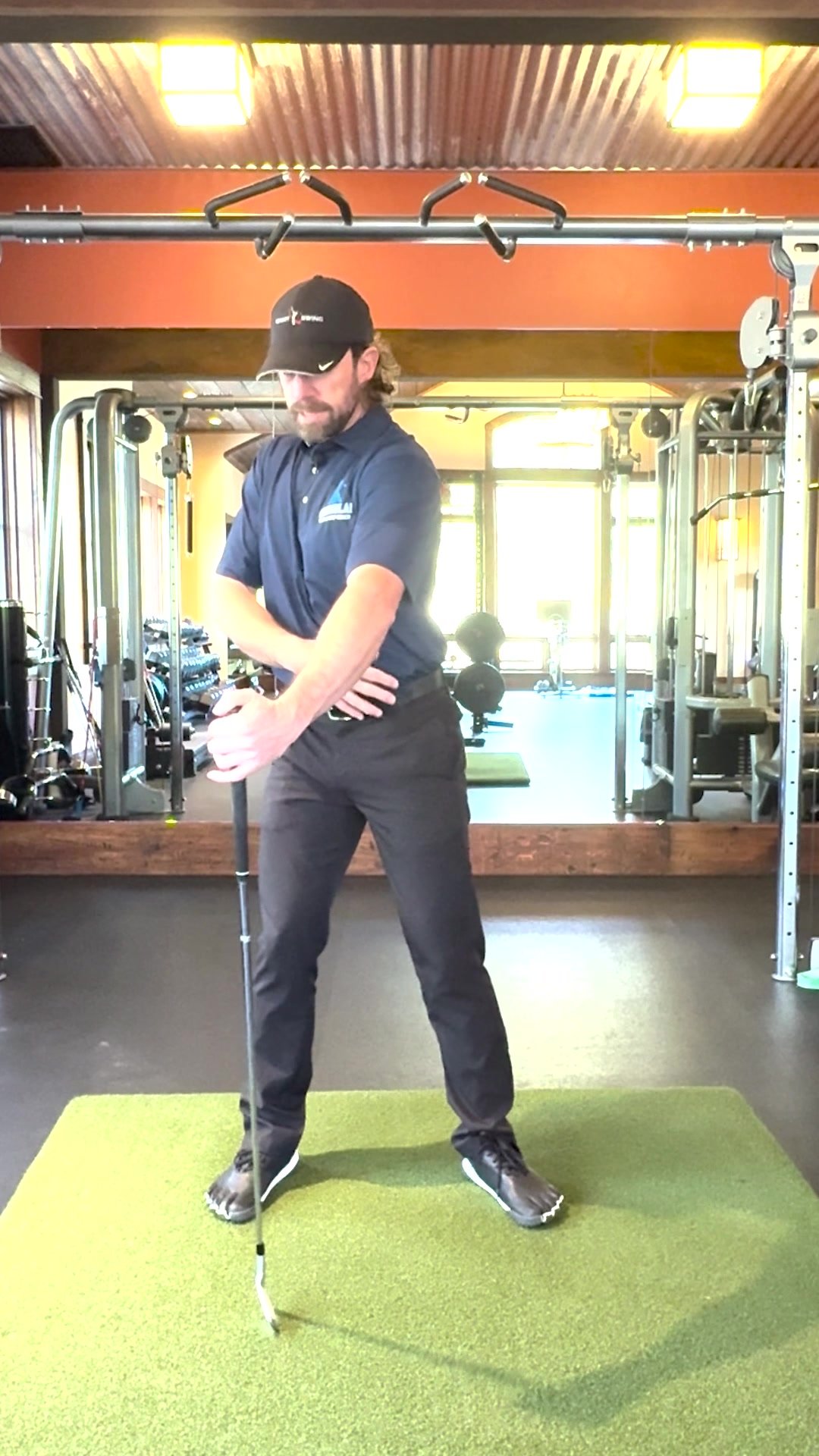
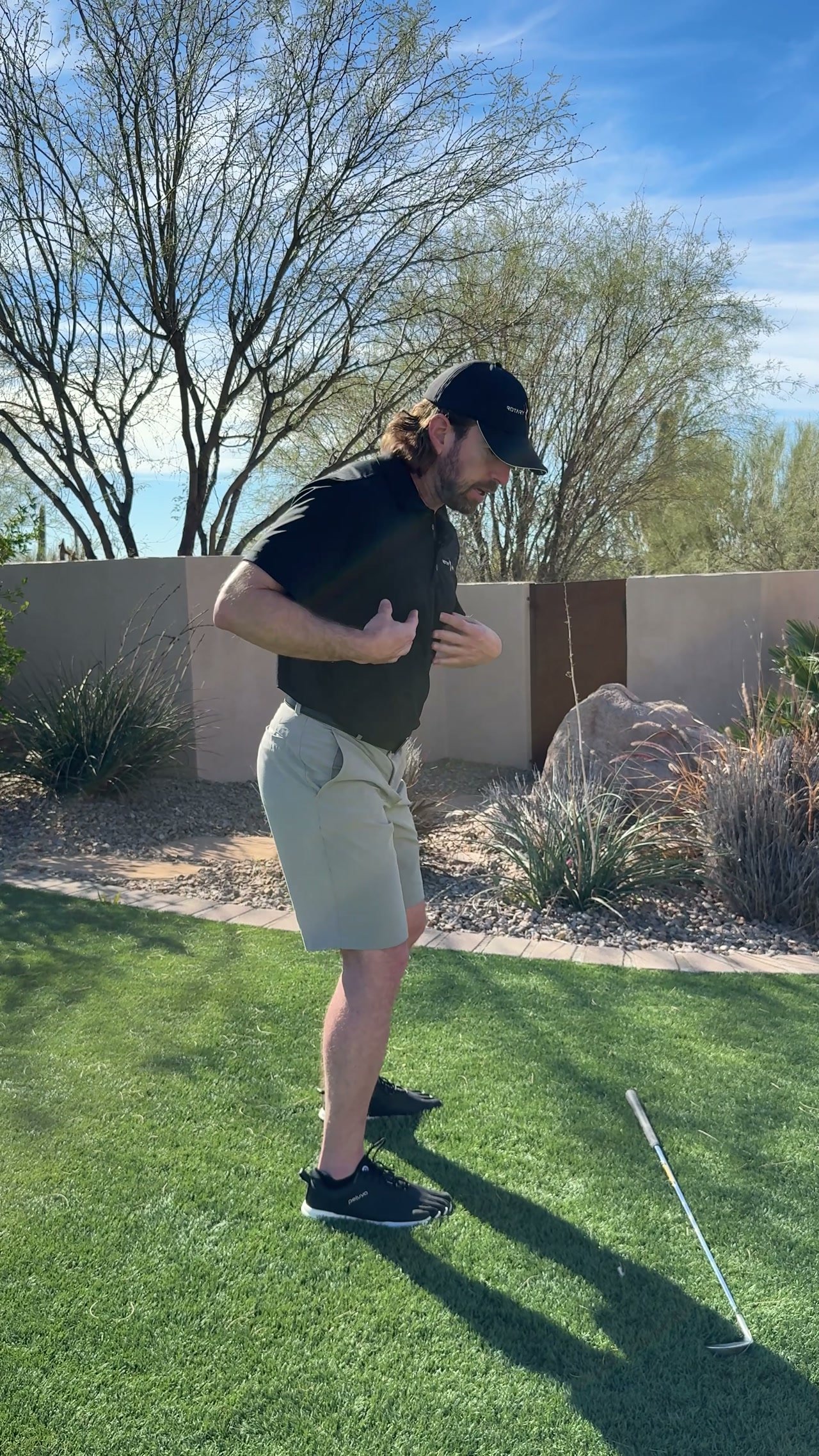
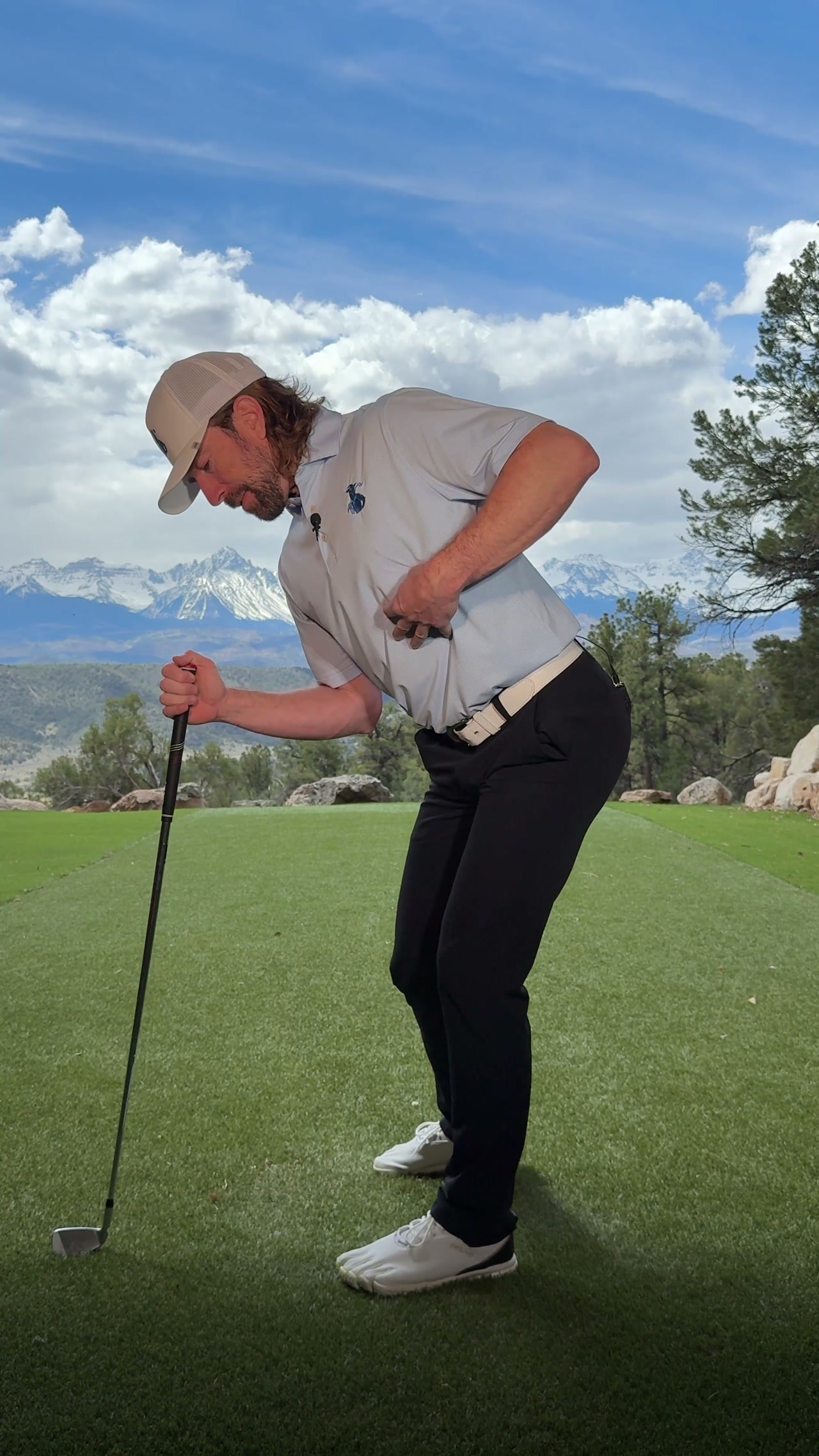
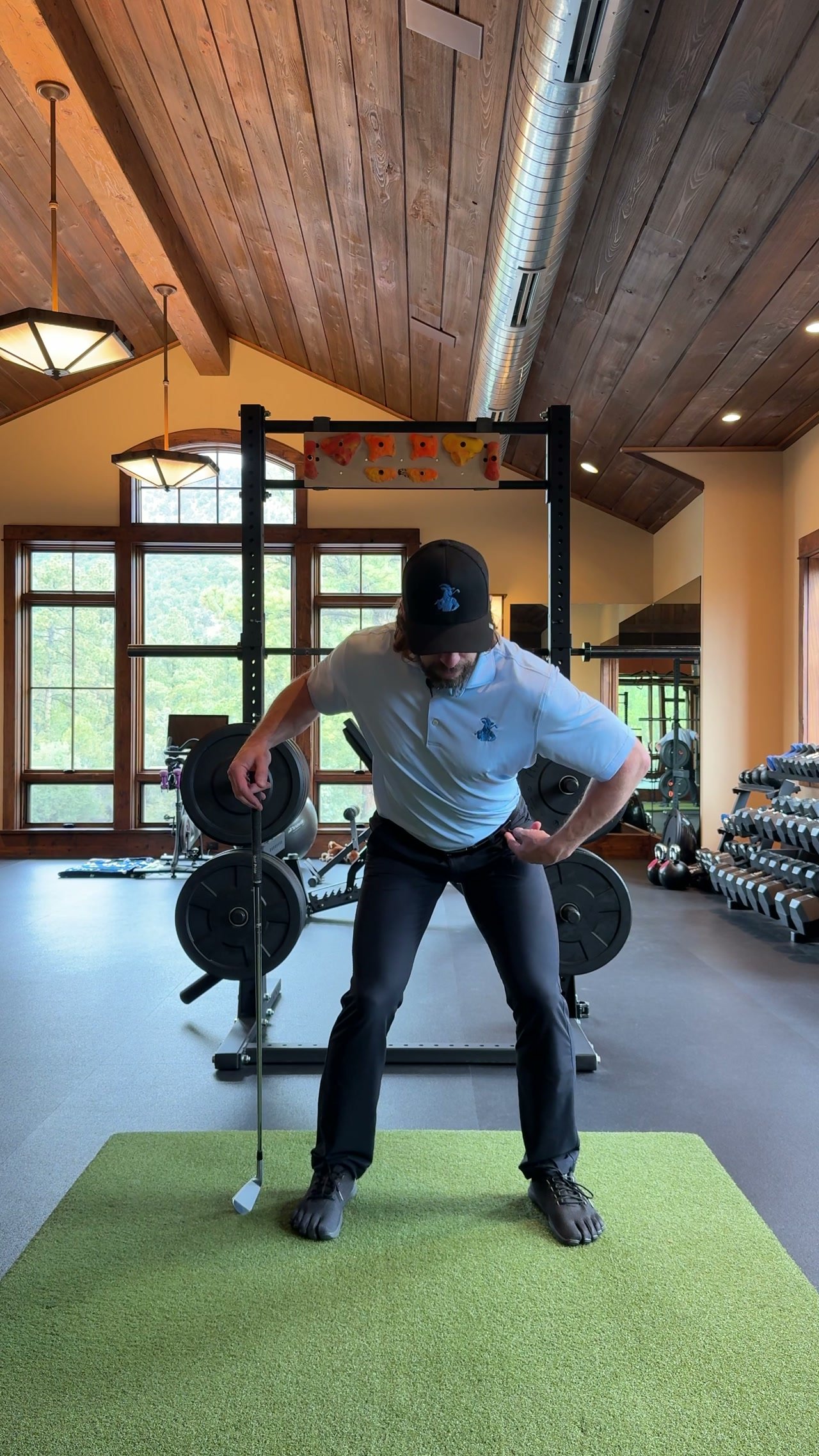
Start Your FREE Live Lesson →Start out by setting up to the ball and taking a short grip with the lead hand. Set the shaft against your forearm and hold it there as you rock your lead shoulder back and forth. The butt of the club will hold your lead wrist in place, making sure it never bends. This is a foundational drill that works alongside tools like the GOAT Drill system to build lasting impact position mechanics.

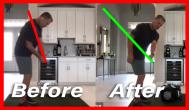
Right wrist bent, left flat
The Flat Lead Wrist at Impact Feeling
When you move on to hit an actual chip shot, you want to maintain that same feeling. Imagine that the club is still pressed up against your forearm, keeping your lead wrist flat.
Try a free live lesson with GOATY
GOATY, my AI golf coach, watches your swing through your phone camera and coaches every rep. Free, about 20 minutes, no credit card.
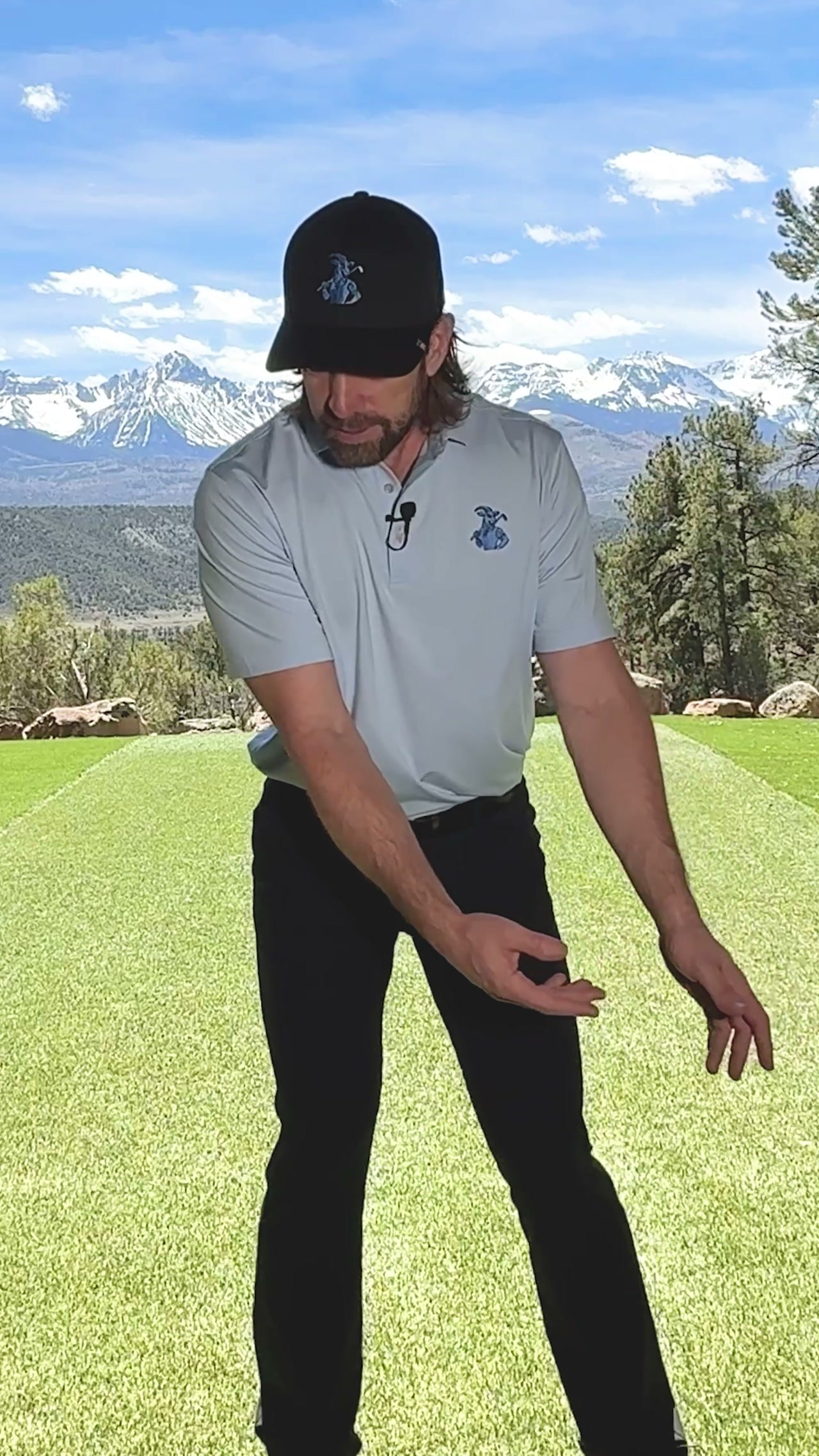
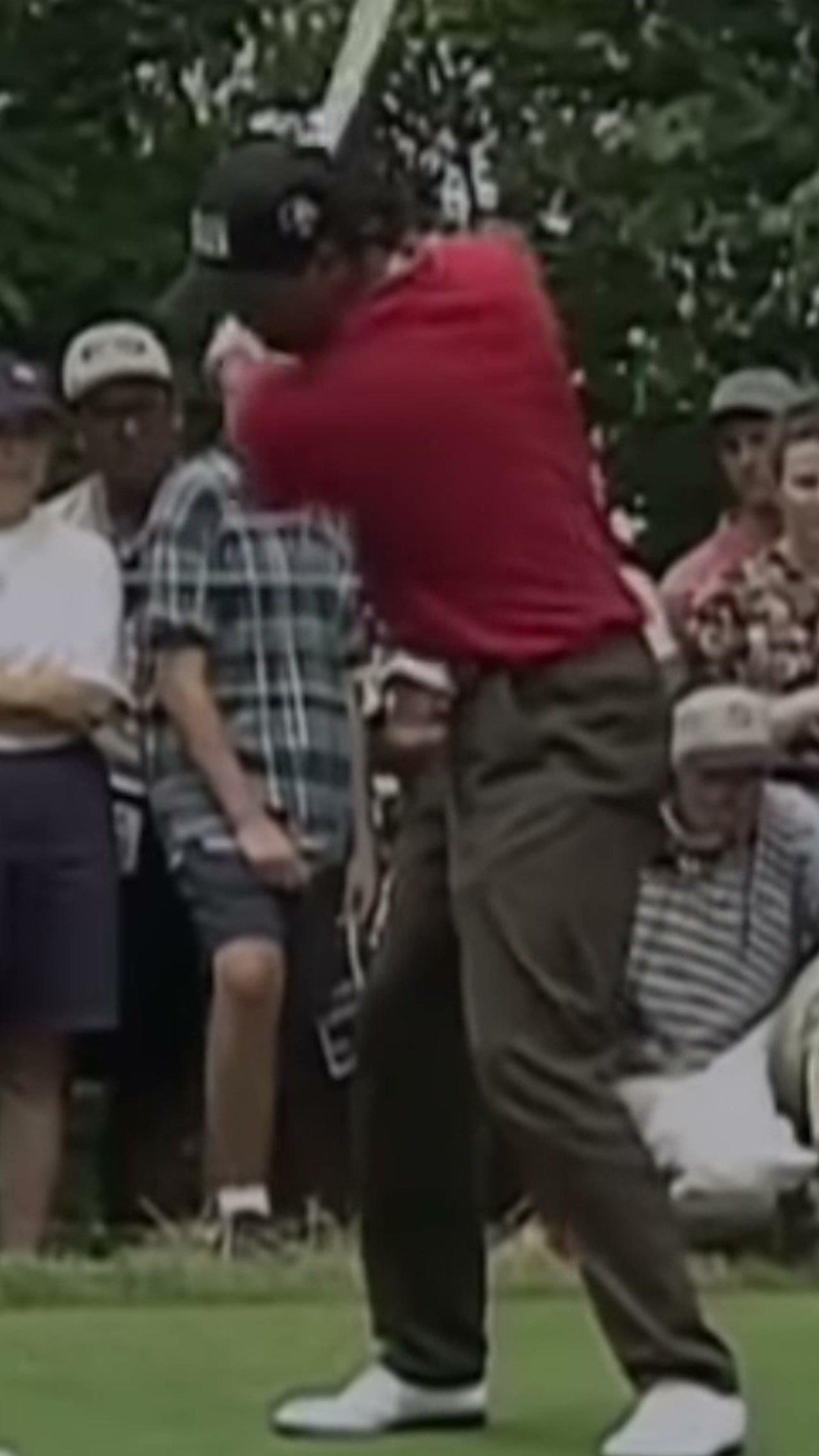
As you can see in the photo at right, while the lead wrist stays flat at impact, the trail wrist is bent. As you hit these little chip shots, keep your wrists in these positions so the club never moves past your hands.
The only way for the club to get past your hands would be for your lead wrist to break down or your trail wrist to throw. Don't let that happen!
Concentrate on the feeling of the flat lead wrist and the club head never getting past your hands.
You'll want to put a little more weight on the lead side because it's just a little chip shot.
It's very important for the push release — when you're pushing with the trail arm — that the trail wrist stays bent back. If you start straightening it out, you're flipping it and you'll lose control of the club head and club face alignment. You can use an AI swing analyzer to check whether your wrist positions at impact match the correct mechanics described here.

The club will only pass the hands if the left wrist breaks down
Adding in a Release with a Flat Lead Wrist
Again, as you're pushing through remember to keep the lead wrist flat at impact and never let the club head pass your hands.
Moving on to a slightly larger pitch shot, say 30 or 40 yards, the same thing holds true, but obviously we're not going to swing the club rigidly up into a follow through; that would just hit the ball high.
The club head has to release somehow, but how?
The answer is that the lead wrist still stays flat, but we allow it to rotate.
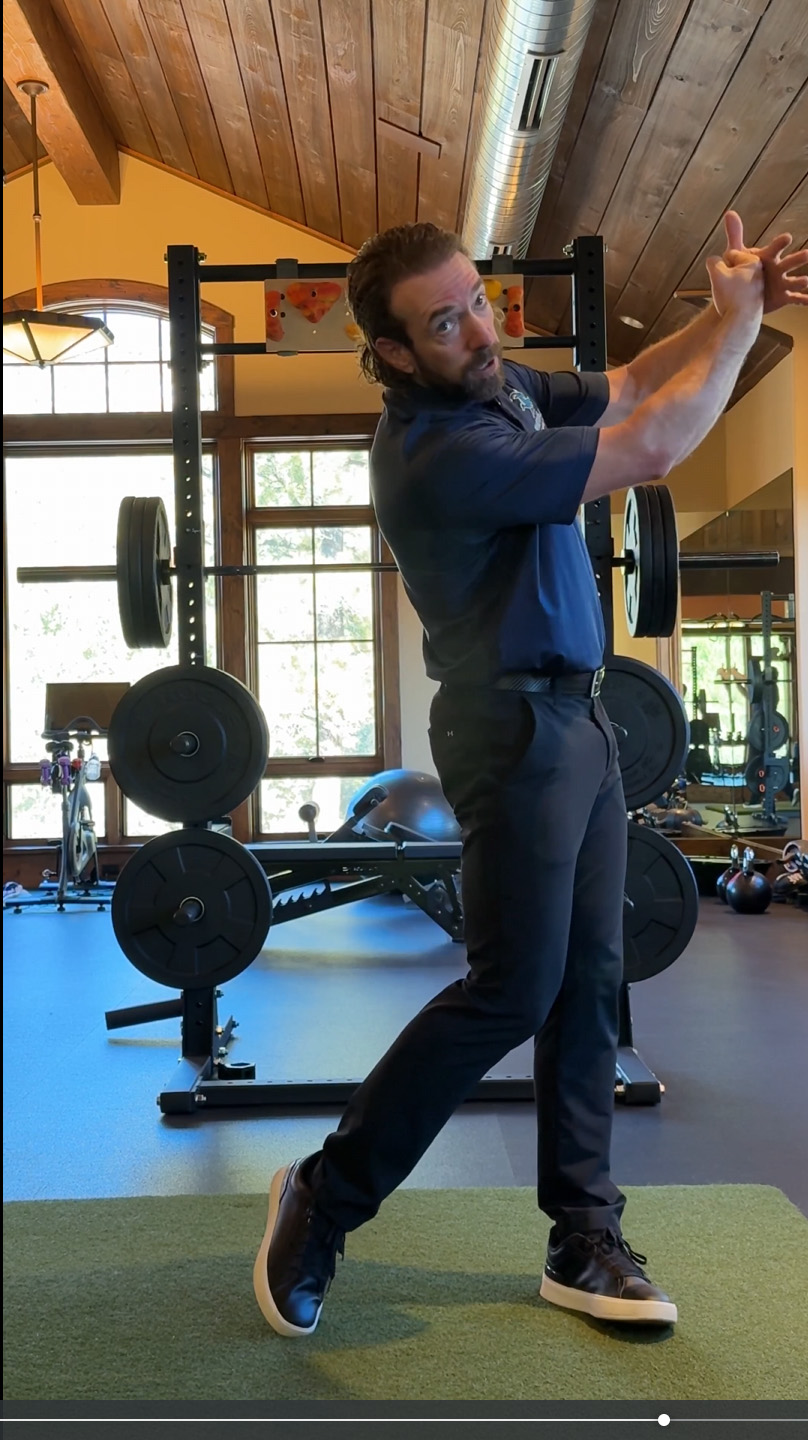
If you look at it from face on, you can see the flat lead wrist. The logo is visible on the glove. As you go through, the lead wrist rotates, bringing the toe of the club up.
You still never flip it. You never let that lead hand break down. Just let the lead wrist rotate as you go through.

Try a slightly bigger shot
Take a Bigger Shot
Let's hit an even bigger pitch shot and do the same thing.
Take the club up to about parallel with the ground on the follow through, keeping the lead wrist flat as always. It should go about 15-20 yards farther, and all you did was keep that wrist flat through impact.
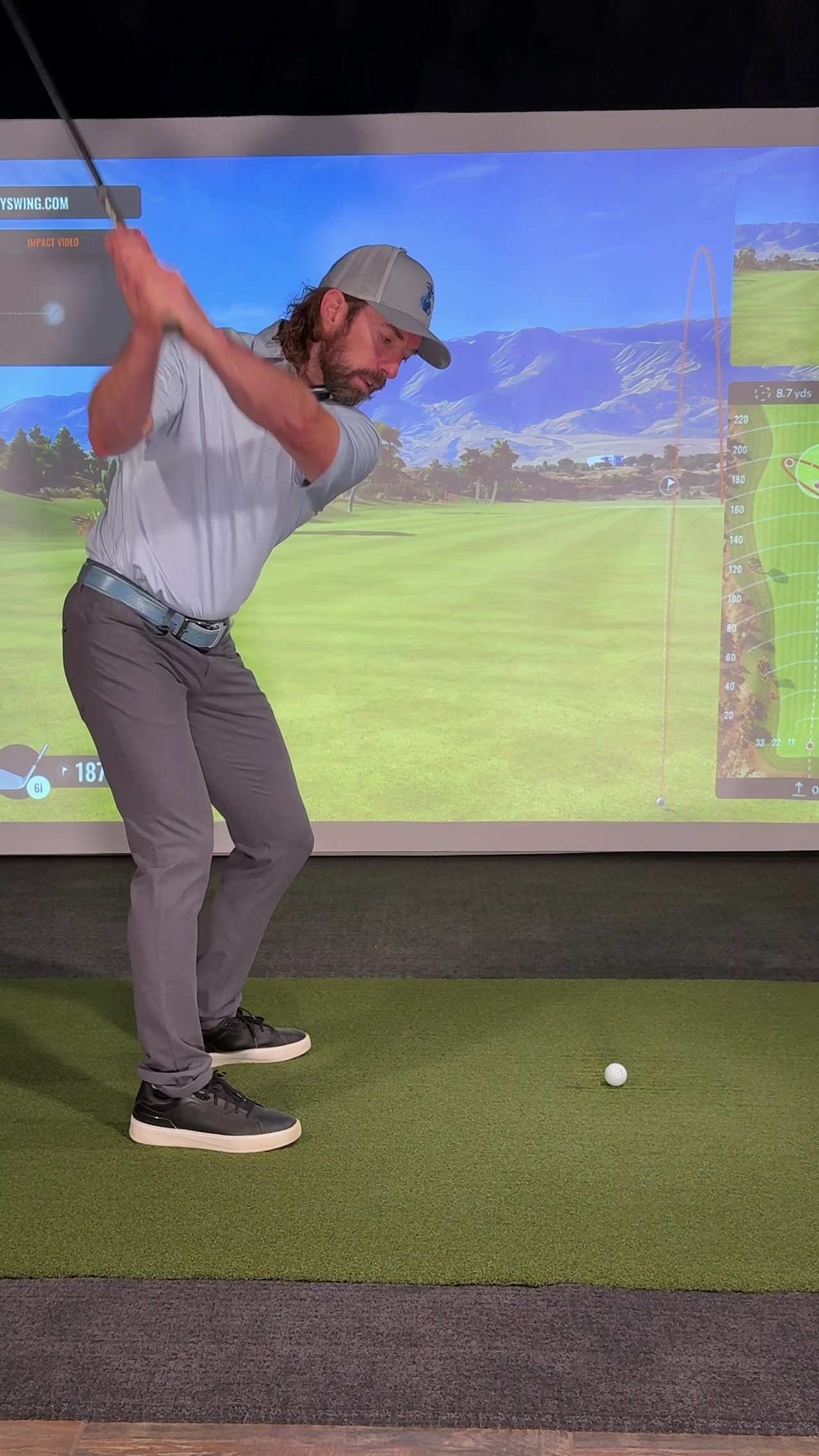
Again, the trail wrist is bent at the top of the backswing. Take a little chipping stroke, keeping the lead wrist flat, and let the lead forearm rotate as you come through.
Those are the basics of the push release. Work on this as diligently as you can, always keeping the lead wrist flat.
Hit hundreds and hundreds of pitch shots until you're completely comfortable with keeping that lead wrist flat. As soon as the trail hand starts to break through and release, you're flipping the club and you must never do that when you're learning to become a Rotary Hitter.
Once you're comfortable with the drill, you can move up to half shots.
Watch part 2 now to see how you're moving your body in the opposite direction of the pros!