As you learned from the "How to Hit a Golf Sand Shot Like a Pro" video, hitting shots out of the bunker becomes straightforward once you understand a few basic fundamentals. But what happens when you're faced with a downhill lie in the sand?
As the video demonstrates, the same core fundamentals apply — you simply need to understand a couple of additional setup adjustments that make this particular sand shot much more manageable. The swing remains identical; only the setup changes slightly. The keys are staying down through the shot, maintaining your balance on the slope, and trusting that the loft on the club will launch the ball upward without you having to help it.
Is this the fault costing you strokes?
Film one swing on your phone. In about a minute GOATY measures it and names the single biggest thing costing you strokes — free, no card.
Analyze My Swing Free
Related: Golf backswing — the 3 AI-measured gates →
Android users: Download GOATY on Google Play — free AI golf coaching on your Android phone. →
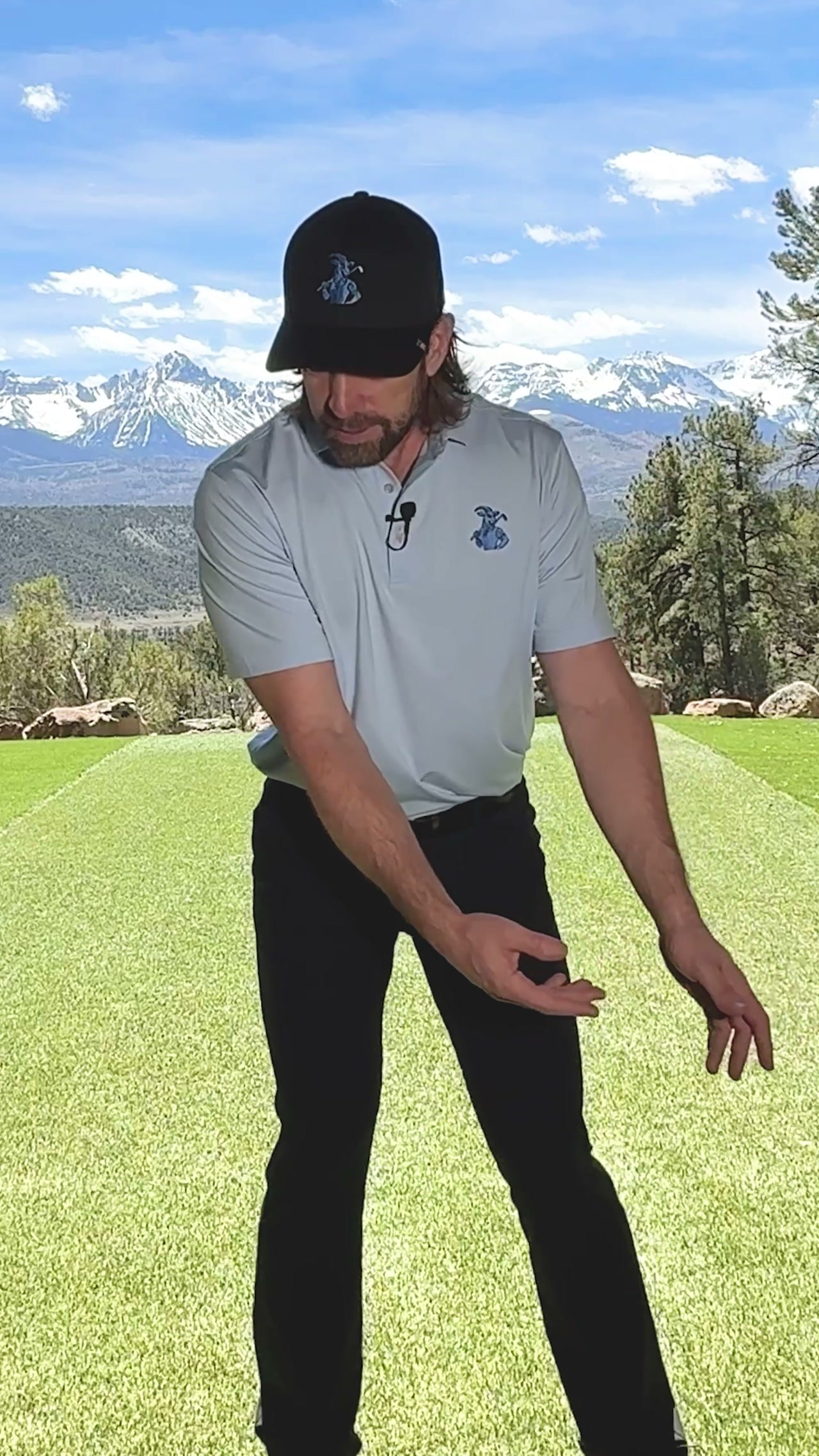
As covered in the video, you'll want to match your shoulder angle to the slope of the bunker. It will feel steeper than it actually is, so don't worry about achieving a perfect match.
Stop reading about it — feel it in your swing today
GOATY watches your swing live and coaches you between every rep. Free. No signup.
Start Your FREE Live Lesson →Because your trail hand sits lower on the club than your lead hand, your shoulders will still appear slightly shallower than the slope — and that's perfectly fine. The critical point is establishing a setup that allows your swing to naturally work down the slope rather than digging into the sand or coming up out of it prematurely.
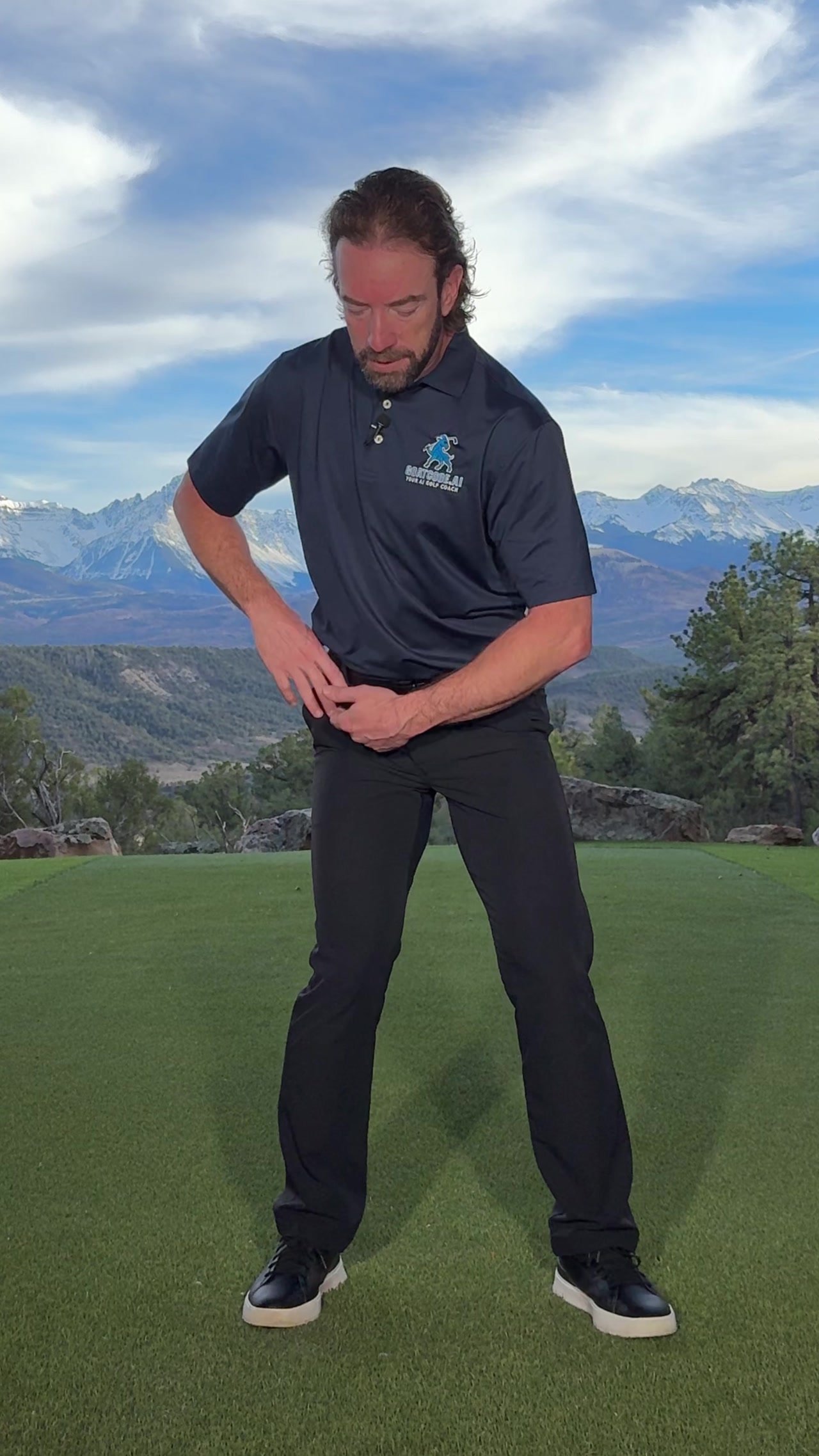
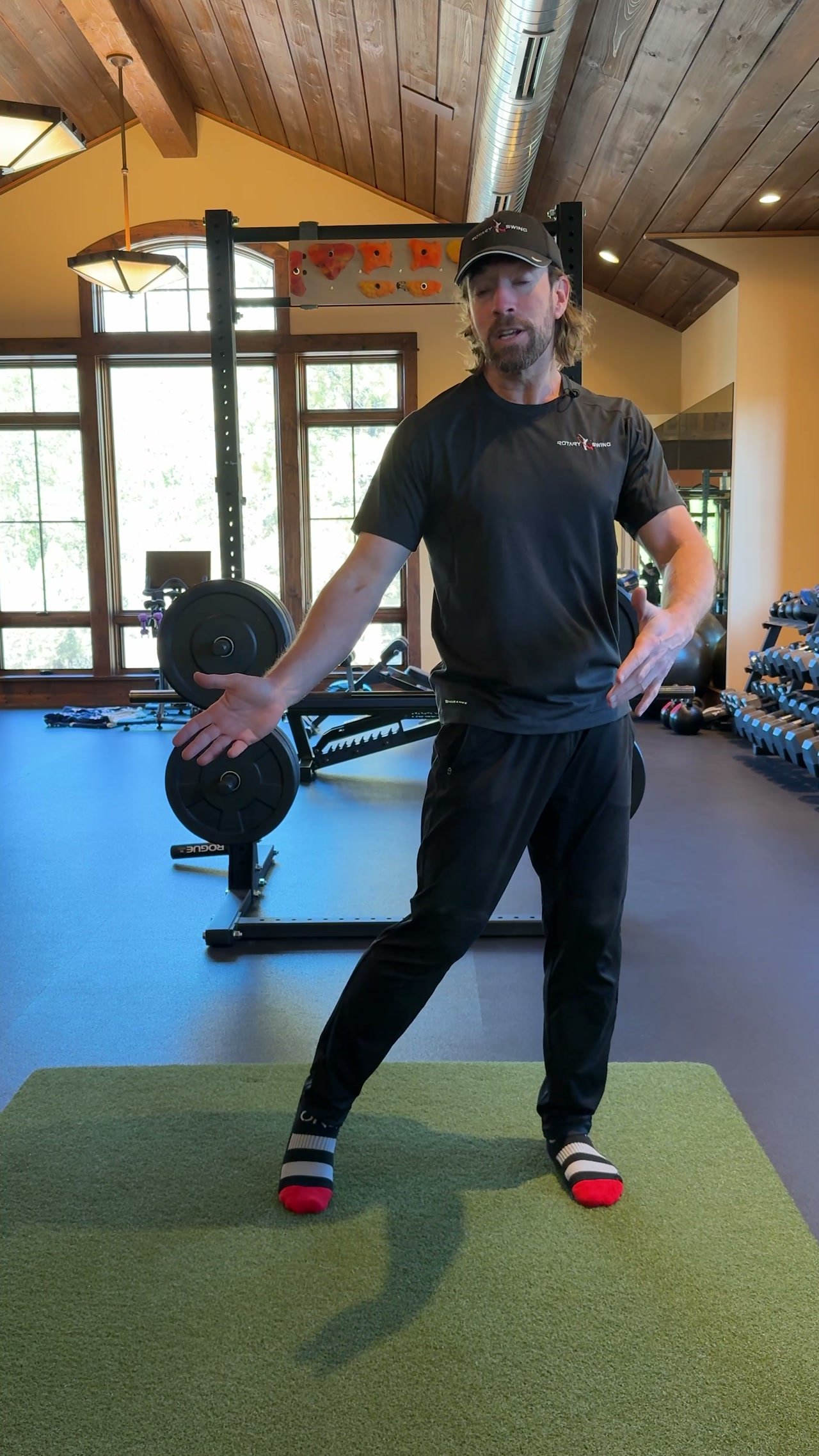
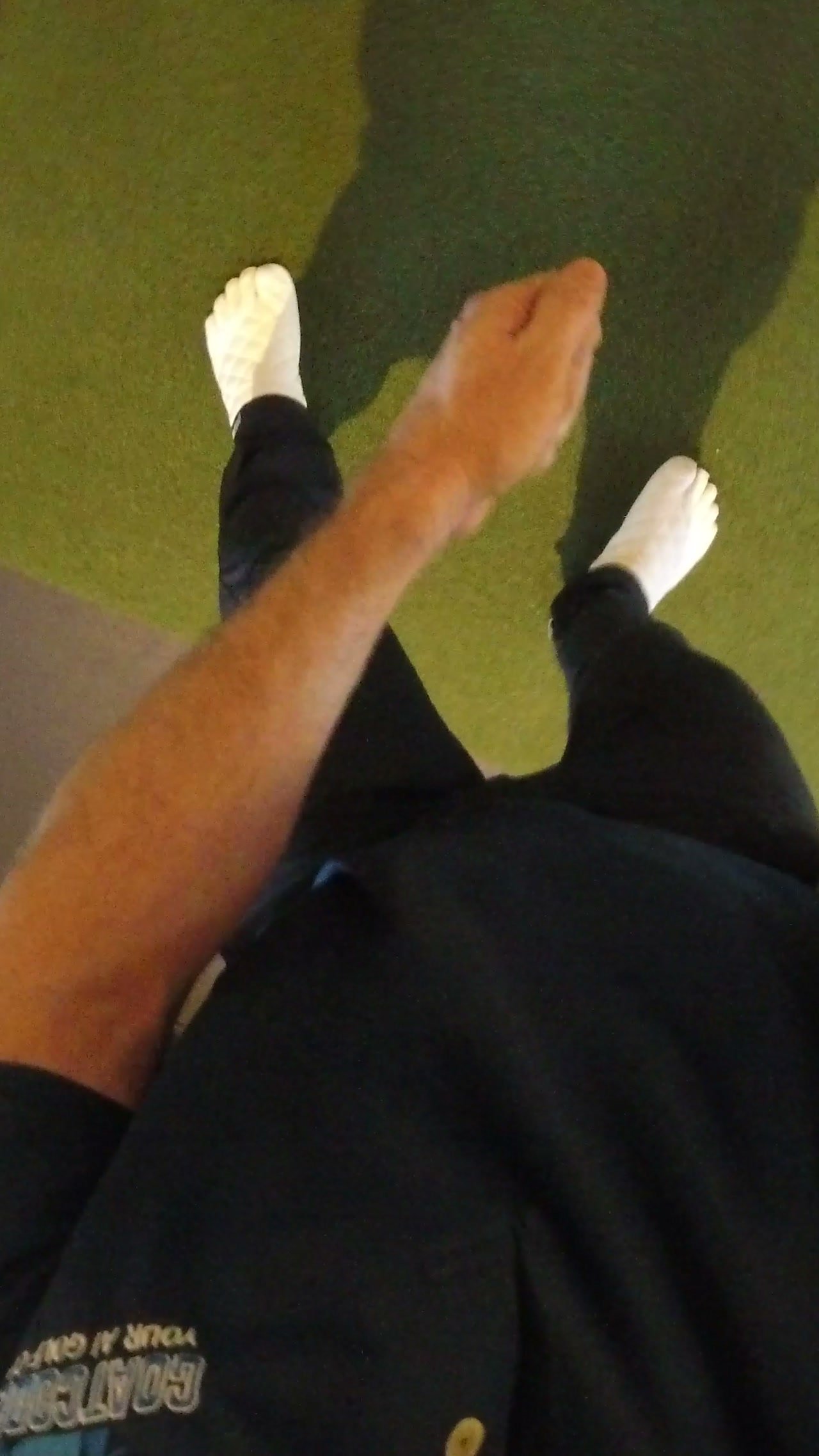
A stable lead leg and exceptional balance are essential for this sand shot, so lower your center of gravity by increasing your at address and dropping your hips into a slightly lower position. You can see this demonstrated in the sequence below.
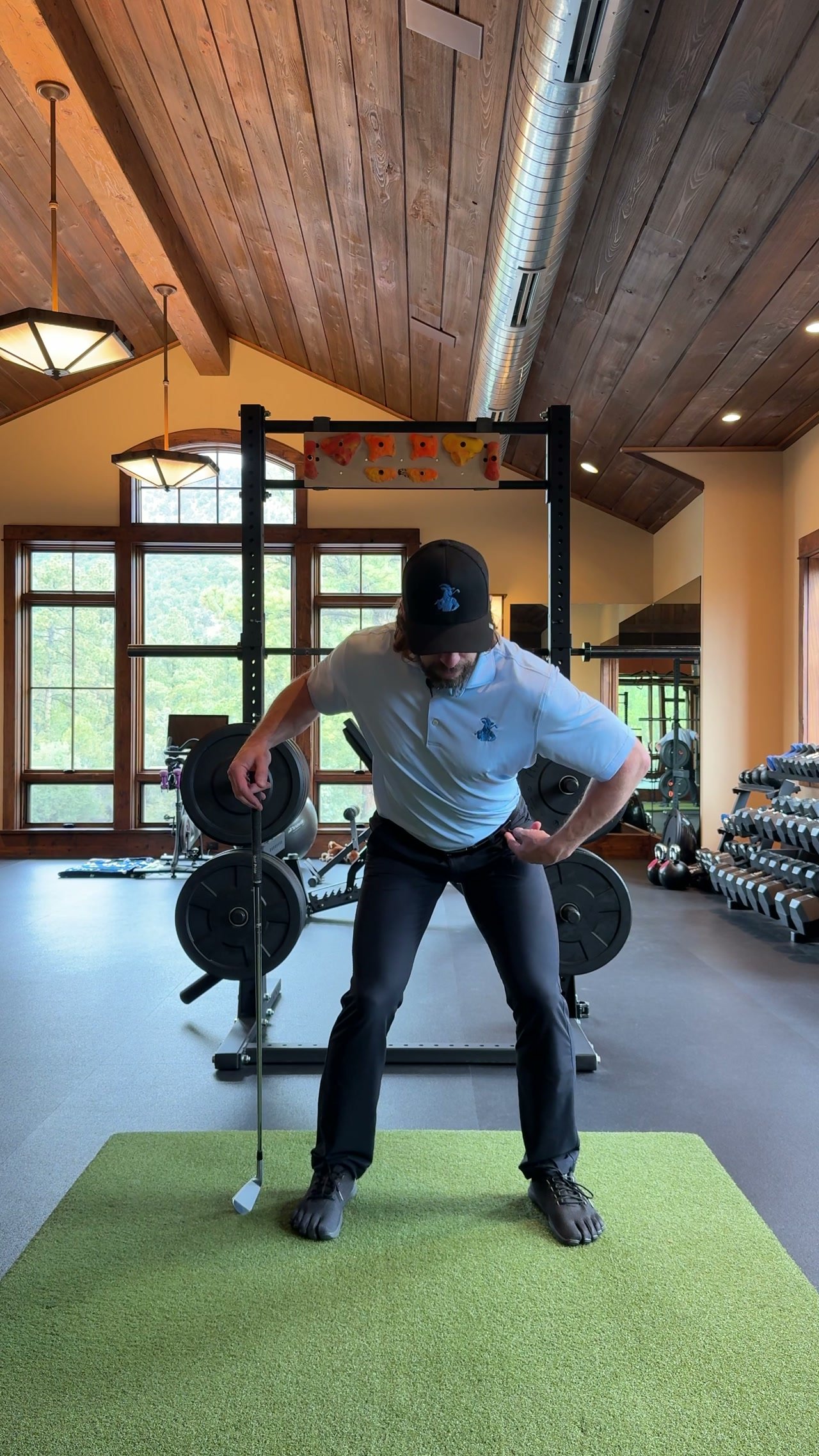
In the opening frame of this downhill bunker shot sequence, notice how I've lowered my center of gravity by squatting down slightly more at address. This provides the additional stability required to make an aggressive swing without losing balance on the slope.
Try a free live lesson with GOATY
GOATY, my AI golf coach, watches your swing through your phone camera and coaches every rep. Free, about 20 minutes, no credit card.
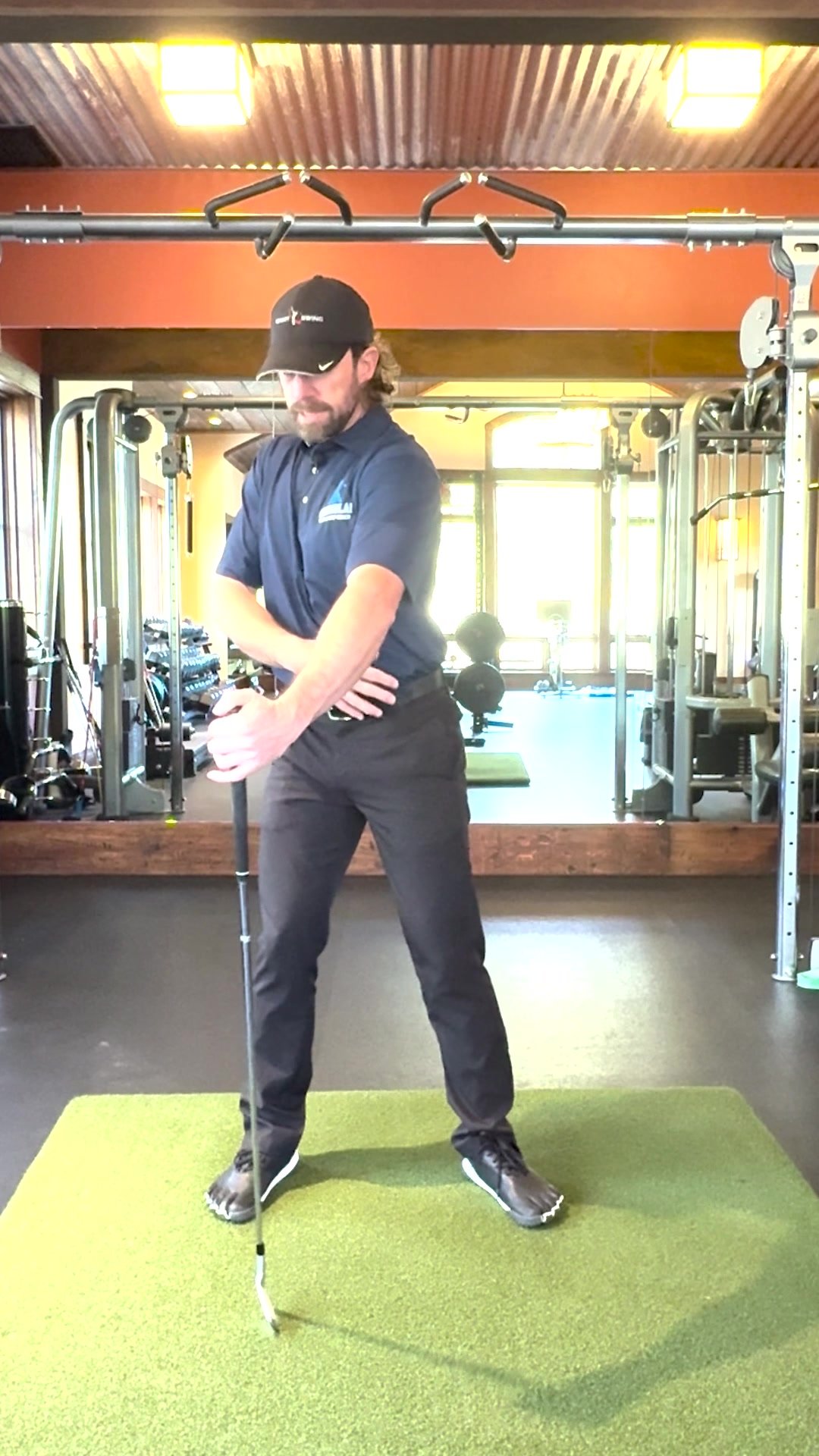
My arms hang relaxed and tension-free at address. As I take the club back, nothing changes from my full swing mechanics. When my lead arm reaches 9 o'clock, the club sits perfectly on plane with the shaft pointing at the ball. It may appear slightly outside the line because of my open stance.
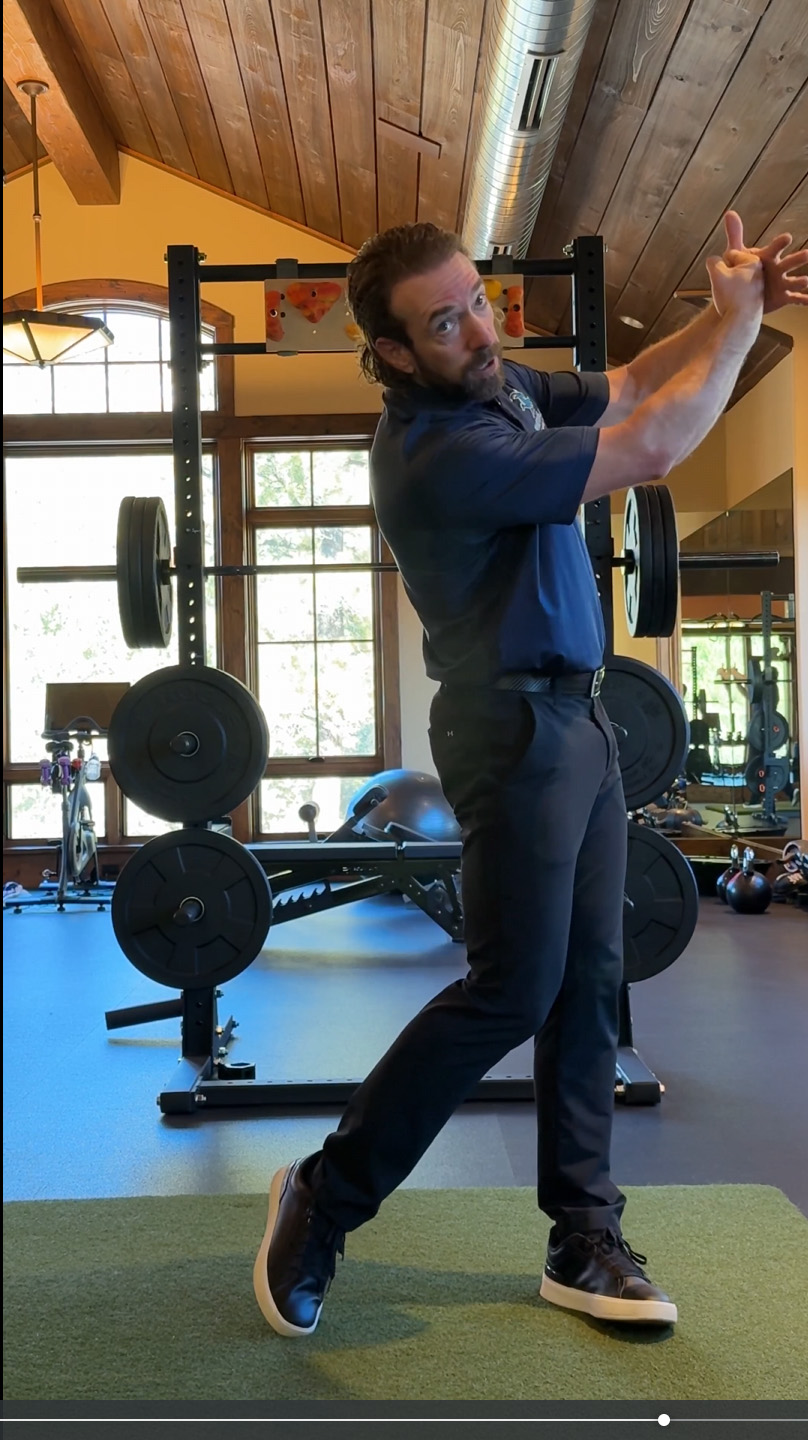
At the top, the club is perfectly on plane, parallel to the path it traveled on the backswing. From this position, all I need to do is swing down and through the sand with speed.
As the club descends, it follows the exact same it traveled on during the backswing. You may have heard instructors teach golfers to swing well outside and then reroute back inside, or vice versa.
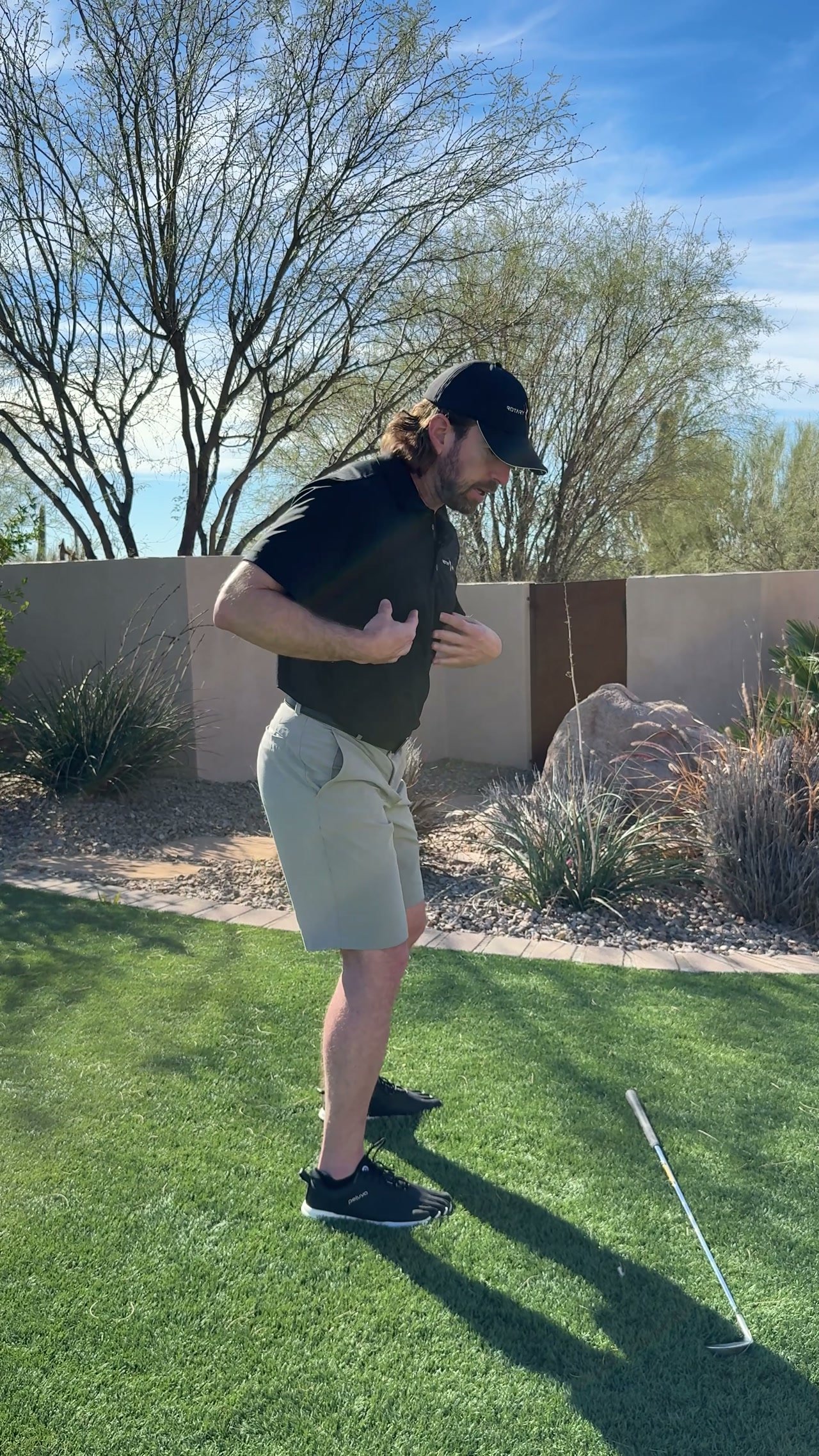
That kind of manipulation is completely unnecessary. Follow the fundamentals from the "How to Hit Sand Shots Like a Pro" video and simply swing through with speed. In the final frame, you can see that despite the downhill slope, the ball still launched quickly into the air — because I stayed down through the shot with an open clubface and "struck the match."
Practice this sand shot technique and you'll master it quickly. It's not only easy — it's genuinely fun once you have confidence in the mechanics. For the same kind of diagnostic feedback on your full golf swing, try a free AI swing analysis. To practice with real-time coaching, check out a free AI golf lesson.
Video Transcription: Downhill Bunker Shots
The downhill golf bunker shot intimidates a lot of golfers, but it's genuinely not that difficult once you commit to the proper fundamentals. You definitely need to apply the core principles we covered in the Short Game section on Bunker Play, plus understand a couple of additional adjustments that simplify this shot significantly.
As we covered in the "How to hit Golf Sand Shots Like a Pro" video, you still need the ball forward in your stance. You're still taking out the same box of sand, still striking the match — every fundamental from the basic bunker shot applies here.

Use a wide, stable stance
The primary difference is that your shoulders need to match the angle of the slope — whether you're facing an uphill or downhill lie.
On a flat lie, my shoulders sit fairly level. But on a downhill bunker shot, they need to tilt to match the slope. If I kept my shoulders perfectly horizontal while my feet, hips, and lower body followed the slope, I'd hit dramatically behind the ball because my shoulder angle would be tilted too far back.
Getting a good, wide stance is essential here. You need substantial support because the shoulder tilt puts more weight on your lead side than normal. It's critical to have firm footing — especially with your lead leg — because you'll be swinging down the slope and need stability throughout the entire motion.
You'll feel yourself wanting to fall forward, so a secure foundation with your lead leg is non-negotiable.

Swing through
Here's the setup sequence: establish a wide stance, position the ball forward, draw the box and prepare to strike the match as we've practiced. But now I'm ensuring my shoulders match the slope rather than staying horizontal. I've got a stable base, my shoulders follow the angle of the ground, and I'm ready to swing.
I take the club back, then slap down on the sand. The divot entered perfectly at the back of my box and exited at the front. The key sensation is continuing to swing down the slope — letting yourself go with the shot rather than fighting the angle.
I don't want to sit back and chunk the club into the sand with my shoulders leaning behind me.
Match the shoulders to the slope, swing back, and swing through — following the angle of the ground all the way to the finish.
How to Hit Downhill Golf Bunker Shots
Learn to effectively hit downhill bunker shots with proper setup and technique.
-
1
Adjust Your Setup
Position the ball slightly forward in your stance and match your shoulder angle to the slope of the bunker. This adjustment helps you maintain balance and ensures a proper swing path.
-
2
Lower Your Center of Gravity
Increase your knee flex and lower your hips at address to create a stable base. This position enhances your balance and allows for a more aggressive swing without losing stability.
-
3
Maintain a Relaxed Grip
At address, ensure your arms hang relaxed and tension-free. A relaxed grip helps you swing smoothly and maintain control throughout the shot.
-
4
Swing Through the Sand
As you take the club back, follow the same swing mechanics as your full swing. When swinging down, ensure the club follows the same plane as during the backswing to strike the sand effectively.
-
5
Follow Through with Confidence
After striking the sand, continue your swing through with speed. Trust that the loft of the club will launch the ball upward, and maintain your balance throughout the follow-through.
Watch part 2 now to see how you're moving your body in the opposite direction of the pros!