The long bunker shot in the 25-30 yard range is widely considered one of the toughest shots in the game of golf. In reality, it's not nearly as difficult as its reputation suggests — it simply requires the golfer to commit to a confident, aggressive swing.
If you follow the fundamentals from the "How to Hit a Sand Shot Like a Pro" video, you'll see there are only a couple of adjustments to consider when playing a long sand shot.
Is this the fault costing you strokes?
Film one swing on your phone. In about a minute GOATY measures it and names the single biggest thing costing you strokes — free, no card.
Analyze My Swing Free
Related: Golf swing balance — the G4 gate most amateurs fail →
Android users: Download GOATY on Google Play — free AI golf coaching on your Android phone. →
First, you need to decide whether to play long bunker shots with the same club every time, or switch to a less lofted club for this sand shot. As discussed in the video, both approaches have advantages and trade-offs. Using the more lofted club — such as a 60 degree wedge — for all your bunker shots allows you to put more spin on the golf ball and swing aggressively without fear.
Stop reading about it — feel it in your swing today
GOATY watches your swing live and coaches you between every rep. Free. No signup.
Start Your FREE Live Lesson →With a less lofted club — anything from a 56 degree sand wedge down to a pitching wedge — you can make more of the same swing you would on a shorter sand shot and let the reduced loft carry the ball the correct distance. This is often the easier shot of the two, and there is absolutely nothing wrong with using either method. For a data-driven look at how your swing mechanics score across every category, try a free AI swing analysis.
Practice both approaches, master both, and then let each particular sand shot dictate the best play. The most important thing to guard against when hitting ANY bunker shot, especially the long bunker shot, is deceleration.
If you're tempted to use the less lofted club and make the same swing, make sure you select a club with enough loft so you never feel the need to slow down through the sand for fear of hitting it too far. If you're uncertain, take the more lofted golf club and commit to an aggressive swing. With that confident acceleration, you should never fear leaving the ball in the bunker.
When it comes to even longer bunker shots — up to about 65 yards — you can still play these as splash shots rather than making clean contact with the ball. Personally, I'll play a splash shot up to about 70 yards from a fairway bunker with my 56 degree wedge.
On these shots, I follow the exact same fundamentals, but I don't hold the face quite as open and I make a very aggressive swing. The ball comes out very high with a lot of spin and lands softly. Some golfers wonder why I recommend playing these shots this way rather than simply taking a wedge and striking the ball cleanly.
The reason is that the 60-yard range is still an "in between" yardage — about half a 60 degree wedge — and that is not an easy shot. I prefer to make a full swing and vary only the amount I open the face, so I can make the most confident and complete swing possible. It also provides the largest margin of error because I still never make direct contact with the ball.
Try a free live lesson with GOATY
GOATY, my AI golf coach, watches your swing through your phone camera and coaches every rep. Free, about 20 minutes, no credit card.
If I tried to make clean contact, I would need to play the ball back in my stance to ensure ball-first contact, which would lower my trajectory. There is also zero margin for error on this shot. If I catch the ball even slightly heavy, I could be facing the same bunker shot again or another difficult in-between yardage. The truth is, the splash bunker shot provides the greatest margin of error of any golf shot you hit because you never make contact with the golf ball. And in a game that is already challenging enough, the bigger the margin of error, the better.
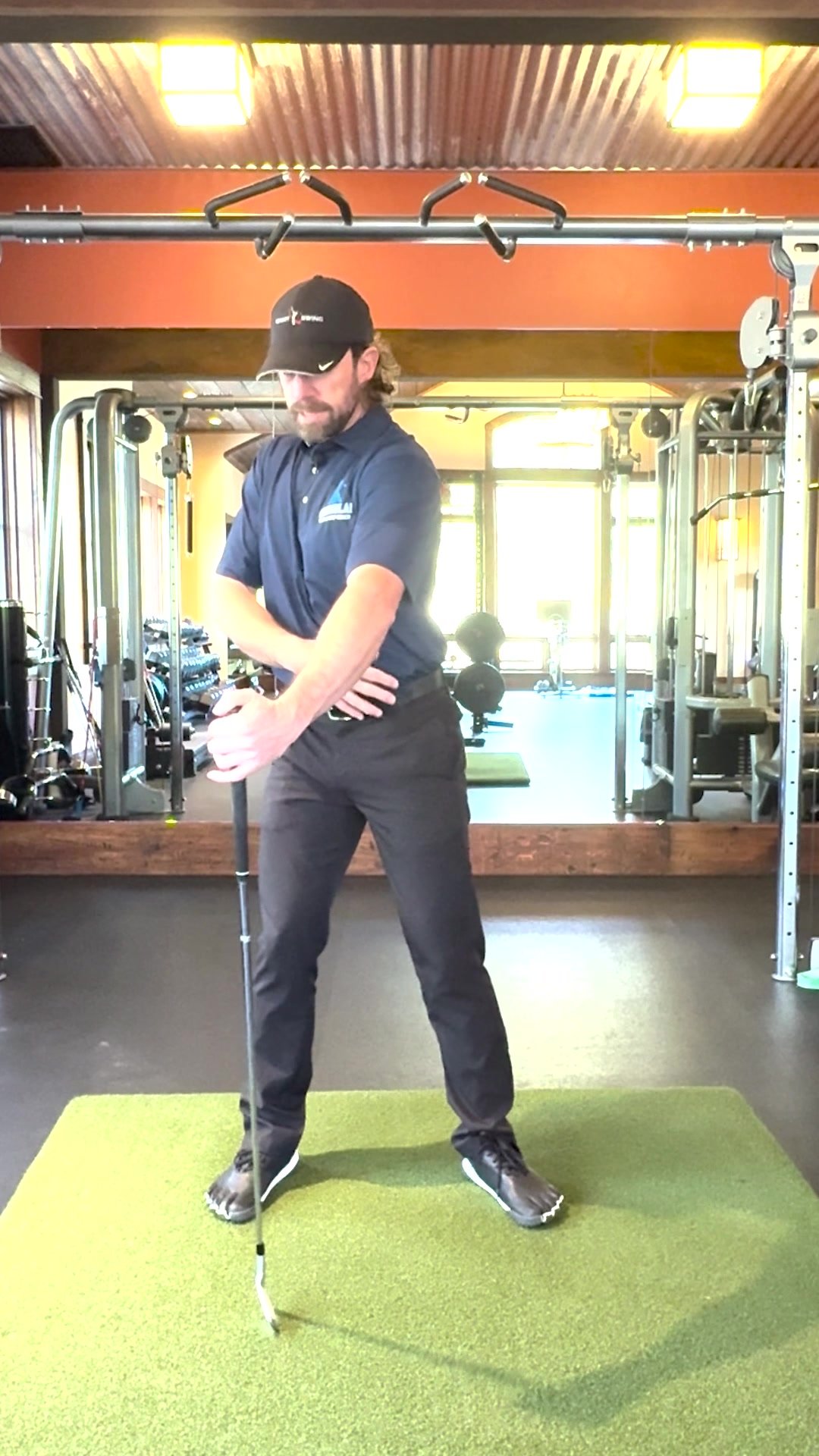
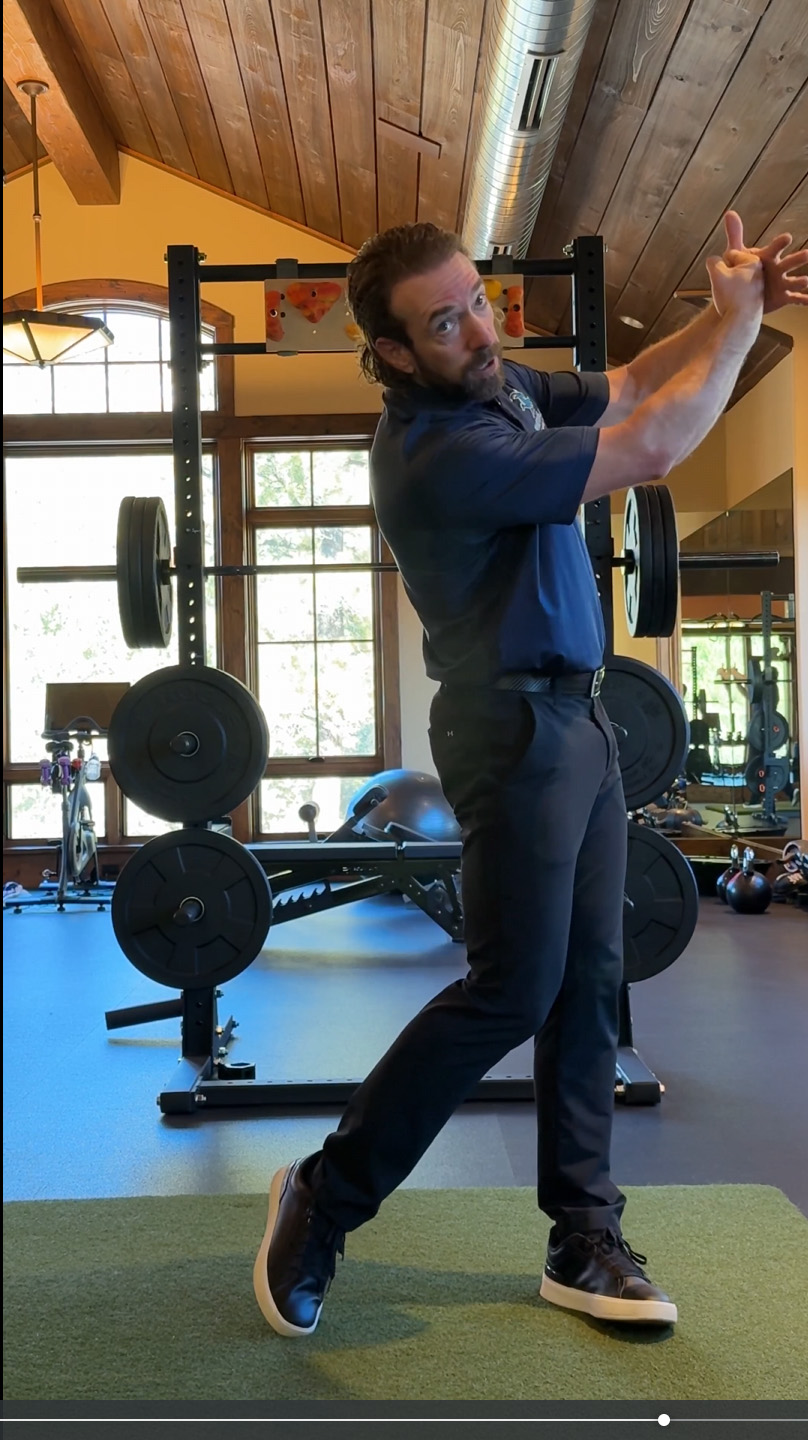
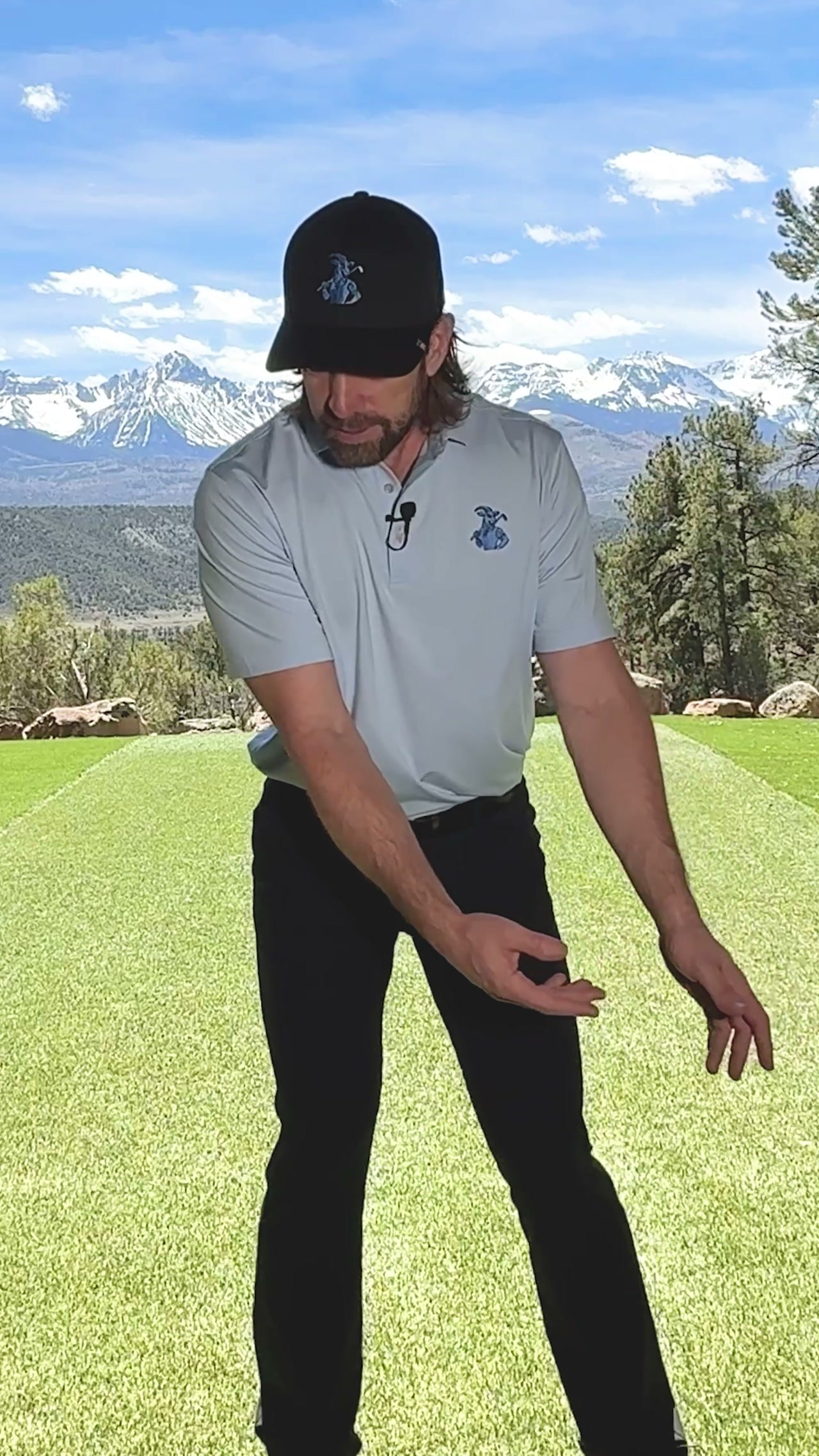
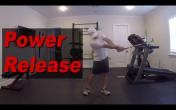
One of the most important keys to the long sand shot is acceleration. You need speed in this shot, and a simple way to verify you're generating it is to check your finish. Note in the picture below that I've come around to a full finish even though I only hit the ball about 30 yards.
My club face is still open at this point in the swing, indicating I've kept it open throughout the shot and into the follow through. Keeping the club face open allows me to make a full swing and be aggressive with no fear of launching it past the hole or blading it. The next time you practice this sand shot, make sure you come around to a full, balanced finish and you'll have no trouble executing this shot. To practice with real-time coaching feedback on your technique, check out a free AI golf lesson.
Video Transcription: How to Hit Long Bunker Shots
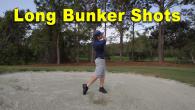
When faced with a long bunker shot — here I've got about a 25-30 yard bunker shot, which is often a very feared shot in the game — the truth is it's really not that difficult. There are just a couple of different ways to play it, and you need to find what works best for you.
There are two main schools of thought. The first is to use the same club out of the bunker on every shot. Whether I'm hitting a 5-yard bunker shot or a 30-yard bunker shot, I use the same club but simply make a bigger swing.

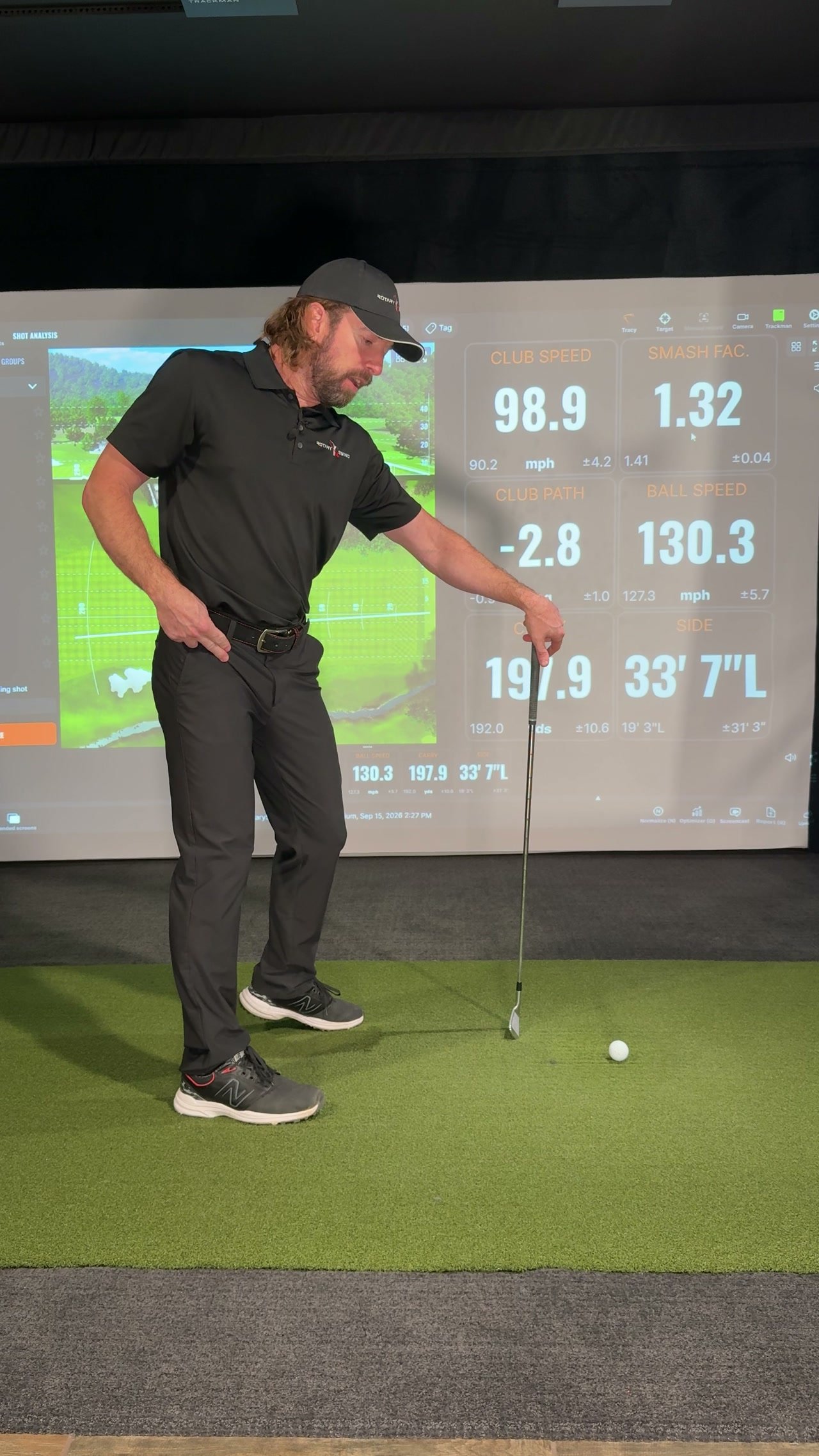
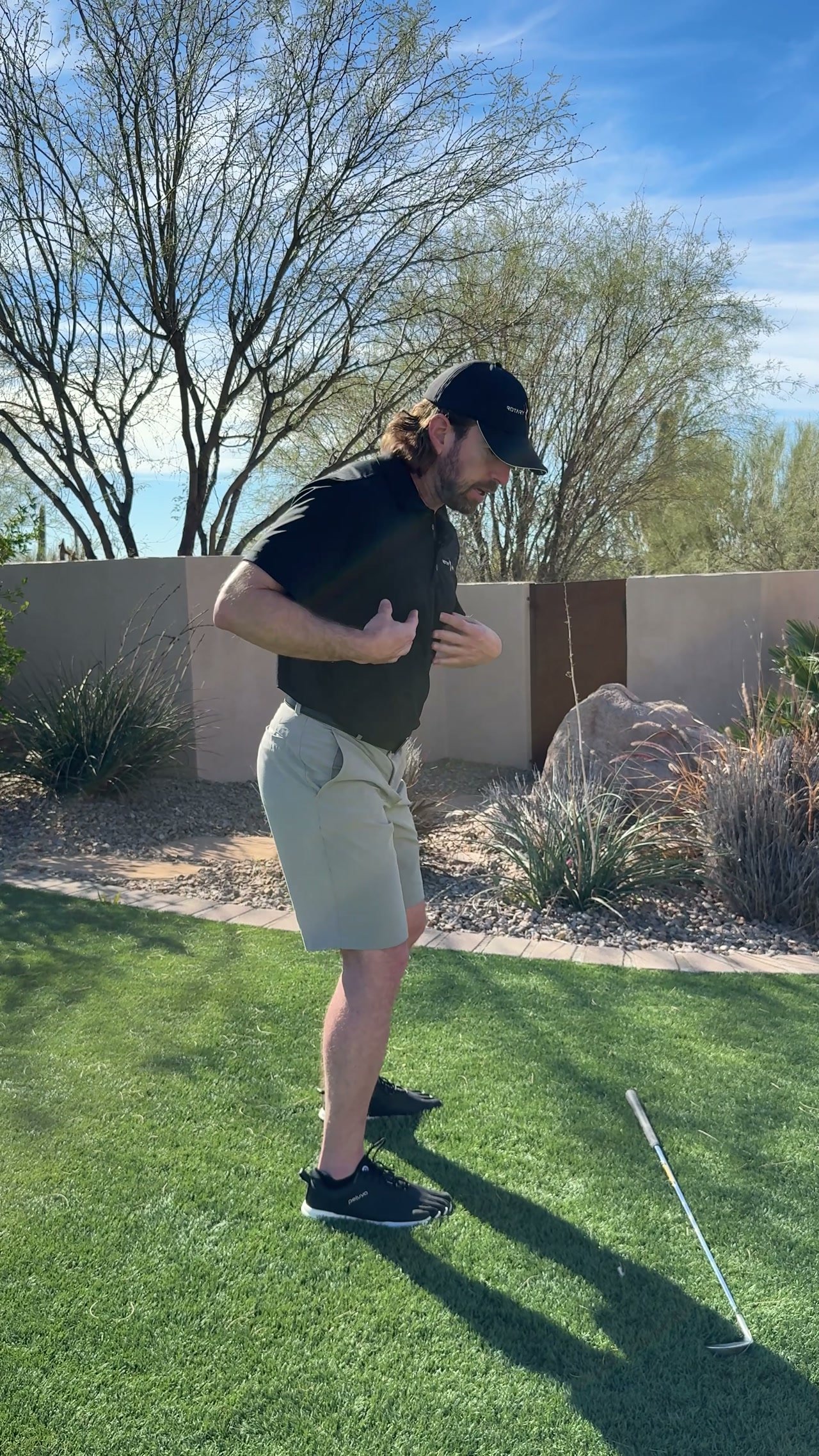
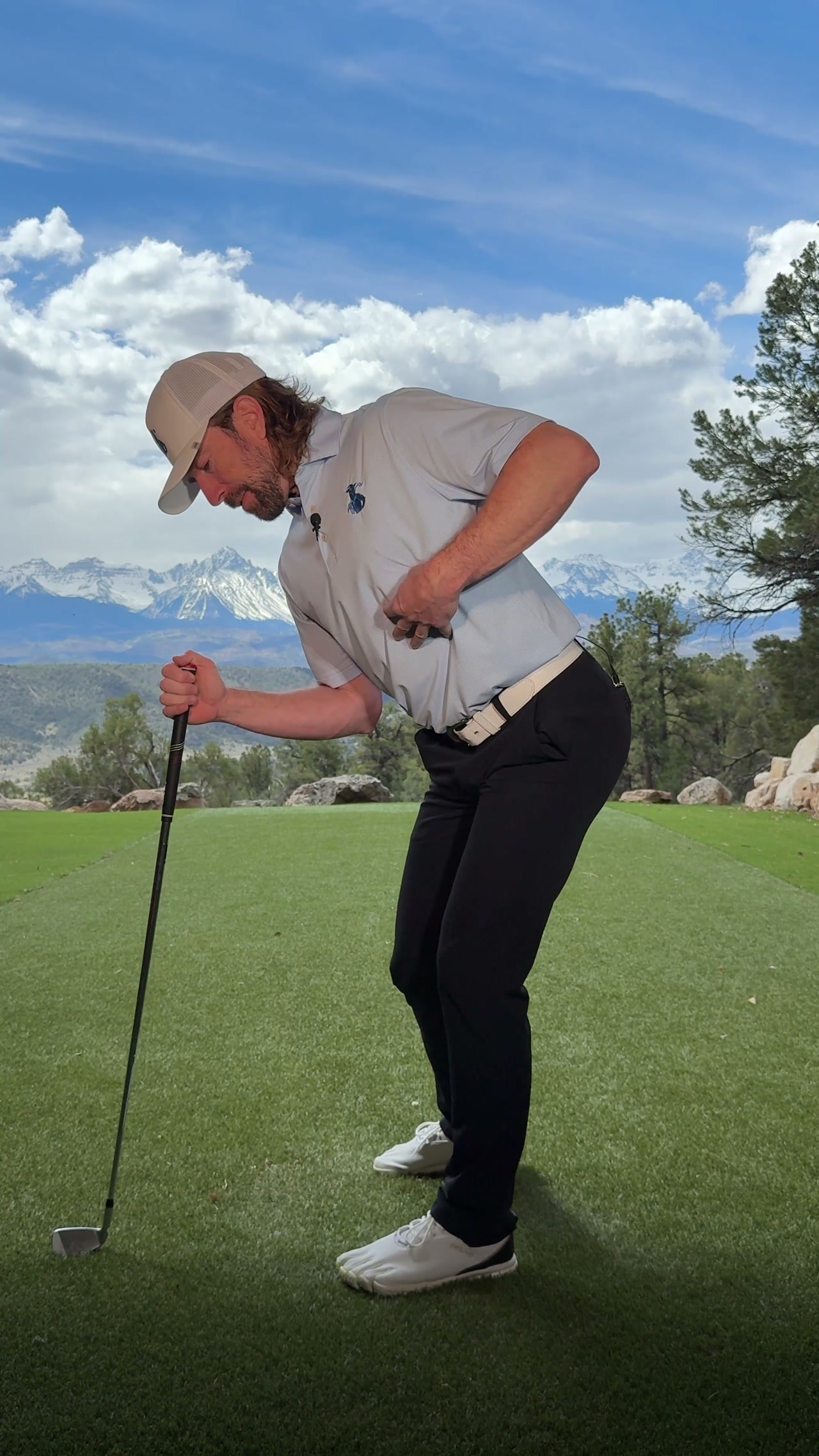
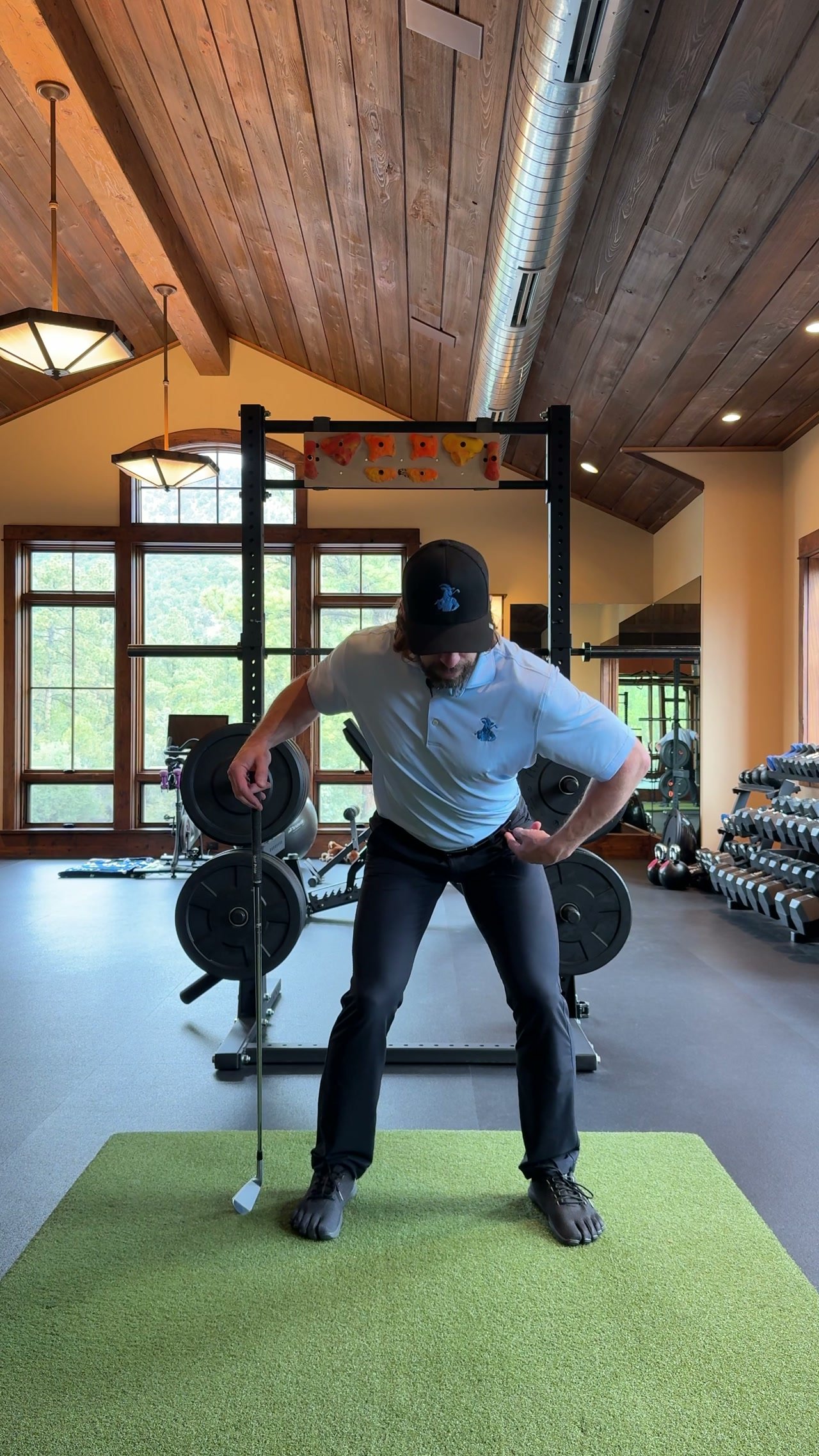
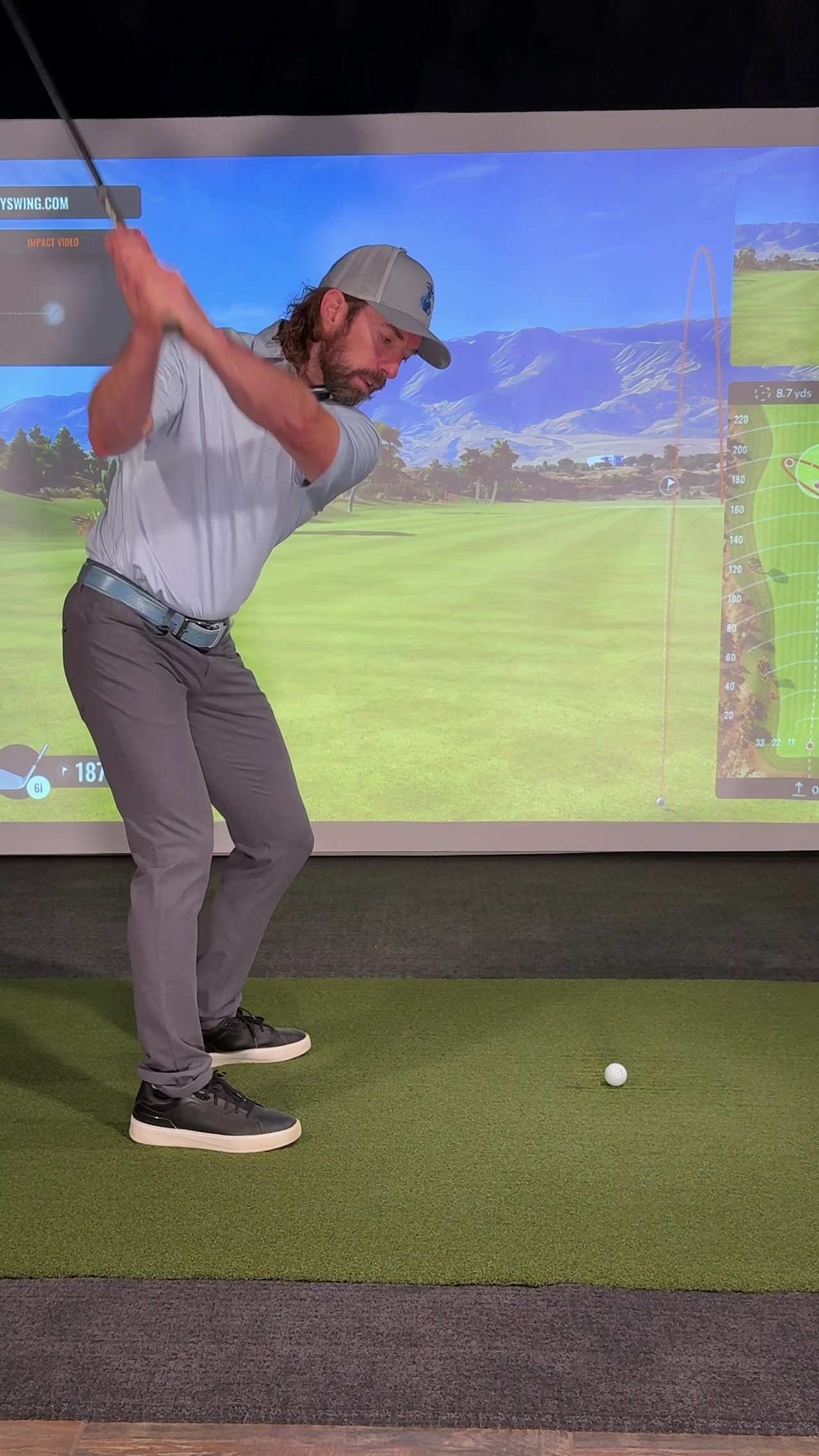
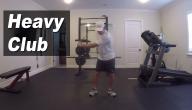
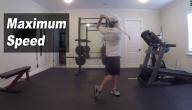
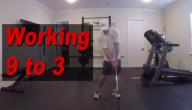
Bunker shot with 60° wedge, face on (left) and down the line (center, right)
The benefits and drawbacks of this method: if you make a bigger swing and catch it a little heavy, the ball will come out about the same distance but with less spin, so it'll release a bit more. This gives you a margin of error.
If you catch it a little thin — because you're generating a lot of clubhead speed with a more lofted club — the ball tends to hit and actually spin back, so it gives you a margin of error in that direction too. However, it does require more precise swing control in the strike.
The other school of thought is to take a less-lofted club — say your 52 degree or gap wedge, or even a pitching wedge — and make the same swing you'd make from shorter bunker shots with your 60 degree wedge. You simply don't swing as hard.
You're still going to open the club face, still follow all the fundamentals we cover in the Short Game instruction. Everything still applies. You're still striking through the sand, still taking out that box of sand, still keeping the club face open and accelerating through the shot.

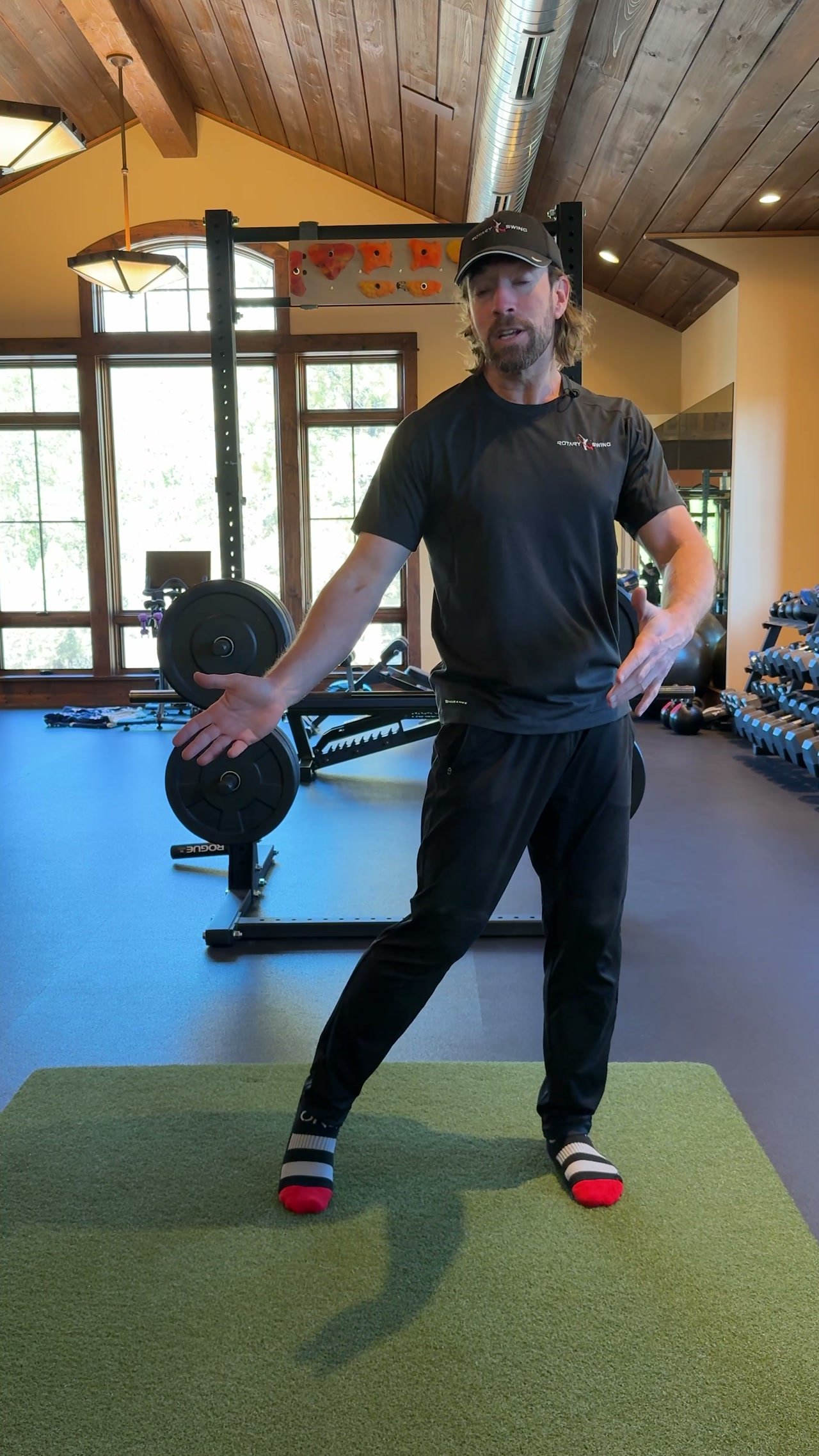
Bunker shot with 56° wedge
But because the club doesn't have as much initial loft, even when you open it, it won't have quite as much loft as a 60 degree wedge.
The first shot I'm going to hit is the 25-30 yard bunker shot with the 60 degree wedge. I'm going to open the face wide open and make a very aggressive swing. I'll set up to it — everything's still the same. Lower my center of gravity just a bit.
That one I caught just about perfect. It had a medium amount of spin — spun back just slightly but pretty much landed and stuck. I was able to make a very aggressive, confident swing, accelerate through, with no fear of launching it long if I caught it a touch thin. A good, solid shot.
Now I'm going to take the next club. That was a 60 degree wedge, and here I'm switching to a 56 degree wedge. I'm going to open it up the same way, but it won't open quite as much. I'm not going to make quite as aggressive a swing because I don't have the same amount of loft and don't need to accelerate quite as much.
Same setup, same shot.

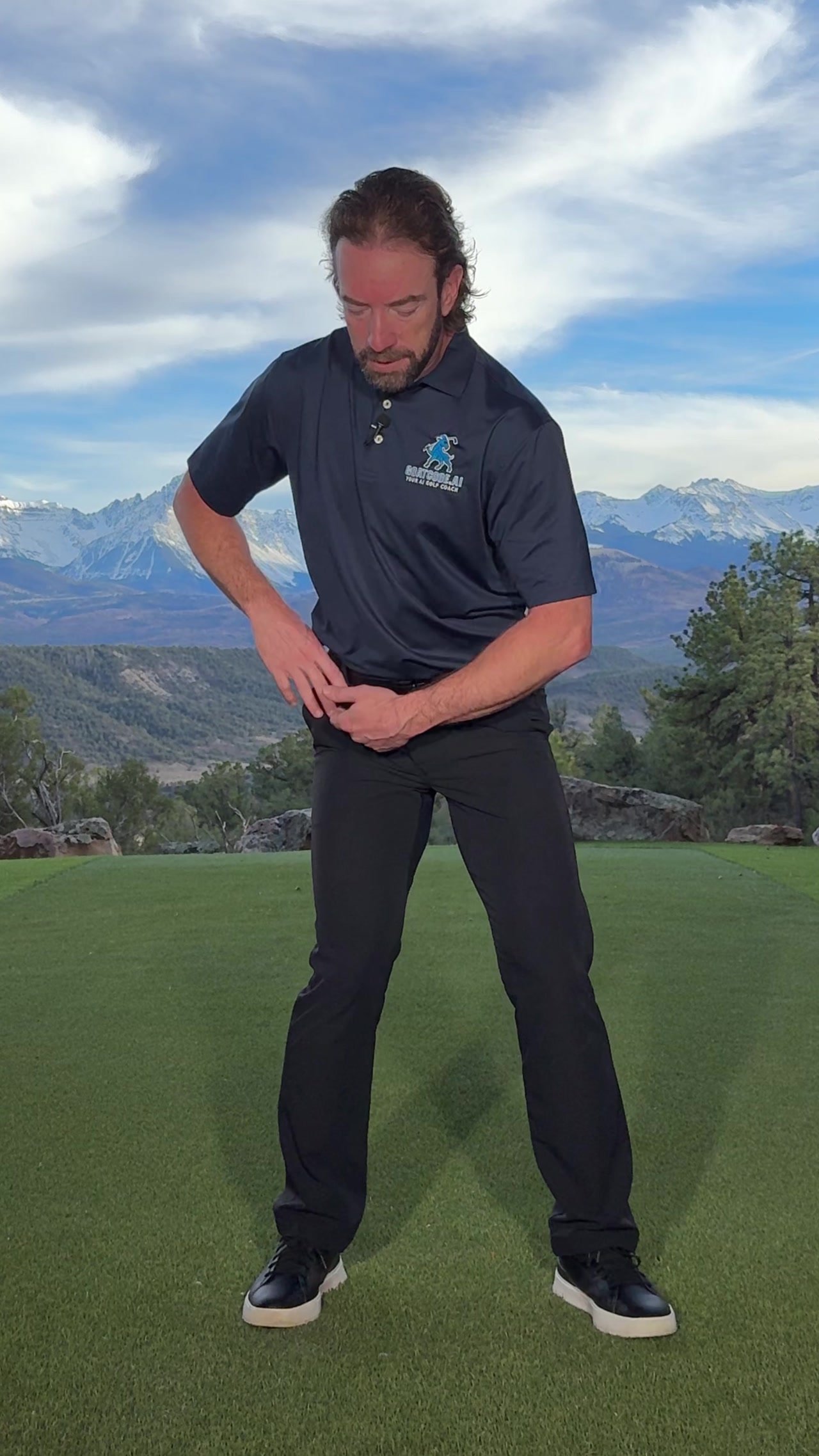
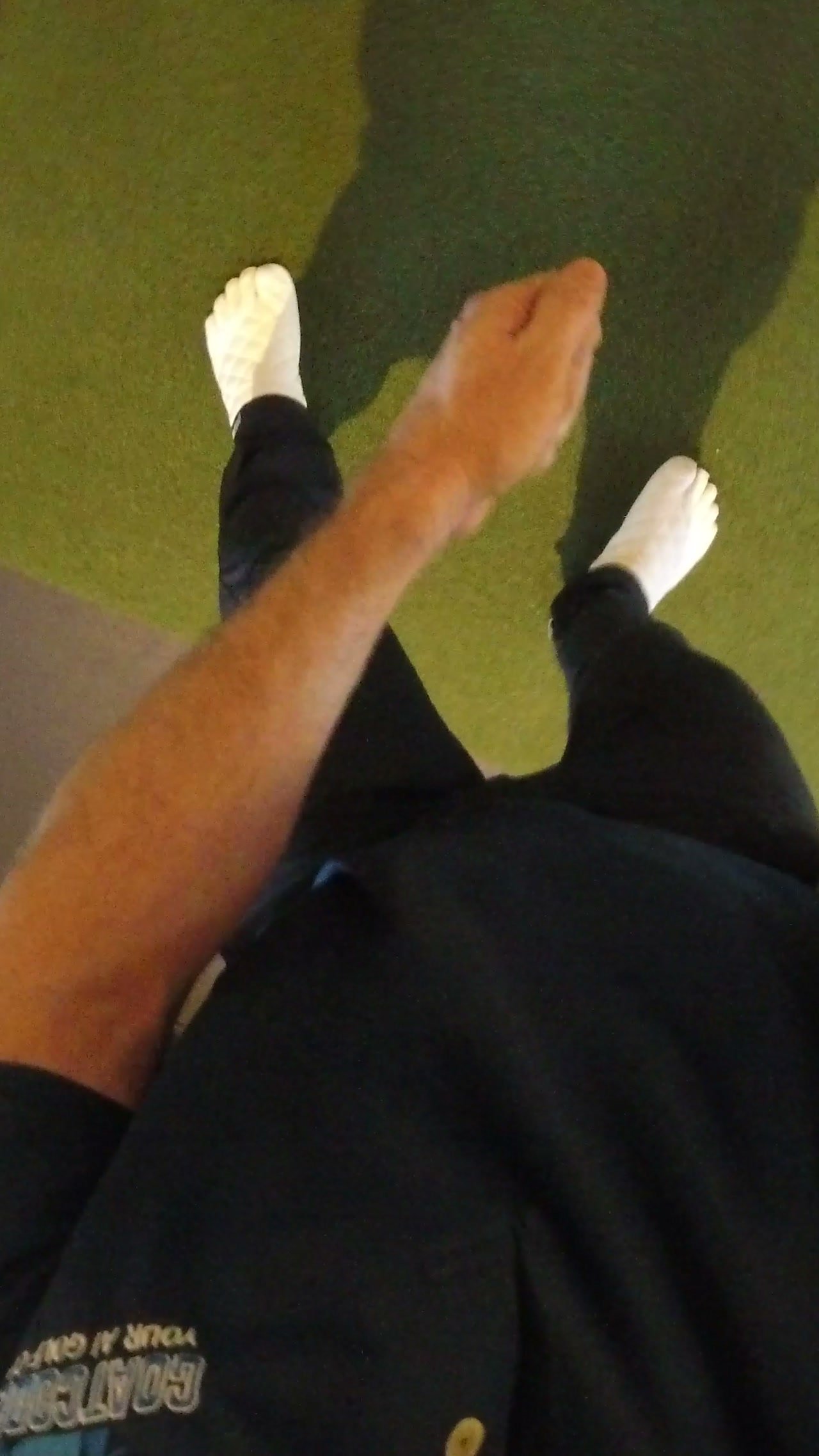
Bunker shot, down the line view
That one I caught really well again, but it had a lot of spin so it came back a bit. However, I was able to make a more controlled swing with this club, rather than the very aggressive strike I made with the 60 degree.
You can switch between approaches depending on the day. I highly recommend practicing both because it's a valuable shot to have when you need a lot of spin. If you're feeling aggressive and confident with your swing, take the 60 degree wedge and really rip through the shot without any fear of decelerating or making a controlled swing. It's great to be comfortable with both methods.
For most golfers who don't have precise control of where their swing arc bottoms out in the bunker, taking a different club and making the same swing is often much easier. Practice with your 60 degree wedge for close shots around the green where you can make a simple, effortless swing.
Then when you face something a bit farther, grab your 52, your 56, or even your pitching wedge and make a more controlled swing. You're still going to open the face — it just won't be quite as open. It's a smooth, effortless swing, letting the club do most of the work.

Bunker shot, face on view
How to Hit Long Bunker Shots
Learn how to confidently execute long bunker shots with effective techniques.
-
1
Choose Your Club Wisely
Decide whether to use a lofted club like a 60-degree wedge for spin or a less lofted club for easier swings. Each option has its benefits.
-
2
Commit to Your Swing
Ensure you maintain an aggressive swing throughout the shot. Avoid deceleration, especially when using a less lofted club, to prevent mishits.
-
3
Practice Splash Shots
For longer bunker shots, consider using a splash shot technique. This allows for a full swing without the need for direct ball contact, providing a larger margin for error.
-
4
Maintain Club Face Angle
Keep the club face open during your swing to achieve a high trajectory and soft landing. This helps in executing the shot confidently.
-
5
Finish with Balance
Focus on achieving a full, balanced finish after your swing. This indicates proper acceleration and helps ensure successful execution of the shot.
Watch part 2 now to see how you're moving your body in the opposite direction of the pros!