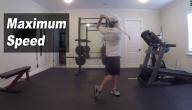
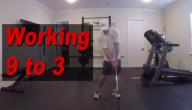
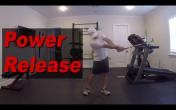
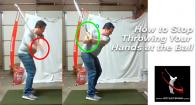
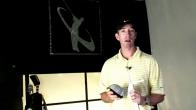
Paul Dickinson is a professional golfer from Orlando who has played on the PGA and Nationwide Tours. Paul was an all-American in college and won 4 times while playing at the University of Alabama. Paul played through all three stages of PGA Tour qualifying school to play on the Nationwide Tour in 2003.
We look to get Paul back on tour again next year and with the swing changes we have made, he has an excellent chance at succeeding. Below is an analysis of his swing which addresses a few of the things we have changed in his golf swing to dramatically improve his ball striking.
Is this the fault costing you strokes?
Film one swing on your phone. In about a minute GOATY measures it and names the single biggest thing costing you strokes — free, no card.
Analyze My Swing Free
Related: Golf impact position — how AI scores yours →
Android users: Download GOATY on Google Play — free AI golf coaching on your Android phone. →
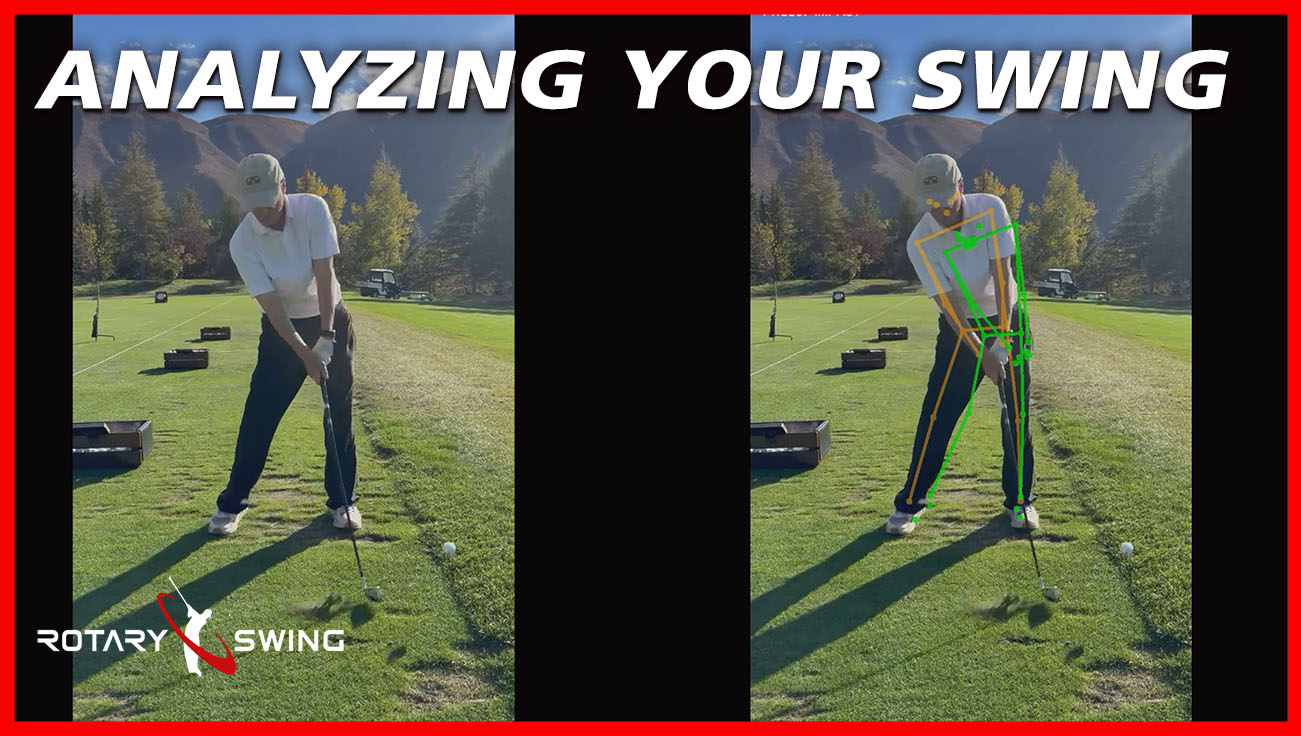
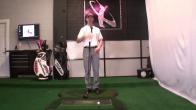
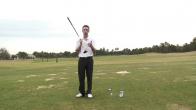
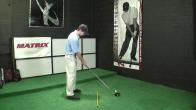
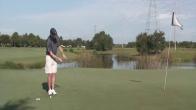
Paul's address position is very sound and solid for a one plane swing. His arms hang very naturally from his shoulders which can be seen down the line and he has a nice, athletic, balanced .
Stop reading about it — feel it in your swing today
GOATY watches your swing live and coaches you between every rep. Free. No signup.
Start Your FREE Live Lesson →He was setting up a bit closed and drawing the ball a little too much when I first started coaching him; we have since squared him up at address which has straightened out his ball flight.
From face on, Paul has a little bit of shaft lean toward the target at address as he plays the ball back just a touch in his stance, which is fine. This also encourages the draw shot that he plays. Golfers who want to understand these nuances in their own game can now get instant feedback from an AI swing analyzer to see how their setup compares to tour-level benchmarks.
Try a free live lesson with GOATY
GOATY, my AI golf coach, watches your swing through your phone camera and coaches every rep. Free, about 20 minutes, no credit card.
The takeaway is one of the first things we worked on in Paul's swing and is something that we will continue to refine over time. When I first met Paul, he would death grip the club and take it too far inside and under the plane very early in the swing, causing the club to get behind his hands.
This exasperated his tendency to hook the ball as the trail wrist would hinge a little too much on the way back and then release through the shot very aggressively to get the club back in front of him.
Paul is now doing an excellent job keeping the club travelling up on plane and keeping the club outside his hands. He also has much better flow in his takeaway now as he has softened up his arms and hands at address. Developing this kind of consistent, on-plane swing path is exactly what structured systems like the GOAT Drill system are designed to train.
As the club continues back, it is right in line with his hands and close to his trail thigh. This is a great position for maintaining proper .
As we get halfway back, Paul is in a good position with the club working behind his body and getting set behind him. This halfway back position is a critical checkpoint that separates consistent ball strikers from those who struggle with compensations.
As he gets to the top, Paul has made a big and increased his spine angle slightly. While the club may appear across the line at the top, it is actually pointing down his toe line. A full, proper shoulder rotation like this is one of the hallmarks of elite players who generate power without sacrificing accuracy.
Paul makes a good transition and halfway down has the club pointing at the ball. It is a tiny bit deep here, pointing just inside of the ball, which will cause Paul to swing ever so slightly in to out creating a draw. This controlled club path through the downswing is what separates a managed draw from an uncontrolled hook.
At this point, all systems are go. Paul's club is covering his trail forearm allowing him to come in on plane and fully release the golf club with no compensations. This is a textbook example of what proper lag and release looks like at the moment of truth.
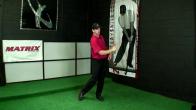
At impact position, Paul's shoulders are open to his target line and his hips are well open. He's stayed behind the ball nicely, which is the hallmark of a well-timed impact in a powerful, repeatable swing.
Paul's shoulders through impact rotate right on plane, he has maintained his spine angle and released through the shot. Note how well his head has stayed back while his trail shoulder rotates under his chin. He's very flexible to be able to release like this.
It's ok for the head to rotate toward the target here, ala David Duval and Annika Sorenstam, but this view is proof that Paul has really rotated his shoulders through the shot and he did not slide into the ball. This kind of full, committed shoulder rotation through impact is a defining characteristic of elite ball strikers.
As always, the follow-through position should be balanced and relaxed, with a full release through the shot. There are many things to take away from Paul's swing, but the most important thing to note is that Paul simply does the golf fundamentals well, as most all professional golfers do. Players working to build these same fundamentals can use an AI swing analyzer to get objective, data-driven feedback on how their own mechanics measure up.
Frequently Asked Questions
What key changes were made to Paul Dickinson's swing to improve his ball striking?
The primary changes to Paul Dickinson's swing included adjusting his address position to square him up, reducing his tendency to draw the ball excessively. Additionally, we focused on refining his takeaway to keep the club outside his hands, which improved his swing path. These adjustments have led to more consistent and accurate ball striking.
How does Paul Dickinson's setup position contribute to his swing performance?
Paul's setup position is characterized by a solid and balanced posture, with his arms hanging naturally from his shoulders. By playing the ball slightly back in his stance and having a bit of shaft lean, he encourages a draw shot while maintaining a strong address. This foundation is crucial for executing an effective one-plane swing.
What is the significance of the halfway back position in Paul Dickinson's swing?
The halfway back position is a critical checkpoint in Paul Dickinson's swing that distinguishes consistent ball strikers from those who struggle. At this stage, the club is positioned behind his body and close to his trail thigh, which helps maintain the proper swing plane. This alignment is essential for executing a powerful and accurate downswing.
How does Paul Dickinson achieve a controlled draw instead of an uncontrolled hook?
Paul achieves a controlled draw by ensuring his club path is slightly inside-out during the downswing, allowing for a managed release of the club. His transition and impact positions are key, as his shoulders and hips remain open to the target line, contributing to a powerful and repeatable swing without excessive compensations that lead to hooks.
Watch part 2 now to see how you're moving your body in the opposite direction of the pros!