We've had a lot of requests for Tyler Aldridge's golf swing. Tyler is one of Chuck Quinton's students who made it through all three stages of PGA Tour Qualifying School, earning full status on the nationwide tour for 2008. We're very proud of him for those accomplishments.
One of the things I worked on before each round during Qualifying School was keeping Tyler's head position from moving both off the ball and back in front of the ball — a critical factor in consistent ball striking.
Is this the fault costing you strokes?
Film one swing on your phone. In about a minute GOATY measures it and names the single biggest thing costing you strokes — free, no card.
Analyze My Swing Free
Related: How AI detects early extension in real time →
Android users: Download GOATY on Google Play — free AI golf coaching on your Android phone. →

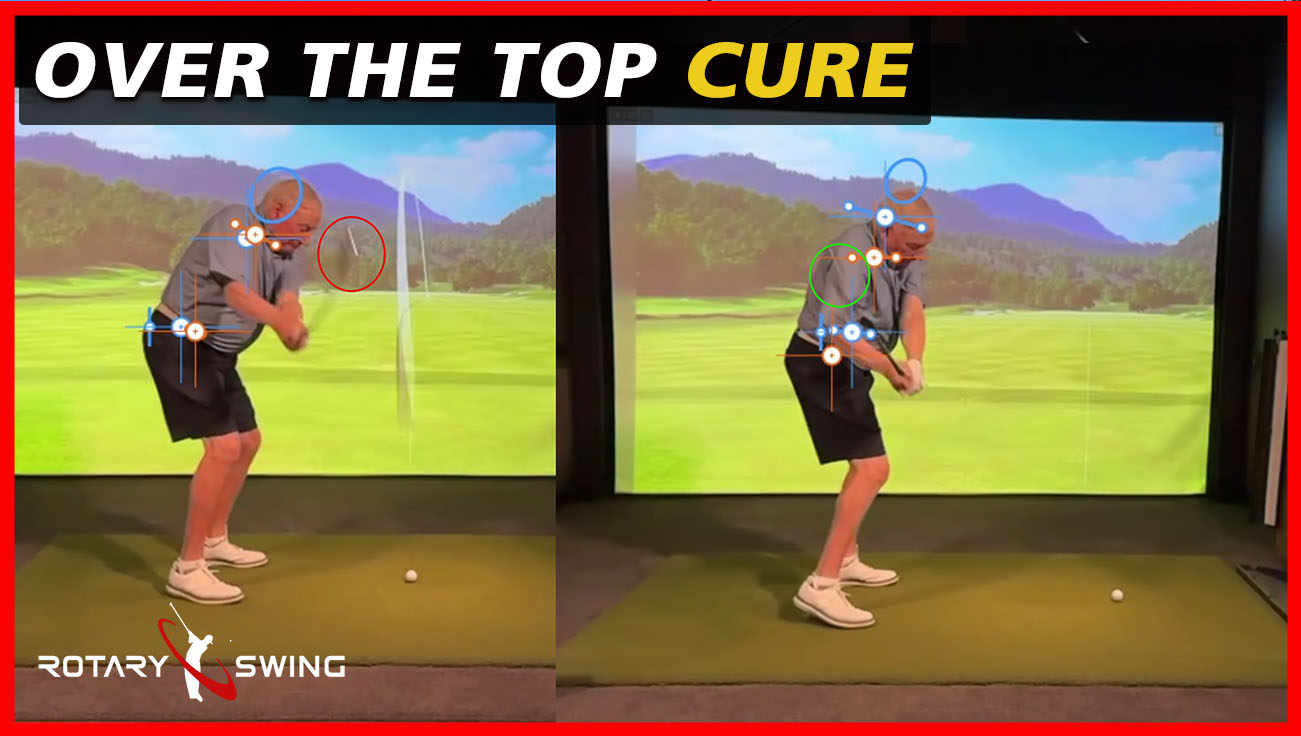
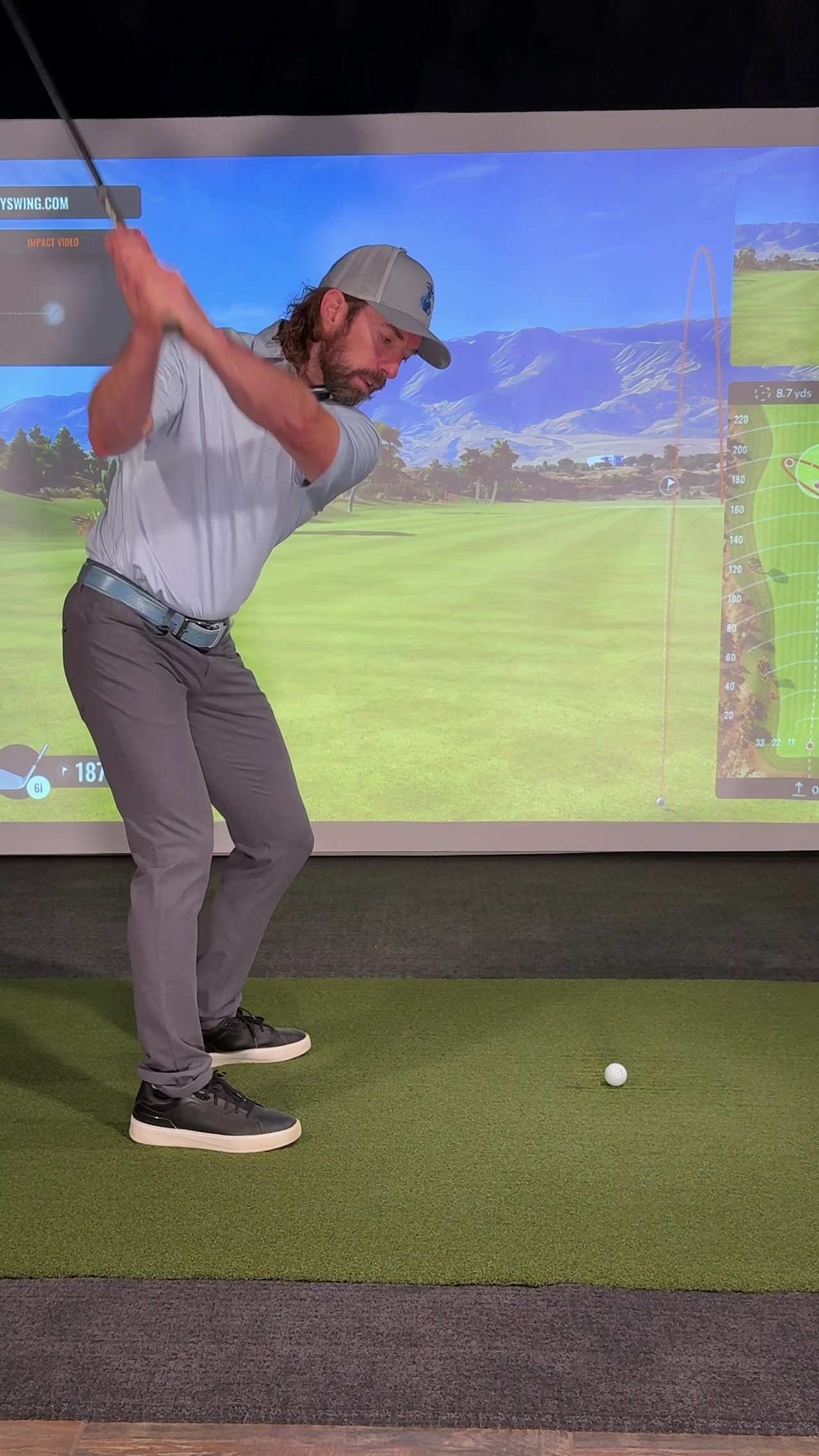
Tylor's head moves off the ball at the top, then back
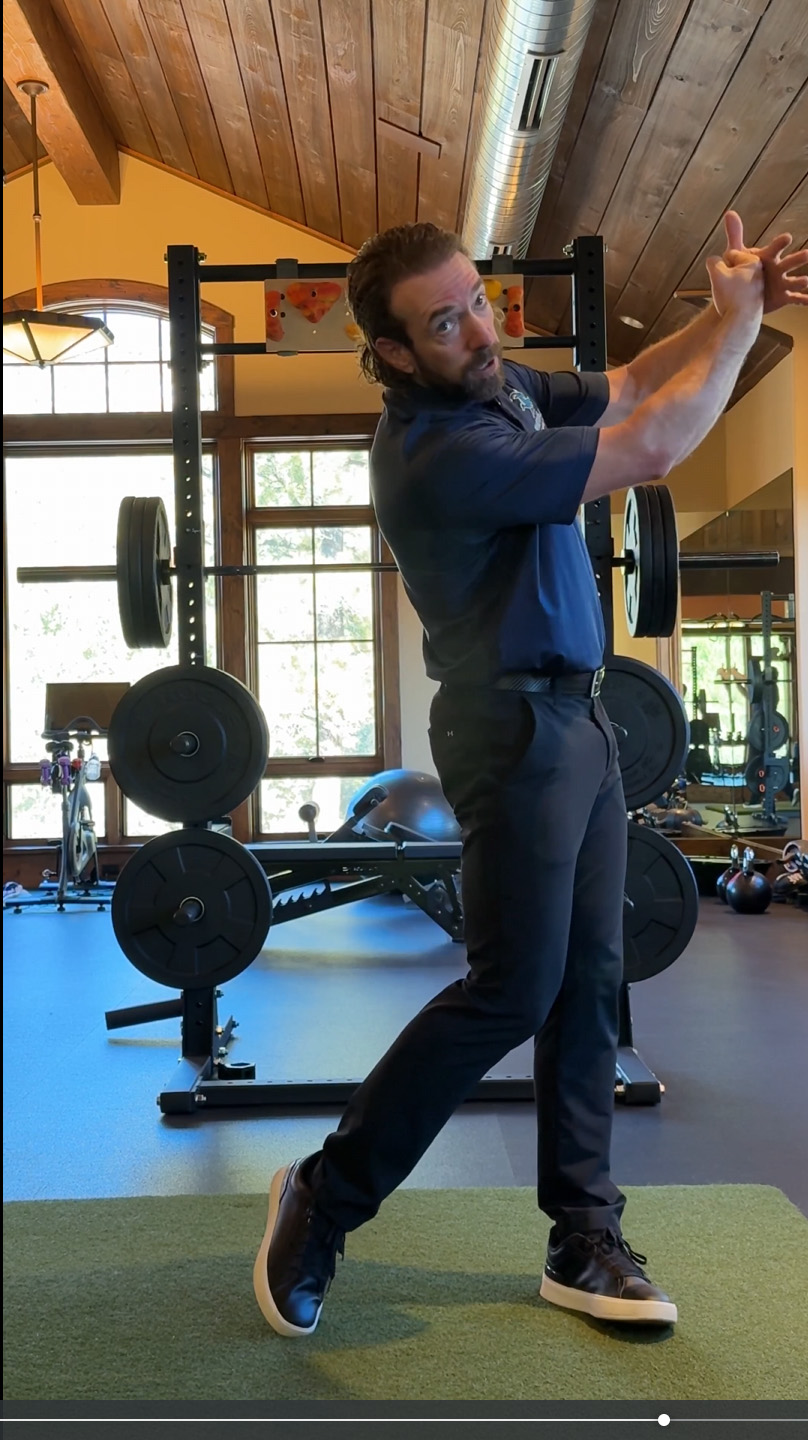
As you can see in the photo series above, Tyler wants to shift off the ball just a little bit as he takes the club back. It's not substantial, but it's one of his tendencies, and even small lateral head movement can disrupt an otherwise sound swing.
Stop reading about it — feel it in your swing today
GOATY watches your swing live and coaches you between every rep. Free. No signup.
Start Your FREE Live Lesson →When he first started out with us, Tyler was a pure upright swinger. He had his arms very steep, shoulders very flat in a very arms-dominated swing, including a big shift off the ball. This kind of steep and over-the-top tendency is common among golfers who rely too heavily on their arms instead of body rotation.
Of course, those tendencies don't go away overnight, but we flattened out his swing plane, got his arms on plane at the top, and got the club going back more on plane. Using an AI swing analyzer to track these changes frame by frame makes the improvement process dramatically faster and more objective.
Now we're working on continuing to take this little bit of head movement out so he stops missing the ball to the trail side. If you shift off the ball and then drive forward and get back in front of that line, when you start to come back down you'll have a tendency to want to shift right back out in front of it.

Loss of lag
Consequences: Loss of Lag, Tendency to Pull
Aldridge starts to get out in front of it just a little, and it costs him a couple things. One, it tends to cause him to miss the ball out to the trail side just a little bit, and two, he loses a little bit of lag.
Try a free live lesson with GOATY
GOATY, my AI golf coach, watches your swing through your phone camera and coaches every rep. Free, about 20 minutes, no credit card.
You can see the shaft bowing forward in the photo at left. That's pretty typical of someone who goes a little bit too hard from the top with the shoulders and gets out in front of it. This is a hallmark of early extension — a swing fault that elite players consistently eliminate from their motion.
When this happens, the club will start to release early, you'll start to lose some swing lag, and as the head moves farther out in front of the ball it becomes more difficult to keep the ball coming out on line. Maintaining lag through the downswing is one of the most direct paths to increased distance and improved shot consistency.
Tyler is a very, very straight hitter, so when he doesn't do this he hits it very, very straight.

The club is outside his hands
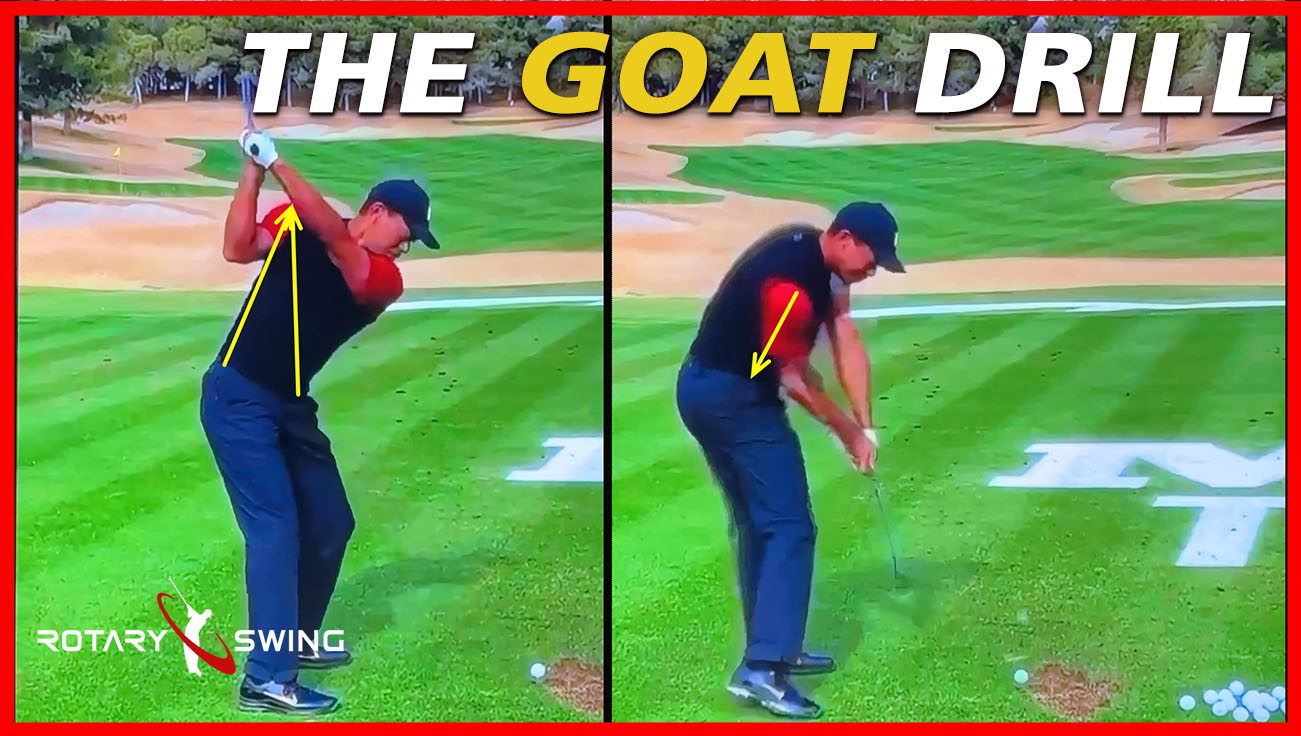
He gets a good impact position and goes on through to a big, full release, getting just a little bit out in front of the ball. That's something we're working on with drills from the GOAT Drill system, which reinforces proper sequencing and keeps the body from racing ahead of the club.
Down the Line View
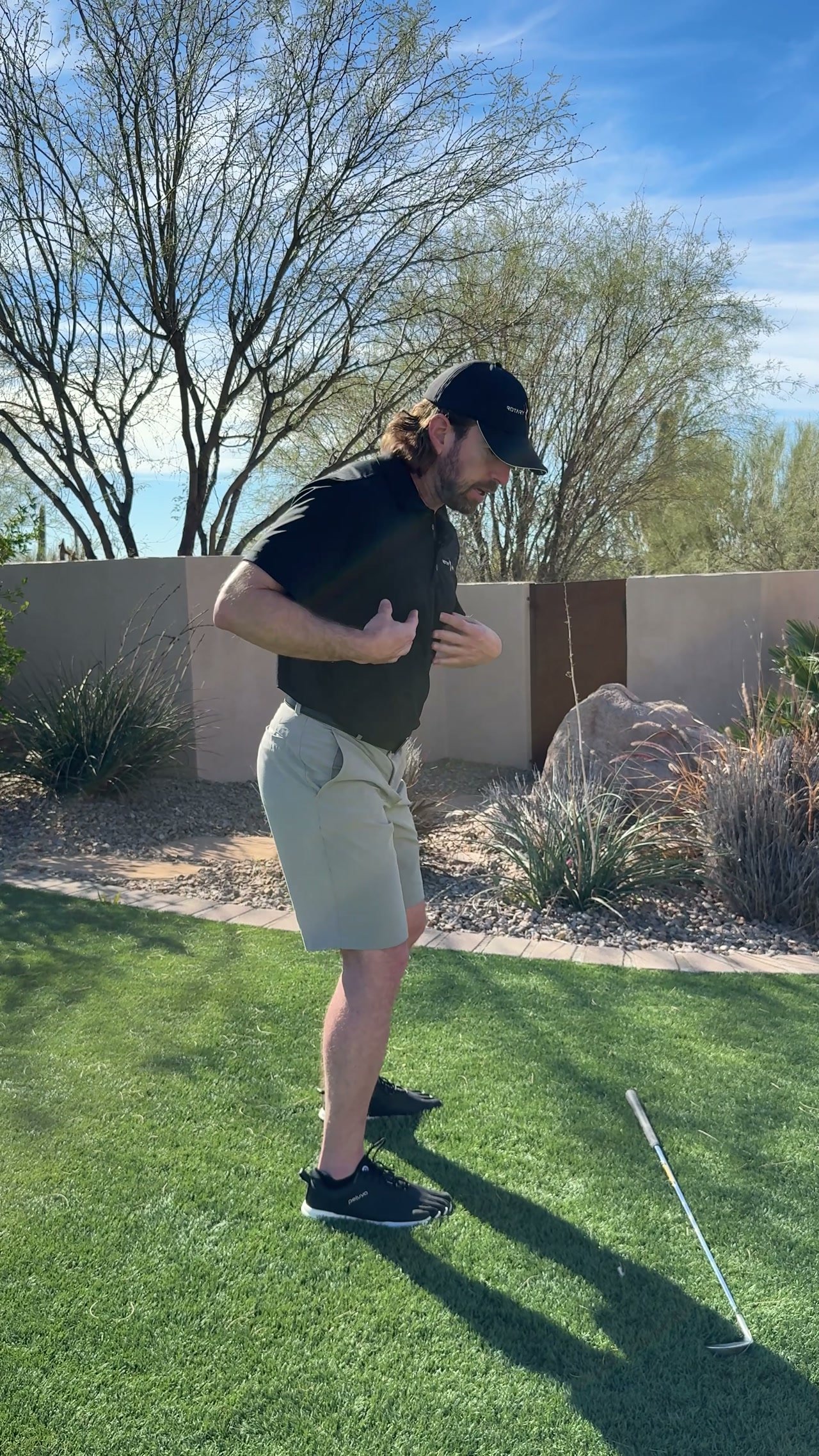
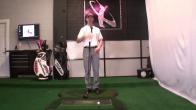
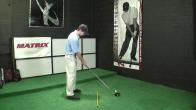
From down the line you'll see Tyler has good spine angle and good tilt at address. His arms and club hang just below his shoulders; it's a very relaxed address position.
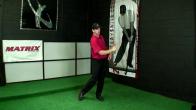
As he goes back, one thing he has a tendency to do is take the club a little outside and a little steep, getting the club well outside his hands. Unfortunately, this contributes to his tendency to get out in front of it and hit the outside of the ball, producing the kind of pull cuts and weak contact that cost strokes even at the professional level.

At the top
We had him focus on a spot on the inside of the ball, to make sure he wasn't taking it outside and pulling it or hitting little pull cuts. This inside-out swing path focus helped him strike the ball a lot more solidly and keep his misses well within play.
Classic Rotary Swing Position
The club is just a little steep as Tyler continues his backswing, but he gets into a great position at the top.
You can see the classic Rotary Swing position in the photo at left. He's got the trail arm just about vertical, the club face pretty well on plane, arms and shoulders on plane, good spine tilt, great shoulder plane going back; everything's in really good shape.

Shaft through right forearm
As he comes back down he makes a good transition move and gets the club back down on plane and into that position we talk about so much, with the shaft through the trail forearm. This shaft-forearm alignment at the delivery position is something the GOAT Model consistently demonstrates and is one of the clearest indicators of a properly sequenced downswing.
He's in a great position to hit the ball and, indeed, he gets into a very good impact position. The ball comes out perfectly on line and the club works to the lead side immediately after contact.
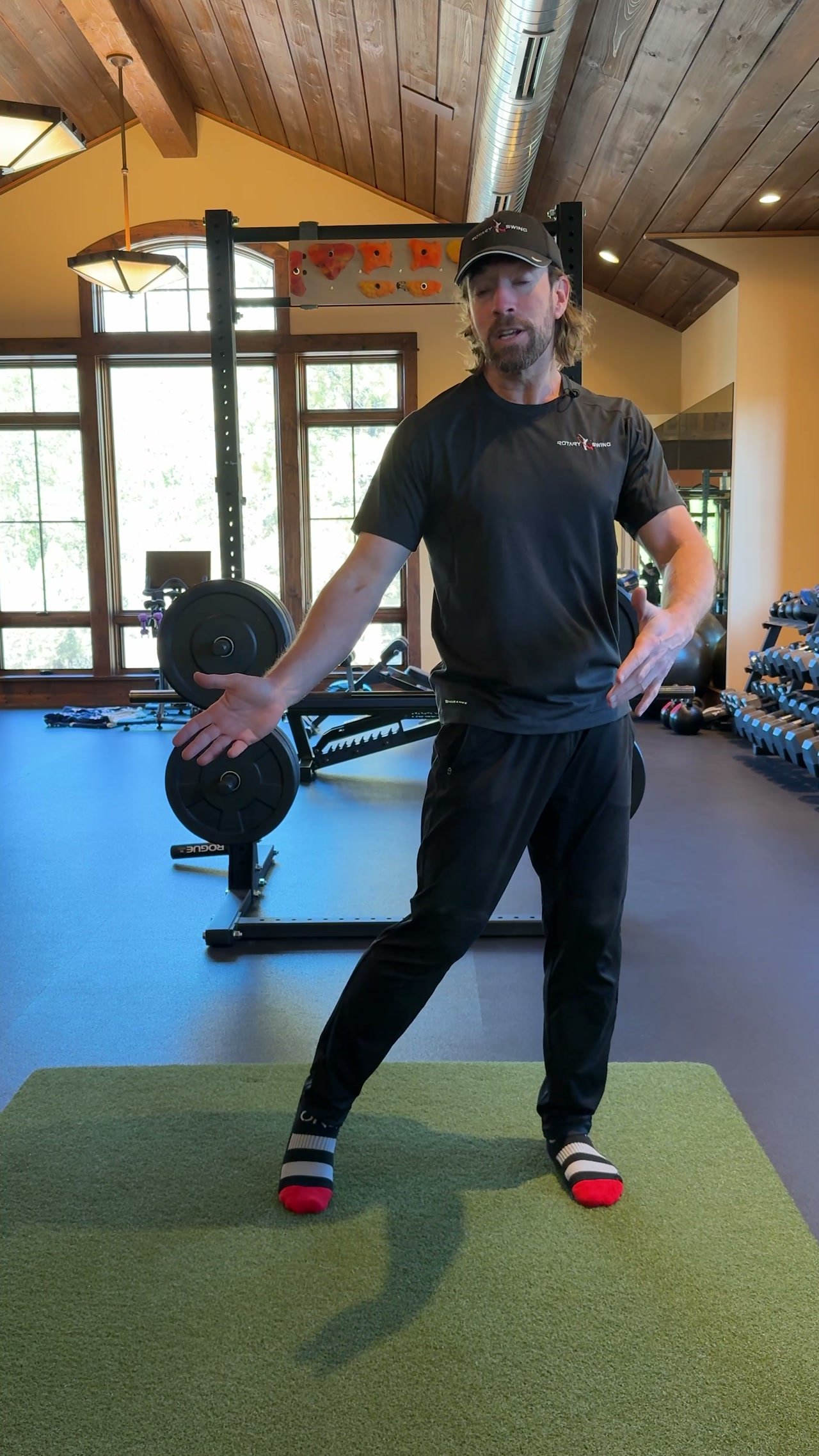
His lower body stays under control and stacked, without spinning out. He's got a solid base and doesn't let that trail heel spin up or come off the ground too early. Lower body stability through impact is one of the key differentiators between amateur and tour-level ball striking.
It's a very good, controlled impact position. As he comes through the club works really hard to the lead side and the ball comes out perfectly on line.
This session was the fifth stage at Q-School. It was one of the days we did the most work on his golf swing mechanics before the round, and he hit 17 of 18 greens and all 14 fairways, so it was very productive. We look forward to a lot more big things from Tyler Aldridge.
Frequently Asked Questions
How can excess head movement affect my golf swing?
Excess head movement can disrupt your swing's consistency and lead to poor ball striking. When your head shifts off the ball or moves forward during the swing, it can cause misalignment and impact your ability to maintain proper swing lag, resulting in less distance and accuracy. Focusing on keeping your head stable will help improve your overall swing mechanics.
What are the consequences of shifting off the ball during the swing?
Shifting off the ball can lead to a tendency to pull the ball and lose swing lag, which are common issues among golfers. This movement can cause the club to release too early, making it difficult to maintain a straight ball flight. By minimizing this shift, you can enhance your shot consistency and improve your overall performance.
What drills can help reduce head movement in my golf swing?
Drills from the GOAT Drill system can be particularly effective in reducing head movement. These drills focus on proper sequencing and ensure that your body does not race ahead of the club during the swing. By practicing these techniques, you can develop a more stable head position and improve your swing mechanics.
Why is maintaining lag important in the golf swing?
Maintaining lag in your golf swing is crucial for achieving increased distance and improved shot consistency. When you lose lag, you risk releasing the club too early, which can negatively affect your impact position and overall ball flight. By focusing on keeping your head steady and your swing on plane, you can enhance your lag and improve your performance on the course.
Watch part 2 now to see how you're moving your body in the opposite direction of the pros!