As I discussed in the video on Impact Alignments Face On, impact is everything in RST. All the work we invest in setup, the takeaway, the backswing, etc. is designed to lead to a tour-caliber impact position that produces powerful, penetrating golf shots.
In fact, you can do many things technically wrong in the swing and still arrive at a perfect impact position every time — and still play outstanding golf.
Is this the fault costing you strokes?
Film one swing on your phone. In about a minute GOATY measures it and names the single biggest thing costing you strokes — free, no card.
Analyze My Swing Free
Related: Fix coming over the top with live AI coaching →
Android users: Download GOATY on Google Play — free AI golf coaching on your Android phone. →
The key is that all the things we work on in the setup, backswing, etc. make achieving this ideal impact position more repeatable with less effort.
Stop reading about it — feel it in your swing today
GOATY watches your swing live and coaches you between every rep. Free. No signup.
Start Your FREE Live Lesson →This video goes into detail on the position of the shoulders, hips, hands, and club at impact. It also explains how these positions lead to a perfect , path, and that starts the ball on the target line with zero curvature — producing shots that launch low, fly flat, and penetrate through the wind with ease. To see how your own impact alignments compare to elite standards, try a free AI swing analysis.

Learn how to achieve this perfect impact position every time and learn the key checkpoints on exactly how to get there in this video and article.
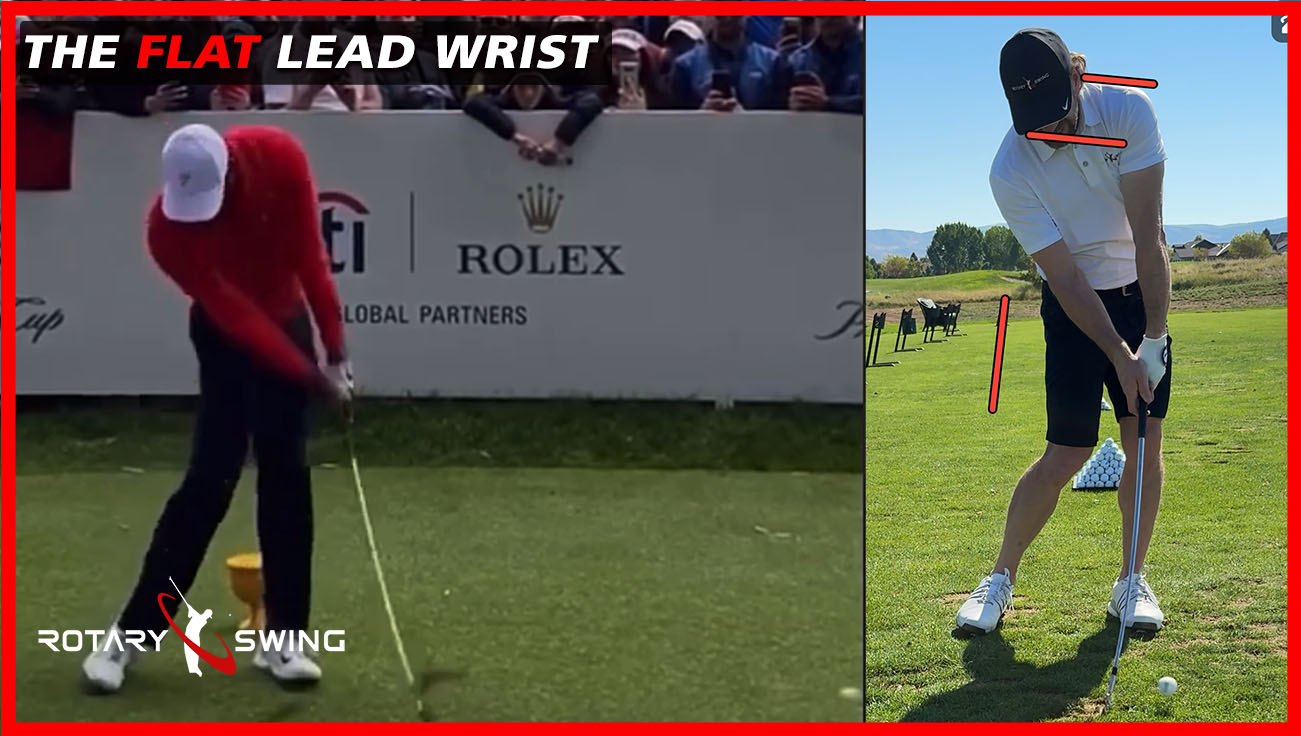
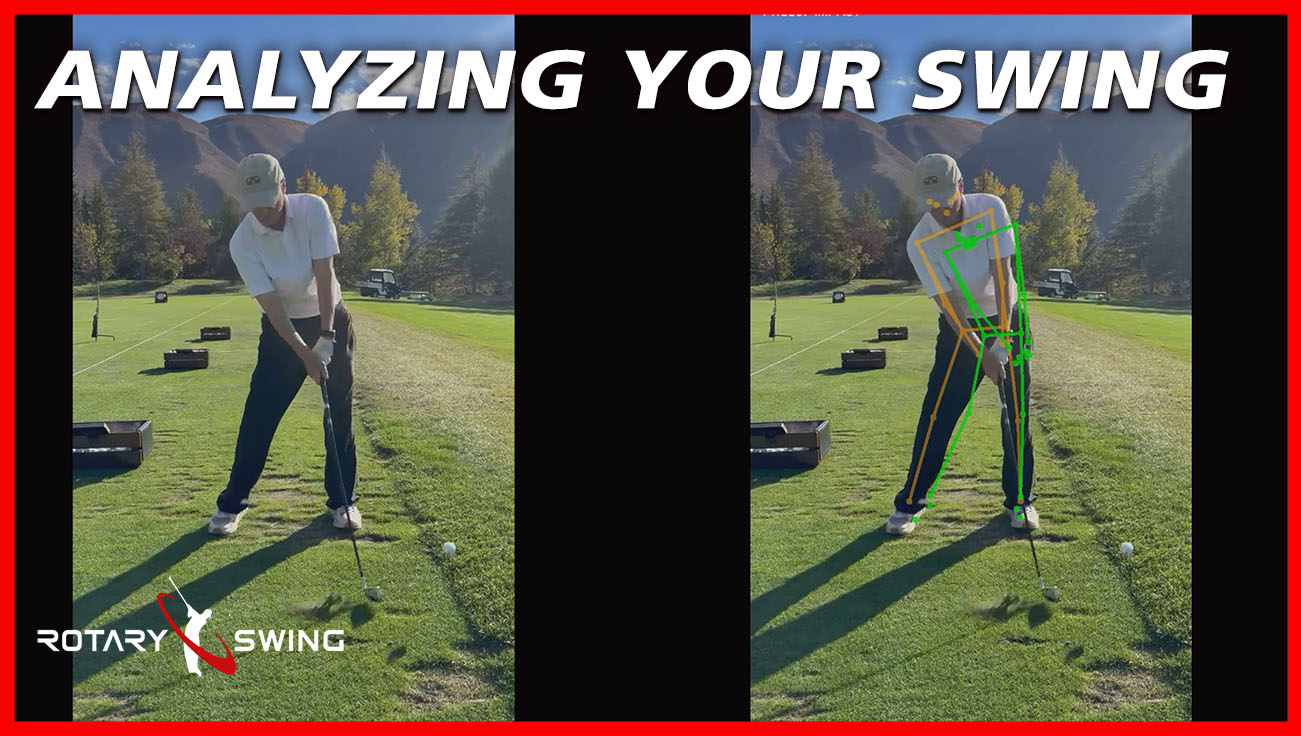
When examining impact from down the line, one of the most important aspects of RST that differentiates it from RS1 and other swing models is the squareness of the shoulders at impact.
Having the shoulders square at impact allows the arms to catch back up, which is the easiest way to ensure a club that approaches the ball on plane with a square path and a descending angle of attack.
As the shoulders get open at impact — especially in the case of "hip spinners" — the club tends to drop too far to the inside, leading to a path that approaches far too much from the inside and a very shallow angle of attack. While this is excellent for bombing drives, the release of the club face must be perfectly timed on each swing to draw the ball back toward the target.
The RST swing is designed to start every shot exactly on line with zero curvature on a stock shot. In order to hit perfectly straight shots, the path, plane, and angle of attack must match up and zero out — and having square shoulders is critical to achieving this.
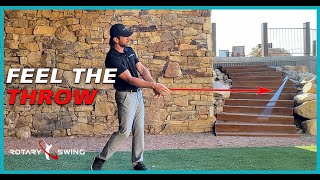
This video also explains how the "Throw the Ball Drill" is incorporated to help not only get the arms and hands back in front of the body at impact, but how it straightens through impact to provide the final burst of speed at precisely the right moment in the swing.
If you have struggled with getting the club on plane in the downswing and struggled with a poor impact position, this video will get you moving in the right direction.
Video Transcription: Impact Alignments Down the Line
Impact is everything in the golf swing. From down the line, you can see a great deal about what the truth is regarding what you have done going back, when you examine your position at impact.
If we do everything correctly going back, it does not necessarily guarantee that we arrive in a perfect impact position, but it makes things considerably easier to get there. Getting there — and understanding what "there" looks like — is the key.
That is what we are going to discuss here: what are the alignments you are looking for at impact? What positions? What are you checking when you look at your swing in the mirror or on video to put yourself in an ideal impact position?

Coming from the inside (above) and outside (below)
Looking from down the line, we are going to address what those positions should be. There are a couple of important points. First, most of this information is geared toward hip spinners because that is the most common problem for members on the website and the students I teach.
It is typically a better player's problem, so if you are not a hip spinner then I will address some things specific to you. But most of this content — and I will point out which parts are not directed toward hip spinners — is directed toward golfers who tend to push off the trail side too aggressively.
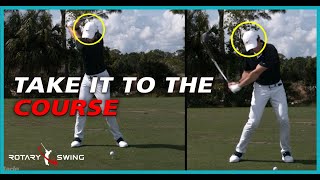
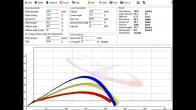
Let us look at where we are trying to be, in an ideal world, at impact. The goal is to make sure that the club is coming down, and for a brief period of time, it is approaching the ball square to the path — or close to square to the path — where we are trying to get the ball to start on line.
If I am swinging significantly from the inside, my club is approaching the ball from far inside and my path is working in-to-out. The ball is going to want to start on that line unless I do something with the club face to flip it, to save it, to bring it back around. Obviously, we do not want to do that.

If the swing plane is tilted, it changes the path
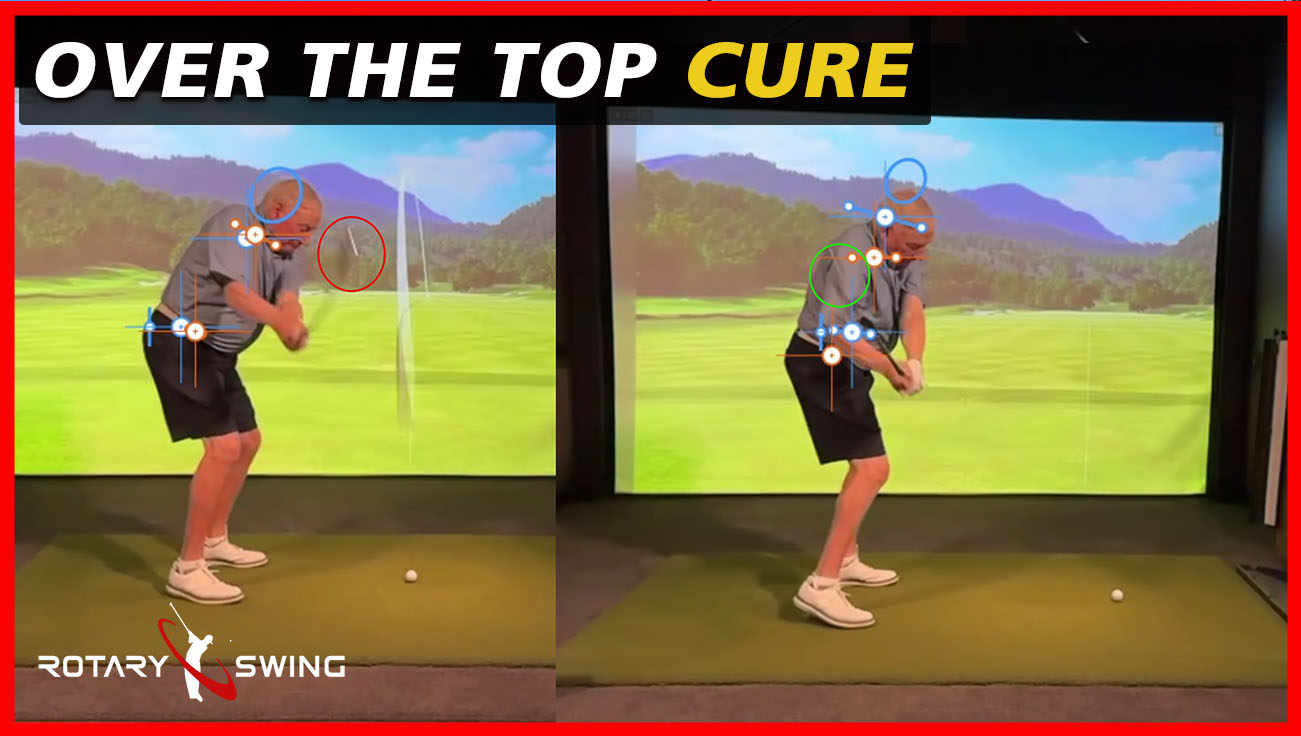
Most higher-handicap golfers are coming , so their path is going out-to-in, and the ball is going to want to start left of the target line.
We want to make golf as simple as possible. It is hard enough as it is. The more you get the ball starting on line, the easier everything becomes. To get the ball starting on line, you need a path that is very close to zero degrees in relationship to your target line.
Twenty degrees in-to-out is problematic. Twenty degrees out-to-in is equally problematic. We want to get it as close to zero as possible.
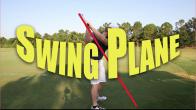
What dictates that, in large part, is what the swing plane is doing. If my plane is square to my path, I will come down with a zero-degree path.
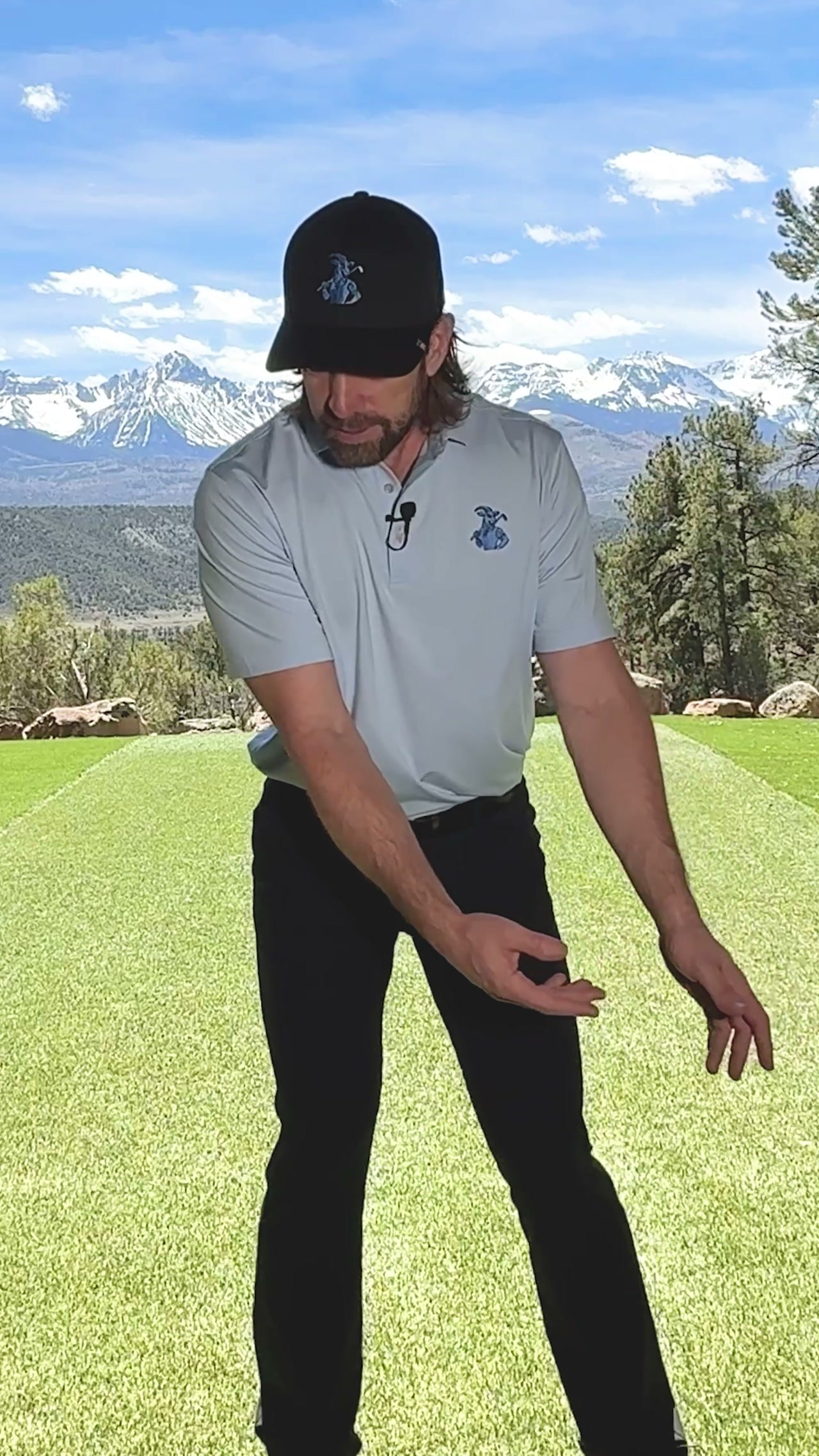
As I tilt my plane, the back of my hand starts pointing in a different direction — my swing plane is tilted, and I am going to swing in-to-out.
When we are doing that, we have all kinds of problems and have to invest considerable effort trying to time everything to get the ball back toward our target. There is no need for that when we can simply work on getting everything correct — proper plane and path.

Hip spinners tilt the plane
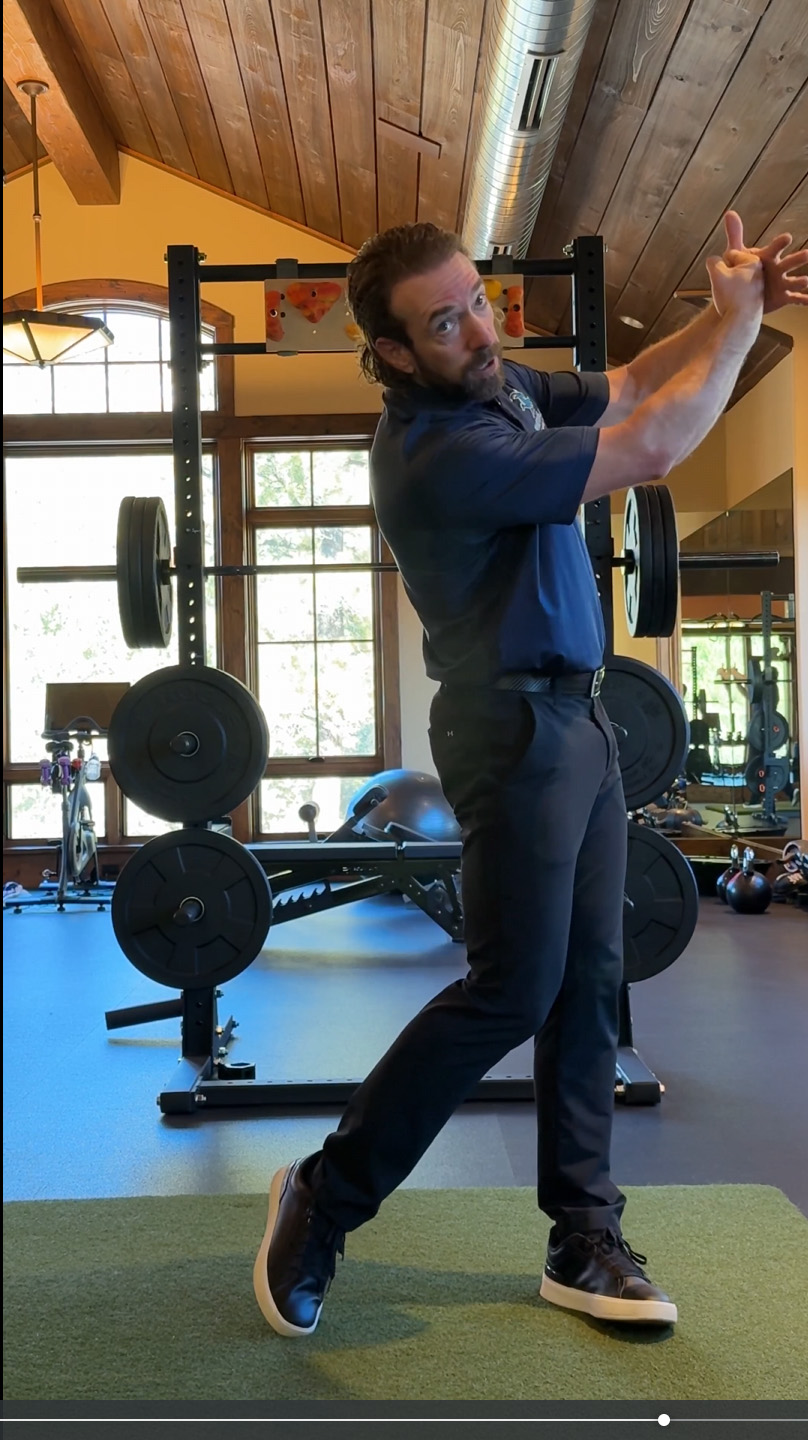
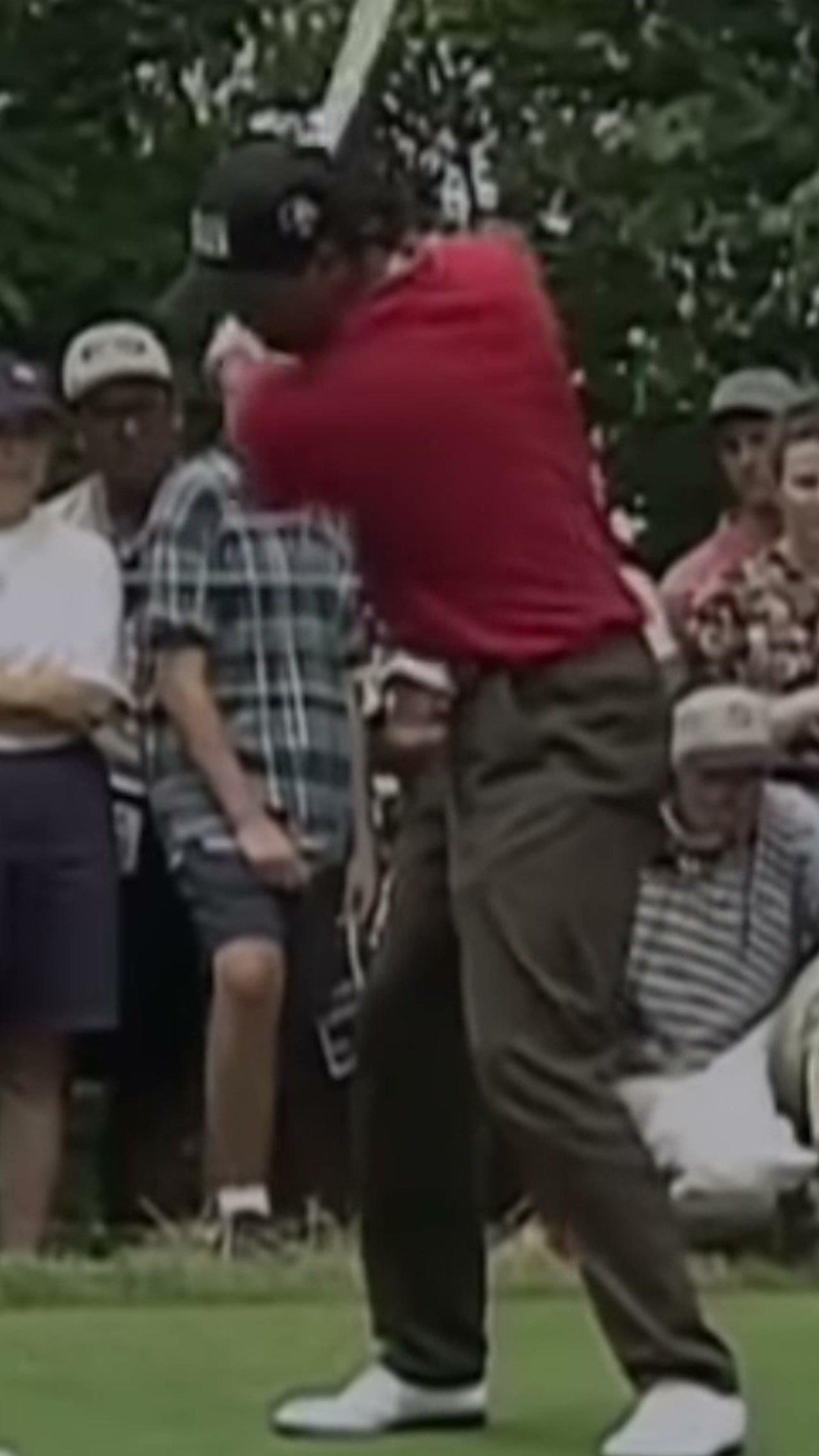
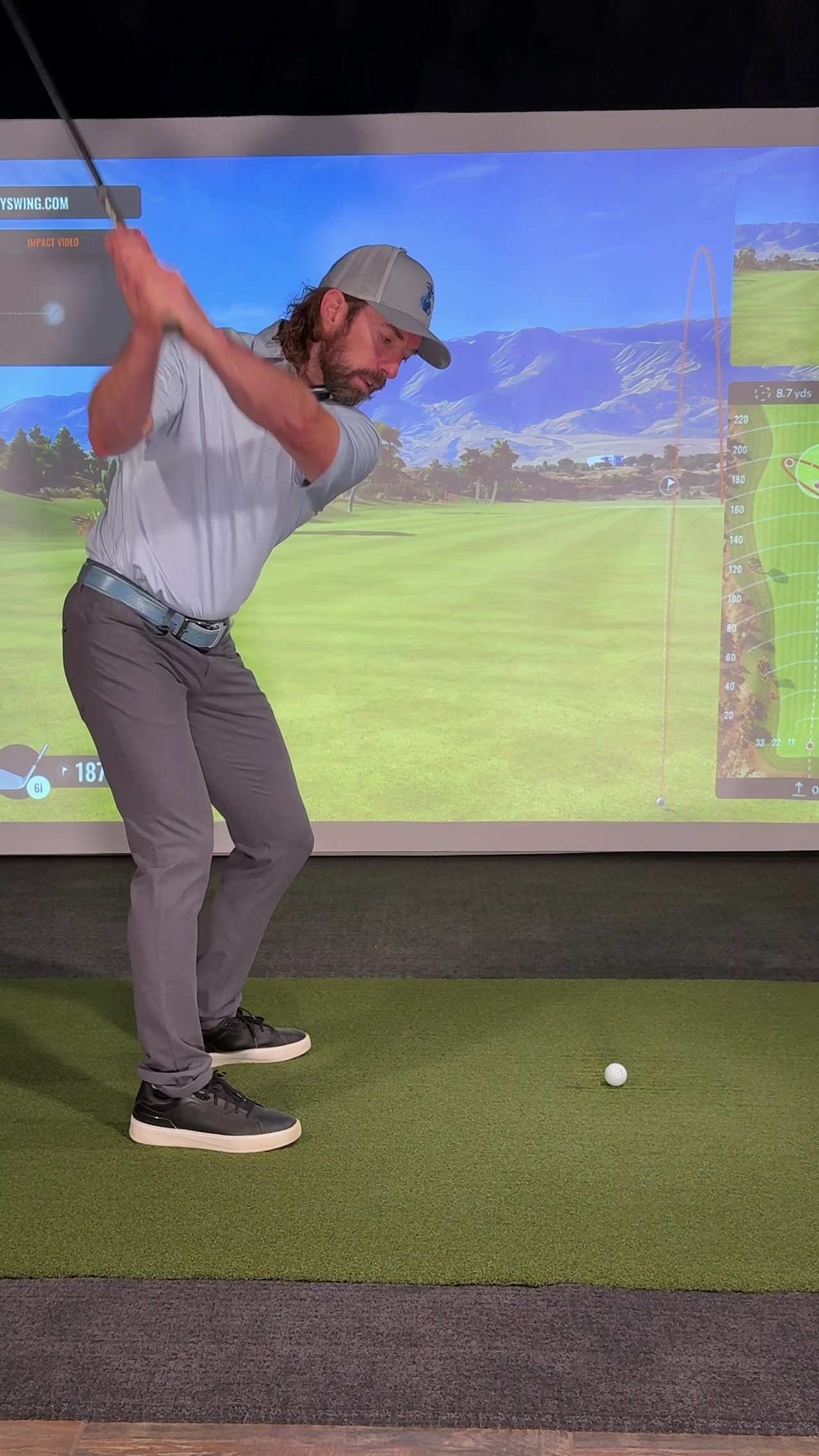
The most common destroyer of getting that path correct — the plane tilted so it is no longer neutral — for most better players, is hip spinning. They get to the top of the swing and the first move down is firing their hips as fast as possible. Their arms cannot catch up, the trail heel is way off the ground, hips are way open.
Now the plane is tilted, and the path is going to approach the ball from in-to-out. This leads to a ball that wants to start right of the target line and hopefully draws back. Much of the time it does not, and it produces a higher ball flight because the angle of attack becomes shallower.
We do not want to be spinning our hips and then hoping to flip the club face back the exact right amount to try and draw the ball back to the target line. For real-time feedback on your impact alignments and swing path, try a free AI golf lesson.

Hips square (above), open (center) & closed (below)
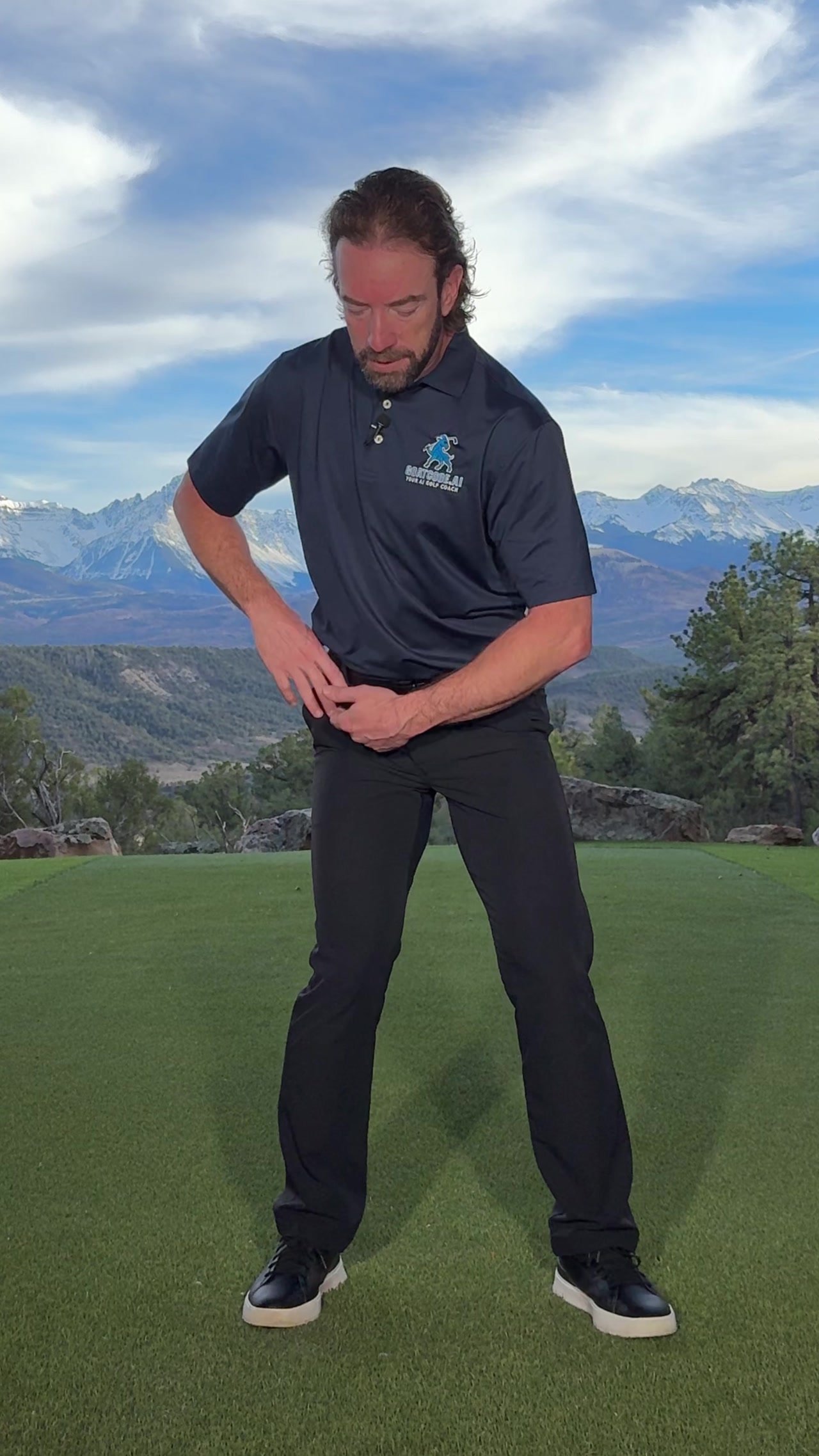
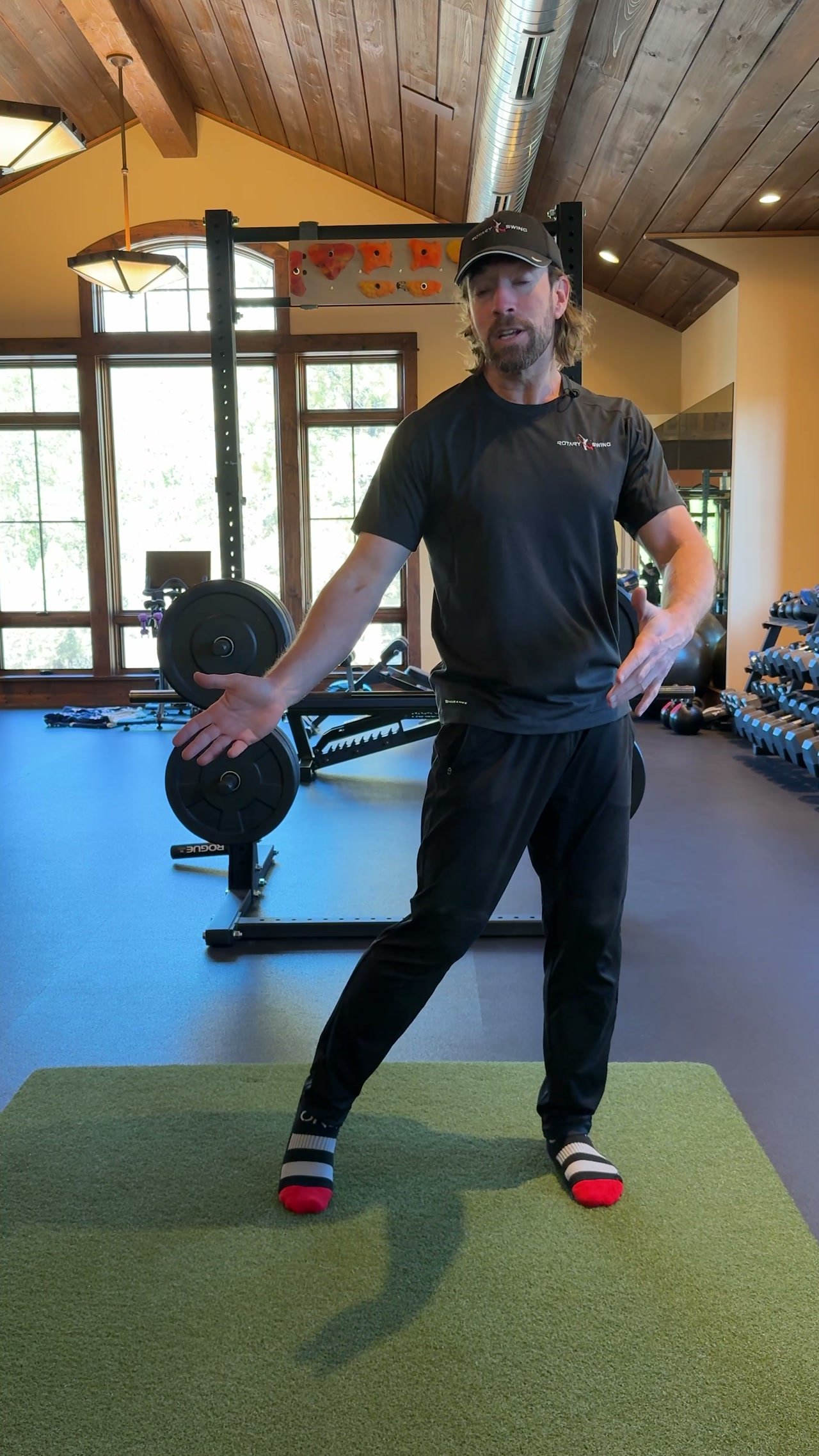
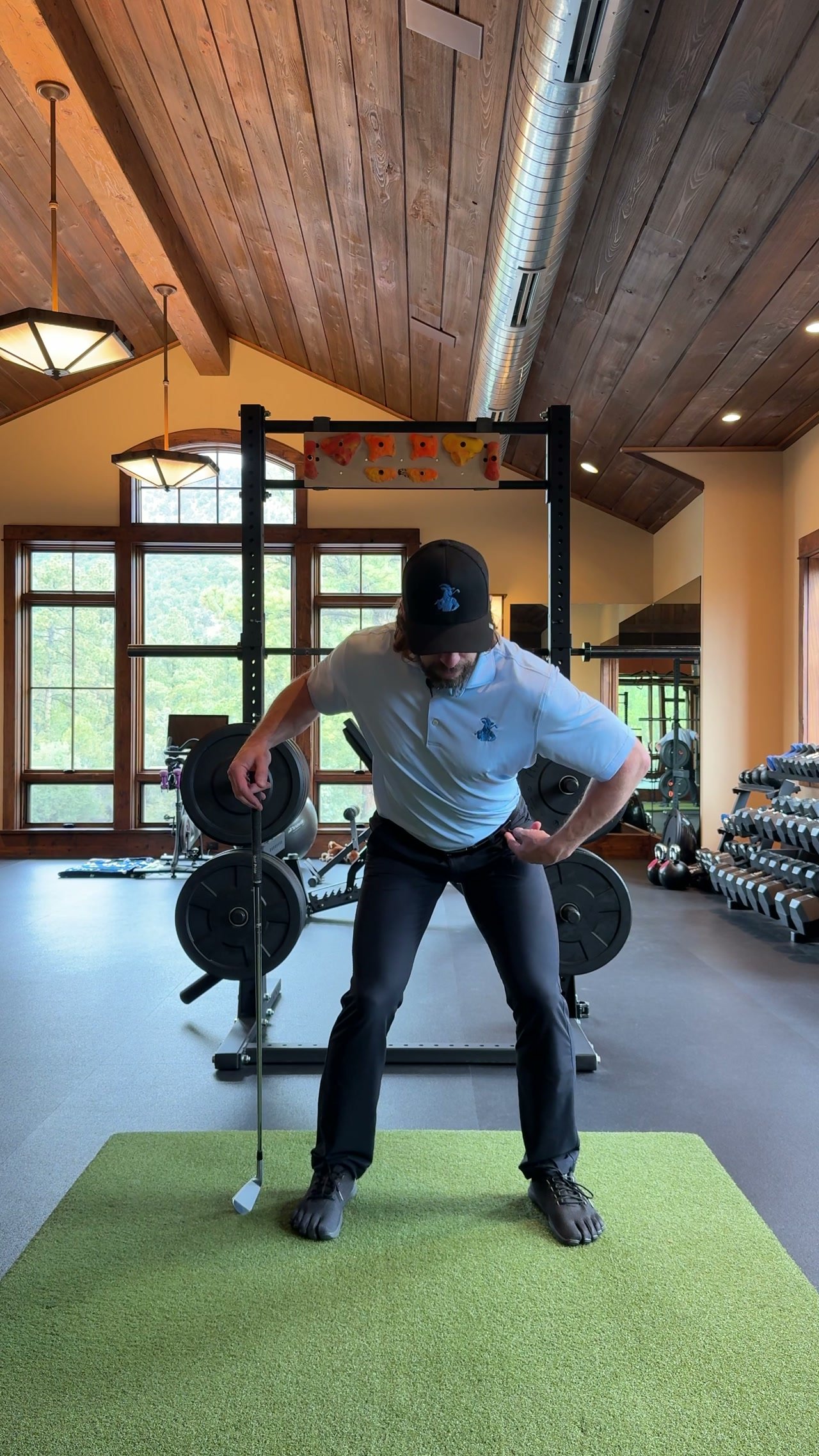
What you should feel when examining impact, for most better players and most members on the website: as they sit down coming into the downswing and pulling those arms down, they feel that their hips are very square or even shut in relationship to the target line.
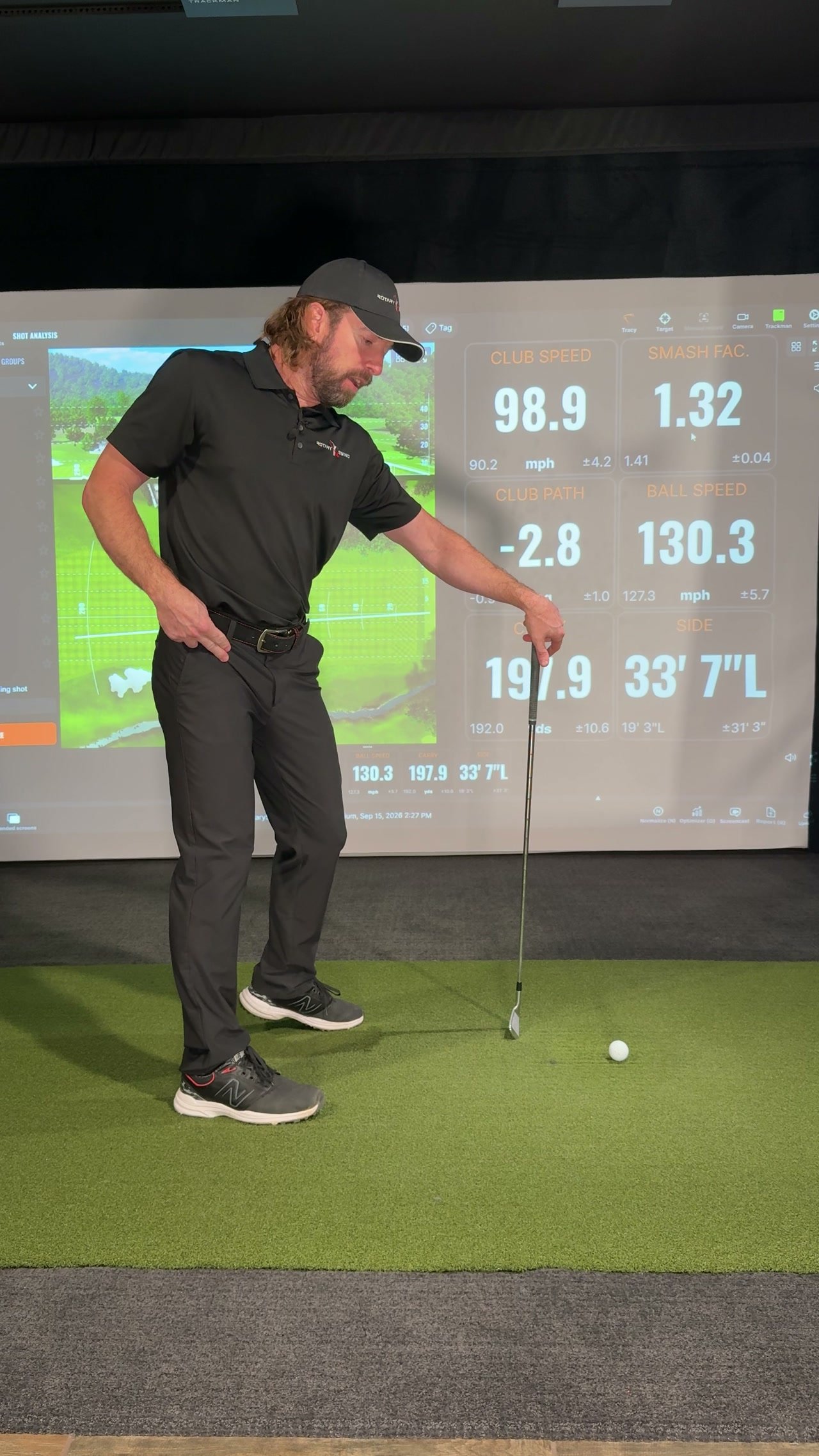
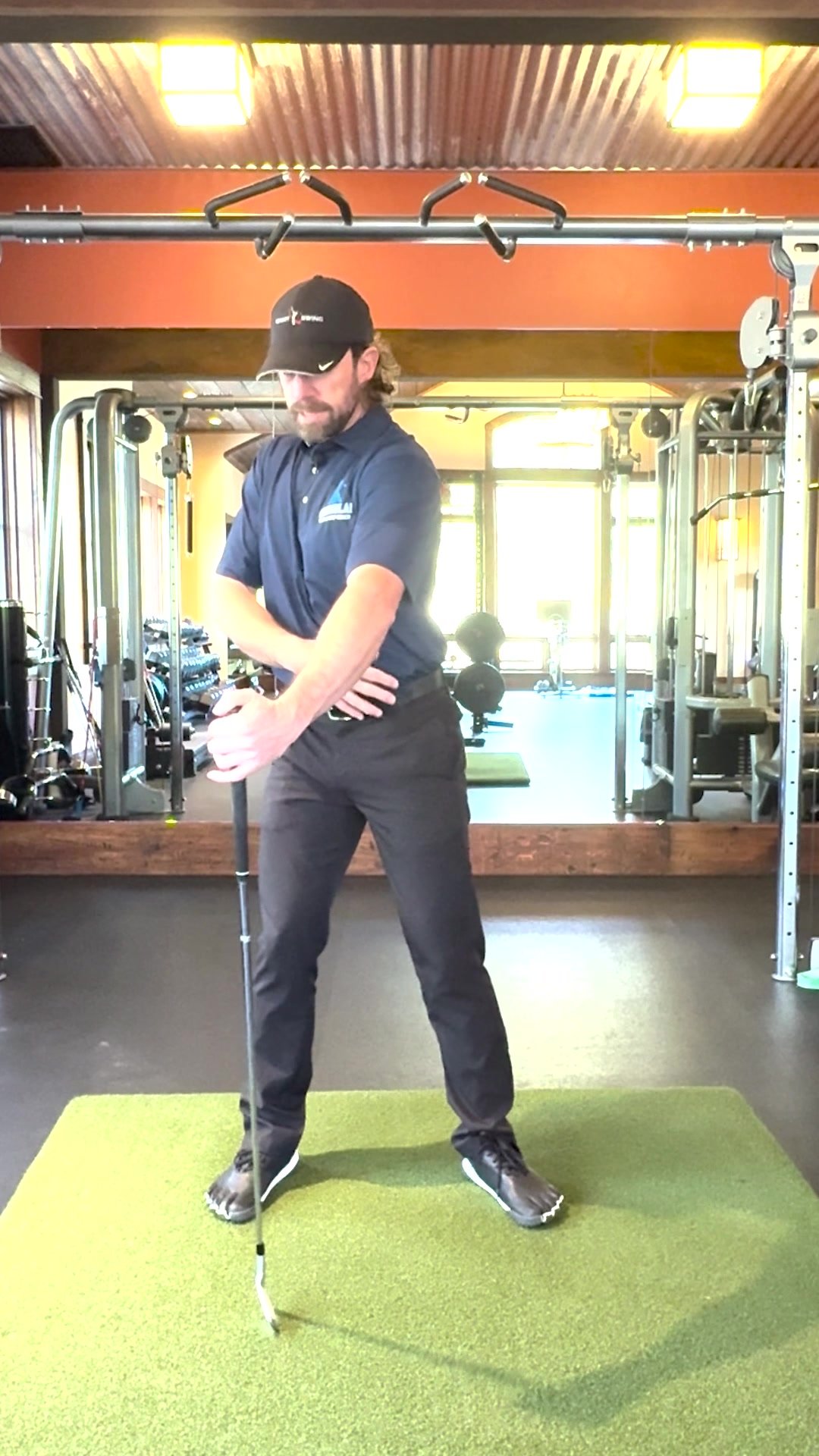
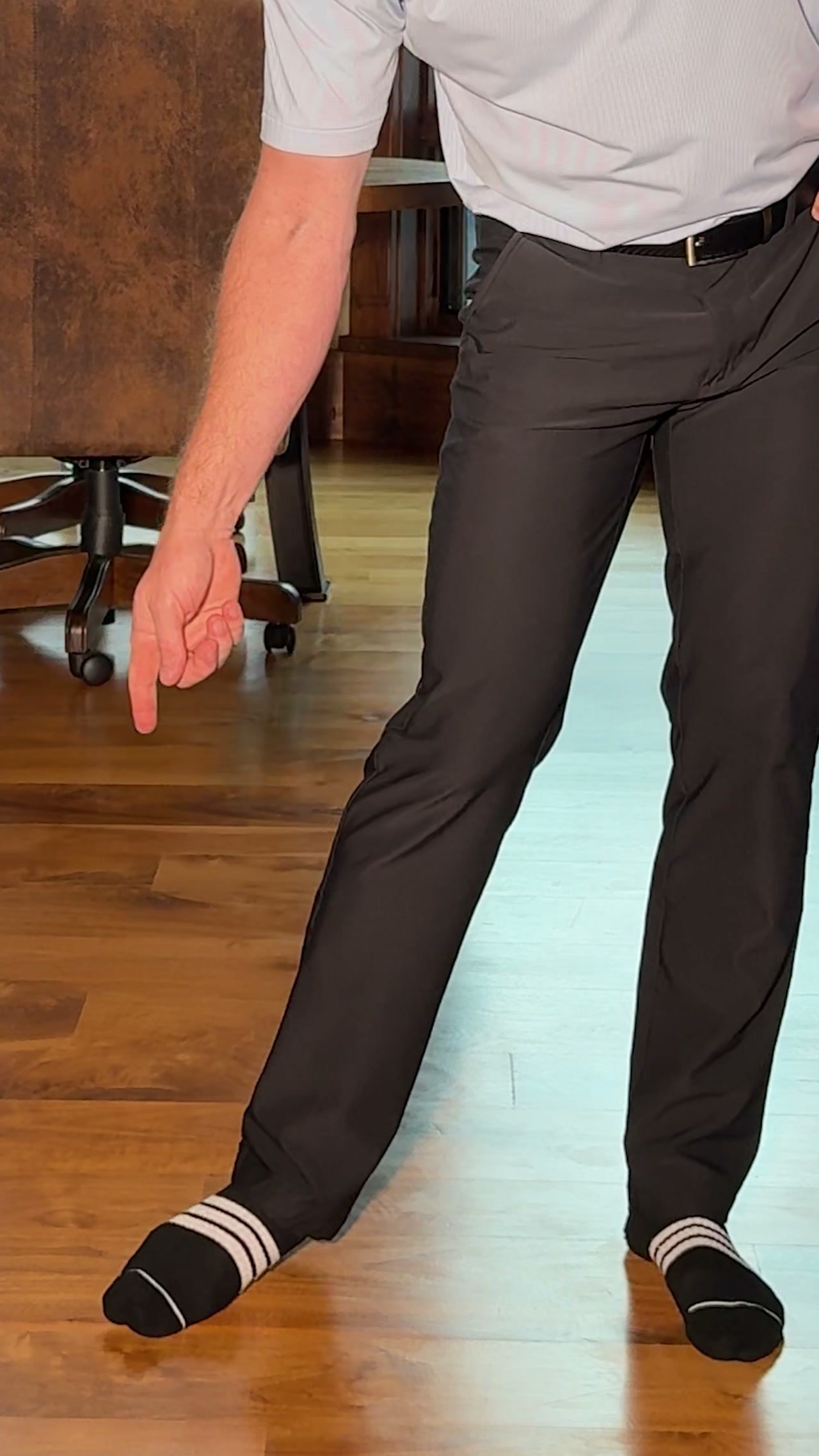
If I match up my shafts here, placing one across my thigh, this would be square. This is open. And this is closed.
You will feel, if you are a hip spinner, that you are essentially keeping this shut — remember the Belt Buckle Drill from the "Hip Spinners" video — you are keeping your hips shut as you come down to give your arms time to get back in front of your body.
Now I can bring the club down on plane, and now with the plane correct my path is square, and I just have to worry about the club face angle.
Now, if you are not a hip spinner and you see yourself typically being square at impact, you need to work on getting your hips to rotate through and getting your hips open at impact. But most golfers on the website and the students we teach do not struggle with that. It is the opposite problem.

Shoulders are very open
What we are feeling, coming down and getting into impact: this is what you are going to drill — that your hips are basically square. They will still tend to be 20-30, even 45 degrees open, but you want to drill the feeling that they stay square so that you can get your arms back in front of your body. This is critical.
Now if my arms are back in front of my body, my trail foot is just rolling slightly in, and my shoulders should also be square in relationship to my target line.
If they are very open, my hips are going to be open and I am going to struggle coming too much from the inside.
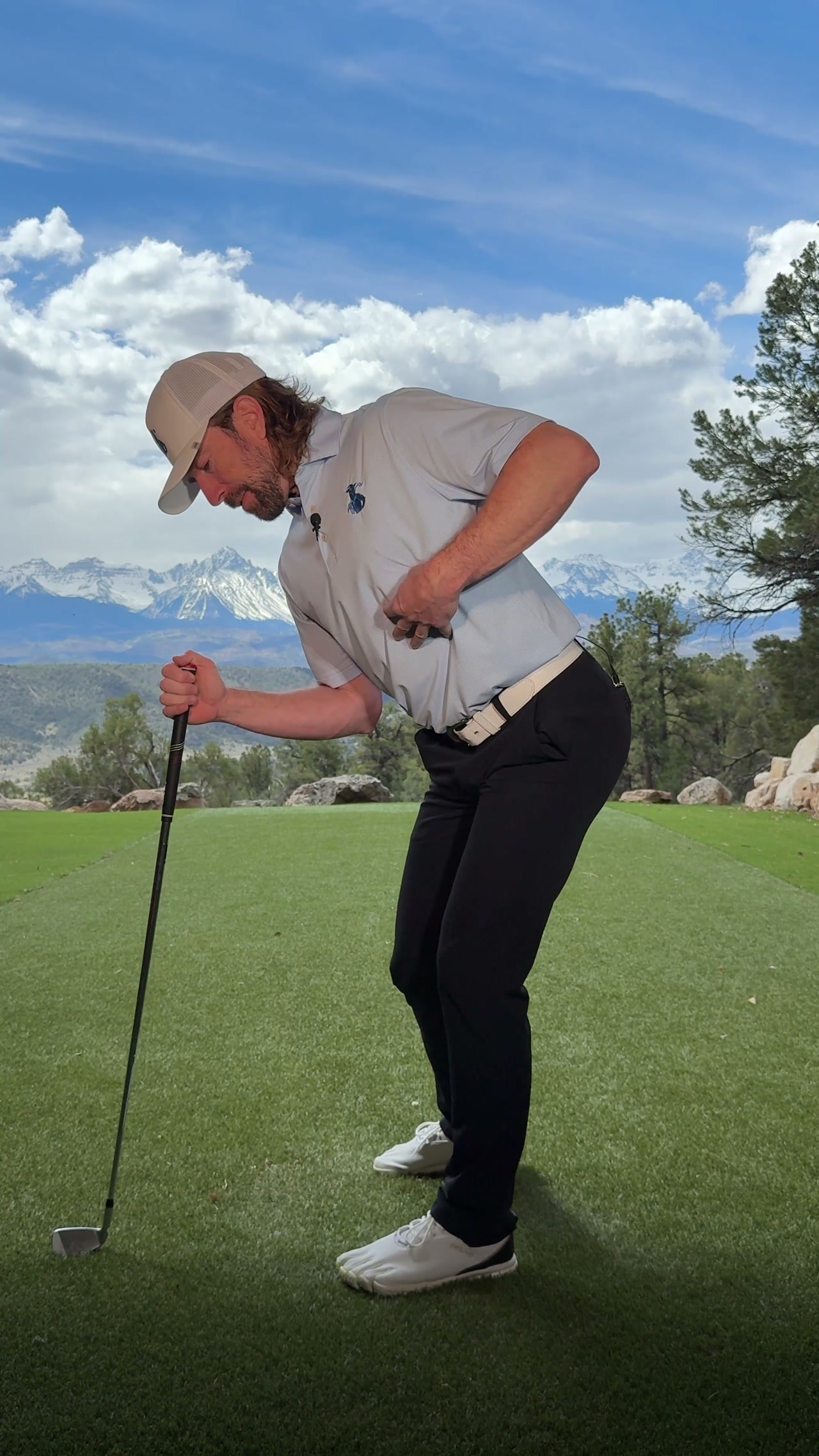
Here is what we are looking for at impact. The trail arm should also now be almost completely straight. It is straightening through impact, and the release occurs when it reaches full extension. Shoulders are square, hips are going to be square, glutes are contracted, just as in the "Impact Alignments Face On" video. That should be impact.

Hips are open, right elbow is bent
From down the line, there is not a great deal to check beyond making sure that you are drilling your hips square, glutes engaged, shoulders square, and trail arm basically straightening.
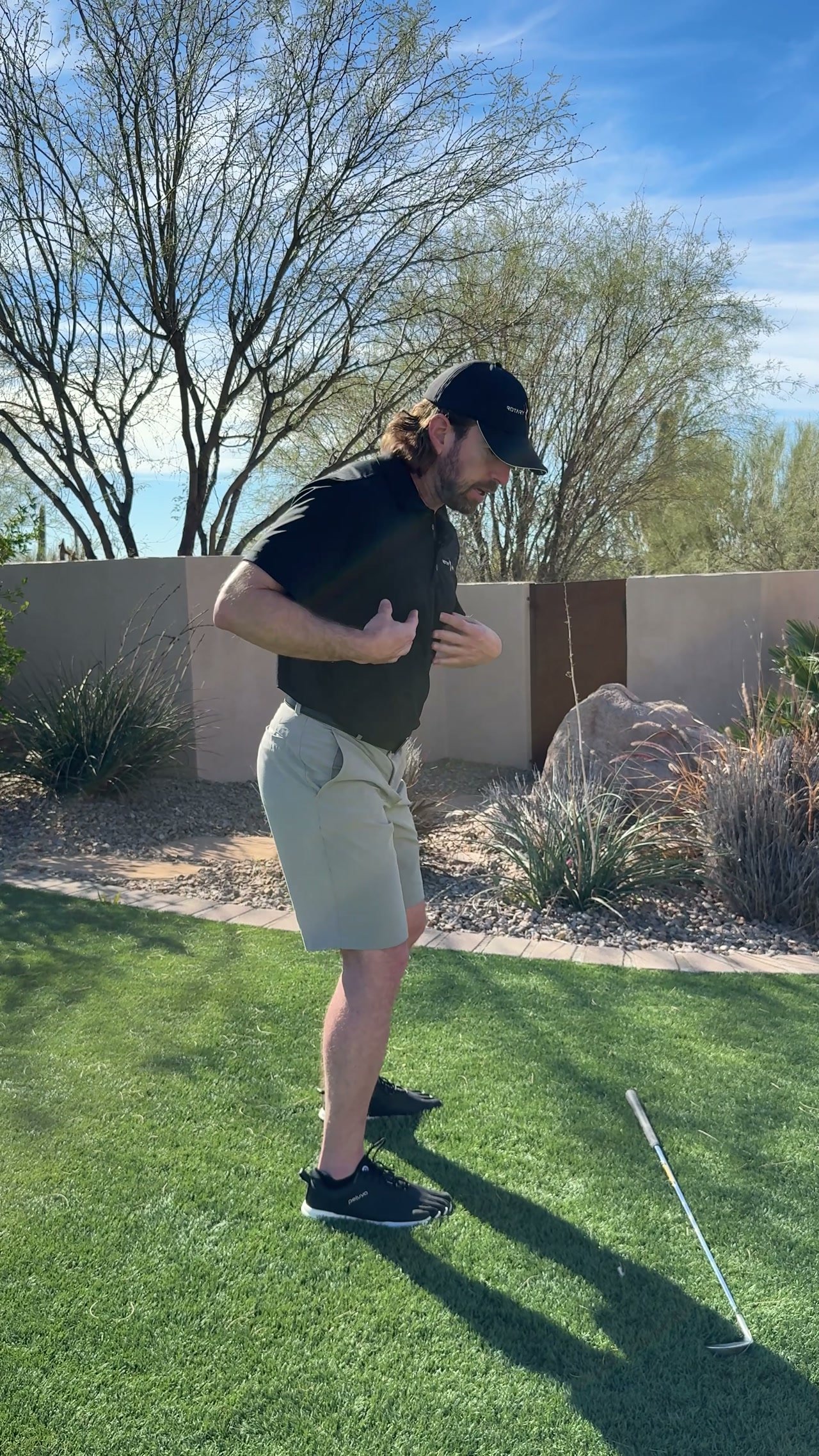
The opposite of that looks like hips way open, trail elbow tucked in close to the side and very bent — and now you have to do something to try and save the shot. Your trail elbow should be away from your body — remember the Throw the Ball Drill, getting your trail arm to release for speed — and now we are in a good impact position.
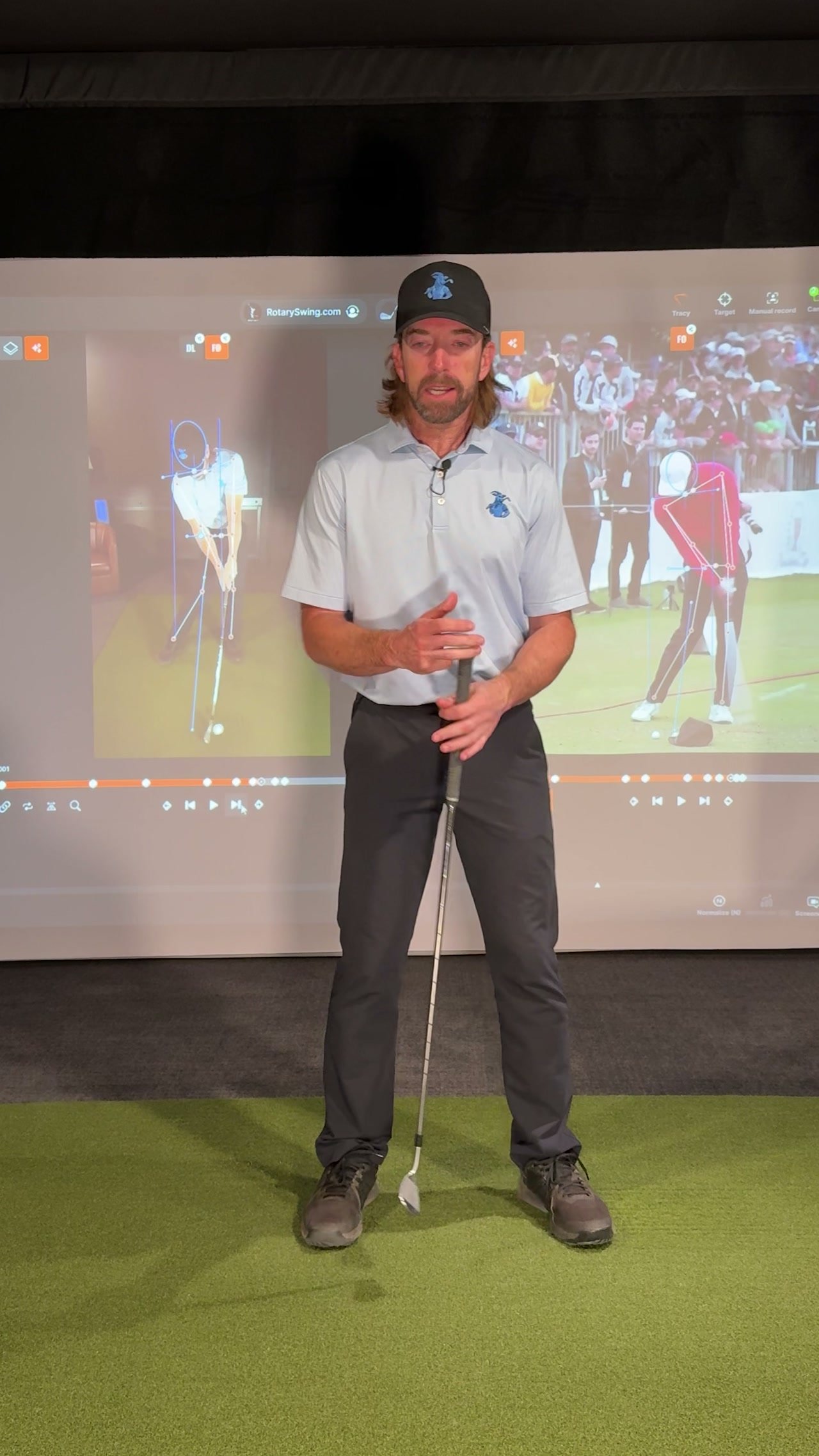
Check yourself in the mirror with these impact alignments and determine whether or not you are getting yourself too open. You need to diagnose whether you are a hip spinner and start working on these impact alignments. You can use an impact bag to drill this, and it will help you get much better compression on the ball and start the ball on the target line.
Frequently Asked Questions
What are the key positions to check for at impact in the golf swing?
At impact, it's essential to ensure that your shoulders, hips, hands, and club are aligned correctly. Specifically, the shoulders should be square, allowing the arms to catch up, which helps maintain the proper swing plane and angle of attack. This alignment is crucial for achieving powerful, straight shots.
How does having square shoulders at impact affect my golf shots?
Having square shoulders at impact is critical as it allows for a more controlled swing path and a descending angle of attack. If the shoulders are open, it can lead to an inside-out swing path, making it challenging to hit straight shots. This squareness helps ensure that the club approaches the ball correctly, promoting accuracy and consistency.
What is the 'Throw the Ball Drill' and how does it help with impact position?
The 'Throw the Ball Drill' is designed to help golfers get their arms and hands back in front of their body at impact. This drill emphasizes the importance of straightening through impact, which provides a final burst of speed at the right moment in the swing. Practicing this drill can significantly improve your impact position and overall swing performance.
Why is the angle of attack important for hitting straight golf shots?
The angle of attack is vital because it influences how the club interacts with the ball at impact. For perfectly straight shots, the path, plane, and angle of attack must align correctly. By ensuring that your shoulders are square and your hips are engaged, you can achieve the ideal angle of attack that promotes low, penetrating shots with minimal curvature.
Watch part 2 now to see how you're moving your body in the opposite direction of the pros!











































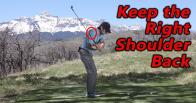


 The club should be square to the path at impact