Amateurs struggle with hitting wedge shots consistently, often losing significant distance because they launch the ball too high with insufficient control.
There are three keys to producing solid, flat, penetrating wedge shots: Setup, Backswing, and Release.
Is this the fault costing you strokes?
Film one swing on your phone. In about a minute GOATY measures it and names the single biggest thing costing you strokes — free, no card.
Analyze My Swing Free
Related: Golf backswing — the 3 AI-measured gates →
Android users: Download GOATY on Google Play — free AI golf coaching on your Android phone. →
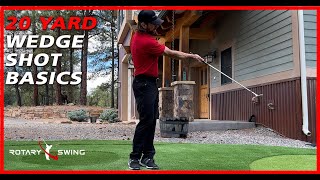
Consider this scenario: you're 85 yards out with a 60 degree wedge. For many golfers, hitting a 60 degree wedge 85 yards seems impossible — but it isn't. You simply need to master these three fundamentals.
Stop reading about it — feel it in your swing today
GOATY watches your swing live and coaches you between every rep. Free. No signup.
Start Your FREE Live Lesson →
Key One: The Right Setup for a Wedge Shot

The first key is setup, and it's the foundation of every solid wedge shot. Fortunately, there's an easy way to get it right every single time.

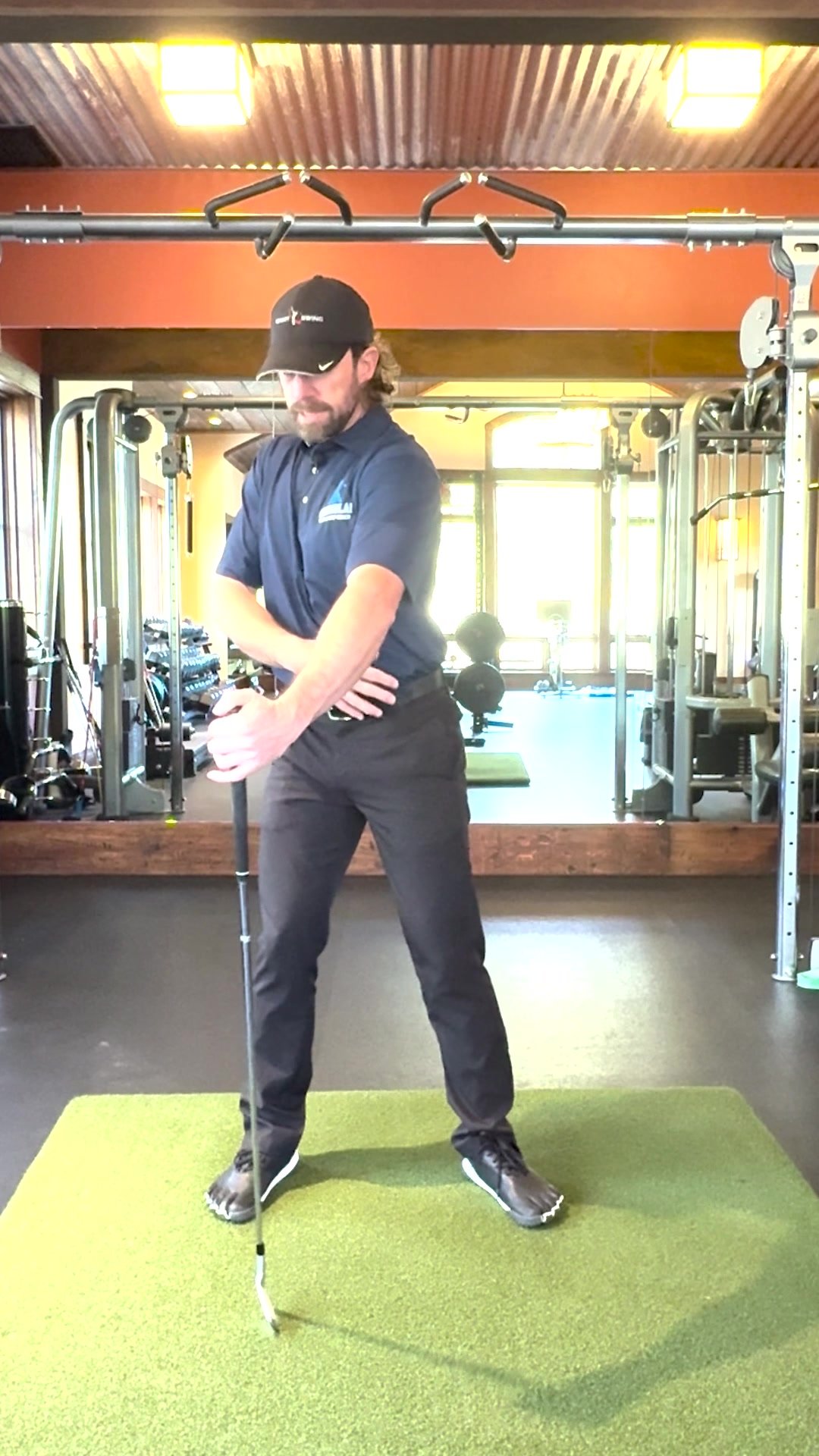
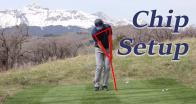
Buttons are aligned in front of the ball
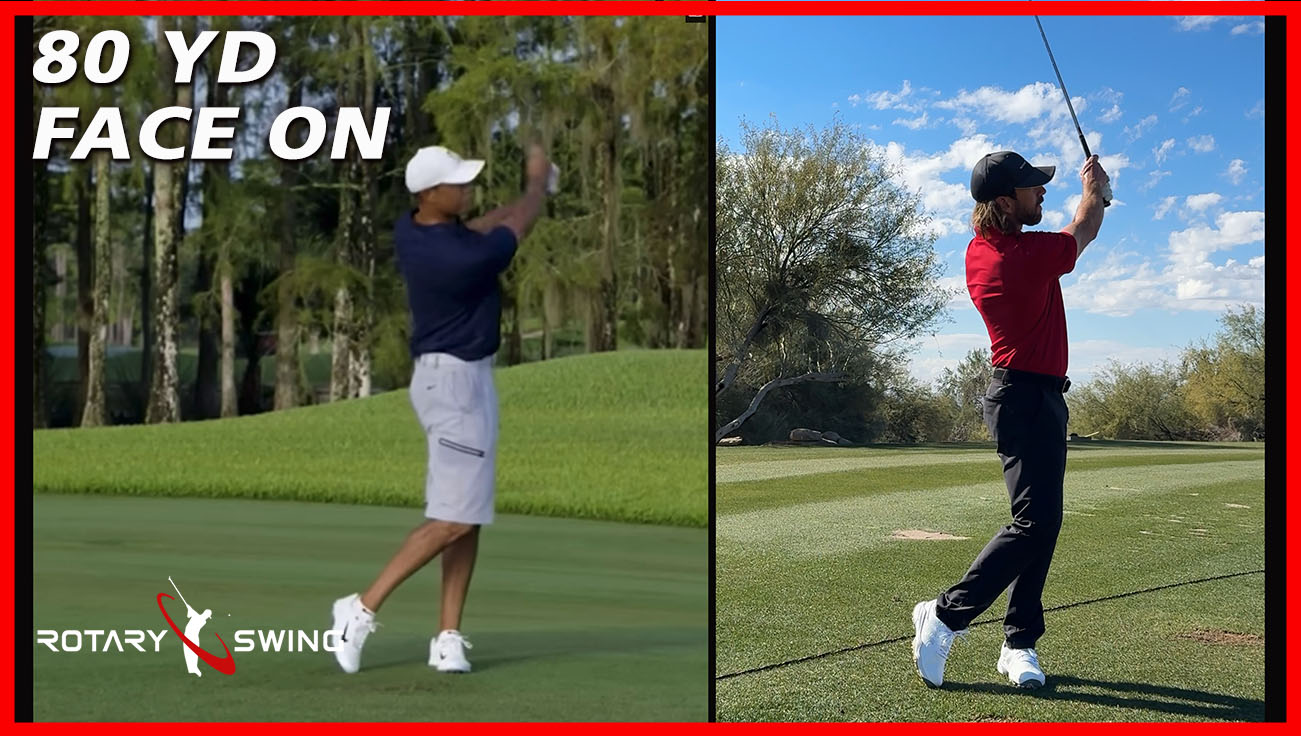
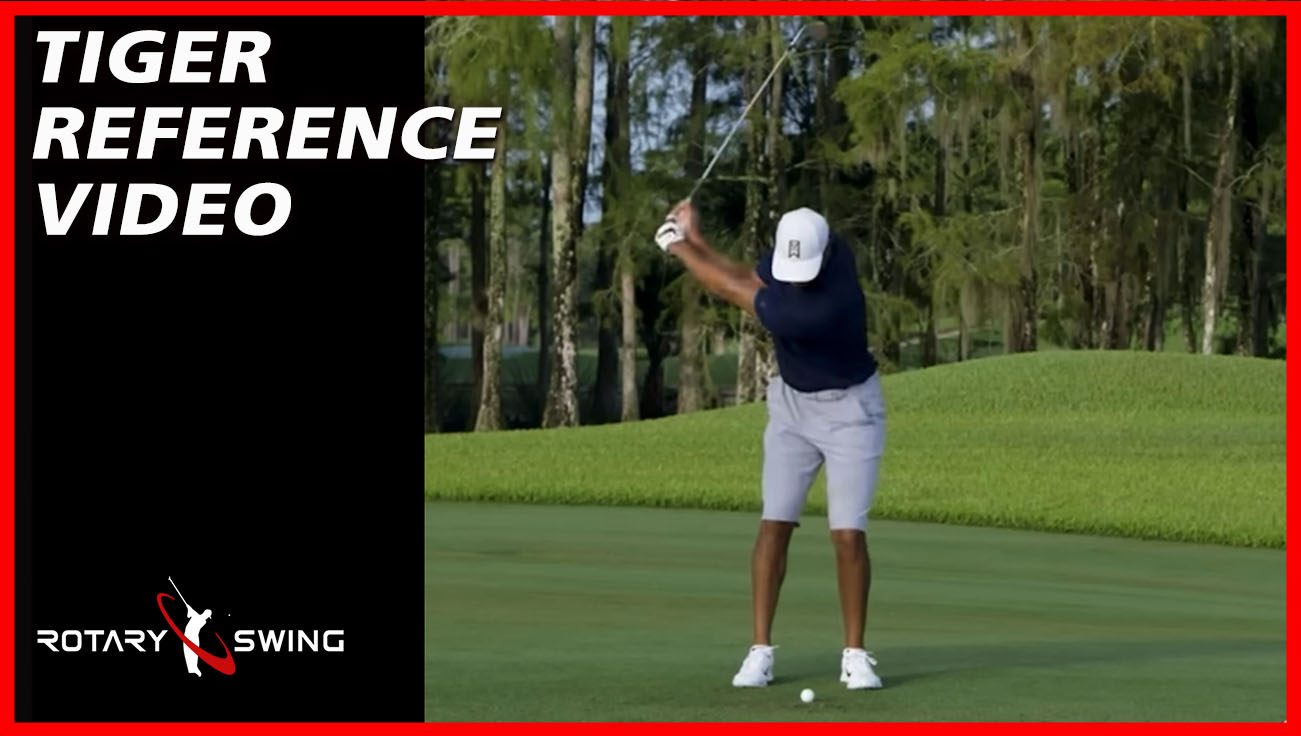
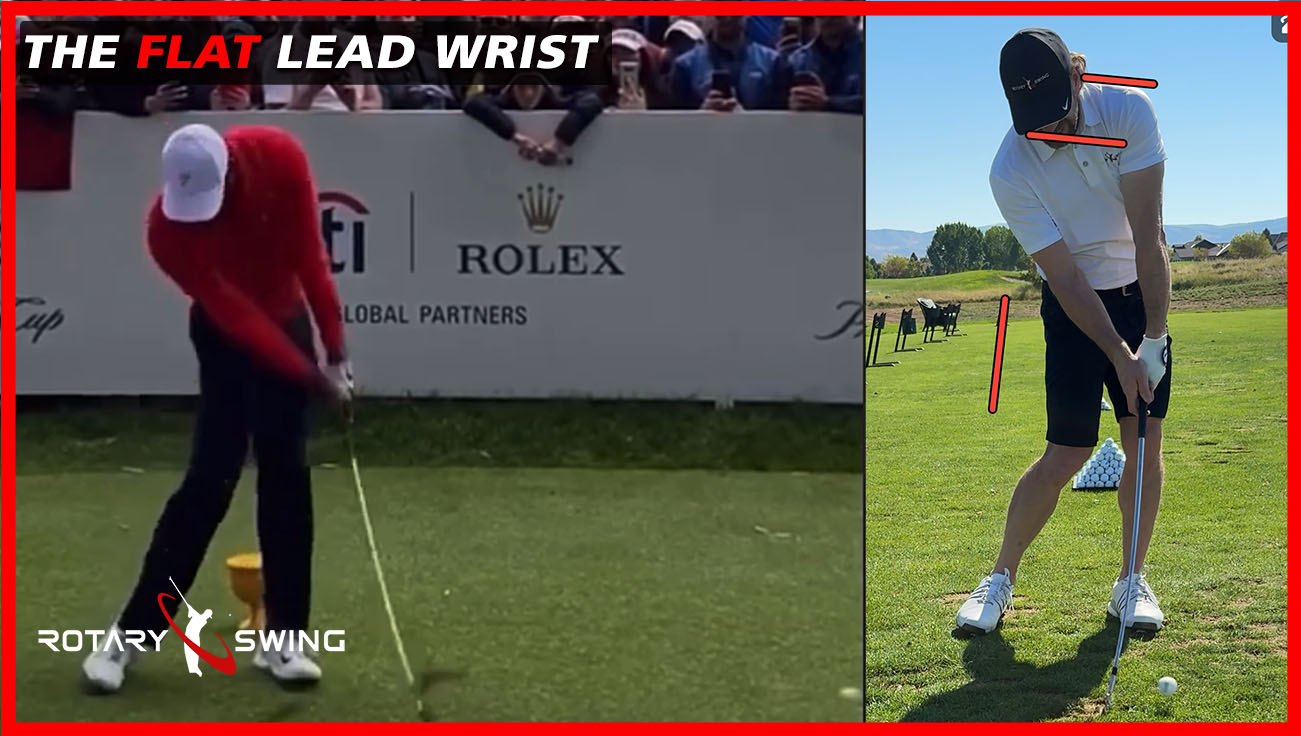
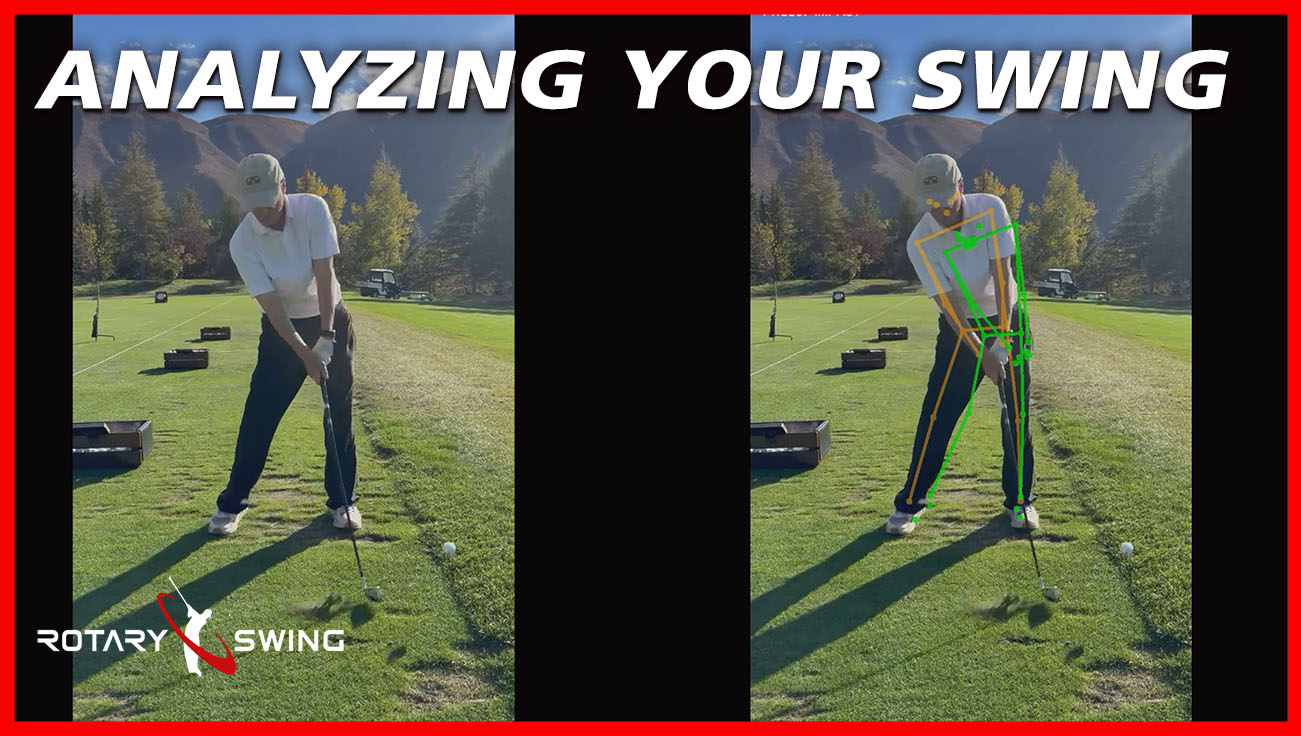
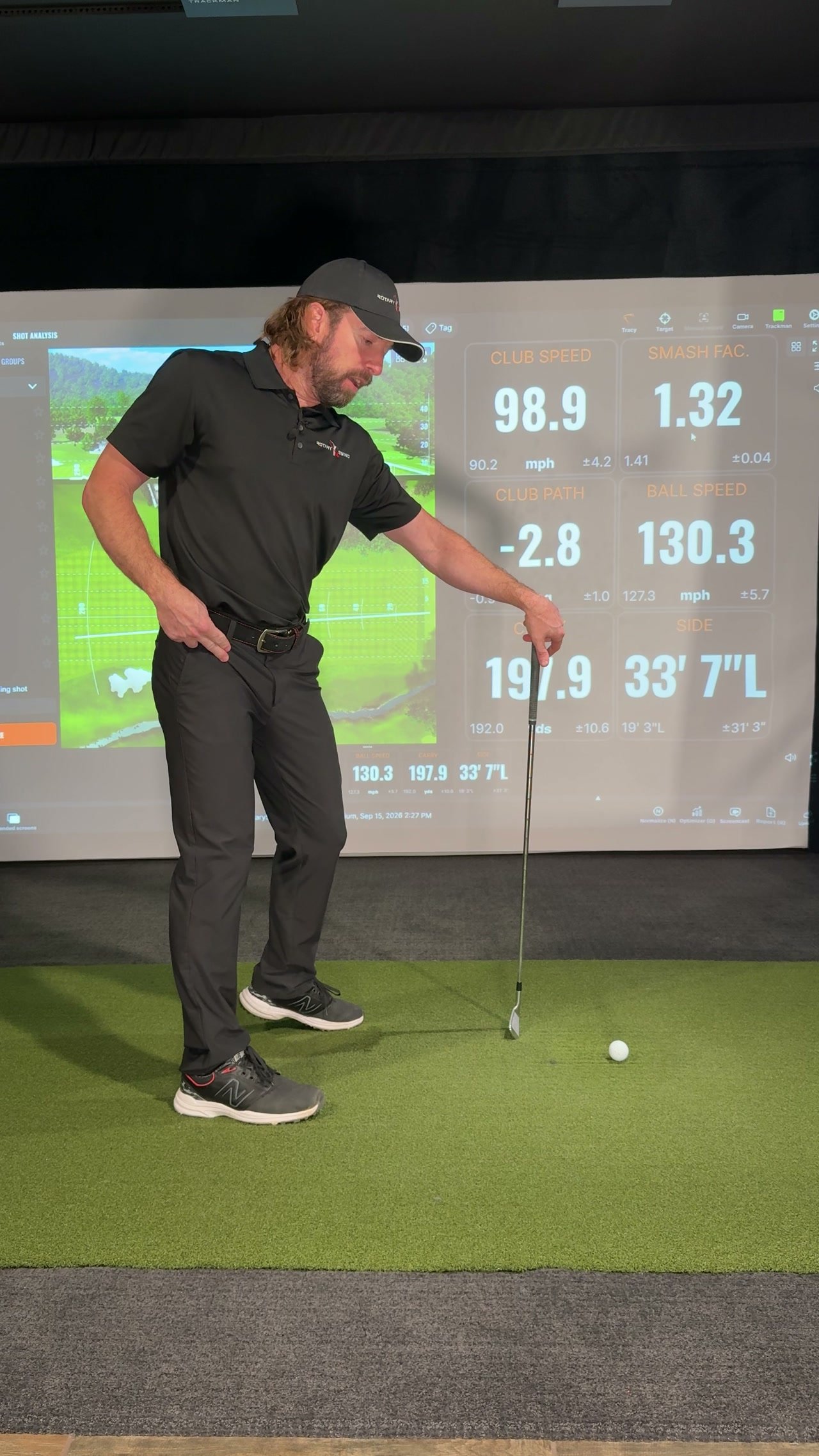
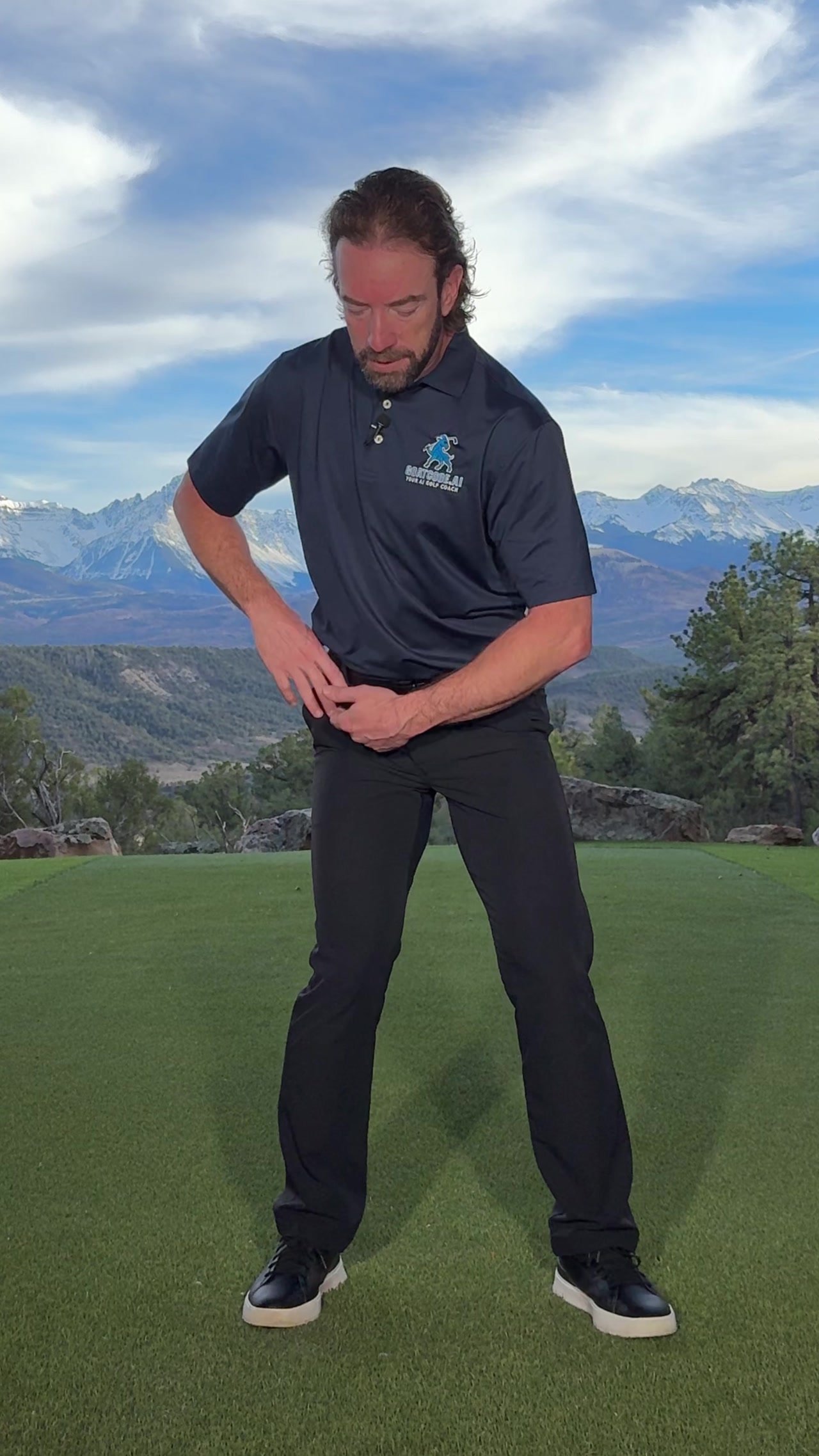
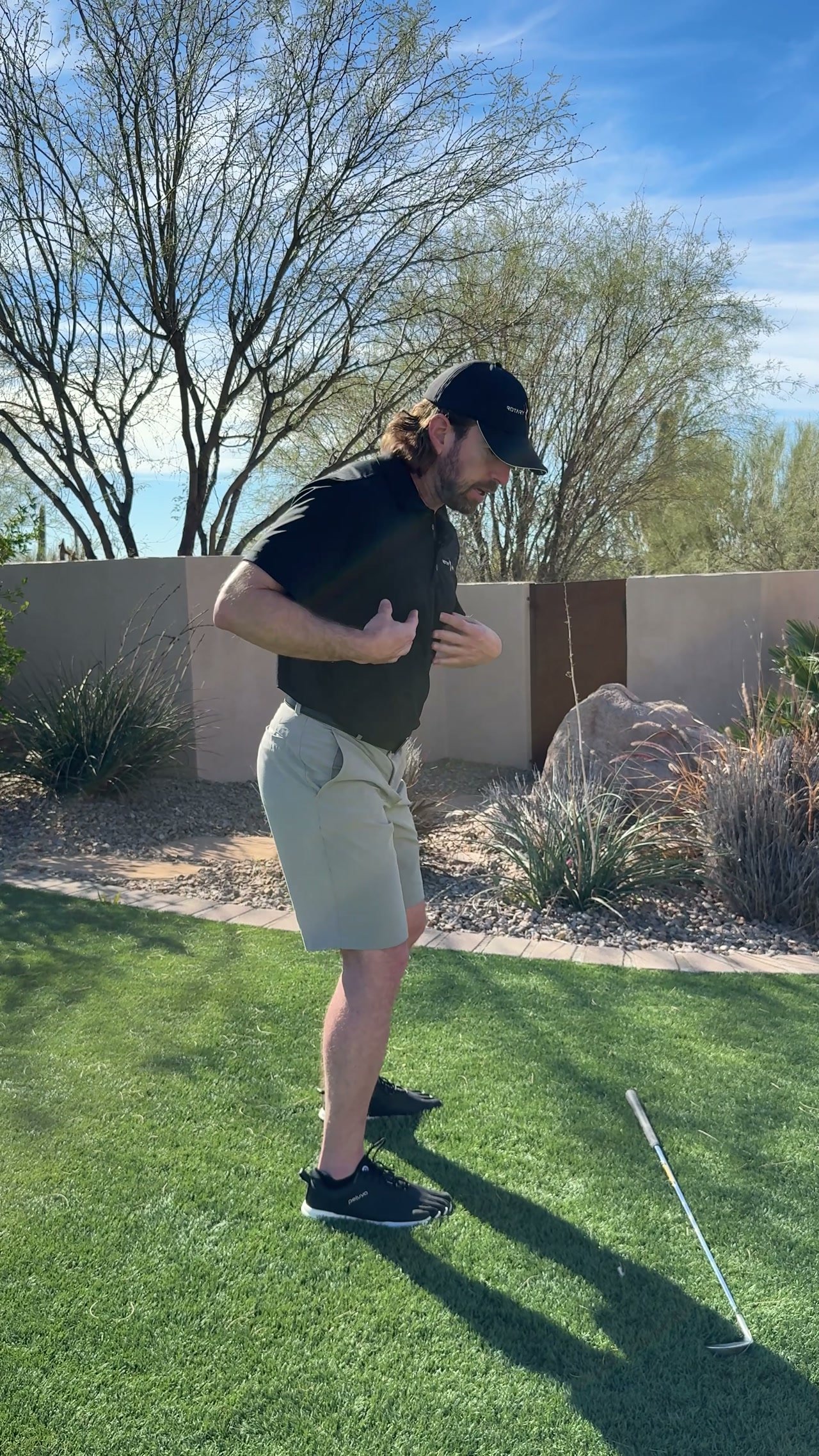
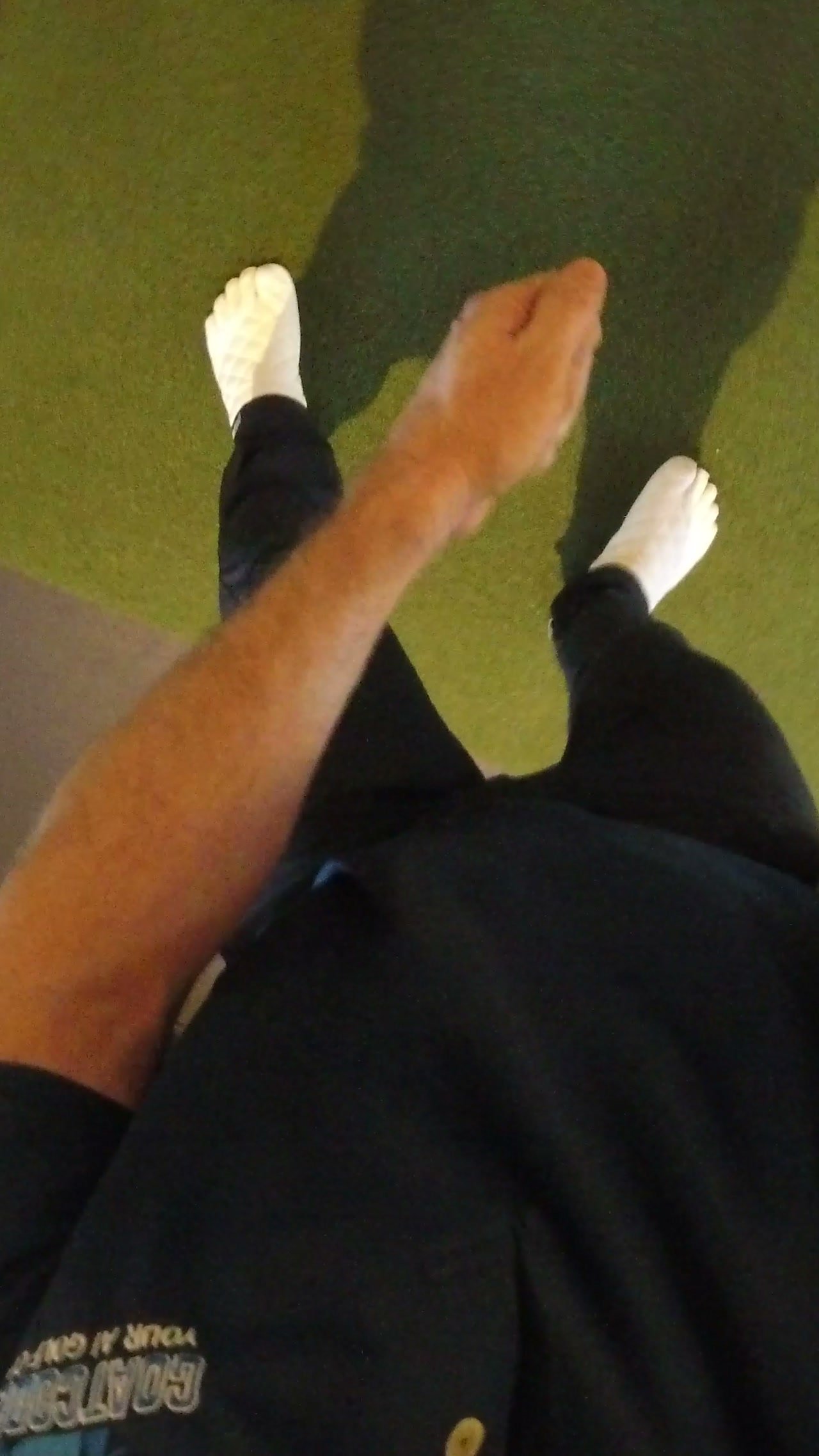
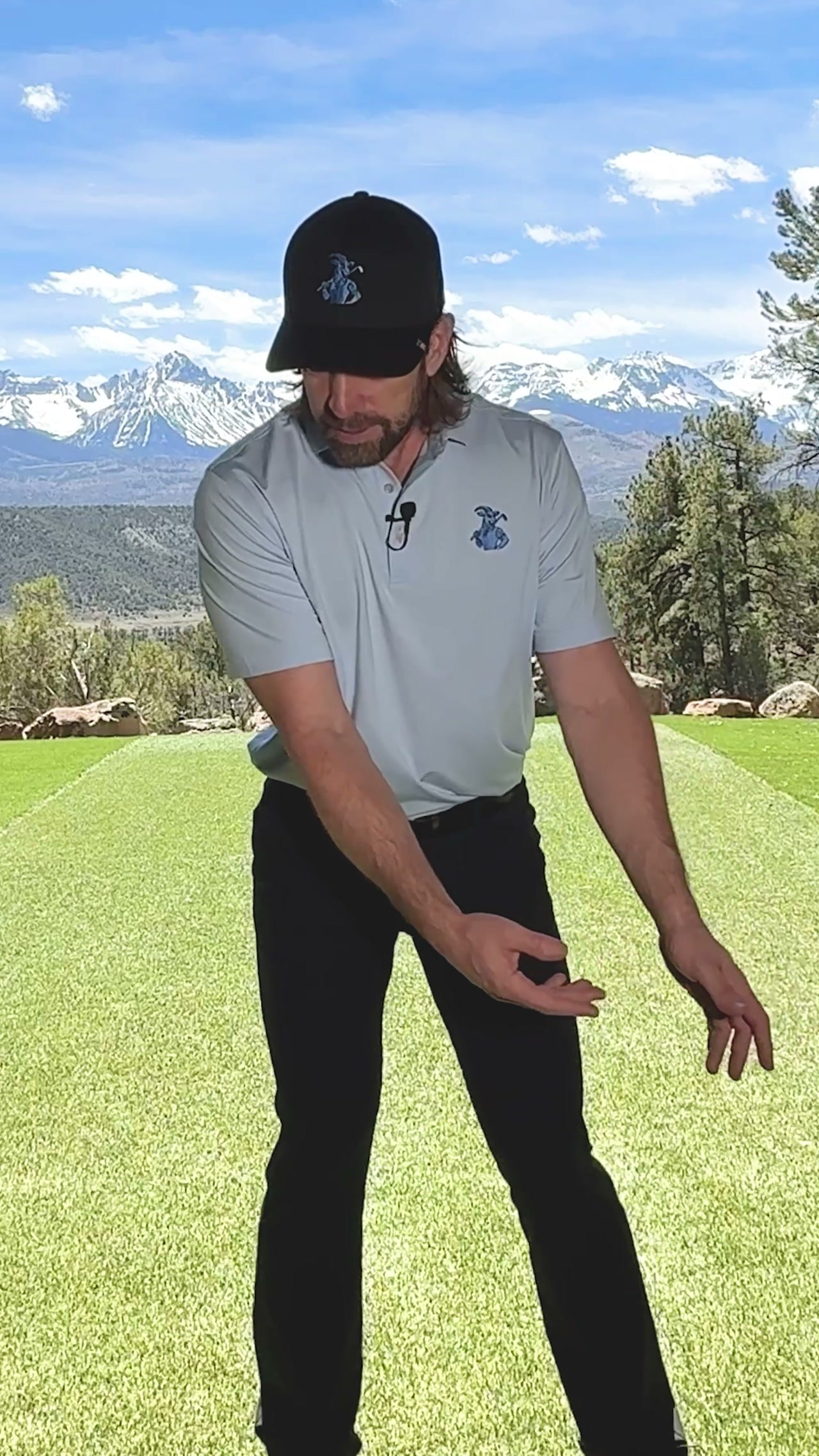
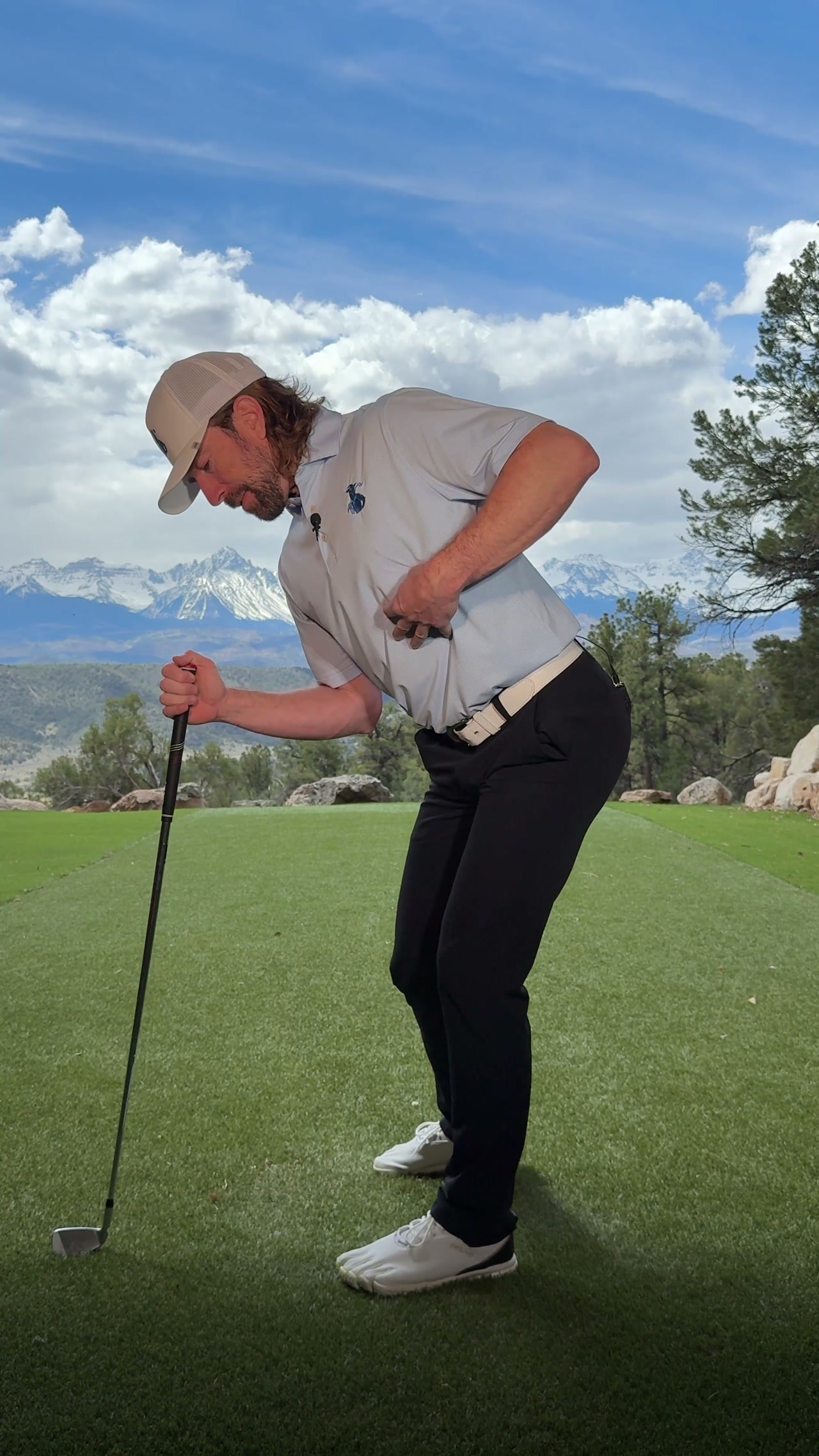
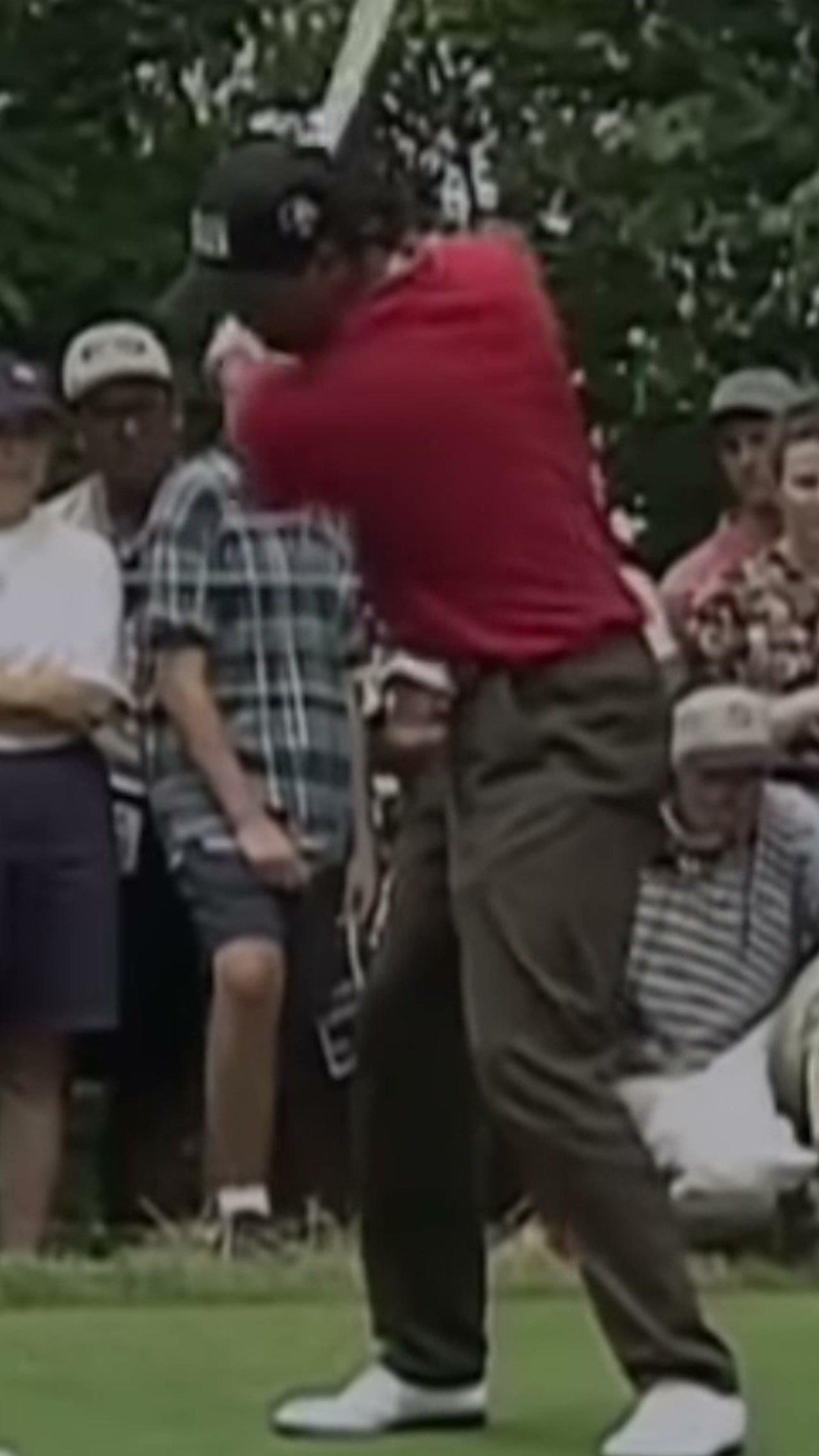
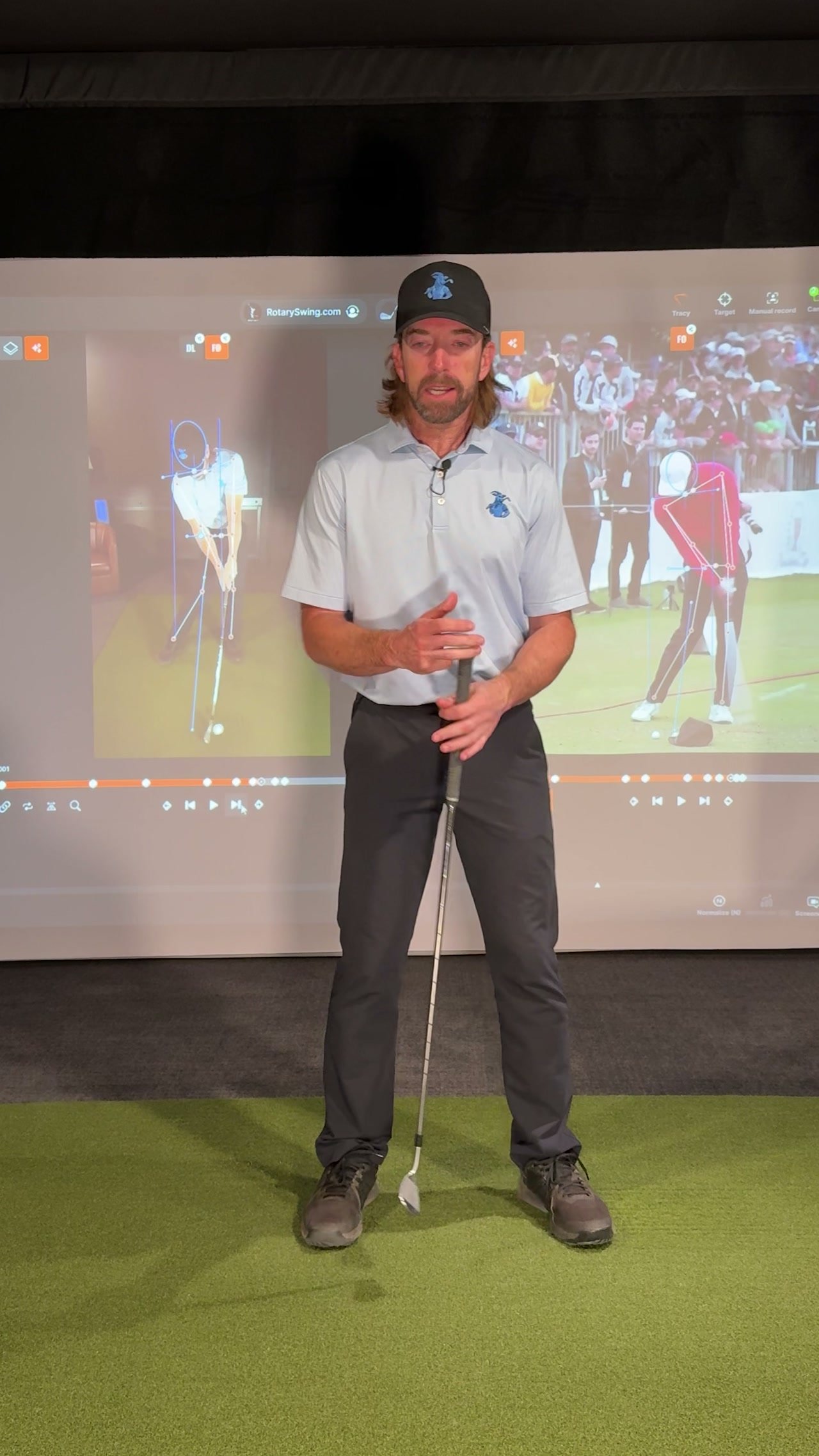
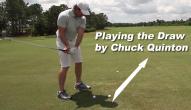
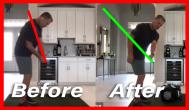
When setting up a wedge shot, remember one simple cue: the buttons on your shirt. Make sure those buttons are positioned in front of the ball at address.
In our full swing instruction, we emphasize staying behind the ball — setting up behind it, turning behind it. That applies to stock shots, but wedge shots demand a different approach.
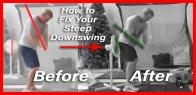
A shorter swing requires a steeper , and you can achieve that naturally at setup by positioning your shirt buttons ahead of the ball.
Who Should Do This?
If you already tend to slide out in front of the ball during your downswing, this adjustment is not for you. This is specifically for golfers who hang back and launch their wedge shots too high.
Feel the buttons on your shirt angling forward toward the target throughout your downswing.
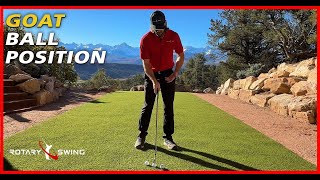
Position the ball back in your stance so the shaft leans forward and your buttons align just outside your instep — a couple of inches ahead of the ball.
Try a free live lesson with GOATY
GOATY, my AI golf coach, watches your swing through your phone camera and coaches every rep. Free, about 20 minutes, no credit card.
This setup promotes a steep, descending angle of attack into the ball, which is essential for controlling trajectory.
How Do the Pros Do It?
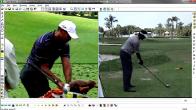
Research conducted at TaylorMade Performance Labs has studied tour professionals' wedge play in detail. Their data shows that the average angle of attack on tour wedge shots is negative 12 degrees.
{josociallocker}
That's steeper than most amateurs realize — and when you see it in person, it's even more dramatic than it sounds.
That steep strike explains the massive divots you see tour players carving from the fairway. They're producing the angle of attack needed to drive the ball low, even though the club carries substantial loft and naturally wants to generate height and spin.

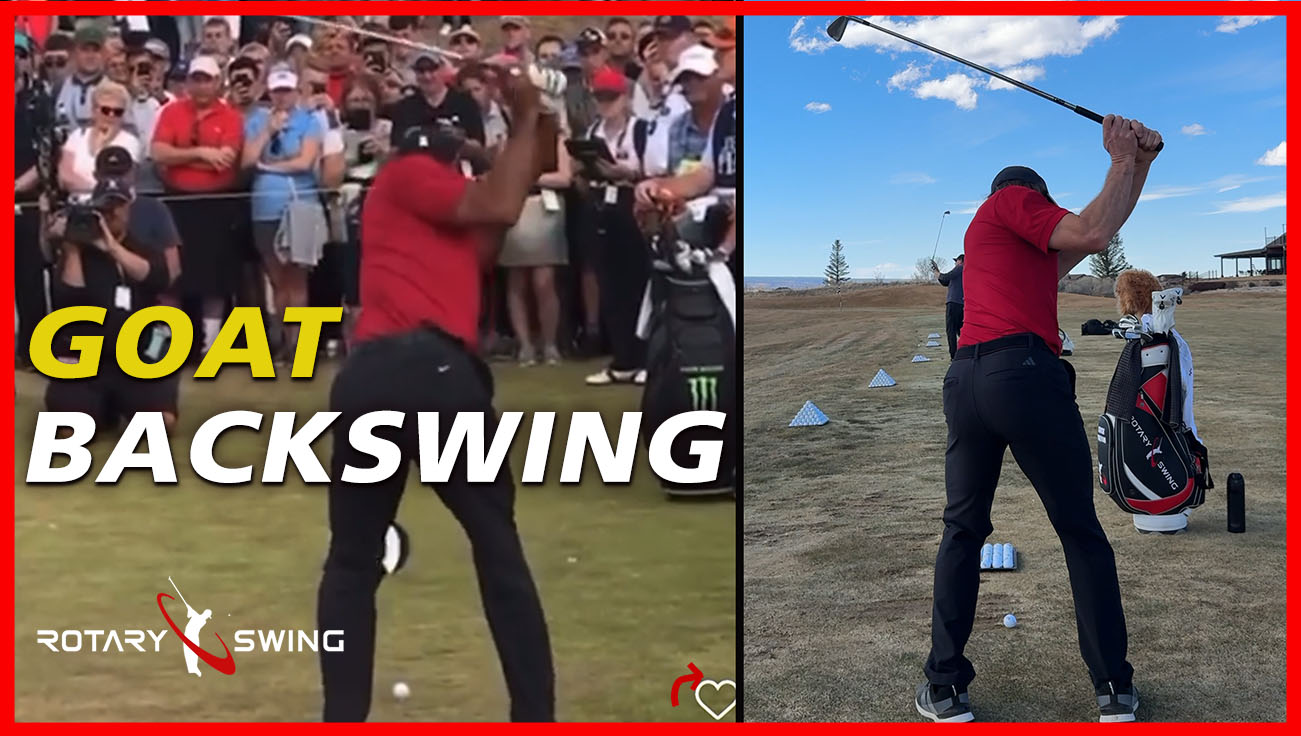
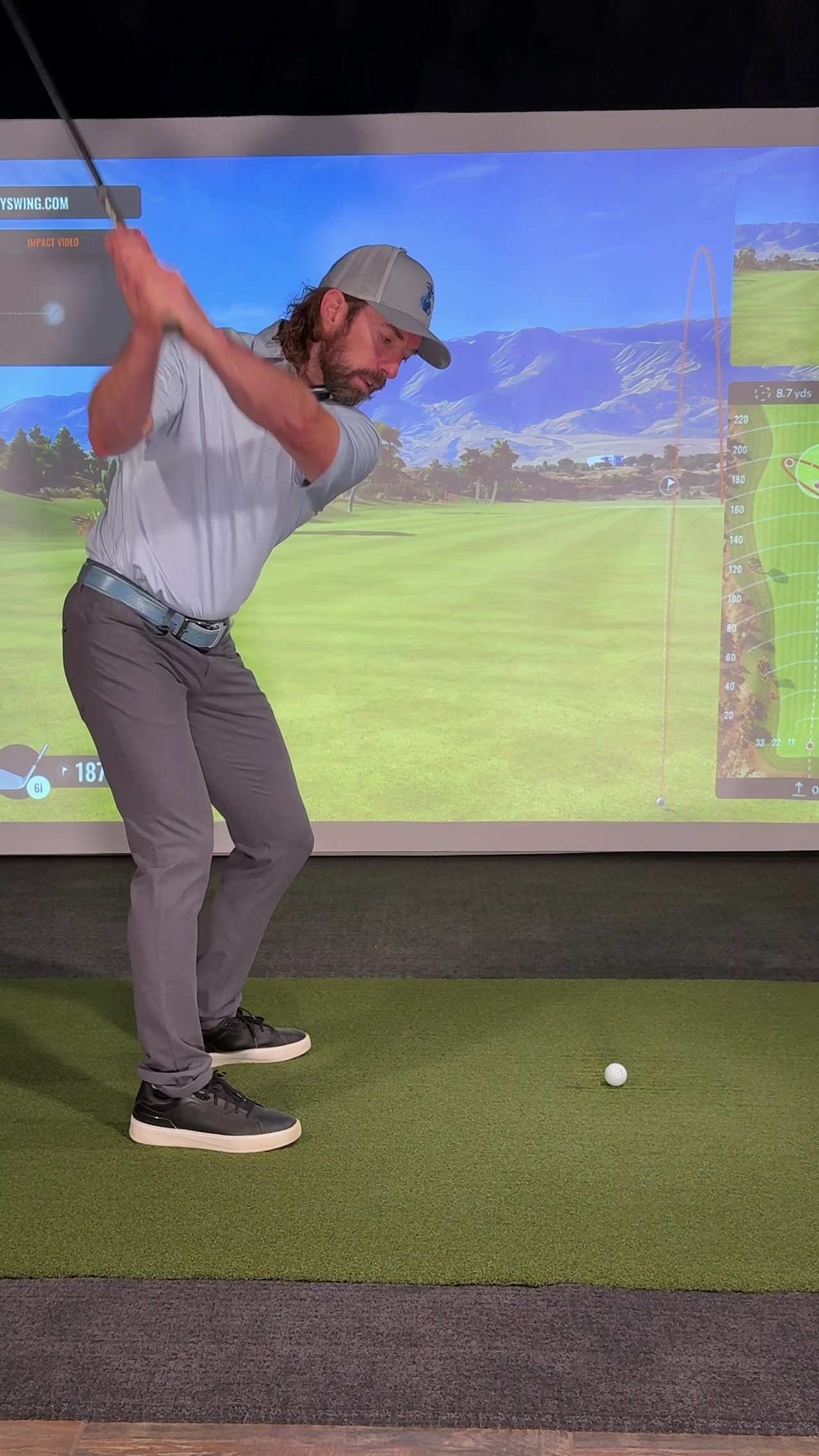
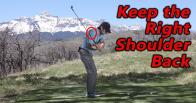
Take the arms back to the 9:00 position
Driving the ball low is the key to more accurate wedge shots. A proper wedge shot isn't about throwing the ball as high as possible — you want to hit your wedges as low as you can while generating maximum spin.
There's an inverse relationship between loft and trajectory that makes this work. Your long irons need to fly high because they need to land soft. Wedges already carry enough loft to fly high and spin — so your job is to hit them low and controlled.
Think of it like throwing a lawn dart. You'd never throw a lawn dart straight up because you'd lose all accuracy.
You want that flat, penetrating trajectory you see on the PGA Tour. And the first step is getting your buttons in front of the ball.
Key Two: A Short Backswing
The second key is producing a compact backswing while establishing your weight on the lead foot. These two elements reinforce each other perfectly.
Many amateurs over-turn and shift onto their trail foot, ending up with a long, loose, uncontrolled swing on their wedge shots.

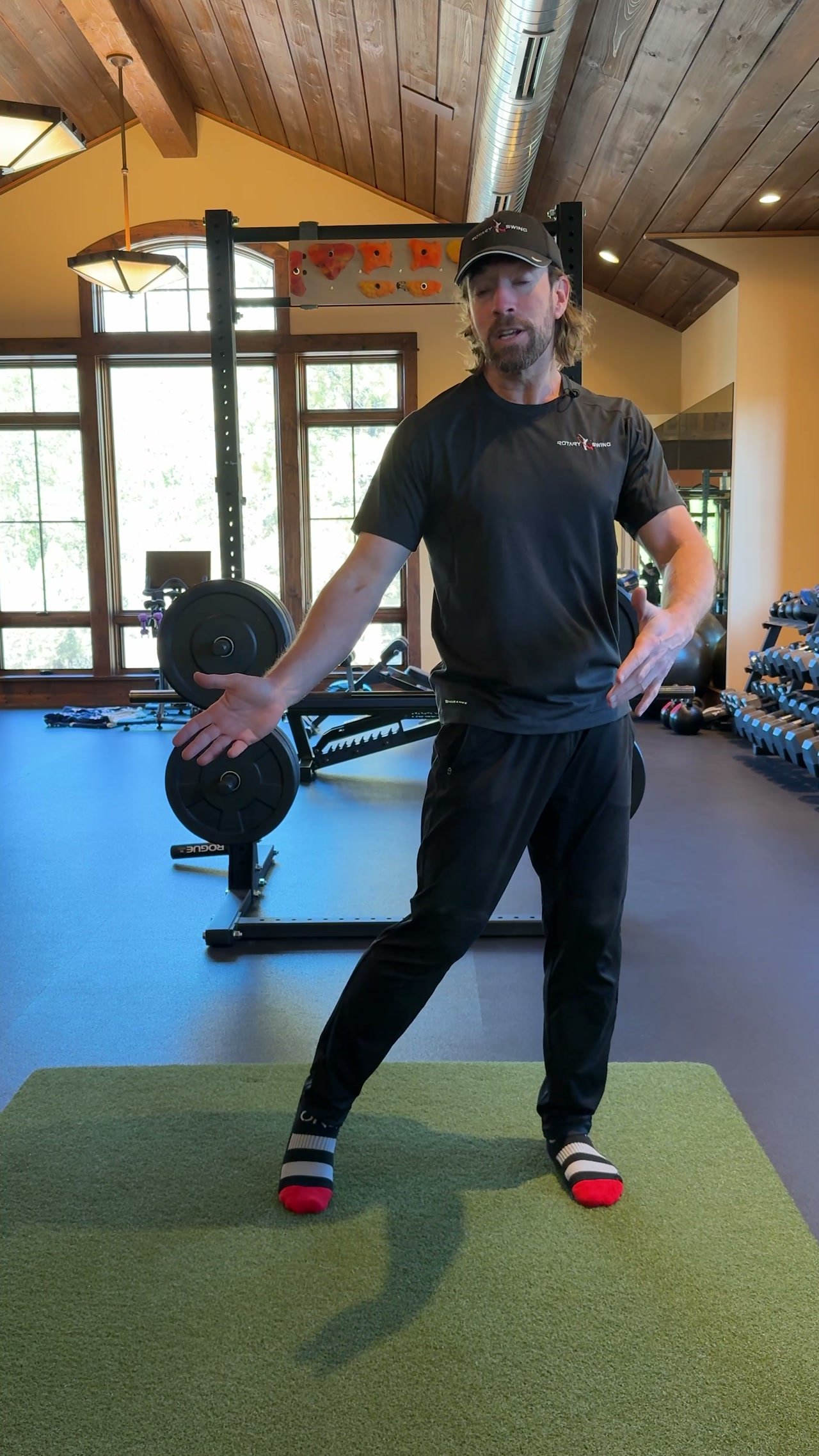
Compact backswing with weight on left foot
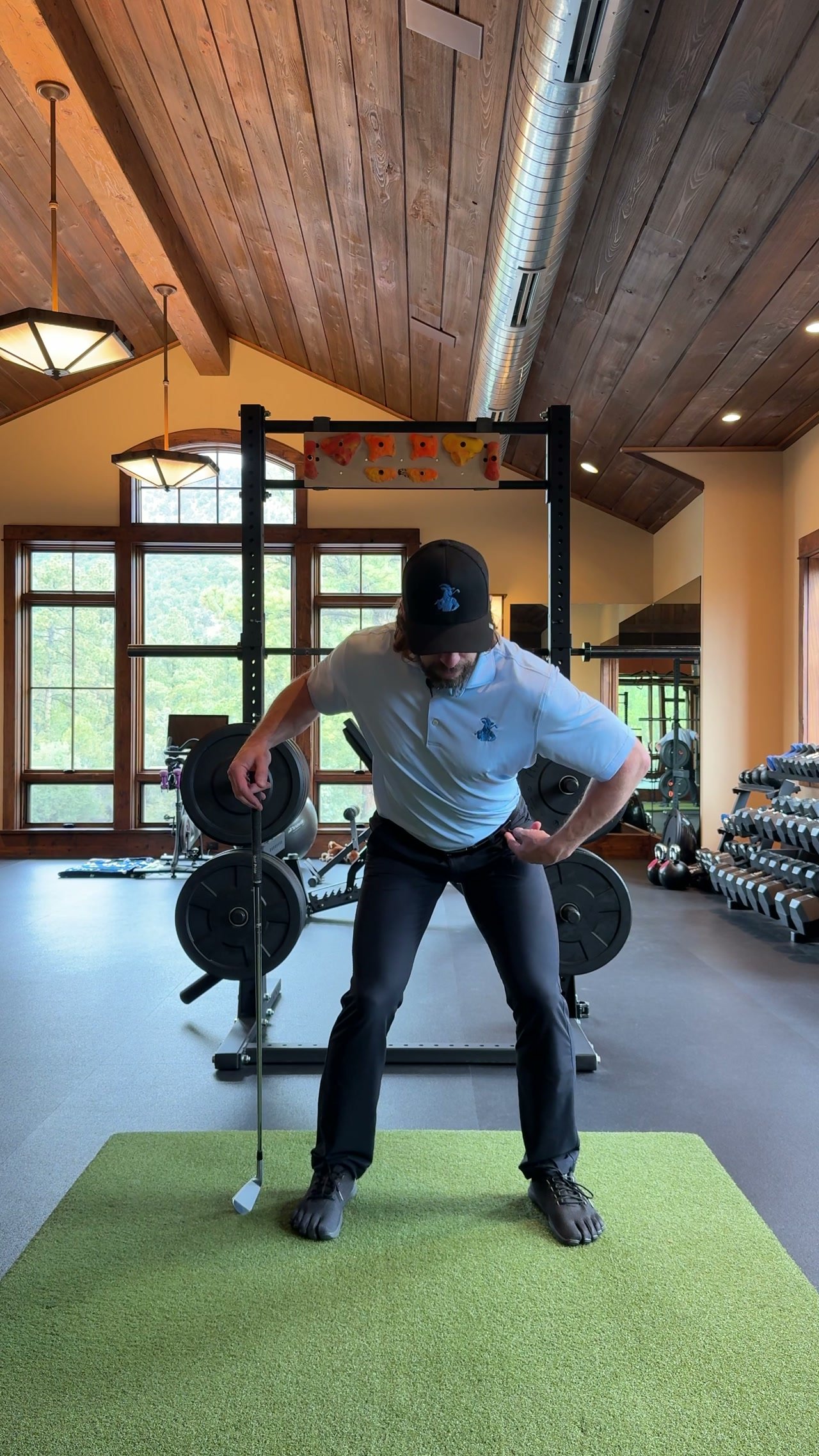
That's the opposite of what you want. You want a short, compact swing without excessive wrist set. Simply take your arms back to about 9:00 on the clock, and bring them back down.
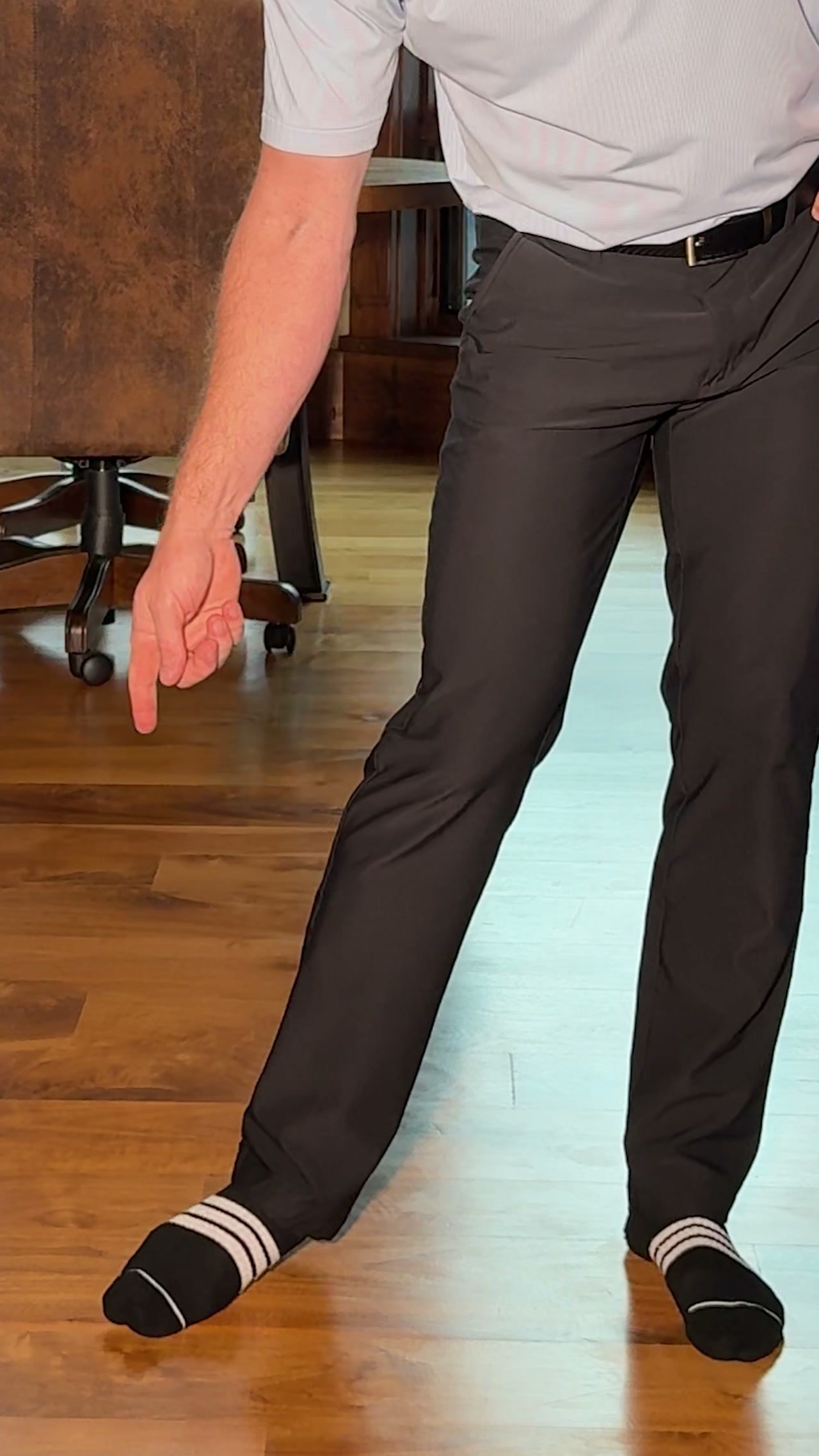
The simplest way to shorten your backswing is by increasing the weight on your lead foot at address.
When you combine shirt buttons ahead of the ball with roughly 70% of your weight on the lead foot, the result is a naturally steeper angle of attack and a shorter, more controlled backswing.
Loading your weight forward physically prevents you from swinging back too far — and that's exactly what you want. A short, compact swing with speed beats a long, loose swing every time.
Key Three: Controlled Release
The final key is producing a controlled release that matches your shorter backswing.
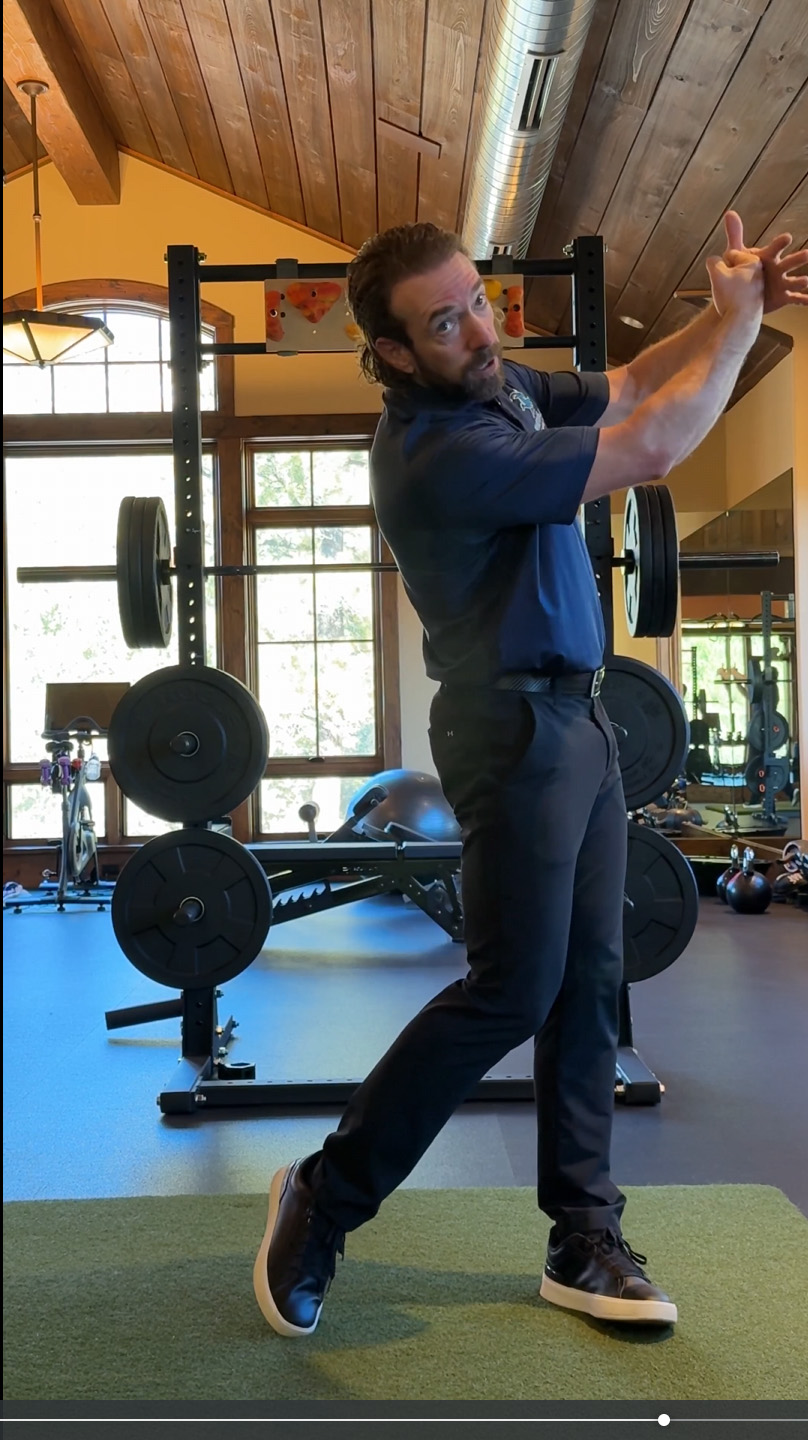
With a compact backswing and minimal wrist set, your follow-through should mirror the backswing in length. An exaggerated follow-through would add spin and launch the ball higher, making trajectory difficult to control.

Controlled release
To summarize: position your shirt buttons ahead of the ball. Make a shorter swing with more weight on the lead foot. Follow through with a controlled, matching release.
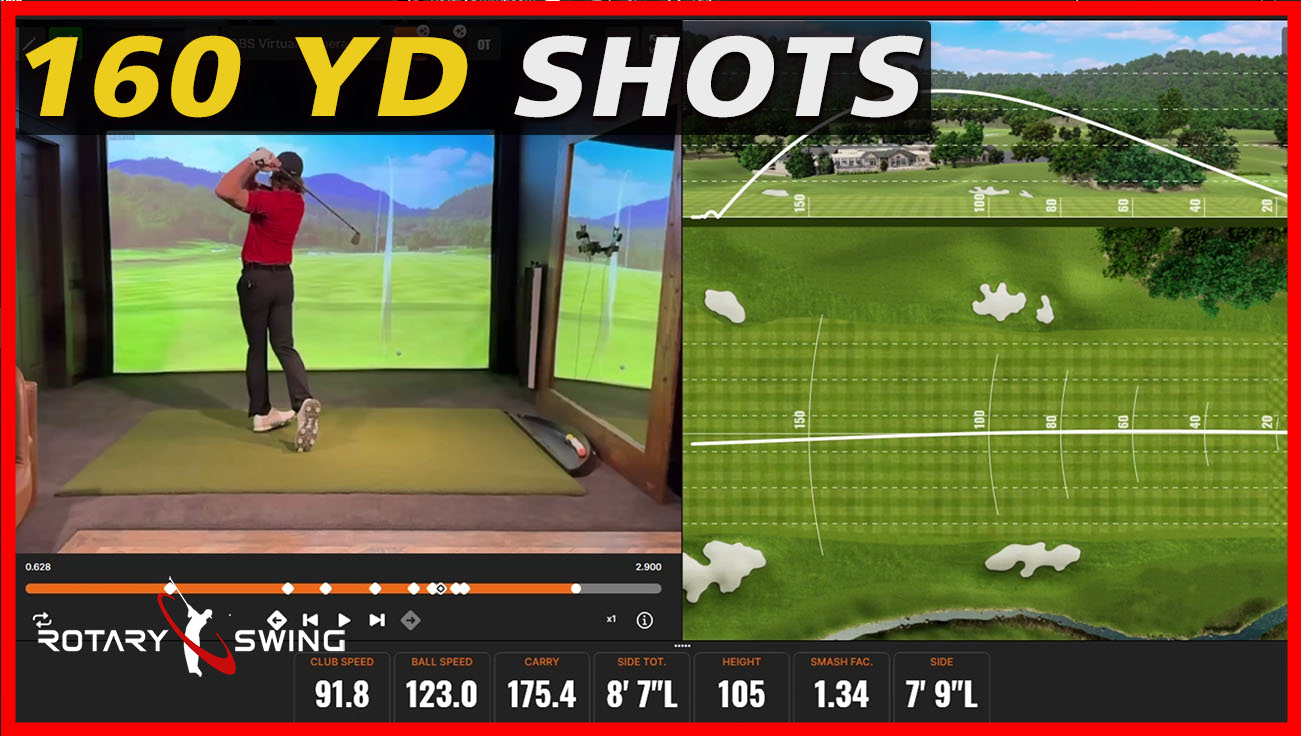
These three keys let you take a 60 degree wedge and hit it 80-85 yards with confidence — no big, labored swing required.
That's all it takes to become a better wedge player. Apply these three keys and your wedge accuracy will improve immediately. For the same kind of targeted improvement on your full swing, try a free AI swing analysis that diagnoses your mechanics. To practice with real-time coaching, check out a free AI golf lesson.
{/josociallocker}
Watch part 2 now to see how you're moving your body in the opposite direction of the pros!