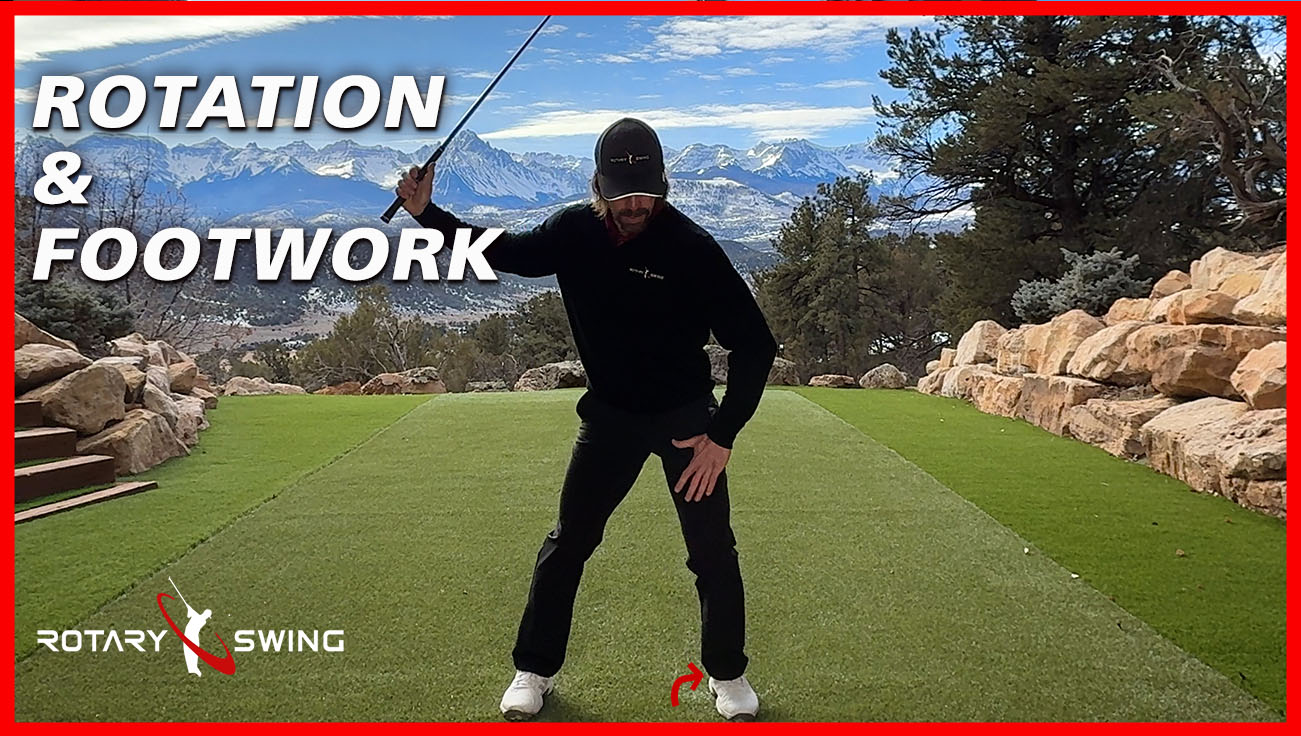
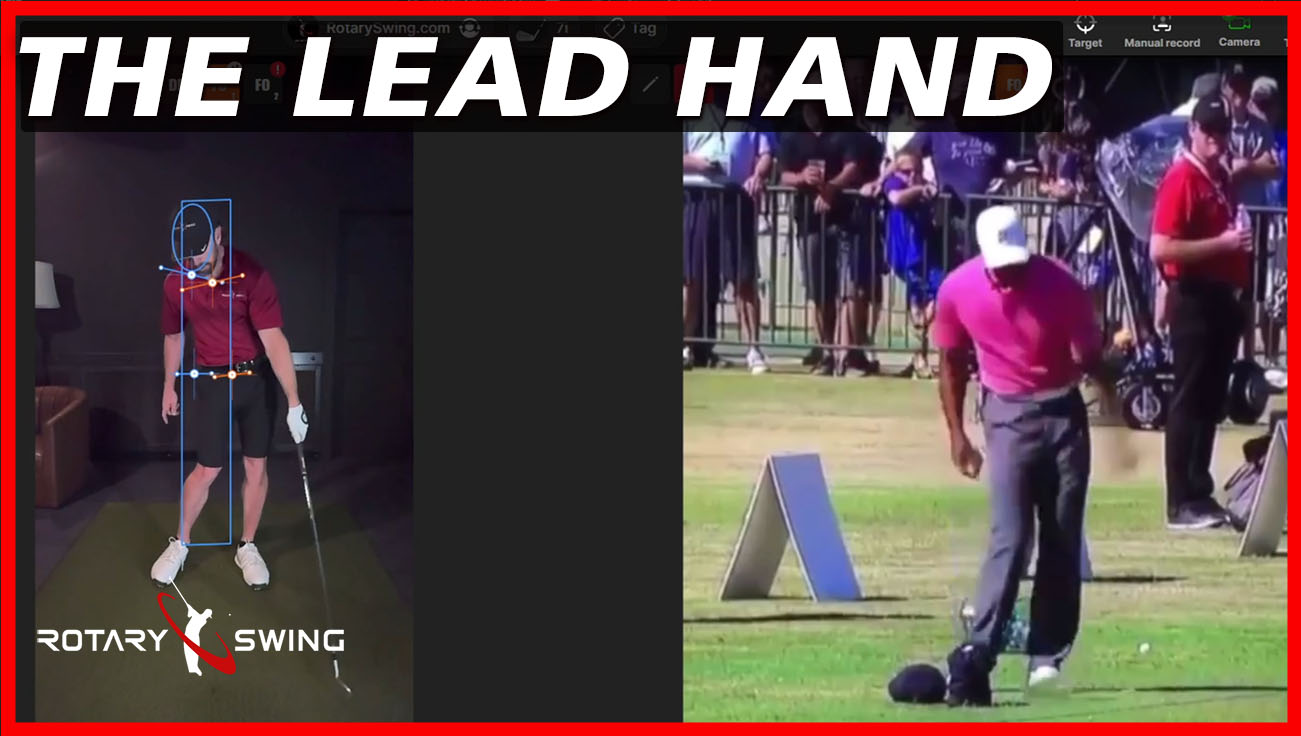
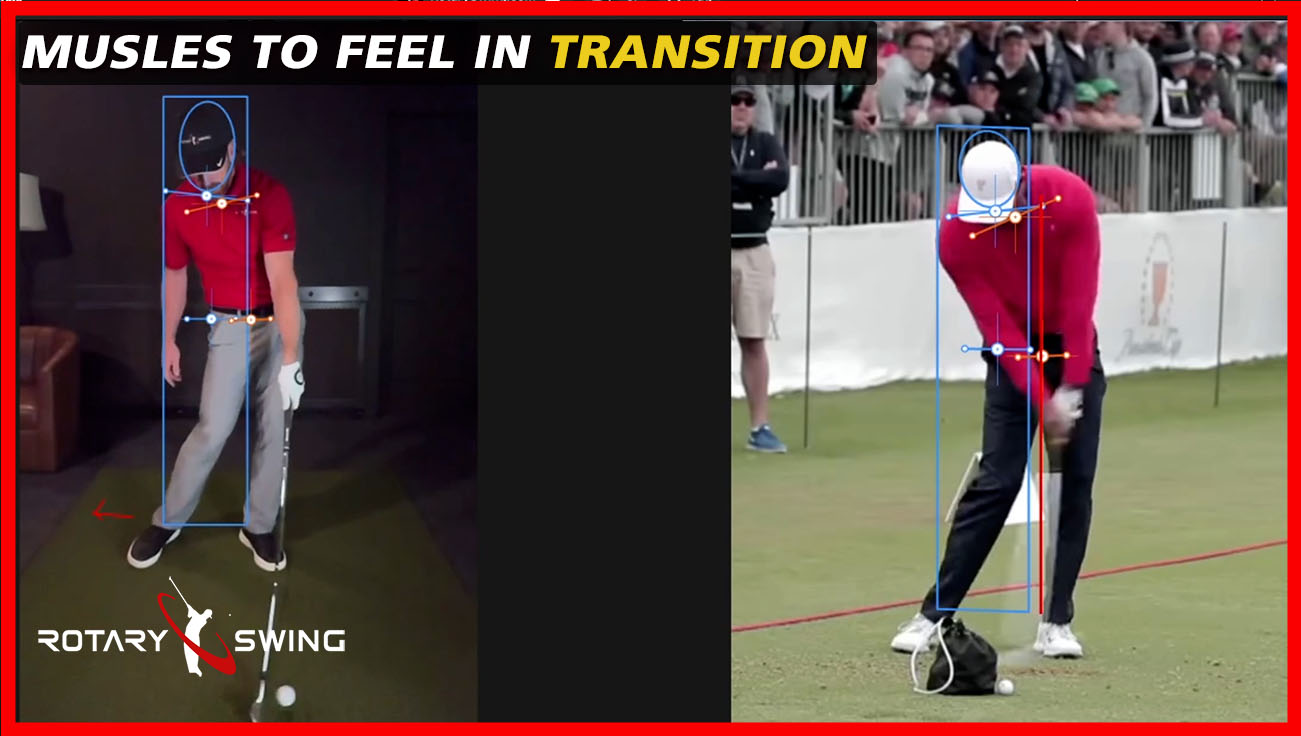
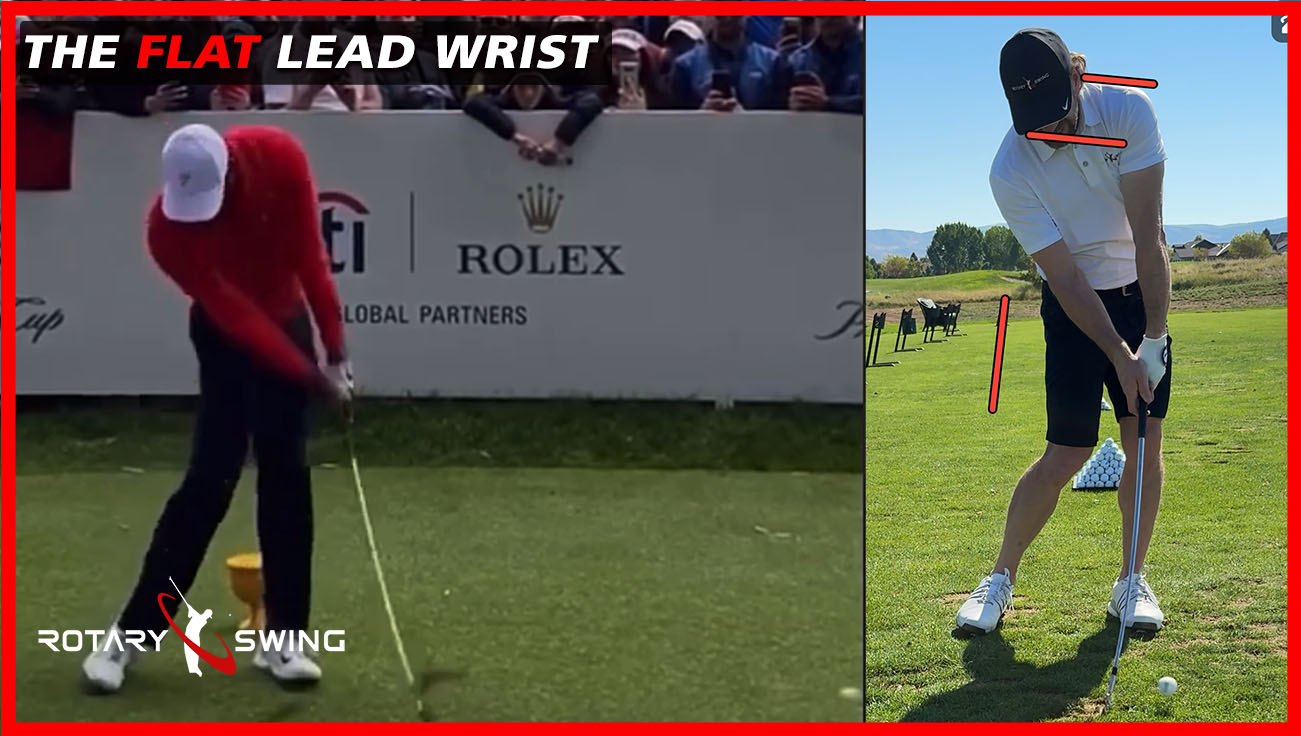
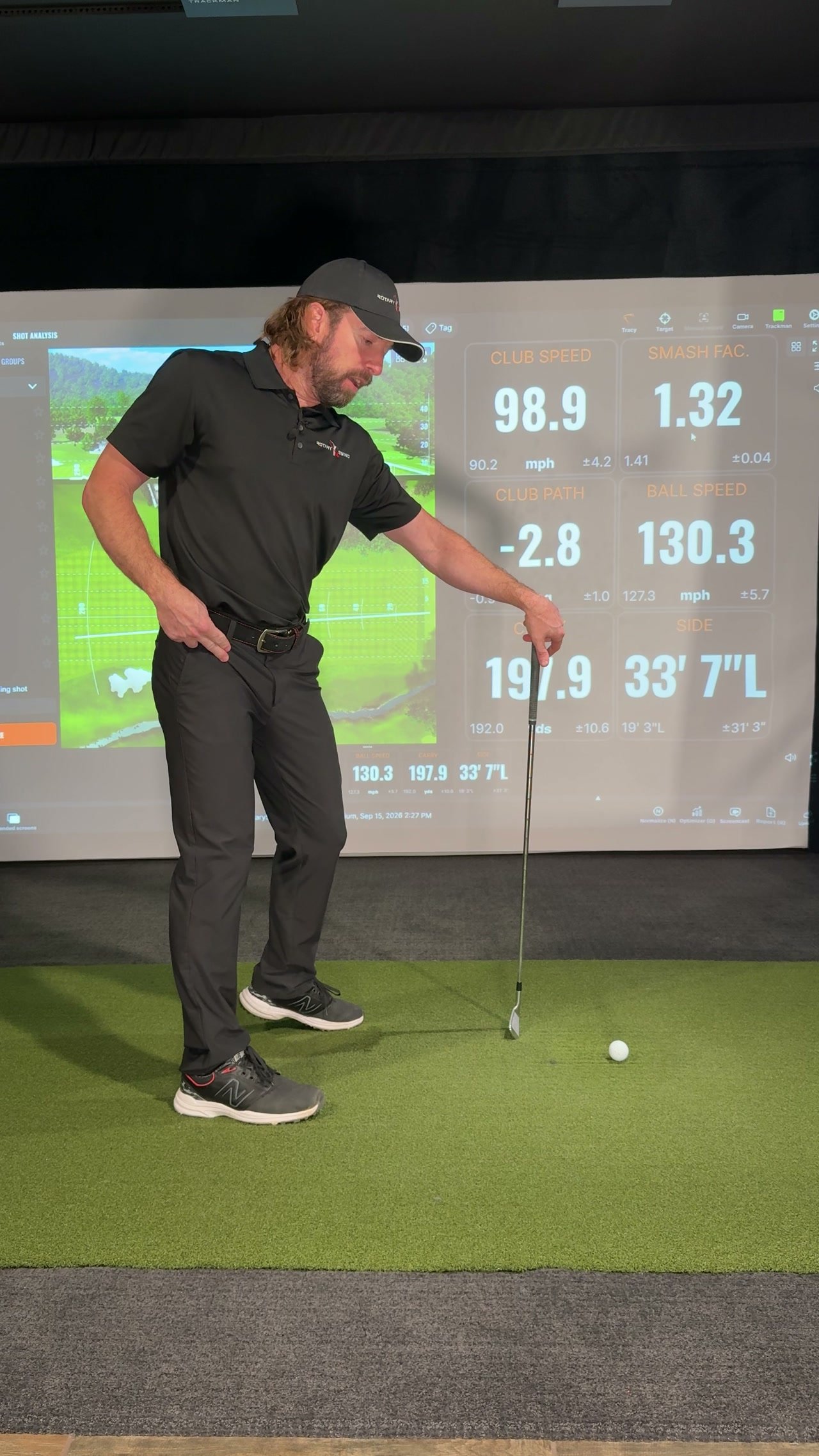
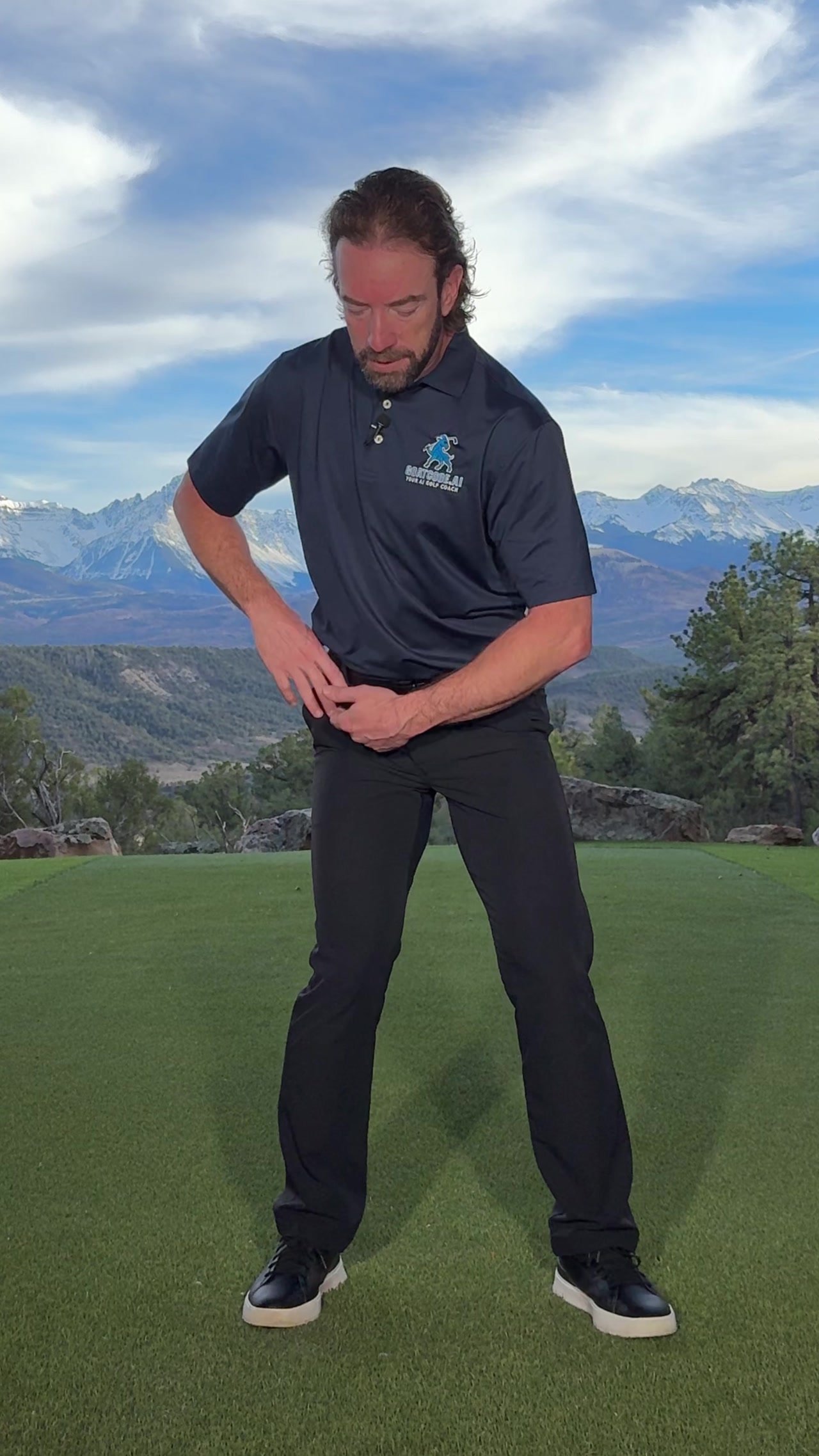
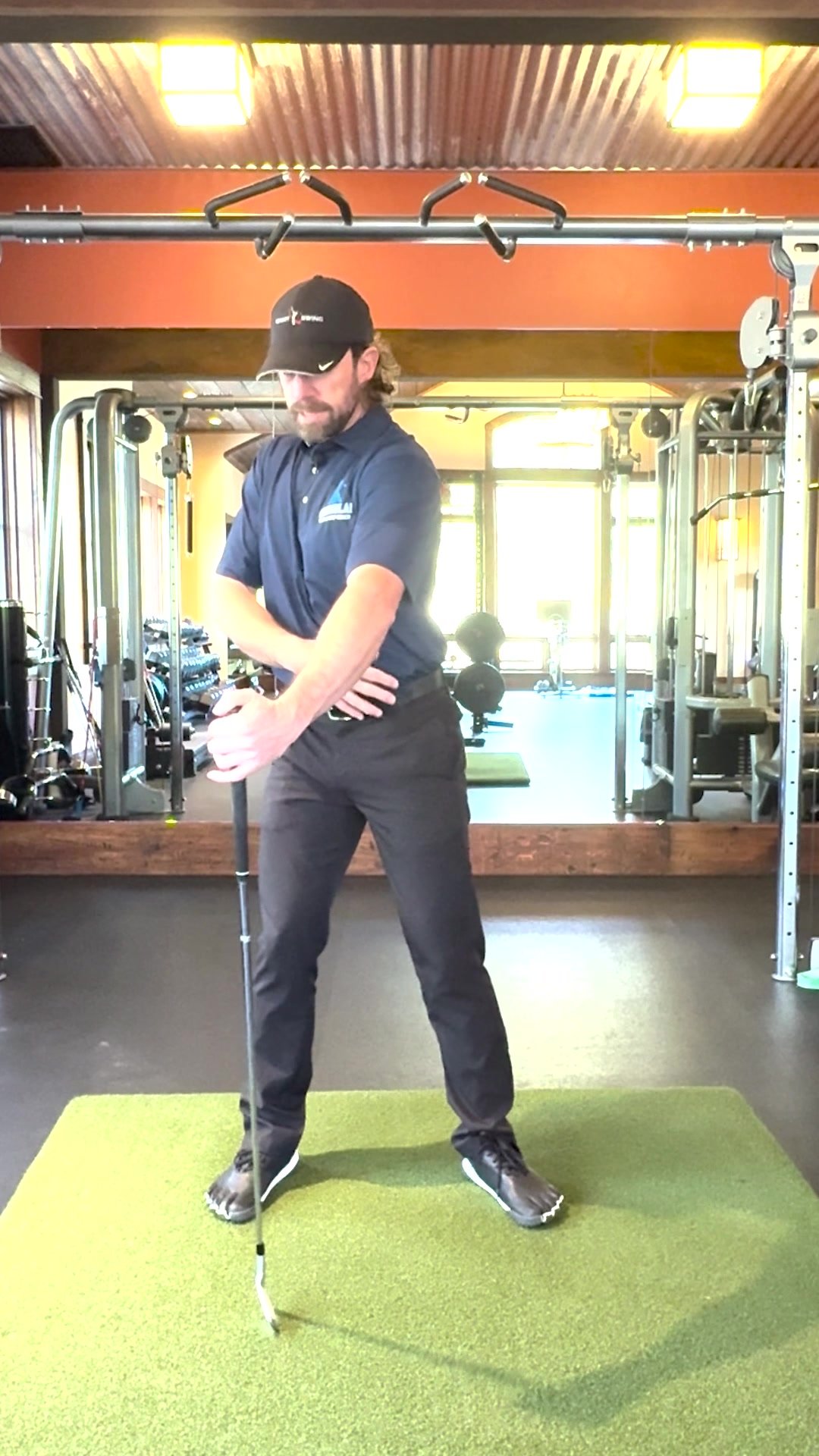
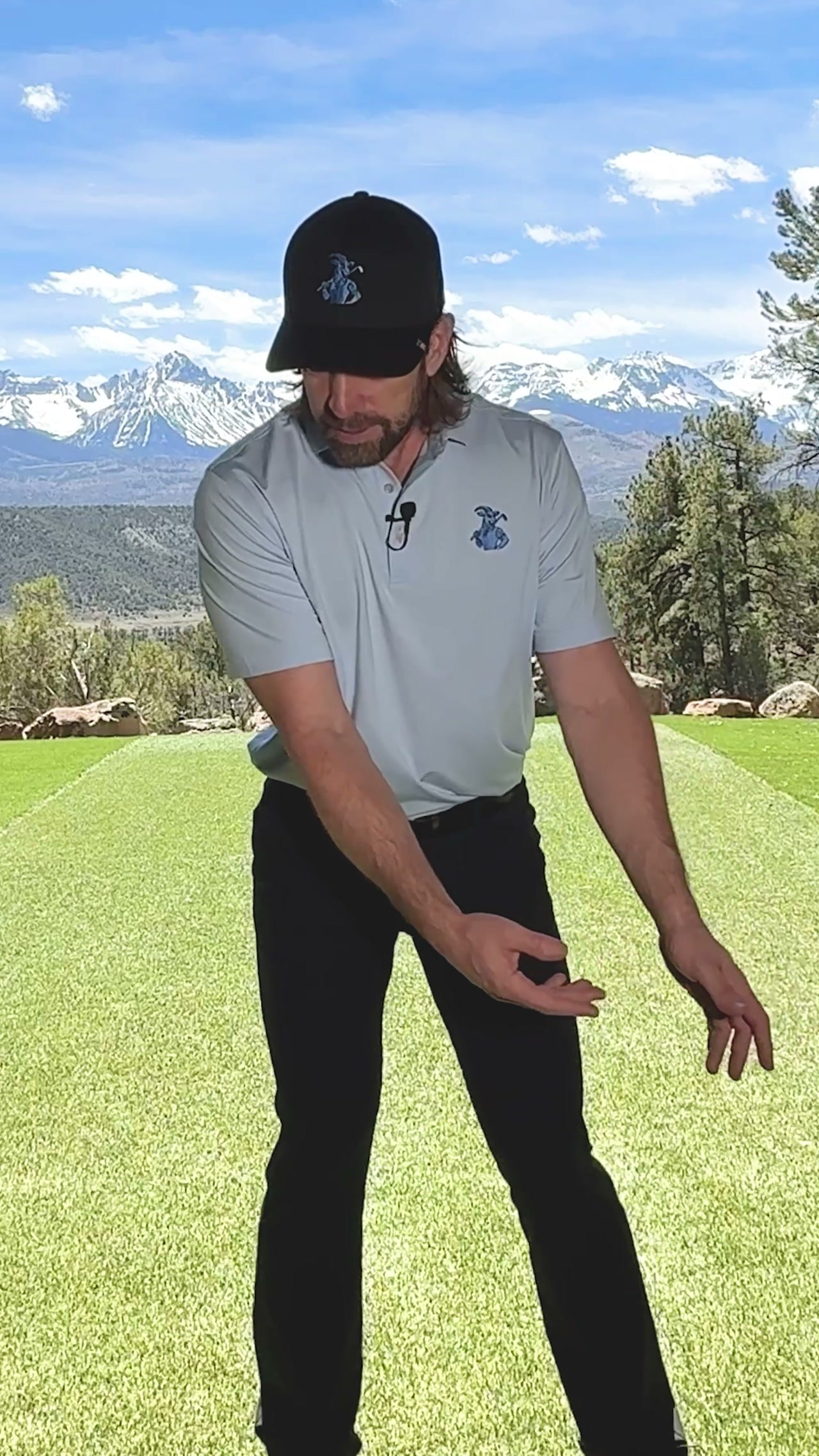
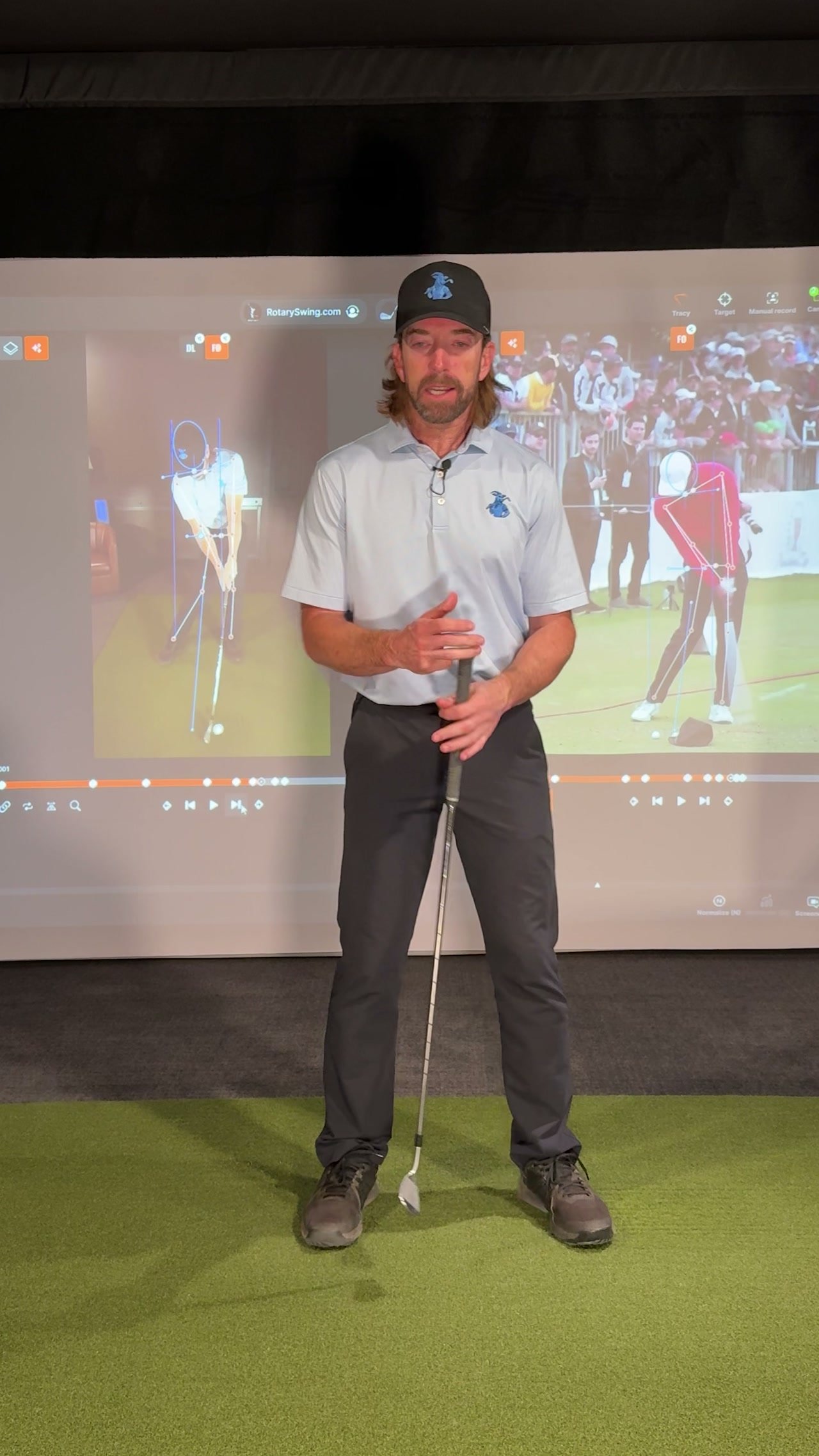
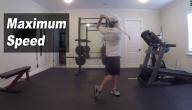
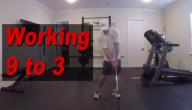
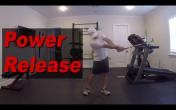
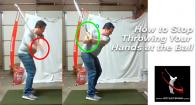
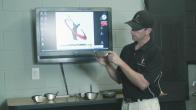
Another important aspect of the one plane swing is keeping the arms passive or connected to the body, allowing the body to control the golf club rather than relying on the arms and hands to do so. This concept of body-driven rotation is at the heart of efficient, powerful ball striking, and a simple tool like a headcover can transform how you feel the correct motion.
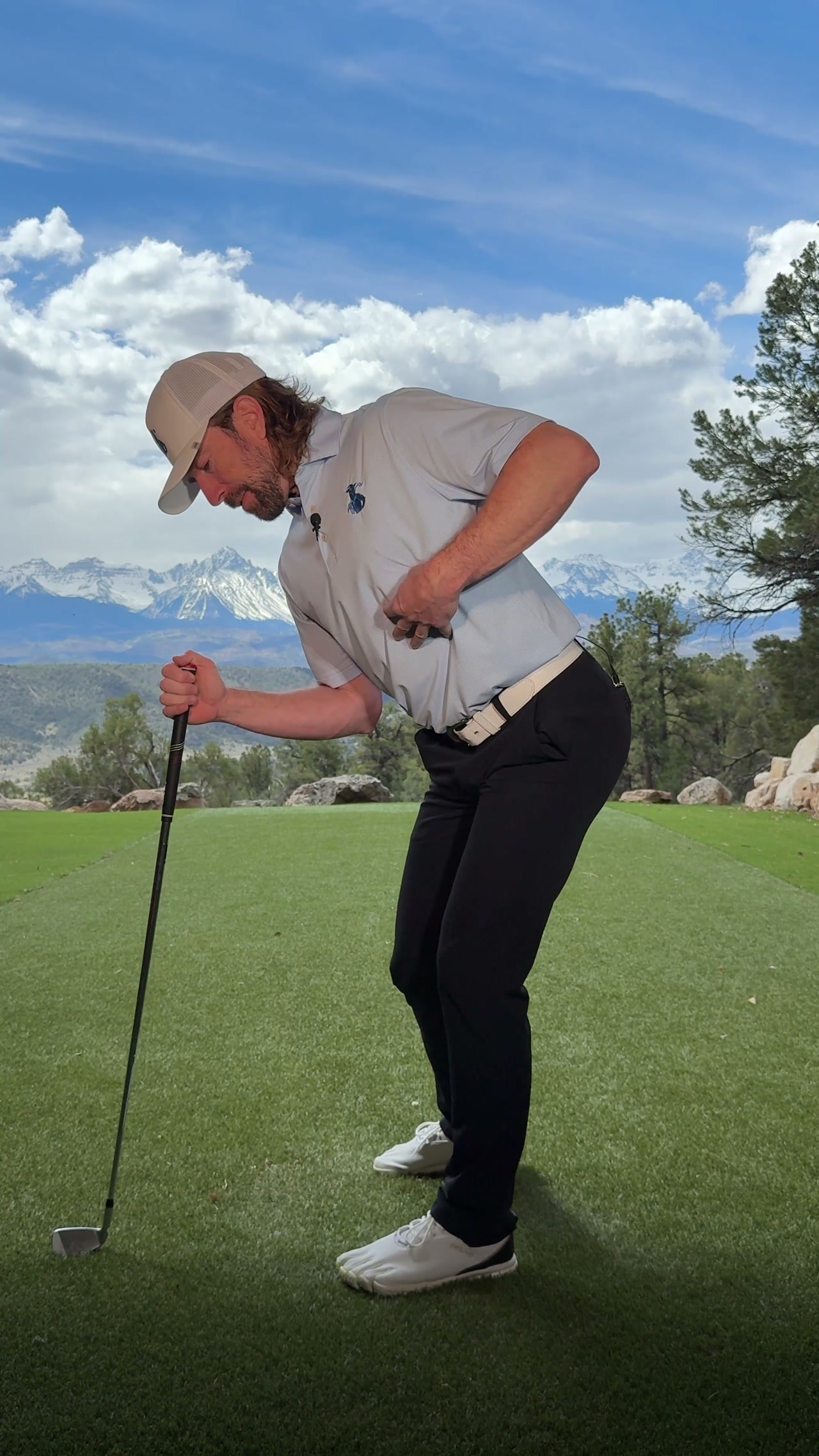
A very simple way to start to correct overactive arms in the swing is to stick a headcover under your lead arm and hold it there as you make some swings. For a trail-hand dominant golfer, the lead arm is the one closest to the target — the arm that needs to stay close to the chest to maintain proper connection throughout the entire motion.
Is this the fault costing you strokes?
Film one swing on your phone. In about a minute GOATY measures it and names the single biggest thing costing you strokes — free, no card.
Analyze My Swing Free
Related: How AI detects early extension in real time →
Android users: Download GOATY on Google Play — free AI golf coaching on your Android phone. →
You're looking for a feeling of connectedness. You don't have to clamp down on it tightly, but if you feel like you have to work hard just to keep it from falling out, this drill is probably exactly what you need. That struggle is your body telling you that your arms have been doing too much independent work, separating from the core rotation that should be driving every shot.
Stop reading about it — feel it in your swing today
GOATY watches your swing live and coaches you between every rep. Free. No signup.
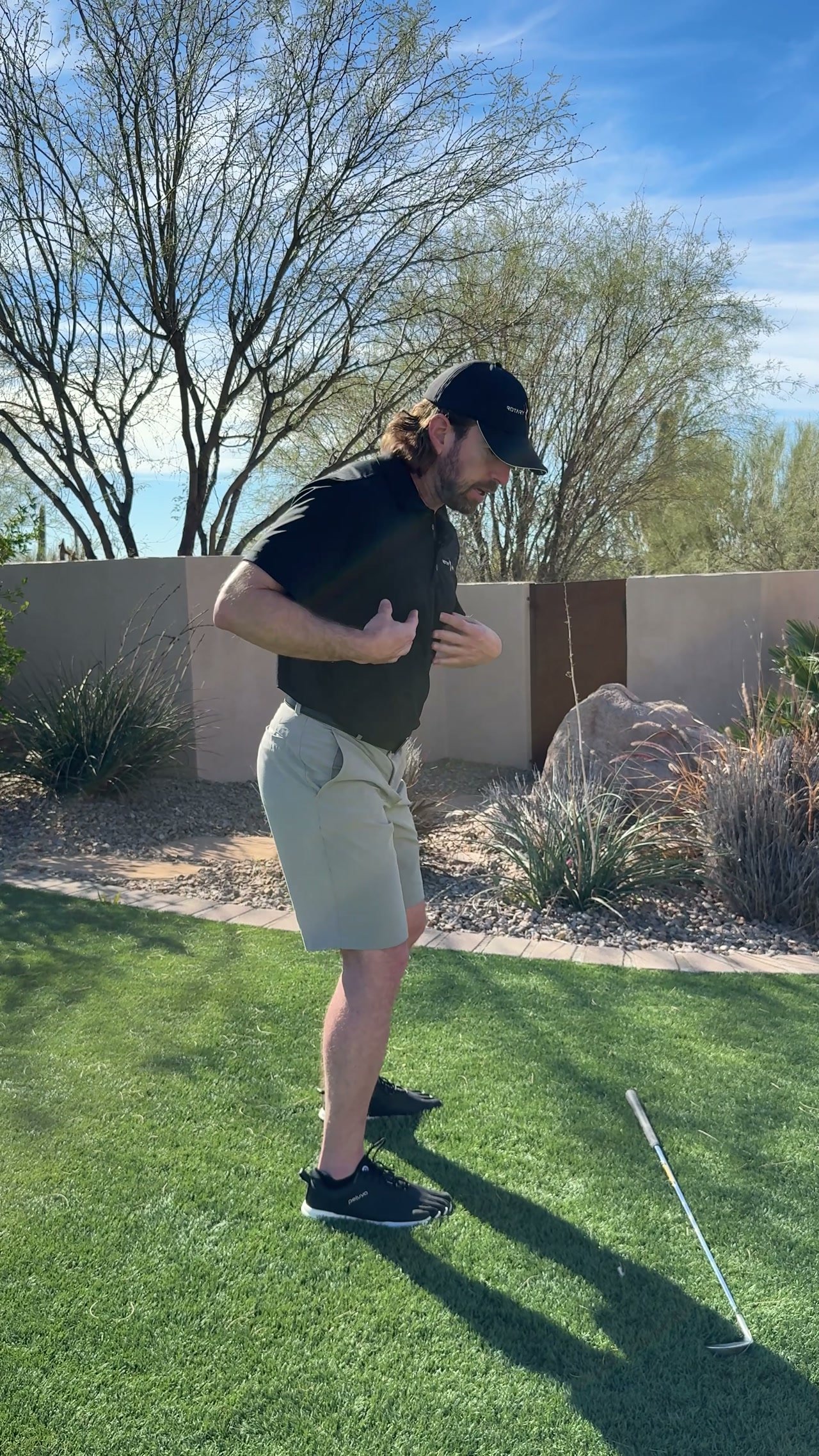
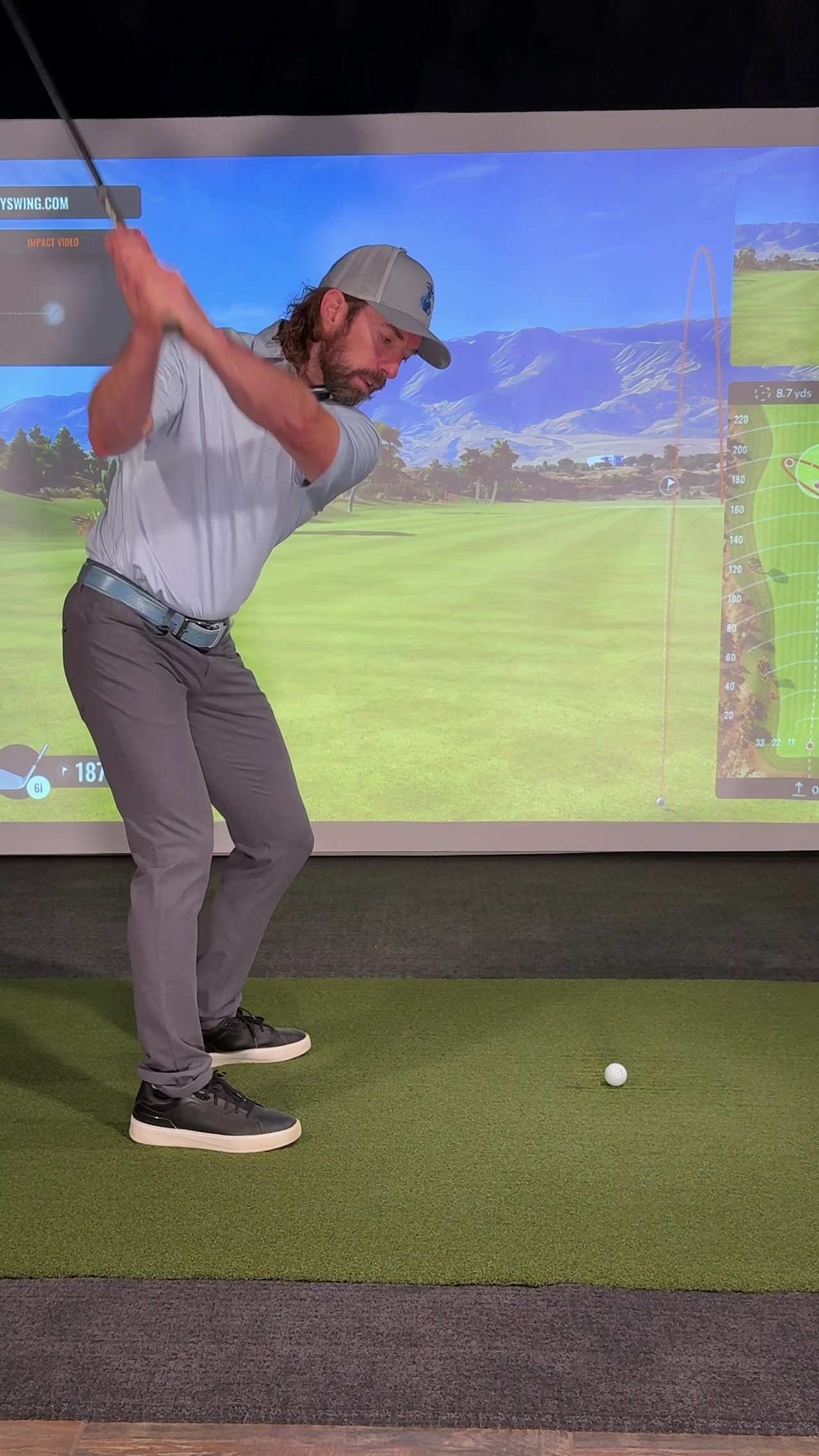
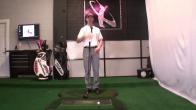
Start Your FREE Live Lesson →Start out by putting the headcover under your lead arm and then just rotate your body back and through. Feel how the arm stays pinned against the chest as your torso winds and unwinds. So far so good!

Rotate back and through with the headcover held under your arm
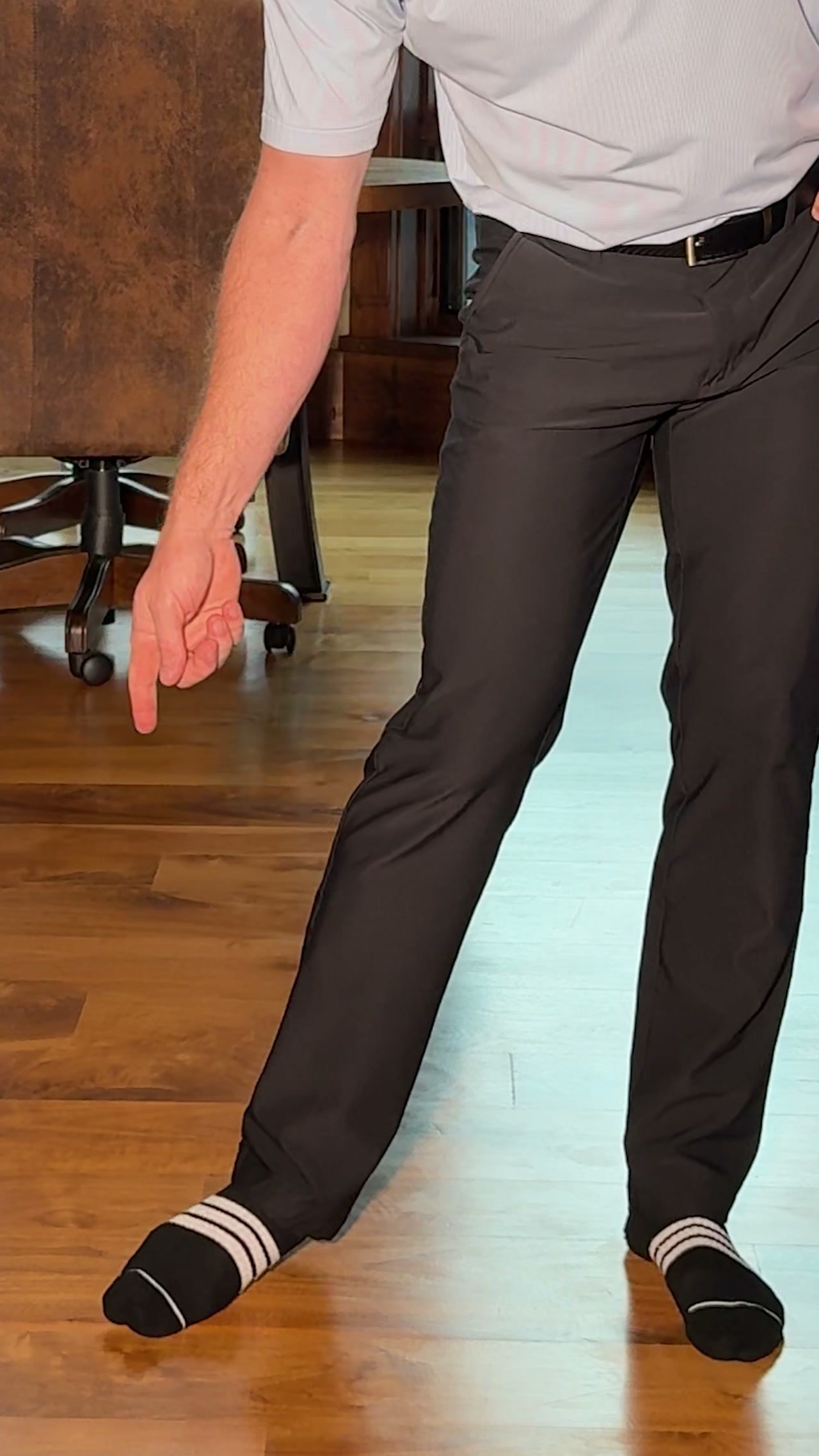
Of course, when you go to make a full golf swing your arm will work a little bit across your chest and a little bit back. This natural movement is fine — what you want to eliminate is the arms separating aggressively from the body, which is the root cause of so many swing faults including early extension, loss of posture, and casting the club.
The goal is to keep that connected feeling and hit with your body. You should feel like you're hitting with your chest. If you stop turning you'll lose control of your arms, allowing them to fling out in front of you and drop the headcover. This is the instant, honest feedback that makes this one of the most valuable golf swing drills available. Tools like the AI swing analyzer can help you see on video exactly when your arms are disconnecting from your torso, giving you a clear picture of what this drill is training you to fix.
Try a free live lesson with GOATY
GOATY, my AI golf coach, watches your swing through your phone camera and coaches every rep. Free, about 20 minutes, no credit card.
Start Small and Always Be Turning
Start out by hitting little punch shots to get the correct feeling. Make some very small swings to get used to the sensation of rotating all the way through the shot. Small swings are ideal here because they let you focus entirely on the sensation of connection without worrying about power or ball flight.
You should feel like you're always turning. It's when you stop turning that your arms and hands will want to release aggressively through the shot and you'll drop the headcover. This is the core lesson: continuous body rotation is what keeps the arms organized and in sync. The moment the body stalls, the arms take over — and that's when swing breakdowns happen.
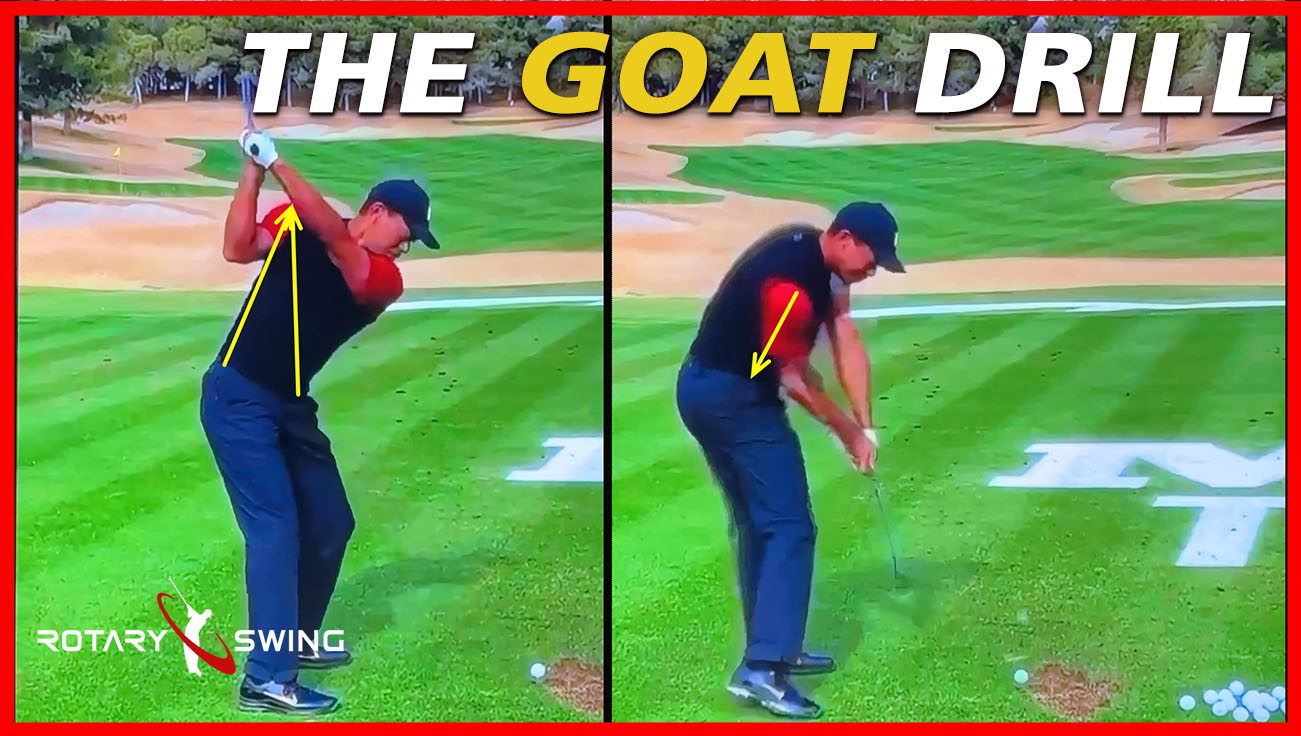
As you get more comfortable you can hit more shots, and hit them harder. You can work all the way up to full swings. This progressive approach to the drill is exactly how the GOAT Drill system builds movement patterns — starting with controlled, slow-motion repetitions before gradually layering in speed and full effort.

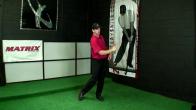
Now make some small swings with the headcover held in place
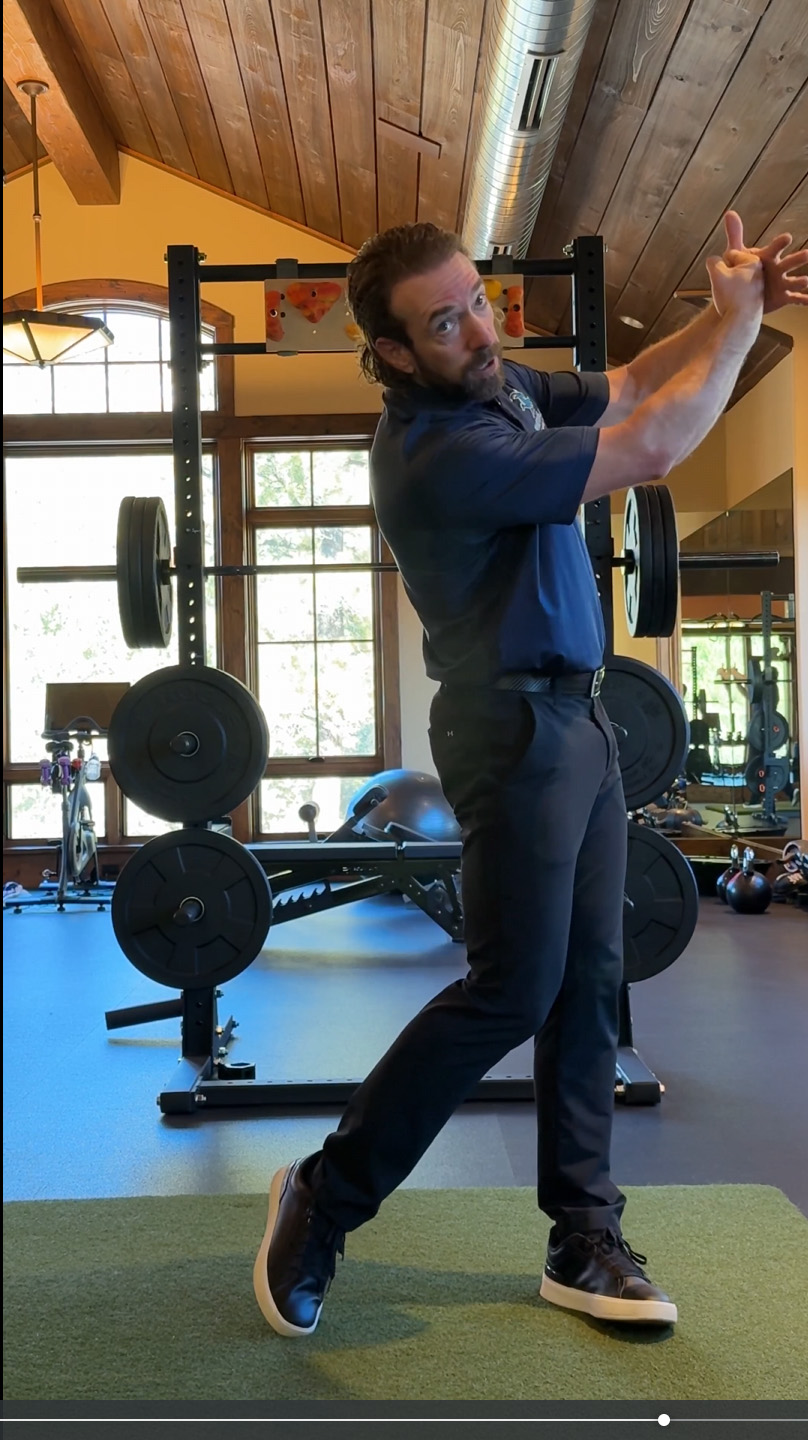
Eventually you'll get to the point where you can make a full power golf swing and not drop the headcover from under your arm. When that happens, you'll have genuinely trained your body to use rotational power rather than arm force to generate clubhead speed.
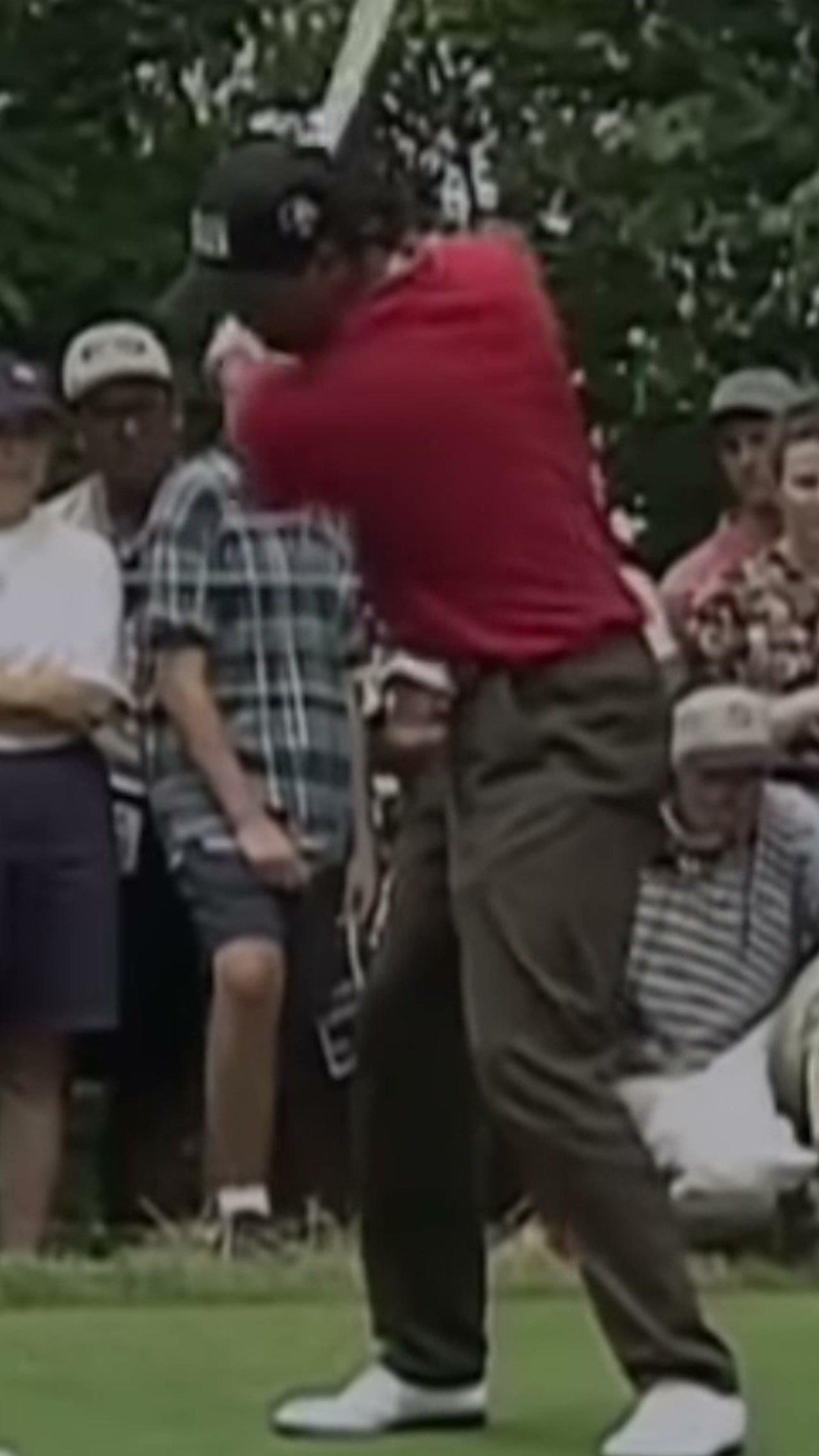
Now, it's not necessarily critical that you keep it clamped in there throughout the entire swing like Vijay Singh used to do in his practice sessions.
Especially at first, keeping that headcover in place throughout the shot is a great way to groove the sensation of continuing to rotate through the shot and keeping the arms passive. The early stages of building any new movement pattern require repetition and clear feedback, and the headcover drill delivers both in a way that is immediately intuitive.
As you become more comfortable with what this drill is teaching you and you begin to take longer swings, it's OK if the headcover falls out after impact, once everything is working through. By that point, the impact position has already been established correctly, with the body leading the arms into the ball rather than the arms racing ahead of the body rotation.

Now make some small swings with the headcover held in place
The goal is to get a feeling for the power you get from rotating and using your big muscles to hit through the ball. This is one of the great revelations of proper swing mechanics — the arms do far less work than most golfers assume, and the real source of distance and consistency is the organized, sequenced rotation of the lead shoulder, chest, and hips.
Try It With the Trail Arm Too

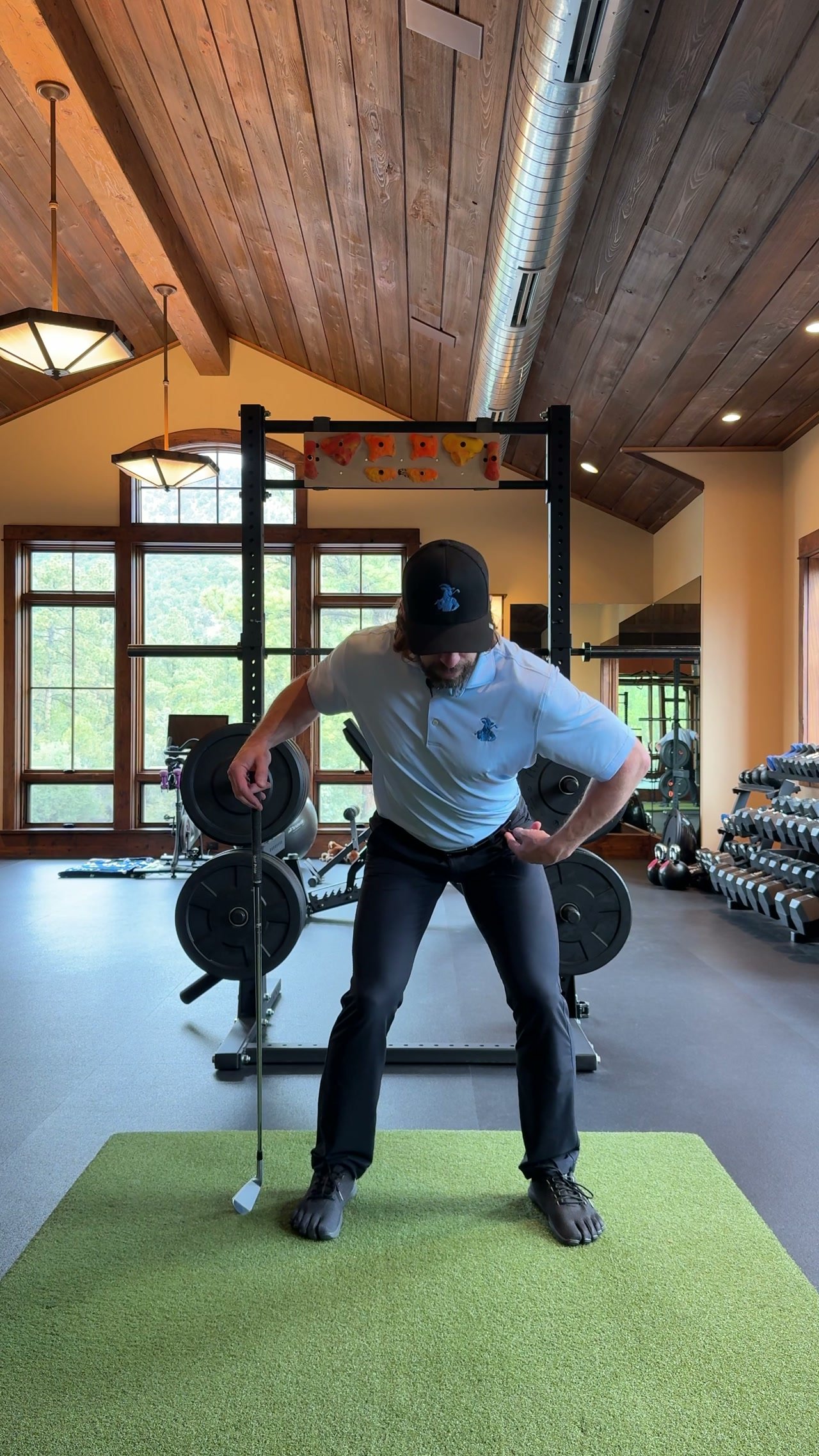
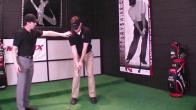
The headcover falls out if you lift too high
If you struggle dramatically with the arm swing, you might want to go ahead make some small swings with headcovers under both arms, to practice staying very connected through the shot. This two-headcover version is particularly challenging and reveals just how much arm independence has crept into your swing over time.
The headcovers provide instant feedback as you practice; you'll know right away if your arms start to come away from your chest. This kind of immediate, undeniable feedback is exactly what accelerates skill development — there is no ambiguity about whether you succeeded or failed on any given rep.
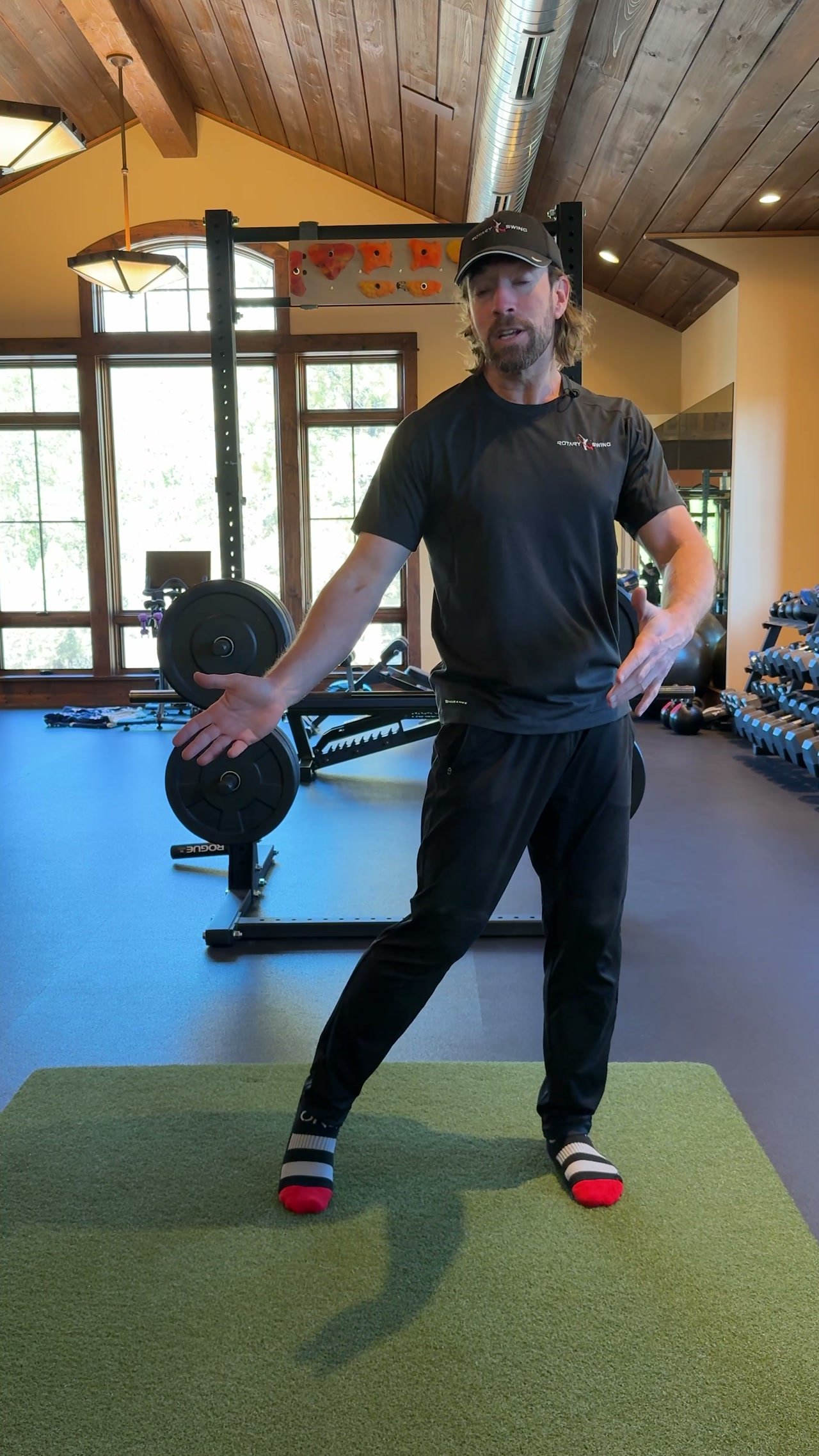
They do work a little bit back and a little bit through, but they should still always be connected to the body. Think of the arms as passengers on the rotating torso, not drivers of the club themselves.
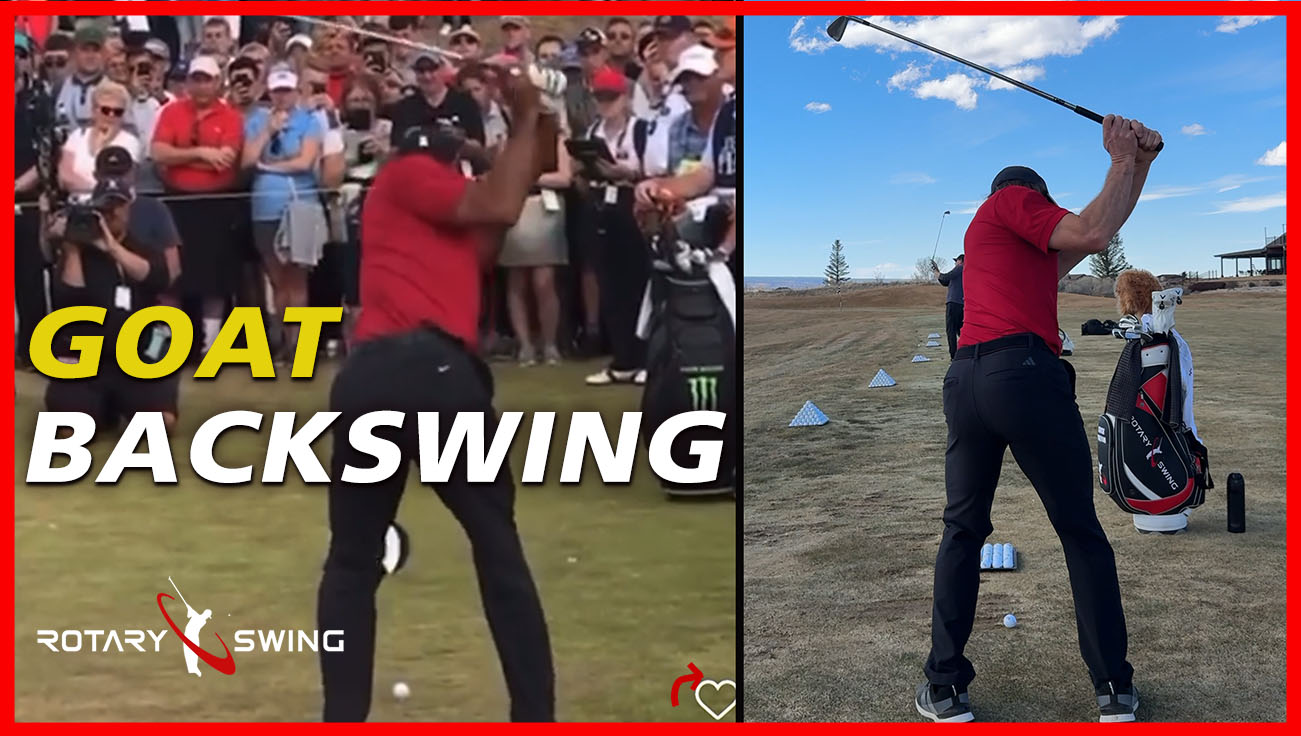
If you have a tendency to get the club very high on the backswing, use a headcover under your trail arm as a reminder not to lift your arms way above your head, which is a very bad thing in a one plane swing. An overly high arm lift breaks the connection, steepens the , and forces compensations through the hitting zone that destroy shot consistency.
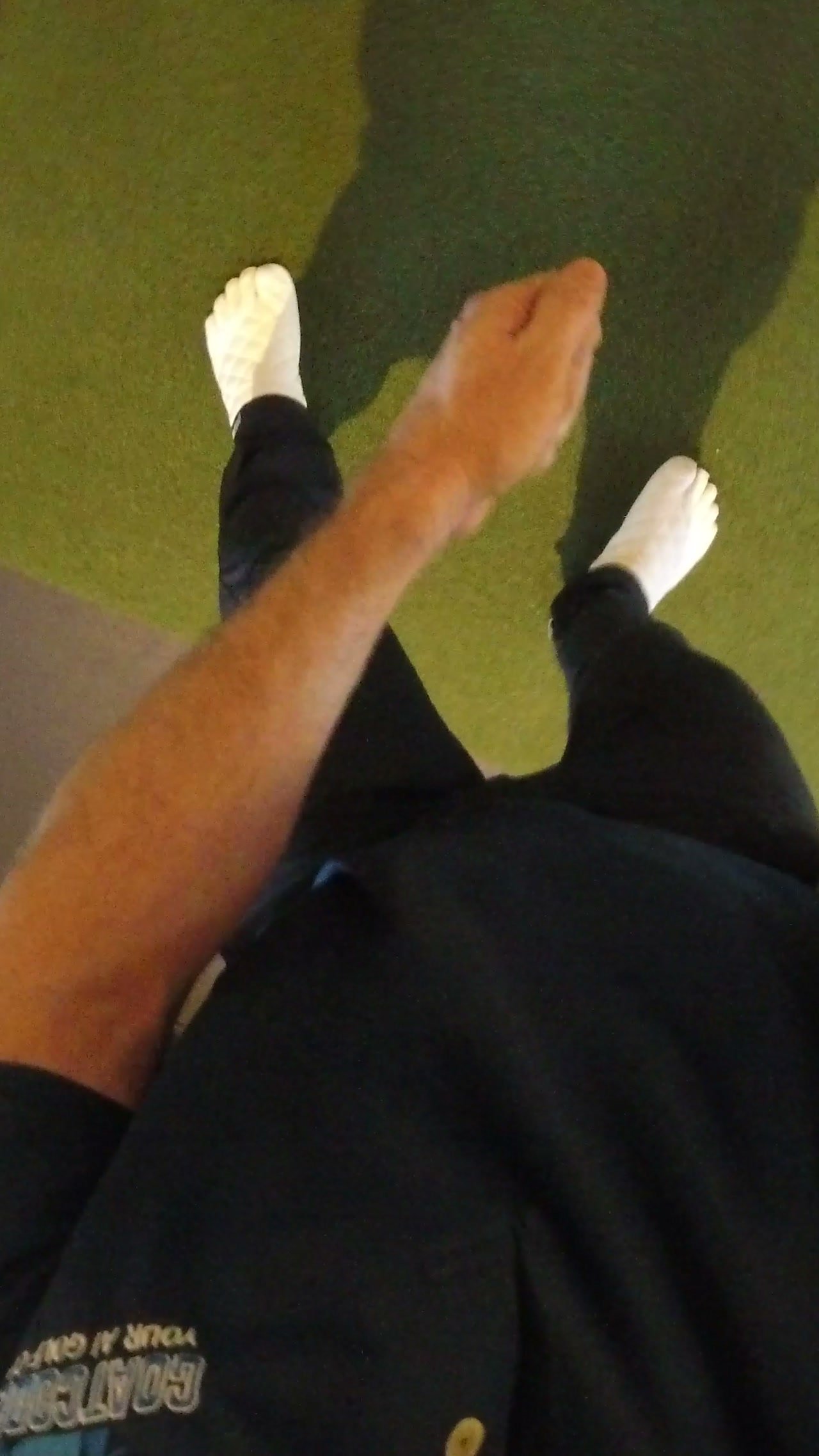
A headcover under the trail arm as you turn back will keep you connected through the backswing. You'll feel a gentle resistance as the arm stays pinned, which naturally limits the lift and encourages a more rounded, on-plane takeaway.
Learn to stay connected, keep your arms passive and keep turning through impact and you will hit very powerful, consistent shots with a lot less effort. When your arms work with the body instead of independently of it, the swing becomes repeatable, efficient, and surprisingly effortless feeling — even on full-power drives.
Watch part 2 now to see how you're moving your body in the opposite direction of the pros!