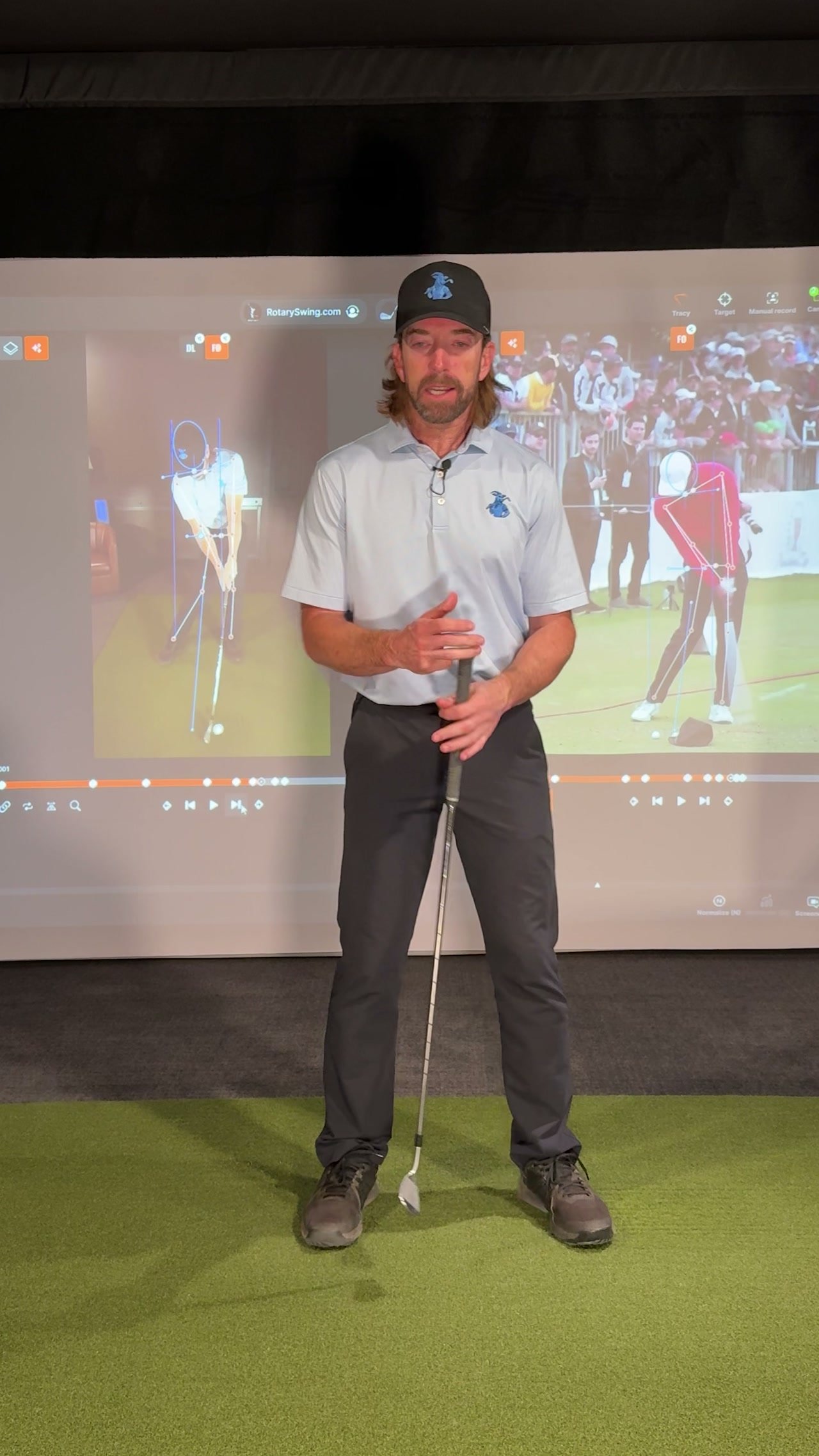
Have you ever attended a PGA Tour event or watched a truly elite player striking irons on the range? You may have noticed that the sound of a great player's ball striking is noticeably different — a sharp, compressed crack that sounds like a cannon coming off the club face.
Why does it sound so different from an average golfer? It all comes down to achieving proper compression on the golf ball, and that's exactly what we're covering today on Day 4 of the "9 Days to Amazing Ball Striking" series.
Is this the fault costing you strokes?
Film one swing on your phone. In about a minute GOATY measures it and names the single biggest thing costing you strokes — free, no card.
Analyze My Swing Free
Related: Golf impact position — how AI scores yours →
Android users: Download GOATY on Google Play — free AI golf coaching on your Android phone. →
- Do you swing harder and harder trying to gain more distance, but just end up launching the ball higher and higher instead?
- Do you struggle to generate enough backspin on your iron shots — have you ever spun a ball back on the green?
- Do you feel like you're flipping through impact rather than compressing the ball?
All of these frustrating issues stem from the same underlying problem.
Stop reading about it — feel it in your swing today
GOATY watches your swing live and coaches you between every rep. Free. No signup.
Start Your FREE Live Lesson →It's All About Loft at Impact

Flipping the club at impact - this is the problem we're here to solve
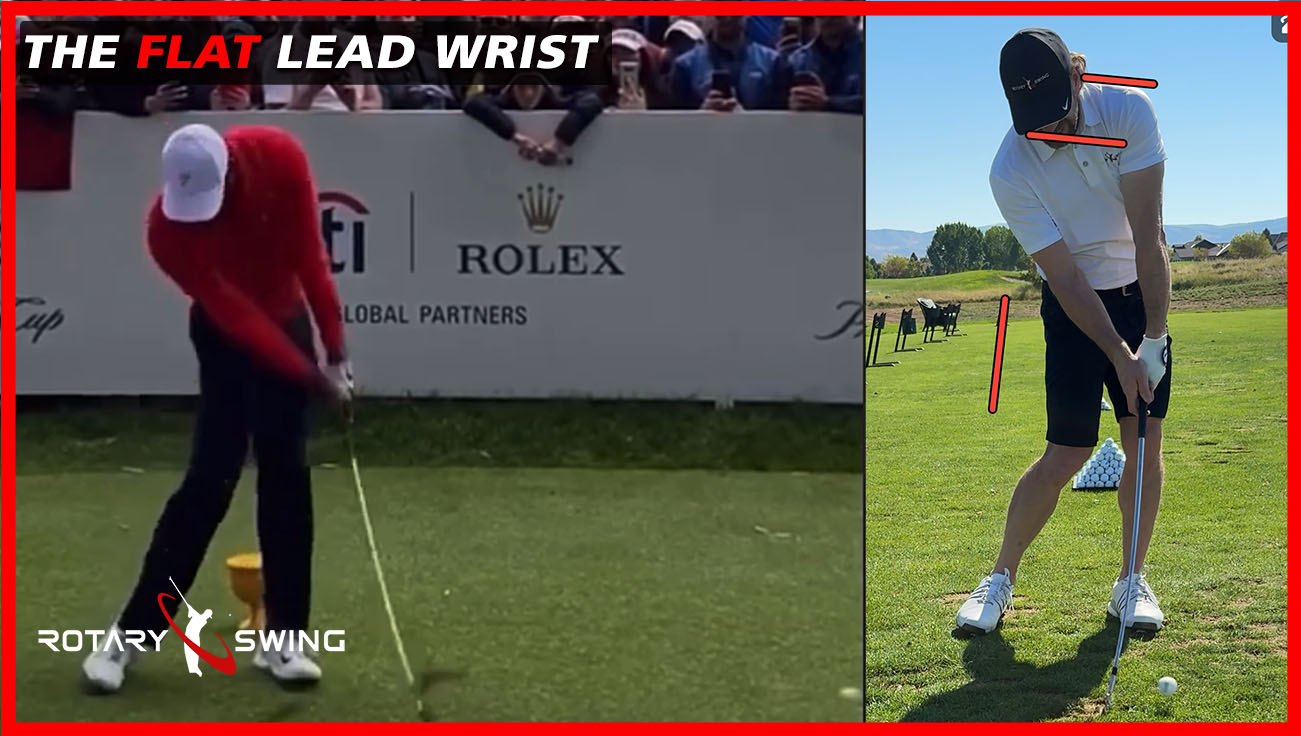
Everything comes back to delofting the club face, getting your hands in front of the club head at impact, and truly compressing the golf ball against the turf.
We're going to show you exactly how to achieve this, with step-by-step instructions so you can learn to compress a golf ball like you've never done before.
Day 4 focuses on using the left hand correctly to create forward shaft lean at impact, deloft the club head, and generate the kind of compression that separates great ball strikers from everyone else. This is how the pros generate seemingly effortless distance.
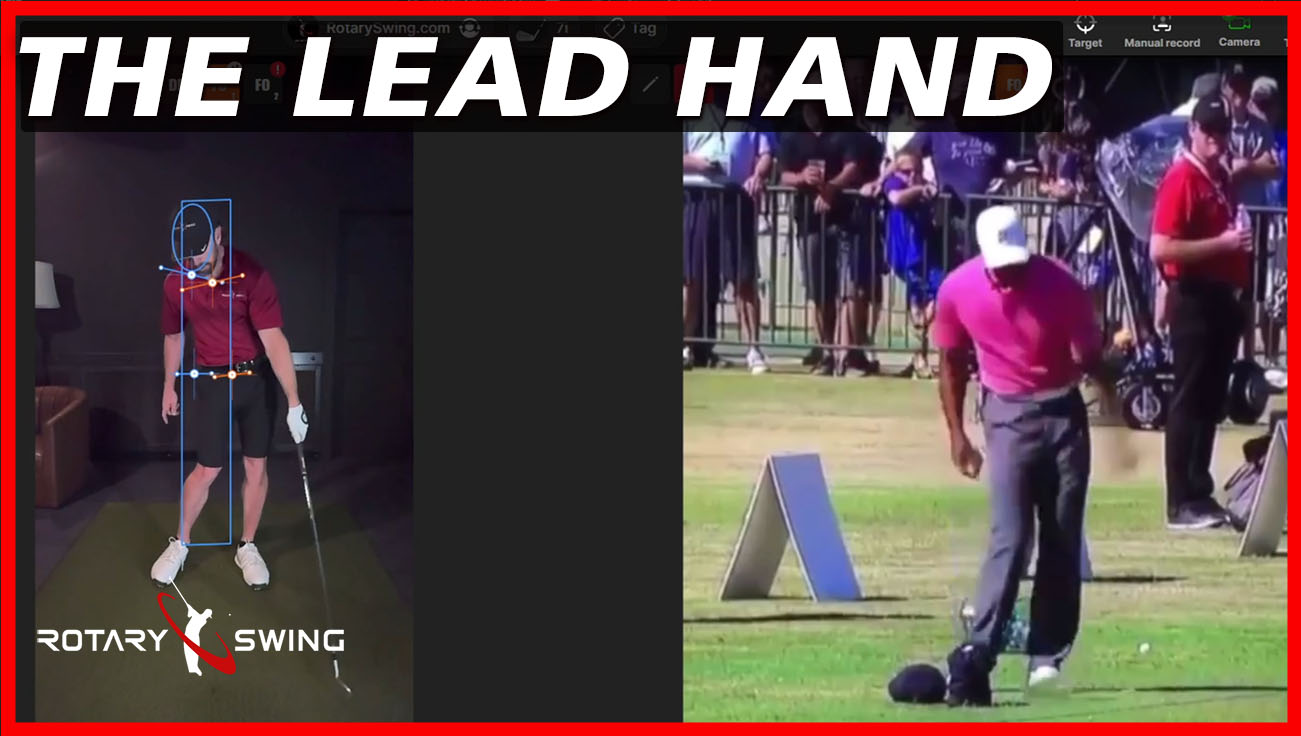
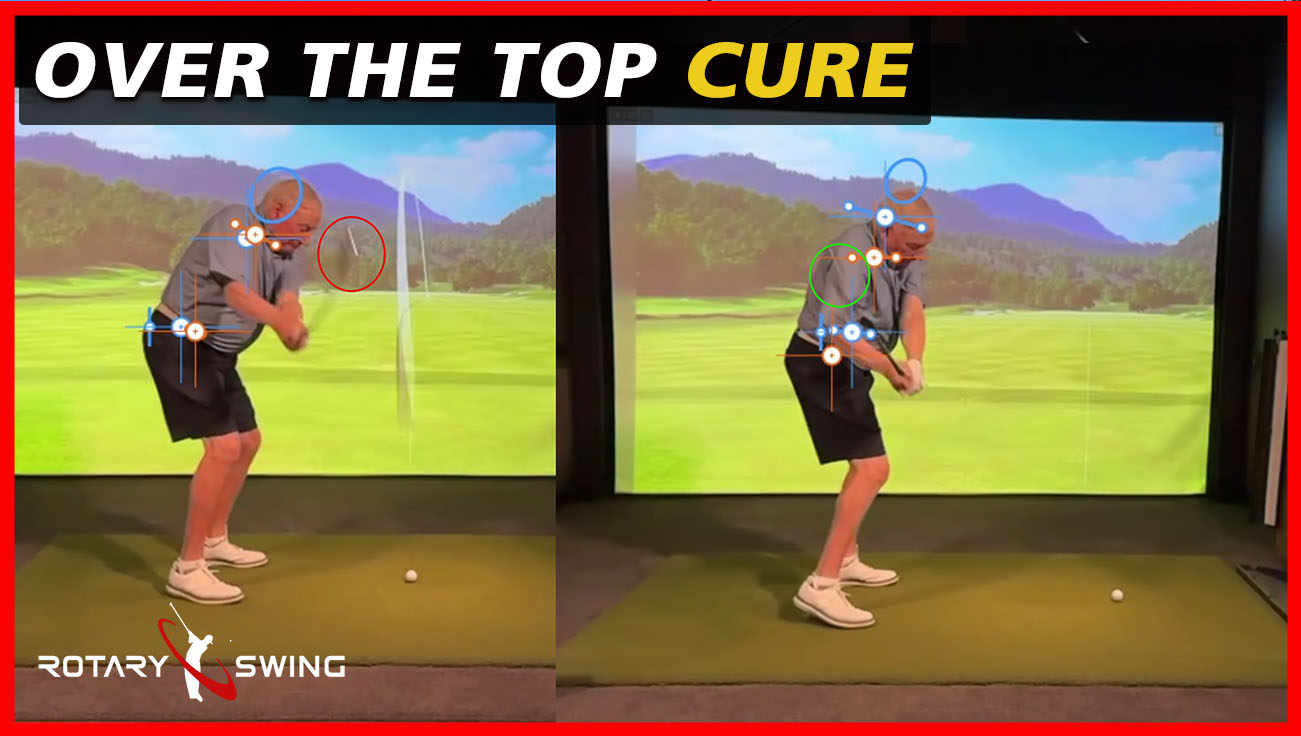
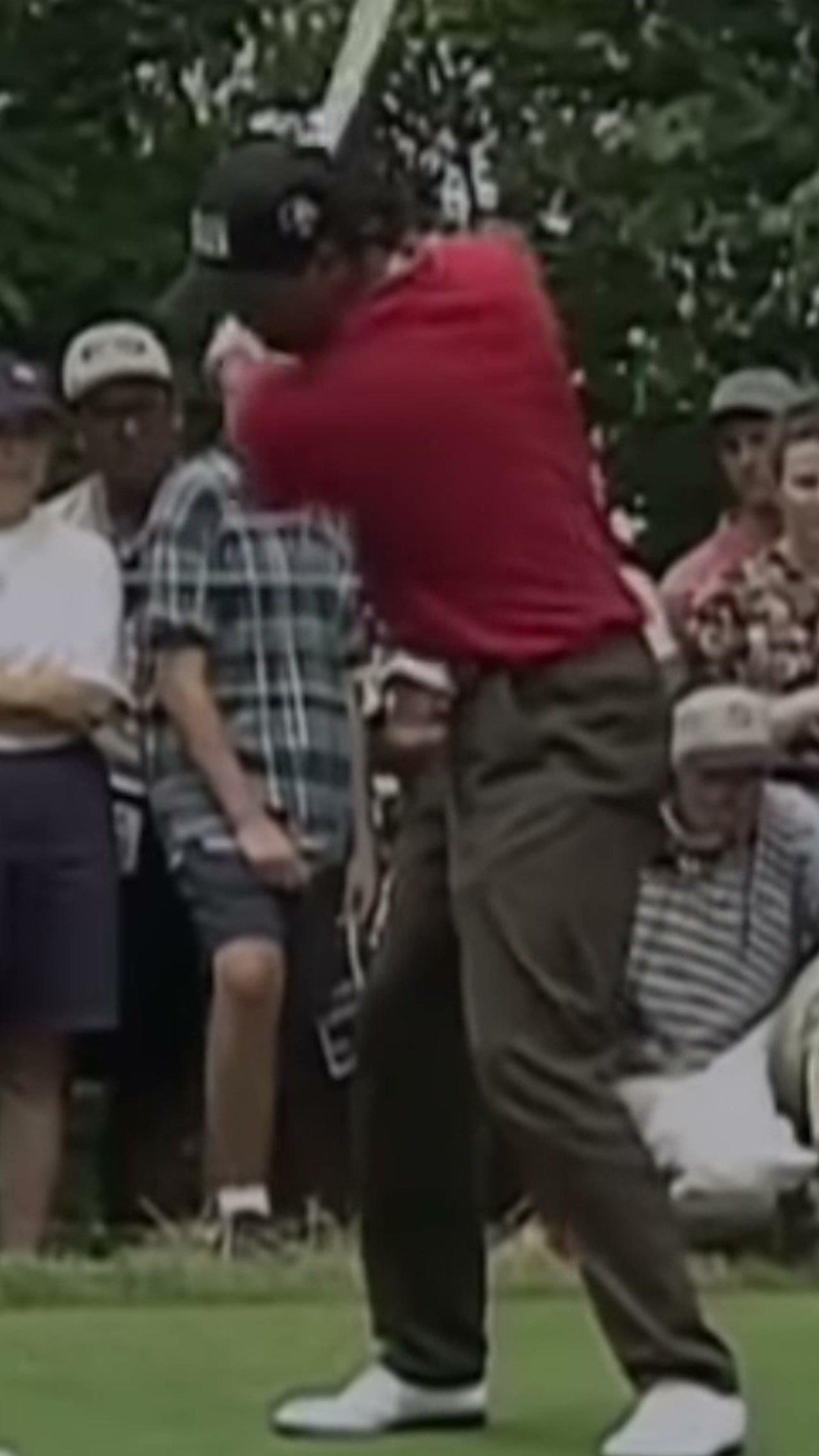
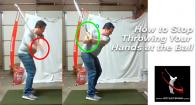
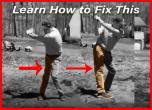
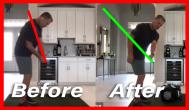
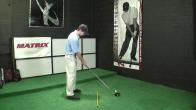
If you're flipping the club through impact and your hands are behind the club head — like the photo at left — you're actually adding loft to the club. You're taking a face that already has a designed loft angle and increasing it further.
No matter how hard you swing, you're never going to hit the ball far if you're adding loft at impact. You need to get your hands leaning forward, position the left wrist correctly, and deloft the club face through the impact zone.
When you successfully deloft the club, you're essentially transforming an 8 iron into a 6 iron at impact. That's the mechanism behind compression and distance. Here's exactly how to develop this critical skill.
Step 1: Bow the Wrist in the Downswing
We'll begin by working on the left hand only, without a club in your hand.
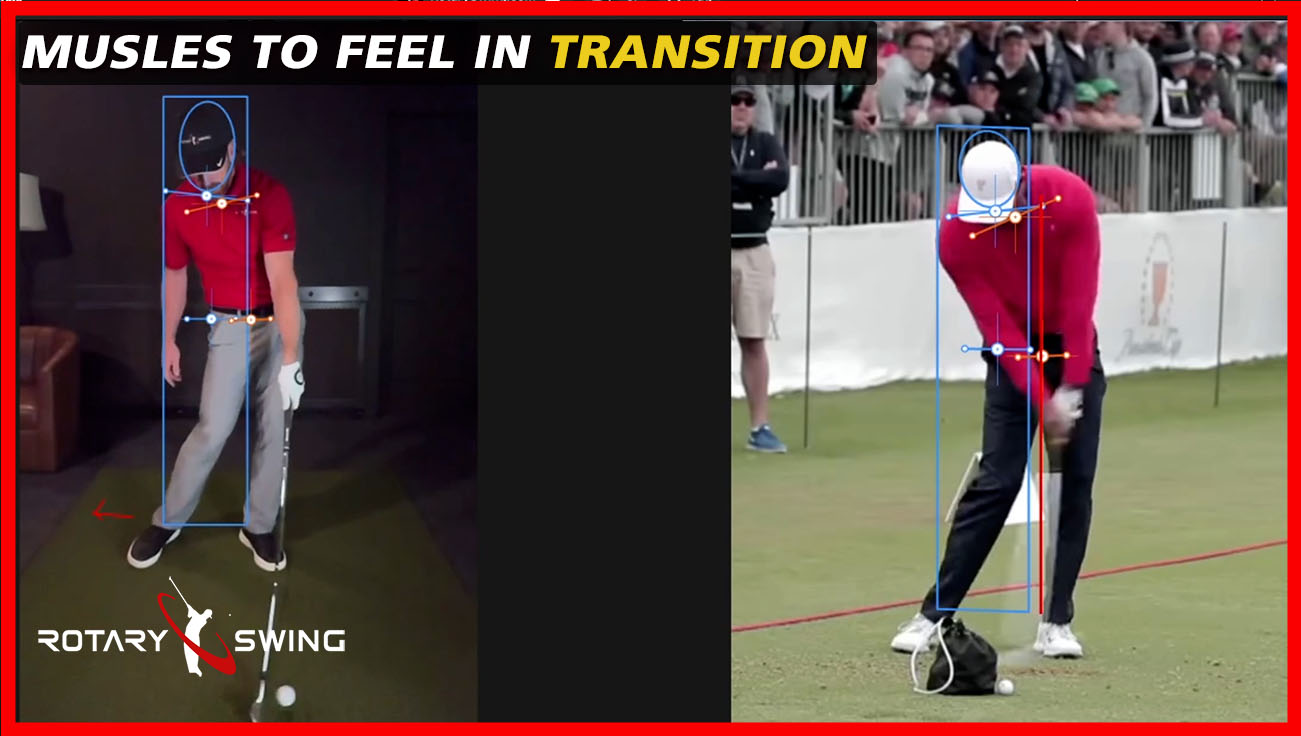
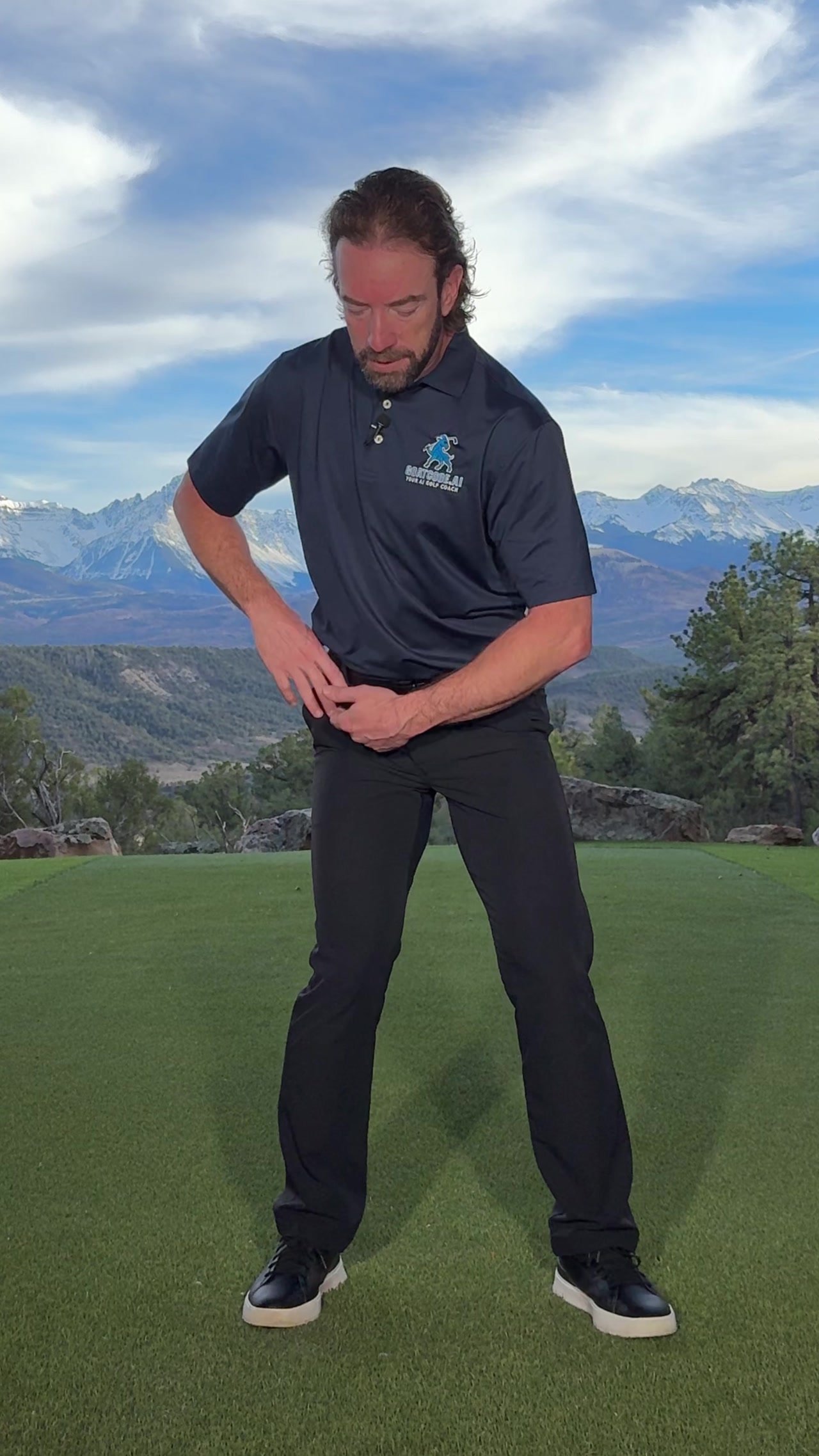
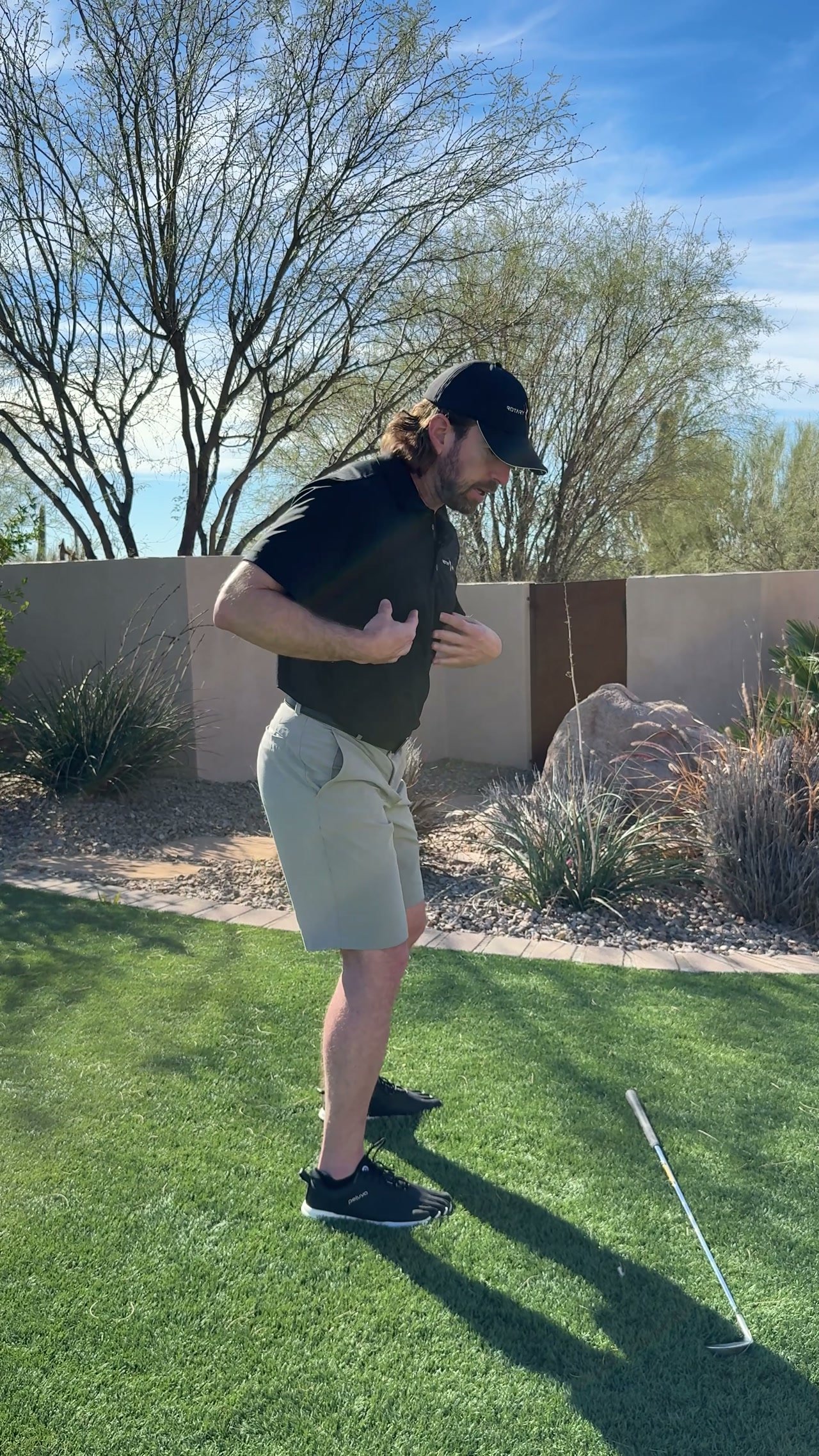
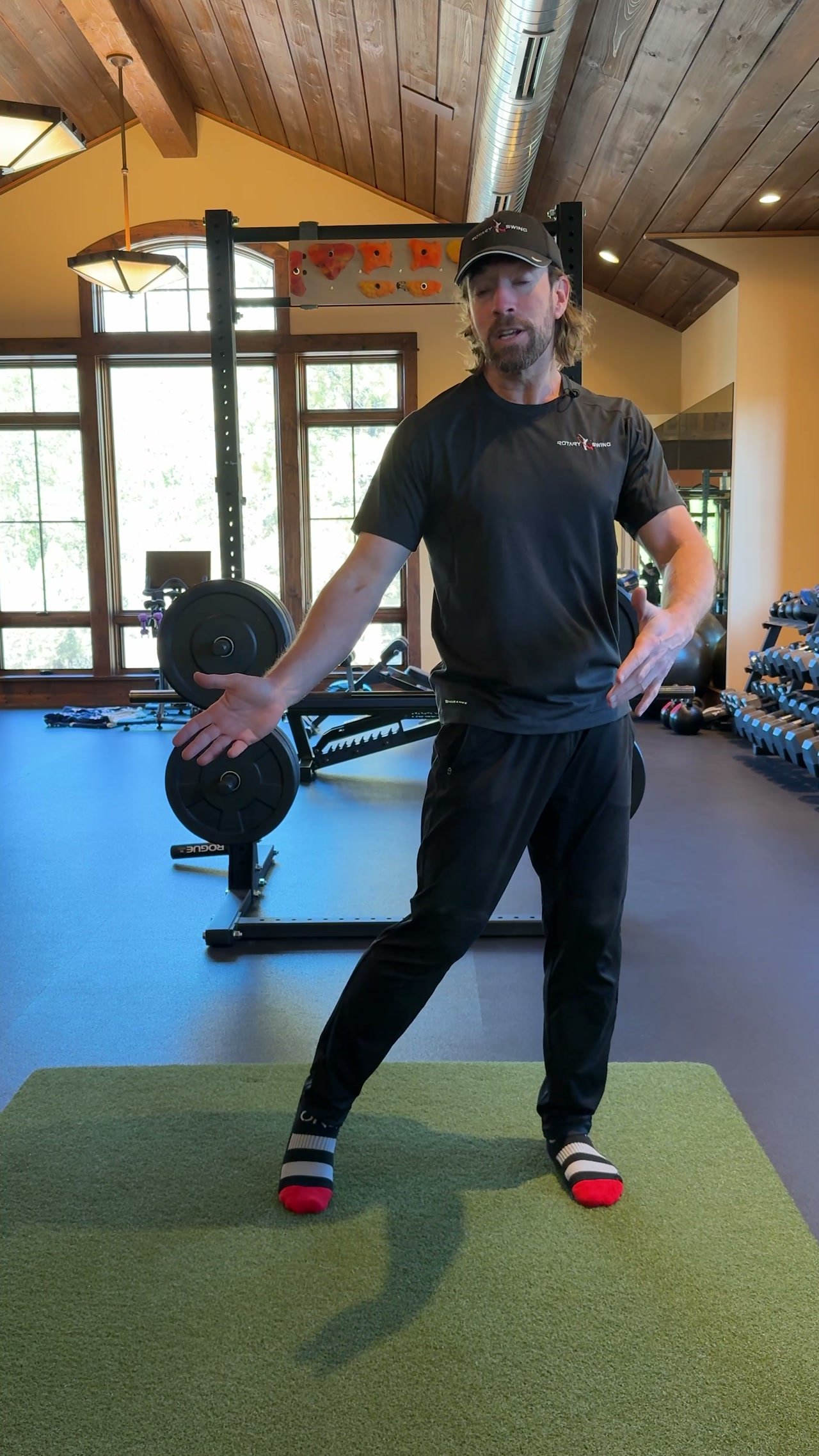
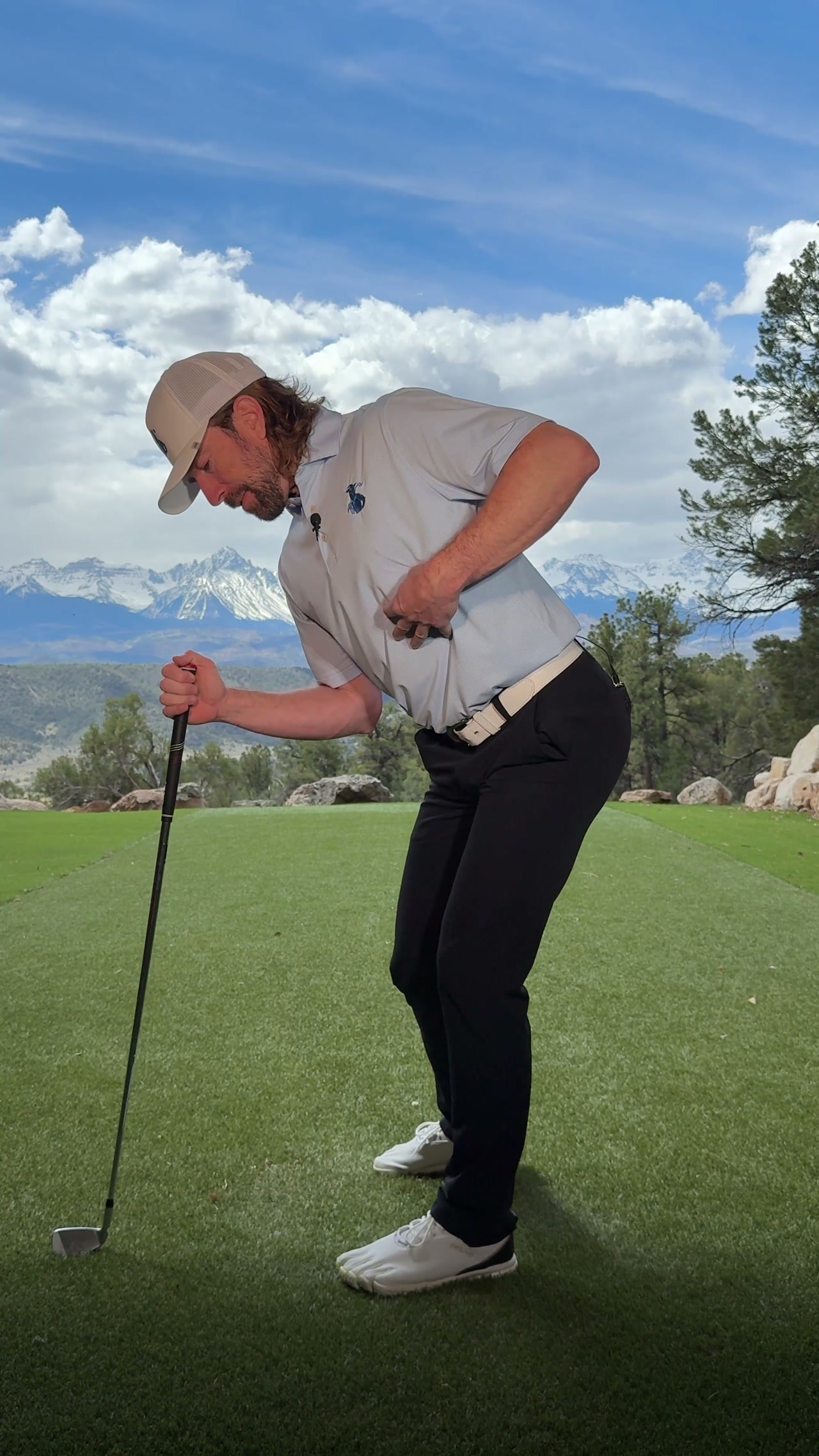
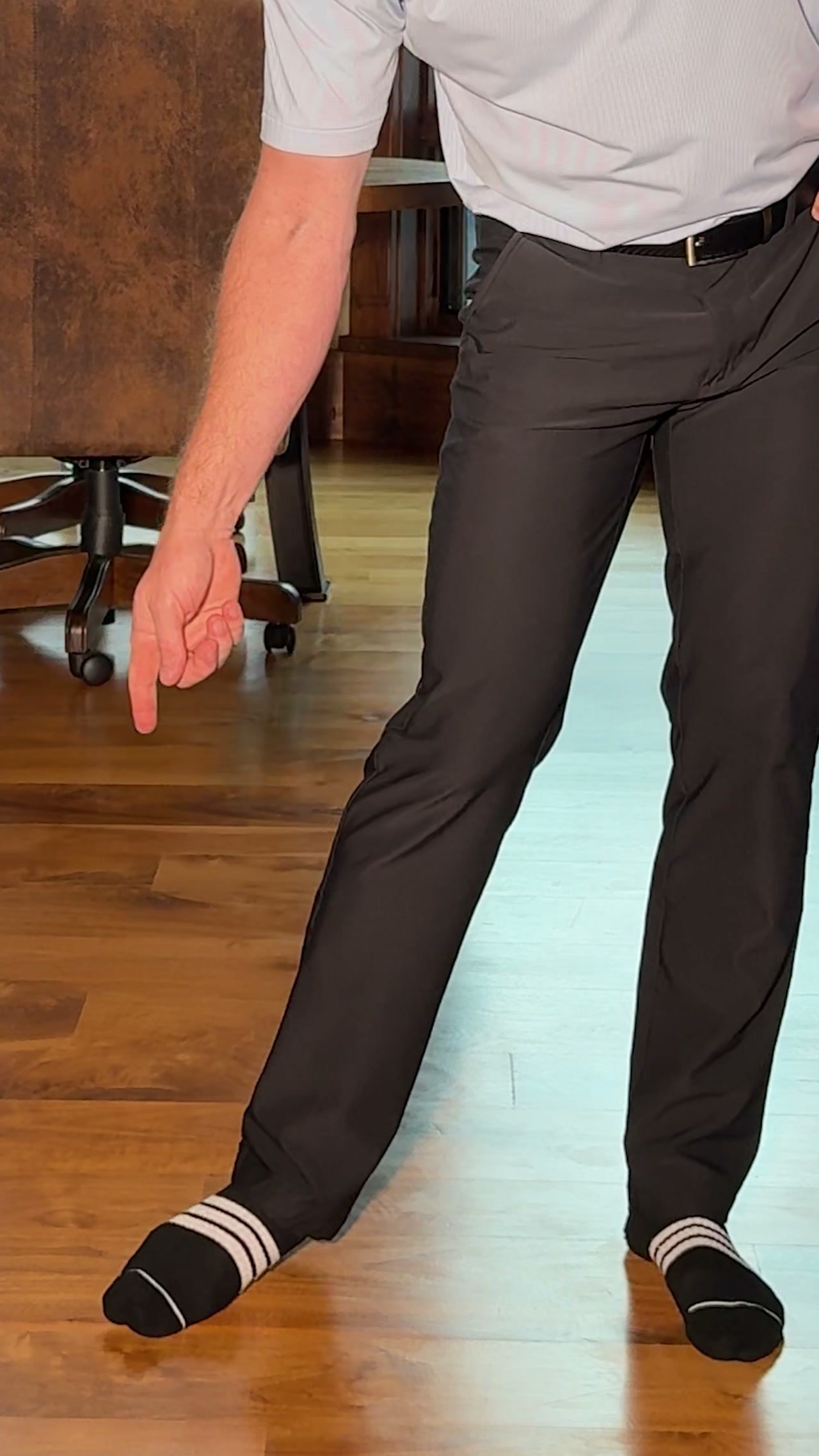
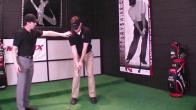
Get into a simulated impact position. Set up in neutral joint alignment and bump your weight forward onto your front foot. Your left ankle, hip, and shoulder should be stacked vertically — creating the powerful position you want to achieve at impact.
Let your left arm hang naturally. Then, keeping your weight on your left side (70-80% on your left foot), turn back as if you were going to shake someone's hand.

Get into impact position, turn back as if to shake hands, then allow the left wrist to bow with the momentum of the downswing
Keep your left wrist nice and flat during this backswing motion. You're not bowing it yet — just maintain a flat, neutral position at approximately waist height.
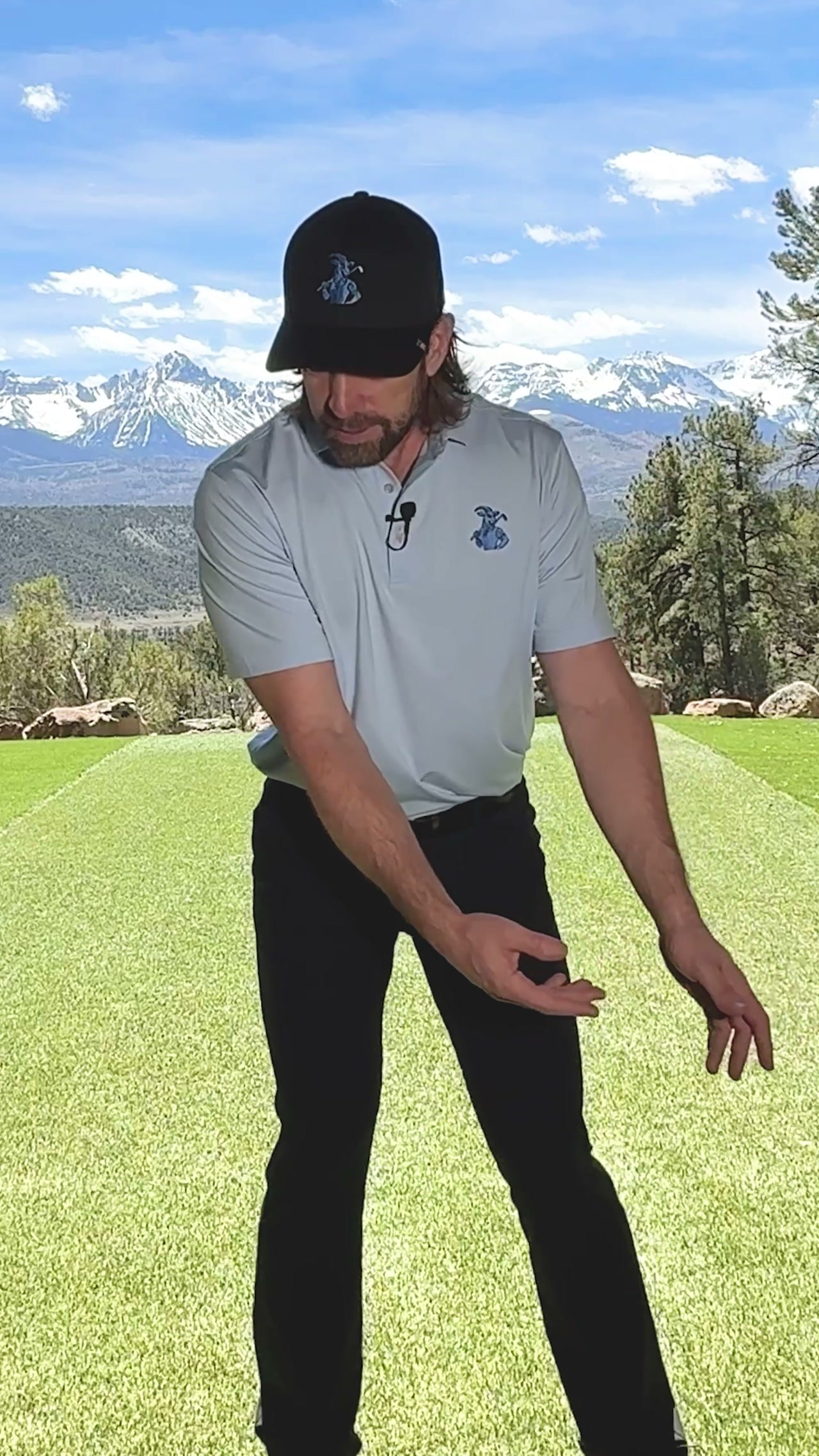
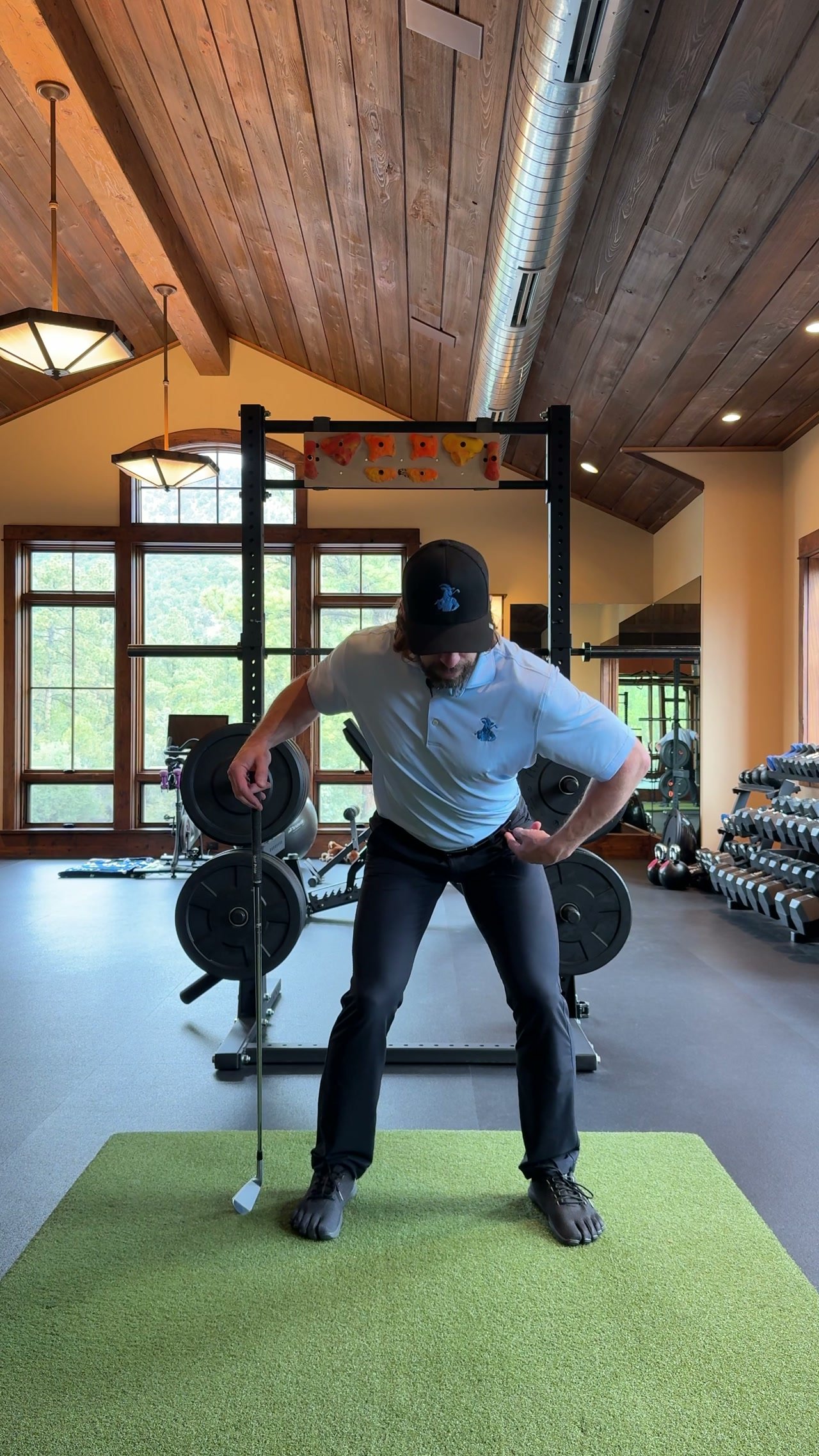
Now, with your weight already forward, let your wrist stay very soft as you initiate the downswing motion. Let the momentum of your left arm swinging down naturally bow your left wrist forward.
Try a free live lesson with GOATY
GOATY, my AI golf coach, watches your swing through your phone camera and coaches every rep. Free, about 20 minutes, no credit card.

Wrist bows in downswing
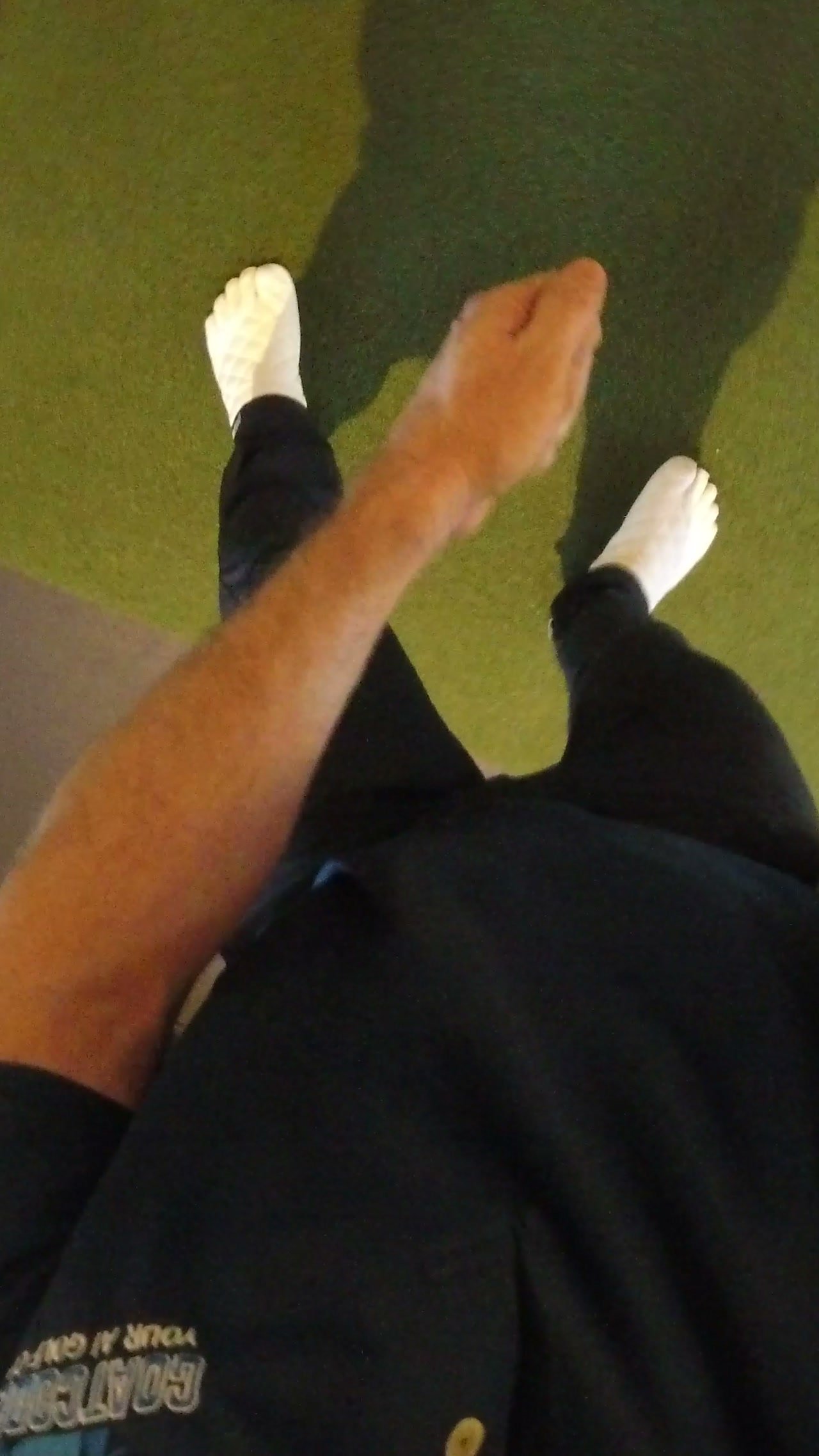
As you return to the impact position with your left arm hanging straight down, the logo of your glove should point directly toward the ground.
Repeat the sequence: keep your weight left, turn back, bring your left hand to waist height with the wrist flat — then allow the downswing momentum to bow it forward.
It's critical that you don't bow the wrist during the backswing. Doing so would drive the club too far inside on the actual swing. Keep the wrist perfectly flat going back — as though you're reaching to shake someone's hand.
As you swing back down, allow the left wrist to bow forward with the natural momentum of your arm, so the glove logo points straight down at the ground by the time you reach impact.
Complete this drill 20 times. It's worth watching the video for this lesson a couple of times to confirm you're executing every element correctly, and filming yourself to verify it looks the way it should. Seeing it on camera makes an enormous difference in your learning speed.
Once you're confident in the movement and have completed 20 repetitions, progress to Step 2.
Step 2: Repeat With Club & Impact Bag
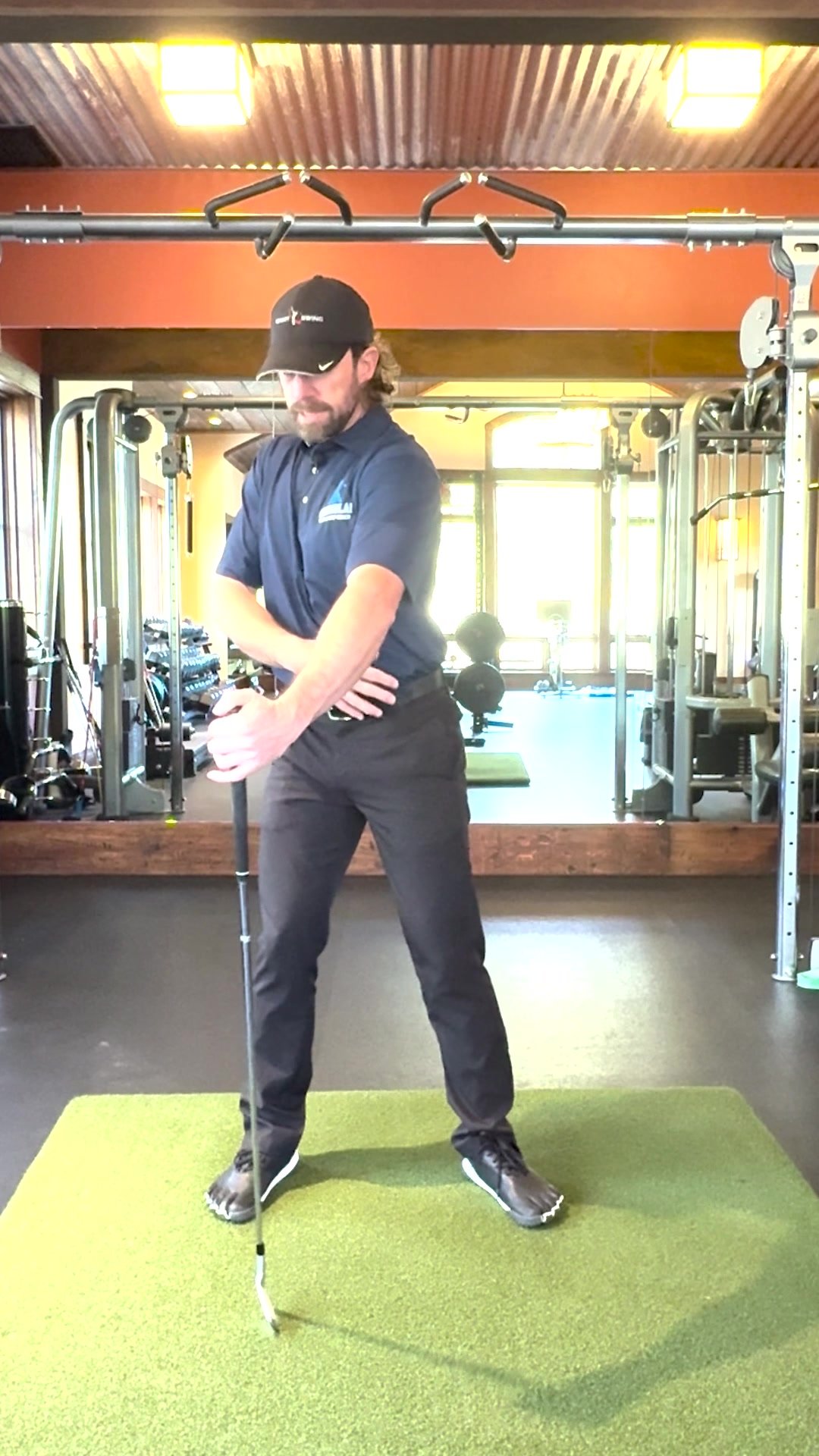
In Step 2, you'll repeat the same movements while making mini swings with a club into an impact bag. Hold the club in your left hand with a nice neutral grip. The face should be perfectly vertical at address.

Neutral grip (above) vs. strong grip (below)
You may be tempted to adopt a very strong grip, rotating your left hand aggressively to the right on the handle.
While a stronger grip would certainly help deloft the club, it would prevent you from using your arms correctly in the golf swing. Maintain a proper neutral grip throughout this drill.
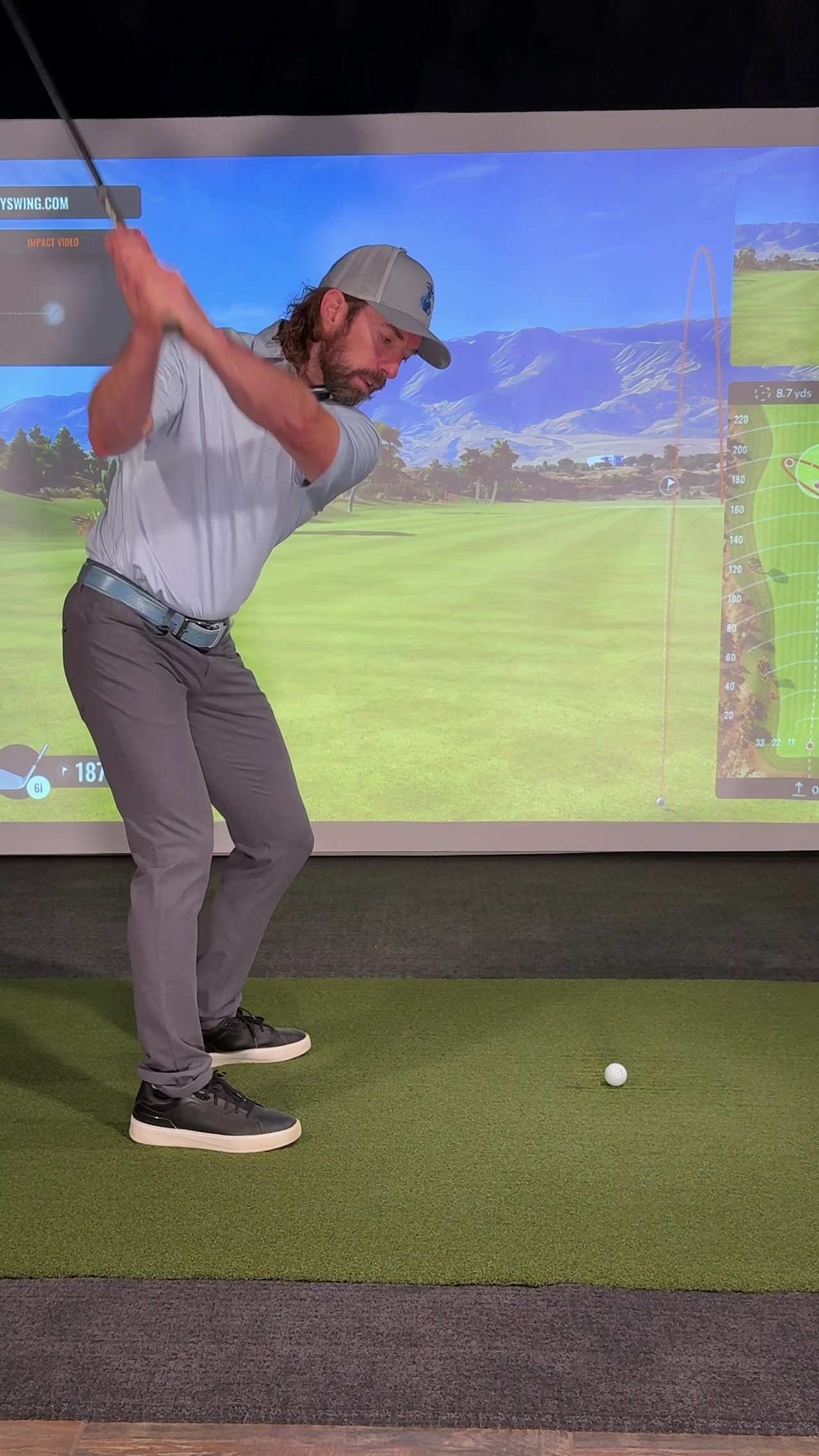
Preset your weight on the left side, exactly as before. Turn back to waist height keeping your wrist soft, then allow it to bow forward with the momentum of the club as you change direction into the downswing.
As you swing down, your left wrist should feel as though it's driving the handle toward the ground. The glove logo will face the ground as you arrive at the impact position.
Look down at your club face — you'll see that you've removed virtually all the loft and created significant forward shaft lean. This is what real compression looks like.
This is a deliberately exaggerated position, and that's exactly what you need when developing this skill. We push the movement to its extreme so your body internalizes the feel of proper ball compression — producing extremely low, penetrating shots like the stinger you might see elite tour players hit in competition.

Allow the momentum of the downswing and the weight of the club to bend your left wrist
Repeat the sequence: weight on the left, half backswing with a flat left wrist, then let the wrist bow forward as you change direction so the glove logo drives toward the ground.
Stop and Check Your Position
After each rep, stop at impact and verify that your club face is square as it contacts the impact bag.
Hit the bag, then look down at the club face to confirm it's perfectly aligned — not twisted open or closed.

Check at impact
A common issue golfers encounter when first practicing this drill: if you're not accustomed to creating forward shaft lean, you'll tend to bow the wrist forward correctly but leave the face wide open.
If that happens, you'll start hitting shots way out to the right. The fix is simple — recall what you learned in the Day 2 draw lesson and roll your wrist slightly counter-clockwise to square the face.
Once everything is dialed in, complete 20 repetitions with the impact bag, focusing on maximum deloft while keeping the face square. Then you're ready to start hitting shots. If you want immediate feedback on your shaft lean at impact, try a free AI golf lesson that tracks your wrist position in real time.
Step 3: Left Arm Mini Swings

Wrist flat in backswing
For this step, you're still using the left arm only. Set up a pair of alignment rods with something across the top — we've used a foam swimming pool noodle — to create a horizontal target that the ball must fly beneath.
Your goal is to hit shots that stay under the noodle, proving you've achieved genuine deloft.
Take three steps back so you're approximately nine feet from your target, then start making swings. Concentrate on executing the exact same movements you practiced with the impact bag.
Remember — we're deliberately over-exaggerating at this stage. If you execute correctly, you'll be stripping virtually all the loft off the face through impact, and the ball will stay extremely low to the ground.

Hit the ball under the noodle
Complete 10 repetitions from nine feet: go back with your left wrist flat, then allow the club's momentum to bow the wrist forward through impact.
The ball should stay remarkably low — barely clearing the ground on its way to the target.
Once you've completed 10 reps at nine feet, take two additional steps back so you're approximately 15 feet away from your target.
With an 8 iron, hitting the ball under a waist-high noodle from 15 feet requires serious deloft. It will take focused practice to achieve consistently.
When you can hit 10 balls under the noodle from this distance, you're ready for full swings.
Step 4: Full Swings for Maximum Compression
Once you can consistently hit balls under the noodle from both 9 and 15 feet, put both hands on the club and begin hitting full shots.
Remove the noodle setup and use the horizon as a visual reference to gauge your ball flight trajectory.

Hit full shots
Before starting the drill, hit a couple of normal swings and watch the ball against the horizon to establish your typical trajectory. Pick out a cloud or reference point at the apex of your normal ball flight.
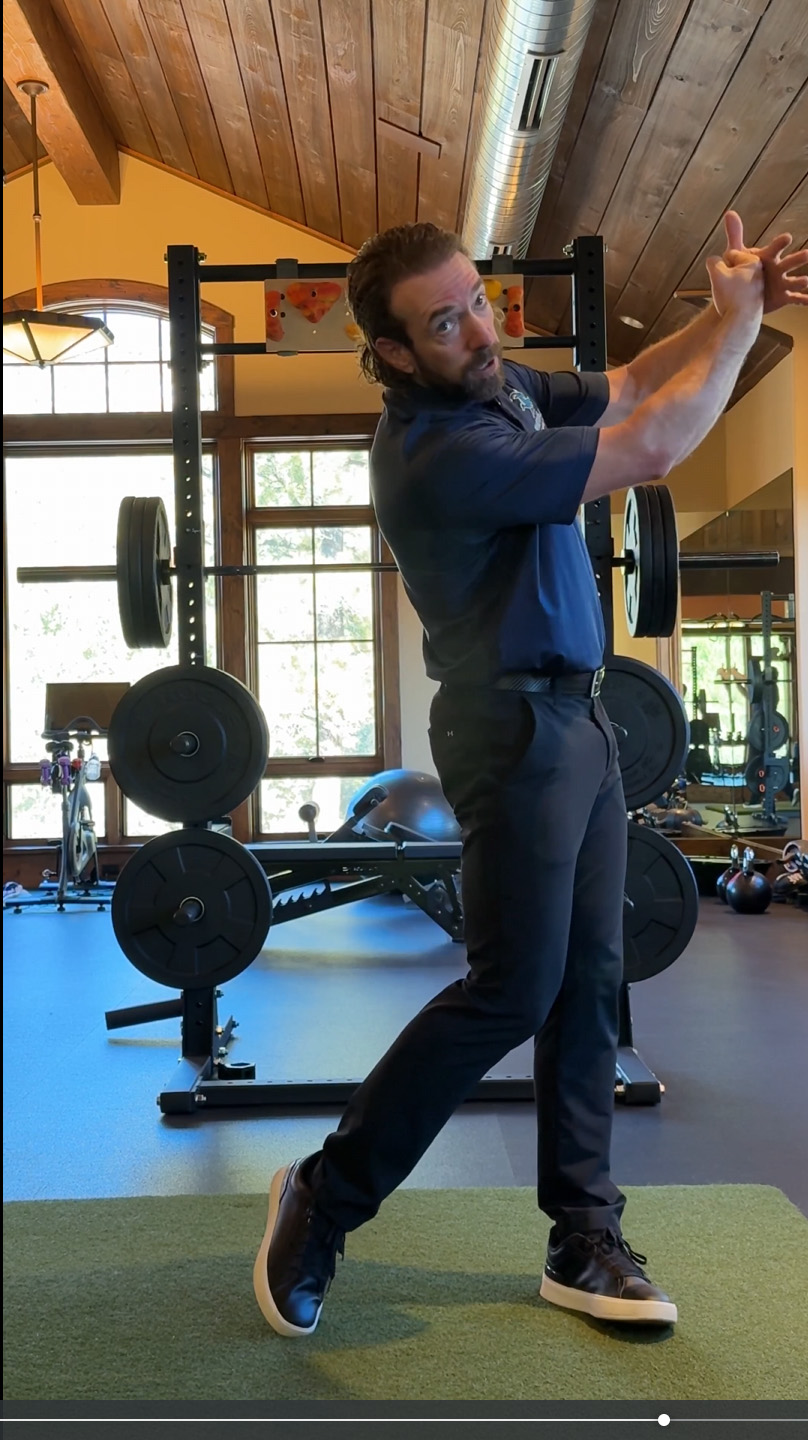
Now hit 20 full shots attempting to cut that trajectory height in half. You should feel a dramatically different compression as you deloft the club face through impact.
Practicing these low, penetrating shots will give you far greater control — especially when playing in windy conditions. You'll generate significantly more spin and compression on the ball, and you'll have a shot in your arsenal that the majority of amateur golfers never develop. You can also use a free AI swing analysis to verify your impact position matches elite standards.
Watch part 2 now to see how you're moving your body in the opposite direction of the pros!