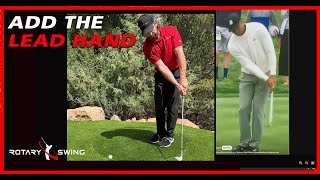
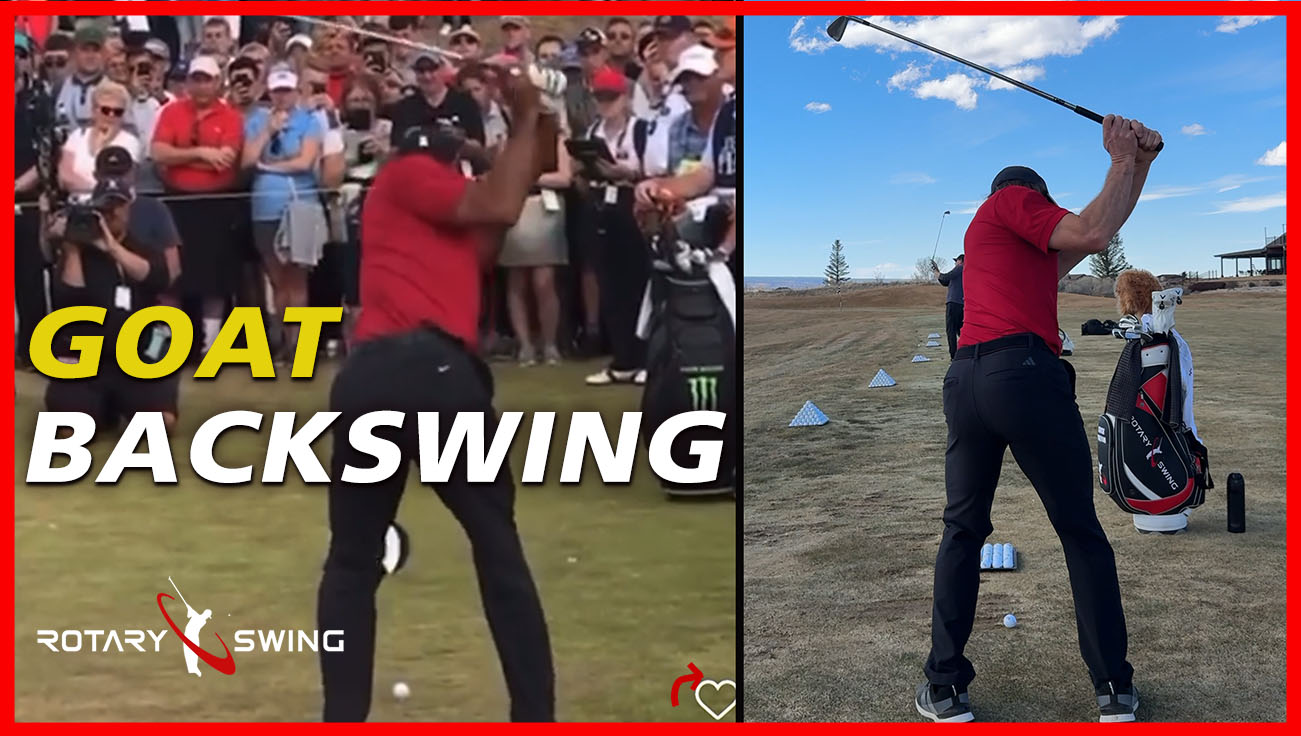
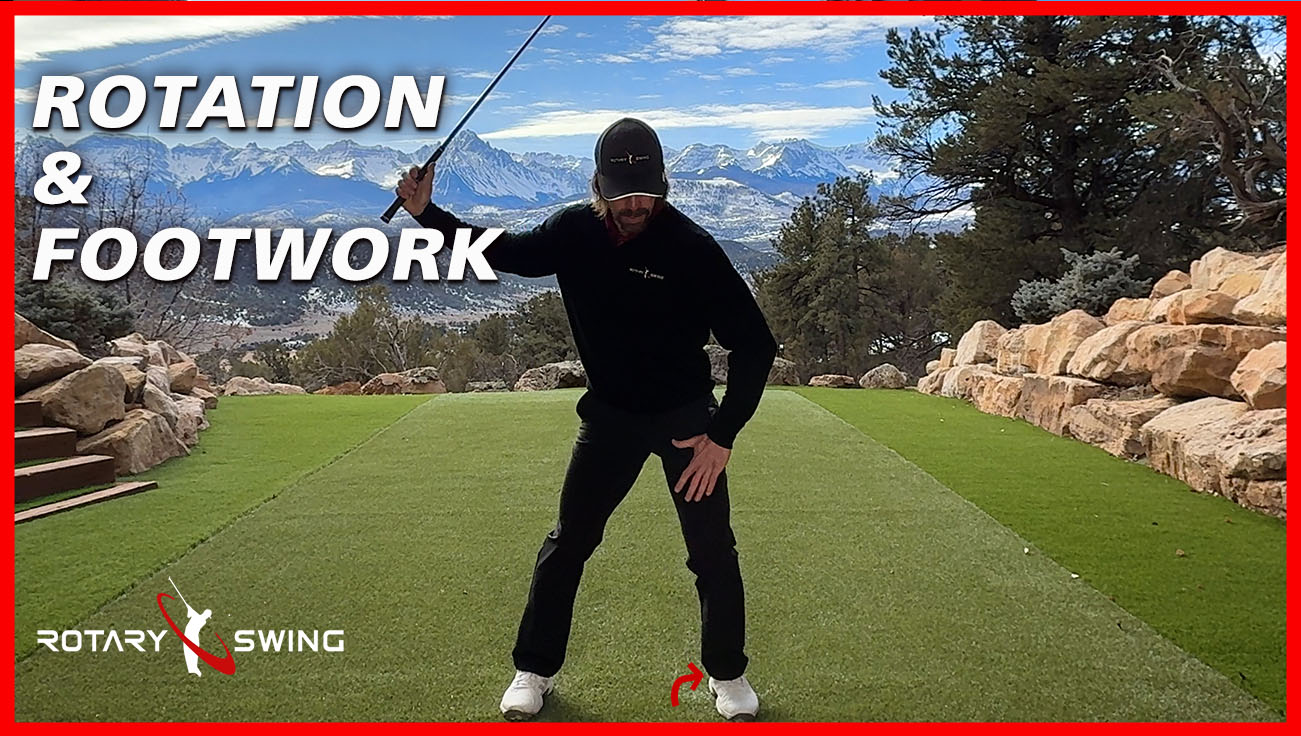
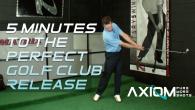
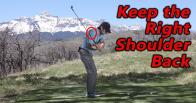
Everything you've built through the RST program — your setup, takeaway, and backswing — now converges in this pivotal set of drills from the "5 Minutes to the Perfect Golf Downswing" video. This is where all those foundational pieces finally deliver real results on the course.
Like the other "5 Minutes to..." videos in the series, this lesson lays out a precise downswing sequencing program with drills you can easily perform at home or in the office. It follows a simple, easy-to-understand progression that requires only a few minutes of focused practice per day to begin ingraining the correct golf downswing movement patterns that produce lasting change.
Is this the fault costing you strokes?
Film one swing on your phone. In about a minute GOATY measures it and names the single biggest thing costing you strokes — free, no card.
Analyze My Swing Free
Related: Golf hip rotation — what AI coaching reveals →
Android users: Download GOATY on Google Play — free AI golf coaching on your Android phone. →
Building the perfect golf downswing should be a top priority for every golfer, and there are several compelling reasons why.
Stop reading about it — feel it in your swing today
GOATY watches your swing live and coaches you between every rep. Free. No signup.
Start Your FREE Live Lesson →First and foremost, understanding how to move correctly and align your joints properly during the downswing is critical for injury prevention. The forces generated during the golf downswing are tremendous — and they become potentially very harmful when the movements are executed incorrectly. This is the phase of the golf swing where most golfers, both professional and amateur, sustain their injuries. Take the time to focus carefully on the drills and positions presented in this video, because protecting your body is the foundation of a long playing career.

The forces that go through the body during a full speed driver swing are tremendous. For a professional level driver club head speed, the club head effectively weighs over 100 pounds through impact! Imagine trying to move around a 100 pound sledge hammer and you can understand how important it is to have your joints properly aligned to fight the stresses placed on the body during the downswing.
The picture above comes from a well-known ESPN segment that examined the tremendous forces placed on the body when the golf downswing mechanics are not performed correctly — a powerful reminder of why proper downswing sequencing matters so much.
Second, the downswing is where clubhead speed is generated in the golf swing. Creating speed the RST way is all about efficiency — producing maximum power with minimal wasted effort.
So if you want to produce those powerful, effortless golf shots that every golfer dreams of, it is absolutely in your best interest to work through these drills daily. You can even get a free AI swing analysis to see exactly where your downswing stands right now.
And finally, accuracy and clubface control are also heavily dictated by what you are doing in the downswing. Straight shots that fly far and true will be the direct result of working deliberately through the drills in this video, because correct impact alignments begin with proper downswing sequencing.
This video covers the full sequence of the golf downswing from start to finish. Let's take a closer look at the movements and drills covered in each section...
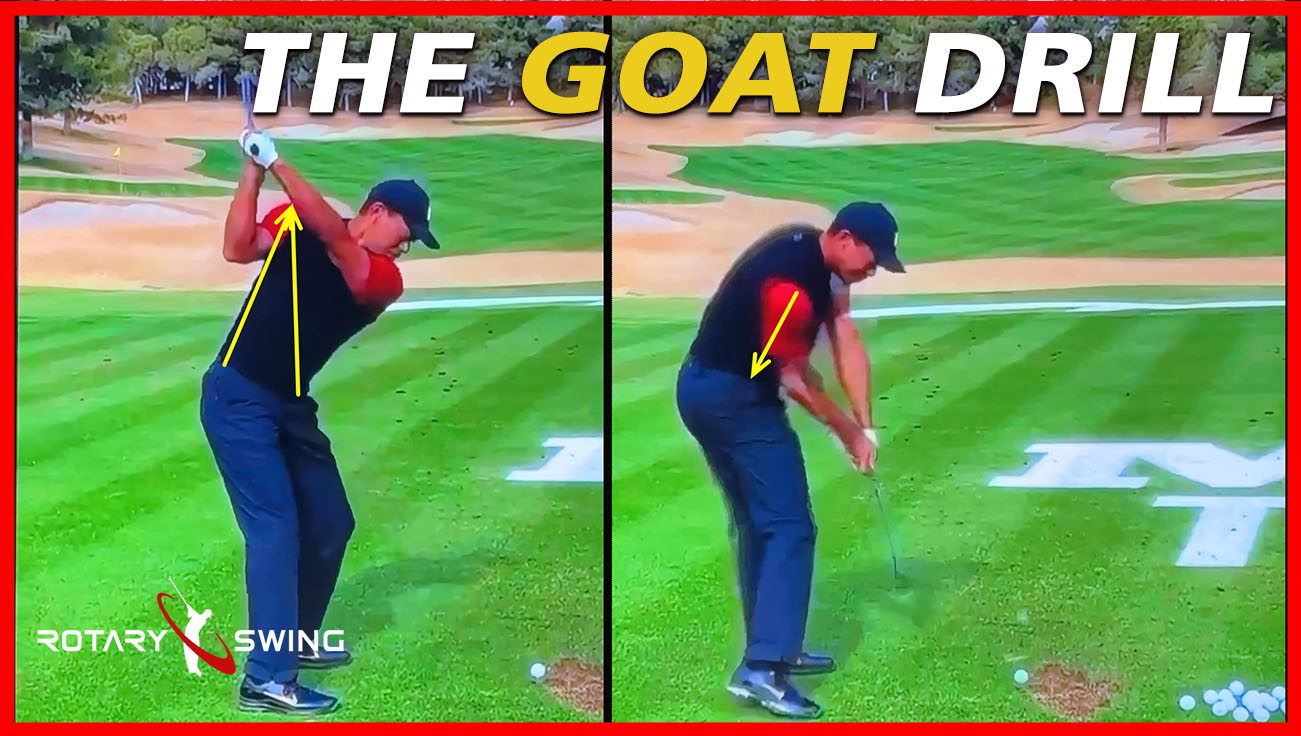
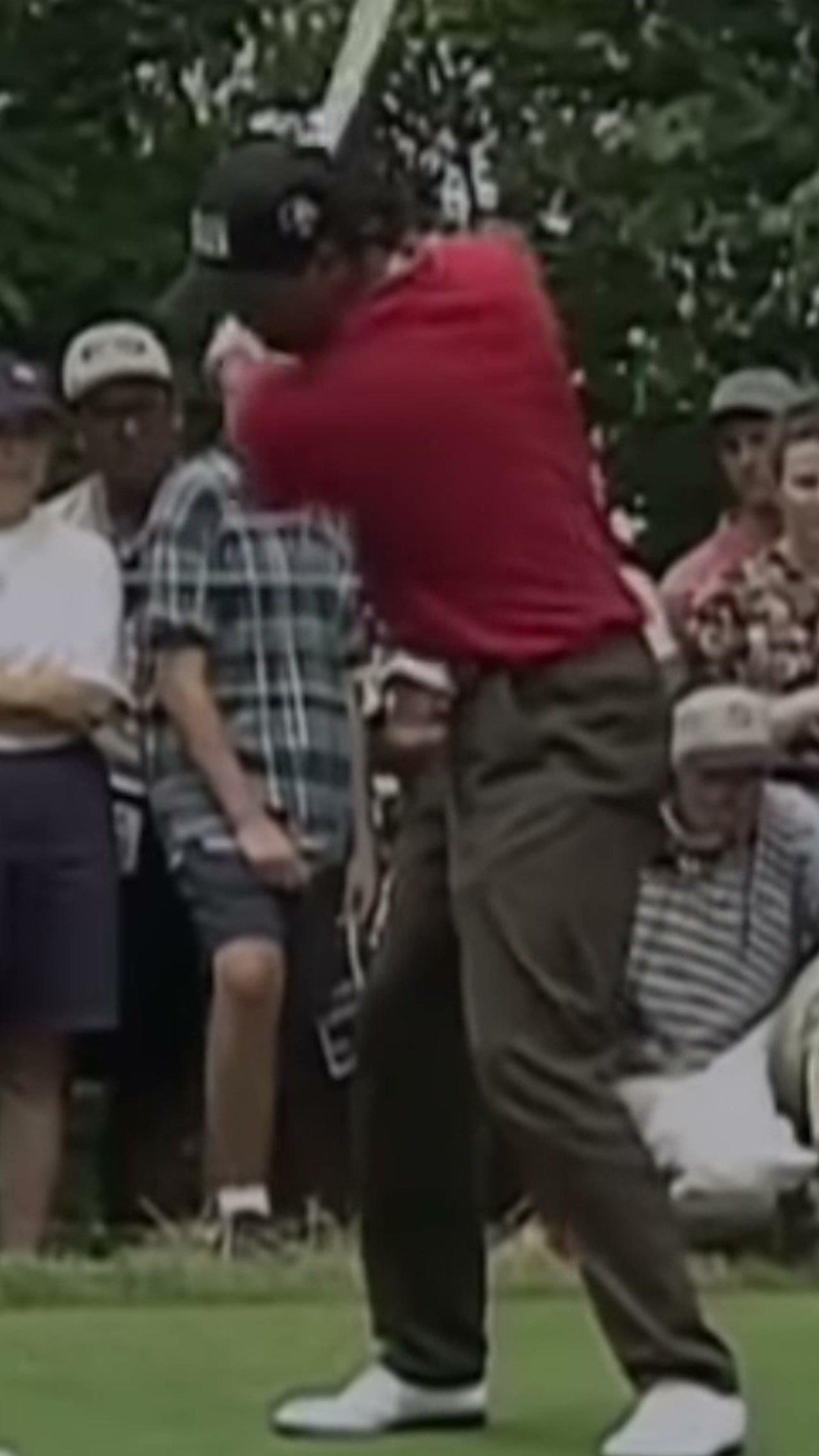
The first movement in the downswing that I discuss in the video is the "squat" move — a motion made famous by legends like and other elite ball strikers, and one I've broken down in detail in the Tiger Squat video. This initial squat is the first piece of the golf downswing puzzle and sets a chain of powerful movements into motion that everything else depends on.
"I went to the range today and just focused on the sequencing of the golf swing. I found that just squatting and shifting the weight into the left heel caused the hips to rotate naturally into the correct position in the downswing. I did not have to think about consciously rotating my hips. The squat and also let my arms drop into proper position while maintaing lag. The distance and accuracy I was getting were amazing. I found that swinging at 3/4 speed produced better results in terms of accuracy and distance than trying to swing at full speed!"
-Paul M. | Aug 28, 2012 | 12 HDCP
Once the squat is complete and the arms have had a chance to fall naturally, the other drills you've been practicing to this point really begin to come alive and work together as a cohesive sequence.
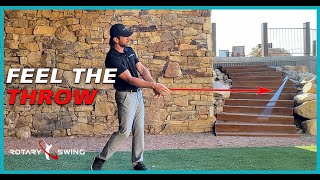
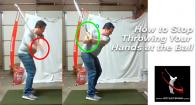
The Lead Arm Downswing Drill helps get the arms back in front of the body and into the correct plane, while the Throw the Ball Drill begins adding real clubhead speed through efficient sequencing.
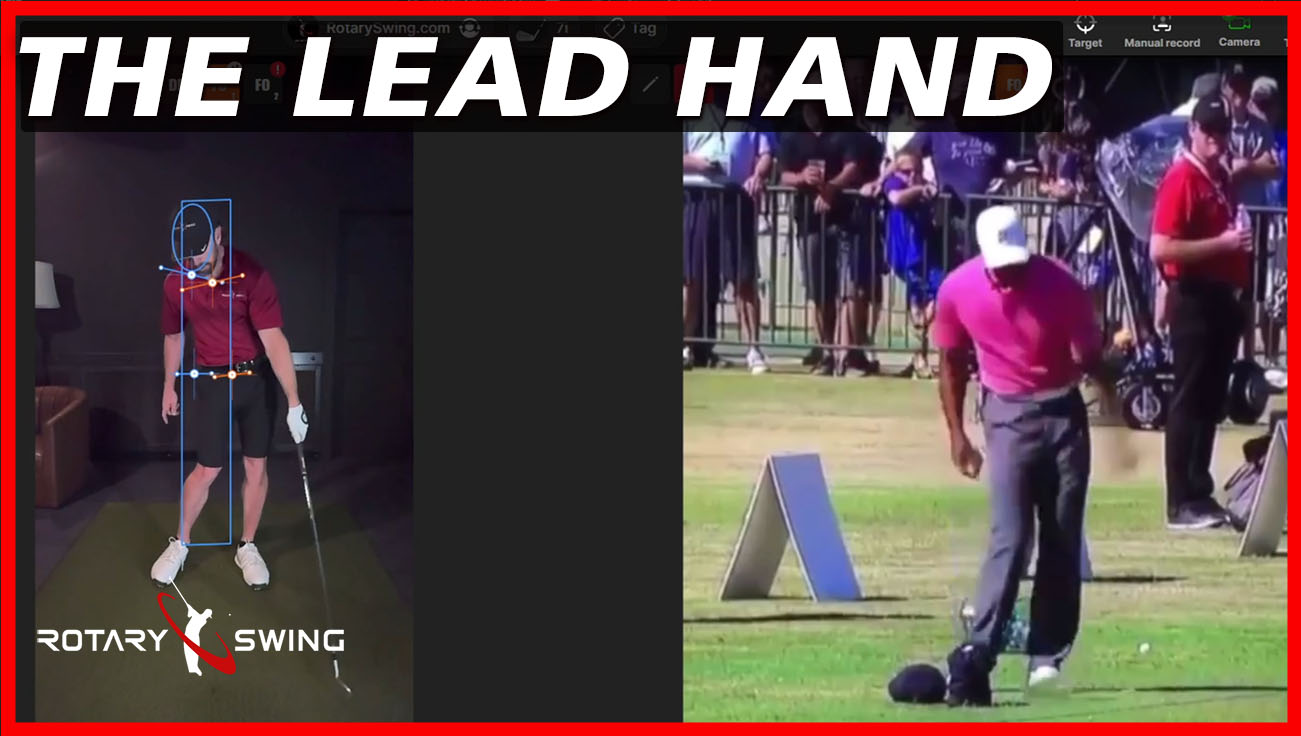
The Lead Hand Release Drill helps square the clubface and head through impact correctly.
We can then focus on the Impact Alignments videos. (Note that I use an Impact Bag in this video to demonstrate how to check your impact alignments when you're not quite ready to focus on the release yet. If you don't have an impact bag yet, you can purchase one from our store here.)
As you can see, this one video ties everything together for the big payoff — it is the culmination of every drill and position you have been building, so it's time to get excited about your progress!
The sequence of drills in this video also takes into account whether you are working on lead arm or trail arm drills. Depending on what you are focused on in your golf swing at the time, you will likely feel one arm more dominant than the other during the motion, and that is perfectly normal. So if you're working on the LADD drill, you can emphasize that motion while working through the rest of the downswing sequencing covered in this video. For a data-driven view of how your sequencing is progressing, try a free AI golf lesson that evaluates your movements in real time.
Try a free live lesson with GOATY
GOATY, my AI golf coach, watches your swing through your phone camera and coaches every rep. Free, about 20 minutes, no credit card.
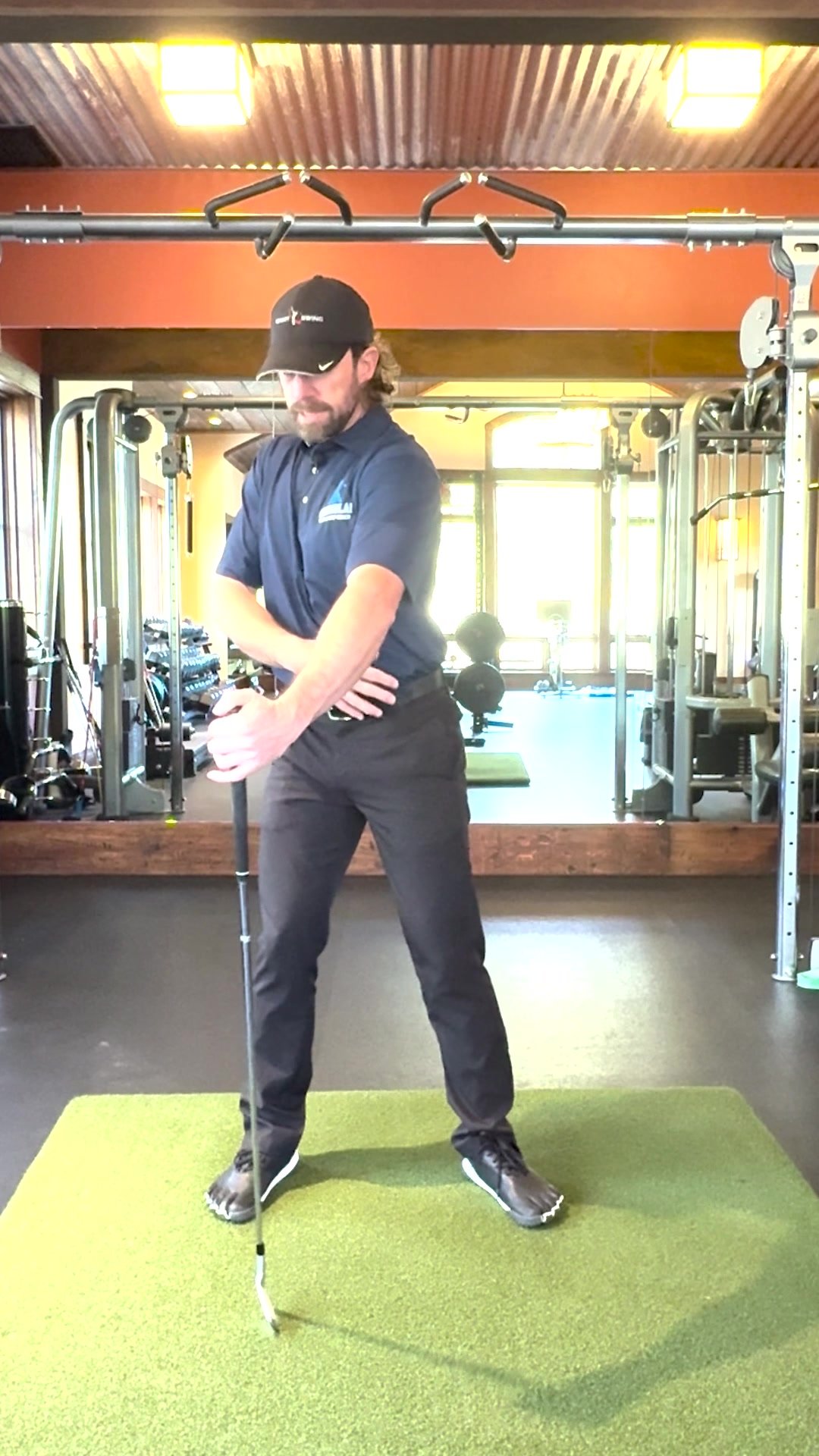
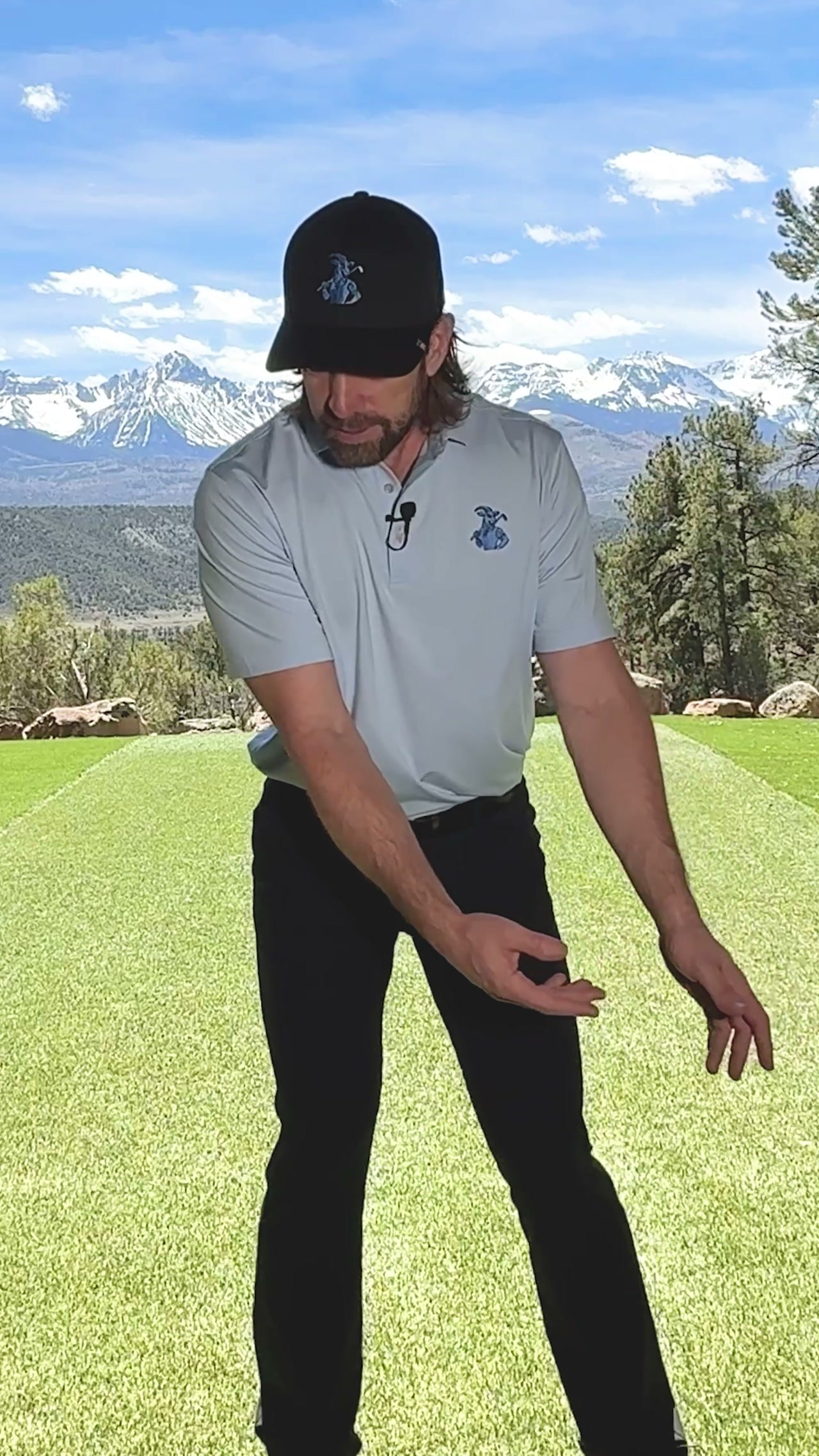
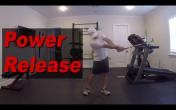
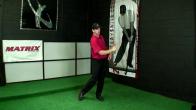
In the image above, I've sequenced through the entire golf downswing but removed the lead hand in order to focus on the proper release of the trail hand, which is primarily responsible for generating speed and power in the downswing.
Once you are comfortable that both hands are performing the correct job independently, you can then place both hands on the club and work through the full downswing sequencing together. Mastering the entire sequence will take time, so be patient and trust the process.
If you put in just 5 minutes a day focusing exclusively on the squat move, you should start feeling comfortable hitting some half shots within about a week. Add the other pieces of the golf downswing as you're ready and confident with each preceding step.
Now, let's watch the video!
Video Transcription: 5 Min. to Perfect Golf Downswing
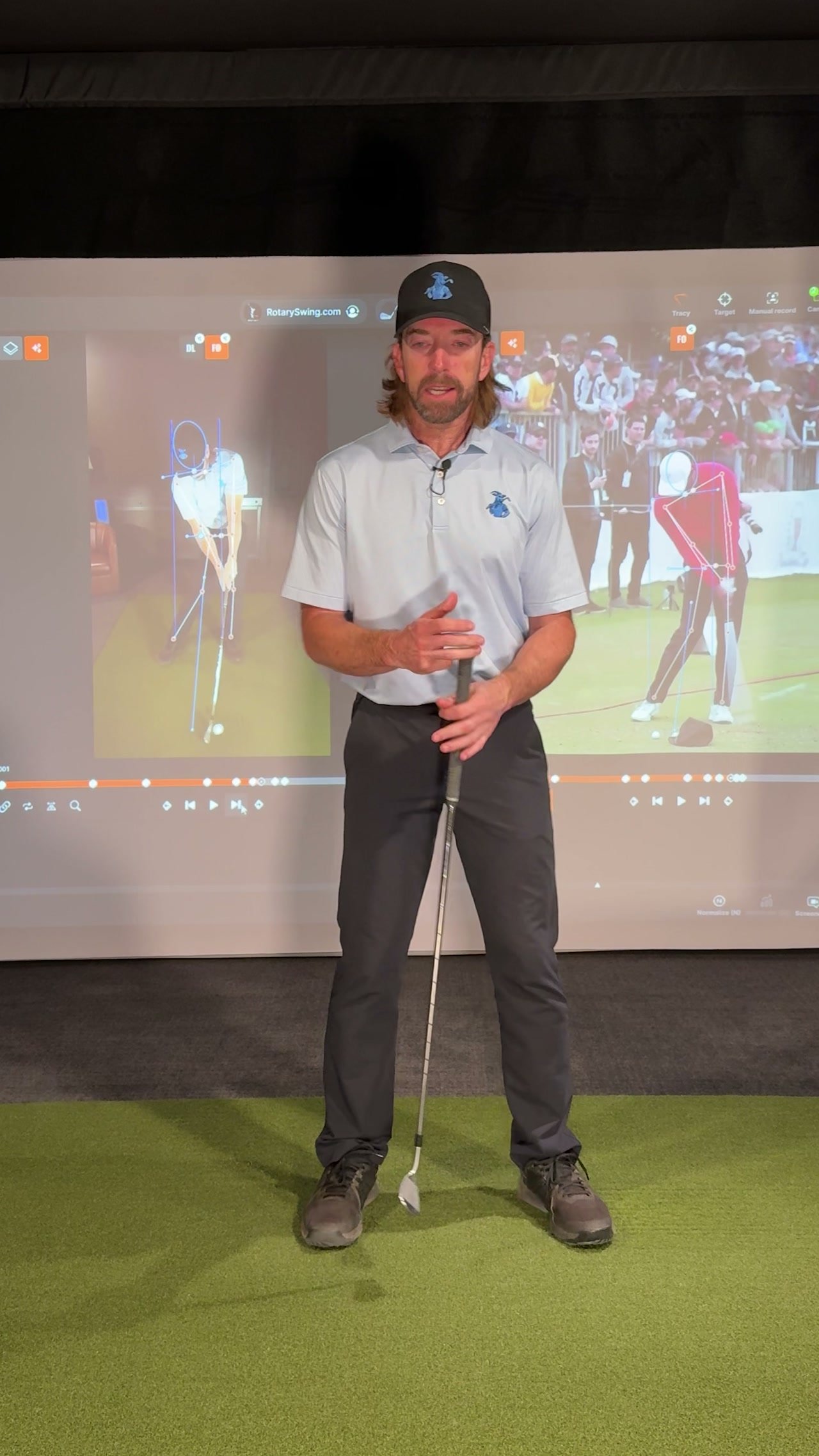
You've finally made it. This is the graduation point for your golf downswing. If you've taken the time to work through the program, you're finally ready for this most important video, "5 Minutes to the Perfect Downswing."

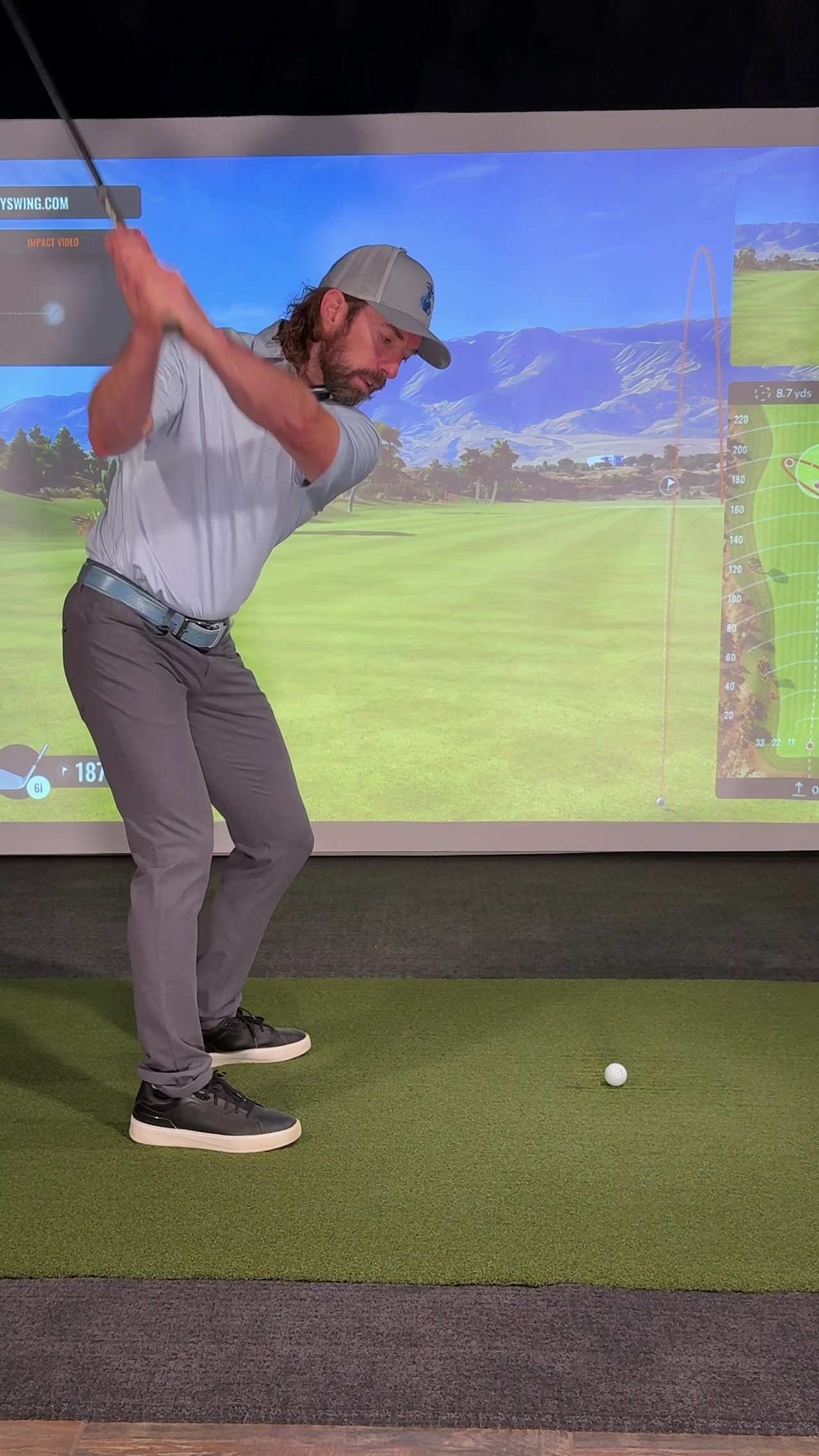
Perfect position at the top
This video is going to include drills to teach you how to get into the perfect impact positions, how to sequence the golf downswing correctly, and finally get the big payoff for all the hard work we've put into getting the proper setup, getting the takeaway right, the backswing right, and everything else leading up to this point.
Golf Downswing
Let's get started, because this is going to be the most fun stuff to work on, and it's going to deliver the biggest payoff in your golf swing.
First things first — what we're trying to do is get ourselves into a perfect impact position. How we're going to accomplish that is by sequencing things correctly from the top of the backswing, then checking ourselves into the impact position, and then working up towards incorporating some release drills as well.
This is going to be a lot of great work that you can get in every single day, just 5-10 minutes a day, and build yourself a perfect impact position that produces consistent, powerful ball striking.

The first move is a squat
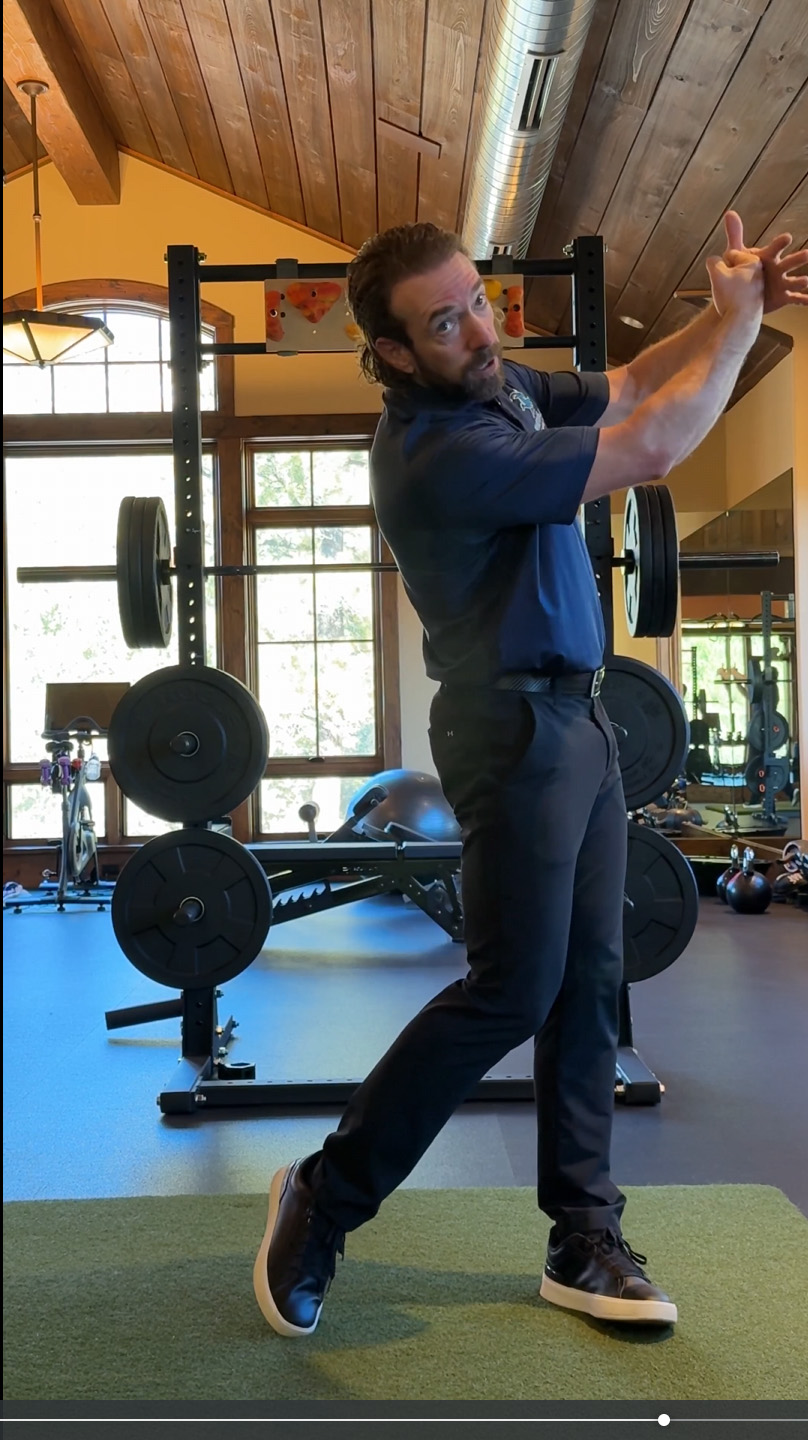
What we're going to do is start at the top of the golf swing. By now, you should be in perfect position at the top. If you're not, get out of here, turn this video off, and go back and start working on the earlier lessons. You're not ready for this yet. There's no point in working on the golf downswing if you're not in a good position at the top of the backswing.
Perfect position at the top — the first thing we're going to do: Squat. This is key because this squat move is going to stop us from spinning. It's going to stop us from pushing off the trail side, losing our tush line, losing our spine angle, and getting the club trapped behind us.
It's going to prevent all of those common faults and it's also going to allow us to leverage the ground and activate the glutes so that we can provide stability for the rotating upper body and the release of the club. We use the ground for leverage to finalize the snap of the golf club release through impact, which is where all the power comes from.
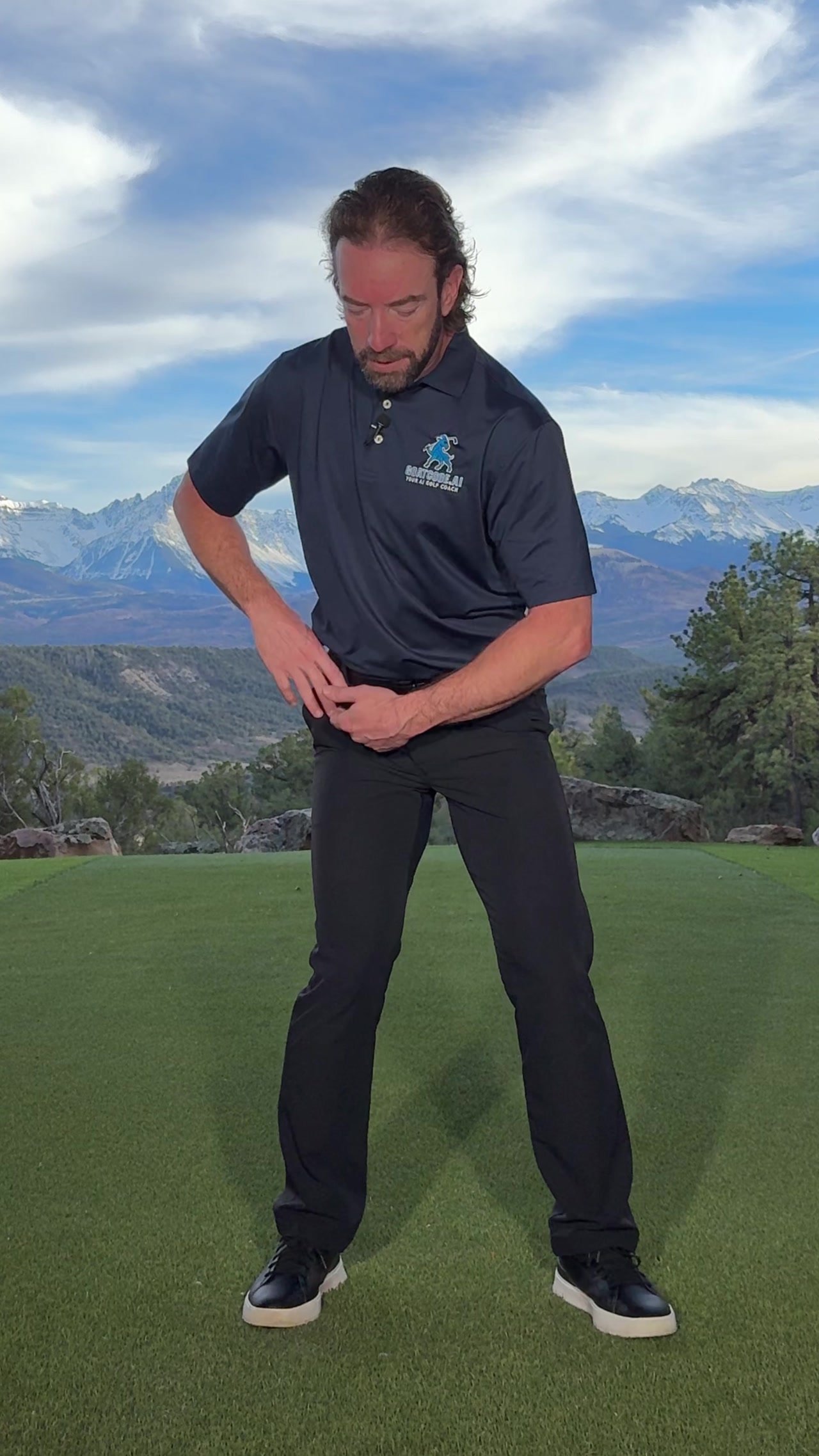
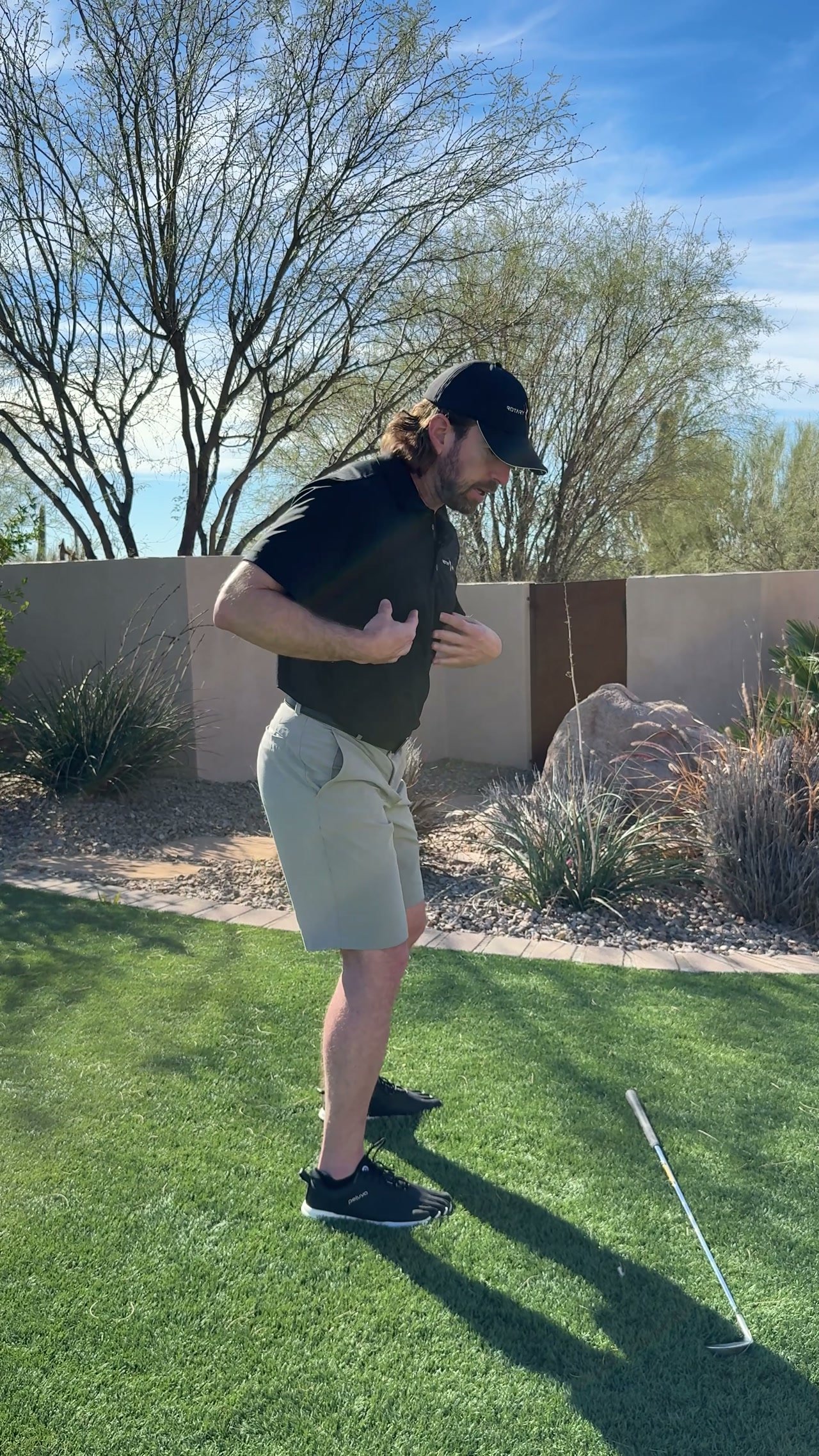
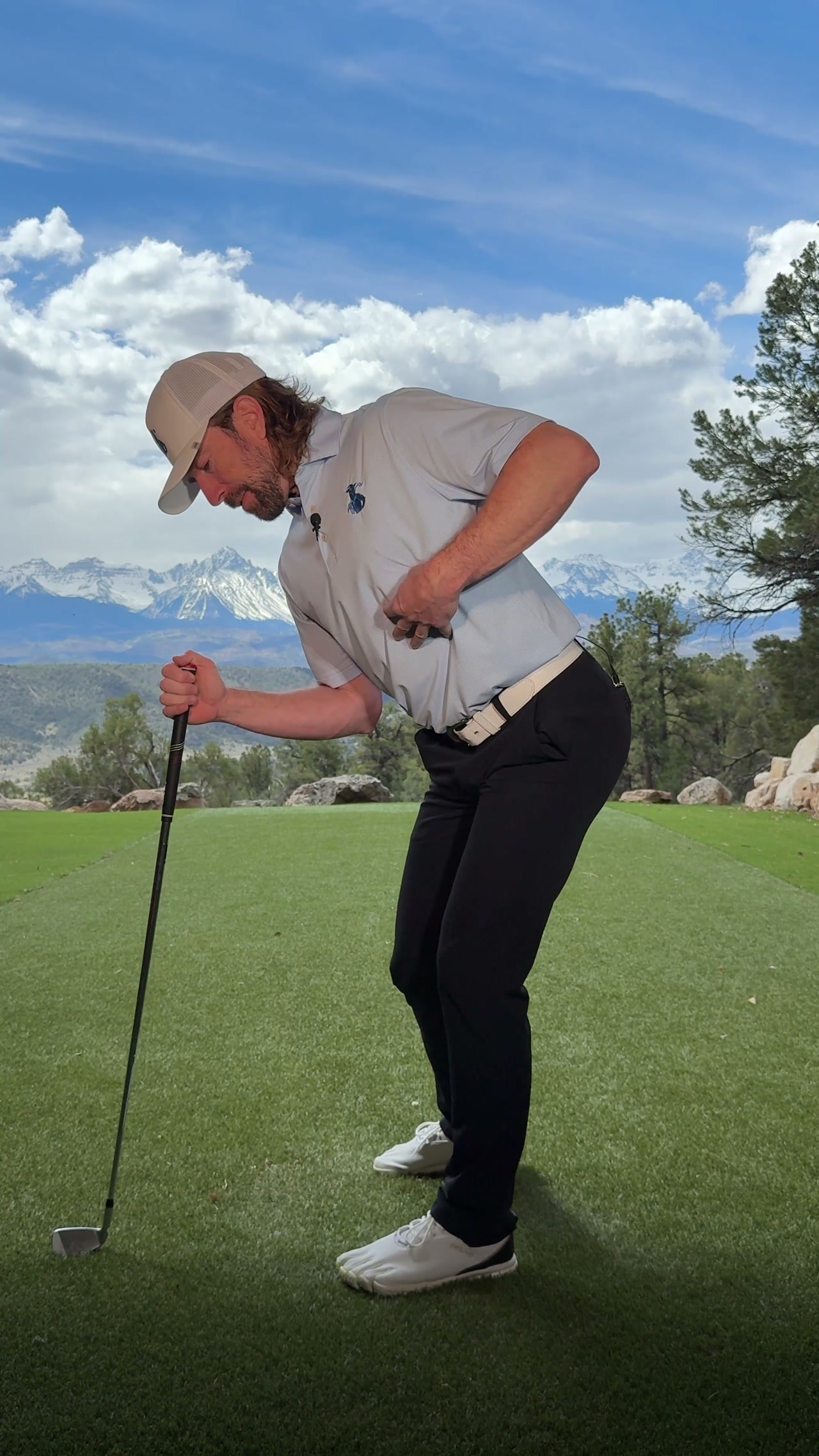
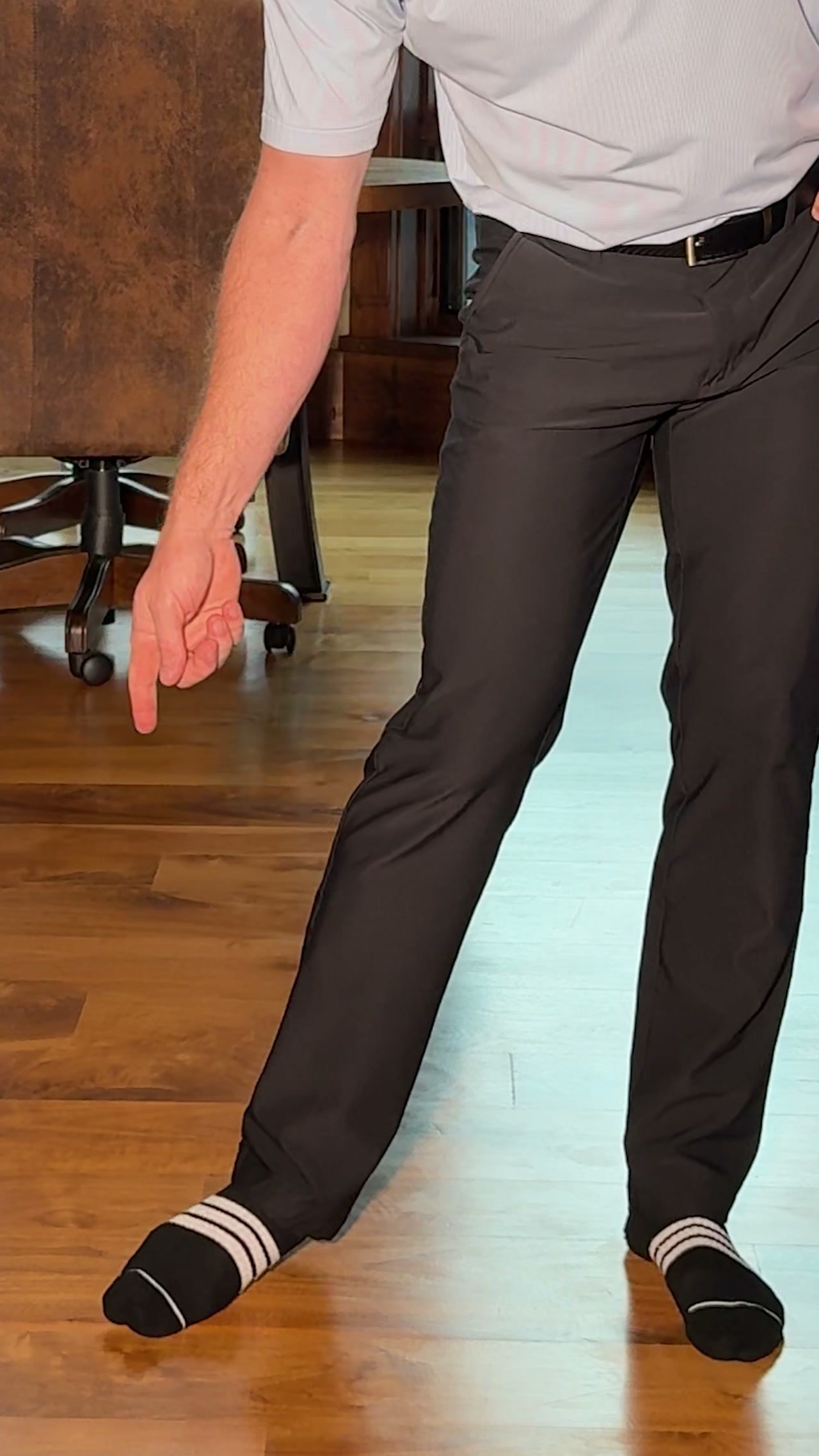
As we come down, the first move is squatting — it is not spinning. Basically, what you're doing is going from a turned position and squatting back to square. What that looks like at the top of the swing: squat back to square. This is what you're drilling in the golf downswing.
I'm not trying to turn my upper body, I'm not trying to move my hands, I'm not trying to move the club. I'm simply going from the closed hip position to square. I'm squatting, both glutes are activated, I'm pushing both feet into the ground, and working my weight shift over to the lead side.

Pulling down with the left
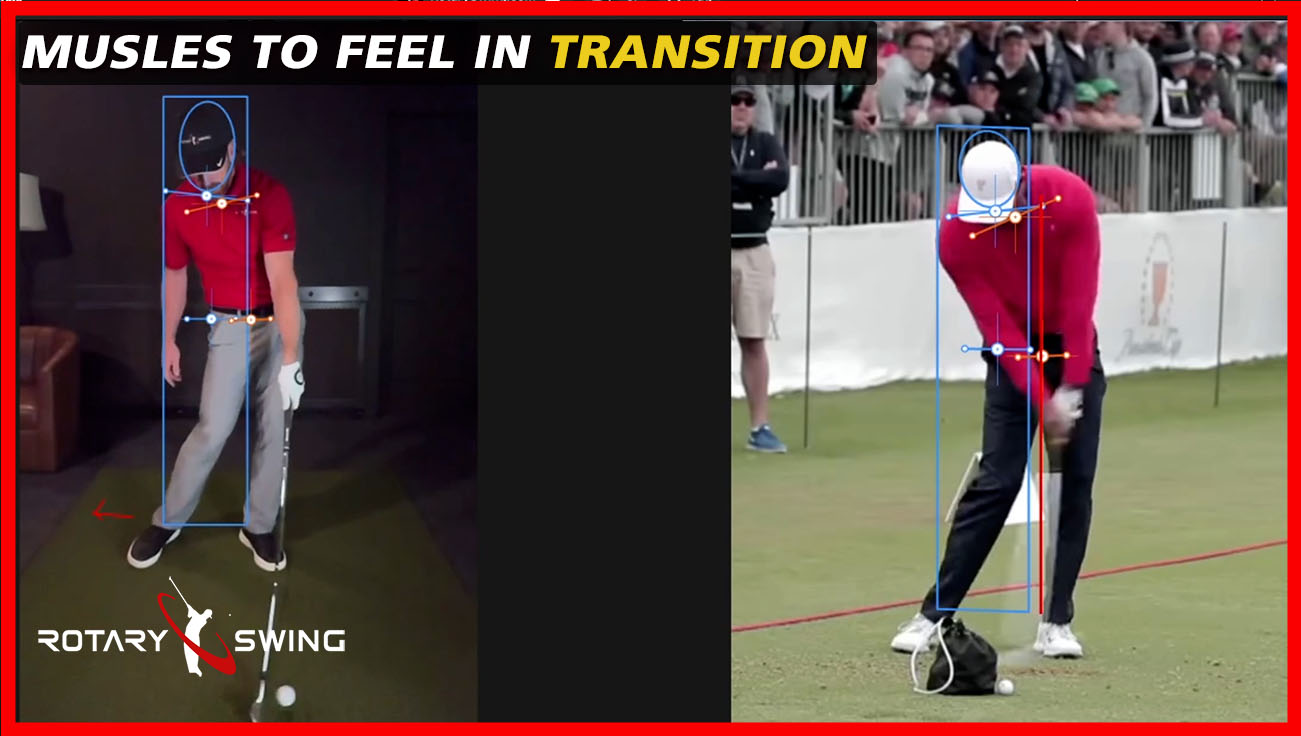
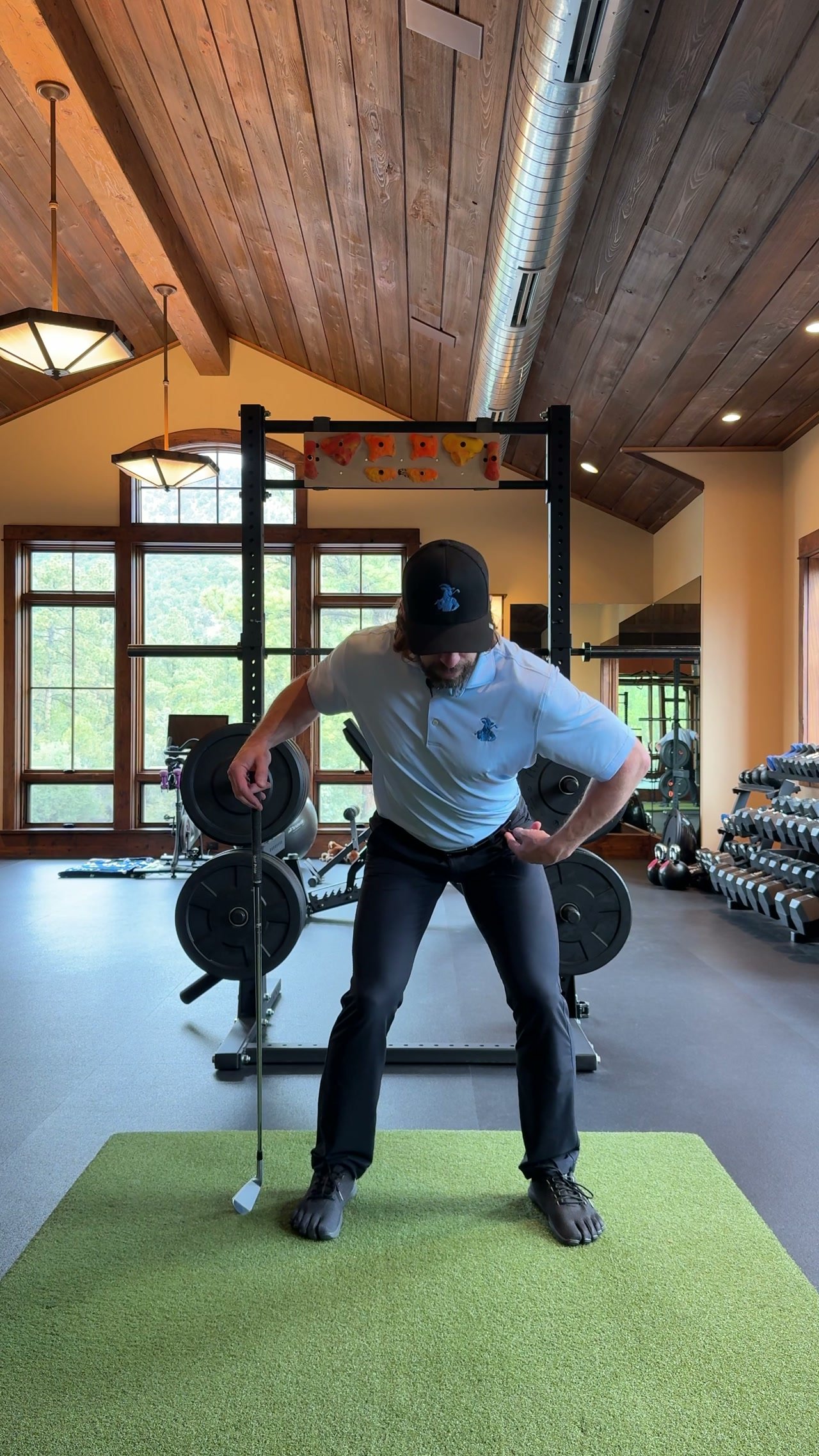
First move, squat. Notice that my arms have dropped. I didn't try to consciously pull them down. They should be moving down due to gravity for the most part. There's a little bit of active pulling in there, but they're primarily getting a free ride from the fact that as you're moving your hips through the weight shift, that motion is pulling everything down in the golf downswing.
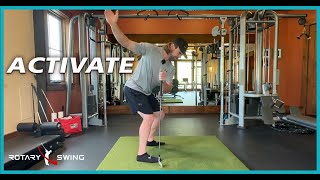
Here, squat. Now, as I'm in this position and I'm continuing to move onto the lead side, I'm really engaging these glutes. The left oblique and glute complex is firing hard. Now I'm pulling down with the lead arm and getting ready to fire with the trail arm, so I'm here in a loaded position.
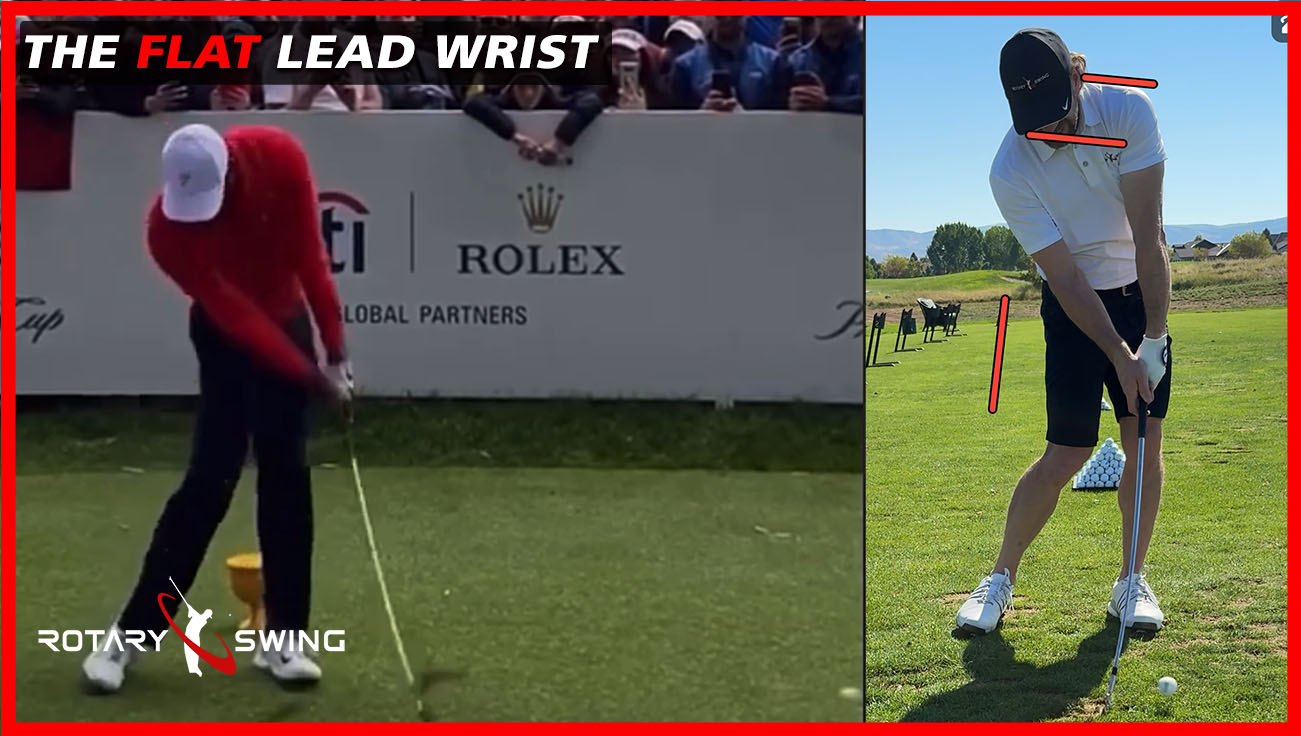
Now we can use our Lead Hand Only Release Drill if that's what you're working on at the moment because you're not worried about the trail hand. You can get into your lead hand impact position, check your impact alignments, and release. If you're working on the trail hand, you can take the lead hand out of the equation and focus on the trail hand release instead.
It's ideal to train them independently if they're needing work. If both hands are performing well and you've already taken the time to train them separately and you can get into the correct impact alignment from the release position, then keep both hands on the club.

Left leg straightens
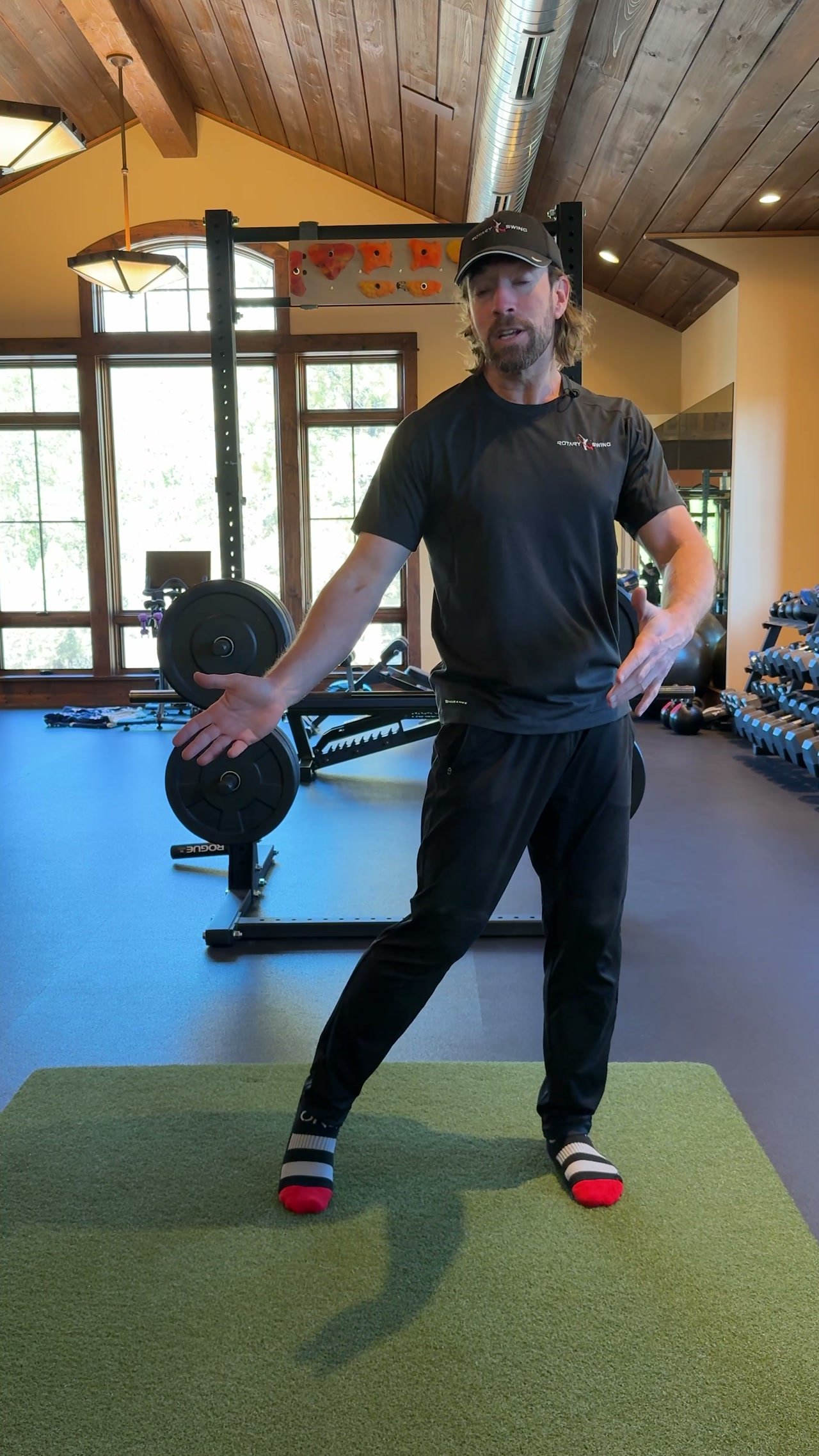
If not, work on one hand at a time. Squat, keep moving the weight shift over to the lead side, push that lead leg into the ground, and I'm going to do the lead hand release only. As I'm releasing the club, notice that my lead leg is straightening through impact.
This is critical for generating power. As we're activating our glutes and left oblique in that squat move during the golf downswing, what we're going to do to finalize the release of the club is push the lead foot into the ground using the glute. That action is going to force the club to snap through impact with tremendous speed.
My body's moving in one direction while the club is forced to move in the other — that creates a whip-like release. It produces a more forceful release and it doesn't take really any effort from the arms. If you're using these big muscles in the hip rotation and the left oblique that are going to be firing anyway to provide stability, we can get excellent leverage on snapping that release. Think about your body moving in one direction while it forces the club to accelerate in the other through impact.
Now I'm going to do the same thing, but this time I'm going to take the lead hand off and release with just the trail hand. If you're in a perfect impact alignment, you can go ahead and release it and start working on getting the club to turn over and release correctly.

Stop at impact
If you're not there yet, you can use this "5 Minutes to the Perfect Downswing" drill sequence: squat into it, and stop at impact. If you have an impact bag, that will make this even easier because you can check your impact positions by stopping against the bag and verifying your alignments.
If you're not quite ready to release the club yet, just make sure you get the perfect impact alignments first. Then work up towards incorporating the full release into your golf downswing.
Now we're starting to put everything together. We've got a great backswing, squat, we're leveraging the ground through a proper weight shift, pulling the arms down, and releasing the golf club — pushing the lead heel into the ground and getting a nice snap and release through impact. This is how hip rotation and ground leverage combine to produce effortless power.
In working on this, you need to work on the downswing sequencing in the order that addresses whatever is currently lacking in your golf swing. For instance, if you haven't mastered the squat move first and you tend to spin your hips, don't worry about releasing the golf club yet. Spend each 5 minutes of your daily practice just working on squatting down and feeling the correct weight shift.

Check alignment at impact
At first you're going to do it really slowly, until you can truly feel those glutes and left oblique activate. Then you're going to start performing it with a bit more speed, so that you get comfortable executing the movement at the tempo you'll actually use when swinging a golf club on the course.
Once you get comfortable with that, start working it into hitting actual balls. Keep your regular golf downswing however it is for now. We're not going to be able to change everything at once. Then, once you've gotten comfortable and truly mastered the squat and weight shift, start layering in the impact position work.
When I have my students hit balls, we try to stop at impact when hitting short shots. You'll go a little bit past impact, but the goal is to check whether or not the impact alignments are correct. I'll have them stop right at that position first and just hit really short, controlled shots.
Their goal is to focus their energy and stop at impact. We're just trying to get into the correct impact alignment every single time. That's the next progression in the downswing sequencing. As you start hitting short shots, you go all the way to the top, squat, come down slowly, and stop at impact to make sure everything is ideal before adding speed.

Release
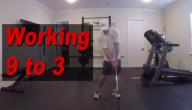
Then start working into getting the release. Now we can make short swings and generate a lot of clubhead speed by putting all these pieces together and getting a really good snap at the release. That is ideal for the 9 to 3 Drill. Now I'm going back to basically takeaway length, letting my wrists hinge, and then working on the full release through impact.
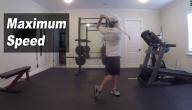
Putting all these little drills together — the 9 to 3 Drill, the squat move, the impact alignments, the lead hand release, the trail arm Throw the Ball Drill — it's going to help you start building your perfect impact position and golf downswing in only five minutes a day. This is the kind of efficient golf instruction that produces real, measurable improvement.
Work through these drills in sequence. Take them piece by piece, and you will have a perfect impact position and a great golf downswing for the rest of your life.
Watch part 2 now to see how you're moving your body in the opposite direction of the pros!