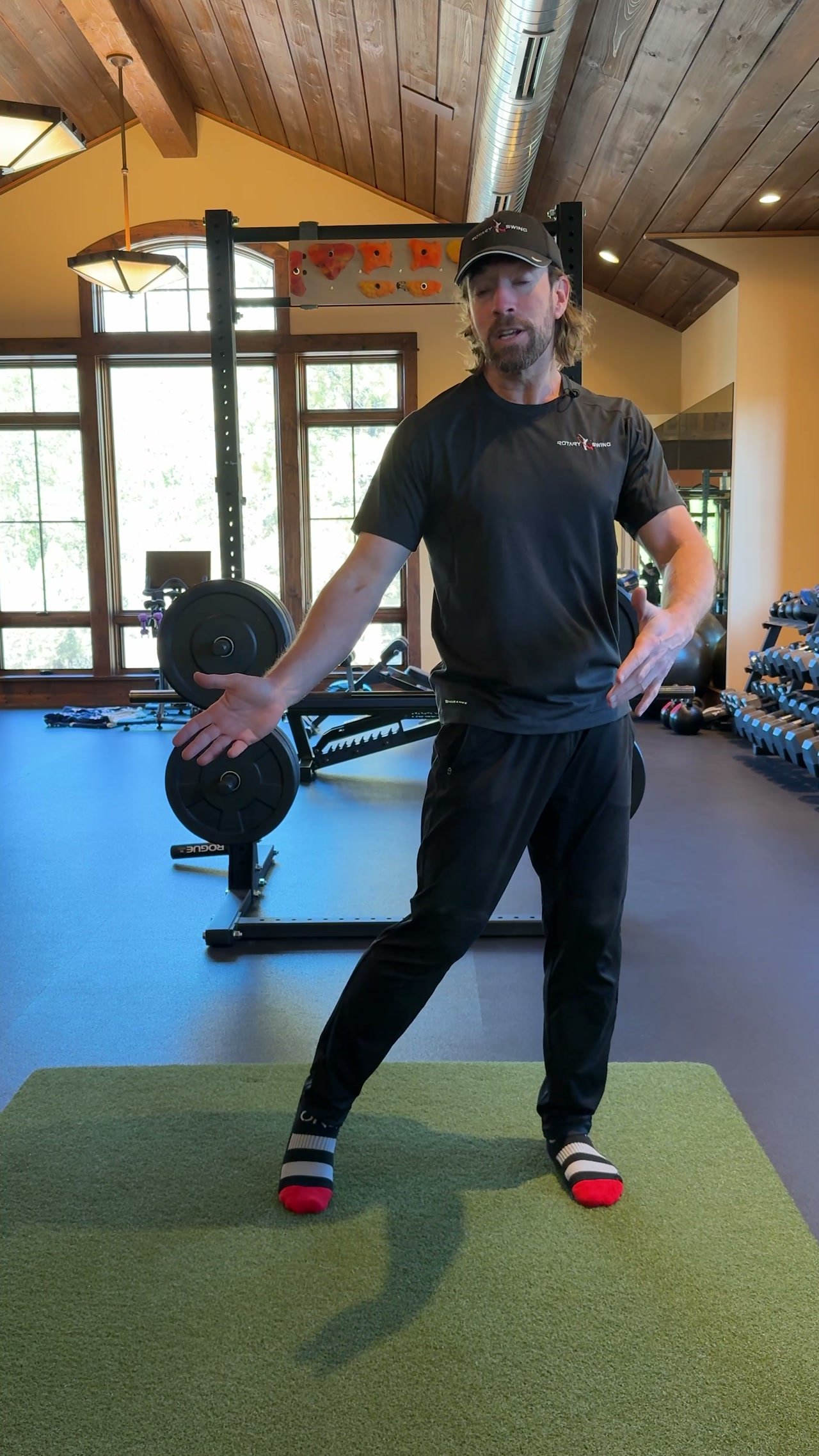
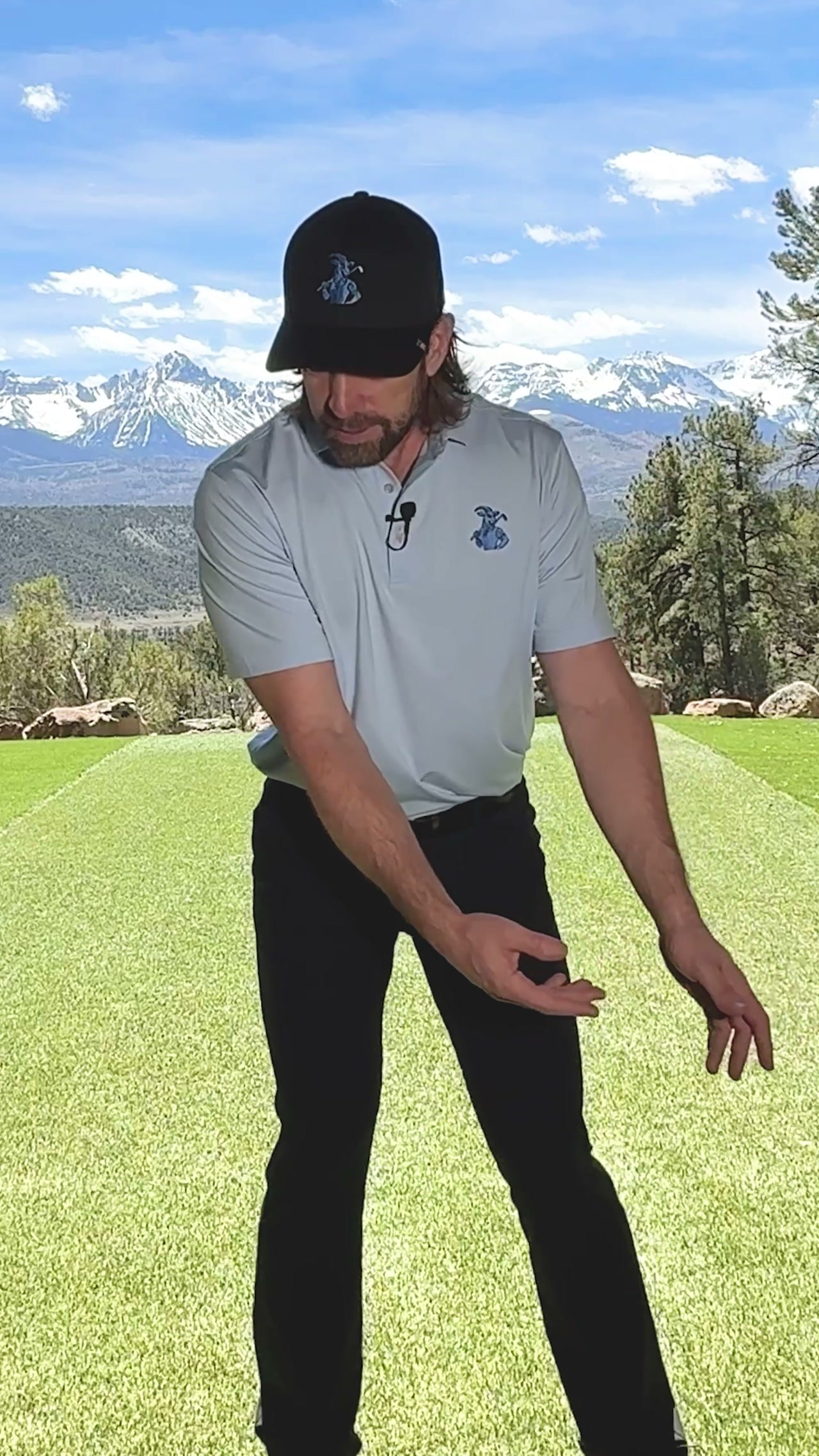
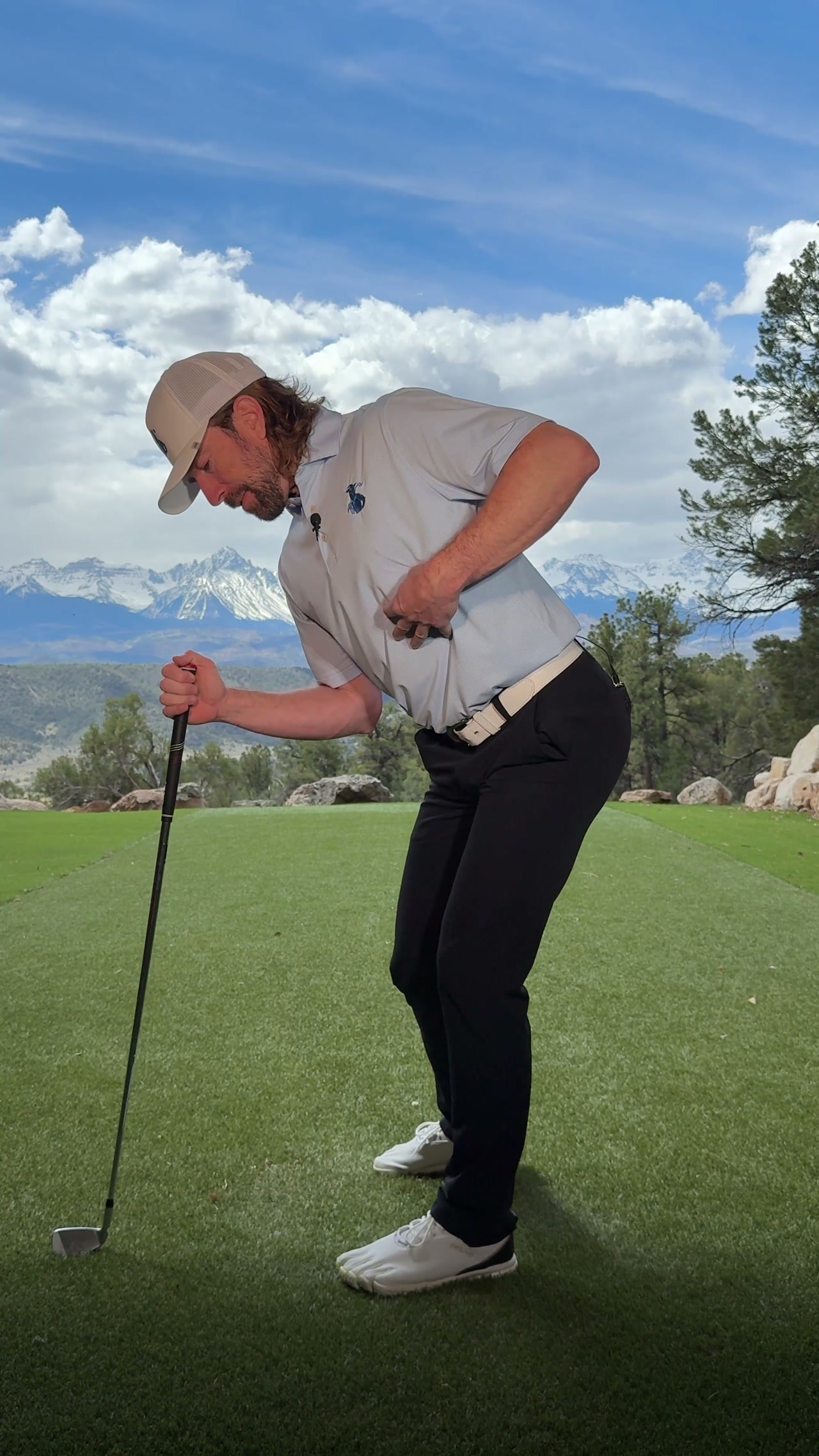
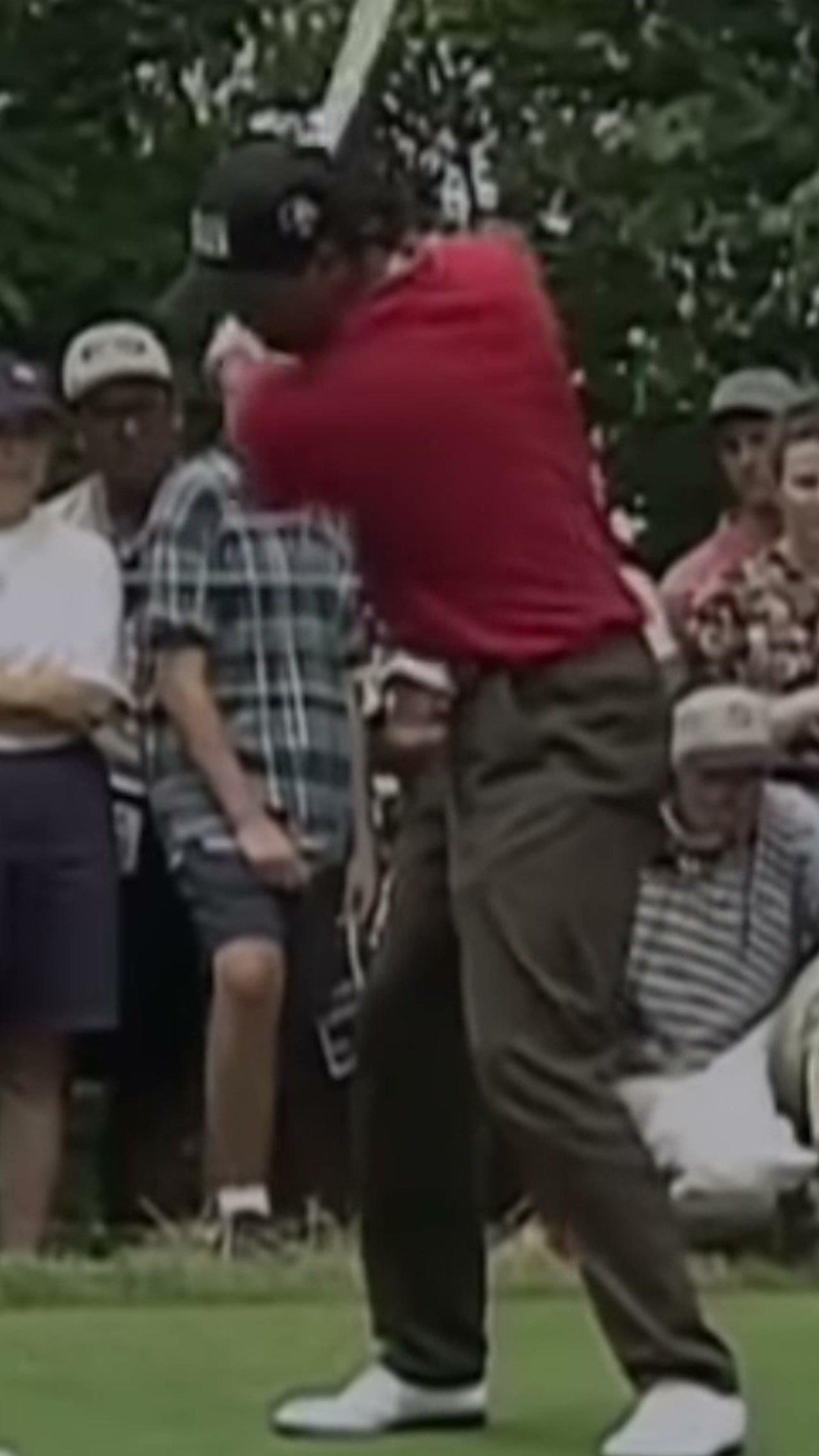
Greg Norman once called 2013 Masters champion Adam Scott the best driver of the golf ball on Tour — and from a biomechanical standpoint, that praise is entirely earned. Scott's golf swing mechanics represent one of the closest real-world expressions of the Rotary Swing Tour model that exists at the professional level.
That distinction matters because the RST framework is built around efficient, injury-free movement — not compensations or brute-force athleticism. When a major champion naturally embodies those principles, it gives us an extraordinary window into what elite ball-striking technique genuinely looks like in motion.
Is this the fault costing you strokes?
Film one swing on your phone. In about a minute GOATY measures it and names the single biggest thing costing you strokes — free, no card.
Analyze My Swing Free
Related: Golf swing lag — why AI coaching fixes it faster →
Android users: Download GOATY on Google Play — free AI golf coaching on your Android phone. →
So if you want to understand how to generate serious clubhead speed without over-working your body, studying Adam Scott's swing sequence is one of the most instructive things you can do. His ability to sync lag with his release in the downswing creates the kind of explosive yet controlled power that separates top-tier drivers from average ones.
Try a free live lesson with GOATY
GOATY, my AI golf coach, watches your swing through your phone camera and coaches every rep. Free, about 20 minutes, no credit card.
Stop reading about it — feel it in your swing today
GOATY watches your swing live and coaches you between every rep. Free. No signup.
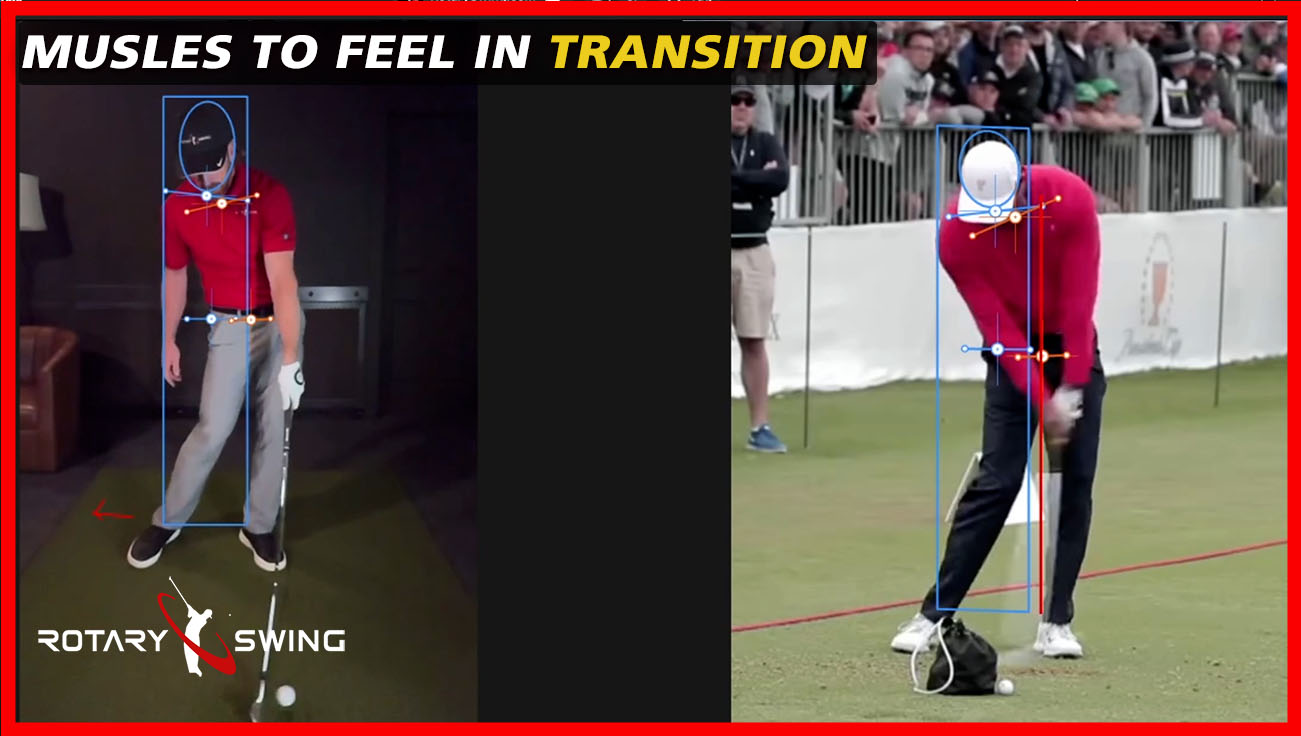
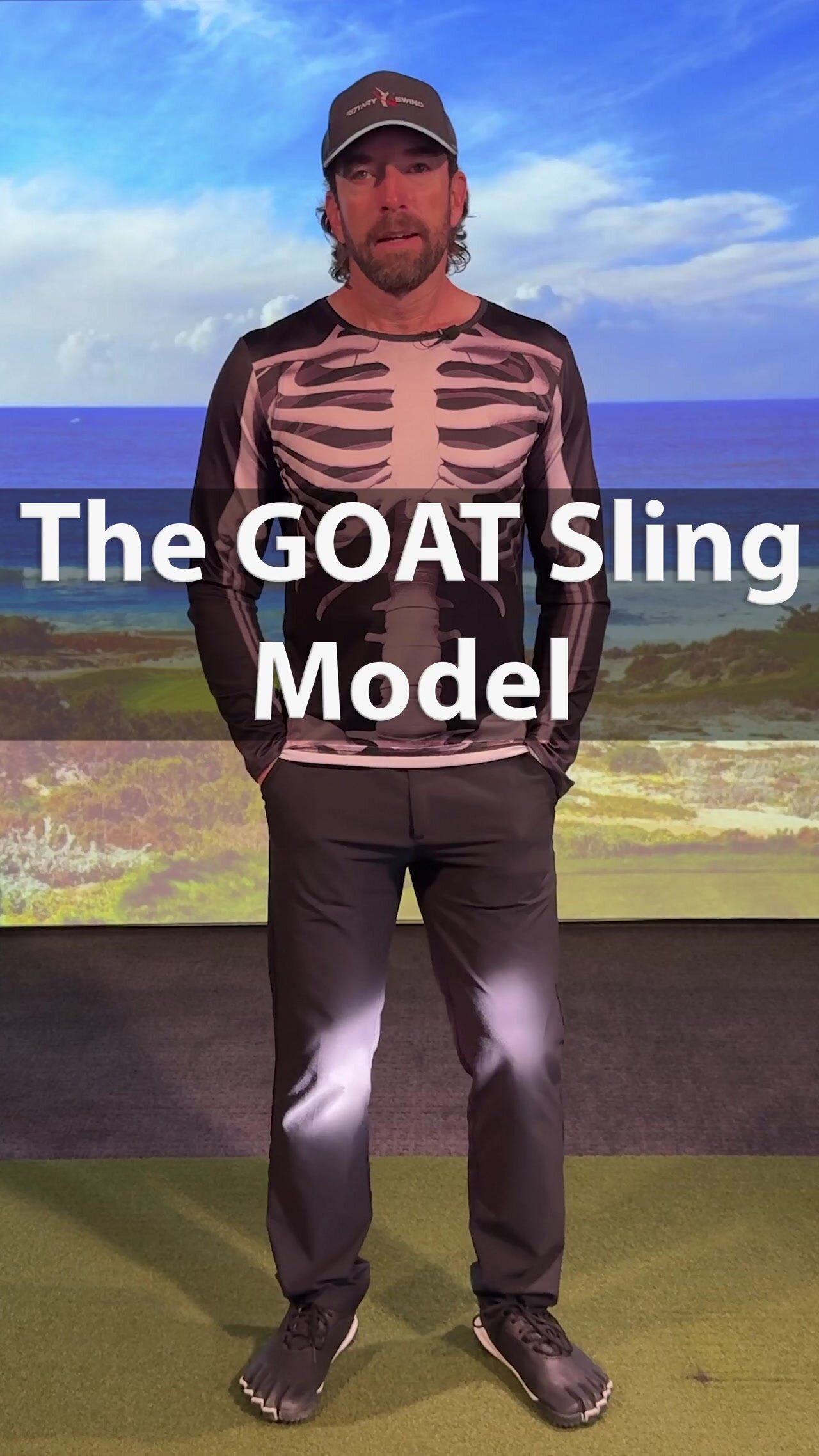
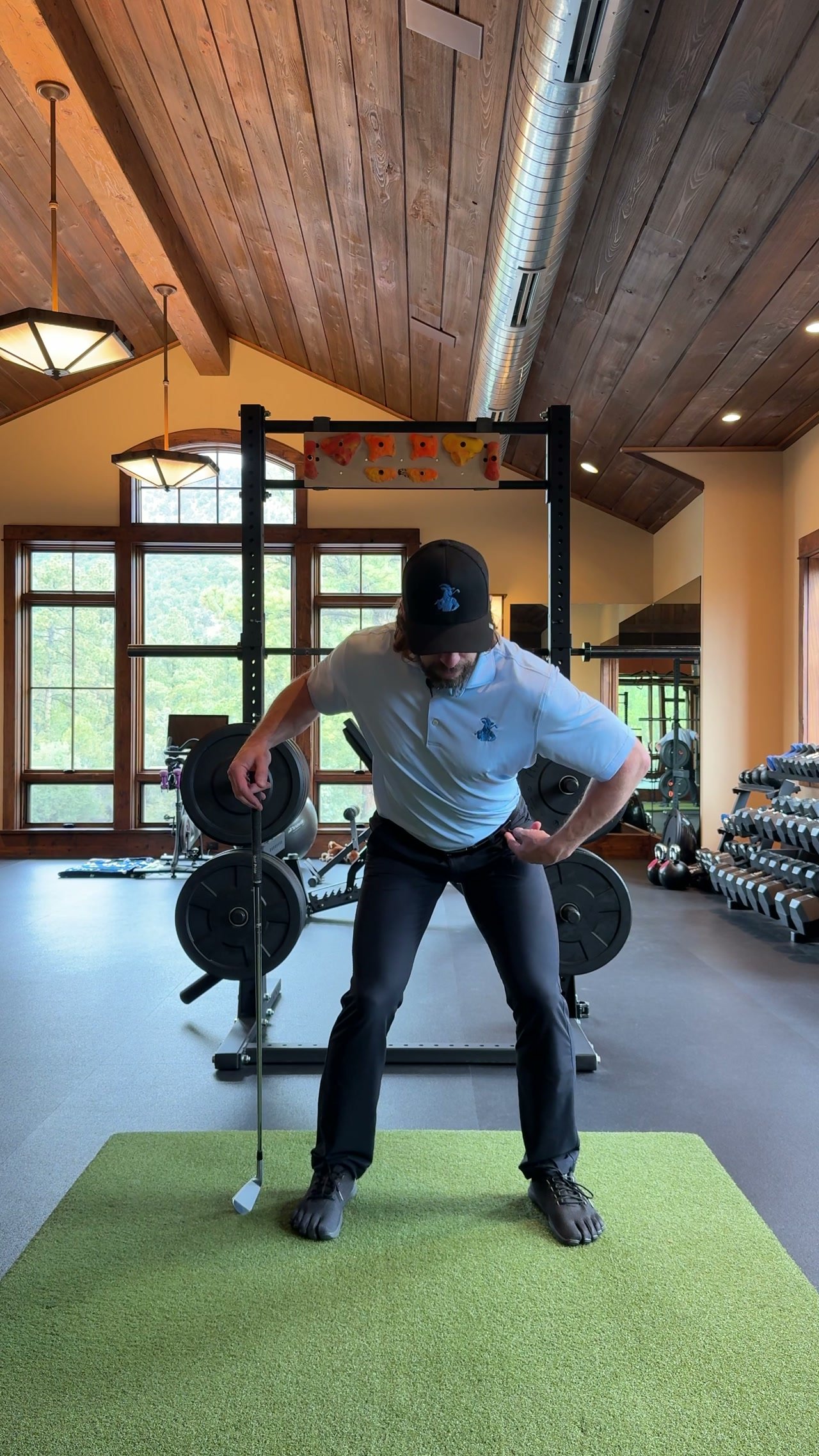
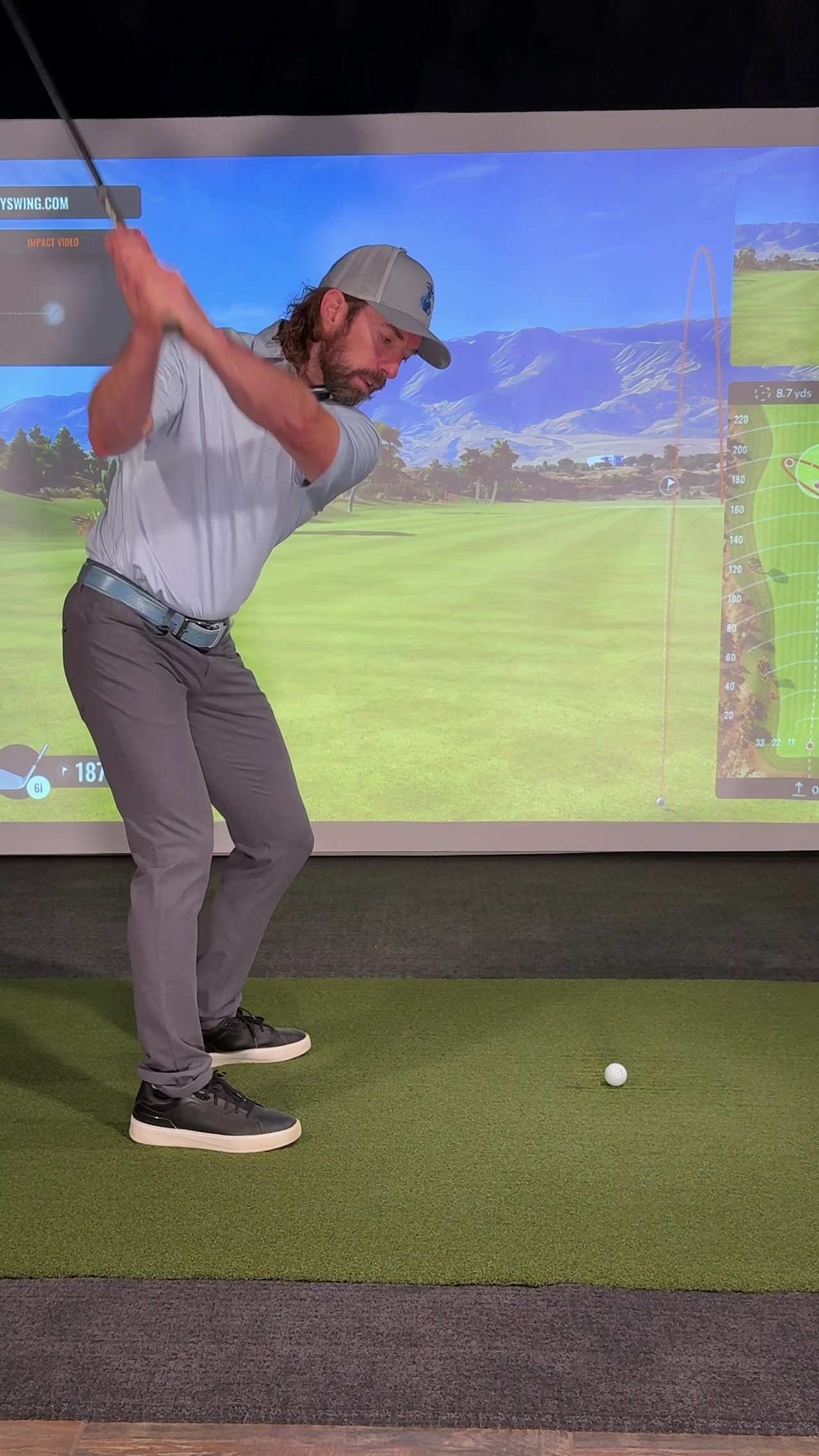
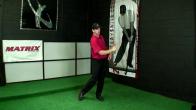
Start Your FREE Live Lesson →In this video breakdown, we'll walk through how Adam loads his trail side efficiently in the backswing, maintains lag through the transition, and then unleashes that stored energy through impact with perfectly timed lead-side stabilization. The relationship between his lead arm, trail elbow, and hip sequencing is a textbook demonstration of the GOAT Sling pattern — where the body stops lengthening and the stored tension snaps through the ball.
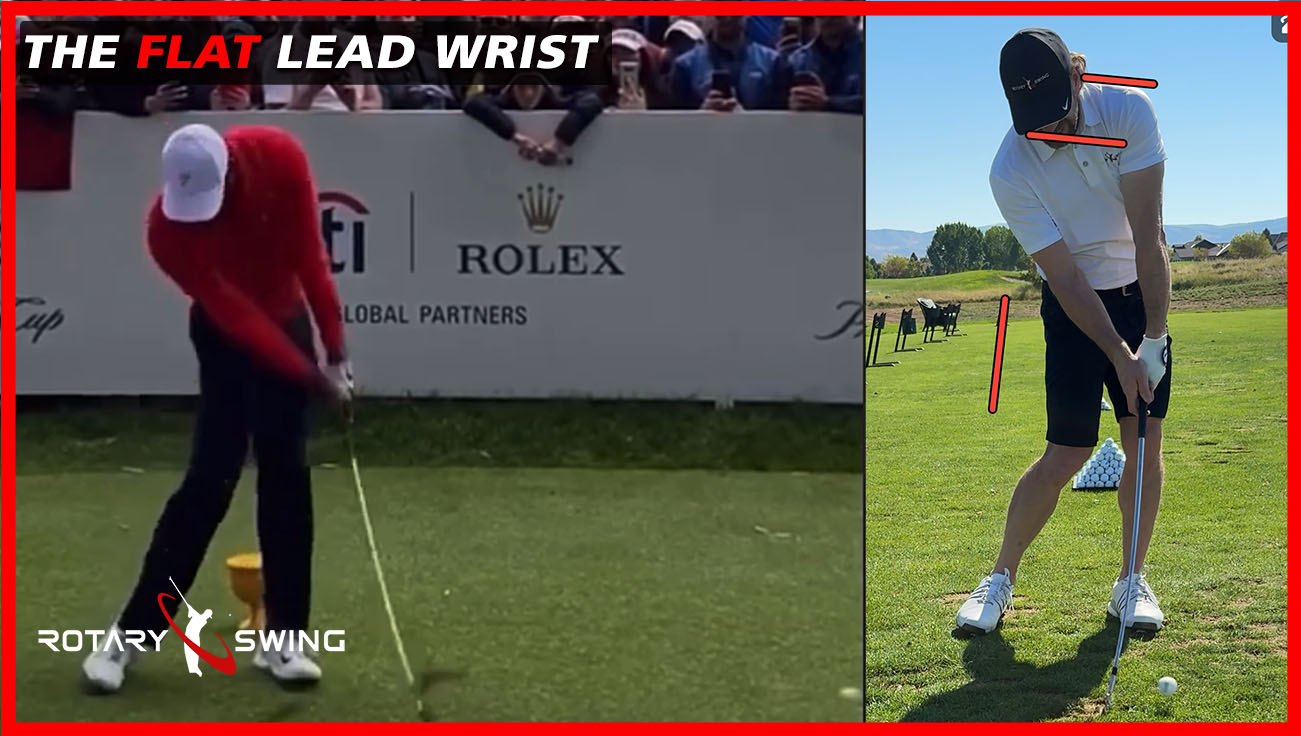
What makes Scott's motion so teachable is that his fundamentals are clean enough to isolate individual concepts. You can see his trail hip depth during the backswing, the way his lead wrist stays organized at the top, and how his lower body initiates the downswing without the trail arm firing prematurely. These are the exact movement patterns the RST model prioritizes — and they're measurable.
If you want to know how your own swing stacks up against these elite movement patterns, get a free AI swing analysis and see exactly where your sequencing breaks down. The AI scores your ENGINE, ANCHOR, and WHIP components so you have real data, not guesswork, about what to fix first.
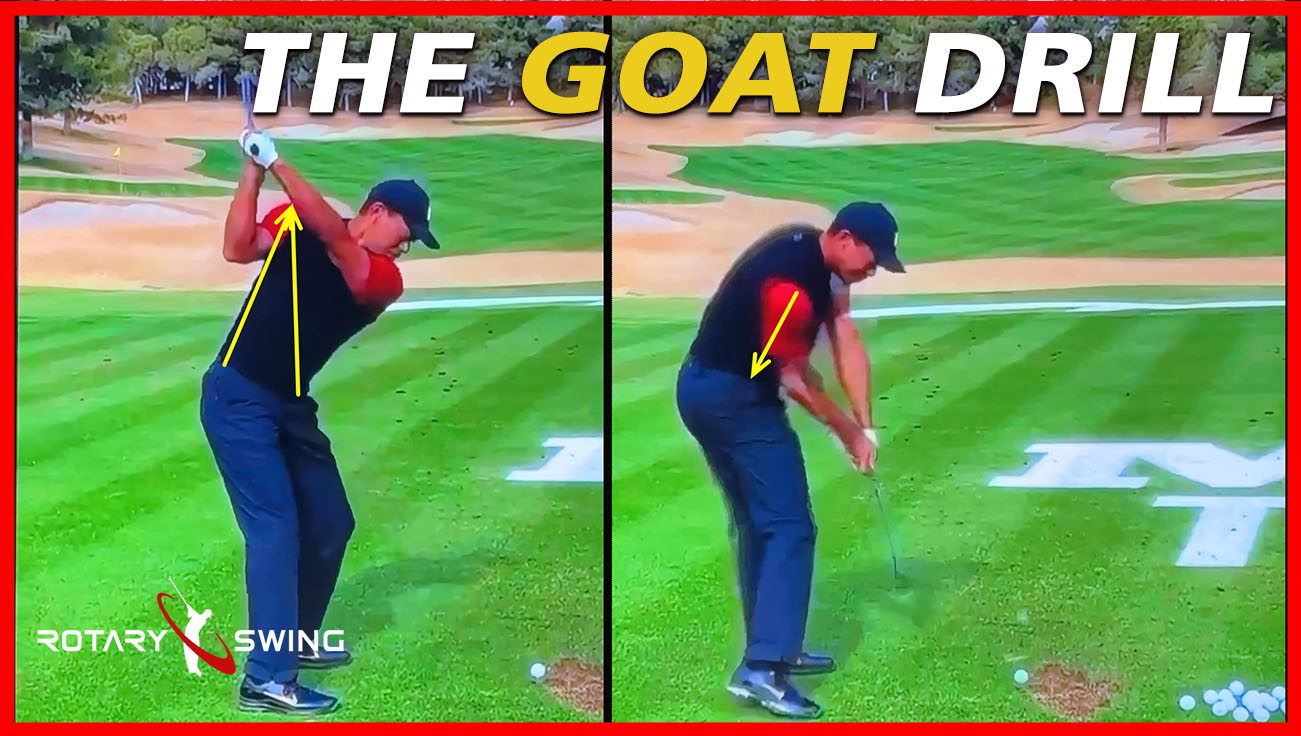
Once you understand the concepts behind lag retention and explosive release, the next step is drilling them into your motor pattern under real-time coaching feedback. The GOAT Drill video lesson walks you through the exact movement gates Adam Scott clears naturally, with GOATY coaching you through each rep until the pattern becomes automatic.
Your Next Steps to Swing More Like Adam Scott
How to Swing Like Adam Scott
Learn to replicate Adam Scott's efficient golf swing mechanics for better performance.
-
1
Load Your Trail Side
Begin by focusing on loading your trail side during the backswing. This involves shifting your weight to your back foot while maintaining a stable upper body. Ensure your trail hip moves deeper to create a solid foundation for your swing.
-
2
Maintain Lag in Transition
As you transition from the backswing to the downswing, work on retaining the lag in your wrists. This means keeping the clubhead behind your hands for as long as possible to store energy, which is crucial for generating clubhead speed.
-
3
Initiate Lower Body Movement
Start your downswing by initiating movement from your lower body. Your hips should lead the motion, allowing your upper body and arms to follow. Avoid firing your trail arm too early to maintain proper sequencing.
-
4
Stabilize Lead Side
Focus on stabilizing your lead side as you approach impact. This involves keeping your lead wrist organized and ensuring your lead arm is in the correct position. Proper stabilization helps in delivering power effectively through the ball.
-
5
Practice the GOAT Drill
Incorporate the GOAT Drill into your practice routine. This drill emphasizes the movement gates that Adam Scott naturally clears. Use real-time coaching feedback to refine your technique until the movements become automatic.
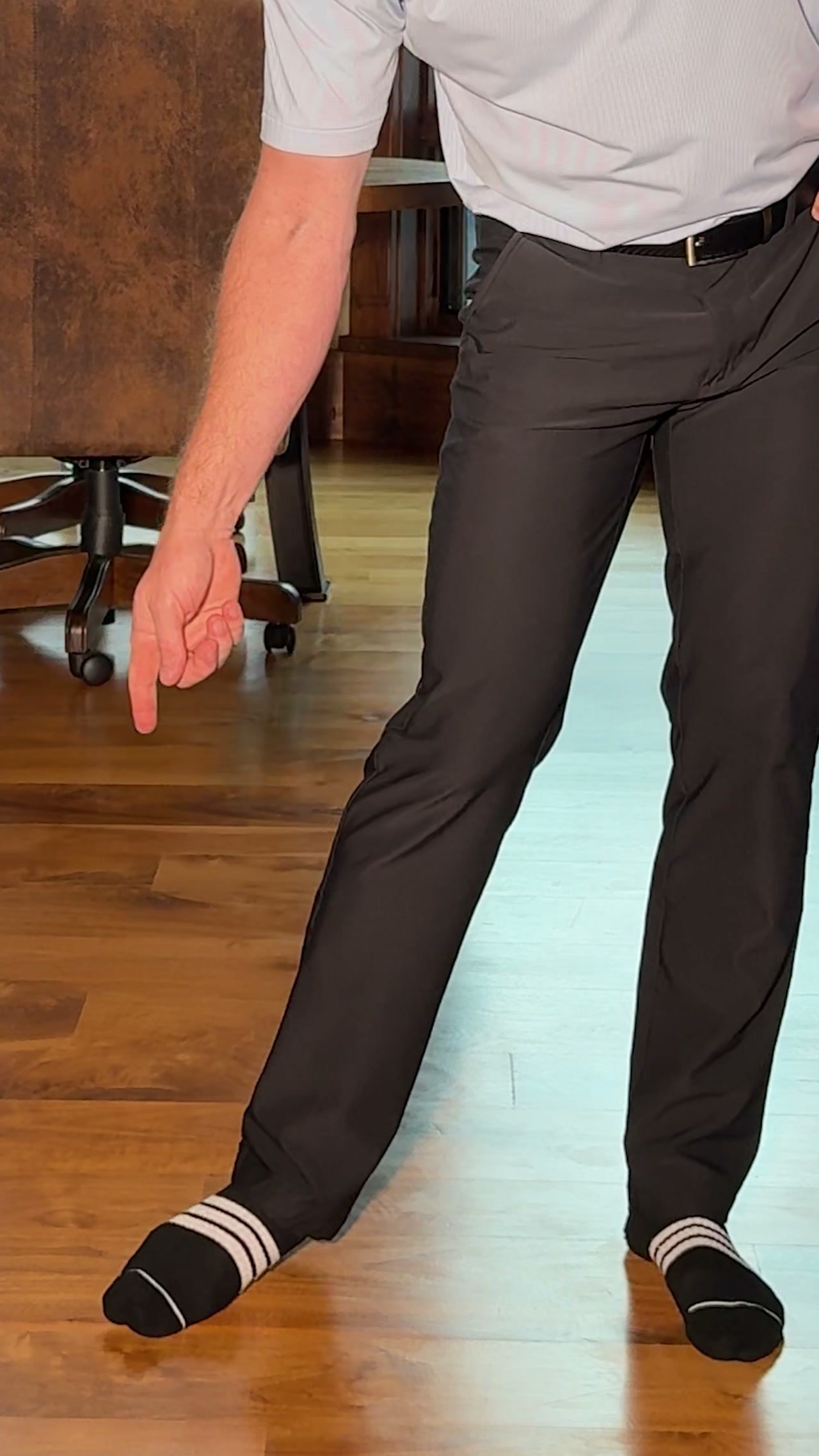
Watch part 2 now to see how you're moving your body in the opposite direction of the pros!