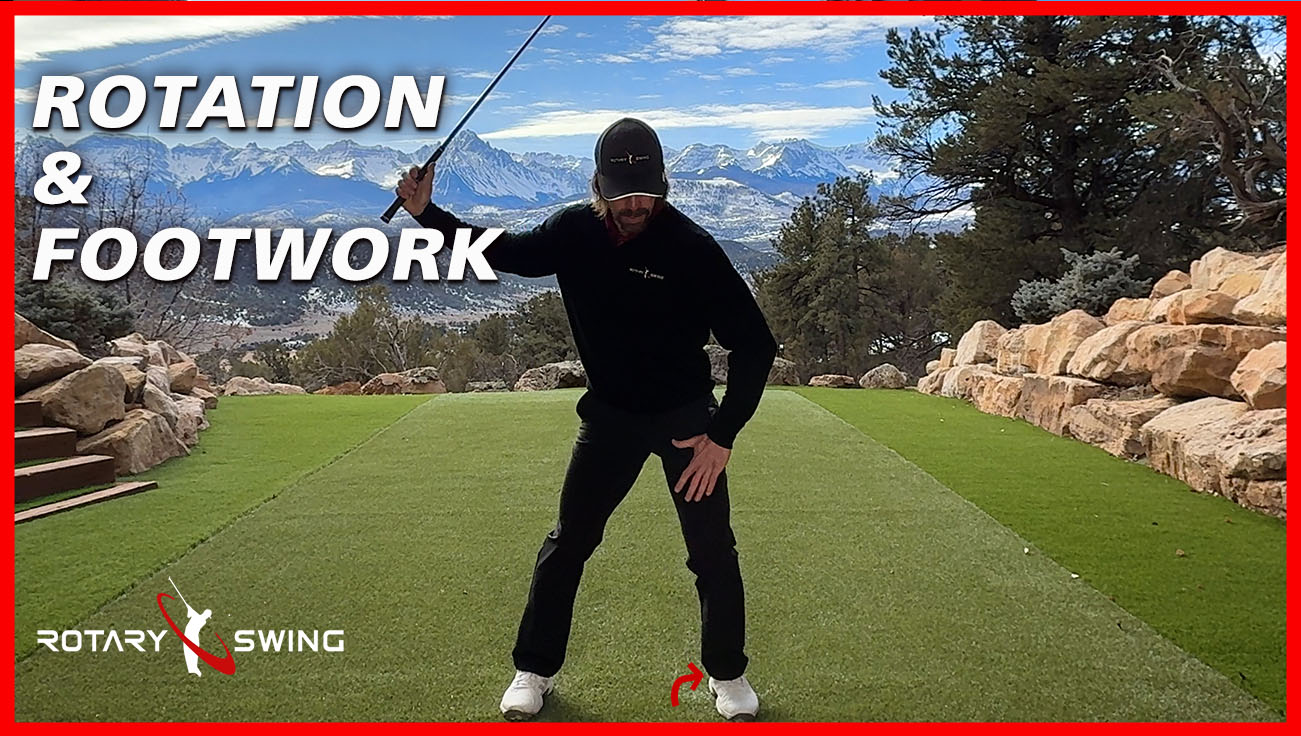
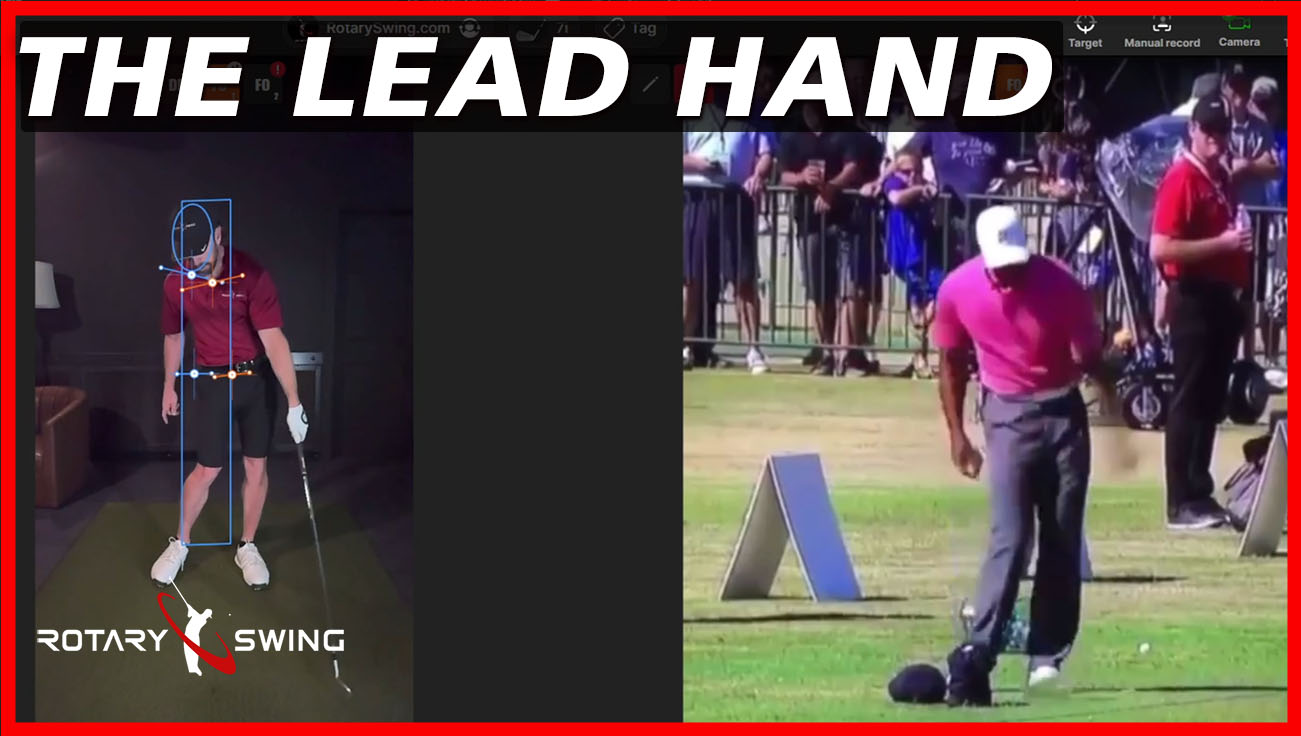
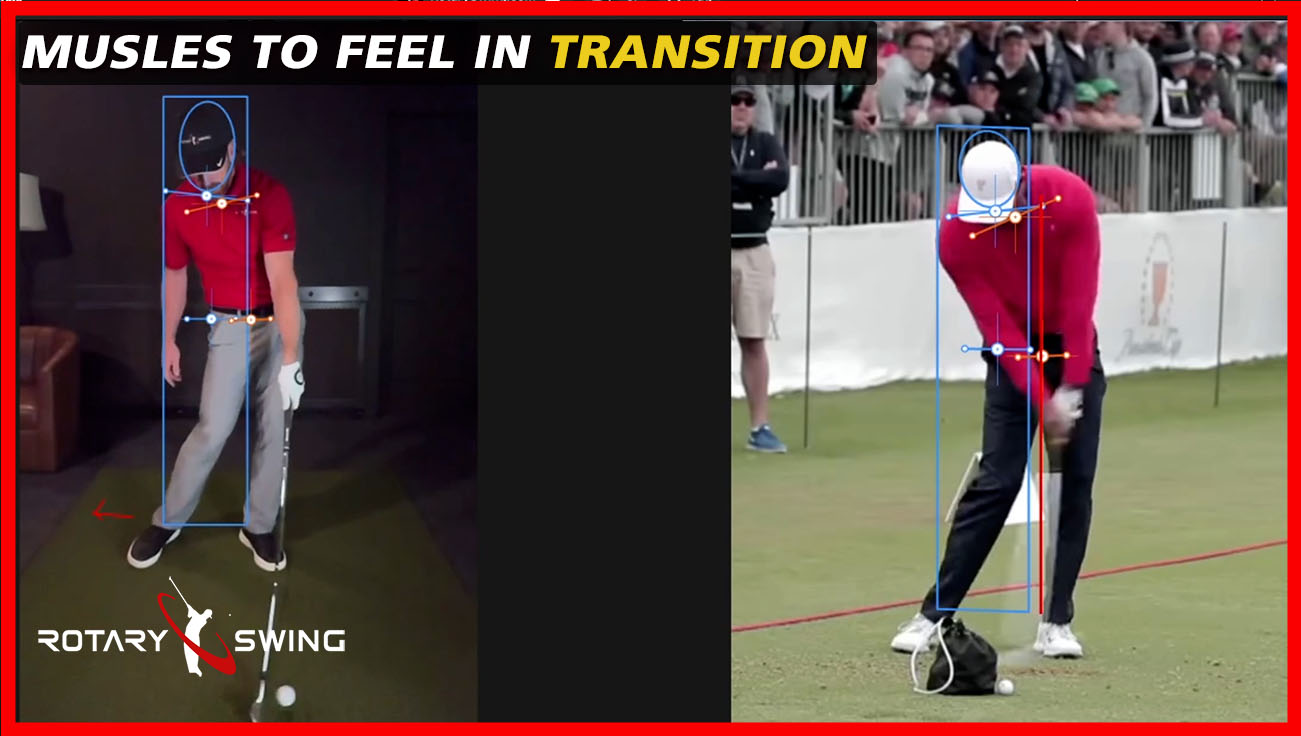
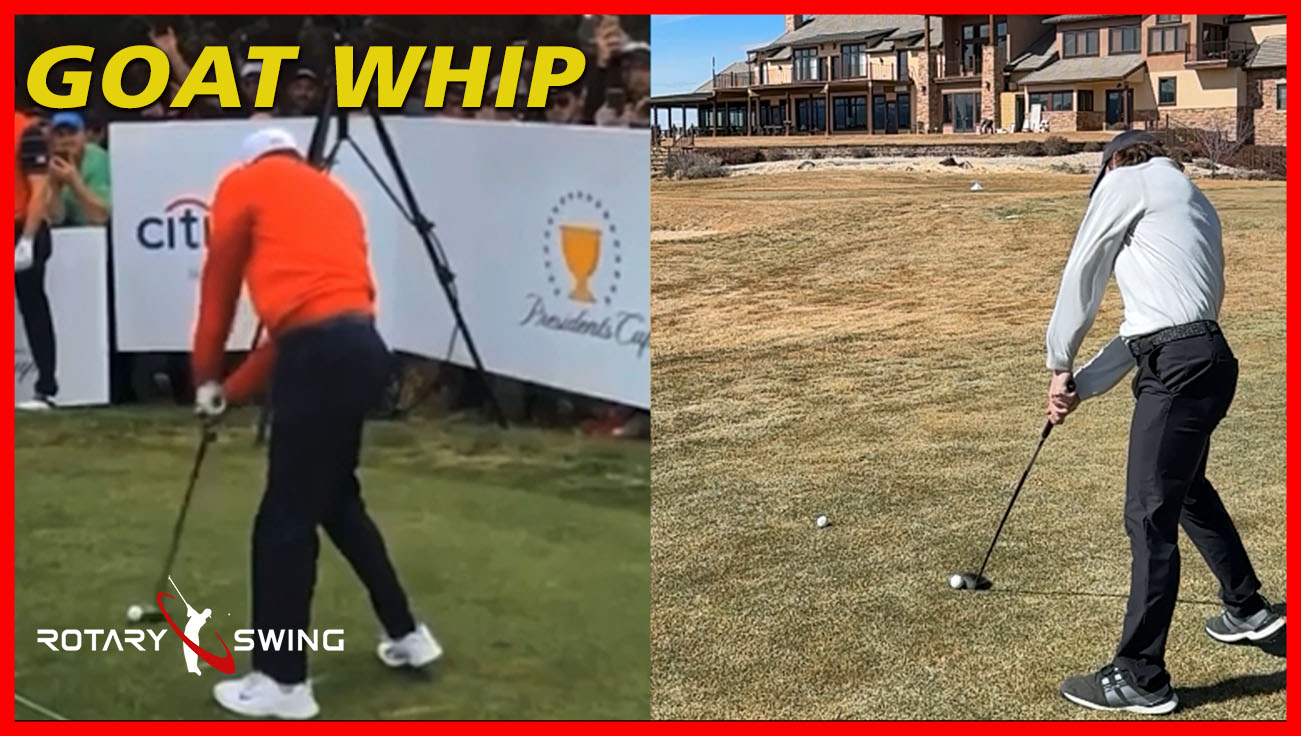
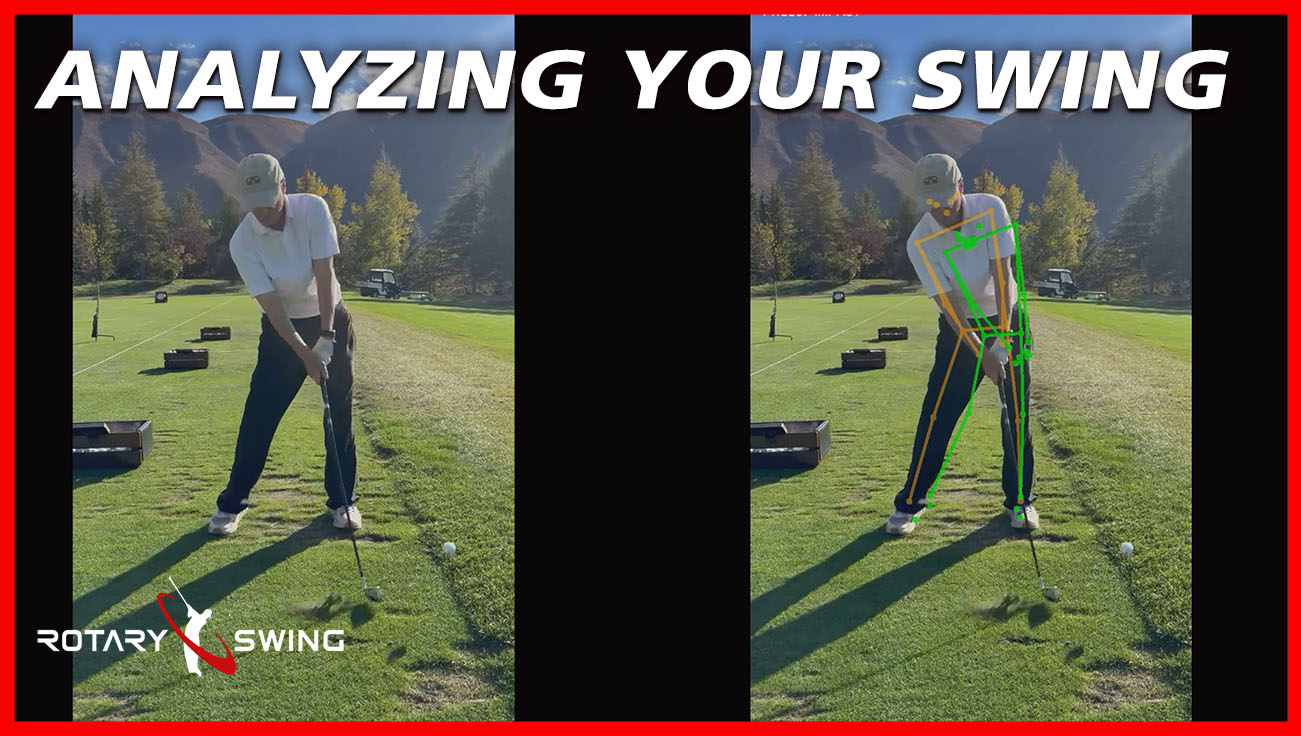
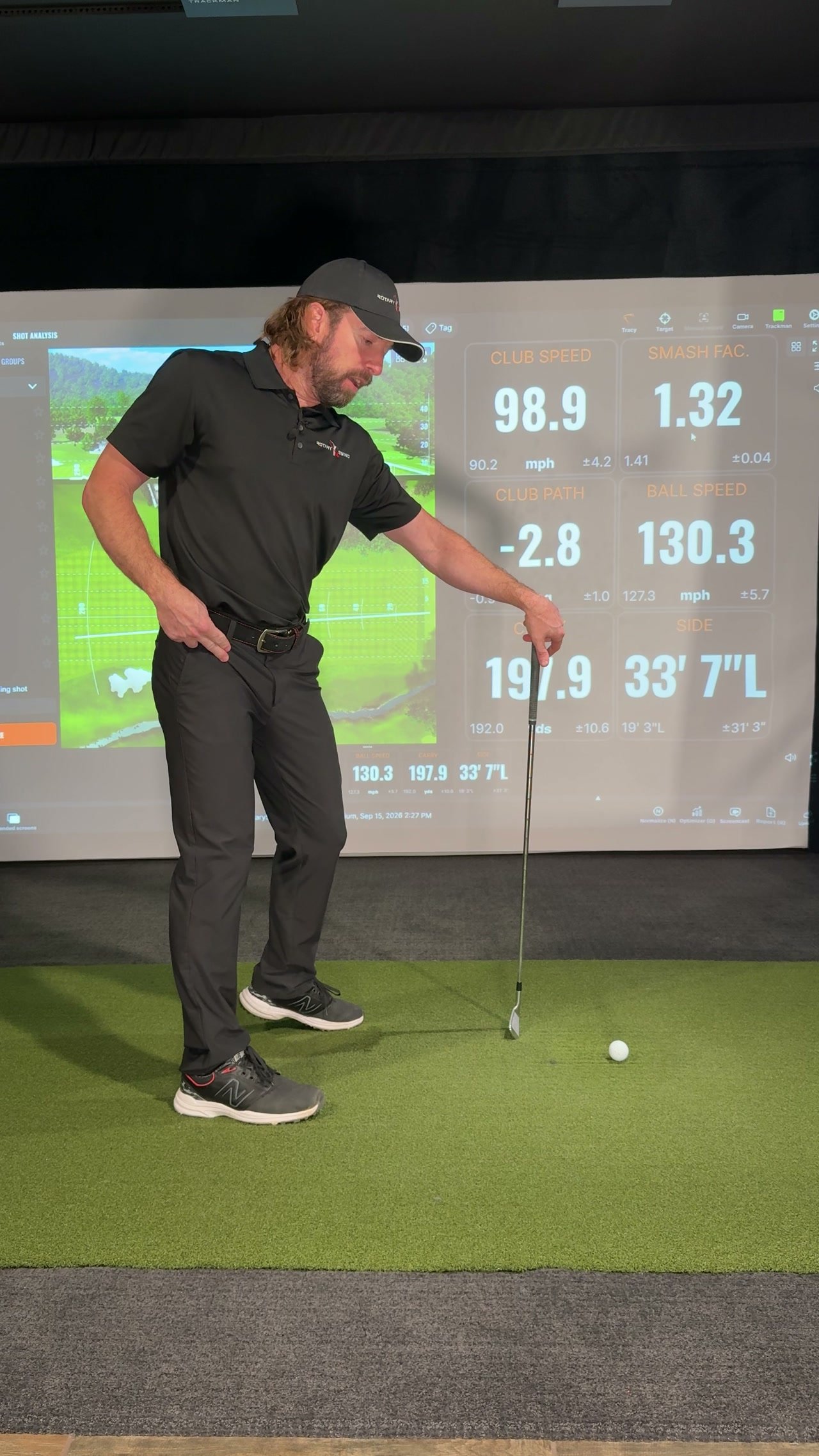
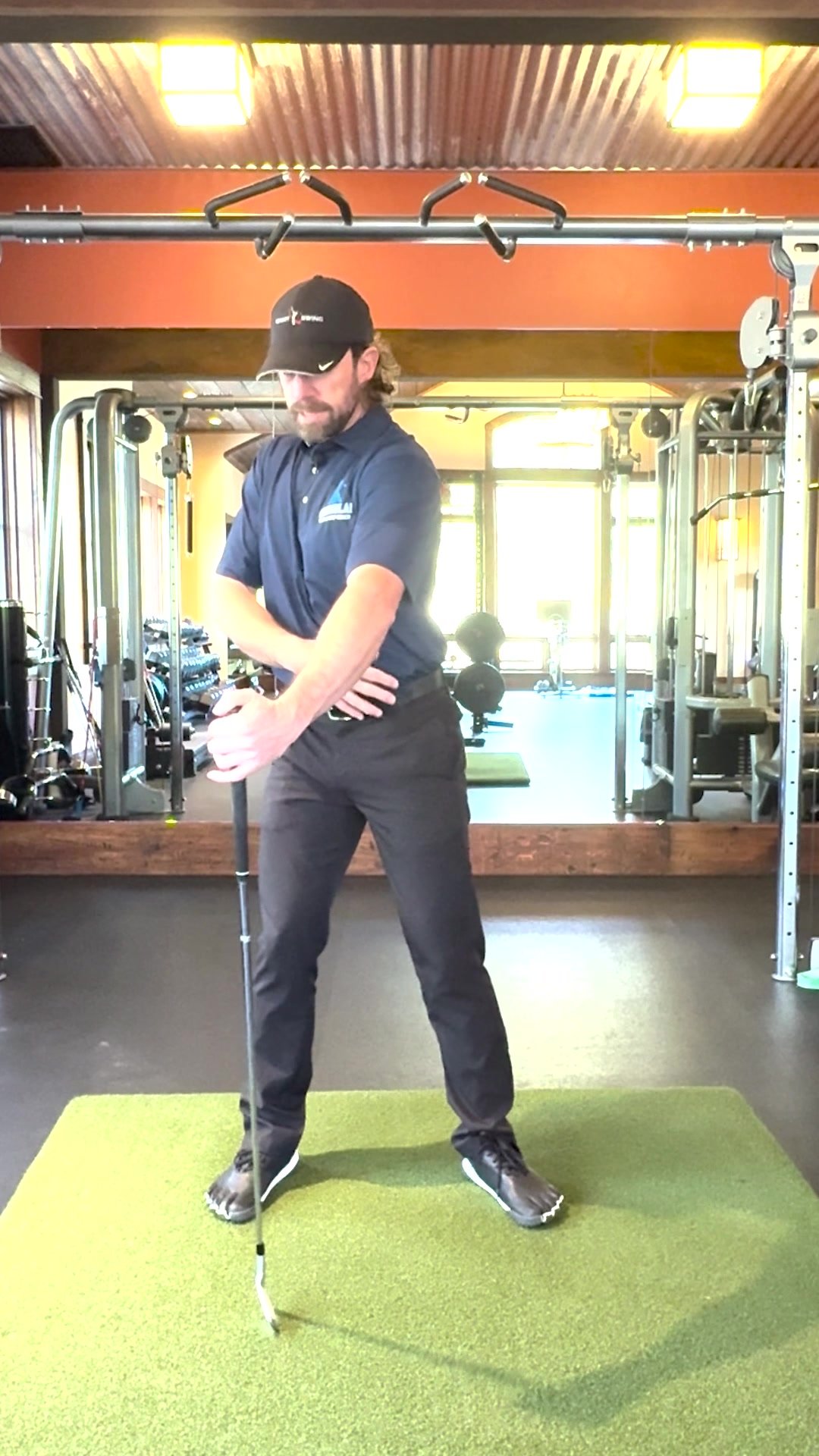
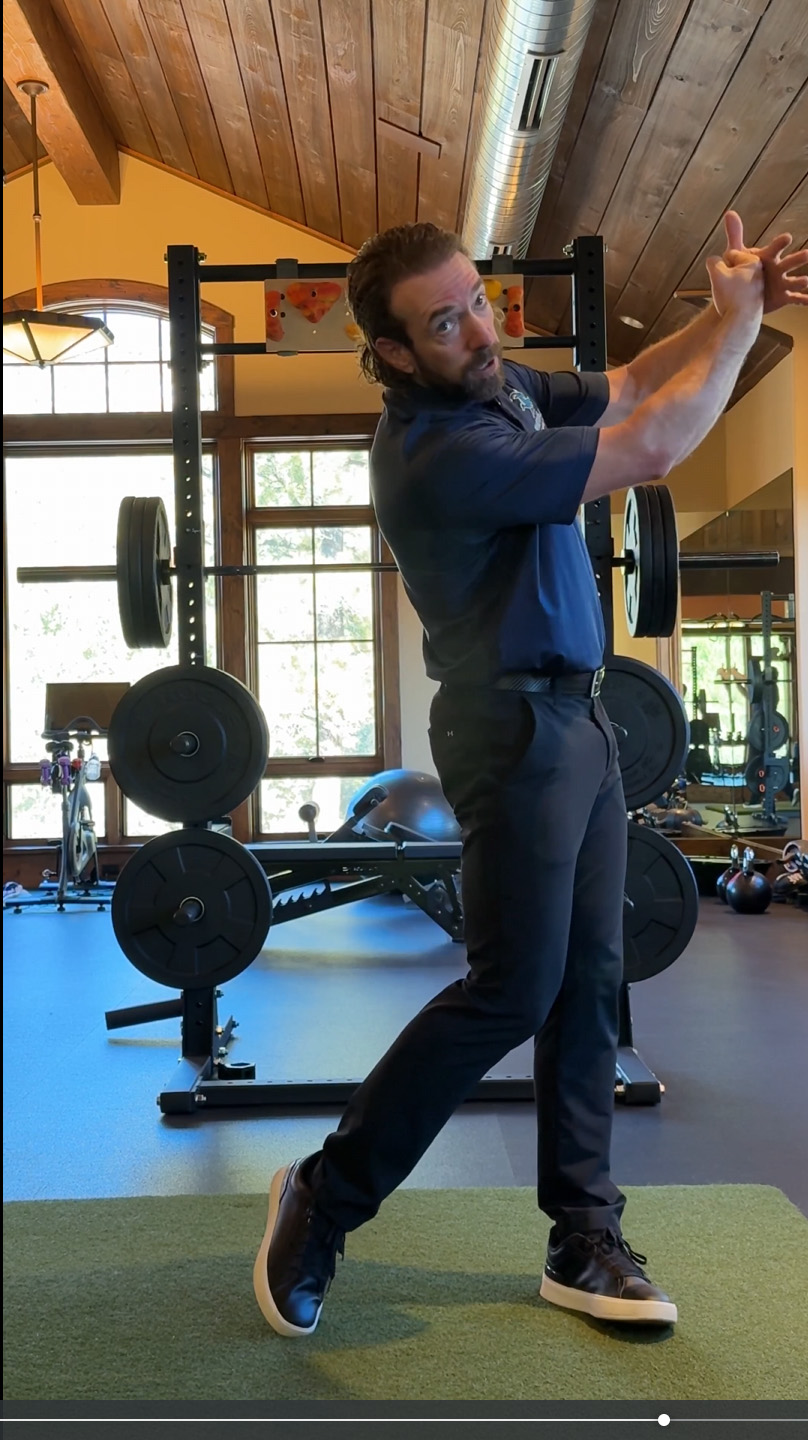
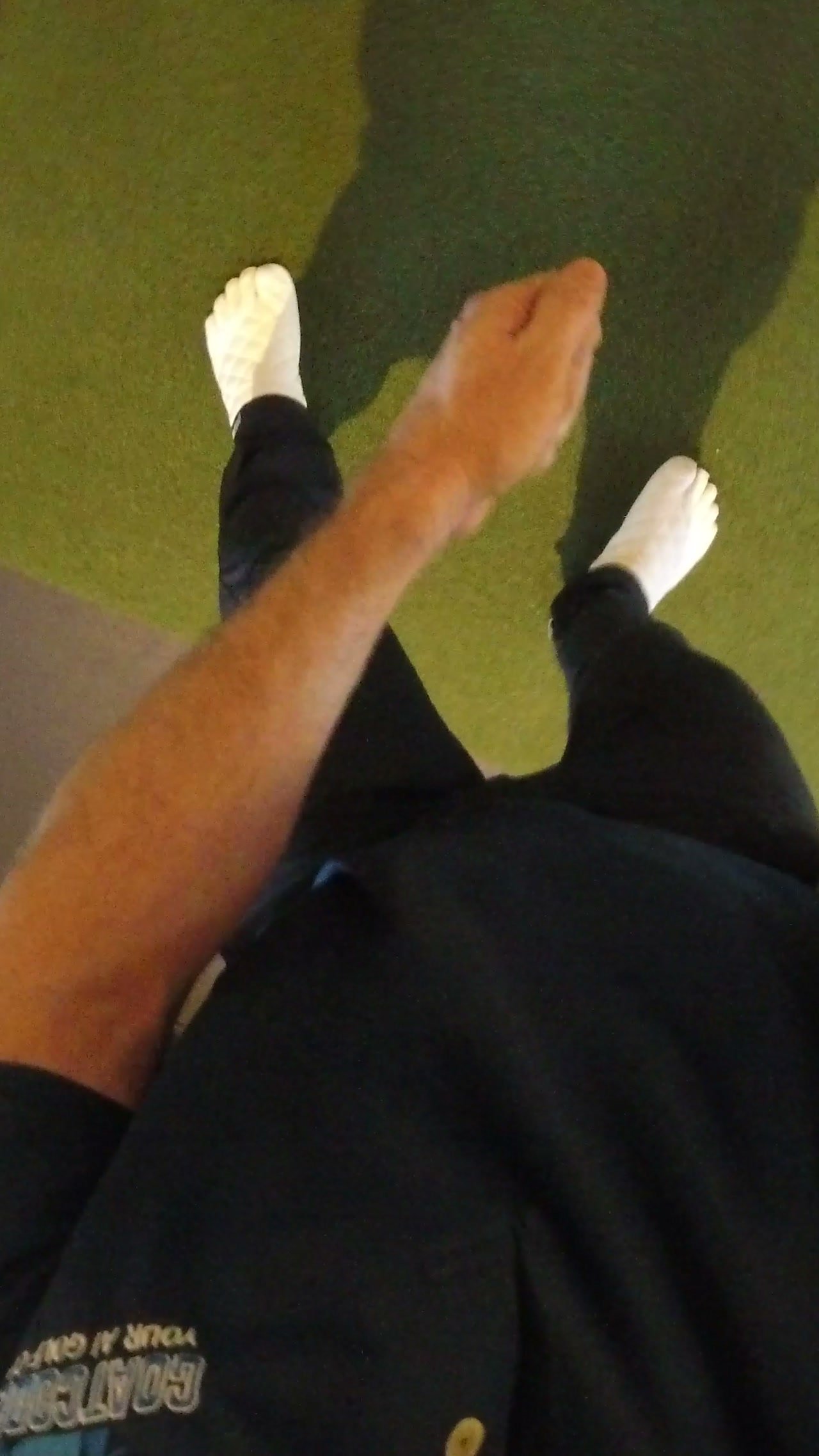
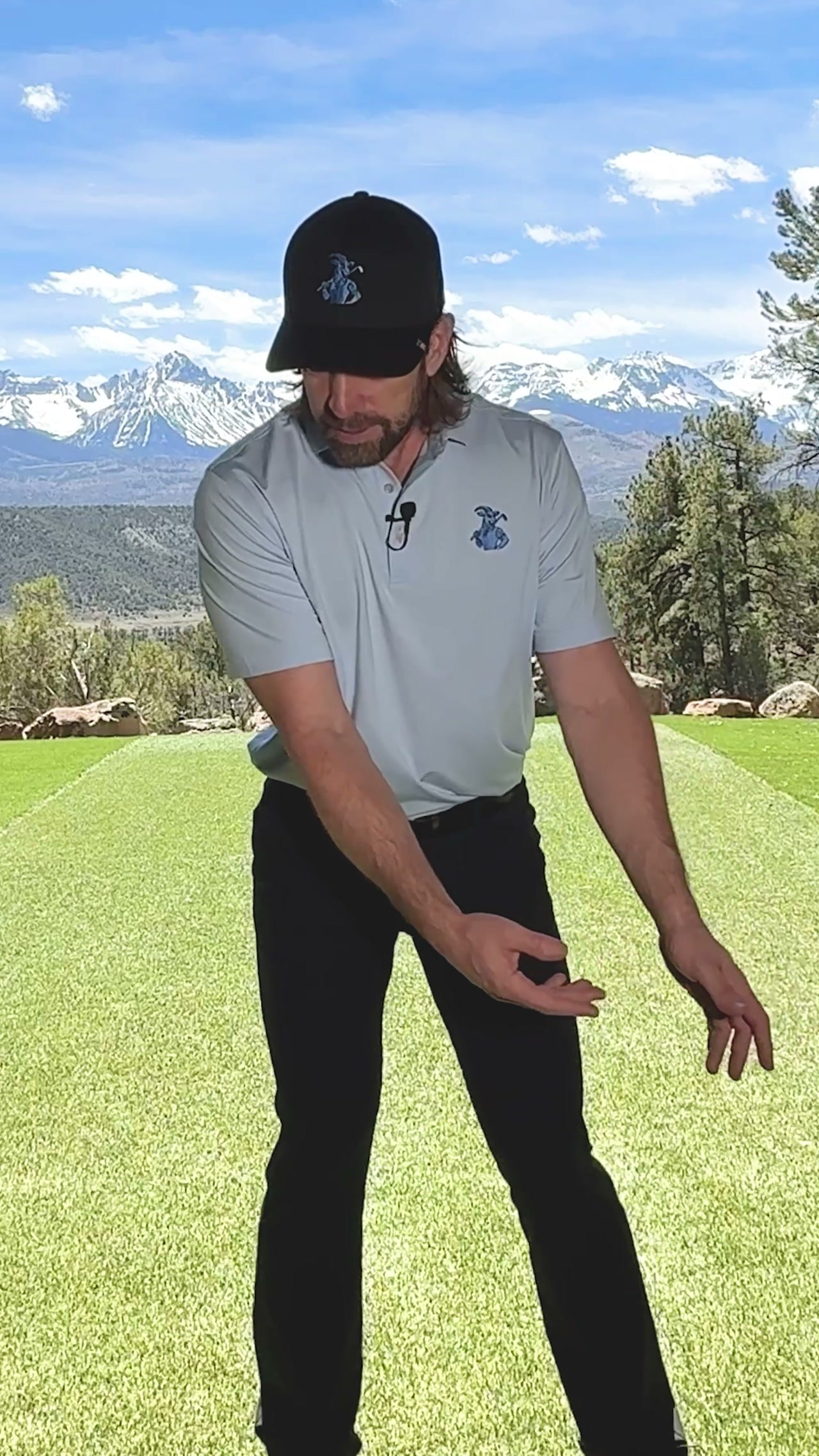
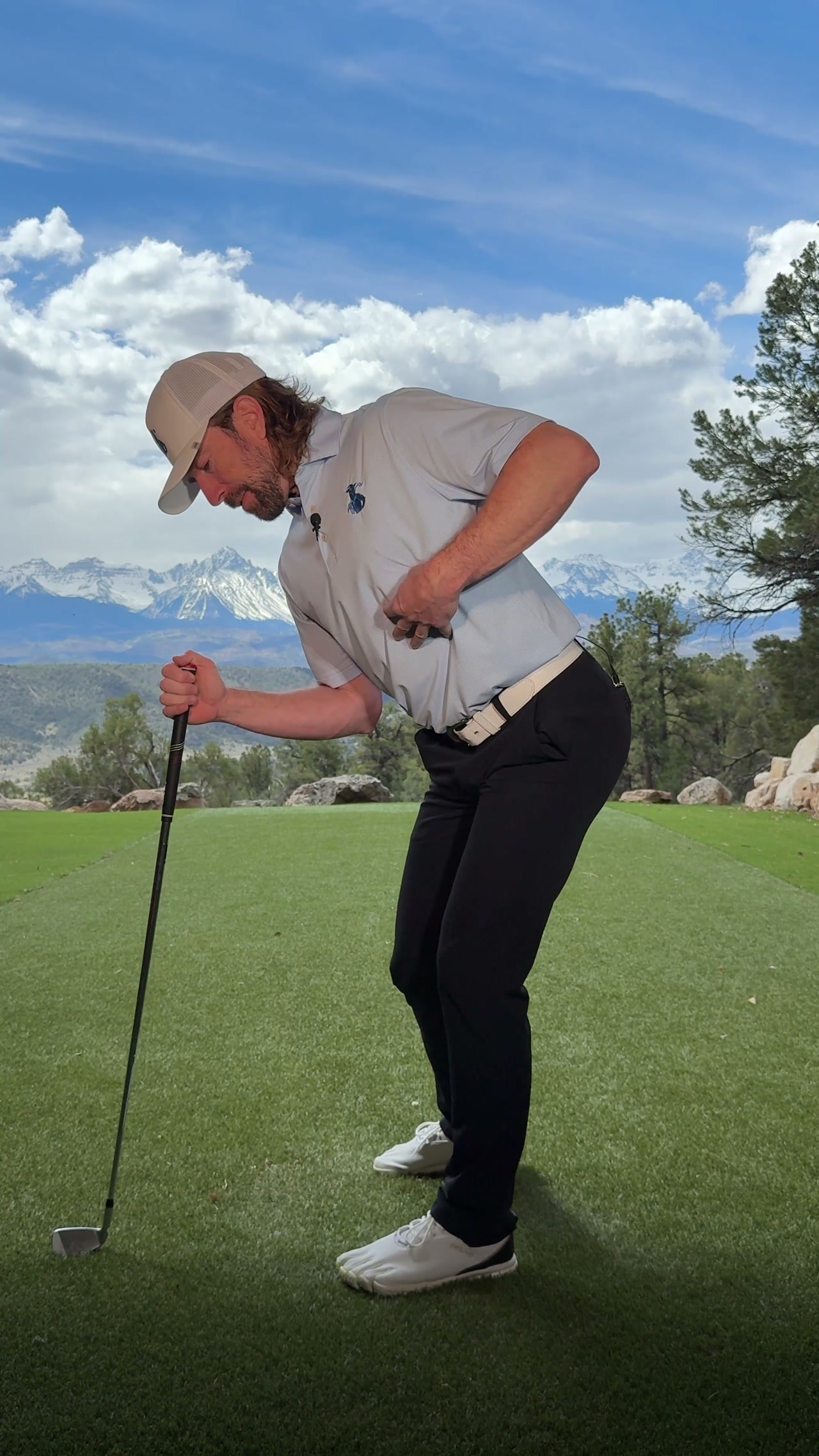
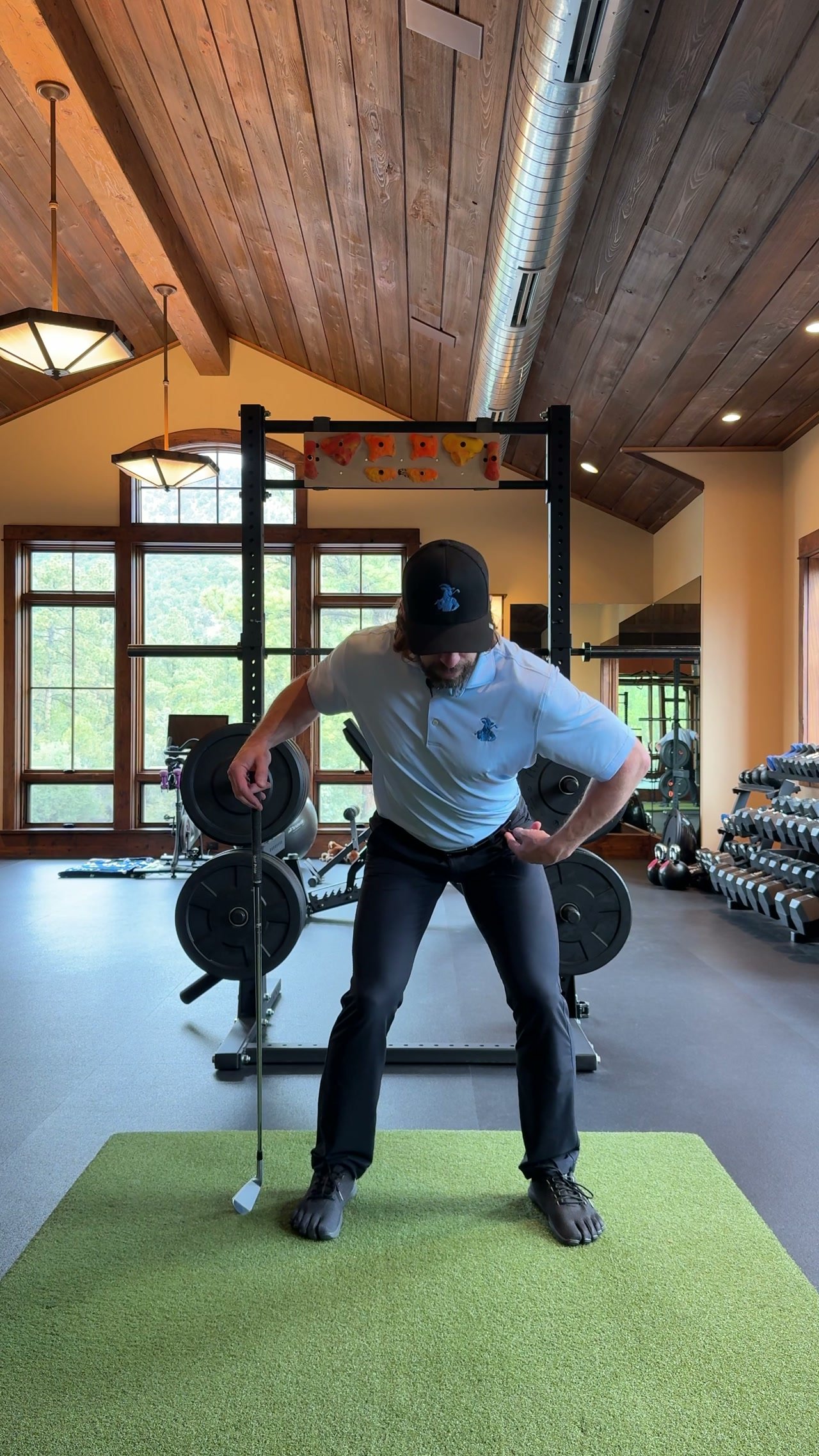
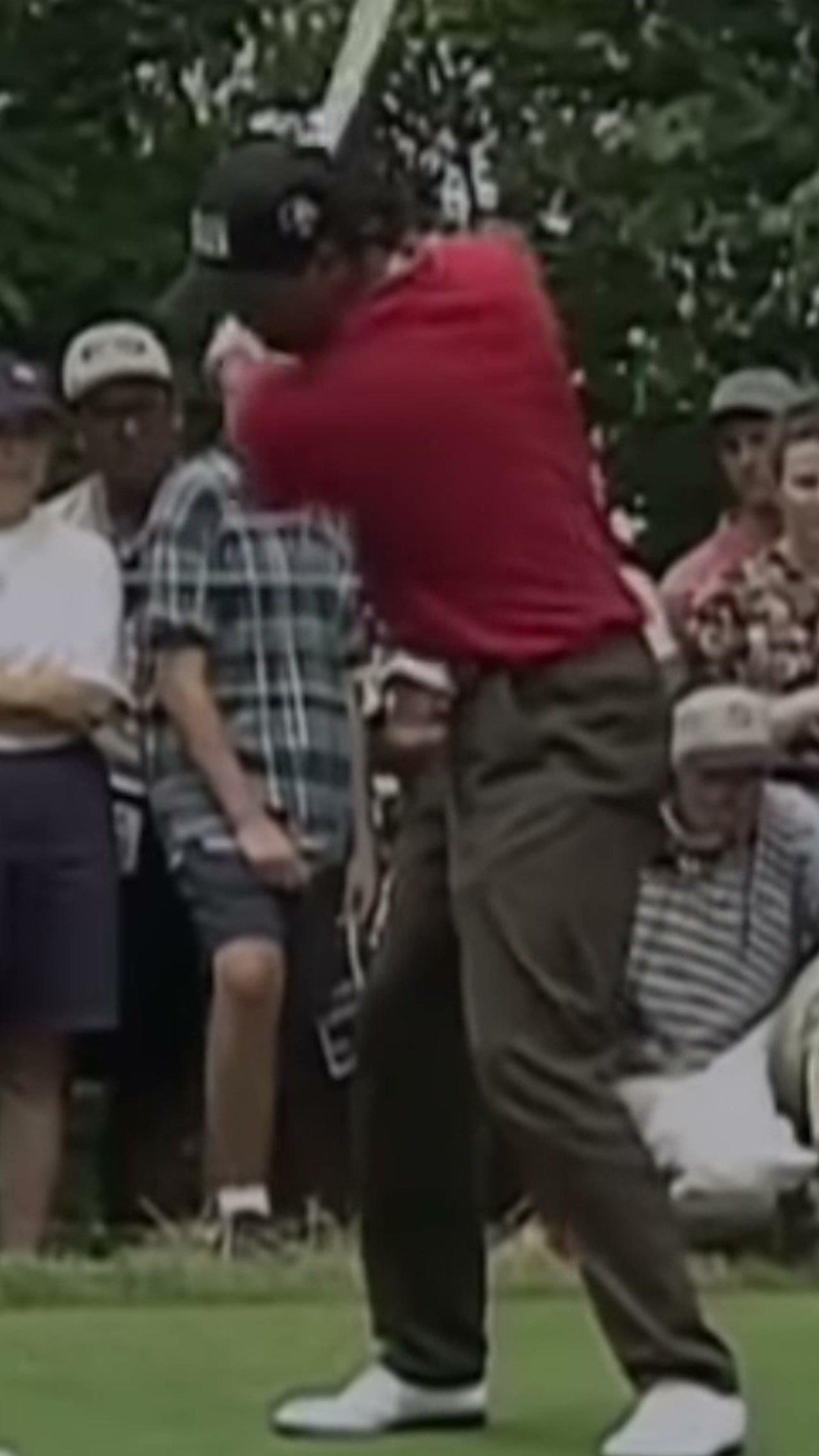
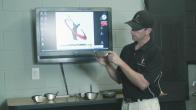
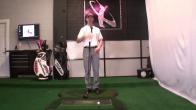
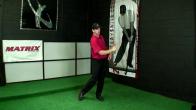
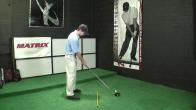
One of the most common issues we observe with the address position in golf is players who are "outside of their shoes."

Standing "Outside the Shoes" in your address position in golf
This means their weight distribution is pushing outward against the outer edge of the shoe, often causing the upper to protrude beyond the sole.
Is this the fault costing you strokes?
Film one swing on your phone. In about a minute GOATY measures it and names the single biggest thing costing you strokes — free, no card.
Analyze My Swing Free
Related: Golf swing weight transfer — the AI-coached approach →
Android users: Download GOATY on Google Play — free AI golf coaching on your Android phone. →
This is an extremely common problem, and it actually makes many different aspects of the golf swing significantly harder to execute correctly.
Stop reading about it — feel it in your swing today
GOATY watches your swing live and coaches you between every rep. Free. No signup.
Start Your FREE Live Lesson →Next time you are in your address position, take a moment to look down and check whether or not you can see the outside edges of your shoes.
If you cannot see them, you are likely "outside" your shoes.
Why Does it Matter?
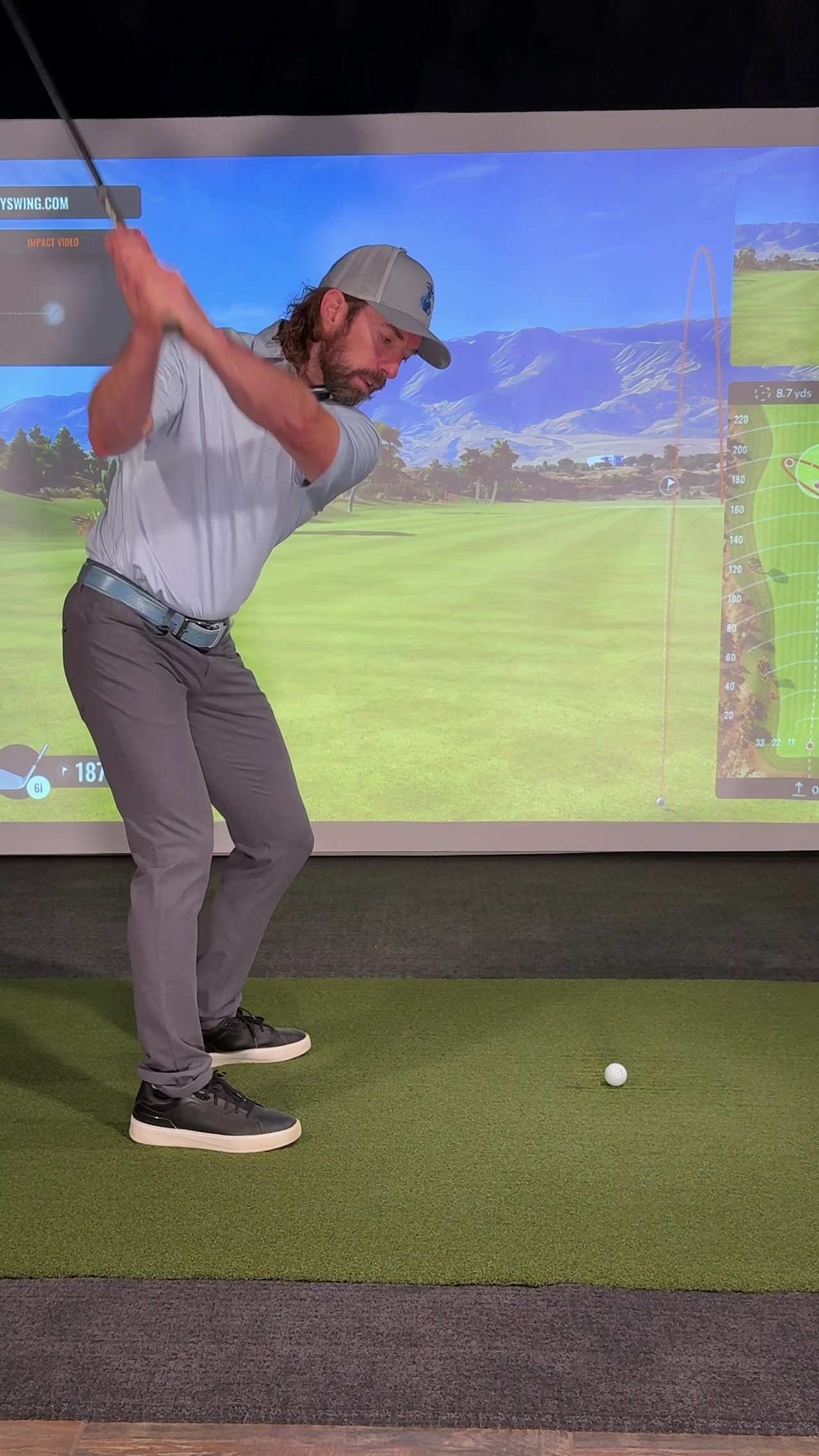
When your weight is distributed to the outside of your shoes, it leaves your hips extremely unstable and prone to sliding laterally throughout the swing.
More importantly, we see many golfers who, as they move into the golf backswing, get their weight way out over their trail leg. From that position, they have virtually no chance of getting back to the lead side — and that to the lead side is one of the most critical elements of a powerful golf swing.
Try a free live lesson with GOATY
GOATY, my AI golf coach, watches your swing through your phone camera and coaches every rep. Free, about 20 minutes, no credit card.
Here's How to Fix It

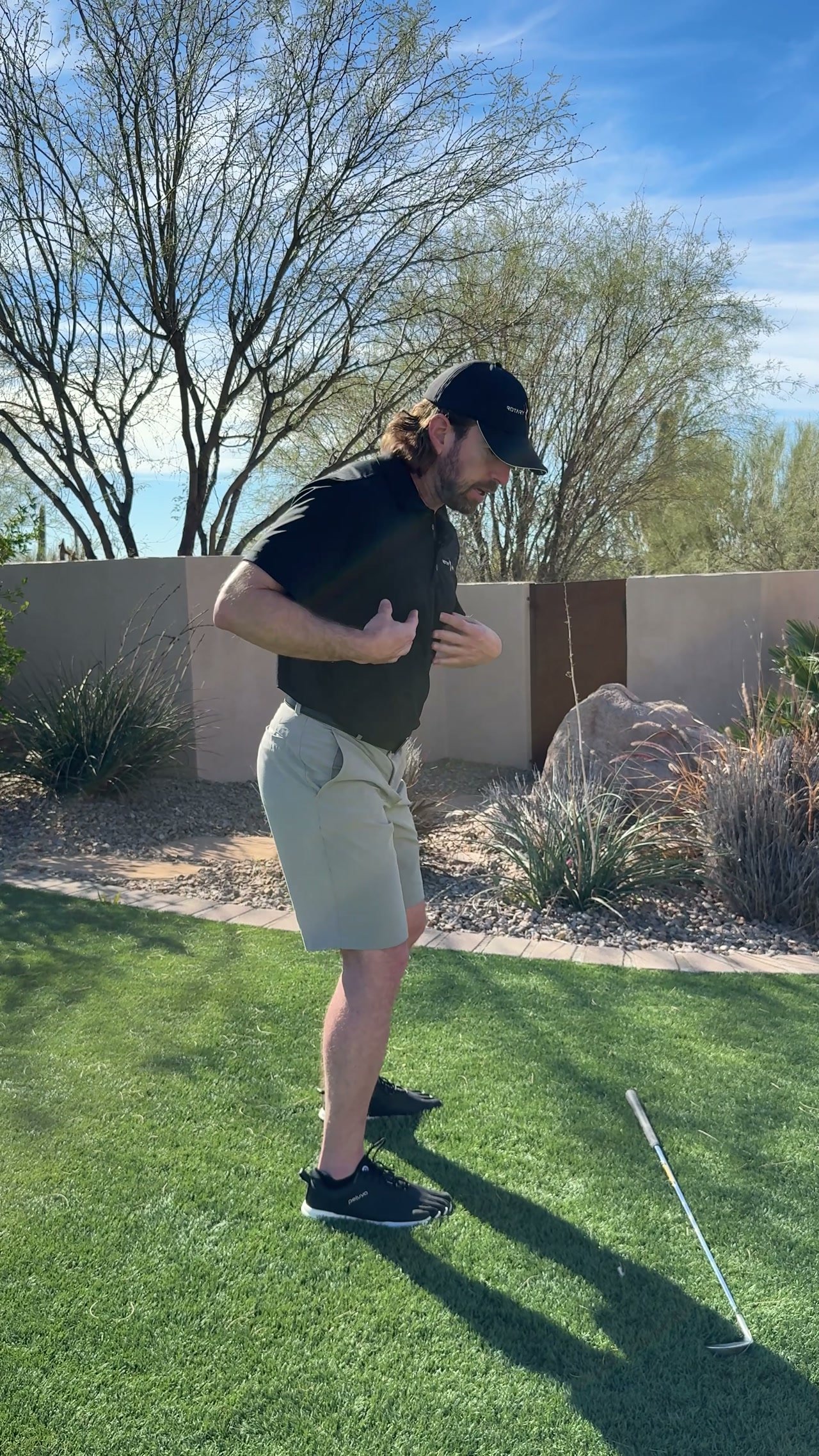
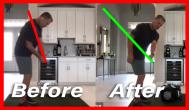
Standing outside your shoes leaves your hips unstable
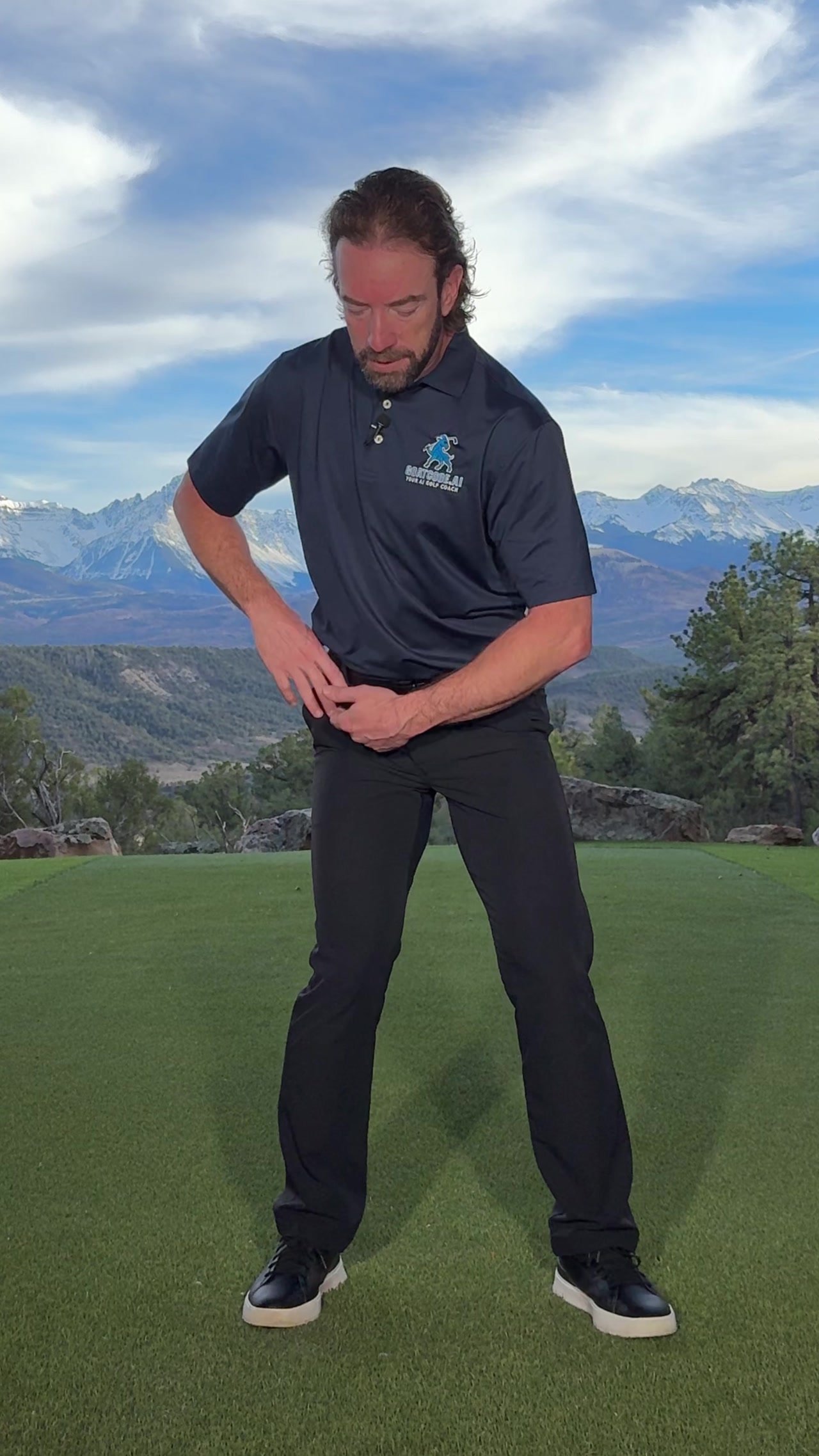
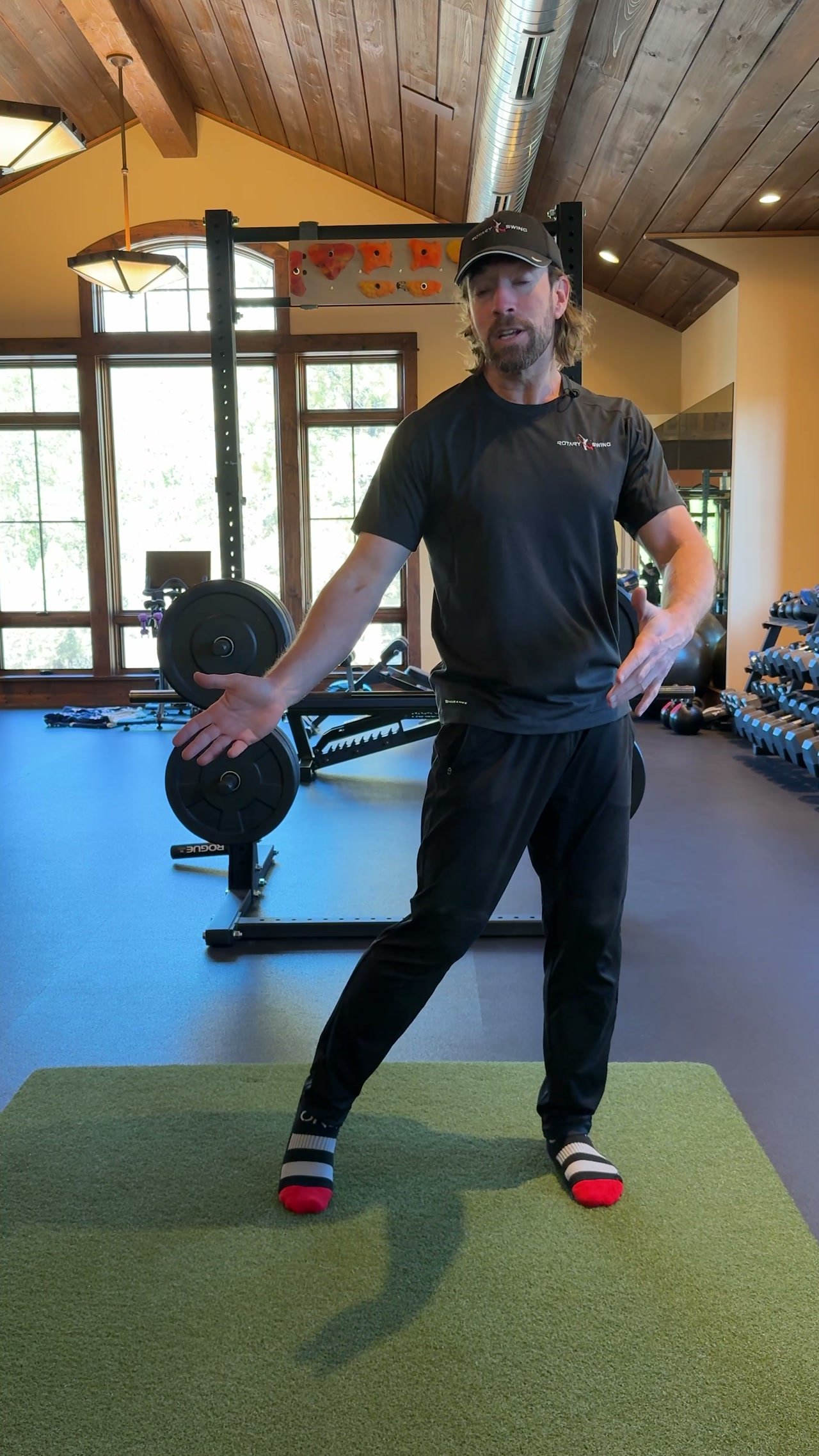
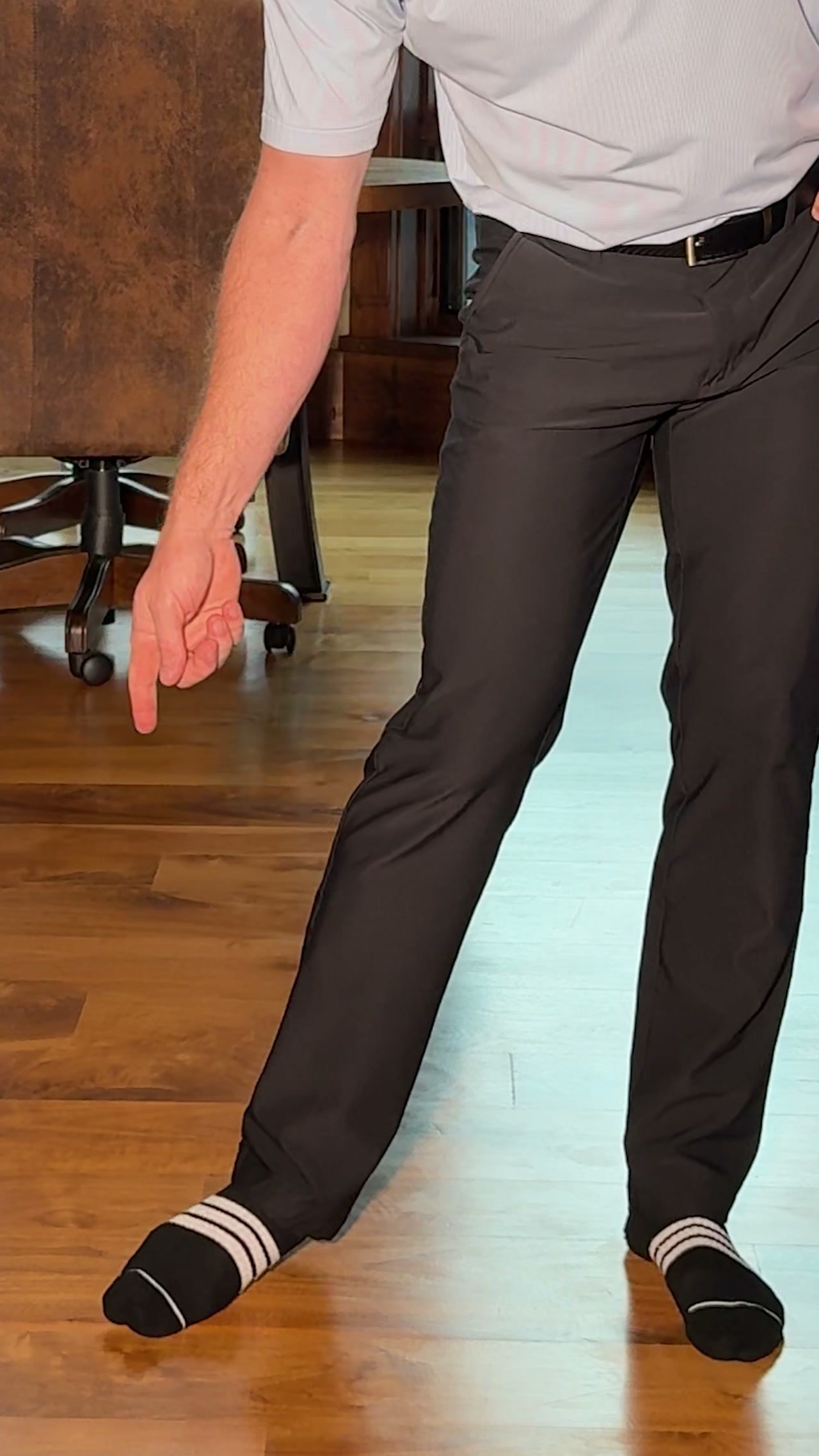
One simple motion will get you back into good at address. Just take your ankles and roll them slightly inward — just enough until you feel some increased pressure on the inside of your shoes.
That is it!
Be careful not to roll your knees inward. Just move your ankles slightly — a very small amount — until you feel that you can press some weight down onto the insides of your shoes.
You should find that you can now look down and see the outside edges of your shoes clearly.
You may notice, once you roll your ankles slightly in, that you feel some tightening on the insides of your thighs.
That is exactly the correct sensation — it should feel almost as if you were trying to gently drag your feet together.
Of course you will not be applying that much actual pressure, but you may notice a small amount of engagement in your inner thighs, which is the desired response.
You should feel your glutes and the insides of your thighs engage, and you will no longer experience all that instability you felt when your weight was on the outside of your shoes. To see how your weight distribution and setup are affecting your swing, try a free AI swing analysis.

You will feel some tension in the inner thighs
Balanced and Stable
The goal in your address position in golf is to feel balanced and completely stable, and rolling those ankles slightly inward is one of the essential keys to achieving it.
When you press the weight down toward the insides of your ankles, you will be in a much more balanced, stable position from which to build your swing.
With your ankles correctly positioned, you will not sway to the outside of your shoe or the outside of your foot during the backswing.
You will be centered and balanced, and will be able to finish in a balanced follow-through position.
Remember, get into your address position, roll those ankles slightly inward — especially if you can see your shoes bulging outward on the outside edges.
It can be a difficult angle to observe yourself — you can have a friend check for you if you cannot see it on your own.
Get your weight onto the insides of your feet, and you will have a much more stable, balanced position at address — the foundation of a consistent golf swing. For real-time feedback on your balance and setup, try a free AI golf lesson.
How to Achieve a Stable Golf Address Position
Learn how to adjust your address position for better balance and stability in your golf swing.
-
1
Check Your Shoe Edges
Begin by looking down at your feet in the address position. Ensure you can see the outside edges of your shoes. If you can't, you may be standing 'outside your shoes,' which can lead to instability during your swing.
-
2
Roll Ankles Inward
Gently roll your ankles slightly inward. This small adjustment will help shift your weight towards the insides of your shoes, creating a more stable base for your swing.
-
3
Feel the Pressure
As you roll your ankles inward, pay attention to the pressure on the insides of your shoes. You should feel a slight engagement in your inner thighs, indicating that you are in a better position.
-
4
Check Your Balance
Ensure that your weight is evenly distributed and that you feel balanced. This will help prevent swaying during your backswing and improve your overall swing mechanics.
-
5
Practice Regularly
Incorporate this ankle adjustment into your practice routine. Regularly check your address position to maintain stability and ensure a consistent golf swing.
Frequently Asked Questions
What does it mean to be 'outside of your shoes' in golf?
Being 'outside of your shoes' refers to a weight distribution issue where a golfer's weight is pushing outward against the outer edges of their shoes. This often leads to instability in the hips and can hinder proper weight transfer during the swing, making it difficult to execute a powerful and balanced shot.
How can I fix my address position if I'm unstable?
To improve your address position, roll your ankles slightly inward until you feel pressure on the insides of your shoes. This adjustment will help you achieve a more stable and balanced stance, allowing for better weight transfer during your swing and reducing the likelihood of swaying during your backswing.
Why is weight distribution important at address in golf?
Weight distribution is crucial at address because it affects your stability and balance throughout the swing. If your weight is on the outside of your shoes, your hips become unstable, making it challenging to transfer weight effectively to your lead side, which is essential for generating power in your shot.
What sensations should I feel when adjusting my address position?
When you adjust your address position by rolling your ankles inward, you should feel some pressure on the insides of your shoes and a slight tightening in your inner thighs. This indicates that you are engaging the correct muscles, which will help you achieve a more stable and balanced setup for your swing.
Watch part 2 now to see how you're moving your body in the opposite direction of the pros!