The

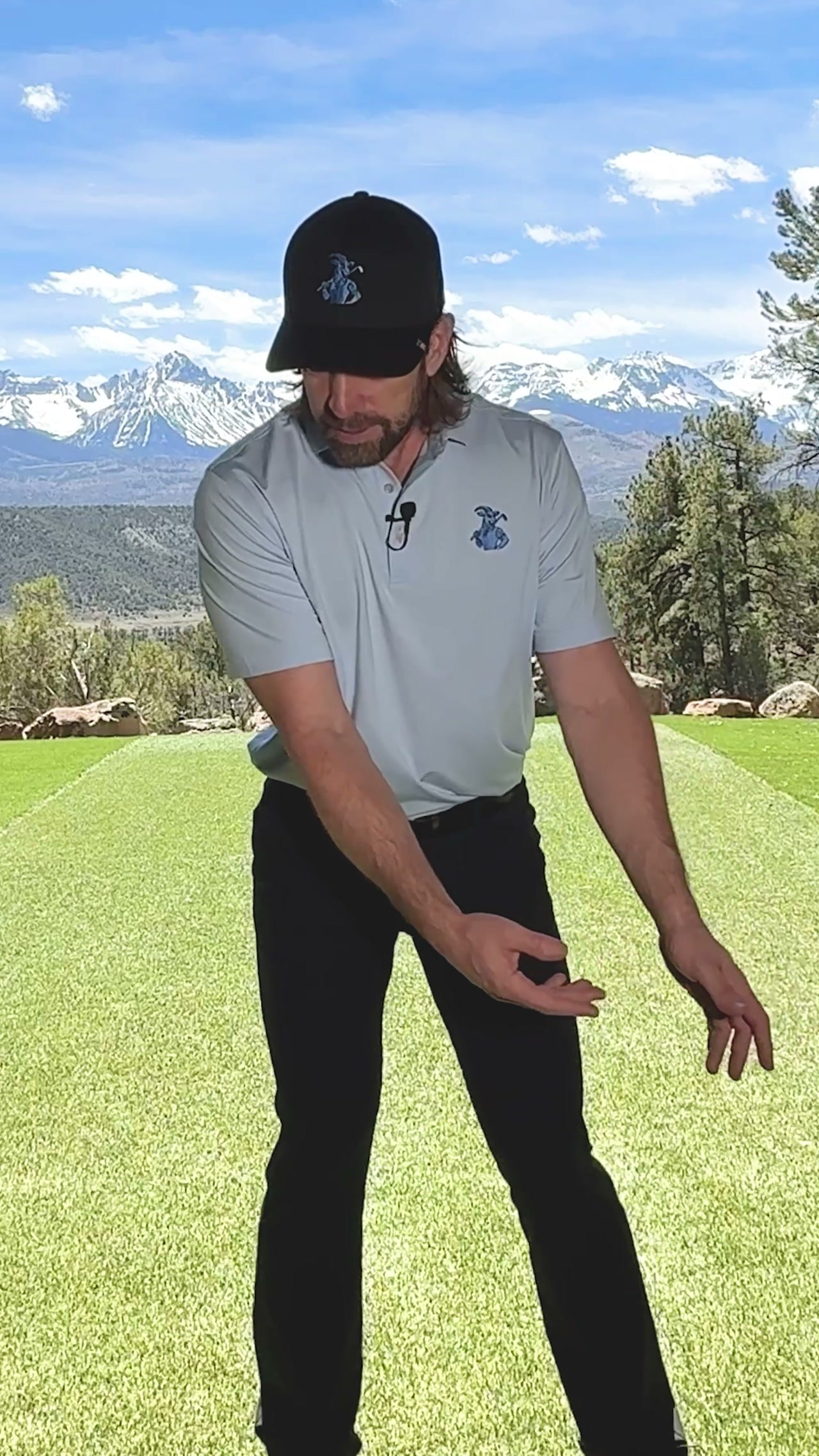
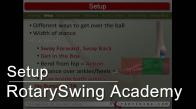
Swinging the left arm is one way
Many golfers are confused about the term "swing plane." It is used extensively throughout golf instruction, and is credited with popularizing the concept in relation to the golf swing.
The swing plane is vastly misunderstood by most golfers. How do we create a swing plane? Why does it matter? What do we do with it once we have established it?
Is this the fault costing you strokes?
Film one swing on your phone. In about a minute GOATY measures it and names the single biggest thing costing you strokes — free, no card.
Analyze My Swing Free
Related: Fix coming over the top with live AI coaching →
Android users: Download GOATY on Google Play — free AI golf coaching on your Android phone. →
Today we are going to examine how to create the swing plane correctly. It is remarkably simple, and it is probably nothing like what you think.
Stop reading about it — feel it in your swing today
GOATY watches your swing live and coaches you between every rep. Free. No signup.
Start Your FREE Live Lesson →When most golfers think about creating a swing plane, they focus on the lead arm. They take the lead arm and just swing it on an arc. There is no doubt that this creates a swing plane — in fact, it produces a very good one using just the lead arm.
The problem is that just swinging that arm creates unnecessary movement. All the movement in that lead-arm swing originates from the lead shoulder socket — that is what creates this type of swing plane.
Two Ingredients for the Swing Plane
Creating a proper swing plane is actually even simpler than that. The plane in a golf swing is composed of two types of movement:
- Rotation — Rotating creates movement around your body. This gives the swing plane its depth.
- Elevation — Most of the vertical movement in the swing plane is created by simply bending your trail elbow. This gives the plane its height.
Of course, the vertical component could be created by the lead arm swinging across the body, but that is not the optimal approach. Trail elbow flexion makes the entire process simpler and more consistent.

Rotation
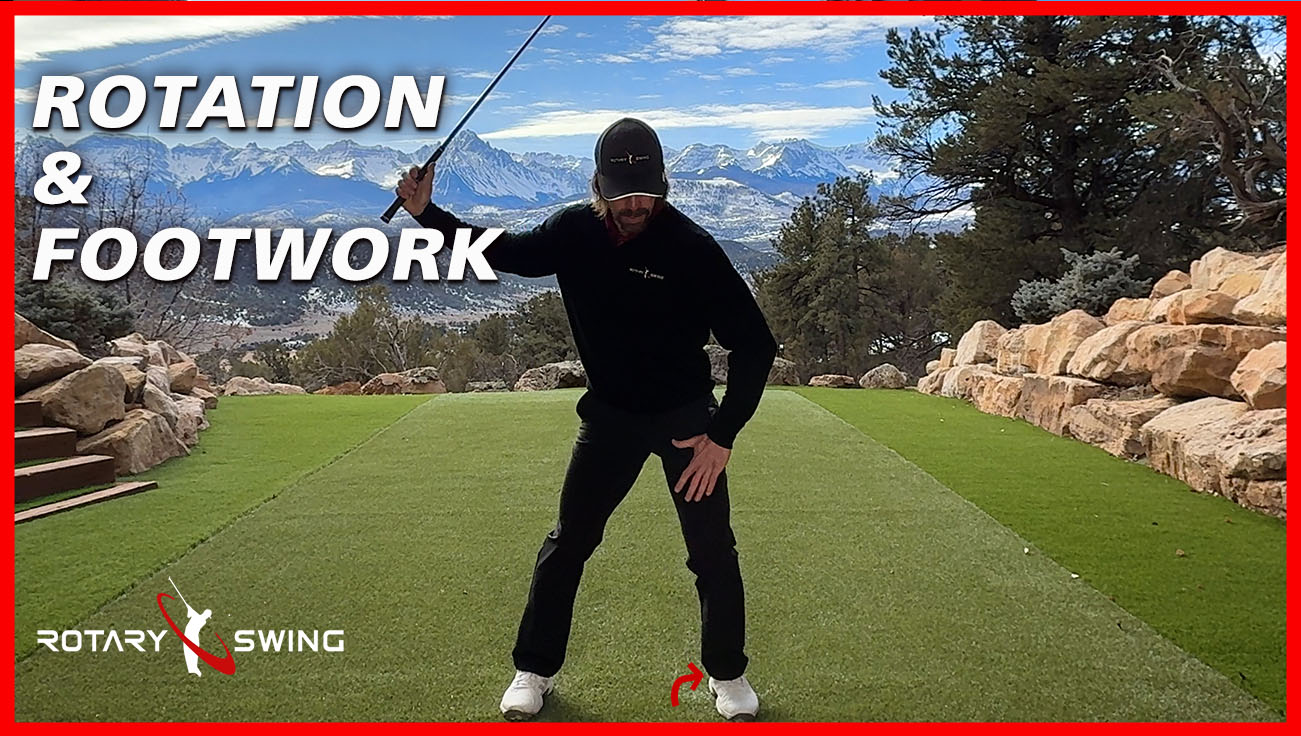
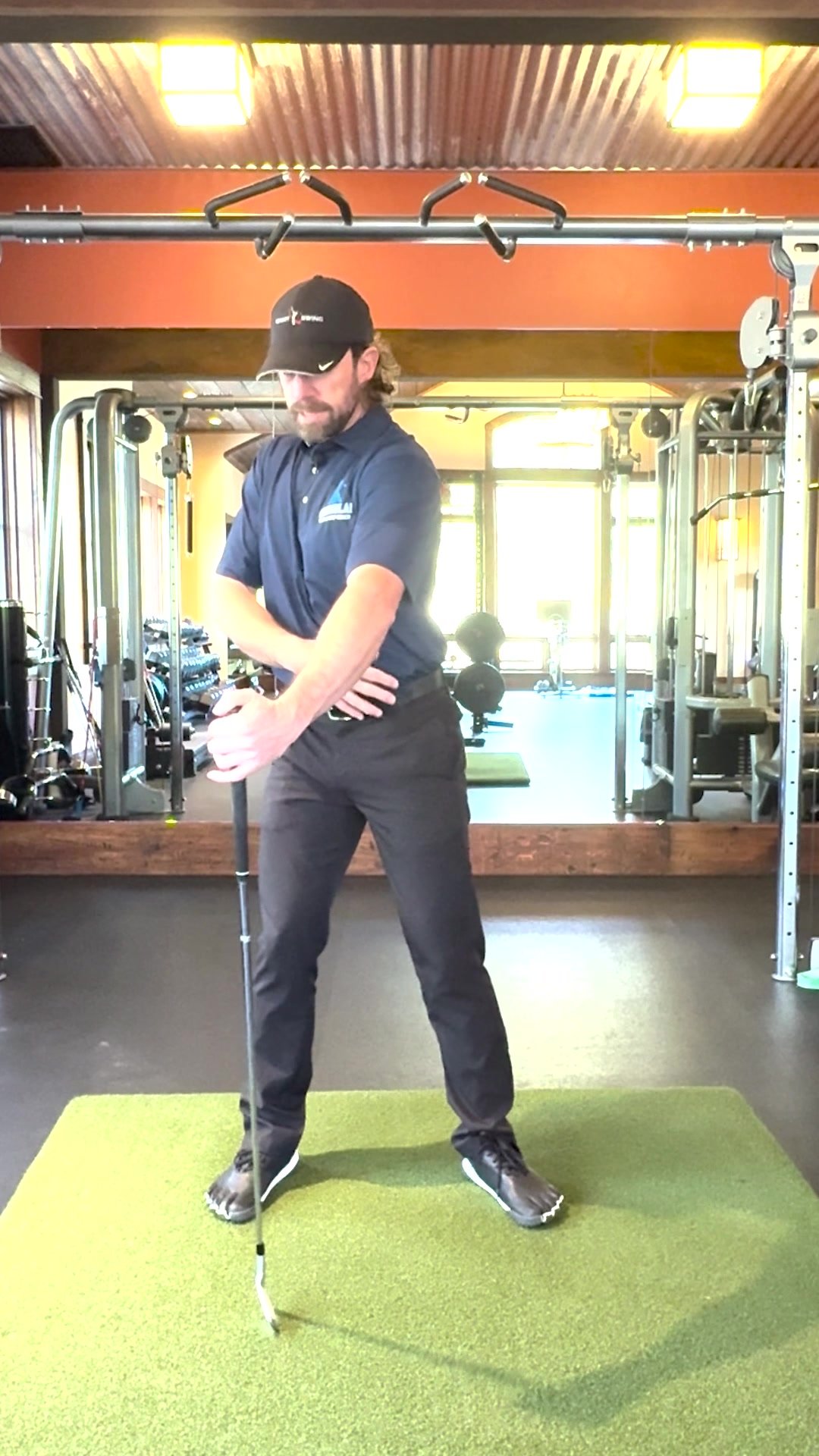
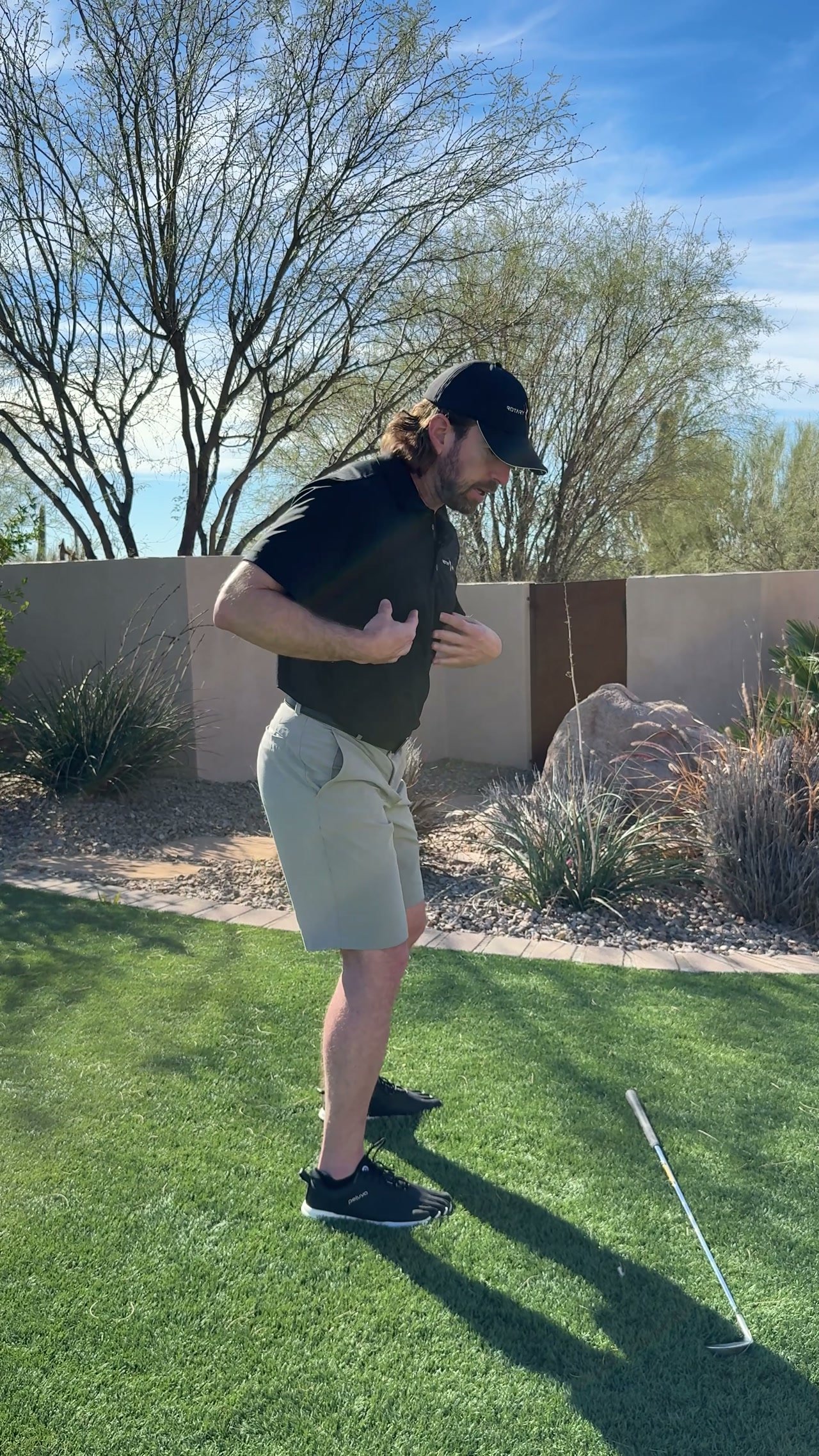
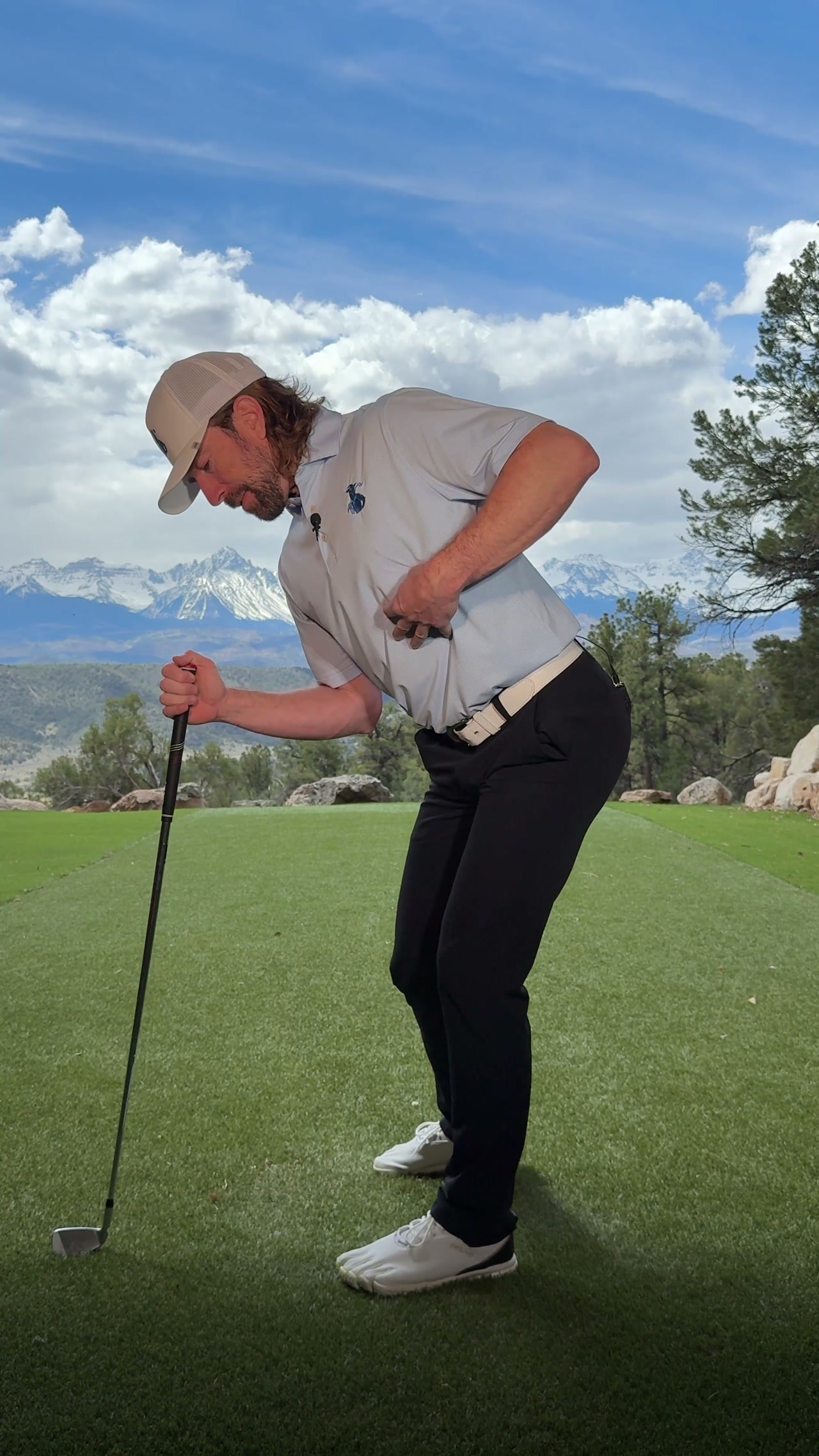
See for yourself. Get into your setup position and just start with a simple rotation. Hold your arms still and rotate your upper torso back and forth.
Try a free live lesson with GOATY
GOATY, my AI golf coach, watches your swing through your phone camera and coaches every rep. Free, about 20 minutes, no credit card.
Rotation provides the depth of the swing plane. As you rotate — with no shoulder elevation or trail elbow flexion yet — the club will follow a small swing plane.
Granted, it is a very shallow one. The club is not getting up into a good position, but it is in fact traveling on a small plane just from the rotation.
That is rotation — the first component of the plane we are trying to achieve in the golf swing.
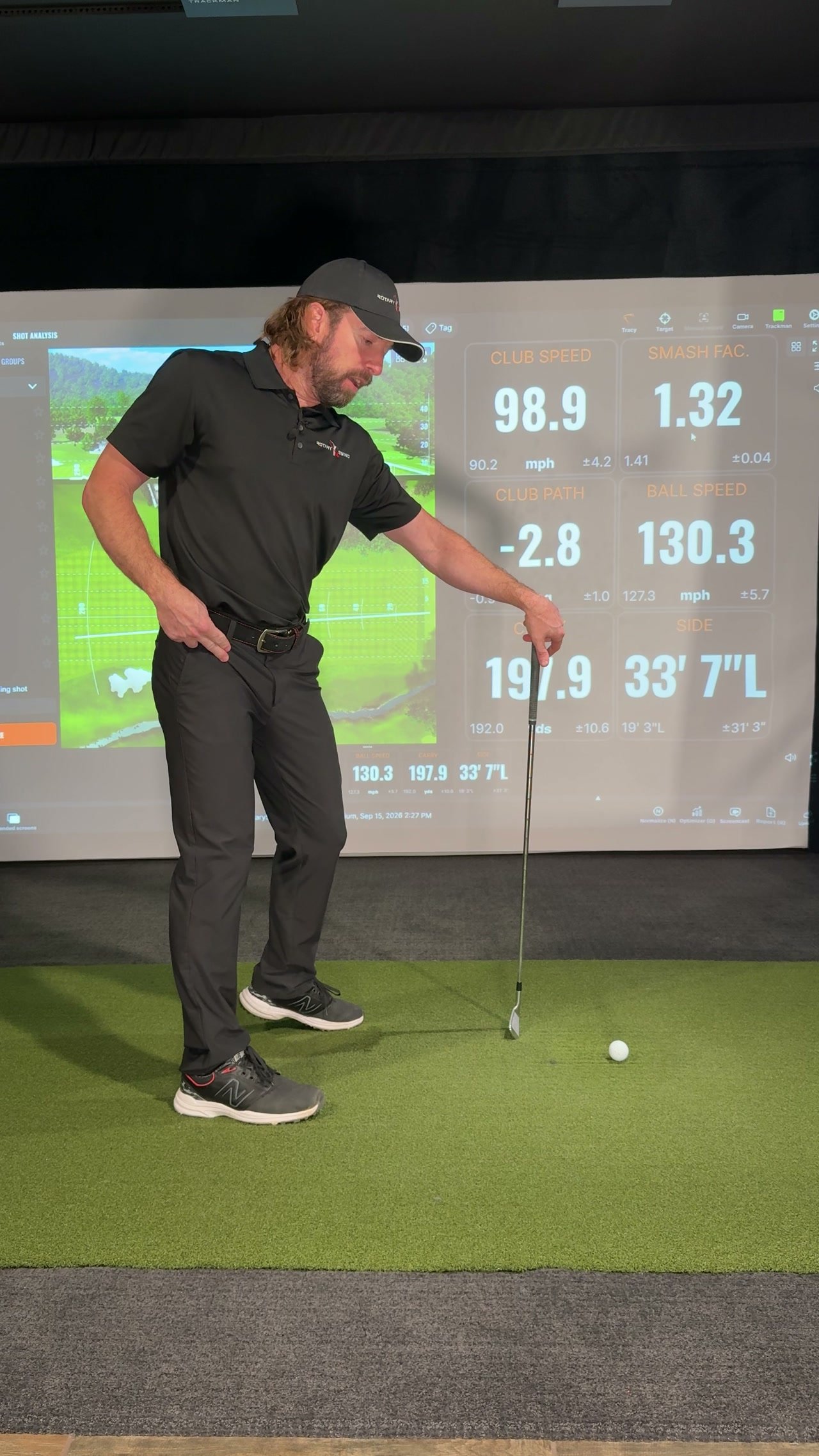
Now perform the elevation. Stop rotating and return to the setup position. Hold the club in your trail hand and just do the shoulder elevation and trail elbow flexion. The club simply moves up and down.
That is the vertical component of your swing plane. Elevation gives the swing plane its height.
Put it All Together

Elevation and Rotation
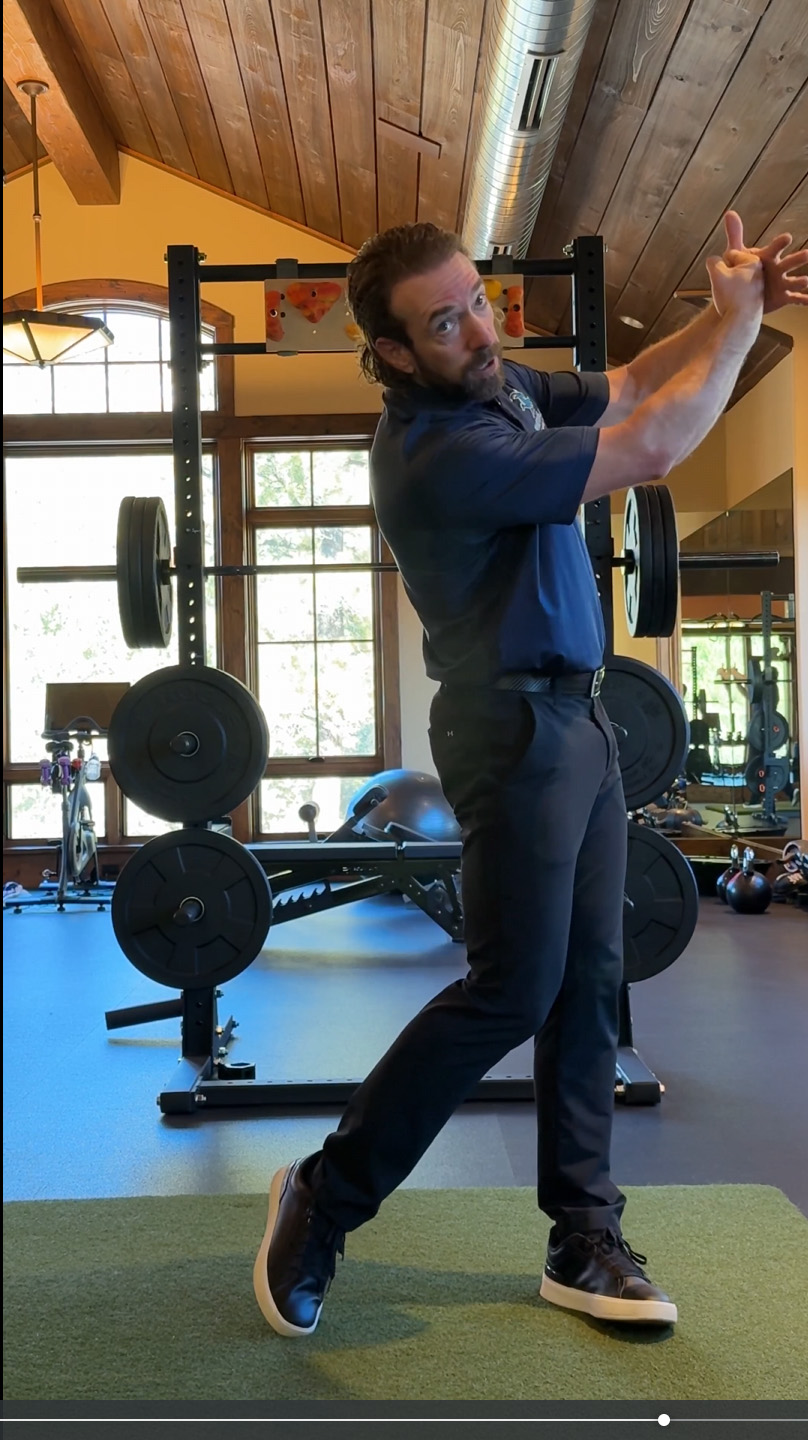
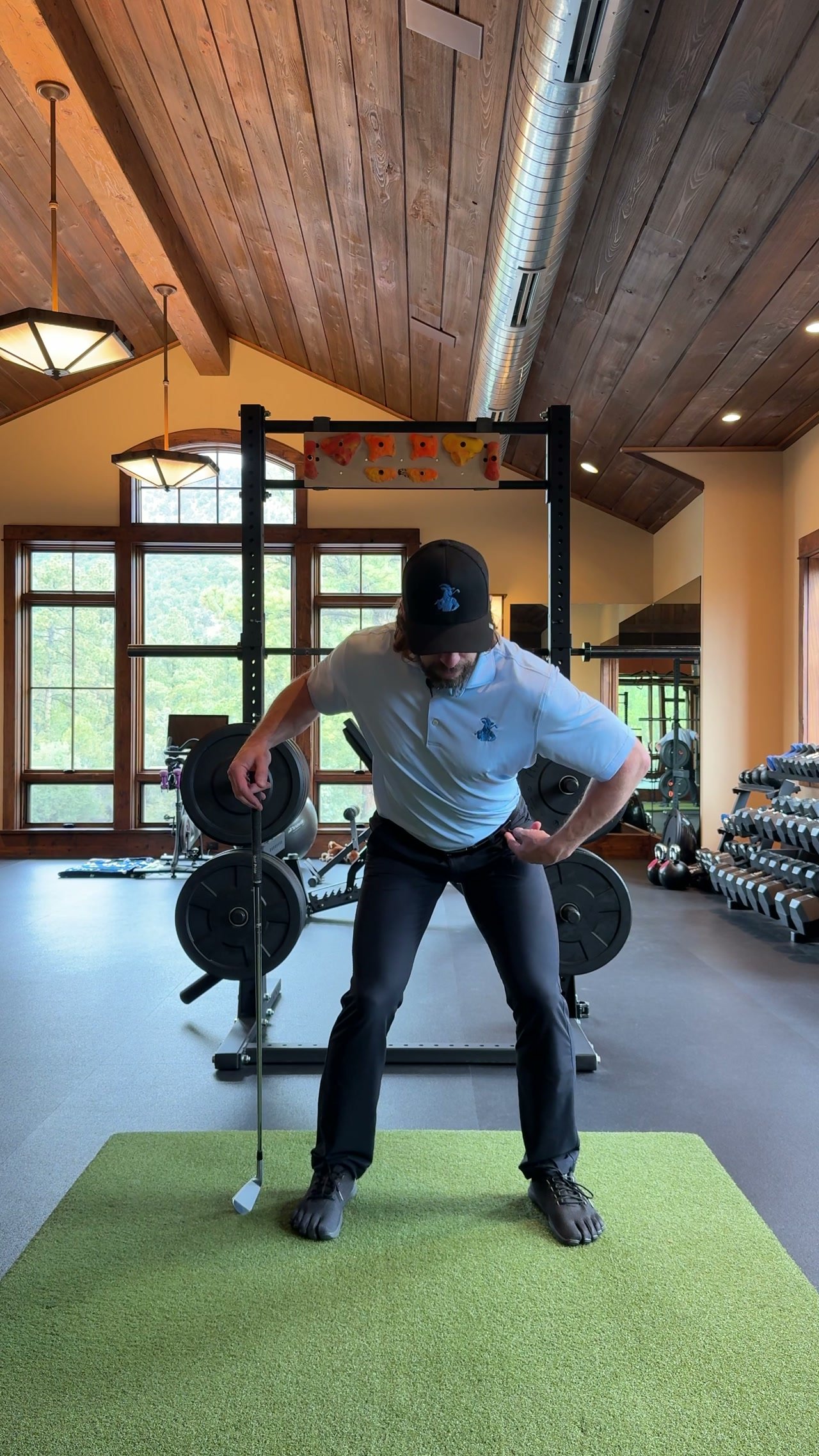
Now we will combine the two. You are in your posture, doing the elevation. Continue the elevation and trail elbow flexion, up and down, and now add the rotation back in. The trail arm movement creates height, and rotation provides depth. Simply put them both together.
These two movements combine to create a swing plane. You are not working to create a plane. In fact, you are performing two almost opposite movements — rotating in one direction and folding your trail arm straight up and down in the other.
But when you put them together — around and up — you actually create a proper swing plane without even trying. It is that simple.
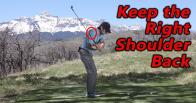
It is just your trail elbow flexion, a small amount of shoulder elevation, and pulling your trail shoulder blade back. To see how your own swing plane compares to elite standards, try a free AI swing analysis.
Why is This Better?

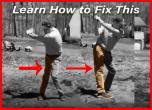
The right arm gets pushed back
Again, you could create this same motion with your lead arm. Why not do it that way?
The problem with what we call a "lead-arm push" is that when you let the lead side dominate in order to create the swing plane, it means you are pushing from the lead side.
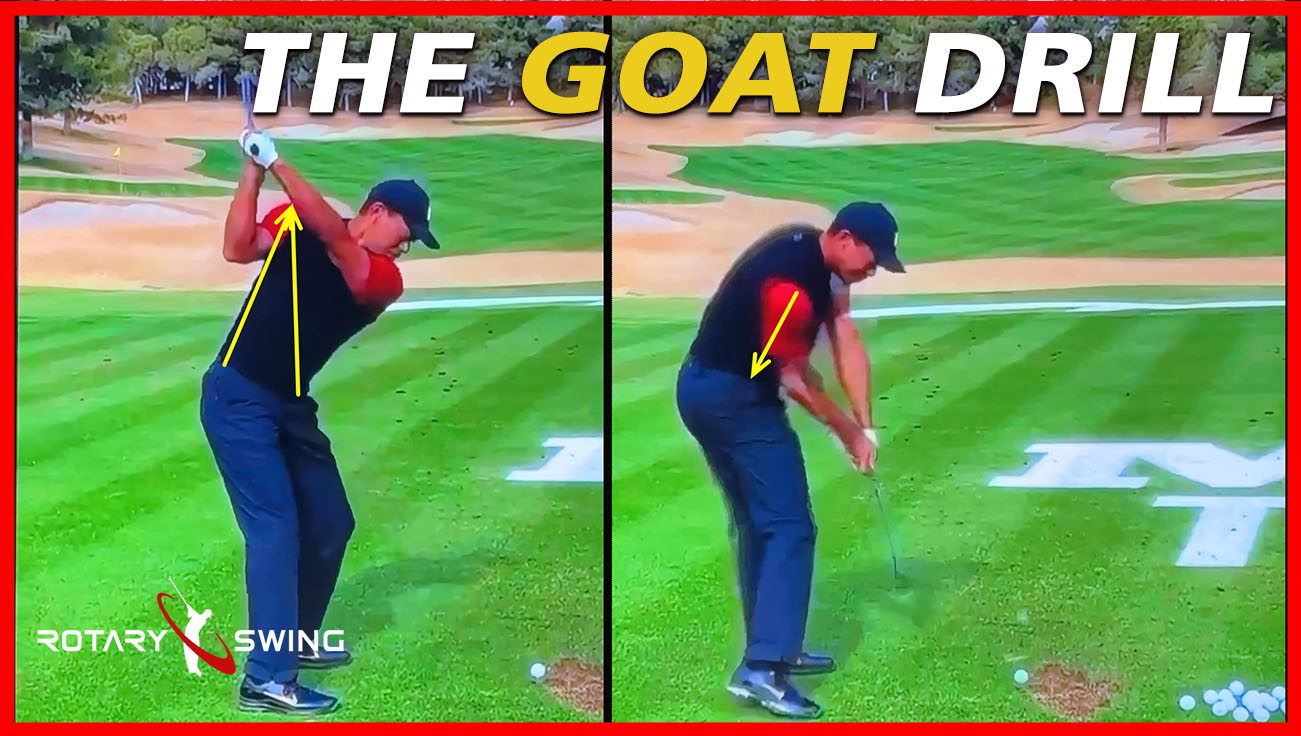
That typically causes your head to move off the ball and, more importantly, it forces the trail arm back and away. The swinging of your lead arm creates a lot of momentum — too much for the trail elbow to resist — so it gets stuck back behind your body.
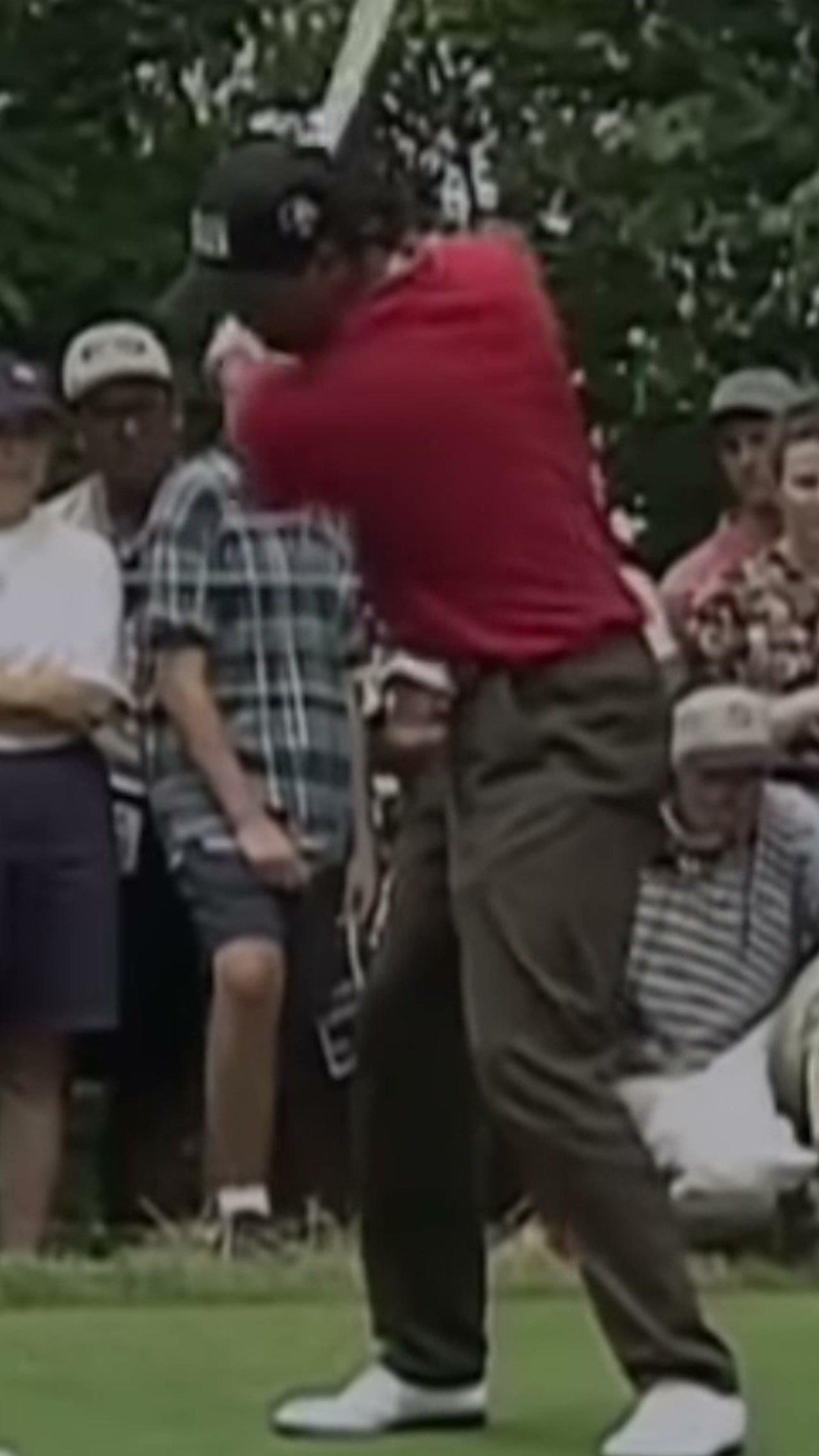
We see many amateur golfers get to the top of the swing with their trail arms buried back behind their bodies. Then they either get stuck coming down or they come . It is almost always because they are trying to create a swing plane with the lead arm.
Focus on the Trail Side
We teach you to create a swing plane by focusing on the trail side — pulling back with the shoulder blade instead of pushing over from the lead side.
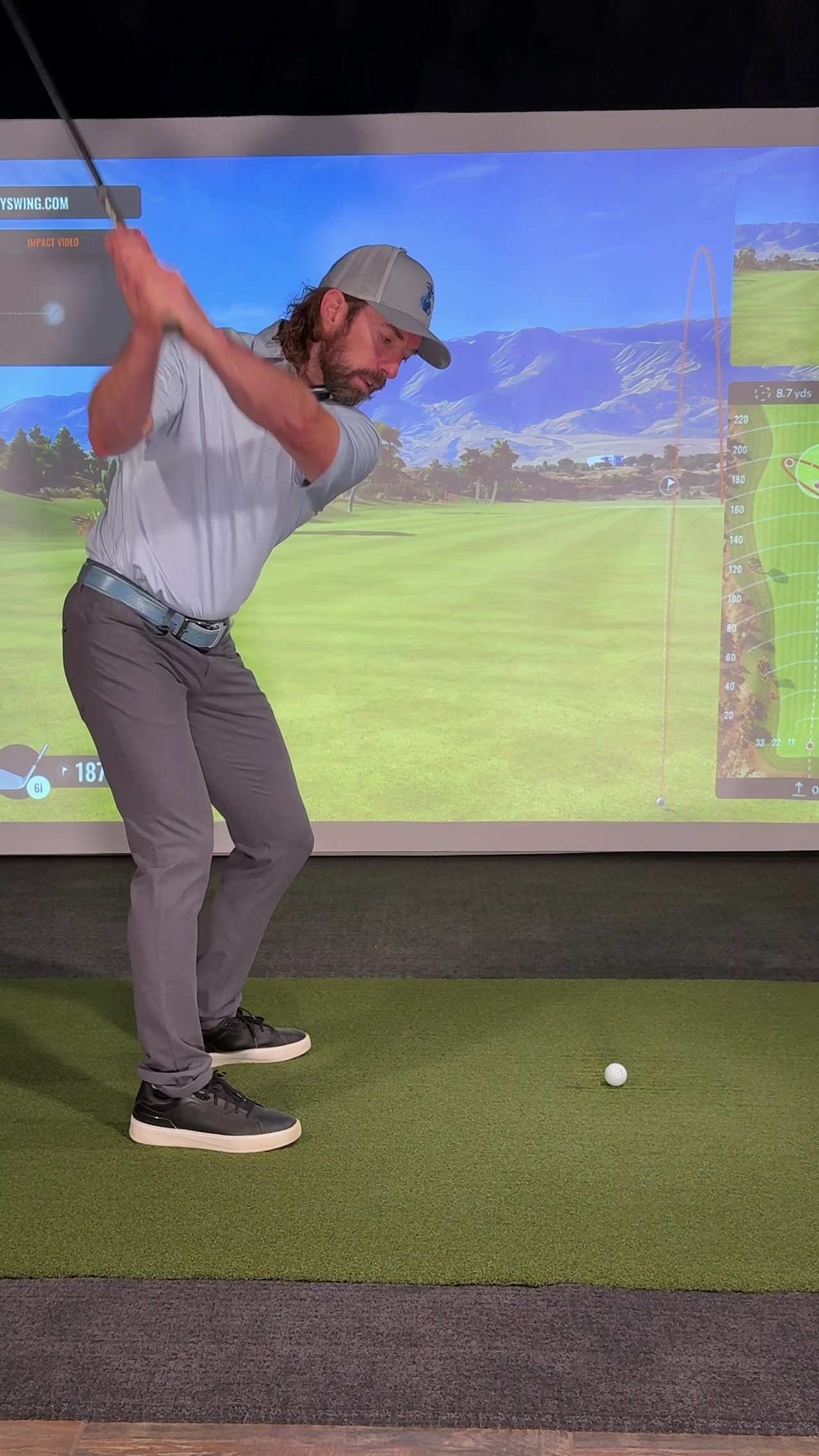
When you concentrate on keeping the trail arm in position, creating the trail elbow flexion, and rotating correctly, the swing plane is created automatically and you get into a perfect position at the top instead of being buried.
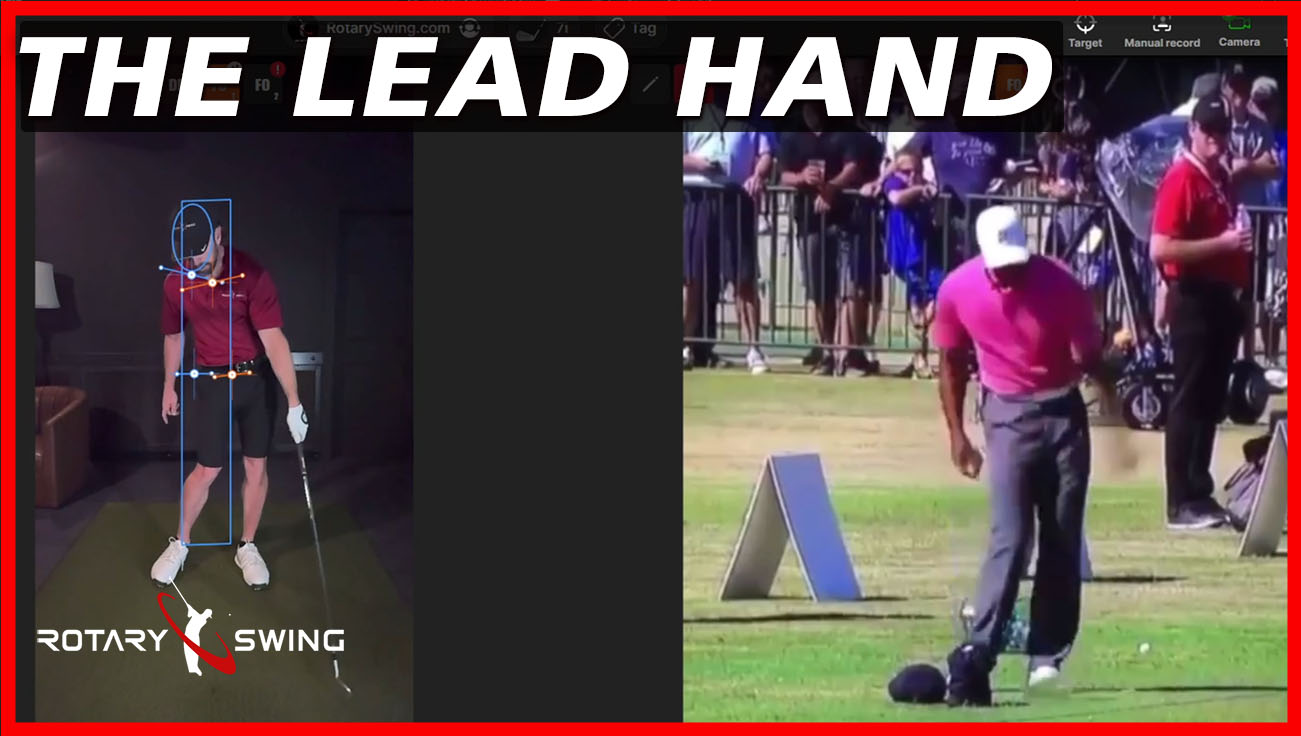
We have been practicing with the trail hand only because it is a trail-side-dominated move, but when you put both hands on the club it is still the same thing. Put the lead hand back on the club but keep focusing on the trail side. The lead side barely does anything.
Even with your lead hand back on the club, do not go back to thinking of your lead arm swinging around your body to define the swing plane.
If you do, you will get your lead side pushing across your body, forcing your arms and hands deep behind your chest and getting the club stuck behind you — all while trying to coordinate a lead arm movement that is unnecessarily complex.
Instead, think of the swing plane as a combination of rotation and trail elbow flexion (approximately 80 percent of the vertical movement in the swing plane comes from that elbow flexion) and you will simplify your swing dramatically. For real-time coaching on your swing plane mechanics, try a free AI golf lesson.
Frequently Asked Questions
What is the swing plane in golf and why is it important?
The swing plane is a key concept in golf that refers to the path the club follows during the swing. It's important because a proper swing plane contributes to consistent ball striking and overall swing efficiency. Understanding and creating the correct swing plane can help golfers improve their accuracy and distance.
How can I create the correct swing plane in my golf swing?
To create the correct swing plane, focus on two main movements: rotation and elevation. Start by rotating your upper torso to provide depth, then incorporate trail elbow flexion and shoulder elevation to add height. Combining these movements will naturally create an effective swing plane without forcing it.
What role does the trail elbow play in establishing the swing plane?
The trail elbow is crucial for creating the vertical component of the swing plane. By bending your trail elbow, you simplify the swing motion and enhance consistency. This movement allows for a more natural elevation of the club, contributing to a better overall swing plane.
Why is relying solely on the lead arm not the best approach for creating a swing plane?
Relying solely on the lead arm to create the swing plane can lead to unnecessary movement and poor swing mechanics. This approach often results in the head moving off the ball and can push the trail arm back, disrupting the natural flow of the swing. Instead, incorporating both rotation and trail elbow flexion is more effective.
Watch part 2 now to see how you're moving your body in the opposite direction of the pros!