Do you have trouble generating effortless power through the ball?

Don't let this happen to you..rotate your forearms properly!
If so, you may have overlooked the role of golf forearm rotation during the takeaway — a key element in achieving a powerful, consistent release.
Is this the fault costing you strokes?
Film one swing on your phone. In about a minute GOATY measures it and names the single biggest thing costing you strokes — free, no card.
Analyze My Swing Free
Related: How to add swing speed with AI-detected gate coaching →
Android users: Download GOATY on Google Play — free AI golf coaching on your Android phone. →
I am sure you understand that counter-clockwise forearm rotation (for right-handed golfers) must occur during the downswing.
Stop reading about it — feel it in your swing today
GOATY watches your swing live and coaches you between every rep. Free. No signup.
Start Your FREE Live Lesson →However, you MUST get into the proper position during the backswing to prepare for that release by incorporating forearm rotation during the takeaway.
Many golfers neglect this entirely.
But there is good news:

Matt Kuchar's takeaway forces him to do all his forearm rotation late in the backswing. He practices enough to pull that off. It doesn't have to be that hard.
It can be much easier than you might have thought to correct the position you see below.
On a daily basis, I observe players with a closed face like this during the takeaway, indicating a lack of early clockwise forearm rotation. This even seems to be what many instructors are recommending.
Such golf instruction would have you match the club face with your spine angle at the completion of the takeaway, as Matt Kuchar demonstrates above.
Even though Kuchar obviously manages to make an effective golf swing this way, when you analyze this from a biomechanical standpoint, it does not make much sense to match the spine angle.
After all, you are not going to match your spine angle throughout the entire backswing — you must rotate the forearms at some point. Even Kuchar eventually does.
So you might as well utilize forearm rotation in the takeaway to help build power and consistency in the golf swing.
"I started rolling my forearms more on the takeaway and doing the thumbnail [thing]. It took me from a weak slice to a strong draw."
-Matthew L. | Aug 12, 2012 | Charleston, SC
If you do not rotate your forearms early in the backswing, the forearms will be forced to rotate much more aggressively in the second half of the backswing, which can be extremely difficult to time consistently.
Or even worse, you may not rotate them at all, sabotaging your power and leaving significant club head speed on the table.

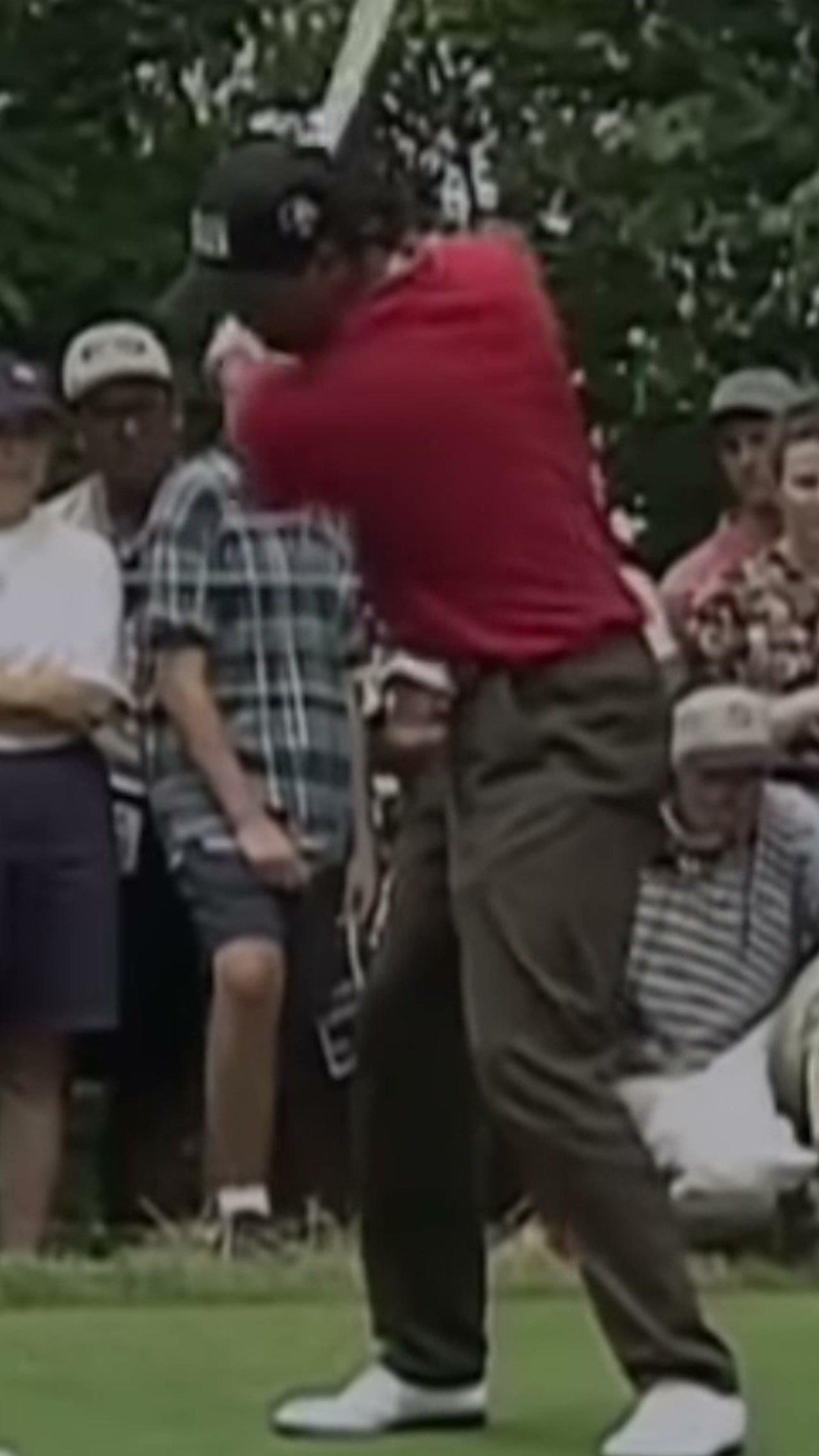
Trevor Immelman's takeaway demonstrates proper forearm rotation to get the club in a "toe up" position. This will help him produce more club head speed later.
In the picture below, you can see how Trevor Immelman performs this move correctly.
Try a free live lesson with GOATY
GOATY, my AI golf coach, watches your swing through your phone camera and coaches every rep. Free, about 20 minutes, no credit card.
He now has the ability to release his forearms aggressively on the downswing and generate easy, effortless power.
In fact, the toe of the club can move as much as 20 mph faster than the hosel. Would you not like to tap into this easy, consistent source of golf swing power?
Watch the golf instruction video now to discover how you can unlock all of this using your...thumbnail!
(Yes, it sounds ridiculous, but I have helped several students instantly fix their forearm rotation issues with this single swing thought about the thumbnail.) To see how your forearm rotation and takeaway are performing, try a free AI swing analysis.
"This is a great video and very timely with what I am working on."
-Tom S. | July 22, 2012 | Atlanta, GA
Video Transcription: Unleash Your Thumbnail for Power
Forearm rotation is incredibly important in the golf swing. It allows you to set the golf club on plane during the backswing, and it also allows you to release the club effectively and pick up significant club head speed with very little effort.
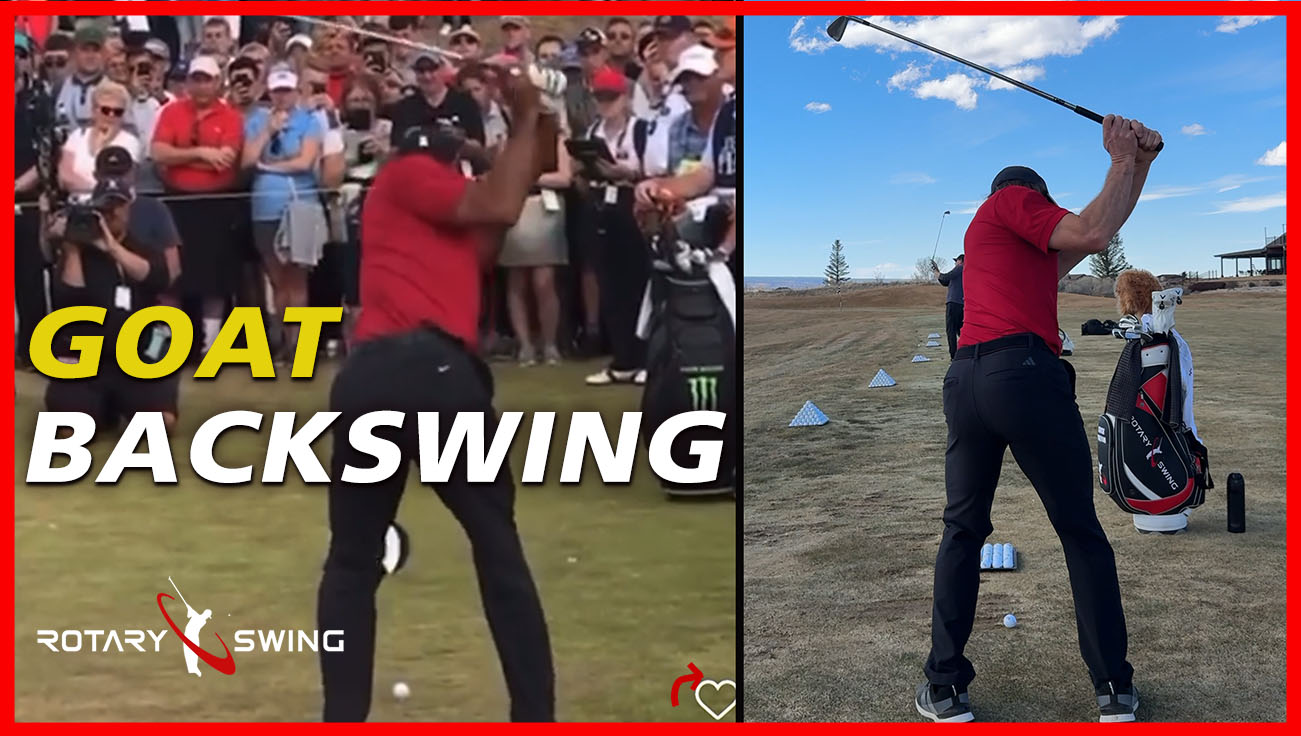
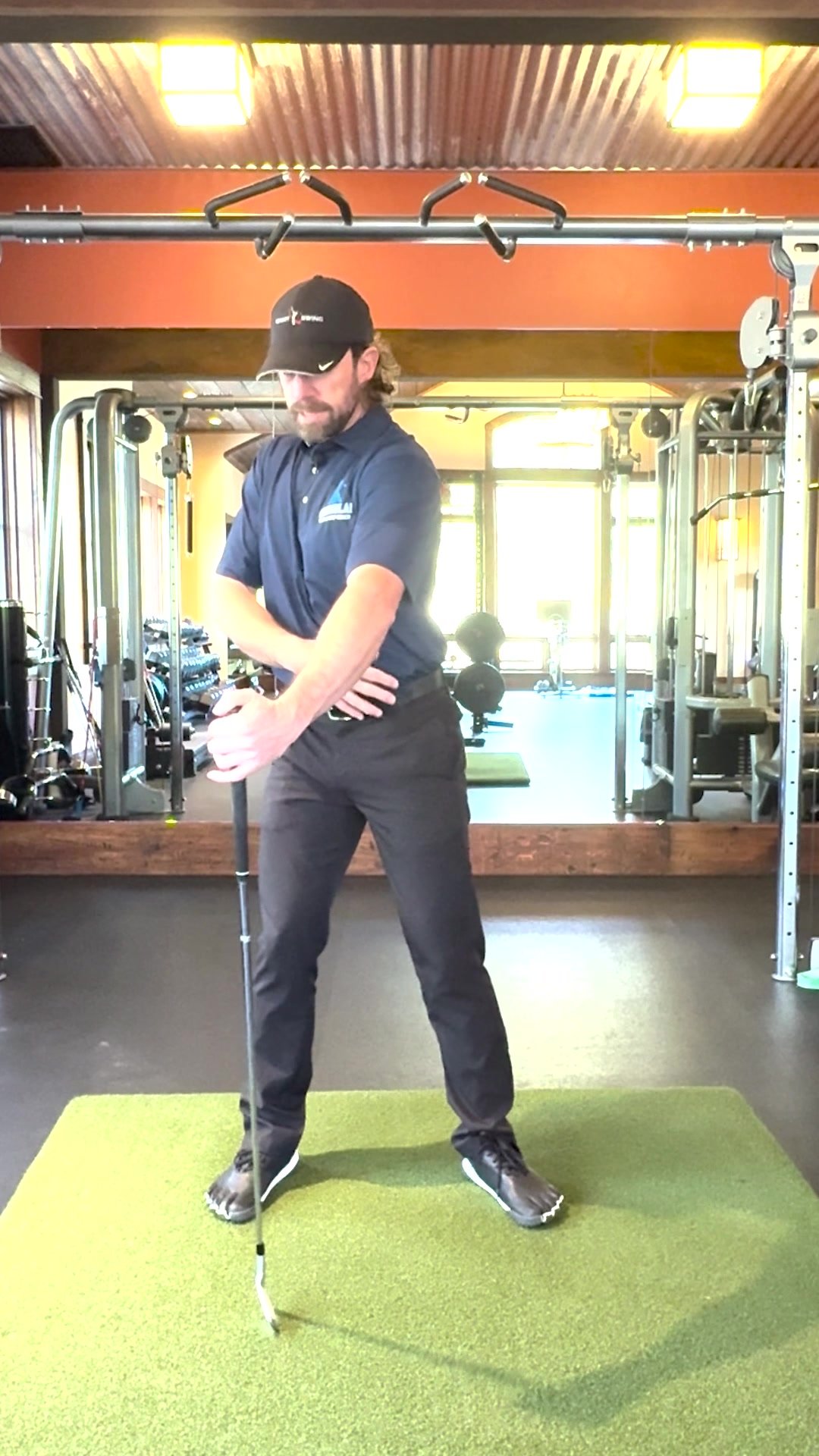
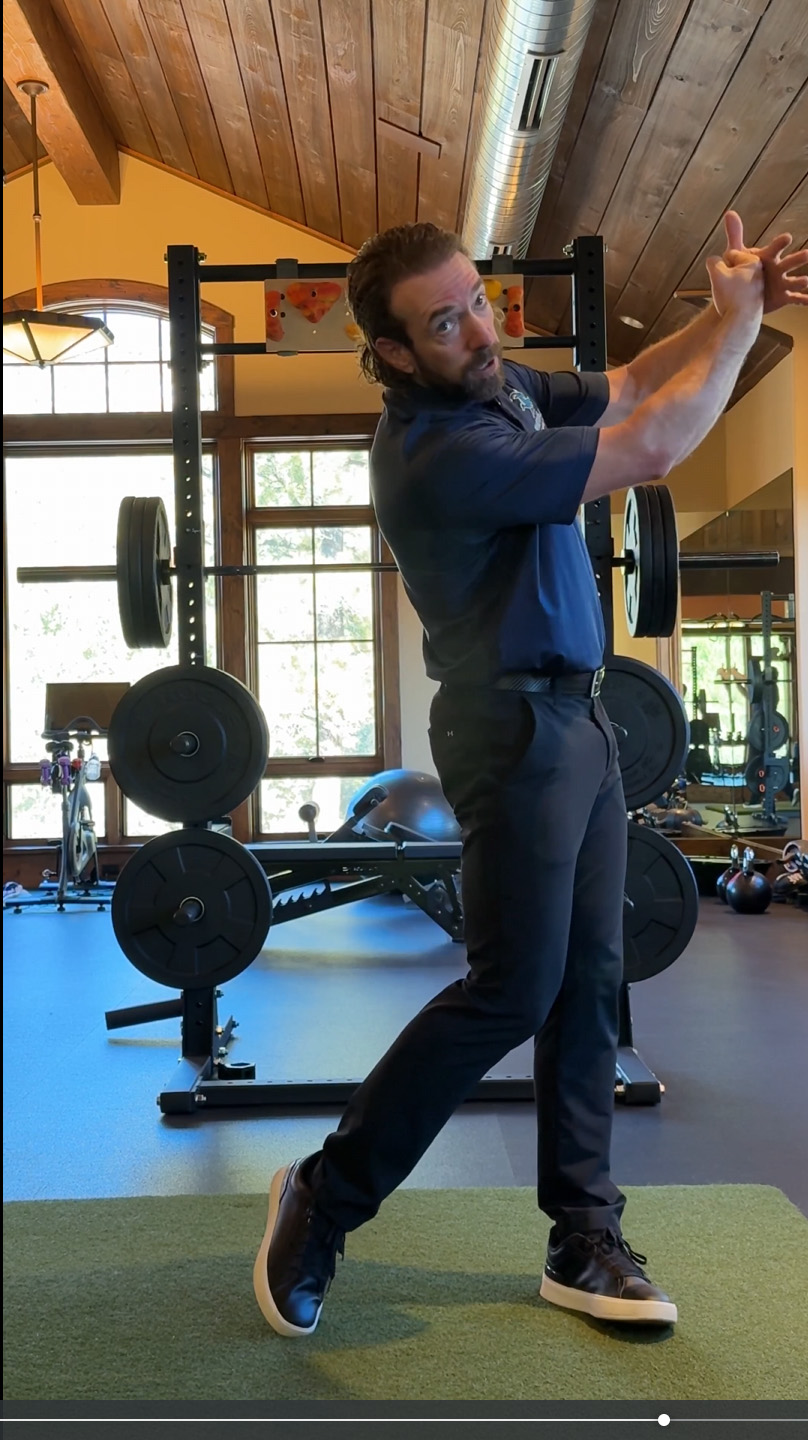
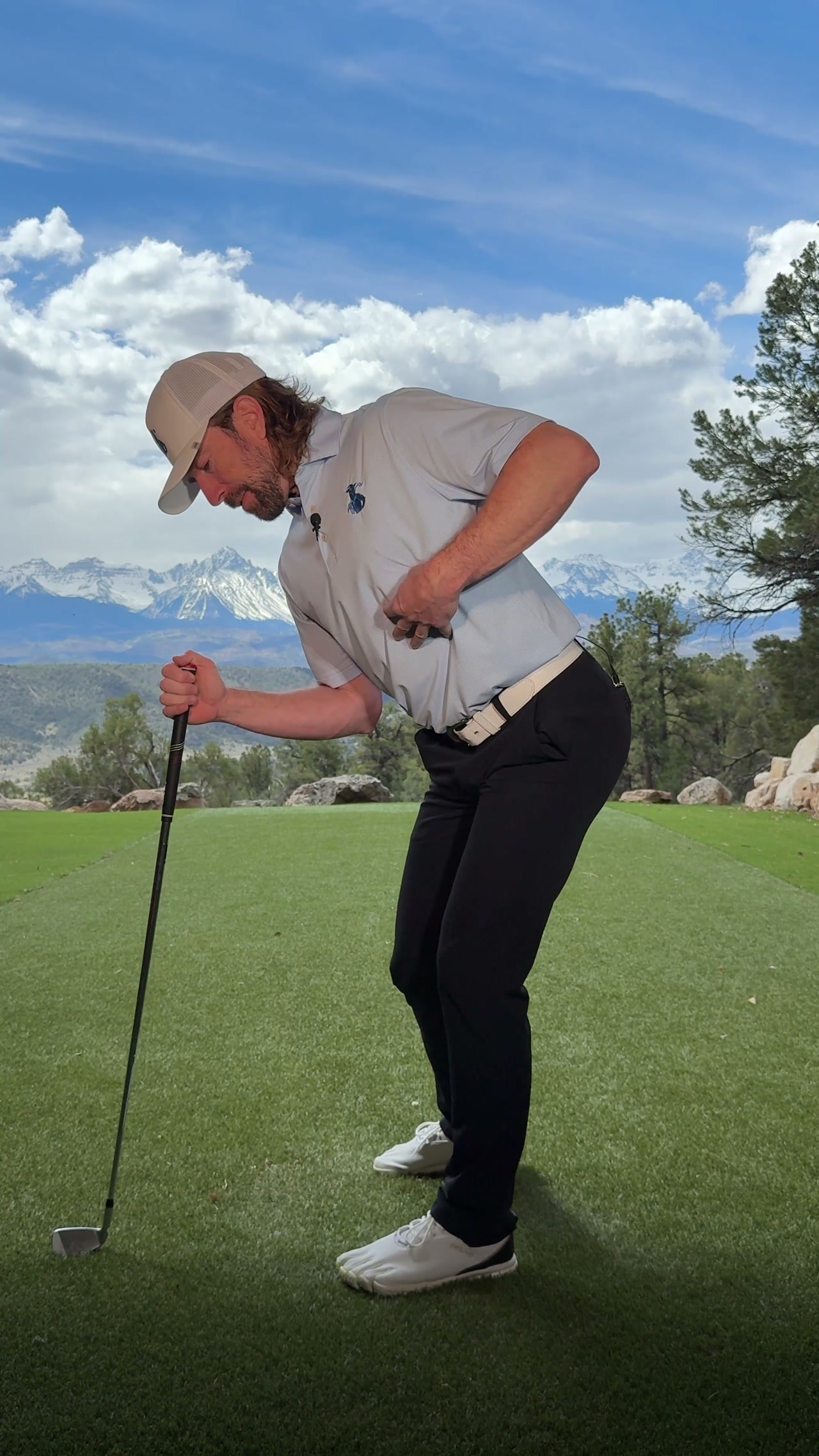
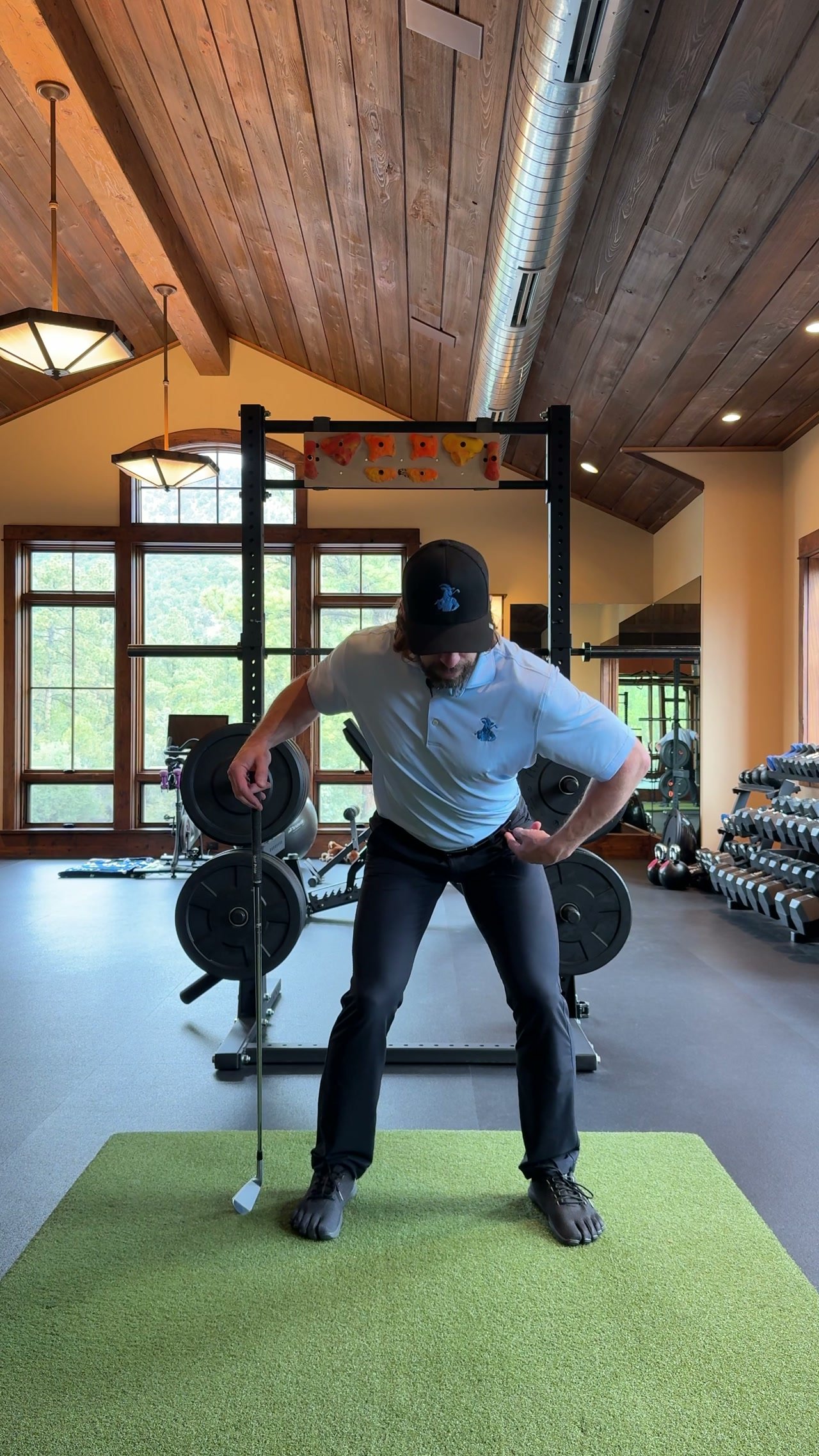
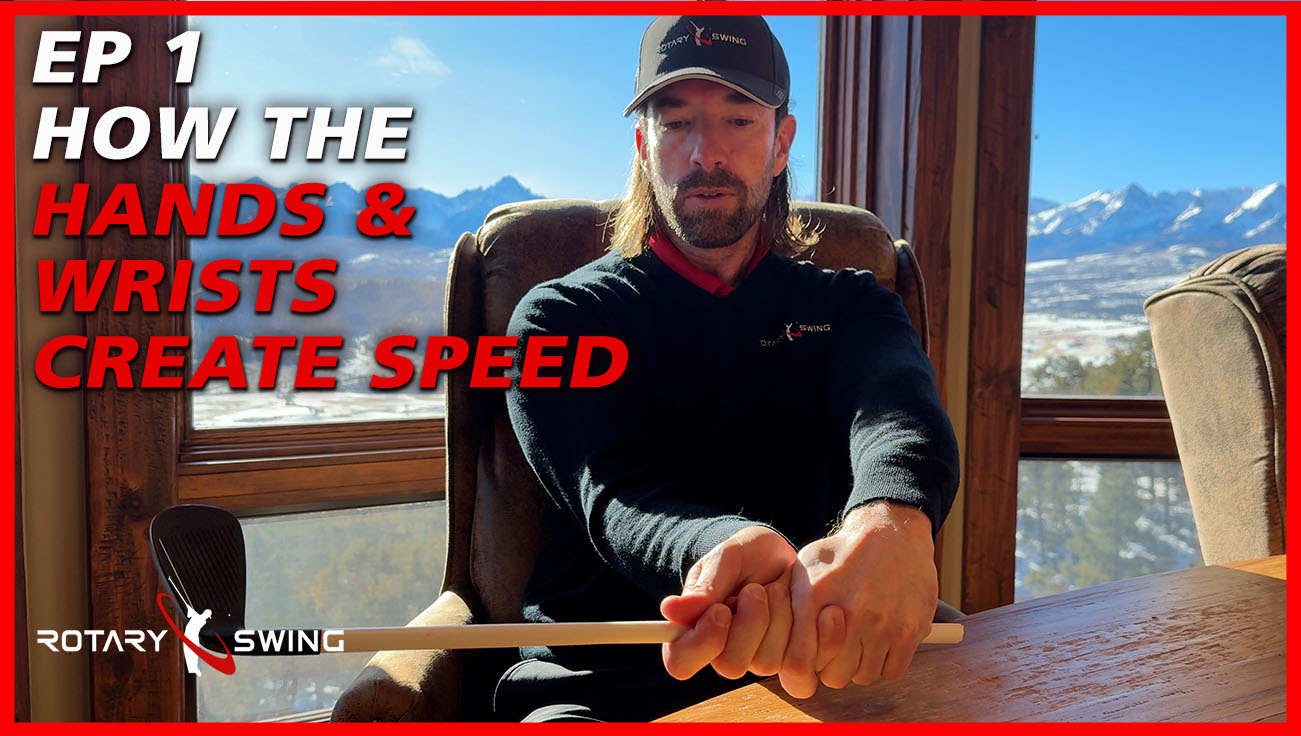
The first thing we need to understand about golf swing forearm rotation is that, as the club goes back, the forearms are going to rotate approximately 45 degrees. As I mentioned, this sets the club on plane.

45 degrees of forearm rotation
As we come down, we are going to need to release this rotation, and that is what generates additional club head speed. Imagine, if you take the club right out in front of your body and rotate your arms 45 degrees, that is essentially what is happening during the backswing.
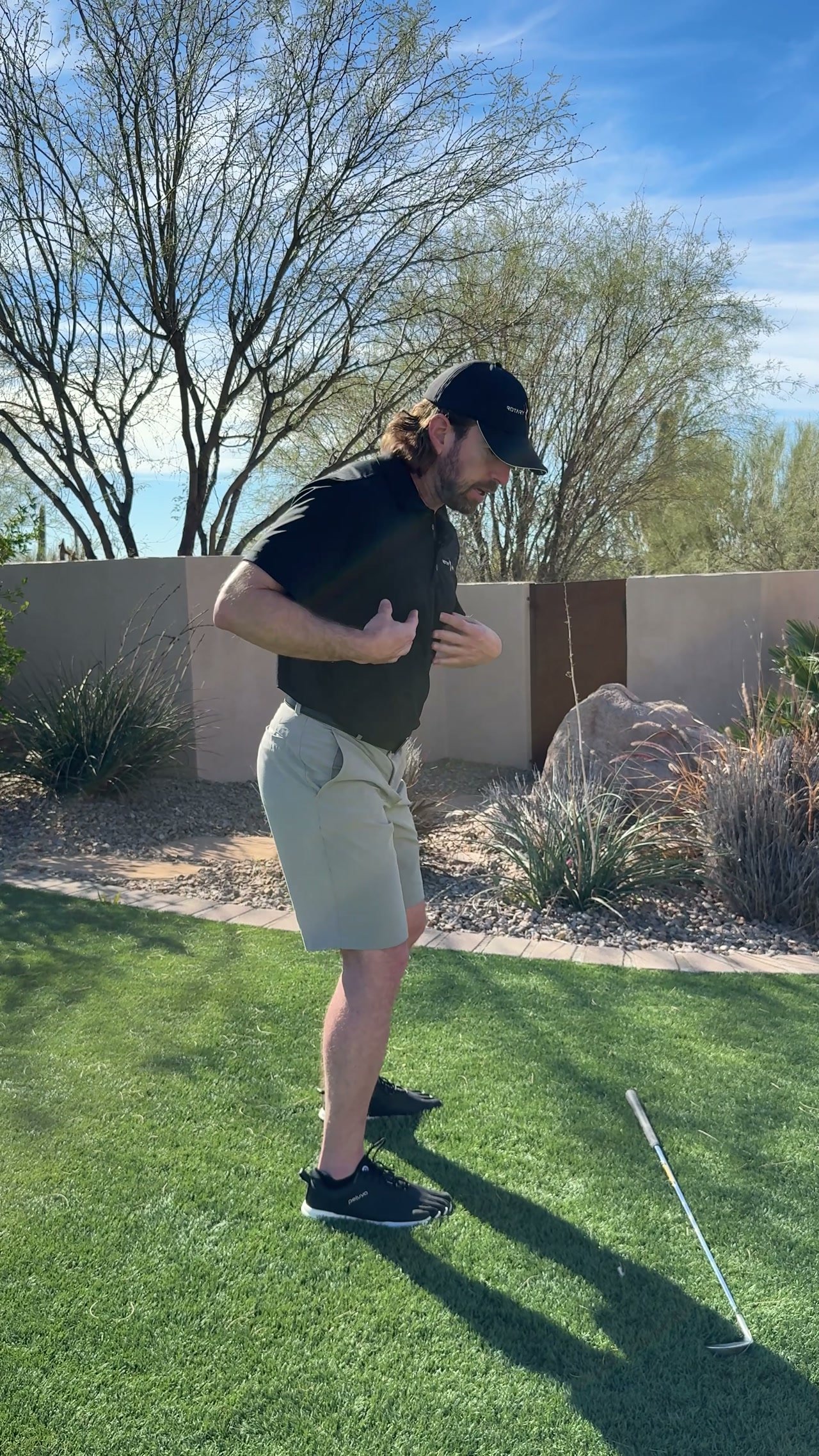
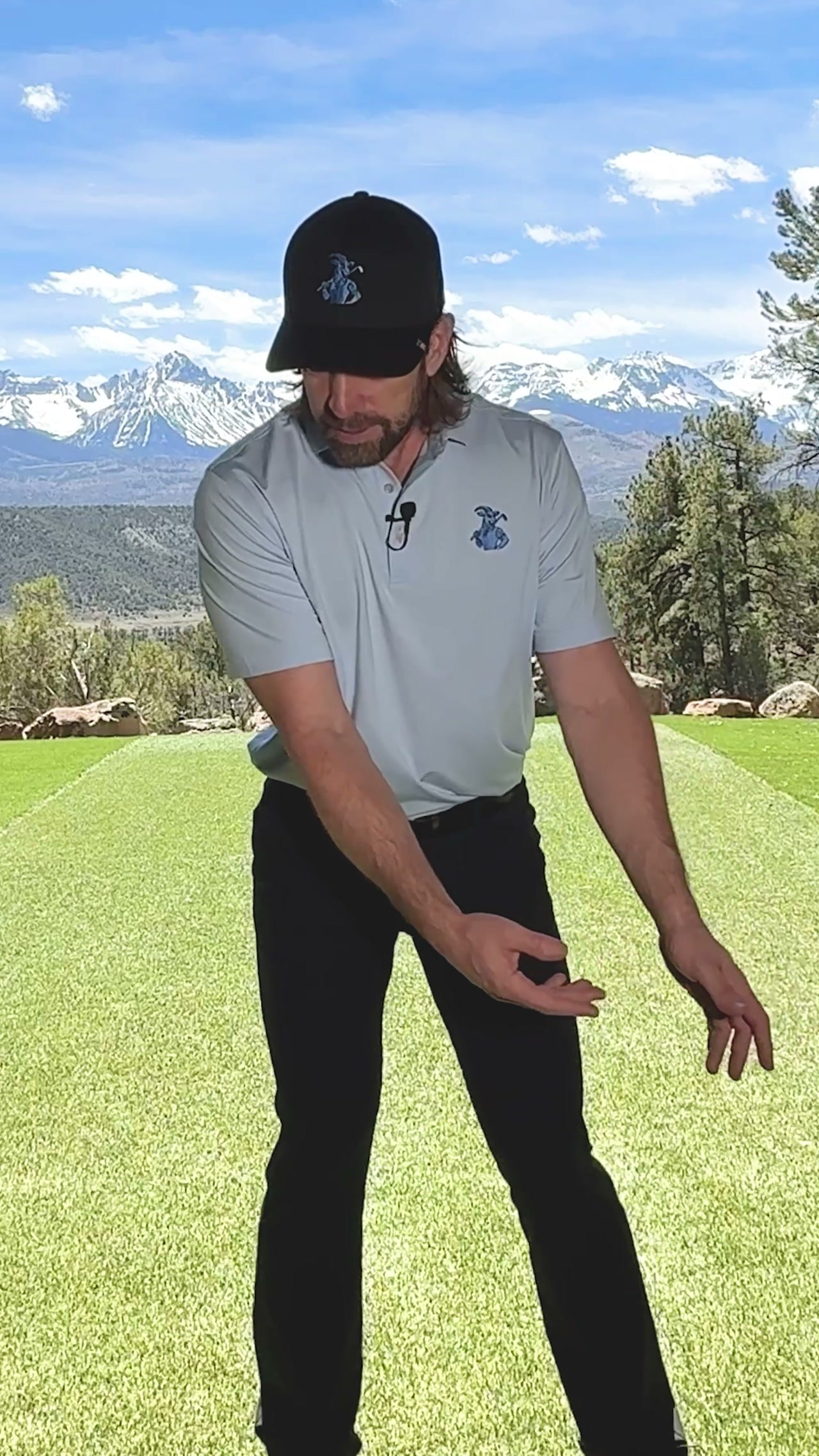
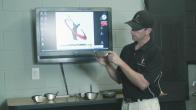
To further understand how this works, I want you to grab your trail wrist. You will feel a bony protrusion at the bottom of the trail wrist. This is your ulna — the bone on the outside of your forearm. The radius is on the inside of the forearm.
You can feel, as you twist back and forth, that these bones rotate on top of each other, and that is what enables the forearms to rotate in the golf swing. As I do this, you will notice my upper arm is not rotating. My forearm can rotate independently.
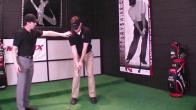
Your upper arms also play a role in this rotation, especially the lead arm. The lead elbow and upper arm are going to rotate a bit internally to help set the club on plane during the backswing. That is what helps rotate the arm into position.
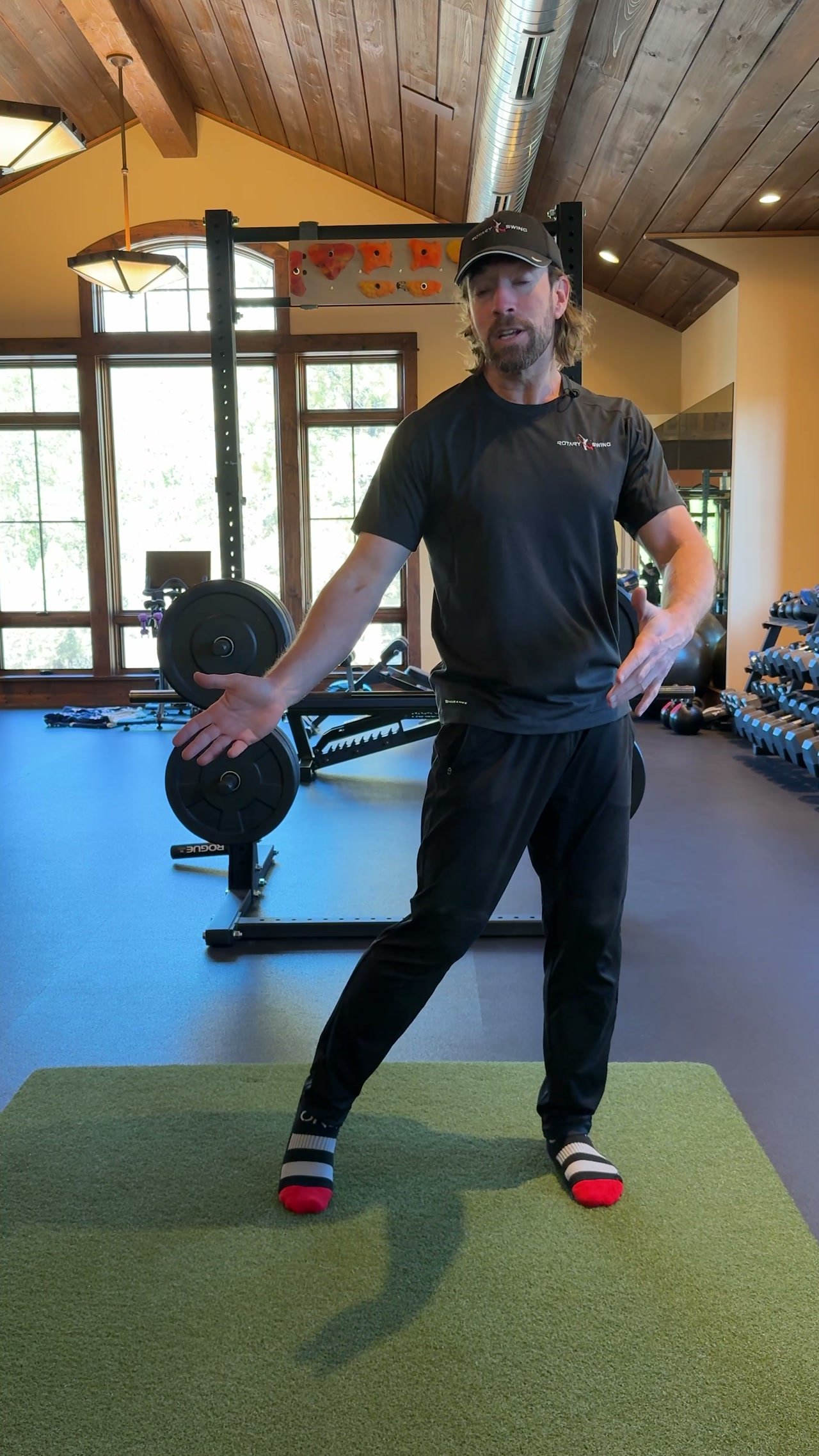
The trail arm, on the other hand, has the upper arm pretty much fully externally rotated, leaving the elbow pit facing toward the sky, as we have mentioned numerous times in other videos. The trail elbow pit is going to be externally rotated, pointing straight up.

The club face is vertical at completion of takeaway
Most of the trail arm rotation in the golf backswing is going to happen from the wrist, utilizing the radius and ulna as we discussed.
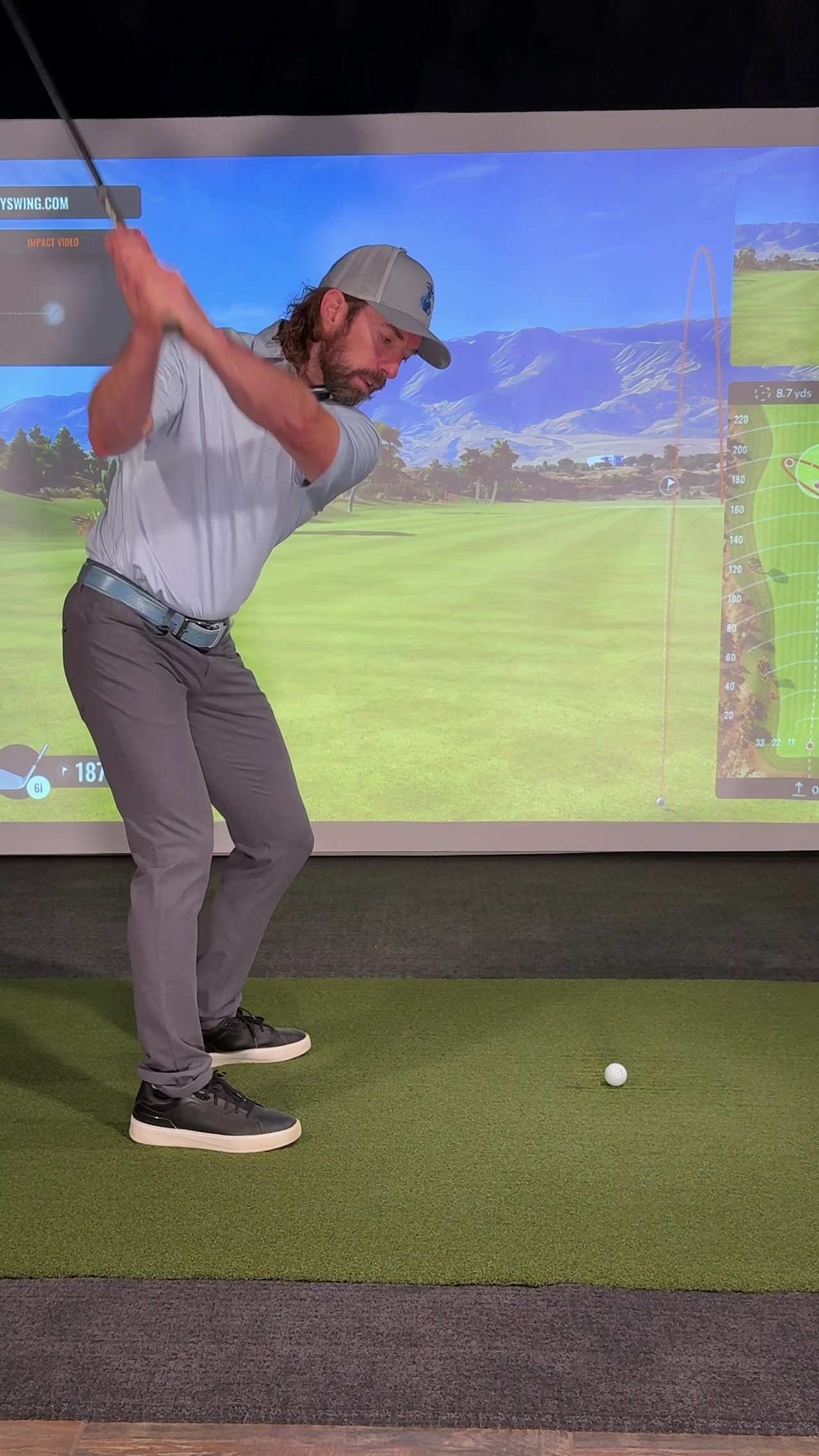
The tip for today is a great checkpoint and a very easy visualization. It involves the trail thumbnail. As we reach the completion of the takeaway, a couple of things need to happen. First, the club face needs to be vertical.
The face needs to be rotating until the completion of your takeaway. When vertical, if you have a neutral grip, your trail thumbnail is going to be facing straight up toward the sky.
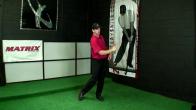
Let me demonstrate this again in slow motion. As I turn back, I am focusing on the trail shoulder turning back. I am getting a small amount of forearm rotation so that the club head is vertical, and now the nail of my trail thumb is facing straight up toward the sky.

Matching club face to spine angle? This won't end well.
If I do not achieve enough rotation of the golf club during the takeaway, the club is going to be shut — as I observe almost every day in swing reviews — and the thumbnail will be pointed over in front of my body.
One of the reasons this issue is so prevalent is that many golf instructors teach that, at the completion of the takeaway, the club face should match your spine angle. This is simply not accurate. If this ideology were correct, the club face would match the spine angle throughout the entire swing, and I think we can all agree that is not an ideal position. We need the face to rotate open and then closed so we can pick up club head speed. For real-time coaching on your forearm rotation, try a free AI golf lesson.
One last thing the trail thumbnail checkpoint will do for you: it ensures that you do not cock the wrist too early. If the club reaches parallel and your trail thumbnail is pointing vertically, you cannot have cocked your wrist or the thumbnail would be pointing back toward you. If you cock the wrist prematurely, the thumbnail moves out of position.
If you execute it correctly, your hands are slightly below waist height, you are at the completion of the takeaway, and your trail thumbnail is pointed straight up toward the sky. That is exactly the amount of forearm rotation needed during the takeaway.

The right thumbnail points straight up
I will note that this is a drill — the exact degrees of thumbnail rotation may not be perfectly vertical at the completion of the takeaway. The goal is to get the club face vertical, so if your thumbnail is a couple degrees in or out, it may not be absolutely precise.
With a neutral grip, it is going to be very close. If you have a very strong grip (hands turned to the side), your thumbnail may point slightly to the trail side. If you have a very weak grip, it may point slightly to the lead side.
Another recommendation would be to work toward a neutral grip, and then understand that for this drill the exact degrees of thumbnail rotation may not be perfect for every grip style.
Frequently Asked Questions
What role does forearm rotation play in the golf takeaway?
Forearm rotation is crucial during the golf takeaway as it sets the club on plane and prepares for a powerful release. Proper clockwise rotation of the forearms helps golfers avoid a closed club face, which can hinder power and consistency. By incorporating this rotation early in the backswing, golfers can generate effortless club head speed and improve their overall swing performance.
How can improper forearm rotation affect my golf swing?
Neglecting forearm rotation during the takeaway can lead to a closed club face and a less efficient swing. Without early rotation, golfers may find themselves having to compensate aggressively in the latter half of the backswing, which can disrupt timing and consistency. This can ultimately result in a loss of power and significant club head speed, negatively impacting overall performance.
What is the recommended forearm rotation angle during the takeaway?
The ideal forearm rotation angle during the takeaway is approximately 45 degrees. This position helps ensure that the club face is vertical at the end of the takeaway and aids in setting the club on plane. Achieving this angle allows for a more effective release of the club, contributing to increased club head speed and a more powerful swing.
How can I practice improving my forearm rotation in the takeaway?
To enhance your forearm rotation, focus on the position of your trail thumbnail during the takeaway. Ensure that it points straight up at the sky at the end of the takeaway, which indicates proper rotation. Practicing this movement can help you set the club correctly and generate effortless power, ultimately leading to a more consistent and effective golf swing.
Watch part 2 now to see how you're moving your body in the opposite direction of the pros!



























































































 45 degrees of forearm rotation