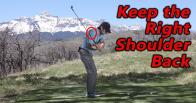
Your Grip Directly Impacts Your Backswing Position
If you struggle with knowing where the ball is going after you hit it, you need to first make sure you understand how to grip the golf club properly.
I have written extensively about the golf grip on this website and in my golf instruction book The RotarySwing Tour Certification Manual.
In this video golf lesson, I am going to explain how your grip directly affects your and other critical club positions throughout the golf swing.

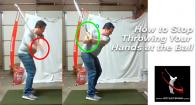
Your grip at setup directly impacts your club face position at the top of your backswing.
First and foremost, the most important function of the is that it makes it easier to square the club face at impact. This is the single most critical aspect of the golf swing overall, and your grip is an integral component of achieving this fundamental.
Is this the fault costing you strokes?
Film one swing on your phone. In about a minute GOATY measures it and names the single biggest thing costing you strokes — free, no card.
Analyze My Swing Free
Related: Golf swing lag — why AI coaching fixes it faster →
Android users: Download GOATY on Google Play — free AI golf coaching on your Android phone. →
Once you start analyzing your golf swing in terms of positions and swing plane throughout, you will see that the grip also has a direct influence on these elements. That is what I am going to address here.
Stop reading about it — feel it in your swing today
GOATY watches your swing live and coaches you between every rep. Free. No signup.
Start Your FREE Live Lesson →During our golf lessons, the vast majority of golfers become fixated on their position at the top of the backswing. That is what people associate with what their golf swing "looks like" or what defines the "type" of swing they have.
They focus on things like where the club shaft is pointing relative to the target, whether the lead wrist should be bowed, cupped, or flat at the top.
Many variables during your golf swing influence your position at the top of the backswing, but in this golf instruction video, I am going to focus on two things in particular.
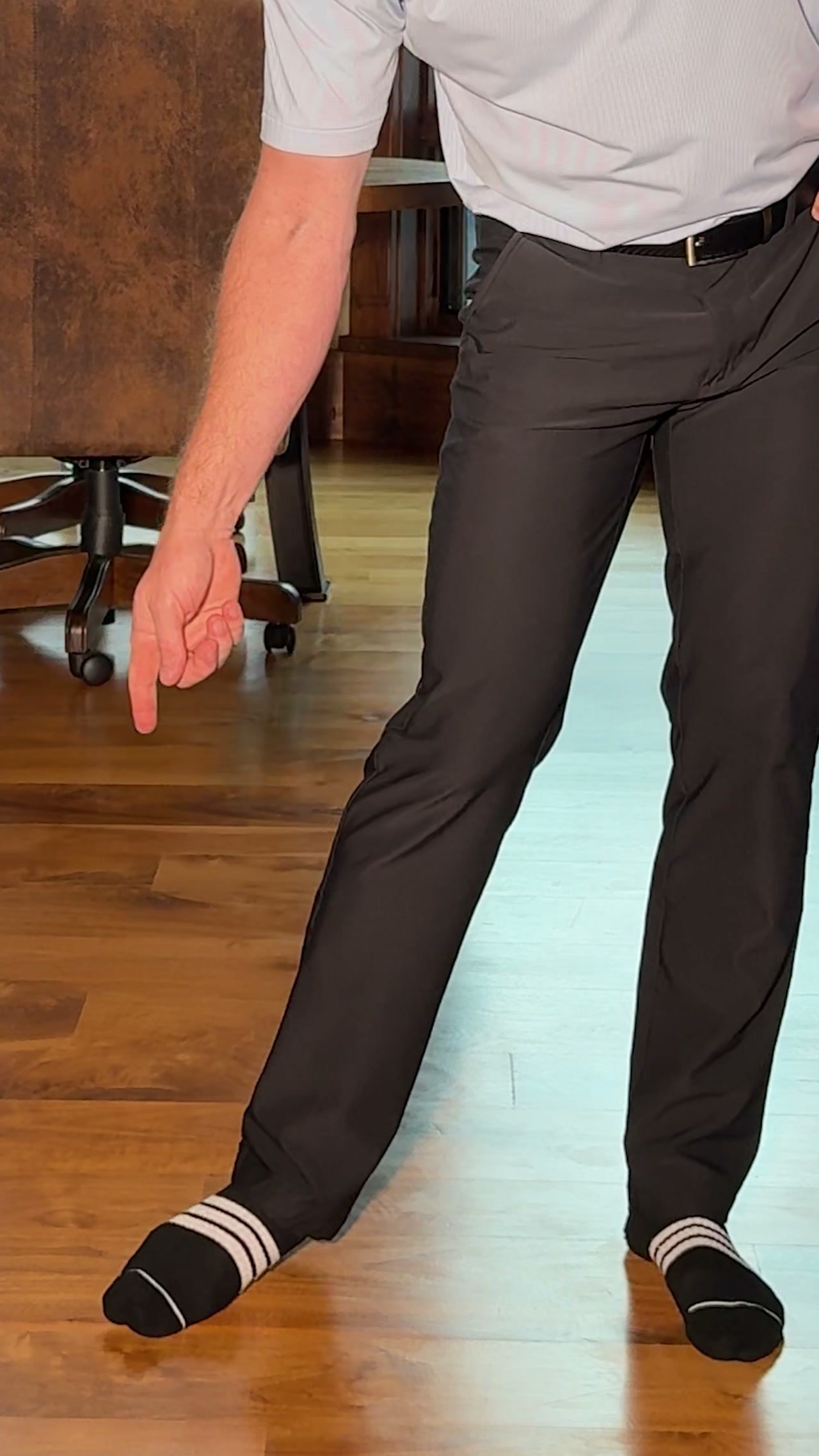
Simple Swing Drill to Check Club Face Angle
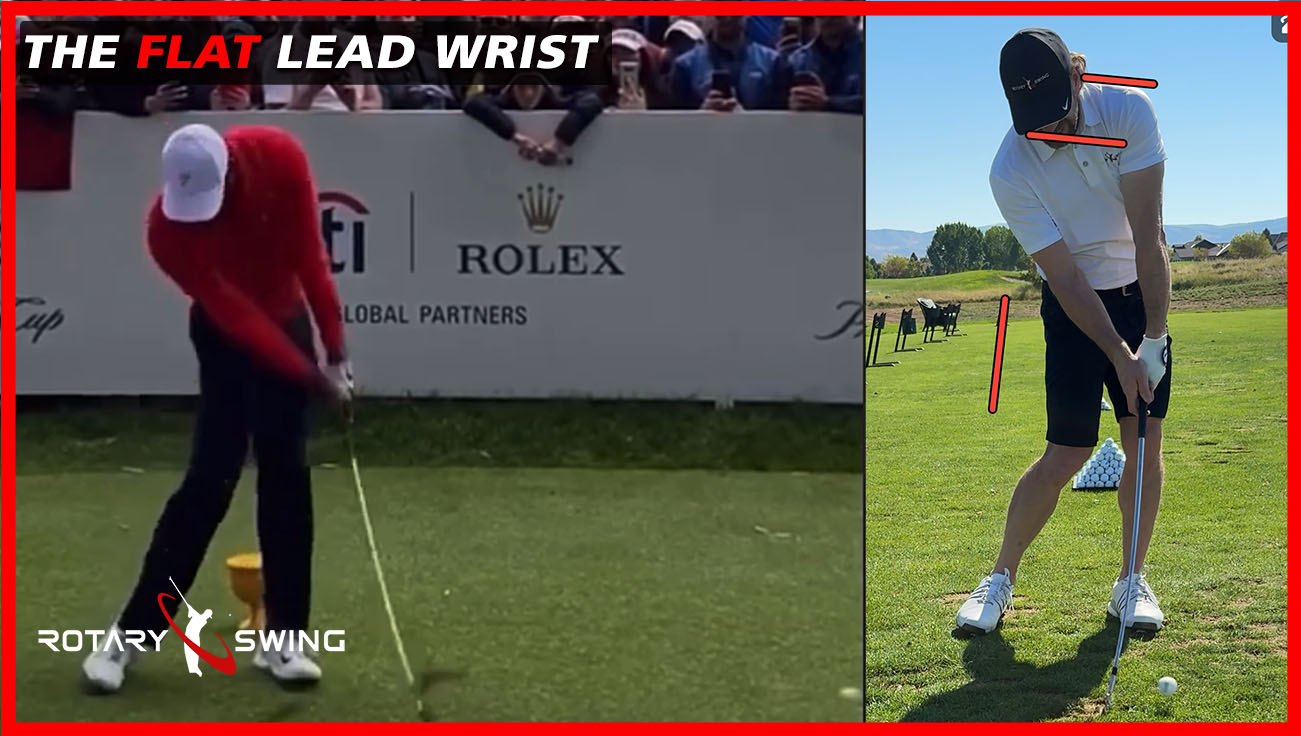
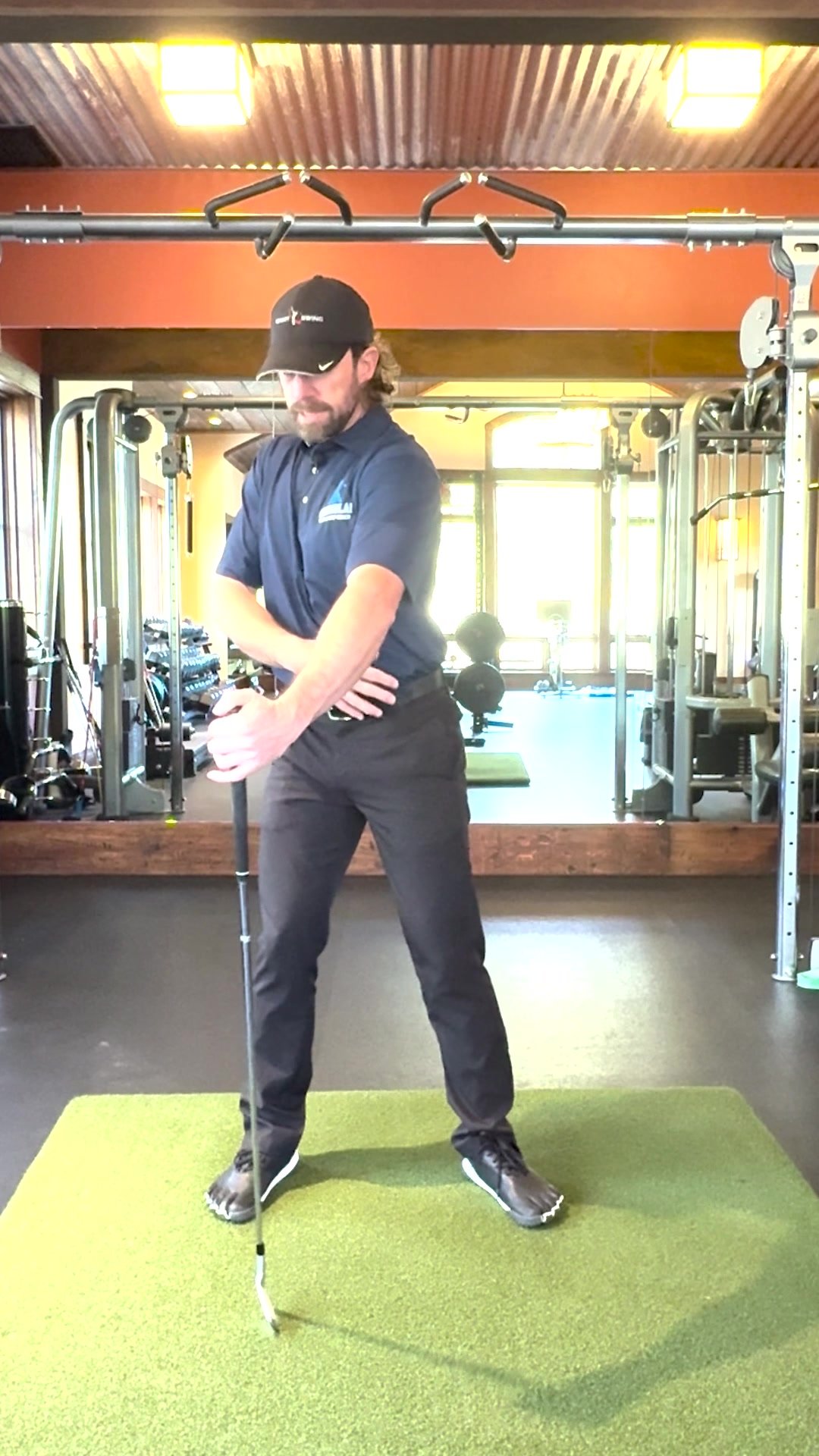
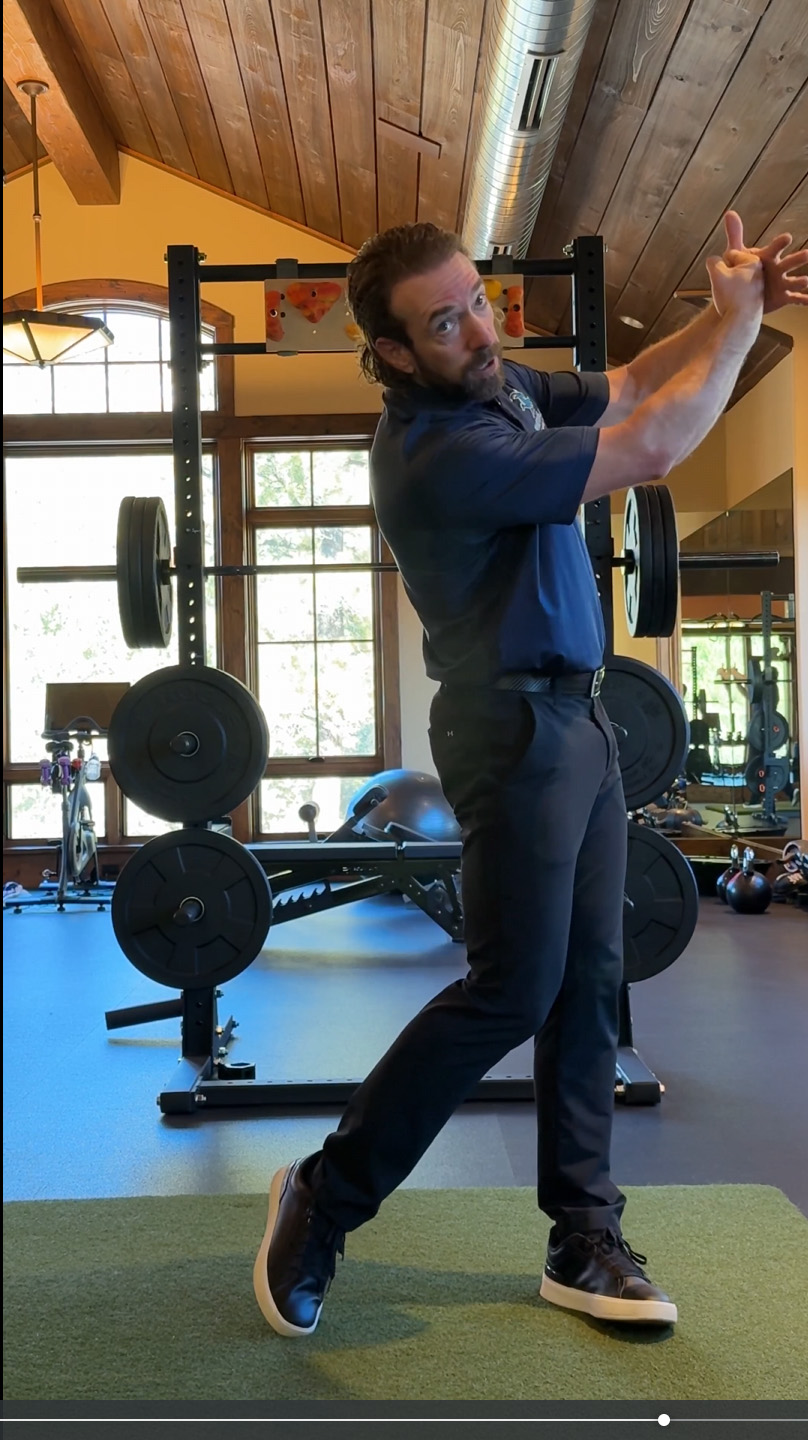
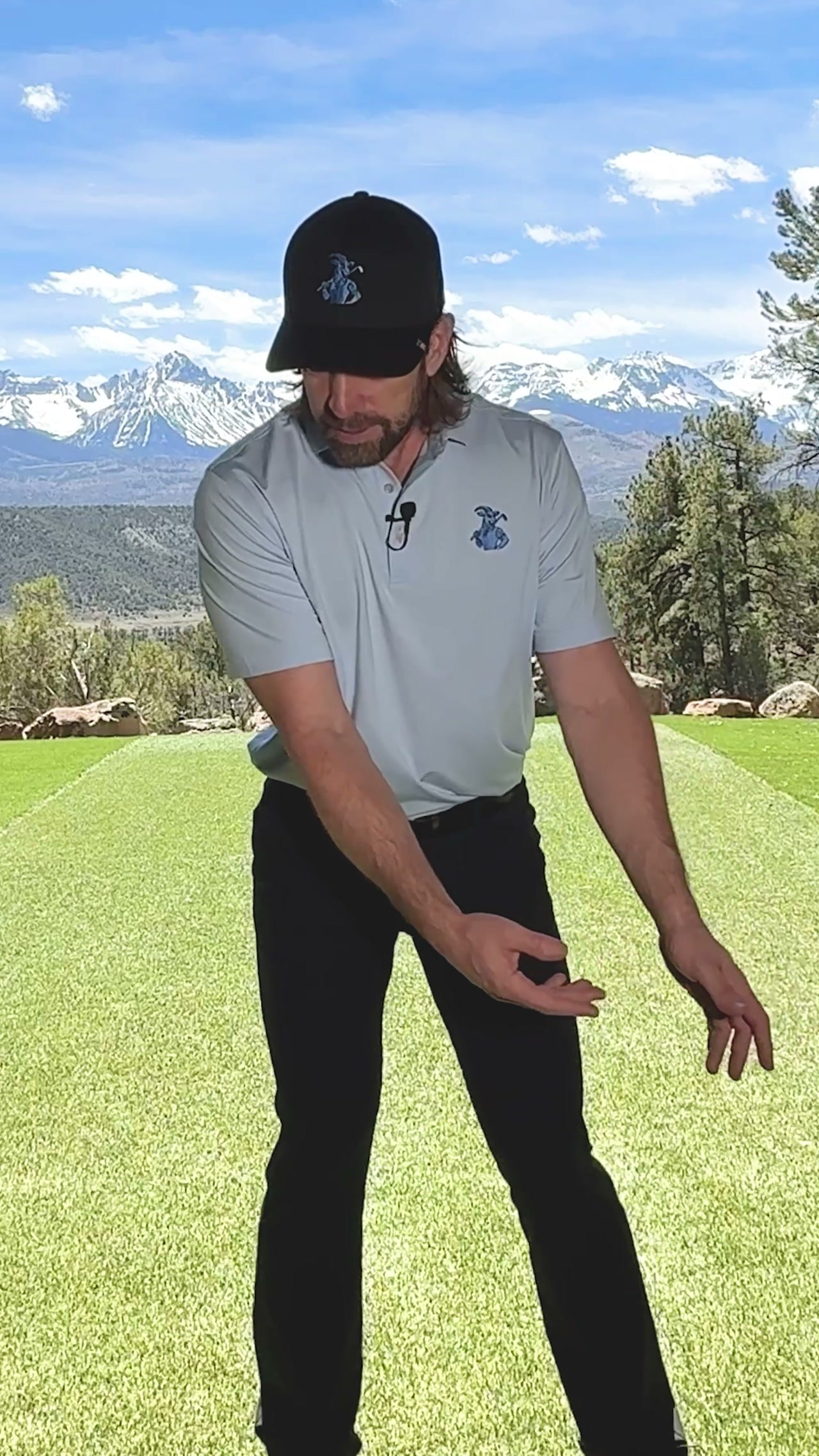
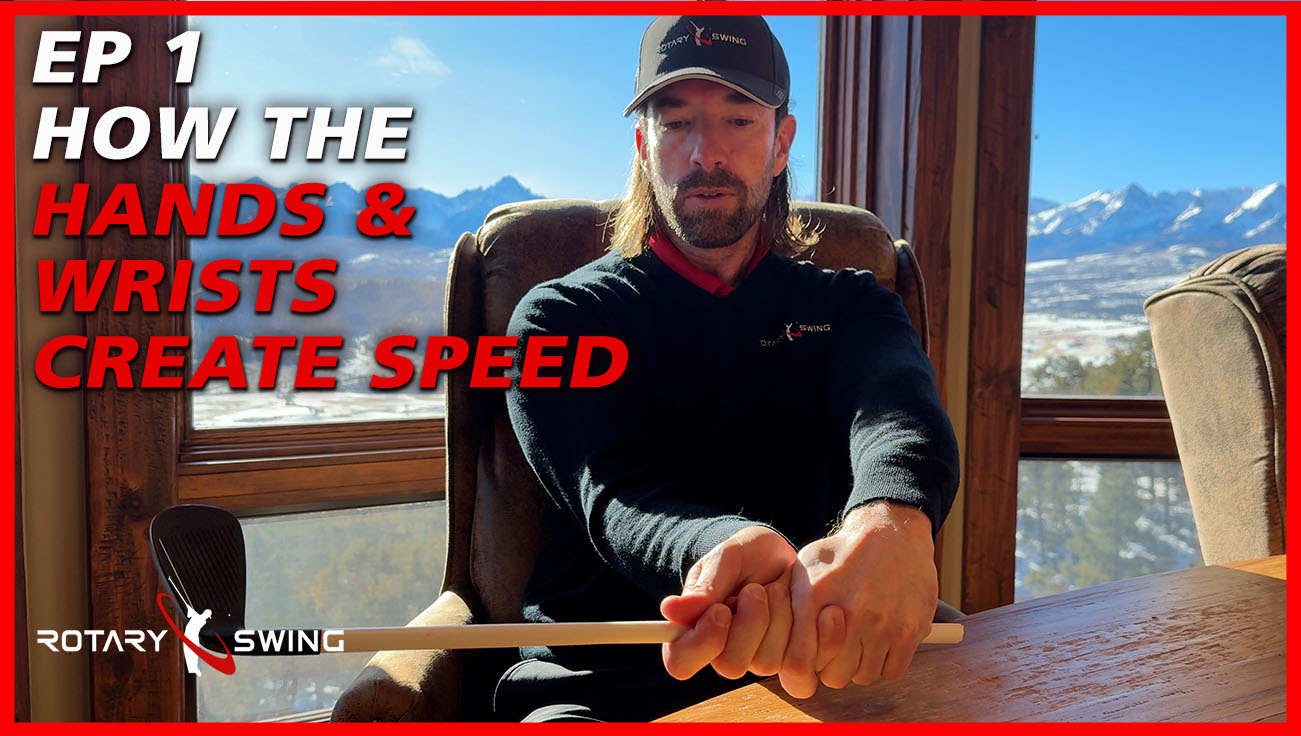
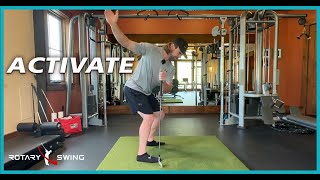
The first point: if you want a true, anatomically flat lead wrist at the top of your backswing with a square clubface (you can see I am checking that here by holding my lead arm parallel to the ground), you must be careful in how you initiate the club's movement in the downswing.
Try a free live lesson with GOATY
GOATY, my AI golf coach, watches your swing through your phone camera and coaches every rep. Free, about 20 minutes, no credit card.

A simple way to check how your grip affects the club face at the top of your backswing.
The tendency from this position — where the club face and lead forearm are parallel to each other — is for the clubface to come down and remain slightly open.
The only way to square the clubface from this position is to begin to square the clubface early in the downswing.
To accomplish this, you begin to bow and rotate your lead wrist as you come down. For the most part, this will happen naturally, and that is a good thing because this gradual rotation encourages a full release.
However, for most golfers, it takes considerable practice to master having a truly anatomically flat lead wrist at the top of the backswing and learning how to properly square the face during the downswing.
Most golfers who do not get to practice frequently are better off with a slightly stronger grip so that less rotation of the lead arm is required during the downswing.
Slightly Shut Face at the Top May Be Best for You
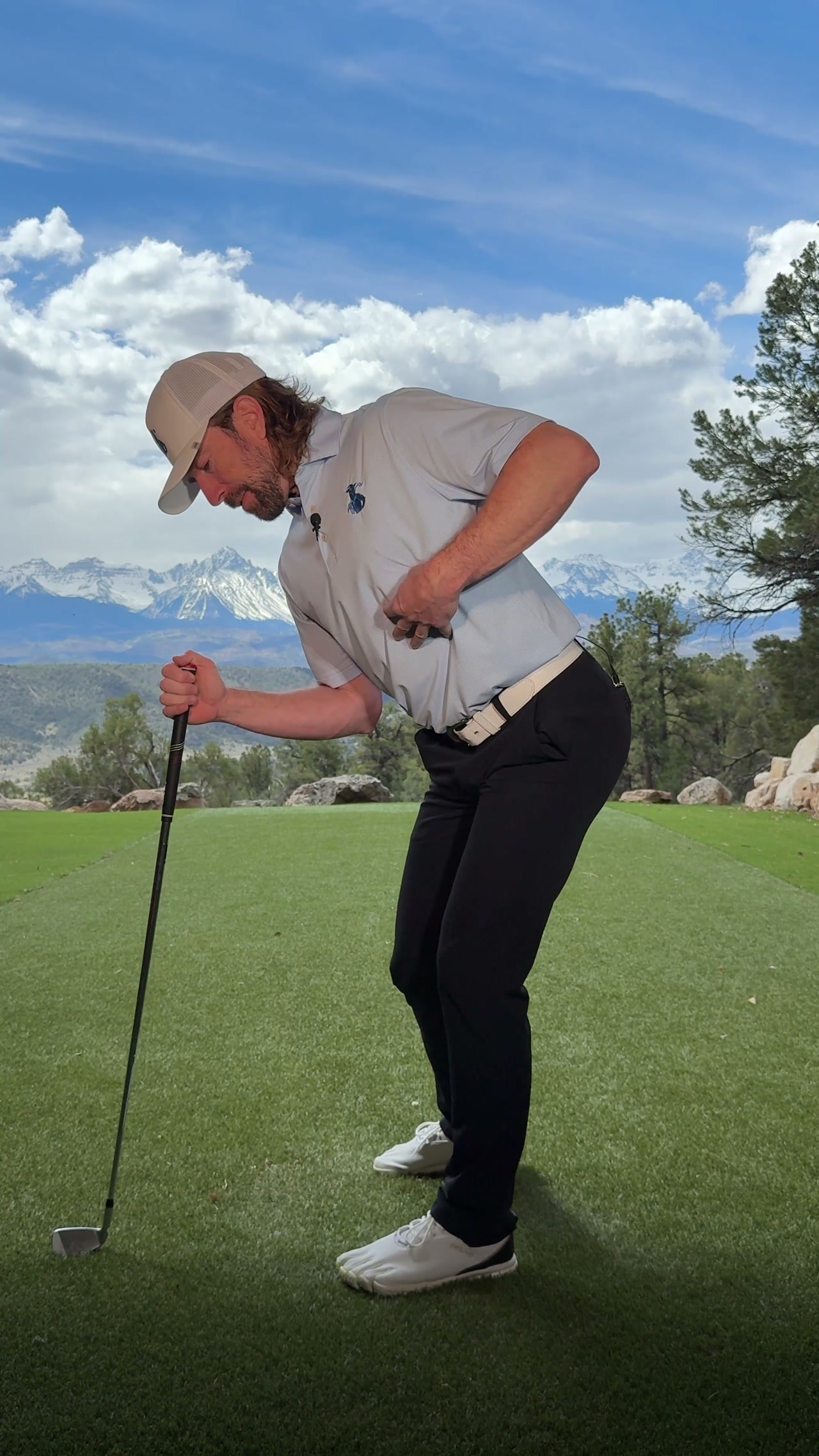
By taking a slightly stronger grip, the club face should actually be slightly shut at the top of the backswing — unless you deliberately cup your wrist.
For this reason, it is perfectly acceptable to have a slightly closed club face at the top of your golf swing.
Having this slightly shut club face at the top makes it significantly easier for the average golfer to square the club face at impact, and a slightly stronger grip makes this much easier to achieve.
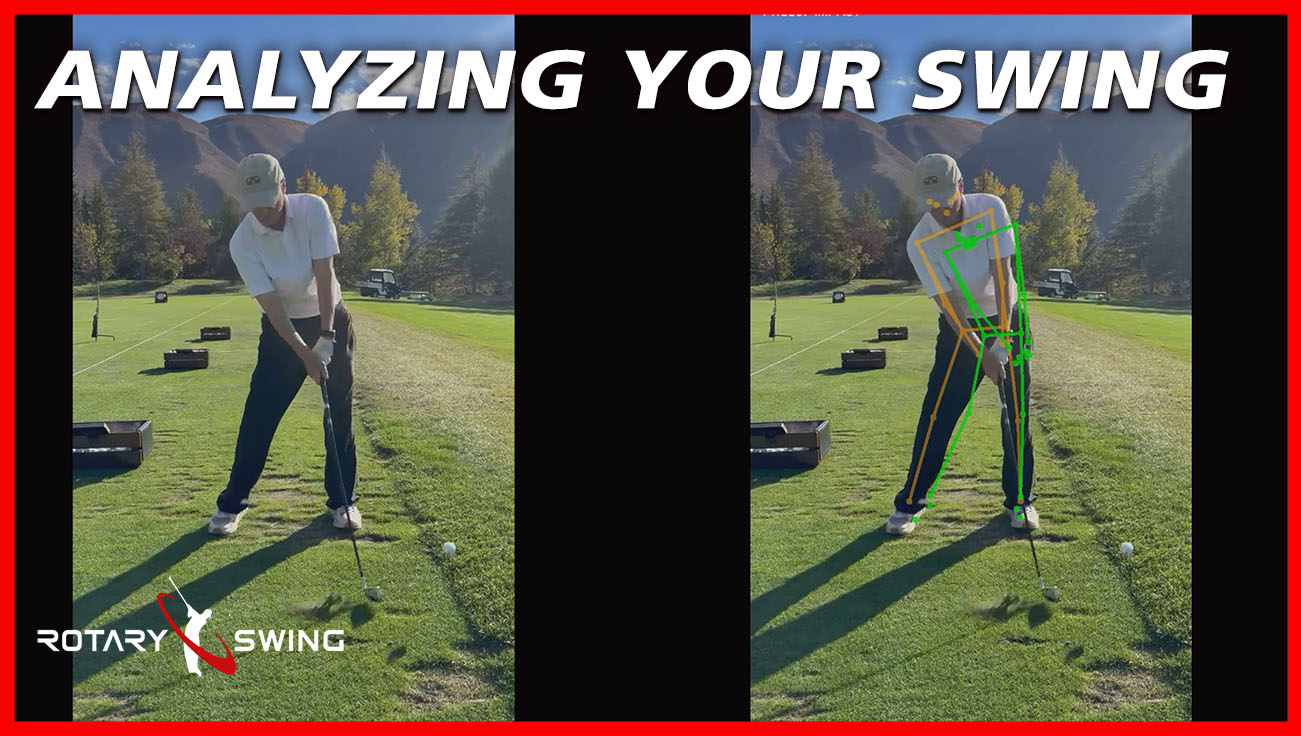
There will be less dependence on timing, which translates directly to less time required to practice your golf swing. To see how your own grip and club face control are performing, try a free AI swing analysis.

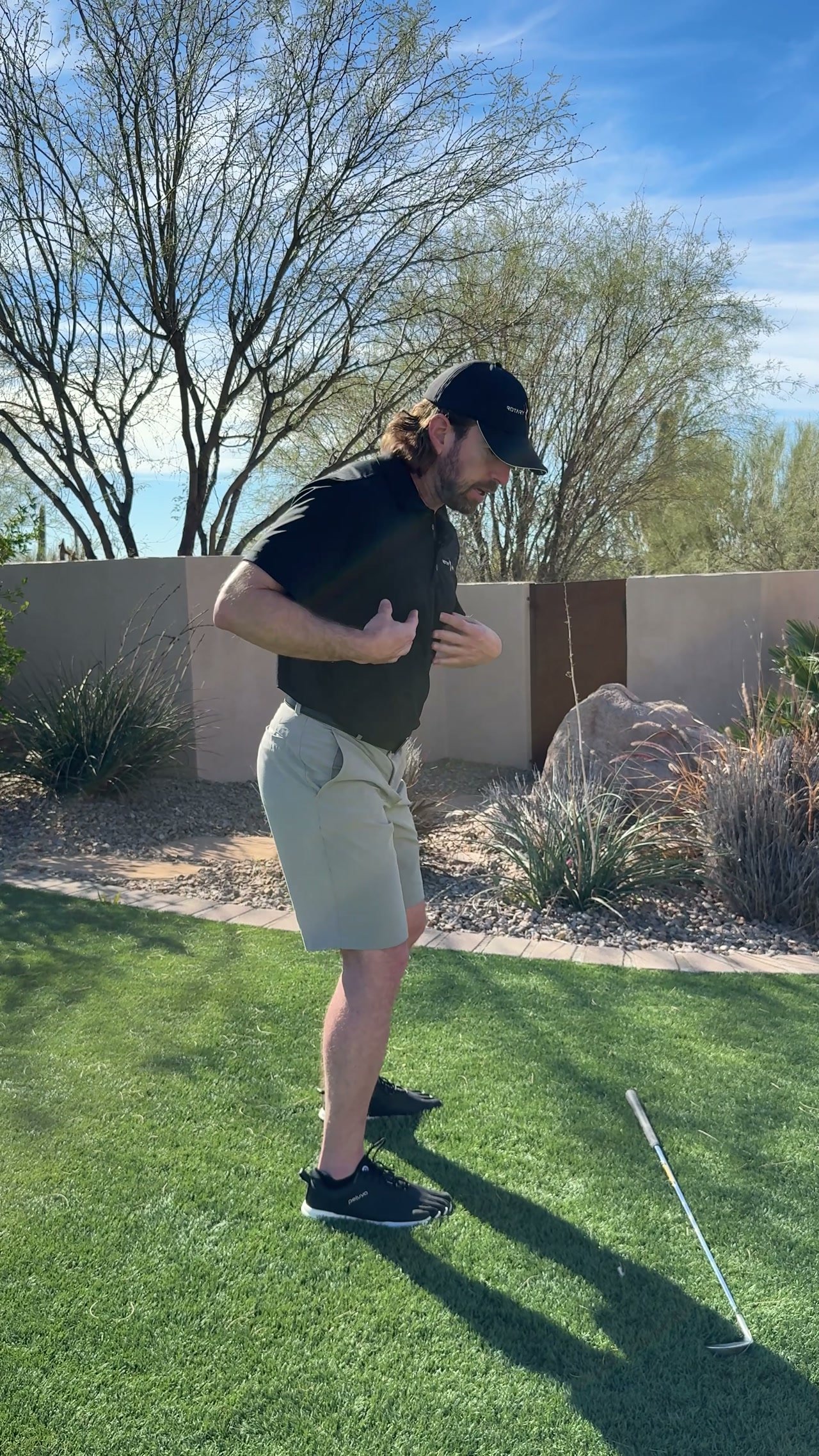
A simple way to check how your grip affects the club face at the top of your backswing.
The only potential downside of a slightly stronger grip is that it can be marginally more difficult to work the ball (i.e., intentionally hitting a fade or a draw). But for most amateurs, this is not a real concern since the primary goal is to learn to hit the golf ball straight.
Do not feel that this is a limitation on your ability as a golfer. Most better players do not work the ball extensively and maintain one predominant shot shape for the majority of their shots.
Grip Also Affects Your Golf Swing Plane
Now let us discuss how this grip affects the swing plane.
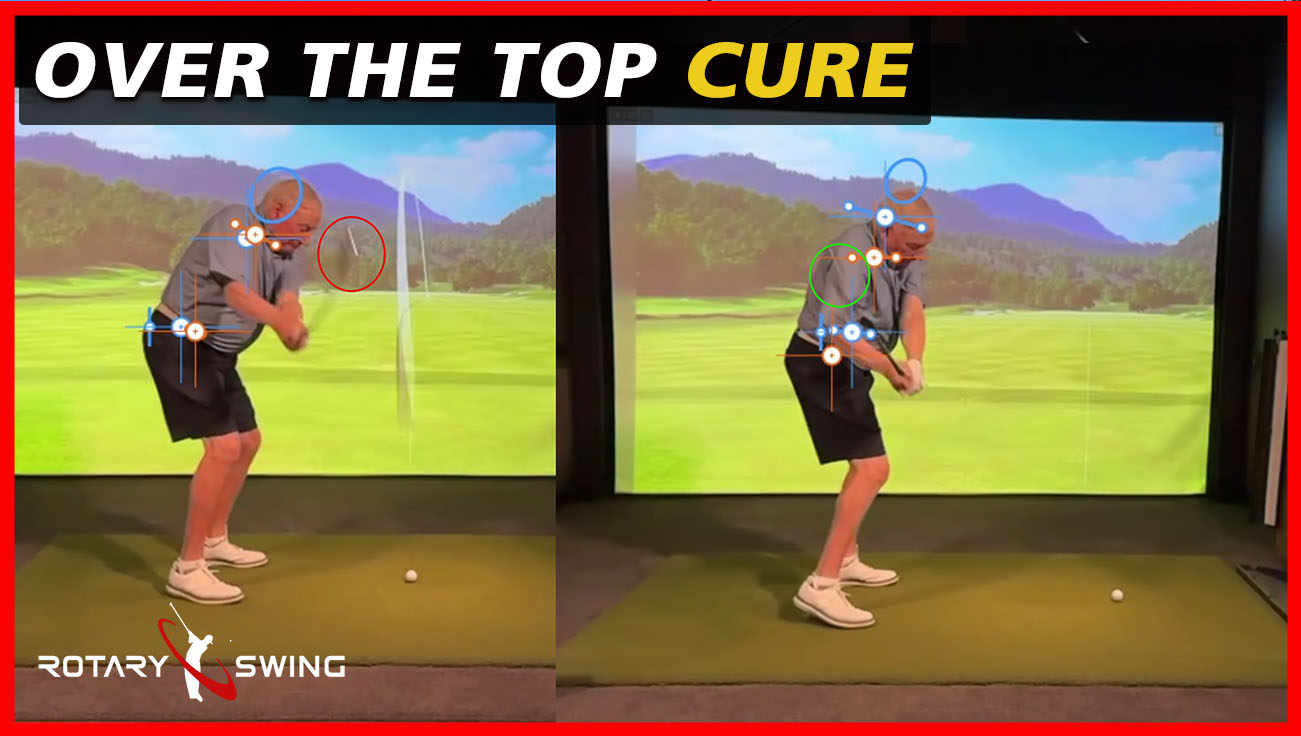
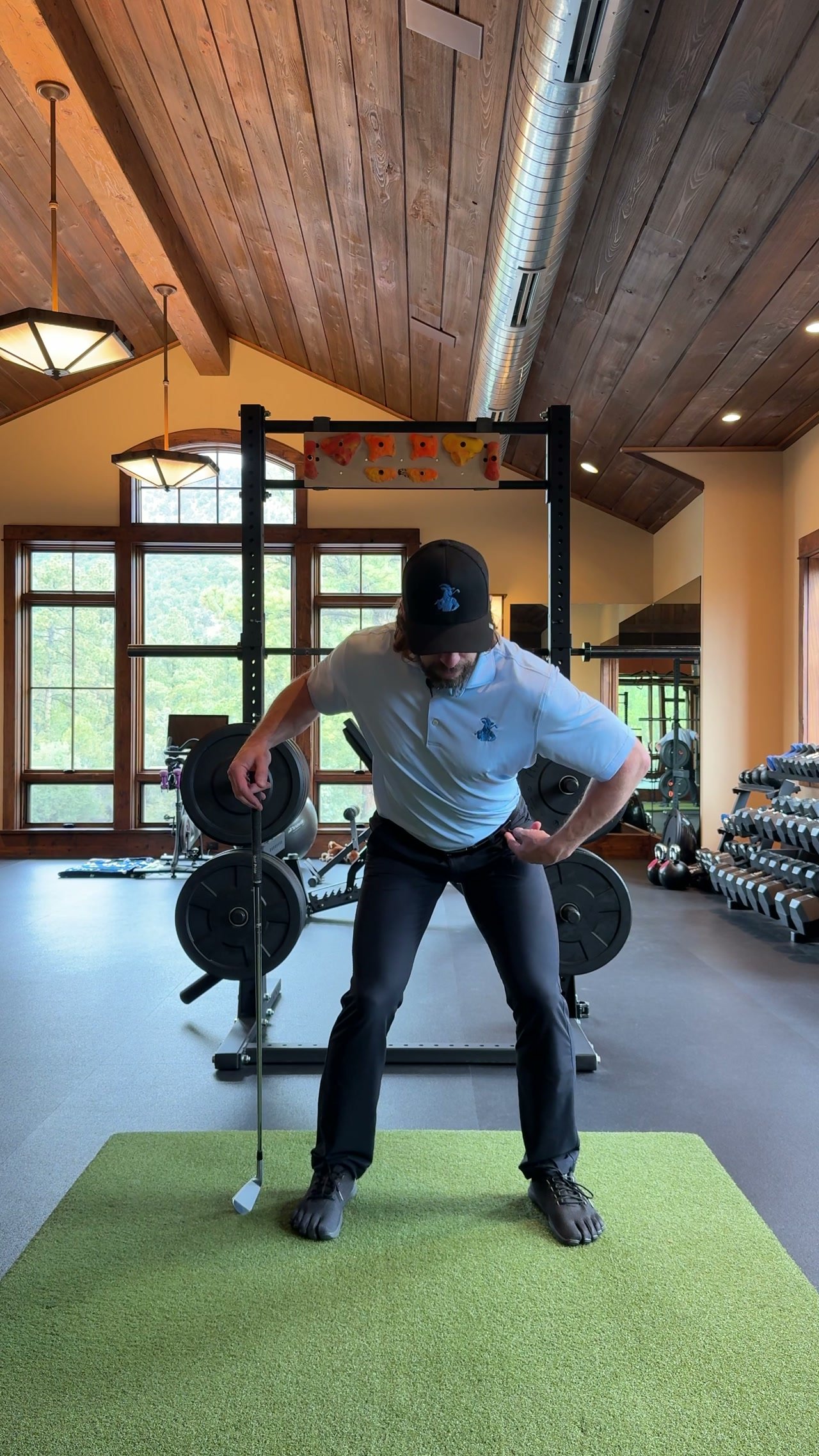
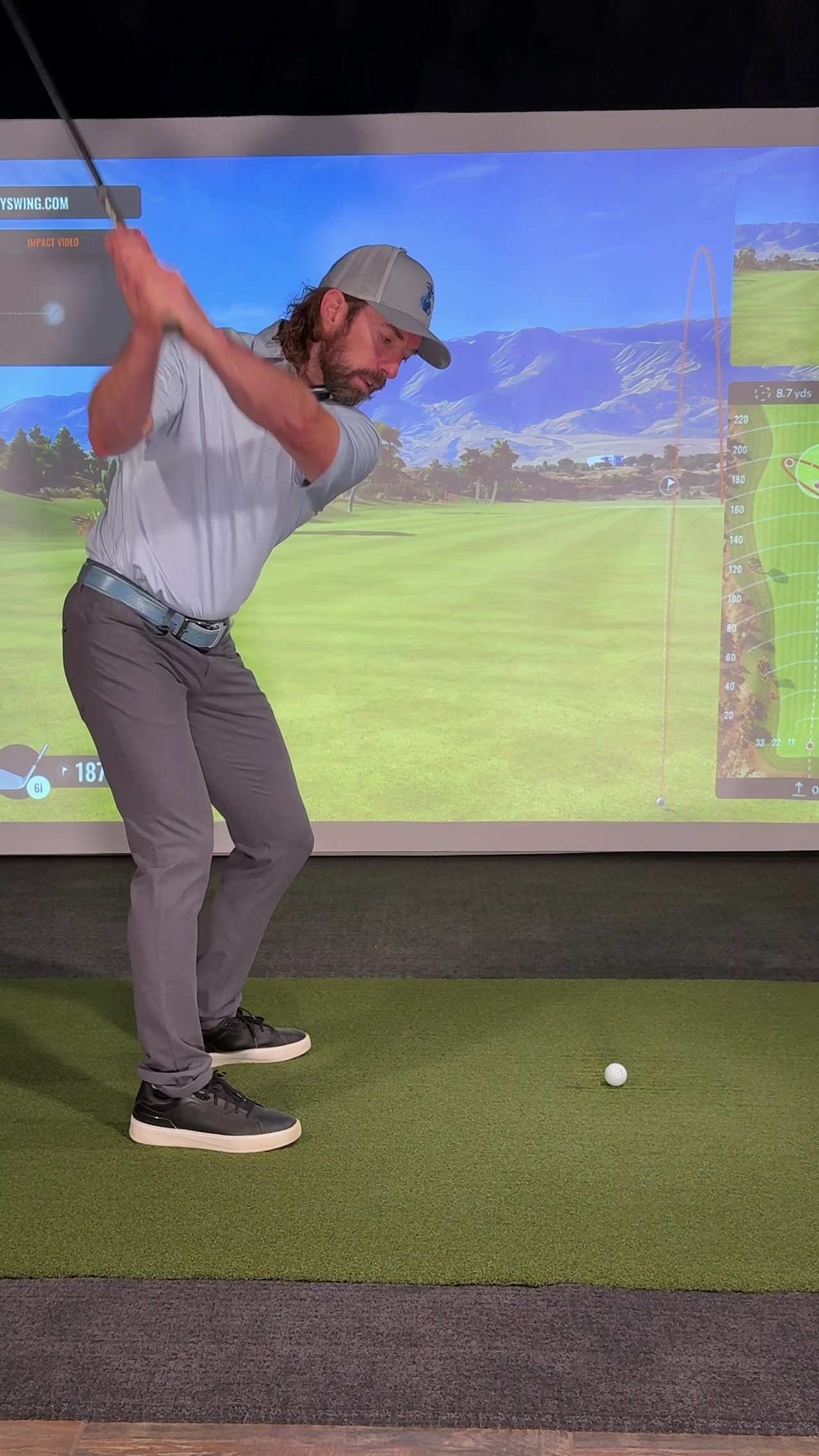
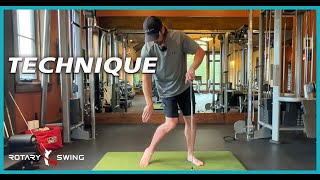
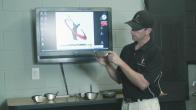
Having a slightly stronger grip can and will steepen the swing plane slightly, as you can see me demonstrating here.
Having a swing plane that is very slightly steeper than a parallel swing plane — like what worked on with Hank Haney — is perfectly acceptable and even preferential in many cases.
You can see that this steeper plane is actually "on plane" as the butt of the club points directly at the ball halfway back.
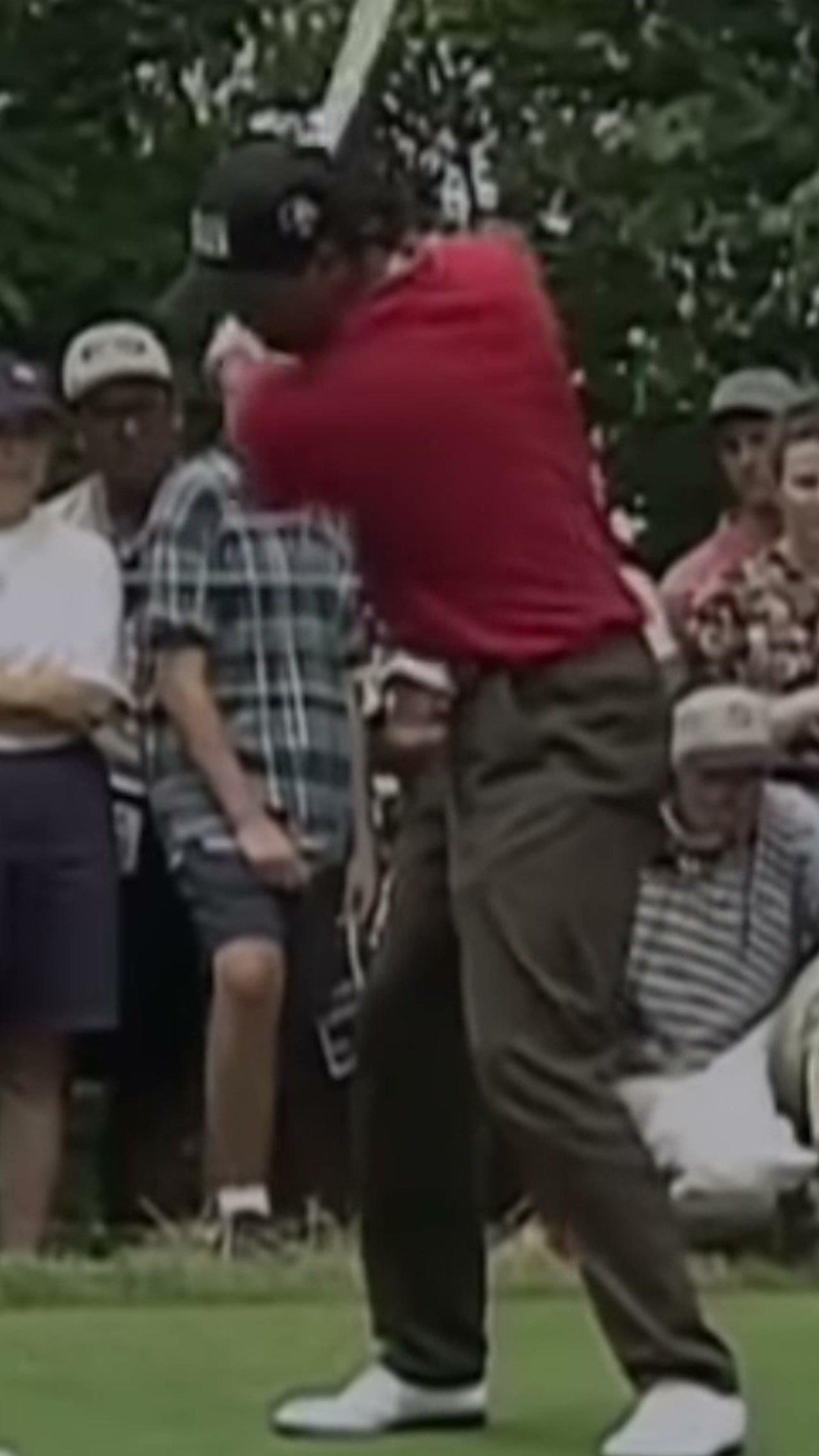
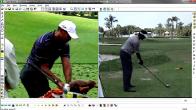
Having the weaker grip like Tiger used with Haney makes it easier to swing the golf club along parallel planes, but that is not necessarily desirable.
In fact, not a single player on the PGA Tour was swinging the way Haney advocates with his parallel planes swing theory as of 2012. Tiger was the only one and the last one.
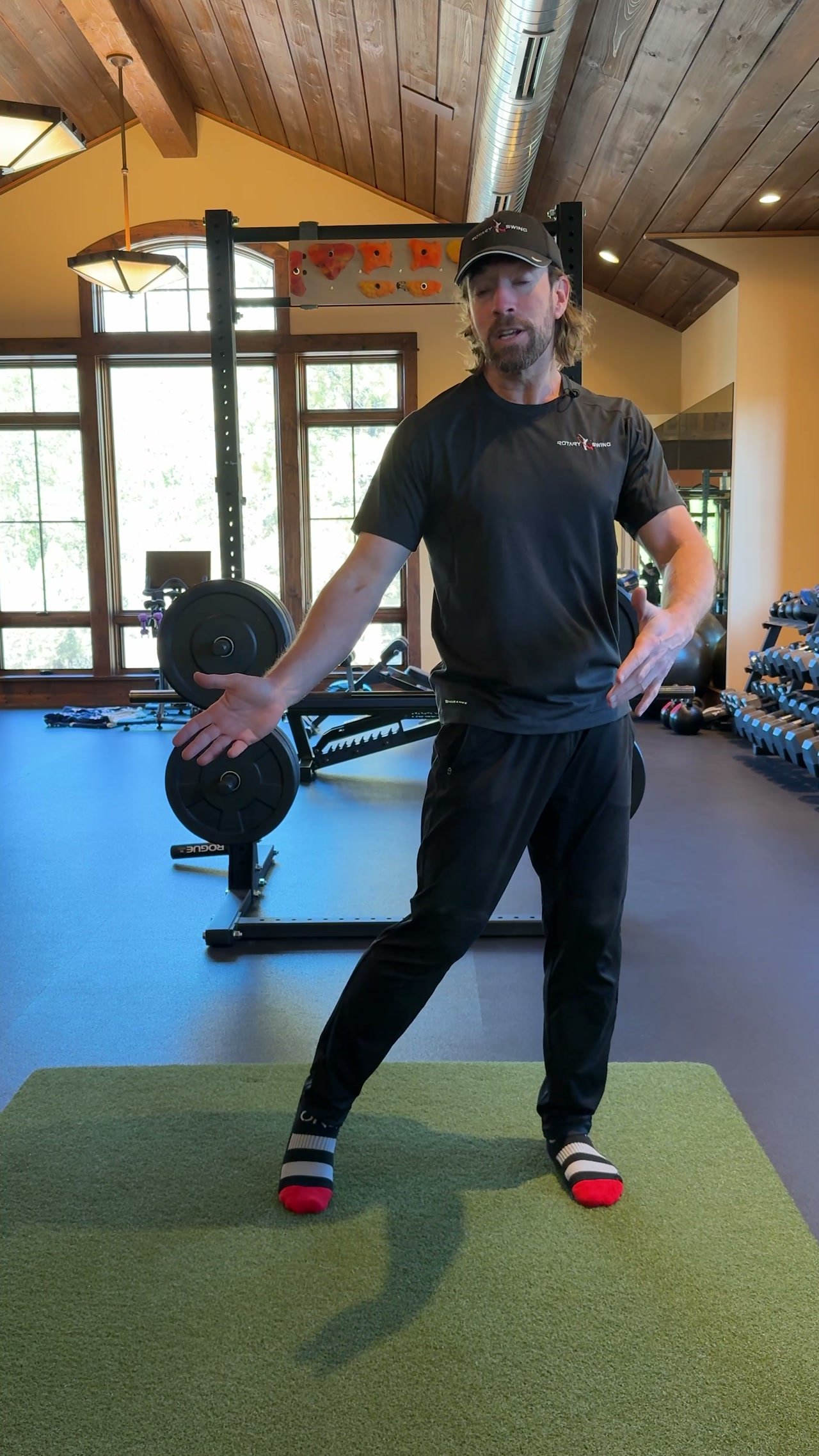
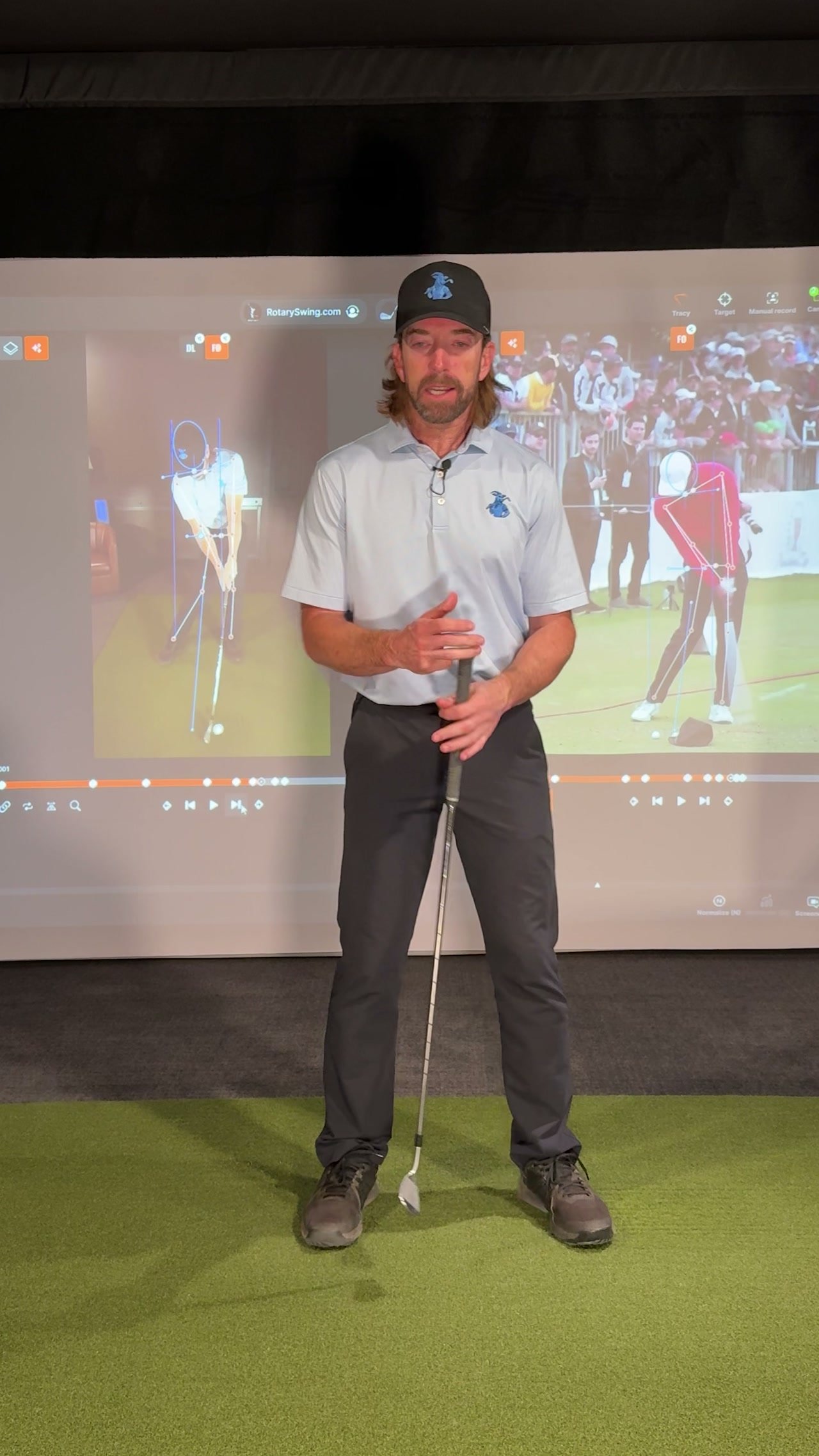
Once he strengthened his grip under Sean Foley, his swing plane became steeper, as you can see me demonstrating here.

A simple way to check how your grip effects the club face at the top of your backswing.
Parallel planes may look aesthetically pleasing, but they simply are not as effective — as Tiger proved with his inconsistent ball striking off the tee during that era. Once Foley strengthened his grip, the steeper plane improved his driving dramatically.
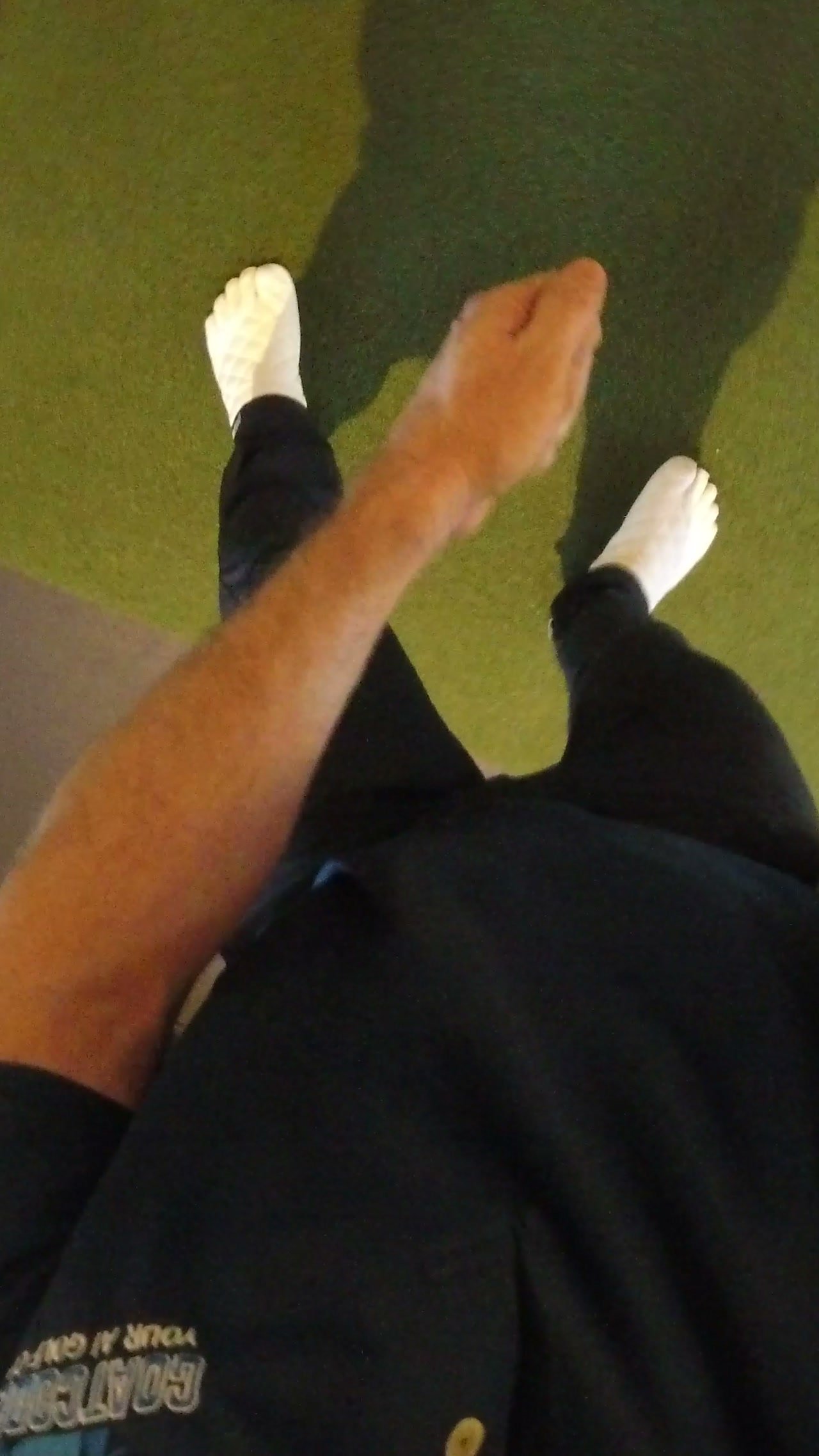
So do not be afraid to have a club face that is slightly shut at the top, as you see demonstrated here, and you will have a much easier time eliminating that slice! For real-time feedback on how your grip and swing plane are working together, try a free AI golf lesson.
How to Improve Your Golf Grip for Better Swing
Learn how to adjust your golf grip to enhance your swing plane and club face control.
-
1
Understand the Importance of Grip
Recognize that your grip directly impacts your backswing position and club face alignment. A proper grip is essential for squaring the club face at impact.
-
2
Check Your Grip Strength
Experiment with a slightly stronger grip to see if it helps you maintain a square club face at the top of your backswing. This can simplify your downswing mechanics.
-
3
Analyze Your Backswing Position
During your backswing, ensure that your lead wrist is anatomically flat. This position helps in achieving a square club face as you transition into the downswing.
-
4
Practice Wrist Rotation
Focus on bowing and rotating your lead wrist as you start your downswing. This movement is crucial for squaring the club face and achieving a full release.
-
5
Evaluate Club Face Angle
Check if your club face is slightly shut at the top of your swing. A closed face can make it easier to square the club at impact, especially for amateur golfers.
-
6
Work on Consistency
Aim to practice regularly to master your grip and wrist positions. Consistency in your grip will lead to more reliable swing mechanics and ball flight.
Frequently Asked Questions
How does my grip affect my backswing position?
Your grip plays a crucial role in determining your backswing position. A proper grip helps ensure that the clubface is square at the top of the backswing, which is essential for accurate shots. By understanding how your grip influences your swing plane, you can make adjustments that lead to better ball flight and overall swing consistency.
What is the significance of having a flat lead wrist at the top of the backswing?
A flat lead wrist at the top of the backswing is important for ensuring that the clubface is square when you start the downswing. This position allows for a more consistent release of the club, leading to better impact and ball flight. Mastering this wrist position requires practice and awareness of how your grip influences it.
Why might a slightly stronger grip be beneficial for golfers?
A slightly stronger grip can be advantageous because it often results in a slightly closed clubface at the top of the backswing. This alignment makes it easier for golfers to square the clubface at impact, reducing reliance on timing and improving overall consistency. For golfers with limited practice time, this grip adjustment can simplify the swing process.
When should I consider adjusting my grip to improve my swing?
You should consider adjusting your grip if you consistently struggle with squaring the clubface at impact or if your backswing position feels off. Analyzing your grip can help identify issues that affect your swing plane and overall performance. Making small adjustments can lead to significant improvements in your game, especially if you find that your current grip isn't yielding the desired results.
Watch part 2 now to see how you're moving your body in the opposite direction of the pros!