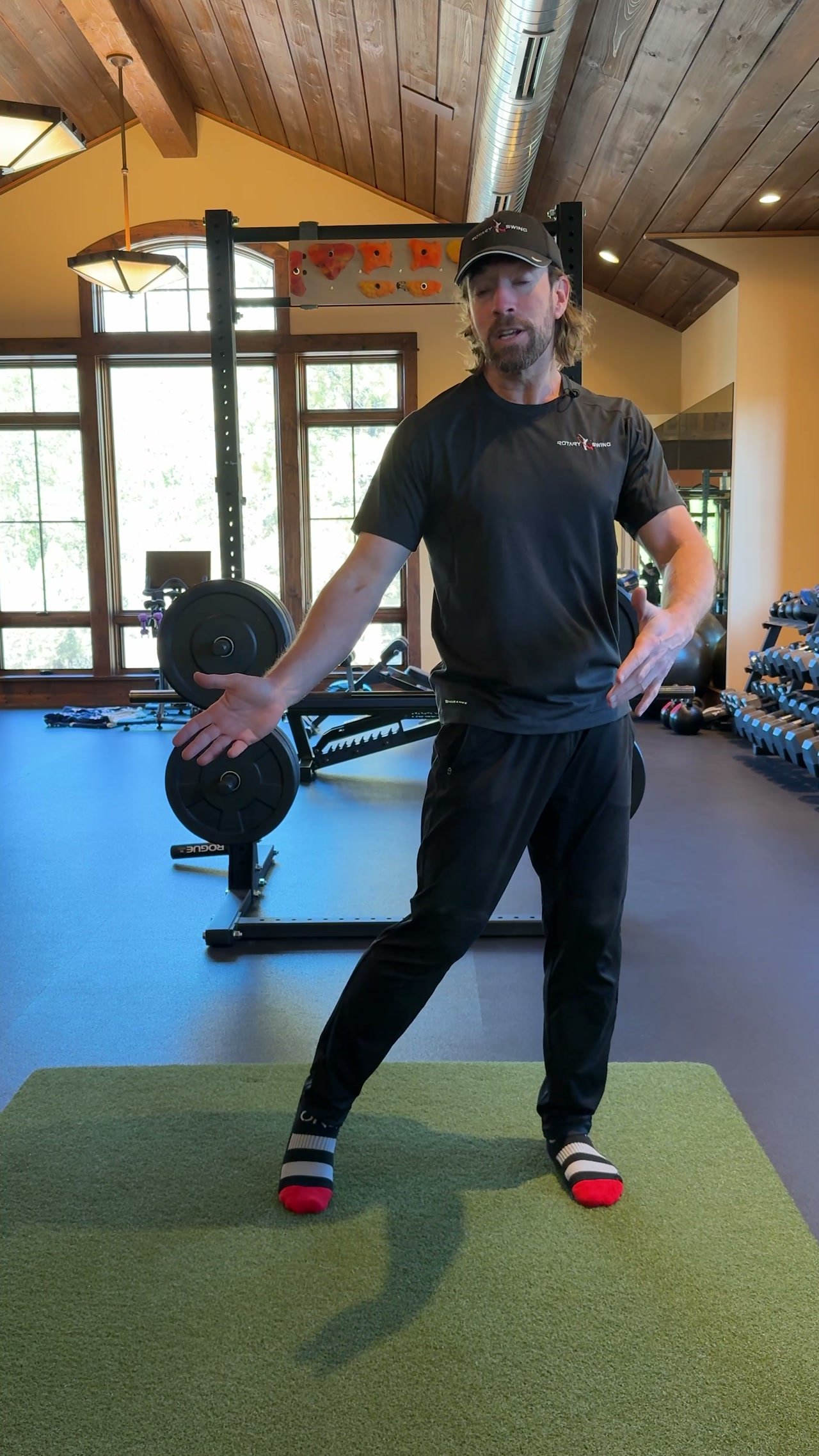
There has been some confusion when we use the term "shoulder elevation" in relation to the golf swing.

Scenario 1
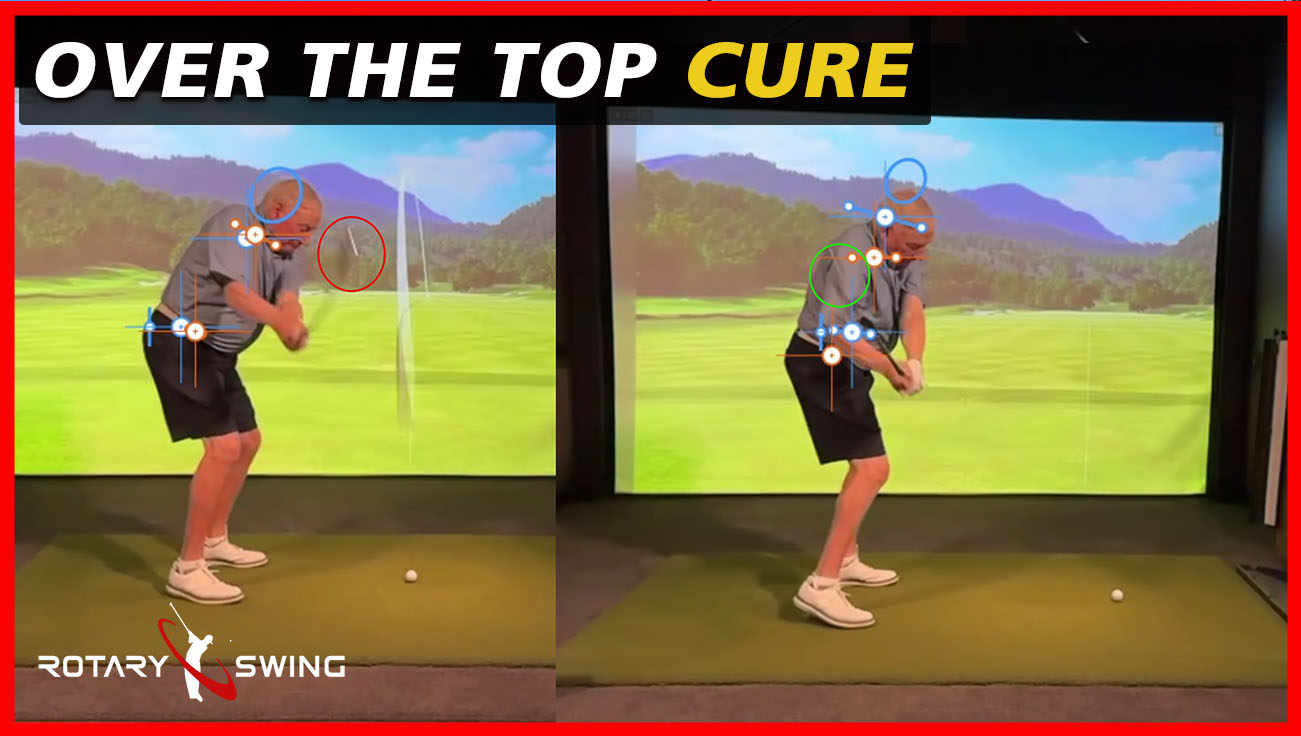
One student in particular explained that he suffered from getting the club very deep, very early in his swing. He said he was trying to keep his arms very passive, but the club still kept getting stuck way behind him at the start of the backswing.
Is this the fault costing you strokes?
Film one swing on your phone. In about a minute GOATY measures it and names the single biggest thing costing you strokes — free, no card.
Analyze My Swing Free
Related: Golf swing weight transfer — the AI-coached approach →
Android users: Download GOATY on Google Play — free AI golf coaching on your Android phone. →
This is a common issue. Just like anything in life, too much of a good thing is not very productive.
Stop reading about it — feel it in your swing today
GOATY watches your swing live and coaches you between every rep. Free. No signup.
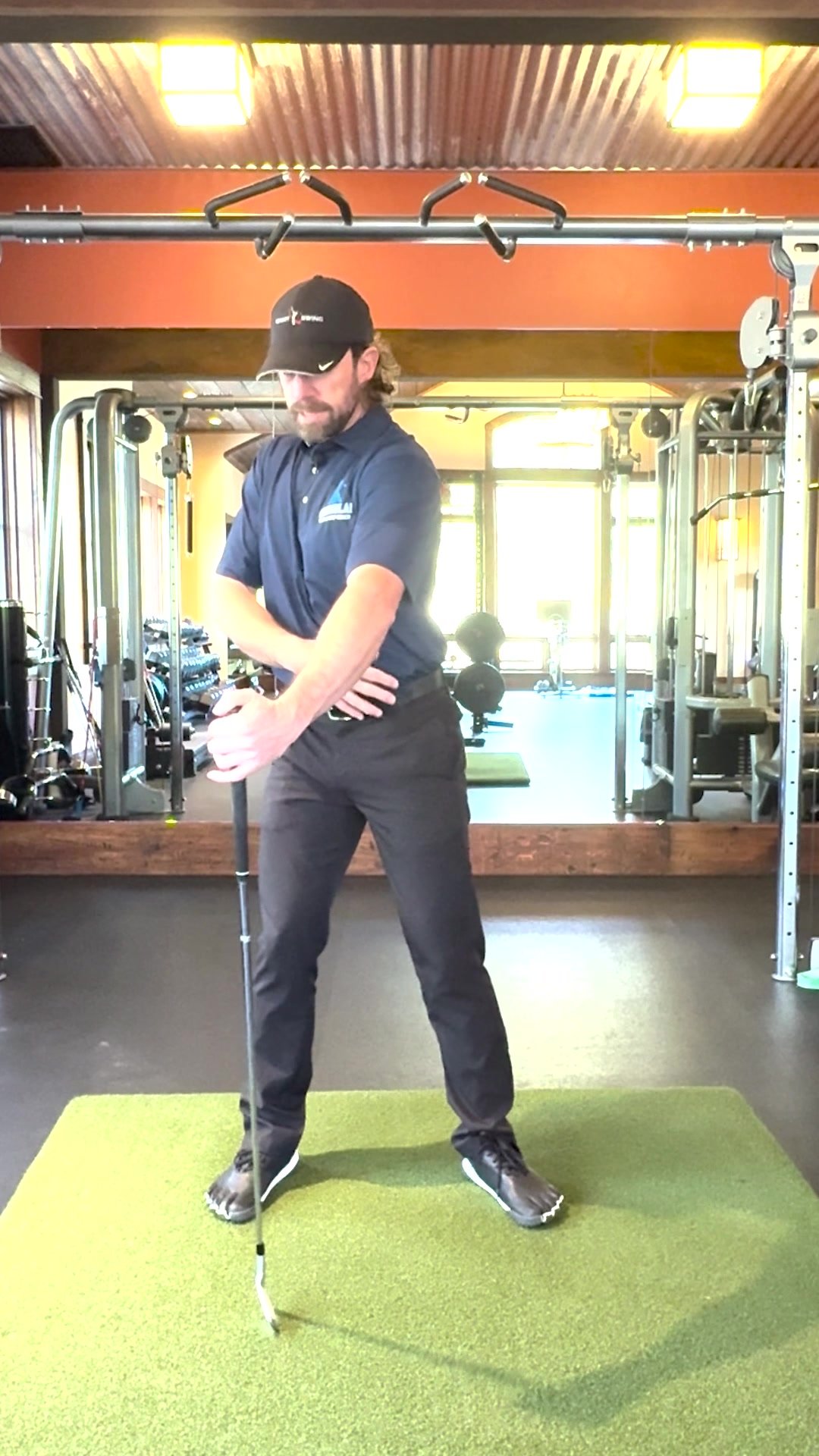
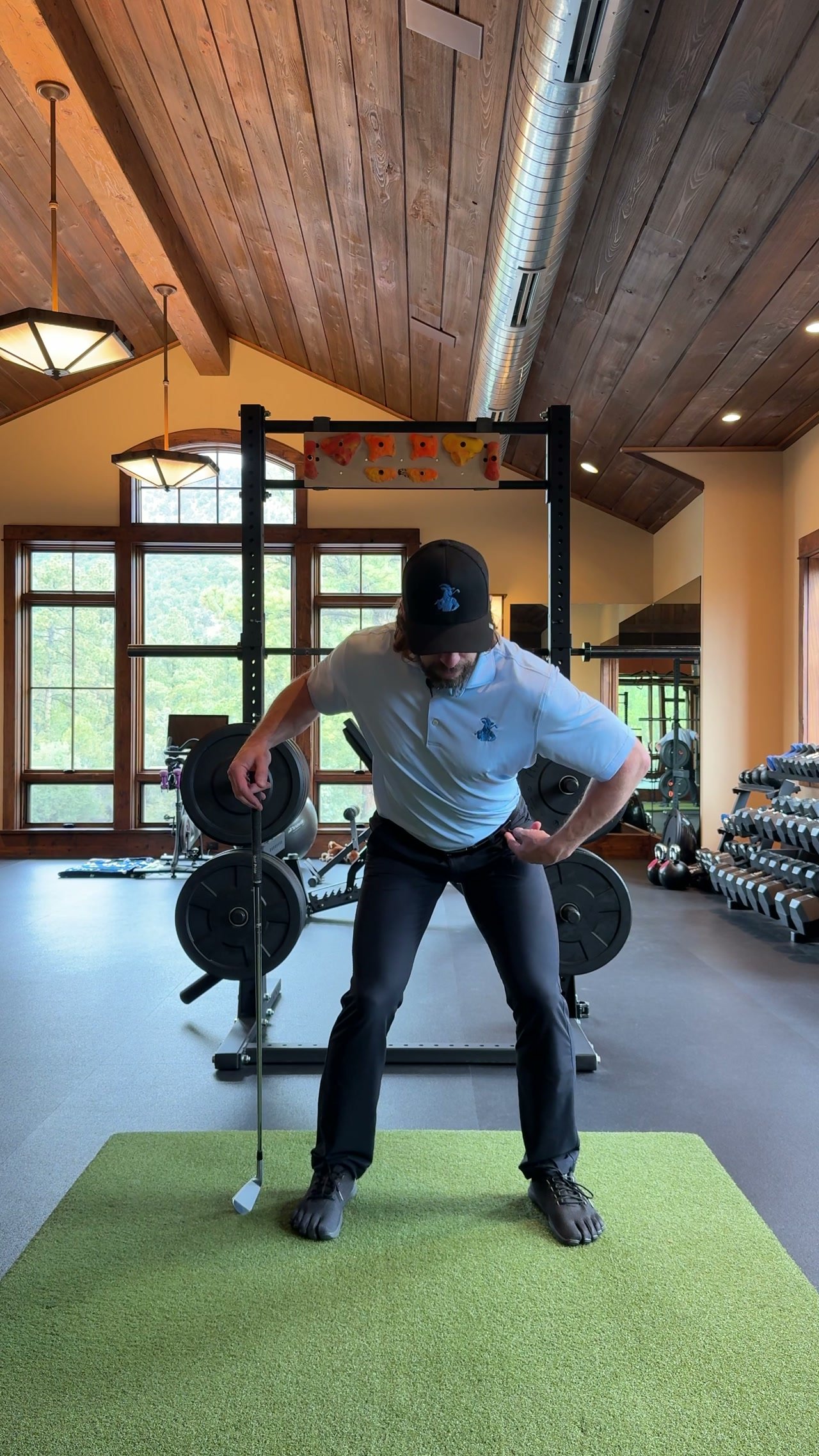
Start Your FREE Live Lesson →The issue here is that keeping the arms pinned to the body is not what we mean by "passive arms." If you keep your arms pinned to your body and rotate your chest by pulling the trail shoulder blade behind you as we teach in the Takeaway lesson, the club will end up way inside — which causes several problems.

Scenario 2
If you continue to pull the club around in this manner, it ends up very flat and laid off, with your arms trapped deep behind your body. That is Scenario Number 1.
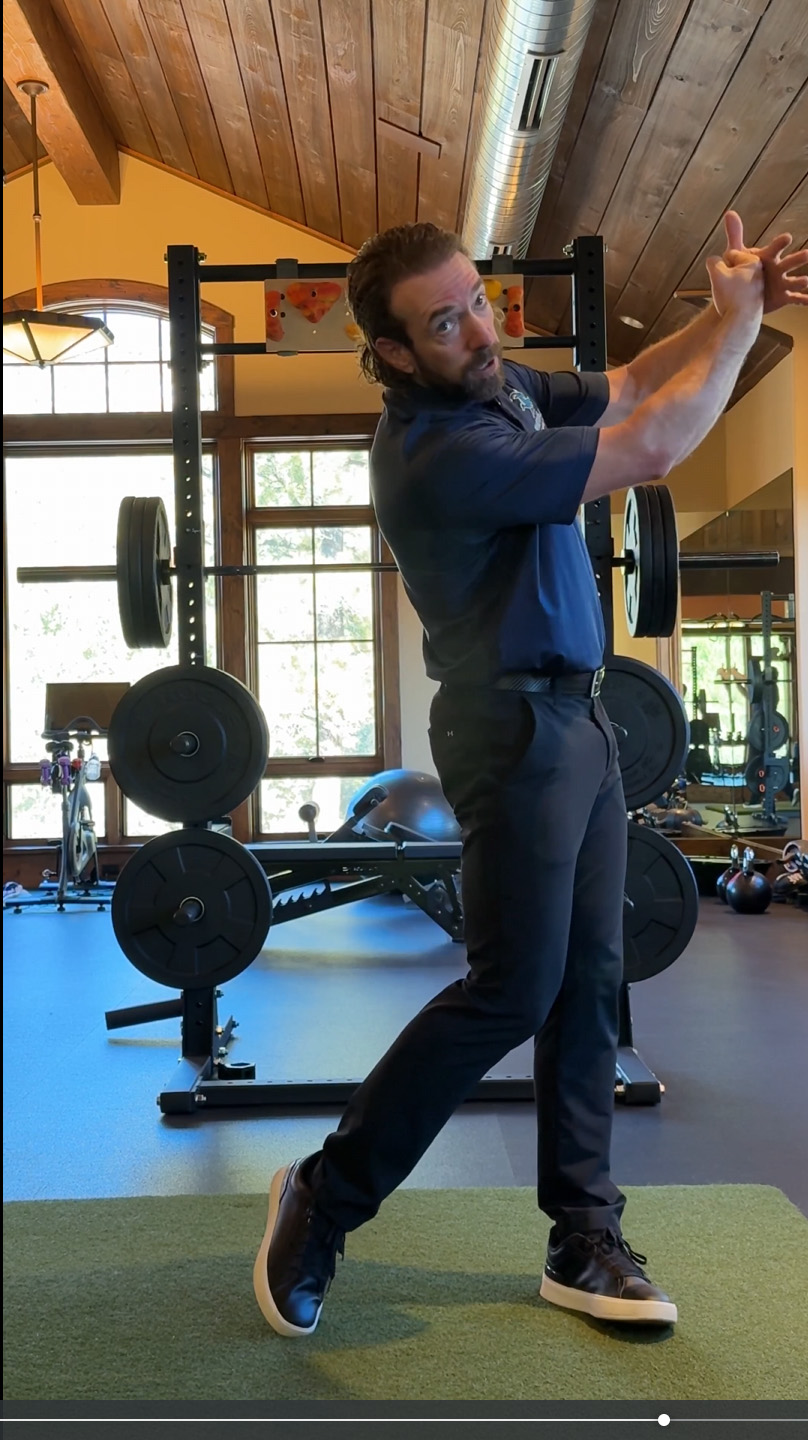
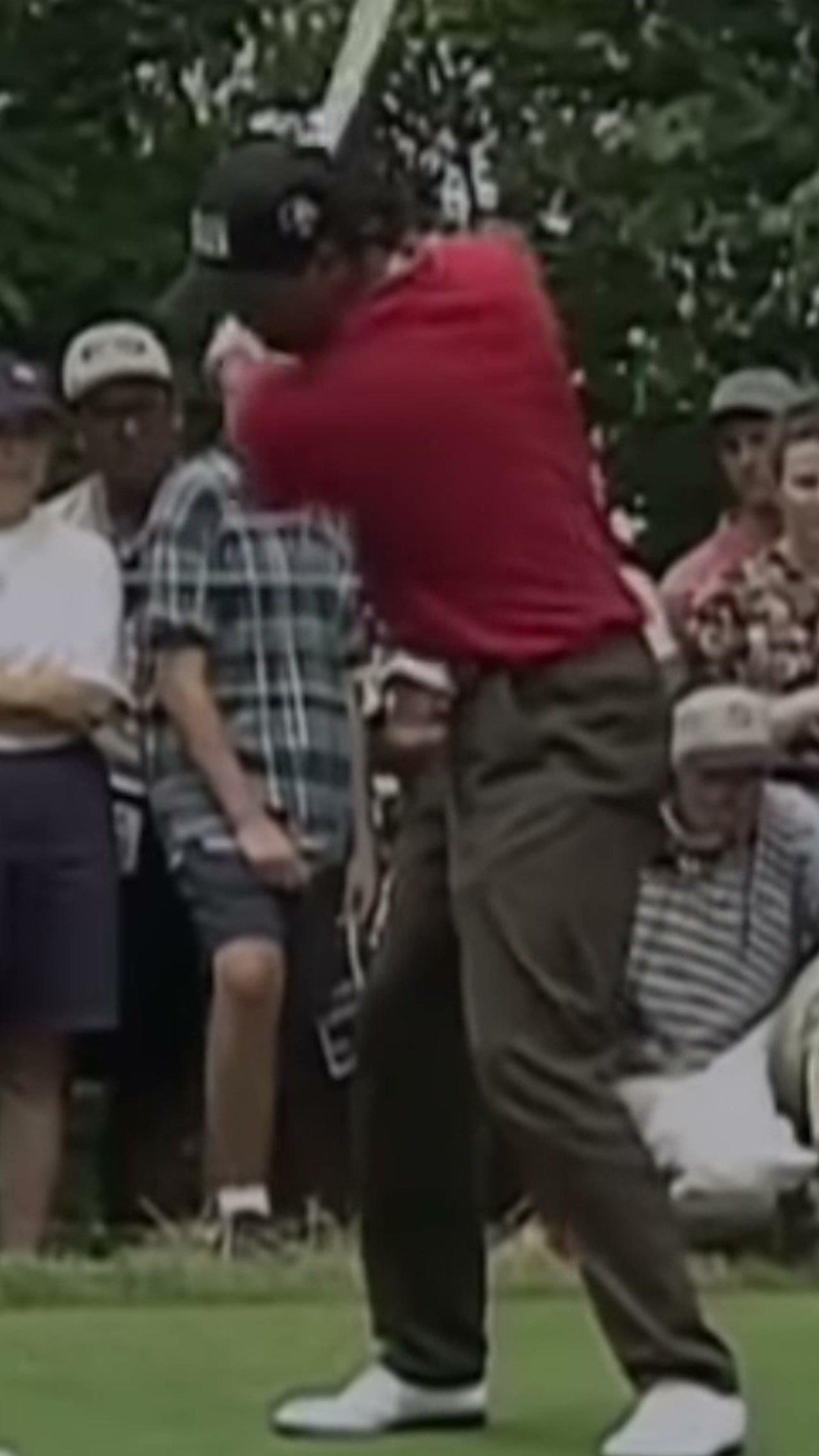
The second scenario, which is the more common of the two in our online lessons, is when you get the club too far inside. The club gets lifted late in the backswing and crosses the line. It is a terrible position to recover from — completely disconnected from the core and the rest of the body.
From this position, you will not be able to use any of the lessons because you are completely disconnected from your lower body. The only force available for the downswing will come from the upper body.
We talk extensively about "passive arms," but obviously that does not mean the arms have no role to play in the golf swing.
They do remain passive, but what we mean by remaining passive is simply that you never actively move your arms in a horizontal direction around your body.
Even when you are turning your body, you want to keep your arms from working across your chest and your core, getting trapped way behind you. The role of the arms in the golf swing is to stay directly in front of the body throughout.
What is Shoulder Elevation?

Shoulder elevation
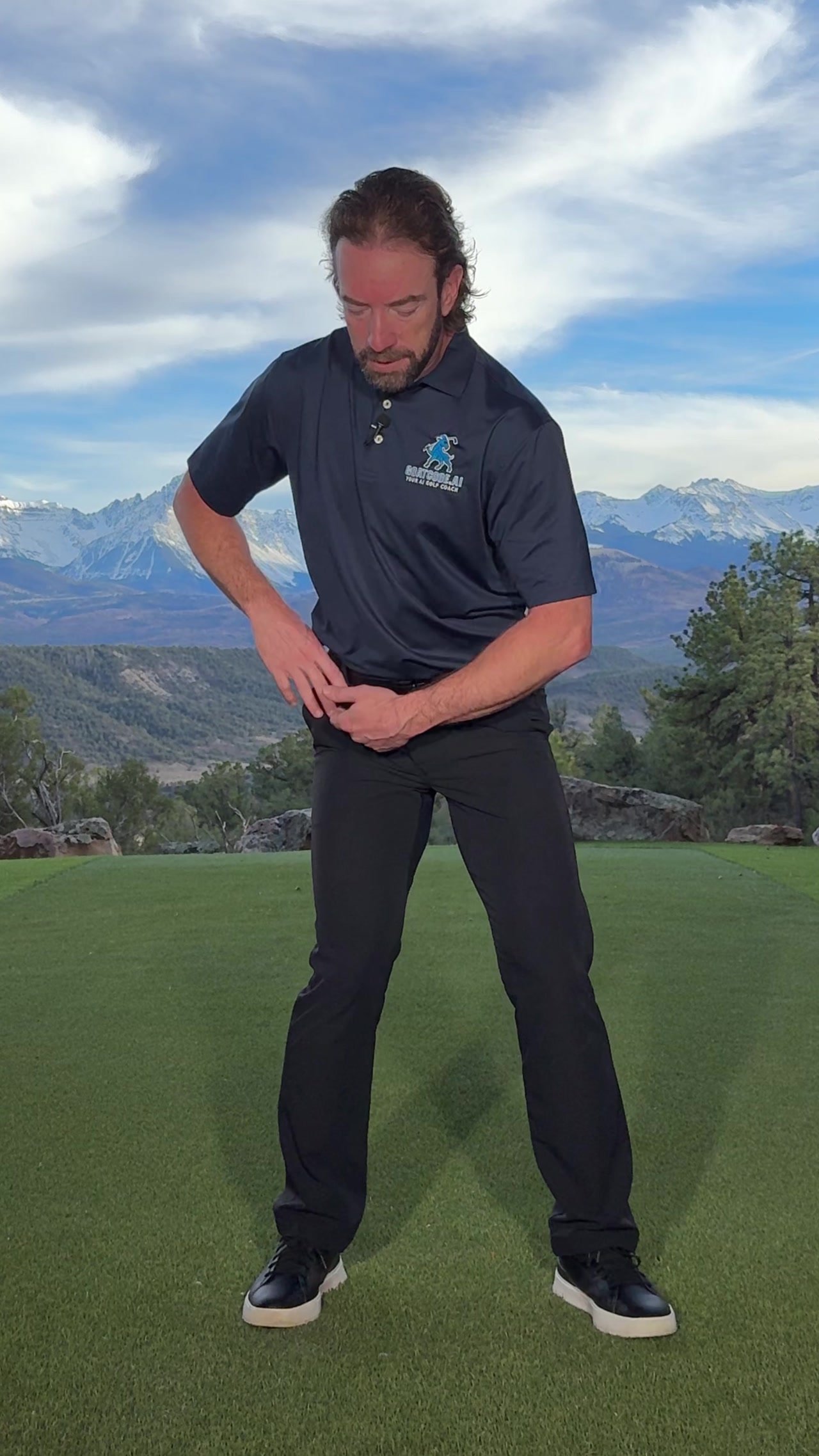
Let us start with what it is not. Shoulder elevation is not a shrugging motion. You are not lifting your shoulders or your shoulder blades. Shoulder elevation refers to raising your arms in a vertical plane, from belt-buckle height to the bottom of the chest.
At no point in the golf swing do you want to shrug your shoulders up toward your ears. If you allow that shrugging motion to occur, your shoulders rise, your arms flail out, and you get separated from your body — leaving you in a terrible position to strike the golf ball. It is not a powerful position at all.

Shoulder elevation - arms stay in front
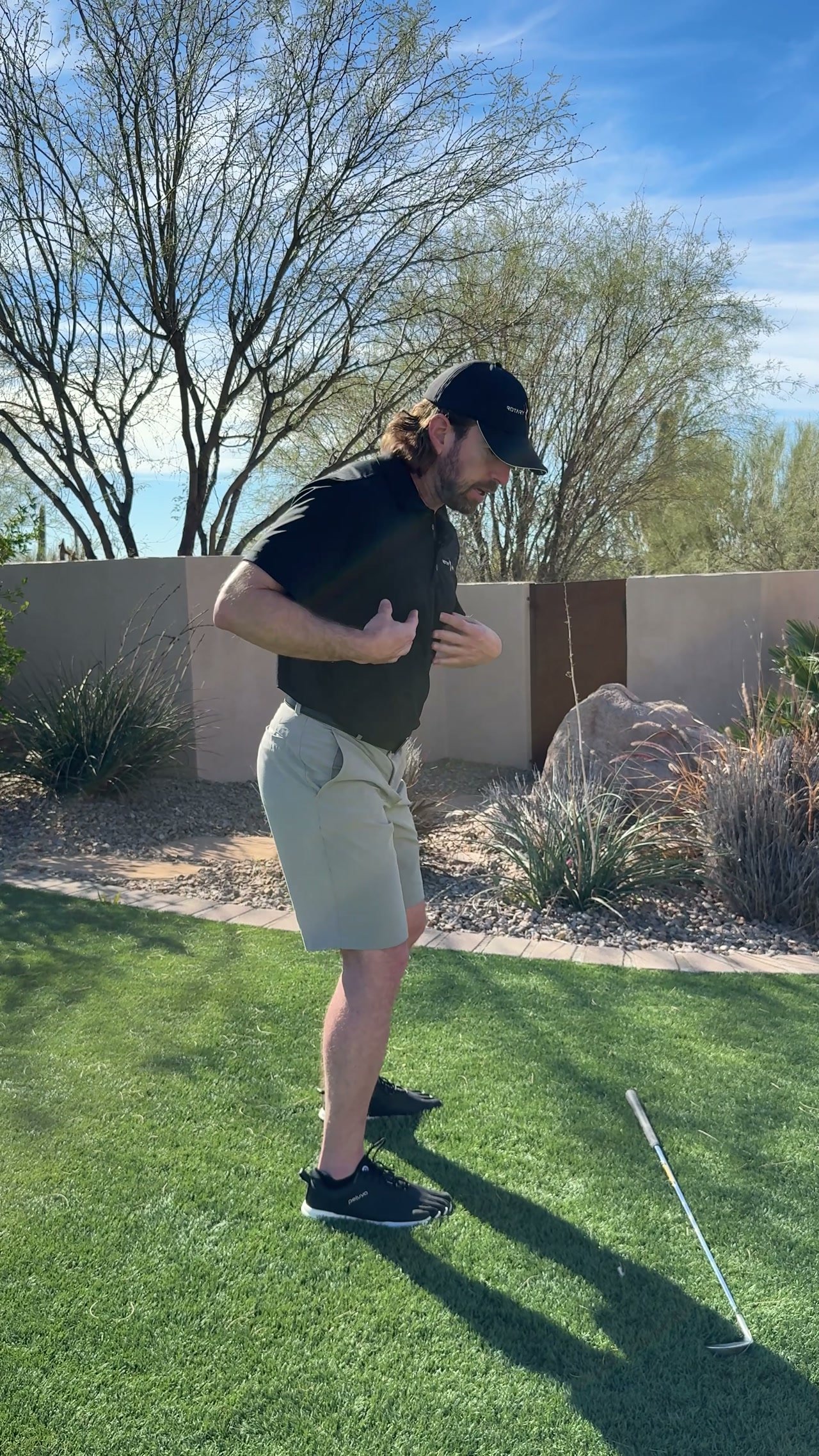
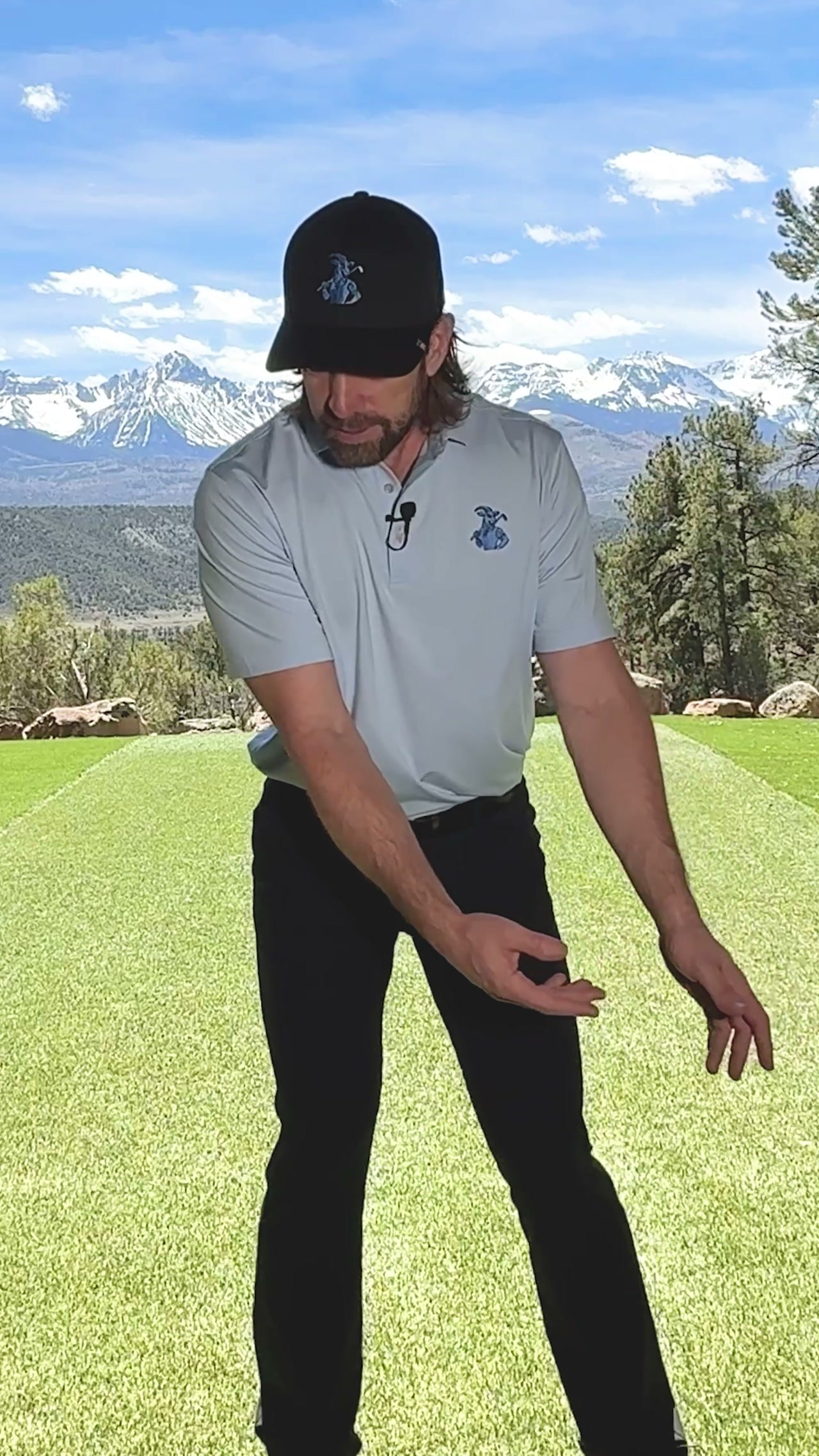
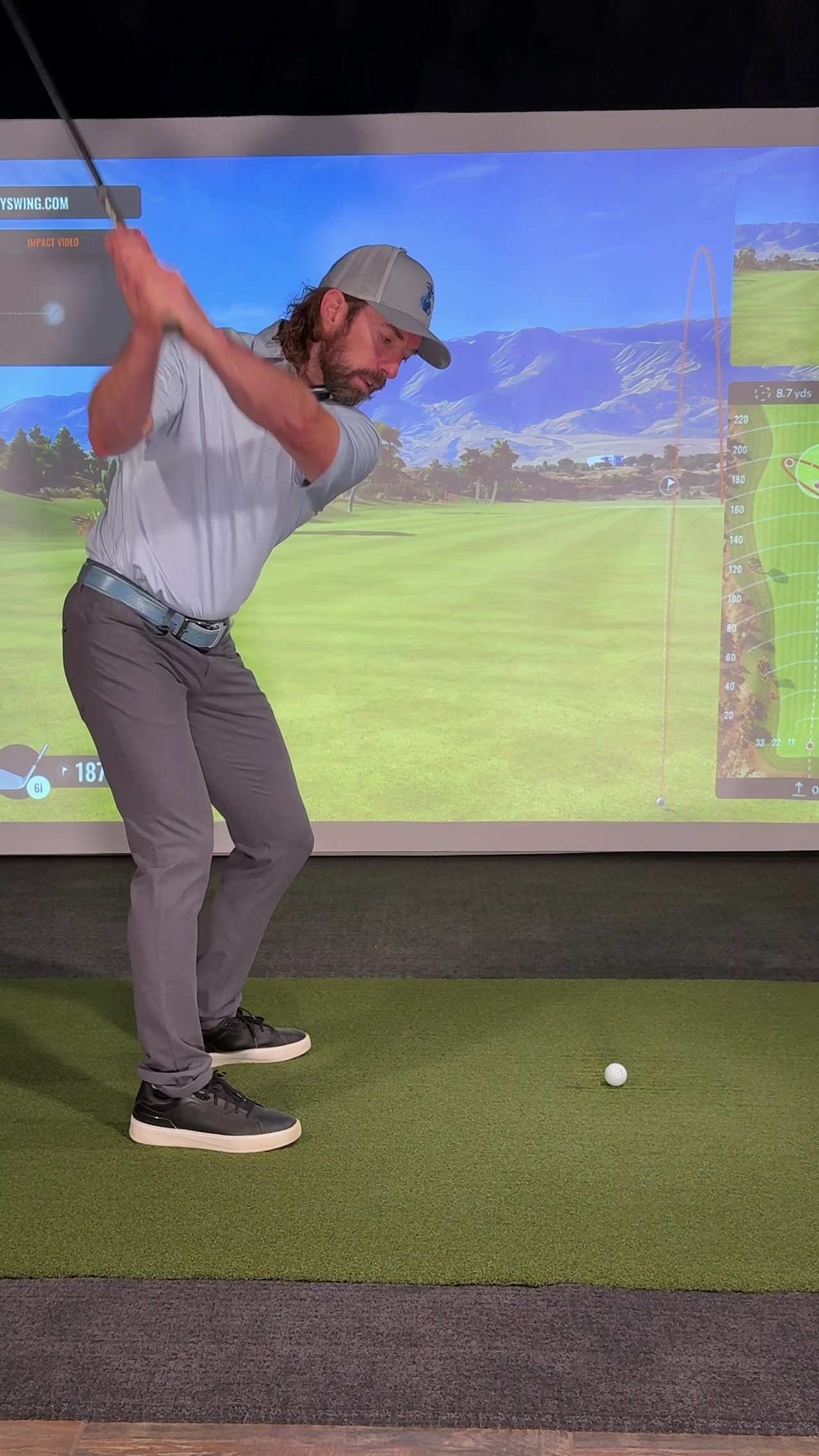
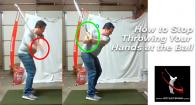
When we talk about proper shoulder elevation, we mean that the arms stay directly in front of the sternum and the shoulders hinge to elevate the arms a couple of inches over the course of the backswing. The shoulders themselves stay down. The arms remain straight — we do not want any elbow flexion at this point — and the arms elevate just a couple of inches.
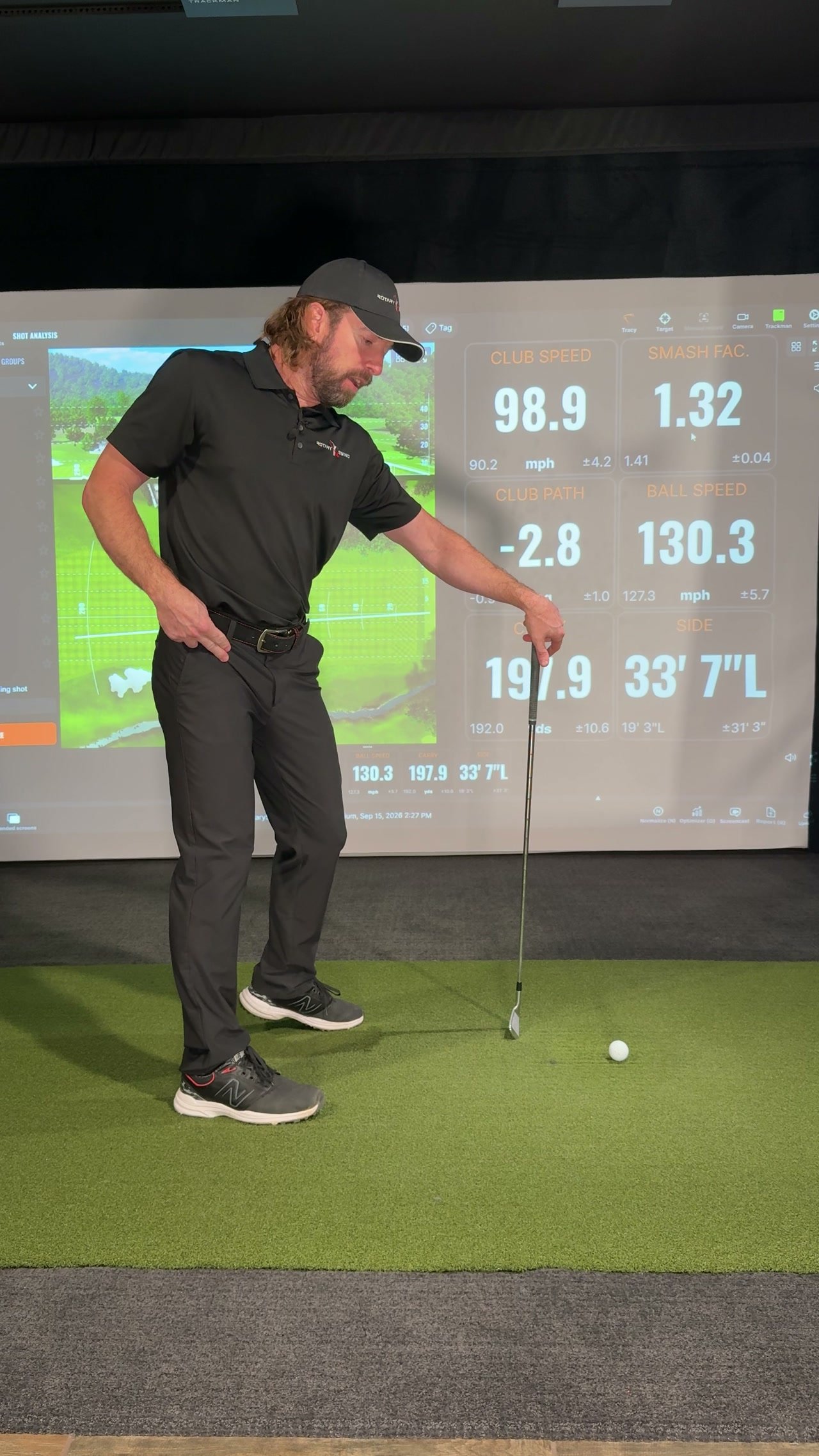
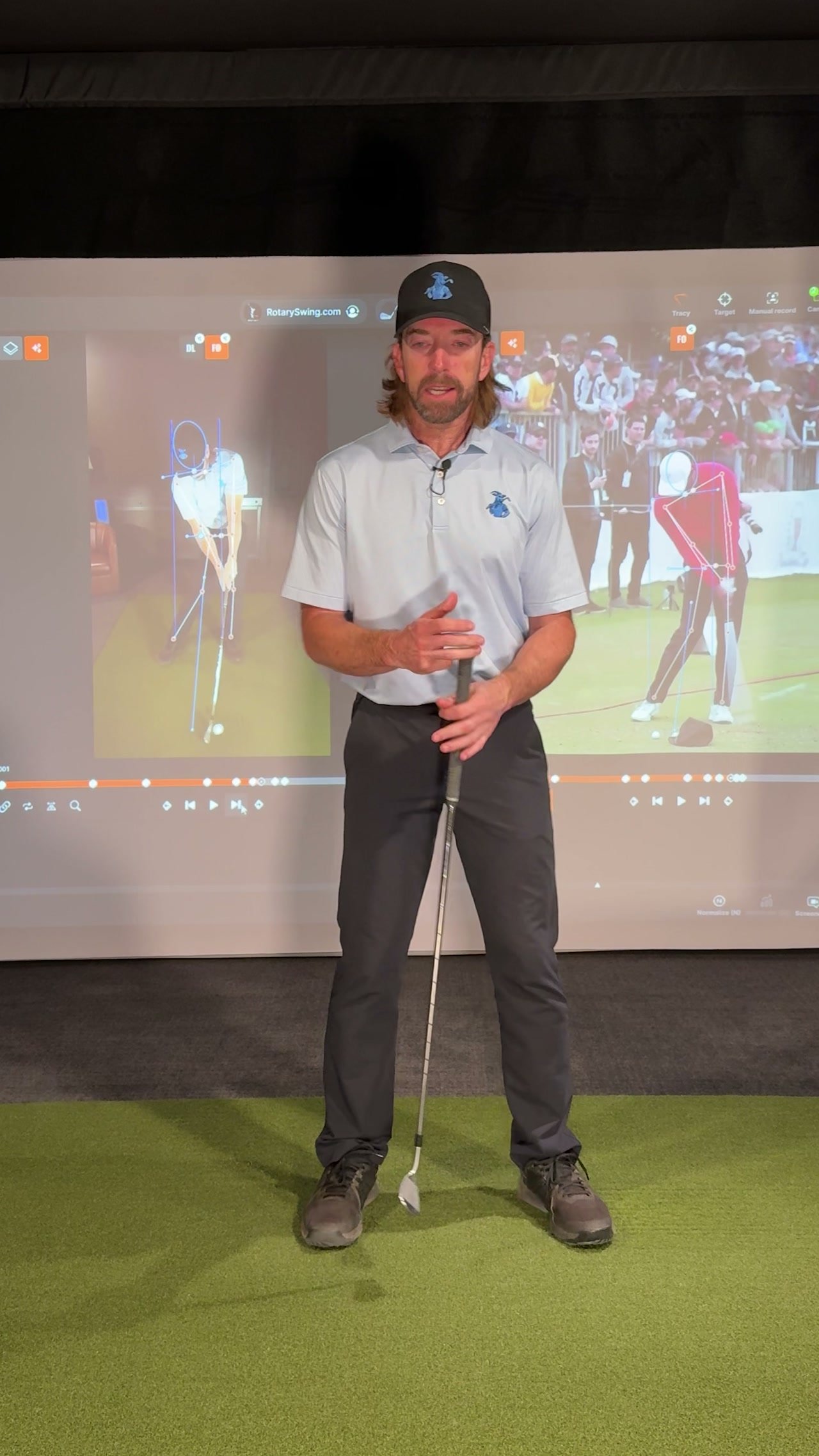
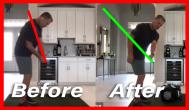
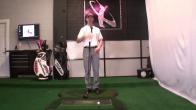
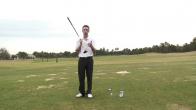
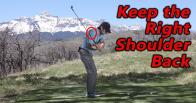
Stand up and give it a try. Get into your stance and put your arms out in front of your body with the hands an inch or two apart. Pull the trail shoulder blade behind you as you get a couple inches of shoulder elevation — meaning that you elevate your arms from the shoulders, not that the shoulders themselves are elevated.
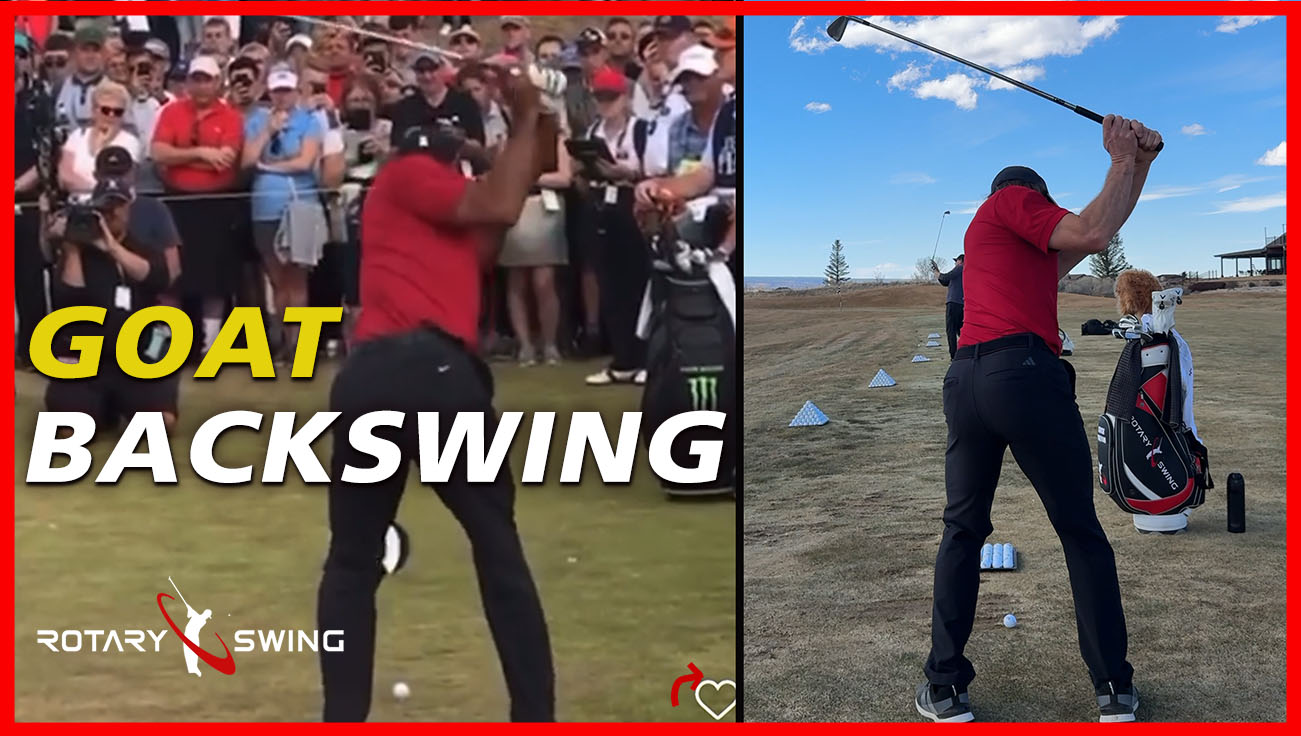
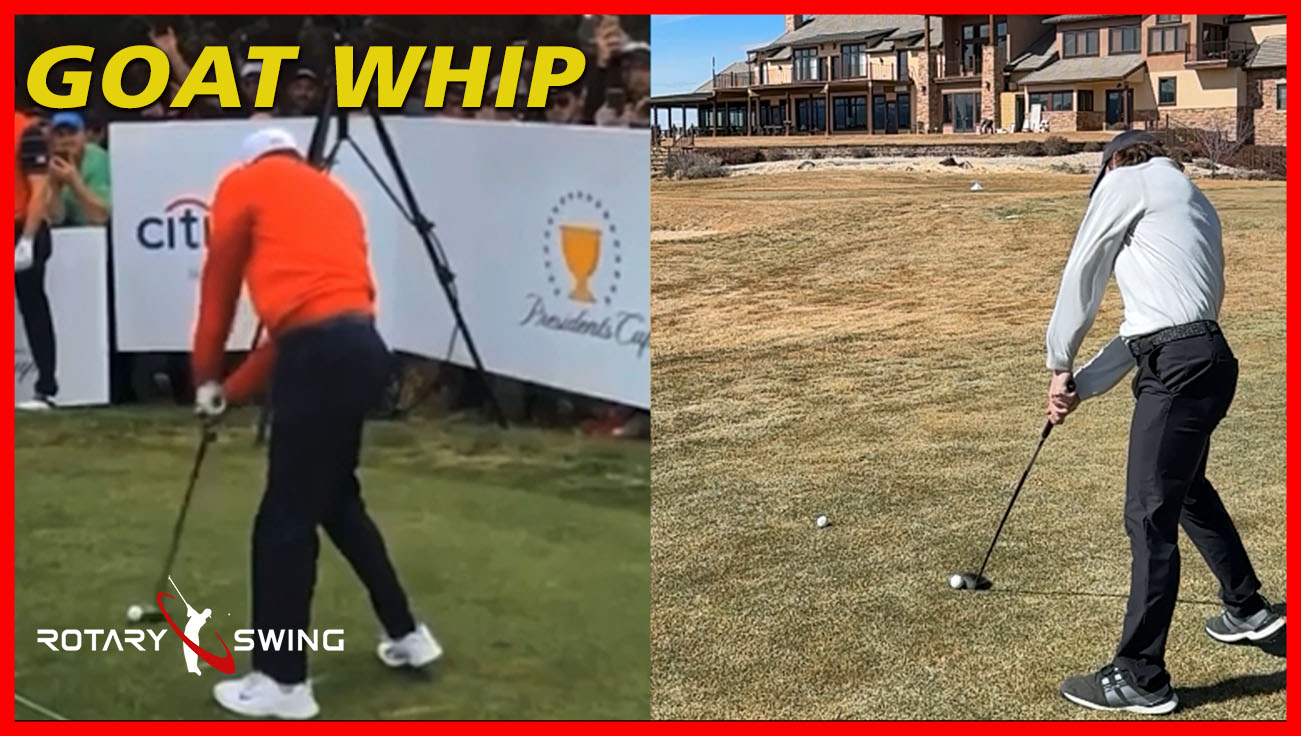
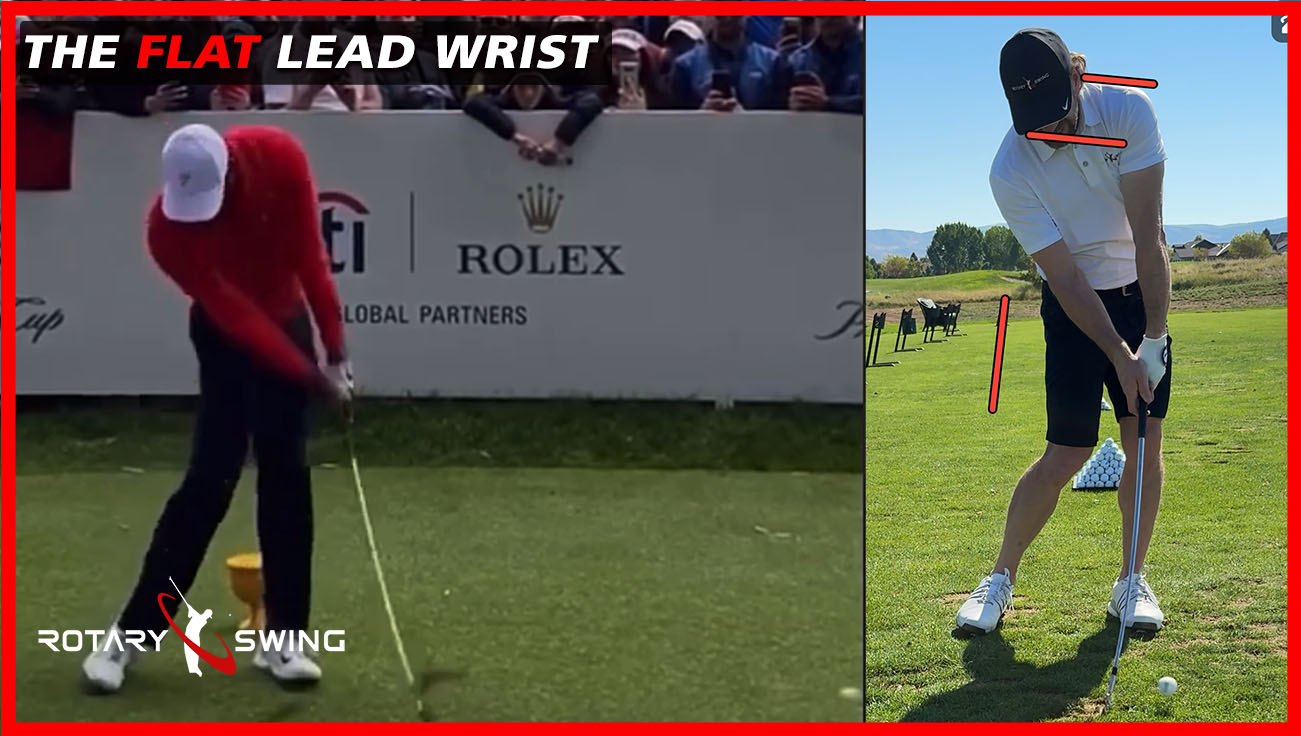
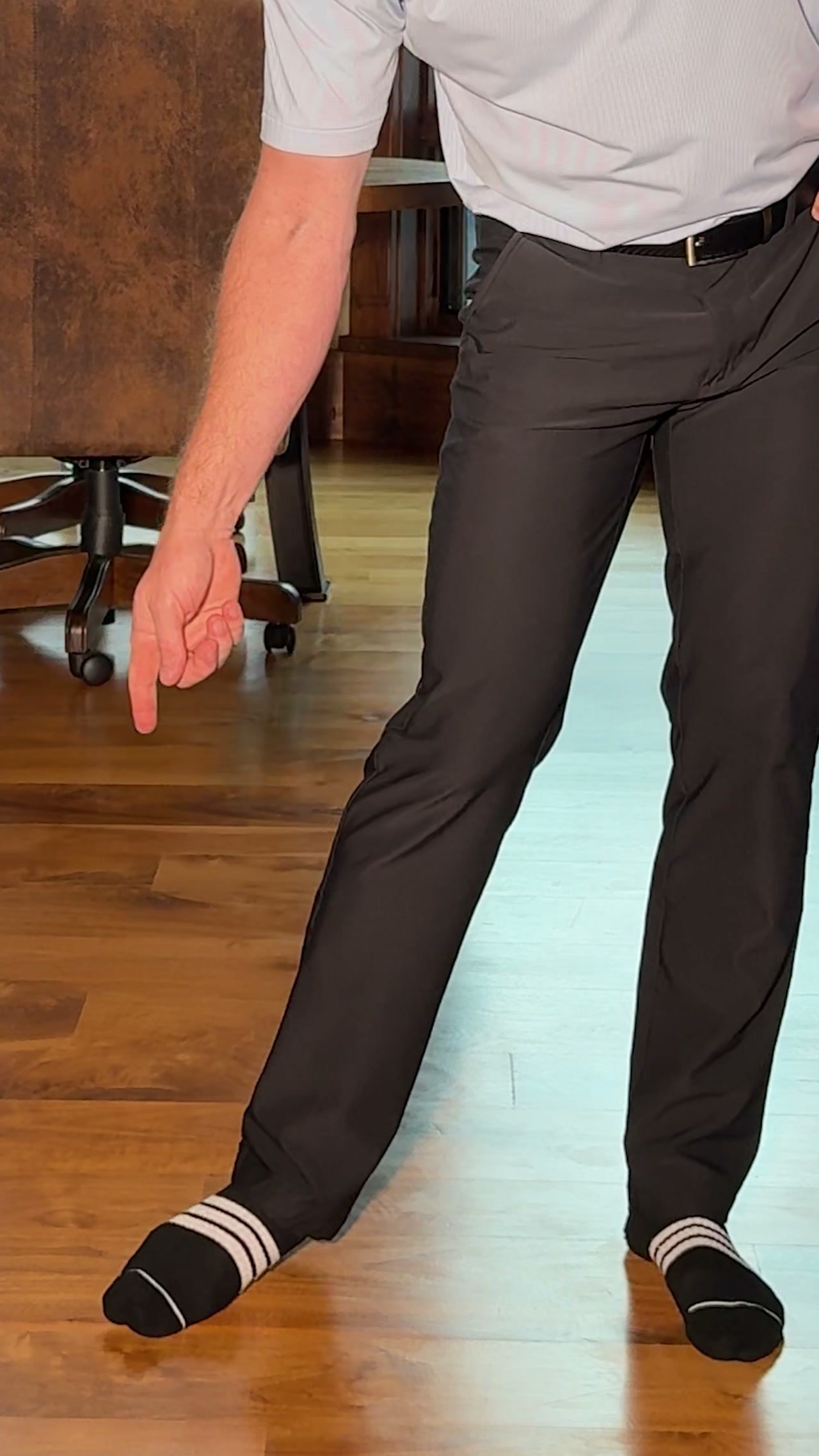
Look at the photo on the left to see what that does with your hand position. This is very different from keeping your arms pinned to your body and allowing them to be ripped inside as you turn. To see how your own shoulder elevation and backswing positions compare to elite standards, try a free AI swing analysis.
Review the Bucket Drill

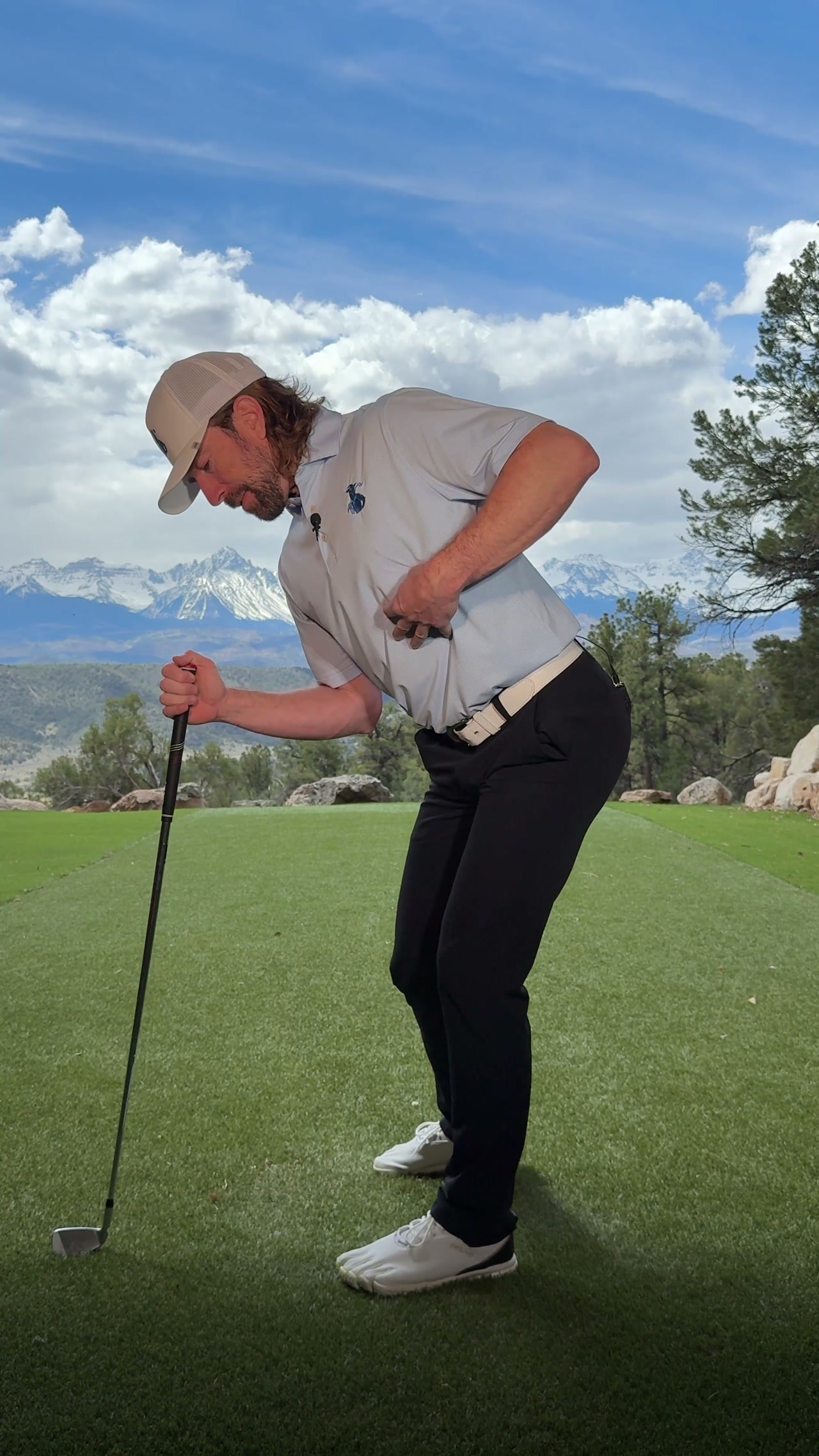
This position spills the "water"
Remember the Bucket Drill? It has been on the website for a long time, and it demonstrates exactly what we are talking about here.
If you keep your arms pinned to your body and rip your trail shoulder around behind you, you are going to spill the "water" in your bucket.
On the other hand, if you allow proper shoulder elevation to occur as you rotate, it is just like you are passing the bucket to someone behind you without spilling it. Your shoulders remain down, without shrugging or moving up toward your chin.
Again, with incorrect shoulder elevation your arms end up very deep and trapped. It becomes impossible to use your lower body or your core to successfully shift back onto the golf ball on the transition into the downswing. The force of movement has no choice but to come from the upper body, and we know all the problems that creates.
Take a few minutes to go back and review the Bucket Drill to ingrain the feeling of performing proper shoulder elevation.
Stay Connected to Your Core
Hopefully this clears up the confusion around shoulder elevation. Remember, it is very much the arms staying directly in front of the sternum, elevating two to three inches while you are rotating your core. The driving force in the backswing is pulling that trail shoulder blade behind you.
The arms elevate two to three inches directly in front of the chest. Make sure the shoulder blade glide is occurring simultaneously — you do not want to just start flailing your arms up and out to initiate the golf swing, because again you become disconnected.
It is similar to teaching yourself to pat your head and rub your belly at the same time. With a little practice, you can learn to do that without thinking about it. Shoulder elevation is the same thing. You need to learn to perform the elevation directly in front of your chest while pulling that trail shoulder blade back, and then you will see how the two blend together into a single, smooth motion. For real-time coaching on your backswing mechanics, try a free AI golf lesson.
Frequently Asked Questions
What is shoulder elevation in the context of a golf swing?
Shoulder elevation in golf refers to the raising of the arms in a vertical plane, moving from belt-buckle height to just below the chest. It is crucial that this motion does not involve shrugging the shoulders, which can lead to a disconnected swing. Proper shoulder elevation ensures the arms remain in front of the body, allowing for a more effective and powerful swing.
How can improper shoulder elevation affect my golf swing?
Improper shoulder elevation, such as shrugging the shoulders or allowing the arms to move horizontally across the body, can lead to a poor swing position. This disconnects your upper body from your lower body, making it difficult to transfer weight effectively during the downswing. It can result in a flat and laid-off club position, hindering your ability to strike the ball cleanly.
What should I avoid when practicing shoulder elevation?
When practicing shoulder elevation, avoid shrugging your shoulders or pinning your arms to your body. Instead, focus on keeping your arms straight and in front of your sternum while hinging your shoulders to elevate your arms slightly during the backswing. This approach will help maintain a connected and powerful swing, allowing for better ball striking.
Why is it important for arms to stay in front during the golf swing?
Keeping the arms in front during the golf swing is essential for maintaining connection between the upper and lower body. This positioning allows for proper weight transfer and helps prevent the club from getting trapped behind the body. By ensuring the arms remain aligned with the sternum, you can achieve a more effective swing path and enhance your overall performance.
Watch part 2 now to see how you're moving your body in the opposite direction of the pros!