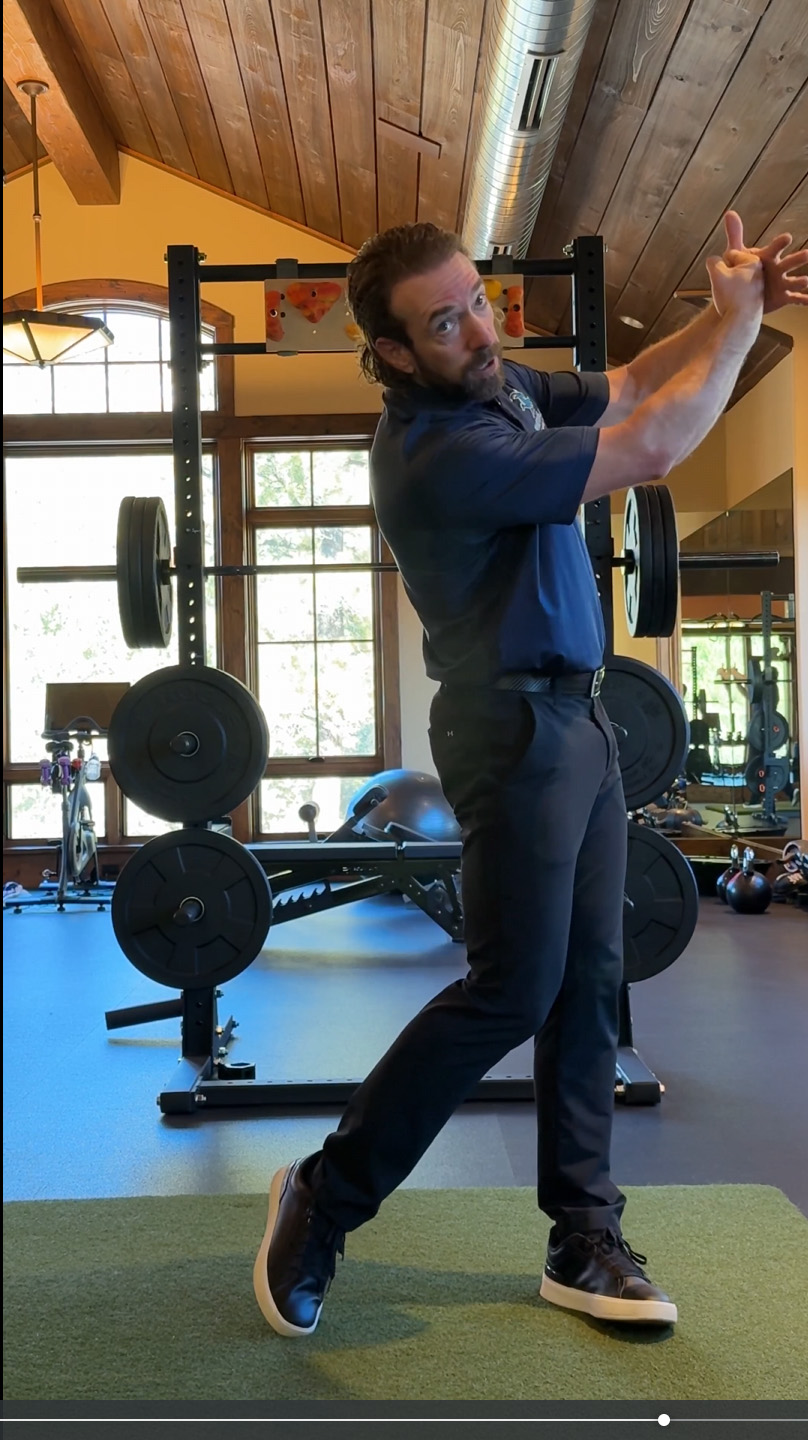
Another common golf setup position problem we are going to eliminate is not achieving the proper amount of axis tilt.

Hip Bump for - Your Key to the Perfect Golf Setup Position
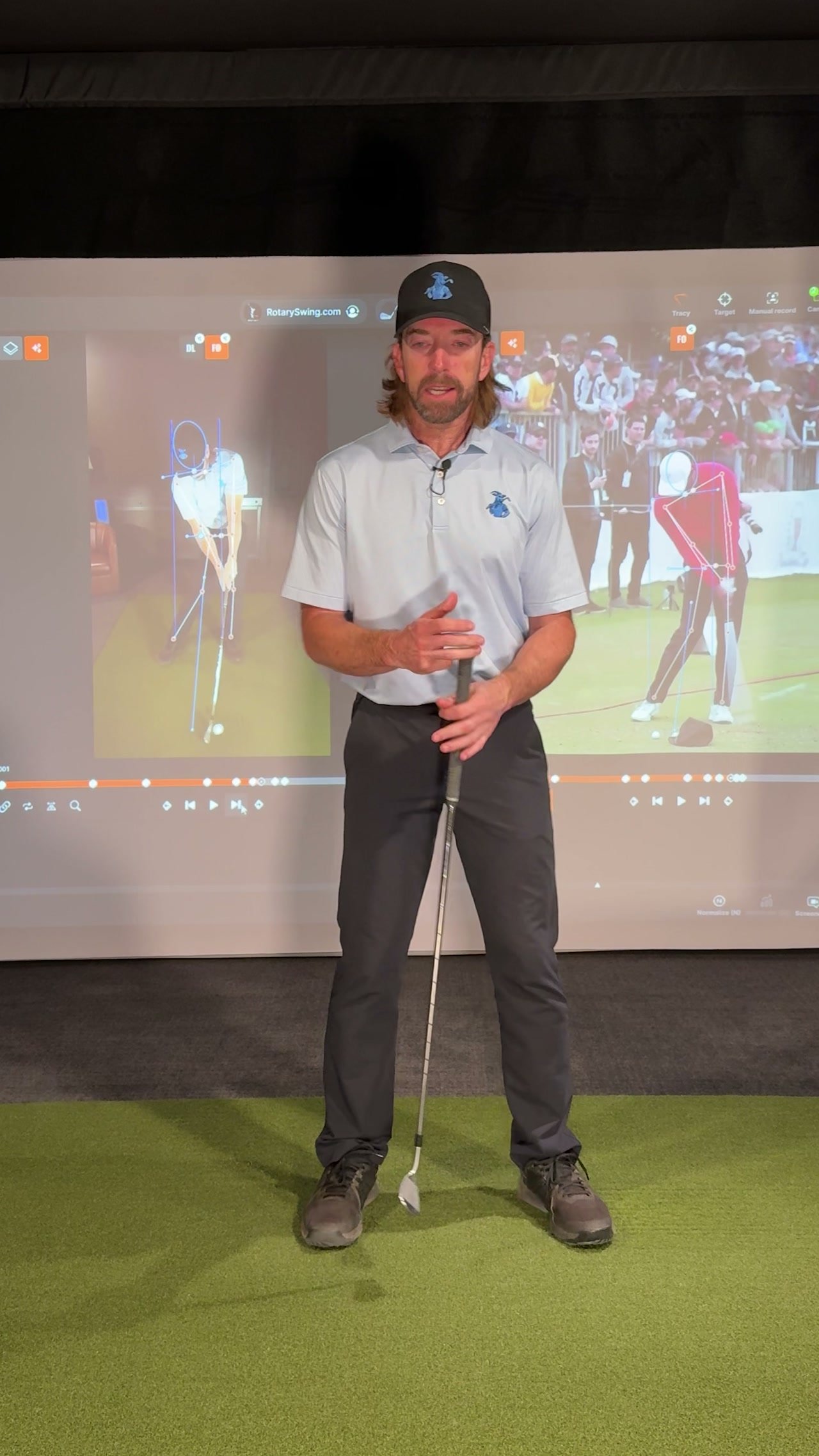
"Axis Tilt" is simply a technical term for describing how much your spine is tilted away from the target when you are in your setup position.
Is this the fault costing you strokes?
Film one swing on your phone. In about a minute GOATY measures it and names the single biggest thing costing you strokes — free, no card.
Analyze My Swing Free
Related: Golf swing plane — AI coaching vs alignment sticks →
Android users: Download GOATY on Google Play — free AI golf coaching on your Android phone. →
Many golfers do not know how much axis tilt they should have. How much is enough? How much is too much? We are going to make the answer remarkably simple.
Stop reading about it — feel it in your swing today
GOATY watches your swing live and coaches you between every rep. Free. No signup.
Start Your FREE Live Lesson →Axis tilt is not derived from some arbitrary number that dictates golf swing plane. It does influence your , but that is not its primary purpose.
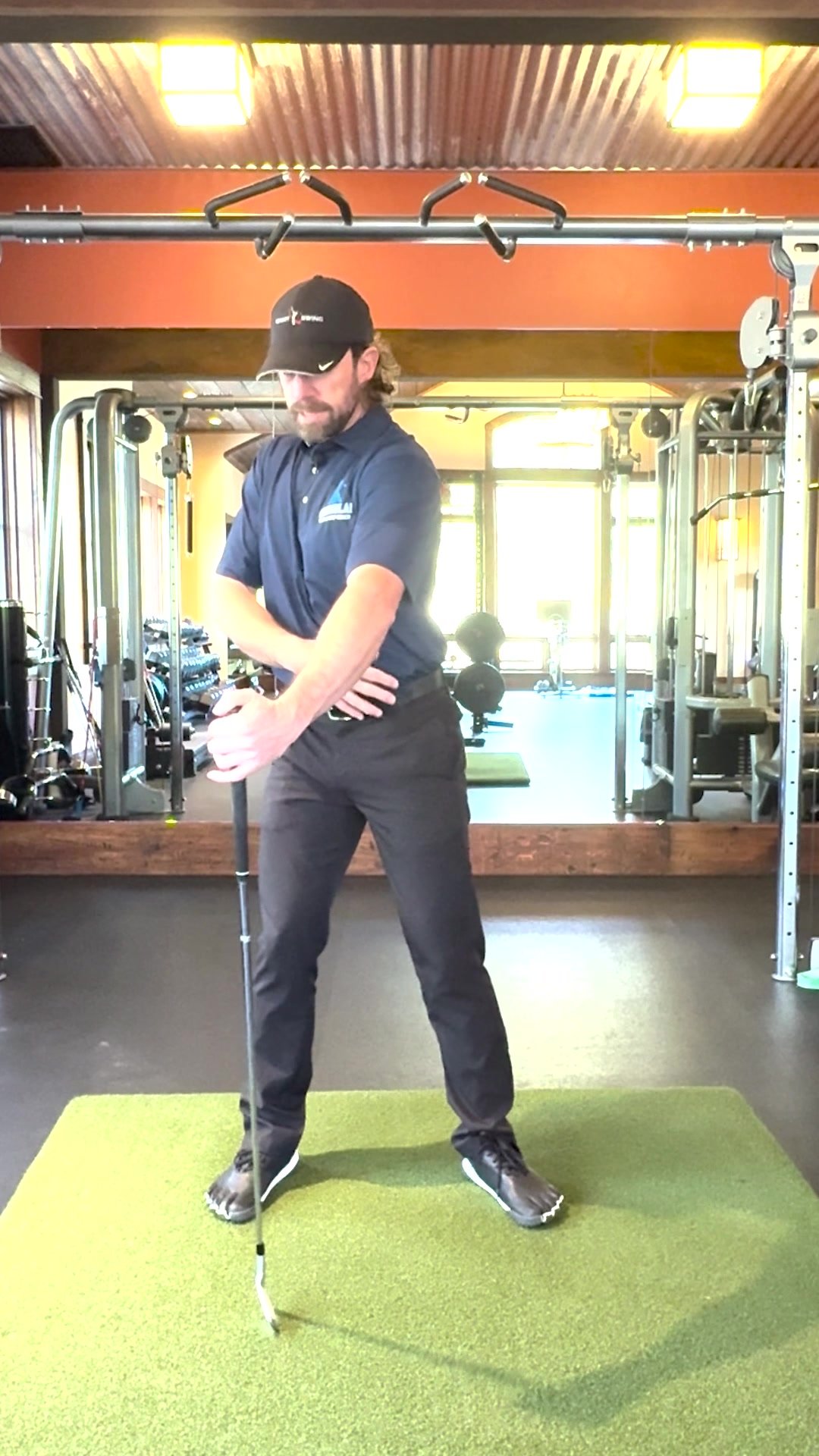
The primary purpose of axis tilt in your setup is to allow your trail hand to reach the golf club without forcing you out of your posture.
What if You Don't?
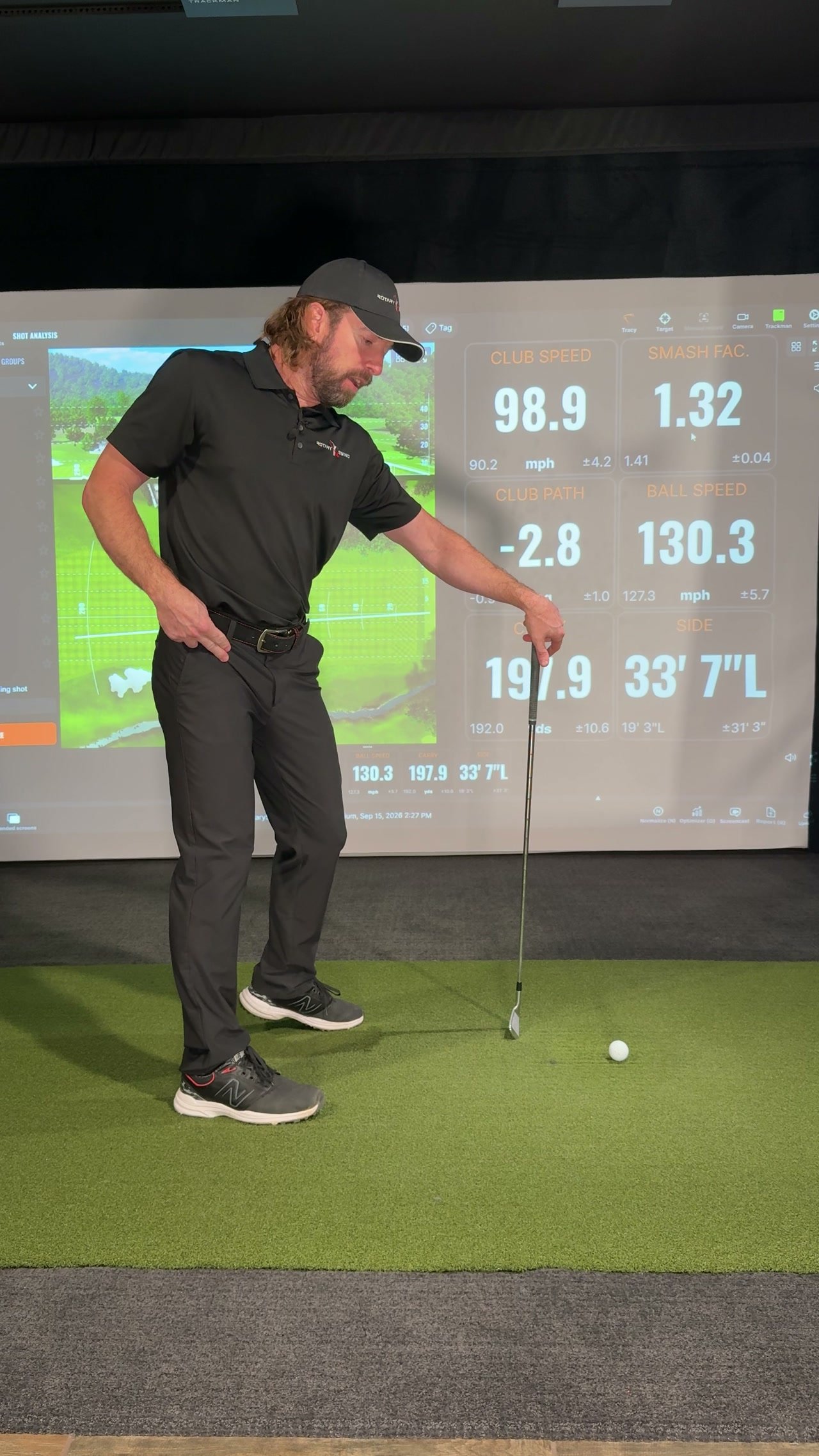
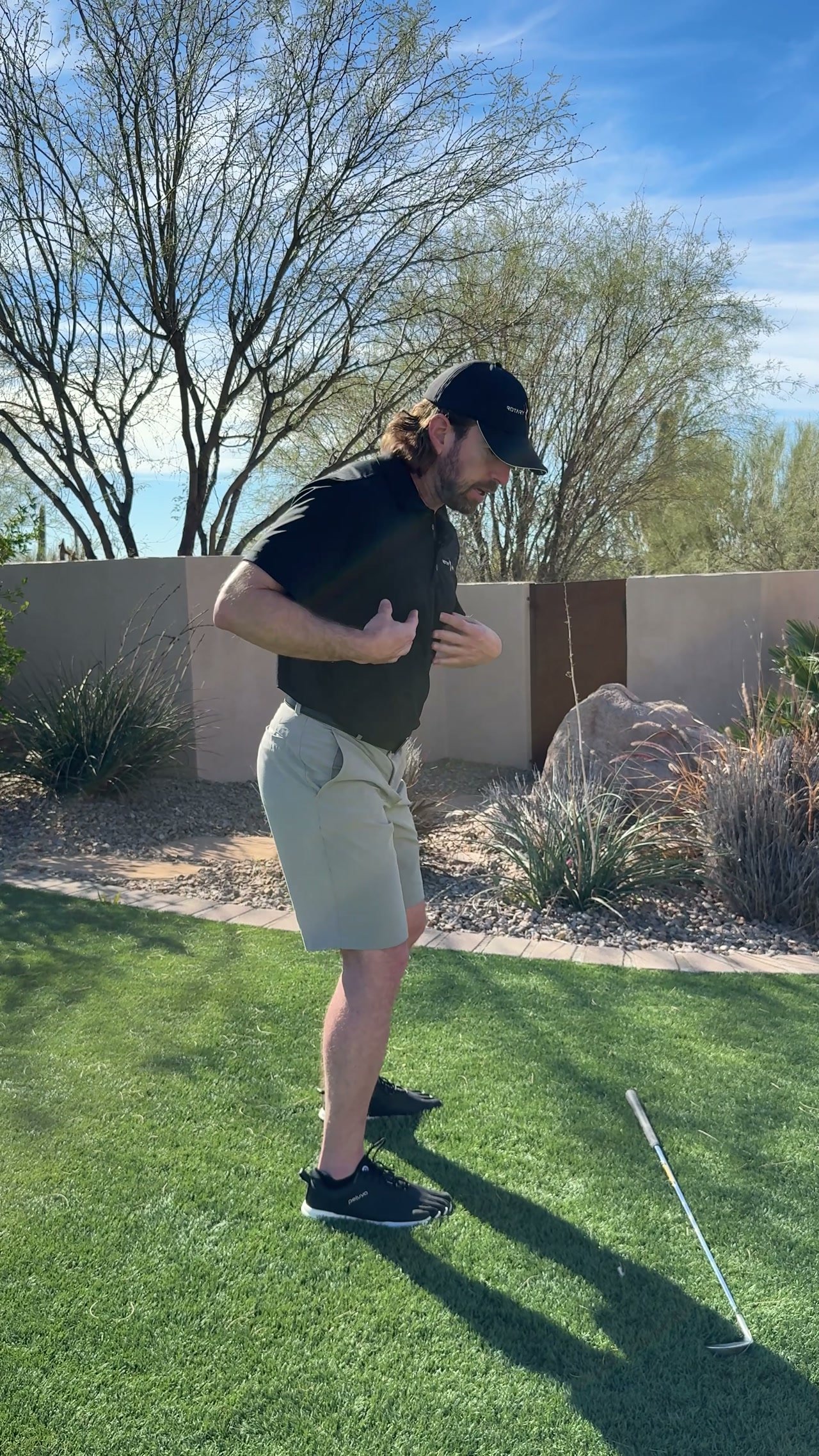
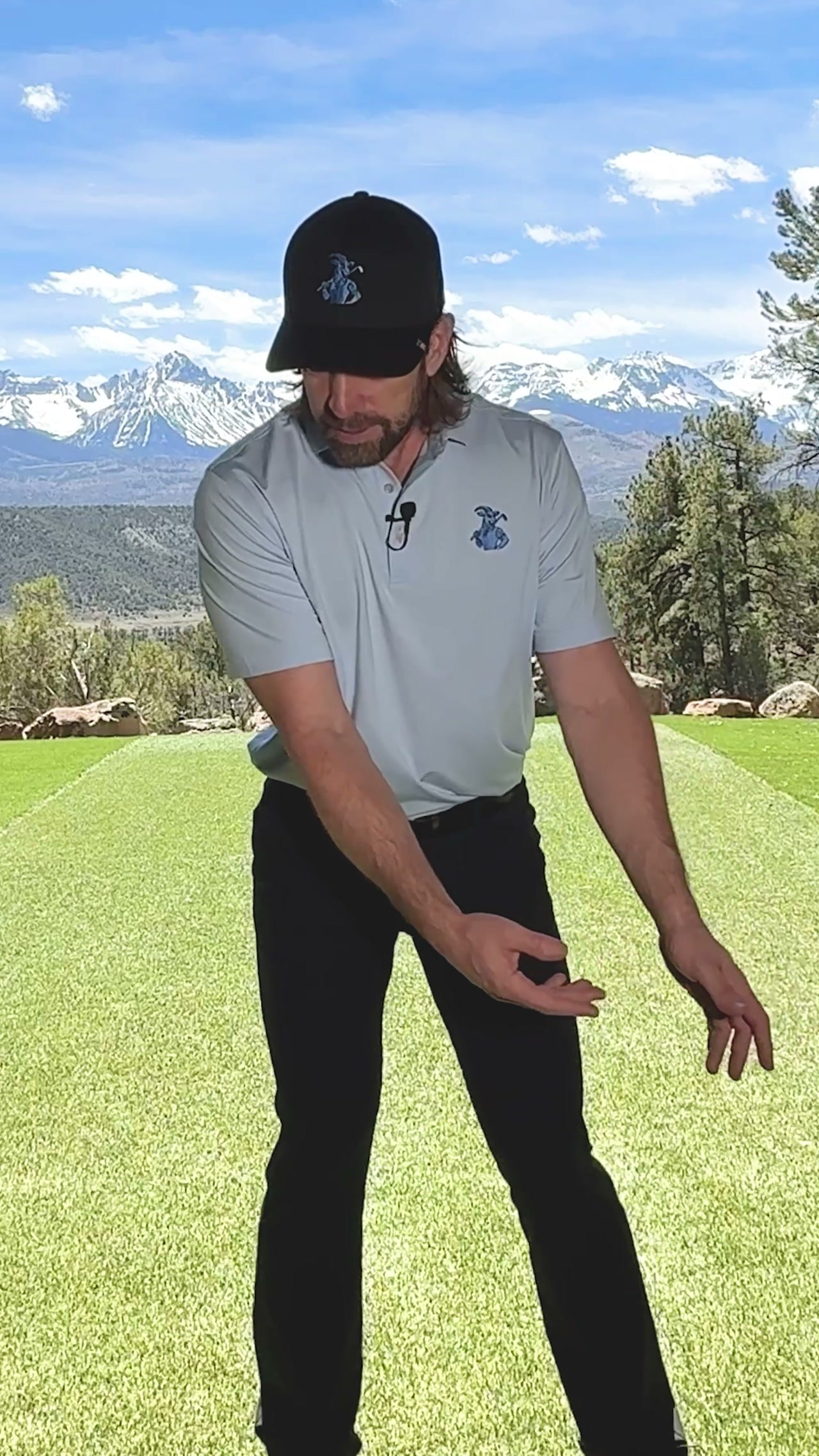
Without axis tilt, you would end up protracting your trail shoulder blade and rotating your trail shoulder forward just to reach the club.

Reaching with the right
Your trail hand has to sit lower than your lead hand on the golf club. If you are in your setup posture, in the box, and you attempt to place your trail hand below your lead hand on the golf club, there is simply no way you can reach without compromising your posture.
Try a free live lesson with GOATY
GOATY, my AI golf coach, watches your swing through your phone camera and coaches every rep. Free, about 20 minutes, no credit card.
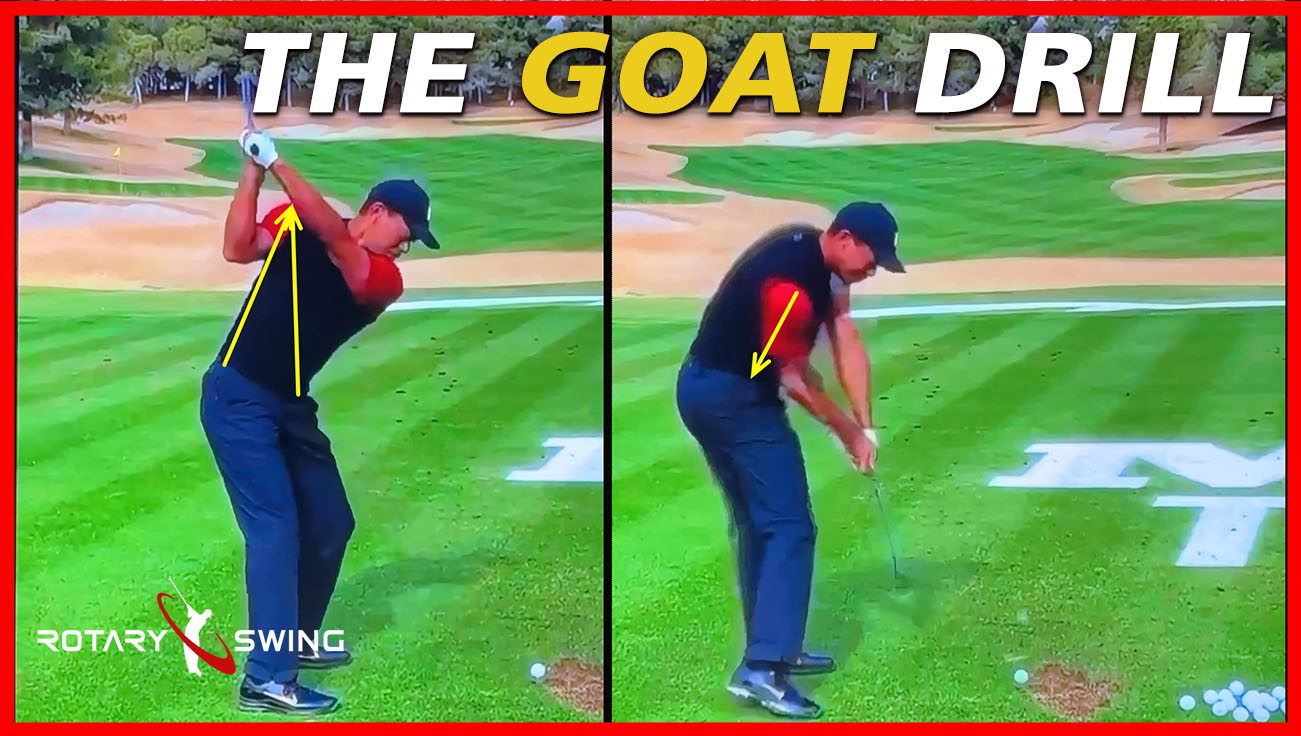
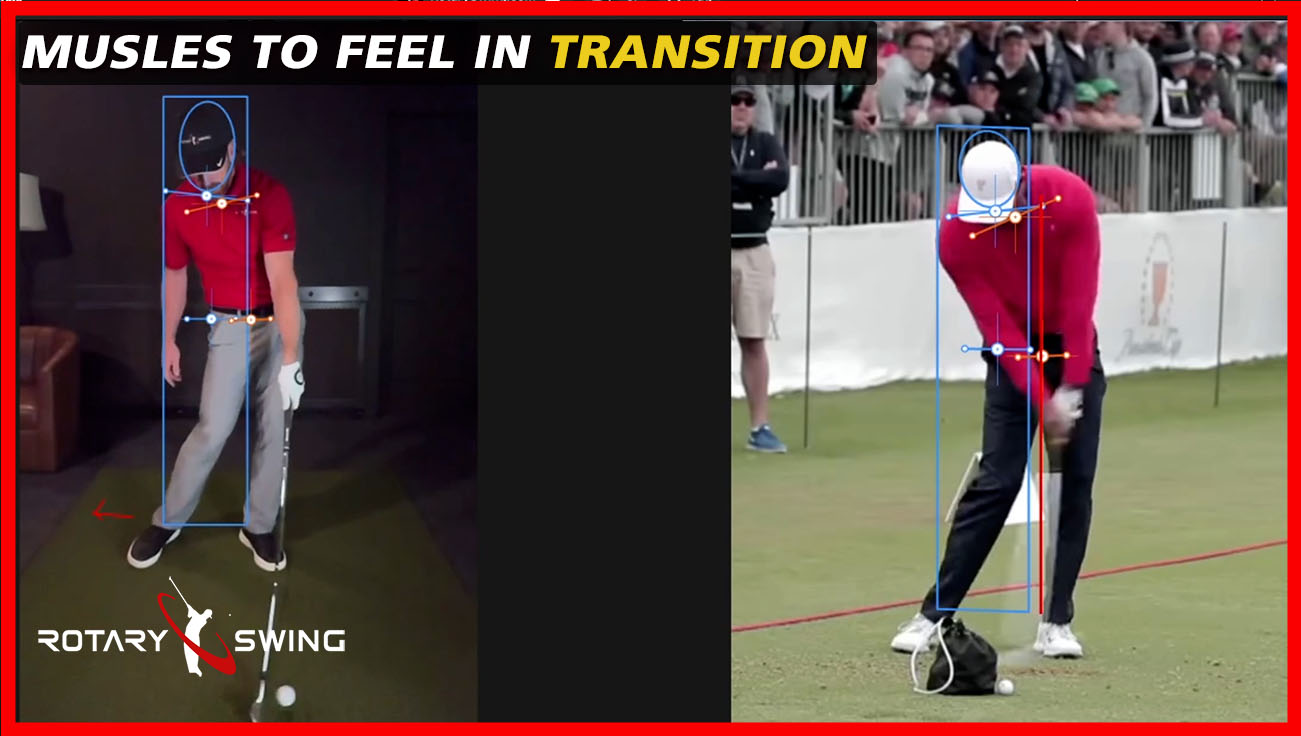
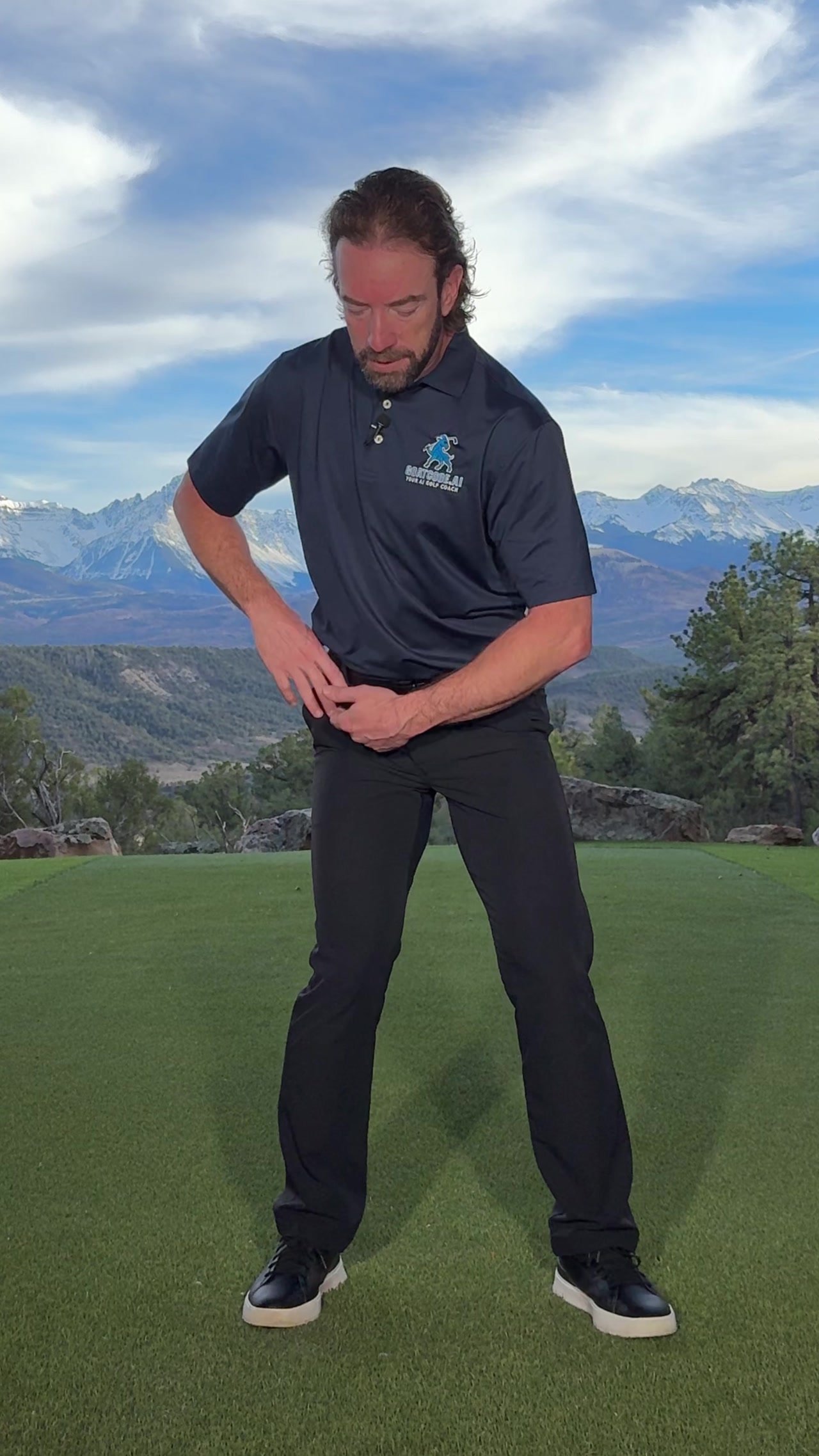
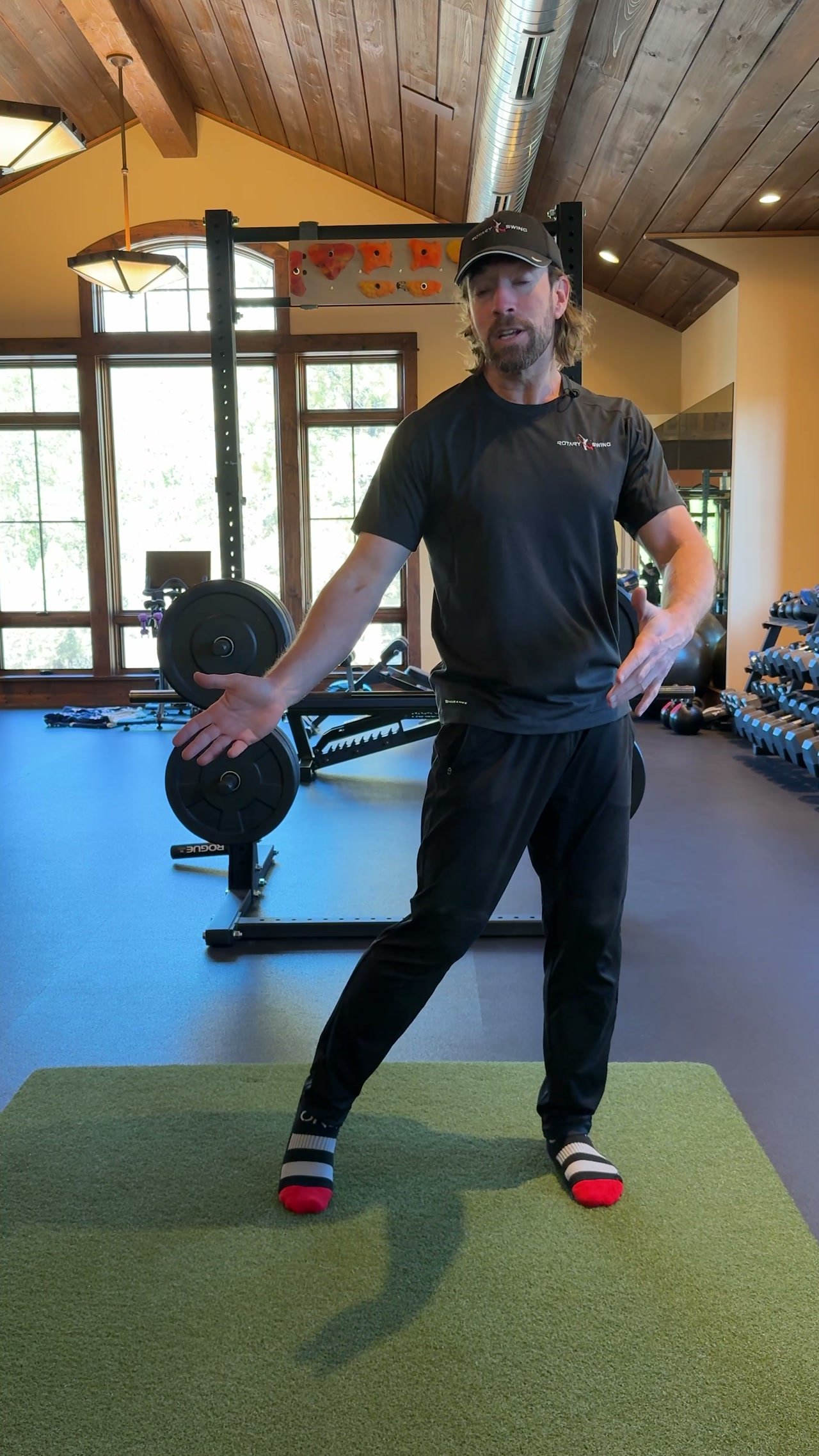
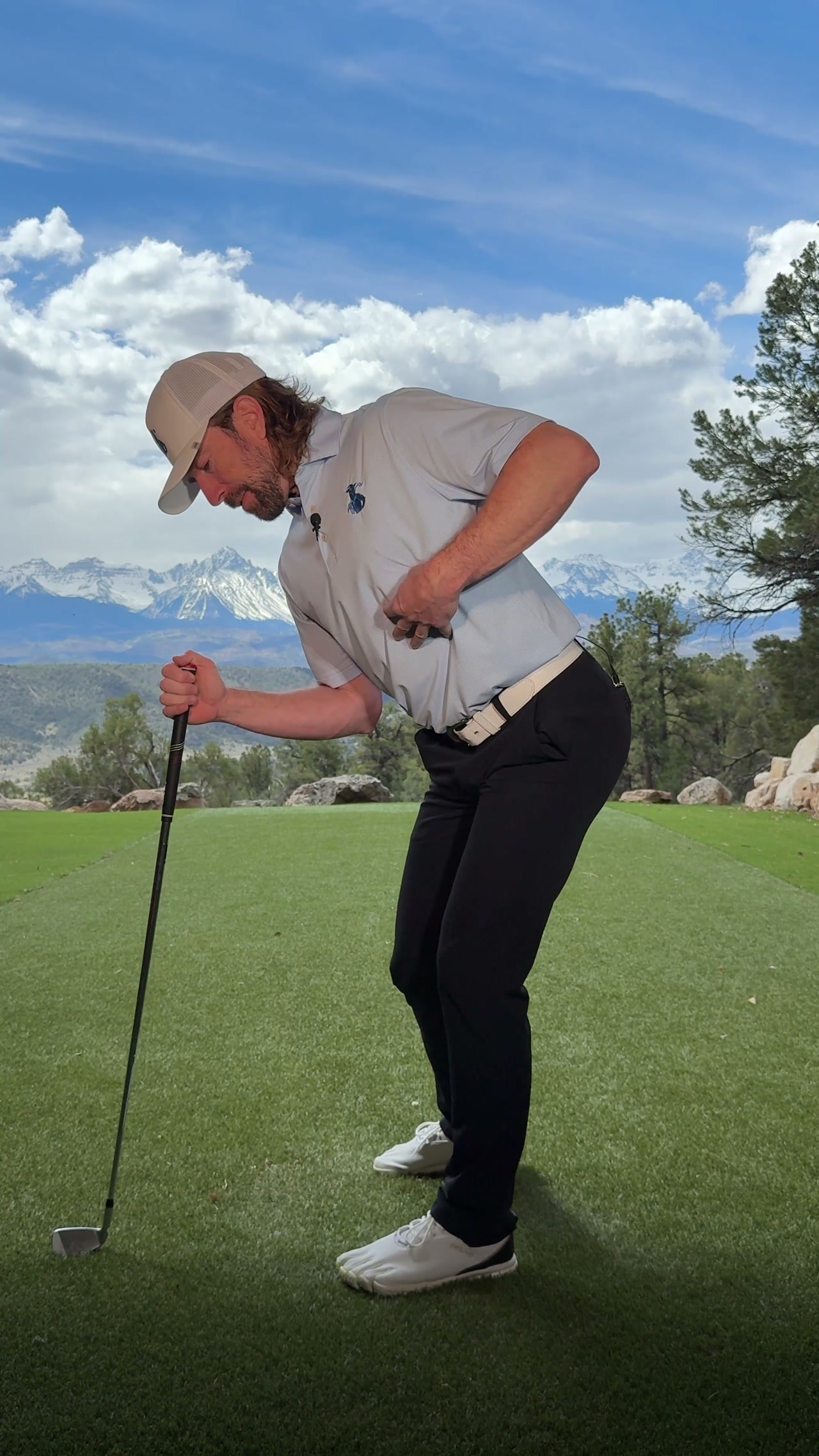
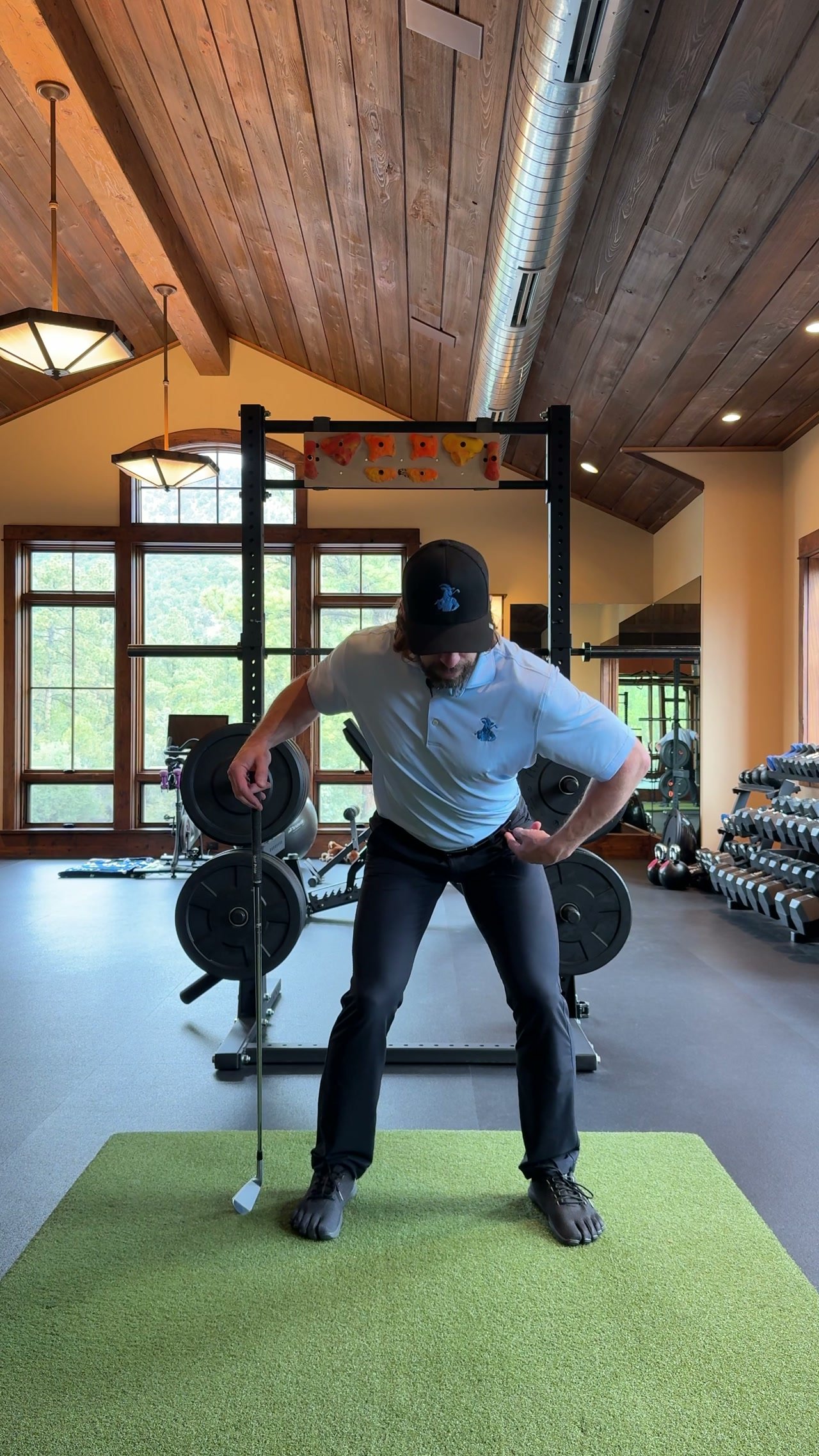
When you tilt your spine and bump your hip slightly forward toward the target, that small adjustment allows you to bring that trail hand to the club. Your trail shoulder will sit naturally lower than the lead shoulder.
Axis tilt plays many other important roles in the golf swing as well — it is not solely for placing your hand on the club. But getting the trail hand into position while maintaining proper setup posture and staying in the box is its primary function.
How To...And How Not To

Hiking the left shoulder -
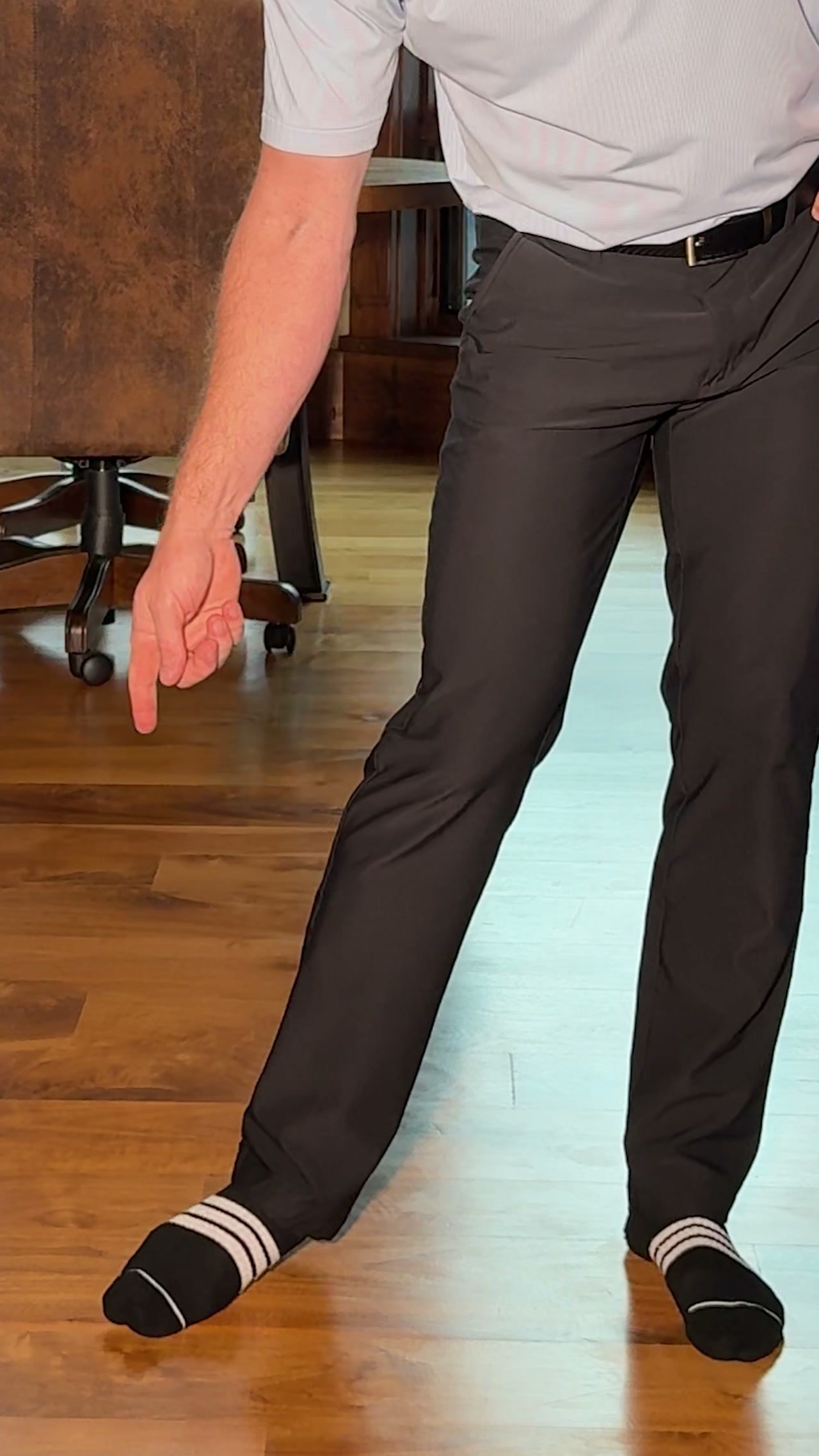
Don't do this!All you need to do is bump your hips a little bit forward, toward the target. That will tilt your spine slightly away from the target, lowering your trail hand into position.
That is all there is to it.
We frequently see golfers who, instead of achieving that small amount of axis tilt in their setup, try to compensate by hiking up their lead shoulder.
They end up with the lead shoulder hunched up, and while that does place the trail arm lower than the lead, it comes at the cost of being completely disconnected from the core and creates significant tension in the upper shoulder area on the lead side.
All you need to do is get into a proper golf setup position and then bump your hips slightly toward the target.
That small bump creates your axis tilt. As long as your head stays in place while you bump your hips forward, you are all set. To see how your own axis tilt and setup affect your swing, try a free AI swing analysis.
Added Benefits
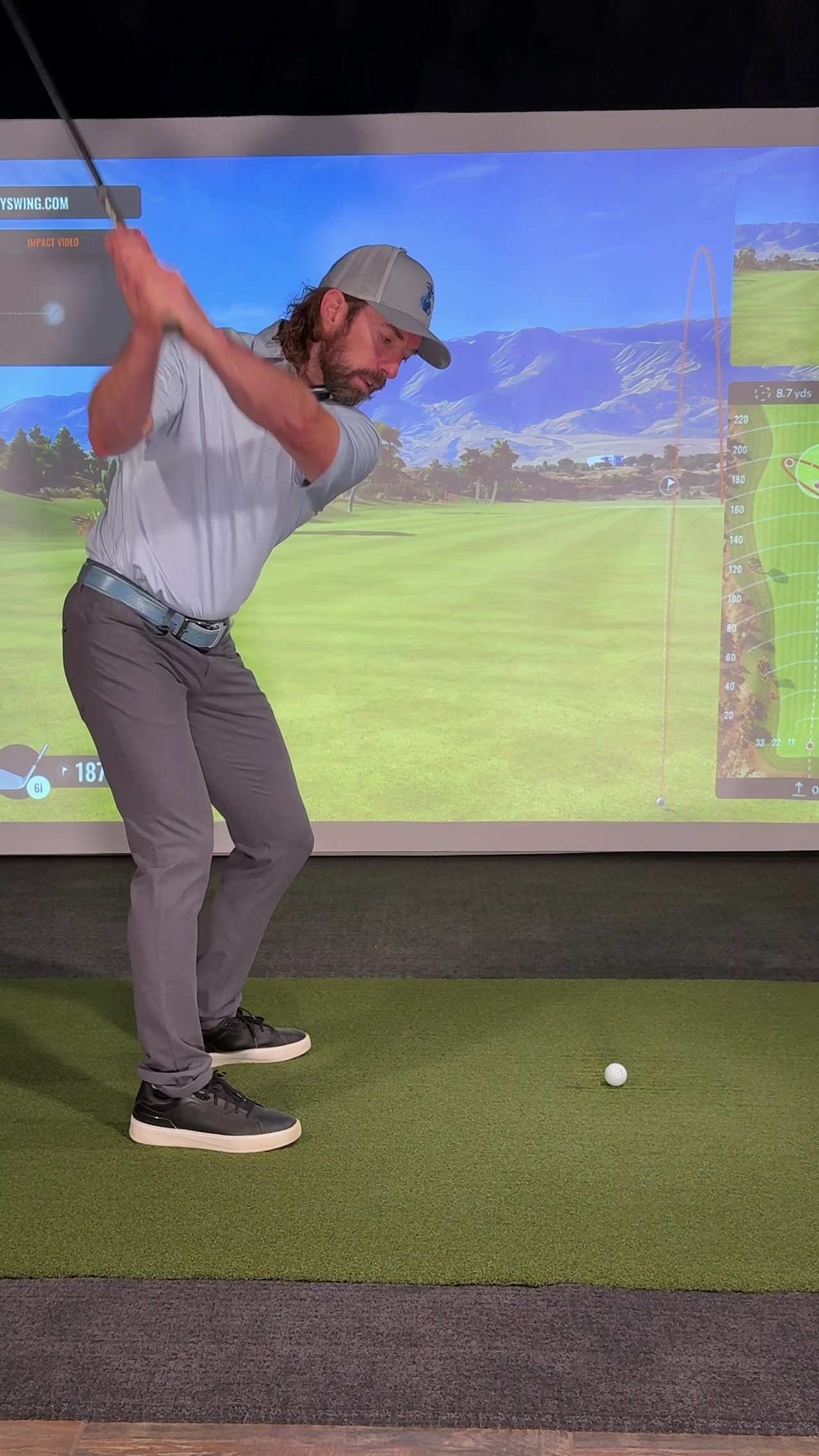
Proper axis tilt also helps with getting back to the lead side during the downswing and provides more stability from the trail side.
As you bump your hips forward, your trail leg angles slightly inward, which facilitates getting back to the lead side along with a host of other biomechanical benefits.
Primarily, of course, you simply want to ensure you have good posture at address. That is the main objective.
That is all there is to it. Just a slight forward bump with your hips, let your trail shoulder drop naturally, and you have achieved a solid, powerful posture at address. For real-time feedback on your setup, try a free AI golf lesson.
How to Achieve Proper Axis Tilt in Golf Setup
Learn how to achieve the correct axis tilt for a better golf setup posture.
-
1
Get into Setup Position
Begin by standing in your golf setup position. Ensure your feet are shoulder-width apart and your grip on the club is comfortable.
-
2
Bump Hips Forward
Gently bump your hips slightly forward toward the target. This small movement is crucial for achieving the proper axis tilt.
-
3
Maintain Head Position
Keep your head steady in place while you bump your hips. This will help maintain your posture and ensure proper alignment.
-
4
Drop Trail Shoulder
Allow your trail shoulder to drop naturally as you achieve the axis tilt. This positioning helps your trail hand reach the club without compromising your posture.
-
5
Check Your Posture
Ensure your lead shoulder is not hiked up, as this can create tension. Your setup should feel relaxed and stable.
-
6
Practice Regularly
Incorporate this axis tilt adjustment into your practice routine. Regular practice will help solidify this position for better swings.
Frequently Asked Questions
What is axis tilt in golf setup, and why is it important?
Axis tilt refers to the angle at which your spine is tilted away from the target during your golf setup. It is crucial because it allows your trail hand to reach the club without compromising your posture. Proper axis tilt helps maintain a solid setup position and contributes to a more effective swing.
How can I achieve the correct amount of axis tilt in my golf setup?
To achieve the correct axis tilt, start in your setup position and then bump your hips slightly forward toward the target. This adjustment will naturally lower your trail shoulder and allow your trail hand to reach the club while keeping your head in place. Avoid hiking your lead shoulder, as this creates tension and disconnects you from your core.
What are the consequences of not having proper axis tilt in my setup?
Without proper axis tilt, you may protract your trail shoulder blade or rotate your trail shoulder forward to reach the club, which can compromise your posture. This misalignment can lead to tension in your upper body and negatively affect your swing mechanics, making it harder to achieve a consistent and powerful shot.
How does axis tilt affect my swing stability and performance?
Proper axis tilt not only helps with reaching the club but also enhances your stability during the swing. As you bump your hips forward, your trail leg angles inward, which aids in transitioning back to the lead side during the downswing. This stability is essential for maintaining balance and executing a powerful swing.
Watch part 2 now to see how you're moving your body in the opposite direction of the pros!