Picture this scenario...
You are on the 18th hole, trailing by a single stroke against your golfing nemesis.
Is this the fault costing you strokes?
Film one swing on your phone. In about a minute GOATY measures it and names the single biggest thing costing you strokes — free, no card.
Analyze My Swing Free
Related: Golf swing follow through — upstream gate causes →
Android users: Download GOATY on Google Play — free AI golf coaching on your Android phone. →
Your ball is sitting in the middle of the fairway, and you have left yourself with the perfect 9-iron distance.
Stop reading about it — feel it in your swing today
GOATY watches your swing live and coaches you between every rep. Free. No signup.
Start Your FREE Live Lesson →There is water to the left of the green and a bunker guarding the right side.
But you feel confident, trusting the RST swing mechanics that have held up beautifully under pressure all round.
You step up, commit to your target, and pull the trigger.
The swing feels pure, you flush it at impact, and you hit the ball exactly where you aimed!
As you admire your follow-through, certain you will have a short putt to tie the match, you see...
Splash.
Game over.
How did that happen?
You were lined up directly at the water and had absolutely no idea.
Do not let this happen to you.
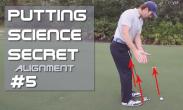
Watch the video above on how to aim in golf, because far too many players overlook this crucial aspect of golf setup and pay the price on the scorecard.
(And if you need to pick up some Tour Sticks to help with your alignment, you will find them in our Training Aids store.)
Video Transcription: How to Aim in Golf
Today we are going to discuss golf alignment. It is a deceptively simple subject, but one that generates genuine confusion because of several persistent myths in the golf instruction world.

Square to target line
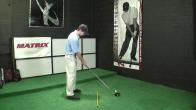
Rotary Swing Instructor Clay Ballard is set up to hit a straight shot in the photo at left. His target is just to the right of the bunker in the distance.
A shaft on the ground and an alignment rod approximately 20 yards out show us exactly where he is aiming. A second rod on the ground at his feet indicates his body alignment for this shot.
Since he is preparing to hit a dead straight shot, he has lined up parallel to the starting line. His feet, hips, and shoulders are all in the same alignment, all square to the target line.
It does not matter whether he is hitting a shot 20 yards or 400 — his feet will always be approximately two feet inside the ball.
Technically, that means his feet should point about two feet to the left of the target in the distance, but most golfers cannot judge two feet from a hundred yards away. Setting up parallel to the target line is close enough for practical purposes. To see how your own alignment and swing mechanics measure up against an elite standard, try a free AI swing analysis.

Left foot flare: Hips rotate, shoulders square
What About "Parallel Left?"
Things can become a little confusing when we start discussing parallel left.
The concept of parallel left originates from older golf instruction, when players were taught to line up with everything parallel and then flare the lead toe open.
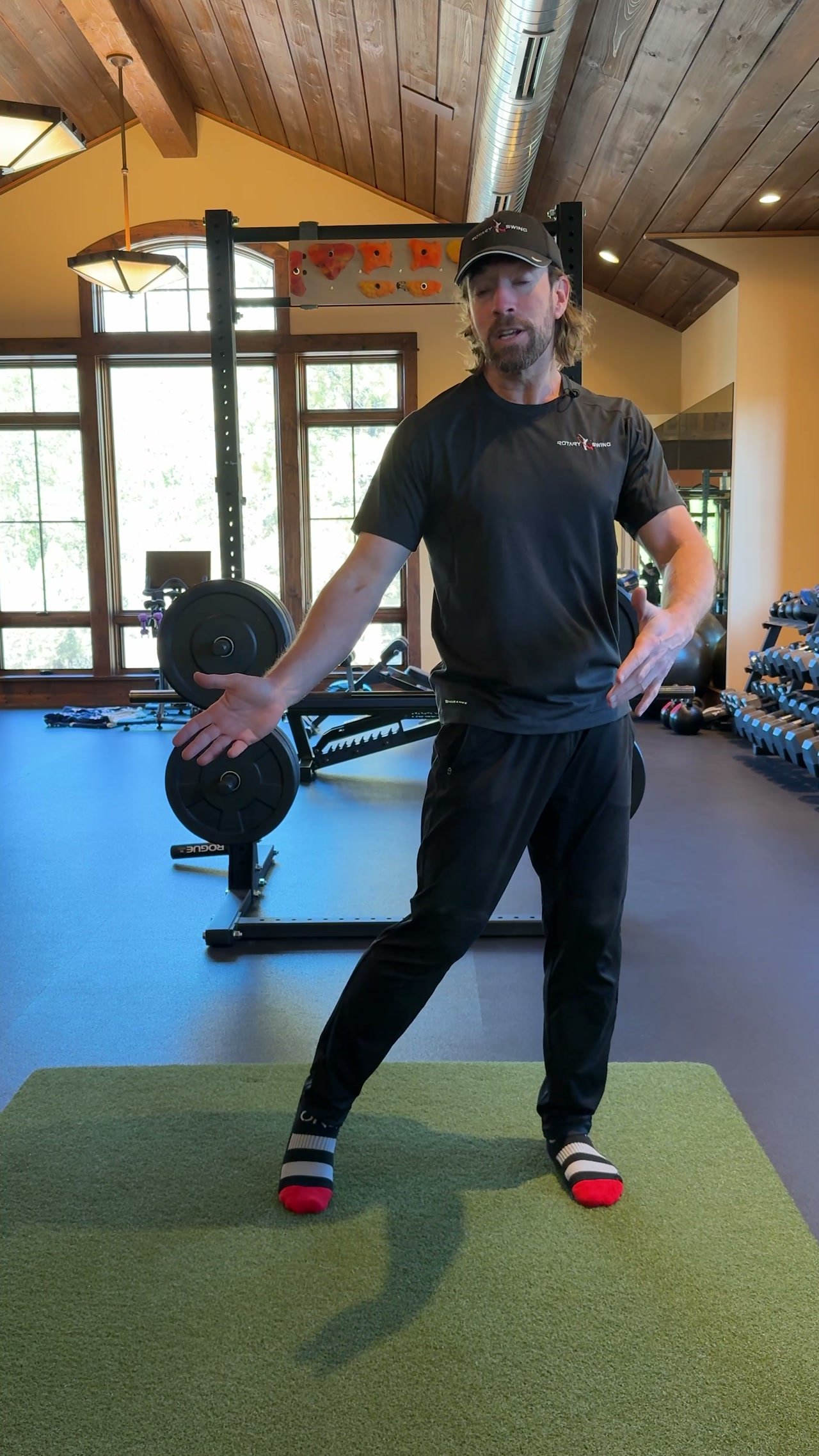
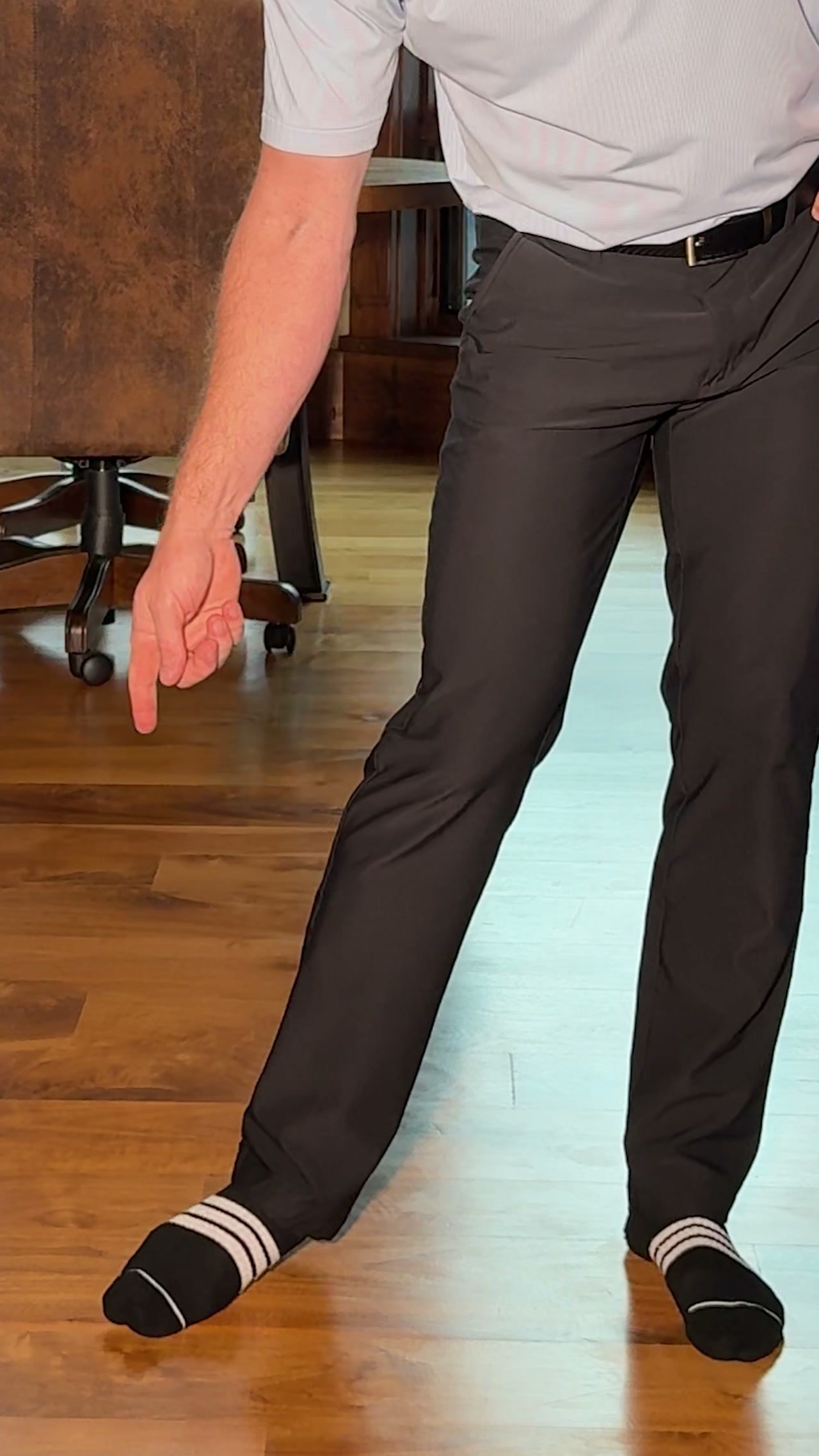
It is perfectly fine if you want to do this. Flaring the lead foot opens up your hip socket slightly. If you have limited hip mobility, this adjustment might actually be a beneficial modification for your golf swing.
Go ahead and turn that foot open a little if you prefer. As you can see in the photo, it allows you to rotate your hips more freely while still keeping your shoulders square to the ball.
If you want to incorporate that into your swing for any reason, that is perfectly acceptable.

Aligned straight, plus flare
Let us examine how that foot flare affects your alignment.
You can see in the photo at left that if you set up parallel — square to the target line — and then flare your foot open, you will appear to be lined up to the left.
In reality, you are still lined up square, fully prepared to hit a straight shot.
This is what golfers mean by "parallel left." If you are going to use this technique, just make sure to line up your feet square first to confirm your alignment is correct.
Once you are properly squared up, you can go ahead and flare your foot open.
Shot Shaping
What about shot shaping? How do you line up for a draw or a fade?
As it turns out, the rule of thumb could not be any simpler. Always align your feet, hips, and shoulders in the direction you want the ball to start. That is all there is to it.

Aligned left, swinging left
Suppose Clay is still aiming for the same target, straight down the line shown in this final photo, but this time he wants the ball to start to the left and fade back.
In this example he wants to hit a 10-yard fade, so he simply lines up his feet, hips, and shoulders 10 yards left of the eventual target. You can see that the reference line on the ground by his feet is now pointing off to the left.
He lines up to the reference rod, swings slightly along that line, and starts his ball out 10 yards left so it can fade back and reach the target.
If he wants to play a 30-yard fade instead, he simply lines up 30 yards to the left of the original target line. Again, he swings along his body line and lets the ball curve back. For real-time feedback on how your swing path and alignment affect your shots, try a free AI golf lesson.
Golf alignment really is that simple.
- Line up square before flaring your lead foot
- Line your feet, hips, & shoulders up in the direction you want the ball to start
Frequently Asked Questions
How can I improve my aim in golf?
Improving your aim in golf starts with proper alignment. Ensure your feet, hips, and shoulders are all square to the target line. Using tools like Tour Sticks can help you line up accurately. Practicing this consistently will enhance your ability to aim and reduce costly mistakes during play.
What is the 'parallel left' concept in golf alignment?
'Parallel left' refers to a setup where golfers align their body parallel to the target line and then flare their lead foot open. This adjustment can enhance hip mobility, allowing for a smoother swing while keeping the shoulders square. It's a valid technique that can benefit players with limited hip rotation.
When should I use a fade or draw in my golf shots?
You should consider using a fade or draw based on the course layout and your comfort level. To hit a fade, align your feet, hips, and shoulders slightly left of the target, allowing the ball to start left and fade back to the target. For a draw, do the opposite, aligning right of the target to achieve the desired curve.
Why is alignment crucial in golf?
Alignment is crucial because it directly affects the accuracy of your shots. Many golfers overlook this aspect, leading to misaligned shots and higher scores. By ensuring your setup is correct, you can trust your swing mechanics and significantly improve your performance on the course.
Watch part 2 now to see how you're moving your body in the opposite direction of the pros!