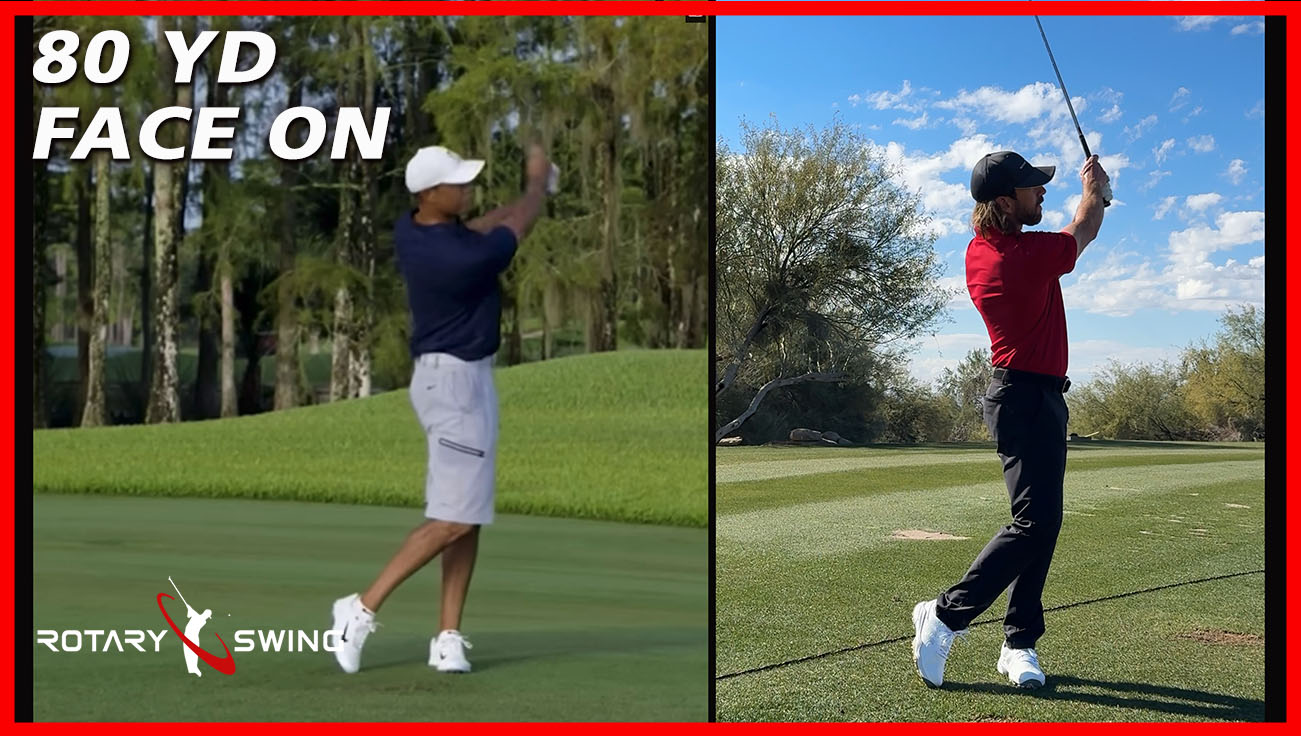
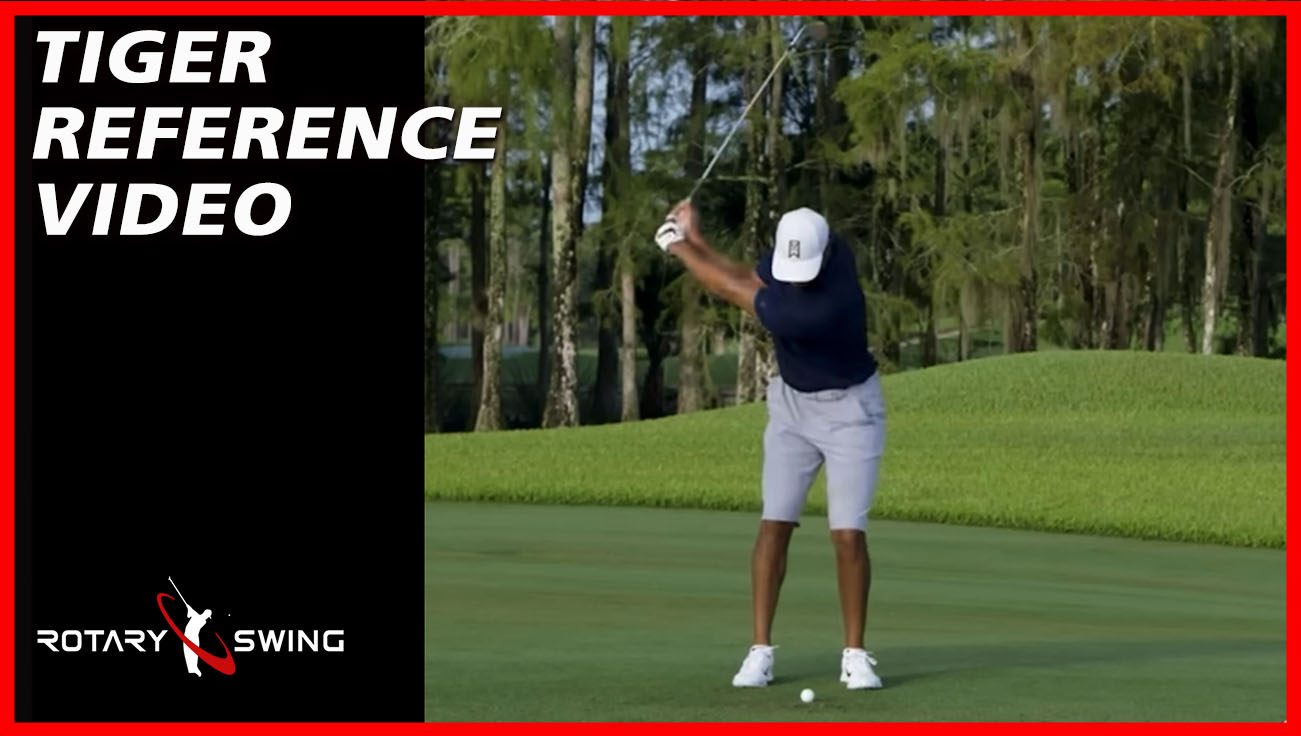
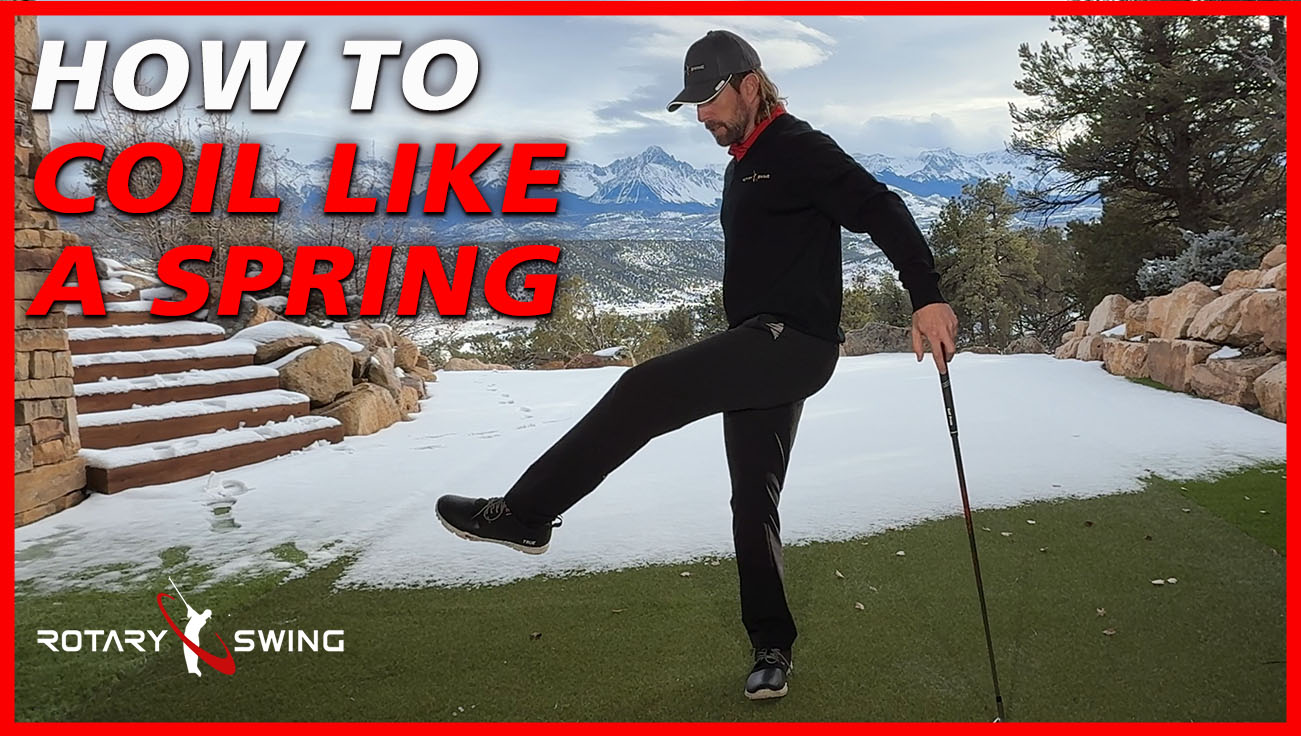
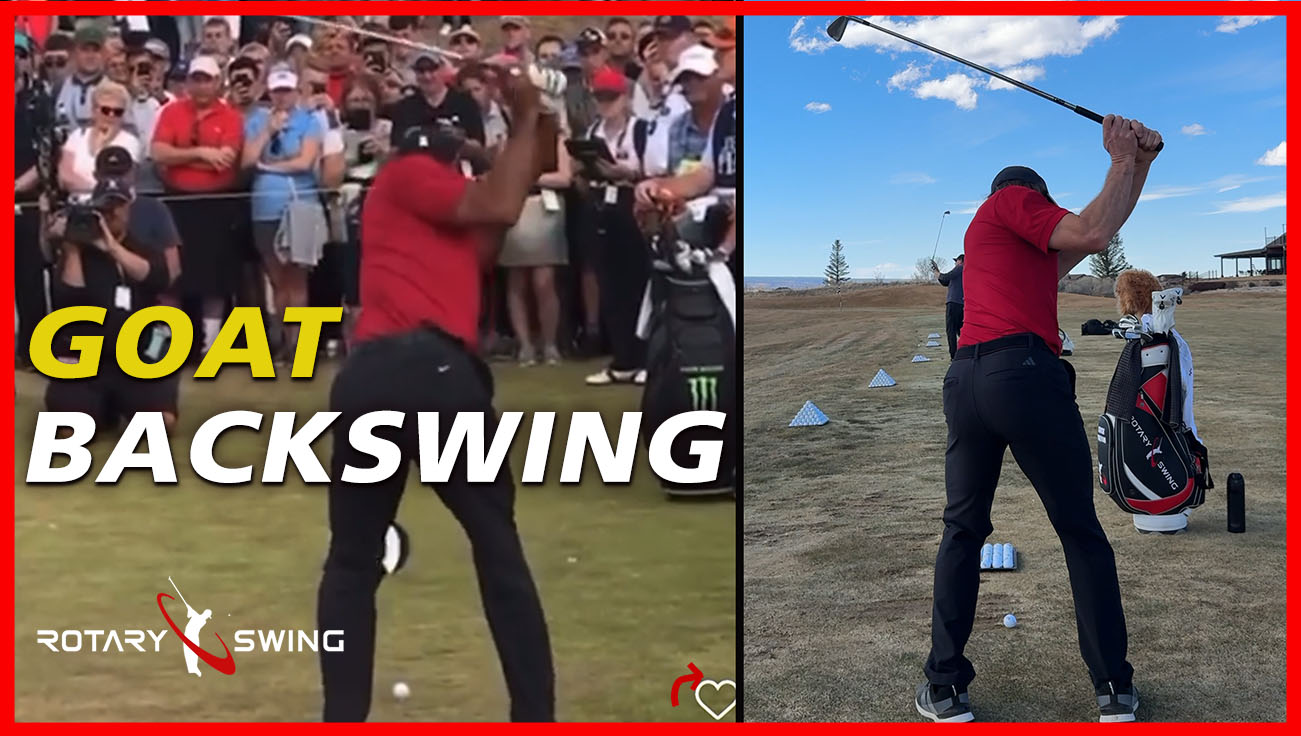
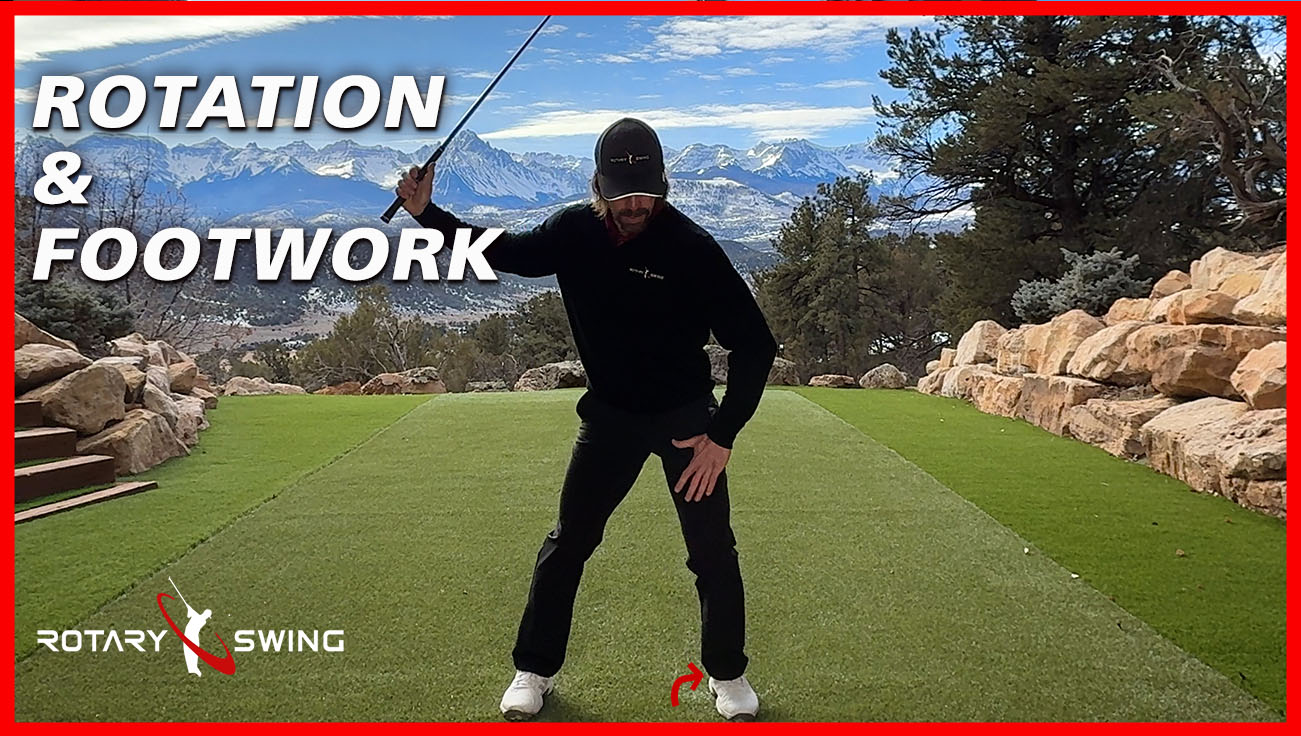
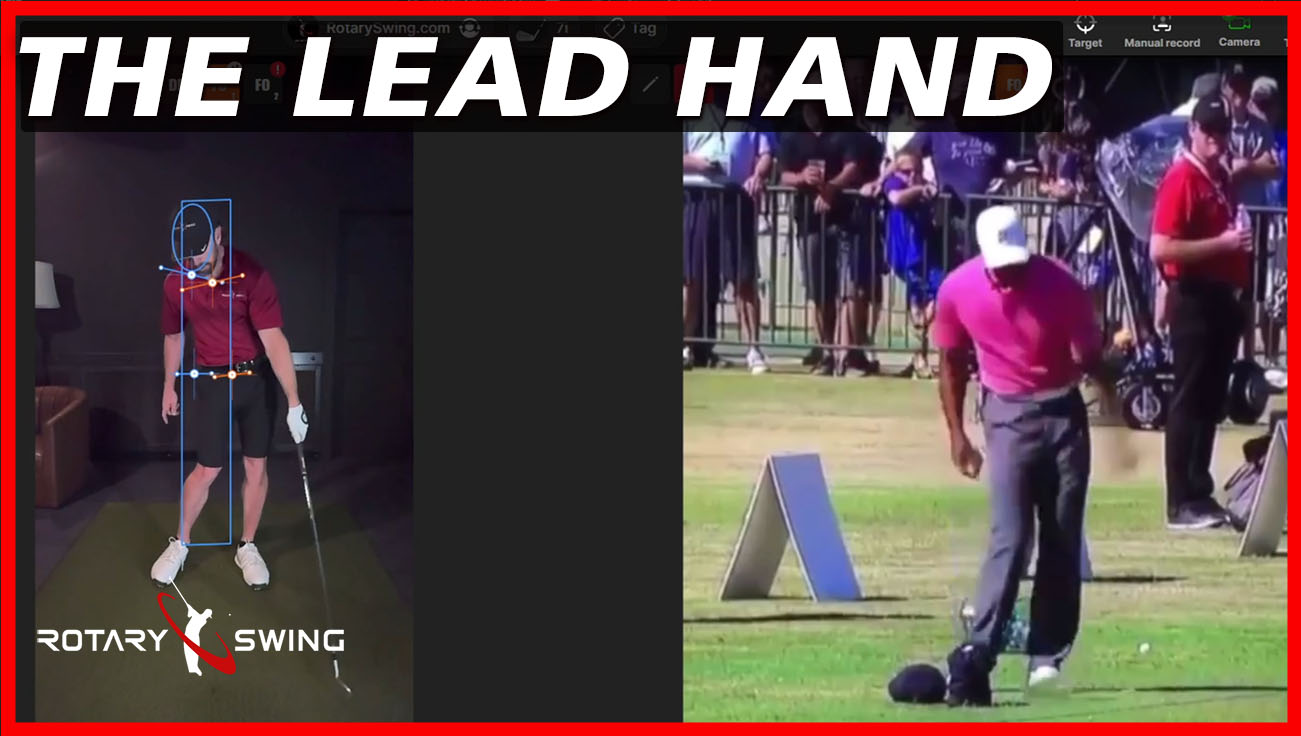
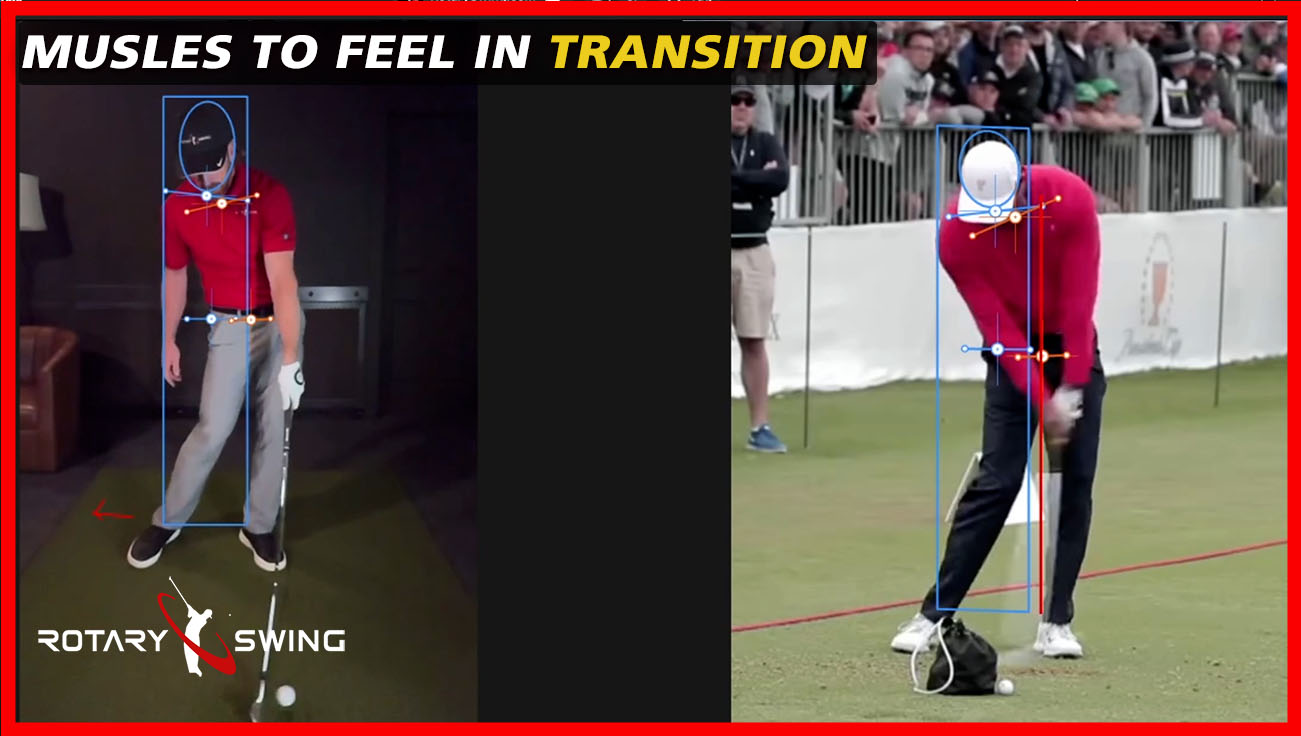
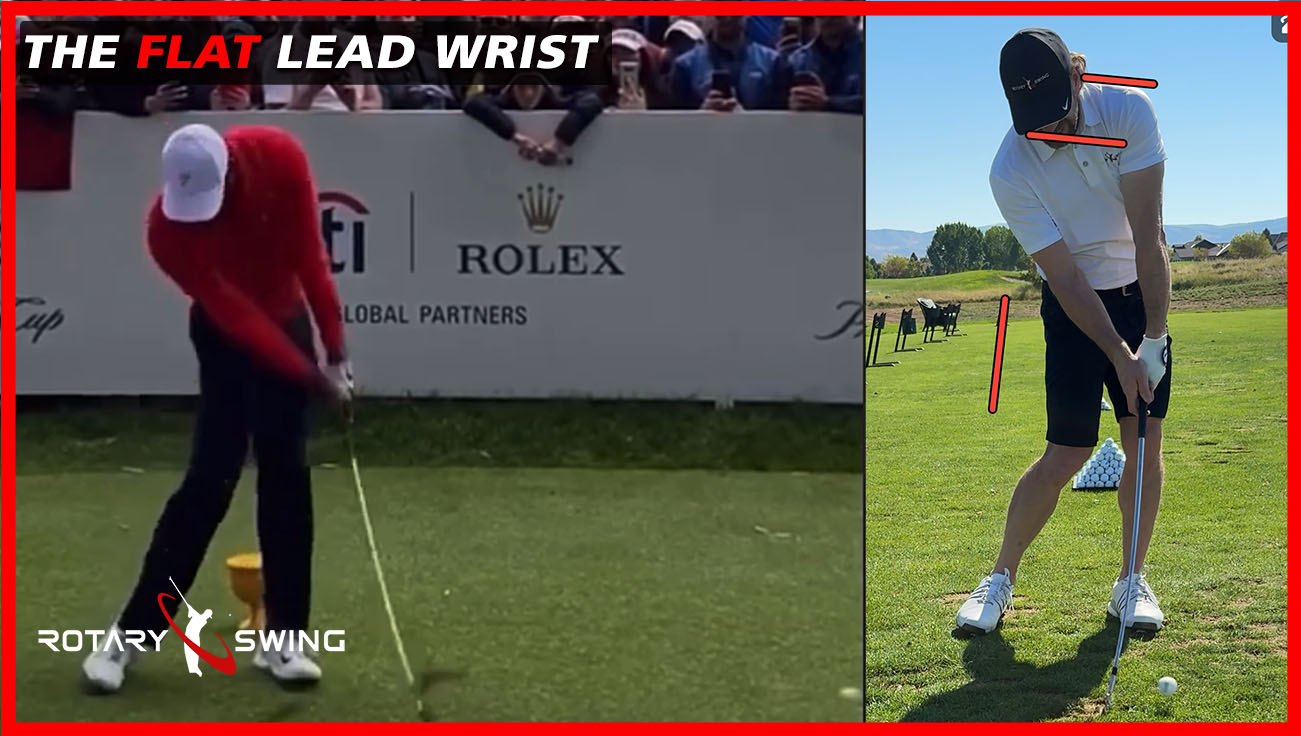
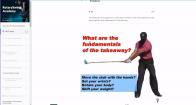
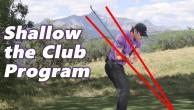
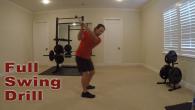
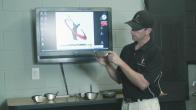
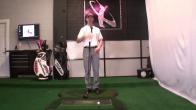
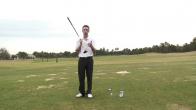
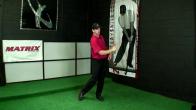
When studying the fundamental movements of the Rotary Swing Tour golf swing and why we move the way we do, one piece that's incredibly easy to understand is the basic overall motion of the swing itself.
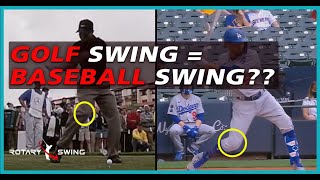
The throwing motion remains the most efficient way anyone has ever devised to use the human body to propel an object with speed — and we use the exact same movements and mechanics in the golf swing.
Is this the fault costing you strokes?
Film one swing on your phone. In about a minute GOATY measures it and names the single biggest thing costing you strokes — free, no card.
Analyze My Swing Free
Related: Golf swing lag — why AI coaching fixes it faster →
Android users: Download GOATY on Google Play — free AI golf coaching on your Android phone. →

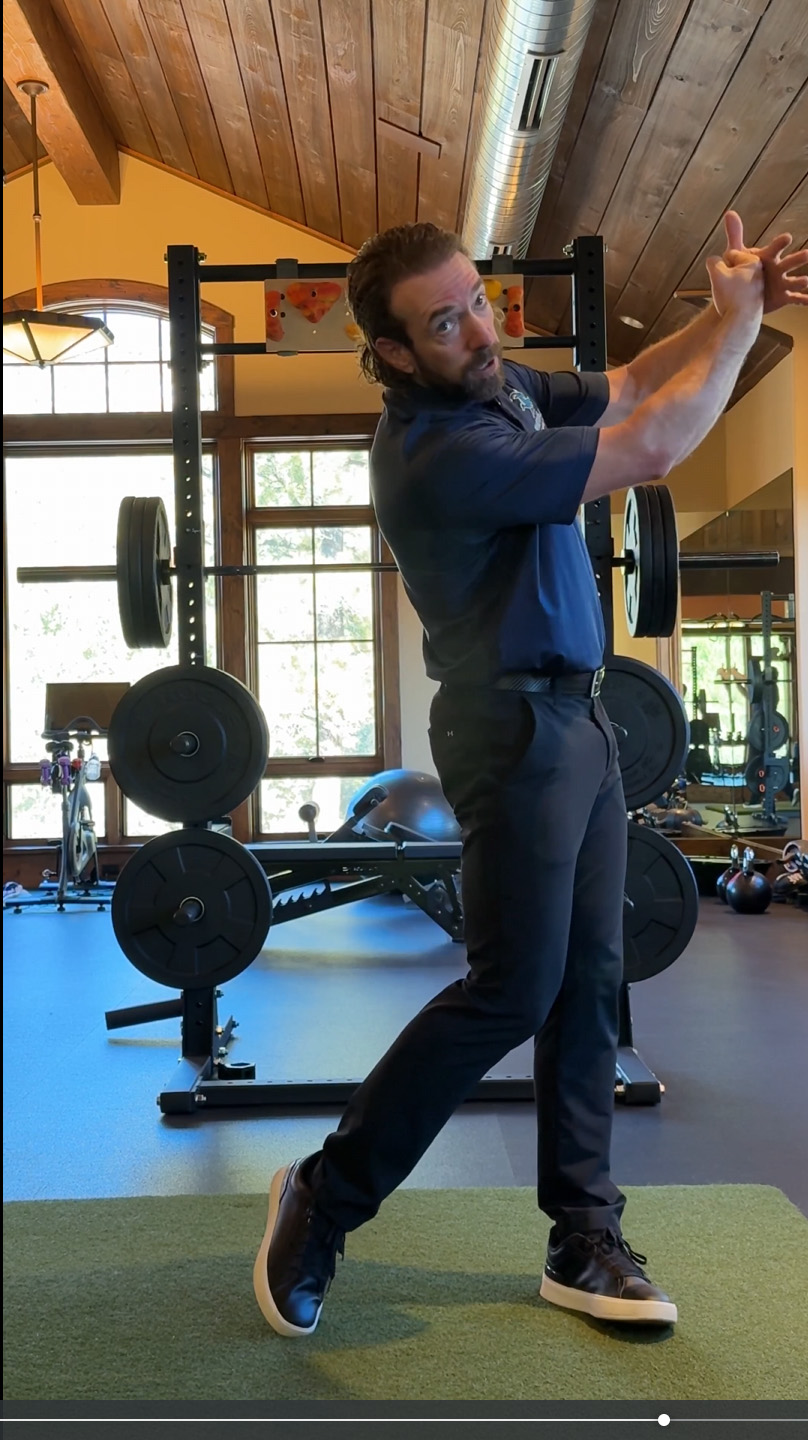
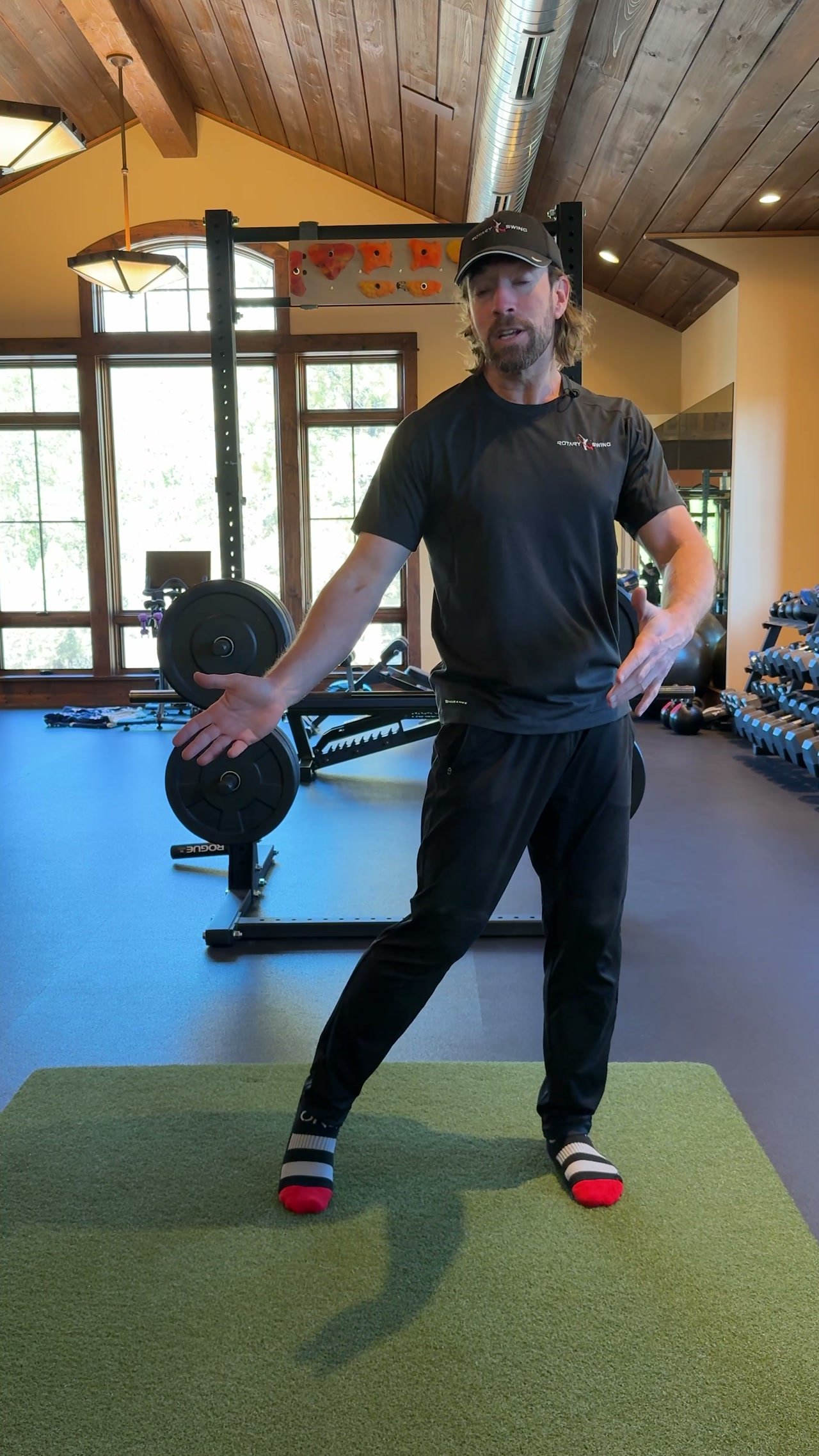
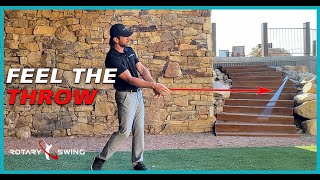
The throwing motion: Load right, step with left, pivot hips & load arm, pivot body, throw
What makes up the throwing motion? A trail-hand-dominant person takes the following steps to throw an object:
Stop reading about it — feel it in your swing today
GOATY watches your swing live and coaches you between every rep. Free. No signup.
Start Your FREE Live Lesson →
- Step back onto the trail leg
- Load the trail side
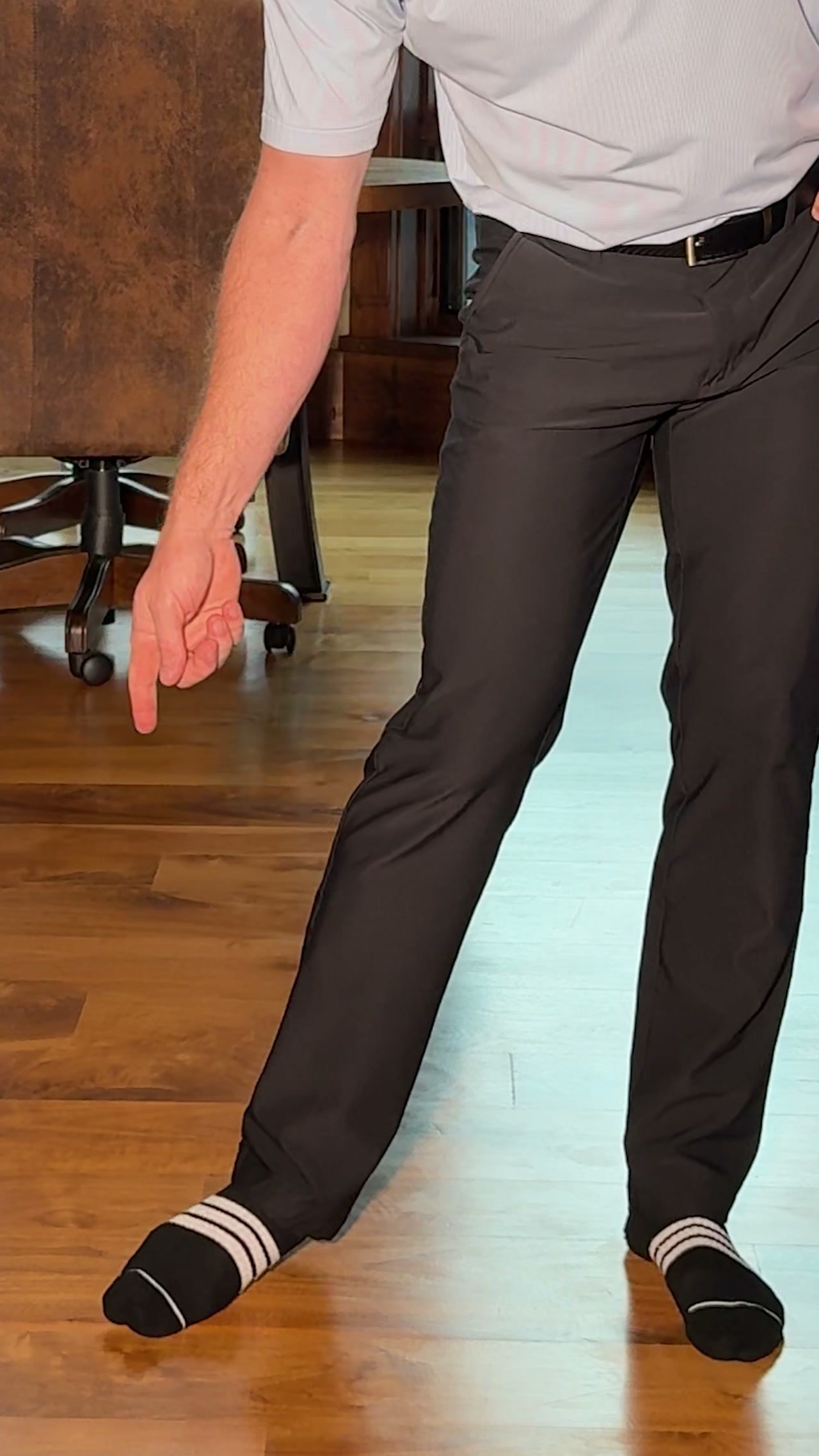
- Step forward with the lead leg
- Pivot the hips
- Load the trail arm
- Pivot the body
- Fire the trail arm
Shoulder Blade Down & In
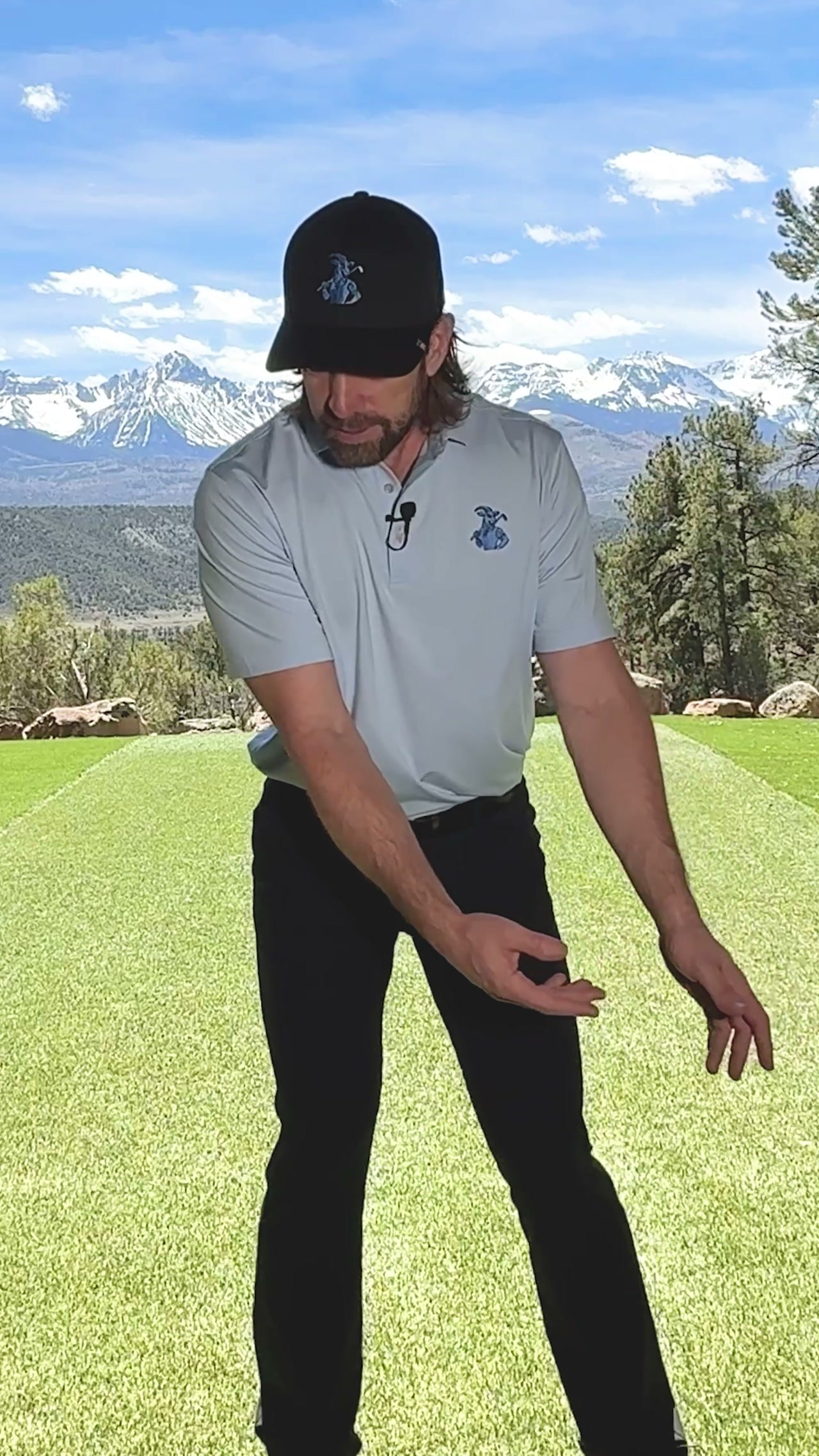
Notice that the arm externally rotates. You're moving your shoulder blade down and in as you go back to throw. Sound familiar?

You can't throw very far with the shoulder up & out
Nobody throws a ball with the shoulder blade raised up and out — at least not very far. Your natural athletic ability tells you to move the trail shoulder blade back and down. As the body moves forward, the energy transfers from the body up through the arm for release. For a data-driven look at how your own swing mechanics currently perform, try a free AI swing analysis.
You may have been taught somewhere along the line that "The golf swing is 100% lead arm."
It may feel that way to instructors who teach it, but if you could really generate that much power by pulling with the lead arm, Major League Baseball would look very different — because they'd be throwing baseballs that way! There's simply no speed in a pure pull motion, or they'd already be doing it.
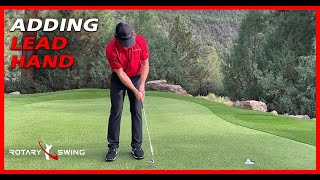
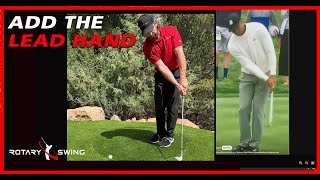
The lead arm definitely plays an important role in the golf swing. It creates the shape of the swing, contributes significantly to the plane and path alongside the trail arm, and controls the impact alignment — which helps control the club face.
These are all critically important functions, but the lead arm is primarily in a free-swinging orbit through the swing, while the trail arm provides the power and propulsion because it's biomechanically more efficient at throwing — and the golf swing is fundamentally a throwing motion.
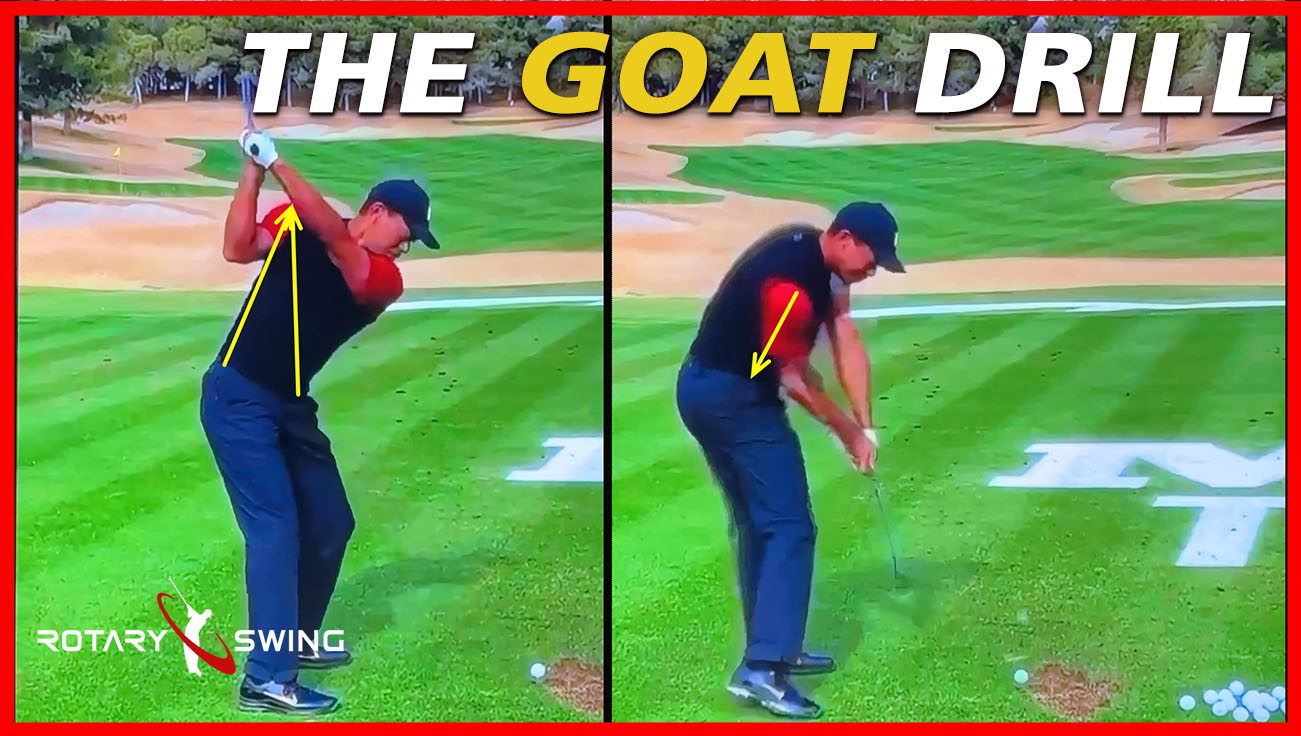
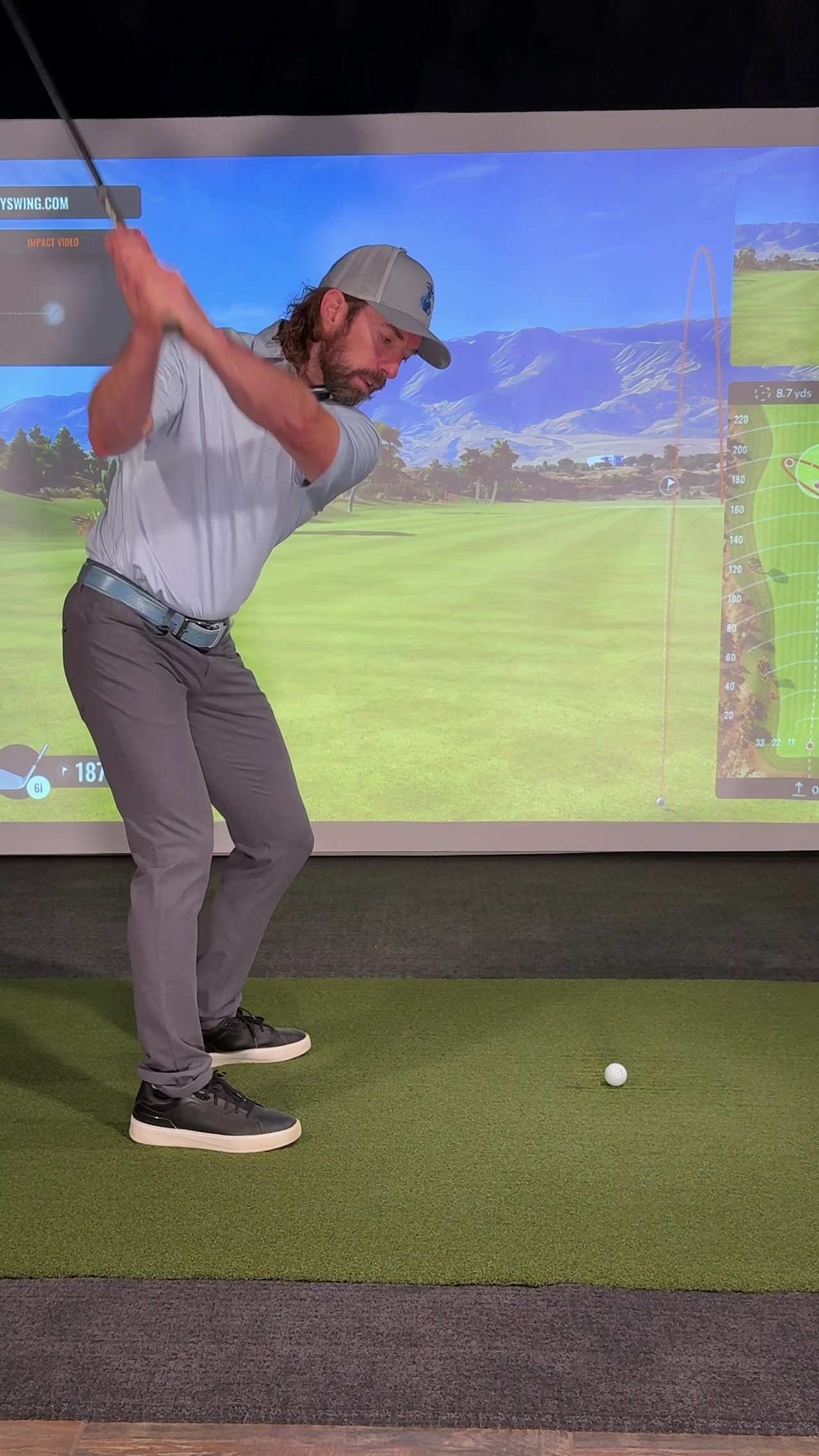
When you swing a golf club, you load up on the trail side, shift your weight, pivot your hips, and fire your arm. It's the exact same concept — the same fundamental sequence of movements — that you use when throwing a ball.

The golf swing: Load right, shift weight, pivot hips, pivot body, fire right arm
Golf Swings and Karate Chops
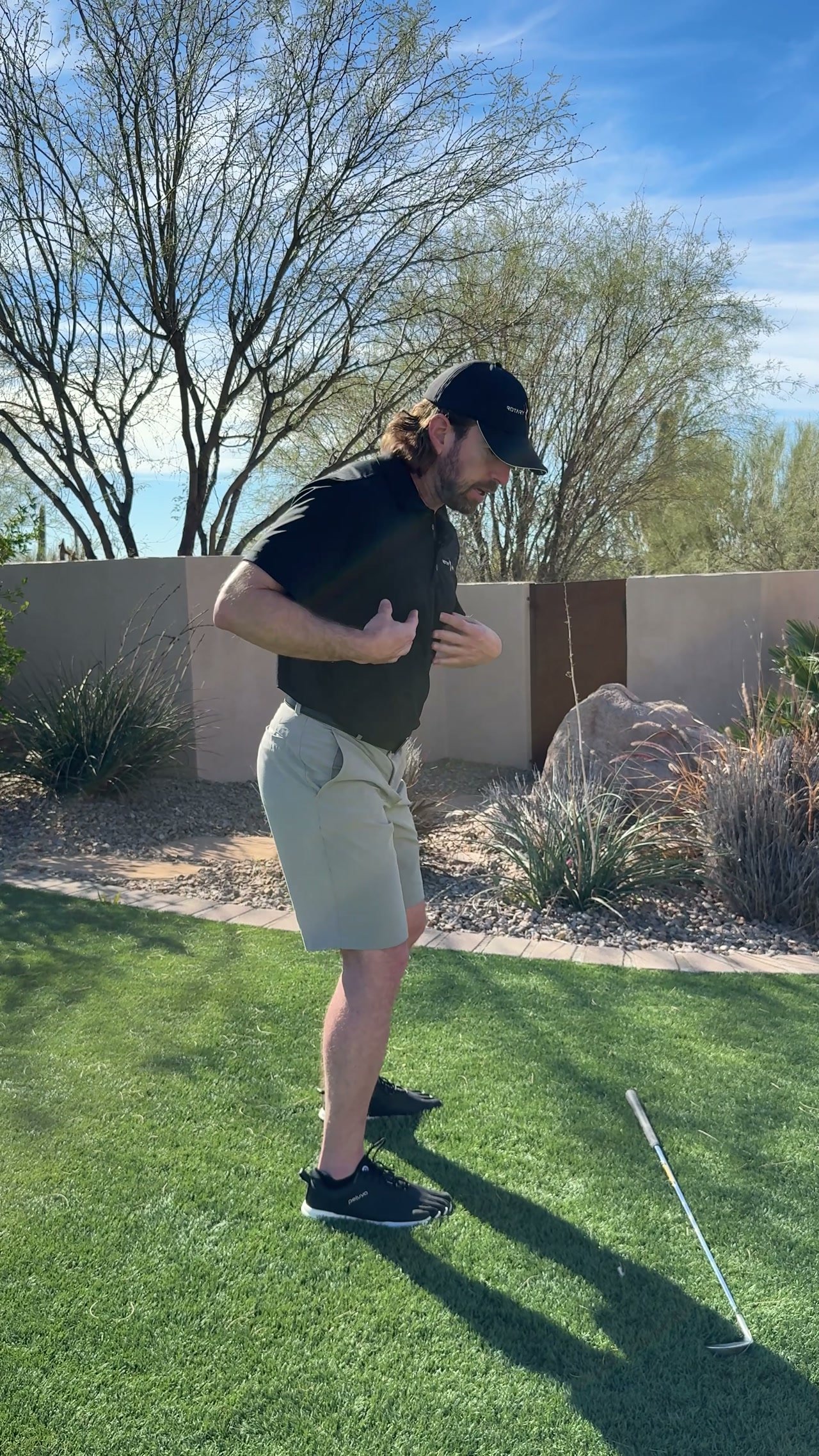
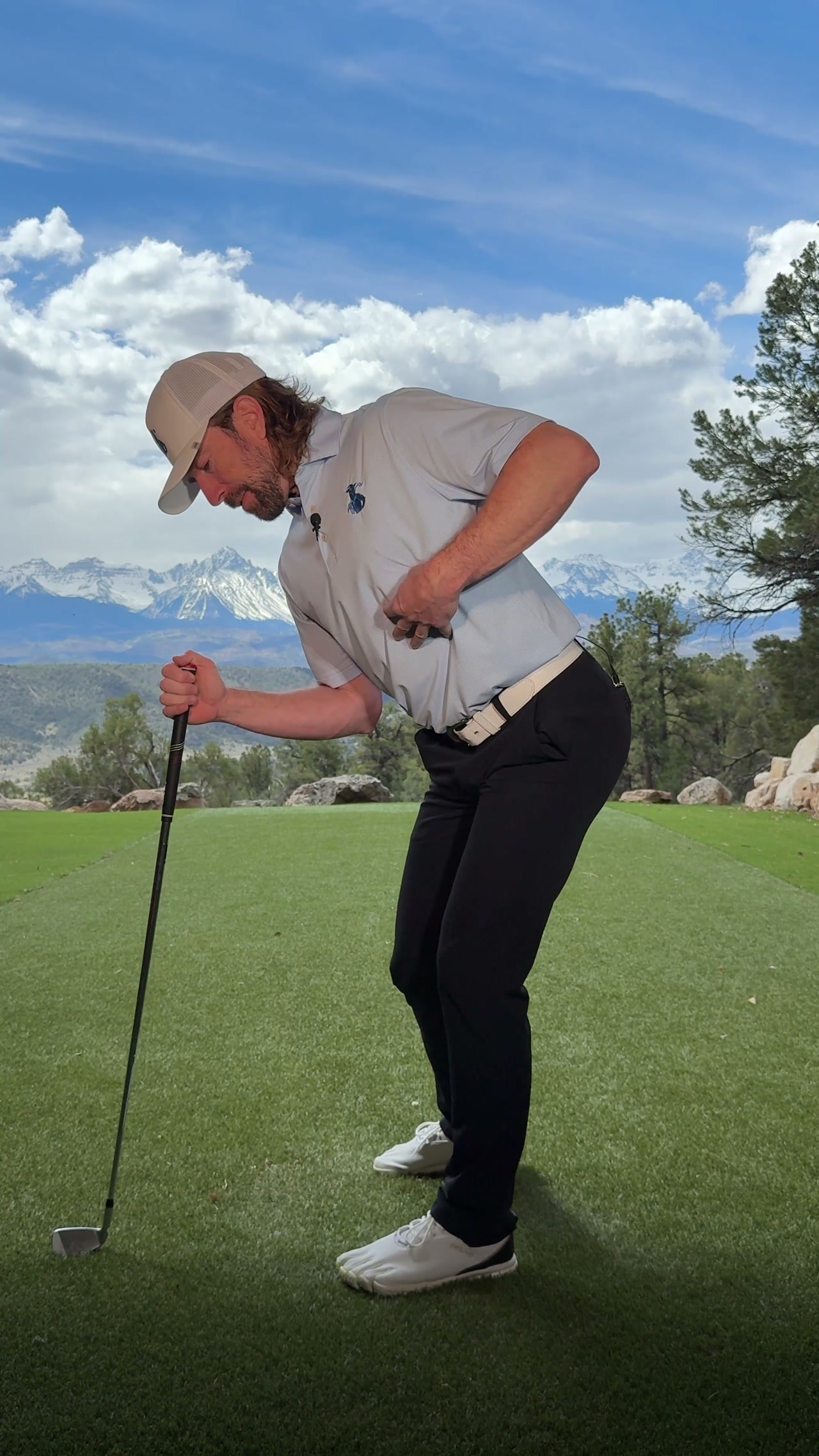
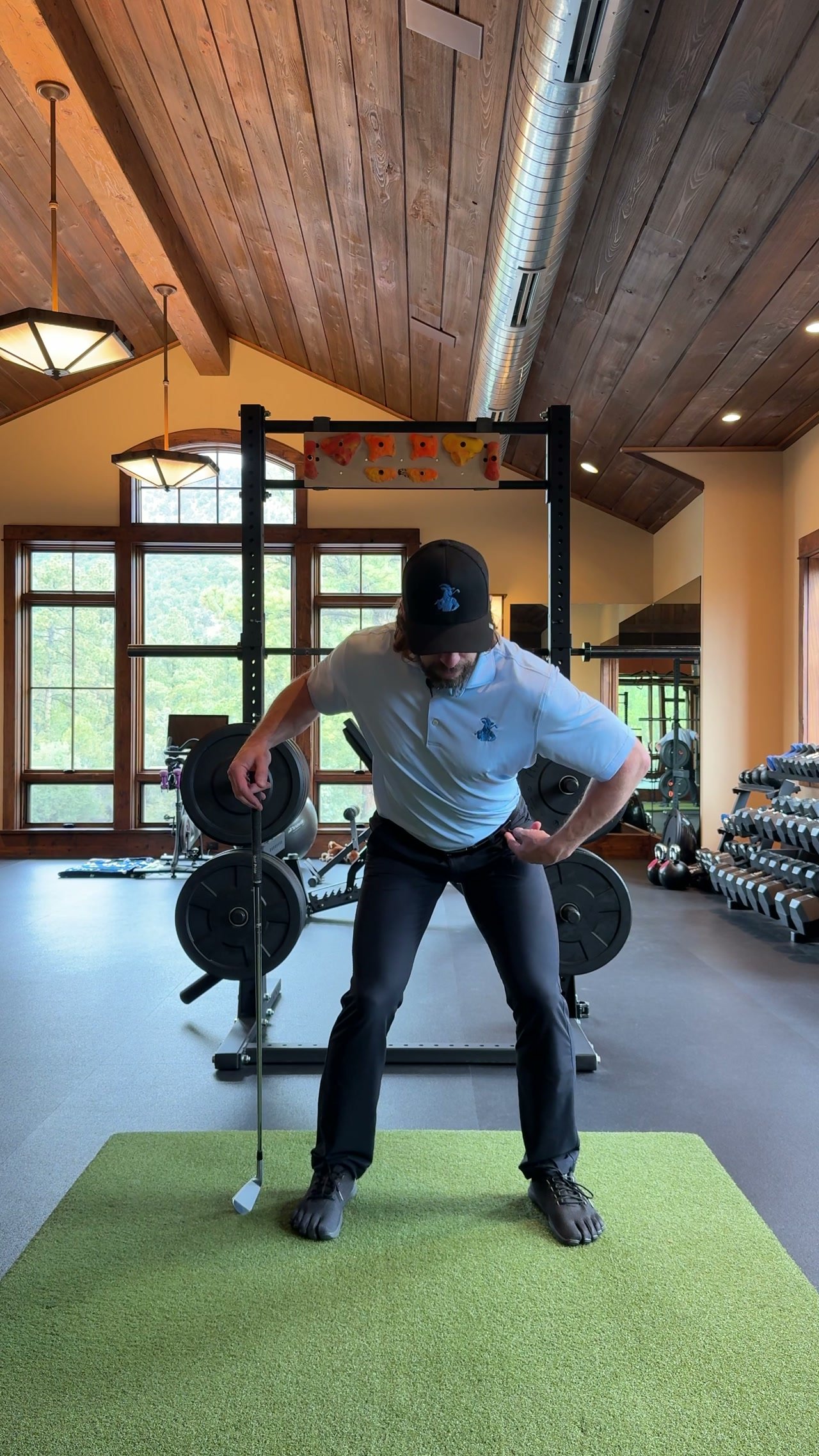
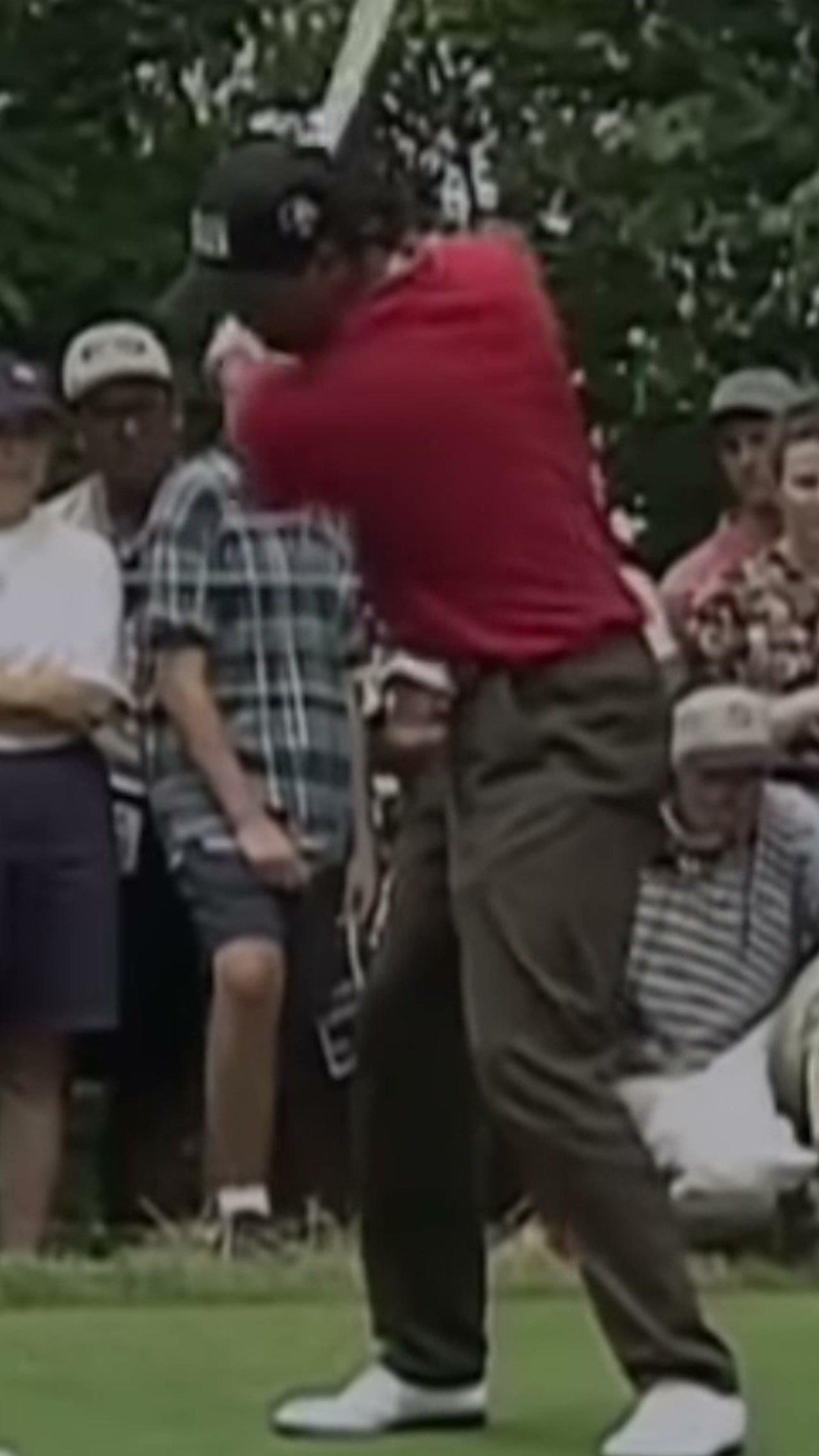
You sometimes see Tour pros stuff their shirt up into their armpits as a reminder to keep the arms connected to the chest. Let's think about that logically.

Connecting the arm to the body removes leverage
If you stuff your shirt under your trail arm and then try to throw something, how are you going to generate any speed? You've eliminated the leverage from the swing.
If you're focused on keeping your bicep connected to your chest, you can no longer elevate your arms high enough to create proper leverage.
Imagine a karate chop. You're not going to break any boards if you're restricting shoulder elevation because you're trying to keep your bicep pinned to your chest.
The same principle applies to the trail elbow and wrist. The trail arm produces enormous leverage in the swing. When you remove that by keeping everything artificially connected to your body, the arms are forced to move at the same rate your body is turning — eliminating all independent leverage.
Imagine you're a hunter-gatherer and this is how you've figured out how to throw a spear. How fast and how far is that spear going to fly if you're trying to hold something under your arm while you throw it? To practice building real clubhead speed with proper mechanics, check out a free AI golf lesson.
The Fundamental Source of Speed
The basic motion of RST is the same set of movements that humans have used to propel objects since we lived in caves.
- Go to the top of the swing
- Load up the trail arm
- Rotate the trail arm
- Load up the trail side
- Shift the weight to the lead side
- Fire the trail arm
The lead arm works in conjunction with it, and you've got yourself a golf swing.
You may occasionally get confused and bogged down in details of the swing. You can end up missing the forest for the trees as you try to correct one thing after another.
When that happens, go back and review Reshaping Your Swing for Lag. That lesson covers the swinging motion as a whole. It allows you to step back, look at the big picture, and work on the most fundamental elements of your swing before returning to the smaller details.
The way the trail arm works is the basic motion of the golf swing. If you understand how to throw an object — if you've ever thrown a ball or skipped a stone — then you already understand the basic motion that produces speed in the golf swing. Once you grasp that concept, the rest of the swing becomes much easier to build.
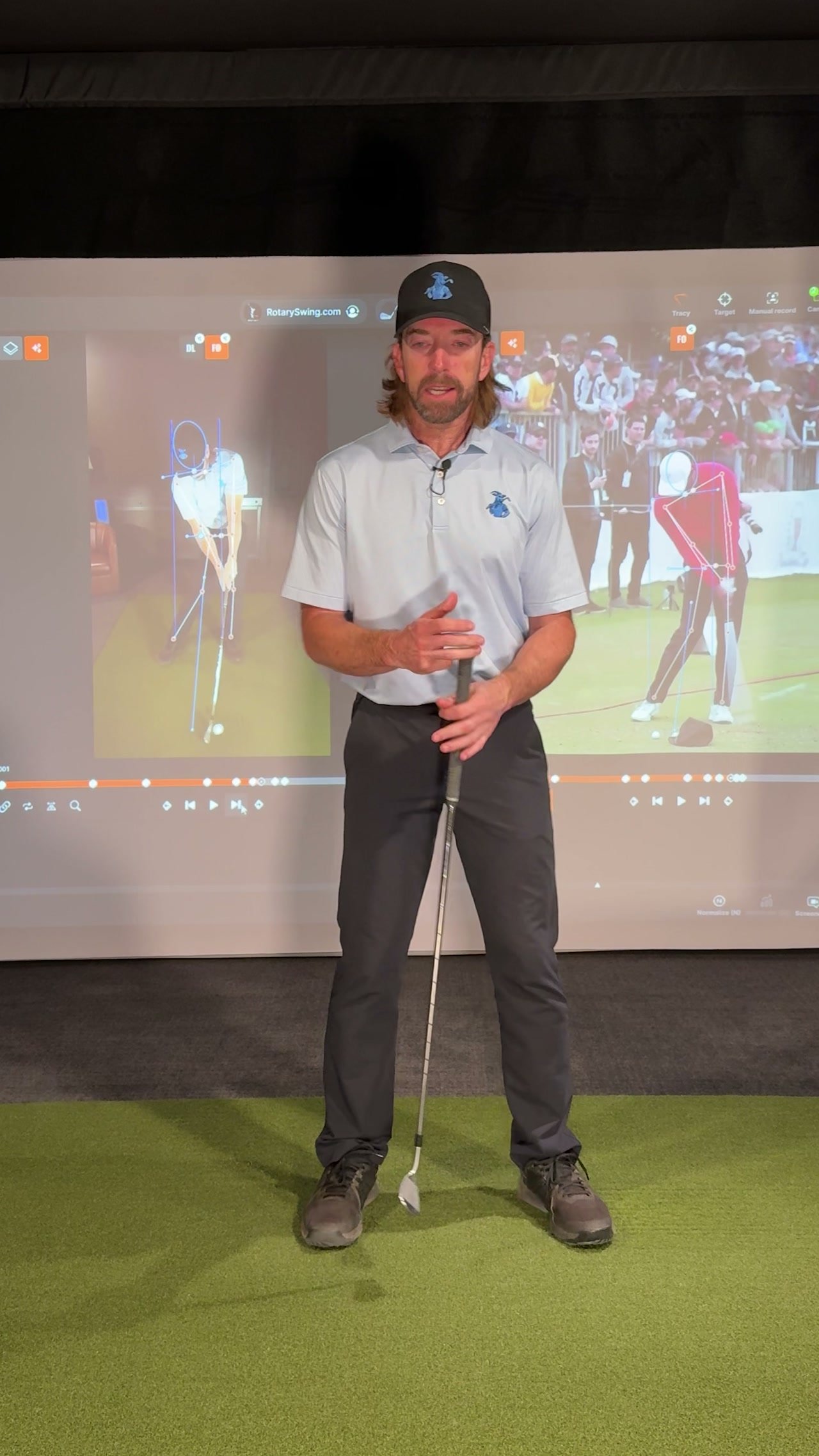
RST is a logic-based, common-sense, science-driven approach to the swing. The throwing motion is the core fundamental when it comes to building clubhead speed in your golf swing.
Watch part 2 now to see how you're moving your body in the opposite direction of the pros!