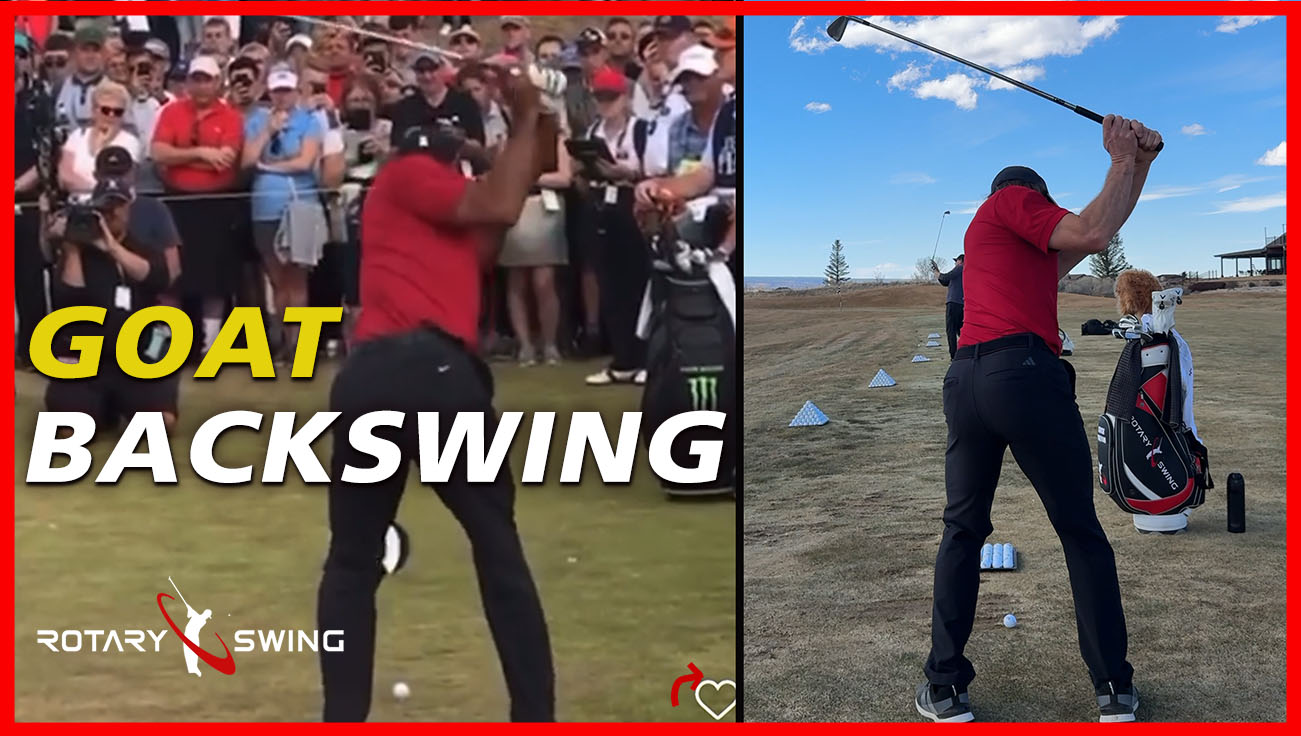
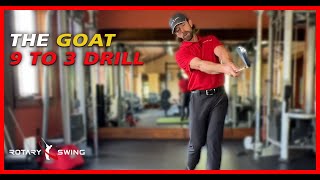
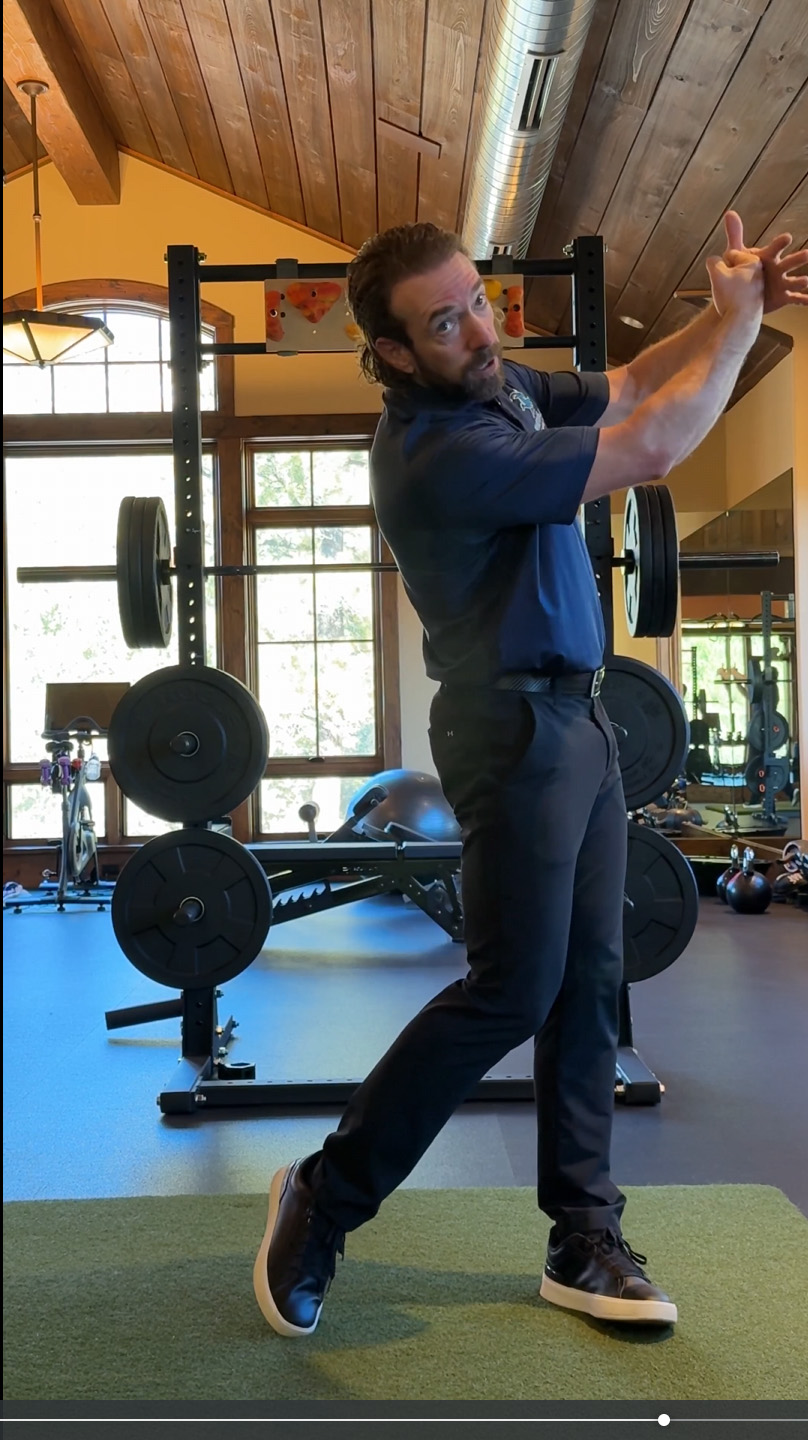
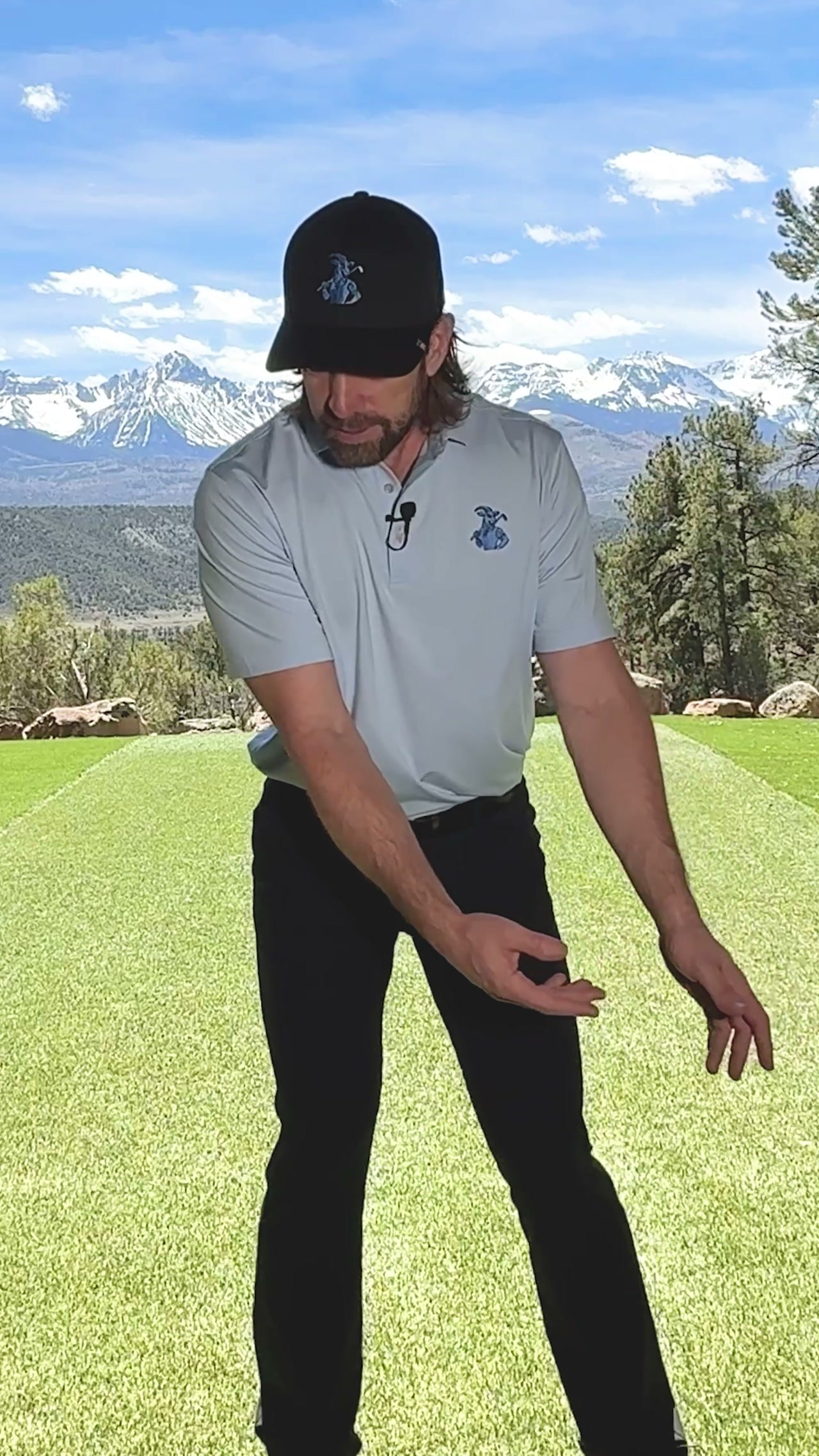
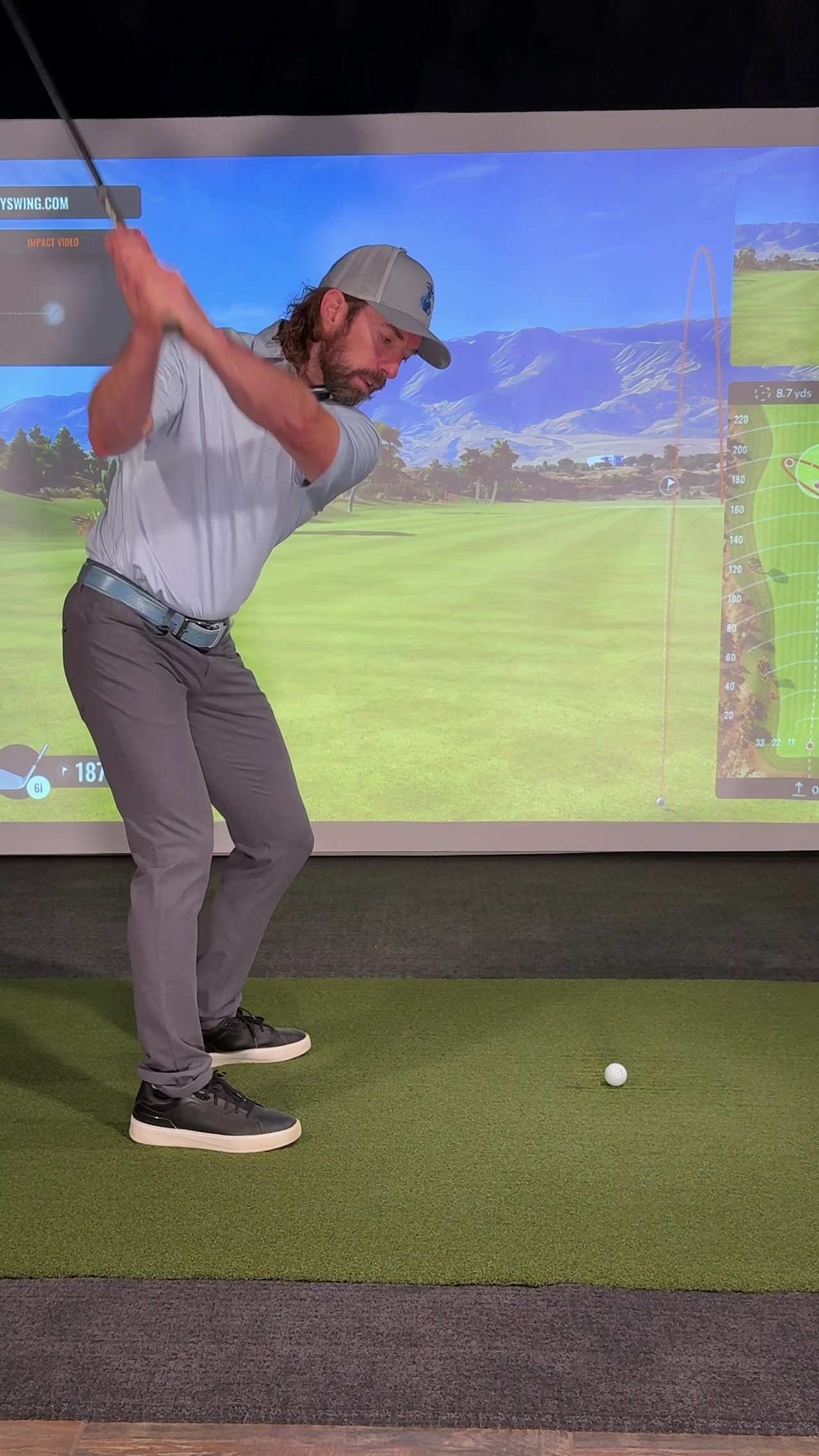
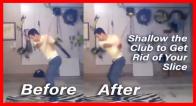
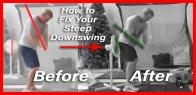
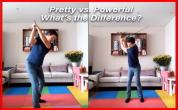
One really common problem we see among student golfers, both online and in person, is controlling the length of the backswing.

Do you feel like you're only halfway back when you're actually here?
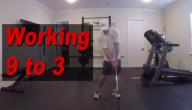
It's not very helpful to tell somebody, "Only swing to 9:00," because you may feel like you're only swinging halfway back when you're already too long in the backswing.
Is this the fault costing you strokes?
Film one swing on your phone. In about a minute GOATY measures it and names the single biggest thing costing you strokes — free, no card.
Analyze My Swing Free
Related: Golf backswing — the 3 AI-measured gates →
Android users: Download GOATY on Google Play — free AI golf coaching on your Android phone. →
Even if you do manage to shorten it a bit, it's very difficult to make good golf swings when you feel like you're only swinging halfway back and not really getting set, so we try not to tell people to stop short on the backswing position.
Stop reading about it — feel it in your swing today
GOATY watches your swing live and coaches you between every rep. Free. No signup.
Start Your FREE Live Lesson →Telling yourself not to do something is very difficult; the subconscious mind tends to rebel.
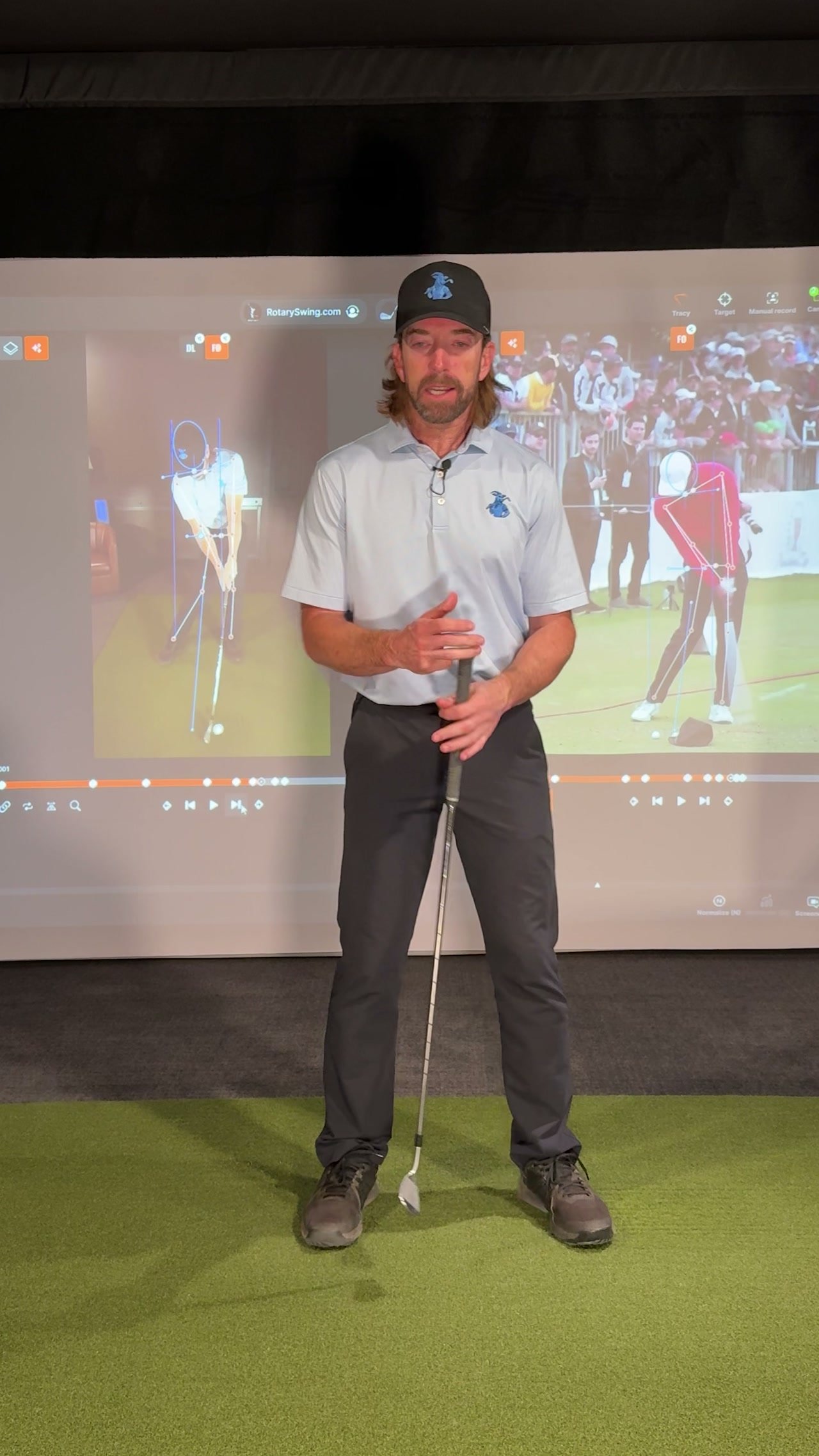
It's much more helpful if we give you a visual of what you do want to do. When your mind has a solid mental image of what you're trying to achieve, your body can translate that into action more effectively — the same principle behind tools like an AI swing analyzer that give you objective feedback on exactly what your body is doing.
When a student swings long and loose and gets a really big , we like to tell them to simply put more weight on the lead foot.
Try a free live lesson with GOATY
GOATY, my AI golf coach, watches your swing through your phone camera and coaches every rep. Free, about 20 minutes, no credit card.
It's as Simple as That
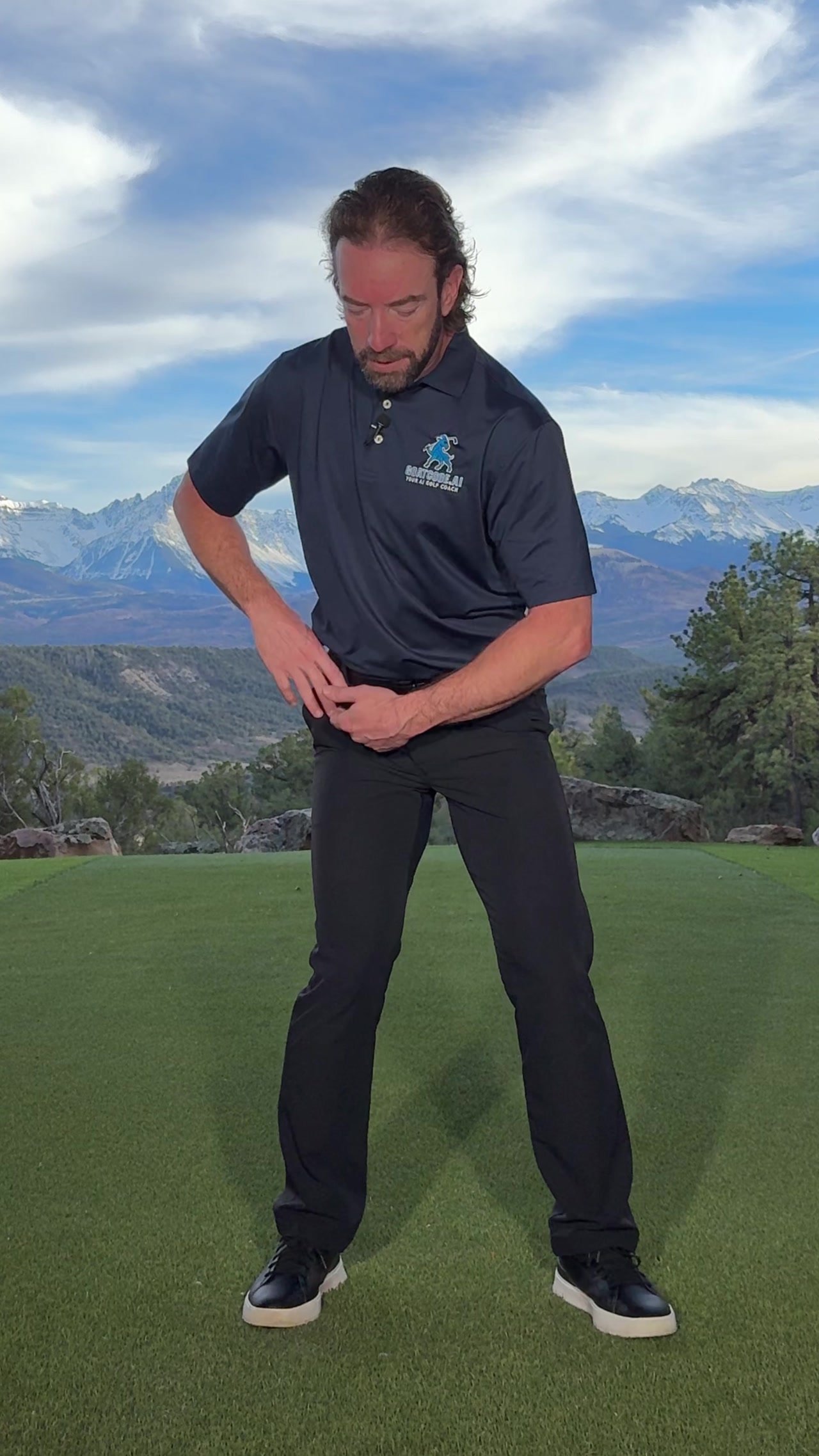
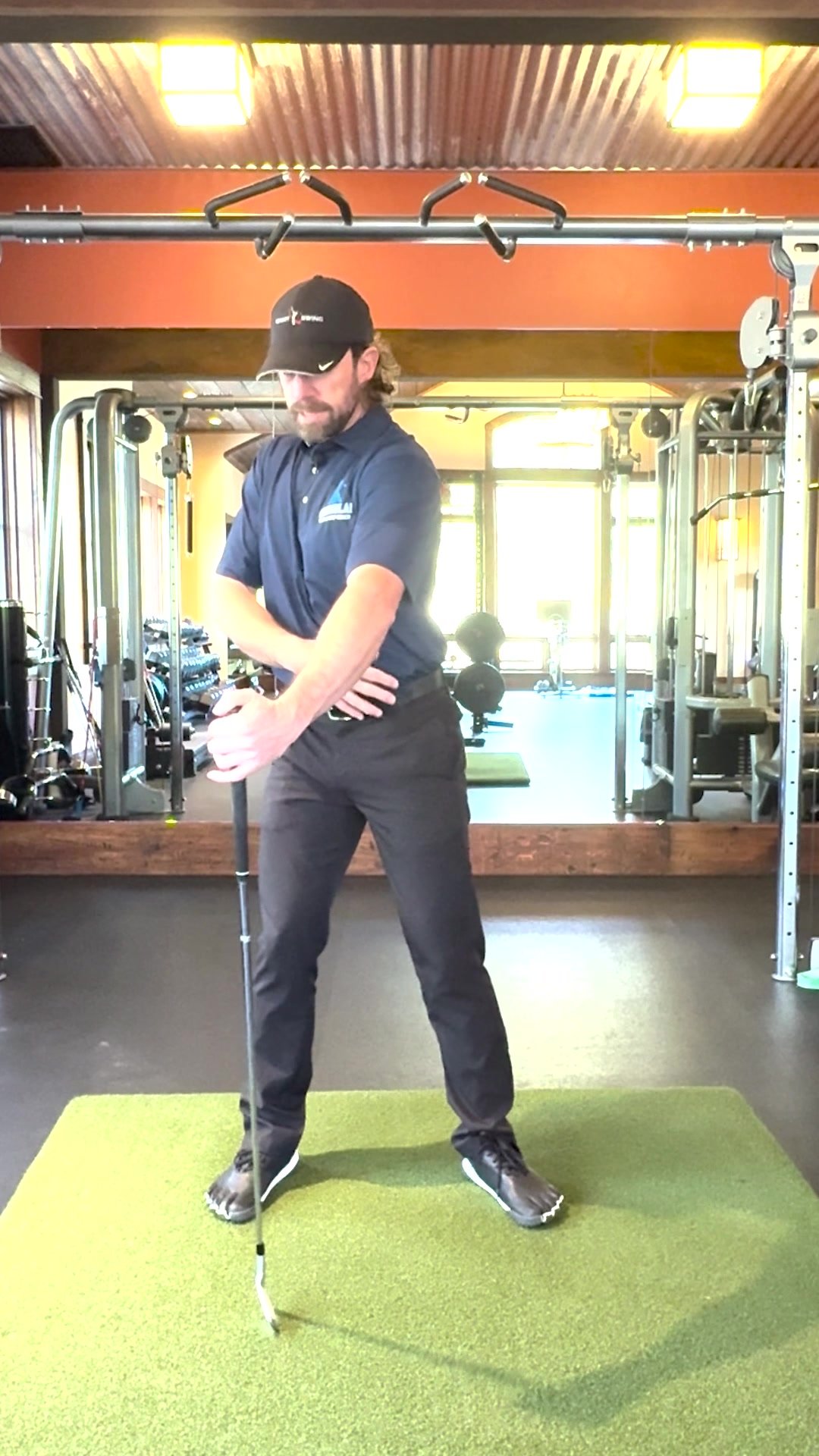
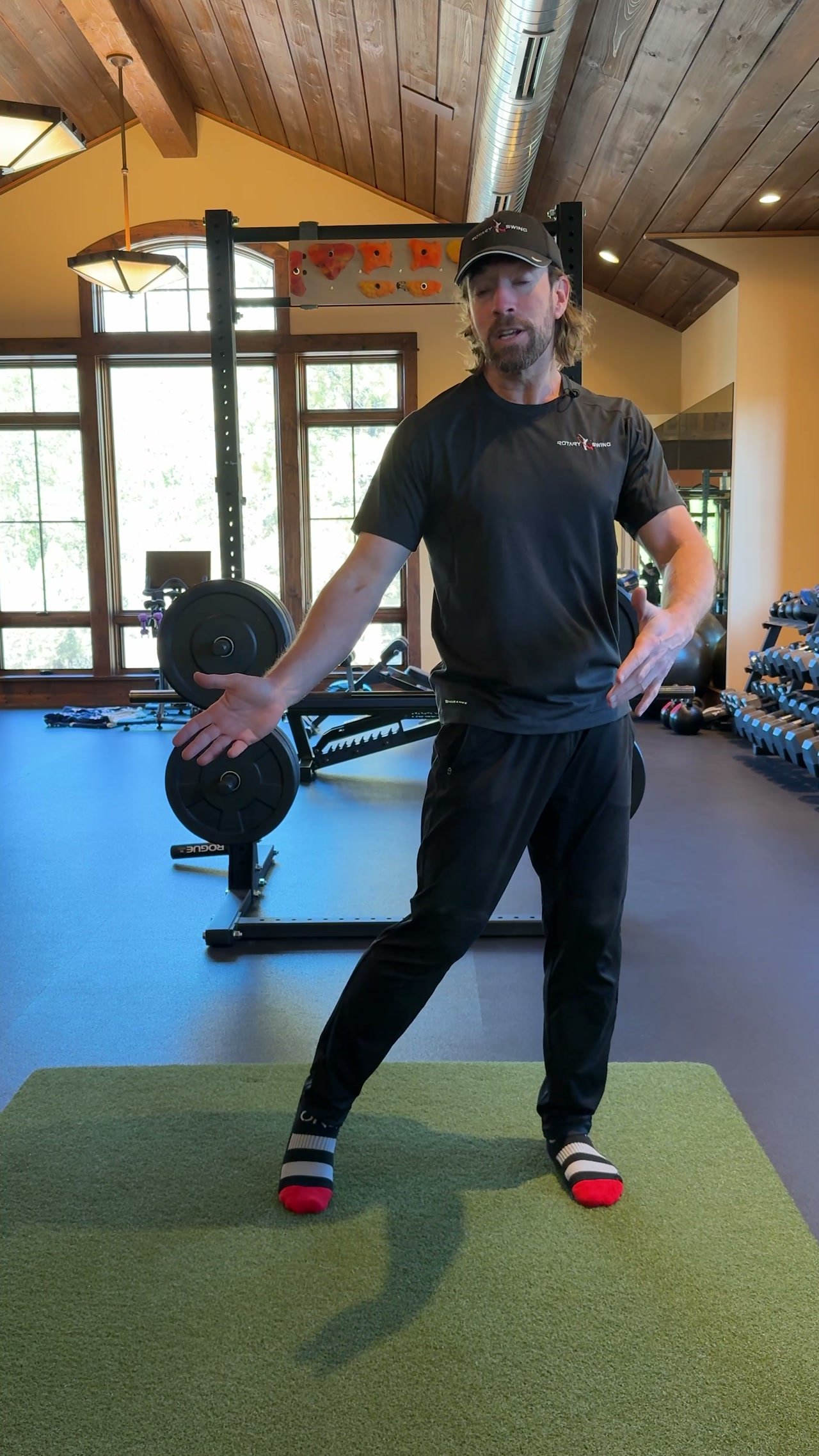
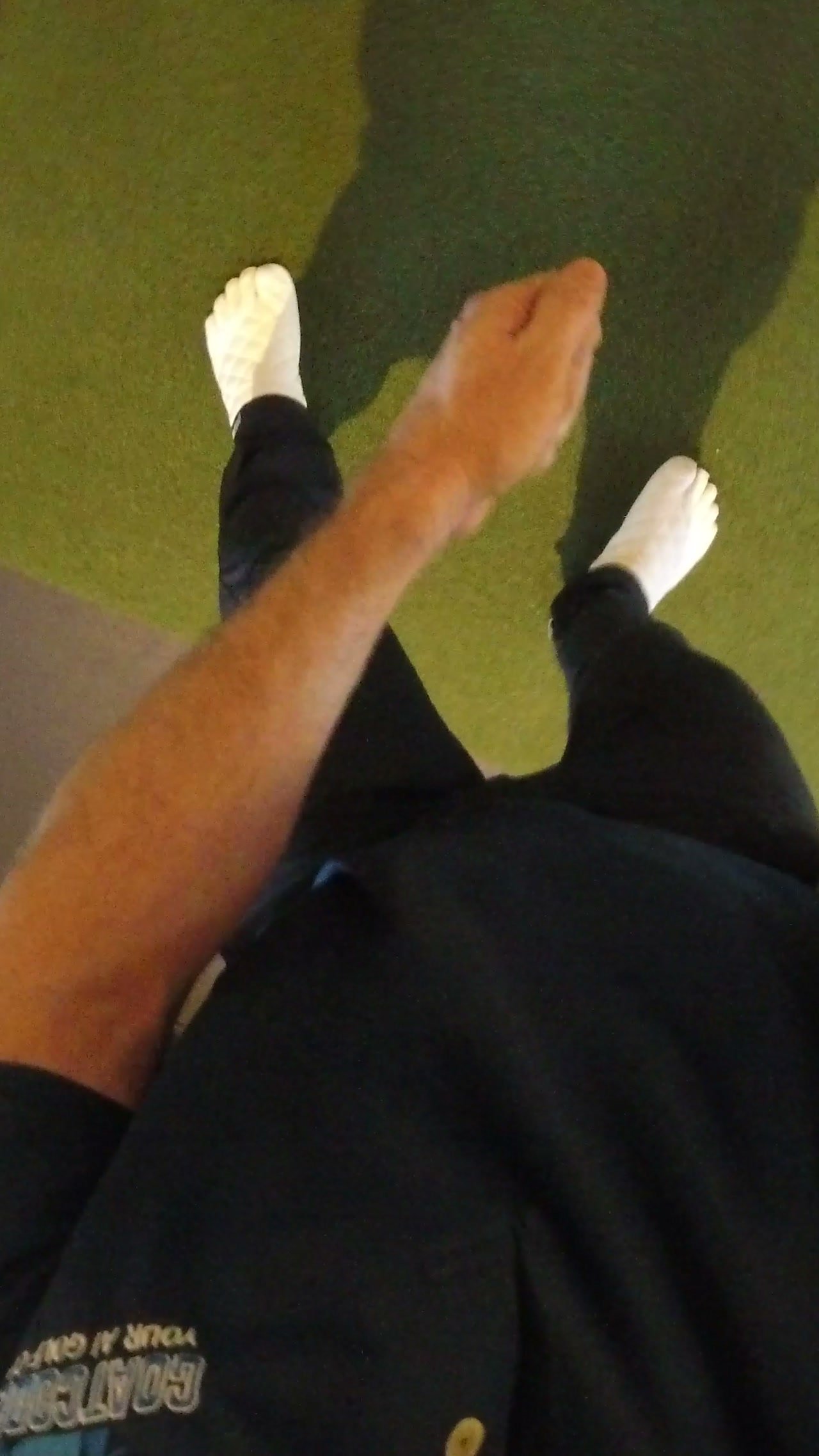
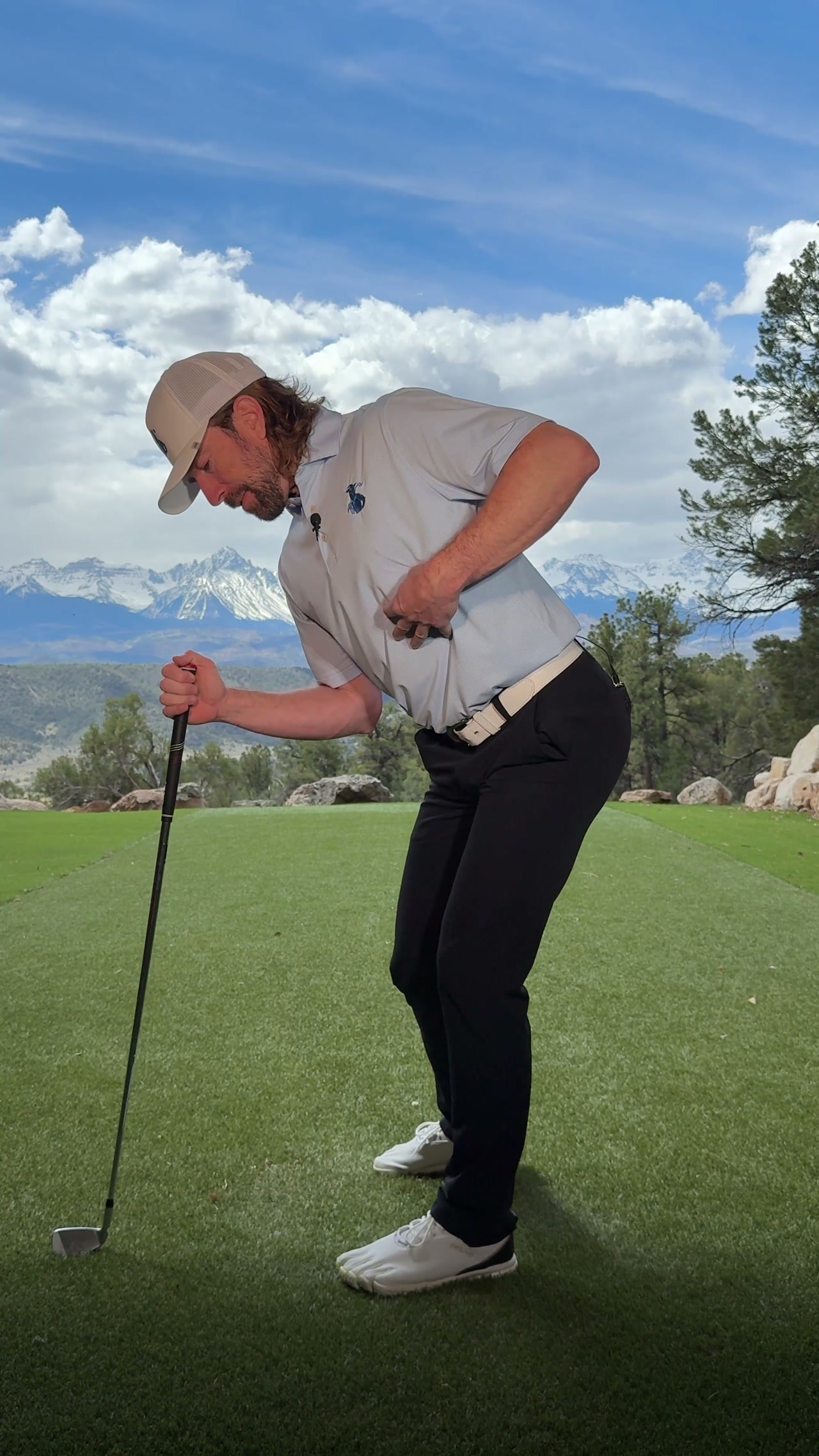
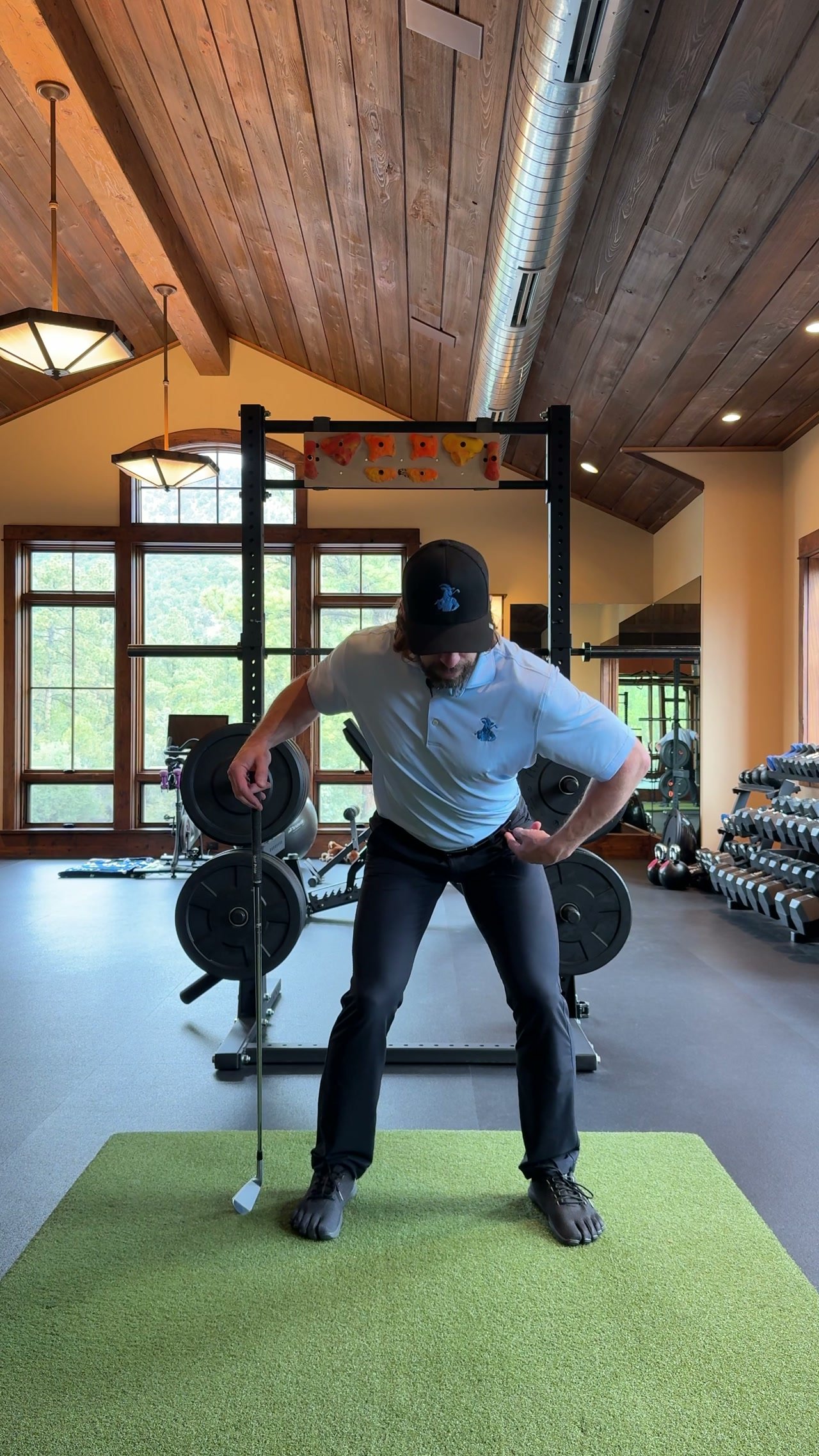
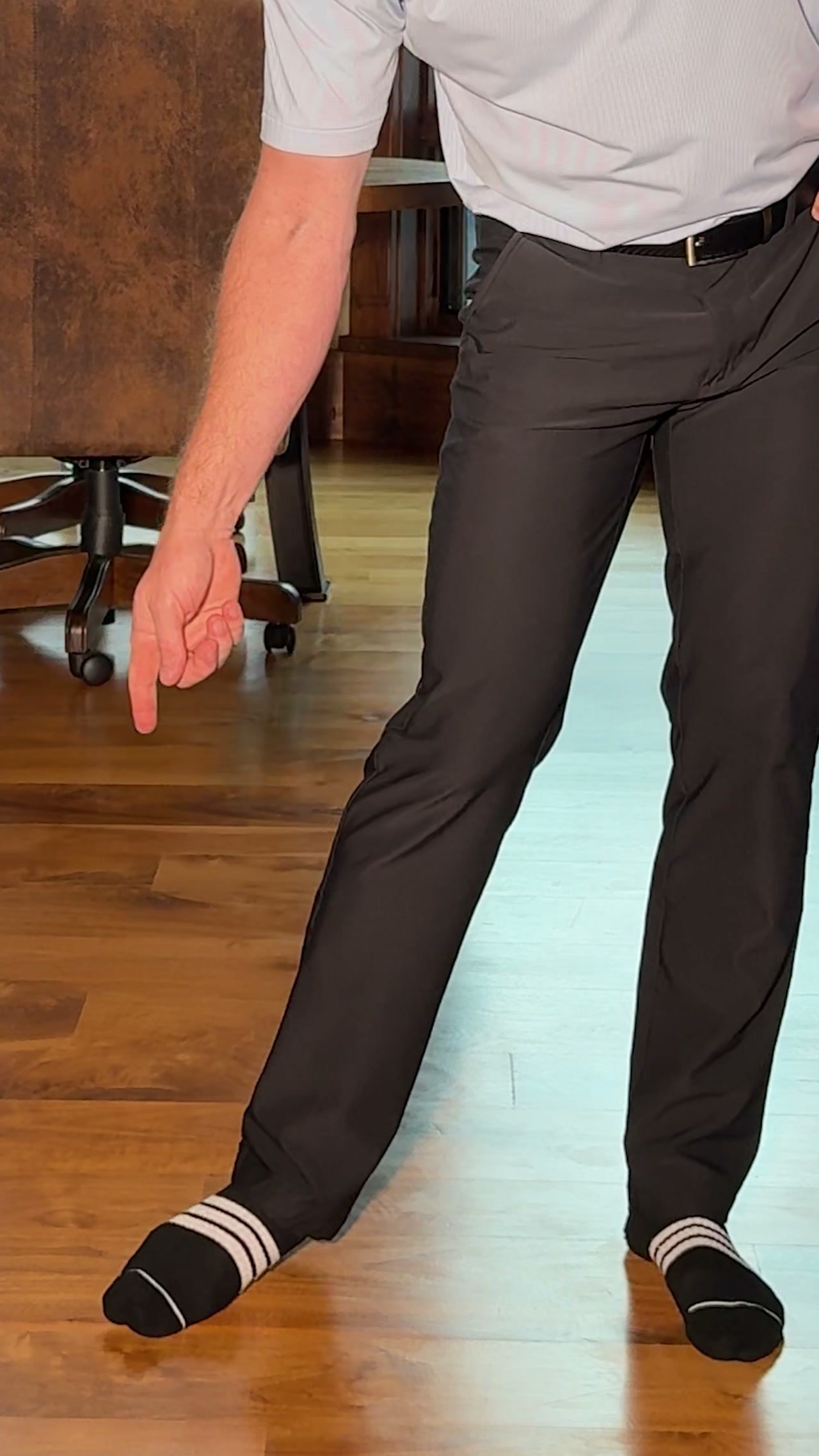
You can go ahead and start out extreme. Get 100% of your weight on the lead leg, just like in the One Legged Drill. All your weight is on the lead foot, with the trail foot just touching down for balance.

With all your weight on the left, you can't go much farther than this.
That will inhibit how much you can turn. It's very simple. Biomechanically, when you have all your weight on the lead side, your muscles can't stretch far enough to over swing to the trail side.
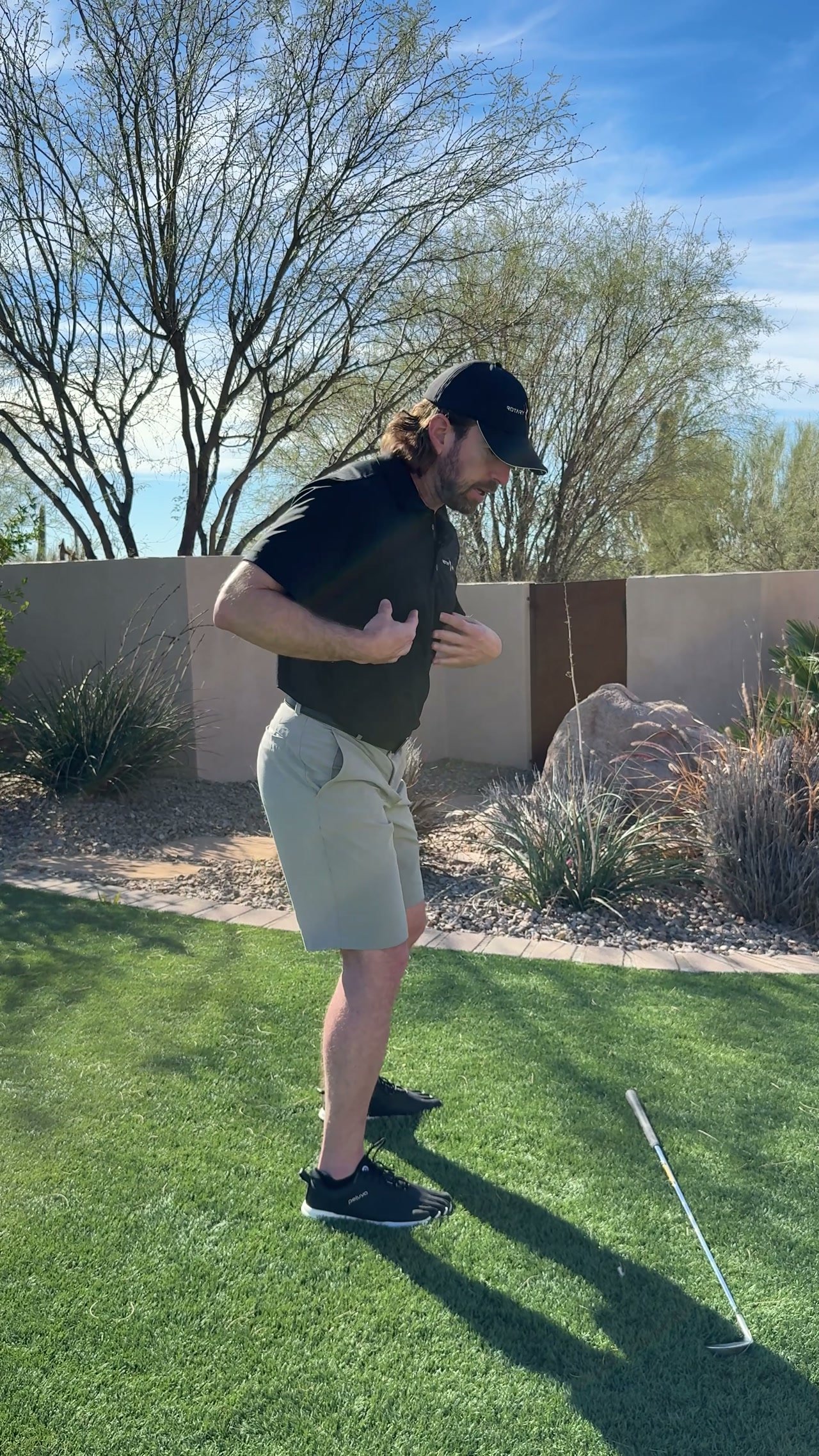
If you struggle with a really long backswing, it's probably because you're letting your to the outside of your trail foot. Your head is probably moving off the target, which encourages your weight to move to the trail side.
When your weight shift gets off to the trail side, it's really easy to make a massive turn and get really long and loose at the top, and that's what you don't want.
Getting a more compact backswing feeling is as simple as putting as much weight as you comfortably can on your lead foot at address. Start by putting all your weight up there. You can always back it down.
Put most or all of your weight on your lead foot and try to keep it there throughout the swing. Don't let it decrease, and don't necessarily increase it. Just keep it constant. The GOAT Drill system trains exactly this kind of weight distribution control through structured, rep-based practice.
It May Feel Very Different
If you struggle with a lot of lateral leg drive, a long, loose swing, and a big turn off the ball, you may even feel like you're actually putting more weight on your lead foot through the backswing.
You probably aren't, but it may feel like you're setting more weight on there as you take the club back.
That's exactly what you want to feel if you've become accustomed to making a weight shift off the ball, getting weight onto your trail side, and then trying to drive back through. This should feel very different.

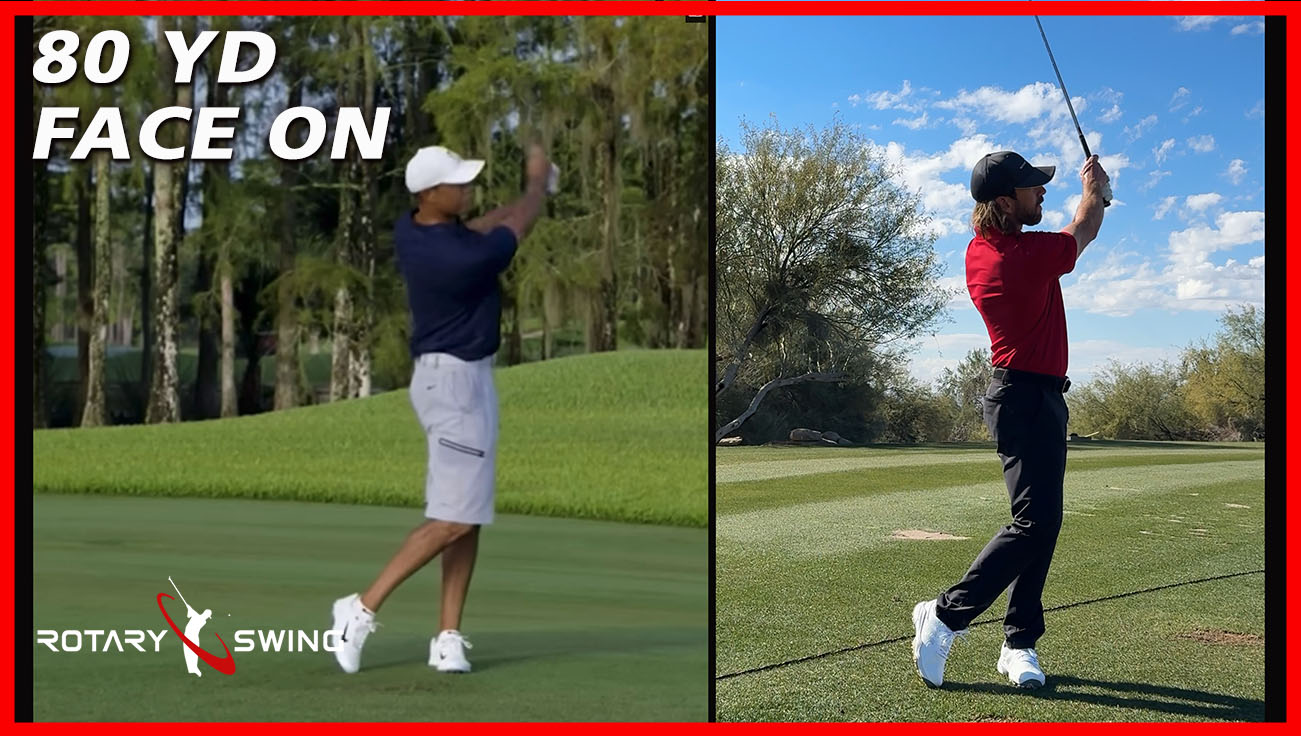
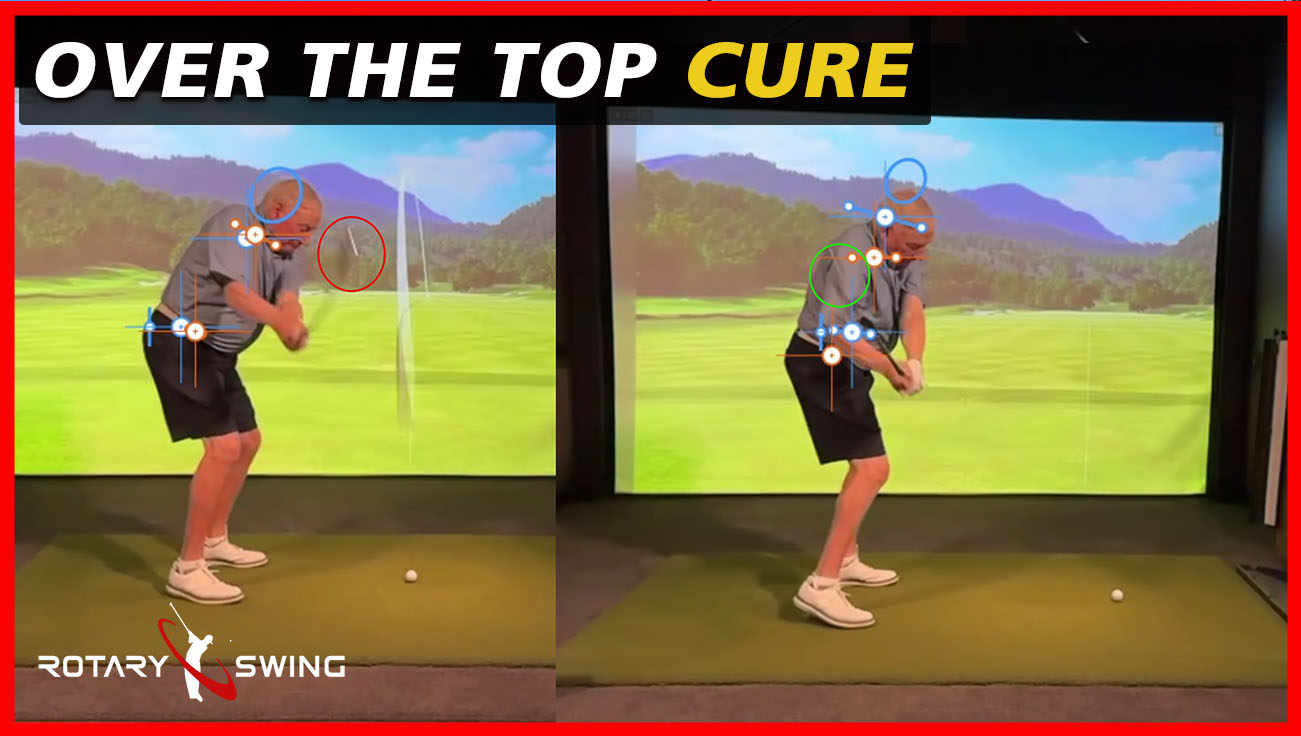
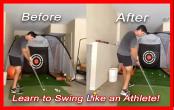
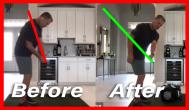
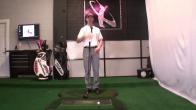
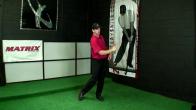
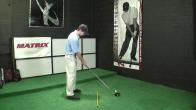
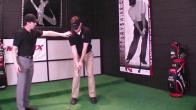
Getting all the weight on your left foot at setup (left) shortens the swing (right)
Again, start out with 100% of your weight on your lead foot. As you get more comfortable with it, you can back it down.
A lot of golfers actually like to keep all the weight on the lead side, and that's just fine. Get more weight on your lead foot, shorten up your swing and get through the ball. That's great.
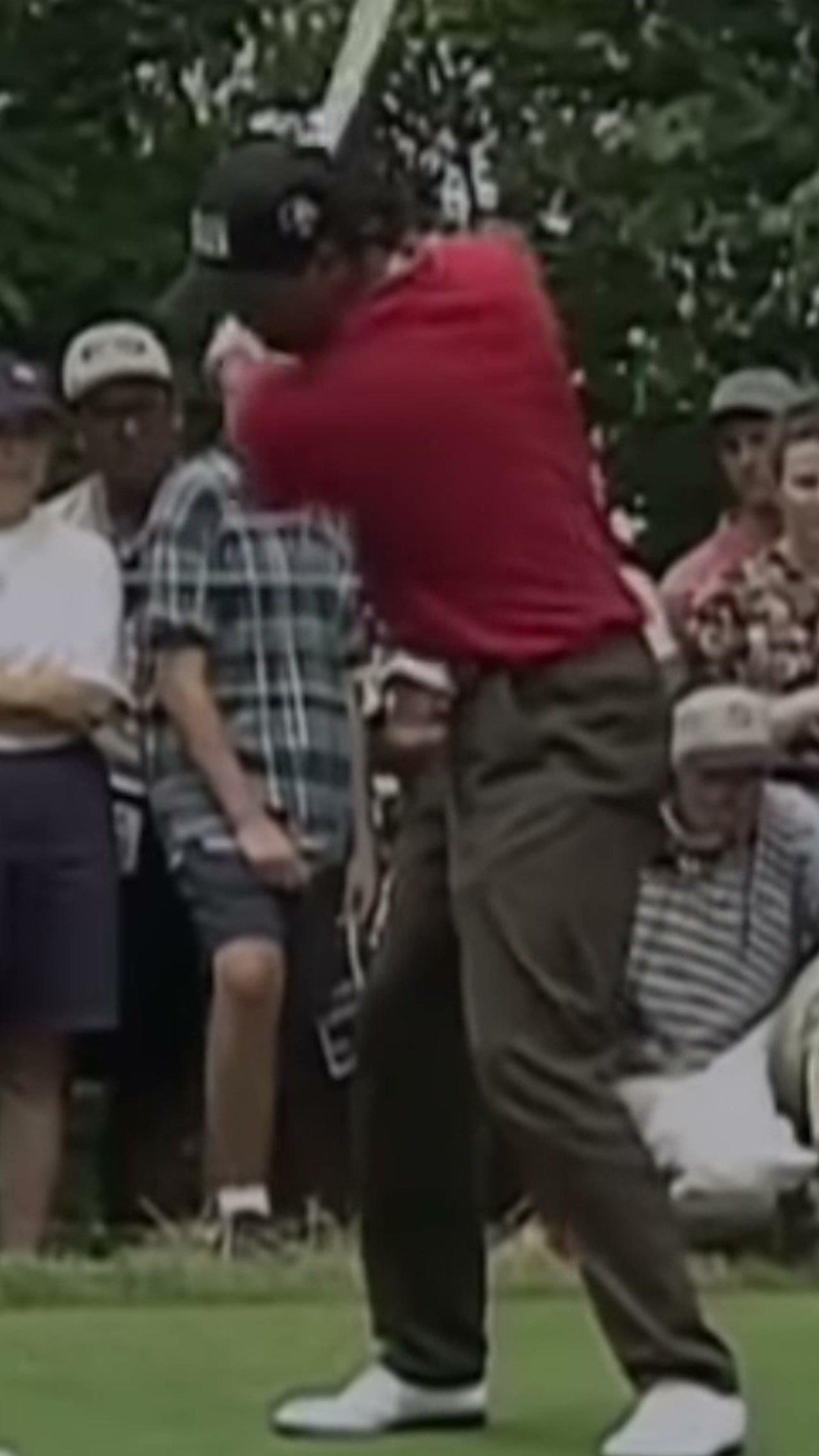
Weight shift is a very dynamic part of the golf swing mechanics. If you have trouble getting your weight onto your lead foot on the downswing transition, this drill will help a lot. Keep your weight on the lead side and get better rotation through the ball — elite players consistently demonstrate this pattern of maintaining lead-side stability throughout the backswing.
Frequently Asked Questions
How can I control the length of my backswing effectively?
To control the length of your backswing, focus on shifting your weight onto your lead foot at address. By putting more weight on your lead leg, you limit how far you can turn, which helps prevent overswinging. This technique not only promotes a more compact swing but also encourages better balance throughout your swing.
What is the importance of weight distribution in my golf swing?
Weight distribution is crucial in achieving a compact and effective backswing. When you place your weight on your lead foot, it helps inhibit excessive movement to the trail side, which can lead to a long and loose swing. Maintaining a consistent weight on your lead foot throughout the swing enhances stability and promotes better rotation through the ball.
Why does my backswing feel longer than it actually is?
Many golfers perceive their backswing as longer than it is due to improper weight shifting. If your weight shifts to your trail foot, it encourages a larger turn, making the backswing feel excessive. By consciously keeping your weight on your lead foot, you can create a feeling of a shorter, more controlled backswing.
What drills can help me shorten my backswing?
One effective drill to shorten your backswing is the One Legged Drill, where you start with all your weight on your lead foot. This position limits your ability to overswing and encourages a more compact turn. Practicing this drill consistently will help you develop a better sense of weight distribution and improve your overall swing mechanics.
Watch part 2 now to see how you're moving your body in the opposite direction of the pros!