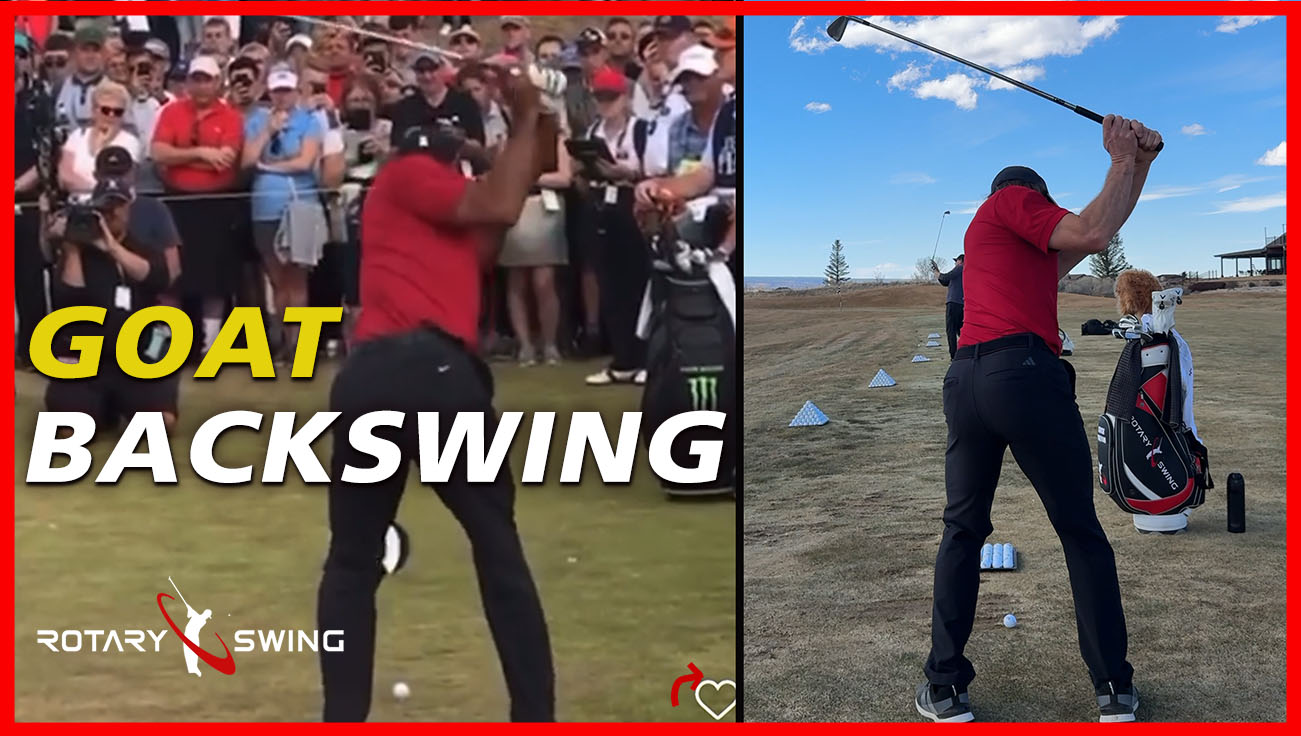
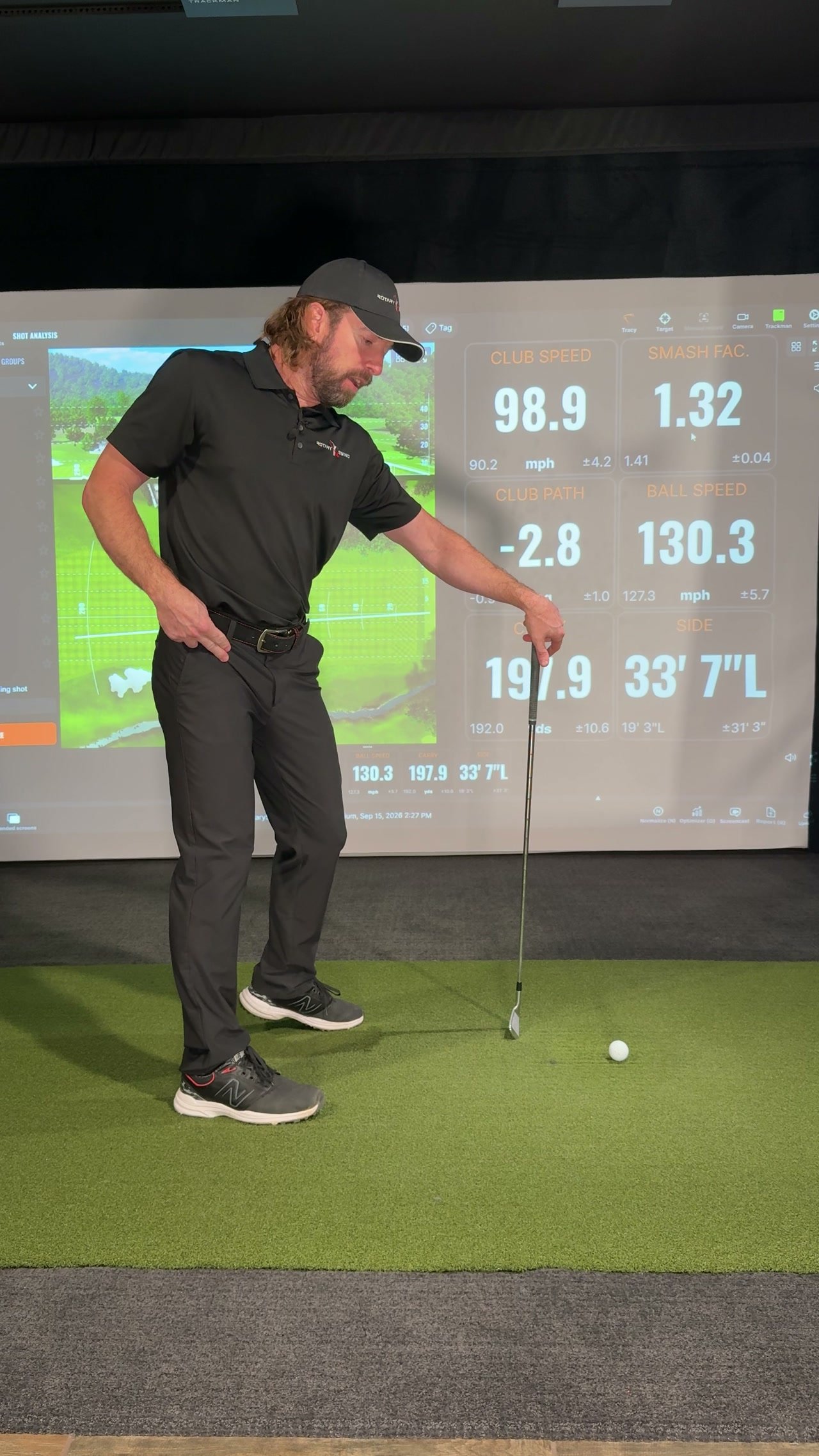
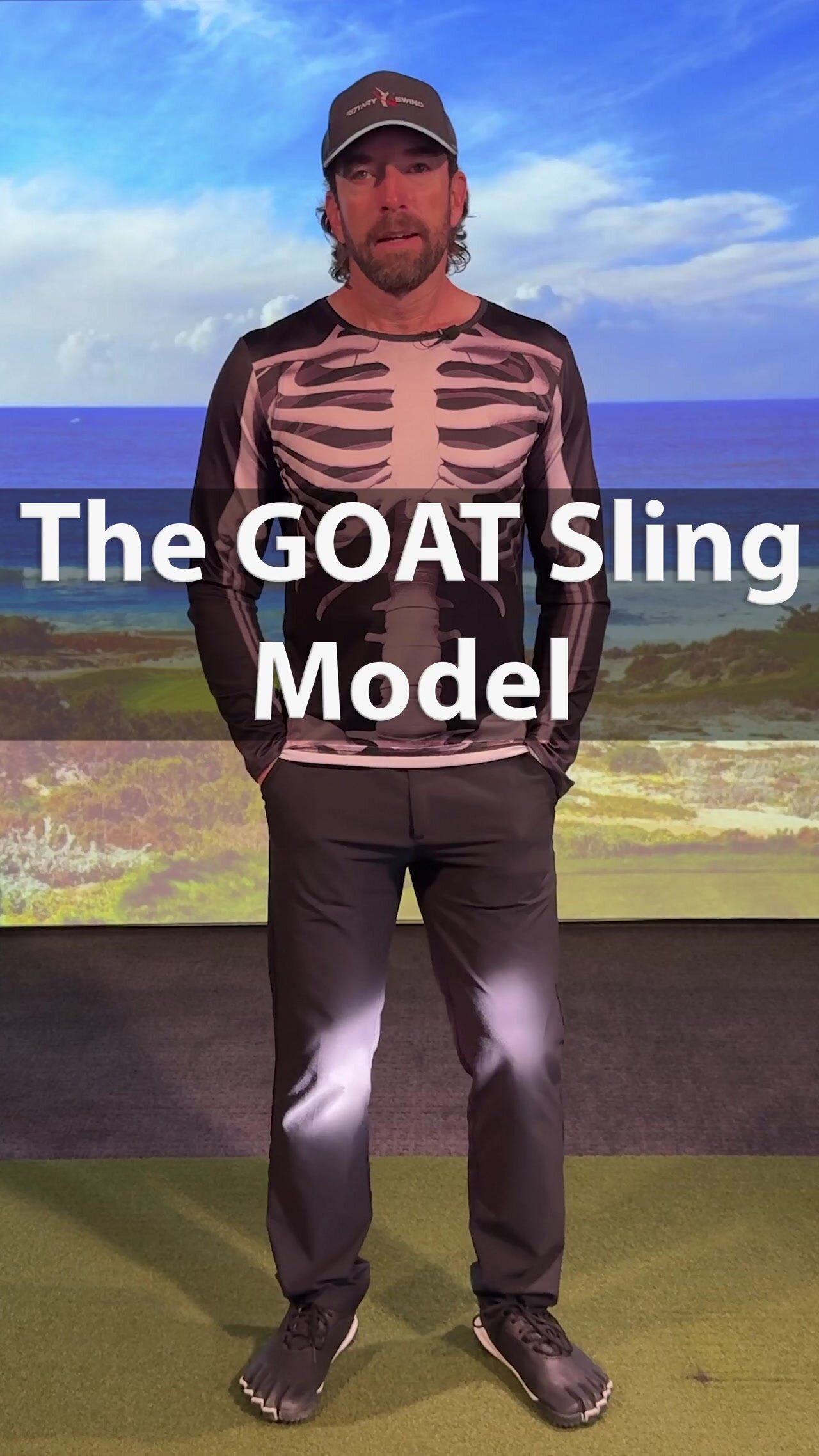
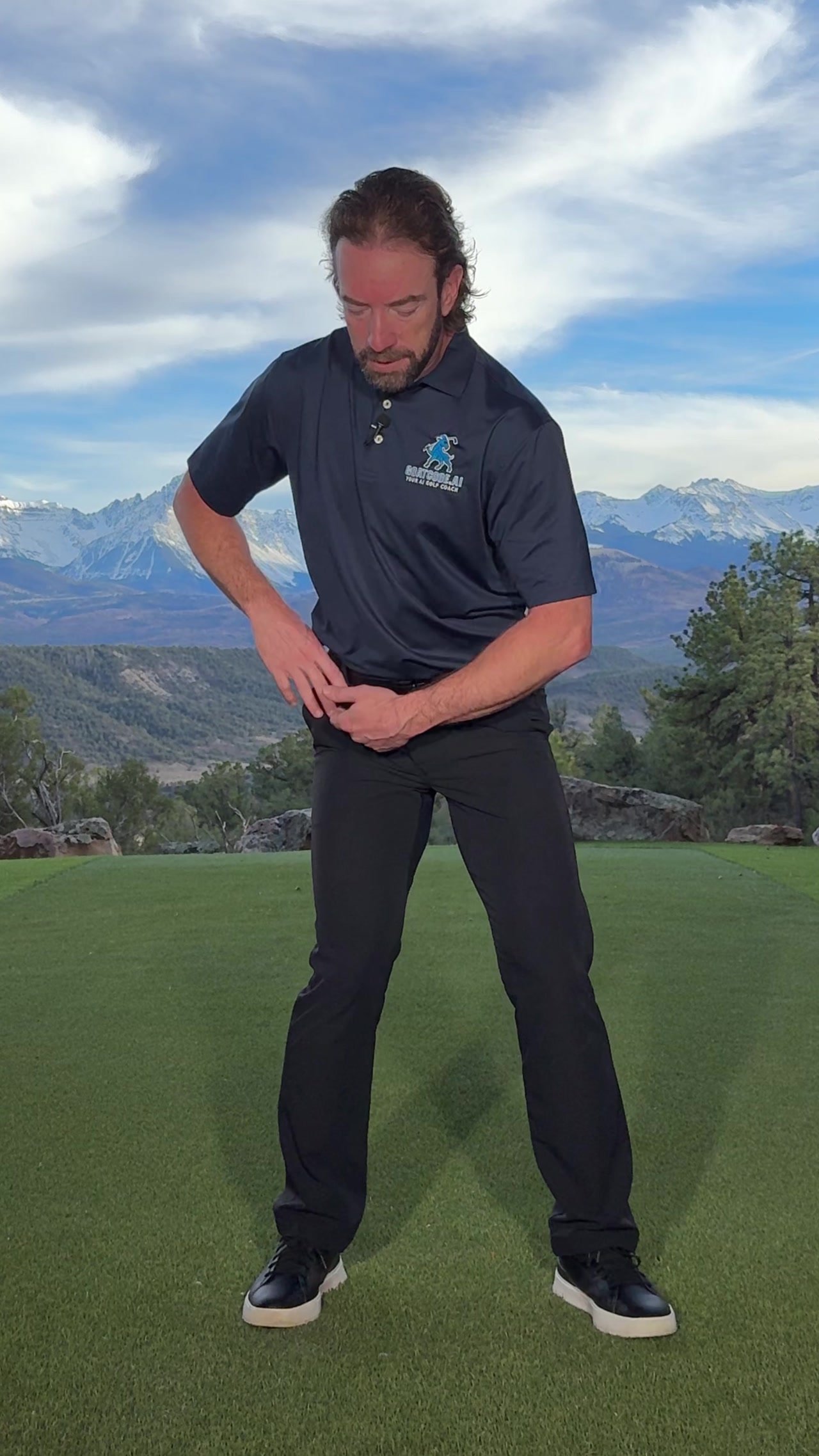
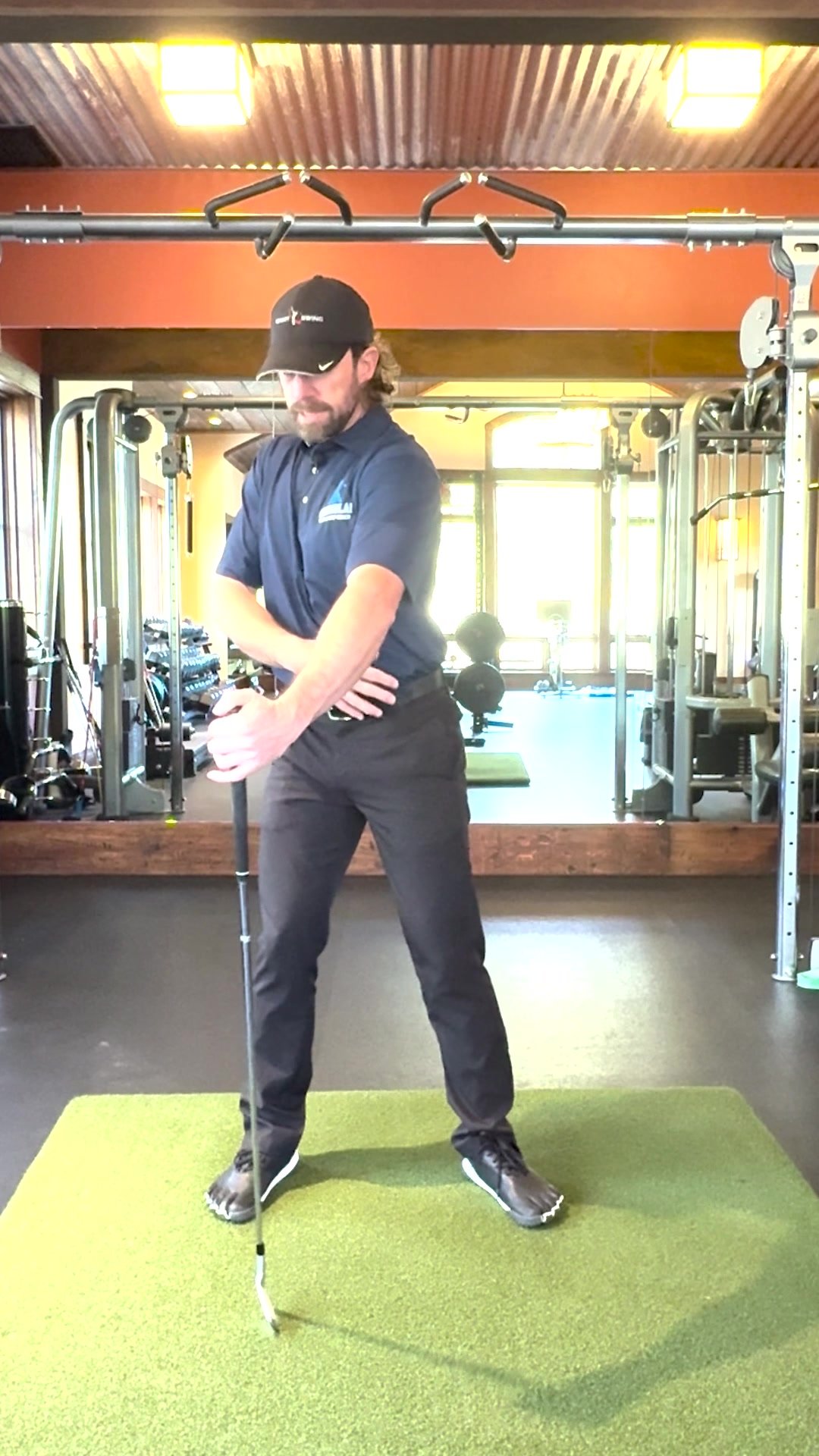
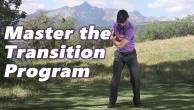
One of the most common questions I hear almost every week is "what starts the golf swing?" Without fail, the golfer is trying to find something specific on what to move first or a swing thought to start the swing back "correctly." When I hear a question like this, it generally sets off an alarm in my head letting me know this person is trying to be too "perfect" and mechanical with their swing.
One of the most important keys to building a repeatable golf swing is making it as athletic and natural as possible — and that's why I always provide the same answer to this question. Everything starts the club back: everything in the sense that you want all your muscles working together without any one piece taking over the other.
Is this the fault costing you strokes?
Film one swing on your phone. In about a minute GOATY measures it and names the single biggest thing costing you strokes — free, no card.
Analyze My Swing Free
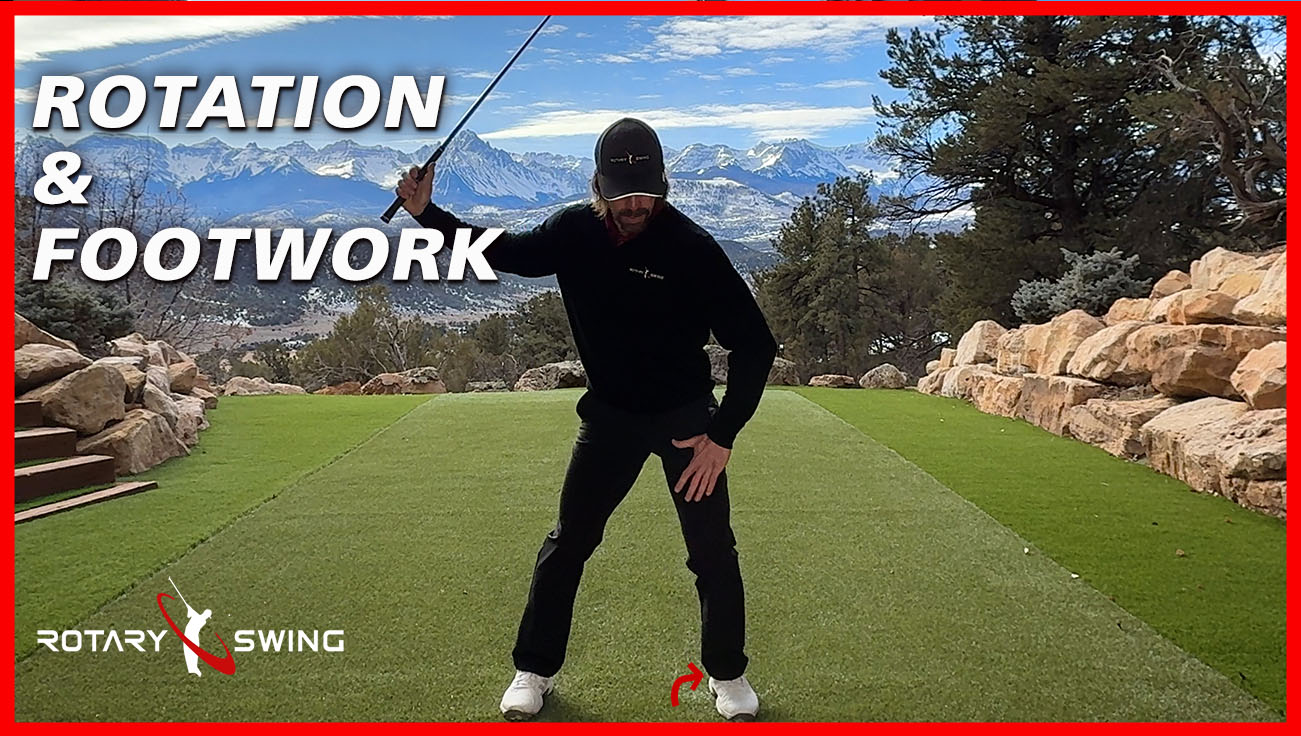
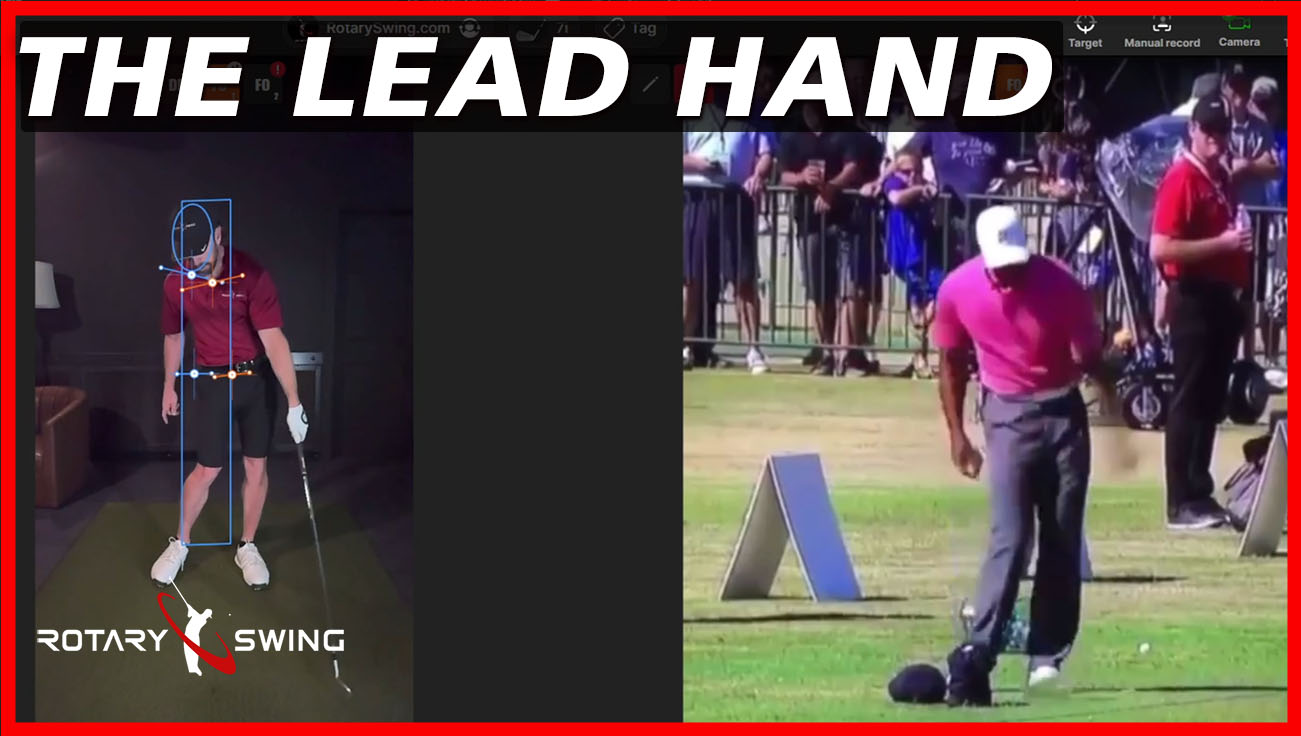
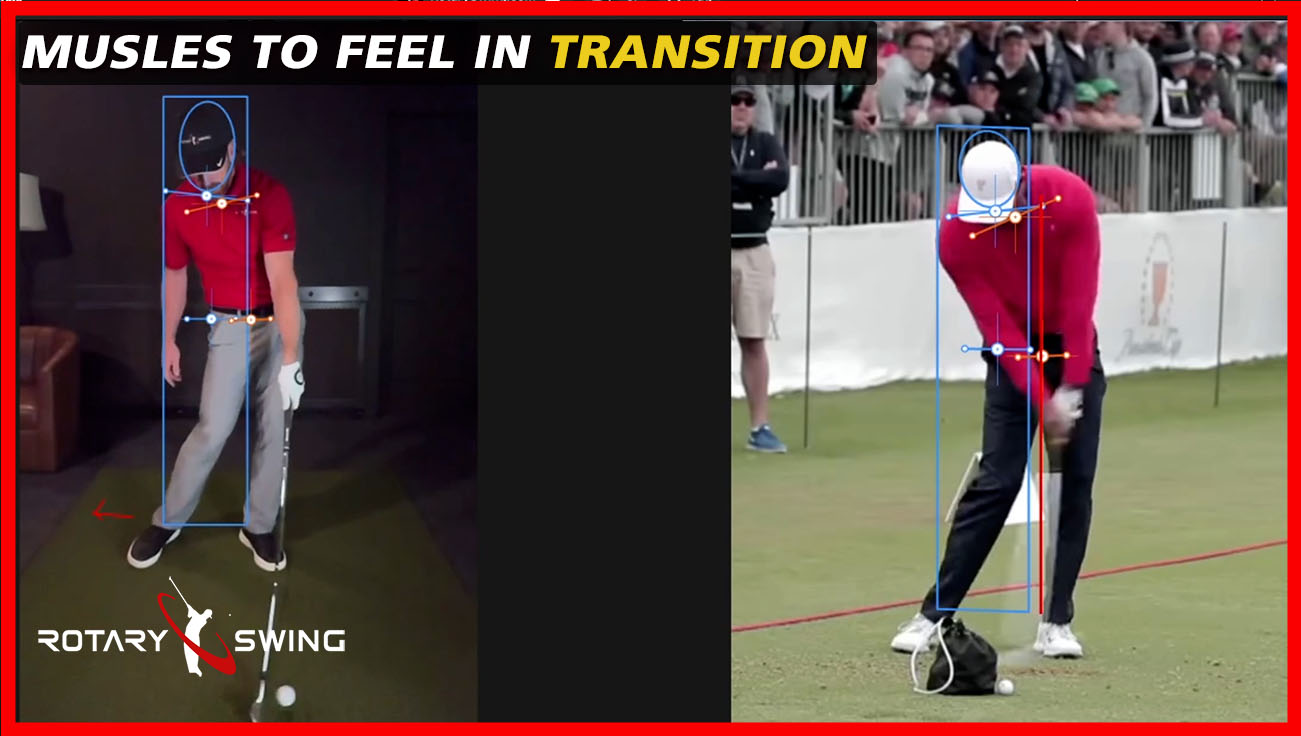
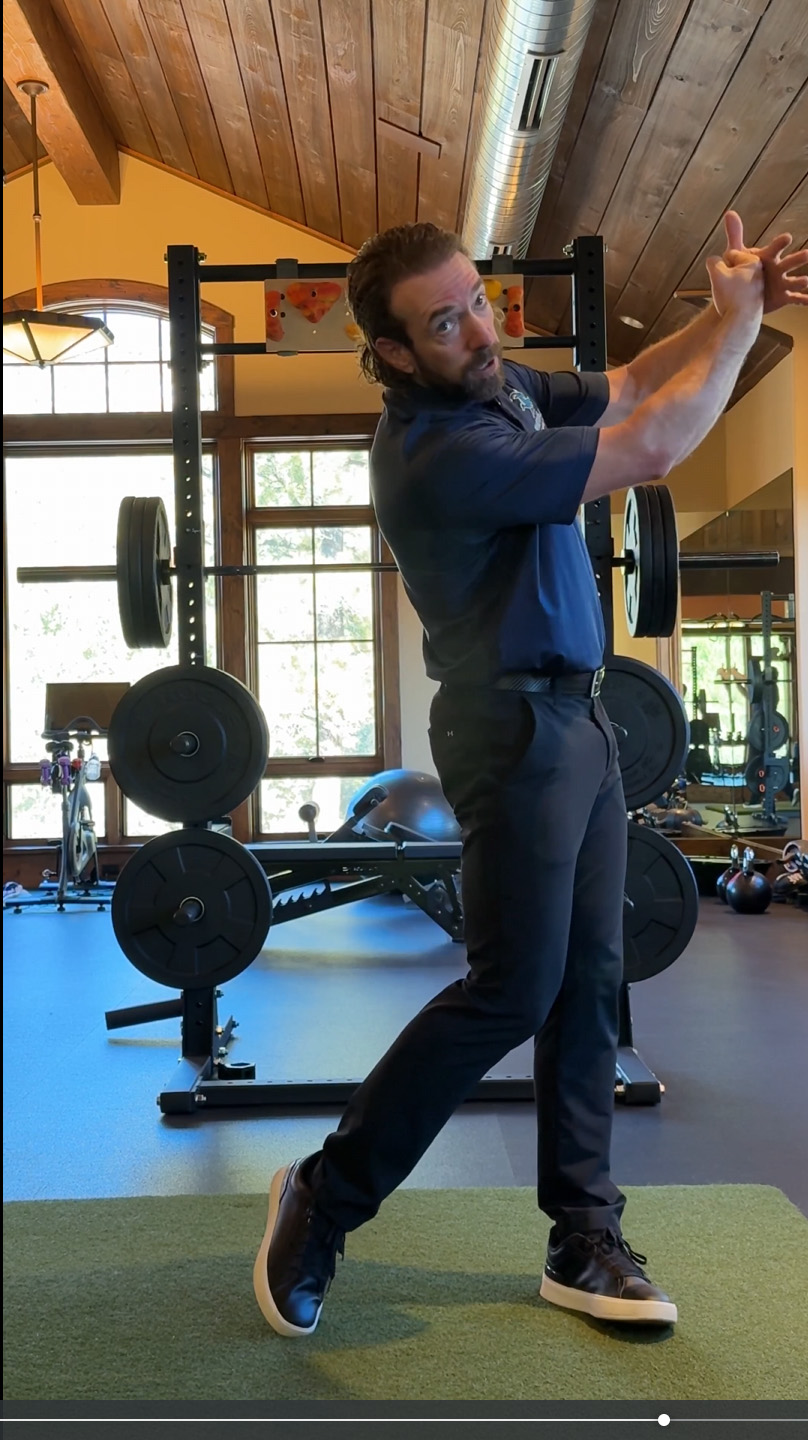
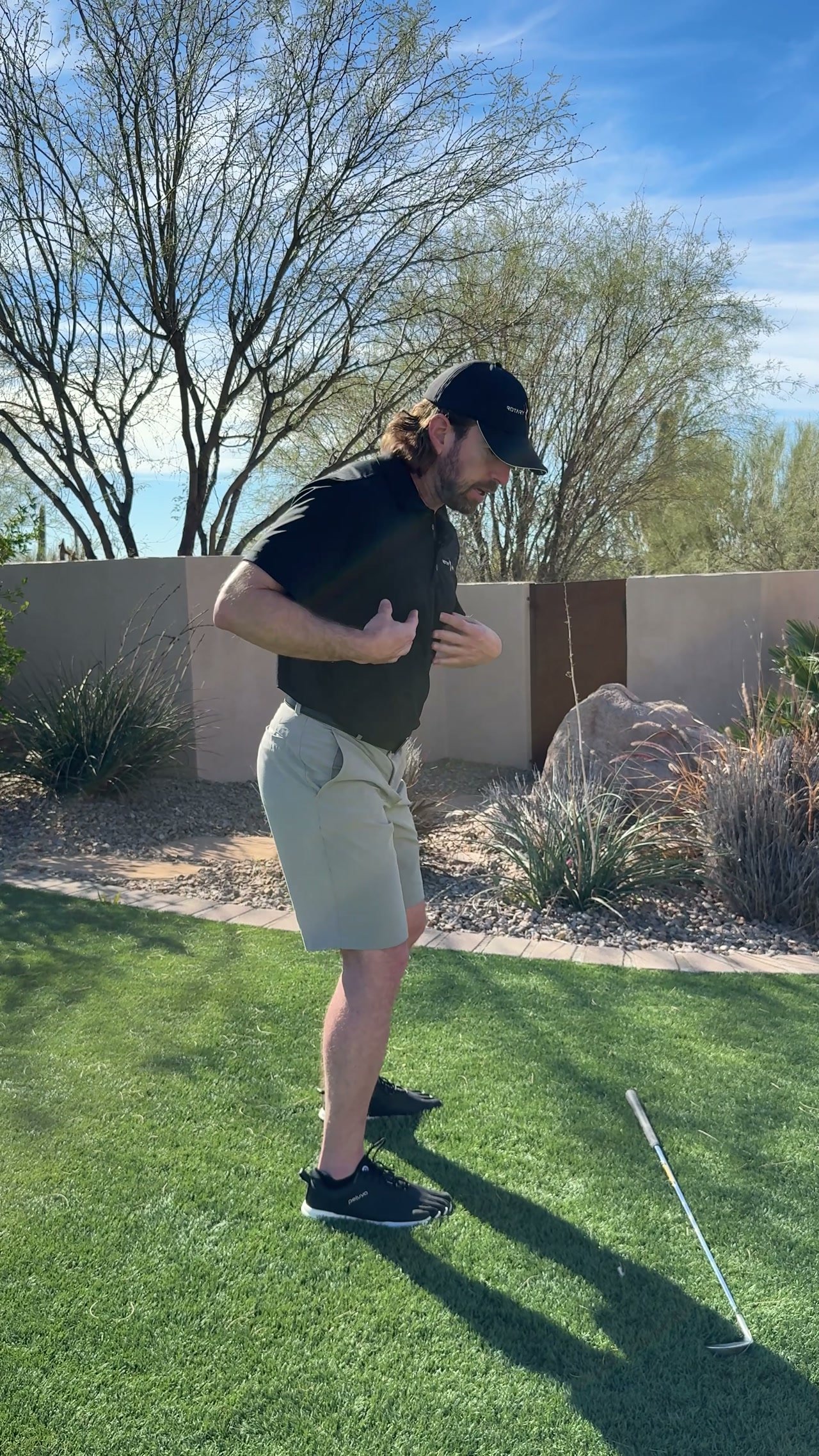
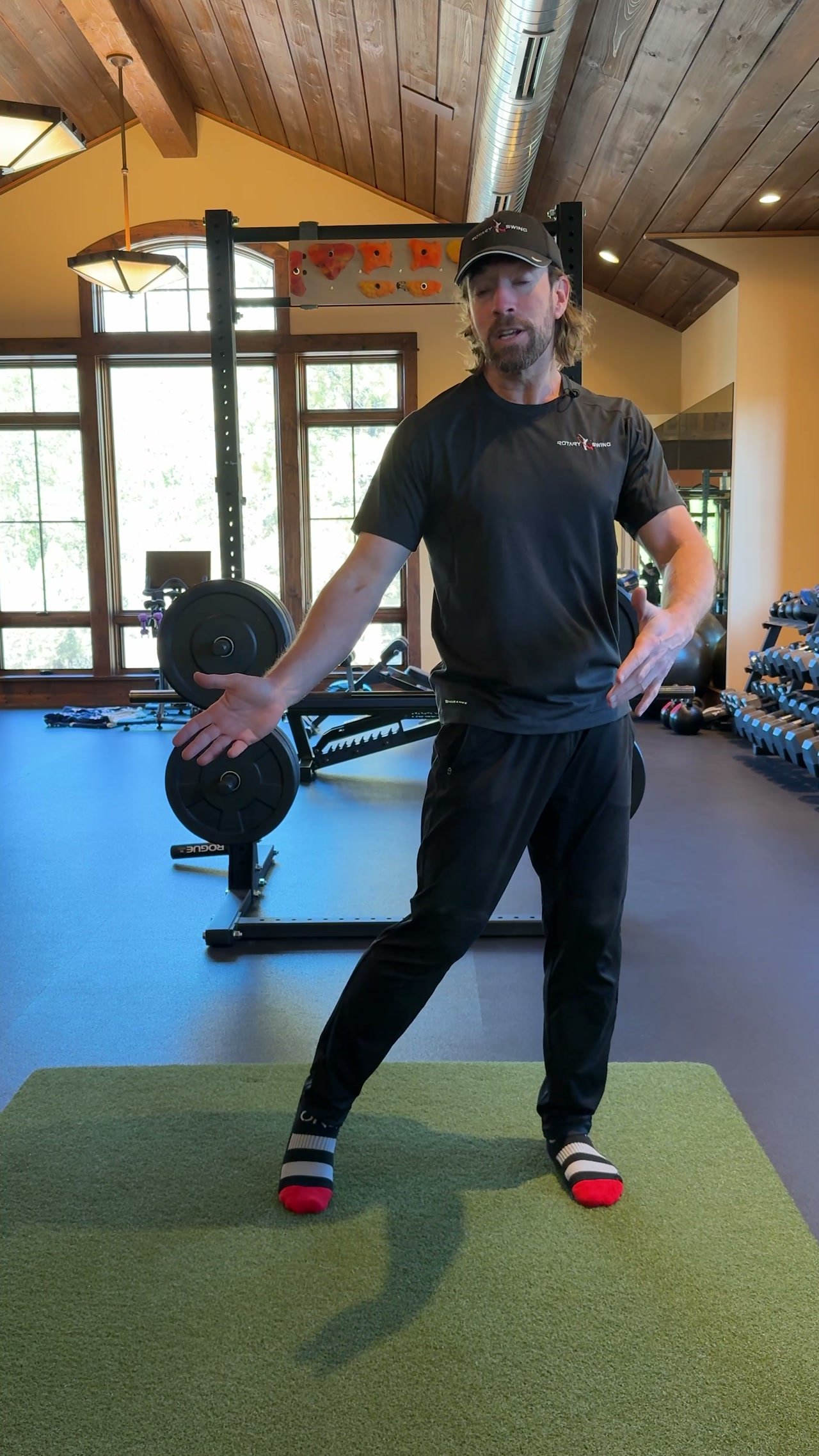
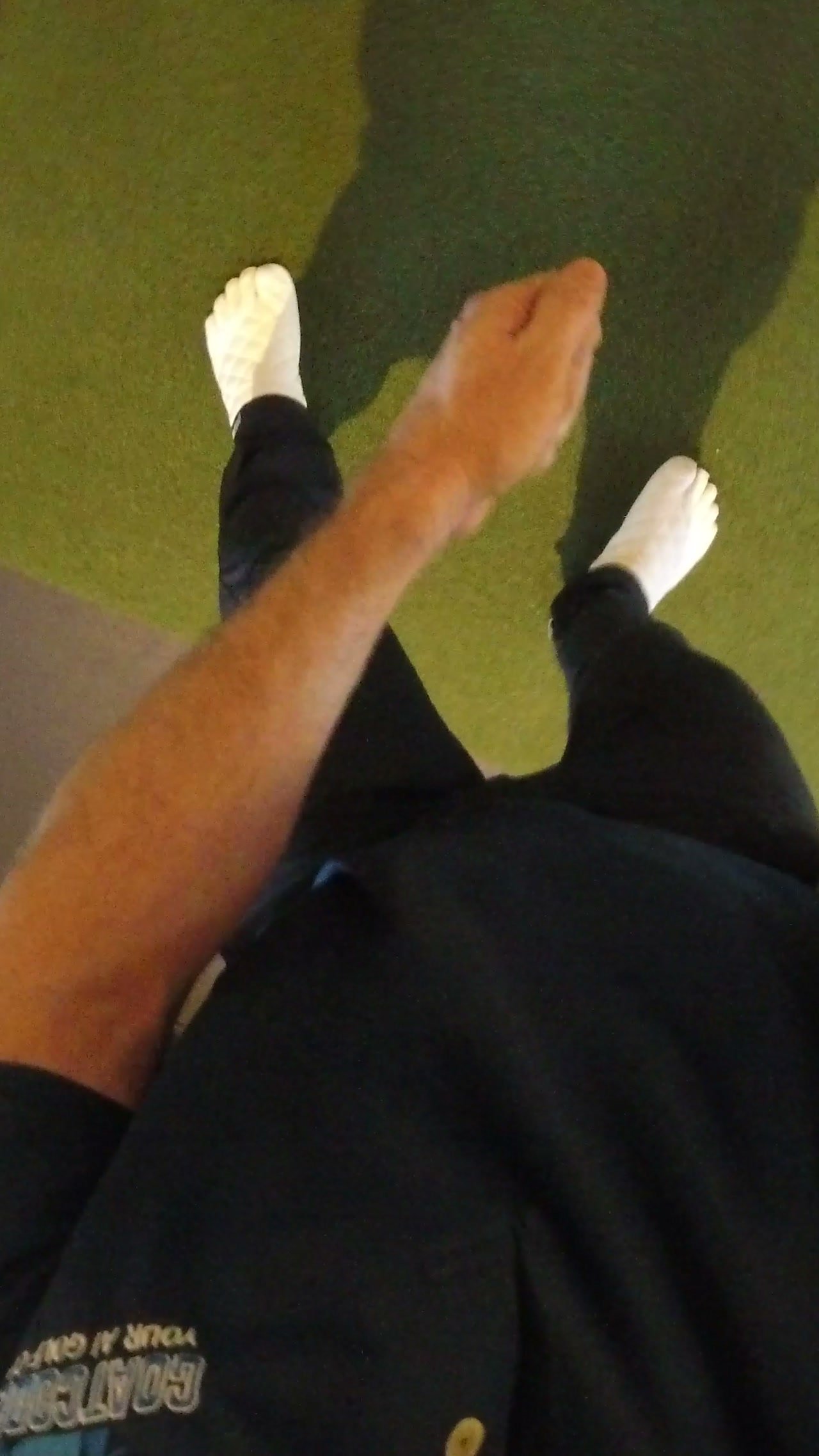
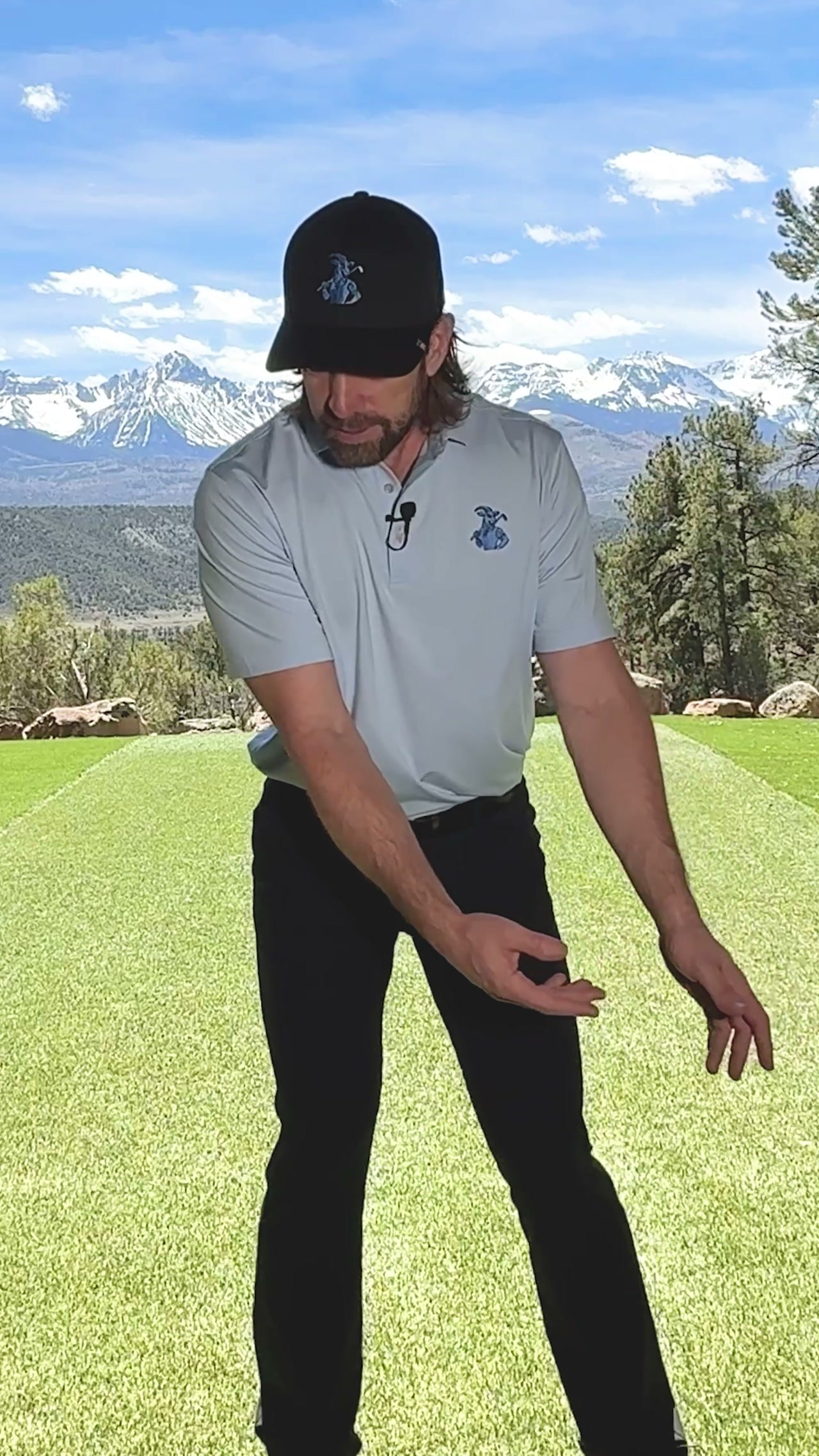
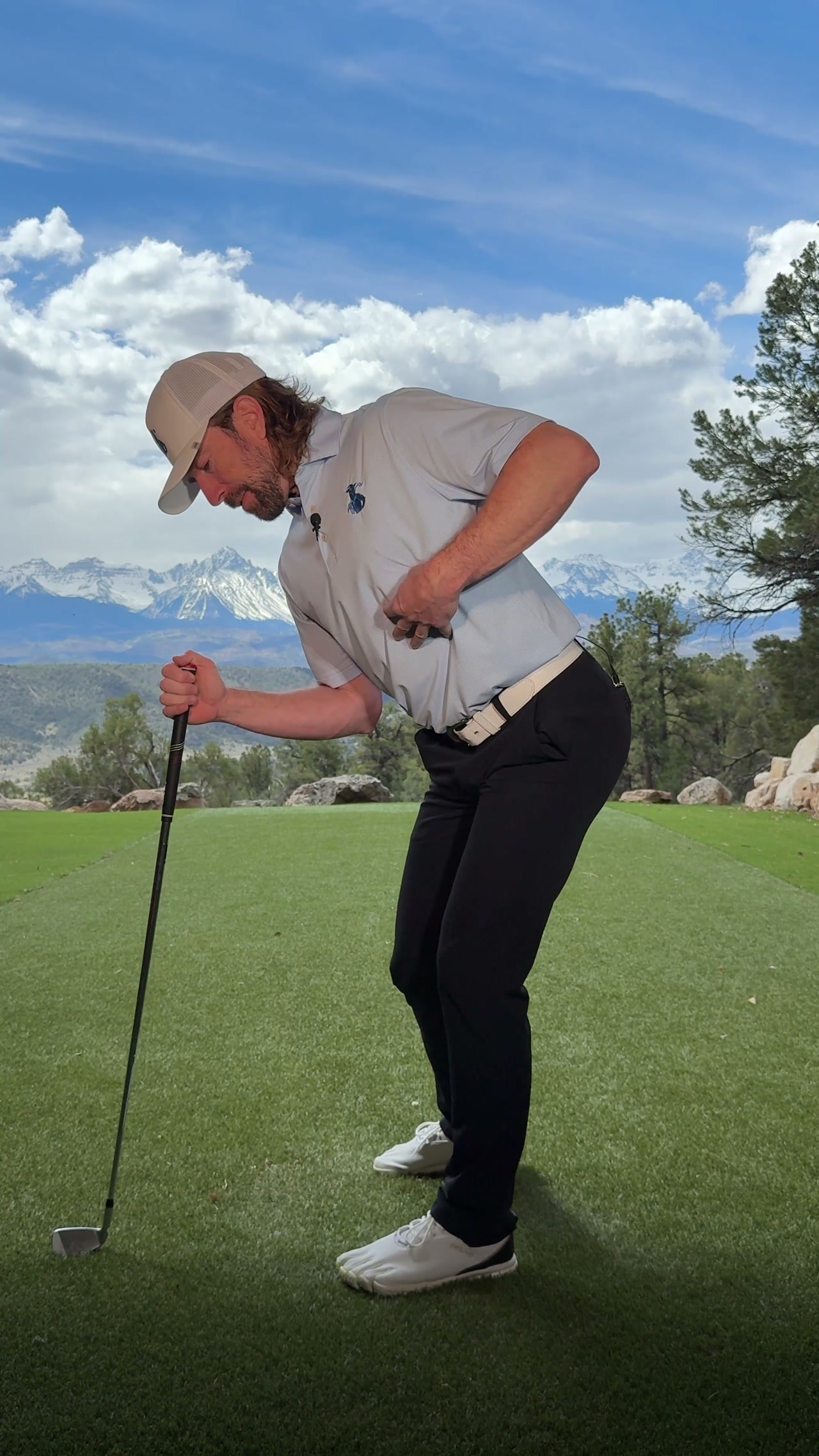
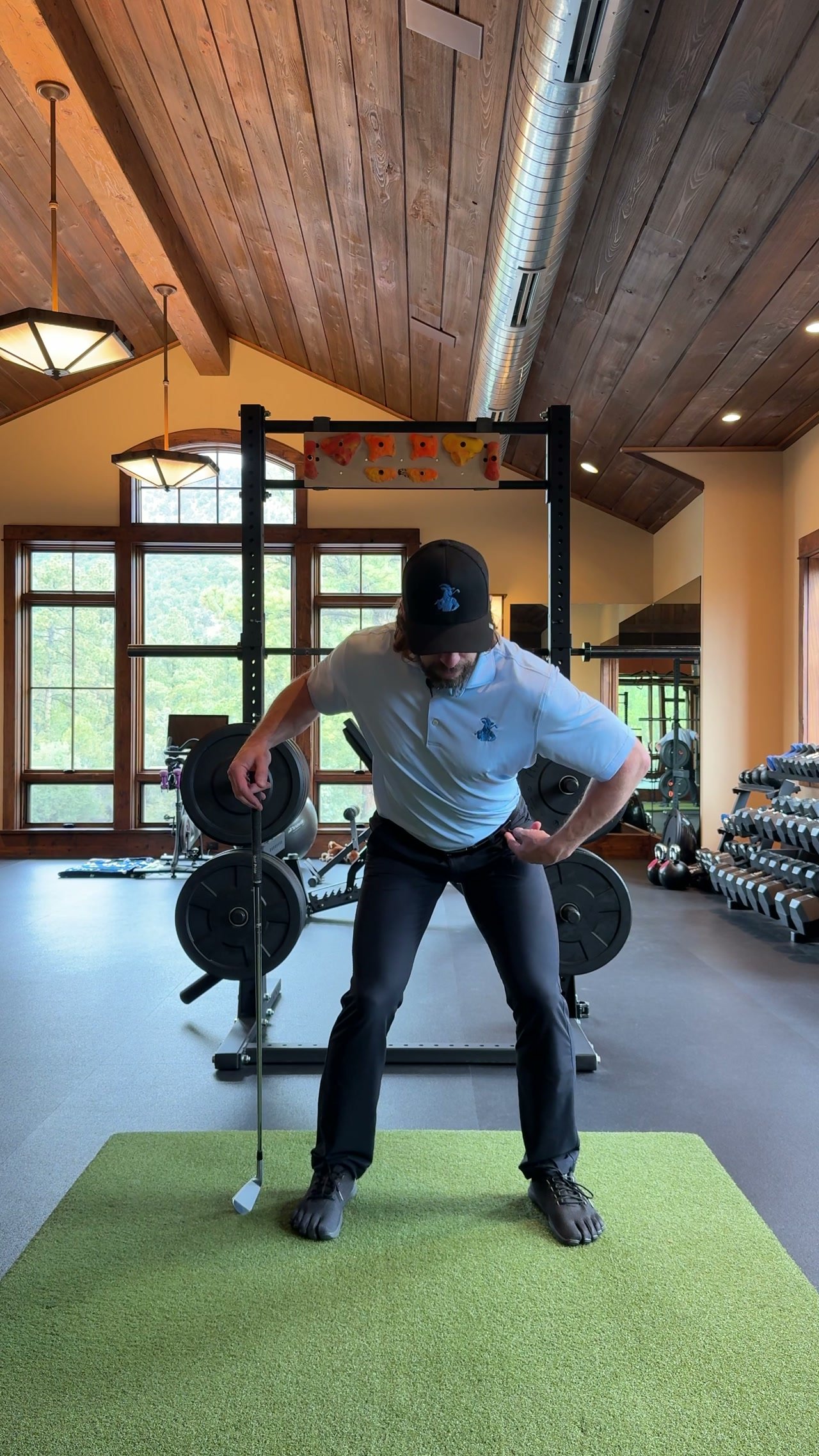
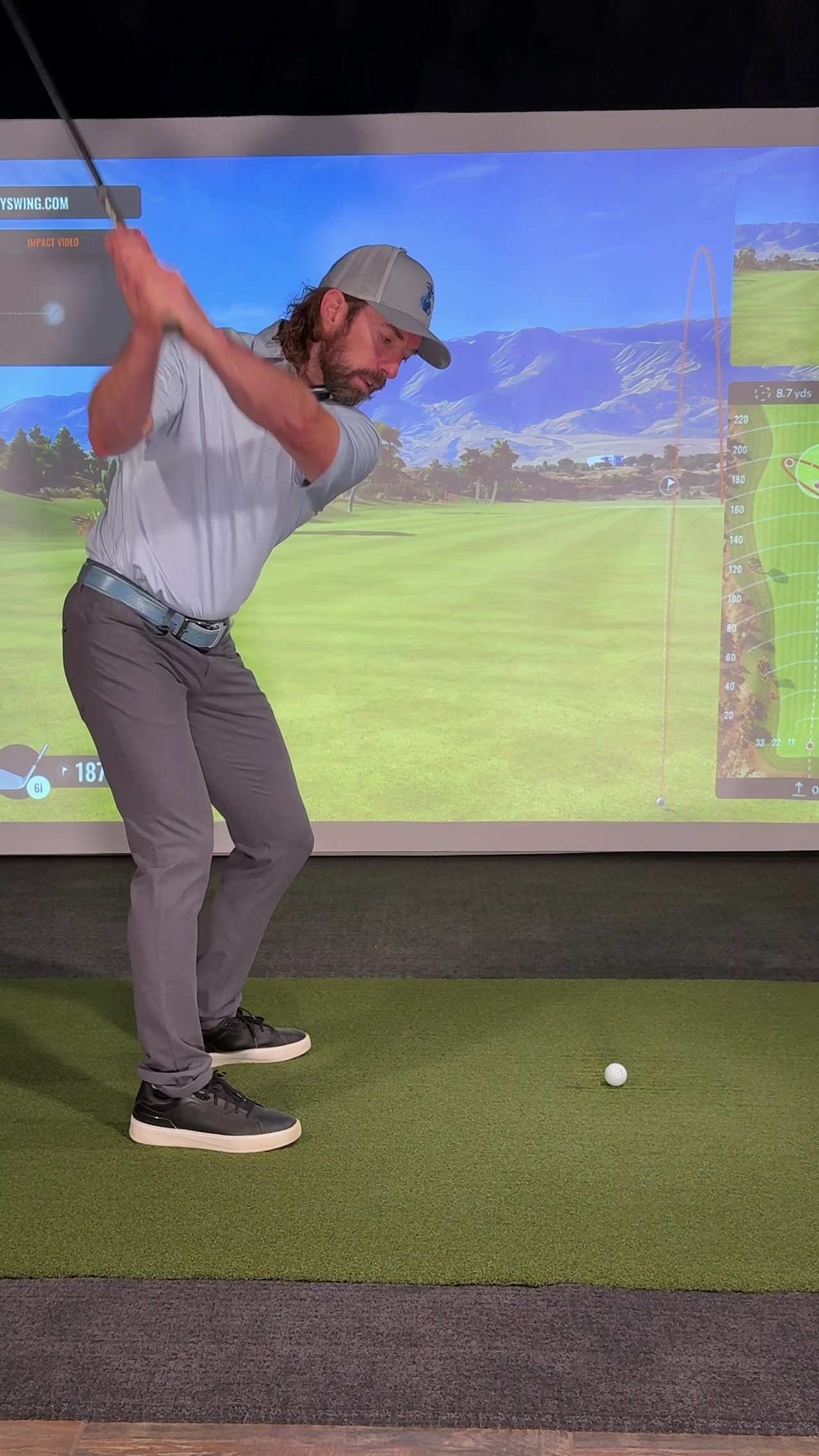
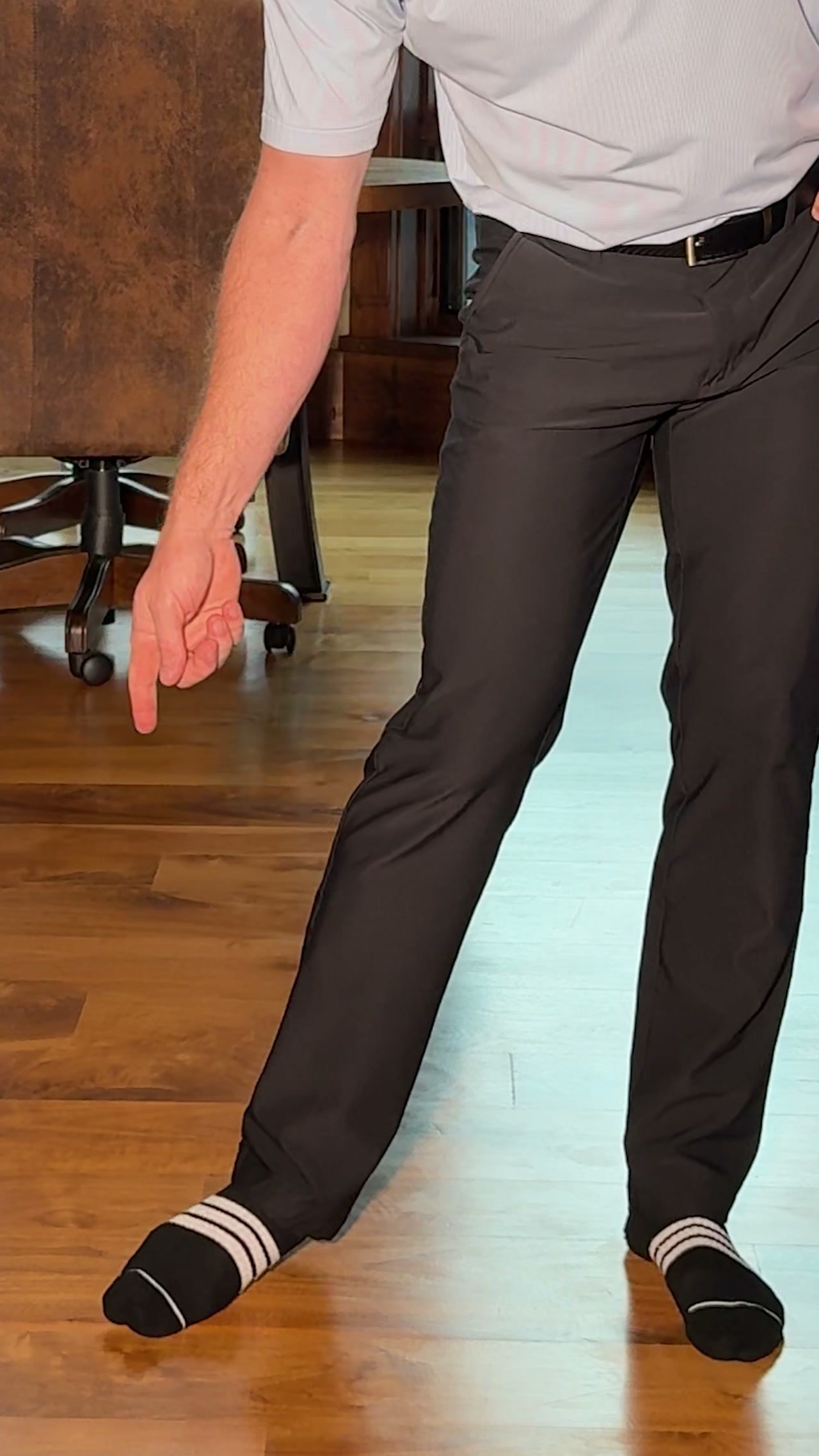
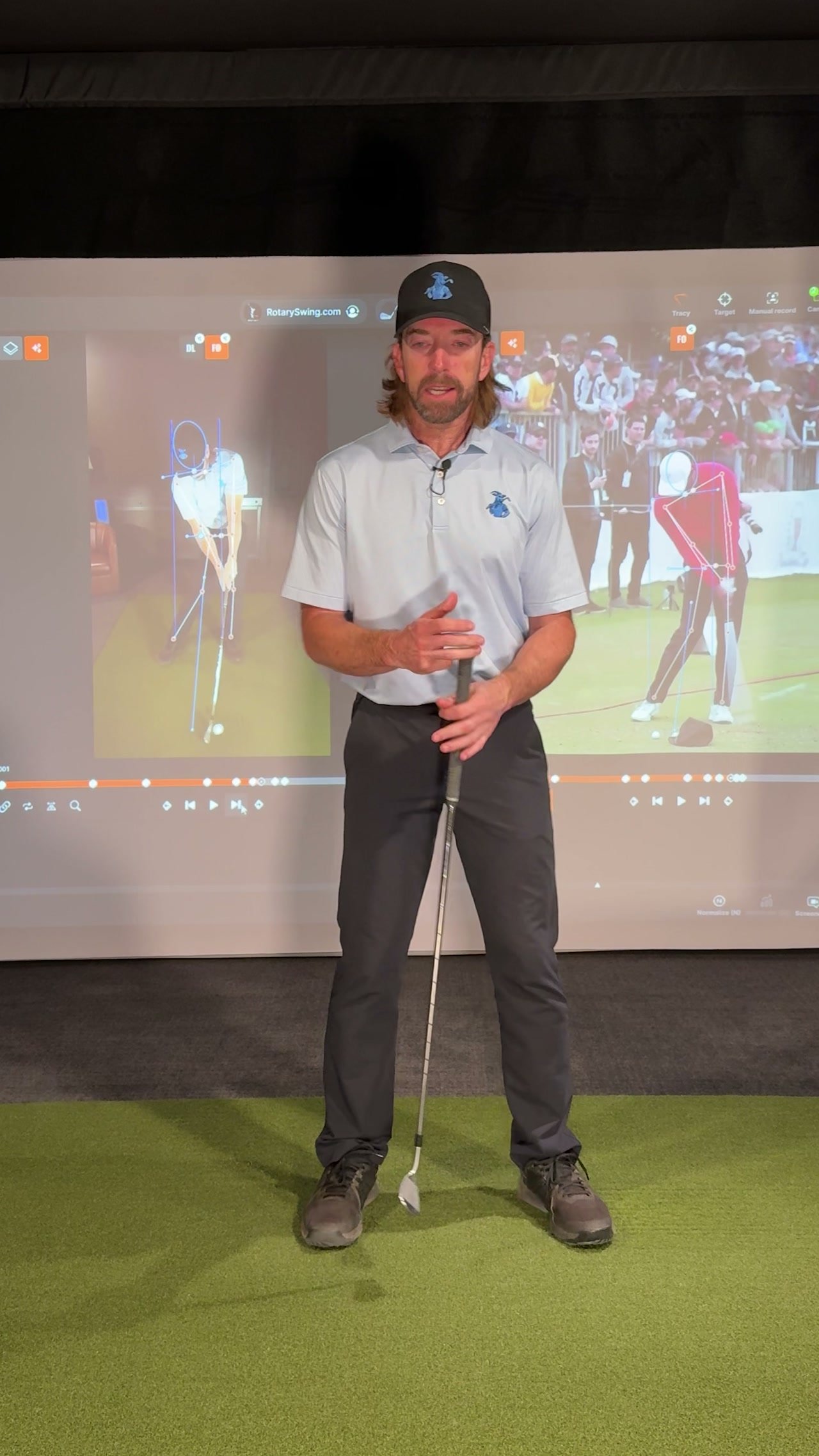
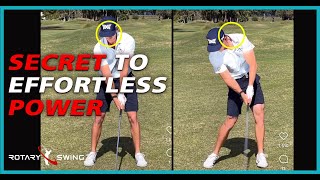
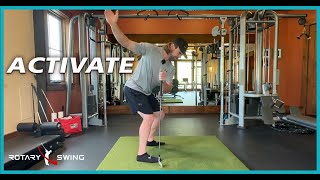
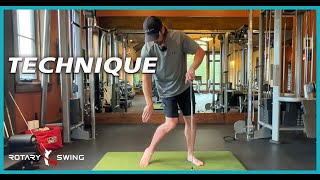
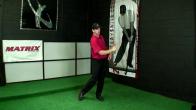
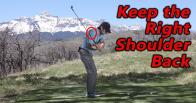
That's why I emphasize what I call a "bump start" to get the swing under way. This simple little move goes a long way to freeing up unnecessary tension in the golf swing and helps improve swing rhythm.
Try a free live lesson with GOATY
GOATY, my AI golf coach, watches your swing through your phone camera and coaches every rep. Free, about 20 minutes, no credit card.
Android users: Download GOATY on Google Play — free AI golf coaching on your Android phone. →
The golf swing is a very athletic and dynamic movement that requires the coordination of almost every muscle in the body. When you watch elite players begin their motion, there's rarely a forced or mechanical trigger — instead, everything flows from a state of athletic readiness. Trying to get all these muscles to fire in the proper swing sequence when the body is filled with tension is almost impossible, as the AI swing analyzer consistently confirms when evaluating golfers who overthink their takeaway.
Stop reading about it — feel it in your swing today
GOATY watches your swing live and coaches you between every rep. Free. No signup.
Start Your FREE Live Lesson →That is one of the biggest challenges in the golf swing. The fact that the ball is stationary and we are starting from a very static position makes this an even greater challenge. A small or micro-movement toward the target — using your lead side as the initiating force — can break that static tension before the club ever starts moving.
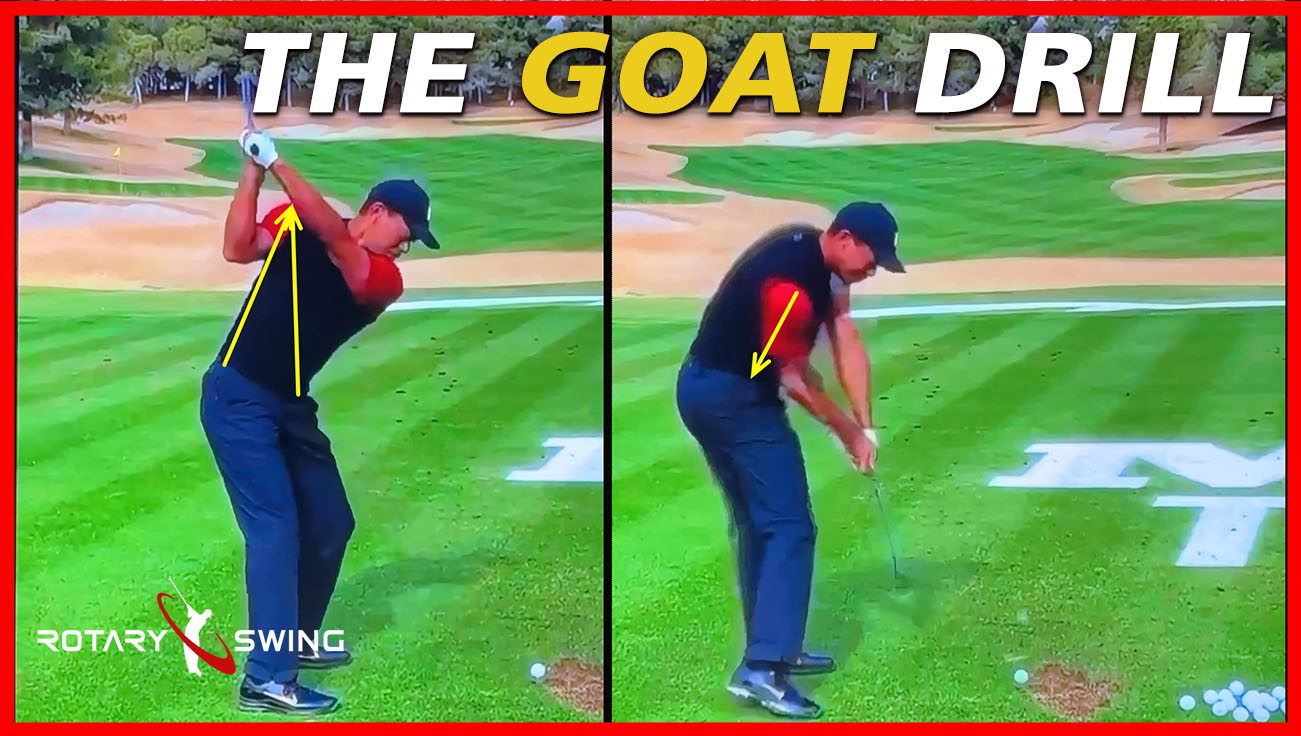
But, by incorporating a bump start into your golf swing you will begin to free up your tension, both mental and physical, and increase your likelihood of making solid contact more often. Pairing this pre-swing trigger with a structured practice routine like the GOAT Drill system will help you ingrain a smooth, tension-free motion that holds up under pressure.
How to Start Your Golf Swing
Learn how to initiate your golf swing with a natural, tension-free movement for better rhythm.
-
1
Adopt an Athletic Stance
Begin by standing in a balanced athletic position. Ensure your feet are shoulder-width apart, knees slightly bent, and your body relaxed. This stance prepares your muscles for a fluid movement.
-
2
Incorporate a Bump Start
Initiate your swing with a small weight shift towards your lead side. This bump start helps to release tension and sets the stage for a smooth takeaway. Focus on feeling this movement in your hips.
-
3
Engage Your Muscles Together
As you start the swing, ensure that all your muscles work in harmony. Avoid focusing on one specific part of your body; instead, let the movement flow naturally from your athletic stance.
-
4
Maintain a Relaxed Mindset
Keep your mind clear and avoid overthinking the mechanics of your swing. A relaxed mental state allows for a more natural and effective swing sequence.
-
5
Practice with a Structured Routine
Incorporate the bump start into your practice routine, such as the GOAT Drill system. This will help reinforce the tension-free motion and improve your swing consistency under pressure.
Watch part 2 now to see how you're moving your body in the opposite direction of the pros!