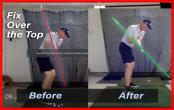
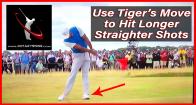
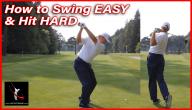
' golf swing has literally inspired millions of people who might never have otherwise picked up a golf club to fall in love with the game.
Over more than a decade on the PGA Tour, thousands of golf instructors attempted to teach their students to replicate Tiger's swing mechanics — typically with disappointing results.
Is this the fault costing you strokes?
Film one swing on your phone. In about a minute GOATY measures it and names the single biggest thing costing you strokes — free, no card.
Analyze My Swing Free
Related: Golf impact position — how AI scores yours →
Android users: Download GOATY on Google Play — free AI golf coaching on your Android phone. →
The ambition is completely understandable. Who wouldn't want to move like one of the greatest golfers in the history of the sport?
Stop reading about it — feel it in your swing today
GOATY watches your swing live and coaches you between every rep. Free. No signup.
Start Your FREE Live Lesson →The reality, however, is that building a fundamentally sound golf swing — any golf swing — requires dedicated, intelligent work. Yet even with countless hours on the range, most golfers have failed to create a swing that even remotely resembles what Tiger built. So how was I able to succeed where so many others couldn't?
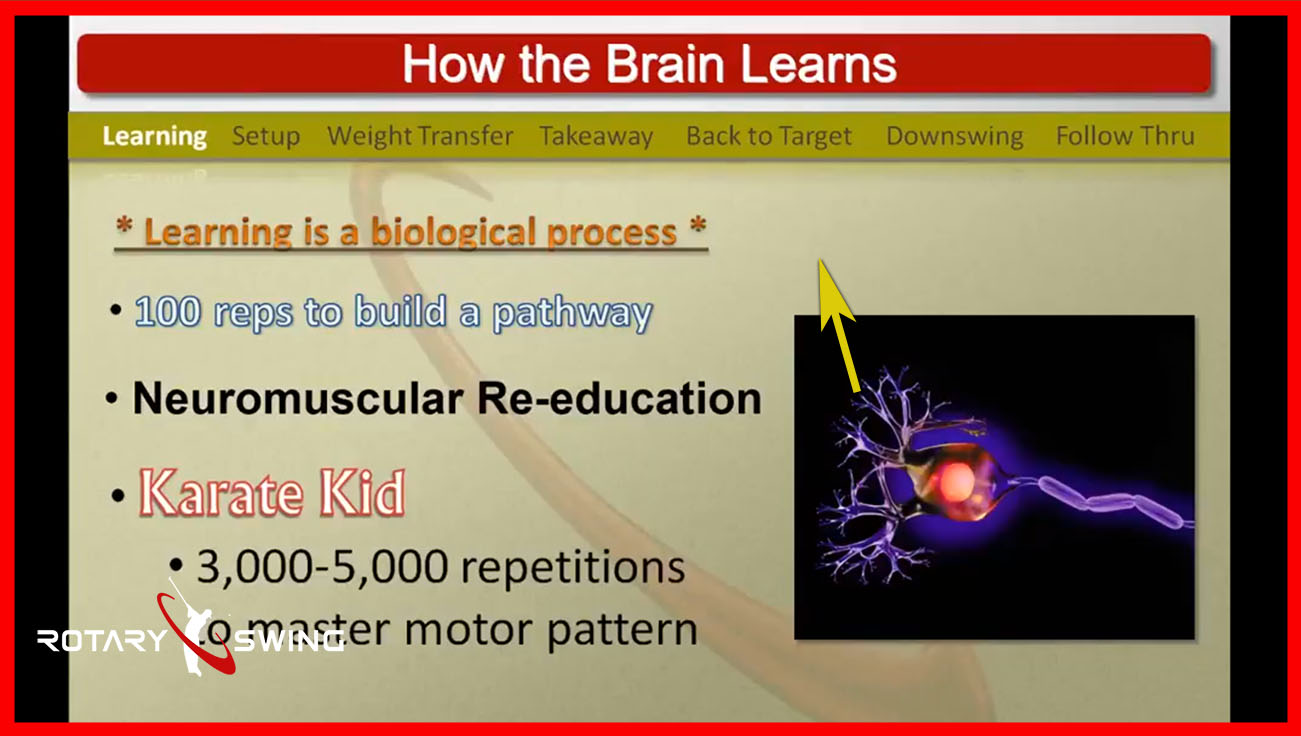
While I've invested literally thousands of hours studying the mechanics and physics behind what makes Tiger's swing so devastatingly effective, that knowledge alone is only half the equation. I've spent equally as much time understanding exactly how the brain learns new movement patterns.
At its core, the golf swing is simply a sequenced movement pattern that has been ingrained through focused repetition. Understanding the neuroscience of how the brain builds new motor pathways — and designing a learning system around those principles — is what allowed me to build the swing you see on this page. This research-driven approach led directly to the development of my training methodology: the Rotary Swing Tour (RST).
This transformation didn't happen overnight — that's simply not how motor learning works, and anyone who promises otherwise is either uninformed or trying to sell you something.
It takes dedicated work, but more importantly, it takes focused practice on the RIGHT fundamentals to finally build the golf swing you've always wanted.
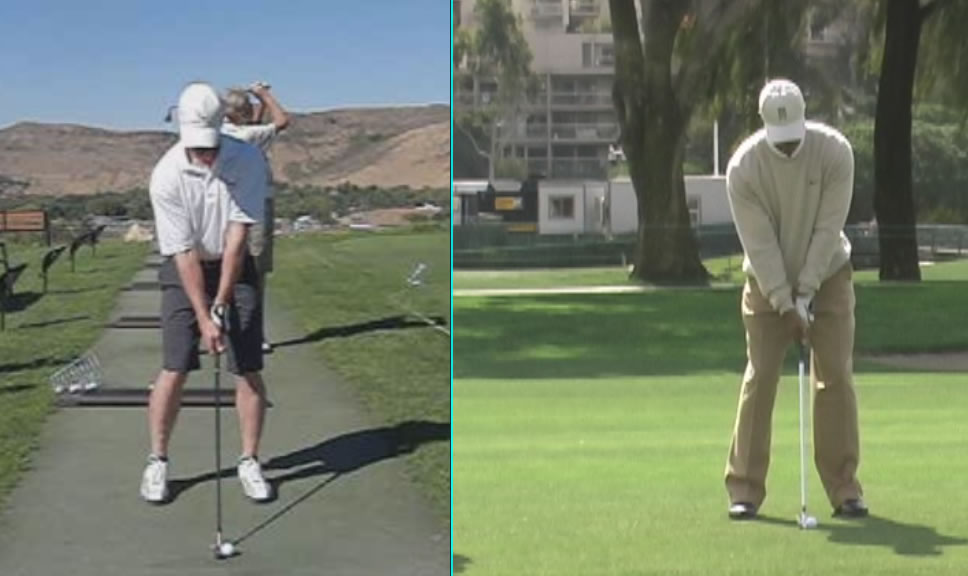
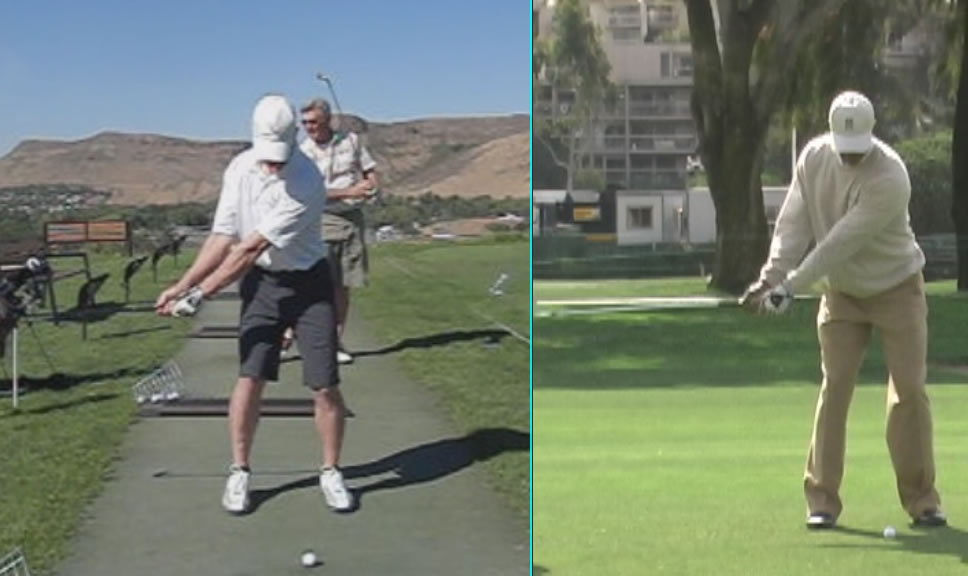
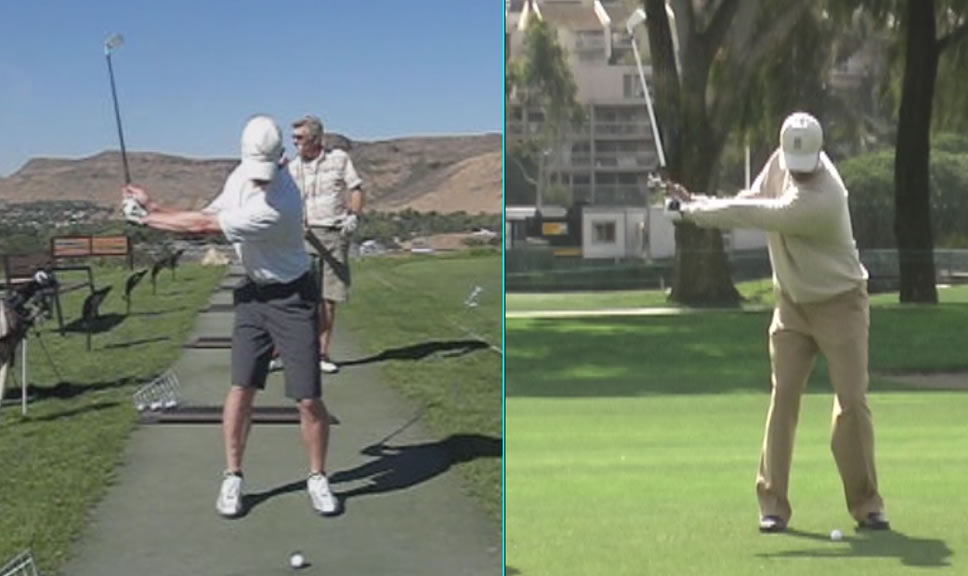
Using the RST learning system — grounded in the motor learning principles from Dan Coyle's book, The Talent Code — I built a swing that you can compare frame by frame against Tiger's, matching his body positions throughout the entire motion. You can learn this exact same movement pattern by following our online step-by-step system, just like thousands of members who are going through the program right now.
For once in your golfing life, make dramatic, visible improvements to your swing and build a technique modeled after, arguably, the greatest golfer to ever play the game.
Most golf instructors would love you to believe that you can make permanent swing changes in just 30 minutes or over a single weekend.
If you find that kind of promise believable, then the RST program probably isn't the right fit for you. RST is NOT designed for people who fall for "5 Minute Abs" infomercials and expect to look like fitness models after a few minutes with any product or system.
Try a free live lesson with GOATY
GOATY, my AI golf coach, watches your swing through your phone camera and coaches every rep. Free, about 20 minutes, no credit card.
RST is more like an intense P90X-style training commitment. It demands real, focused work — and the results are proportional to the effort you invest.
Tiger didn't build his swing over a weekend. As a resident of Windermere, FL, who regularly plays and practices at Isleworth, I've witnessed firsthand just how relentlessly Tiger Woods works on his swing mechanics.
If you're up for that kind of challenge, then RST and a fundamentally sound golf swing will be your reward. You can start right now with a free AI swing analysis to see exactly where your current swing stands.

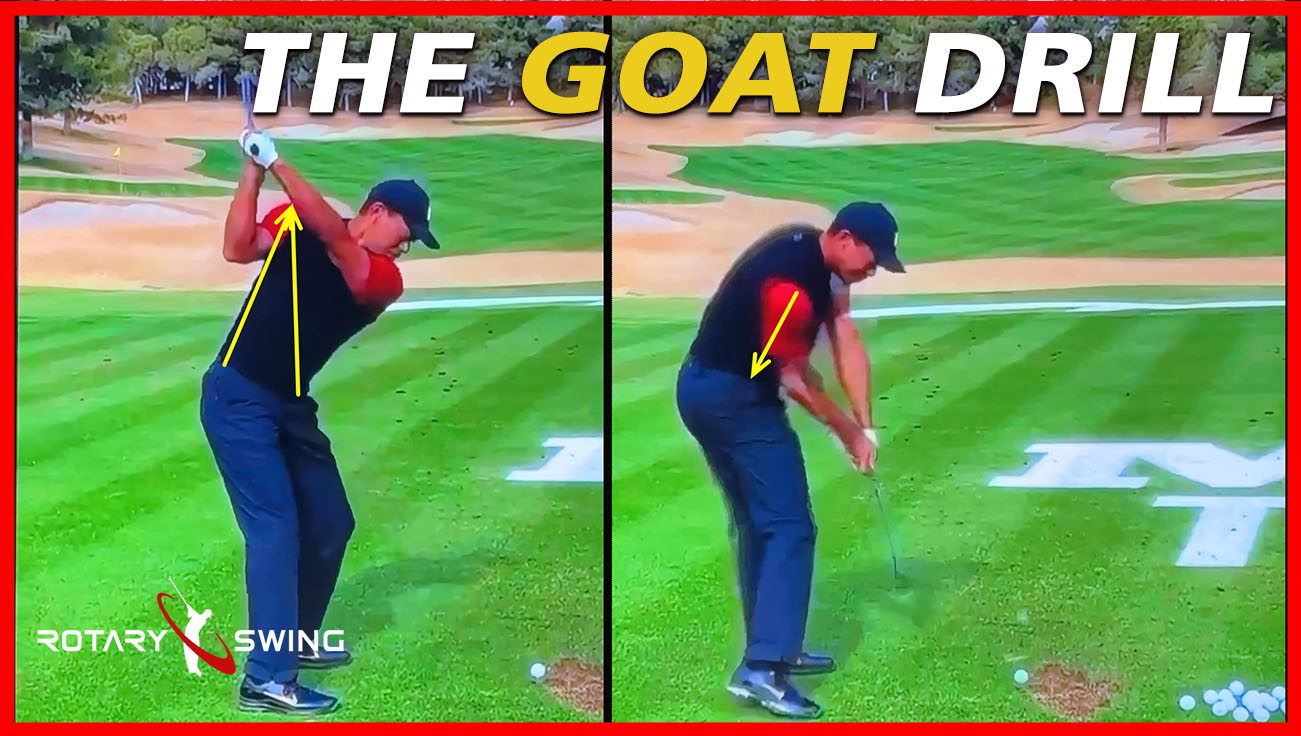
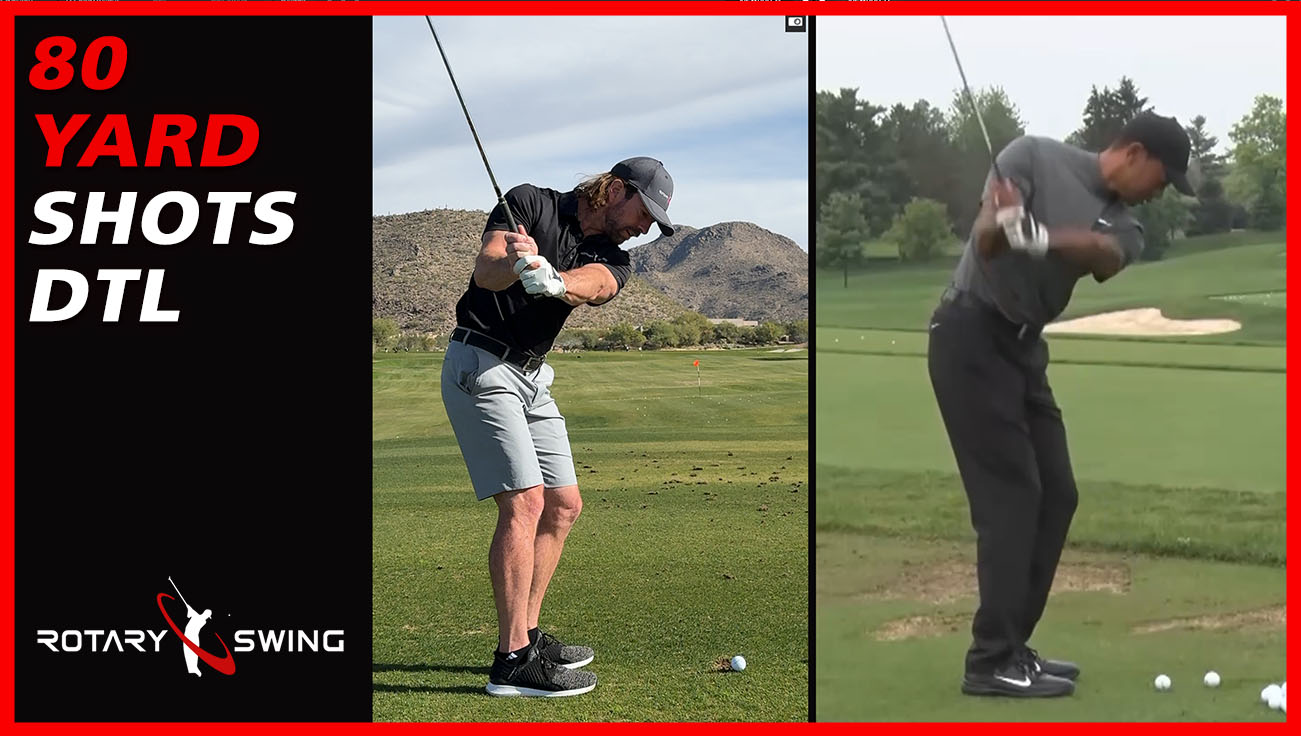
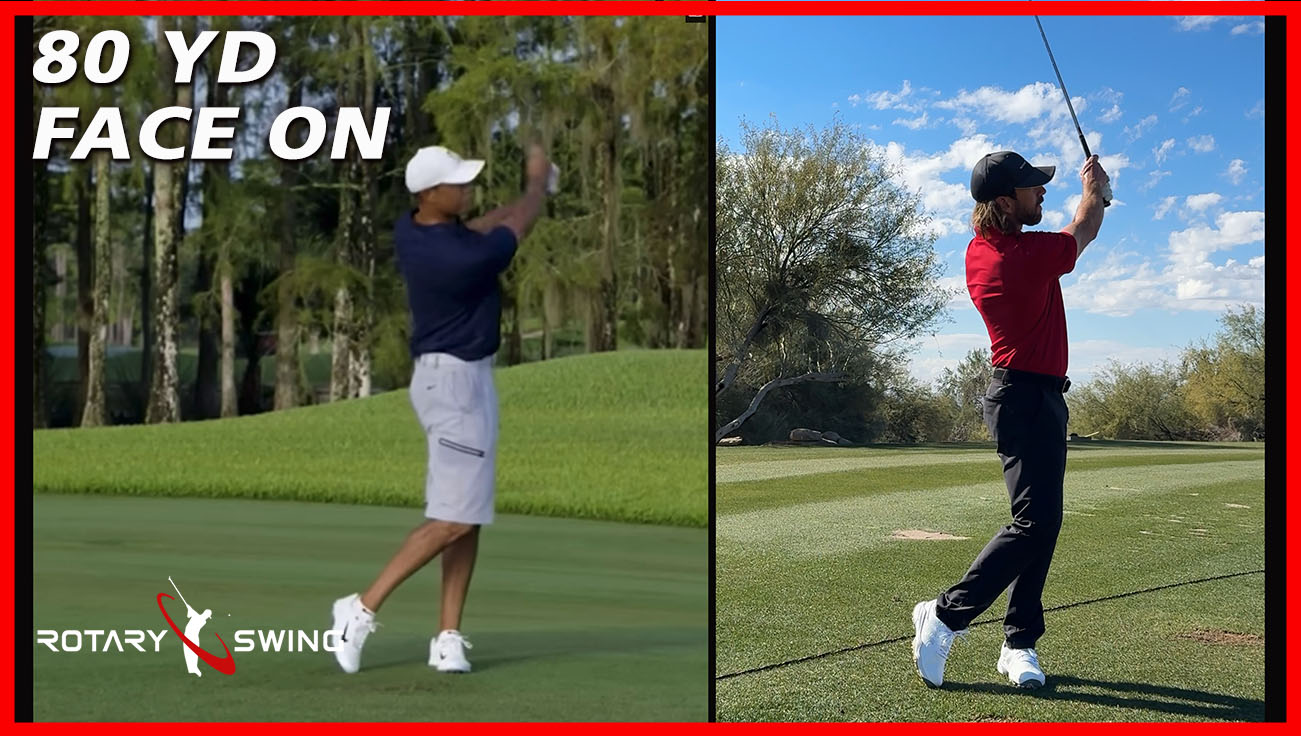
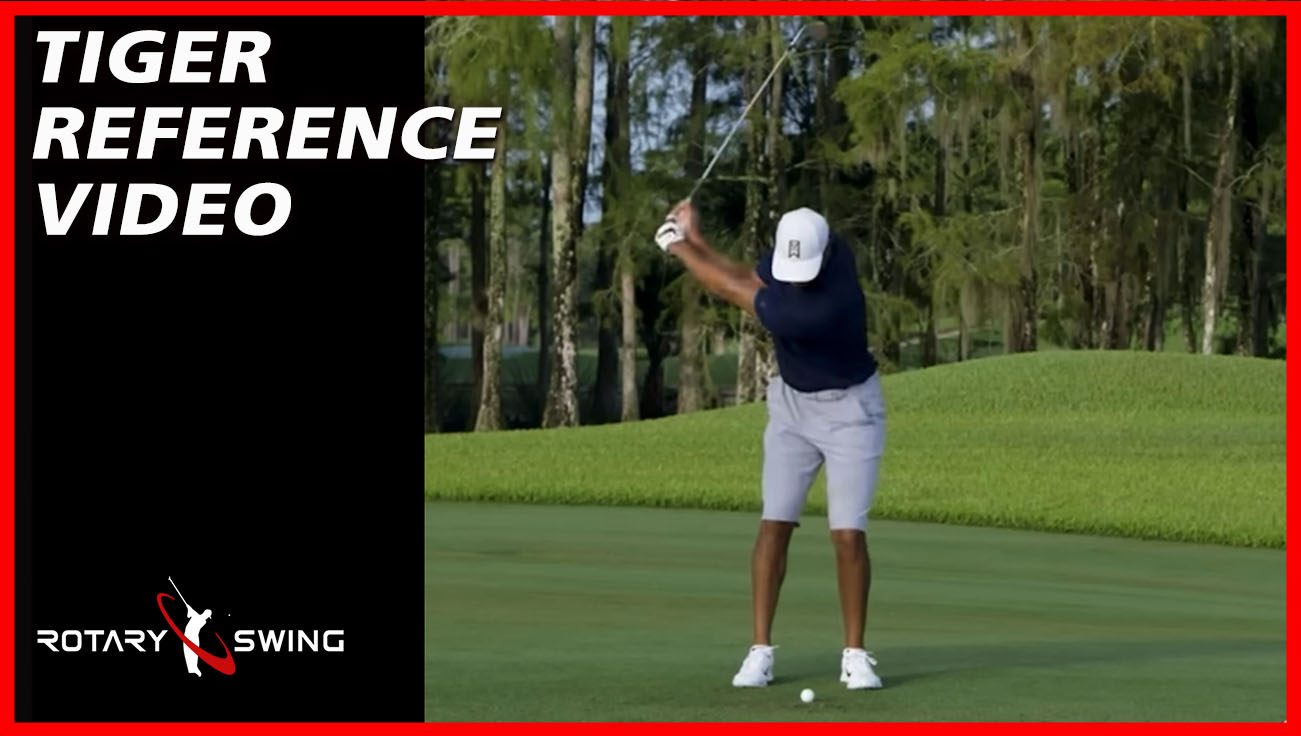
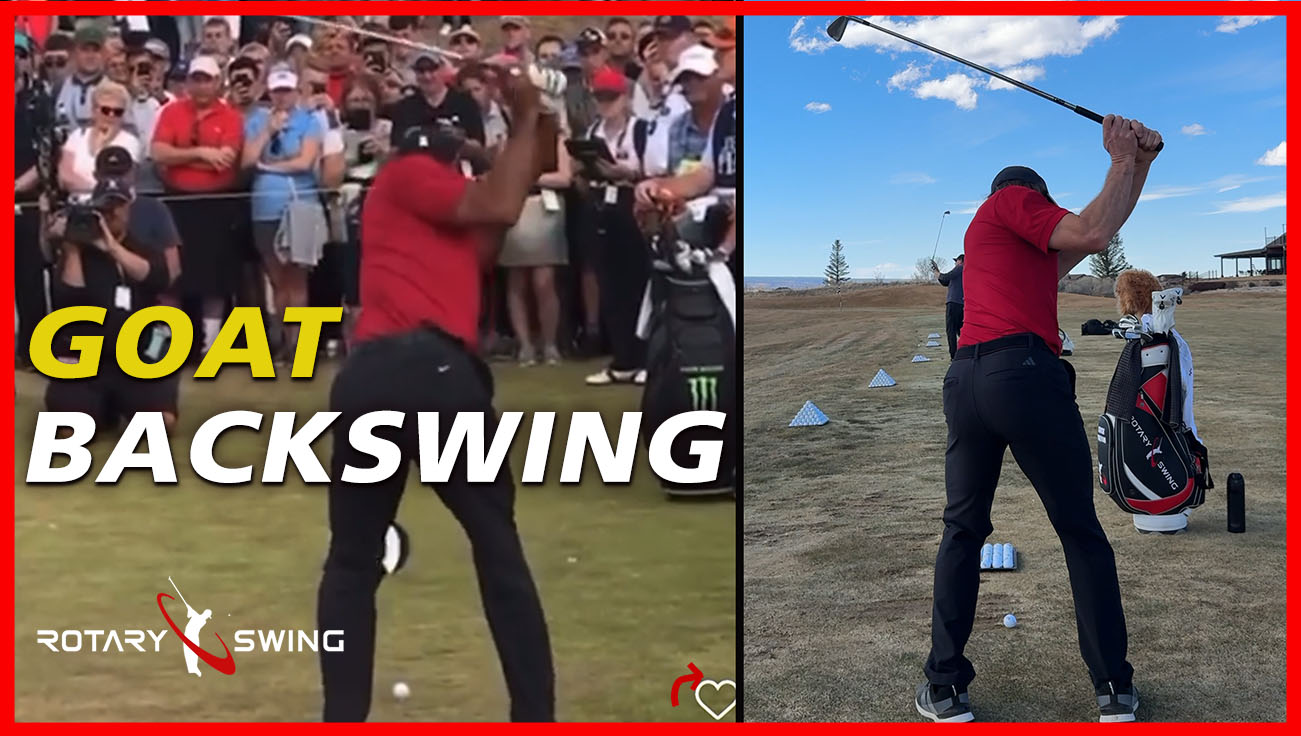
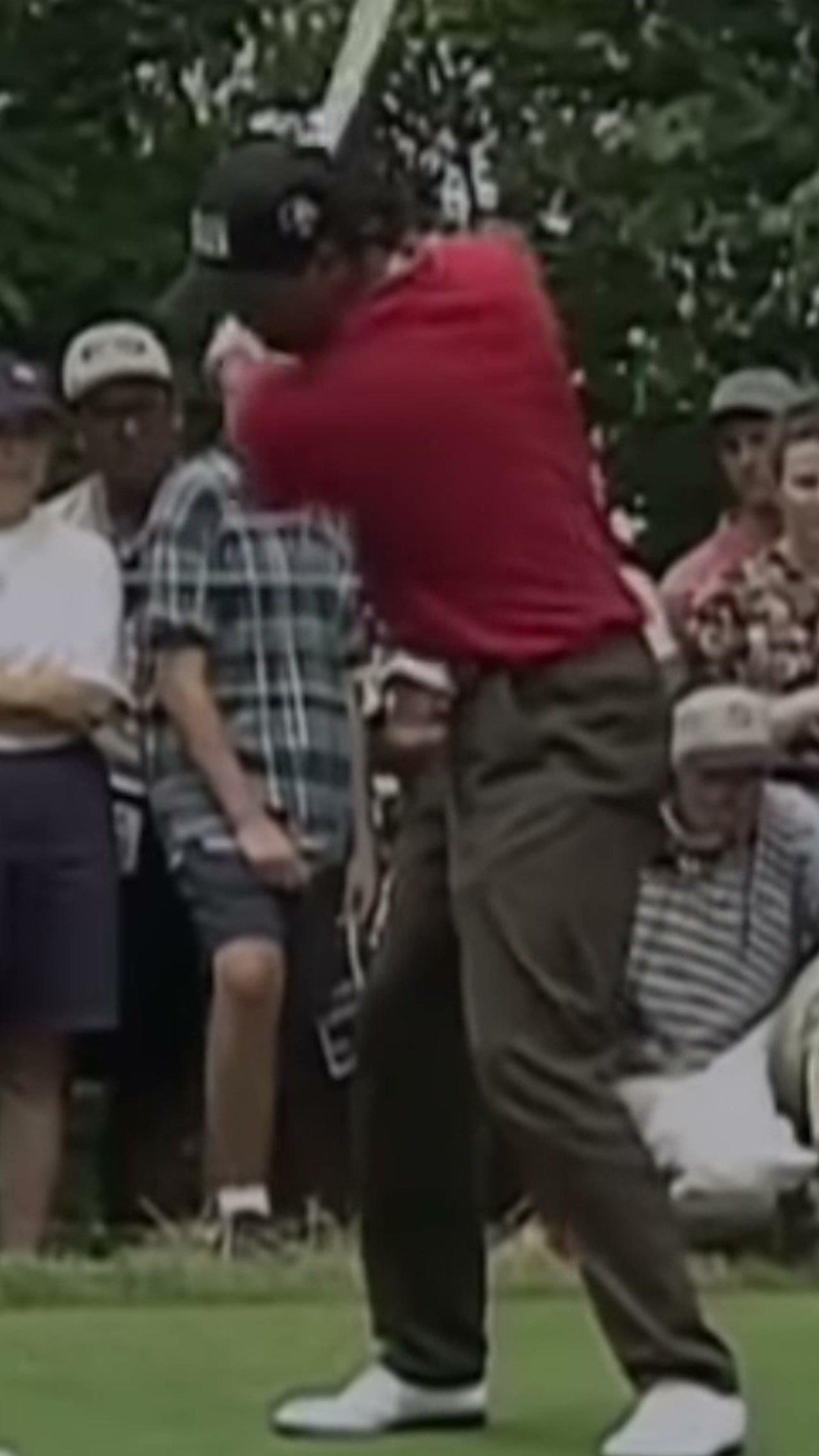
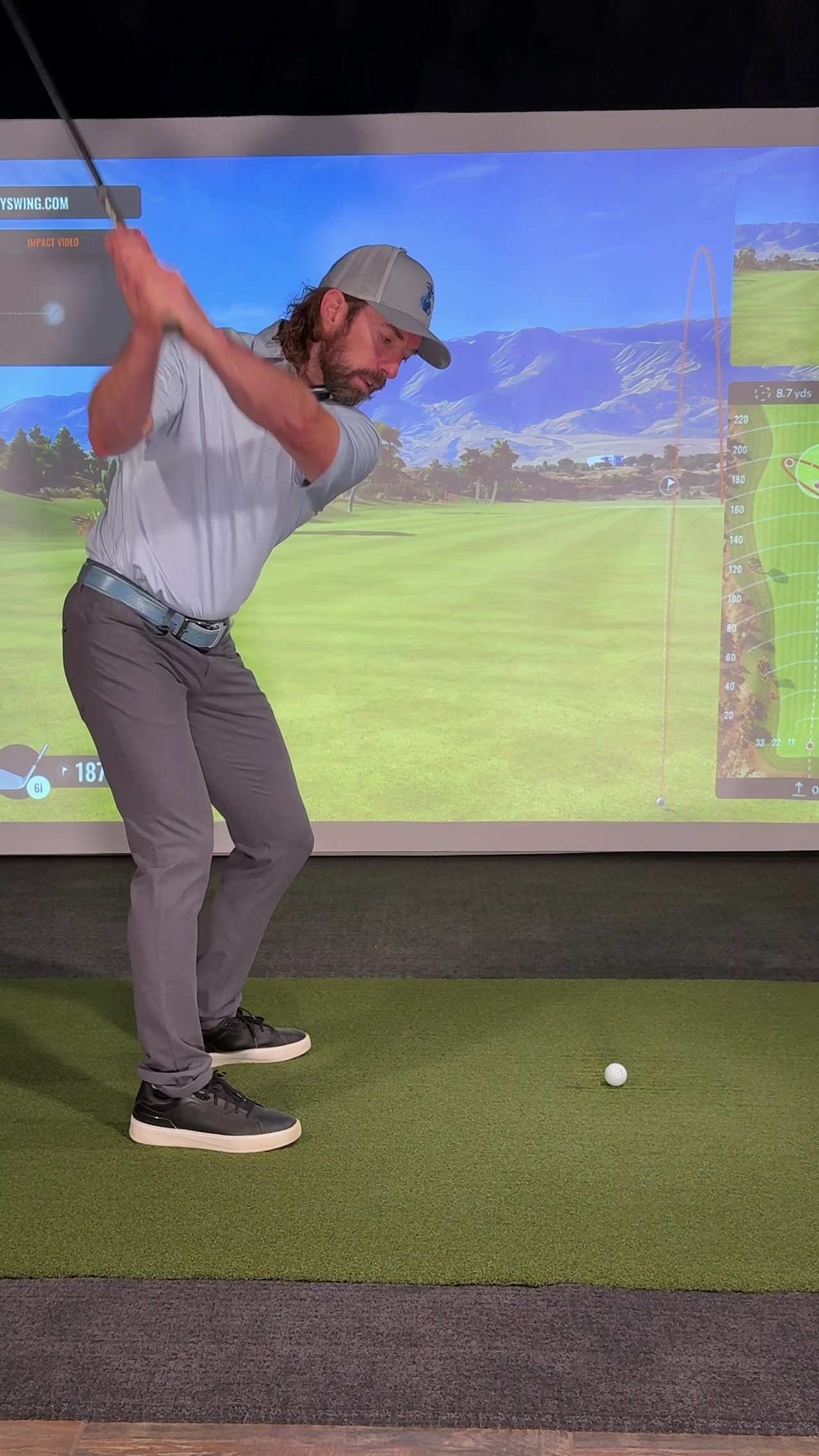
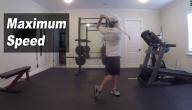
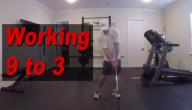
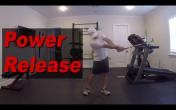
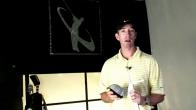
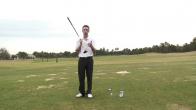
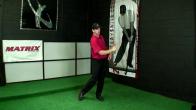
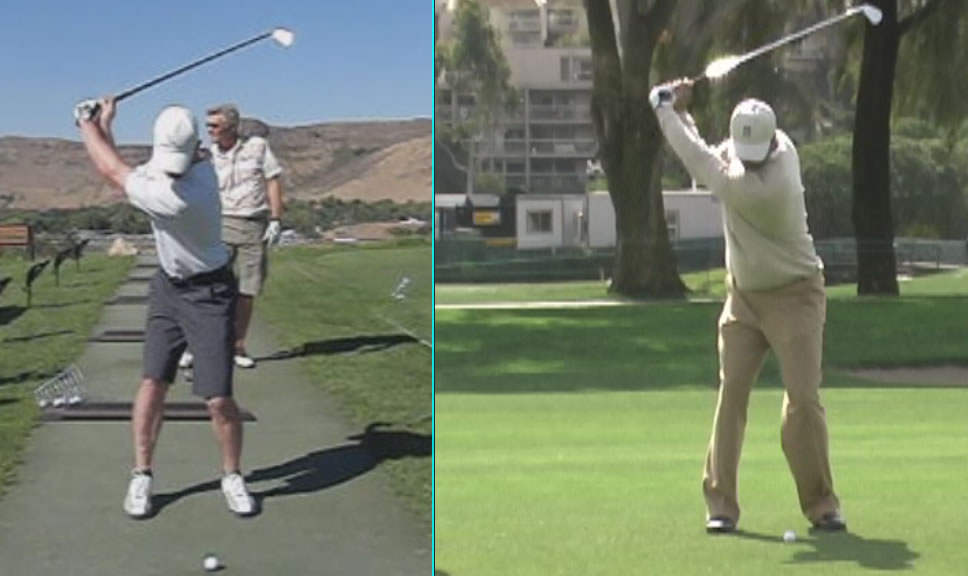
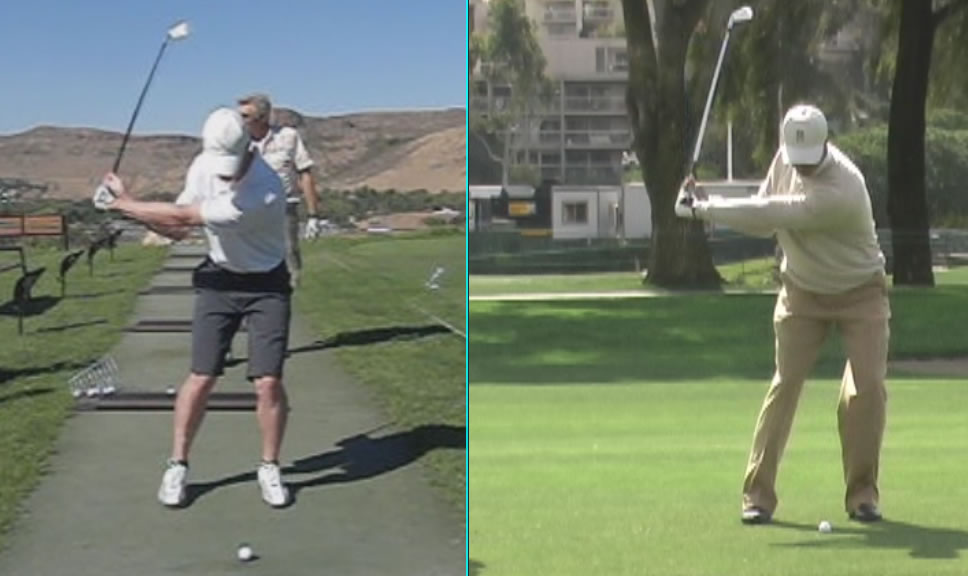
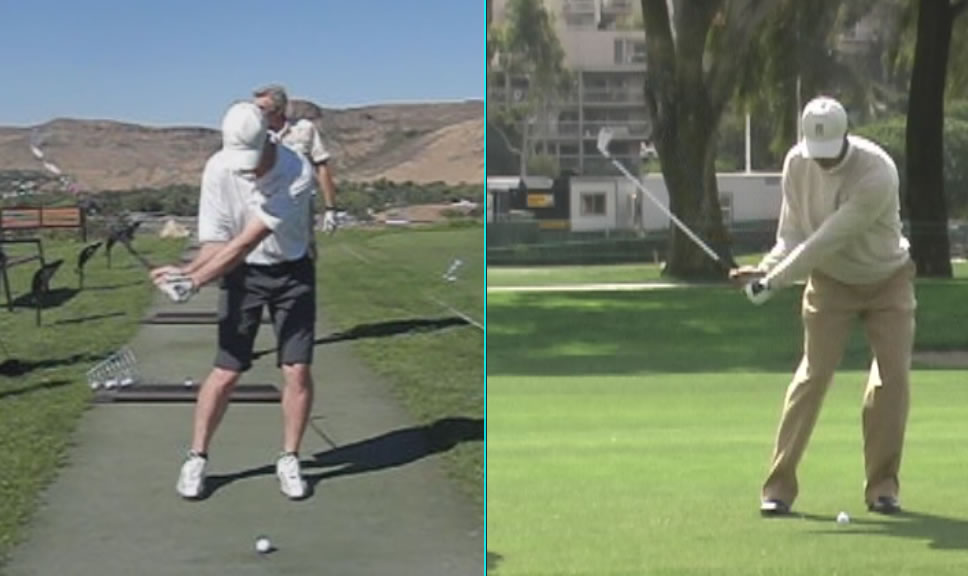
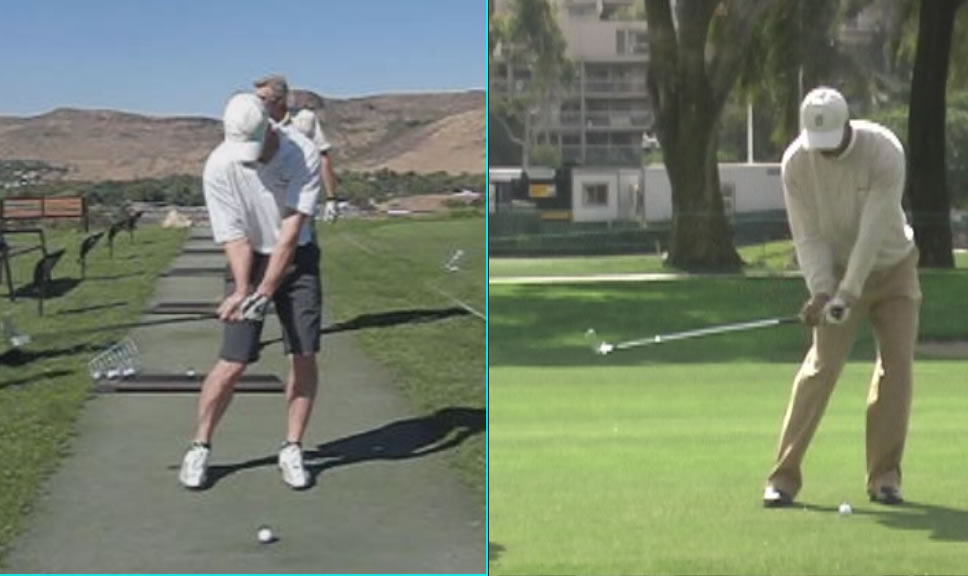
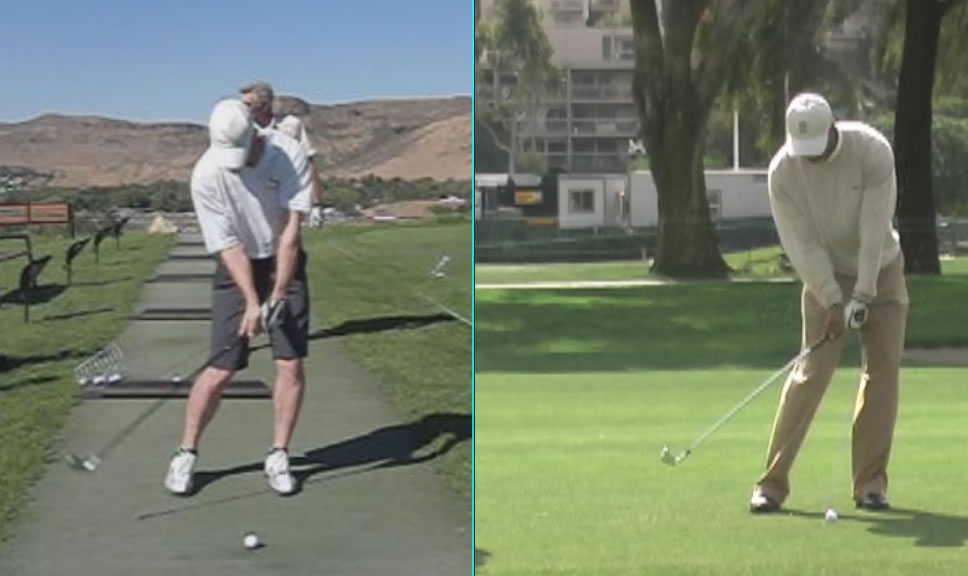
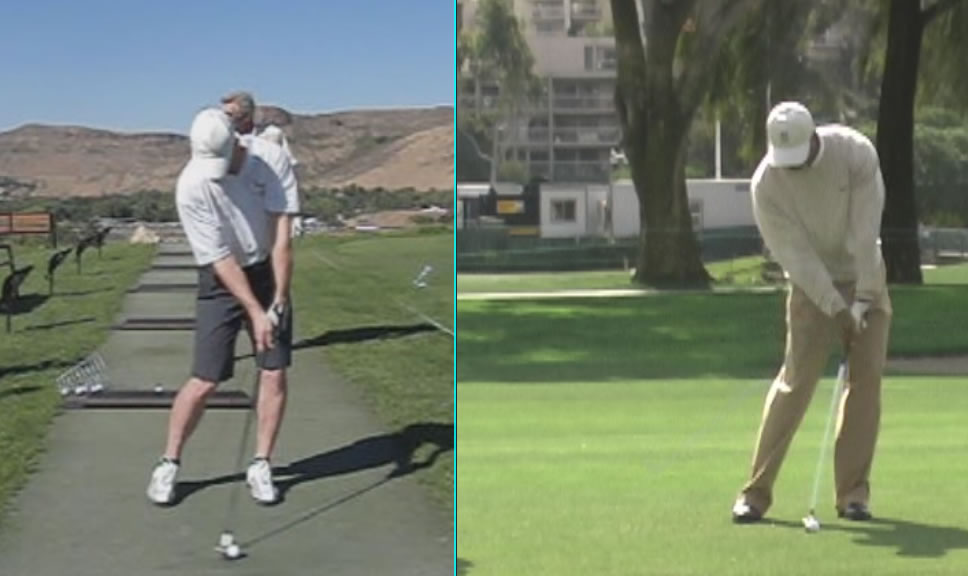
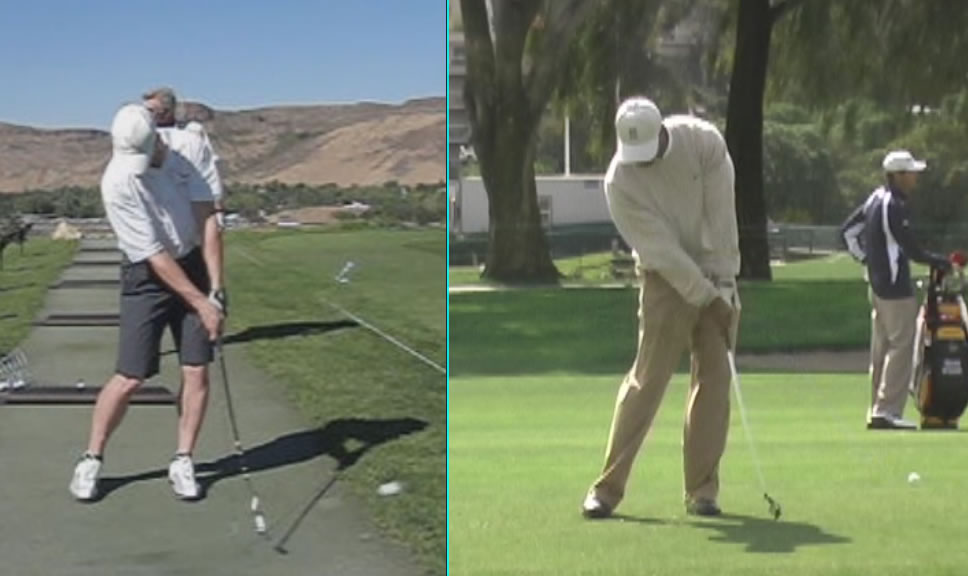
Here, you can see how closely I mirror Tiger's top of swing position.
Why Does My Golf Swing Look Like Tiger Woods'?
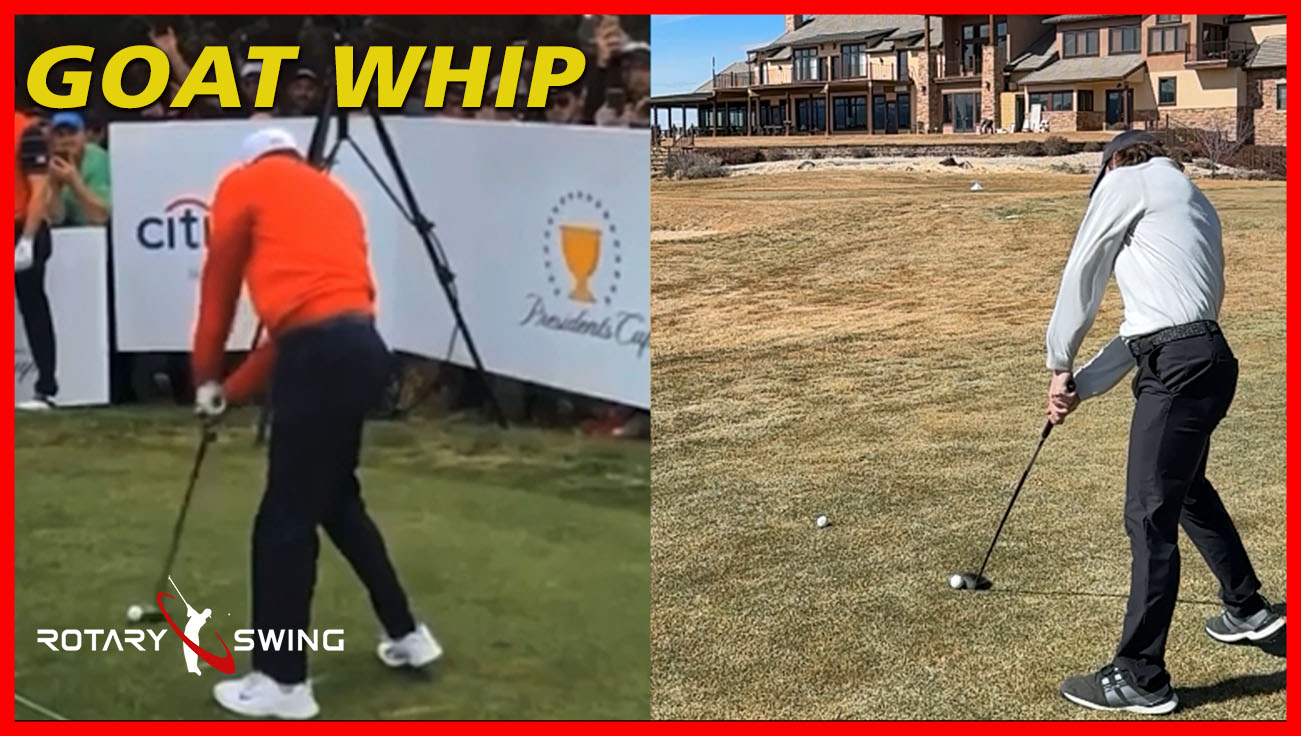
This might seem like a question with an obvious answer — I tried to copy his swing, right? Not exactly.
The Rotary Swing Tour is NOT actually based on Tiger's swing at all. RST is built on a set of objective, science-based fundamentals for the golf swing — rooted in anatomy and biomechanics, not personal preference or any individual tour professional's style.
After years of research in collaboration with our Medical Advisory Panel for Rotary Swing Golf, we established a definitive set of fundamentals — ONE universal set of principles that applies to every efficient golf swing.
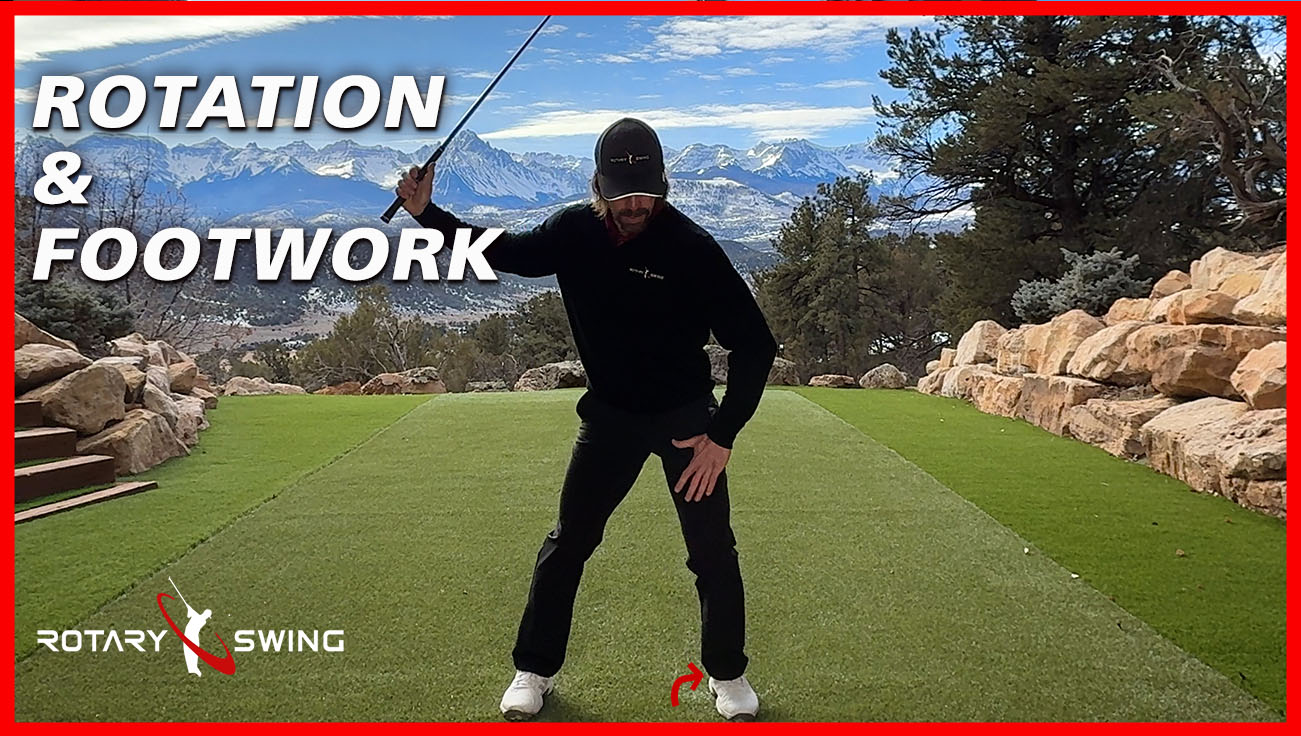
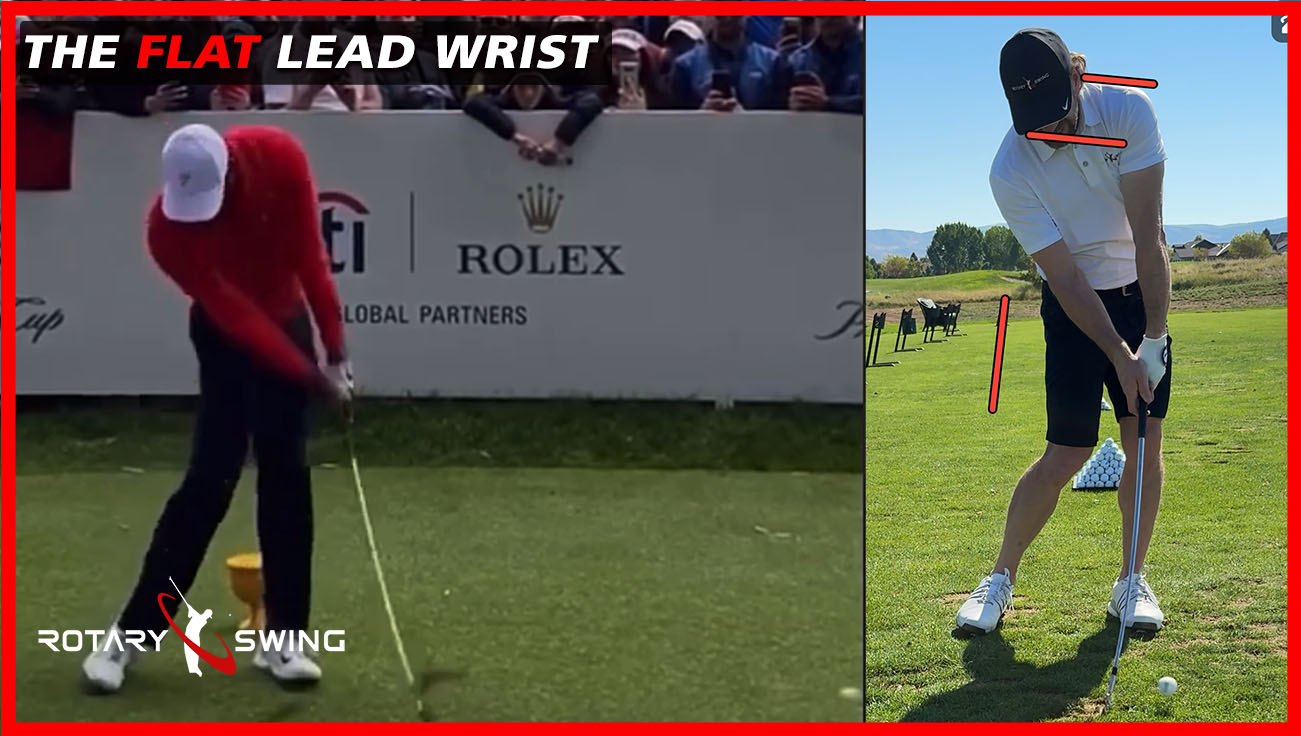
Armed with these undeniable facts about how the human body is designed to create rotational movement around the spine, I've been able to recreate Tiger's body mechanics in my own swing — because both our movements are governed by the same laws of anatomy and biomechanics. That's the foundational insight behind the name "Rotary Swing."
The fact that my swing closely mirrors Tiger's is simply a natural consequence: he moves more efficiently than virtually anyone else in the game. His swing follows the same principles that RST teaches, and because we're both adhering to the same biomechanical truths, our swings look remarkably similar.
There are certainly variables in every swing that are discussed in depth throughout the instruction videos on this site, but the core body movements — how we generate power safely and efficiently with minimal physical stress — are the focus of this discussion.
I've been studying golf swing mechanics and physics since 1990. (And "studying" is putting it mildly — obsessive dissection would be far more accurate.) Over all those years of working under and alongside various instructors, plus my time playing professionally, I arrived at one invaluable conclusion: most golf instructors fundamentally don't understand what they're teaching.
The majority teach based on what happened to work in their own swings and what they absorbed from the instructors around them. This created the frustrating reality you're probably familiar with today — every instructor in the golf instruction world teaches something different from the next.
For me, that approach was never acceptable.
There are objective fundamentals underlying every athletic movement, and I was certain the golf swing had to be no different. The laws of physics and human anatomy don't change based on who's teaching.
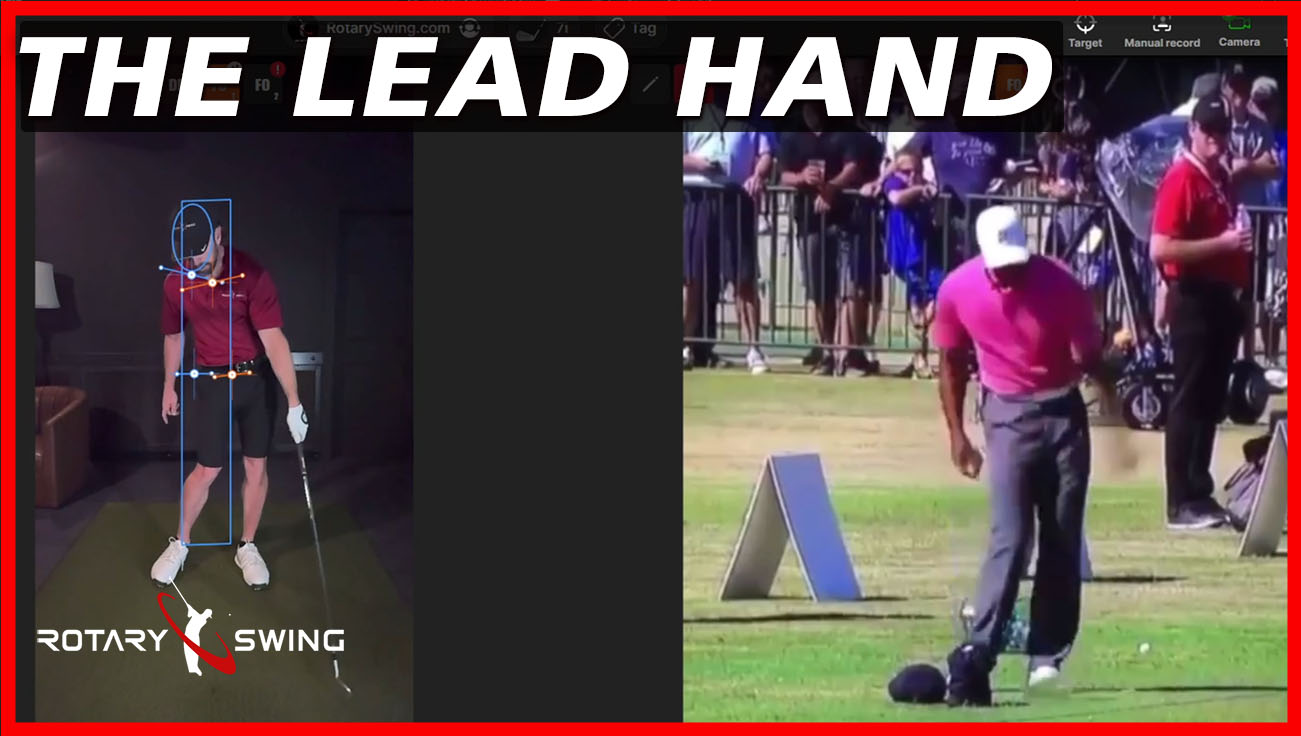
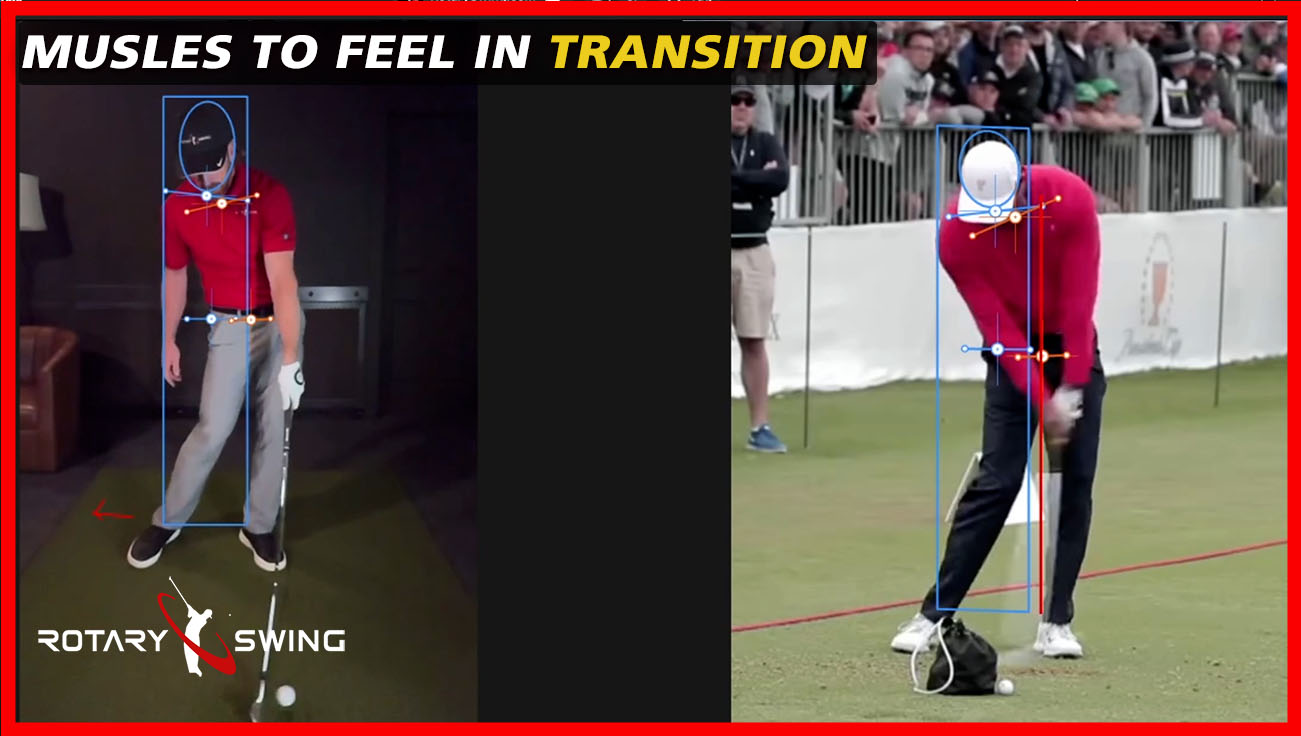
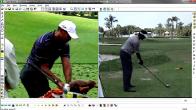
If that resonates with you, keep reading. But first, let's compare my swing side by side with Tiger's. As they say, the proof is in the pudding.
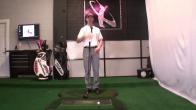
My Swing Next To Tiger Woods - August 2010
As you can see, I'm an instructor who practices exactly what he teaches — and can demonstrate the principles I'm sharing with students through real-world application in my own swing.
If you want to learn how to swing like the best golfer in the world, wouldn't you want to learn from someone who can actually demonstrate it? You wouldn't try to learn advanced mathematics from someone who couldn't add, would you?
If you're tired of gimmicks, empty promises, and quick-fix marketing, perhaps you're ready to commit to learning the golf swing the RIGHT WAY once and for all. Build a swing grounded in biomechanics, anatomy, and proven science using our online learning system. Or get started instantly with a free AI golf lesson that gives you real-time feedback on your movement patterns.
It won't be easy — but if it were, it wouldn't be nearly as rewarding, and everyone would already be doing it.
Still unsure? Why not learn the basics of the RST for free by entering your email address in the box below?
Now, let's get to work!
Looking for an Analysis of Hank Haney's Swing Model for Tiger Woods?
While Tiger was still working with Hank Haney, I authored a series of detailed articles covering what Tiger was working on with Haney and published them here on this site. While RST doesn't directly align with Haney's teaching methodology, studying his theories is still valuable for anyone serious about understanding golf swing mechanics. You can access these archived articles below.
In its simplest form, Haney's approach wants the shaft to travel on the same plane — or parallel to the plane — established by the shaft at address. The resulting swing is more rotational in nature than the swing Tiger developed under Butch Harmon, giving it a slightly flattish, laid-off appearance at the top. Although the position may look laid off, it most certainly is not. Haney's theory is that it's easier to achieve consistent, solid ball striking and reliable clubface control when the shaft stays on plane throughout the swing.
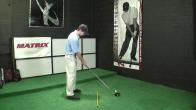
Let's start with a look at Tiger's Address Position.
Next, let's examine Tiger's Takeaway.
Then, Tiger's Backswing.
And the moment of truth: Tiger at Impact and the Downswing.
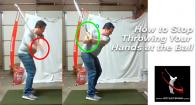
Watch part 2 now to see how you're moving your body in the opposite direction of the pros!