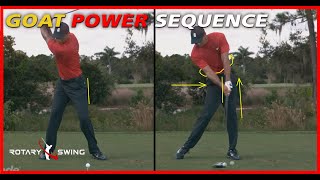
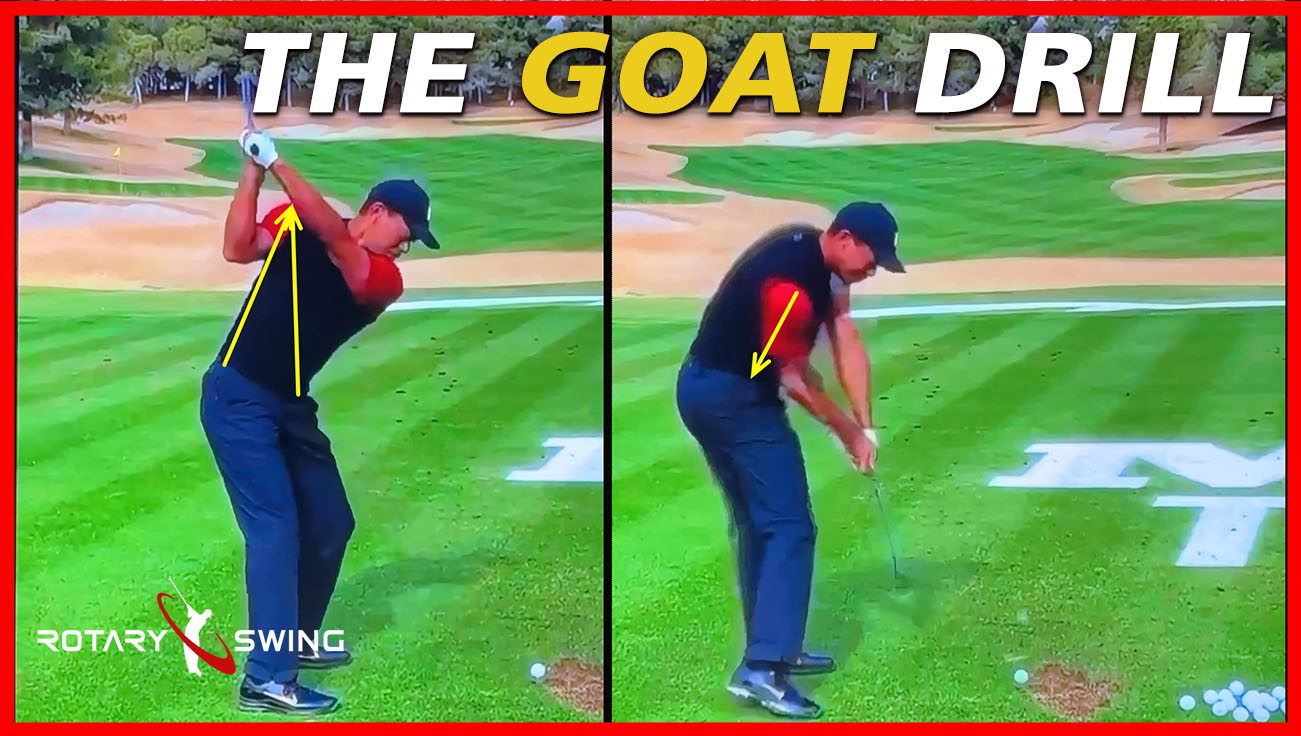
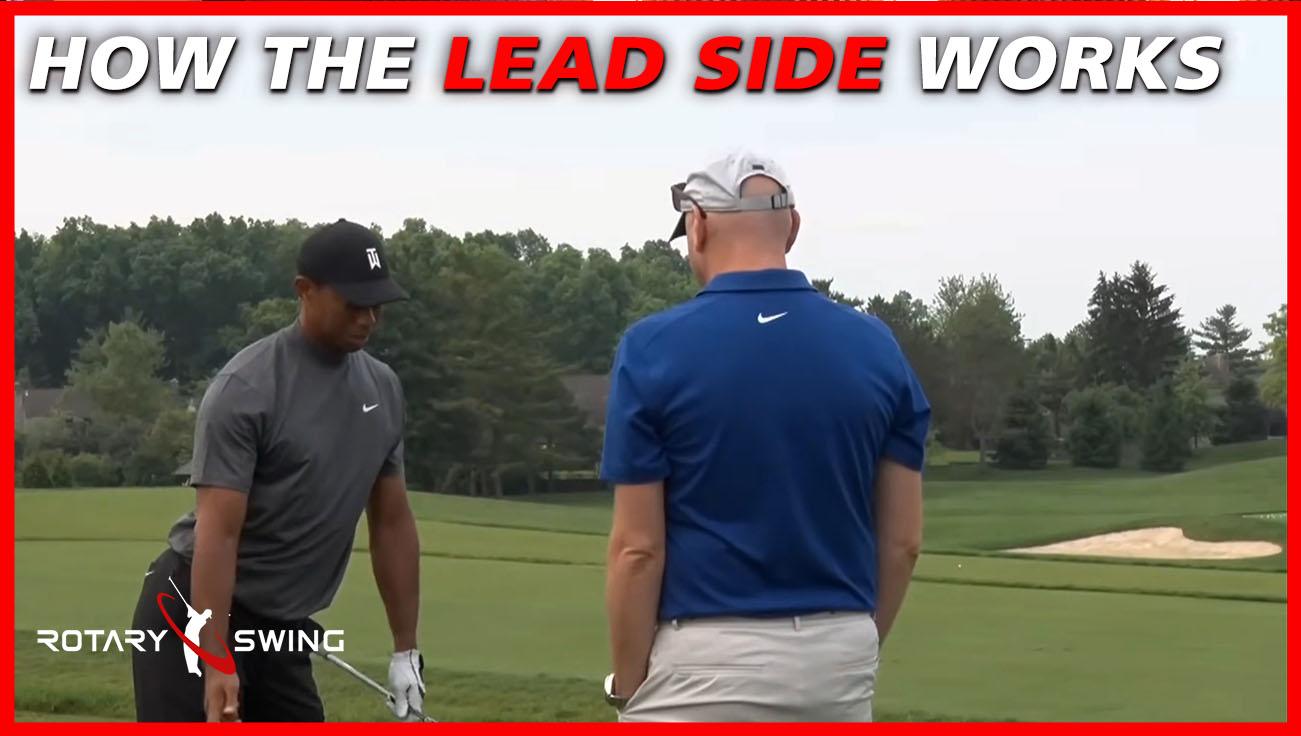
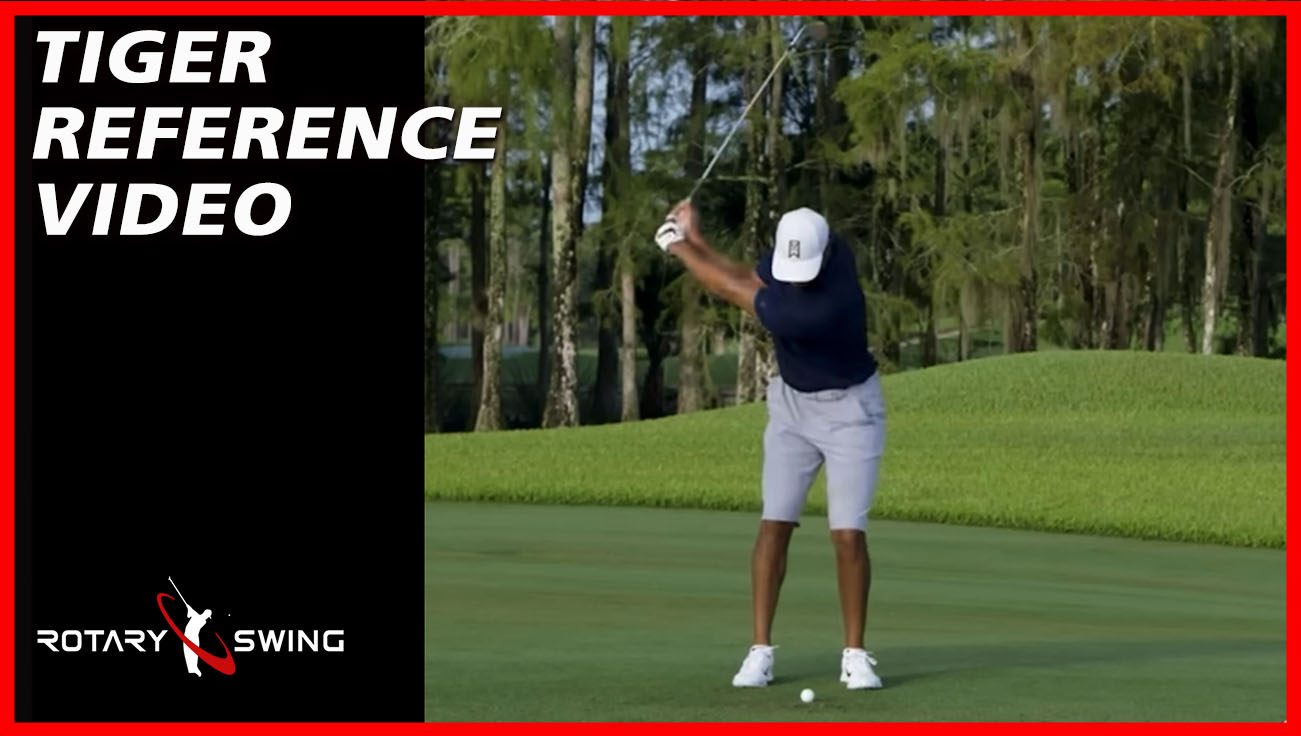
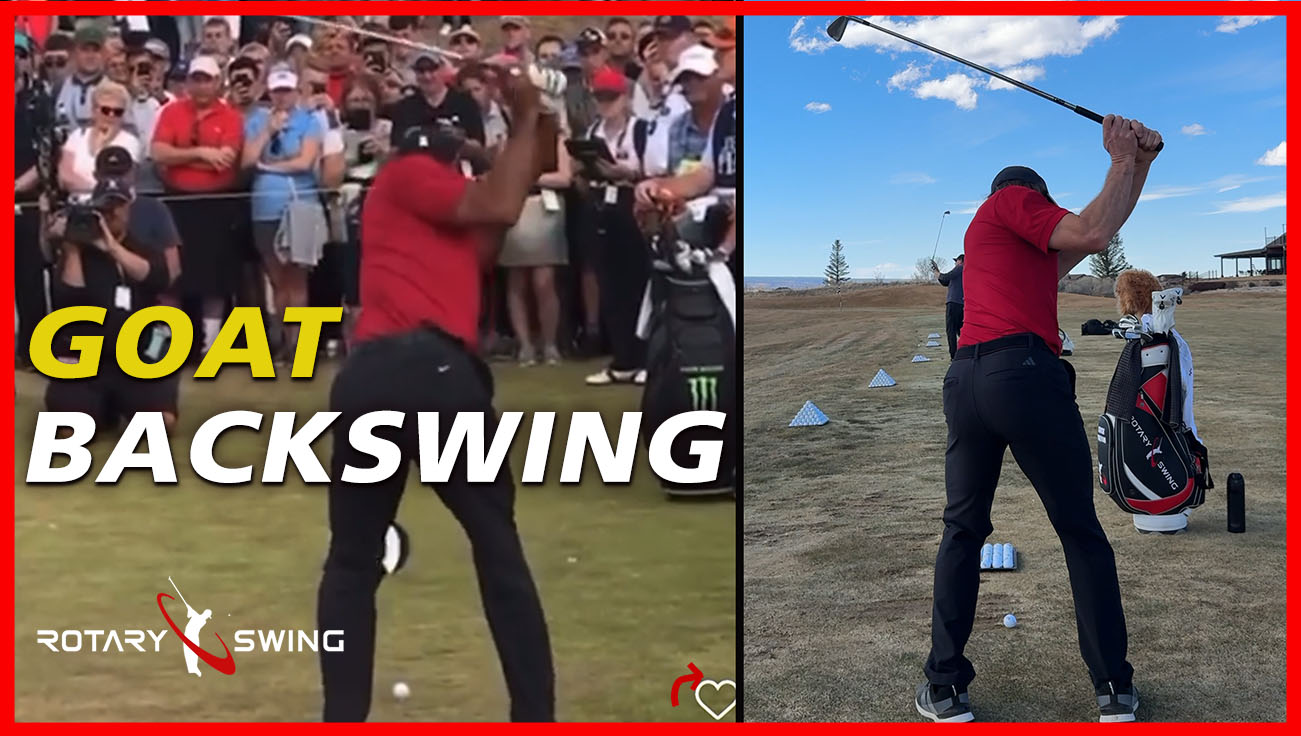
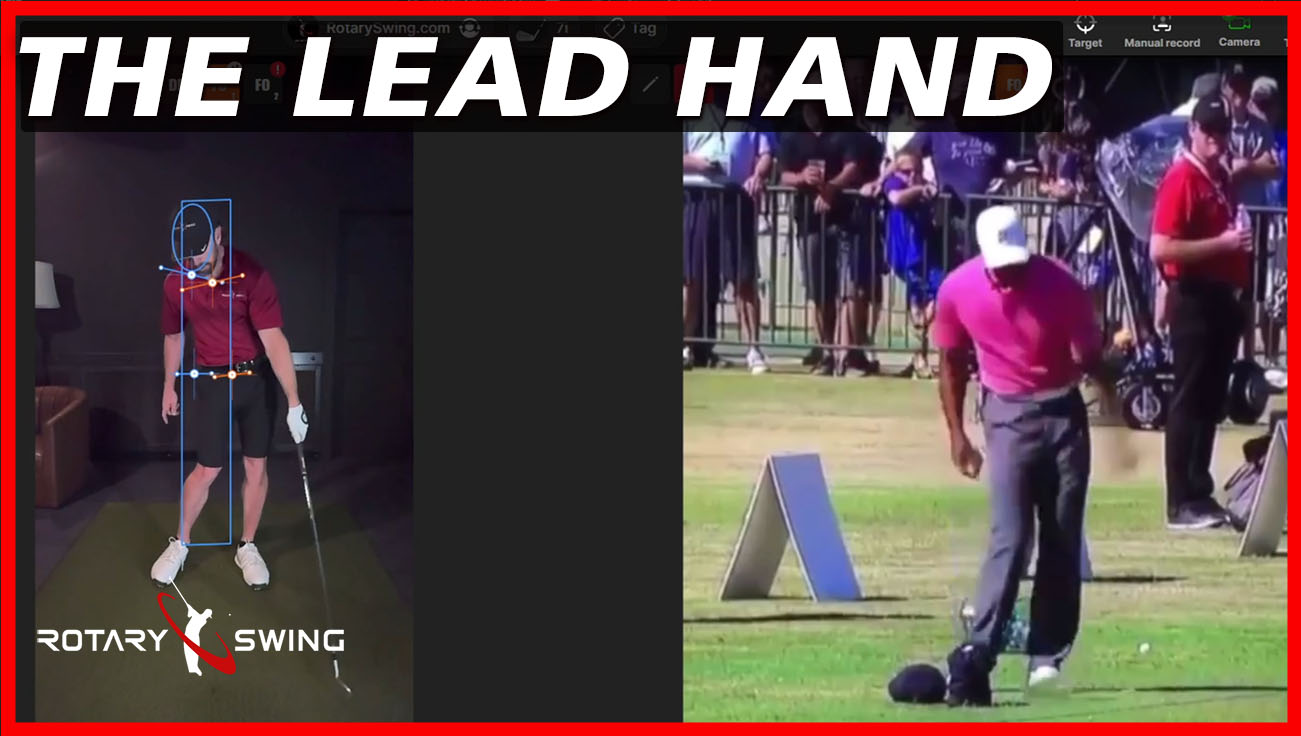
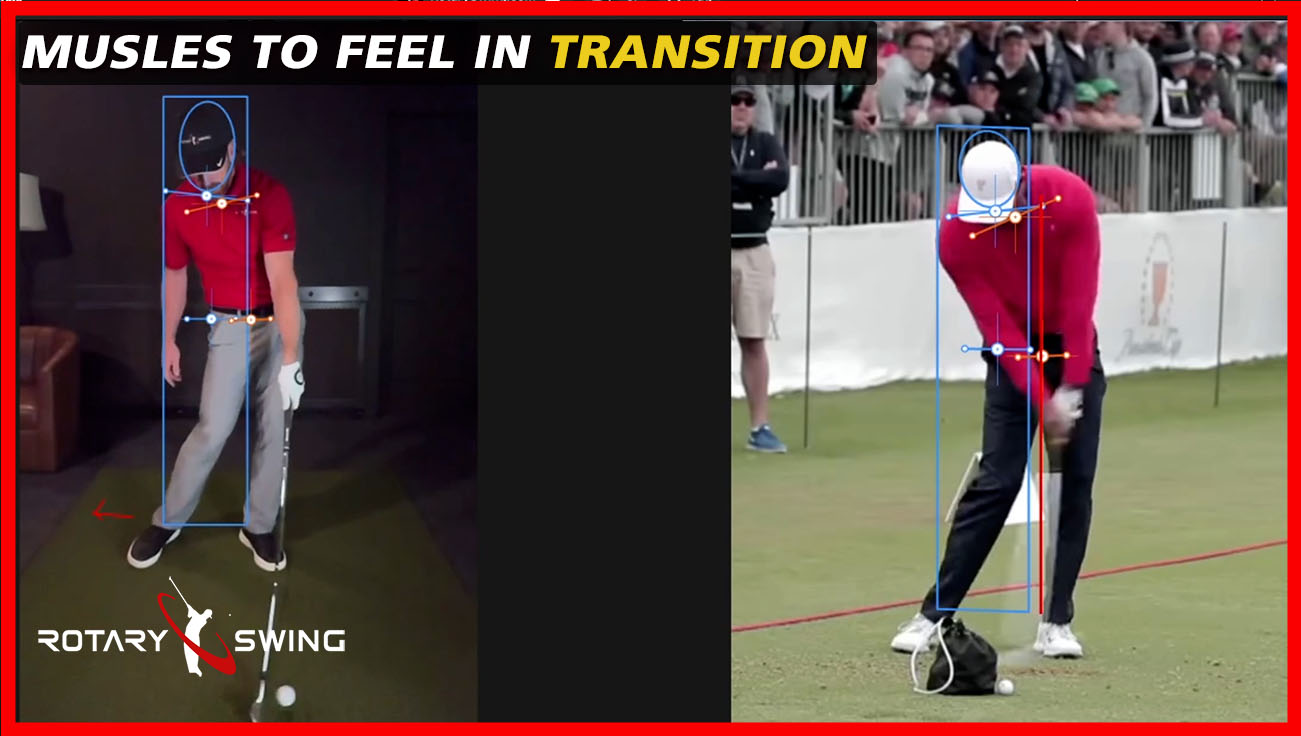
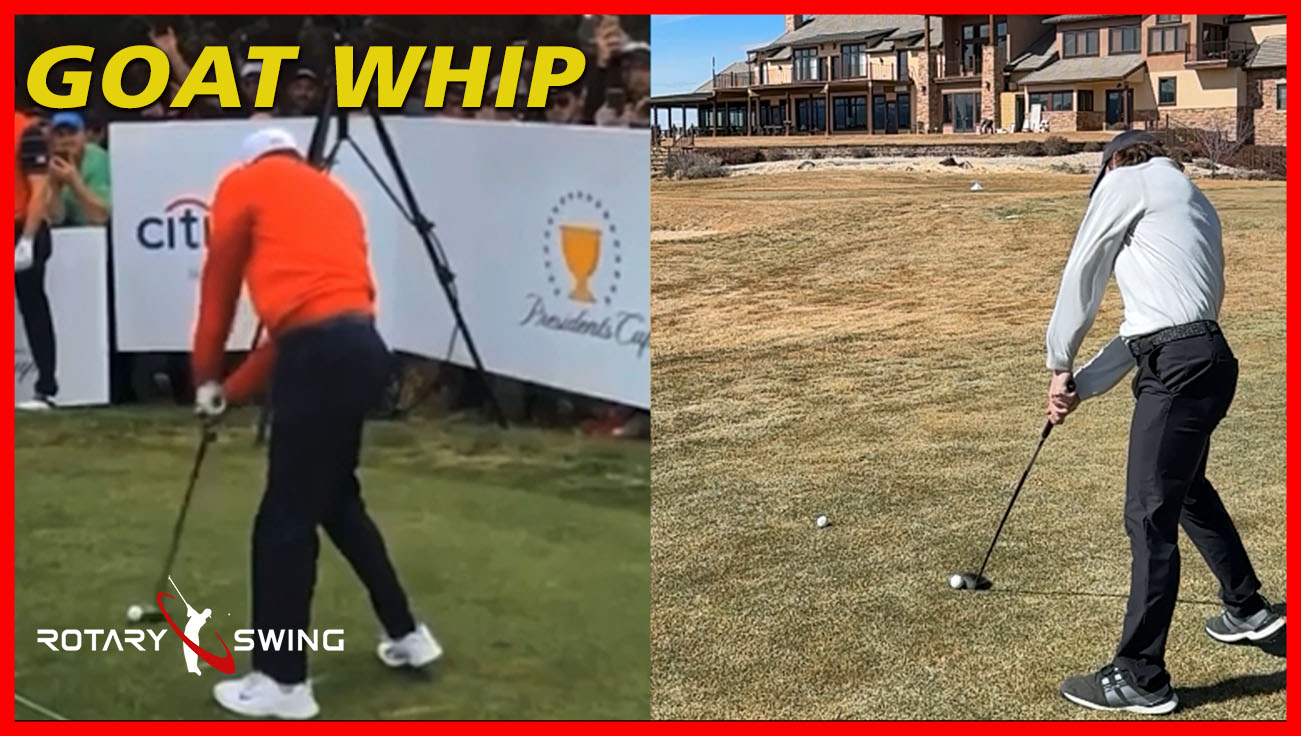
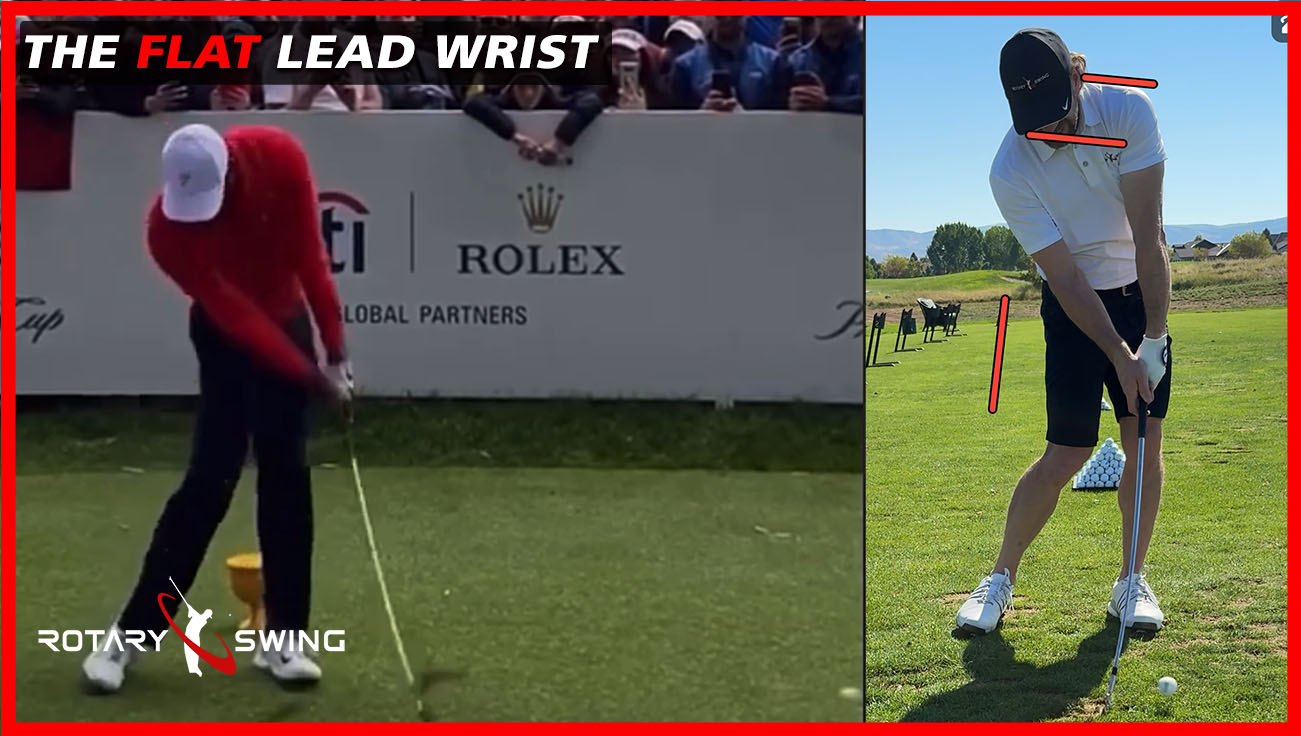
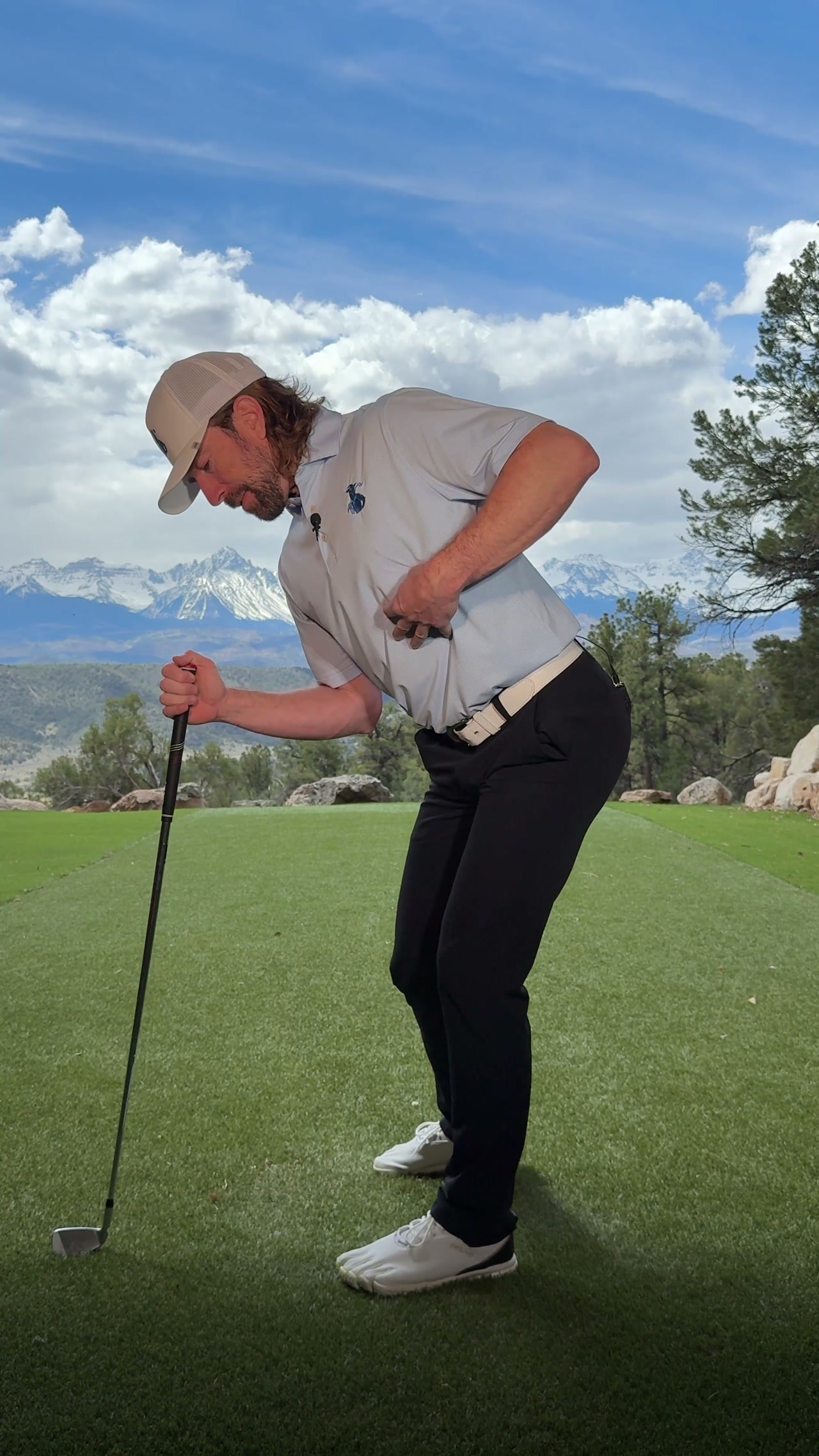
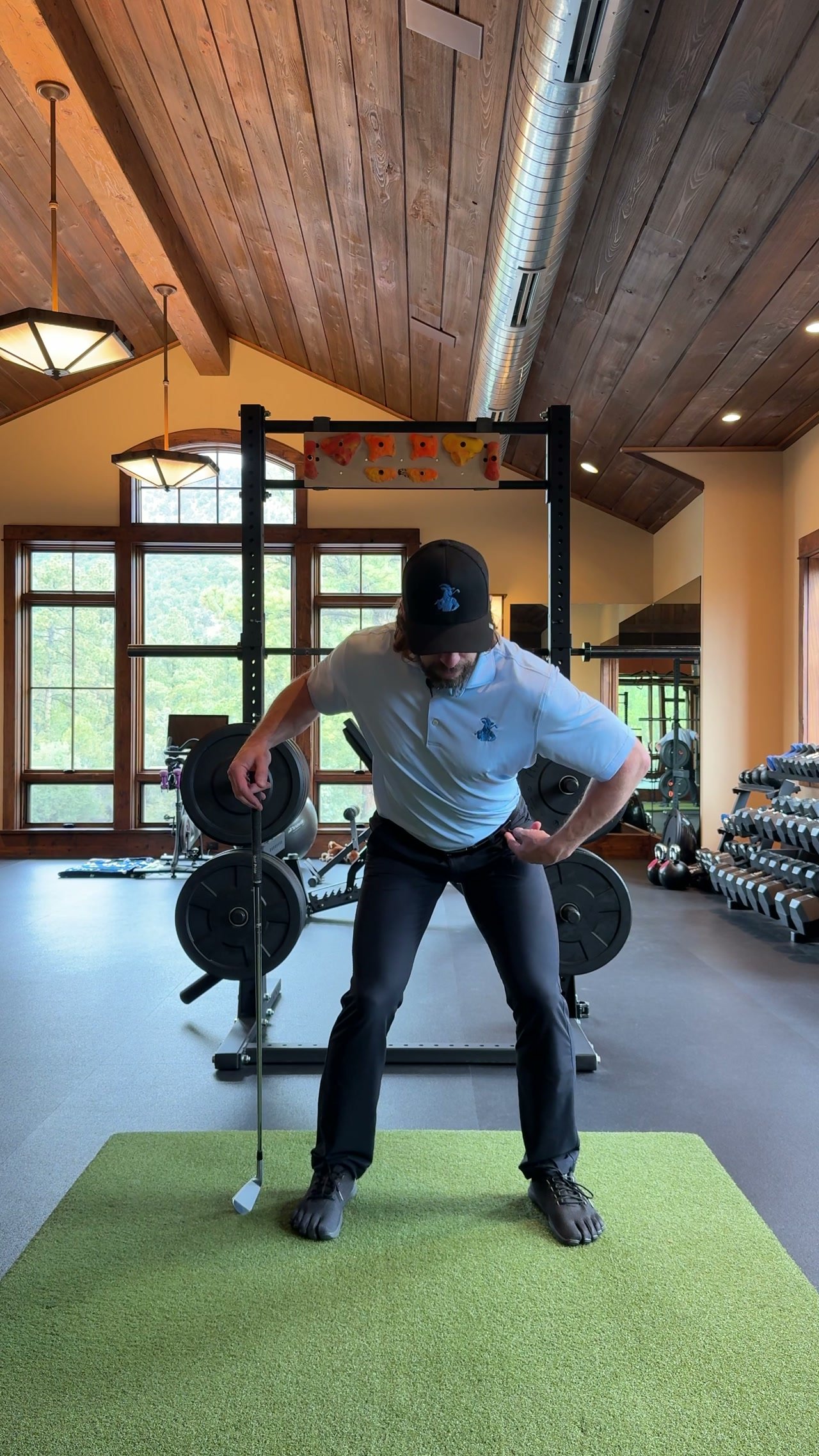
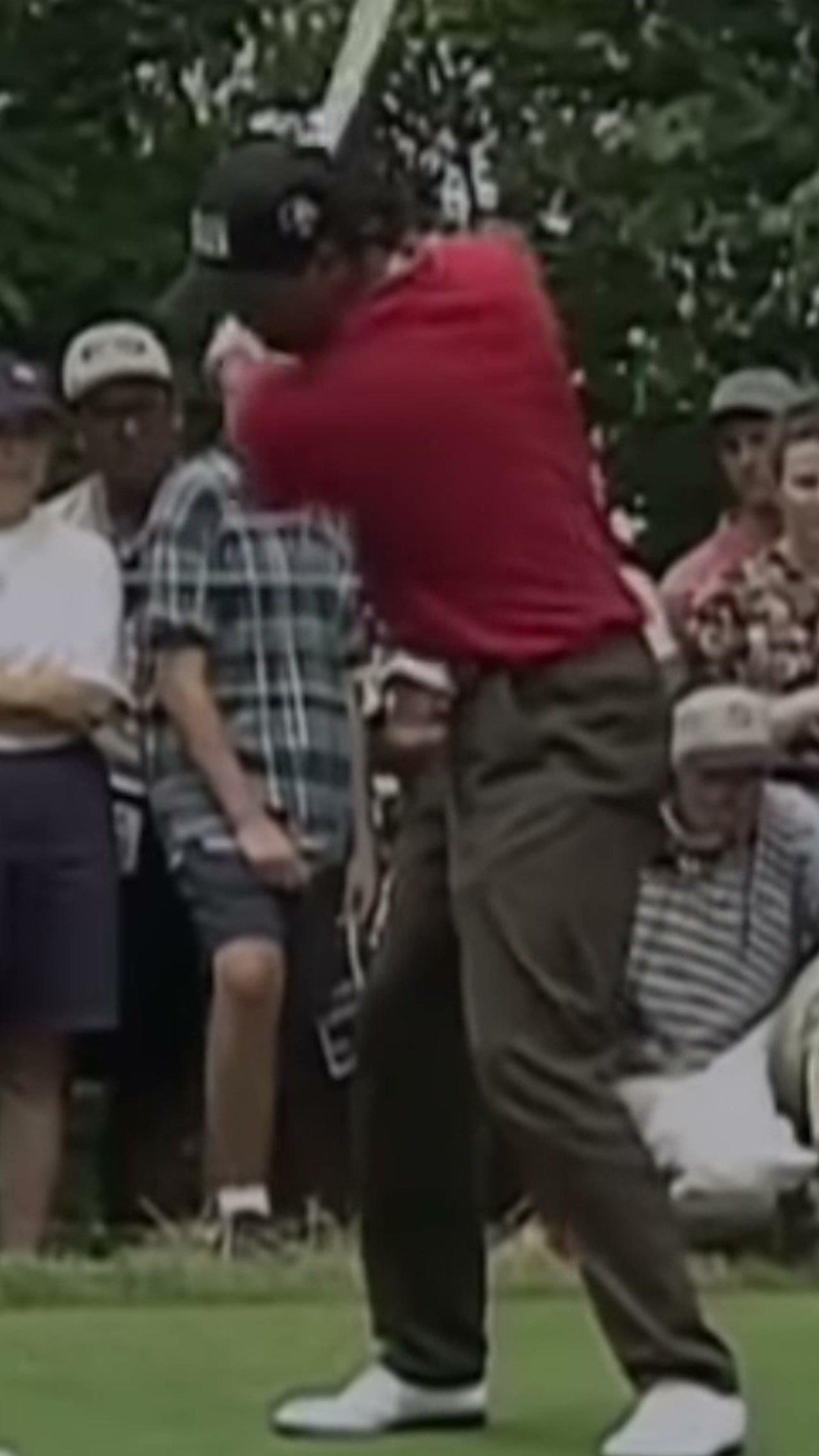
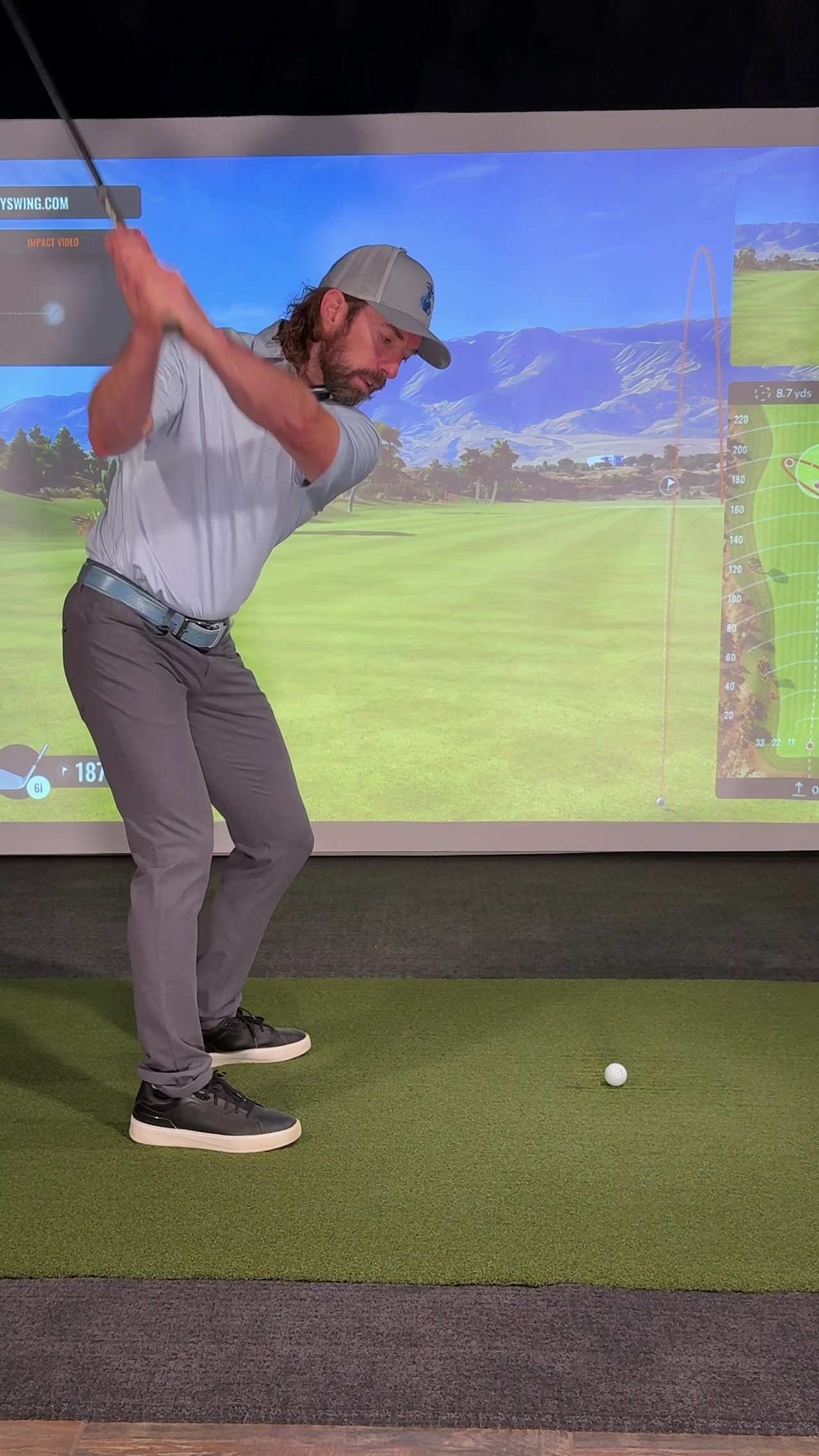
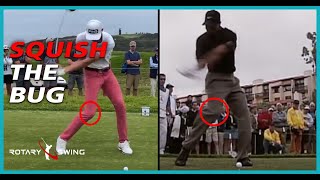
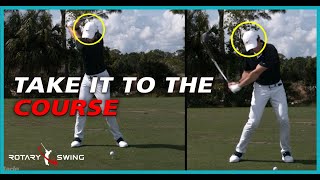
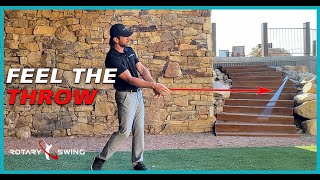
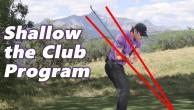
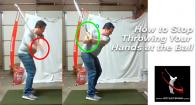
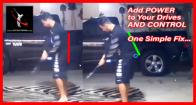
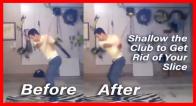
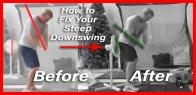
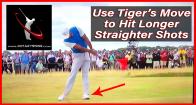
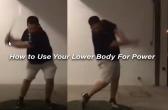
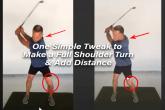
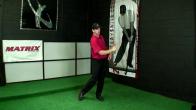
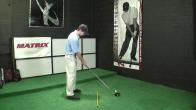
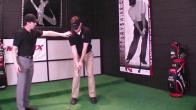
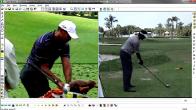
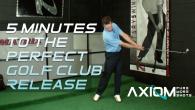
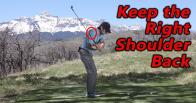
' golf downswing was one of the finest in professional golf before he began working with Sean Foley — a coaching change that, in my professional opinion, ultimately contributed to the back injuries that derailed his career (here's a video where I predicted Foley's teaching approach would injure Tiger's back all the way back in 2010: Tiger Woods Swing Change May Injure His Back). Before that switch, however, Tiger had developed a remarkably efficient downswing sequence. During the first half of his golf downswing, Tiger swings his arms back down in front of his torso while keeping his shoulders quiet and closed to the target line.
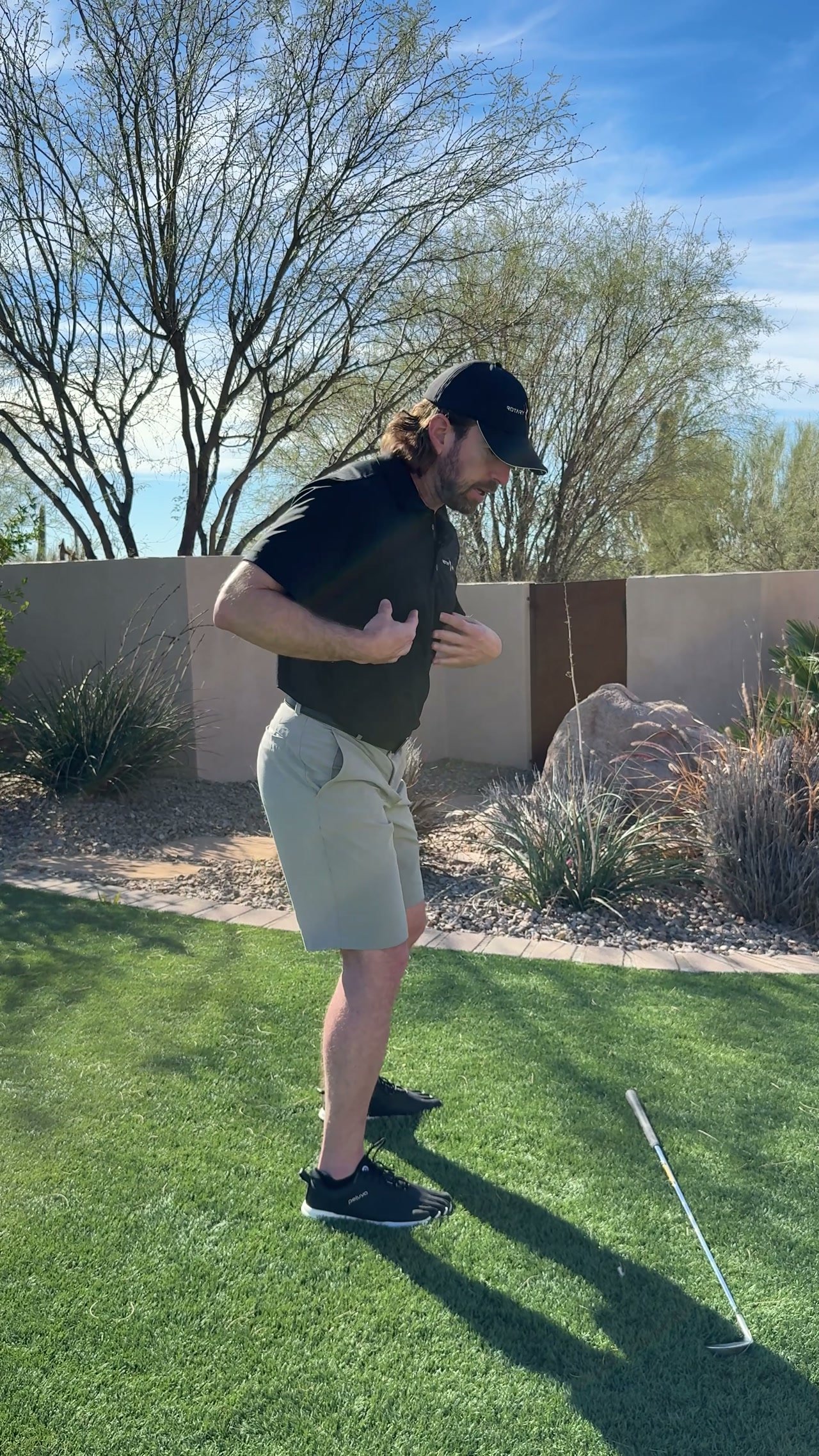
This feeling is absolutely critical to a proper downswing transition, and it's one that I describe in detail in my video on the Golf Downswing Overview here. The key sensation is keeping your chest pointing behind you as long as humanly possible — this gives your arms the time they need to drop back down in front of the body while allowing the hip rotation to unwind the shoulders naturally through the kinetic chain.
Is this the fault costing you strokes?
Film one swing on your phone. In about a minute GOATY measures it and names the single biggest thing costing you strokes — free, no card.
Analyze My Swing Free
Related: Golf hip rotation — what AI coaching reveals →
Android users: Download GOATY on Google Play — free AI golf coaching on your Android phone. →
Tiger's lower body initiates the downswing with a lateral shift to transfer more weight onto his lead side, with his head moving slightly toward the target. But critically, his upper body remains largely in the same position during this first phase — giving his arms time to work back down in front of his body without the shoulders opening prematurely.
Stop reading about it — feel it in your swing today
GOATY watches your swing live and coaches you between every rep. Free. No signup.
Start Your FREE Live Lesson → At the start of the downswing, Tiger works to bring the club and his arms back down in front of him while transferring weight to his left side and keeping his shoulders quiet.
This sequencing is essential because it keeps the club and arms moving in sync with the body, preventing the club from getting stuck and arriving "late" into the impact position. If you want to see how your own downswing sequencing compares to an elite model, try a free AI swing analysis to identify exactly where your sequence breaks down.
As Tiger continues bringing the golf club back down, he maintains the club parallel to and above the original shaft plane established at address. His hips have rotated very little by this point, ensuring he doesn't "outrun" the club on the way down — a mistake that destroys timing and contact quality. Many amateur golfers and even some professionals push too aggressively off the trailing leg, causing the hips to "spin out" while simultaneously forcing the shoulders to open prematurely.
In the next frame, you can see just how aggressively Tiger has shifted his weight onto his lead side. This lateral prevents his hips from spinning out and turning too fast, which would leave the club behind him in the dreaded "stuck" position that leads to blocks and hooks.
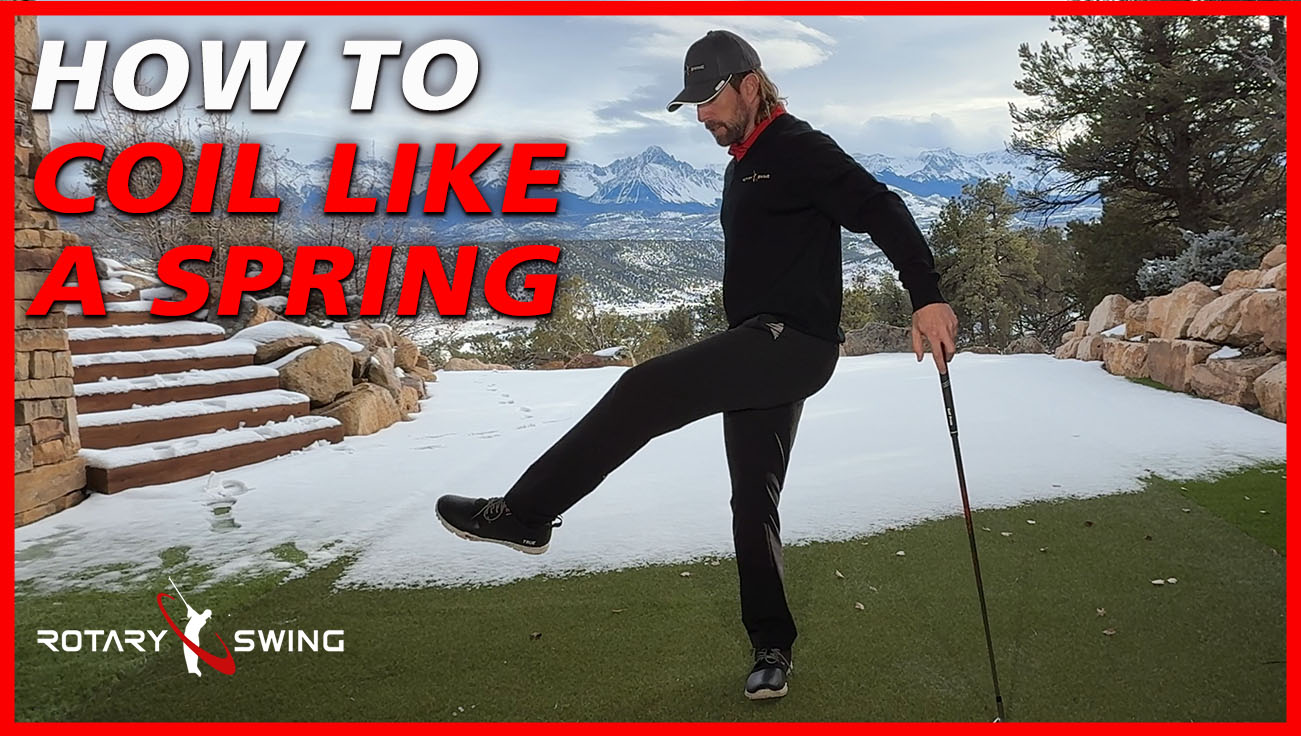
You can't effectively "slide" and "turn" at the same time — one movement will tend to overpower the other in most golfers. But in Tiger's case, this controlled lateral slide is a critical component of his swing because it serves multiple essential purposes simultaneously.
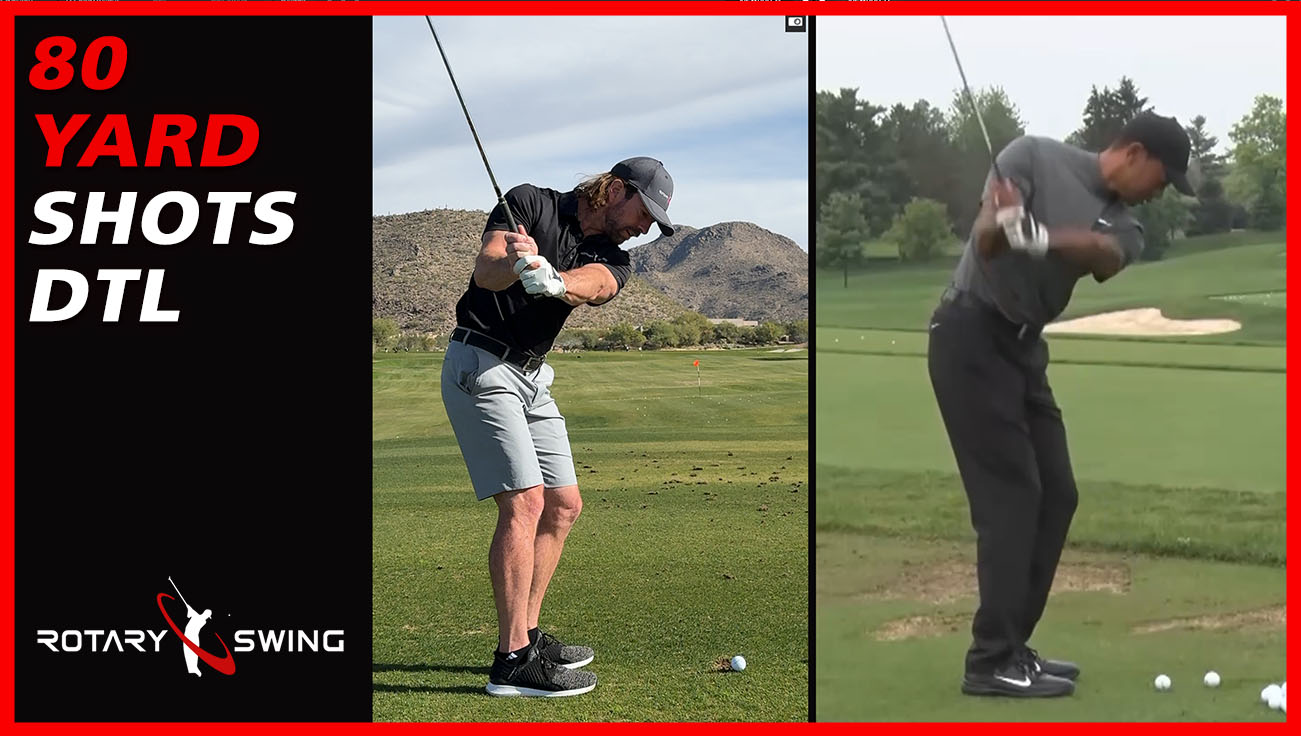
 Note how much Tiger has moved into his left side as the club is about halfway down. Note also that you can still see his left leg in the down the line view indicating that he has rotated his body very little compared to a one planer such as .
For example, if he simply rotated from the top without any lateral shift, the club would descend both above the plane and too steeply — exactly the pattern that produces the classic amateur slice. The lateral movement helps to both shallow out the club path and create the time needed to get the club back in front of his body, as the next frame demonstrates clearly.
As Tiger continues working the golf club downward, the down-the-line view below shows the club is now essentially parallel to the shaft plane at address — and his shoulders are still resisting rotation to ensure the club approaches from the inside and stays in front of his body.
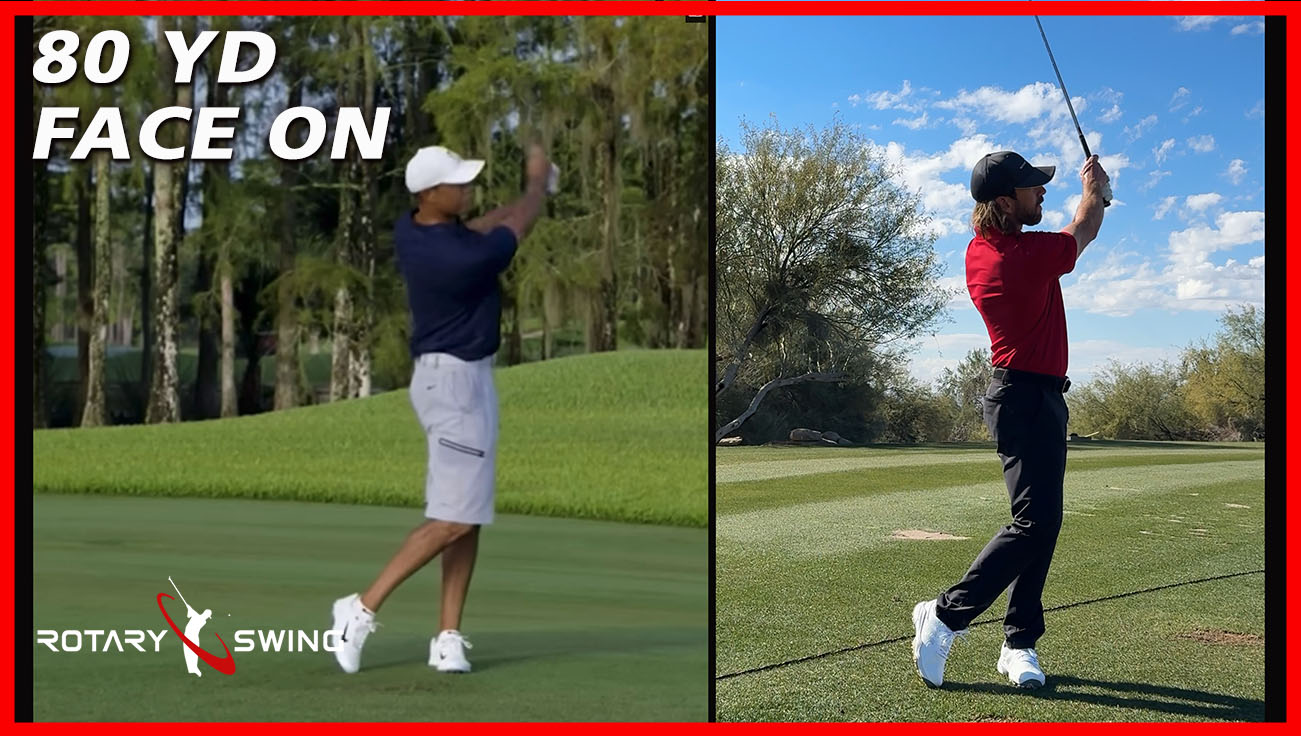
The face-on view reveals the exceptional width Tiger maintains throughout his downswing. Many golfers admire the look of Hogan or Garcia at this point — that extremely narrow downswing position with tremendous lag — and assume it's the key to generating power.
Tiger obviously doesn't lack power, so he's living proof that a golf swing also needs width to generate speed and ensure the club returns in front of the body at impact. Width and lag aren't mutually exclusive — it's about finding the optimal balance for your swing.
 Good width and spacing on the downswing and the shaft through Tiger's right forearm set him up for a simple delivery in to the ball.
 The amount of lag Tiger maintains at this point is optimized for control in his swing. Any narrower and he would need to compensate significantly with his hands during the downswing — using something like Hogan's technique or relying on an extremely strong grip like Sergio Garcia's to square the clubface consistently.
At this position, Tiger has returned the golf club precisely onto the shaft plane from address, with his shoulders still slightly closed to the target. He continues working his hands in front of the ball while maintaining substantial width in the downswing, as the face-on view clearly demonstrates.
Finally, the golf impact position. Tiger arrives at impact with his hands ahead of the ball and the shaft returned perfectly to the address plane from the down-the-line perspective. His shoulders are square to the target and his hips have cleared without becoming excessive — a hallmark of his exceptional body control.
 Tiger is in an ideal two plane impact position here with his body more square to the target and hands back in front of his chest.
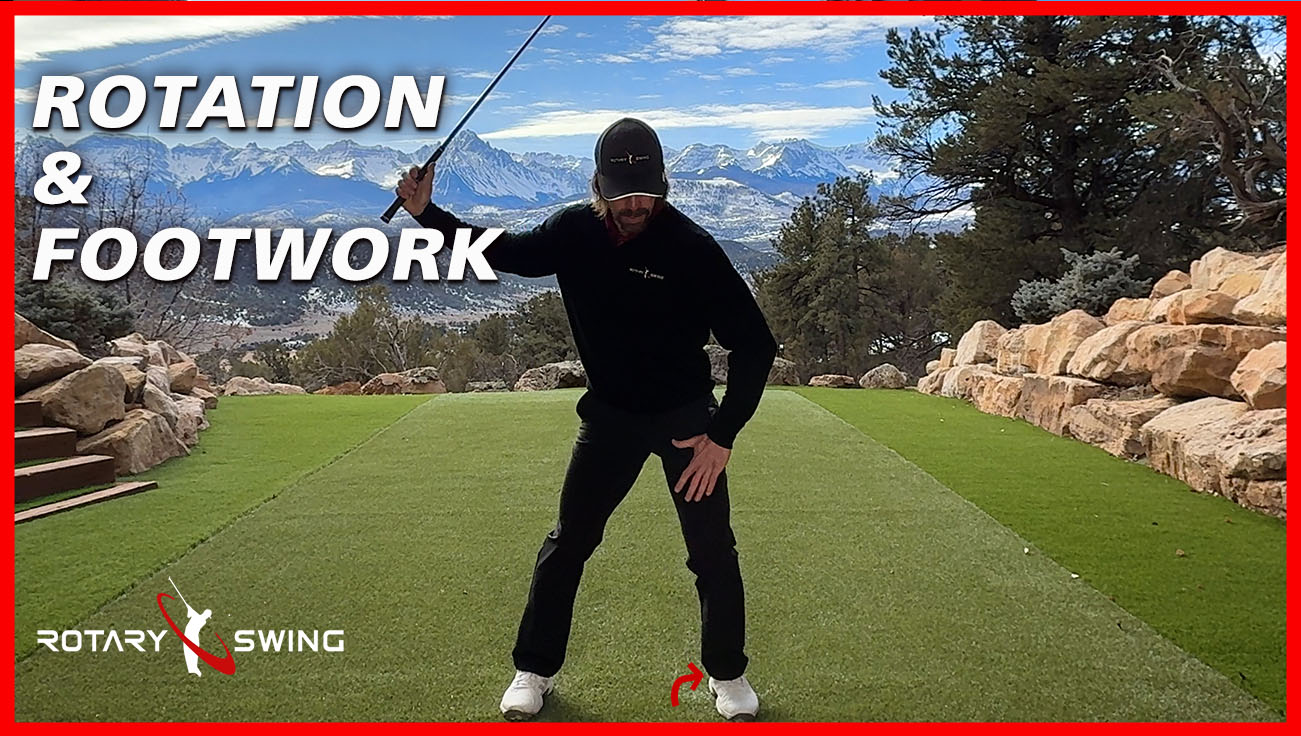
From face on, you can observe that Tiger's right heel works slightly down the target line rather than lifting straight up. This keeps his body grounded and allows him to generate force by leveraging the ground — rather than simply spinning out his hips. This ground-force connection is one of the key differences between amateur and elite ball striking, and it's something you can work on in a free AI golf lesson with real-time feedback on your hip and weight mechanics.
How to Develop a Powerful GOAT Model Downswing
Study and apply the key mechanics of the GOAT Model downswing to increase your lag, speed, and compression for elite ball striking.
-
1
Study the Hip Initiation
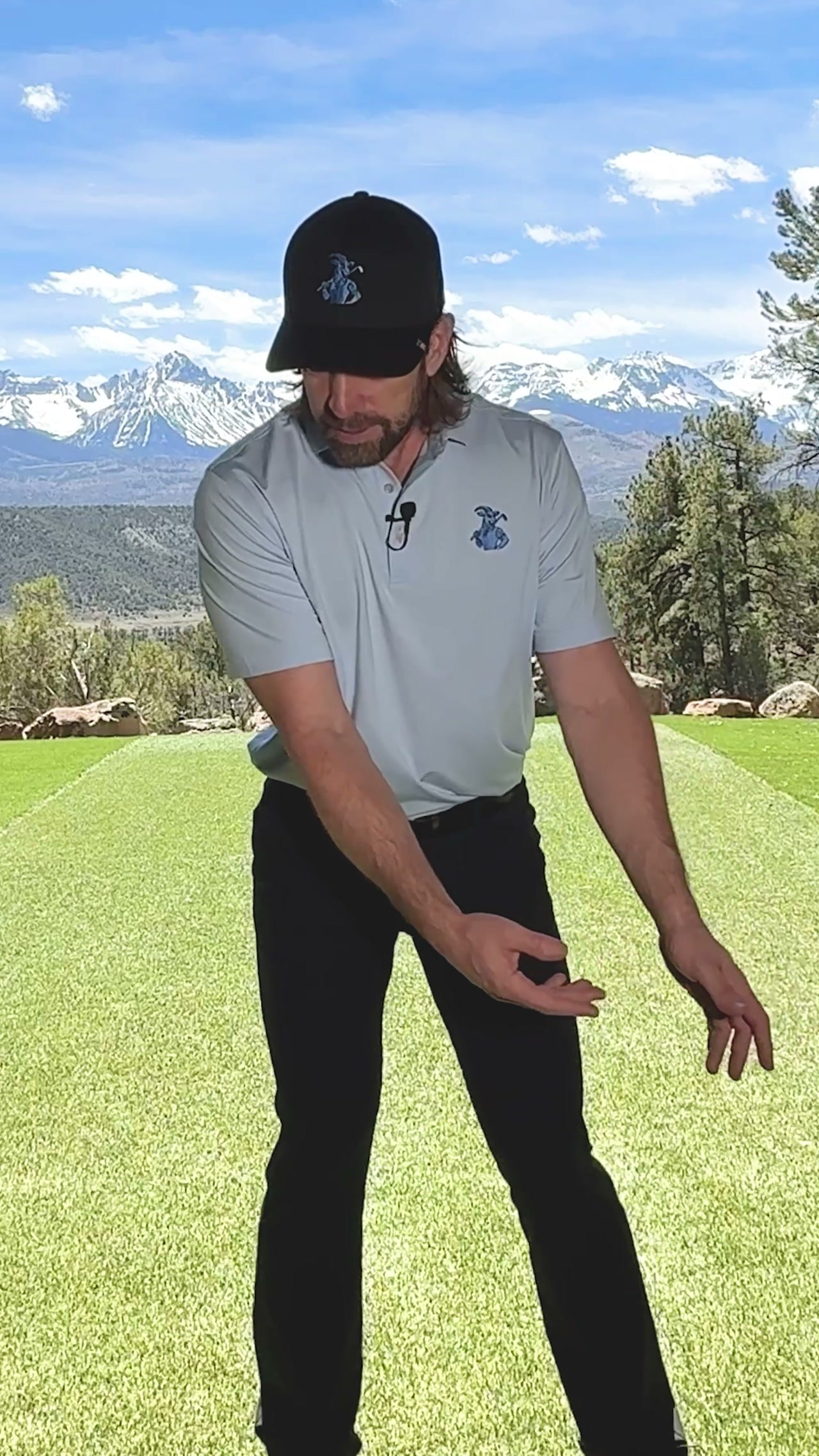
The GOAT Model downswing begins with the hips leading the shoulders. At the top of the backswing, the hips fire toward the target while the shoulders and arms are still at the top. This separation creates enormous elastic energy that converts to clubhead speed. Practice making the first 6 inches of your downswing purely with your lower body.
-
2
Feel the Trail Elbow Drop
As the hips fire, the trail elbow drops into the body nearly touching the trail hip on the way down. This move keeps the club on plane and creates the inside-out path that produces a powerful compressed draw. Drill this by making half-swings focused entirely on the elbow drop.
-
3
Maintain Your Lag Angle
The wrist angles from the top of the backswing are maintained deep into the downswing. This is lag. To train it, hold a weighted club or alignment stick at the top of your backswing and practice initiating the downswing without losing the wrist angle for as long as possible.
-
4
Drive Through Impact with the Lead Side
Through impact, the lead hip clears aggressively, the lead knee straightens, and the lead arm stays connected. This lead-side drive prevents the flip and creates the compressed forward-shaft-lean impact position. Practice slow-motion impact positions holding for 3 seconds.
-
5
Score Your Downswing with GOATY
Open GOATY live lesson at rotaryswing.com/goaty/landing/goat_drill_video and take 10 swings. GOATY evaluates your downswing mechanics in real time. Improved hip initiation and lag retention show up immediately in your ENGINE and WHIP scores with voice coaching every rep.
Watch part 2 now to see how you're moving your body in the opposite direction of the pros!