



























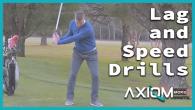
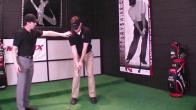





Torque Bridge Drill
Sorry, you need to be a member to access this video. You Are Just Seconds Away!

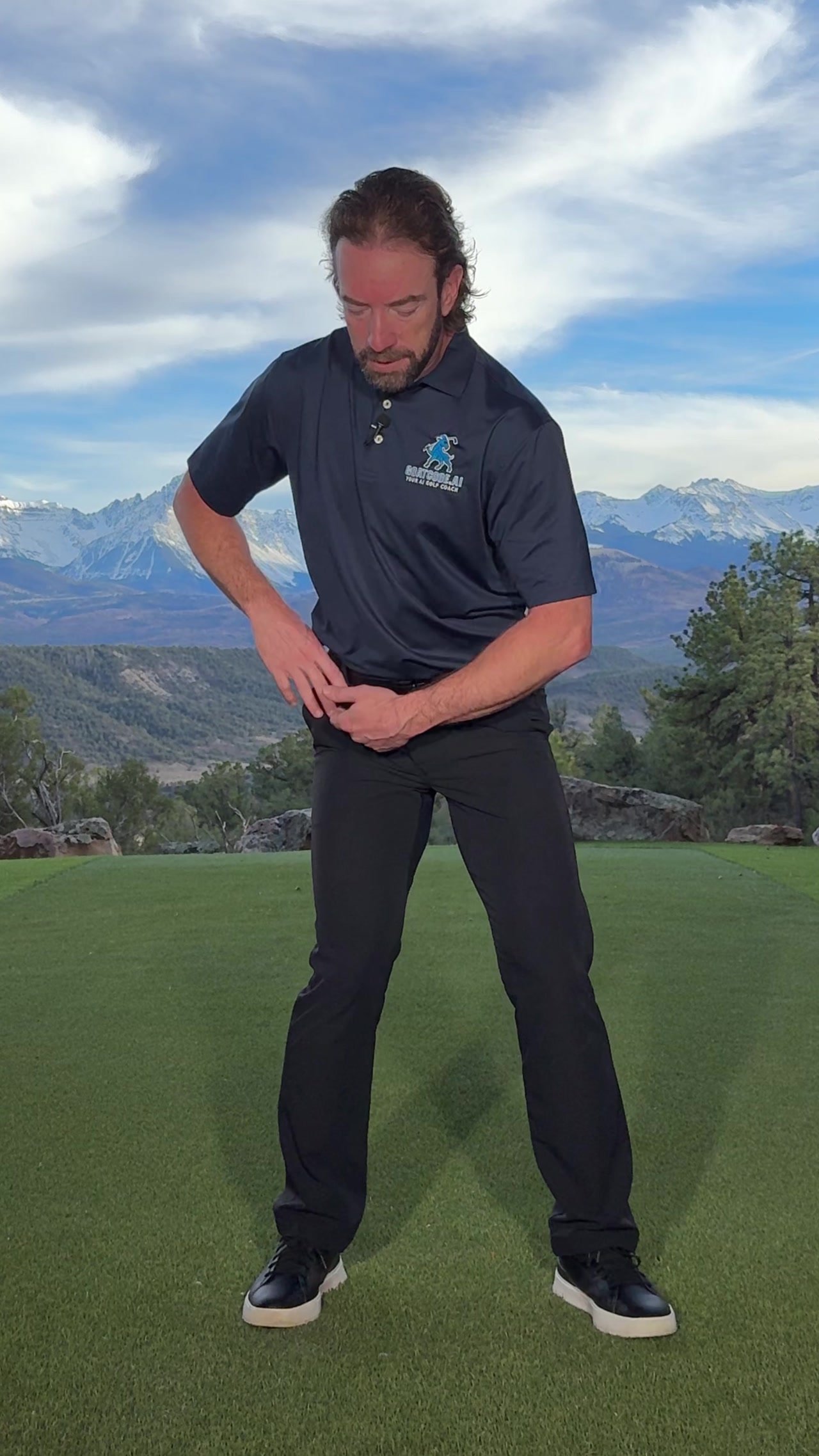
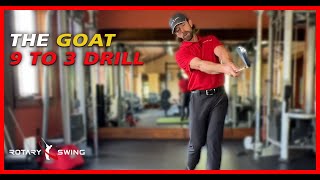
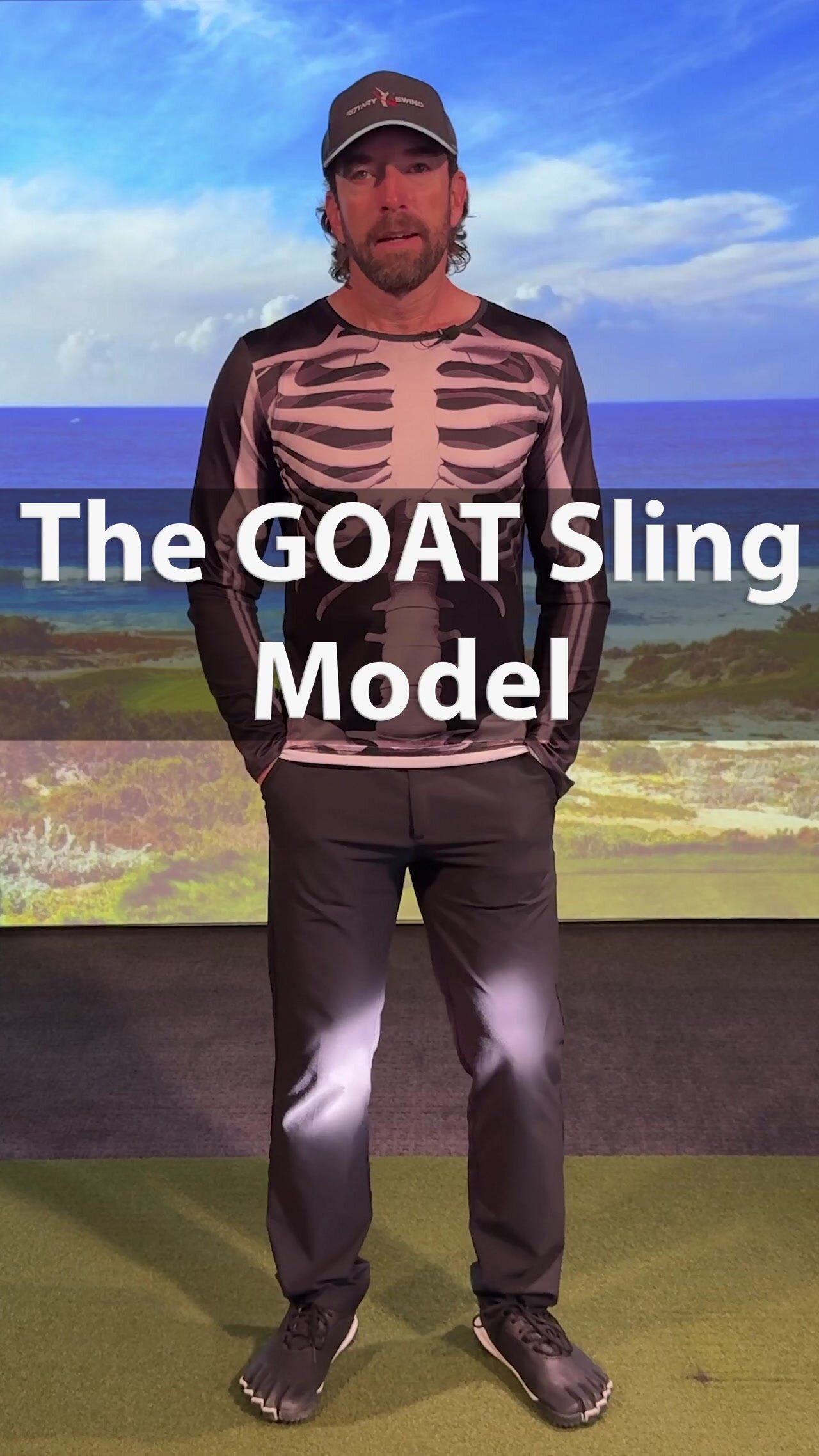
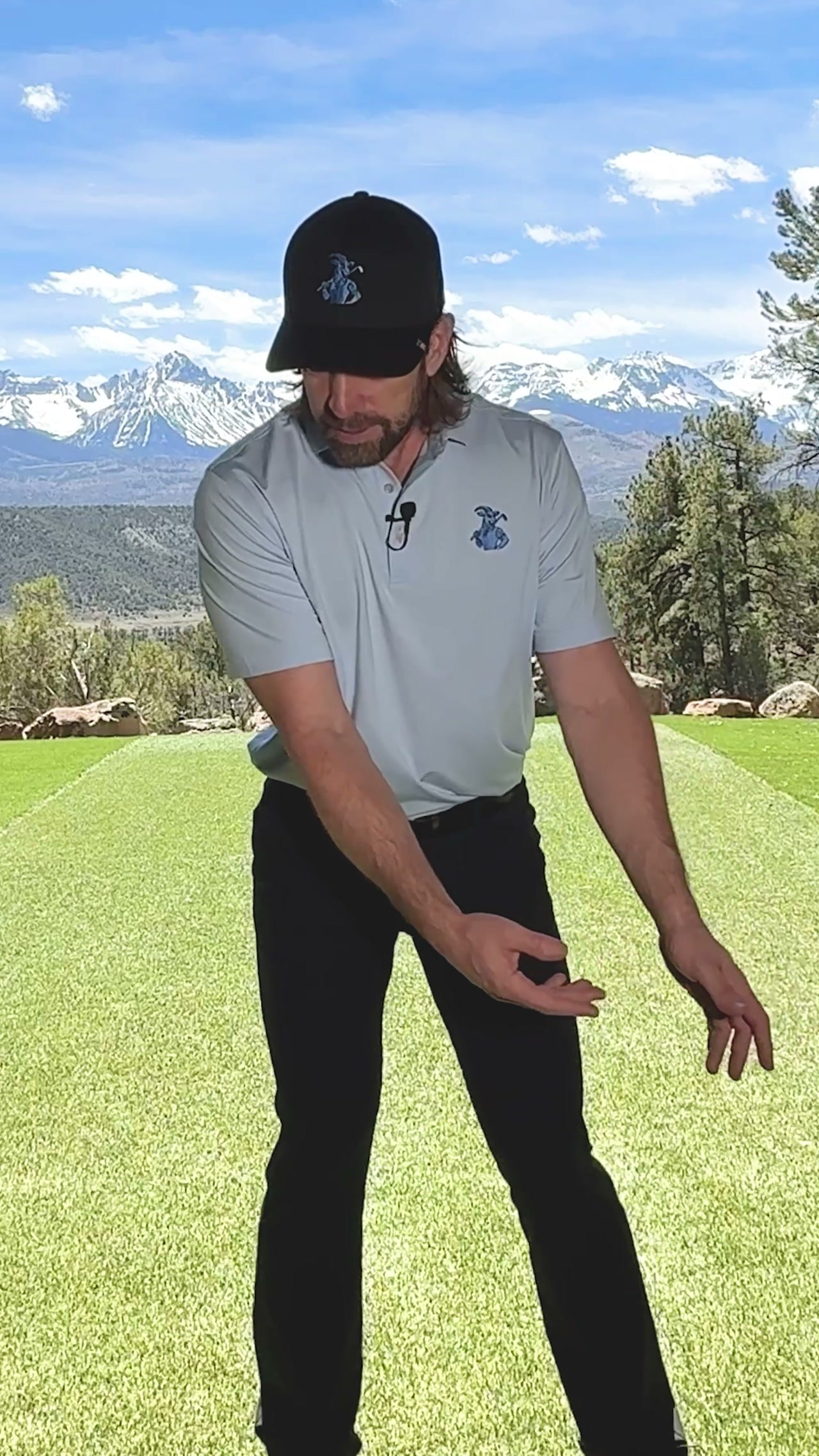
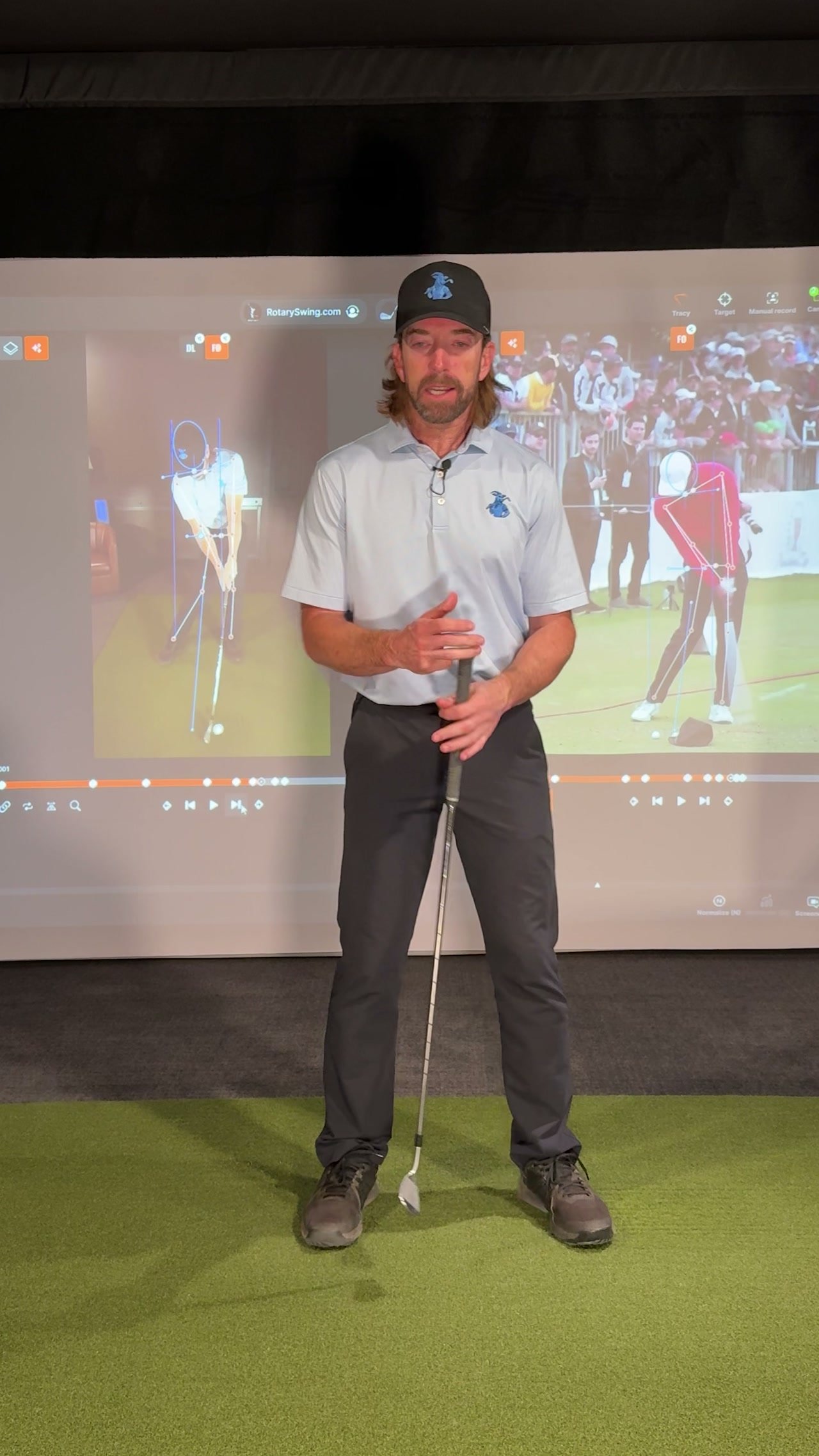
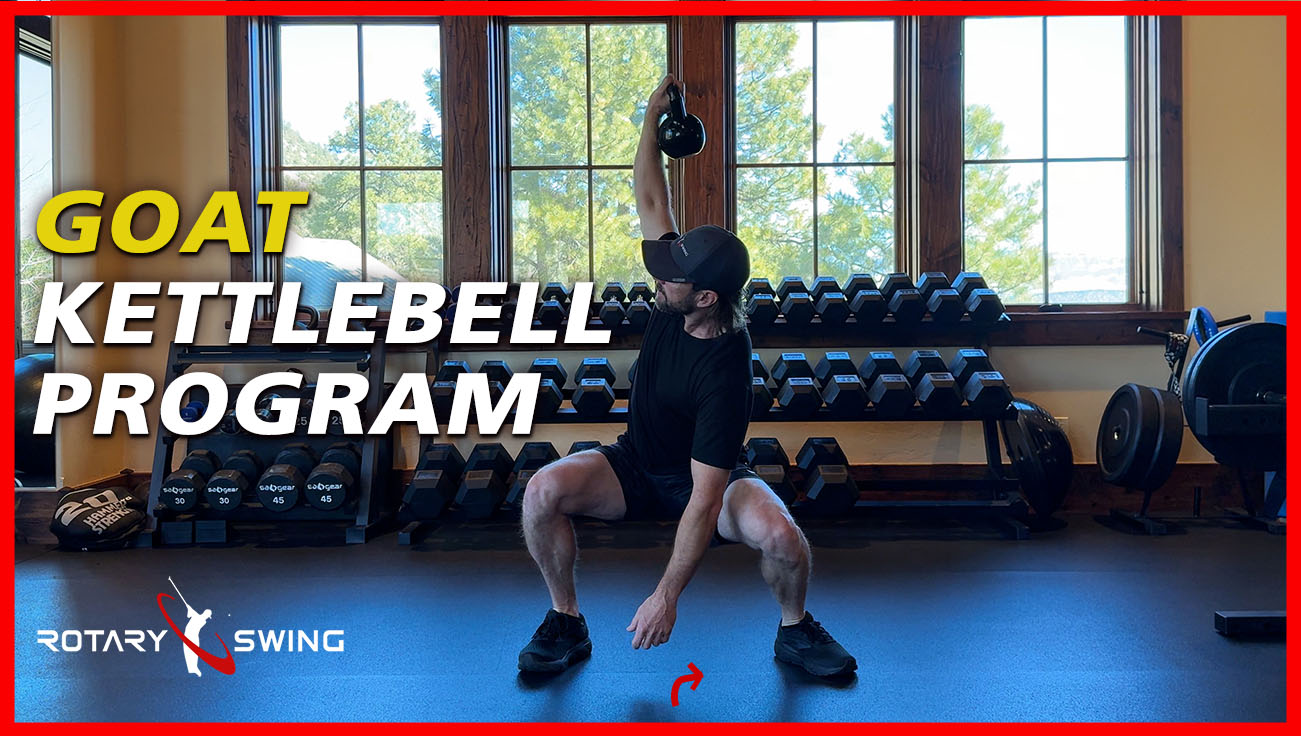
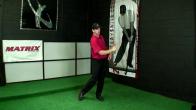
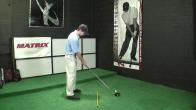
The Torque Bridge Drill is one of GOATY's drills he recommends for certain swing patterns. This drill has an 86% success rate of showing measurable improvements with patterns such as those who sway - both your hips and head, those who cast the club, and many more.
Every goat ball striker has said that the swing starts from the ground up, but what does that really mean?
In the torque bridge drill, you're going to finally feel what that really means and understand how to create real torque using the ground on your feet.
And it starts with understanding how to load during the backswing.
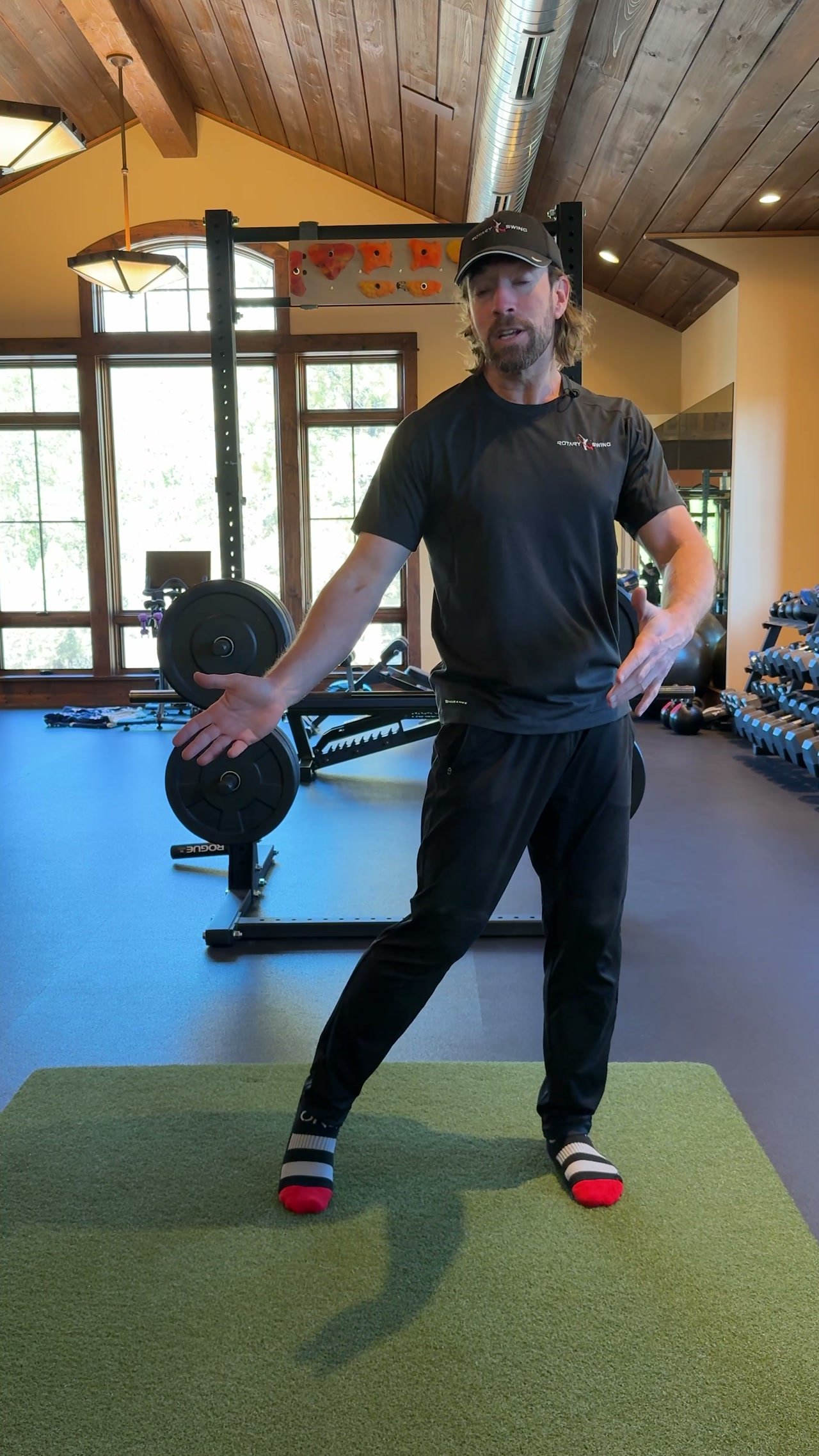
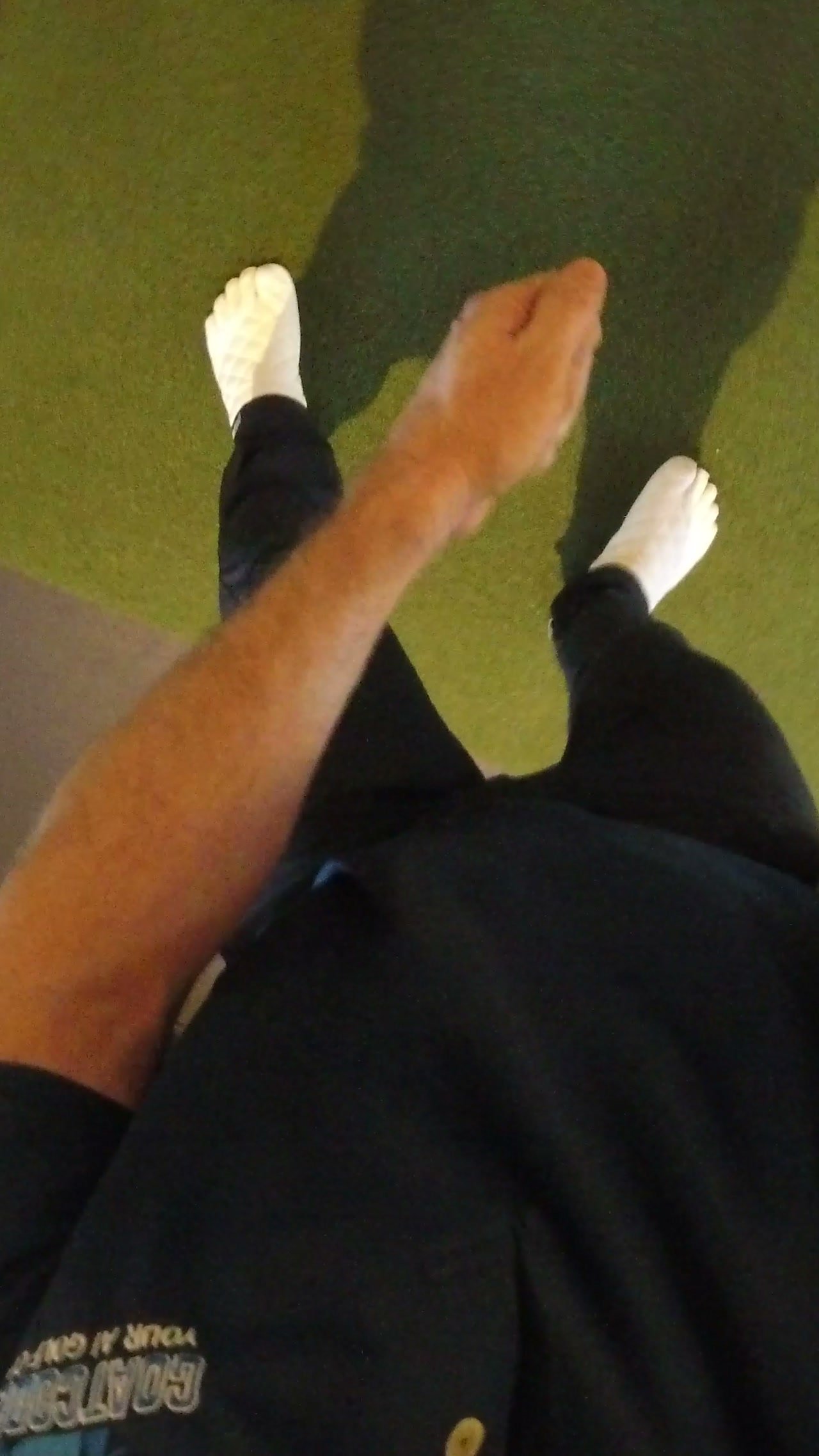
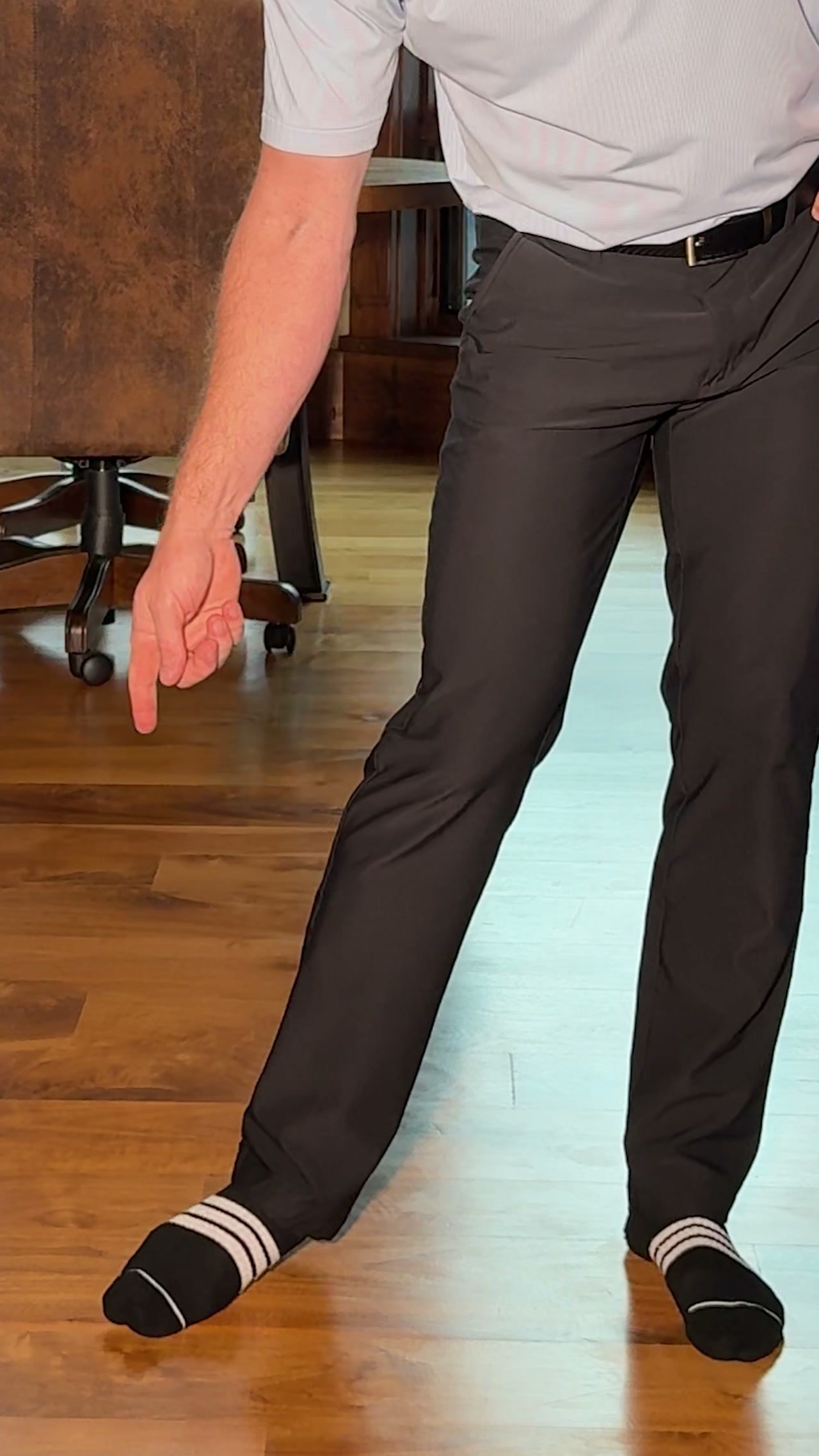
The first thing you've got to understand, and this is really easy to practice if you're indoors and at your house, on a slick floor with socks on.
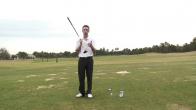
I'm going to do it on the grass here and you're going to see my foot's not going to slide that much, but if you're at home doing this on a slick floor with socks, you'll feel it so much faster.
When you're making your backswing, most golfers turn their upper body, trying to separate their upper body from their lower body.
And that's not what the goats did.
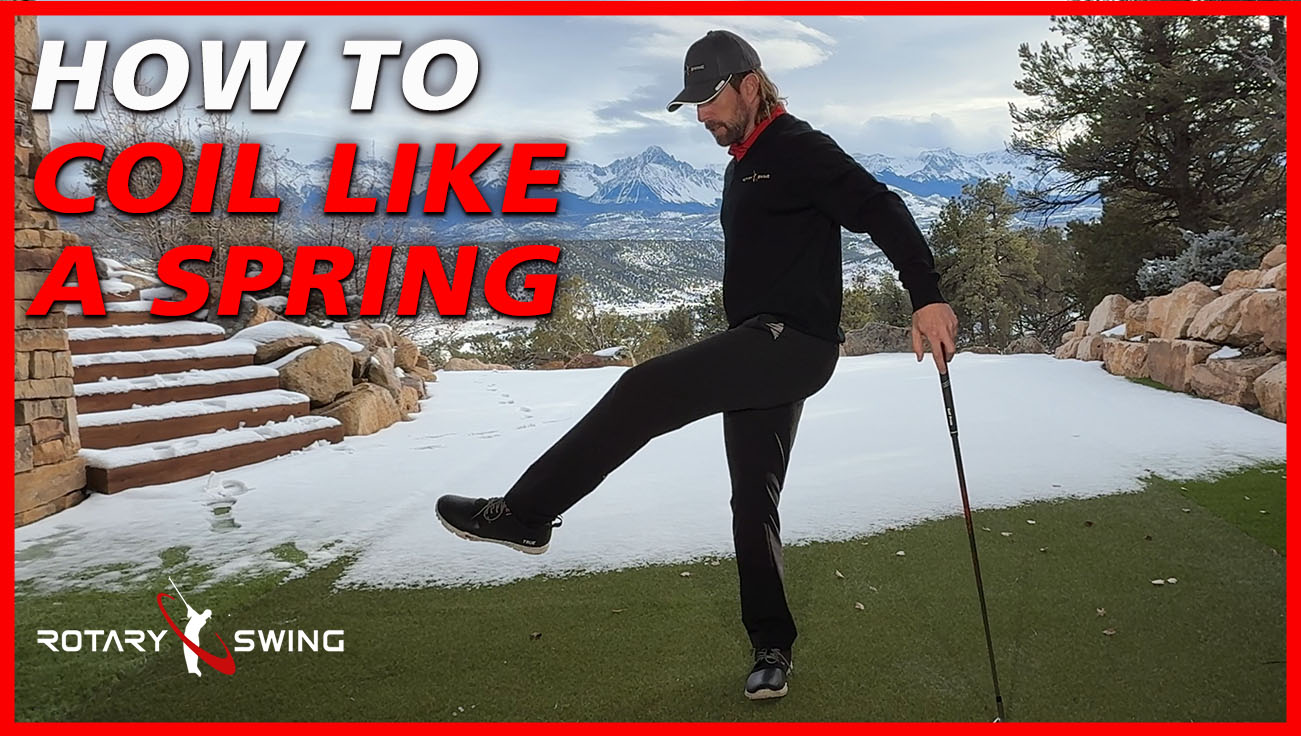
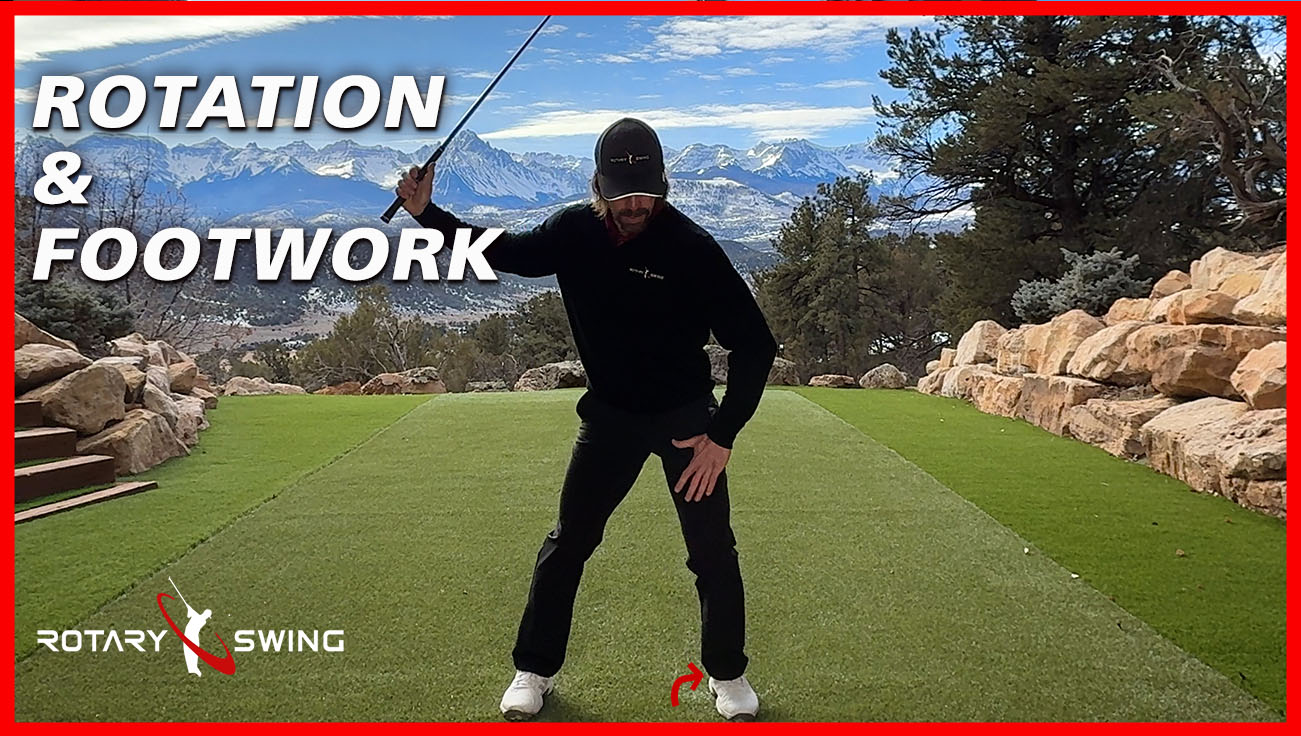
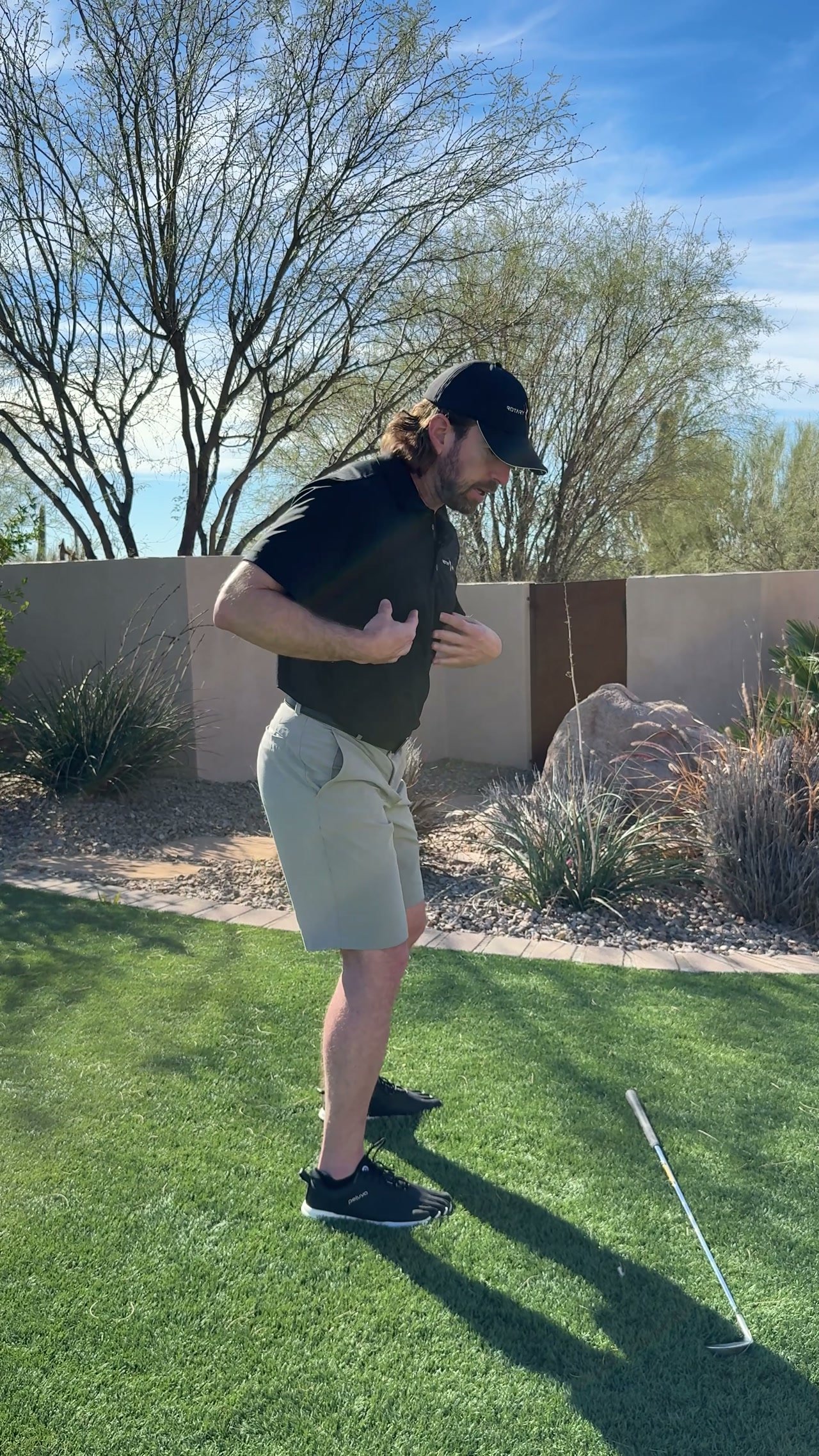
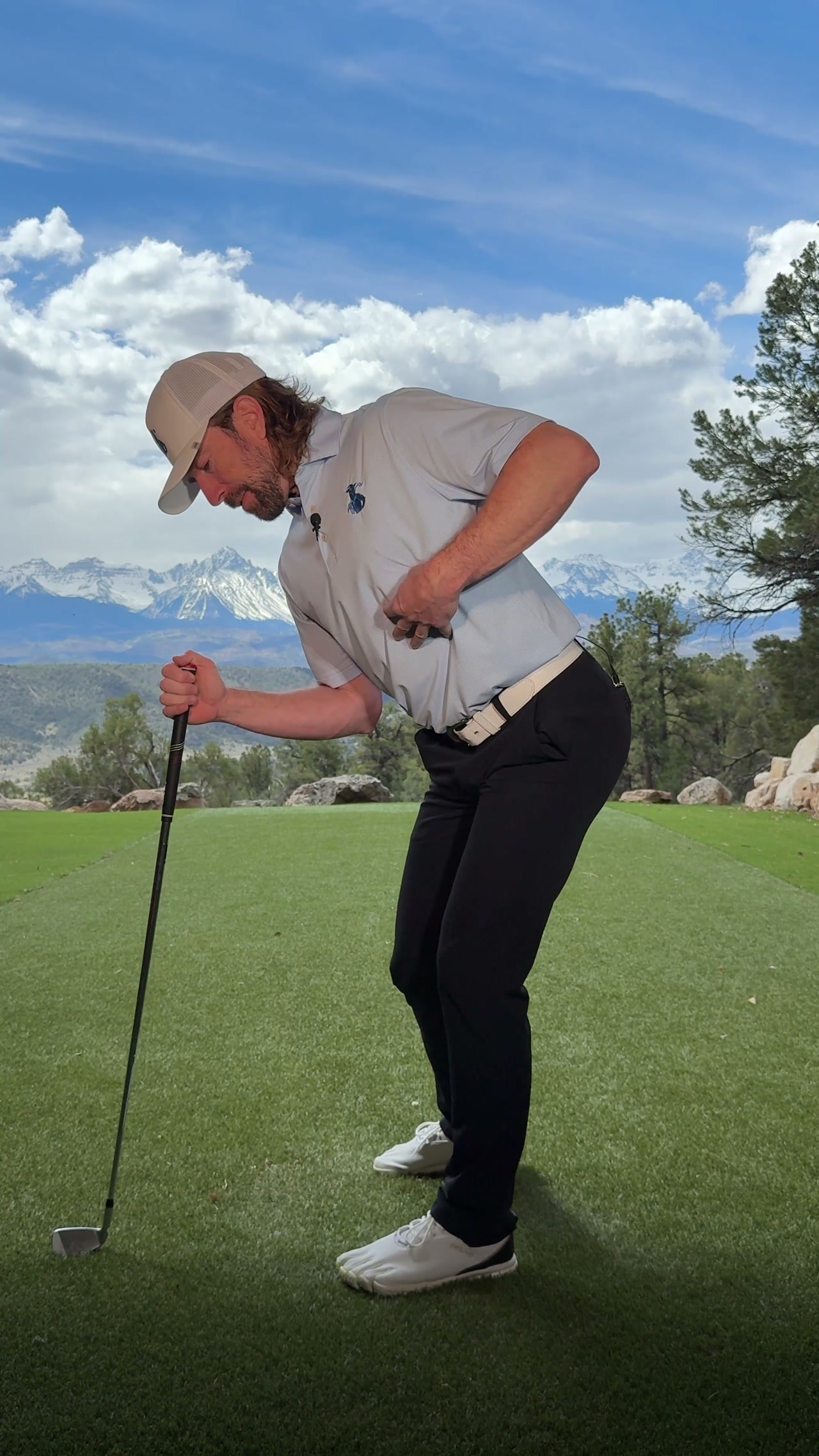
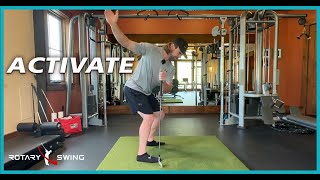
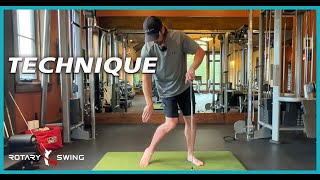
The goats actually started truly from the ground up by taking their trail foot and twisting it into the ground toward the center of your body.
What I mean by that is doing this.
Now, of course, when there's no friction, my foot's just going to slide.
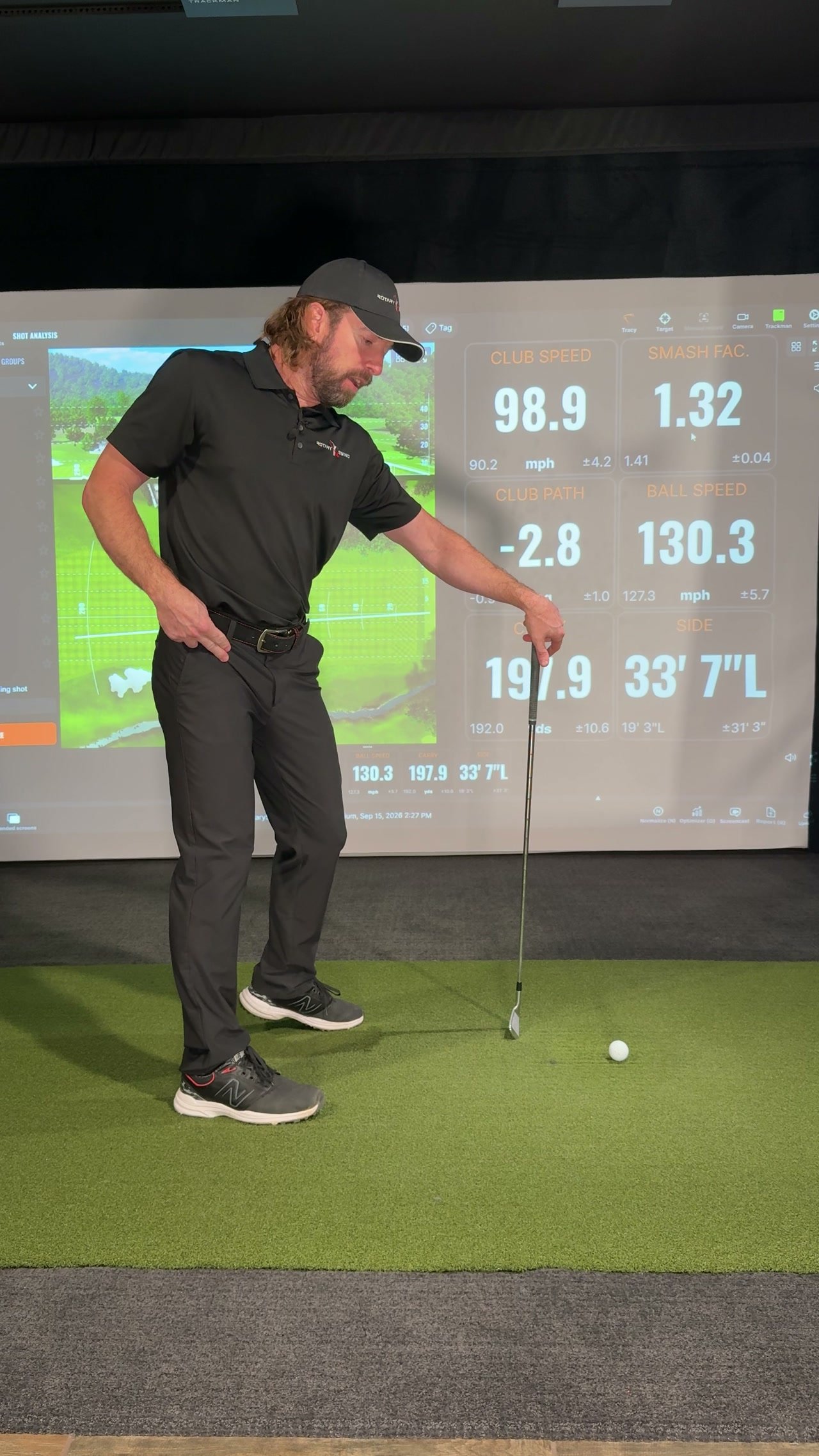
But when we have our golf shoes on and we're on grass and I don't let this foot slide, as I start twisting this foot this way into the ground but don't let it move, that creates a torsional chain that starts to rotate my body.
So I didn't rotate my chest at all right now.
My rib cage and my belt buckle move together.
What I did was try and twist my foot into the ground, but without allowing it to move, you'll feel how everything starts twisting this way.
This is how you load your trail side properly in the swing.
So as I'm doing this, My knee, my hip, everything is starting to rotate, and then I'm going to sit back into my trail hip and I'm gonna feel really, really loaded.
You should feel it, load back here.
So twist your foot into the ground, that is what actually rotates your body, your feet, the ground, and that force is what's rotating you.
If you don't feel a lot of tension and torque, you're probably used to turning upper body.
That actually makes your foot turn this way.
In the backswing, you don't ever want to feel your foot wanting to slide that way, it's the opposite, so once you have this feel, you can feel.
As I'm twisting my foot into the ground and my my hips getting really loaded as I keep twisting that foot.
Eventually, my hips going to get turned enough that it's going to make me automatically re-center.
This is great because now I don't have to think about pushing to shift my weight back over just by twisting my foot into the ground.
So this would be counter clockwise for a right-handed golfer.
That gets me shifted back over and now I'm already on my lead side and ready to go back the other way.
But now the catch is, what is the lead side doing, while the trail side is helping us load?
This way?
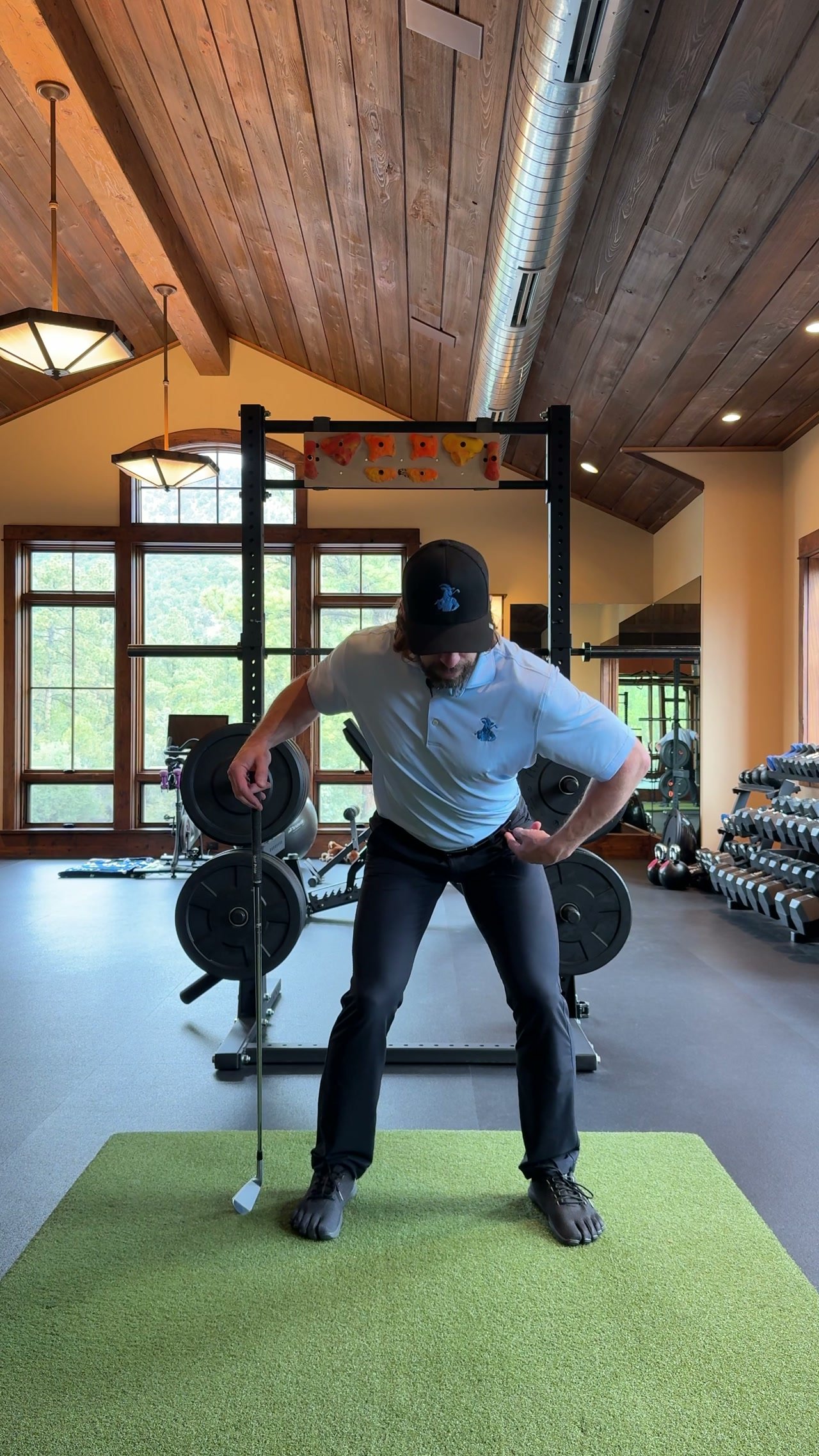
As my trail foot is twisting into the ground, this way, my lead foot is twisting into the ground.
The opposite it's for a right-handed golfer is twisting clockwise.
And so as you put both of these together without your feet moving, so I'm loading.
Now I'm moving to the inside of my lead foot, but I'm actually trying to resist against the ground to load my lead hip.
And when you do both at the same time, the first move is getting into the trail side and loading.
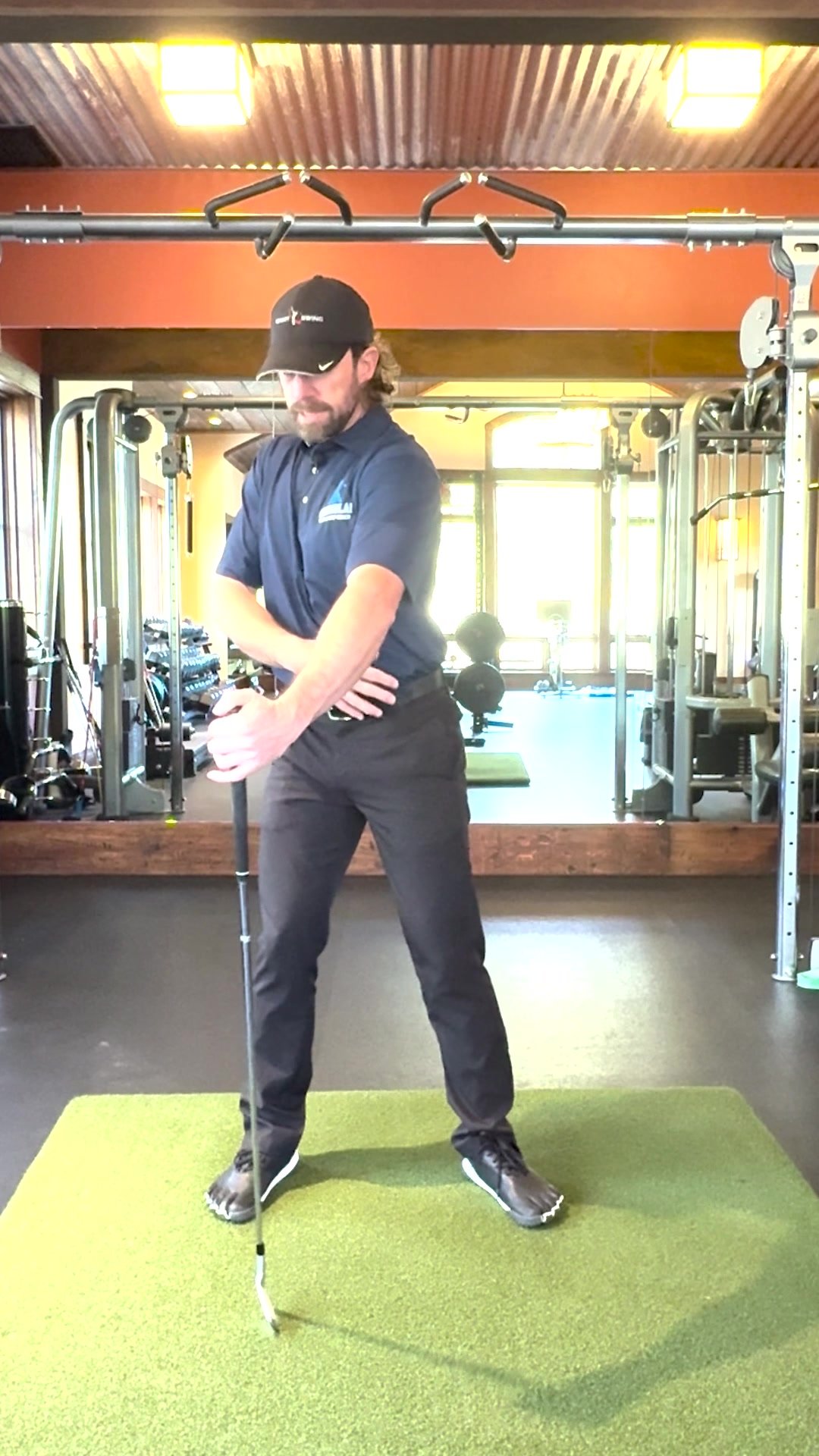
And then as I resist with the lead foot, what you're gonna feel is the torque bridge.
You're gonna feel your foot, your trail foot twisting to the ground, loading the hip.
The lead foot is twisting to the ground the opposite way.
And as you do both of these together, You should feel both glutes, both hips engage and a line going up from your feet all the way up your thighs and across your pelvis.
And that's where the bridge is.
The pelvis is the bridge between the two ground forces that you're creating in your feet.
So as you do both together.
Now that my trail foot's initiating the backswing and now I shift over because I recenter, as I keep turning, I'm loaded into my trail hip.
But now my lead hip has got to take over.
And so the the energy transfers up the up the the the leg across the bridge in your pelvis and your core to the lead side.
And now the lead side continues that clockwise rotation for a right handed golfer.
So now, as I'm doing that, that is what rotates me very quickly.
So the feel that you're going to start to work on is doing this inside, especially with socks, would be really helpful.
Because you'll feel your foot slide and then you'll feel planting it to loading up, spiraling around from the ground, up from your foot, all the way up to your hip.
Keeping this one resisting.
And then as you get ready to go over, that's when everything fires very, very quickly.
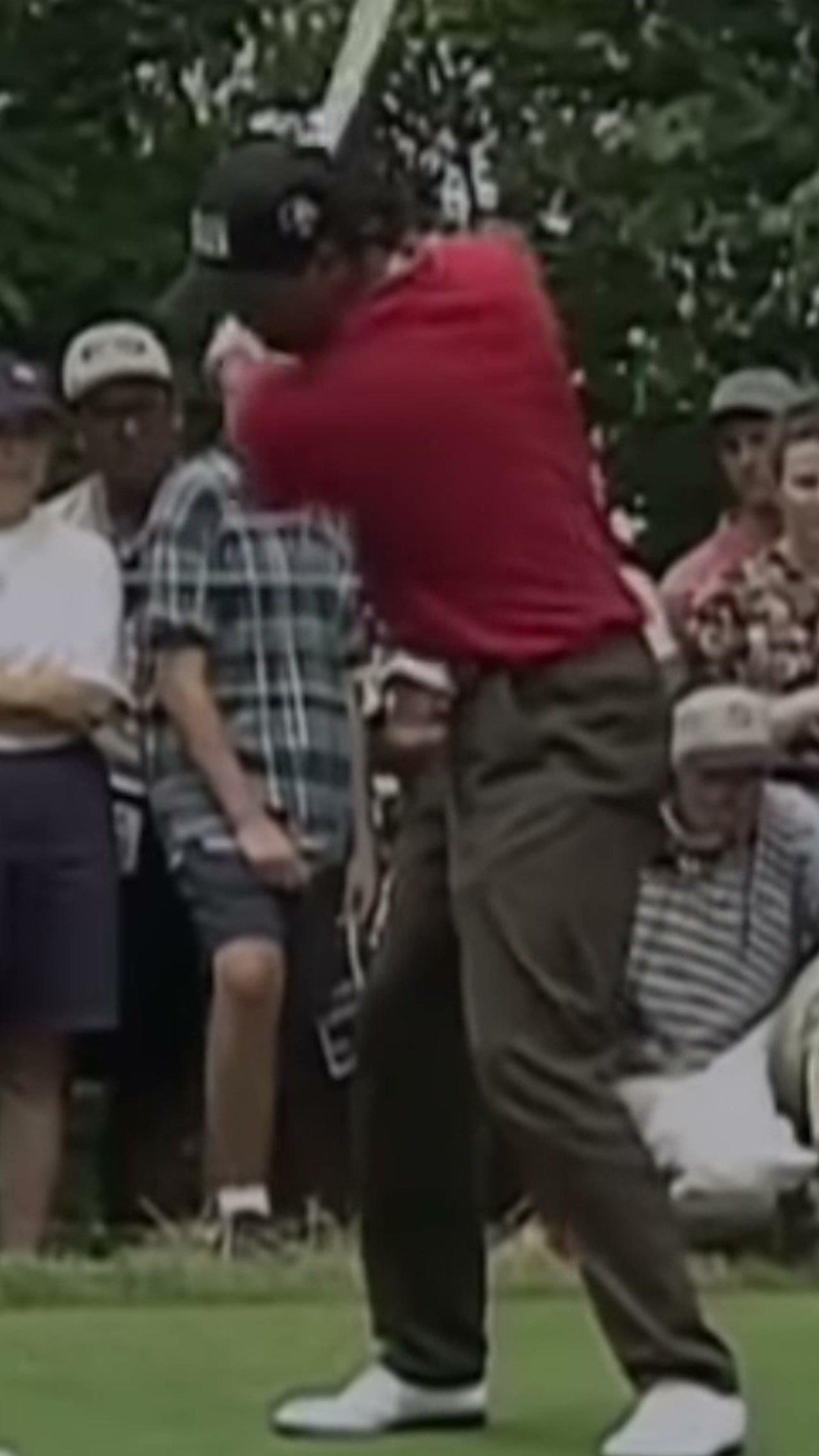
And that is where you get the explosive speed that you saw in the Goats.
They truly did swing from the ground up now.
One thing that you want to be very careful of, as you're spiral loading from the foot up through the hip and resisting with this side by twisting it the other way.
Now you've got this nice, stable base, you do want to let this trail hip that's loaded fire, you want to, and your foot is going to move very quickly, so as you're loading it, you're going to feel your pressure as you re-center, so I spiral up, that re -centers me.
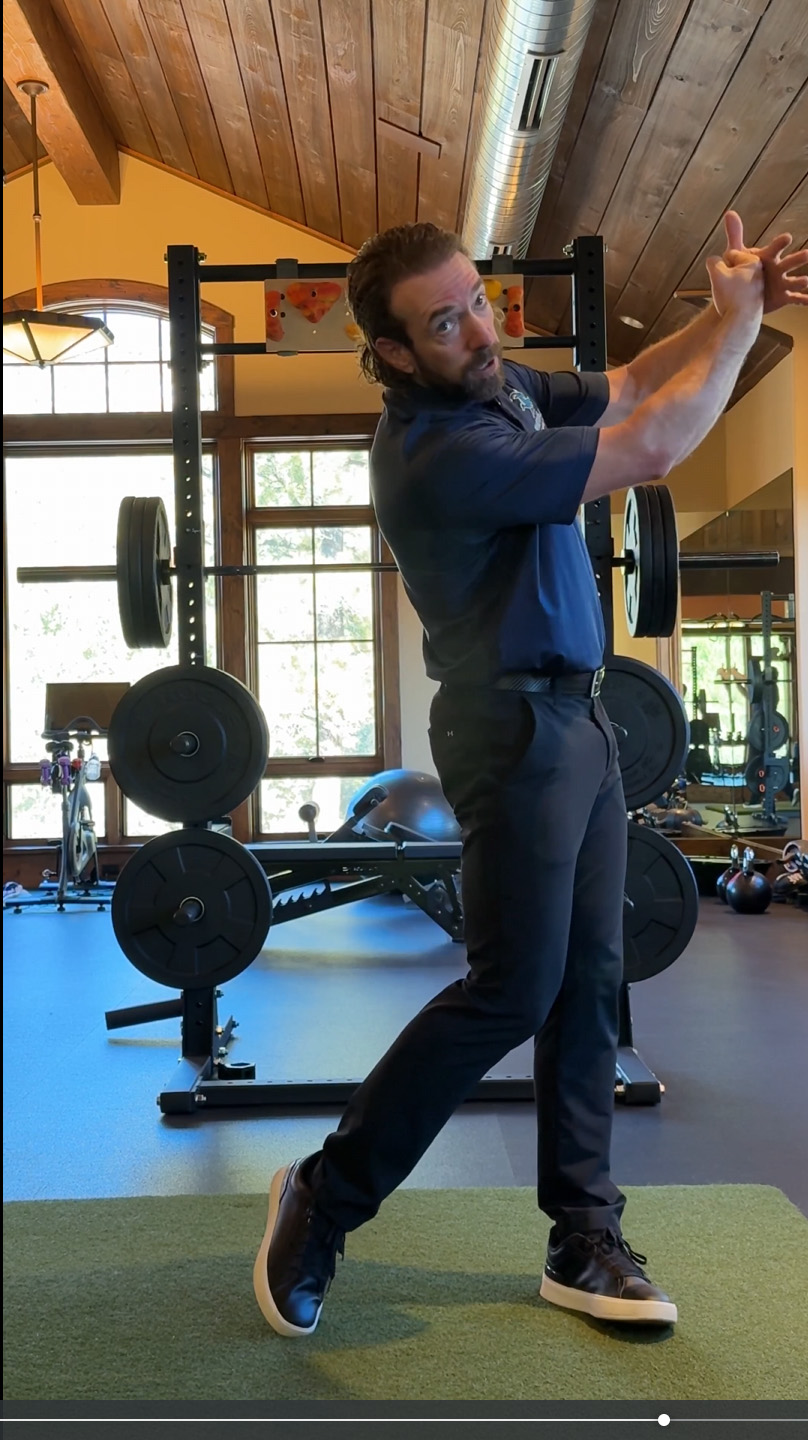
Now, my lead hip is going to take over, and as this foot becomes light, my heel is going to pop up.
And so I want you to practice spiral loading from the foot, feeling the energy transfer and load across the bridge.
And as you're over here, you can see that my foot naturally just pops up, my heel pops up.
And now this, as I've unweighted this foot, my lead hip is really loaded and then my trail foot is going to snap and my knee is going to snap like this.
As you start doing this more quickly, it's going to be a very fast movement.
The last thing you want to remember, as you're loading, the most important part is to get this load correct.
Once you have the load correct, everything starts to happen pretty naturally for you from there.
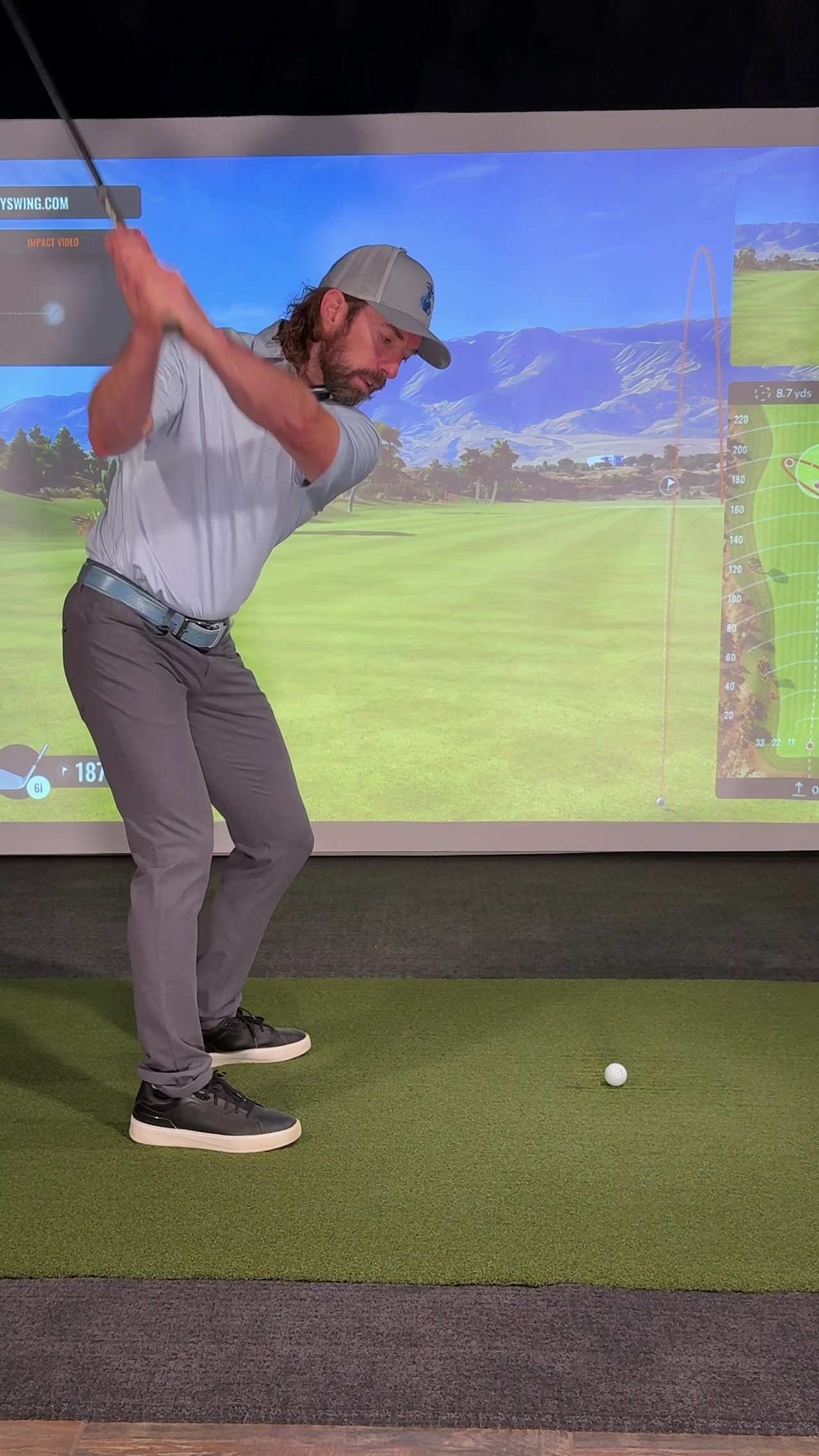
But as you're loading and you're spiraling up from the ground, your head should start to drop a little bit during the backswing, just a tiny bit.
You're just really loading into this trail hip.
But then as you start down, because this leg is flexed, because we've bent it during the backswing, and this leg has been extended, as we shift pressure over and this side unweights, your head is going to really drop.
And that is one of the main things that GODI is looking for is how much your pelvis, your, your sternum and your pelvis both are dropping during the downswing.
So start practicing loading up.
You'll see my head start to drop a little bit.
And then as I start to come back, then my head's really going to drop and then it's going to explode up into impact.
So work really diligently because this is the key to effortless power in the swing.
You have to start from the ground up and build this torque bridge.
In the torque bridge drill, you're going to finally feel what that really means and understand how to create real torque using the ground on your feet.
And it starts with understanding how to load during the backswing.
The first thing you've got to understand, and this is really easy to practice if you're indoors and at your house, on a slick floor with socks on.
I'm going to do it on the grass here and you're going to see my foot's not going to slide that much, but if you're at home doing this on a slick floor with socks, you'll feel it so much faster.
When you're making your backswing, most golfers turn their upper body, trying to separate their upper body from their lower body.
And that's not what the goats did.
The goats actually started truly from the ground up by taking their trail foot and twisting it into the ground toward the center of your body.
What I mean by that is doing this.
Now, of course, when there's no friction, my foot's just going to slide.
But when we have our golf shoes on and we're on grass and I don't let this foot slide, as I start twisting this foot this way into the ground but don't let it move, that creates a torsional chain that starts to rotate my body.
So I didn't rotate my chest at all right now.
My rib cage and my belt buckle move together.
What I did was try and twist my foot into the ground, but without allowing it to move, you'll feel how everything starts twisting this way.
This is how you load your trail side properly in the swing.
So as I'm doing this, My knee, my hip, everything is starting to rotate, and then I'm going to sit back into my trail hip and I'm gonna feel really, really loaded.
You should feel it, load back here.
So twist your foot into the ground, that is what actually rotates your body, your feet, the ground, and that force is what's rotating you.
If you don't feel a lot of tension and torque, you're probably used to turning upper body.
That actually makes your foot turn this way.
In the backswing, you don't ever want to feel your foot wanting to slide that way, it's the opposite, so once you have this feel, you can feel.
As I'm twisting my foot into the ground and my my hips getting really loaded as I keep twisting that foot.
Eventually, my hips going to get turned enough that it's going to make me automatically re-center.
This is great because now I don't have to think about pushing to shift my weight back over just by twisting my foot into the ground.
So this would be counter clockwise for a right-handed golfer.
That gets me shifted back over and now I'm already on my lead side and ready to go back the other way.
But now the catch is, what is the lead side doing, while the trail side is helping us load?
This way?
As my trail foot is twisting into the ground, this way, my lead foot is twisting into the ground.
The opposite it's for a right-handed golfer is twisting clockwise.
And so as you put both of these together without your feet moving, so I'm loading.
Now I'm moving to the inside of my lead foot, but I'm actually trying to resist against the ground to load my lead hip.
And when you do both at the same time, the first move is getting into the trail side and loading.
And then as I resist with the lead foot, what you're gonna feel is the torque bridge.
You're gonna feel your foot, your trail foot twisting to the ground, loading the hip.
The lead foot is twisting to the ground the opposite way.
And as you do both of these together, You should feel both glutes, both hips engage and a line going up from your feet all the way up your thighs and across your pelvis.
And that's where the bridge is.
The pelvis is the bridge between the two ground forces that you're creating in your feet.
So as you do both together.
Now that my trail foot's initiating the backswing and now I shift over because I recenter, as I keep turning, I'm loaded into my trail hip.
But now my lead hip has got to take over.
And so the the energy transfers up the up the the the leg across the bridge in your pelvis and your core to the lead side.
And now the lead side continues that clockwise rotation for a right handed golfer.
So now, as I'm doing that, that is what rotates me very quickly.
So the feel that you're going to start to work on is doing this inside, especially with socks, would be really helpful.
Because you'll feel your foot slide and then you'll feel planting it to loading up, spiraling around from the ground, up from your foot, all the way up to your hip.
Keeping this one resisting.
And then as you get ready to go over, that's when everything fires very, very quickly.
And that is where you get the explosive speed that you saw in the Goats.
They truly did swing from the ground up now.
One thing that you want to be very careful of, as you're spiral loading from the foot up through the hip and resisting with this side by twisting it the other way.
Now you've got this nice, stable base, you do want to let this trail hip that's loaded fire, you want to, and your foot is going to move very quickly, so as you're loading it, you're going to feel your pressure as you re-center, so I spiral up, that re -centers me.
Now, my lead hip is going to take over, and as this foot becomes light, my heel is going to pop up.
And so I want you to practice spiral loading from the foot, feeling the energy transfer and load across the bridge.
And as you're over here, you can see that my foot naturally just pops up, my heel pops up.
And now this, as I've unweighted this foot, my lead hip is really loaded and then my trail foot is going to snap and my knee is going to snap like this.
As you start doing this more quickly, it's going to be a very fast movement.
The last thing you want to remember, as you're loading, the most important part is to get this load correct.
Once you have the load correct, everything starts to happen pretty naturally for you from there.
But as you're loading and you're spiraling up from the ground, your head should start to drop a little bit during the backswing, just a tiny bit.
You're just really loading into this trail hip.
But then as you start down, because this leg is flexed, because we've bent it during the backswing, and this leg has been extended, as we shift pressure over and this side unweights, your head is going to really drop.
And that is one of the main things that GODI is looking for is how much your pelvis, your, your sternum and your pelvis both are dropping during the downswing.
So start practicing loading up.
You'll see my head start to drop a little bit.
And then as I start to come back, then my head's really going to drop and then it's going to explode up into impact.
So work really diligently because this is the key to effortless power in the swing.
You have to start from the ground up and build this torque bridge.
Tous les joueurs de cricket qui utilisent la technique du « goat ball » affirment que le swing commence du bas vers le haut, mais qu'est-ce que cela signifie réellement ?
Lors de l'exercice du pont de couple, vous allez enfin ressentir ce que cela signifie réellement et comprendre comment créer un véritable couple en utilisant le sol sous vos pieds.
Et cela commence par comprendre comment se préparer pendant le backswing.
La première chose à comprendre, et c'est très facile à mettre en pratique si vous êtes à l'intérieur, chez vous, sur un sol lisse et en chaussettes, c'est que…
Je vais le faire sur l'herbe et vous verrez que mon pied ne glissera pas beaucoup, mais si vous êtes chez vous et que vous faites cela sur un sol lisse avec des chaussettes, vous le sentirez beaucoup plus vite.
Lors de la phase d'élan arrière, la plupart des golfeurs font pivoter le haut de leur corps, essayant de dissocier le haut de leur corps du bas de leur corps.
Et ce n'est pas ce qu'ont fait les chèvres.
Les chèvres ont en fait véritablement commencé par le sol, en prenant appui sur leur patte arrière et en la tordant dans le sol vers le centre de leur corps.
Ce que je veux dire par là, c'est faire ceci.
Évidemment, en l'absence de friction, mon pied va tout simplement glisser.
Mais lorsque nous portons nos chaussures de golf et que nous sommes sur l'herbe, et que je ne laisse pas ce pied glisser, alors que je commence à le tordre dans le sol sans le laisser bouger, cela crée une chaîne de torsion qui commence à faire pivoter mon corps.
Je n'ai donc pas du tout fait pivoter ma poitrine pour le moment.
Ma cage thoracique et ma boucle de ceinture bougent ensemble.
J'ai essayé de tordre mon pied dans le sol, mais sans le laisser bouger ; vous sentirez alors comment tout commence à se tordre dans ce sens.
Voici comment charger correctement votre côté sentier lors de la rotation.
Alors que je fais ça, mon genou, ma hanche, tout commence à pivoter, puis je vais me rasseoir sur ma hanche arrière et je vais me sentir vraiment, vraiment chargé.
Vous devriez le sentir, rechargez ici.
En enfonçant votre pied dans le sol, vous faites pivoter votre corps, vos pieds et le sol, et c'est cette force qui vous fait tourner.
Si vous ne ressentez pas beaucoup de tension et de couple, vous êtes probablement habitué à faire tourner le haut du corps.
Cela fait en sorte que votre pied tourne dans cette direction.
Lors de la montée, vous ne devez jamais sentir votre pied glisser dans cette direction, c'est le contraire, donc une fois que vous avez cette sensation, vous pouvez sentir.
Alors que je tourne mon pied dans le sol, mes hanches se chargent vraiment à mesure que je continue à tourner ce pied.
Finalement, mes hanches vont suffisamment pivoter pour que je me recentre automatiquement.
C'est génial, car maintenant je n'ai plus besoin de réfléchir à comment transférer mon poids en arrière simplement en tournant le pied dans le sol.
Cela correspondrait donc à un sens antihoraire pour un golfeur droitier.
Cela me permet de me remettre de l'autre côté et me voilà déjà de mon côté, prêt à repartir dans l'autre sens.
Mais le problème est le suivant : que fait le côté avant pendant que le côté arrière nous aide à charger ?
Par ici?
Tandis que mon pied arrière s'enfonce dans le sol, mon pied avant s'enfonce également dans le sol.
Pour un golfeur droitier, l'inverse consiste à tourner dans le sens des aiguilles d'une montre.
Et donc, pendant que vous assemblez ces deux éléments sans bouger les pieds, je charge.
Maintenant, je me déplace vers l'intérieur de mon pied d'appui, mais j'essaie en fait de résister au sol pour charger ma hanche d'appui.
Et lorsque vous faites les deux en même temps, la première étape consiste à vous engager sur le sentier et à charger.
Et ensuite, lorsque je résisterai en appuyant fort sur l'accélérateur, ce que vous allez ressentir, c'est le pont de couple.
Vous allez sentir votre pied, votre pied d'appui, se tordre au sol, sollicitant la hanche.
Le pied avant se tord vers le sol dans le sens inverse.
Et en faisant ces deux exercices simultanément, vous devriez sentir vos deux fessiers et vos deux hanches s'engager, ainsi qu'une ligne partant de vos pieds et remontant le long de vos cuisses jusqu'à votre bassin.
Et c'est là que se trouve le pont.
Le bassin fait le lien entre les deux forces d'appui que vous créez dans vos pieds.
Donc, vous faites les deux en même temps.
Maintenant que mon pied arrière initie le mouvement de recul et que je me déplace pour me recentrer, tout en continuant à tourner, mon poids est transféré sur ma hanche arrière.
Mais maintenant, c'est ma hanche principale qui doit prendre le relais.
L'énergie se transfère donc le long de la jambe, en traversant le pont au niveau du bassin et du tronc, vers le côté dominant.
Et maintenant, le côté gauche poursuit sa rotation dans le sens horaire pour un golfeur droitier.
Alors maintenant, pendant que je fais ça, c'est ce qui me fait pivoter très rapidement.
Donc, la sensation sur laquelle vous allez commencer à travailler, c'est de faire cela à l'intérieur, surtout avec des chaussettes, ce qui serait vraiment utile.
Parce que vous sentirez votre pied glisser, puis vous sentirez son ancrage se transformer en charge, en une spirale partant du sol, remontant de votre pied jusqu'à votre hanche.
Celui-ci résiste.
Et puis, au moment de passer à l'attaque, tout se déclenche très, très vite.
Et c'est de là que vient la vitesse explosive que vous avez vue chez les Goats.
Ils partaient vraiment de zéro.
Il y a une chose à laquelle il faut faire très attention : lorsque vous effectuez une charge en spirale du pied jusqu'à la hanche et que vous résistez de ce côté en le faisant pivoter dans l'autre sens.
Maintenant que vous avez cette base stable et agréable, vous voulez laisser cette hanche arrière chargée se déclencher, vous le voulez, et votre pied va bouger très rapidement, donc pendant que vous la chargez, vous allez sentir votre pression en vous recentrant, donc je remonte en spirale, cela me recentre.
Maintenant, ma hanche avant va prendre le relais, et lorsque ce pied deviendra léger, mon talon va se soulever.
Je veux donc que vous pratiquiez le chargement en spirale à partir du pied, en ressentant le transfert d'énergie et la charge à travers le pont.
Et comme vous êtes ici, vous pouvez voir que mon pied se soulève naturellement, mon talon se soulève.
Et maintenant ceci : maintenant que j'ai délesté ce pied, ma hanche avant est vraiment sous tension, et mon pied arrière va craquer, et mon genou aussi, comme ceci.
Plus vous accélérerez le mouvement, plus il deviendra rapide.
La dernière chose dont vous voulez vous souvenir, pendant le chargement, c'est que le plus important est de réussir ce chargement.
Une fois la charge correctement réglée, tout se déroule ensuite assez naturellement.
Mais au moment de la préparation et de la remontée en spirale depuis le sol, votre tête devrait commencer à s'incliner légèrement pendant le mouvement de recul, juste un tout petit peu.
Tu t'engages vraiment à fond dans ce virage.
Mais ensuite, au début de la descente, comme cette jambe est fléchie, car nous l'avons pliée pendant la montée, et que cette jambe a été étendue, lorsque la pression se déplace et que ce côté se décharge, votre tête va vraiment tomber.
Et c'est l'un des principaux éléments que GODI recherche : à quel point votre bassin, votre sternum et votre bassin s'abaissent pendant la phase descendante.
Commencez donc à vous entraîner à charger.
Vous verrez ma tête commencer à s'affaisser légèrement.
Et puis, au moment où je reprendrai mes esprits, ma tête va vraiment retomber et exploser lors de l'impact.
Travaillez donc avec beaucoup d'application, car c'est la clé d'une puissance sans effort dans le swing.
Il faut partir de zéro et construire ce pont de couple.
Lors de l'exercice du pont de couple, vous allez enfin ressentir ce que cela signifie réellement et comprendre comment créer un véritable couple en utilisant le sol sous vos pieds.
Et cela commence par comprendre comment se préparer pendant le backswing.
La première chose à comprendre, et c'est très facile à mettre en pratique si vous êtes à l'intérieur, chez vous, sur un sol lisse et en chaussettes, c'est que…
Je vais le faire sur l'herbe et vous verrez que mon pied ne glissera pas beaucoup, mais si vous êtes chez vous et que vous faites cela sur un sol lisse avec des chaussettes, vous le sentirez beaucoup plus vite.
Lors de la phase d'élan arrière, la plupart des golfeurs font pivoter le haut de leur corps, essayant de dissocier le haut de leur corps du bas de leur corps.
Et ce n'est pas ce qu'ont fait les chèvres.
Les chèvres ont en fait véritablement commencé par le sol, en prenant appui sur leur patte arrière et en la tordant dans le sol vers le centre de leur corps.
Ce que je veux dire par là, c'est faire ceci.
Évidemment, en l'absence de friction, mon pied va tout simplement glisser.
Mais lorsque nous portons nos chaussures de golf et que nous sommes sur l'herbe, et que je ne laisse pas ce pied glisser, alors que je commence à le tordre dans le sol sans le laisser bouger, cela crée une chaîne de torsion qui commence à faire pivoter mon corps.
Je n'ai donc pas du tout fait pivoter ma poitrine pour le moment.
Ma cage thoracique et ma boucle de ceinture bougent ensemble.
J'ai essayé de tordre mon pied dans le sol, mais sans le laisser bouger ; vous sentirez alors comment tout commence à se tordre dans ce sens.
Voici comment charger correctement votre côté sentier lors de la rotation.
Alors que je fais ça, mon genou, ma hanche, tout commence à pivoter, puis je vais me rasseoir sur ma hanche arrière et je vais me sentir vraiment, vraiment chargé.
Vous devriez le sentir, rechargez ici.
En enfonçant votre pied dans le sol, vous faites pivoter votre corps, vos pieds et le sol, et c'est cette force qui vous fait tourner.
Si vous ne ressentez pas beaucoup de tension et de couple, vous êtes probablement habitué à faire tourner le haut du corps.
Cela fait en sorte que votre pied tourne dans cette direction.
Lors de la montée, vous ne devez jamais sentir votre pied glisser dans cette direction, c'est le contraire, donc une fois que vous avez cette sensation, vous pouvez sentir.
Alors que je tourne mon pied dans le sol, mes hanches se chargent vraiment à mesure que je continue à tourner ce pied.
Finalement, mes hanches vont suffisamment pivoter pour que je me recentre automatiquement.
C'est génial, car maintenant je n'ai plus besoin de réfléchir à comment transférer mon poids en arrière simplement en tournant le pied dans le sol.
Cela correspondrait donc à un sens antihoraire pour un golfeur droitier.
Cela me permet de me remettre de l'autre côté et me voilà déjà de mon côté, prêt à repartir dans l'autre sens.
Mais le problème est le suivant : que fait le côté avant pendant que le côté arrière nous aide à charger ?
Par ici?
Tandis que mon pied arrière s'enfonce dans le sol, mon pied avant s'enfonce également dans le sol.
Pour un golfeur droitier, l'inverse consiste à tourner dans le sens des aiguilles d'une montre.
Et donc, pendant que vous assemblez ces deux éléments sans bouger les pieds, je charge.
Maintenant, je me déplace vers l'intérieur de mon pied d'appui, mais j'essaie en fait de résister au sol pour charger ma hanche d'appui.
Et lorsque vous faites les deux en même temps, la première étape consiste à vous engager sur le sentier et à charger.
Et ensuite, lorsque je résisterai en appuyant fort sur l'accélérateur, ce que vous allez ressentir, c'est le pont de couple.
Vous allez sentir votre pied, votre pied d'appui, se tordre au sol, sollicitant la hanche.
Le pied avant se tord vers le sol dans le sens inverse.
Et en faisant ces deux exercices simultanément, vous devriez sentir vos deux fessiers et vos deux hanches s'engager, ainsi qu'une ligne partant de vos pieds et remontant le long de vos cuisses jusqu'à votre bassin.
Et c'est là que se trouve le pont.
Le bassin fait le lien entre les deux forces d'appui que vous créez dans vos pieds.
Donc, vous faites les deux en même temps.
Maintenant que mon pied arrière initie le mouvement de recul et que je me déplace pour me recentrer, tout en continuant à tourner, mon poids est transféré sur ma hanche arrière.
Mais maintenant, c'est ma hanche principale qui doit prendre le relais.
L'énergie se transfère donc le long de la jambe, en traversant le pont au niveau du bassin et du tronc, vers le côté dominant.
Et maintenant, le côté gauche poursuit sa rotation dans le sens horaire pour un golfeur droitier.
Alors maintenant, pendant que je fais ça, c'est ce qui me fait pivoter très rapidement.
Donc, la sensation sur laquelle vous allez commencer à travailler, c'est de faire cela à l'intérieur, surtout avec des chaussettes, ce qui serait vraiment utile.
Parce que vous sentirez votre pied glisser, puis vous sentirez son ancrage se transformer en charge, en une spirale partant du sol, remontant de votre pied jusqu'à votre hanche.
Celui-ci résiste.
Et puis, au moment de passer à l'attaque, tout se déclenche très, très vite.
Et c'est de là que vient la vitesse explosive que vous avez vue chez les Goats.
Ils partaient vraiment de zéro.
Il y a une chose à laquelle il faut faire très attention : lorsque vous effectuez une charge en spirale du pied jusqu'à la hanche et que vous résistez de ce côté en le faisant pivoter dans l'autre sens.
Maintenant que vous avez cette base stable et agréable, vous voulez laisser cette hanche arrière chargée se déclencher, vous le voulez, et votre pied va bouger très rapidement, donc pendant que vous la chargez, vous allez sentir votre pression en vous recentrant, donc je remonte en spirale, cela me recentre.
Maintenant, ma hanche avant va prendre le relais, et lorsque ce pied deviendra léger, mon talon va se soulever.
Je veux donc que vous pratiquiez le chargement en spirale à partir du pied, en ressentant le transfert d'énergie et la charge à travers le pont.
Et comme vous êtes ici, vous pouvez voir que mon pied se soulève naturellement, mon talon se soulève.
Et maintenant ceci : maintenant que j'ai délesté ce pied, ma hanche avant est vraiment sous tension, et mon pied arrière va craquer, et mon genou aussi, comme ceci.
Plus vous accélérerez le mouvement, plus il deviendra rapide.
La dernière chose dont vous voulez vous souvenir, pendant le chargement, c'est que le plus important est de réussir ce chargement.
Une fois la charge correctement réglée, tout se déroule ensuite assez naturellement.
Mais au moment de la préparation et de la remontée en spirale depuis le sol, votre tête devrait commencer à s'incliner légèrement pendant le mouvement de recul, juste un tout petit peu.
Tu t'engages vraiment à fond dans ce virage.
Mais ensuite, au début de la descente, comme cette jambe est fléchie, car nous l'avons pliée pendant la montée, et que cette jambe a été étendue, lorsque la pression se déplace et que ce côté se décharge, votre tête va vraiment tomber.
Et c'est l'un des principaux éléments que GODI recherche : à quel point votre bassin, votre sternum et votre bassin s'abaissent pendant la phase descendante.
Commencez donc à vous entraîner à charger.
Vous verrez ma tête commencer à s'affaisser légèrement.
Et puis, au moment où je reprendrai mes esprits, ma tête va vraiment retomber et exploser lors de l'impact.
Travaillez donc avec beaucoup d'application, car c'est la clé d'une puissance sans effort dans le swing.
Il faut partir de zéro et construire ce pont de couple.
Cualquier bateador de cabra ha dicho que el swing empieza desde abajo, pero ¿qué significa eso realmente?
En el ejercicio de puente de torsión, finalmente sentirás lo que eso realmente significa y entenderás cómo crear un torque real usando el suelo en tus pies.
Y todo empieza por entender cómo cargar durante el backswing.
Lo primero que tienes que entender, y esto es muy fácil de practicar si estás en un lugar interior y en tu casa, sobre un suelo resbaladizo y con calcetines puestos.
Lo voy a hacer sobre el césped aquí y verás que mi pie no se deslizará mucho, pero si estás en casa haciendo esto sobre un suelo resbaladizo con calcetines, lo sentirás mucho más rápido.
Al realizar el backswing, la mayoría de los golfistas giran la parte superior del cuerpo, intentando separarla de la inferior.
Y eso no fue lo que hicieron las cabras.
Las cabras en realidad empezaron desde el suelo, tomando su pata trasera y girándola hacia el suelo en dirección al centro de su cuerpo.
Lo que quiero decir con esto es hacer esto.
Ahora, por supuesto, cuando no hay fricción, mi pie simplemente se deslizará.
Pero cuando tenemos nuestros zapatos de golf puestos y estamos sobre césped y no dejo que este pie se deslice, mientras comienzo a girar este pie de esta manera en el suelo pero no dejo que se mueva, eso crea una cadena de torsión que comienza a rotar mi cuerpo.
Así que no giré mi pecho en absoluto en este momento.
Mi caja torácica y la hebilla de mi cinturón se mueven juntas.
Lo que hice fue intentar girar mi pie en el suelo, pero sin permitir que se moviera, sentirás como todo empieza a girar de esta manera.
Así es como se carga correctamente el lado del camino en el swing.
Entonces, mientras hago esto, mi rodilla, mi cadera, todo comienza a girar, y luego me sentaré hacia atrás en mi cadera trasera y me sentiré muy, muy cargado.
Deberías sentirlo, vuelve a cargar aquí.
Entonces gira tu pie hacia el suelo, eso es lo que realmente hace girar tu cuerpo, tus pies, el suelo, y esa fuerza es lo que te hace girar.
Si no sientes mucha tensión y torsión, probablemente estés acostumbrado a girar la parte superior del cuerpo.
Eso realmente hace que tu pie gire en esta dirección.
En el backswing nunca quieres sentir que tu pie quiere deslizarse de esa manera, es lo opuesto, así que una vez que tienes esta sensación, puedes sentir.
Mientras giro mi pie en el suelo, mis caderas se cargan mucho mientras sigo girando ese pie.
Con el tiempo, mis caderas se girarán lo suficiente como para hacerme centrarme nuevamente automáticamente.
Esto es genial porque ahora no tengo que pensar en empujar para trasladar mi peso hacia atrás simplemente girando mi pie en el suelo.
Por lo tanto, esto sería en sentido contrario a las agujas del reloj para un golfista diestro.
Eso me hace cambiar de dirección nuevamente y ahora ya estoy en mi lado líder y listo para regresar en la otra dirección.
Pero ahora el problema es: ¿qué está haciendo el lado que va adelante, mientras el lado que va atrás nos ayuda a cargar?
¿Por aquí?
A medida que mi pie de apoyo gira hacia el suelo, de esta manera, mi pie de apoyo gira hacia el suelo.
Lo opuesto es que para un golfista diestro es girar en el sentido de las agujas del reloj.
Y entonces, mientras pones ambos juntos sin mover los pies, voy cargando.
Ahora me estoy moviendo hacia el interior de mi pie adelantado, pero en realidad estoy tratando de resistir contra el suelo para cargar mi cadera adelantada.
Y cuando haces ambas cosas al mismo tiempo, el primer movimiento es entrar al sendero y cargar.
Y luego, mientras resisto con el pie delantero, lo que vas a sentir es el puente de torsión.
Sentirás tu pie, tu pie de apoyo girando hacia el suelo, cargando la cadera.
El pie adelantado gira hacia el suelo en la dirección opuesta.
Y mientras haces ambos ejercicios juntos, deberías sentir que ambos glúteos y ambas caderas se contraen y que se forma una línea que sube desde tus pies hasta tus muslos y cruza tu pelvis.
Y ahí es donde está el puente.
La pelvis es el puente entre las dos fuerzas terrestres que estás creando en tus pies.
Así que haced ambas cosas juntas.
Ahora que mi pie de atrás inicia el backswing y me muevo porque me vuelvo a centrar, mientras sigo girando, estoy cargado sobre mi cadera de atrás.
Pero ahora mi cadera delantera tiene que tomar el control.
Y así la energía se transfiere hacia arriba, hacia la pierna, a través del puente en la pelvis y el centro hacia el lado delantero.
Y ahora el lado líder continúa esa rotación en el sentido de las agujas del reloj para un golfista diestro.
Así que ahora, mientras hago eso, eso es lo que me hace girar muy rápidamente.
Entonces, la sensación de que vas a empezar a trabajar es hacer esto en el interior, especialmente con calcetines, sería realmente útil.
Porque sentirás como tu pie se desliza y luego sentirás como lo plantas para cargarlo, girando en espiral desde el suelo, hacia arriba desde tu pie, hasta llegar a tu cadera.
Manteniendo a este resistiendo.
Y luego, cuando te preparas para partir, es cuando todo se dispara muy, muy rápidamente.
Y ahí es donde se consigue la velocidad explosiva que se vio en los Goats.
Ahora realmente empezaron a moverse desde cero.
Una cosa con la que debes tener mucho cuidado es que estás cargando en espiral desde el pie hacia arriba a través de la cadera y resistiendo con este lado girándolo hacia el otro lado.
Ahora tienes esta base agradable y estable, quieres dejar que esta cadera del sendero que está cargada se dispare, y tu pie se moverá muy rápido, así que mientras la cargas, sentirás tu presión mientras te vuelves a centrar, así que me levanto en espiral, eso me vuelve a centrar.
Ahora, mi cadera principal tomará el control y, a medida que este pie se vuelva más liviano, mi talón se levantará.
Así que quiero que practiques la carga en espiral desde el pie, sintiendo la transferencia de energía y la carga a través del puente.
Y mientras estás aquí, puedes ver que mi pie naturalmente se levanta, mi talón se levanta.
Y ahora esto, como he quitado el peso de este pie, mi cadera delantera está realmente cargada y entonces mi pie trasero se va a romper y mi rodilla se va a romper así.
A medida que comiences a hacer esto más rápidamente, será un movimiento muy rápido.
Lo último que debes recordar mientras estás cargando, y lo más importante, es que la carga sea correcta.
Una vez que tienes la carga correcta, todo comienza a suceder de manera bastante natural a partir de ahí.
Pero a medida que estás cargando y subiendo en espiral desde el suelo, tu cabeza debería comenzar a caer un poco durante el backswing, sólo un poquito.
Realmente te estás metiendo en este camino.
Pero luego, cuando comienzas a bajar, debido a que esta pierna está flexionada, porque la hemos doblado durante el backswing y esta pierna se ha extendido, a medida que cambiamos la presión y este lado se libera, tu cabeza realmente caerá.
Y esa es una de las principales cosas que GODI está buscando: cuánto cae tu pelvis, tu esternón y tu pelvis durante el downswing.
Así que empieza a practicar la carga.
Verás como mi cabeza empieza a caer un poquito.
Y luego, cuando empiezo a regresar, mi cabeza realmente va a caer y luego va a explotar en el impacto.
Así que trabaje con mucho ahínco porque ésta es la clave para lograr potencia sin esfuerzo en el swing.
Hay que empezar desde cero y construir este puente de torsión.
En el ejercicio de puente de torsión, finalmente sentirás lo que eso realmente significa y entenderás cómo crear un torque real usando el suelo en tus pies.
Y todo empieza por entender cómo cargar durante el backswing.
Lo primero que tienes que entender, y esto es muy fácil de practicar si estás en un lugar interior y en tu casa, sobre un suelo resbaladizo y con calcetines puestos.
Lo voy a hacer sobre el césped aquí y verás que mi pie no se deslizará mucho, pero si estás en casa haciendo esto sobre un suelo resbaladizo con calcetines, lo sentirás mucho más rápido.
Al realizar el backswing, la mayoría de los golfistas giran la parte superior del cuerpo, intentando separarla de la inferior.
Y eso no fue lo que hicieron las cabras.
Las cabras en realidad empezaron desde el suelo, tomando su pata trasera y girándola hacia el suelo en dirección al centro de su cuerpo.
Lo que quiero decir con esto es hacer esto.
Ahora, por supuesto, cuando no hay fricción, mi pie simplemente se deslizará.
Pero cuando tenemos nuestros zapatos de golf puestos y estamos sobre césped y no dejo que este pie se deslice, mientras comienzo a girar este pie de esta manera en el suelo pero no dejo que se mueva, eso crea una cadena de torsión que comienza a rotar mi cuerpo.
Así que no giré mi pecho en absoluto en este momento.
Mi caja torácica y la hebilla de mi cinturón se mueven juntas.
Lo que hice fue intentar girar mi pie en el suelo, pero sin permitir que se moviera, sentirás como todo empieza a girar de esta manera.
Así es como se carga correctamente el lado del camino en el swing.
Entonces, mientras hago esto, mi rodilla, mi cadera, todo comienza a girar, y luego me sentaré hacia atrás en mi cadera trasera y me sentiré muy, muy cargado.
Deberías sentirlo, vuelve a cargar aquí.
Entonces gira tu pie hacia el suelo, eso es lo que realmente hace girar tu cuerpo, tus pies, el suelo, y esa fuerza es lo que te hace girar.
Si no sientes mucha tensión y torsión, probablemente estés acostumbrado a girar la parte superior del cuerpo.
Eso realmente hace que tu pie gire en esta dirección.
En el backswing nunca quieres sentir que tu pie quiere deslizarse de esa manera, es lo opuesto, así que una vez que tienes esta sensación, puedes sentir.
Mientras giro mi pie en el suelo, mis caderas se cargan mucho mientras sigo girando ese pie.
Con el tiempo, mis caderas se girarán lo suficiente como para hacerme centrarme nuevamente automáticamente.
Esto es genial porque ahora no tengo que pensar en empujar para trasladar mi peso hacia atrás simplemente girando mi pie en el suelo.
Por lo tanto, esto sería en sentido contrario a las agujas del reloj para un golfista diestro.
Eso me hace cambiar de dirección nuevamente y ahora ya estoy en mi lado líder y listo para regresar en la otra dirección.
Pero ahora el problema es: ¿qué está haciendo el lado que va adelante, mientras el lado que va atrás nos ayuda a cargar?
¿Por aquí?
A medida que mi pie de apoyo gira hacia el suelo, de esta manera, mi pie de apoyo gira hacia el suelo.
Lo opuesto es que para un golfista diestro es girar en el sentido de las agujas del reloj.
Y entonces, mientras pones ambos juntos sin mover los pies, voy cargando.
Ahora me estoy moviendo hacia el interior de mi pie adelantado, pero en realidad estoy tratando de resistir contra el suelo para cargar mi cadera adelantada.
Y cuando haces ambas cosas al mismo tiempo, el primer movimiento es entrar al sendero y cargar.
Y luego, mientras resisto con el pie delantero, lo que vas a sentir es el puente de torsión.
Sentirás tu pie, tu pie de apoyo girando hacia el suelo, cargando la cadera.
El pie adelantado gira hacia el suelo en la dirección opuesta.
Y mientras haces ambos ejercicios juntos, deberías sentir que ambos glúteos y ambas caderas se contraen y que se forma una línea que sube desde tus pies hasta tus muslos y cruza tu pelvis.
Y ahí es donde está el puente.
La pelvis es el puente entre las dos fuerzas terrestres que estás creando en tus pies.
Así que haced ambas cosas juntas.
Ahora que mi pie de atrás inicia el backswing y me muevo porque me vuelvo a centrar, mientras sigo girando, estoy cargado sobre mi cadera de atrás.
Pero ahora mi cadera delantera tiene que tomar el control.
Y así la energía se transfiere hacia arriba, hacia la pierna, a través del puente en la pelvis y el centro hacia el lado delantero.
Y ahora el lado líder continúa esa rotación en el sentido de las agujas del reloj para un golfista diestro.
Así que ahora, mientras hago eso, eso es lo que me hace girar muy rápidamente.
Entonces, la sensación de que vas a empezar a trabajar es hacer esto en el interior, especialmente con calcetines, sería realmente útil.
Porque sentirás como tu pie se desliza y luego sentirás como lo plantas para cargarlo, girando en espiral desde el suelo, hacia arriba desde tu pie, hasta llegar a tu cadera.
Manteniendo a este resistiendo.
Y luego, cuando te preparas para partir, es cuando todo se dispara muy, muy rápidamente.
Y ahí es donde se consigue la velocidad explosiva que se vio en los Goats.
Ahora realmente empezaron a moverse desde cero.
Una cosa con la que debes tener mucho cuidado es que estás cargando en espiral desde el pie hacia arriba a través de la cadera y resistiendo con este lado girándolo hacia el otro lado.
Ahora tienes esta base agradable y estable, quieres dejar que esta cadera del sendero que está cargada se dispare, y tu pie se moverá muy rápido, así que mientras la cargas, sentirás tu presión mientras te vuelves a centrar, así que me levanto en espiral, eso me vuelve a centrar.
Ahora, mi cadera principal tomará el control y, a medida que este pie se vuelva más liviano, mi talón se levantará.
Así que quiero que practiques la carga en espiral desde el pie, sintiendo la transferencia de energía y la carga a través del puente.
Y mientras estás aquí, puedes ver que mi pie naturalmente se levanta, mi talón se levanta.
Y ahora esto, como he quitado el peso de este pie, mi cadera delantera está realmente cargada y entonces mi pie trasero se va a romper y mi rodilla se va a romper así.
A medida que comiences a hacer esto más rápidamente, será un movimiento muy rápido.
Lo último que debes recordar mientras estás cargando, y lo más importante, es que la carga sea correcta.
Una vez que tienes la carga correcta, todo comienza a suceder de manera bastante natural a partir de ahí.
Pero a medida que estás cargando y subiendo en espiral desde el suelo, tu cabeza debería comenzar a caer un poco durante el backswing, sólo un poquito.
Realmente te estás metiendo en este camino.
Pero luego, cuando comienzas a bajar, debido a que esta pierna está flexionada, porque la hemos doblado durante el backswing y esta pierna se ha extendido, a medida que cambiamos la presión y este lado se libera, tu cabeza realmente caerá.
Y esa es una de las principales cosas que GODI está buscando: cuánto cae tu pelvis, tu esternón y tu pelvis durante el downswing.
Así que empieza a practicar la carga.
Verás como mi cabeza empieza a caer un poquito.
Y luego, cuando empiezo a regresar, mi cabeza realmente va a caer y luego va a explotar en el impacto.
Así que trabaje con mucho ahínco porque ésta es la clave para lograr potencia sin esfuerzo en el swing.
Hay que empezar desde cero y construir este puente de torsión.
Jeder Goatball-Spieler hat gesagt, dass der Schwung von unten nach oben beginnt, aber was bedeutet das eigentlich?
Bei der Drehmomentbrückenübung werden Sie endlich spüren, was das wirklich bedeutet und verstehen, wie Sie mit dem Druck des Bodens auf Ihren Füßen ein echtes Drehmoment erzeugen können.
Und es beginnt damit, zu verstehen, wie man sich während des Rückschwungs richtig auflädt.
Das Erste, was man verstehen muss, und das lässt sich ganz einfach üben, wenn man sich drinnen, zu Hause, auf einem glatten Boden und mit Socken befindet.
Ich werde es hier auf dem Rasen machen, und Sie werden sehen, dass mein Fuß nicht so stark rutscht. Aber wenn Sie das zu Hause auf einem glatten Boden mit Socken machen, werden Sie es viel schneller merken.
Beim Ausholen drehen die meisten Golfer ihren Oberkörper, um ihn von ihrem Unterkörper zu trennen.
Und genau das taten die Ziegen nicht.
Die Ziegen begannen tatsächlich ganz von unten nach oben, indem sie ihren Nachfuß nahmen und ihn in Richtung Körpermitte in den Boden drehten.
Was ich damit meine, ist Folgendes:
Wenn keine Reibung vorhanden ist, rutscht mein Fuß natürlich einfach ab.
Aber wenn wir unsere Golfschuhe anhaben und auf dem Rasen sind und ich diesen Fuß nicht rutschen lasse, sondern ihn in diese Richtung in den Boden drehe, ihn aber nicht bewegen lasse, entsteht eine Torsionskette, die meinen Körper zu drehen beginnt.
Deshalb habe ich meinen Oberkörper jetzt überhaupt nicht gedreht.
Mein Brustkorb und meine Gürtelschnalle bewegen sich synchron.
Ich habe versucht, meinen Fuß in den Boden zu drehen, ohne ihn dabei zu bewegen. Man spürt, wie sich alles in diese Richtung dreht.
So beladen Sie Ihre Trailseite richtig beim Schwingen.
Während ich das mache, beginnen sich mein Knie, meine Hüfte, einfach alles zu drehen, und dann verlagere ich mein Gewicht auf die hintere Hüfte und fühle mich richtig, richtig belastet.
Du solltest es spüren, lade hier wieder auf.
Drehen Sie also Ihren Fuß in den Boden, das ist es, was Ihren Körper, Ihre Füße und den Boden tatsächlich dreht, und diese Kraft ist es, die Sie dreht.
Wenn Sie nicht viel Spannung und Drehmoment spüren, sind Sie wahrscheinlich daran gewöhnt, den Oberkörper zu drehen.
Dadurch dreht sich Ihr Fuß tatsächlich in diese Richtung.
Im Rückschwung sollte man niemals das Gefühl haben, der Fuß wolle in diese Richtung rutschen, ganz im Gegenteil. Sobald man dieses Gefühl entwickelt hat, kann man es auch spüren.
Während ich meinen Fuß in den Boden drehe und meine Hüften sich immer stärker belasten, während ich den Fuß weiter drehe.
Irgendwann werden sich meine Hüften so weit verdrehen, dass ich mich automatisch wieder zentriere.
Das ist toll, denn jetzt muss ich nicht mehr darüber nachdenken, wie ich mein Gewicht durch Drehen des Fußes in den Boden wieder nach hinten verlagern kann.
Für einen Rechtshänder würde die Bewegung also gegen den Uhrzeigersinn verlaufen.
Dadurch werde ich wieder auf die andere Seite versetzt und bin nun schon wieder auf meiner Führungsseite und bereit, in die andere Richtung zu wechseln.
Doch nun stellt sich die Frage: Was macht die Führungsseite, während die Anhängerseite uns beim Beladen hilft?
Hier entlang?
Während sich mein hinterer Fuß in den Boden dreht, dreht sich auch mein vorderer Fuß in den Boden.
Für einen Rechtshänder ist es genau das Gegenteil: eine Drehung im Uhrzeigersinn.
Und während Sie beides zusammenfügen, ohne Ihre Füße zu bewegen, lade ich es auf.
Jetzt verlagere ich mein Gewicht auf die Innenseite meines vorderen Fußes, versuche aber gleichzeitig, mich gegen den Boden abzustützen, um meine vordere Hüfte zu belasten.
Und wenn man beides gleichzeitig macht, besteht der erste Schritt darin, auf den Weg zu fahren und zu laden.
Und wenn ich dann mit dem Bleifuß Widerstand leiste, werden Sie die Drehmomentbrücke spüren.
Du wirst spüren, wie sich dein Fuß, genauer gesagt dein hinterer Fuß, zum Boden dreht und die Hüfte belastet.
Der vordere Fuß dreht sich in die entgegengesetzte Richtung zum Boden.
Und während Sie beides gleichzeitig tun, sollten Sie spüren, wie sich beide Gesäßmuskeln und beide Hüften anspannen und eine Linie von Ihren Füßen über Ihre Oberschenkel bis hinauf zu Ihrem Becken verläuft.
Und dort befindet sich die Brücke.
Das Becken bildet die Brücke zwischen den beiden Bodenkräften, die Sie mit Ihren Füßen erzeugen.
Also, wenn du beides zusammen machst.
Da mein hinterer Fuß nun den Rückschwung einleitet und ich mich durch die Neuausrichtung nach hinten verlagere, verlagert sich mein Gewicht beim Weiterdrehen auf meine hintere Hüfte.
Aber jetzt muss meine vordere Hüfte die Führung übernehmen.
Und so wird die Energie über das Bein, die Brücke im Becken und den Rumpf zur Führungsseite übertragen.
Und nun setzt die Führungsseite diese Drehung im Uhrzeigersinn für einen Rechtshänder fort.
Und genau das, während ich das tue, versetzt mich in eine sehr schnelle Rotation.
Das Gefühl, an dem Sie arbeiten sollten, entsteht, wenn Sie dies drinnen tun, insbesondere mit Socken. Das wäre sehr hilfreich.
Weil du spüren wirst, wie dein Fuß gleitet und dann, wie du ihn aufsetzt, dich aufrichtest und dich spiralförmig vom Boden, von deinem Fuß nach oben bis zu deiner Hüfte bewegst.
Diese hier leistet weiterhin Widerstand.
Und wenn man sich dann zum Sprung bereit macht, dann geht alles sehr, sehr schnell.
Und genau daher kommt die explosive Geschwindigkeit, die man bei den Goats gesehen hat.
Sie haben jetzt wirklich von Grund auf neu angefangen.
Eine Sache, auf die Sie besonders achten sollten: Wenn Sie die Belastung spiralförmig vom Fuß bis zur Hüfte aufbauen und mit dieser Seite Widerstand leisten, indem Sie sie in die andere Richtung verdrehen.
Jetzt, wo du diese schöne, stabile Basis hast, solltest du diese belastete Hüfte richtig einsetzen, und dein Fuß wird sich sehr schnell bewegen. Während du ihn belastest, wirst du den Druck spüren, wenn du dich wieder zentrierst. Ich mache eine Spirale nach oben, das zentriert mich wieder.
Nun übernimmt meine vordere Hüfte die Führung, und sobald dieser Fuß leichter wird, hebt sich meine Ferse.
Deshalb möchte ich, dass Sie die spiralförmige Belastung vom Fuß aus üben und dabei die Energieübertragung und die Belastung über die Brücke spüren.
Und wenn Sie hier drüben sind, können Sie sehen, dass mein Fuß ganz natürlich hochschnellt, meine Ferse schnellt hoch.
Und jetzt, da ich diesen Fuß entlastet habe, ist meine vordere Hüfte stark belastet, und dann wird mein hinterer Fuß einknicken und mein Knie wird so einknicken.
Wenn Sie das schneller machen, wird es eine sehr schnelle Bewegung sein.
Das Letzte, woran Sie beim Laden denken sollten, ist, dass es am wichtigsten ist, die Ladung korrekt auszuführen.
Sobald die Last korrekt eingestellt ist, läuft alles von selbst.
Aber während du den Schwung auflädst und dich spiralförmig vom Boden nach oben bewegst, sollte dein Kopf beim Rückschwung ein wenig sinken, nur ein kleines bisschen.
Du verlagerst dein Gewicht gerade richtig in diese Trail-Hüfte.
Aber wenn Sie dann in die Abwärtsbewegung gehen, weil dieses Bein gebeugt ist, weil wir es während des Rückschwungs gebeugt haben, und dieses Bein gestreckt war, wenn wir den Druck verlagern und diese Seite entlastet wird, wird Ihr Kopf wirklich nach unten sinken.
Und das ist eines der Hauptkriterien, auf die GODI achtet: wie stark sich Ihr Becken, Ihr Brustbein und Ihr Becken während des Abschwungs absenken.
Fangen Sie also an, das Beladen zu üben.
Du wirst sehen, wie mein Kopf ein wenig nach unten sinkt.
Und wenn ich dann wieder zu mir komme, dann wird mein Kopf richtig nach unten sinken und dann wird er mit voller Wucht nach oben explodieren.
Arbeiten Sie also wirklich fleißig, denn das ist der Schlüssel zu müheloser Kraft im Schwung.
Man muss ganz von vorne anfangen und diese Drehmomentbrücke aufbauen.
Bei der Drehmomentbrückenübung werden Sie endlich spüren, was das wirklich bedeutet und verstehen, wie Sie mit dem Druck des Bodens auf Ihren Füßen ein echtes Drehmoment erzeugen können.
Und es beginnt damit, zu verstehen, wie man sich während des Rückschwungs richtig auflädt.
Das Erste, was man verstehen muss, und das lässt sich ganz einfach üben, wenn man sich drinnen, zu Hause, auf einem glatten Boden und mit Socken befindet.
Ich werde es hier auf dem Rasen machen, und Sie werden sehen, dass mein Fuß nicht so stark rutscht. Aber wenn Sie das zu Hause auf einem glatten Boden mit Socken machen, werden Sie es viel schneller merken.
Beim Ausholen drehen die meisten Golfer ihren Oberkörper, um ihn von ihrem Unterkörper zu trennen.
Und genau das taten die Ziegen nicht.
Die Ziegen begannen tatsächlich ganz von unten nach oben, indem sie ihren Nachfuß nahmen und ihn in Richtung Körpermitte in den Boden drehten.
Was ich damit meine, ist Folgendes:
Wenn keine Reibung vorhanden ist, rutscht mein Fuß natürlich einfach ab.
Aber wenn wir unsere Golfschuhe anhaben und auf dem Rasen sind und ich diesen Fuß nicht rutschen lasse, sondern ihn in diese Richtung in den Boden drehe, ihn aber nicht bewegen lasse, entsteht eine Torsionskette, die meinen Körper zu drehen beginnt.
Deshalb habe ich meinen Oberkörper jetzt überhaupt nicht gedreht.
Mein Brustkorb und meine Gürtelschnalle bewegen sich synchron.
Ich habe versucht, meinen Fuß in den Boden zu drehen, ohne ihn dabei zu bewegen. Man spürt, wie sich alles in diese Richtung dreht.
So beladen Sie Ihre Trailseite richtig beim Schwingen.
Während ich das mache, beginnen sich mein Knie, meine Hüfte, einfach alles zu drehen, und dann verlagere ich mein Gewicht auf die hintere Hüfte und fühle mich richtig, richtig belastet.
Du solltest es spüren, lade hier wieder auf.
Drehen Sie also Ihren Fuß in den Boden, das ist es, was Ihren Körper, Ihre Füße und den Boden tatsächlich dreht, und diese Kraft ist es, die Sie dreht.
Wenn Sie nicht viel Spannung und Drehmoment spüren, sind Sie wahrscheinlich daran gewöhnt, den Oberkörper zu drehen.
Dadurch dreht sich Ihr Fuß tatsächlich in diese Richtung.
Im Rückschwung sollte man niemals das Gefühl haben, der Fuß wolle in diese Richtung rutschen, ganz im Gegenteil. Sobald man dieses Gefühl entwickelt hat, kann man es auch spüren.
Während ich meinen Fuß in den Boden drehe und meine Hüften sich immer stärker belasten, während ich den Fuß weiter drehe.
Irgendwann werden sich meine Hüften so weit verdrehen, dass ich mich automatisch wieder zentriere.
Das ist toll, denn jetzt muss ich nicht mehr darüber nachdenken, wie ich mein Gewicht durch Drehen des Fußes in den Boden wieder nach hinten verlagern kann.
Für einen Rechtshänder würde die Bewegung also gegen den Uhrzeigersinn verlaufen.
Dadurch werde ich wieder auf die andere Seite versetzt und bin nun schon wieder auf meiner Führungsseite und bereit, in die andere Richtung zu wechseln.
Doch nun stellt sich die Frage: Was macht die Führungsseite, während die Anhängerseite uns beim Beladen hilft?
Hier entlang?
Während sich mein hinterer Fuß in den Boden dreht, dreht sich auch mein vorderer Fuß in den Boden.
Für einen Rechtshänder ist es genau das Gegenteil: eine Drehung im Uhrzeigersinn.
Und während Sie beides zusammenfügen, ohne Ihre Füße zu bewegen, lade ich es auf.
Jetzt verlagere ich mein Gewicht auf die Innenseite meines vorderen Fußes, versuche aber gleichzeitig, mich gegen den Boden abzustützen, um meine vordere Hüfte zu belasten.
Und wenn man beides gleichzeitig macht, besteht der erste Schritt darin, auf den Weg zu fahren und zu laden.
Und wenn ich dann mit dem Bleifuß Widerstand leiste, werden Sie die Drehmomentbrücke spüren.
Du wirst spüren, wie sich dein Fuß, genauer gesagt dein hinterer Fuß, zum Boden dreht und die Hüfte belastet.
Der vordere Fuß dreht sich in die entgegengesetzte Richtung zum Boden.
Und während Sie beides gleichzeitig tun, sollten Sie spüren, wie sich beide Gesäßmuskeln und beide Hüften anspannen und eine Linie von Ihren Füßen über Ihre Oberschenkel bis hinauf zu Ihrem Becken verläuft.
Und dort befindet sich die Brücke.
Das Becken bildet die Brücke zwischen den beiden Bodenkräften, die Sie mit Ihren Füßen erzeugen.
Also, wenn du beides zusammen machst.
Da mein hinterer Fuß nun den Rückschwung einleitet und ich mich durch die Neuausrichtung nach hinten verlagere, verlagert sich mein Gewicht beim Weiterdrehen auf meine hintere Hüfte.
Aber jetzt muss meine vordere Hüfte die Führung übernehmen.
Und so wird die Energie über das Bein, die Brücke im Becken und den Rumpf zur Führungsseite übertragen.
Und nun setzt die Führungsseite diese Drehung im Uhrzeigersinn für einen Rechtshänder fort.
Und genau das, während ich das tue, versetzt mich in eine sehr schnelle Rotation.
Das Gefühl, an dem Sie arbeiten sollten, entsteht, wenn Sie dies drinnen tun, insbesondere mit Socken. Das wäre sehr hilfreich.
Weil du spüren wirst, wie dein Fuß gleitet und dann, wie du ihn aufsetzt, dich aufrichtest und dich spiralförmig vom Boden, von deinem Fuß nach oben bis zu deiner Hüfte bewegst.
Diese hier leistet weiterhin Widerstand.
Und wenn man sich dann zum Sprung bereit macht, dann geht alles sehr, sehr schnell.
Und genau daher kommt die explosive Geschwindigkeit, die man bei den Goats gesehen hat.
Sie haben jetzt wirklich von Grund auf neu angefangen.
Eine Sache, auf die Sie besonders achten sollten: Wenn Sie die Belastung spiralförmig vom Fuß bis zur Hüfte aufbauen und mit dieser Seite Widerstand leisten, indem Sie sie in die andere Richtung verdrehen.
Jetzt, wo du diese schöne, stabile Basis hast, solltest du diese belastete Hüfte richtig einsetzen, und dein Fuß wird sich sehr schnell bewegen. Während du ihn belastest, wirst du den Druck spüren, wenn du dich wieder zentrierst. Ich mache eine Spirale nach oben, das zentriert mich wieder.
Nun übernimmt meine vordere Hüfte die Führung, und sobald dieser Fuß leichter wird, hebt sich meine Ferse.
Deshalb möchte ich, dass Sie die spiralförmige Belastung vom Fuß aus üben und dabei die Energieübertragung und die Belastung über die Brücke spüren.
Und wenn Sie hier drüben sind, können Sie sehen, dass mein Fuß ganz natürlich hochschnellt, meine Ferse schnellt hoch.
Und jetzt, da ich diesen Fuß entlastet habe, ist meine vordere Hüfte stark belastet, und dann wird mein hinterer Fuß einknicken und mein Knie wird so einknicken.
Wenn Sie das schneller machen, wird es eine sehr schnelle Bewegung sein.
Das Letzte, woran Sie beim Laden denken sollten, ist, dass es am wichtigsten ist, die Ladung korrekt auszuführen.
Sobald die Last korrekt eingestellt ist, läuft alles von selbst.
Aber während du den Schwung auflädst und dich spiralförmig vom Boden nach oben bewegst, sollte dein Kopf beim Rückschwung ein wenig sinken, nur ein kleines bisschen.
Du verlagerst dein Gewicht gerade richtig in diese Trail-Hüfte.
Aber wenn Sie dann in die Abwärtsbewegung gehen, weil dieses Bein gebeugt ist, weil wir es während des Rückschwungs gebeugt haben, und dieses Bein gestreckt war, wenn wir den Druck verlagern und diese Seite entlastet wird, wird Ihr Kopf wirklich nach unten sinken.
Und das ist eines der Hauptkriterien, auf die GODI achtet: wie stark sich Ihr Becken, Ihr Brustbein und Ihr Becken während des Abschwungs absenken.
Fangen Sie also an, das Beladen zu üben.
Du wirst sehen, wie mein Kopf ein wenig nach unten sinkt.
Und wenn ich dann wieder zu mir komme, dann wird mein Kopf richtig nach unten sinken und dann wird er mit voller Wucht nach oben explodieren.
Arbeiten Sie also wirklich fleißig, denn das ist der Schlüssel zu müheloser Kraft im Schwung.
Man muss ganz von vorne anfangen und diese Drehmomentbrücke aufbauen.



Diane
GOATY
Diane
GOATY
sjahari
GOATY
Brent
Craig (Certified RST Instructor)
Jack
Craig (Certified RST Instructor)
Jack
Craig (Certified RST Instructor)
Jack
Craig (Certified RST Instructor)
Alex Francis Ver
Craig (Certified RST Instructor)
Aaron
Craig (Certified RST Instructor)
Aaron
mike
Craig (Certified RST Instructor)
Diane
Craig (Certified RST Instructor)
Ryan
Craig (Certified RST Instructor)
THOMAS J
Craig (Certified RST Instructor)
William (Jeff)
Craig (Certified RST Instructor)
William (Jeff)
Craig (Certified RST Instructor)
Anthony
Marcel (Certified RST Instructor)
Craig (Certified RST Instructor)
Hans
Craig (Certified RST Instructor)
Ben
Craig (Certified RST Instructor)
Piet
Chuck
Tim
Chuck
Brad
Richard
Chuck
Hugues
Chuck
Morgan
Sandy
Chuck
Dennis
Chuck
RJ
Chuck
John
John
Chuck
Priyan
TOM
Chuck
stephen
Craig (Certified RST Instructor)