








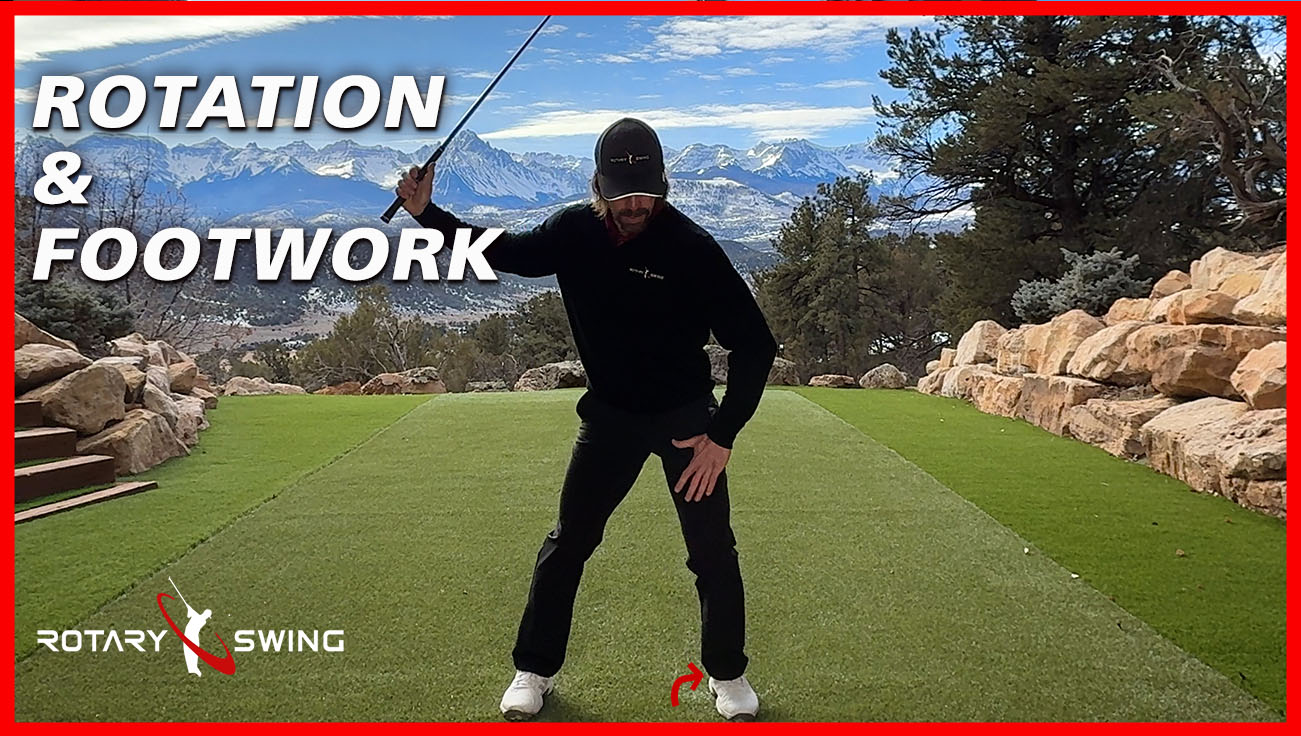
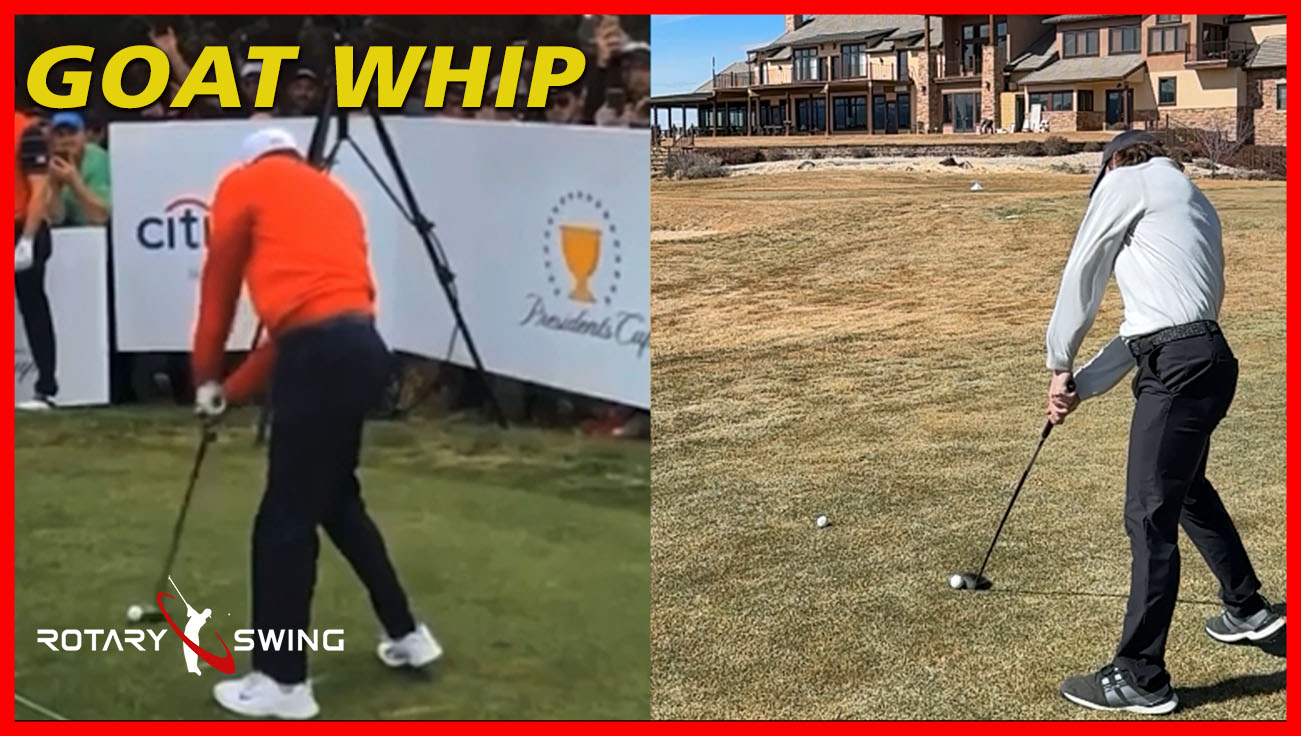












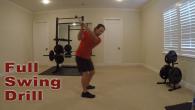



























How to Whip the Club with GOATY
Sorry, you need to be a member to access this video. You Are Just Seconds Away!

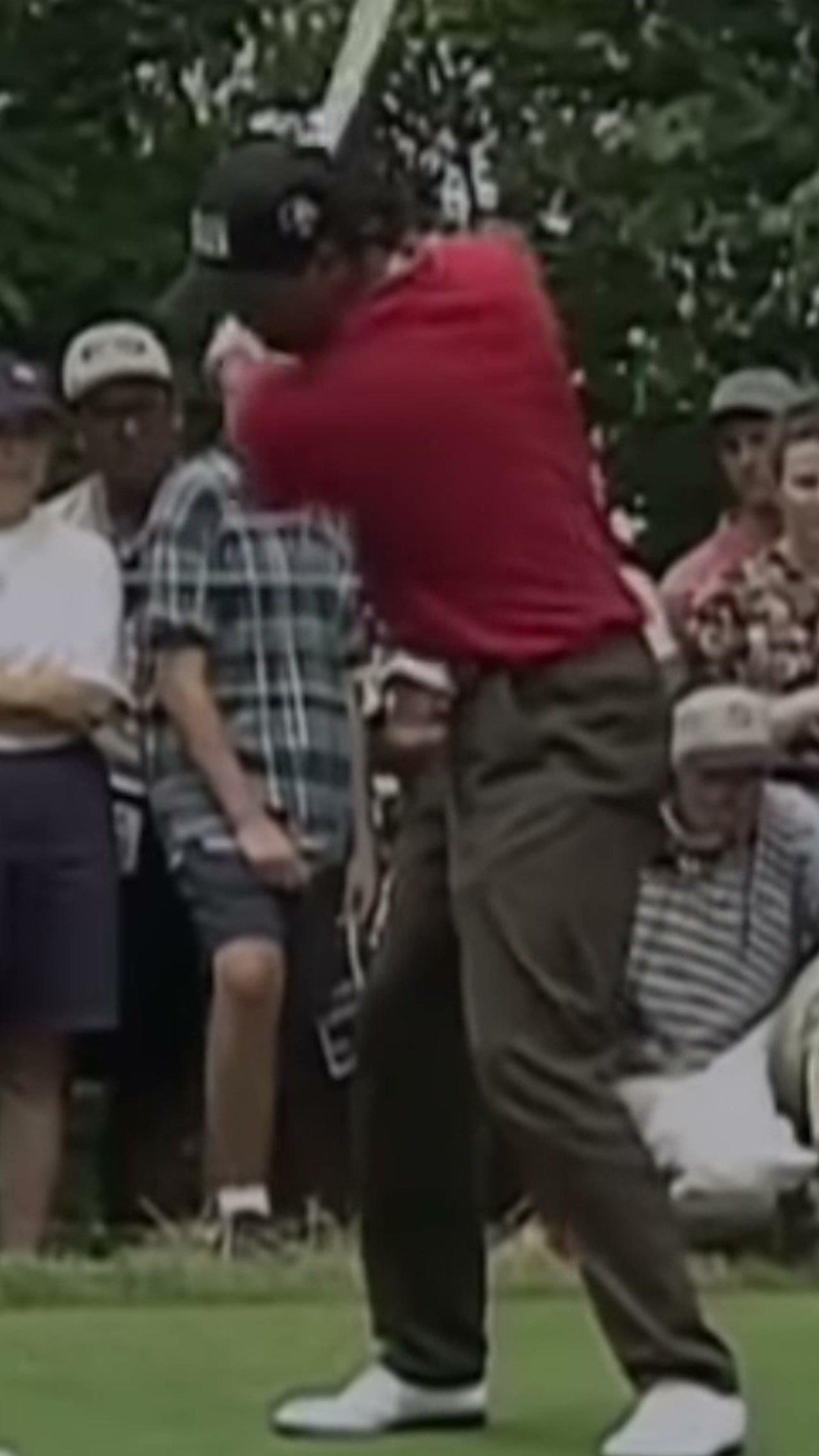
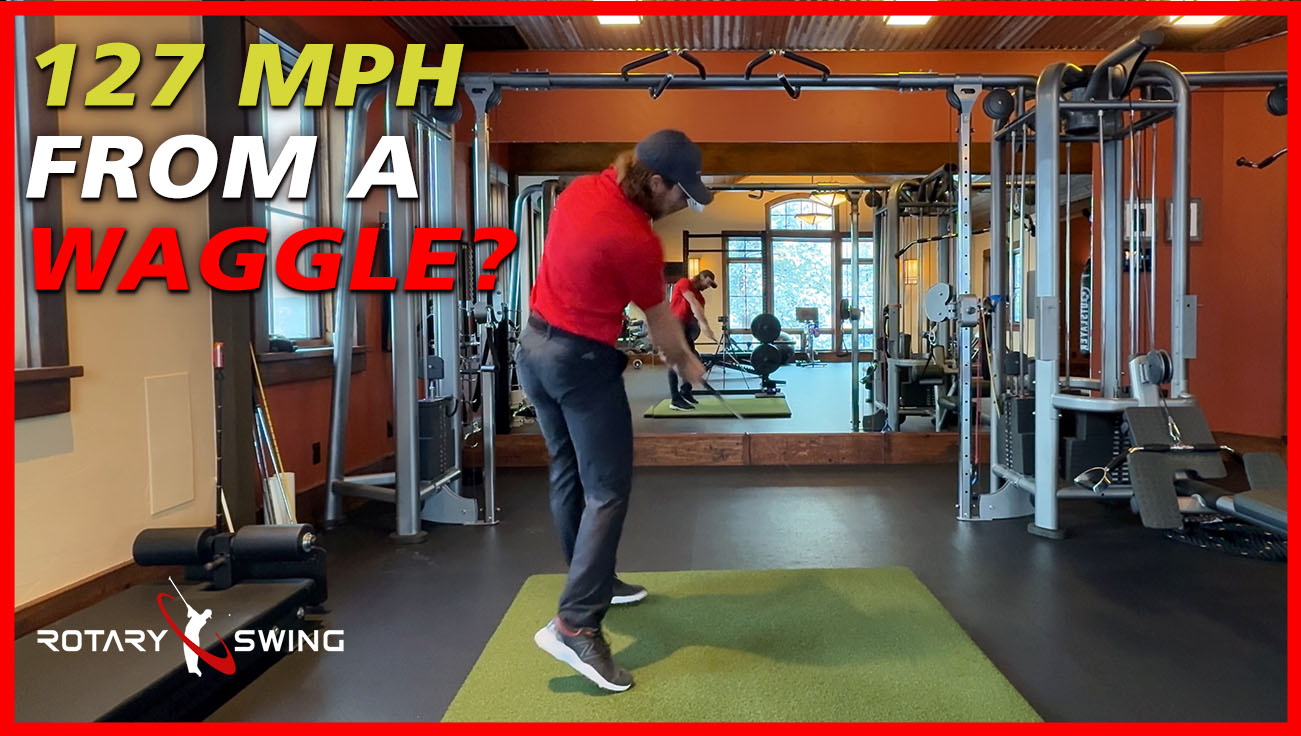
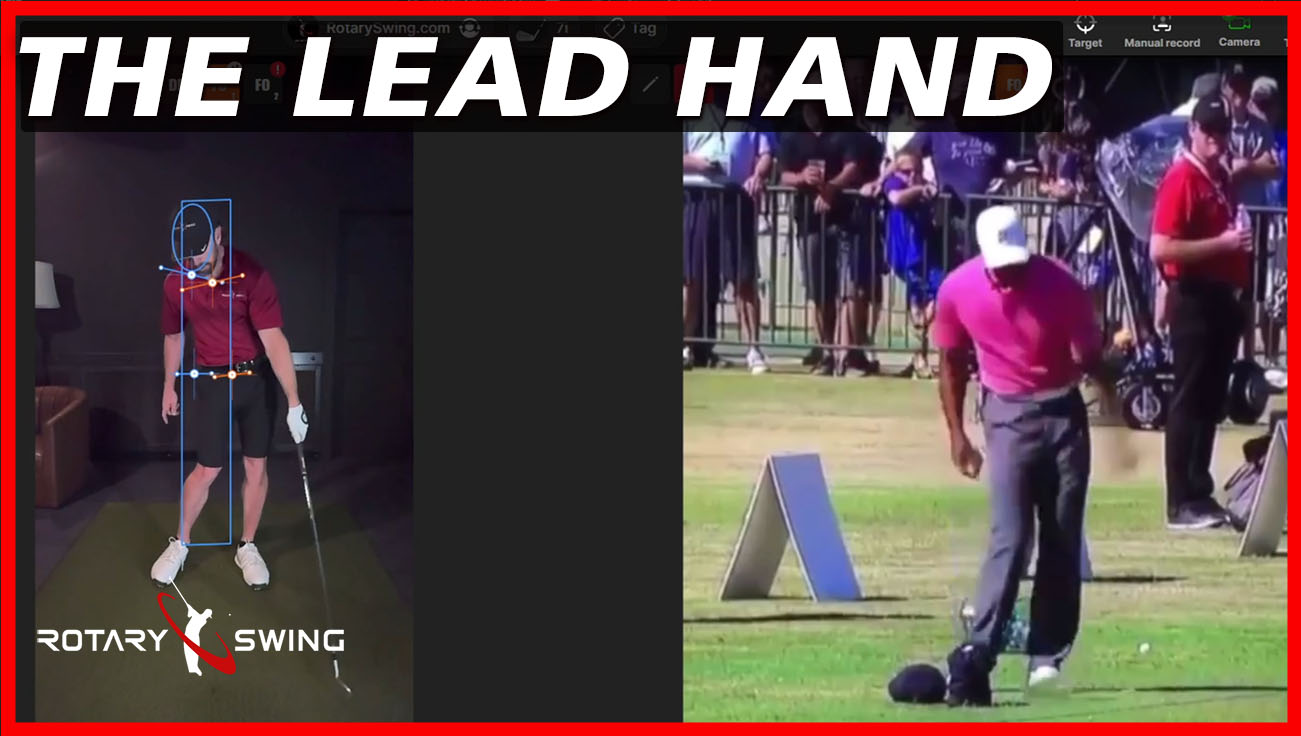
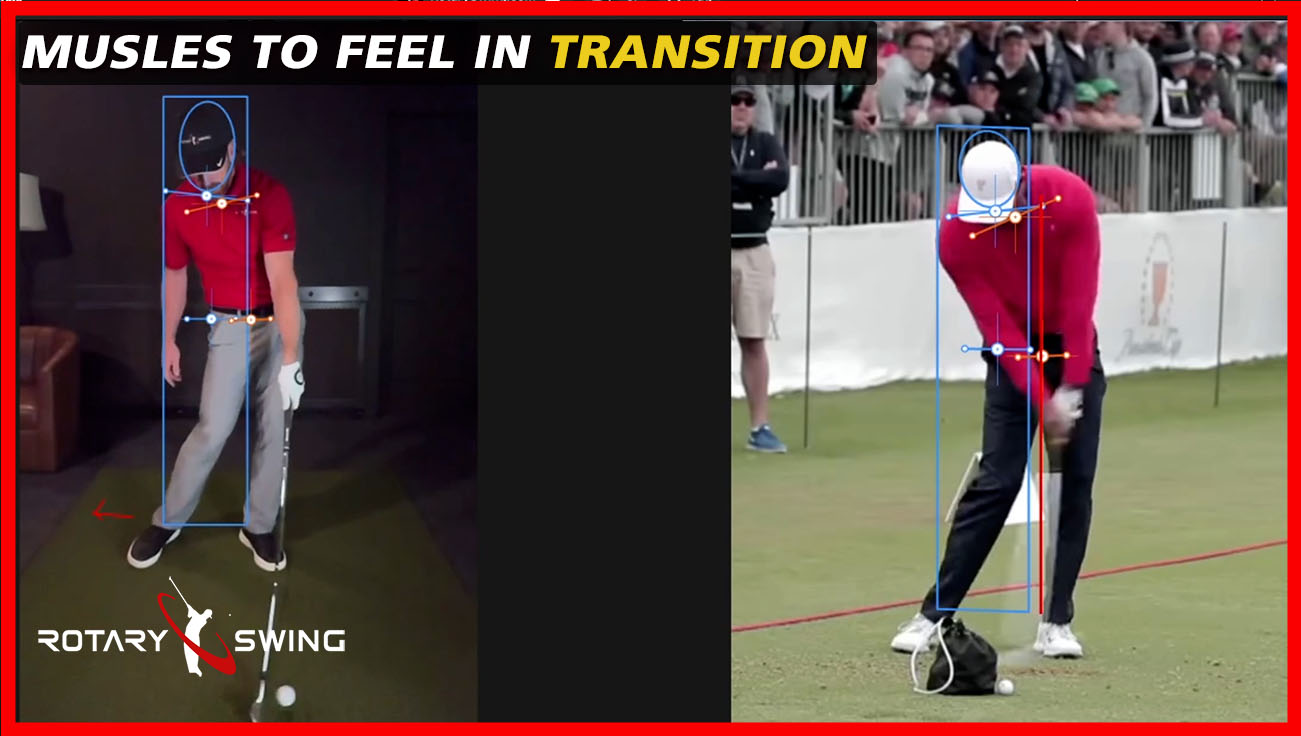
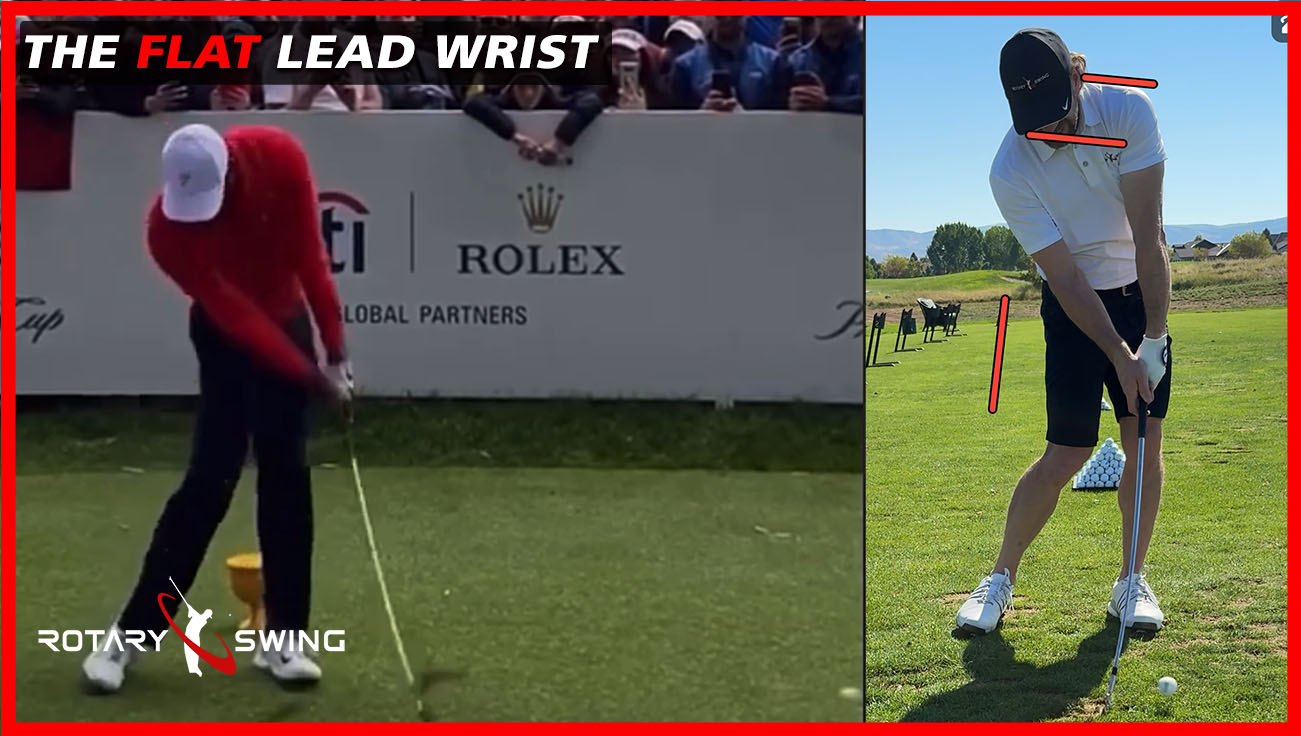
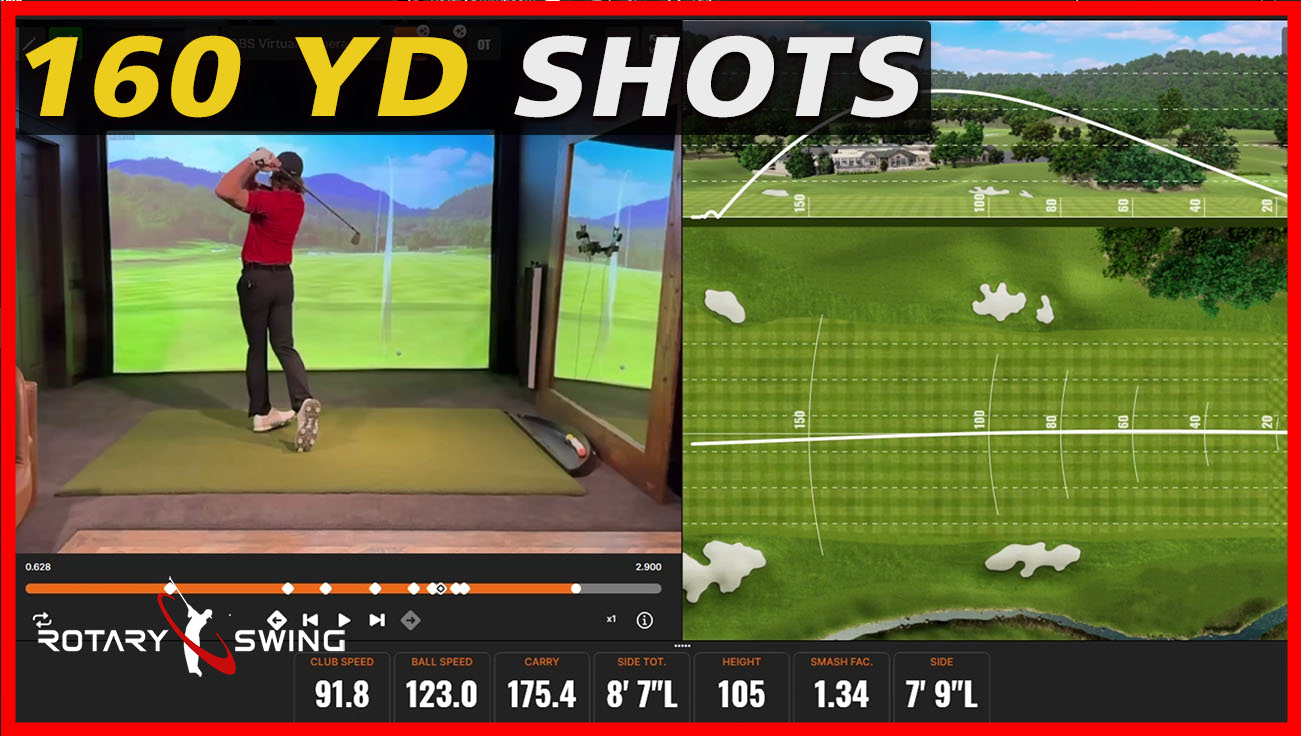
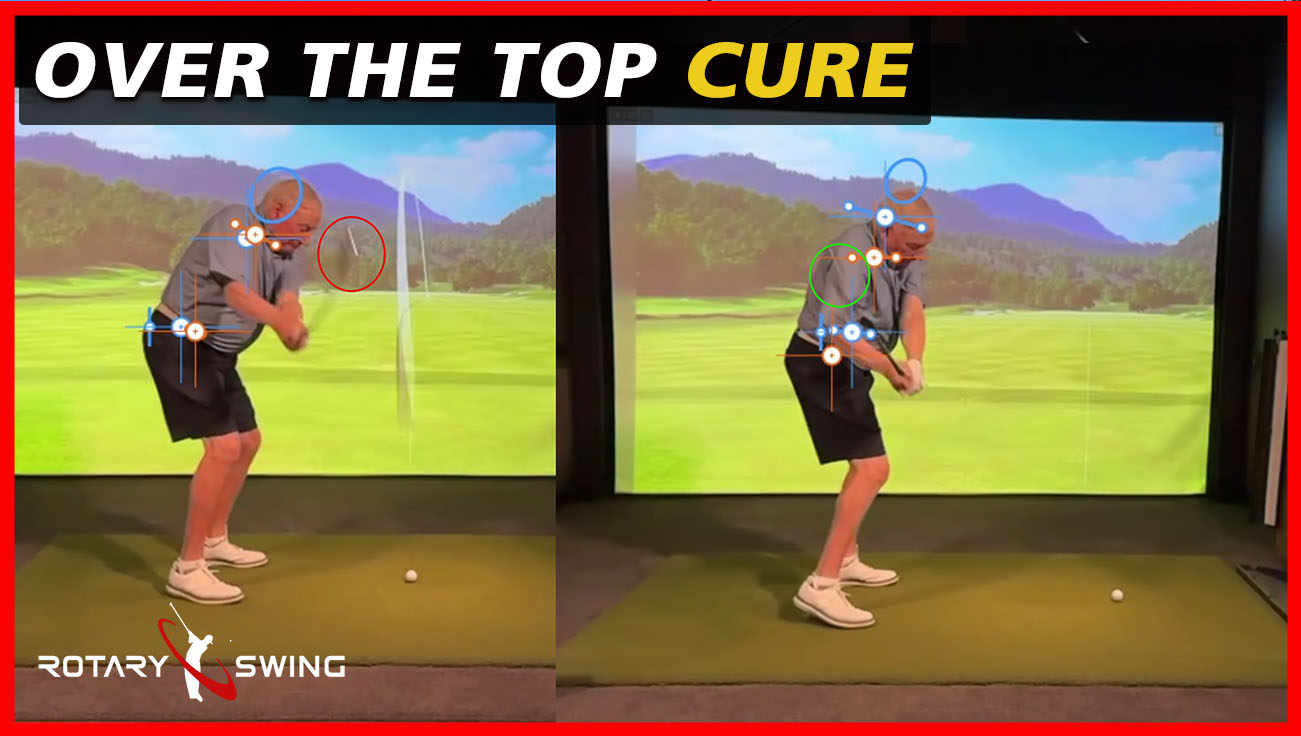
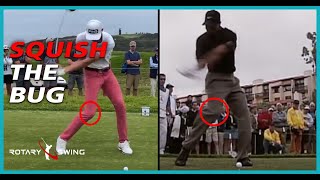
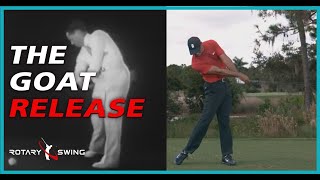
Most golfers never feel true clubhead whip because they drag the handle, push with the trail arm, or try to force speed with the body. In this video, I break down how elite players like Tiger create that effortless snap through impact — not by throwing the club from the top, but by setting up the release so the clubhead whips past the hands with almost no effort. The key is learning the release backwards: Feel the lead wrist supinate. Feel the butt of the club pivot. Stop dragging the handle forward. Let the club move out of the palm and into the fingers. Then learn how to stretch the lead side so the club can snap through naturally. This is the missing piece for golfers who struggle with handle drag, no release, weak speed, casting, or trying to muscle the club through impact. The GOATs don’t force the whip. They create the structure that makes the whip unavoidable. In this video, you’ll learn: Why handle drag kills clubhead speed How the lead wrist supinates through impact Why the butt of the club has to pivot instead of keep dragging forward How to feel the clubhead pass the hands Why the trail arm must stay passive How the lead side stretch creates a passive, powerful release How Tiger-like players create speed with less effort Try the drill slowly first. This is a feel-discovery drill, not a forced hand-roll. Once you feel the club snap, the release becomes far more effortless and controllable. Train with GOATY: Get GOATY
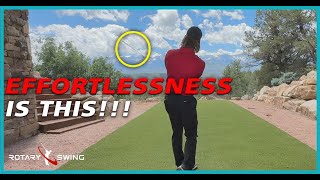
Listen to the way the club snaps through the ball a tiger and jack, two of the greatest ball strikers of all time, and yet they somehow made it look easy, effortless.
That whip is the key to unlocking golf and making it fun again.
And that's exactly what Goaty is teaching you, and that's exactly what I'm going to teach you.
In this video is how to release the club like the greatest of all time, so you can feel the effortless whip of the club.
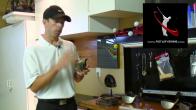
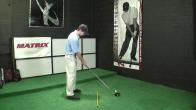
To begin to feel the whip, all I want you to start out with is a club, a golf glove, and a sharpie.
And all I want you to do at first is to draw two little faces on your golf glove.
So the first one you're gonna draw on the tab that you cinch your glove up with.
That's gonna be a sad face.
Then I want you to rotate your arm way over.
And then on the pad of your hand, I want you to draw a smiley face.
That's it.
If you can do those things, we're going to learn how to release the club like the goats.
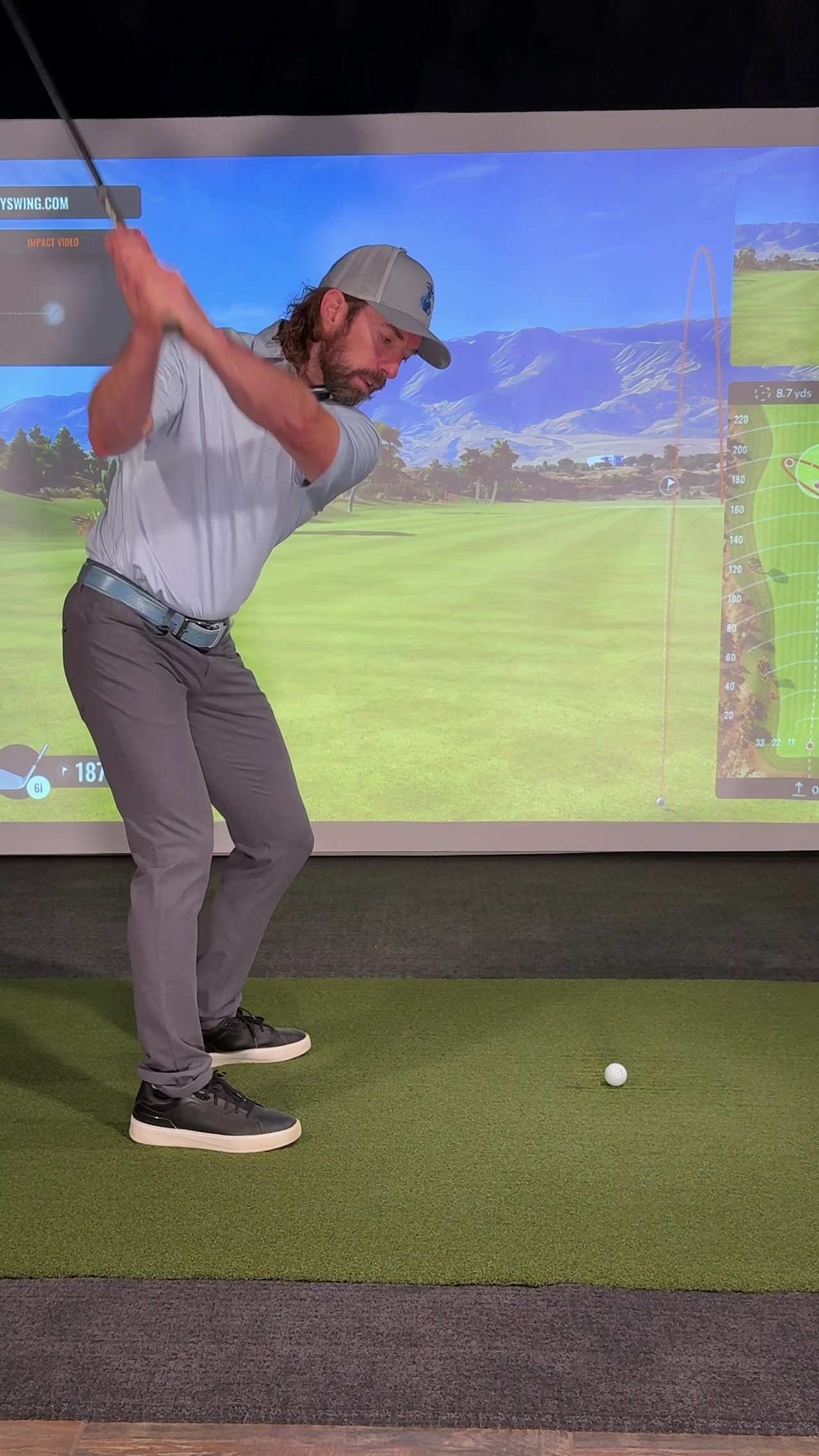
So I've got a little setup here for, I'm going to explain how all this works during this video, but first all I want you to feel is what the lead hand has to do in the swing.
Hogan talked about this a ton in his book about how he has to supinate.
That is the feeling that you have to learn, because the whole key to the swing in order to feel the whip.
And what Godey's looking for is how fast that club head is getting from this side of the ball to that side of the ball.
And how much your body is moving in that same time.
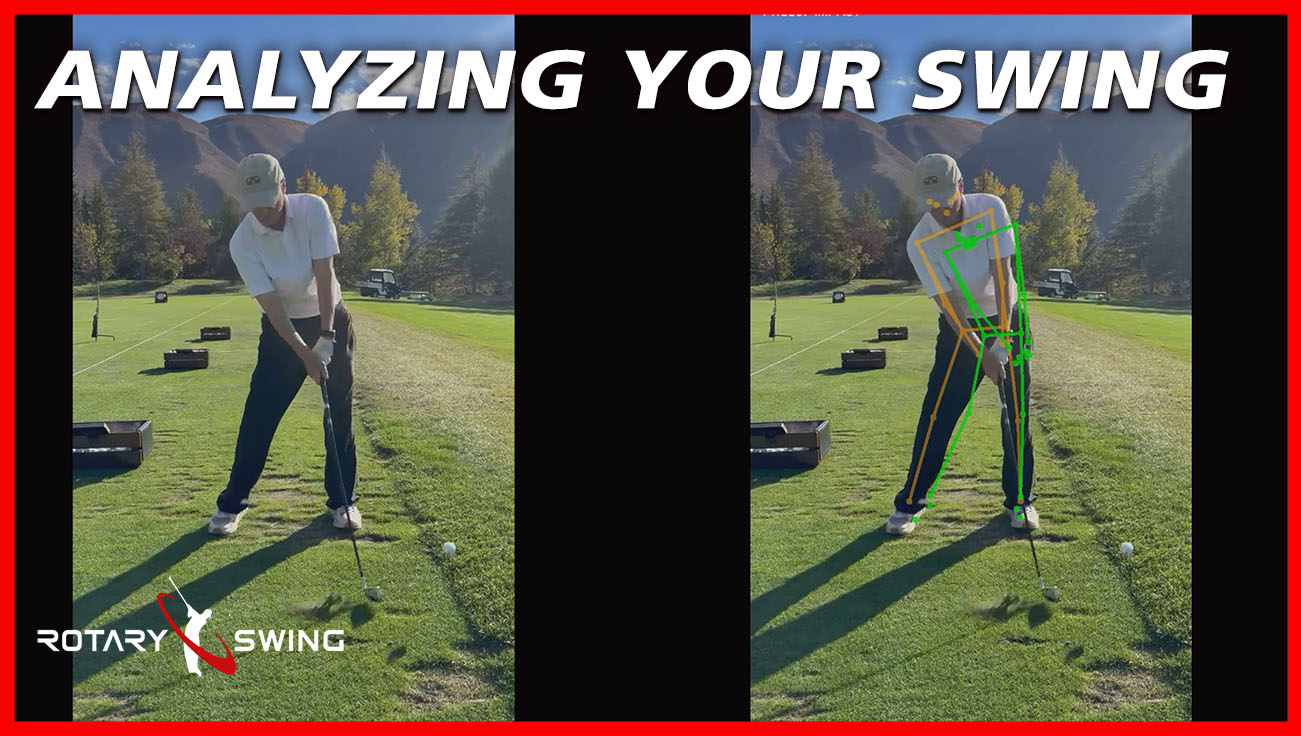
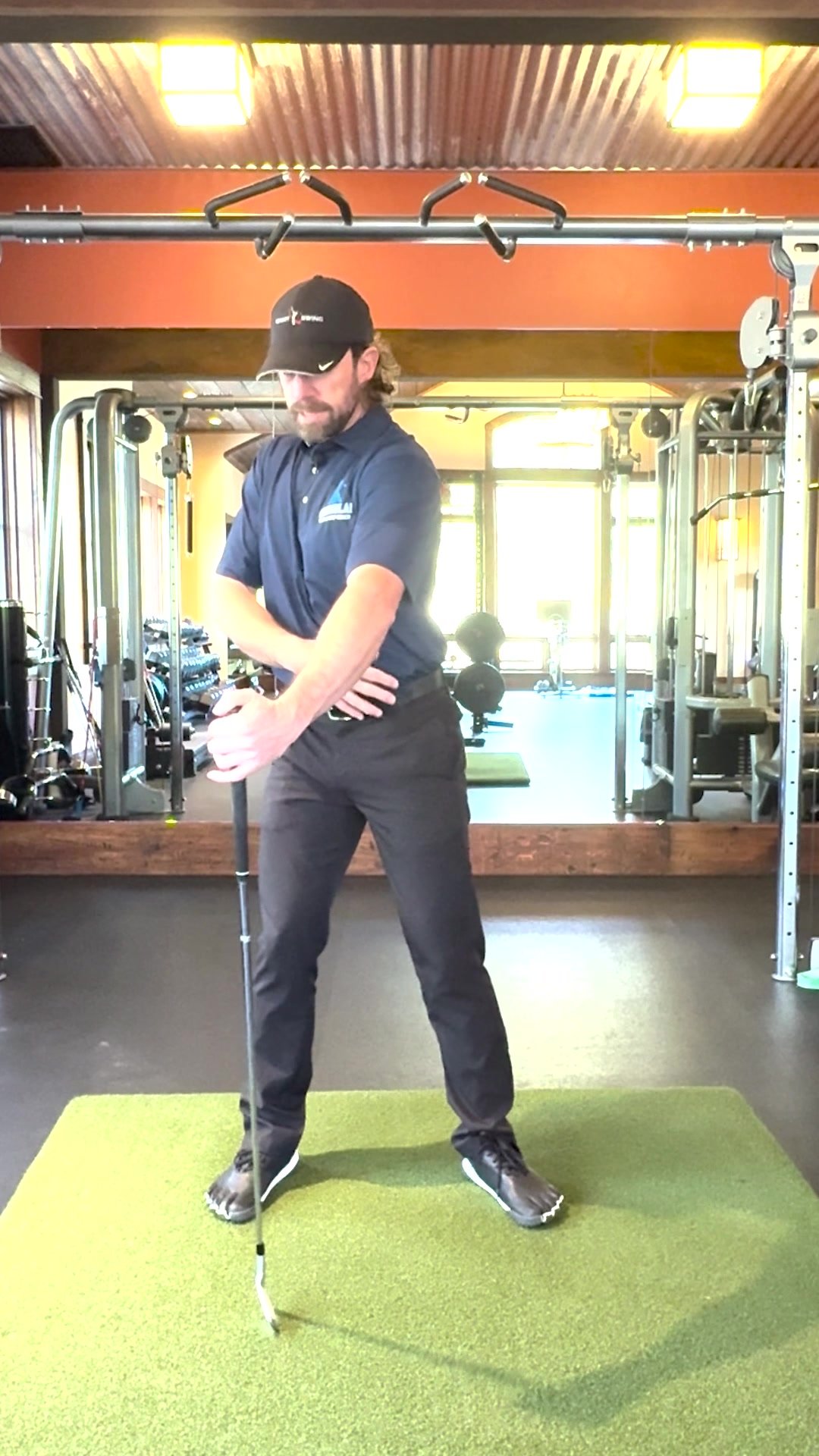
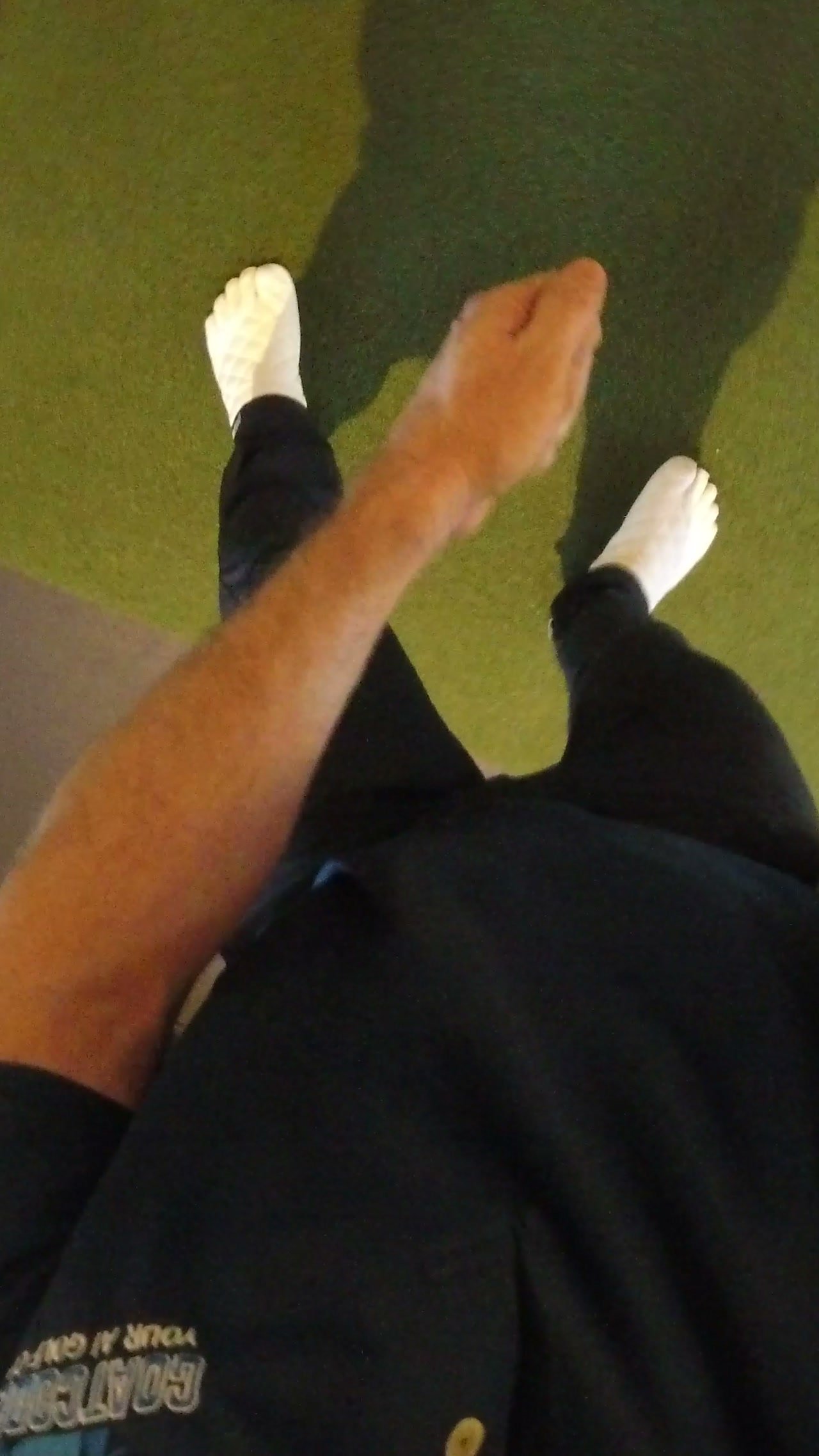
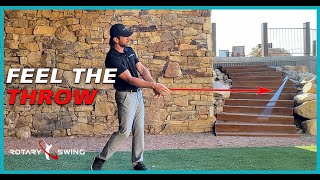
What most golfers do is they push the club through and so you can see my shadow, My whole body is kind of moving forward and you'll see the club and my body kind of all move together versus when I release it.
And I can see that smiley face looking back at me.
What's happening here is I'm trying to get the club head to pass my body, otherwise I have to go through with it.
And then you'll start to see that sad face.
Because this tends to lead to a flip where your lead hand or your trail hand is pushing this one over and breaking this red wrist down.
And if you see that sad face, it's no bueno.
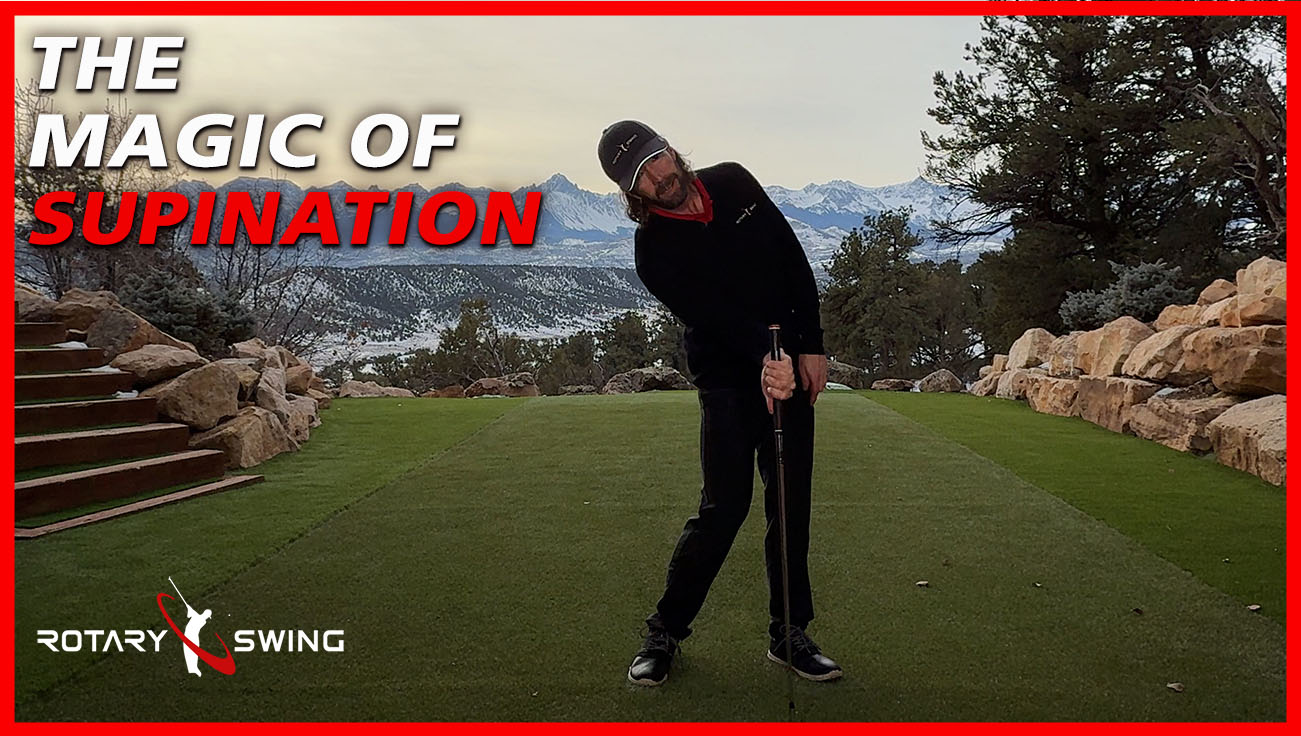
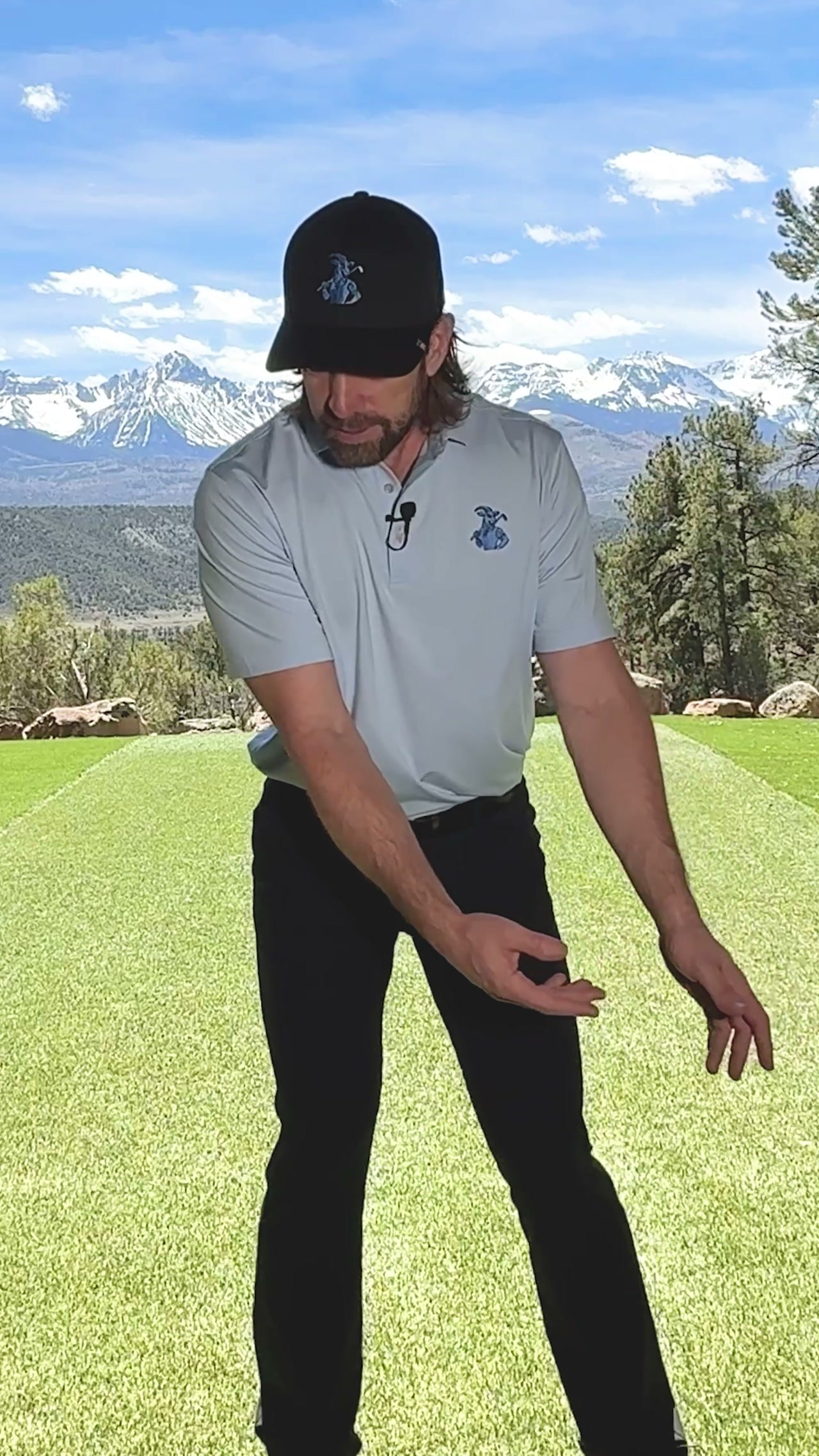
So what you're going to start feeling is that your lead hand starts supinating.
Supinating is just doing this external rotation.
And you want this to happen insanely fast throughout the swing.
So as you start practicing this feel, I want you to start feeling how if you snap it over like this, that your lead or your thumb starts to feel like it kind of gets snapped over and then kind of rebounds back.
The faster you do this and the more you keep that thumb relaxed, The more you're going to feel, that's what's happening now, what most golfers do in the swing is this, and so the lead hand.
Getting this to feel right.
At first is going to be a little bit handsy feeling to you.
Because you're probably used to flipping and you're not used to feeling the supination action, which is critical to whip the club.
So at first it's okay to feel a little bit handsy, then especially more so than what you're used to.
That's perfectly fine now.
What you're going to want to feel over time is that this becomes largely a passive snapping action.
Because you can't muscle this, it has to snap, your fascia has to be able to rebound.
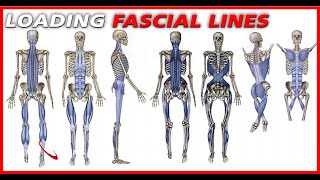
That's why we're going to work through what these lines mean here in just a moment.
So that you keep the wrist loaded, the forearm loaded so that it can then snap so that you can see the smiley face.
So now with the club, what you're trying to do in the swing is basically.
Feel that your hands are coming in to the ball from way back here, way back behind you, from the inside, at an angle toward the ball, so that you feel that the club is going to release.
Way out for a right-handed golfer, out to right or first base, if you use the old baseball analogies, it's not going to actually do that.
But that is what you must feel in order to feel this whip, because what's really happening in the whip is that.
Your hands are moving in close to the body, while the club head is moving out away.
And this creates this concept of concentric circles.
This is the path roughly, it's just a visualization for my hands and this is for the club head and they're going to roughly move together.
Now, what most golfers are going to do as I start to come down here is that their hands are going to start going way outside this first line.
And then the club is going to come like this.
That motion is you turning your body through the strike, Pushing with the trail side or pulling hard with your lead arm.
You can see that the club head and my hands are never anywhere near these two lines.
What I actually want to feel is that my hands feel they drop straight down during the swing, and this is again not you pulling them down, it's them falling.
That's what I want you to start to feel first, so that you can start to get your hands on this inside line.
So you almost feel like the butt of the club is gonna stab you.
The thigh or your hands are coming down to your pocket, the closer you get them to your body.
Versus being way out here, the more effortless speed you're going to have.
Because what's going to happen is the path and the track that your hands are working on is going to be much narrower and tighter.
And that's going to force the club to move much faster to catch up.
But if they're all way wide out here, my hands and club are going to move very slow together.
You want to feel that they come inside, they just fall straight down, so your lead arm kind of slides down your chest, the trail arm must retract.
It never goes out like this.
You're never pushing with your trail arm, never pushing with your trail shoulder.
The arm is just falling.
So if you look down at my shadow here, my arm just kind of does this.
It falls into my side.
And the faster it can fall, the faster everything can get on track.
And as my body rotates everything through, the more snap I'm going to have.
So as you're coming down, I want you to start practicing.
Feeling, seeing the smiley face as you come down, start feeling your hands coming into your body, almost like you're stabbing yourself in the thigh.
With your club feel, the club head, you can see from my perspective, that club head comes straight down, so I'll keep my head turned back.
Here.
My hands are on that line now, the club head's coming out to the second line.
They come together, there's impact, and as I release, they're not going like this.
That's again you trying to rotate through and that kills the snap.
What I'm doing is letting my wrist supinate and that makes the club feel like it's working more out this way.
But as I continue the supination, you'll see that the club head actually goes more.
What looks like straight line for just a moment and then releases down this way, so the feeling is this snapping releasing.
You're not actively trying to break your hands in terms of slowing them down, although they will slow down for sure.
You don't want to feel like your hands are driving through impact.
That's a very effort, full swing instead of an effortless swing.
What you want to feel is that there's no more acceleration happening to the hands.
Your arms and hands are literally just falling.
That's how you get them on this inside track instead of going out this way.
They're just falling down while my body is beginning to rotate and pull everything through.
And then my hands are going to decelerate because there's nothing left to continue accelerating them because my body's kind of ran out of range of motion here.
And so now the only thing that can happen is my wrist just guide that supination and let the wrist rotate.
This feeling at first, You're probably going to have to put a little bit of conscious muscular effort into it to feel your wrist rotate over until you can see that smiley face.
As you get comfortable with this, you're going to feel as we move later into this video that this motion is largely a passive motion.
You're not trying to muscle it through.
You're trying to get the feeling of your body stretching and whipping the club through while your wrist supinates.
So at first, be very mindful of what your trail hand is doing, it should be doing nothing during this drill.
You're just trying to get the feeling of the wrist doing this so you can see that smiley face.
That's all you need to feel.
And now once we have that, we can start to work on the next piece of it of getting the body to load correctly and release correctly.
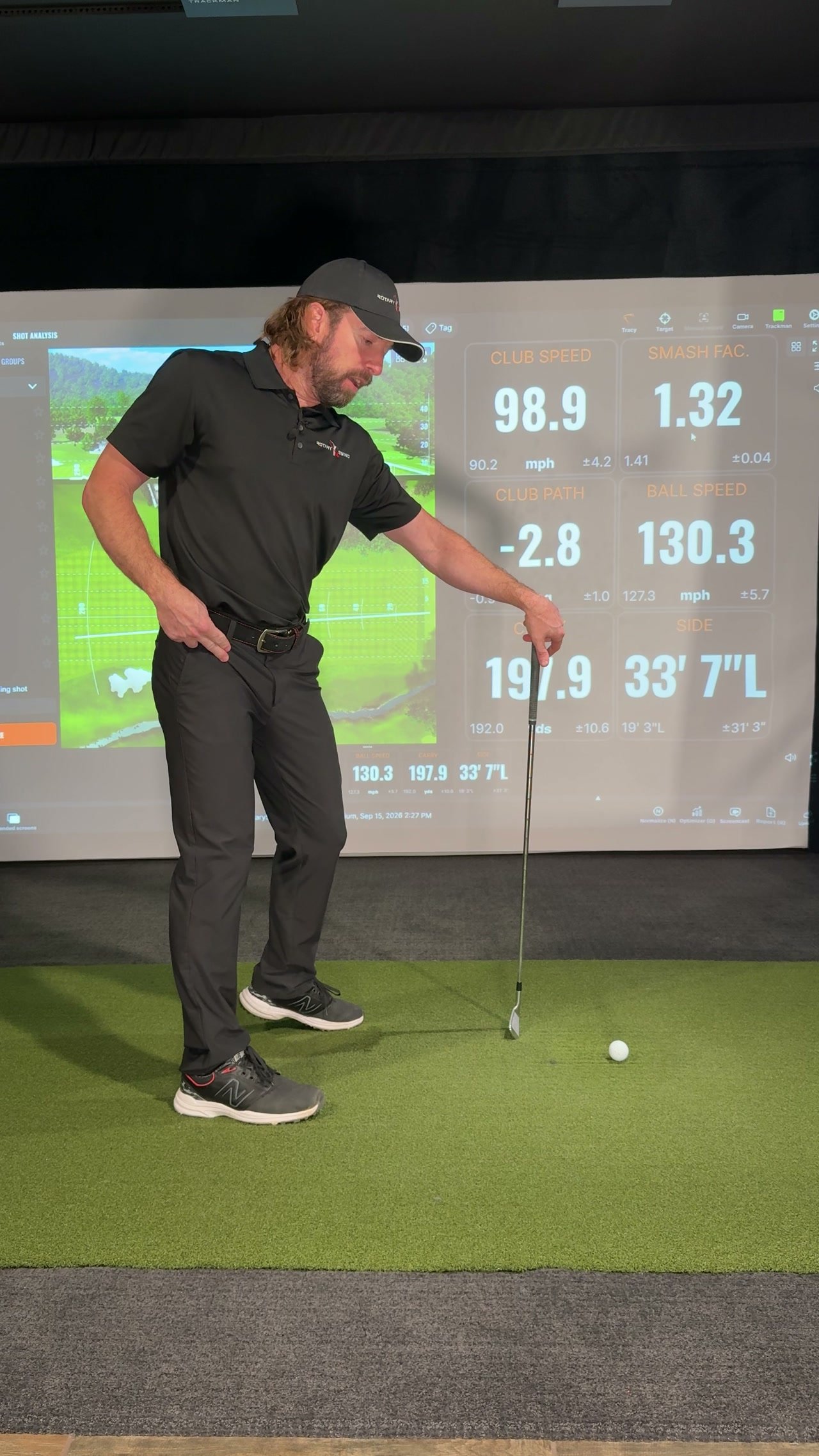
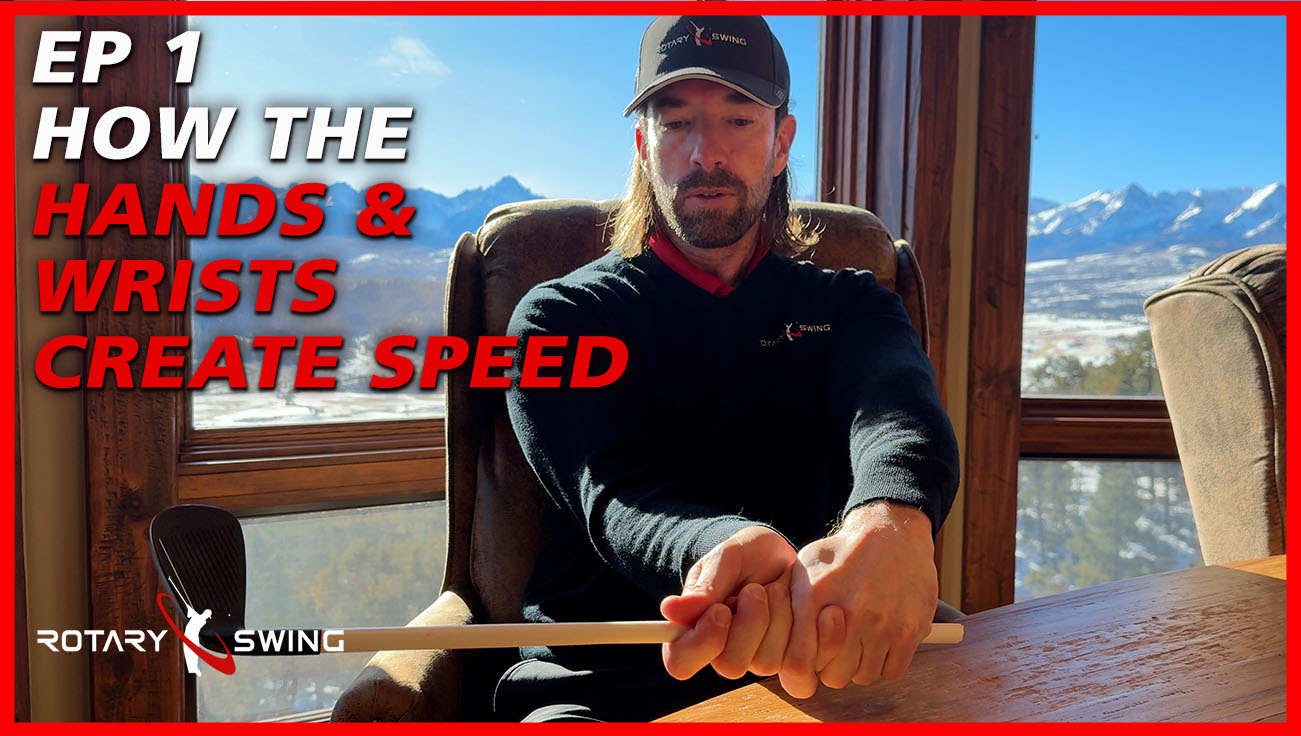
Now, the first drill that I want to get you to feel is how the butt of the club works through the hands and what it should feel like.
So many golfers have seen Hogan talk about and other goats talk about bowing that lead wrist and suppening that wrist, but they try to muscle it.
And that's not what happens at all in the swing.
In fact, what you actually want is kind of the opposite.
You need that butt of the club to actually want to try and rip out of your hands, which I'm going to show you now.
And that is the feeling that you're looking for.
So what's actually happening in the swing is not me trying to muscle and hold the club tight and bow my wrist.
You'll feel that the club can't go very far, right?
I can't move very fast because my wrist is locked in here.
What I want is this.
So what I want you to start to feel is the club head taking over your hands and pulling your fingers away from your palm.
Now what's happening to the club?
You can feel that as you do this, it's accelerating past and you can see it on the video.
Now if I hold it tight, the same amount of effort, the club's not going very fast.
But here, as I let the butt of the club rip away so that the club head can accelerate and I can start to see that smiley face again, what I'm feeling here, you can see my wrist is bowed, ends naturally supinating, but the wrists or the fingers are being pulled away by the butt of the club.
That is the release.
You can see the club head is overtaking my hands and the trail hand is allowing this to happen or even helping it happen.
But what you want to feel at first is this motion of the butt of the club, trying to pull your fingers away.
Once you have this, you start to understand how the club snaps in the swings of the goats.
Now, of course, this is not something you're manually trying to do.
This is a drill at first to get you to feel.
The club head trying to overtake the hands without a flip, because we still need that club head to pass the hands as fast as possible.
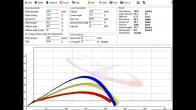
Or Goatee is going to keep showing that your your whip score is very, very low, the whip score is going to happen as your hands.
And everything begin to decelerate to allow the club to accelerate.
And the feeling of that is ripping the fingers away from the palm.
Now, let's move back to my little hitting station here, and I'm going to explain what these lines mean as we start working through this.
So as you are at the top of your swing trail, sides brace everything's getting ready to go back to the lead side.
This is the most important thing and I want you to pay close attention to my shadow, I want you to practice with your shadow.
So I've got a light overhead above me here.
This should never happen, so as I've got these lines set up, don't worry about the angles and all of that stuff.
If you just put some lines on the ground and make arc slightly to the inside, that'll give you all the view that you need.
If you see your body going like this, this is all trail side push, pushing off the trail, hip pulling with the lead side too much.
All of that stuff is incorrect and gets the hands moving in a circle where the club's going to do this and your hands are going to flip.
What I want you to feel from the top is just drop the hands and stab yourself in the thigh.
Now, you won't be able to do this at speed, of course, But this is the feeling is that you're starting to get the hands to drop vertically, straight down from the top of your swing.
Because the body's doing all of the work.
And as the body does that, that's what's going to get the club head to come out and start releasing.
And you'll feel now if we combine that with the little finger drill, where the fingers are being ripped away from my palm.
I start to feel the club ripping through.
Now, if you keep pulling the club through, you'll feel there's no speed in there whatsoever.
It's this, your hands are what create the bulk of the speed.
And so what I want you to get used to feeling is that your hands are falling down into your thigh.
Your body's staying closed for just a split moment longer than you're probably used to, if you're used to doing this and throwing the arms and club out over the top, stay closed just a little bit longer as you move laterally.
And that's what these two lines are here.
At address, the center of my pelvis and the center of my chest is going to be roughly on that line.
Maybe your center of your chest is just slightly behind it.
This is where the ball would be.
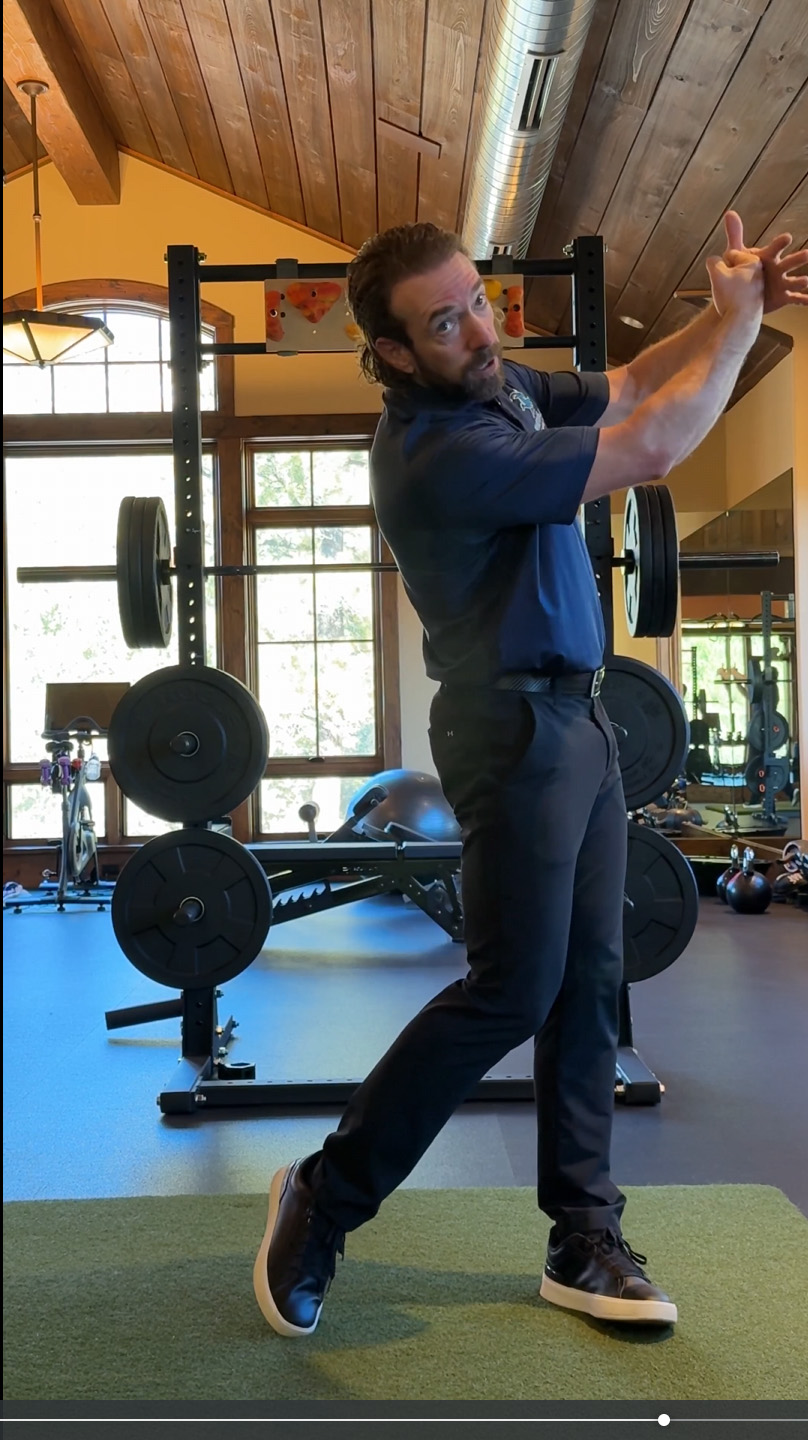
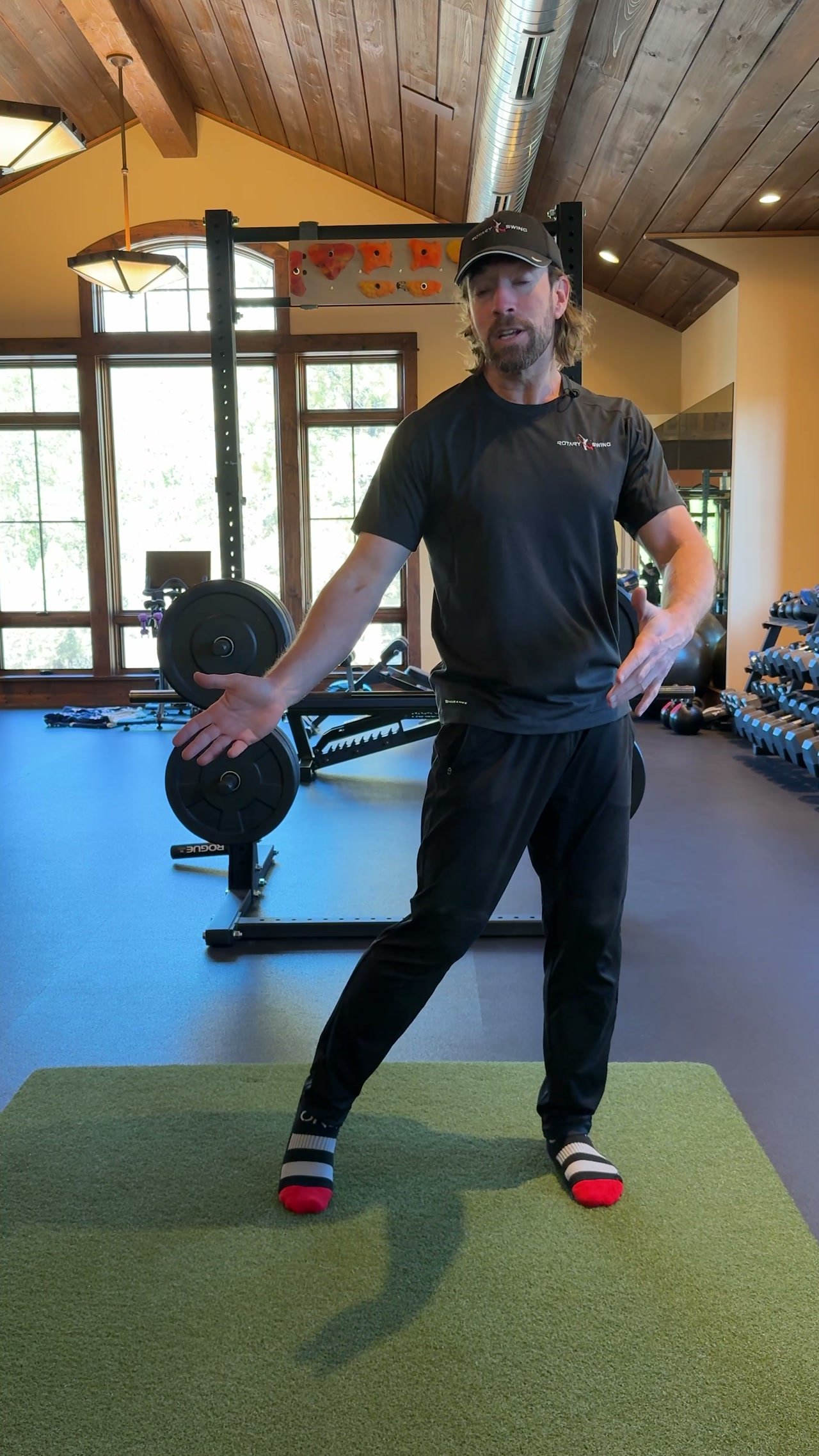
Now, as I go to the top of my swing and I start coming back to the lead side, Most, all elite players make a significant move, three or four inches back to the lead side.
And so now my pelvis, the center of my pelvis, has moved from here to here.
It's moved three or four inches forward and the center of my chest, it's going to move forward.
A little bit, too, depends on how you're measuring this, but the buttons on your shirt are going to still be pretty close to being on top of the ball.
You don't want to be hanging way back like this, you don't want to be way over here.
Because again, now you get the club going out to the hard, to the left.
The feeling of the release is that it's more from the inside and out to the right.
For a right -handed golfer, it'll actually go more straight down the line and naturally to the left.
You don't need to try and make it go left.
So now, as I'm here and I've shifted over now, I'm stacked over here.
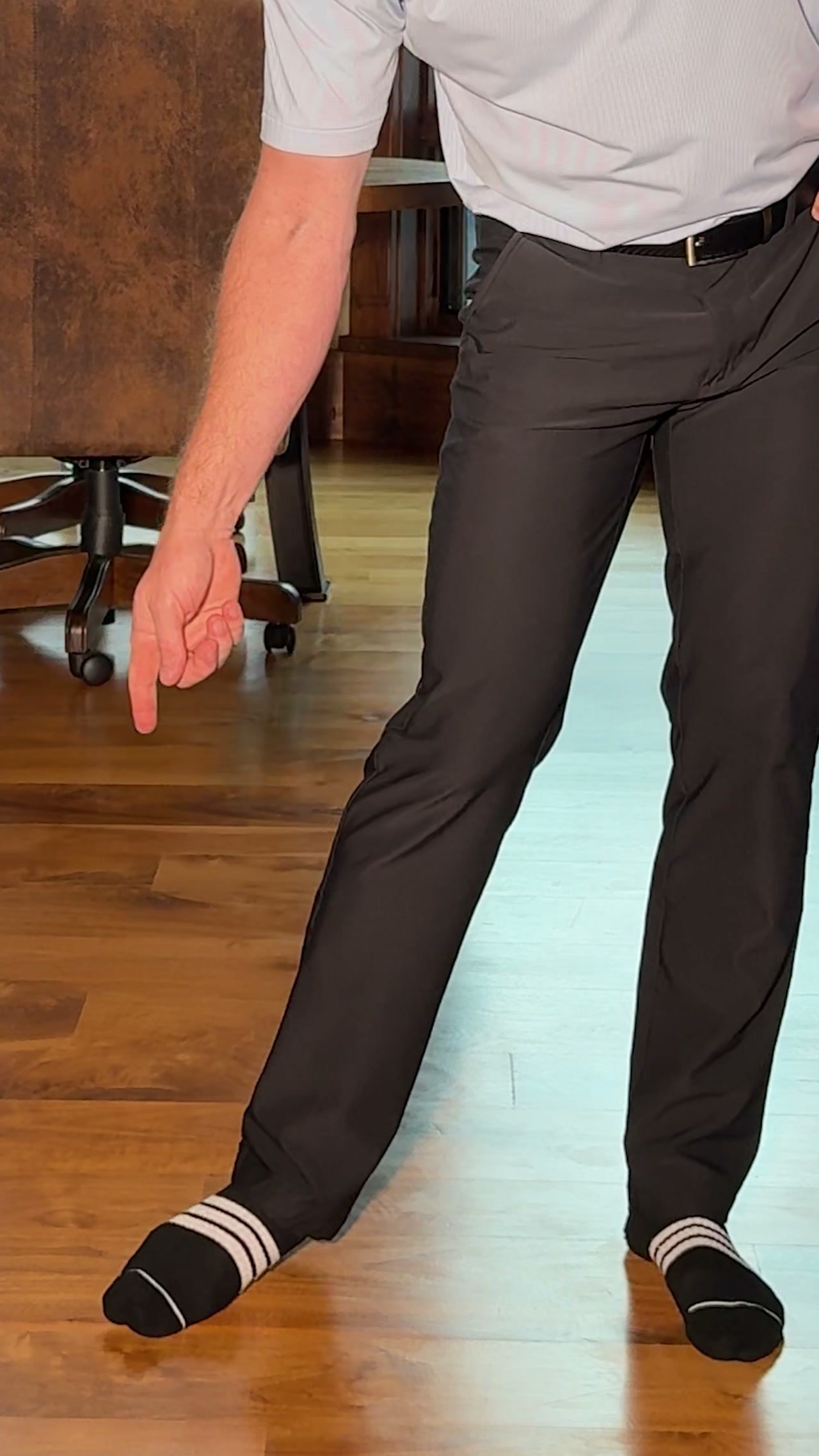
Pressure's on my right big toe, it's just there for balance.
More on the heel of my lead side, my lead foot.
And now, as doing this, I'm feeling once I've rotated my body as far as it's going to rotate, there's nothing left to keep accelerating the hands.
So what's going to happen that the club head is going to take over?
And this is again a largely passive feeling.
It's not you trying to muscle it, you'll feel there's no speed there.
I'm letting the club rip the butt of the club, rip my fingers away from my palm and release, that's the feeling.
So it's here.
The arms drop, pelvis shifts over three or four inches, upper body's coming with it.
It's going to start to angle back just a little bit.
This is where you get secondary tilt and then just start getting that smiley face to be visible.
You start having that and we start putting that together.
You can feel and hear how much whip there is there, and that's not body effort.
It's not me muscling, I'm doing this, letting my hand fall and snap.
Supinate release.
That's the motion.
Now.
Let's look at how to put this all together now, as we start putting this all together, the key is loading properly and most golfers, as we've seen, we've got.
He's now studied hundreds of thousands of reps.
We've looked at tons and tons of data, over a billion, almost 2 billion data points now in the swing from all of our users.
And almost everybody picks the club up with their trail arm.
This is one of the first things that we see when we do live lessons with goatee is that the trail arm starts to lift the club.
As soon as you do this, you kill the stretch that makes the whip literally possible.
So the first thing you've got to feel is that what you're really trying to do is.
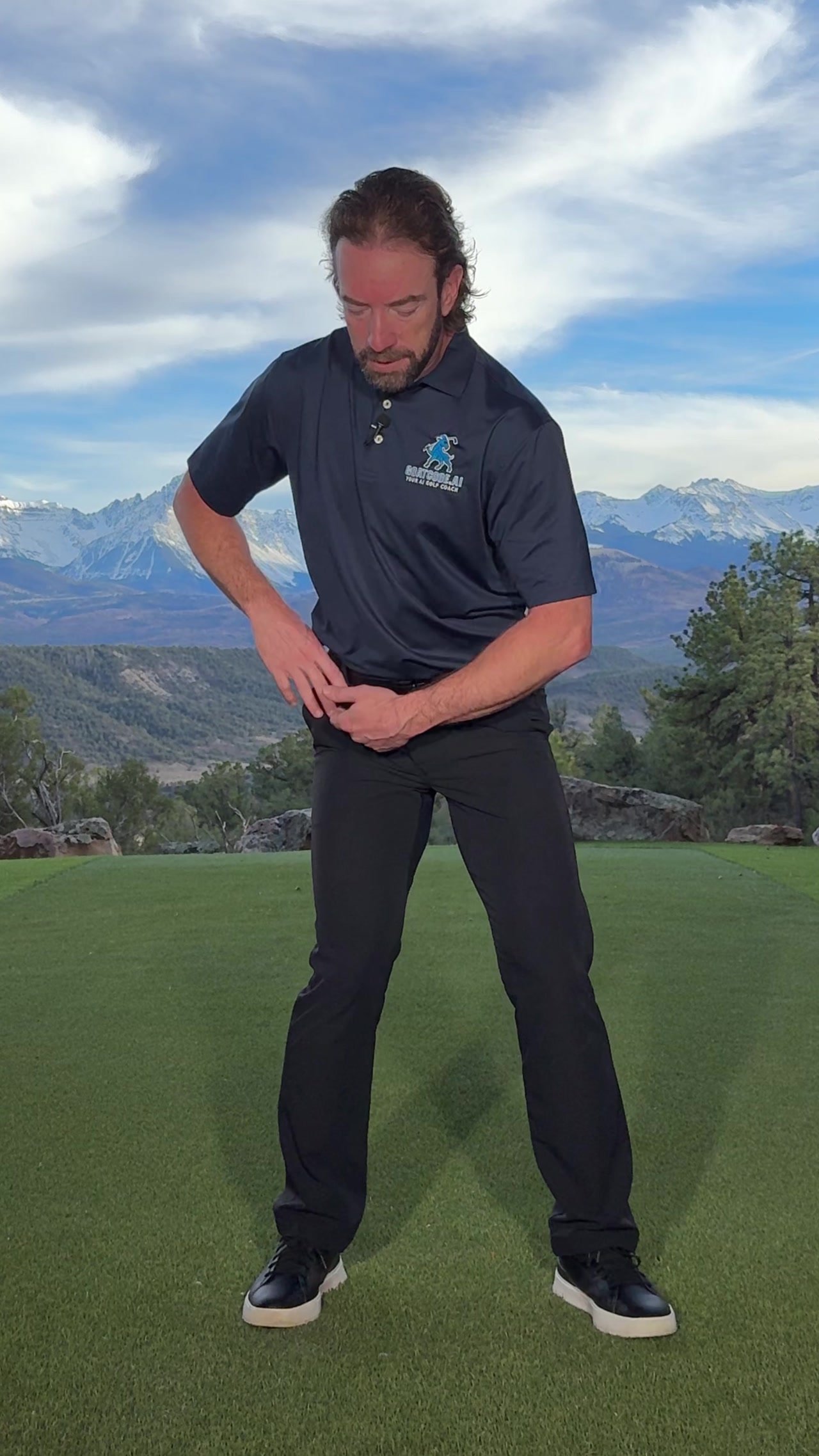
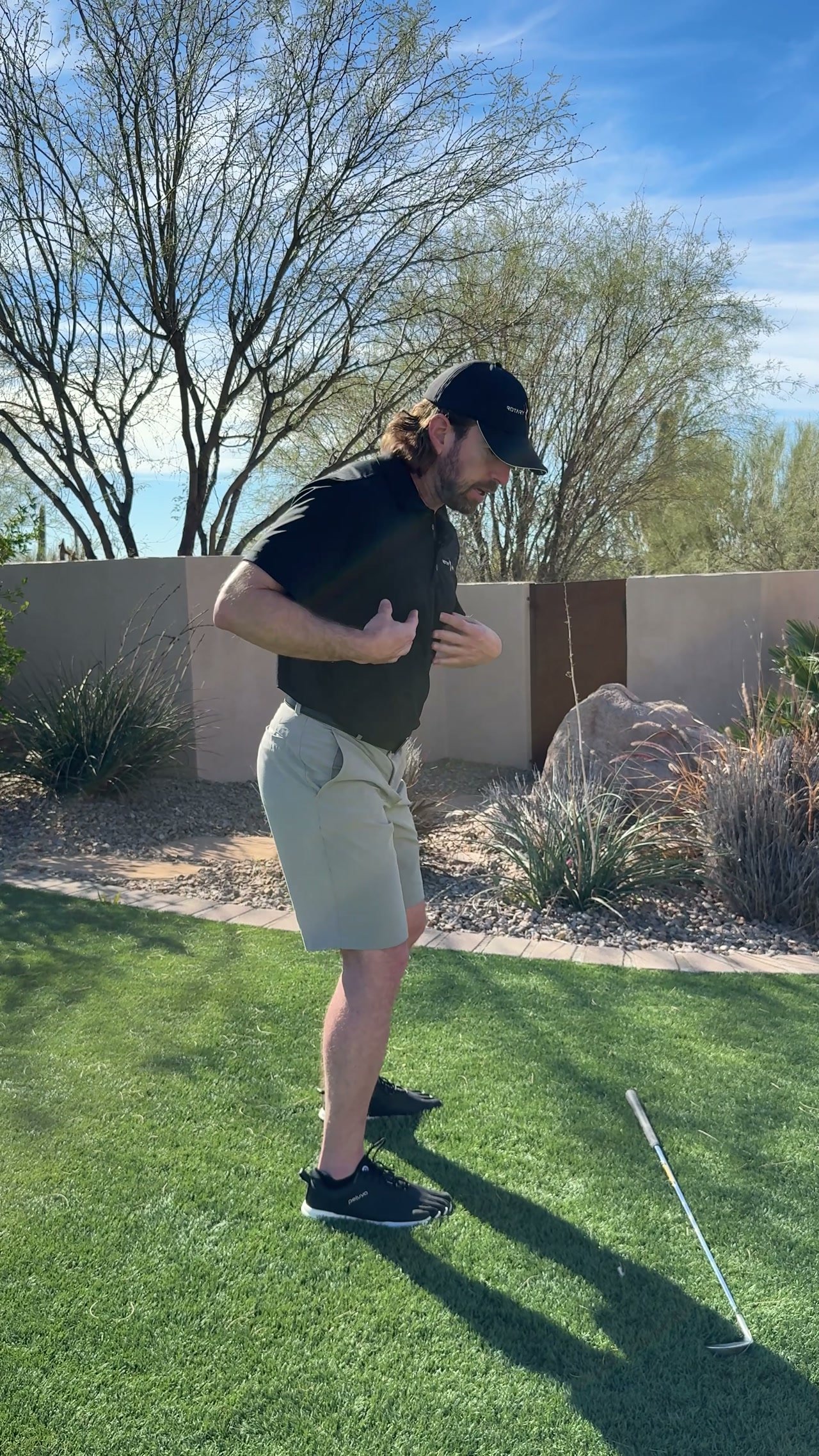
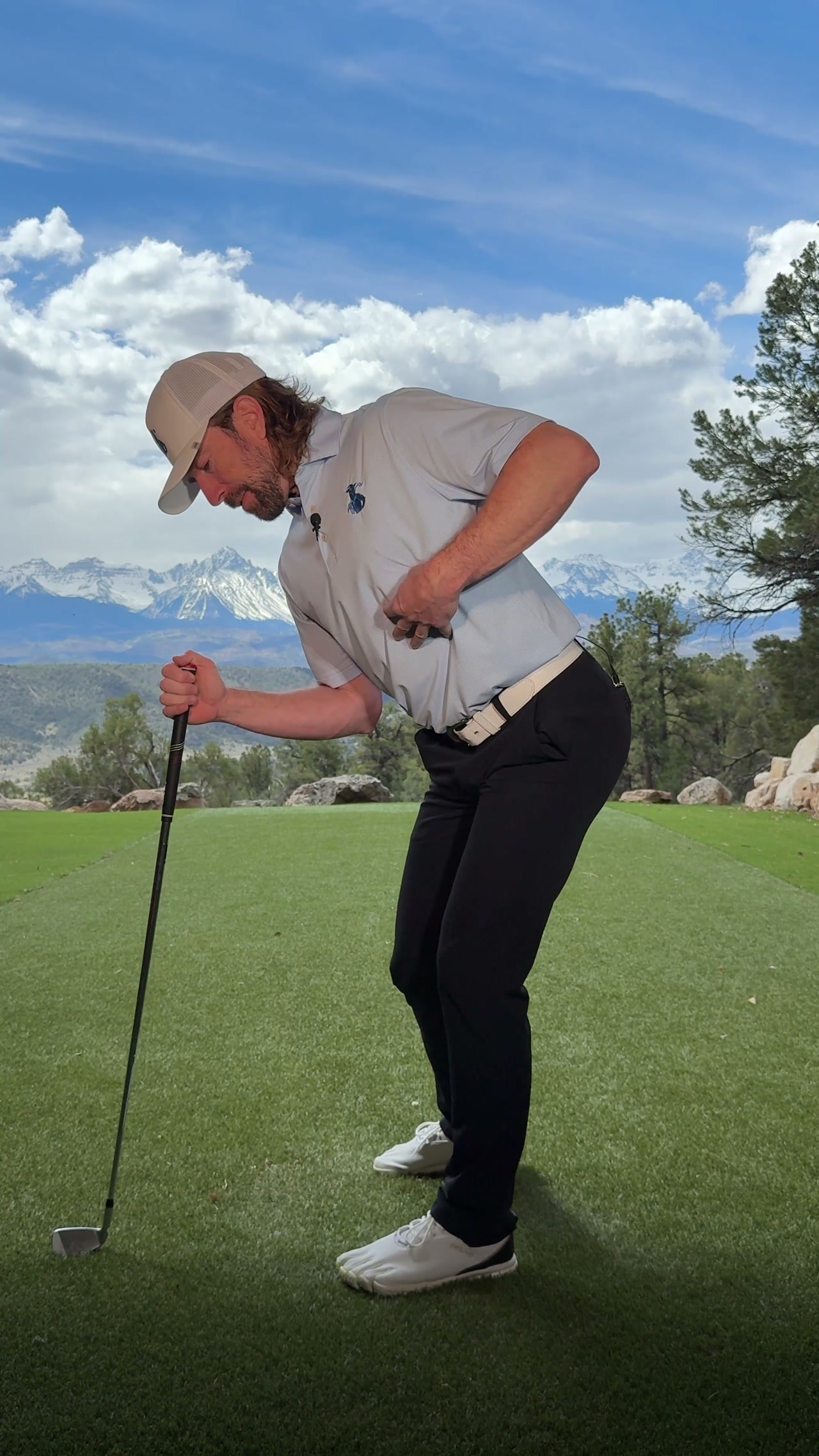
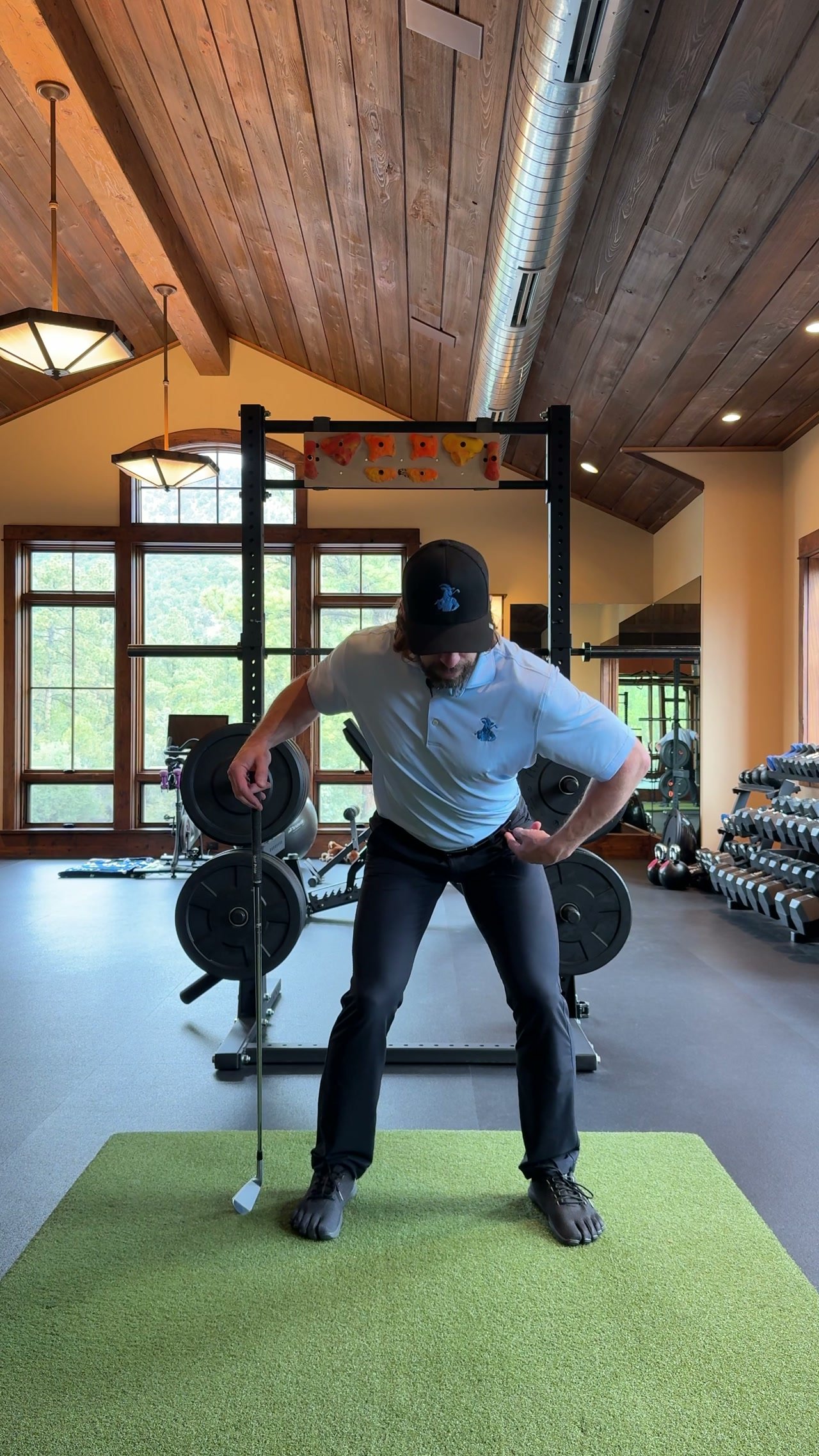
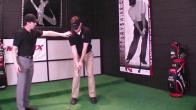
Take your lead shoulder and tuck it away from your trail hip and stretch that part of your body from behind as much as possible, within reason.
What I mean by that is if I take my lead shoulder and I just hold my right hip, my trail hip in place and I start pulling it away, I can feel a big coiling and stretch across my back into this trail hip.
My trail hip is bracing and this is moving down and across from the front perspective.
It's almost like I'm trying to put my lead shoulder into my trail hip pocket.
That's got me loaded and coiled.
That's the feel.
This is the opposite.
So take your lead shoulder and move it down and across like you're trying to put it into your trail hip pocket.
Keep this trail leg braced, hip braced.
Don't let it go like this.
You'll feel the stretch go away right away.
And that's the most important thing that Godey's really trying to teach you in the swing is that what you're trying to do in the backswing is stretch things, not try to get them ready to be able to contract.
That's not the feeling.
You're trying to stretch these muscles in this fascia so that it naturally wants to spring back for you.
And that's what gives you effortless power.
And when you don't do that and you don't load properly in the swing, you will start to muscle it with your trail side because your brain will sense, I don't have any power.
I got to start helping and start trying to do something with the trail side, whether it's pushing off this foot or your hip or your arm or your shoulder.
That's not what we want to do.
That's the opposite of what the goats did.
What the greatest ball strikers of all time all did was this lead shoulder went deep around across the trail hip got deep.
This got me loaded, and then as I'm starting to come back over, as that load is beginning to unload, I'm just letting that pull my body back around.
Look how open I am, but I didn't try and turn my hips.
What I did was load this up, stretch these fascial slings, and let that pull me back as everything moved forward, and that is what moves my hands down.
It's literally a passive thing.
The whole trick to the goats, and why I've been obsessed with the goat code for so long, is that they just did it effortlessly.
They didn't work hard in their swing.
They didn't muscle in their swing.
Hogan wasn't a big, strong dude.
He's not swinging like an aggressive gorilla like Bryson DeChambeau.
Tiger, all of the elites made it look easy and effortless.
And that's been my passion since I first picked up a club nearly 40 years ago.
So to get that feeling, what you're trying to feel is not swinging your arms or picking your arms up.
You're trying to keep this structural so that this stretches these slings, you feel this loaded, this trail side's braced.
And then, as everything starts to come back over now, you can see that your hands are just going to drop straight down from your.
From the down the line perspective, it's not this ever, it's this.
But the feeling is not rotating my body because that will, then I will unwind in the same way I will rotate and throw over the top.
The feeling is more kind of a diagonal load, with a brace, trail hip, and that shoulder tucking around, this trail hip, going deep, keeping braced.
And now, as I start down, my hands aren't wanting to go this way.
Because I didn't rotate to then rotate on the way down.
I loaded by taking this shoulder around, and then as I come back, the feeling is really initially laterally, with my body.
I'm not doing this.
I don't want to turn early.
I want to wait just for a split second because that gets my arms down, my hands down.
This trail arm can then just do this.
From the top of your swing, your arm should never ever go this way.
It goes down and in.
And if you do a really good job, you'll feel your shoulder blade even retract a little because your arms are extra passive in that phase.
And that gets that trail shoulder and arm locked and loaded against the core, and that's what helps you be able to apply more force at the bottom.
But what you don't want is this.
It's load into it, stretch, let the hands drop, supinate, release, and that's it.
Anything else other than that is wrong.
It's just adding stuff that doesn't need to be there.
That's why the goats, when they describe their swings, the way they talk about their swings, tigers, so nonchalant.
Oh, I just feel my hand do this.
That's the whole golf swing for me.
Because in their minds, it is that simple.
All of us have made the swings way more complicated than they really are.
When you put this together and you understand the release, which is the whole point of the swing, this is the point, the payoff, right?
It really is that simple.
Load as you recenter, really actually moving way past center where you started, and the hands drop to drop onto these concentric circles.
And you start supinating that wrist, which really starts happening early.
You don't want to get down here, have the club way inside and then try to supinate.
It's actually starting to happen pretty early in the swing, in the downswing.
But this will all start to feel natural as you stop pushing the club through, pulling the club through, and you start letting the club fall in your body, pull it around so that your hands can just focus on doing this.
So when you want to whip the club, that's the feeling.
Stretch away from this lead hip, get into this trail hip, stretch and coil, get this shoulder away, get it wound up.
And then as that begins to unwind you, Your hands are just along for the ride and you're just going to focus on starting to feel this really relatively passive action of that hand snapping over, and this will feel truly effortless.
If you feel that you've got to do that on every swing, you're missing the whole point.
You're muscling the swing instead of letting the swing happen.
Load back.
Let that unload you.
Focus on getting your hands to release.
You don't want to feel your hands dragging through impact.
You want to feel them snapping through impact, and when you have that, your GOAT score will go way higher.
Écoutez comment le club frappe la balle : Tiger et Jack, deux des plus grands frappeurs de balle de tous les temps, et pourtant ils donnaient l'impression que c'était facile, sans effort.
Ce fouet est la clé pour débloquer le golf et le rendre à nouveau amusant.
Et c'est précisément ce que Goaty vous enseigne, et c'est précisément ce que je vais vous enseigner.
Cette vidéo vous montre comment relâcher le club comme les plus grands de tous les temps, pour que vous puissiez ressentir la fluidité et la facilité du mouvement.
Pour commencer à ressentir la puissance du fouet, tout ce que je veux que vous ayez, c'est un club, un gant de golf et un marqueur.
Et tout ce que je vous demande de faire au début, c'est de dessiner deux petits visages sur votre gant de golf.
Donc, le premier trait que vous allez dessiner se trouve sur la languette qui vous permet de serrer votre gant.
Ça va faire une tête triste.
Ensuite, je veux que vous fassiez pivoter votre bras au maximum.
Ensuite, sur la pulpe de votre main, je veux que vous dessiniez un visage souriant.
C'est ça.
Si vous arrivez à faire tout ça, on va apprendre à lâcher le club comme des chèvres.
J'ai donc préparé un petit dispositif ; je vais vous expliquer comment tout cela fonctionne dans cette vidéo, mais avant tout, je veux que vous ressentiez ce que la main directrice doit faire pendant le swing.
Hogan en a beaucoup parlé dans son livre, expliquant comment il doit se mettre en supination.
C’est cette sensation qu’il faut apprendre, car c’est la clé du swing pour sentir le fouet.
Et ce que Godey cherche à observer, c'est la vitesse à laquelle la tête du club se déplace d'un côté à l'autre de la balle.
Et combien votre corps bouge pendant ce même temps.
La plupart des golfeurs poussent le club vers l'avant, et vous pouvez donc voir mon ombre. Tout mon corps avance et vous verrez le club et mon corps bouger ensemble, contrairement à ce qui se passe lorsque je relâche le club.
Et je peux voir ce visage souriant qui me regarde.
Ce qui se passe ici, c'est que j'essaie de faire passer la tête du club devant mon corps, sinon je dois aller jusqu'au bout du mouvement.
Et alors, vous commencerez à voir ce visage triste.
Car cela a tendance à provoquer un retournement où votre main directrice ou votre main arrière pousse celle-ci par-dessus et casse ce poignet rouge.
Et si vous voyez ce visage triste, ce n'est pas bon.
Vous allez donc commencer à ressentir que votre main dominante commence à se mettre en supination.
La supination consiste simplement à effectuer une rotation externe.
Et vous voulez que cela se produise incroyablement vite tout au long du swing.
Donc, lorsque vous commencerez à pratiquer cette sensation, je veux que vous commenciez à ressentir comment, si vous le faites claquer comme ceci, votre doigt ou votre pouce commence à donner l'impression d'être claqué puis de revenir en arrière.
Plus vous ferez cela rapidement et plus vous garderez ce pouce détendu, plus vous ressentirez, c'est ce qui se passe maintenant, ce que la plupart des golfeurs font dans le swing, et donc la main directrice.
Faire en sorte que cela soit parfait.
Au début, vous aurez une sensation un peu tactile.
Parce que vous êtes probablement habitué à faire des flips et que vous n'êtes pas habitué à ressentir l'action de supination, qui est essentielle pour fouetter le club.
Il est donc normal au début de se sentir un peu tactile, et surtout beaucoup plus que d'habitude.
Tout va bien maintenant.
Avec le temps, vous devriez ressentir que ce geste devient en grande partie un claquement passif.
Puisqu'on ne peut pas forcer cela, il faut que ça cède, que le fascia puisse rebondir.
C'est pourquoi nous allons dans un instant analyser la signification de ces lignes.
Pour maintenir le poignet et l'avant-bras tendus, afin de pouvoir ensuite effectuer un mouvement brusque et voir le visage souriant.
Donc maintenant, avec le club, ce que vous essayez de faire dans le swing, c'est essentiellement :
Sentez que vos mains arrivent sur la balle depuis l'arrière, très loin derrière vous, de l'intérieur, en formant un angle avec la balle, de sorte que vous sentiez le club se libérer.
Pour un golfeur droitier, une balle très éloignée, à droite ou en première base, si l'on reprend les vieilles analogies du baseball, ne va pas réellement faire ça.
Mais c'est ce que vous devez ressentir pour ressentir ce fouet, car c'est ce qui se passe réellement dans le fouet.
Vos mains se rapprochent du corps, tandis que la tête du club s'éloigne.
Et cela crée ce concept de cercles concentriques.
Voici approximativement le trajet, c'est juste une visualisation pour mes mains et ceci pour la tête du club, et elles vont se déplacer plus ou moins ensemble.
Maintenant, ce que la plupart des golfeurs vont faire lorsque je commencerai à descendre ici, c'est que leurs mains vont commencer à aller bien au-delà de cette première ligne.
Et puis le club va se présenter comme ça.
Ce mouvement consiste à faire pivoter votre corps lors de la frappe, en poussant avec le côté arrière ou en tirant fort avec votre bras avant.
Vous pouvez constater que la tête du club et mes mains ne se trouvent jamais à proximité de ces deux lignes.
Ce que je veux vraiment ressentir, c'est que mes mains aient l'impression de tomber droit vers le bas pendant le balancement, et il ne s'agit pas là d'une action de votre part pour les tirer vers le bas, mais bien d'une sensation de chute naturelle.
C’est ce que je veux que vous ressentiez en premier, afin que vous puissiez commencer à avoir accès à ces informations privilégiées.
On a presque l'impression que le manche du club va nous poignarder.
Plus vos mains se rapprochent de votre corps, plus elles descendent vers votre poche.
Plus vous serez loin d'ici, plus votre vitesse sera facile.
Car ce qui va se passer, c'est que le chemin et la piste sur lesquels vos mains travaillent vont être beaucoup plus étroits et plus serrés.
Et cela va obliger le club à accélérer considérablement le rythme pour rattraper son retard.
Mais s'ils sont tous très écartés ici, mes mains et mon club vont se déplacer très lentement ensemble.
Vous voulez sentir qu'ils pénètrent, qu'ils tombent tout droit, de sorte que votre bras avant glisse le long de votre poitrine, tandis que le bras arrière doit se rétracter.
Ça ne se passe jamais comme ça.
Vous ne poussez jamais avec votre bras arrière, jamais avec votre épaule arrière.
Le bras est en train de tomber.
Donc si vous regardez mon ombre ici, mon bras fait en quelque sorte ça.
Il tombe de mon côté.
Et plus vite la chute sera rapide, plus vite tout pourra se remettre sur les rails.
Et plus mon corps fera pivoter tous ces mouvements, plus j'aurai de puissance.
Alors, pendant votre descente, je veux que vous commenciez à vous entraîner.
Vous sentez, vous voyez le visage souriant apparaître tandis que vous redescendez, vous commencez à sentir vos mains pénétrer votre corps, presque comme si vous vous poignardiez la cuisse.
Avec la sensation que vous avez en main, la tête du club, vous pouvez voir de mon point de vue, que la tête du club descend tout droit, donc je vais garder la tête tournée vers l'arrière.
Ici.
Mes mains sont maintenant sur cette ligne, la tête du club se dirige vers la deuxième ligne.
Ils se rassemblent, il y a un impact, et quand je les libère, ils ne vont pas se comporter ainsi.
Vous essayez encore une fois de faire une rotation, et cela empêche le claquement.
Ce que je fais, c'est laisser mon poignet se supiner, ce qui donne l'impression que le club fonctionne davantage de cette façon.
Mais si je continue la supination, vous verrez que la tête du club se déplace en fait davantage.
Ce qui ressemble un instant à une ligne droite se relâche ensuite de cette façon, donnant cette sensation de claquement et de relâchement.
Vous n'essayez pas activement de vous casser les mains en les ralentissant, même si elles ralentiront forcément.
Vous ne voulez pas avoir l'impression que vos mains traversent l'impact.
C'est un effort considérable, un swing complet au lieu d'un swing sans effort.
Ce que vous devez ressentir, c'est qu'il n'y a plus d'accélération au niveau des mains.
Vos bras et vos mains sont littéralement en train de tomber.
C'est comme ça qu'on les fait emprunter cette voie privilégiée au lieu de les laisser sortir par là.
Ils tombent tout simplement tandis que mon corps commence à pivoter et à tout faire passer.
Et puis mes mains vont ralentir parce qu'il n'y a plus rien pour continuer à les accélérer, mon corps ayant en quelque sorte atteint ses limites de mouvement.
Donc maintenant, la seule chose qui puisse arriver, c'est que mon poignet guide cette supination et laisse le poignet tourner.
Au début, vous ressentirez cette sensation. Vous allez probablement devoir faire un petit effort musculaire conscient pour sentir votre poignet pivoter jusqu'à ce que vous puissiez voir ce visage souriant.
Au fur et à mesure que vous vous familiariserez avec cela, vous constaterez, au fur et à mesure que nous progresserons dans cette vidéo, que ce mouvement est en grande partie passif.
Vous n'essayez pas de forcer les choses.
Vous essayez de ressentir votre corps s'étirer et faire fouetter le club pendant que votre poignet se supine.
Au début, soyez très attentif à ce que fait votre main de queue ; elle ne doit rien faire pendant cet exercice.
Tu essaies simplement de ressentir le mouvement du poignet pour pouvoir voir ce visage souriant.
C'est tout ce que vous avez besoin de ressentir.
Et maintenant que nous avons cela, nous pouvons commencer à travailler sur la prochaine étape : faire en sorte que le corps se charge et se décharge correctement.
Le premier exercice que je veux vous faire faire consiste à ressentir comment le manche du club fonctionne dans les mains et ce que cela devrait procurer.
Tant de golfeurs ont vu Hogan et d'autres légendes parler de plier et de courber le poignet avant, mais ils essaient de le faire par la force.
Et ce n'est absolument pas ce qui se passe lors du swing.
En fait, ce que vous voulez vraiment, c'est plutôt l'inverse.
Il faut que le fond du club ait réellement envie de vous l'arracher des mains, et je vais vous le montrer maintenant.
Et c'est ce sentiment que vous recherchez.
En réalité, ce qui se passe pendant le swing, ce n'est pas que j'essaie de forcer, de tenir le club fermement et de courber le poignet.
Vous aurez l'impression que le club ne peut pas aller très loin, n'est-ce pas ?
Je ne peux pas bouger très vite car mon poignet est bloqué ici.
Ce que je veux, c'est ceci.
Ce que je veux que vous commenciez à ressentir, c'est la tête du club qui prend le contrôle de vos mains et qui éloigne vos doigts de votre paume.
Que se passe-t-il maintenant avec ce club ?
Vous pouvez le sentir à mesure que vous faites cela, la vitesse augmente et vous pouvez le voir sur la vidéo.
Maintenant, si je le tiens fermement, avec le même effort, le club ne va pas très vite.
Mais là, alors que je laisse le manche du club s'éloigner pour que la tête du club puisse accélérer et que je puisse à nouveau voir ce visage souriant, ce que je ressens ici, vous pouvez voir que mon poignet est arqué, il se termine naturellement en supination, mais les poignets ou les doigts sont tirés vers l'extérieur par le manche du club.
Voilà la version finale.
Vous pouvez constater que la tête du club prend le dessus sur mes mains et que la main arrière laisse faire, voire contribue à ce phénomène.
Mais ce que vous devez ressentir en premier lieu, c'est ce mouvement du manche du club, qui tente d'éloigner vos doigts.
Une fois que vous avez compris cela, vous commencez à saisir comment le club se casse lors des mouvements des chèvres.
Bien sûr, ce n'est pas quelque chose que vous essayez de faire manuellement.
Il s'agit d'abord d'un exercice pour vous familiariser avec le sujet.
La tête du club tente de dépasser les mains sans rotation, car nous avons toujours besoin que cette tête de club dépasse les mains le plus rapidement possible.
Ou bien Goatee va continuer à montrer que votre score de fouet est très, très bas, le score de fouet va se produire au fur et à mesure que vos mains.
Et tout commence à ralentir pour permettre au club d'accélérer.
Et cette sensation, c'est comme si on arrachait les doigts de la paume.
Revenons maintenant à mon petit poste de frappe, et je vais vous expliquer la signification de ces lignes au fur et à mesure que nous allons travailler ensemble.
Alors que vous êtes au sommet de votre trajectoire de swing, les supports latéraux se stabilisent et tout se prépare à revenir du côté avant.
C'est le plus important et je veux que vous portiez une attention particulière à mon ombre, je veux que vous vous exerciez avec votre ombre.
J'ai donc une lumière au-dessus de moi.
Cela ne devrait jamais arriver, donc maintenant que ces lignes sont tracées, ne vous souciez pas des angles et de tout ça.
Il suffit de tracer quelques lignes au sol et de leur donner un léger arc de cercle vers l'intérieur pour avoir toute la vue nécessaire.
Si vous voyez votre corps bouger comme ça, c'est que vous poussez trop sur le côté du sentier, que vous poussez hors du sentier et que vous tirez trop sur la hanche du côté avant.
Tout cela est incorrect et fait que les mains bougent en cercle, le club va faire ceci et vos mains vont se retourner.
Ce que je veux que vous ressentiez, c'est de lâcher prise et de vous poignarder la cuisse.
Bien sûr, vous ne pourrez pas le faire à pleine vitesse, mais l'idée est que vos mains commencent à descendre verticalement, droit vers le bas, depuis le sommet de votre swing.
Parce que c'est le corps qui fait tout le travail.
Et lorsque le corps effectue cette action, c'est ce qui va permettre à la tête du club de sortir et de commencer à se libérer.
Et vous le sentirez maintenant si nous combinons cela avec l'exercice du petit doigt, où les doigts sont arrachés de ma paume.
Je commence à sentir le club me déchirer.
Maintenant, si vous continuez à tirer le club, vous sentirez qu'il n'y a absolument aucune vitesse.
C'est ça : ce sont vos mains qui génèrent l'essentiel de la vitesse.
Ce que je veux que vous vous habituiez à ressentir, c'est que vos mains glissent le long de vos cuisses.
Votre corps reste fermé un bref instant de plus que d'habitude. Si vous avez l'habitude de faire cela en projetant les bras et le bâton par-dessus l'épaule, restez fermé un peu plus longtemps lorsque vous vous déplacez latéralement.
Et c'est ce que représentent ces deux lignes.
À l'adresse indiquée, le centre de mon bassin et le centre de ma poitrine se trouveront approximativement sur cette ligne.
Peut-être que le centre de votre poitrine se situe légèrement en retrait.
C'est là que se trouverait la balle.
Maintenant, lorsque j'arrive au sommet de mon swing et que je commence à revenir du côté avant, la plupart, voire tous les joueurs d'élite, effectuent un mouvement significatif, de trois ou quatre pouces vers l'arrière, du côté avant.
Et donc maintenant, mon bassin, le centre de mon bassin, s'est déplacé d'ici à ici.
Il a avancé de trois ou quatre pouces et le centre de ma poitrine va encore avancer.
Cela dépend aussi un peu de la façon dont vous mesurez, mais les boutons de votre chemise seront toujours assez proches du dessus du ballon.
Tu ne veux pas rester aussi loin comme ça, tu ne veux pas être aussi loin par ici.
Parce que, encore une fois, vous obtenez le club qui sort vers le dur, vers la gauche.
La sensation de libération est qu'elle vient davantage de l'intérieur et se propage vers la droite.
Pour un golfeur droitier, la balle ira en fait plus droit le long de la ligne et naturellement vers la gauche.
Vous n'avez pas besoin d'essayer de le faire aller à gauche.
Donc maintenant, comme je suis ici et que je me suis déplacé, je suis empilé ici.
J'ai une pression sur mon gros orteil droit, il est là juste pour l'équilibre.
Plus sur le talon de mon côté avant, mon pied avant.
Et maintenant, en faisant cela, je sens qu'une fois mon corps pivoté au maximum, il ne reste plus rien pour continuer à accélérer les mains.
Que va-t-il se passer pour que la tête du club prenne le dessus ?
Et il s'agit là encore d'un sentiment largement passif.
Ce n'est pas vous qui essayez de forcer, vous sentirez qu'il n'y a pas de vitesse.
Je laisse le club déchirer le manche, arracher mes doigts de ma paume et me relâcher, c'est la sensation.
Ça y est.
Les bras s'abaissent, le bassin se déplace de trois ou quatre pouces, le haut du corps suit le mouvement.
Il va commencer à s'incliner légèrement vers l'arrière.
C'est à ce moment-là que vous obtenez une inclinaison secondaire, puis que vous commencez à faire apparaître ce visage souriant.
Vous commencez à avoir ça et nous commençons à le mettre en commun.
On peut sentir et entendre toute la force déployée, et ce n'est pas dû à un effort physique.
Ce n'est pas moi qui force, je fais ça en laissant ma main tomber et craquer.
Relâchement supinatif.
Voilà le mouvement.
Maintenant.
Voyons maintenant comment assembler tout cela. Lorsque nous commençons à assembler tout cela, la clé est de charger correctement et la plupart des golfeurs, comme nous l'avons vu, nous l'avons.
Il a maintenant étudié des centaines de milliers de répétitions.
Nous avons analysé des tonnes et des tonnes de données, plus d'un milliard, près de 2 milliards de points de données actuellement en cours d'analyse, provenant de tous nos utilisateurs.
Et presque tout le monde soulève le club avec son bras arrière.
L'une des premières choses que nous observons lors de nos cours en direct avec des joueurs portant un bouc, c'est que le bras arrière commence à soulever le club.
Dès que vous faites cela, vous supprimez l'étirement qui rend le fouet littéralement possible.
La première chose que vous devez ressentir, c'est que ce que vous essayez vraiment de faire, c'est…
Prenez votre épaule avant et éloignez-la de votre hanche arrière, puis étirez cette partie de votre corps par derrière autant que possible, dans la limite du raisonnable.
Ce que je veux dire, c'est que si je prends mon épaule avant et que je maintiens ma hanche droite, ma hanche arrière, en place, et que je commence à la tirer, je peux sentir un grand enroulement et un étirement à travers mon dos dans cette hanche arrière.
Ma hanche arrière se contracte et cela se déplace vers le bas et latéralement vu de face.
C'est presque comme si j'essayais de mettre mon épaule avant dans la poche de ma hanche, celle qui me sert de sac à dos.
Ça m'a mis en émoi.
C'est l'impression que ça donne.
C'est le contraire.
Prenez donc votre épaule avant et déplacez-la vers le bas et sur le côté, comme si vous essayiez de la mettre dans la poche de votre sac à dos.
Gardez la jambe d'appui bien calée, la hanche bien calée.
Ne laissez pas les choses se passer ainsi.
Vous sentirez immédiatement la tension disparaître.
Et c'est le plus important que Godey essaie vraiment de vous enseigner dans le swing : ce que vous essayez de faire lors de la montée, c'est d'étirer les muscles, et non de les préparer à la contraction.
Ce n'est pas ce que je ressens.
Vous essayez d'étirer ces muscles dans ce fascia pour qu'il reprenne naturellement sa forme initiale.
Et c'est ce qui vous donne une puissance sans effort.
Et si vous ne faites pas cela et que vous ne chargez pas correctement votre swing, vous commencerez à forcer avec votre bras arrière car votre cerveau sentira : « Je n'ai aucune puissance. »
Je dois commencer à aider et à essayer de faire quelque chose au bord du sentier, que ce soit en prenant appui sur ce pied, cette hanche, ce bras ou cette épaule.
Ce n'est pas ce que nous voulons faire.
C'est le contraire de ce qu'ont fait les chèvres.
Ce que les plus grands frappeurs de balle de tous les temps ont tous fait, c'est que l'épaule avant se déplaçait profondément autour de la hanche arrière.
Ça m'a mis dans un état second, et puis, au moment où je commence à revenir à la normale, au moment où cette charge commence à se décharger, je laisse simplement mon corps se ramener en arrière.
Regardez comme je suis ouverte, mais je n'ai pas essayé de tourner les hanches.
Ce que j'ai fait, c'est charger ça, étirer ces sangles fasciales, et laisser cela me tirer en arrière tandis que tout allait vers l'avant, et c'est ce qui fait descendre mes mains.
C'est littéralement quelque chose de passif.
Le secret des chèvres, et la raison pour laquelle je suis obsédée par leur comportement depuis si longtemps, c'est qu'elles le font sans effort.
Ils n'ont pas forcé leur swing.
Ils n'ont pas forcé leur swing.
Hogan n'était pas un grand gaillard costaud.
Il ne frappe pas comme un gorille agressif à la manière de Bryson DeChambeau.
Tiger, toutes les élites ont donné l'impression que c'était facile et sans effort.
Et c'est ma passion depuis que j'ai pris un club pour la première fois il y a près de 40 ans.
Pour obtenir cette sensation, ce que vous essayez de ressentir, ce n'est pas de balancer vos bras ou de les lever.
Vous essayez de maintenir cette structure pour que cela étire ces sangles, que vous sentiez cette charge, que ce côté du sentier soit renforcé.
Et puis, maintenant que tout commence à se remettre en place, vous pouvez voir que vos mains vont simplement tomber tout droit de votre corps.
Du point de vue de l'ensemble de la chaîne, ce n'est jamais comme ça, c'est comme ça.
Mais cette sensation ne provient pas de la rotation de mon corps, car cela entraînerait un relâchement de la même manière que je pivoterais et me jetterais par-dessus.
On a plutôt l'impression d'une charge diagonale, avec un appui, une hanche arrière et cette épaule qui se replie, cette hanche arrière s'enfonçant profondément, tout en restant bien calée.
Et maintenant, alors que je commence à descendre, mes mains ne veulent pas aller dans cette direction.
Parce que je n'ai pas pivoté pour ensuite pivoter en descendant.
J'ai chargé le mouvement en faisant pivoter cette épaule, puis en revenant, la sensation est d'abord vraiment latérale, avec mon corps.
Je ne ferai pas ça.
Je ne veux pas me coucher trop tôt.
Je veux attendre juste une fraction de seconde, car cela me permet de baisser les bras, de baisser les mains.
Ce bras de suspension peut alors simplement faire ceci.
Au sommet de votre swing, votre bras ne doit jamais aller dans cette direction.
Ça descend et ça entre.
Et si vous faites vraiment du bon travail, vous sentirez même votre omoplate se rétracter légèrement car vos bras sont particulièrement passifs durant cette phase.
Et cela permet de verrouiller et de charger l'épaule et le bras arrière contre le tronc, ce qui vous aide à appliquer plus de force en bas.
Mais ce que vous ne voulez pas, c'est ceci.
Il faut s'y mettre, s'étirer, laisser tomber les mains, supiner, relâcher, et c'est tout.
Tout autre chose est faux.
Ça ne fait qu'ajouter des choses qui n'ont pas leur place.
C'est pourquoi les chèvres, lorsqu'elles décrivent leurs balançoires, la façon dont elles parlent de leurs balançoires, les tigres, si nonchalants.
Oh, je sens juste ma main faire ça.
Voilà, pour moi, tout le swing de golf.
Car, à leurs yeux, c'est aussi simple que cela.
Nous avons tous rendu les choses beaucoup plus compliquées qu'elles ne le sont en réalité.
Quand on met tout ça ensemble et qu'on comprend le relâchement, qui est tout l'intérêt du swing, c'est ça le but, la récompense, n'est-ce pas ?
C'est vraiment aussi simple que ça.
Chargez au fur et à mesure que vous vous recentrez, en vous déplaçant bien au-delà du centre où vous avez commencé, et les aiguilles tombent sur ces cercles concentriques.
Et vous commencez à faire une supination de ce poignet, ce qui se produit très tôt.
Vous ne voulez pas vous retrouver ici, avoir le club tout au fond et ensuite essayer de vous mettre en supination.
Cela commence en fait à se produire assez tôt dans le mouvement, dès la descente.
Mais tout cela deviendra naturel lorsque vous cesserez de pousser le club, de le tirer, et que vous commencerez à laisser le club tomber dans votre corps, à le faire pivoter de sorte que vos mains puissent simplement se concentrer sur ce mouvement.
Alors quand tu veux fouetter le club, c'est cette sensation-là.
Étirez-vous en vous éloignant de cette hanche avant, concentrez-vous sur cette hanche arrière, étirez-vous et enroulez-vous, éloignez cette épaule, enroulez-la.
Et puis, à mesure que cela commence à vous détendre, vos mains se laissent porter par le mouvement et vous allez simplement vous concentrer sur la sensation de cette action relativement passive de la main qui se replie, et cela vous semblera vraiment sans effort.
Si vous pensez que vous devez faire cela à chaque swing, vous passez complètement à côté de l'essentiel.
Tu forces le mouvement au lieu de laisser le mouvement se faire naturellement.
Recharger.
Laissez cela vous soulager.
Concentrez-vous sur le relâchement de vos mains.
Vous ne voulez pas sentir vos mains frotter contre le sol à l'impact.
Vous voulez sentir le claquement net à l'impact, et quand vous aurez cette sensation, votre score GOAT sera bien plus élevé.
Escucha cómo el palo atraviesa la pelota. Un tigre y un jack, dos de los mejores pegadores de todos los tiempos, y sin embargo, de alguna manera lo hicieron parecer fácil, sin esfuerzo.
Ese látigo es la clave para redescubrir el golf y volver a hacerlo divertido.
Y eso es exactamente lo que Goaty te está enseñando, y eso es exactamente lo que yo te voy a enseñar.
En este video se muestra cómo soltar el palo como los mejores de todos los tiempos, para que puedas sentir el latigazo sin esfuerzo del palo.
Para empezar a sentir el látigo, lo único que necesito para empezar es un palo de golf, un guante de golf y un rotulador permanente.
Y lo único que quiero que hagas al principio es dibujar dos caritas en tu guante de golf.
Así que el primero que vas a dibujar es en la lengüeta con la que ajustas el guante.
Esa va a ser una cara triste.
Luego quiero que gires el brazo completamente hacia un lado.
Y luego, en la yema de tu mano, quiero que dibujes una carita sonriente.
Eso es todo.
Si puedes hacer esas cosas, vamos a aprender a soltar el palo como las cabras.
Así que tengo una pequeña configuración aquí, voy a explicar cómo funciona todo esto durante este video, pero primero todo lo que quiero que sientas es lo que la mano principal tiene que hacer en el swing.
Hogan habló mucho sobre esto en su libro, sobre cómo tiene que supinar.
Esa es la sensación que tienes que aprender, porque toda la clave del swing es sentir el látigo.
Y lo que Godey busca es la velocidad con la que la cabeza del palo se desplaza de un lado de la bola al otro.
Y cuánto se mueve tu cuerpo en ese mismo lapso de tiempo.
Lo que hacen la mayoría de los golfistas es empujar el palo hacia adelante y, como pueden ver, mi sombra, todo mi cuerpo se mueve hacia adelante y verán cómo el palo y mi cuerpo se mueven juntos, en comparación con cuando lo suelto.
Y puedo ver esa carita sonriente mirándome.
Lo que está pasando aquí es que estoy tratando de hacer que la cabeza del palo pase mi cuerpo, de lo contrario tengo que seguir adelante con el golpe.
Y entonces empezarás a ver esa cara triste.
Porque esto tiende a provocar un giro en el que tu mano delantera o tu mano trasera empuja esta y rompe esta muñeca roja.
Y si ves esa cara triste, no es buena señal.
Lo que empezarás a sentir es que tu mano dominante comienza a supinar.
La supinación es simplemente realizar esta rotación externa.
Y quieres que esto suceda increíblemente rápido durante todo el swing.
Así que, a medida que empieces a practicar esta sensación, quiero que empieces a sentir cómo, si lo mueves así, tu plomada o tu pulgar empiezan a sentirse como si se movieran bruscamente y luego volvieran a su posición original.
Cuanto más rápido hagas esto y más relajado mantengas el pulgar, más vas a sentir, eso es lo que está sucediendo ahora, lo que la mayoría de los golfistas hacen en el swing es esto, y por lo tanto la mano principal.
Lograr que esto se sienta bien.
Al principio te dará la sensación de que te tocan un poco.
Porque probablemente estás acostumbrado a voltear y no estás acostumbrado a sentir la acción de supinación, que es fundamental para golpear el palo con fuerza.
Así que al principio es normal sentirse un poco atrevida, y sobre todo más de lo que estás acostumbrada.
Ahora está perfectamente bien.
Con el tiempo, lo que querrás sentir es que esto se convierte en gran medida en una acción de chasquido pasiva.
Como no puedes forzar esto, tiene que romperse, tu fascia tiene que ser capaz de recuperarse.
Por eso, en un momento vamos a analizar el significado de estas líneas.
Para que mantengas la muñeca cargada, el antebrazo cargado para que luego pueda chasquear y puedas ver la carita sonriente.
Entonces, ahora con el palo, lo que intentas hacer en el swing es básicamente.
Siente cómo tus manos se acercan a la bola desde muy atrás, desde atrás de ti, desde el interior, en ángulo hacia la bola, de modo que sientas que el palo va a soltarse.
Si para un golfista diestro la bola va muy lejos, hacia la derecha o la primera base, si usamos las viejas analogías del béisbol, en realidad no va a hacer eso.
Pero eso es lo que debes sentir para sentir este látigo, porque lo que realmente sucede en el látigo es eso.
Tus manos se mueven cerca del cuerpo, mientras que la cabeza del palo se mueve hacia afuera.
Y esto crea el concepto de círculos concéntricos.
Este es el recorrido aproximado, es solo una visualización para mis manos y esto es para la cabeza del palo y se moverán aproximadamente juntas.
Ahora bien, lo que la mayoría de los golfistas van a hacer cuando empiece a bajar por aquí es que sus manos van a empezar a salirse mucho de esta primera línea.
Y entonces el club va a venir así.
Ese movimiento consiste en girar el cuerpo durante el golpe, empujando con el lado de atrás o tirando con fuerza con el brazo adelantado.
Como puedes ver, la cabeza del palo y mis manos nunca están cerca de estas dos líneas.
Lo que realmente quiero sentir es que mis manos sientan que caen directamente hacia abajo durante el balanceo, y esto, de nuevo, no es que tú las tires hacia abajo, sino que son ellas las que caen.
Eso es lo primero que quiero que empieces a sentir, para que puedas empezar a tener acceso a esta información privilegiada.
Así que casi sientes que la culata del palo te va a apuñalar.
El muslo o las manos se acercan al bolsillo, cuanto más cerca del cuerpo las tienes.
En comparación con estar muy lejos aquí, la velocidad sin esfuerzo va a ser mayor.
Porque lo que va a suceder es que el camino y la senda por la que trabajan tus manos se volverán mucho más estrechos y angostos.
Y eso obligará al club a moverse mucho más rápido para ponerse al día.
Pero si están todos muy abiertos aquí, mis manos y mi palo se moverán muy lentamente juntos.
Quieres sentir que entran, simplemente caen directamente hacia abajo, por lo que tu brazo delantero se desliza por tu pecho, el brazo trasero debe retraerse.
Nunca termina así.
Nunca empujas con el brazo trasero, nunca empujas con el hombro trasero.
El brazo se está cayendo.
Si miras mi sombra aquí, mi brazo simplemente hace esto.
Me cae en el costado.
Y cuanto más rápido caiga, más rápido todo podrá volver a la normalidad.
Y a medida que mi cuerpo lo rota todo, más chasquido voy a tener.
Así que, mientras bajas, quiero que empieces a practicar.
Al sentir y ver la carita sonriente mientras bajas, empiezas a sentir cómo tus manos se introducen en tu cuerpo, casi como si te estuvieras clavando algo en el muslo.
Con la sensación que tienes con el palo, la cabeza del palo, puedes ver desde mi perspectiva, que la cabeza del palo baja directamente, así que mantendré la cabeza girada hacia atrás.
Aquí.
Mis manos están sobre esa línea ahora, la cabeza del palo está saliendo hacia la segunda línea.
Se juntan, hay un impacto, y cuando los libero, no van a seguir así.
Eso es otra vez que intentas rotar y eso mata el chasquido.
Lo que estoy haciendo es dejar que mi muñeca supine y eso hace que el palo se sienta como si estuviera funcionando más hacia afuera de esta manera.
Pero a medida que continúo con la supinación, verás que la cabeza del palo en realidad se mueve más.
Lo que parece una línea recta por un instante y luego se suelta hacia abajo en esta dirección, por lo que la sensación es como un chasquido que se libera.
No estás intentando activamente lastimarte las manos en el sentido de ralentizarlas, aunque sin duda se ralentizarán.
No quieres sentir que tus manos están transmitiendo el impacto.
Eso es un esfuerzo enorme, un swing completo en lugar de un swing sin esfuerzo.
Lo que debes sentir es que ya no hay aceleración en las manos.
Tus brazos y manos simplemente se están cayendo.
Así es como consigues que tomen este camino interno en lugar de que salgan por este otro.
Simplemente se están cayendo mientras mi cuerpo comienza a rotar y a sacar todo.
Y entonces mis manos van a desacelerar porque ya no hay nada que las siga acelerando, porque mi cuerpo se ha quedado sin margen de movimiento.
Y ahora lo único que puede suceder es que mi muñeca guíe esa supinación y deje que la muñeca rote.
Esta sensación al principio, probablemente tendrás que hacer un pequeño esfuerzo muscular consciente para sentir cómo gira tu muñeca hasta que puedas ver esa carita sonriente.
A medida que te familiarices con esto, te darás cuenta, más adelante en este vídeo, de que este movimiento es en gran medida pasivo.
No estás intentando forzarlo.
Estás intentando sentir cómo tu cuerpo se estira y mueve el palo con fuerza mientras tu muñeca supina.
Así que, en primer lugar, presta mucha atención a lo que hace tu ayudante; no debería estar haciendo nada durante este ejercicio.
Solo estás tratando de sentir la muñeca haciendo esto para que puedas ver esa carita sonriente.
Eso es todo lo que necesitas sentir.
Y ahora que tenemos eso, podemos empezar a trabajar en la siguiente parte: lograr que el cuerpo se cargue y se libere correctamente.
Ahora, el primer ejercicio que quiero que experimenten es cómo se mueve la parte inferior del palo a través de las manos y qué sensación debería producir.
Muchos golfistas han visto a Hogan hablar, y otros también, sobre cómo flexionar y extender la muñeca delantera, pero intentan hacerlo a la fuerza.
Y eso no es lo que sucede en absoluto durante el swing.
De hecho, lo que realmente quieres es justo lo contrario.
Necesitas que la parte trasera del palo realmente quiera intentar arrancártela de las manos, lo cual te voy a mostrar ahora.
Y esa es la sensación que estás buscando.
Entonces, lo que realmente sucede en el swing no es que yo intente usar la fuerza y sujetar el palo con fuerza y doblar la muñeca.
Sentirás que el club no puede llegar muy lejos, ¿verdad?
No puedo moverme muy rápido porque tengo la muñeca bloqueada aquí.
Lo que quiero es esto.
Lo que quiero que empieces a sentir es cómo la cabeza del palo se apodera de tus manos y tira de tus dedos, separándolos de la palma.
¿Qué va a pasar ahora con el club?
Puedes sentirlo mientras haces esto, está acelerando y puedes verlo en el video.
Ahora, si lo sujeto con fuerza, con la misma cantidad de esfuerzo, el palo no va muy rápido.
Pero aquí, mientras dejo que la parte trasera del palo se separe para que la cabeza del palo pueda acelerar y pueda empezar a ver esa cara sonriente de nuevo, lo que estoy sintiendo aquí, puedes ver que mi muñeca está arqueada, termina supinando naturalmente, pero las muñecas o los dedos están siendo tirados hacia afuera por la parte trasera del palo.
Ese es el lanzamiento.
Puedes ver que la cabeza del palo está adelantando a mis manos y la mano que está detrás está permitiendo que esto suceda, o incluso ayudando a que suceda.
Pero lo que debes sentir al principio es ese movimiento de la parte trasera del palo, tratando de alejar tus dedos.
Una vez que entiendas esto, empezarás a comprender cómo se dobla el palo en los swings de las cabras.
Ahora bien, por supuesto, esto no es algo que estés intentando hacer manualmente.
Esto es un ejercicio al principio para que te familiarices con la sensación.
La cabeza del palo intenta adelantar a las manos sin hacer un giro, porque todavía necesitamos que la cabeza del palo pase las manos lo más rápido posible.
O Goatee seguirá demostrando que tu puntuación de látigo es muy, muy baja, la puntuación de látigo va a ocurrir a medida que tus manos.
Y todo comienza a desacelerar para permitir que el club acelere.
Y esa sensación es como si te arrancaran los dedos de la palma de la mano.
Ahora, volvamos a mi pequeño puesto de práctica y voy a explicar qué significan estas líneas a medida que empezamos a trabajar en esto.
Así que, cuando estés en la parte superior de tu recorrido de balanceo, los lados se preparan y todo se está preparando para volver al lado principal.
Esto es lo más importante y quiero que prestes mucha atención a mi sombra, quiero que practiques con tu sombra.
Así que tengo una luz encima de mí.
Esto nunca debería ocurrir, así que, como ya tengo estas líneas preparadas, no te preocupes por los ángulos ni nada de eso.
Si simplemente trazas algunas líneas en el suelo y haces un ligero arco hacia el interior, tendrás toda la vista que necesitas.
Si ves que tu cuerpo se mueve así, todo esto es empuje lateral hacia el sendero, empuje fuera del sendero, tirando demasiado de la cadera con el lado delantero.
Todo eso es incorrecto y hace que las manos se muevan en círculo donde el palo va a hacer esto y tus manos van a voltearse.
Lo que quiero que sientas desde arriba es simplemente soltar las manos y clavarte el cuchillo en el muslo.
Ahora bien, por supuesto que no podrás hacerlo a gran velocidad, pero la sensación es que empiezas a conseguir que las manos bajen verticalmente, directamente hacia abajo desde la parte superior de tu swing.
Porque el cuerpo es el que hace todo el trabajo.
Y cuando el cuerpo haga eso, eso es lo que hará que la cabeza del palo salga y comience a soltarse.
Y ahora lo sentirás si combinamos eso con el ejercicio del dedo meñique, donde los dedos se están arrancando de mi palma.
Empiezo a sentir cómo el garrote me atraviesa.
Ahora bien, si sigues tirando del palo, sentirás que no hay velocidad alguna.
Es así: tus manos son las que generan la mayor parte de la velocidad.
Y lo que quiero que te acostumbres a sentir es que tus manos se deslizan hacia tu muslo.
Tu cuerpo permanece cerrado una fracción de segundo más de lo que probablemente estás acostumbrado. Si estás acostumbrado a hacer esto y a lanzar los brazos y el palo por encima, mantén el cuerpo cerrado un poco más de tiempo mientras te mueves lateralmente.
Y eso es lo que representan estas dos líneas.
Al adoptar la postura de combate, el centro de mi pelvis y el centro de mi pecho estarán aproximadamente sobre esa línea.
Tal vez el centro de tu pecho esté ligeramente detrás.
Aquí es donde estaría la pelota.
Ahora, cuando llego a la parte superior de mi swing y empiezo a regresar al lado adelantado, la mayoría, todos los jugadores de élite hacen un movimiento significativo, de tres o cuatro pulgadas hacia atrás, hacia el lado adelantado.
Y ahora mi pelvis, el centro de mi pelvis, se ha movido de aquí a aquí.
Se ha movido tres o cuatro pulgadas hacia adelante y el centro de mi pecho, se va a mover hacia adelante.
También depende un poco de cómo lo midas, pero los botones de tu camisa seguirán estando bastante cerca de la parte superior de la pelota.
No quieres quedarte tan atrás así, no quieres estar tan lejos aquí.
Porque de nuevo, ahora consigues que el palo salga hacia afuera, hacia la izquierda.
La sensación de liberación es que viene más de adentro hacia afuera y hacia la derecha.
Para un golfista diestro, la bola irá en realidad más recta y, naturalmente, hacia la izquierda.
No necesitas intentar que vaya a la izquierda.
Así que ahora, como estoy aquí y me he movido, estoy apilado aquí.
La presión recae sobre el dedo gordo del pie derecho; solo está ahí para mantener el equilibrio.
Más en el talón de mi lado principal, mi pie principal.
Y ahora, al hacer esto, siento que una vez que he girado mi cuerpo hasta donde puede girar, no queda nada para seguir acelerando las manos.
¿Qué va a pasar para que la cabeza del palo tome el control?
Y este es, de nuevo, un sentimiento mayormente pasivo.
No es que estés intentando forzarlo, sentirás que no hay velocidad.
Estoy dejando que el palo arranque la parte trasera del palo, arranque mis dedos de mi palma y me libere, esa es la sensación.
Así que aquí está.
Los brazos caen, la pelvis se desplaza unos siete u ocho centímetros, y la parte superior del cuerpo se mueve con ella.
Va a empezar a inclinarse un poco hacia atrás.
Aquí es donde se produce la inclinación secundaria y luego comienza a aparecer la carita sonriente.
Empiezas a tener eso y nosotros empezamos a juntarlo.
Puedes sentir y oír la fuerza con la que se produce el látigo, y eso no es fruto del esfuerzo físico.
No estoy haciendo fuerza, estoy haciendo esto, dejando caer mi mano y chasquear.
Liberación supinada.
Esa es la moción.
Ahora.
Veamos ahora cómo armar todo esto, a medida que comenzamos a armarlo todo, la clave es cargarlo correctamente y la mayoría de los golfistas, como hemos visto, lo han logrado.
Ahora ha estudiado cientos de miles de repeticiones.
Hemos analizado muchísimos datos, más de mil millones, casi dos mil millones de puntos de datos que se están recopilando de todos nuestros usuarios.
Y casi todo el mundo agarra el palo con el brazo que tiene más alejado.
Una de las primeras cosas que observamos al realizar clases prácticas con perilla es que el brazo que está detrás del palo comienza a levantarlo.
En cuanto hagas esto, eliminarás el estiramiento que hace posible el látigo.
Entonces, lo primero que tienes que sentir es que lo que realmente estás tratando de hacer es.
Toma tu hombro delantero y sepáralo de tu cadera trasera, y estira esa parte de tu cuerpo desde atrás tanto como sea posible, dentro de lo razonable.
Lo que quiero decir con eso es que si tomo mi hombro delantero y simplemente mantengo mi cadera derecha, mi cadera trasera, en su lugar y comienzo a tirar hacia afuera, puedo sentir un gran enrollamiento y estiramiento a través de mi espalda hacia esta cadera trasera.
Mi cadera de apoyo se está estabilizando y esto se está moviendo hacia abajo y hacia los lados desde la perspectiva frontal.
Es casi como si estuviera tratando de meter mi hombro delantero en el bolsillo trasero de mi mochila.
Eso me tiene en tensión y listo para la acción.
Esa es la sensación.
Esto es lo contrario.
Así que toma tu hombro delantero y muévelo hacia abajo y hacia el otro lado como si intentaras meterlo en el bolsillo de la cadera del brazo trasero.
Mantén firme la pierna de apoyo, firme la cadera.
No dejes que esto siga así.
Sentirás cómo desaparece la sensación de estiramiento de inmediato.
Y eso es lo más importante que Godey realmente intenta enseñarte en el swing: que lo que intentas hacer en el backswing es estirar las cosas, no intentar prepararlas para poder contraerlas.
Esa no es la sensación.
Estás intentando estirar estos músculos de esta fascia para que, de forma natural, vuelva a su posición original.
Y eso es lo que te da un poder sin esfuerzo.
Y cuando no haces eso y no cargas correctamente en el swing, empezarás a hacer fuerza con el lado de atrás porque tu cerebro sentirá: "No tengo fuerza".
Tengo que empezar a ayudar y a intentar hacer algo con el lateral del sendero, ya sea impulsándome con este pie, con la cadera, con el brazo o con el hombro.
Eso no es lo que queremos hacer.
Eso es lo contrario de lo que hicieron las cabras.
Lo que hicieron los mejores bateadores de todos los tiempos fue que el hombro delantero se movió profundamente alrededor de la cadera trasera y se movió profundamente.
Esto me cargó, y luego, cuando empiezo a recuperarme, cuando esa carga empieza a descargarse, simplemente dejo que eso tire de mi cuerpo de vuelta.
Mira qué abierta estoy, pero no intenté girar las caderas.
Lo que hice fue cargar esto, estirar estas cadenas fasciales y dejar que eso me tirara hacia atrás mientras todo se movía hacia adelante, y eso es lo que hace que mis manos bajen.
Es algo literalmente pasivo.
El secreto de las cabras, y la razón por la que he estado obsesionado con su funcionamiento durante tanto tiempo, es que lo hacían sin esfuerzo alguno.
No se esforzaron mucho en su swing.
No forzaron su swing.
Hogan no era un tipo grande y fuerte.
No está golpeando como un gorila agresivo como Bryson DeChambeau.
Tiger, todos los de élite lo hicieron parecer fácil y sin esfuerzo.
Y esa ha sido mi pasión desde que cogí un palo de golf por primera vez hace casi 40 años.
Para conseguir esa sensación, lo que tienes que intentar es no balancear los brazos ni levantarlos.
Estás tratando de mantener esto estructural para que esto estire estas eslingas, sientas esto cargado, este lado del sendero está apuntalado.
Y entonces, a medida que todo comienza a volver a la normalidad, puedes ver que tus manos simplemente van a caer directamente hacia abajo.
Desde la perspectiva a largo plazo, no es esto nunca, es esto.
Pero la sensación no es rotar mi cuerpo porque eso hará que me desenrolle de la misma manera que rotaré y lo lanzaré por encima.
La sensación es más bien de una carga diagonal, con un apoyo, la cadera trasera y ese hombro que se mete alrededor, esta cadera trasera, yendo profundo, manteniéndose firme.
Y ahora, al empezar a bajar, mis manos no quieren ir en esta dirección.
Porque no giré para luego girar en el descenso.
Empecé cargando girando este hombro, y luego, al regresar, la sensación es inicialmente lateral, con mi cuerpo.
No voy a hacer esto.
No quiero darme la vuelta antes de tiempo.
Quiero esperar solo una fracción de segundo porque eso hace que baje los brazos, que baje las manos.
Este brazo de arrastre puede entonces hacer esto.
Desde la parte superior de tu swing, tu brazo nunca debería ir en esta dirección.
Baja y entra.
Y si lo haces realmente bien, sentirás incluso que tu omóplato se retrae un poco porque tus brazos están más pasivos en esa fase.
Y eso hace que el hombro y el brazo del lado opuesto se bloqueen y se carguen contra el tronco, y eso es lo que te ayuda a poder aplicar más fuerza en la parte inferior.
Pero lo que no quieres es esto.
Es cargarlo, estirar, dejar caer las manos, supinar, soltar, y eso es todo.
Cualquier otra cosa es incorrecta.
Simplemente se trata de añadir cosas que no son necesarias.
Por eso las cabras, cuando describen sus swings, la forma en que hablan de sus swings, los tigres, con tanta indiferencia.
Oh, siento que mi mano hace esto.
Ese es, para mí, todo el swing de golf.
Porque en su mente, es así de simple.
Todos hemos hecho que los columpios parezcan mucho más complicados de lo que realmente son.
Cuando juntas todo esto y entiendes la liberación, que es el objetivo principal del swing, este es el punto, la recompensa, ¿verdad?
Es así de sencillo.
Carga mientras recentras, moviéndote realmente mucho más allá del centro donde comenzaste, y las manos caen para caer sobre estos círculos concéntricos.
Y empiezas a supinar la muñeca, algo que realmente empieza a ocurrir muy pronto.
No querrás bajar hasta aquí, tener el palo bien adentro y luego intentar supinar.
En realidad, está empezando a ocurrir bastante pronto en la fase de oscilación, en la fase descendente.
Pero todo esto empezará a sentirse natural a medida que dejes de empujar el palo, de tirar del palo, y empieces a dejar que el palo caiga en tu cuerpo, a moverlo para que tus manos puedan concentrarse simplemente en hacer esto.
Así que cuando quieres golpear el garrote, esa es la sensación.
Estírate alejándote de esta cadera delantera, entra en esta cadera trasera, estírate y gira, aleja este hombro, gíralo.
Y luego, a medida que eso comienza a relajarte, tus manos simplemente te acompañan en el proceso y te vas a concentrar en comenzar a sentir esta acción relativamente pasiva de esa mano moviéndose rápidamente, y esto se sentirá realmente sin esfuerzo.
Si crees que tienes que hacer eso en cada swing, no estás entendiendo nada.
Estás forzando el balanceo en lugar de dejar que el balanceo ocurra de forma natural.
Cargar de vuelta.
Deja que eso te desahogue.
Concéntrate en soltar tus manos.
No querrás sentir cómo tus manos se arrastran al recibir el impacto.
Quieres sentir cómo se rompen al impactar, y cuando lo consigas, tu puntuación GOAT subirá mucho más.
Hören Sie, wie der Schläger den Ball durchschlägt – Tiger und Jack, zwei der größten Ballschläger aller Zeiten, und doch ließen sie es irgendwie einfach und mühelos aussehen.
Diese Peitsche ist der Schlüssel, um den Golfsport wieder spannend und unterhaltsam zu gestalten.
Und genau das lehrt dich Goaty, und genau das werde ich dir beibringen.
In diesem Video lernst du, wie du den Schläger wie die Größten aller Zeiten schwingst, damit du die mühelose Peitsche des Schlägers spüren kannst.
Um die Wucht der Peitsche zu spüren, brauchen Sie zunächst nur einen Golfschläger, einen Golfhandschuh und einen Permanentmarker.
Und alles, was ich von Ihnen zunächst möchte, ist, zwei kleine Gesichter auf Ihren Golfhandschuh zu zeichnen.
Als erstes zeichnest du also auf die Lasche, mit der du deinen Handschuh festziehst.
Das wird ein trauriges Gesicht geben.
Dann möchte ich, dass du deinen Arm ganz nach vorne drehst.
Und dann sollst du auf deinen Handballen ein Smiley zeichnen.
Das war’s.
Wenn ihr das schafft, werden wir lernen, den Club wie die Ziegen freizulassen.
Ich habe hier also eine kleine Vorbereitung getroffen, ich werde im Laufe dieses Videos erklären, wie das alles funktioniert, aber zuerst möchte ich, dass Sie spüren, was die führende Hand beim Schwung tun muss.
Hogan sprach in seinem Buch sehr viel darüber, wie er supinieren muss.
Dieses Gefühl muss man erst lernen, denn darin liegt der Schlüssel zum Schwung, um den Peitscheneffekt zu spüren.
Und worauf Godey achtet, ist, wie schnell der Schlägerkopf von dieser Seite des Balls zur anderen Seite des Balls gelangt.
Und wie stark sich Ihr Körper in dieser Zeit bewegt.
Was die meisten Golfer machen, ist, dass sie den Schläger durchdrücken, und so können Sie meinen Schatten sehen. Mein ganzer Körper bewegt sich irgendwie nach vorne, und Sie werden sehen, wie sich der Schläger und mein Körper irgendwie alle zusammen bewegen, im Gegensatz dazu, wenn ich ihn loslasse.
Und ich sehe dieses lächelnde Gesicht, das mich anblickt.
Was hier passiert, ist Folgendes: Ich versuche, den Schlägerkopf an meinem Körper vorbeizubekommen, ansonsten muss ich es durchziehen.
Und dann wirst du dieses traurige Gesicht sehen.
Denn dies führt in der Regel zu einem Überschlag, bei dem Ihre Führungshand oder Ihre Nachziehhand diese Hand umdrückt und dieses rote Handgelenk nach unten drückt.
Und wenn du dieses traurige Gesicht siehst, ist das kein gutes Zeichen.
Sie werden also spüren, dass Ihre führende Hand zu supinieren beginnt.
Supination ist nichts anderes als eine Außenrotation.
Und das soll während des gesamten Schwungs wahnsinnig schnell geschehen.
Wenn Sie also anfangen, dieses Gefühl zu üben, möchte ich, dass Sie spüren, wie sich Ihre Führungsspitze oder Ihr Daumen anfühlt, als würde er kurz zurückschnellen, wenn Sie ihn so überschnellen, und dann wieder zurückfedern.
Je schneller Sie das machen und je entspannter Sie den Daumen halten, desto mehr werden Sie spüren, genau das passiert jetzt, was die meisten Golfer beim Schwung tun, und so auch die Führungshand.
Dass es sich richtig anfühlt.
Anfangs wird es sich für Sie etwas unangenehm anfühlen.
Weil du wahrscheinlich an das Umdrehen gewöhnt bist und nicht daran, die Supinationsbewegung zu spüren, die für das Peitschen des Schlägers entscheidend ist.
Anfangs ist es also in Ordnung, wenn man sich etwas zudringlich fühlt, später dann erst recht, wenn man es nicht mehr gewohnt ist.
Das ist jetzt völlig in Ordnung.
Mit der Zeit werden Sie das Gefühl entwickeln, dass dies im Wesentlichen zu einer passiven Schnappreaktion wird.
Weil man das nicht mit Muskelkraft erzwingen kann, muss es knacken, die Faszien müssen in der Lage sein, sich wieder zusammenzuziehen.
Deshalb werden wir uns gleich mit der Bedeutung dieser Zeilen auseinandersetzen.
Damit das Handgelenk und der Unterarm unter Spannung bleiben, sodass sie dann schnappen können und man das Smiley-Gesicht sehen kann.
Beim Schwung mit dem Schläger geht es im Grunde darum, Folgendes zu erreichen:
Spüre, wie deine Hände von ganz hinten, weit hinter dir, von innen, in einem Winkel zum Ball kommen, sodass du spürst, wie der Schläger sich löst.
Für einen Rechtshänder wäre das ein weiter Schlag nach rechts oder zur ersten Base – um bei den alten Baseball-Analogien zu bleiben: Das wird er in Wirklichkeit nicht tun.
Aber genau das muss man fühlen, um diese Peitsche zu spüren, denn was in der Peitsche wirklich passiert, ist Folgendes:
Ihre Hände bewegen sich nah an den Körper heran, während sich der Schlägerkopf von diesem weg bewegt.
Und so entsteht das Konzept der konzentrischen Kreise.
Dies ist ungefähr der Bewegungsablauf, es ist nur eine Veranschaulichung für meine Hände und dies für den Schlägerkopf, und beide werden sich ungefähr gleichzeitig bewegen.
Wenn ich nun anfange, mich hier herunterzubewegen, werden die meisten Golfer ihre Hände weit über diese erste Linie hinaus bewegen.
Und dann wird der Club so aussehen.
Diese Bewegung besteht darin, dass Sie Ihren Körper beim Schlag drehen, indem Sie mit der hinteren Seite drücken oder mit dem vorderen Arm kräftig ziehen.
Man kann sehen, dass der Schlägerkopf und meine Hände nie auch nur annähernd in die Nähe dieser beiden Linien kommen.
Was ich eigentlich spüren möchte, ist, dass sich meine Hände beim Schwung so anfühlen, als würden sie senkrecht nach unten fallen, und zwar nicht, weil du sie herunterziehst, sondern weil sie von selbst fallen.
Genau das möchte ich, dass Sie zuerst spüren, damit Sie anfangen können, diese Insider-Informationen zu erhalten.
Man hat fast das Gefühl, der Knüppel würde einen gleich erstechen.
Je näher Sie Ihre Hände an Ihren Körper bringen, desto mehr sinken sie in Richtung Ihrer Hosentaschen.
Je weiter draußen du dich befindest, desto müheloser kannst du deine Geschwindigkeit gestalten.
Denn was passieren wird, ist, dass der Weg und die Spur, auf der Ihre Hände arbeiten, viel schmaler und enger sein wird.
Und das wird den Verein zwingen, viel schneller zu handeln, um aufzuholen.
Aber wenn sie alle so weit draußen stehen, werden sich meine Hände und der Schläger nur sehr langsam gemeinsam bewegen.
Man möchte spüren, wie sie nach innen kommen, sie fallen einfach gerade nach unten, also gleitet der führende Arm sozusagen an der Brust entlang nach unten, der hintere Arm muss sich zurückziehen.
So geht das nie aus.
Du drückst nie mit dem hinteren Arm, du drückst nie mit der hinteren Schulter.
Der Arm fällt einfach herunter.
Wenn man also hier auf meinen Schatten schaut, macht mein Arm im Grunde Folgendes.
Es fällt mir in die Seite.
Und je schneller es fallen kann, desto schneller kann alles wieder in die richtigen Bahnen gelenkt werden.
Und je mehr mein Körper alles durchdreht, desto mehr Schwung werde ich haben.
Während du also runterkommst, möchte ich, dass du mit dem Üben beginnst.
Du siehst und spürst das lächelnde Gesicht, während du herunterkommst, und spürst, wie deine Hände in deinen Körper wandern, fast so, als würdest du dir selbst in den Oberschenkel stechen.
Bei Ihrem Schlägergefühl, dem Schlägerkopf, können Sie aus meiner Perspektive sehen, dass dieser Schlägerkopf direkt nach unten kommt, deshalb halte ich meinen Kopf nach hinten gedreht.
Hier.
Meine Hände sind jetzt auf dieser Linie, der Schlägerkopf kommt bis zur zweiten Linie heraus.
Sie kommen zusammen, es entsteht eine Wirkung, und wenn ich sie veröffentliche, läuft es nicht mehr so.
Das ist wieder so ein Versuch, sich durchzudrehen, und das zerstört den Snap.
Ich lasse mein Handgelenk supinieren, und dadurch fühlt es sich an, als ob der Schläger in diese Richtung besser funktioniert.
Aber wenn ich die Supination fortsetze, werden Sie sehen, dass sich der Schlägerkopf tatsächlich noch weiter bewegt.
Es sieht einen Moment lang wie eine gerade Linie aus und löst sich dann in diese Richtung auf, sodass sich das Gefühl wie ein Schnappen und Loslassen anfühlt.
Du versuchst nicht aktiv, deine Hände zu brechen, indem du sie verlangsamst, obwohl sie sich mit Sicherheit verlangsamen werden.
Man möchte nicht das Gefühl haben, dass die Hände den Aufprall selbst verstärken.
Das ist ein sehr anstrengender, voller Schwung anstatt eines mühelosen Schwungs.
Man möchte spüren, dass keine Beschleunigung mehr an den Händen stattfindet.
Deine Arme und Hände fallen buchstäblich einfach herunter.
So bringt man sie auf diesen Insider-Pfad, anstatt sie auf diesen Weg zu führen.
Sie fallen einfach um, während mein Körper sich zu drehen beginnt und alles durchzieht.
Und dann werden meine Hände langsamer, weil es nichts mehr gibt, was sie weiter beschleunigen könnte, weil mein Körper hier sozusagen seinen Bewegungsspielraum verloren hat.
Und so kann jetzt nur noch mein Handgelenk diese Supination steuern und das Handgelenk rotieren lassen.
Dieses Gefühl ist anfangs etwas gewöhnungsbedürftig. Wahrscheinlich müssen Sie ein wenig bewusste Muskelanstrengung aufwenden, um zu spüren, wie sich Ihr Handgelenk dreht, bis Sie das Smiley-Gesicht sehen können.
Sobald Sie sich damit vertraut gemacht haben, werden Sie im weiteren Verlauf dieses Videos feststellen, dass diese Bewegung im Wesentlichen eine passive Bewegung ist.
Du versuchst nicht, es mit Gewalt durchzusetzen.
Du versuchst, das Gefühl zu bekommen, wie sich dein Körper dehnt und den Schläger durchschwingt, während dein Handgelenk supiniert.
Achten Sie also zunächst genau darauf, was Ihre hintere Hand tut; sie sollte während dieser Übung nichts tun.
Du versuchst lediglich, das Gefühl für die Bewegung des Handgelenks zu bekommen, damit du das Smiley-Gesicht sehen kannst.
Das ist alles, was du fühlen musst.
Und wenn wir das nun geschafft haben, können wir uns dem nächsten Schritt widmen: der korrekten Belastung und Entlastung des Körpers.
Die erste Übung, bei der ich Ihnen zeigen möchte, wie das Griffende des Schlägers durch die Hände gleitet und wie sich das anfühlen sollte.
So viele Golfer haben Hogan und andere Ziegen darüber reden hören, wie man das Führungshandgelenk beugt und das Handgelenk beugt, aber sie versuchen, es mit Kraft zu erzwingen.
Und genau das passiert beim Swing überhaupt nicht.
Tatsächlich ist das, was Sie eigentlich wollen, so ziemlich das Gegenteil.
Man braucht ein Griffende am Schläger, das sich tatsächlich aus den Händen reißen will, was ich Ihnen jetzt zeigen werde.
Und genau dieses Gefühl suchen Sie.
Was beim Schwung tatsächlich passiert, ist also nicht, dass ich versuche, den Schläger mit Kraft festzuhalten und mein Handgelenk zu beugen.
Man hat das Gefühl, dass der Verein nicht sehr weit kommen kann, richtig?
Ich kann mich nicht sehr schnell bewegen, weil mein Handgelenk hier fixiert ist.
Was ich will, ist Folgendes.
Ich möchte, dass Sie anfangen zu spüren, wie der Schlägerkopf Ihre Hände übernimmt und Ihre Finger von Ihrer Handfläche wegzieht.
Was geschieht nun mit dem Verein?
Das kann man spüren, während man das macht, es rast an einem vorbei und man kann es auch im Video sehen.
Wenn ich ihn jetzt fest halte, also mit dem gleichen Kraftaufwand, bewegt sich der Schläger nicht sehr schnell.
Aber hier, wenn ich den Schlägerkopf weit nach vorne schwinge, damit der Schlägerkopf beschleunigen kann und ich wieder dieses lächelnde Gesicht sehe, was ich hier spüre, können Sie sehen, dass mein Handgelenk gebeugt ist, am Ende natürlich supiniert, aber die Handgelenke oder die Finger werden vom Schlägerkopf weggezogen.
Das ist die Freigabe.
Man kann sehen, dass der Schlägerkopf meine Hände überholt und die hintere Hand dies zulässt oder sogar dazu beiträgt.
Was Sie aber zunächst spüren sollten, ist diese Bewegung des Schlägerkopfes, der versucht, Ihre Finger wegzuziehen.
Sobald man das verstanden hat, beginnt man zu begreifen, wie der Schläger bei den Schwüngen der Ziegen knackt.
Natürlich ist das nichts, was man manuell versucht.
Dies ist zunächst eine Übung, um Ihnen ein Gefühl dafür zu vermitteln.
Der Schlägerkopf versucht, die Hände ohne Drehung zu überholen, denn wir brauchen den Schlägerkopf immer noch so schnell wie möglich an den Händen vorbei.
Oder Goatee wird weiterhin zeigen, dass Ihr Peitschenwert sehr, sehr niedrig ist, der Peitschenwert wird sich aus Ihren Händen ergeben.
Und alles beginnt sich zu verlangsamen, damit der Club beschleunigen kann.
Und das Gefühl dabei ist, als würden die Finger von der Handfläche abgerissen.
Nun kehren wir zu meiner kleinen Übungsstation hier zurück und ich werde erklären, was diese Zeilen bedeuten, während wir damit beginnen.
Wenn Sie also am höchsten Punkt Ihrer Schwungbahn angekommen sind, stützen sich die Seiten ab und alles bereitet sich darauf vor, zur Führungsseite zurückzukehren.
Das ist das Wichtigste, und ich möchte, dass du genau auf meinen Schatten achtest, ich möchte, dass du mit deinem Schatten übst.
Ich habe hier also eine Lampe über mir.
Das sollte niemals passieren, also mach dir keine Gedanken über die Winkel und all das, da ich diese Linien jetzt eingerichtet habe.
Wenn Sie einfach ein paar Linien auf den Boden zeichnen und einen leichten Bogen nach innen machen, erhalten Sie die gesamte benötigte Ansicht.
Wenn du siehst, dass sich dein Körper so bewegt, dann liegt das alles an der seitlichen Bewegung, dem Abstoßen vom Trail und dem zu starken Ziehen der Hüfte mit der führenden Seite.
Das ist alles falsch und führt dazu, dass sich die Hände im Kreis bewegen, wobei der Schläger dies und das tut und sich Ihre Hände überschlagen.
Was ich von dir will, ist, dass du von oben das Gefühl hast, einfach die Hände fallen zu lassen und dir selbst in den Oberschenkel zu stechen.
Das geht natürlich nicht in hohem Tempo. Aber es geht darum, das Gefühl zu entwickeln, dass die Hände allmählich senkrecht nach unten fallen, direkt vom höchsten Punkt des Schwungs.
Weil der Körper die ganze Arbeit verrichtet.
Und während der Körper das tut, wird sich der Schlägerkopf lösen und den Schwung freigeben.
Und das werden Sie jetzt spüren, wenn wir das mit der Übung für den kleinen Finger kombinieren, bei der mir die Finger von der Handfläche abgerissen werden.
Ich spüre, wie der Schläger durch meinen Körper reißt.
Wenn Sie den Schläger nun weiter durchziehen, werden Sie feststellen, dass er überhaupt keine Geschwindigkeit mehr hat.
Genau das ist es: Die Hände erzeugen den Großteil der Geschwindigkeit.
Und deshalb möchte ich, dass Sie sich daran gewöhnen, dass Ihre Hände in Ihre Oberschenkel gleiten.
Ihr Körper bleibt einen kurzen Moment länger geschlossen, als Sie es wahrscheinlich gewohnt sind. Wenn Sie es gewohnt sind, dies zu tun und die Arme und den Schläger über den Kopf zu schwingen, bleiben Sie beim seitlichen Bewegen einfach ein wenig länger geschlossen.
Und genau das stellen diese beiden Linien hier dar.
In der Ansprechposition befinden sich der Mittelpunkt meines Beckens und der Mittelpunkt meines Brustkorbs ungefähr auf dieser Linie.
Vielleicht liegt die Mitte Ihres Brustkorbs etwas dahinter.
Hier würde sich der Ball befinden.
Wenn ich nun den höchsten Punkt meines Schwungs erreiche und zur Führungsseite zurückkehre, machen die meisten, ja alle Spitzenspieler eine deutliche Verlagerung von drei oder vier Zoll zurück zur Führungsseite.
Und so hat sich nun mein Becken, der Mittelpunkt meines Beckens, von hier nach hier verlagert.
Es hat sich um drei oder vier Zoll nach vorne verschoben, und die Mitte meiner Brust wird sich ebenfalls nach vorne verschieben.
Ein bisschen hängt auch davon ab, wie man das misst, aber die Knöpfe an Ihrem Hemd werden sich immer noch ziemlich genau auf dem Ball befinden.
Man will nicht so weit hinten stehen, man will auch nicht so weit drüben sein.
Denn nun geht der Schläger wieder nach außen, nach links.
Das Gefühl, das mit der Veröffentlichung einhergeht, ist, dass sie eher von innen nach außen und nach rechts erfolgt.
Für einen Rechtshänder verläuft der Ball tatsächlich eher geradeaus und natürlich nach links.
Du brauchst nicht zu versuchen, es nach links zu lenken.
So, jetzt, wo ich hier bin und mich umgedreht habe, stehe ich hier drüben.
Ich spüre Druck auf meinem rechten großen Zeh, der ist nur zur Balance da.
Mehr auf der Ferse meines Führungsfußes.
Und jetzt, während ich das tue, spüre ich, dass, sobald ich meinen Körper so weit gedreht habe, wie es nur geht, nichts mehr da ist, um die Hände weiter zu beschleunigen.
Was wird also geschehen, dass der Vereinschef die Leitung übernimmt?
Und auch dies ist wiederum ein eher passives Gefühl.
Es geht nicht darum, mit Kraft zu arbeiten, sondern darum, dass keine Geschwindigkeit vorhanden ist.
Ich lasse den Schlägerkopf aufreißen, meine Finger von meiner Handfläche lösen und loslassen, das ist das Gefühl.
Es ist also da.
Die Arme sinken, das Becken verschiebt sich um etwa sieben bis zehn Zentimeter, der Oberkörper folgt.
Es wird sich ein wenig nach hinten neigen.
Hier kommt die sekundäre Neigung ins Spiel und dann wird das Smiley-Gesicht sichtbar.
Man fängt damit an und wir fangen an, das zusammenzutragen.
Man kann fühlen und hören, wie viel Peitschenkraft da ist, und das ist keine rein körperliche Anstrengung.
Ich übe keine Muskelkraft aus, ich mache das, indem ich meine Hand fallen lasse und sie schnappen lasse.
Supinate Freisetzung.
Das ist der Antrag.
Jetzt.
Schauen wir uns nun an, wie wir das alles zusammenfügen. Beim Zusammenfügen kommt es vor allem auf das richtige Laden an, und wie wir gesehen haben, haben die meisten Golfer das auch.
Er hat inzwischen Hunderttausende von Wiederholungen analysiert.
Wir haben unzählige Daten analysiert, über eine Milliarde, fast zwei Milliarden Datenpunkte, die derzeit von all unseren Nutzern erfasst werden.
Und fast jeder hebt den Schläger mit dem hinteren Arm auf.
Eines der ersten Dinge, die wir bei Live-Unterrichtsstunden mit Goatee beobachten, ist, dass der hintere Arm beginnt, die Keule anzuheben.
Sobald man das tut, zerstört man die Dehnung, die den Peitschenhieb überhaupt erst möglich macht.
Das Erste, was Sie spüren müssen, ist, dass Sie eigentlich Folgendes versuchen:
Ziehen Sie Ihre vordere Schulter von Ihrer hinteren Hüfte weg und dehnen Sie diesen Körperteil von hinten so weit wie möglich, im Rahmen des Vernünftigen.
Was ich damit meine, ist Folgendes: Wenn ich meine vordere Schulter nehme und meine rechte Hüfte, meine hintere Hüfte, an Ort und Stelle halte und beginne, sie wegzuziehen, kann ich eine große Drehung und Dehnung über meinen Rücken bis hin zu dieser hinteren Hüfte spüren.
Meine hintere Hüfte stabilisiert sich, und das bewegt sich von vorne betrachtet nach unten und zur Seite.
Es ist fast so, als würde ich versuchen, meine vordere Schulter in meine hintere Hüfttasche zu stecken.
Das hat mich total aufgewühlt.
So fühlt es sich an.
Das ist genau das Gegenteil.
Nimm also deine vordere Schulter und bewege sie nach unten und zur Seite, als ob du sie in deine hintere Hüfttasche stecken wolltest.
Halte das hintere Bein und die Hüfte stabil.
Lass es nicht so einfach laufen.
Sie werden spüren, wie die Dehnung sofort nachlässt.
Und das ist das Wichtigste, was Godey Ihnen beim Golfschwung beibringen will: dass es beim Rückschwung darum geht, die Muskulatur zu dehnen, und nicht darum, sie für die Kontraktion vorzubereiten.
Das ist nicht das Gefühl, das ich meine.
Sie versuchen, diese Muskeln in dieser Faszie zu dehnen, damit sie auf natürliche Weise wieder in ihre ursprüngliche Form zurückspringt.
Und genau das verleiht Ihnen mühelose Kraft.
Und wenn man das nicht tut und beim Schwung nicht richtig belastet, fängt man an, mit der hinteren Seite Kraft zu verbrauchen, weil das Gehirn merkt: Ich habe keine Kraft.
Ich muss anfangen zu helfen und versuchen, etwas am Wegesrand zu tun, sei es, mich mit diesem Fuß, meiner Hüfte, meinem Arm oder meiner Schulter abzustoßen.
Das ist nicht das, was wir tun wollen.
Das ist genau das Gegenteil von dem, was die Ziegen getan haben.
Was die besten Ballschläger aller Zeiten alle taten, war Folgendes: Die vordere Schulter ging weit nach vorne, die hintere Hüfte ging weit nach hinten.
Das hat mich total aufgeladen, und als ich dann wieder langsam wieder zu mir kam, als sich diese Last langsam löste, habe ich mich einfach davon mitreißen lassen.
Seht nur, wie offen ich bin, aber ich habe nicht versucht, meine Hüften zu drehen.
Ich habe das Ganze aufgeladen, diese Faszienschlingen gedehnt und mich dadurch nach hinten ziehen lassen, während sich alles nach vorne bewegte, und dadurch bewegen sich meine Hände nach unten.
Es ist buchstäblich eine passive Angelegenheit.
Der Clou bei den Ziegen, und der Grund, warum ich mich schon so lange mit dem Ziegenkodex besessen bin, ist, dass sie es einfach mühelos geschafft haben.
Sie haben bei ihrem Schwung nicht hart gearbeitet.
Sie haben ihren Schwung nicht mit Kraft ausgeführt.
Hogan war kein großer, starker Kerl.
Er schwingt den Schläger nicht wie ein aggressiver Gorilla wie Bryson DeChambeau.
Tiger, alle Eliteathleten ließen es einfach und mühelos aussehen.
Und das ist meine Leidenschaft, seit ich vor fast 40 Jahren zum ersten Mal einen Golfschläger in die Hand genommen habe.
Um dieses Gefühl zu bekommen, sollten Sie also nicht Ihre Arme schwingen oder anheben.
Sie versuchen, diese Struktur so aufrechtzuerhalten, dass diese Schlingen gedehnt werden, Sie diese Belastung spüren, diese Wegseite abgestützt ist.
Und dann, wenn sich alles wieder normalisiert, können Sie sehen, dass Ihre Hände einfach gerade von Ihrem Kopf herunterfallen.
Aus langfristiger Sicht ist es nicht so, sondern so.
Aber das Gefühl besteht nicht darin, meinen Körper zu drehen, denn das würde dazu führen, dass ich mich auf die gleiche Weise entspanne, wie ich mich drehe und über den Kopf werfe.
Es fühlt sich eher wie eine diagonale Belastung an, mit einer Stütze, der hinteren Hüfte und der Schulter, die sich um sie herum anwinkelt, wobei diese hintere Hüfte tief geht und die Stütze aufrecht hält.
Und jetzt, wo ich mich nach unten begebe, wollen meine Hände nicht in diese Richtung gehen.
Weil ich mich nicht gedreht habe, um mich dann auf dem Weg nach unten zu drehen.
Ich habe die Last auf diese Weise verlagert, indem ich diese Schulter herumgeführt habe, und beim Zurückkommen ist das Gefühl zunächst wirklich seitlich, mit meinem Körper.
Ich mache das nicht.
Ich möchte nicht frühzeitig abdrehen.
Ich möchte einen kurzen Moment warten, denn dadurch sinken meine Arme, meine Hände nach unten.
Dieser Ausleger kann dann genau das tun.
Vom höchsten Punkt Ihres Schwungs an sollte Ihr Arm niemals in diese Richtung gehen.
Es geht nach unten und hinein.
Und wenn Sie es wirklich gut machen, werden Sie spüren, wie sich Ihr Schulterblatt sogar ein wenig zurückzieht, weil Ihre Arme in dieser Phase besonders passiv sind.
Dadurch werden Schulter und Arm des hinteren Arms fixiert und gegen den Rumpf gedrückt, was Ihnen hilft, unten mehr Kraft aufzubringen.
Was Sie aber nicht wollen, ist Folgendes.
Man legt Gewicht hinein, dehnt sich, lässt die Hände fallen, supiniert, löst sich, und das war's.
Alles andere ist falsch.
Es fügt einfach Dinge hinzu, die da nicht hingehören.
Deshalb sind die Ziegen, wenn sie ihre Schwünge beschreiben, die Art, wie sie über ihre Schwünge reden, Tiger, so unbekümmert.
Oh, ich spüre einfach, wie meine Hand das tut.
Das ist für mich der gesamte Golfschwung.
Denn in ihren Köpfen ist es so einfach.
Wir alle haben die Schaukeln viel komplizierter gemacht, als sie eigentlich sind.
Wenn man das alles zusammennimmt und den Freigabevorgang versteht, der ja der eigentliche Sinn des Schwungs ist, dann ist das der Punkt, der Lohn, richtig?
So einfach ist das wirklich.
Beim Neuzentrieren wird geladen, wobei man sich tatsächlich weit über den Ausgangspunkt hinaus bewegt, und die Zeiger fallen auf diese konzentrischen Kreise.
Und dann beginnt man, das Handgelenk zu supinieren, was schon sehr früh einsetzt.
Du willst nicht hier runtergehen, den Schläger ganz nach innen führen und dann versuchen, zu supinieren.
Tatsächlich fängt es schon ziemlich früh im Schwung an, nämlich im Abschwung.
Aber das alles wird sich ganz natürlich anfühlen, sobald Sie aufhören, den Schläger durchzudrücken und zu ziehen, und anfangen, den Schläger in Ihren Körper fallen zu lassen und ihn herumzuziehen, sodass sich Ihre Hände nur noch darauf konzentrieren können.
Wenn man also mal so richtig loslegen will, dann ist das genau das Gefühl.
Strecke dich von der vorderen Hüfte weg, gehe in die hintere Hüfte, dehne und drehe dich ein, bringe diese Schulter weg, drehe sie auf.
Und wenn sich das dann einstellt, entspannen Sie sich ganz. Ihre Hände folgen einfach der Bewegung, und Sie konzentrieren sich nur noch darauf, diese vergleichsweise passive Bewegung des Zuschnappens der Hand zu spüren, und das wird sich wirklich mühelos anfühlen.
Wenn Sie meinen, das bei jedem Schlag tun zu müssen, haben Sie den Kern der Sache verfehlt.
Du erzwingst die Schaukel mit Gewalt, anstatt sie einfach geschehen zu lassen.
Zurückladen.
Lass das auf dich wirken.
Konzentriere dich darauf, deine Hände zu entspannen.
Sie wollen nicht das Gefühl haben, dass Ihre Hände beim Aufprall schleifen.
Man will spüren, wie sie beim Aufprall schnappen, und wenn man das hat, wird die GOAT-Punktzahl deutlich höher ausfallen.


Jason
Craig (Certified RST Instructor)
Chris
GOATY
Craig (Certified RST Instructor)
Chris
Craig (Certified RST Instructor)
Chris
Craig (Certified RST Instructor)
Chris
michael
GOATY
Laurence
Craig (Certified RST Instructor)
Steve
GOATY
Kade
GOATY
Kade
GOATY
Nikolai
GOATY
Nikolai
GOATY