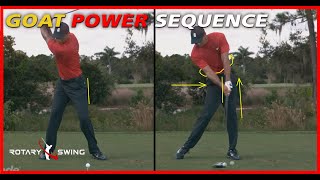
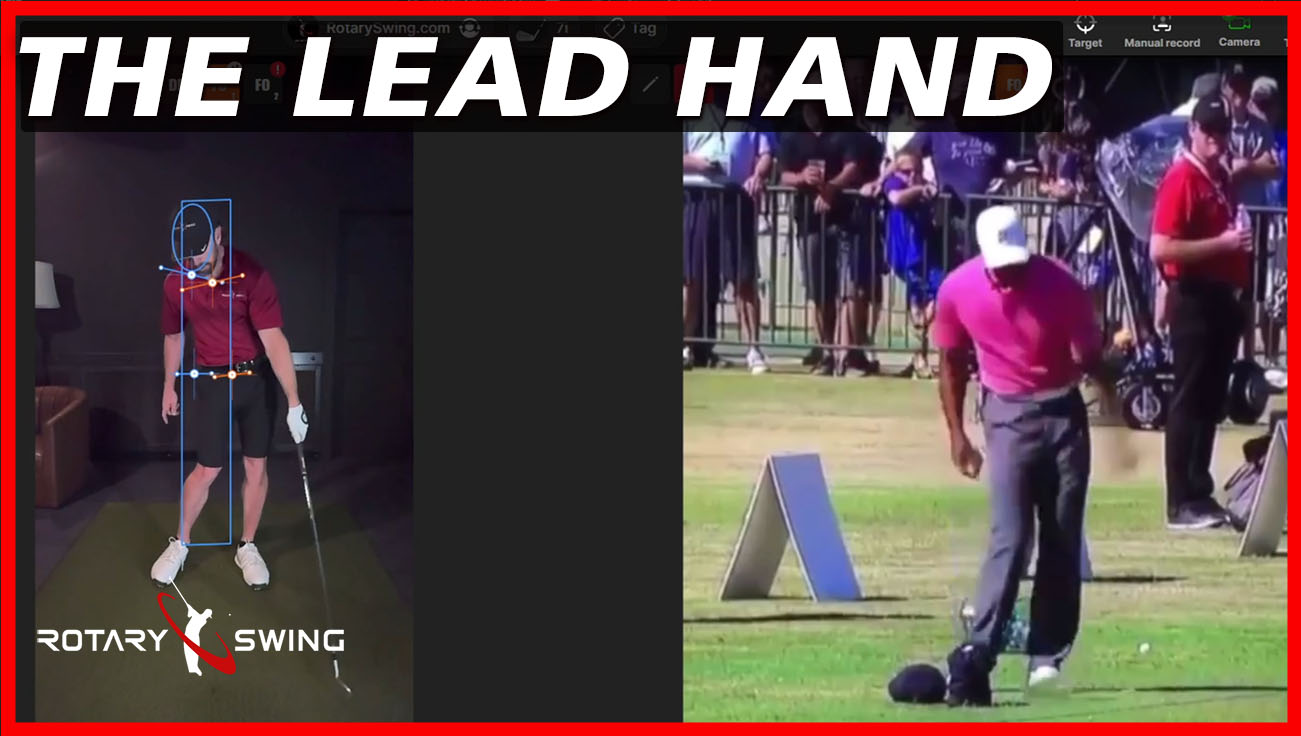
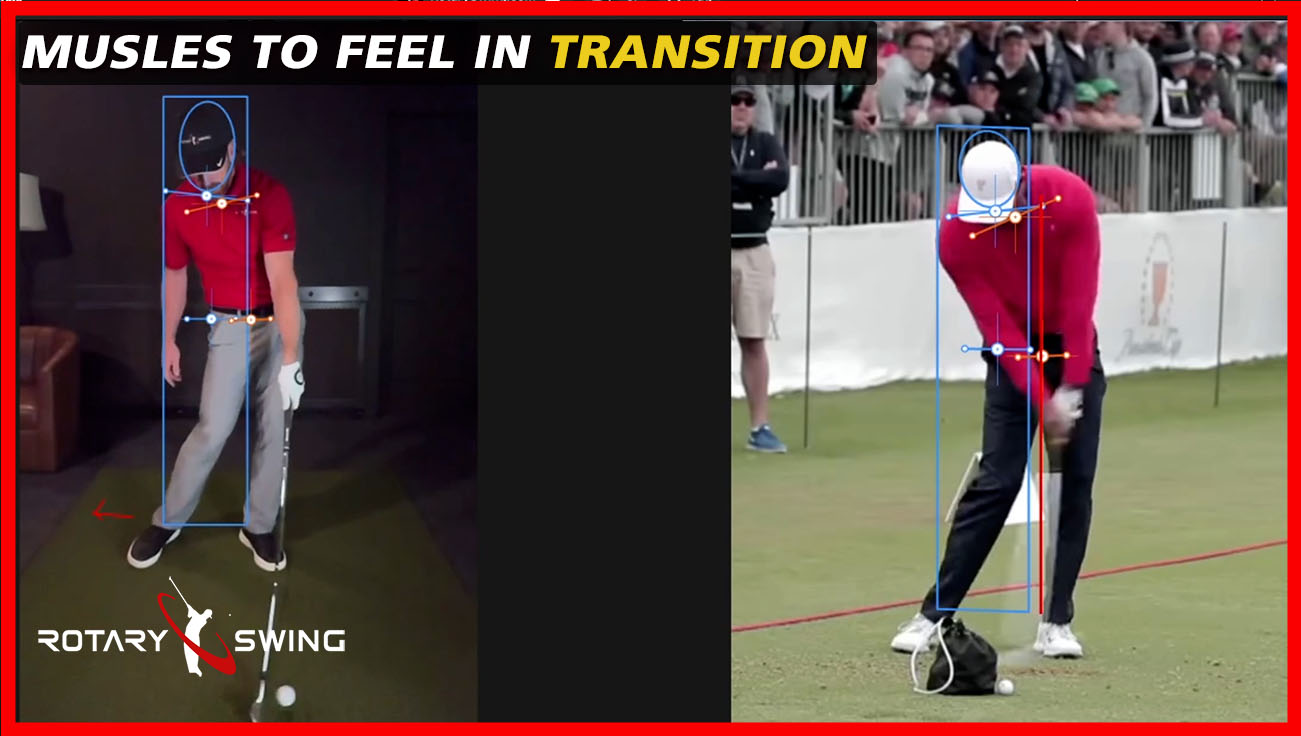
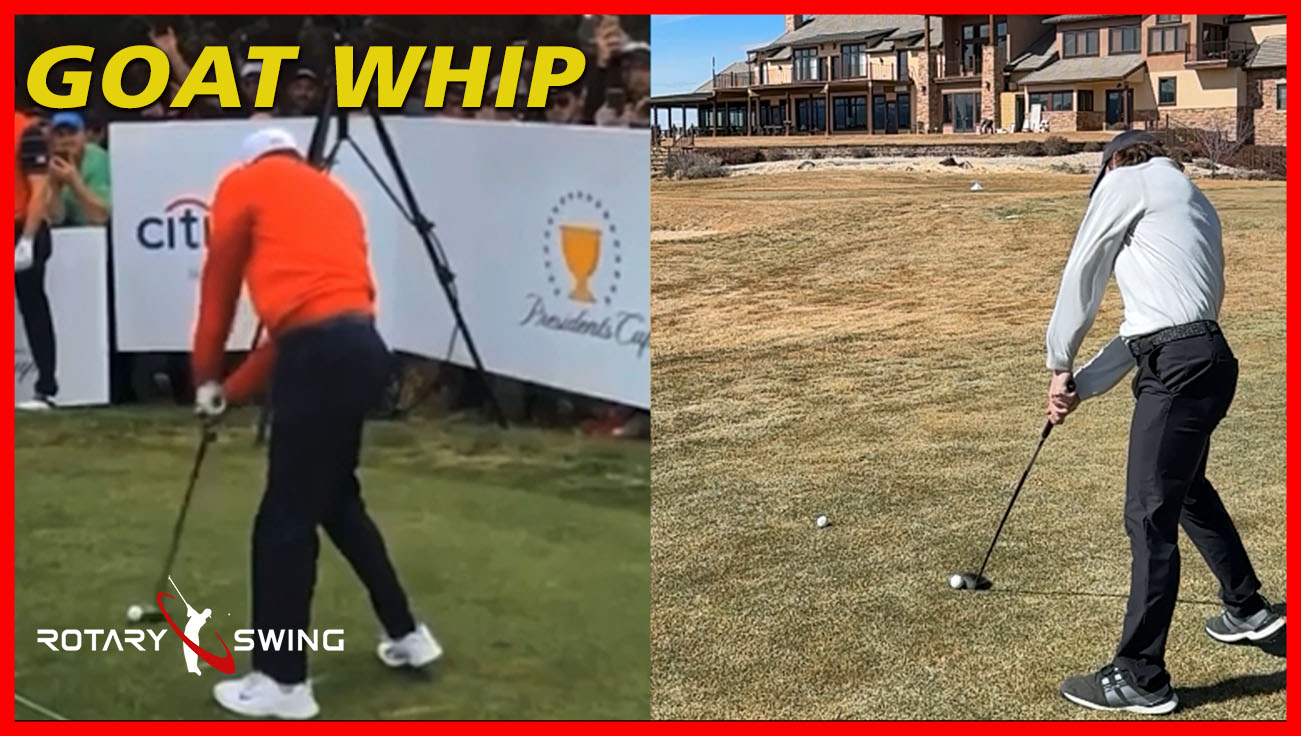
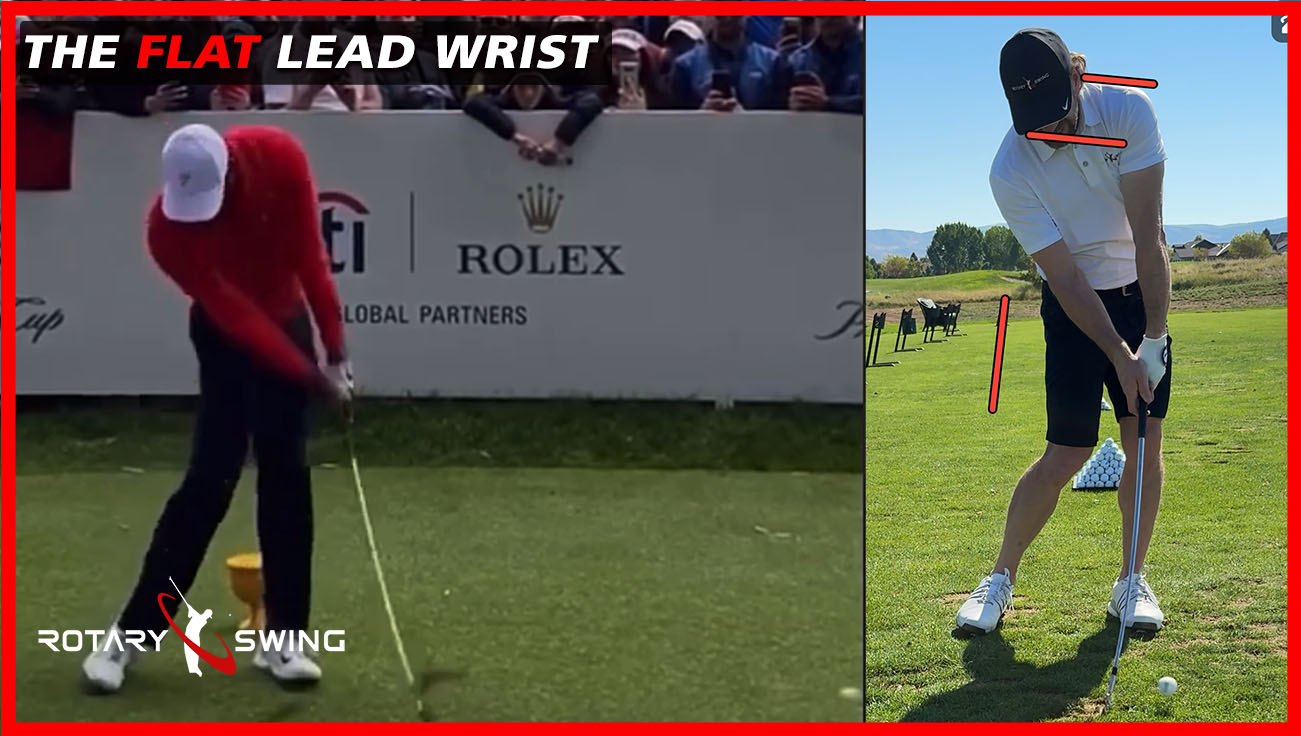
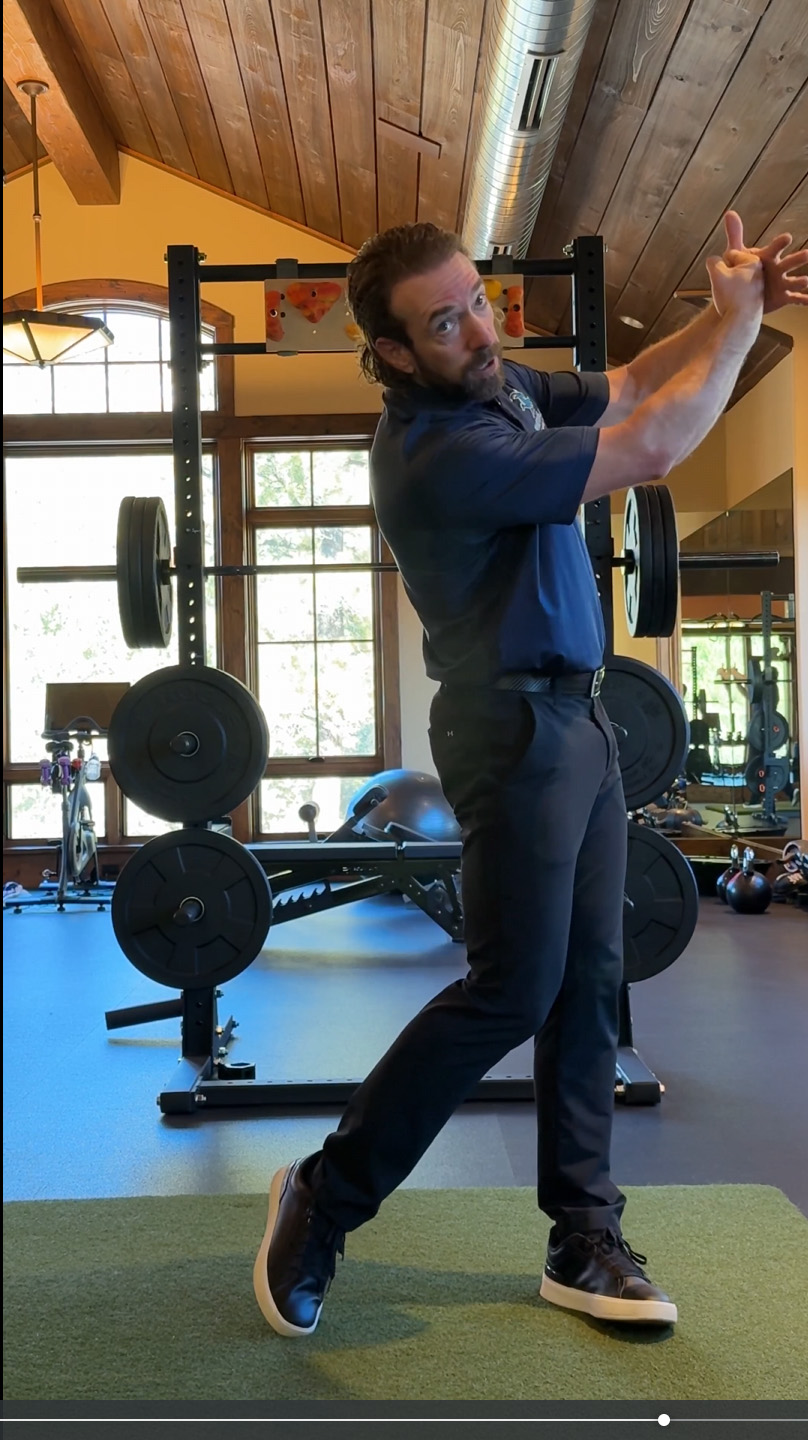
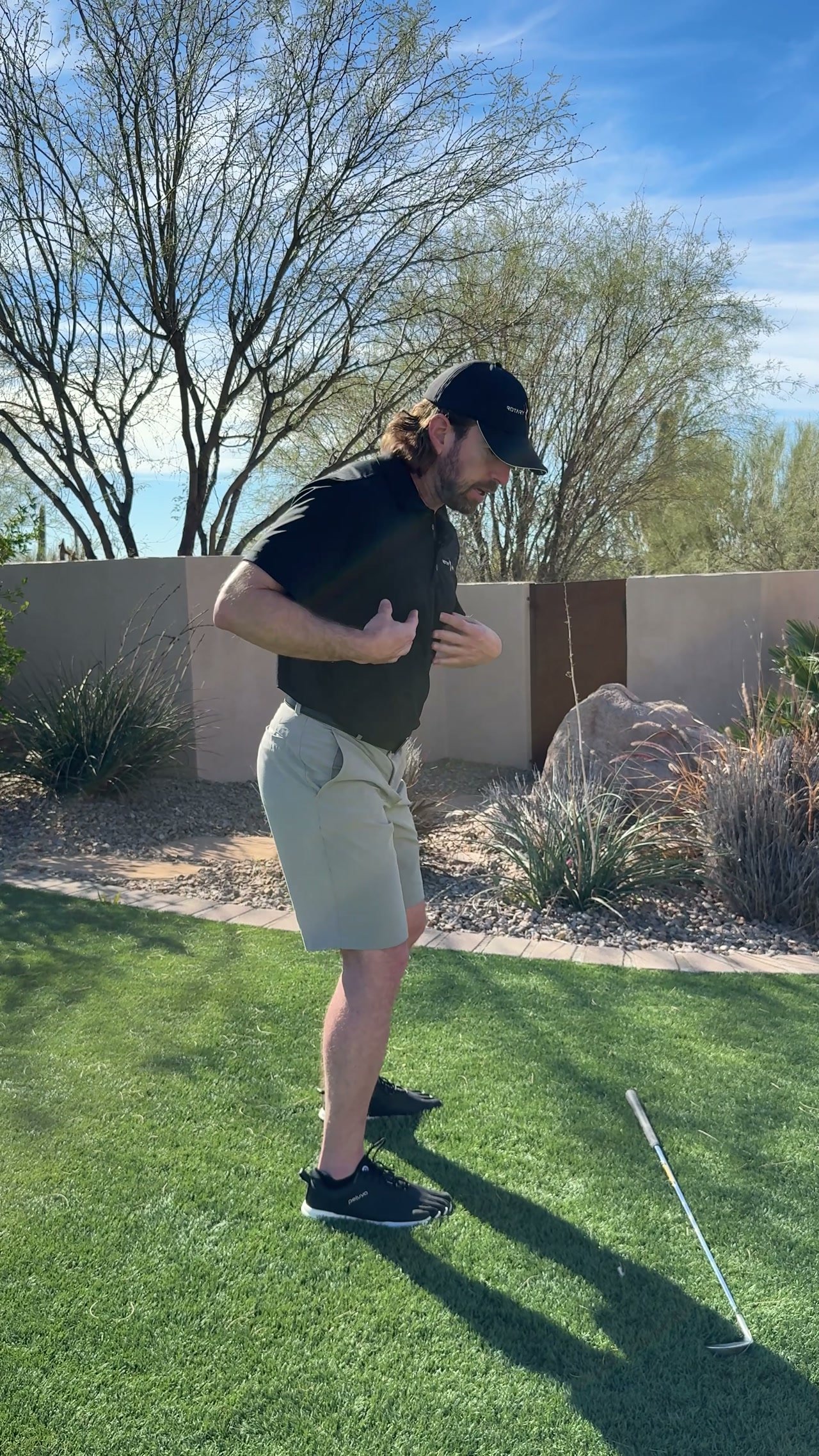
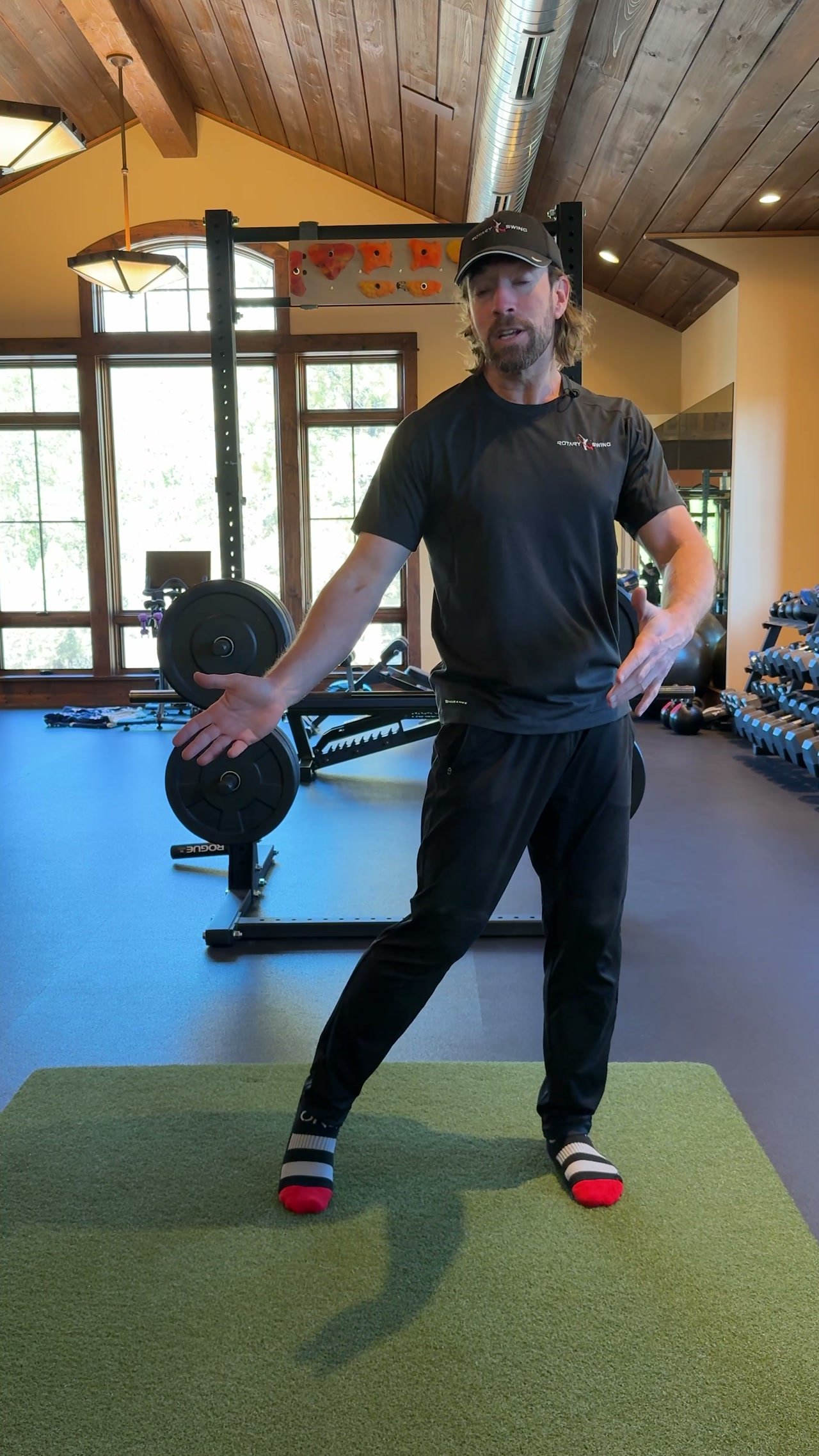
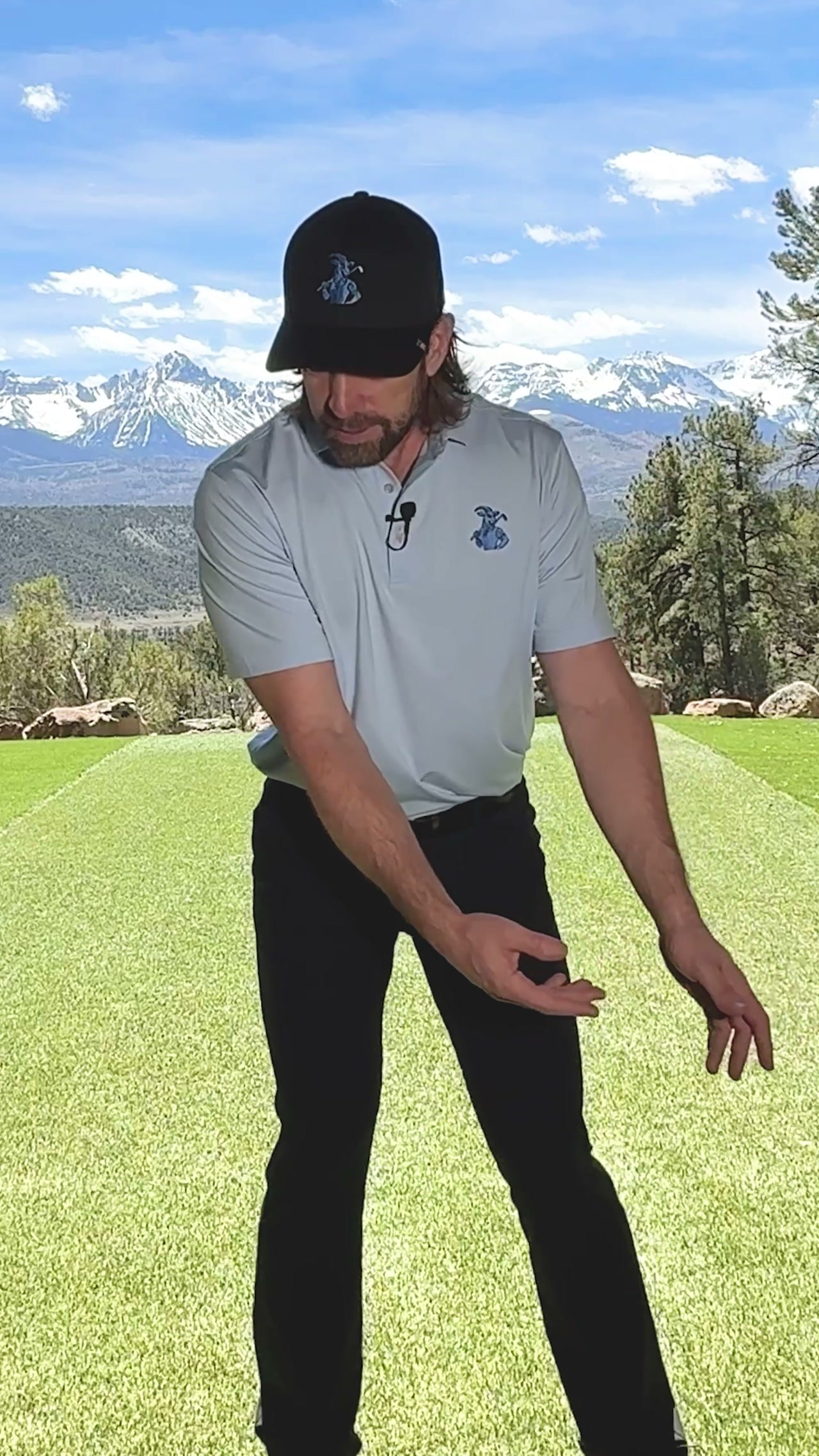
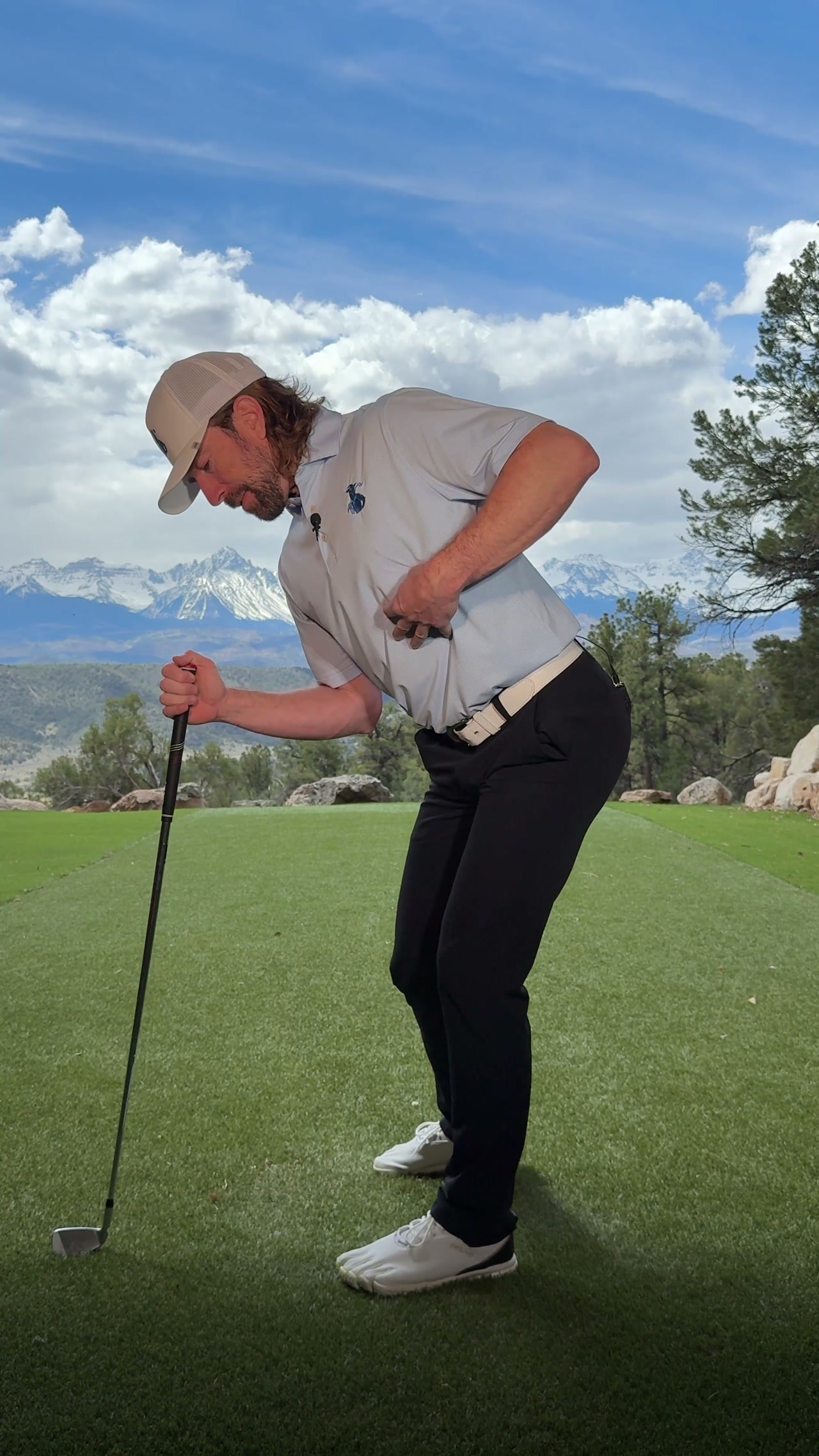
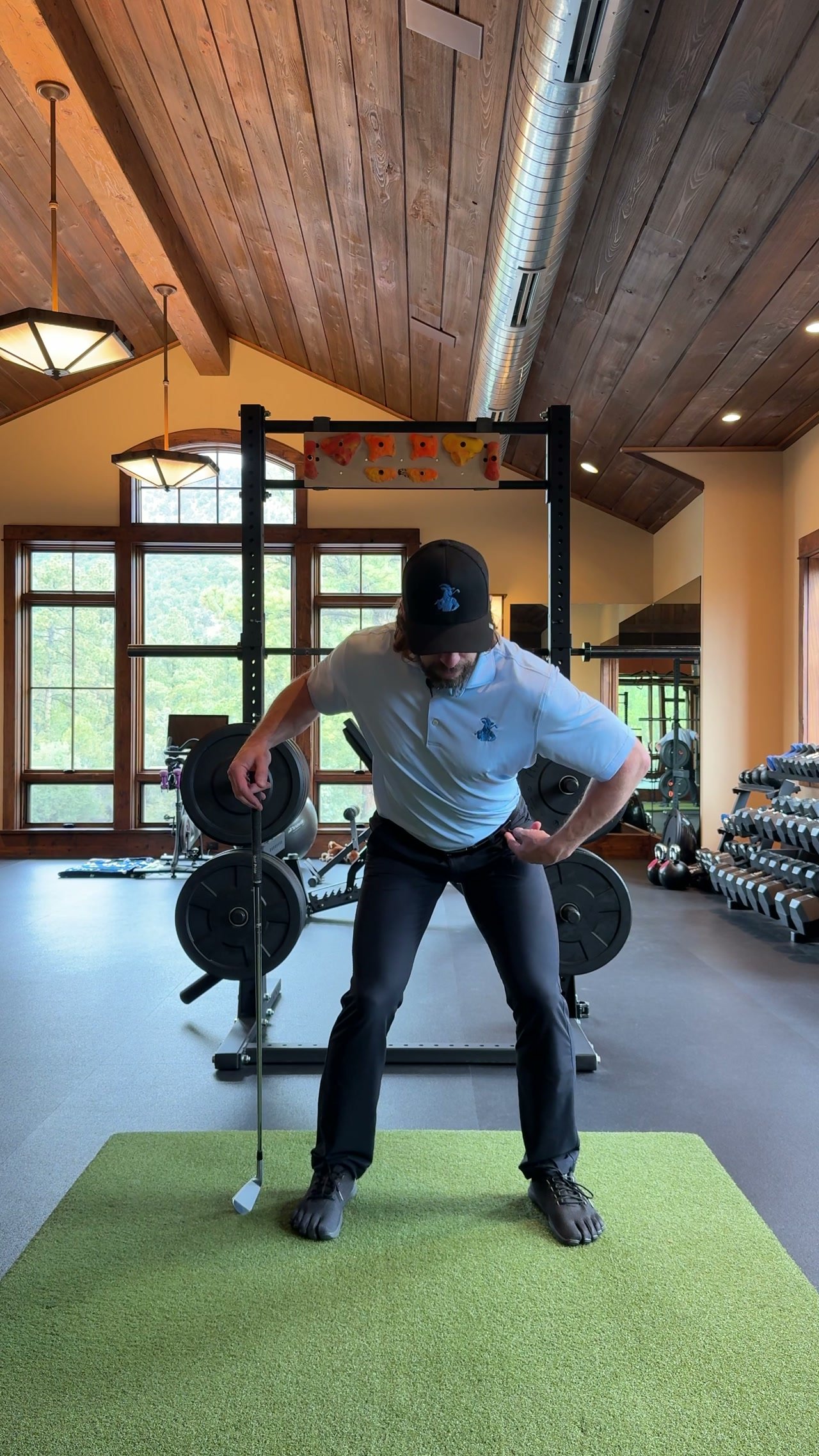
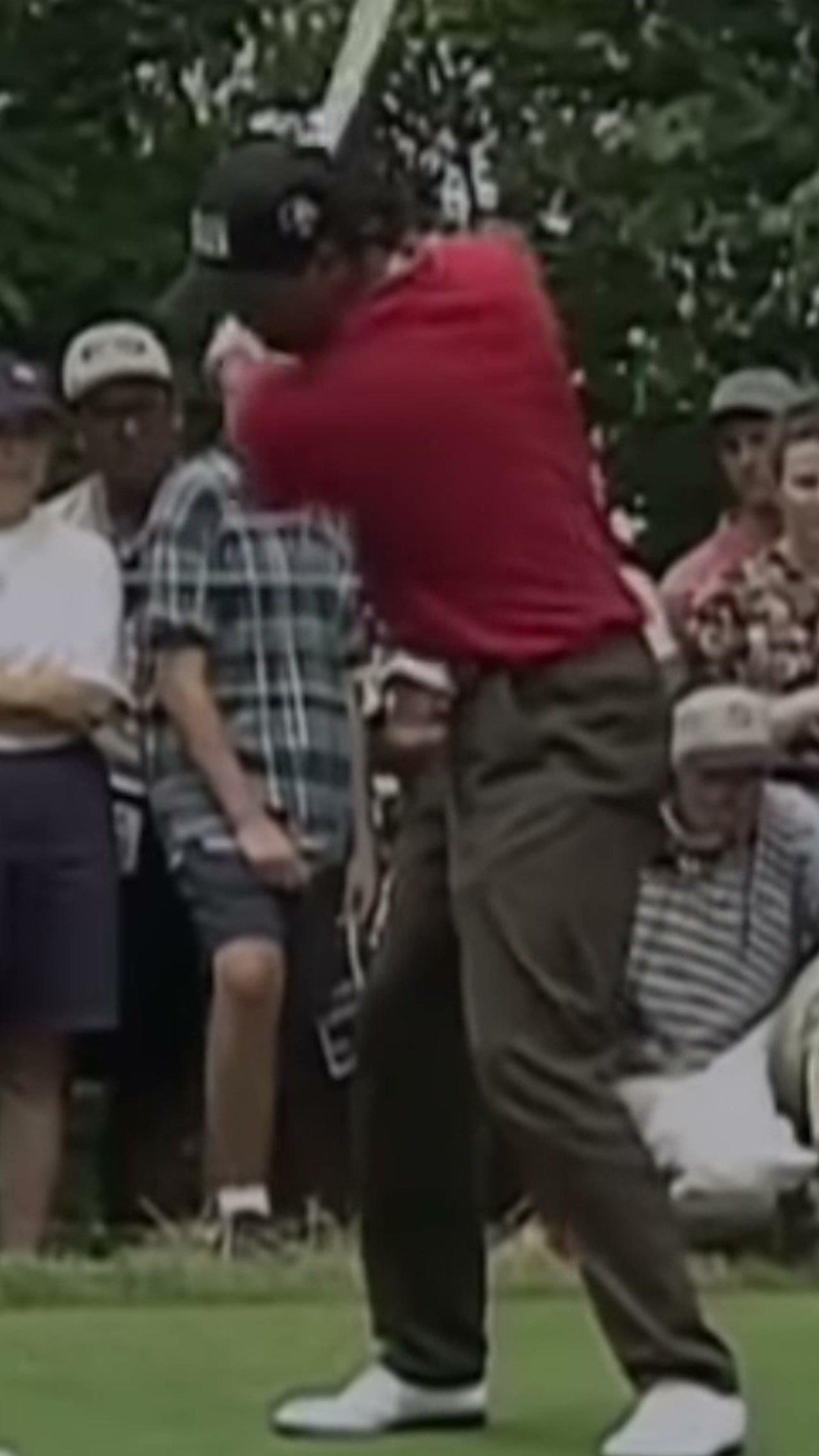
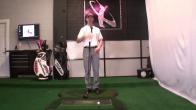
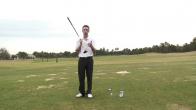
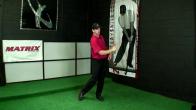
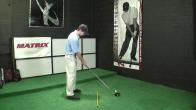
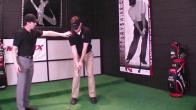
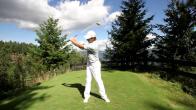
There has been significant discussion and debate surrounding ' more rounded backswing technique. Some confusion has arisen from the belief that Tiger has become a "one plane" swinger — which is partially true, but NOT by Jim Hardy's strict definition of the term.
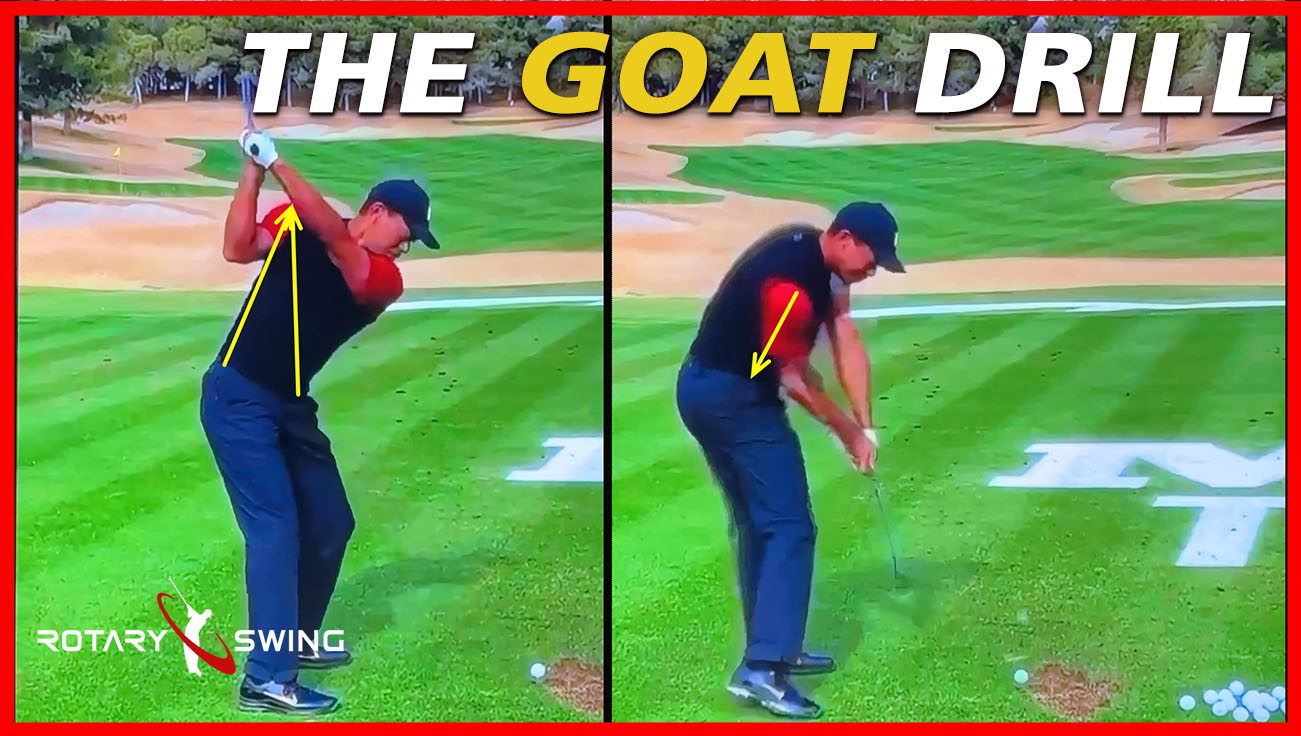
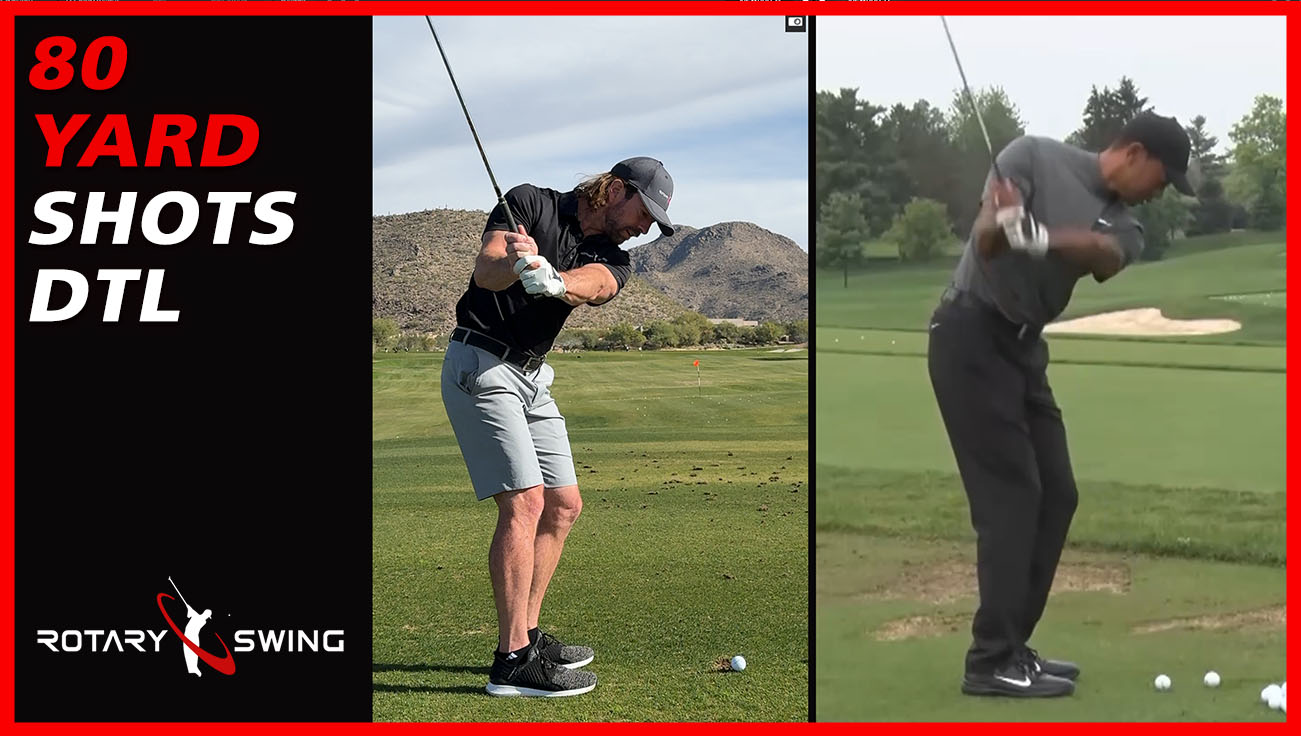
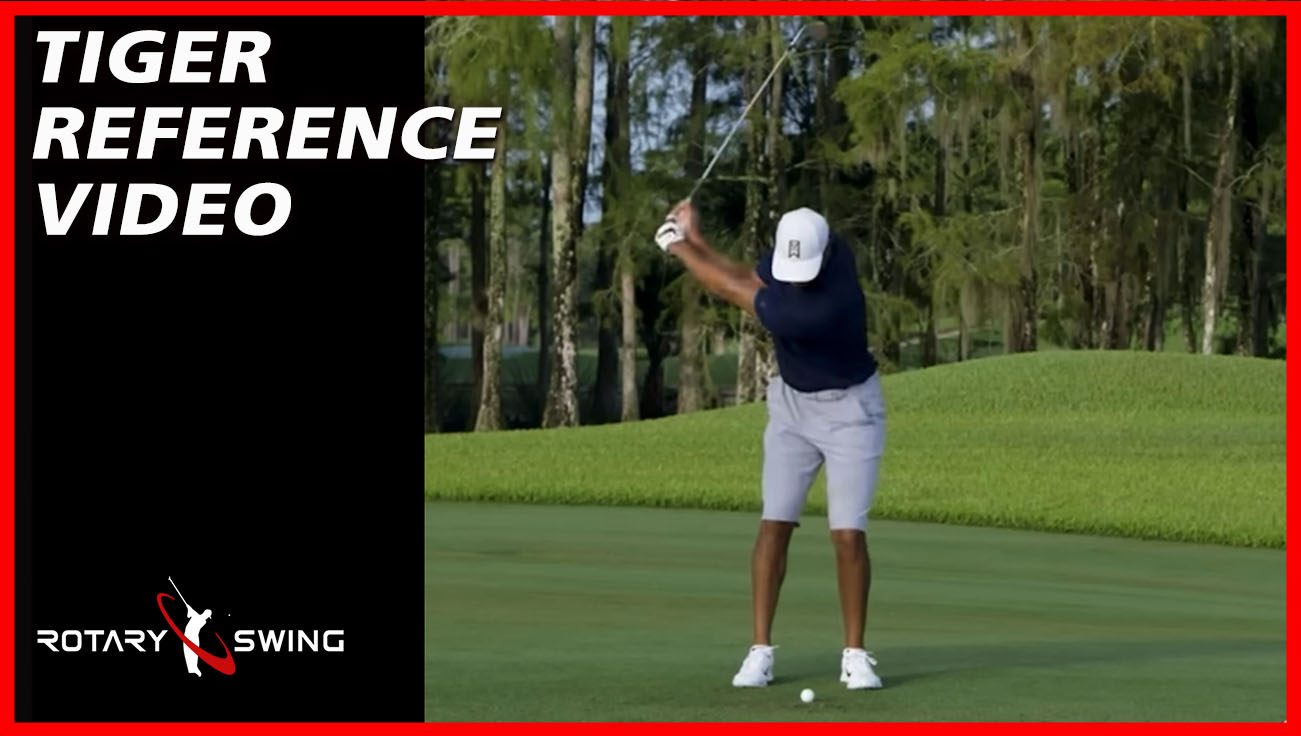
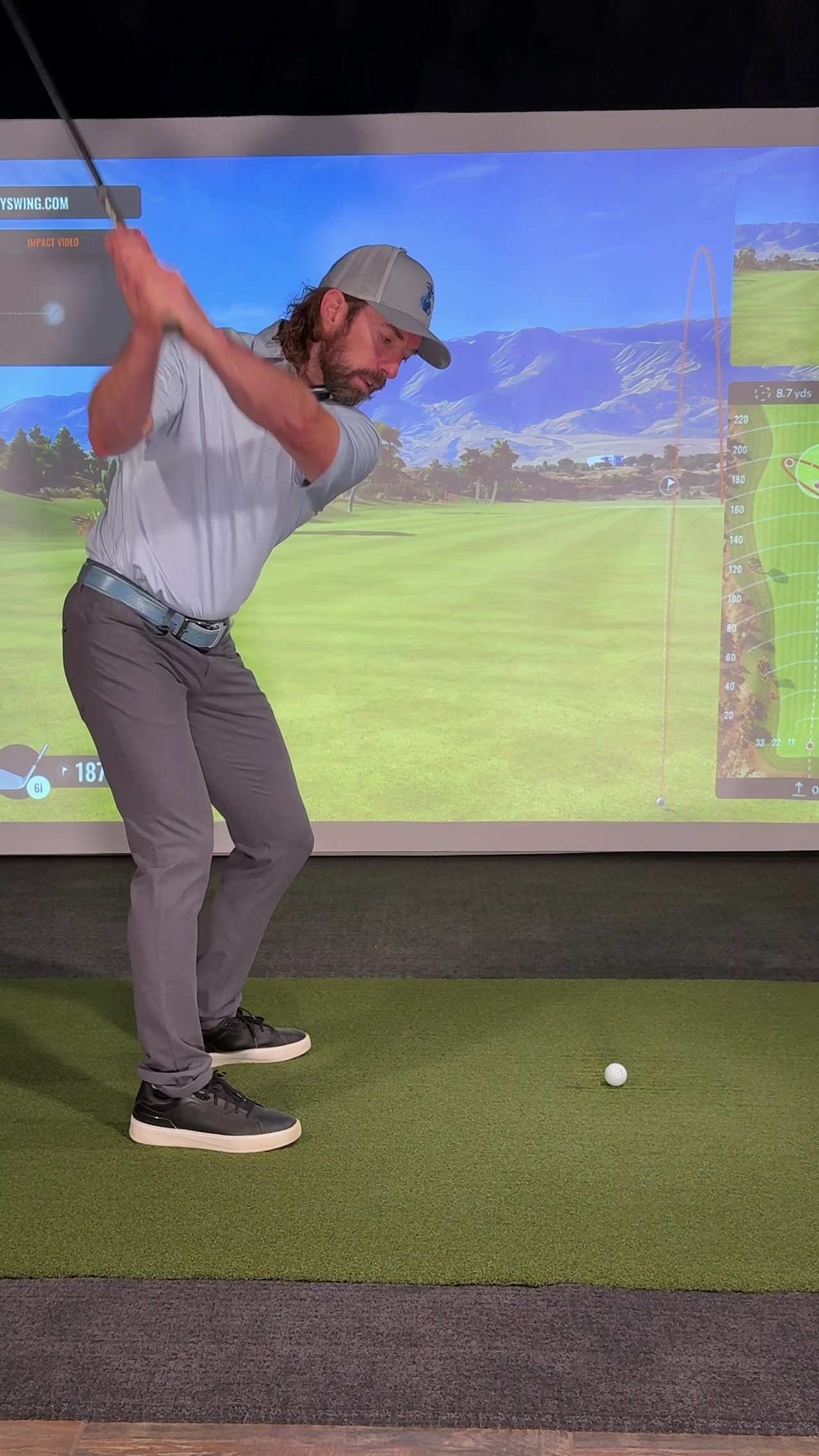
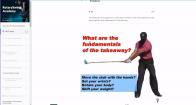
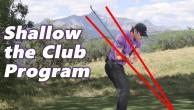
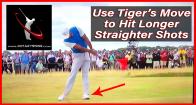
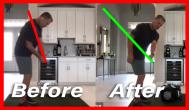
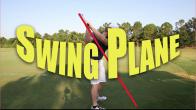
What makes Tiger's swing "one plane" is that his is dictated entirely by the shaft angle at address. He swings the club on — or parallel to — that plane throughout his entire golf swing. Shortly after the takeaway is complete, Tiger shifts to a plane parallel to the address shaft plane and continues upward on that parallel track all the way to the top, as clearly visible in the photo below.
Is this the fault costing you strokes?
Film one swing on your phone. In about a minute GOATY measures it and names the single biggest thing costing you strokes — free, no card.
Analyze My Swing Free
Related: Golf swing lag — why AI coaching fixes it faster →
Android users: Download GOATY on Google Play — free AI golf coaching on your Android phone. →
In the photo above, you can see that Tiger has shifted to a plane parallel to the shaft plane angle he established at address, as indicated by the red line — a beautifully consistent path from start to finish.
Stop reading about it — feel it in your swing today
GOATY watches your swing live and coaches you between every rep. Free. No signup.
Start Your FREE Live Lesson →To achieve this, he swings his arms on a slightly more rounded path than he did while working with Butch Harmon, and the clubface rotates open throughout the backswing to maintain this flatter plane alignment.
As an interesting side note: during the telecast of the 2006 Tour Championship that Adam Scott won, one of the announcers mentioned that Butch Harmon had told Adam to start "fanning the clubface open" during the takeaway because it was lagging behind his hands too much. If you watched Adam that year, you could see him moving toward a more laid-off position similar to Tiger's at the top — and adding the forearm rotation during the takeaway was accelerating that transformation.
Try a free live lesson with GOATY
GOATY, my AI golf coach, watches your swing through your phone camera and coaches every rep. Free, about 20 minutes, no credit card.
Whether other professionals admit it openly or not, when Tiger makes a swing change, the entire tour takes notice. At the 2006 Masters, I personally watched at least four players working on rotating the clubface open on the way back and getting more laid off at the top — one of whom was Padraig Harrington. Interestingly, while Harrington drilled this motion religiously in his practice swings, his actual swing did the exact opposite. Swing changes can be remarkably difficult to implement under pressure.
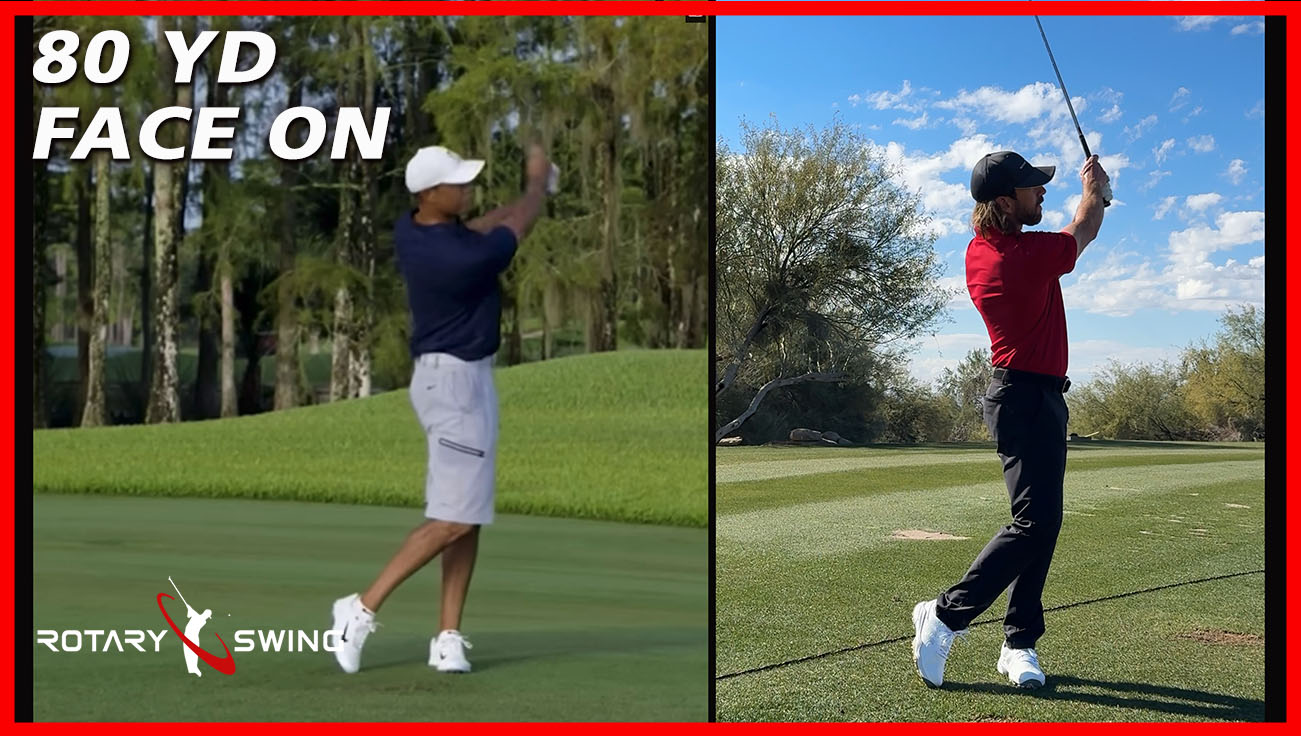
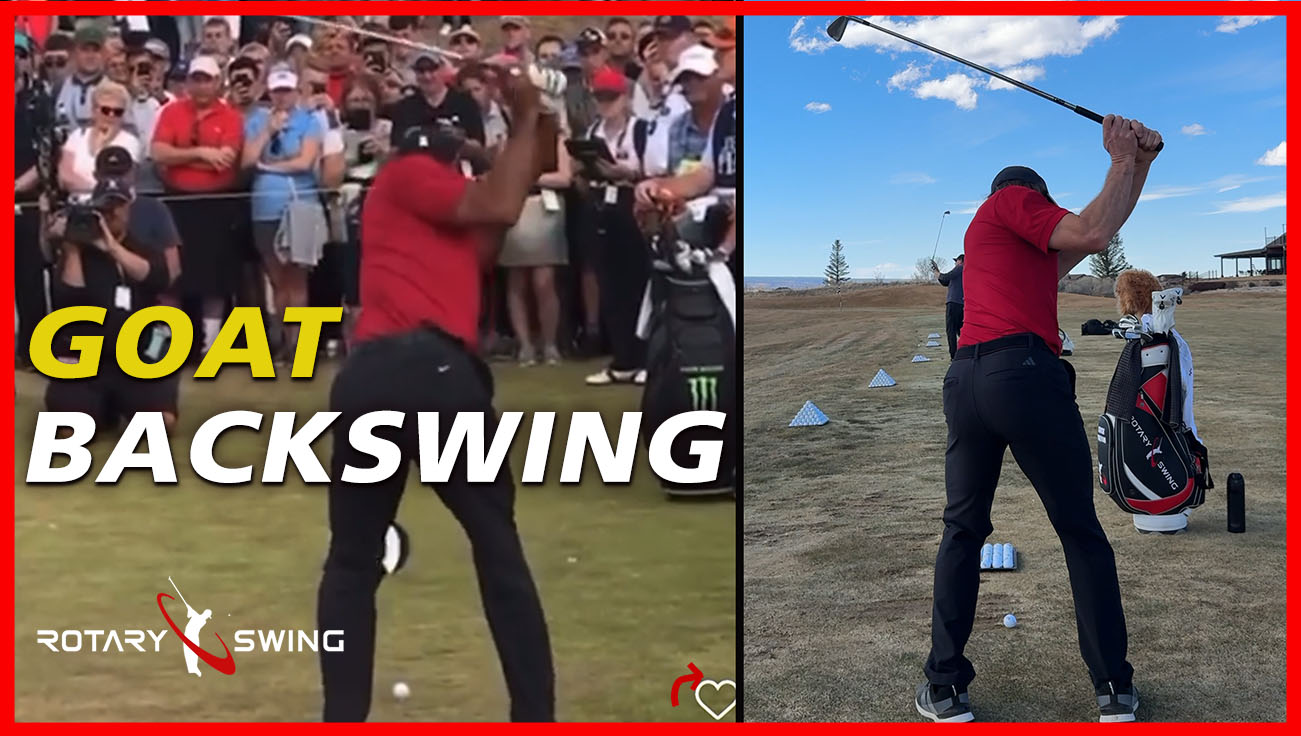
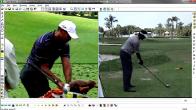
Back to Tiger's mechanics. From the face-on view, you can observe that Tiger has barely moved his hips during the backswing — a testament to his superior flexibility and core stability.
He maintains excellent width during the takeaway, as he always has. However, one notable difference in this version of his swing is how early his right arm disappears beneath his left. This is a direct byproduct of the clockwise forearm rotation he maintains throughout the backswing.
As he reaches the top of his swing, we get to see one of the key reasons Tiger's technique looks both distinctly different and remarkably efficient at the same time.
At the top of his swing, Tiger is undeniably in a flatter position with his left arm relative to his shoulders compared to his 2000-era technique. What makes this position truly unique is that the left arm, shaft, and clubface are all perfectly parallel to the shaft plane established at address — creating what appears to be a "laid off" look at the top of the backswing.
It is NOT actually a laid-off position. If Tiger continued his , the club would end up pointing directly down the target line. The laid-off appearance is simply an optical illusion created by the combination of his overall club movements and the shorter, more compact backswing.
Tiger's swing from the face-on angle appears very compact and completely under control. His hips have rotated only minimally, and his left arm has stopped at approximately the 10:30 position on an imaginary clock face — a model of efficiency and restraint.
Because of the more rounded nature of his current swing, many observers have mistakenly classified Tiger as a true "one planer." At the top of his backswing, while his position is significantly flatter than before, his left arm sits slightly above his shoulder plane — though the margin is minimal.
Tiger certainly has a spine angle steep enough to qualify as a one planer, and his shoulder turn plane at the top is excellent for that classification. However, it's important to understand that Hank Haney's methodology is concerned exclusively with the movements of the club throughout the swing — not with the relationship between the shoulders and the left arm. So the similarities to a one plane model are, in many ways, a fortunate coincidence of efficient mechanics rather than deliberate design. If you want to understand how your own backswing plane compares to Tiger's, a free AI swing analysis can show you exactly where your club tracks throughout the swing.
How to Build a Powerful Golf Backswing
Develop a technically correct backswing that loads maximum power, stays on plane, and sets up a consistent downswing.
-
1
Start with a Correct Takeaway
A powerful backswing begins with a correct takeaway. Push the club head away from the ball on a low wide arc driven by shoulder rotation. Avoid picking the club up with your arms early - this creates an overly steep plane that limits your backswing turn and power.
-
2
Rotate Your Shoulders 90 Degrees
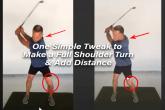
Your goal is to rotate your lead shoulder to a position where it is pointing behind the ball at the top of your backswing. Most amateurs only turn their shoulders 60 to 70 degrees. The extra 20 to 30 degrees is where significant distance is waiting.
-
3
Load Into Your Trail Hip
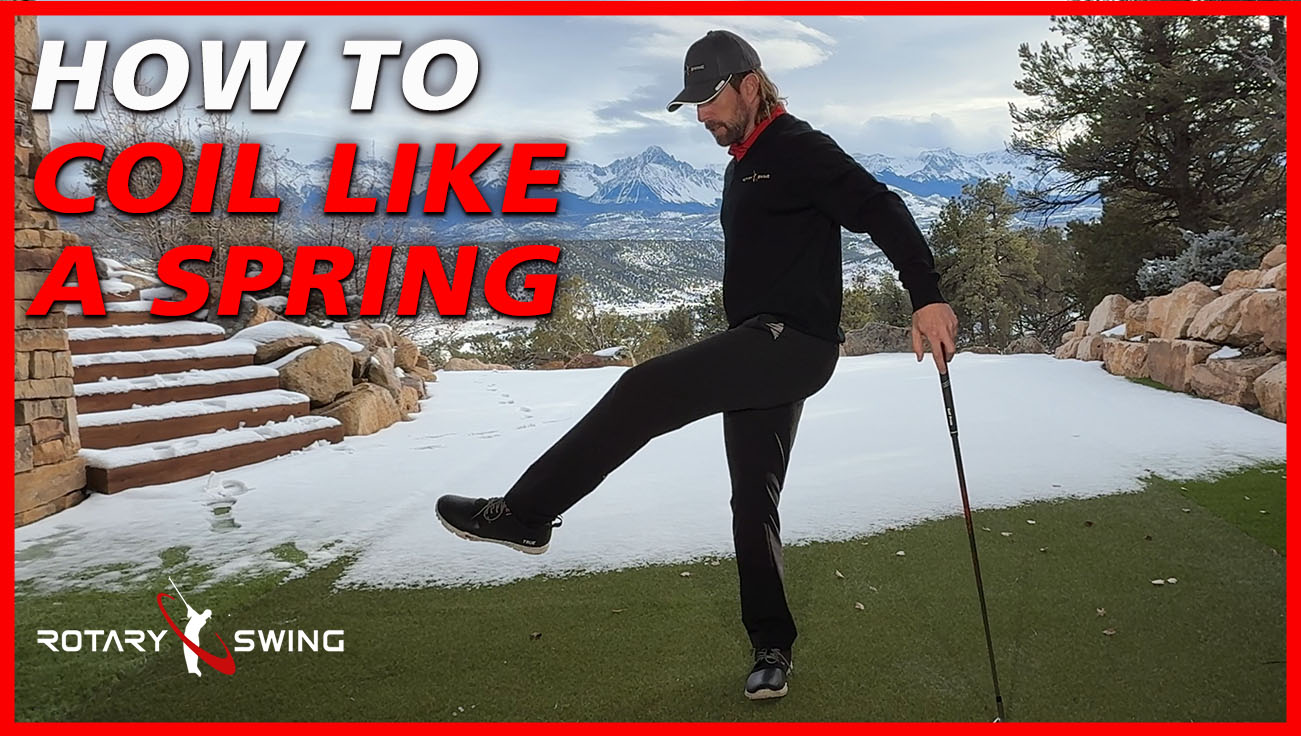
As you turn, feel your weight shifting into the inside of your trail foot and leg. Your trail knee should remain flexed and pointing at the target not straightening or swaying to the outside. The trail hip loads like a coiled spring that will unwind in the downswing.
-
4
Check Your Club Position at the Top
At the top of your backswing, your lead arm should be relatively straight, the club shaft should be roughly parallel to your target line for a full swing, and the face of the club should be parallel to your lead forearm. Video check these positions monthly.
-
5
Score Your Backswing Load with GOATY
Open GOATY live lesson at rotaryswing.com/goaty/landing/goat_drill_video and take 10 full swings. GOATY evaluates your backswing loading and hip coil in real time. A properly loaded backswing shows up as a higher ENGINE score with specific voice coaching between every rep.
Watch part 2 now to see how you're moving your body in the opposite direction of the pros!