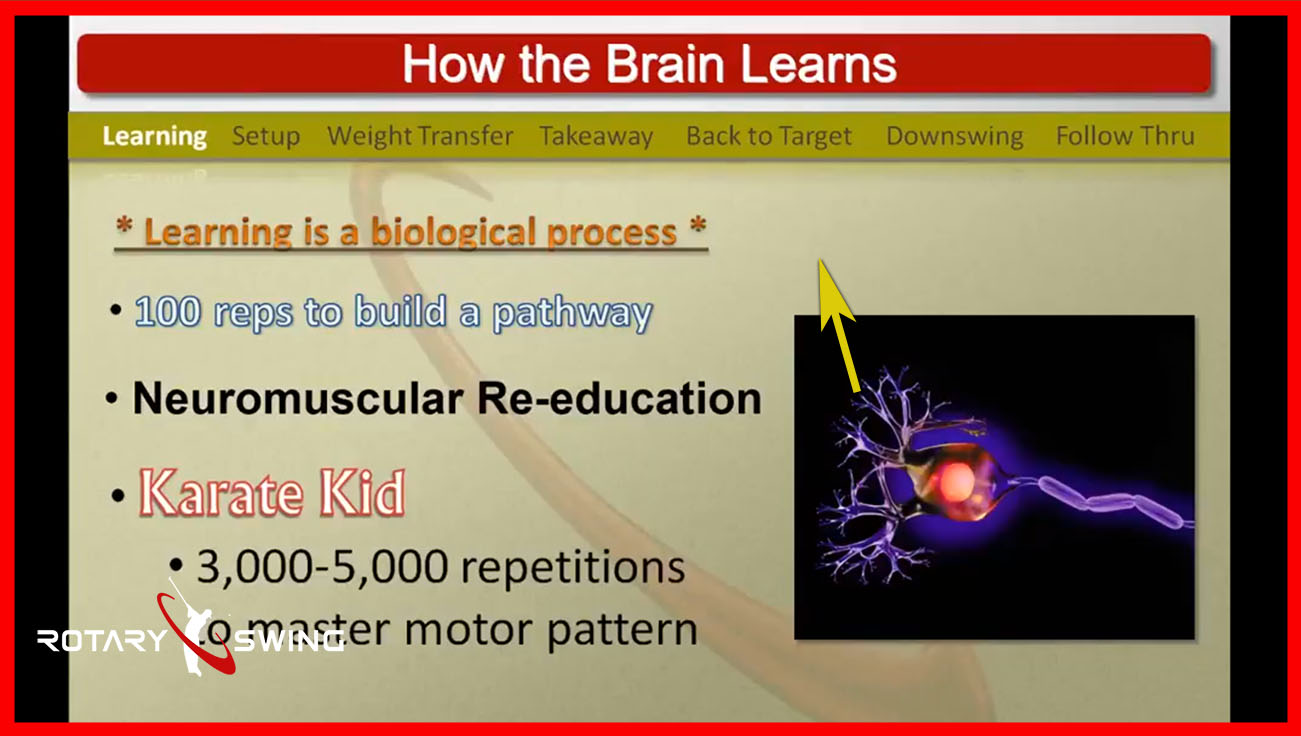
RST is different than any other golf swing methodology in the world because it is the only swing that is not only based on proper biomechanics, but that is built around the latest research in how the brain learns new movement patterns.
We've built the golf learning program around many of the concepts found in Dan Coyle's best selling book, The Talent Code. Thanks to this system, you are guaranteed some of the quickest real results that can possibly be obtained. And I don't just mean better ball striking; YOU WILL SEE VISIBLE CHANGES in your golf swing using our system. Much like how an AI swing analyzer gives you instant visual feedback on your mechanics, this progression-based approach makes changes undeniable and measurable.
Is this the fault costing you strokes?
Film one swing on your phone. In about a minute GOATY measures it and names the single biggest thing costing you strokes — free, no card.
Analyze My Swing Free
Related: Golf backswing — the 3 AI-measured gates →
Android users: Download GOATY on Google Play — free AI golf coaching on your Android phone. →
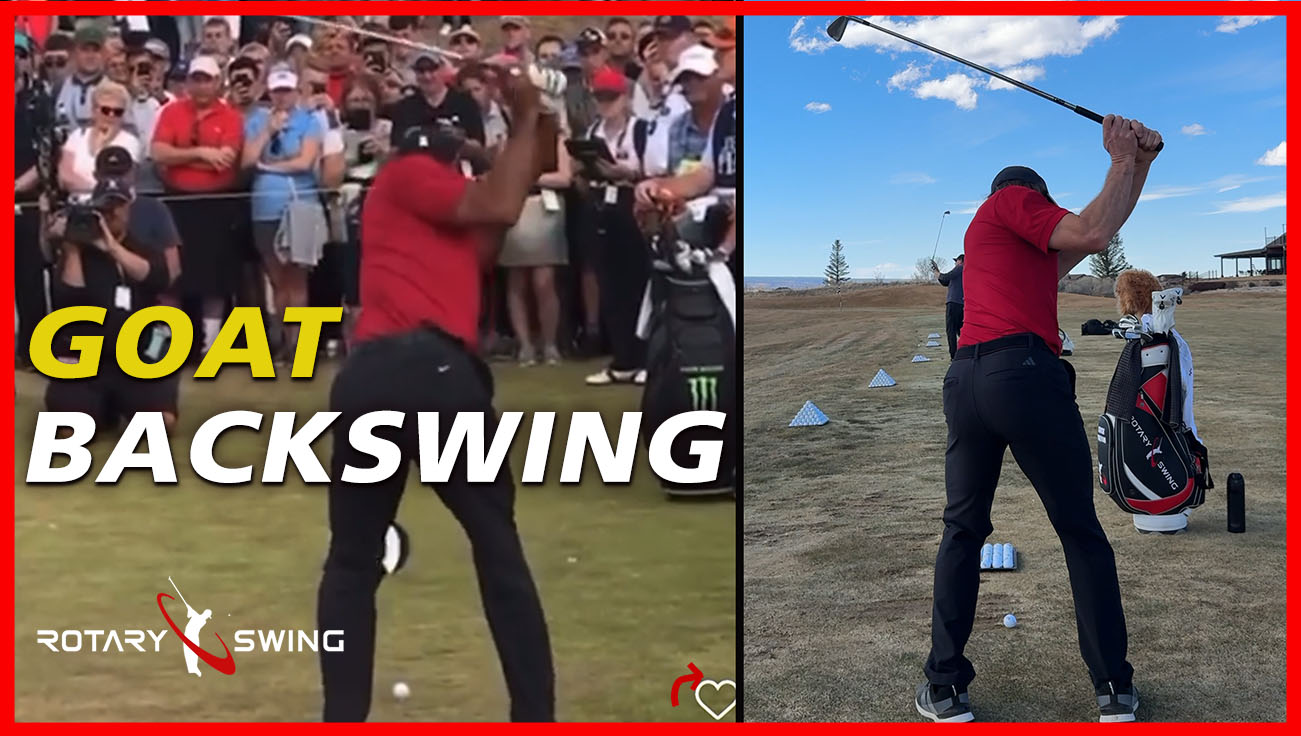
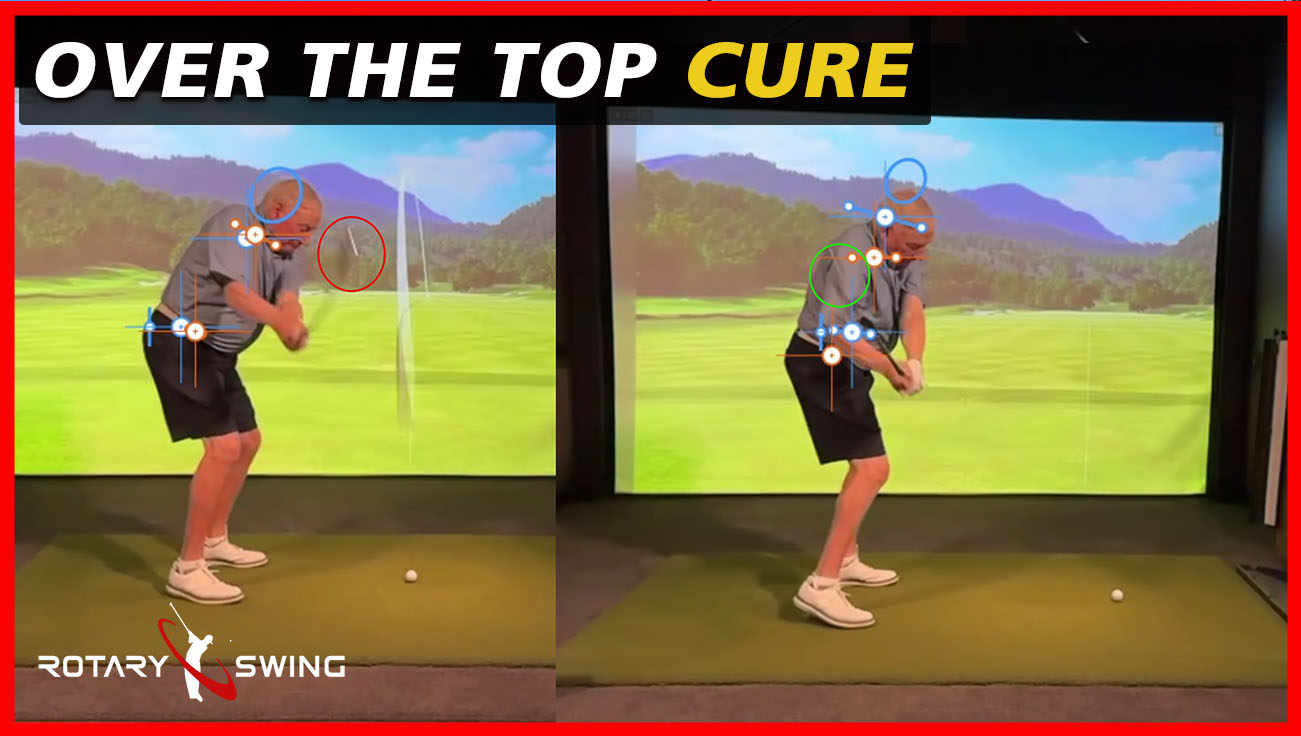
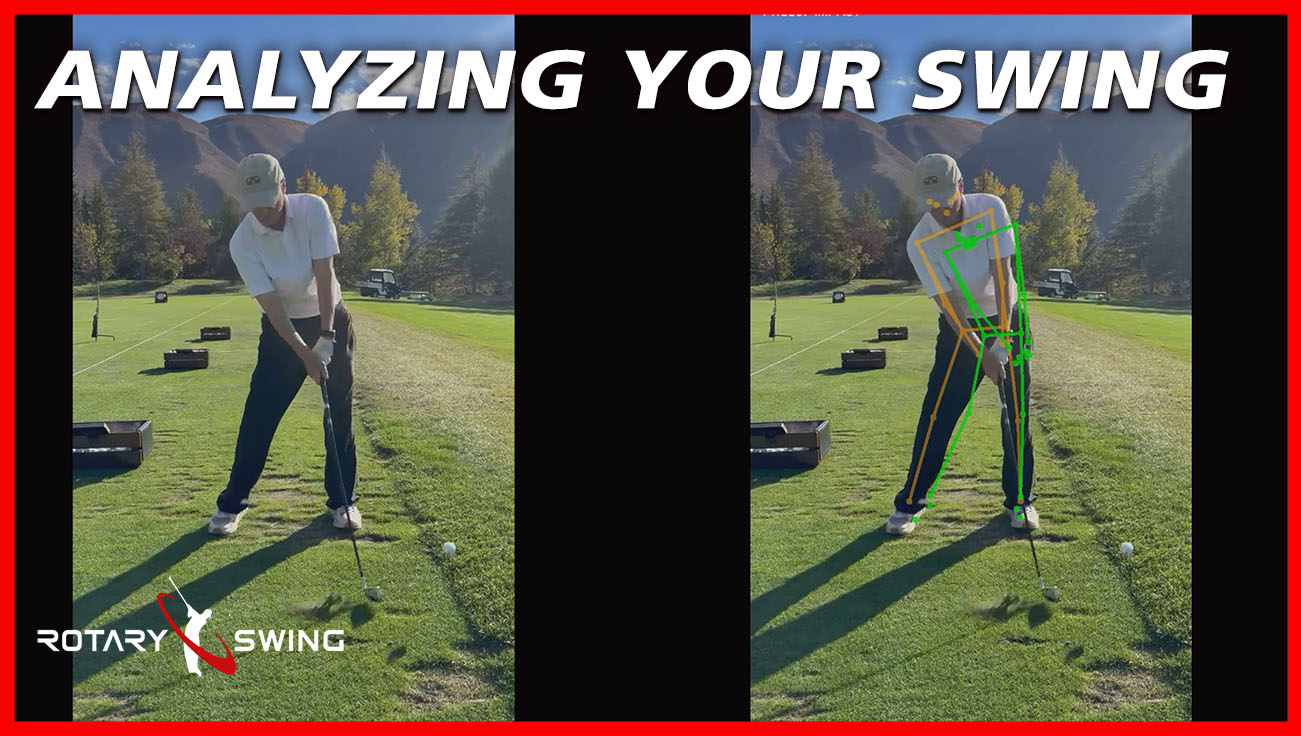
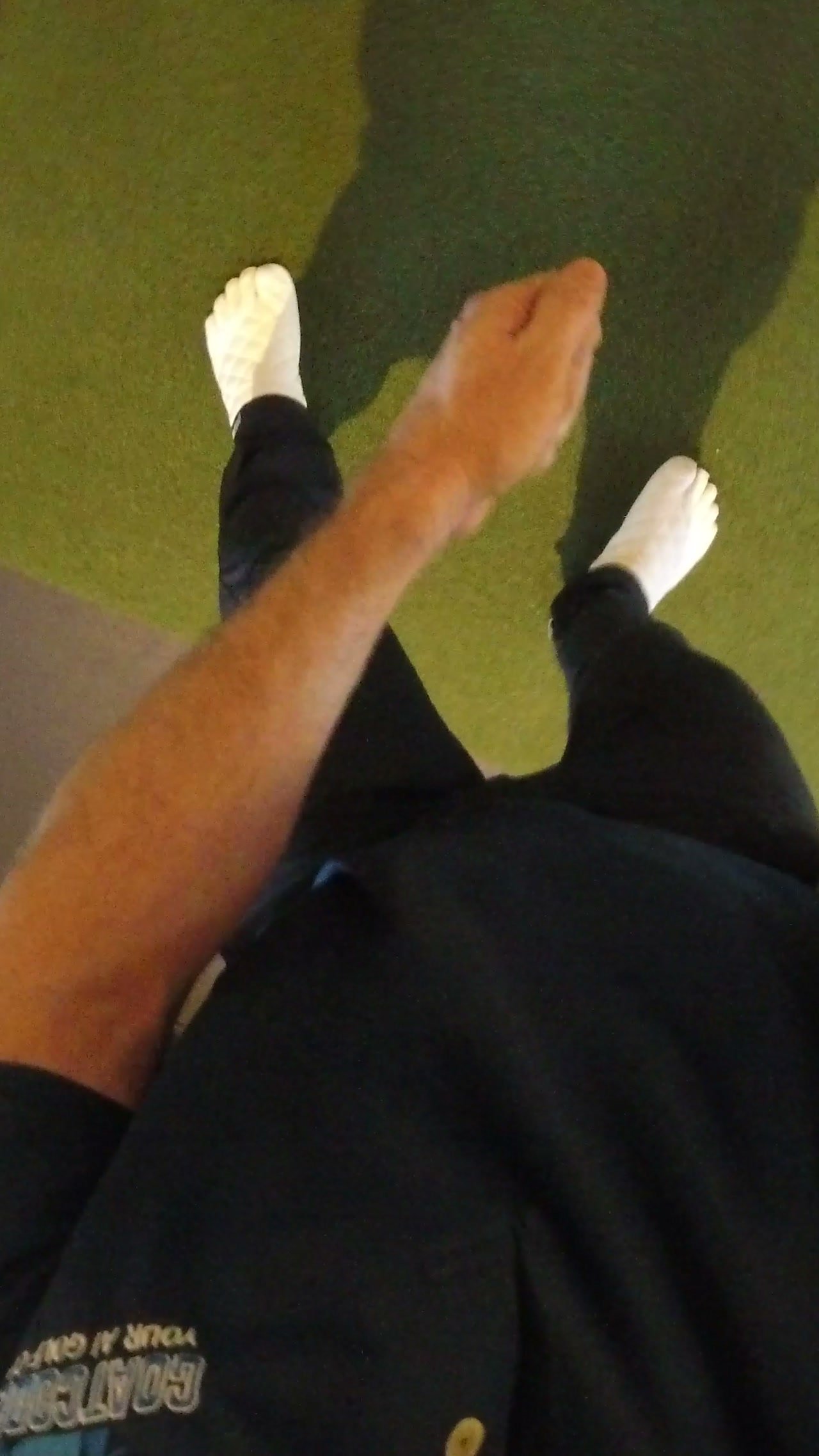
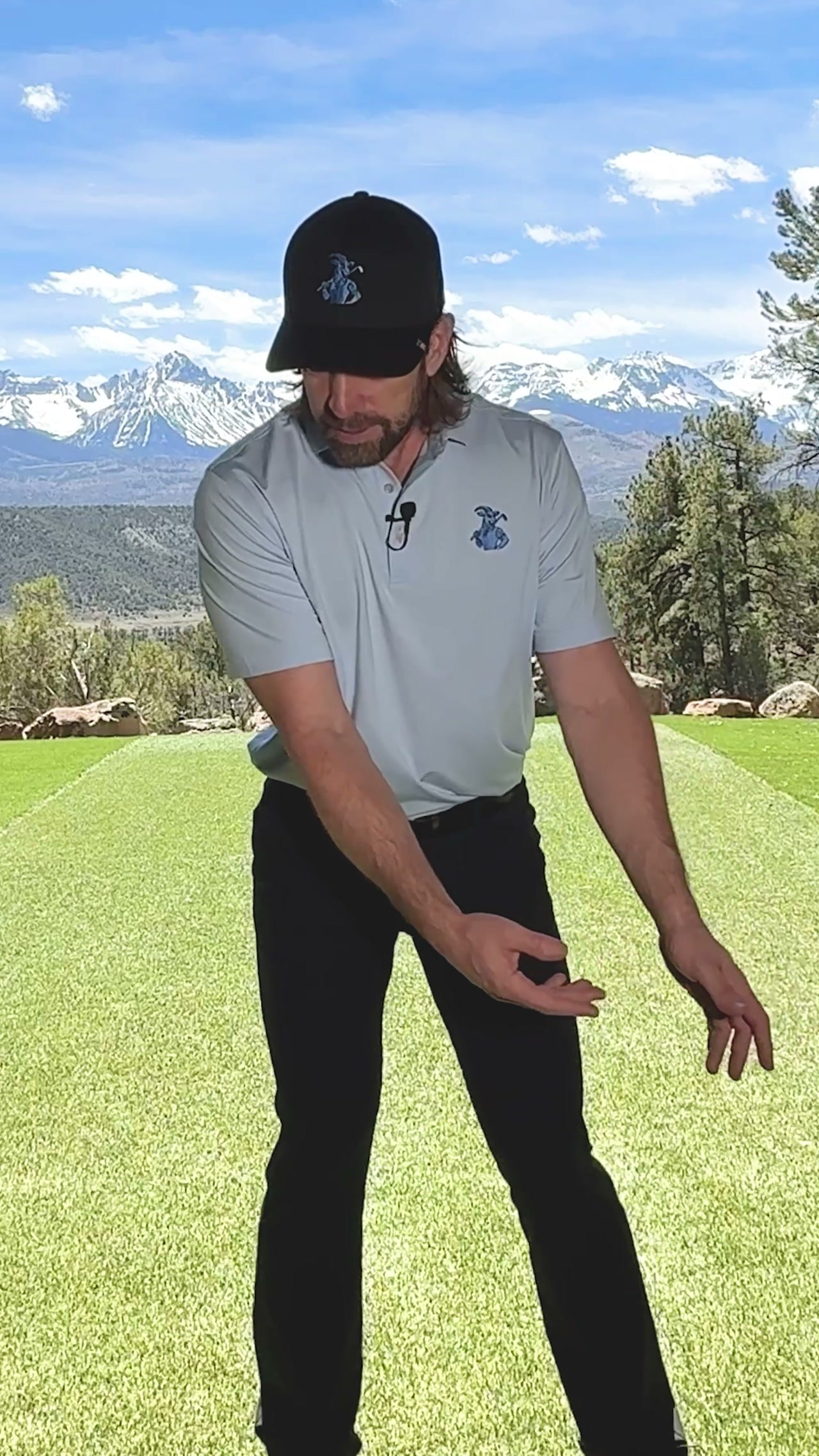
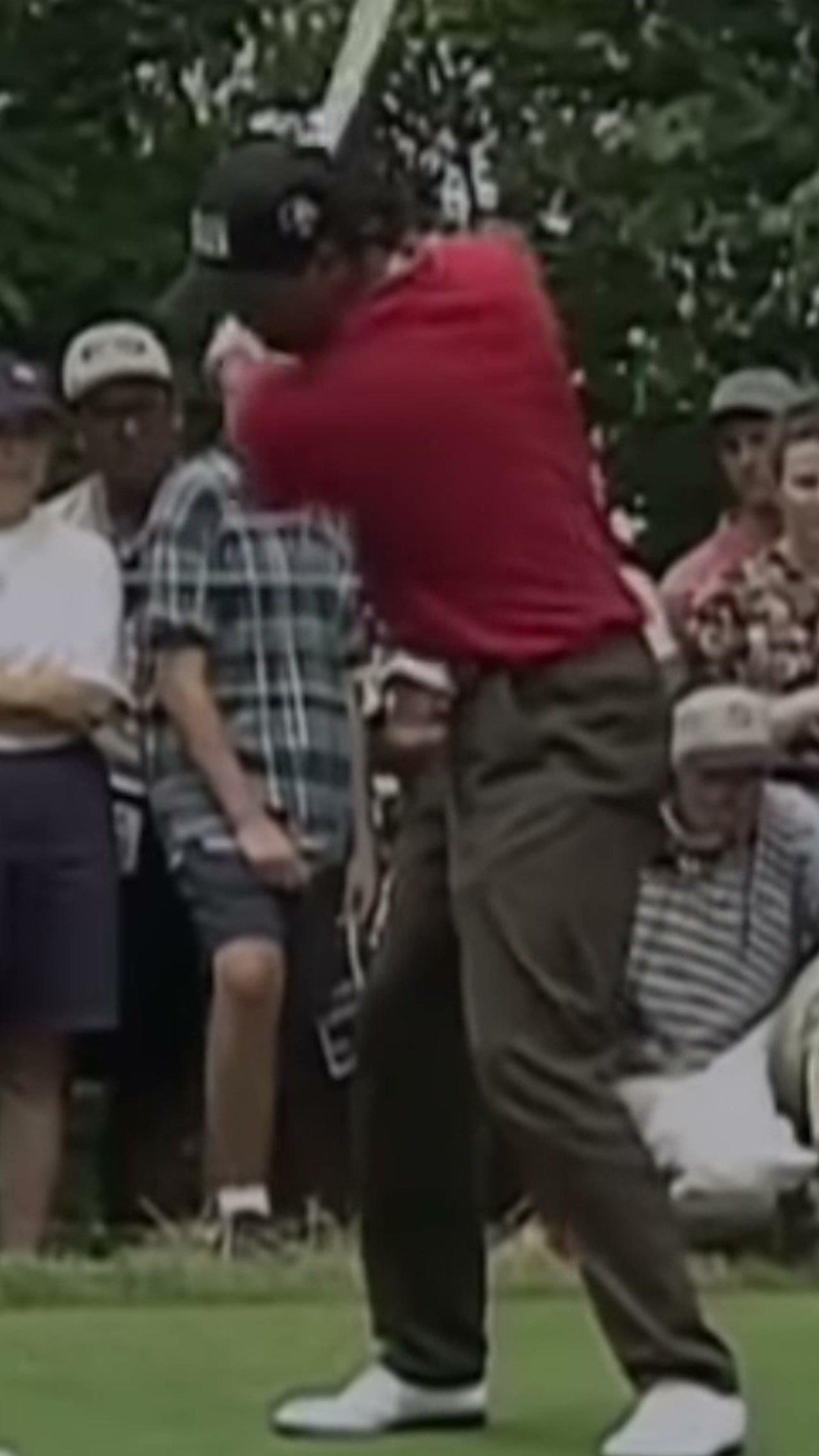
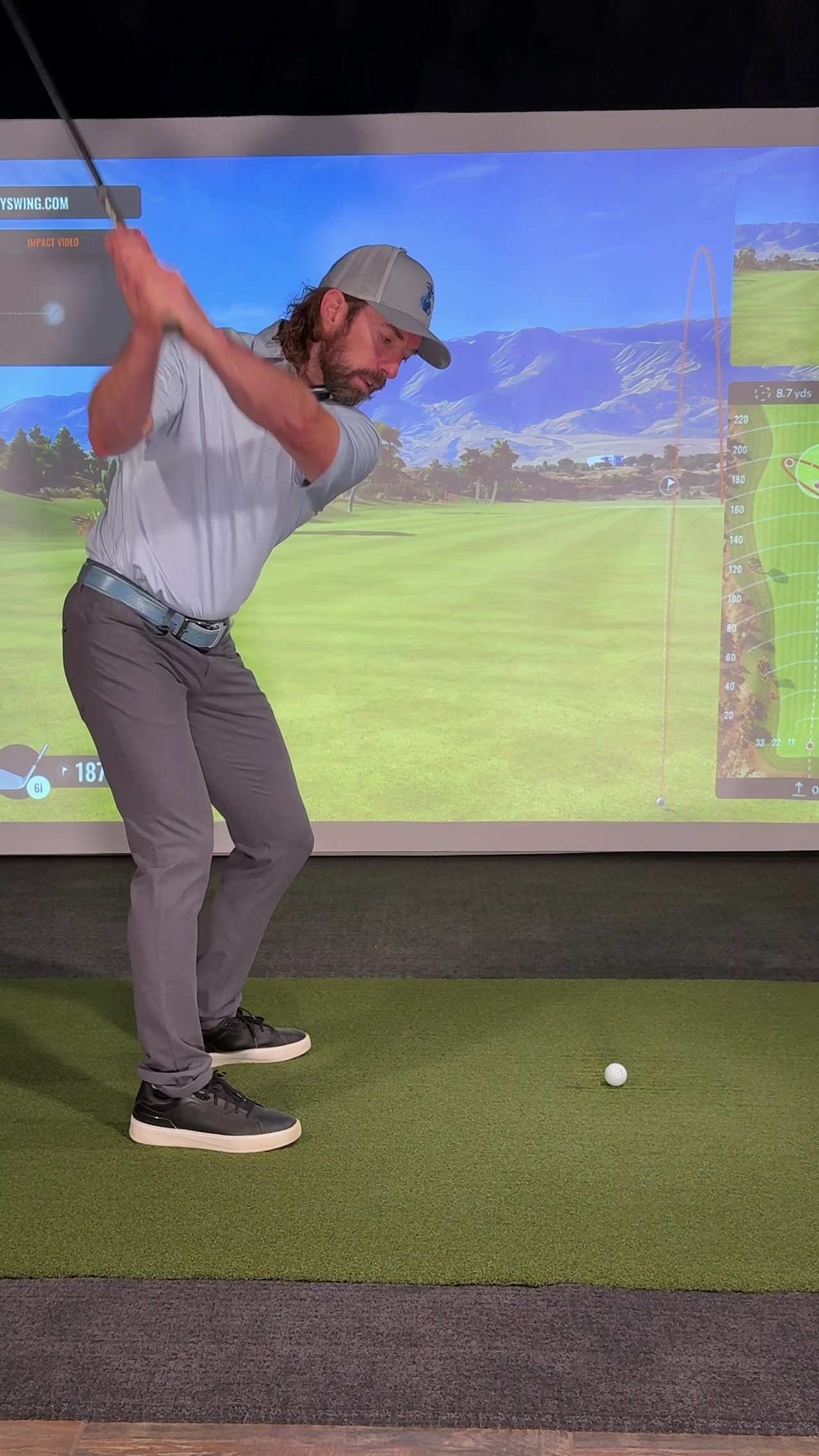
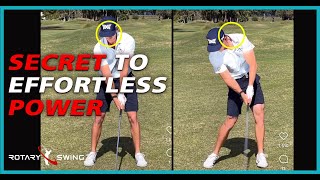
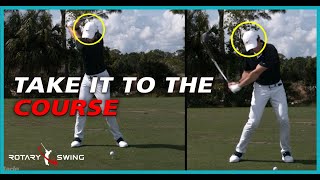
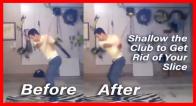
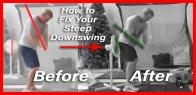
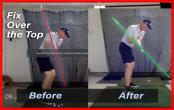
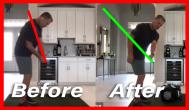
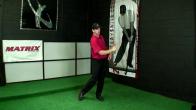
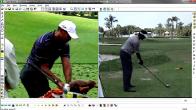
Here's a typical example of a student with a poor top of the swing position that is causing all sorts of trouble with his ball striking. In the picture on the left, his arms are deep and buried behind his chest, hips over rotated, clubface open, etc. In the picture on the right, the swing is much improved by the following day.
Stop reading about it — feel it in your swing today
GOATY watches your swing live and coaches you between every rep. Free. No signup.
Start Your FREE Live Lesson →To fix this position and get these types of dramatic results from actual students (how many other instructors do you see posting pics of their students demonstrating these types of results?), it is critical that you follow a specific progression that I go through in detail in this 16 minute video titled "5 Minutes to the Perfect Backswing".
Try a free live lesson with GOATY
GOATY, my AI golf coach, watches your swing through your phone camera and coaches every rep. Free, about 20 minutes, no credit card.
Let's take a look at how I turned the golfer on the left into the golfer in the right in just one lesson.
The first key that you should learn in the "5 Minutes to the Perfect Backswing" video is the process of progression. This is the exact same concept you've used to learn all things in your life.
If you ever learned how to play a musical instrument, you started out learning in very small chunks. You learned basic notes, chords, how to read music, etc. before you ever tried to play your first song.
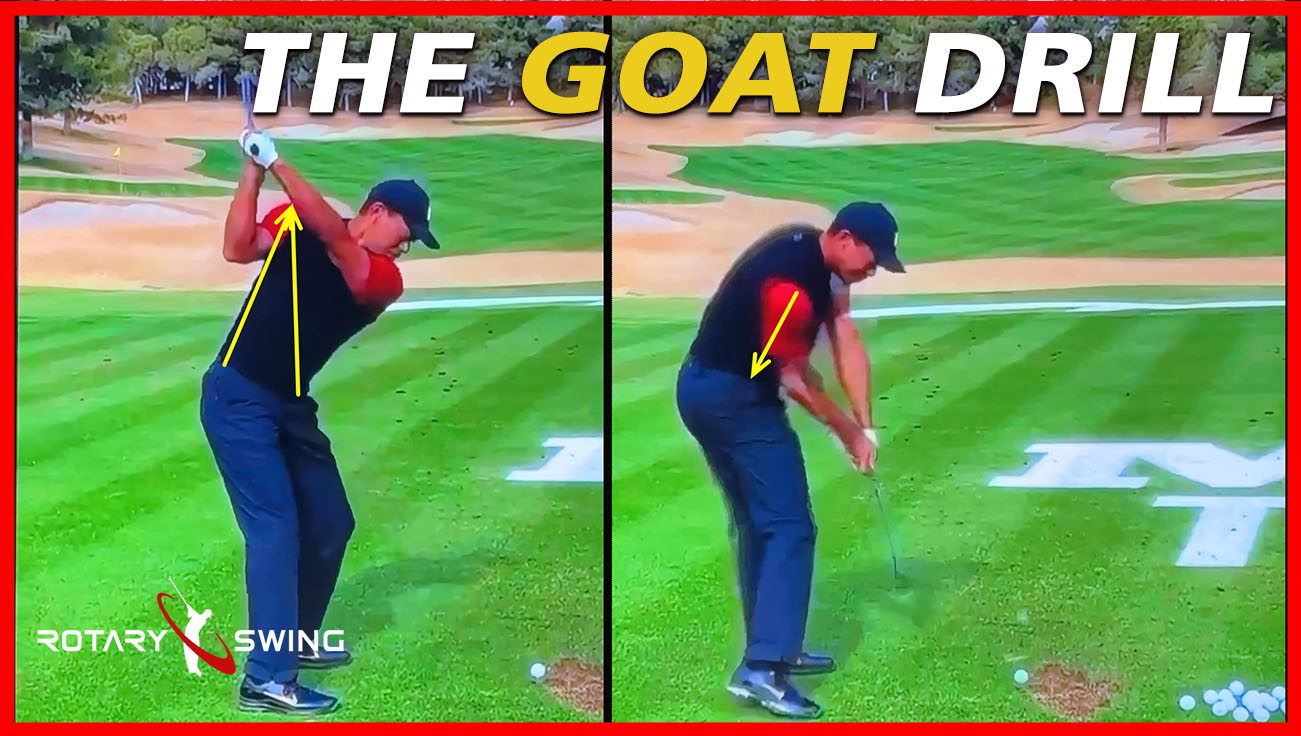
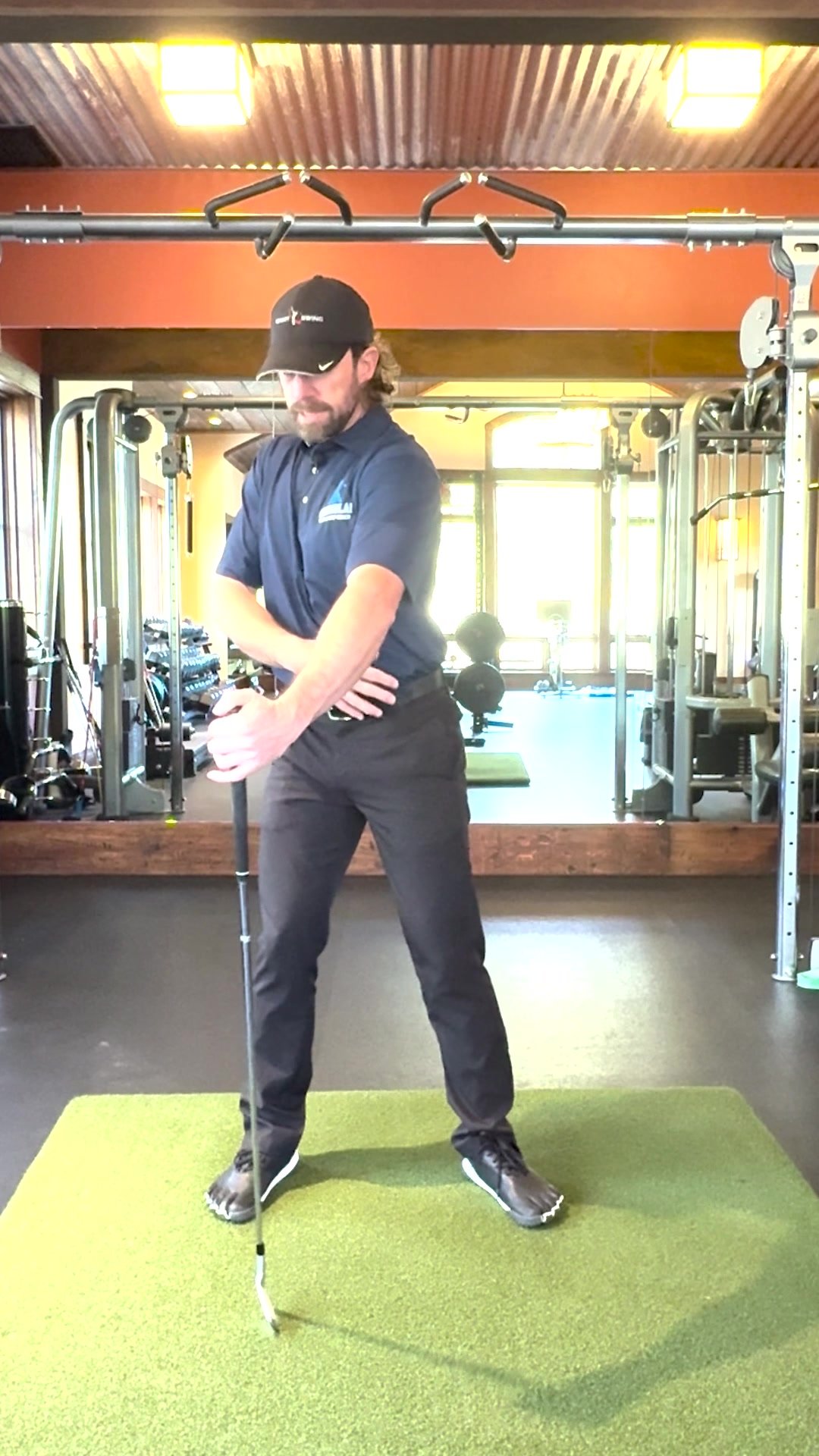
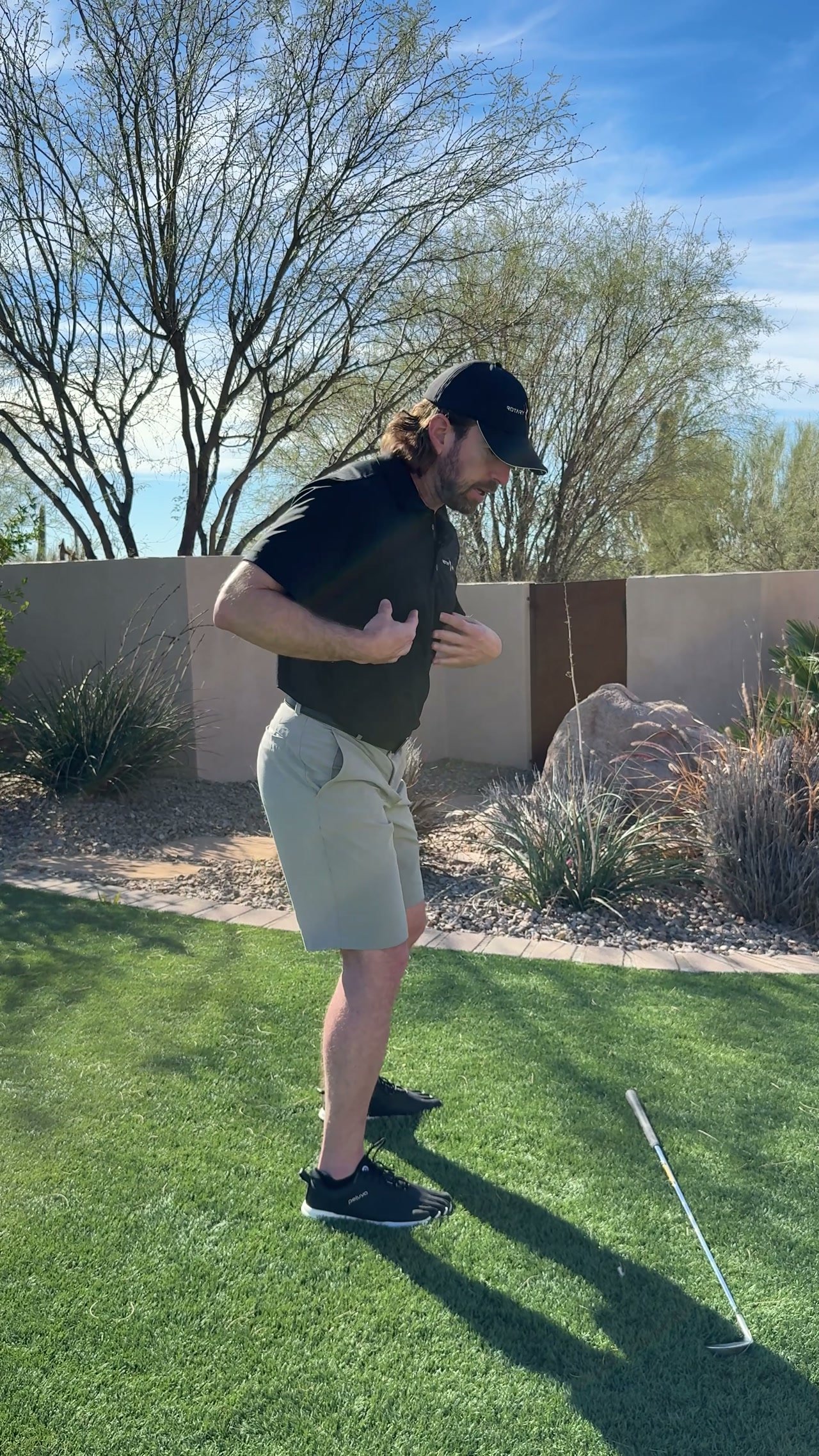
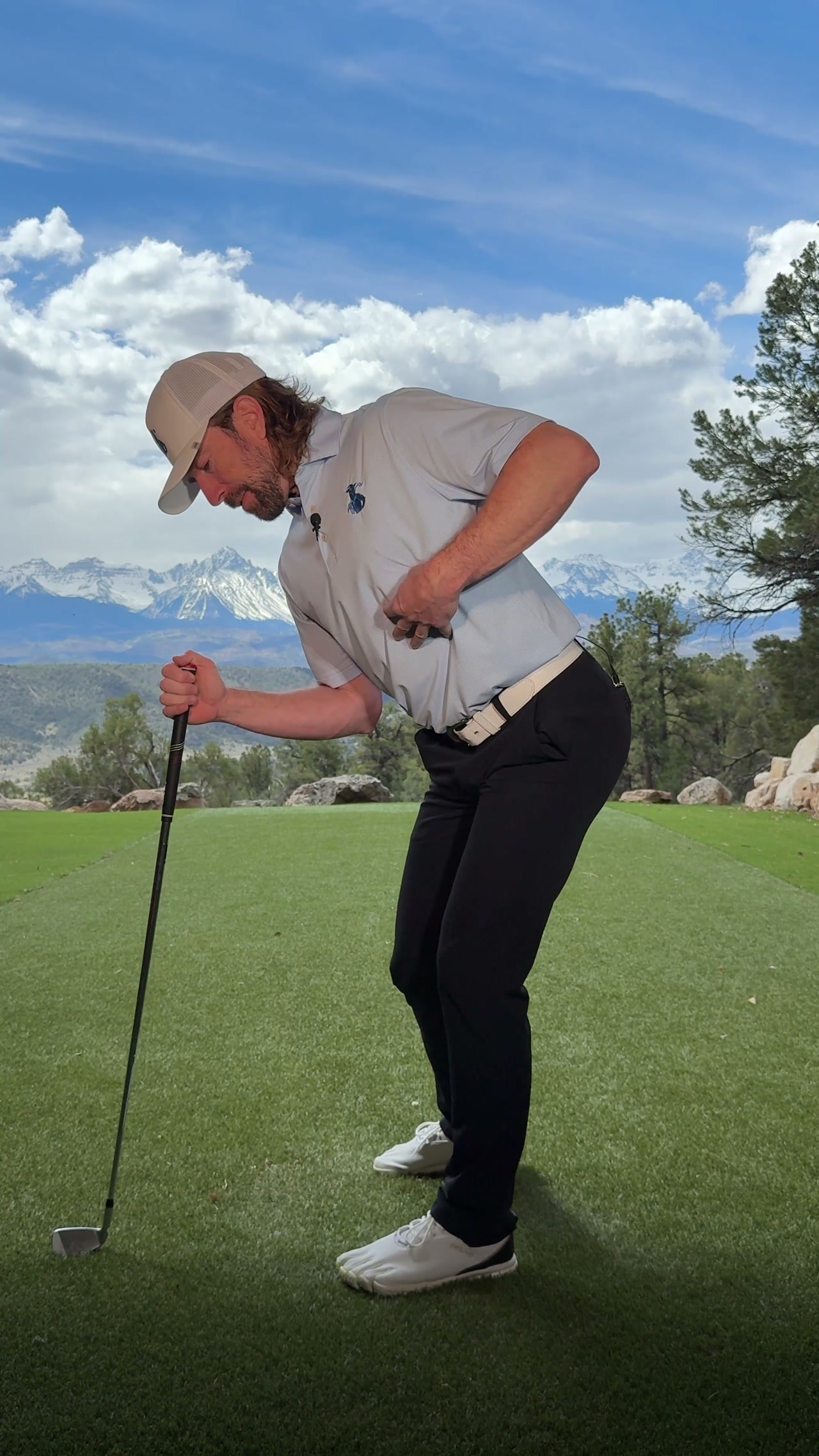
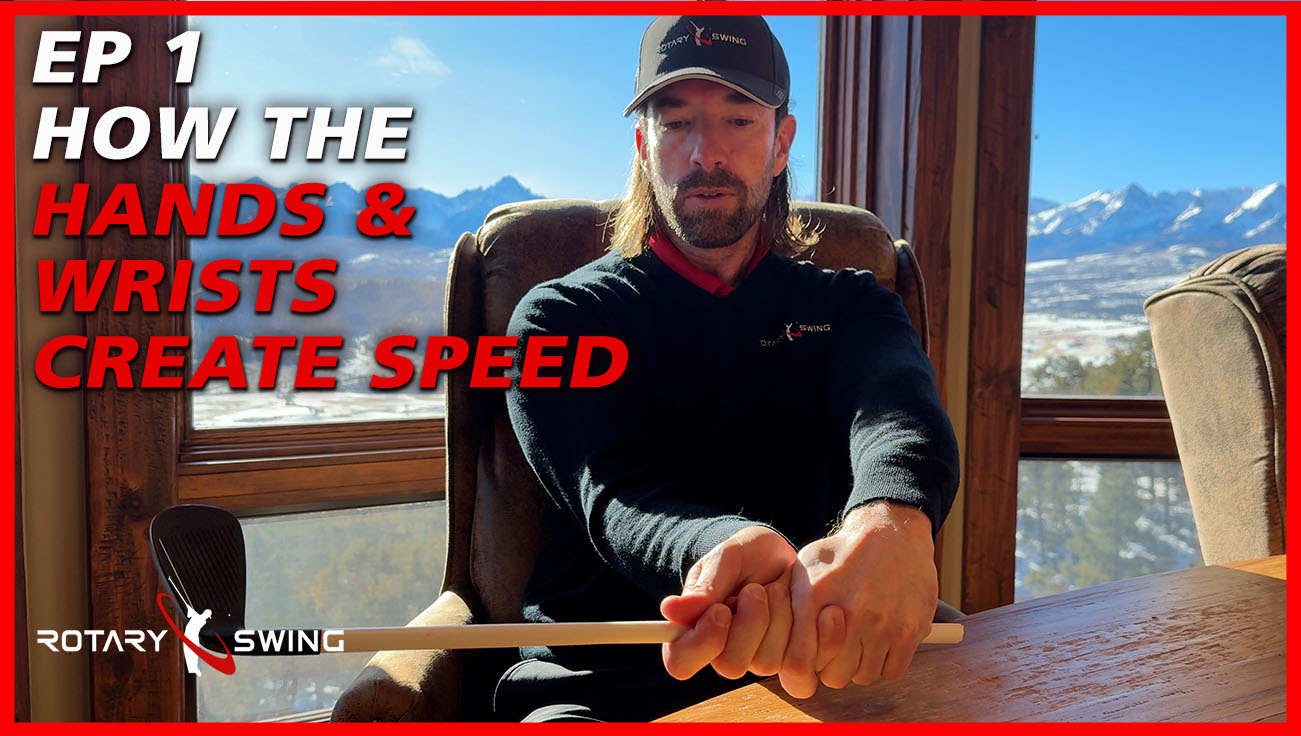
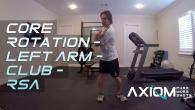
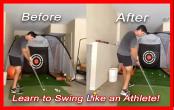
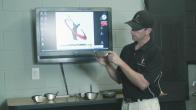
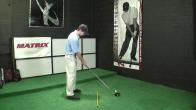
The golf swing is no different. You must break things down into their smallest, simplest parts and work up from there. In this case, I have Peter working through a sequence, which I detail in the video, with the club flipped upside down to minimize the mass of the clubhead and its momentum from acting on his wrist joints. I then have him go through getting into his and rotating to the top. This same principle of movement pattern isolation is at the core of the GOAT Drill system, which trains your body to encode proper sequencing one gate at a time.
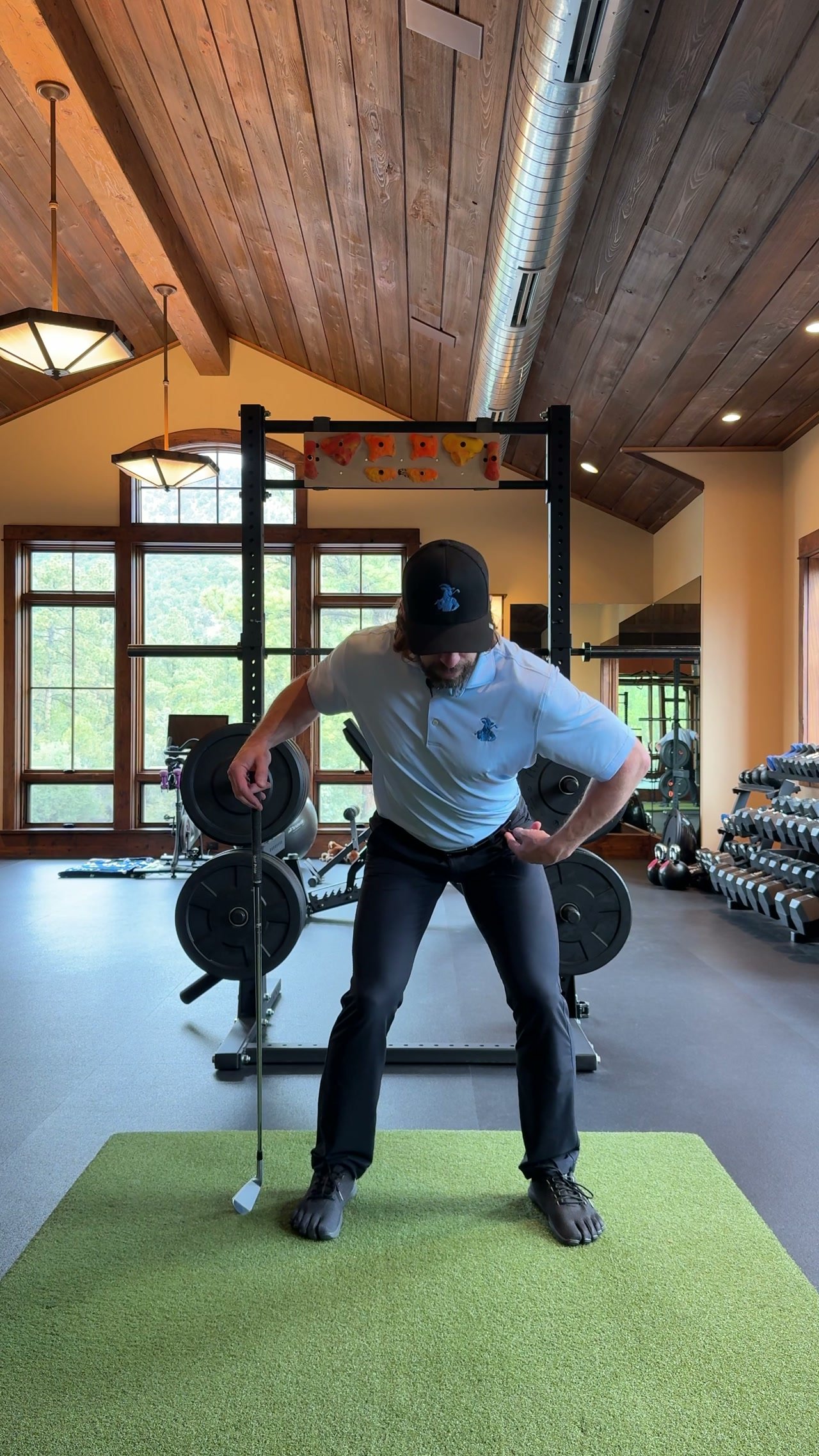
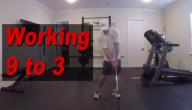
In this image you can see our student working on his backswing, again with the club flipped upside down and without the distraction of a golf ball (the Isolationism concept I discuss in the video). More importantly, Peter is using a mirror to check his position at the top to now combine what his eyes see and his body feels.
The eyes are the most powerful part of the nervous system, and you need to use them if you want to create a new golf movement pattern. I'm amazed at how many golfers "work" on their golf swings but never "look" at what they're doing with a mirror or camera. If you don't regularly use the most powerful part of your nervous system to help create a new neural pathway, how do you expect to improve?
(Click here to check out the Über 360° Convex Mirror, which is available in our online store and is designed just for golf!)
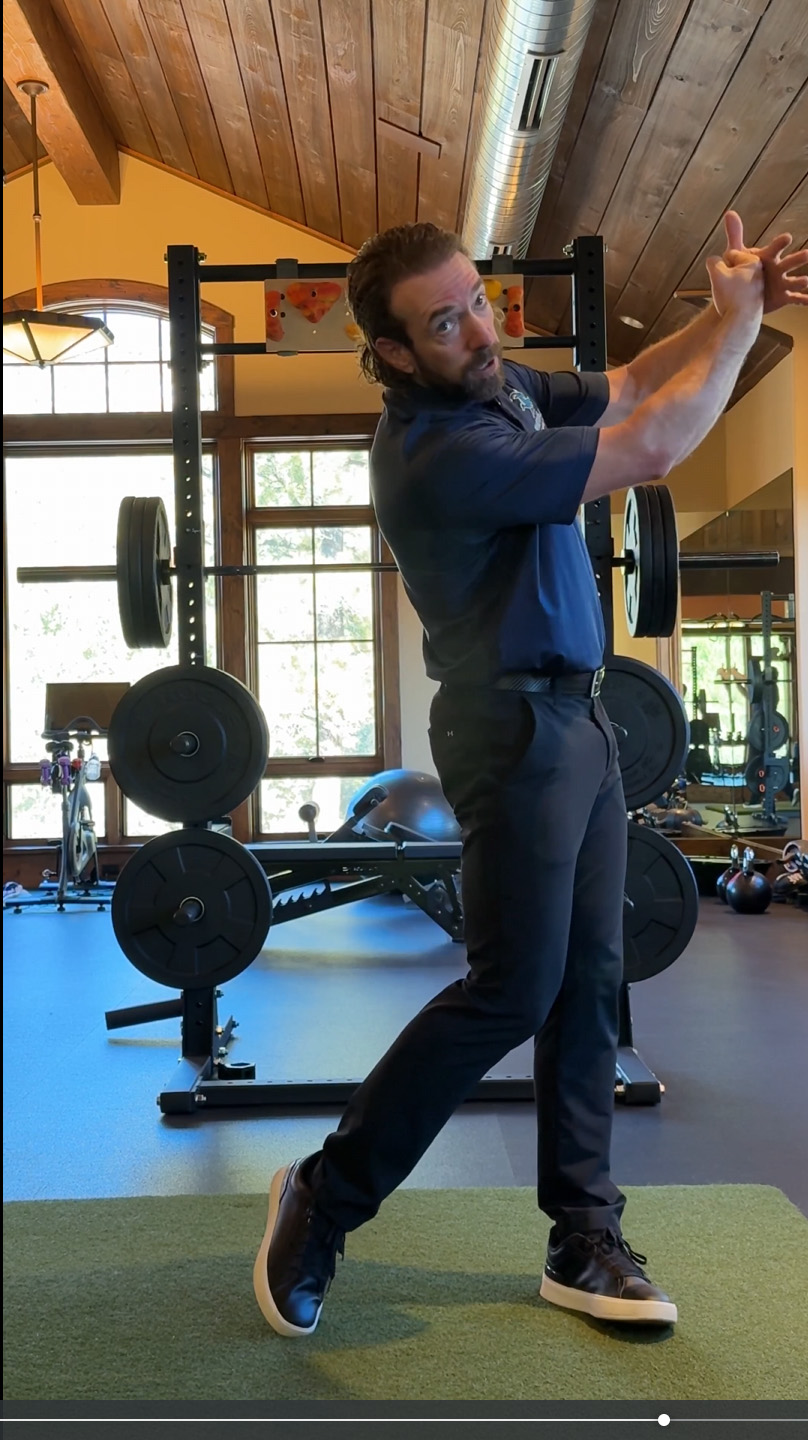
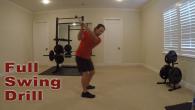
The next step is to flip the club back right side up and continue to have the student check his swing positions in the golf mirror. The momentum created by the swinging clubhead is significant, even at low speed, so it's crucial the student monitor this with a mirror. Elite players use every available tool — from mirrors to modern swing analysis technology — to accelerate this feedback loop.
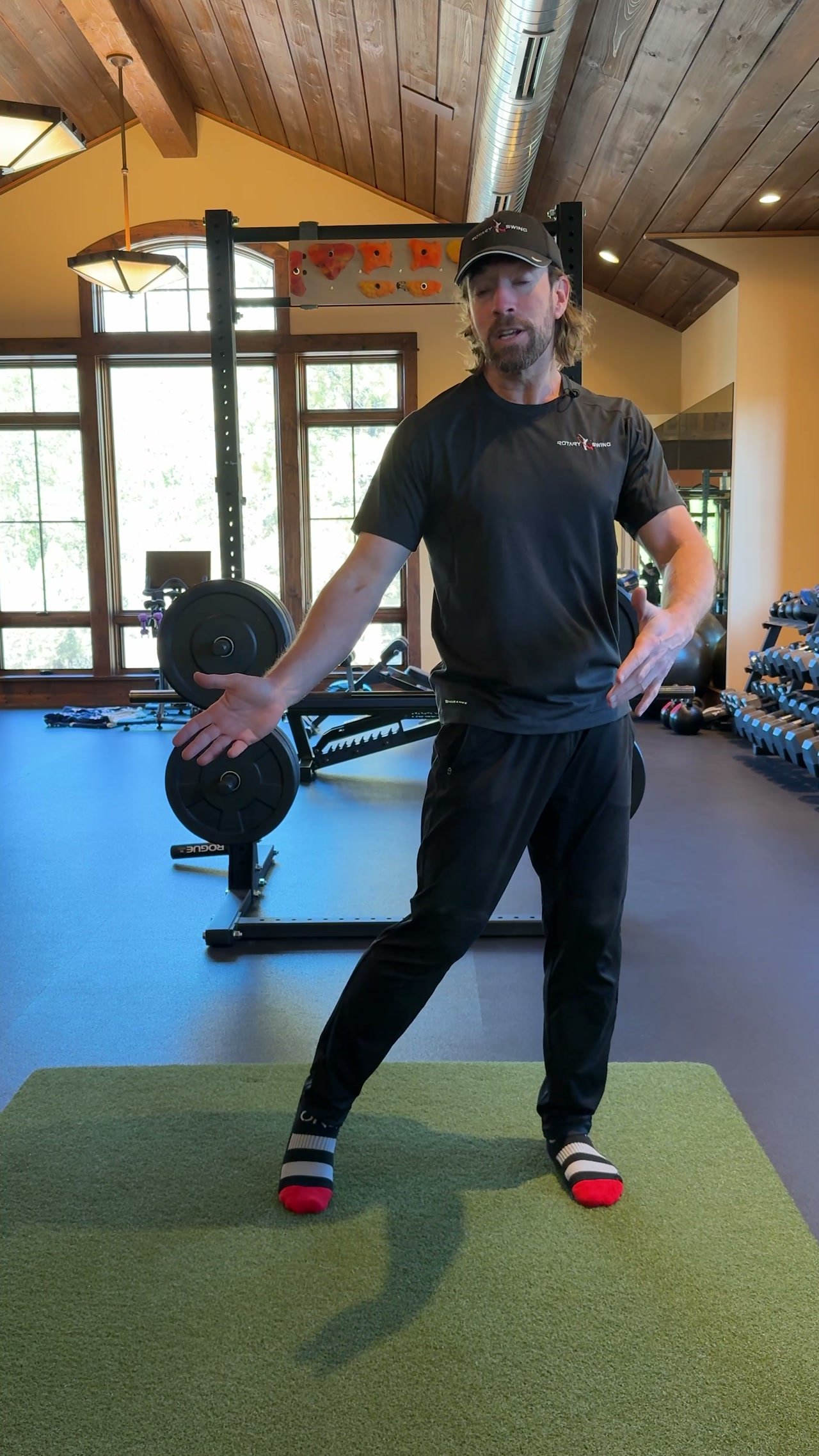
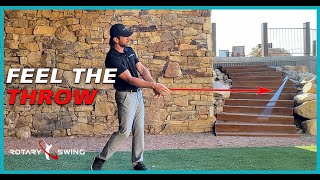
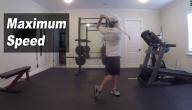
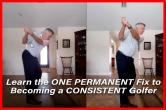
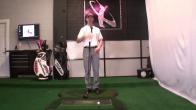
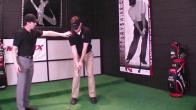
Finally, before we're ready to move onto hitting balls, we take the mirror away and have the student create the movements solely by feel, as you can see in the image on the right. If they can recreate the correct golf swing movement slowly at first and then adding clubhead speed without the aid of the mirror, we are finally ready to introduce the golf ball.
How to Improve Your Golf Backswing
Learn to enhance your golf backswing using progressive techniques and visual feedback.
-
1
Understand the Progression Process
Begin by recognizing that learning the golf swing is similar to mastering a musical instrument. Break down the swing into small, manageable parts and practice each part sequentially.
-
2
Use an Upside Down Club
Practice your backswing with the club flipped upside down. This minimizes the mass of the clubhead, allowing you to focus on your wrist movements and posture without distraction.
-
3
Check Your Position in a Mirror
Utilize a mirror to observe your position at the top of the backswing. This visual feedback helps you connect what you see with how your body feels, reinforcing the correct movement patterns.
-
4
Flip the Club Right Side Up
Once comfortable, flip the club back to its normal position. Continue using the mirror to monitor your swing positions, as the momentum of the clubhead can significantly affect your movements.
-
5
Practice Without the Mirror
Remove the mirror and practice the movements solely by feel. Start slowly to ensure you can recreate the correct swing mechanics before gradually increasing your speed.
-
6
Introduce the Golf Ball
After successfully replicating the correct movements without visual aids, you can finally introduce the golf ball into your practice routine, allowing you to apply what you've learned.
Frequently Asked Questions
What makes the RST golf swing methodology unique?
RST stands out from other golf swing methodologies because it combines proper biomechanics with the latest research on how the brain learns new movement patterns. This approach, influenced by concepts from Dan Coyle's book 'The Talent Code,' ensures that golfers can achieve quick and visible improvements in their swings.
How does the progression-based approach in RST work?
The progression-based approach in RST involves breaking down the golf swing into its simplest components, much like learning a musical instrument. By mastering each small segment before moving on to more complex aspects, golfers can effectively encode proper movement patterns and see significant improvements in their swing mechanics.
Why is visual feedback important in the RST learning process?
Visual feedback is crucial in the RST learning process because it helps golfers connect what they see with what they feel. Using mirrors or cameras allows golfers to monitor their positions and movements, reinforcing neural pathways necessary for creating new, effective golf swing patterns.
What role does the GOAT Drill system play in RST?
The GOAT Drill system is integral to RST as it trains golfers to isolate and encode proper sequencing one step at a time. This method encourages focused practice without distractions, allowing golfers to develop muscle memory and improve their swing mechanics systematically.
Watch part 2 now to see how you're moving your body in the opposite direction of the pros!