The 3 Most Common Golf Swing Faults (Data from 27,000 Analyzed Swings)
Published: April 8, 2026
The Dataset
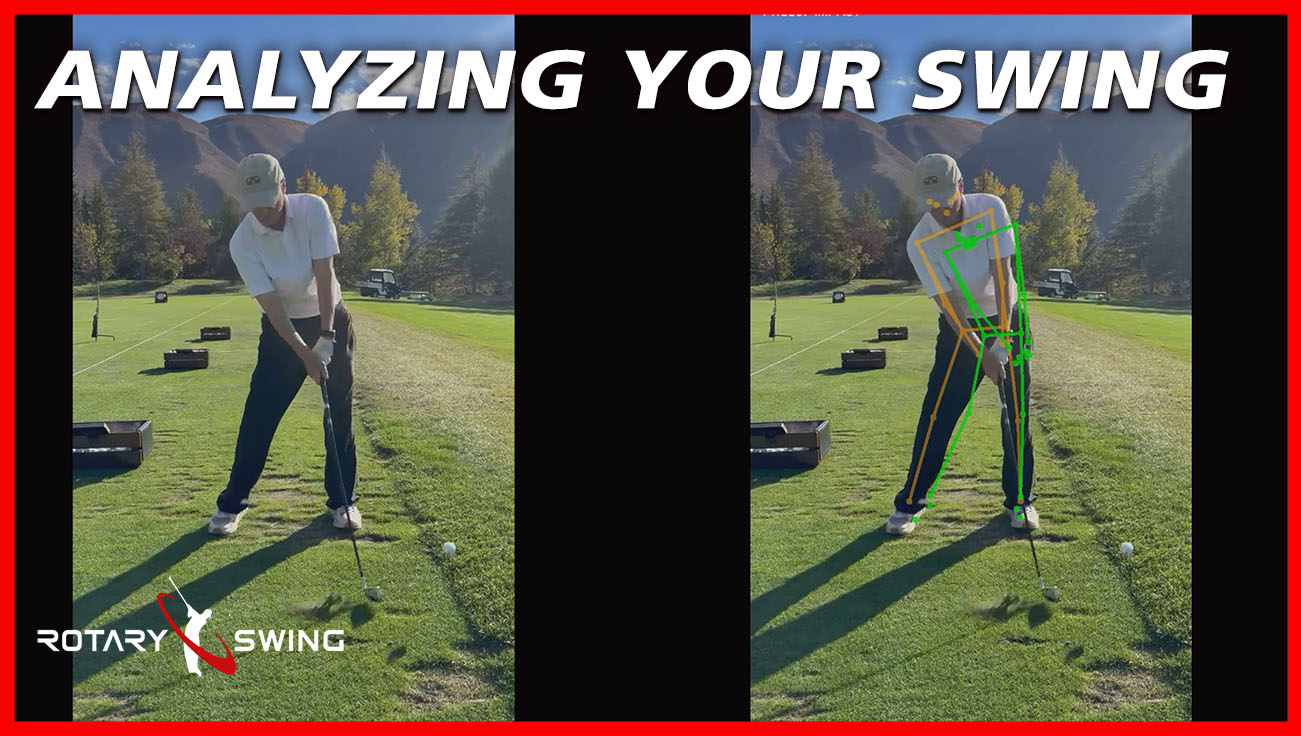
RotarySwing's AI swing analysis engine has processed 27,576 golf swings from amateur golfers ranging from first-time beginners to low-single-digit handicappers. Every swing is scored against a set of 7 biomechanical gates that identify specific faults. The data shows three faults appear in more than half of all amateur swings — regardless of skill level, age, or handicap.
Fault #1: Trail Arm Lift (G1) — Present in 53.4% of Swings
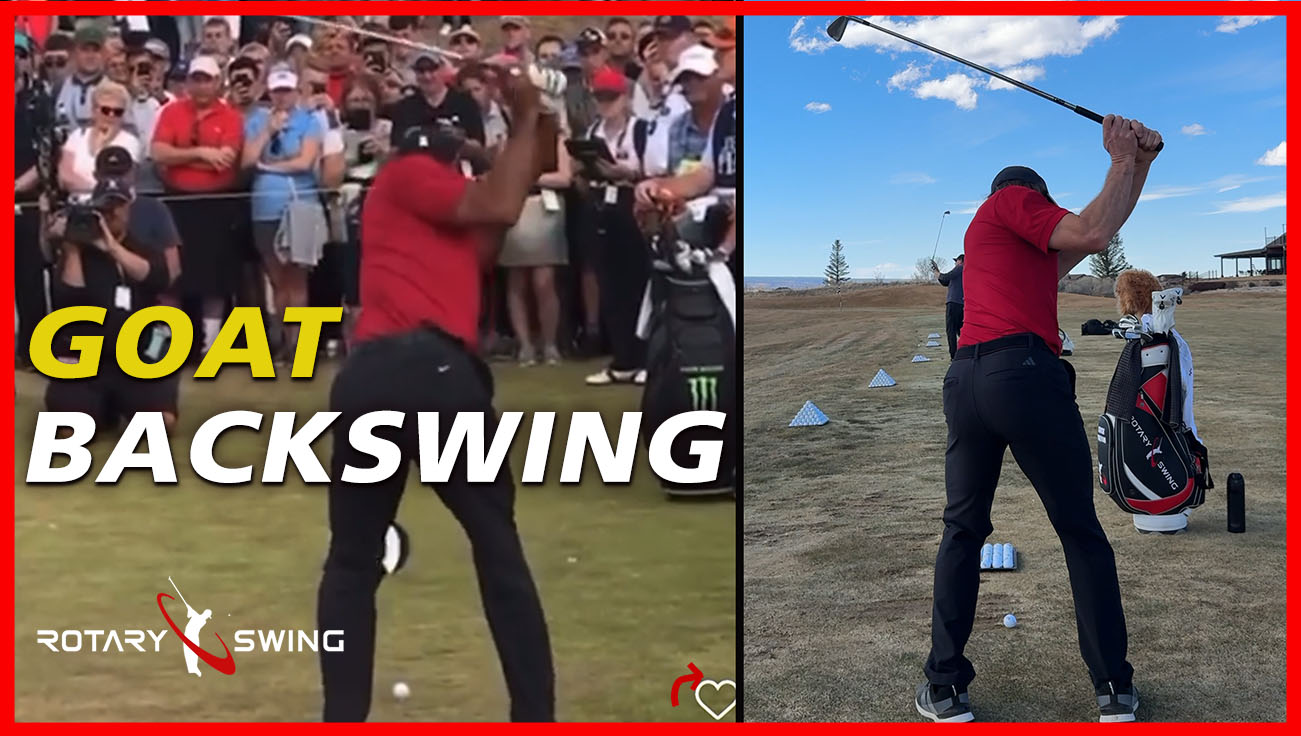
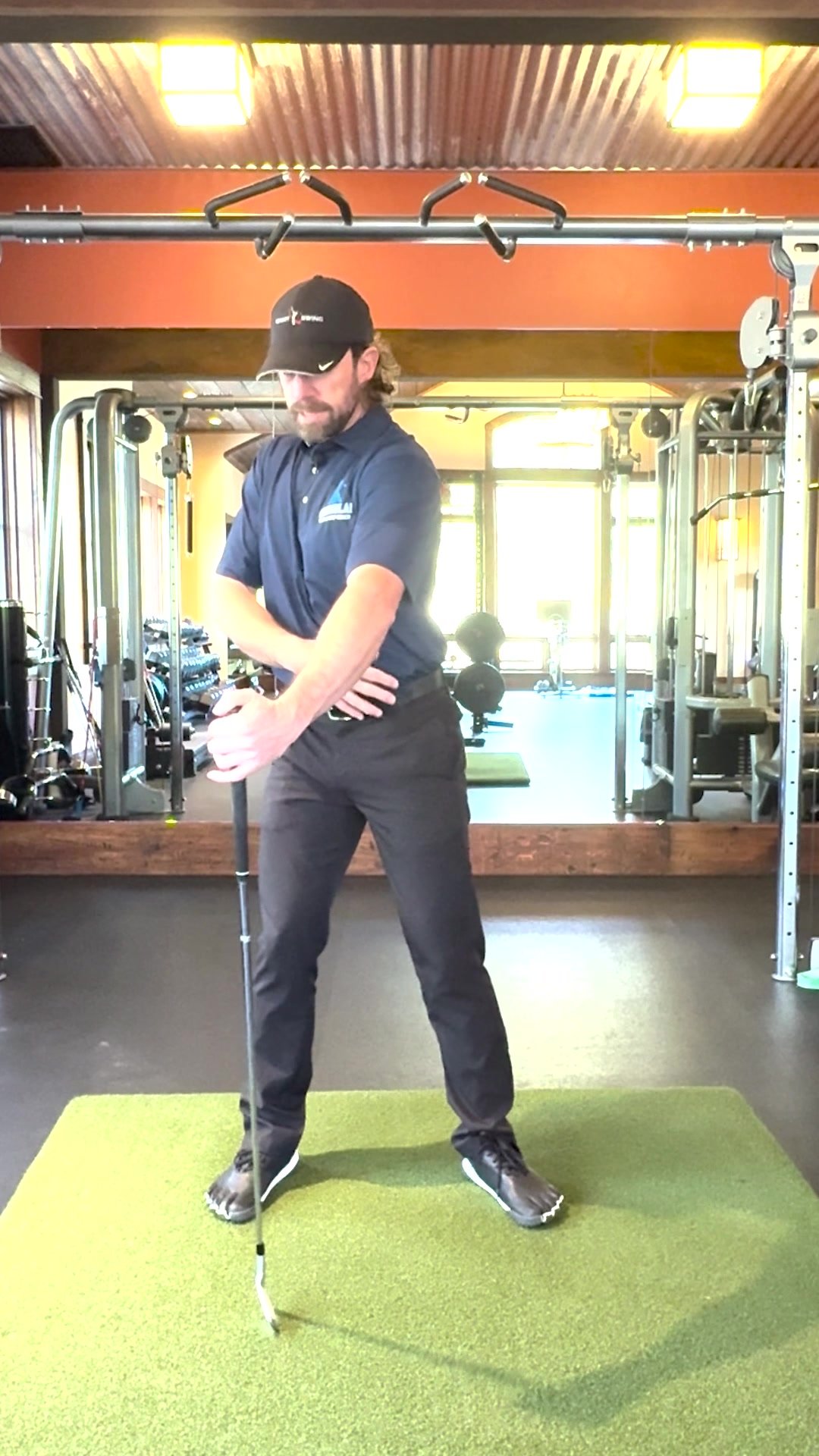
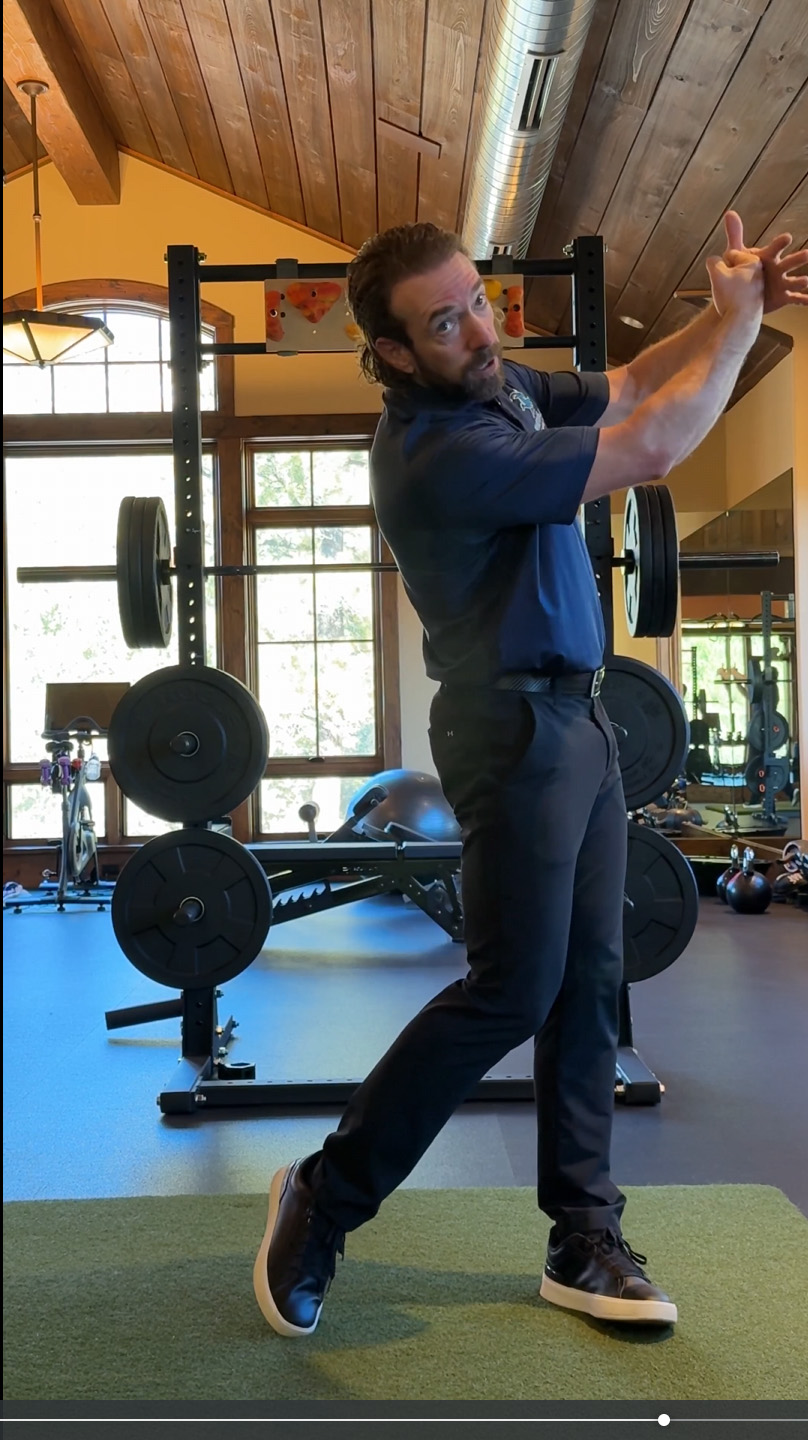
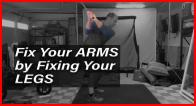
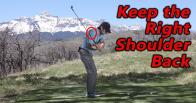
The most common fault by far is what we call "trail arm help" — the right arm (for right-handed golfers) lifting or swinging independently during the backswing instead of staying coiled against the chest. It appears in 53.4% of the swings we analyze, crossing every skill tier.
This fault produces a backswing that looks long and loose, but creates a disconnected downswing: the arms arrive at impact before the body, which causes flipping, early release, and weak ball striking. Of the 1,975 recommendations we issued to fix this fault, only 33% produced improvement — it's also the second-hardest fault to fix in the entire swing, behind only head sway.
Stop reading about it — feel it in your swing today
GOATY watches your swing live and coaches you between every rep. Free. No signup.
Why is it so common? Because golfers are told to "turn your shoulders" and they use their arms to do it. The chest rotation that should drive the backswing is replaced by independent arm lifting. The fix is counter-intuitive: use the trail scapula to retract (pull the shoulder blade back) rather than lift the arm.
Try a free live lesson with GOATY
GOATY, my AI golf coach, watches your swing through your phone camera and coaches every rep. Free, about 20 minutes, no credit card.
Fault #2: Head Sway (G3) — Present in 41.2% of Swings
Head sway is movement of the head away from the target during the backswing, typically 2+ inches. It's the classic "sliding" fault. It shows up in 41.2% of amateur swings.
Head sway is the HARDEST fault to fix by a wide margin. Of 2,219 recommendations targeting head sway, only 23% produced improvement. More than half (54.7%) produced no change, and 22.3% actually regressed — meaning the golfer's head swayed MORE after trying the fix.
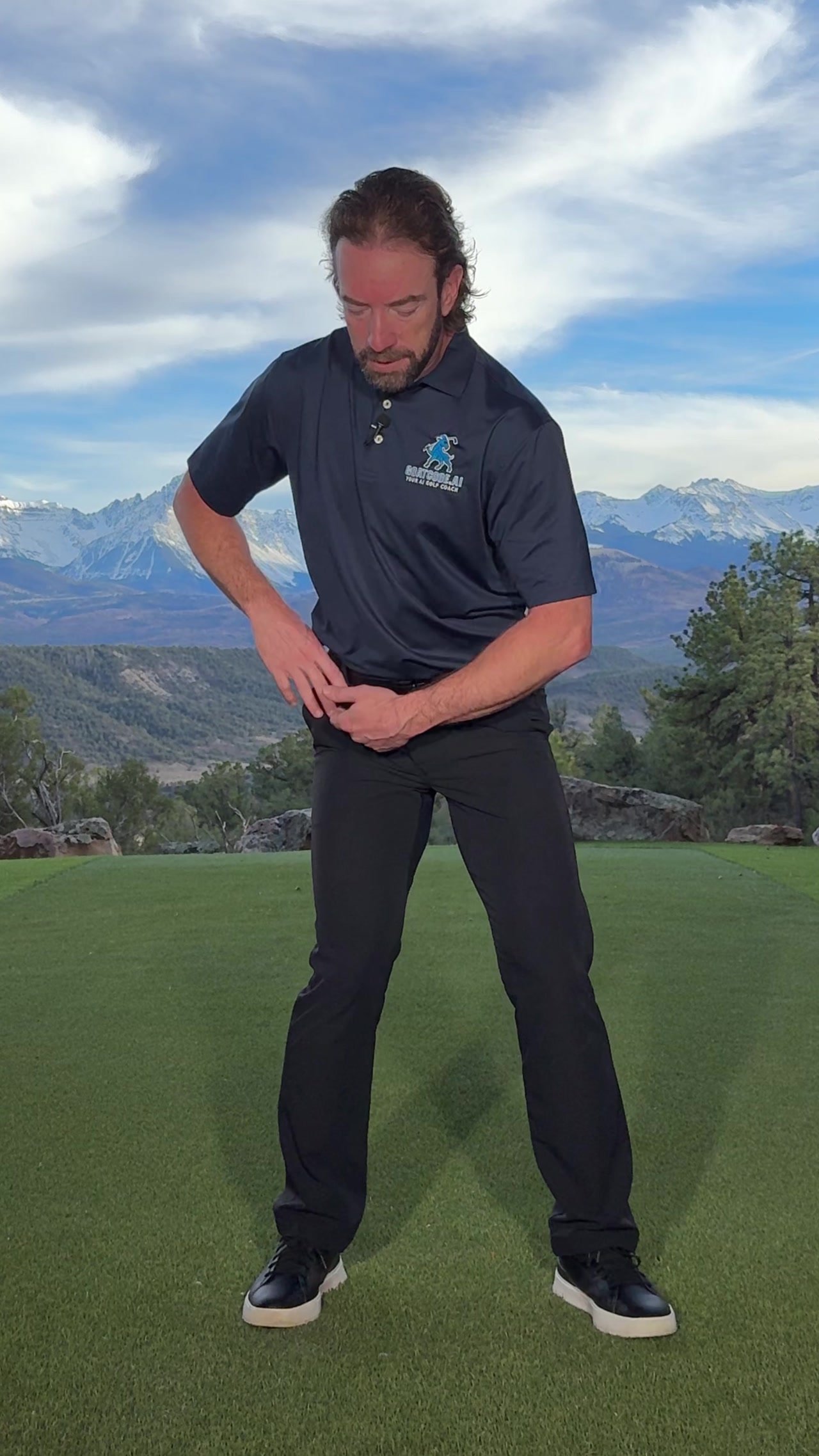
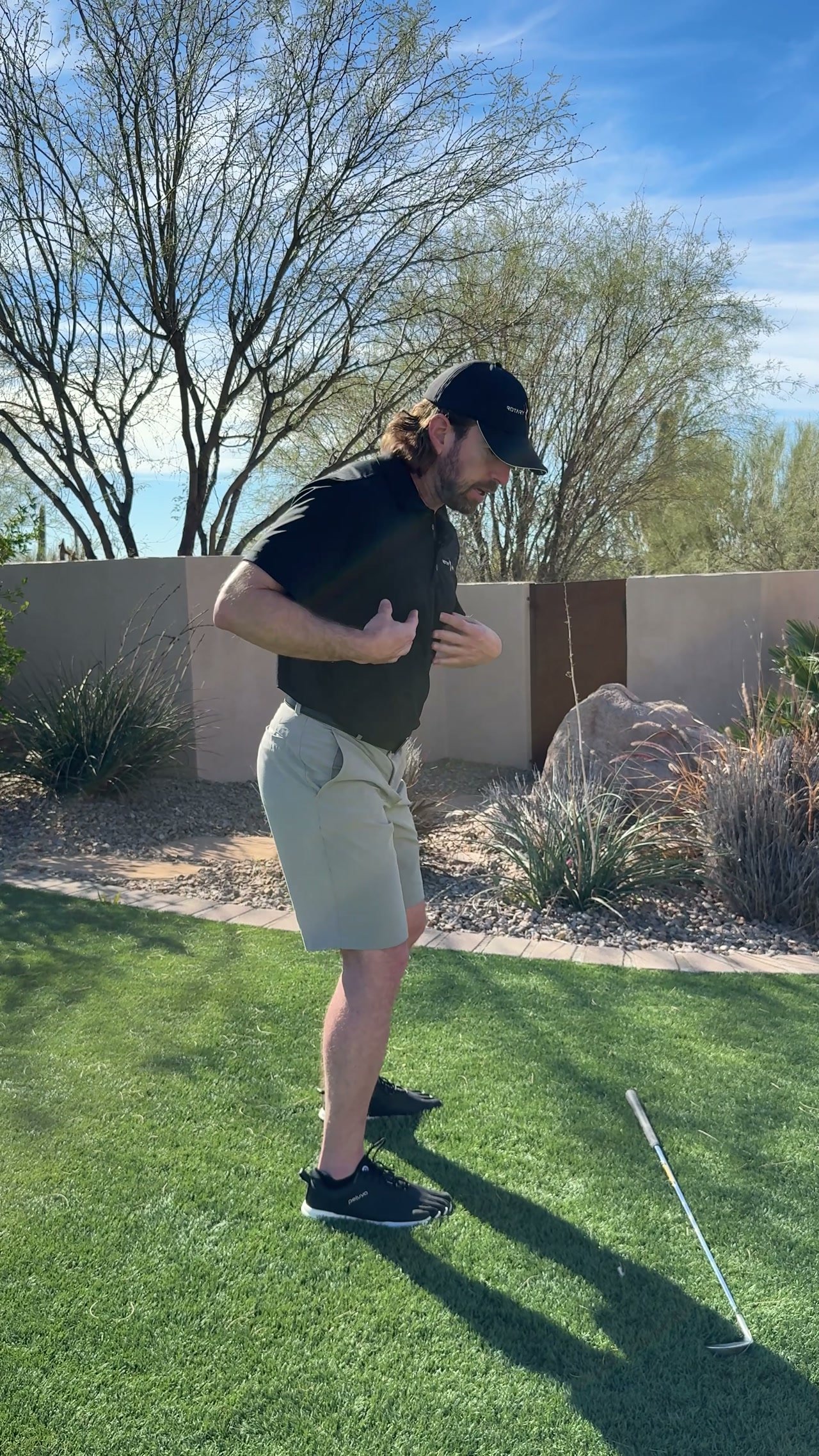
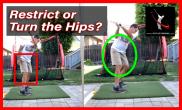
The reason head sway is so hard to fix: the head is downstream of the pelvis. Most golfers try to fix it by consciously "keeping your head still" — which creates tension, disrupts the backswing timing, and often makes it worse. The real fix is hip movement: if the pelvis loads correctly into the trail hip, the head stays put automatically. Trying to control the head directly is trying to fix a symptom, not a cause.
Fault #3: Pelvis Magnitude (G5) — Present in 38.9% of Swings
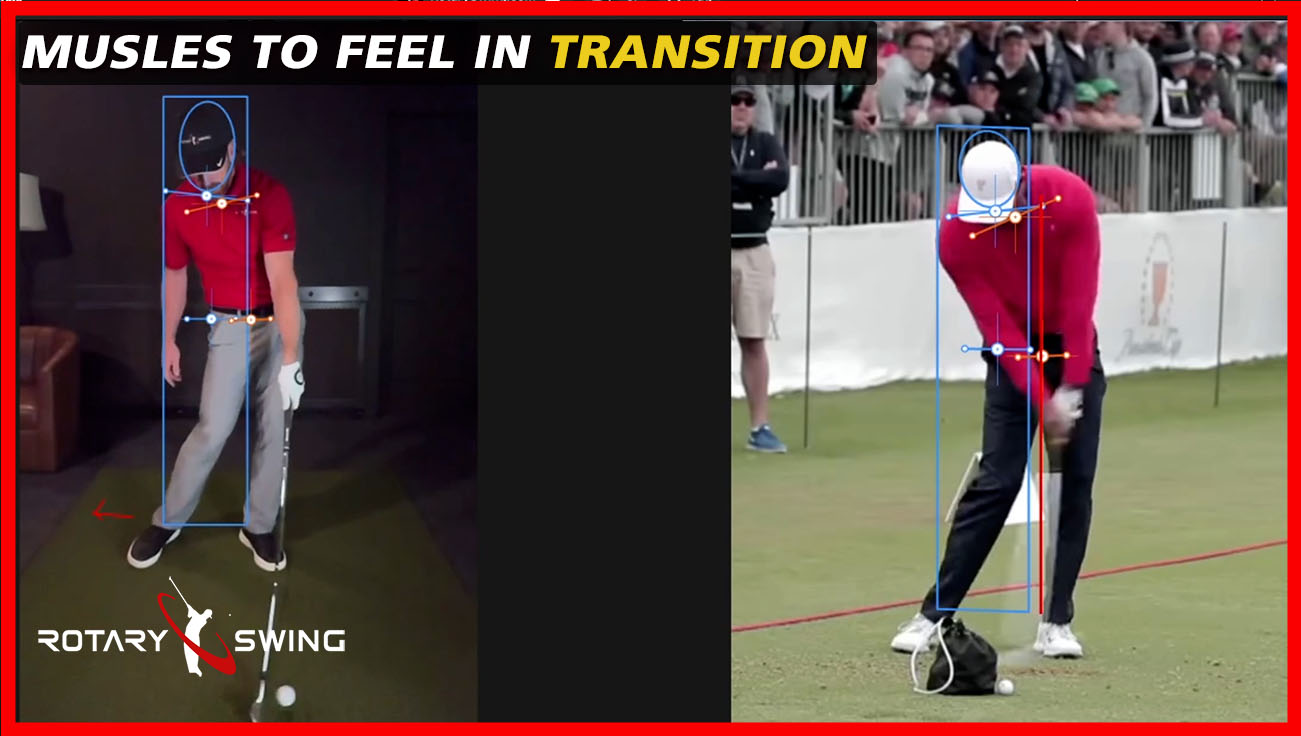
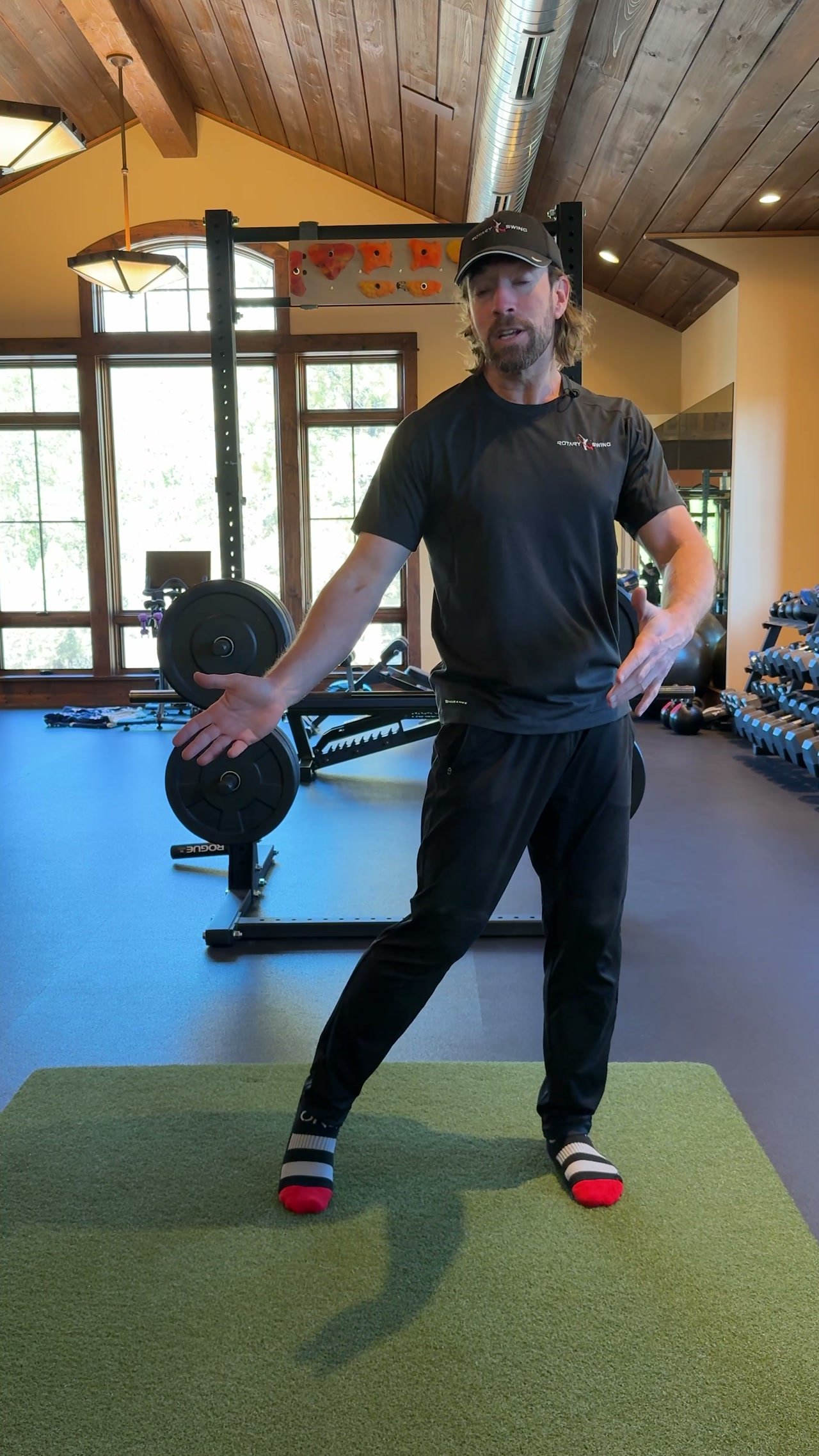
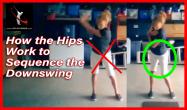
This is the flip side of the hip movement success story from our other research piece. 38.9% of amateur swings show insufficient lateral pelvis movement toward the target during the downswing. The golfer stays centered or shifts weight without moving pressure — producing weak, armsy contact.
But here's the good news: this is the most FIXABLE fault in the entire swing. 30.3% of recommendations targeting pelvis magnitude produce improvement, compared to 12-23% for other body segments. If you are a 15+ handicap, fixing pelvis movement is the highest-leverage thing you can work on.
What The Data Doesn't Show You: Regression Rate
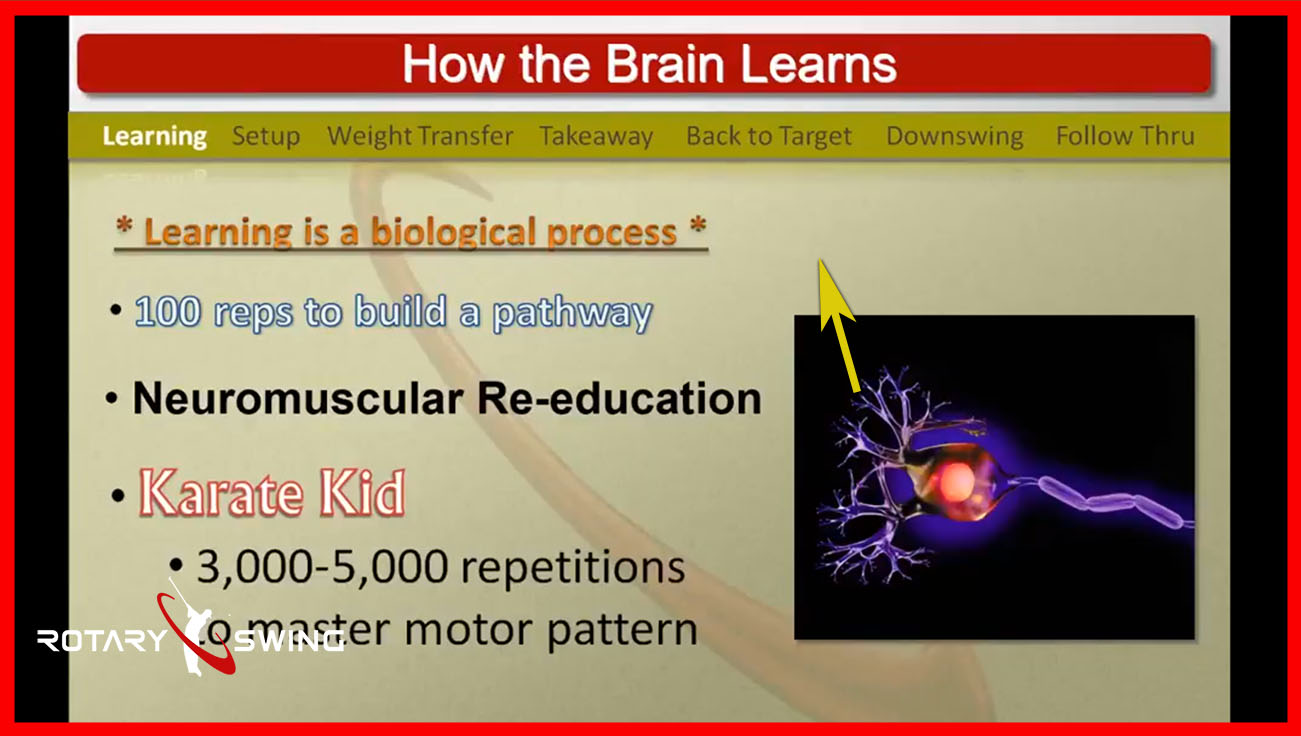
Here's a number that might surprise golfers: across all 72,402 coaching recommendations in our dataset, 11.4% produced regression — the golfer got worse after trying the fix. This is not a criticism of coaching, it's a fundamental property of motor learning. When you try a new movement pattern, you disrupt the old one before the new one is established. A short-term dip is normal.
What matters is the RATIO of improvements to regressions. Across our full dataset, it's 2.4:1 — for every golfer who regresses from a coaching recommendation, 2.4 improve. That ratio is what separates a productive practice session from a destructive one.
How to Use This Data
If you're an amateur golfer, the data suggests three priorities in this order:
Fix your pelvis movement first. Highest fix rate, highest leverage, most forgiving.
Fix your trail arm second. Hardest of the top 3, but unlocks everything downstream.
Fix head sway last — and only through hip work. Never try to control the head directly.
This is not the conventional wisdom you'll hear in a golf lesson. Conventional coaching tells you to fix whatever looks most visible. The data says: fix what has the highest success rate first, then work down.
Not sure how severe your swing faults actually are? The GOAT score for beginners breaks down how this AI swing analysis metric quantifies each fault — so you can see at a glance which issues are costing you the most and in what order to fix them.
Learn the 3 Tour Pro Consistency Secrets You've NEVER Heard!
Watch part 2 now to see how you're moving your body in the opposite direction of the pros!
Get a Free AI Golf Lesson — 10 Minutes of Live CoachingJust prop up your phone, start swinging, and GOATY coaches you live with real-time voice feedback. No upload needed.
We're after one thing: Real Results - Real Fast.
And that's exactly what our members achieve.
And that's why they say the AXIOM is:
Mind-blowing. Game changing. Revolutionary.
RotarySwing was founded out of frustration with the current state of golf instruction. Quinton knew a better way had to exist to learn this game we all love.
The GOAT Code is finally ready after 3 decades of exhaustive work -
you can now learn how to play the game like Tiger and have incredible
control over the ball. This NEW program is truly a step-by-step process
that takes you from green to tee and will teach you the secrets of how
to play like the Greatest Of All Time. If you would like to switch over
to the new GOAT Code program, simply click the green button below.
Don't worry, you can easily switch back at any time and will see a new
button at the top of your screen to switch back whenever you like.
What are the main advantages of the new program?
It cuts down on the clutter - the videos you will see are all
you need to play your best golf ever - nothing more, nothing less
It is truly step-by-step - no more wondering what you should be
working on, the program guides you through every step of the way
Faster progress - you will see improvements in your scores incredibly
fast and this will immediately begin to spill over into your full swing,
even while working on just your putting!
There's a reason that Earl Woods taught Tiger how to play the game
from the green back.
I admit, at first, even I didn't think it was necessary. I thought I
could skip ahead and learn the full swing without building a solid
foundation in putting, chipping and pitching.
All this belief did was cost me MORE time than had I started
at the beginning just like The GOAT did. Over the past 20 years of
doing golf clinics, my observations of thousands of students was
always the same - those who started the slowest at the beginning
always got there the fasted in the end.
In other words, the students I observed being diligent with the
small things like grip, setup, posture and the basics of controlling
the clubface on day 1 were always WAY further ahead of those who
didn't on day 1.
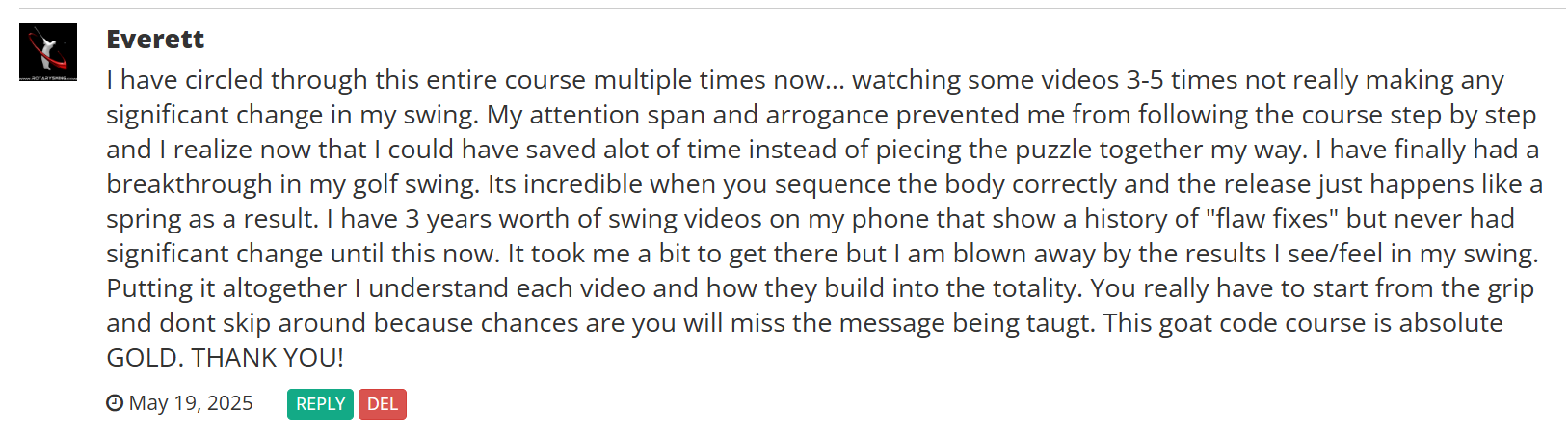
In the post above by member Everett, he said it all in a nutshell.
Go through the program exactly the way it is laid out and you
will have extraordinary results. Skip to the end and you'll end up
with the exact same swing you started with.
This is a system, not a grouping of random tips.
There is a method to my madness deeply rooted in learning psychology
and over 30 years of teaching hundreds of thousands of golfers
just like you how to hit a ball with a stick. Slow down and you'll
get there faster...