














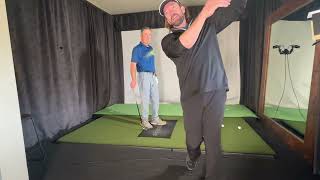
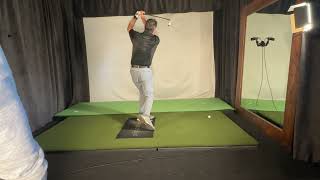
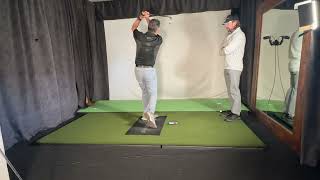







































































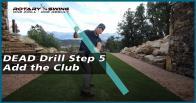
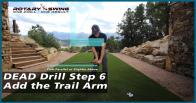































GOAT Peak Acceleration Drill
Sorry, you need to be a member to access this video.
You Are Just Seconds Away - Become a member here!
Already a member? Log in now

Try a free live lesson with GOATY
GOATY, my AI golf coach, watches your swing through your phone camera and coaches every rep. Free, about 20 minutes, no credit card.
This drill is a result of GOATY and I working together to come up with a drill to get the biggest GOATScore improvement in the shortest amount of time. By analyzing nearly 300,000,000 datapoints in student's swings, we could see where we needed to get the biggest return and swing improvement and I hope you enjoy learning this movement and the effortless feel it creates as much as I do!
The GOATs made it look easy because they aren't working as hard as the rest of us!
So when you want to produce that Delta V pattern in your sternum like you're going to see here, I'm going to show you the secret to this.
Now in the live lesson session on our iPhone, it's only at 30 frames per second compared to the model, which is 120 frames per second.
So it's not going to get every single frame perfect, but you're going to see the big picture here.
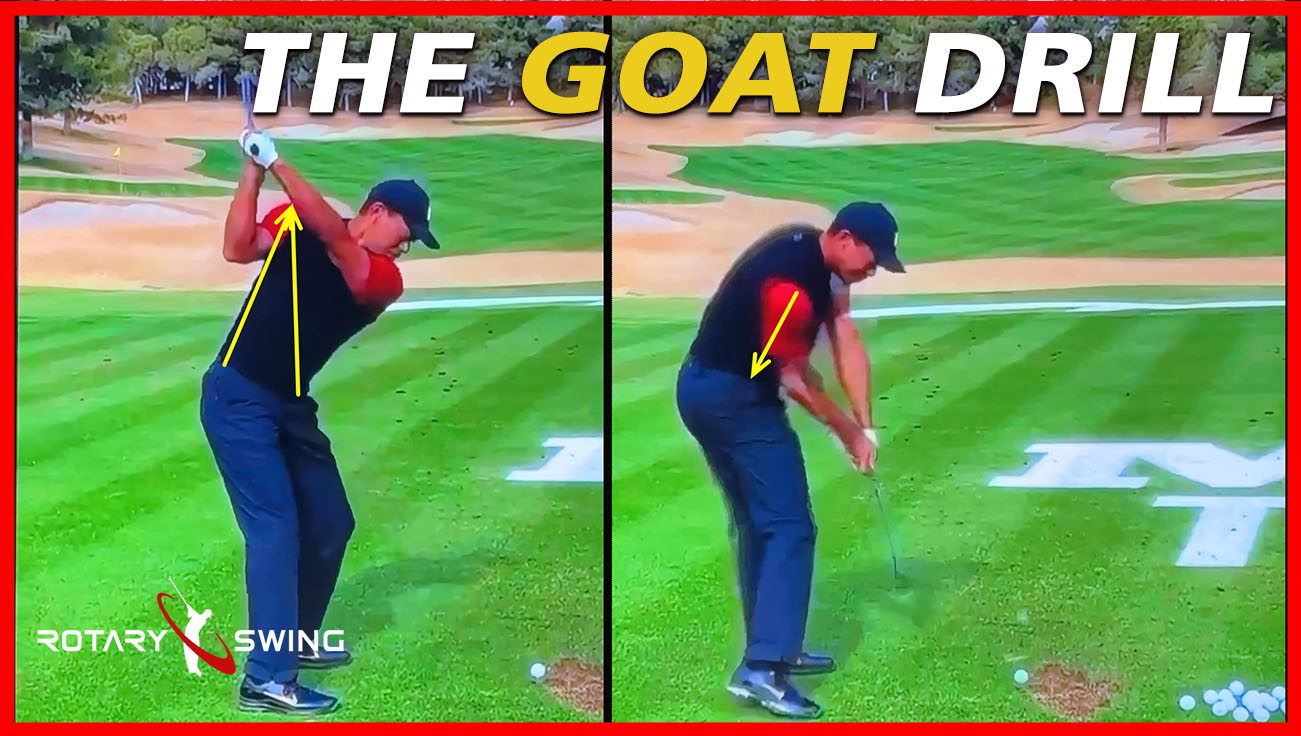
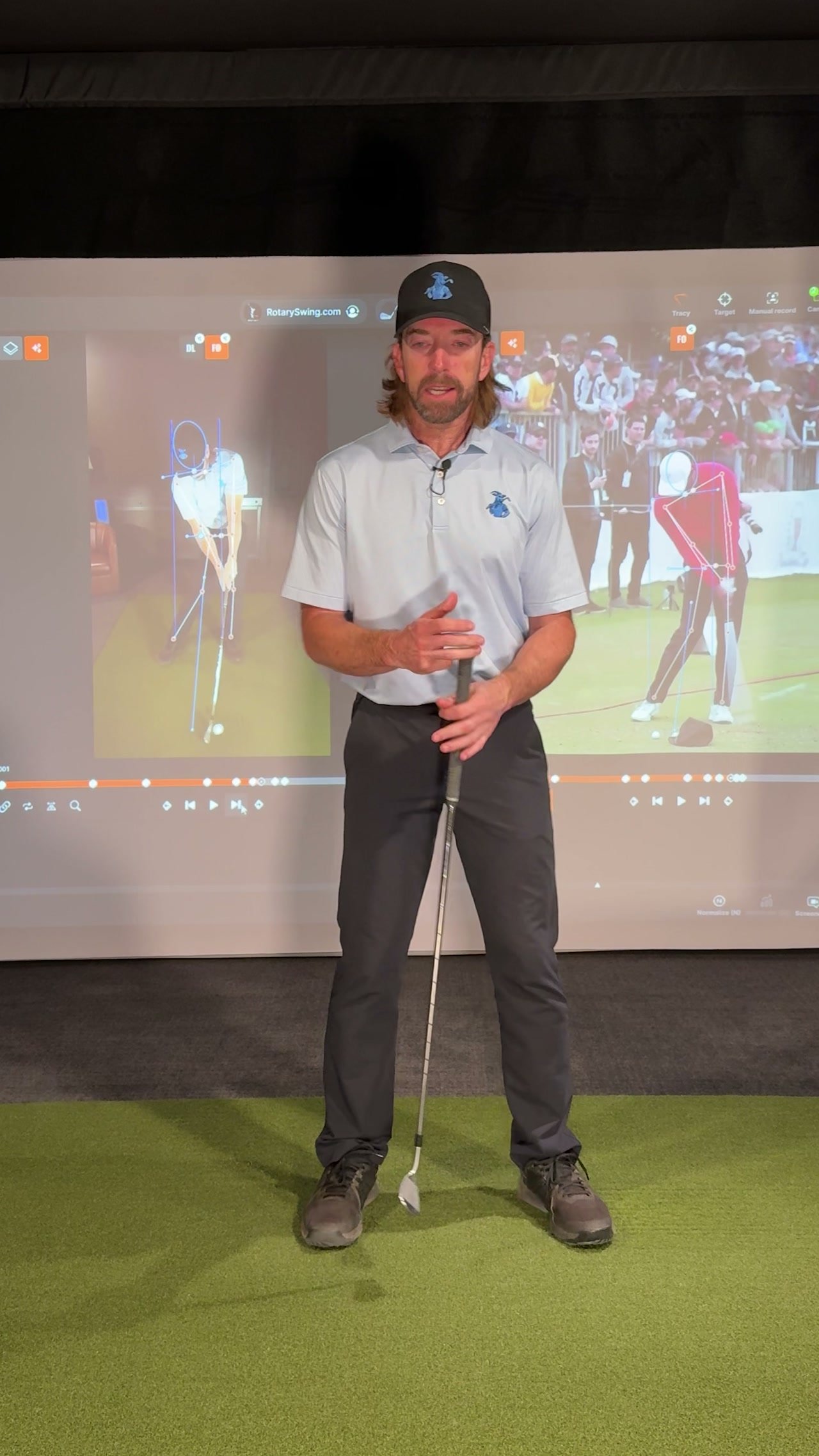
Notice here that as I go down, you see this steep drop in my sternum where it goes way down and then goes back vertical in a steep spike like this.
Again, it's not going to match exactly because of the frame rate.
That's just a limitation on iPhone.
Thanks Apple.
But you'll see that big drop there.
And this is paramount.
If you look at the top of my hat and the start of this swing, my video, my head is actually kind of chopped off at the top.
And then as I go down, you'll see a big drop.
And that is what we're looking for.
This is showing that we're starting to understand how to use the ground for leverage and then we see that big vertical peak.
Let me show you how we do this in the swing.
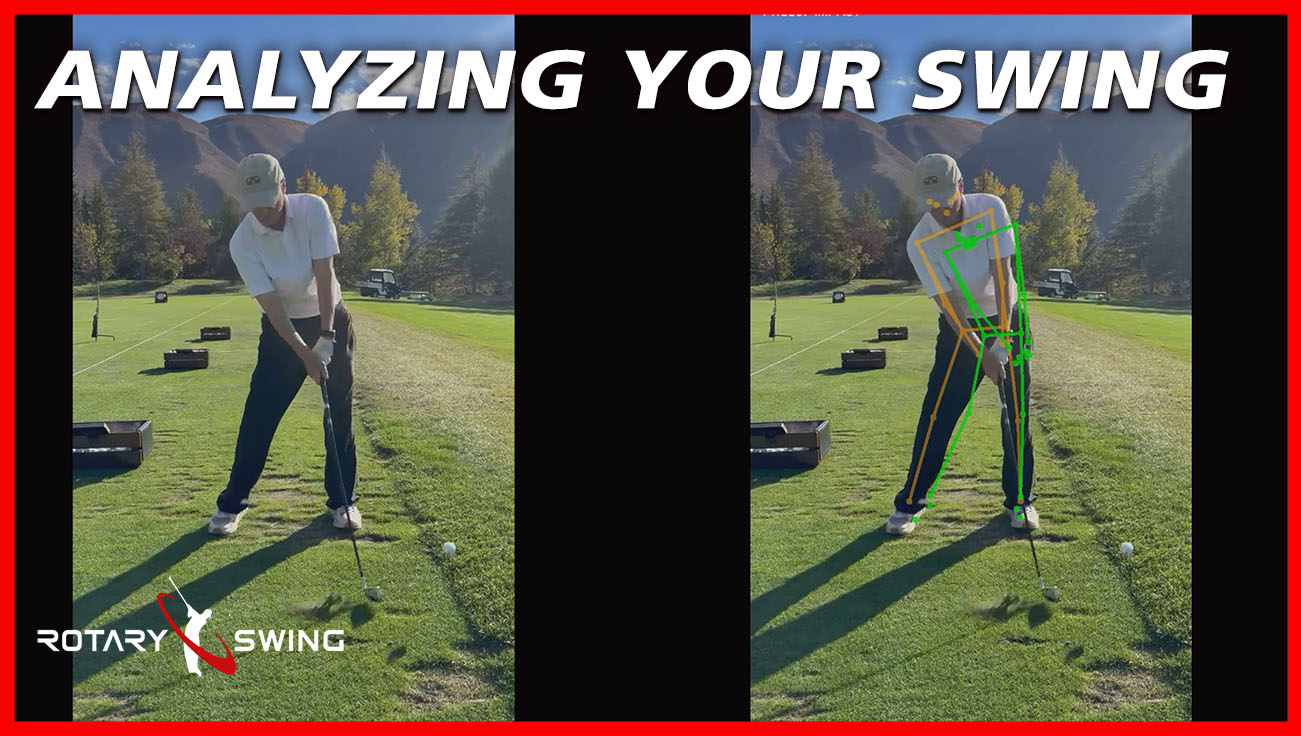
When you're using the sternum and hip tracer in the live lesson with Goaty, what he's really looking for is efficiency in your swing and how you produce power.
Now, one of the most important keys is understanding actually when to stop accelerating in the downswing.
Most golfers have been taught to go to the top nice and smooth and slow, and then start down really smooth and slow.
Don't rush it from the top, and then go and accelerate through the ball.
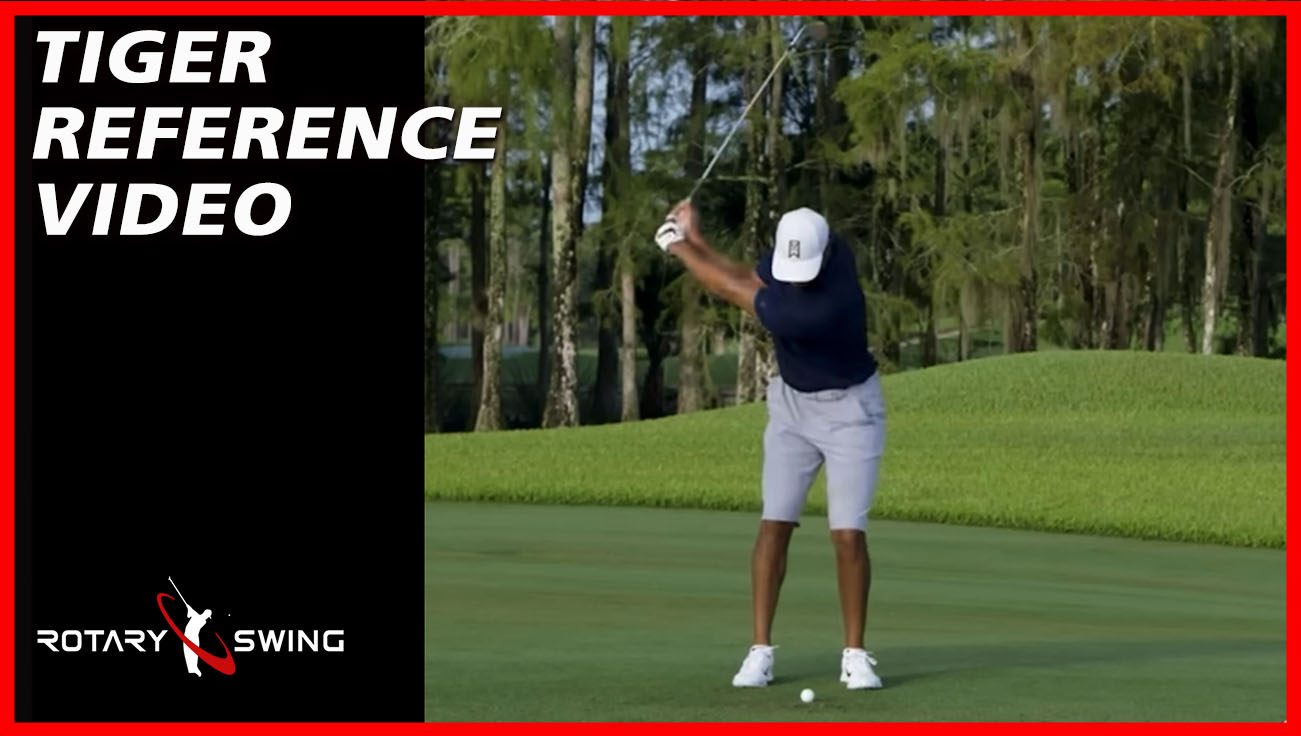
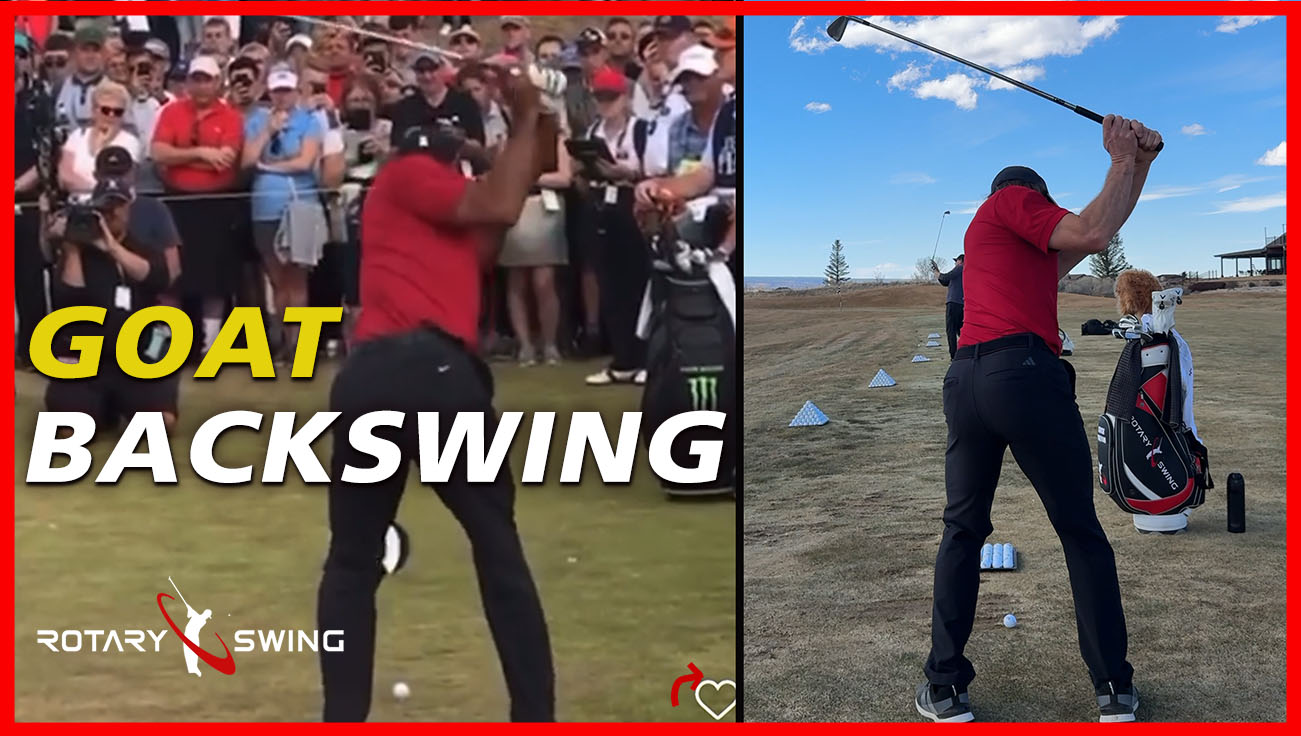
The goats do the exact opposite, and especially Tiger.
When he was at his peak, he did the complete opposite of what everybody's ever taught about the golf swing.
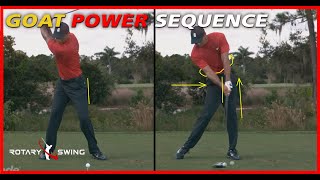
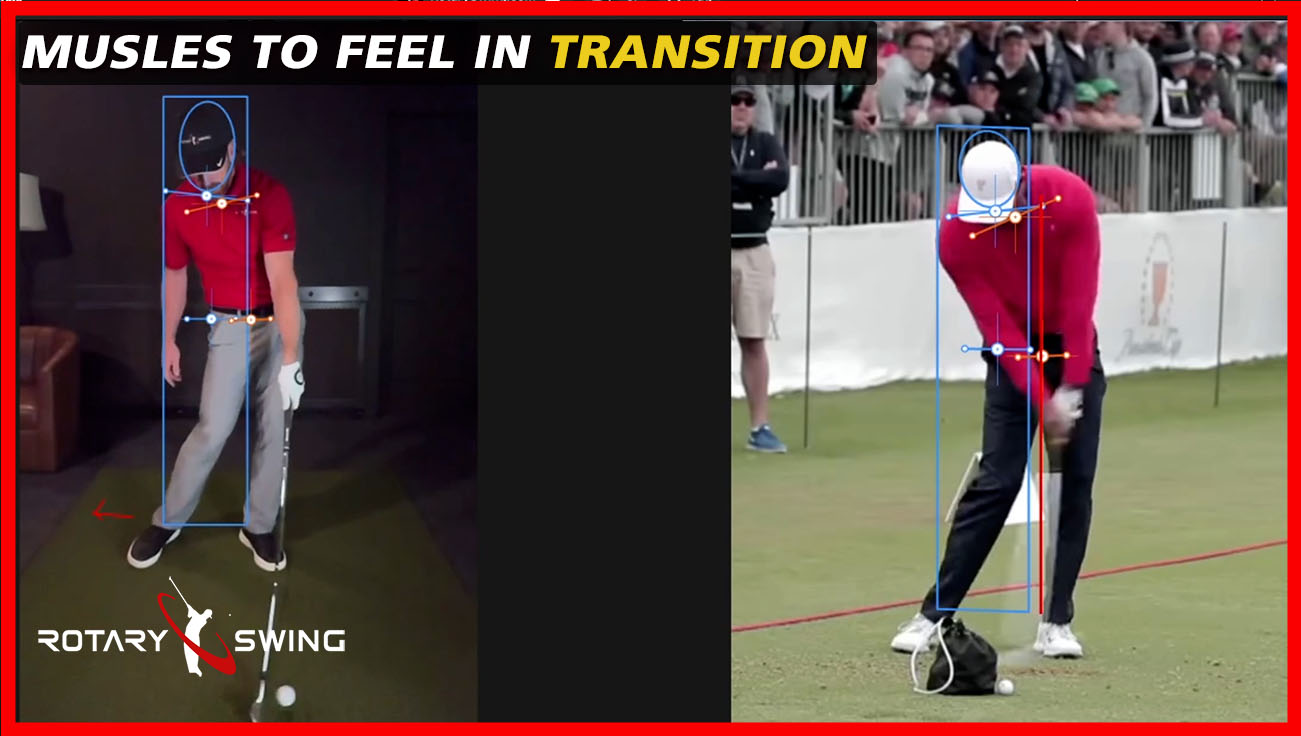
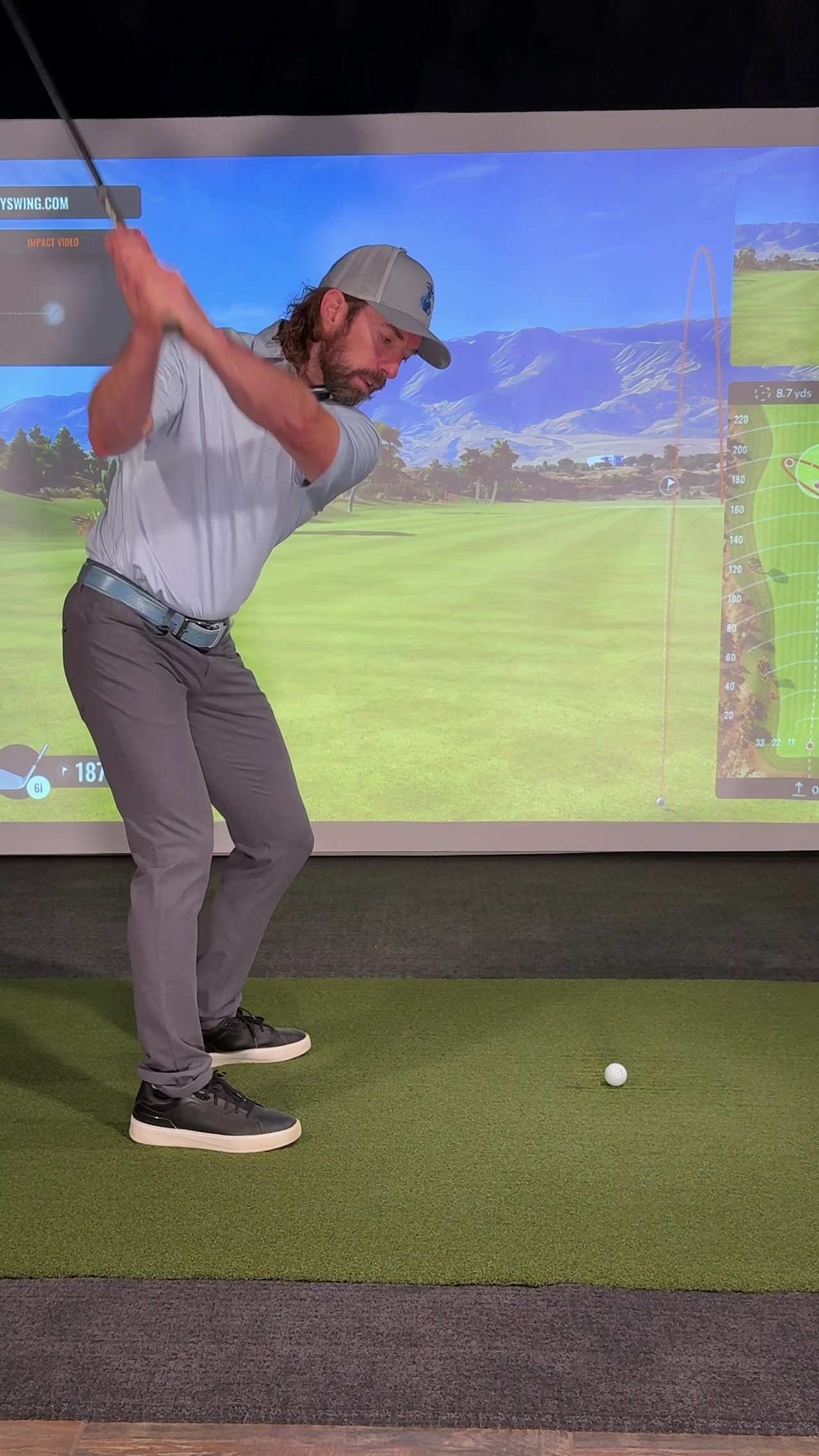
What he did is go back extremely fast, be very fast during the transition, accelerate very hard from the top, but right here he was done adding rotation to the swing, done adding rotational speed, and that is the key, And so when you look at this Delta sternum move, where you see this upside down triangle, where his sternum basically goes straight back during the back swing, down, and then up, And so if we go here, I've got my live Sternum tracer here.
So if I go back and then down and then up, that's what's happening in the Goat swing.
And this is just showing ground, force, leverage.
And using the fascial slings of the body to produce speed for you, rather than you trying to put muscular effort into your swing.
So if you find that your whip score is very low and you're not understanding how to speed that up and get that snap, you've never felt that effortless release.
It's likely because you are pushing or pulling the club through impact, because you're trying to accelerate too long, too late, and you're too slow and smooth from the top.
When you look at the GOAT's data, what you actually see is a very abrupt, steep, massive change of direction and speed very, very early, immediately from the top.
Tiger doesn't go to the top and hang out.
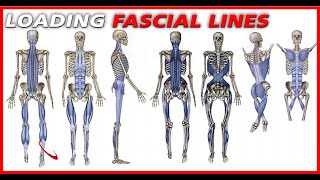
He's already gone by the time that you have time to think, and that's because his fascial slings that you think about.
Just two X's going across your body front and back is a simple way to think about it.
He's stretching this as he goes back, so he's loading this, getting the sternum moving away from this lead hip, and then that pulls him back and it snaps him back.
That's all the acceleration that you need to add to the swing, this is the whole trick to it, you do not need to add rotation.
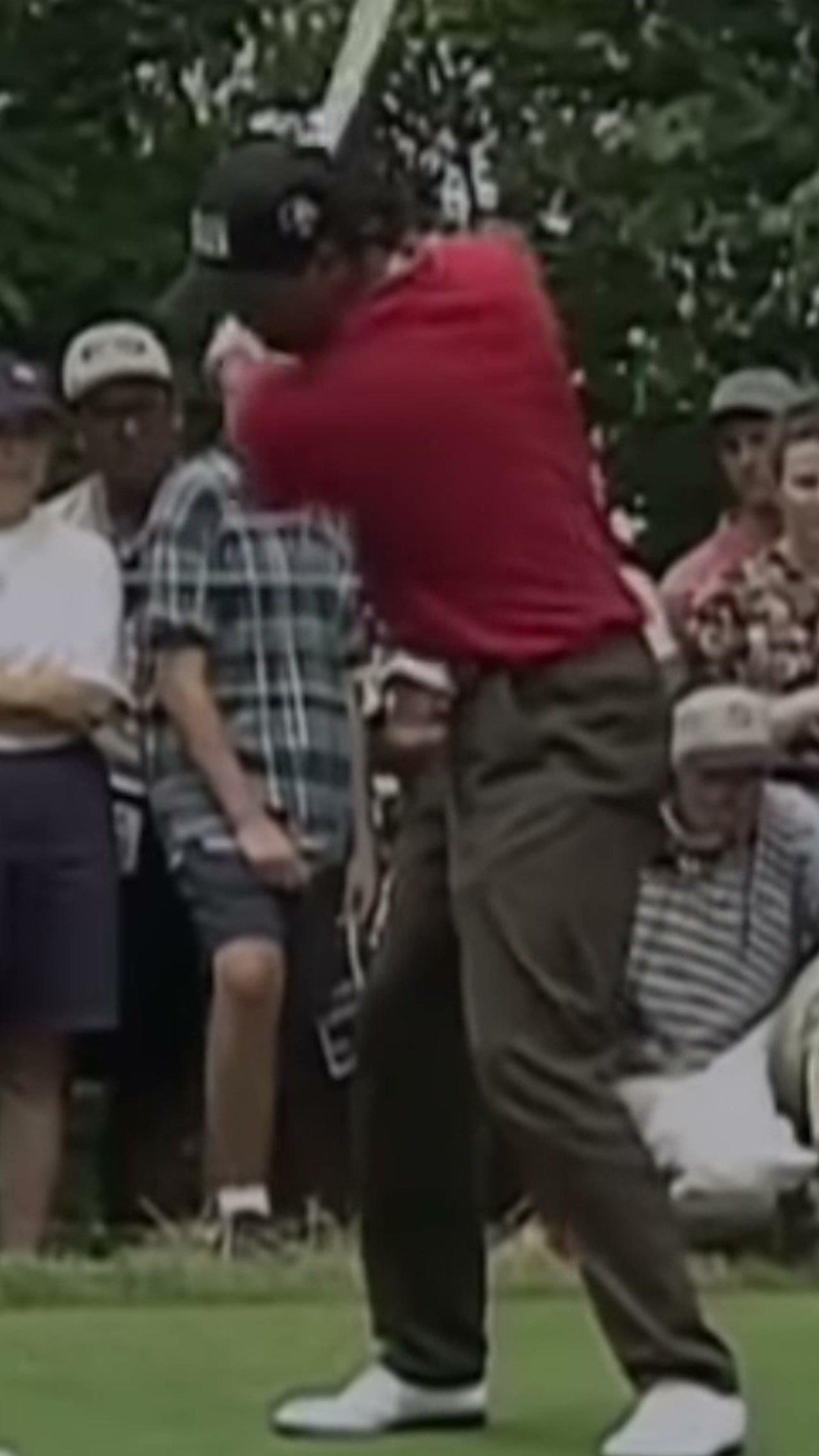
Past this point, in fact, let me walk you through Tiger Swing specifically in depth and show you exactly when he starts and stops accelerating.
Alright, I'm gonna play this swing of Tigers real quick and I want you to watch a couple things.
I want you to watch the graphs on the right and how they move and sync with his body, and I want you to pay close attention to when you see the graphs go red.
Ready?
Right there.
Now, let's walk back and see when this happened and start to understand what it really means.
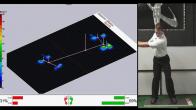
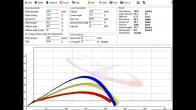
Right there, you can see where the graph The Sternum graph on the top shows two things one, it shows the position of the Sternum throughout the swing.
It shows is it moving down, is it moving up, is it moving lateral?
And this graph below it is showing actual rotational velocity.
So speed in degrees per second or frames per second.
That's what we're looking at here now.
What you'll see right here is it looks like Tiger's still kind of at the top of his backswing, right?
He's barely started his downswing.
That is the last moment that Tiger is adding acceleration speed from his torso.
Now, I know that might seem mind-blowing, and it's not that that's the fastest point in his swing.
This is actually through impact, as the club is ripping his body around, because the club is moving incredibly fast at that point.
That is his peak rotational velocity, but at that point, you have no control over that.
You're just letting the club and the arms go, and they're ripping your body around.
But what you'll see here, if we walk back to the beginning, so right here is where Tiger starts to transition back into the downswing, and so you'll see that you're going to see a huge drop in velocity right here.
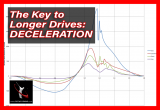
This is like a race car diagram.
We want to see massive braking and then instantly back on acceleration.
You don't want to see these big, long, U -shaped curves.
You want to see V-shaped curves, and that's what you see in Tiger.
He goes from going in the backswing to immediately back to the downswing.
And there's very, very little time in directional change.
He goes immediately.
So in other words, he's not gradually starting to rotate back toward the target.
It's happening super fast and immediately and very early.
Now, what we see next is that he starts to rotate.
And so I'm looking at the bottom graph here.
this is showing rotational speed.
And so now as we get through to right here, at that point, that is the peak before his first drop.
Now you can see this little drop right here.
And this is happening after about 60% of the downswing has completed.
At this point, the arms and hands and club have already taken over the body.
And that's why this doesn't really matter at this point, because here the club and arms are starting to really go.
But he has stopped trying to rotate faster, in other words, his fascial slings have started to pull him back at this point.
And right there, only about 50, so 40 something percent, 50 something percent of the way through the swing, through the downswing, he's already done, he's no longer trying to add speed.
And that's what's really crazy about this when you look at it here, as his sternum is still starting to drop.
He is no longer trying to add speed with his body rotating.
So he's actually going to decel.
And that's what you see the red bar here showing that he's starting to decelerate.
And on the sternum graph up above, his body, his rotational speed has already slowed down.
This is crazy because so many golfers think, and myself included, I used to rotate really fast.
And the first time I put my swing on this, my swing graph stayed green all the way to impact.
I never decelerated.
In fact, I kept speeding up.
And then I realized, why does my back hurt?
Because I'm trying to rotate my body so fast through the ball, the goats stopped rotating right there.
And now they're just going to let everything happen from there.
They're going to let their arms release.
They're going to let the club go.
They're going to let it rotate around this middle finger that you're going to learn in just a moment.
And that is what makes the goat's swing look so efficient.
Tiger's not trying to add muscular power to his swing.
He's not trying to rotate his chest to the ball, he's letting himself snap the club and that's why he has such an efficient and effortless golf swing.
Now, what you just saw in Tiger Swing probably is different than anything you've ever heard.
But the cool thing is with Goatee, he doesn't look at does your swing look pretty or not?
He cares about efficiency and velocity.
He's looking at, am I moving fast at the right time from the right place in my body.
And as you just saw in tiger swing, he stops adding rotation.
Now it's important to understand that it's not actively decelerating.
You stop adding acceleration is what you're looking for.
And because this happens so early, the brain actually can't process the feeling of acceleration.
This is a crazy thing to think about, but it takes over a quarter of a second or about a quarter of a second for your brain to react to a stimulus, but the whole downswing is done in that same amount of time.
So what you realize is that acceleration phase, when Tiger's going from change of direction, going back, where his chest is still rotating to then starting down, and that acceleration phase is over about 40% of the time into the swing, into the downswing, your brain literally doesn't have time to process that.
But what it can process is the feeling of deceleration, or excuse me, the feeling of not adding acceleration.
You are starting to decelerate as you saw on the graph.
But I don't want you to sit here and try to go to the top and stop.
Not really what you're trying to do.
You're trying to load yourself and stretch these fascial slings so that they pull you back to neutral.
And then you let everything happen from there.
And in the second part of the video, I'm going to talk to you about how the hands work.
But as you're doing this, it's not going here and trying to stop.
But that is what I'm going to have.
You drill at first to get the feeling of not trying to keep rotating and adding acceleration late into the downswing.
When you look at your swing, you'll probably see that green bar going for a long time, perhaps all the way into impact, because you don't decelerate or stop adding acceleration early enough.
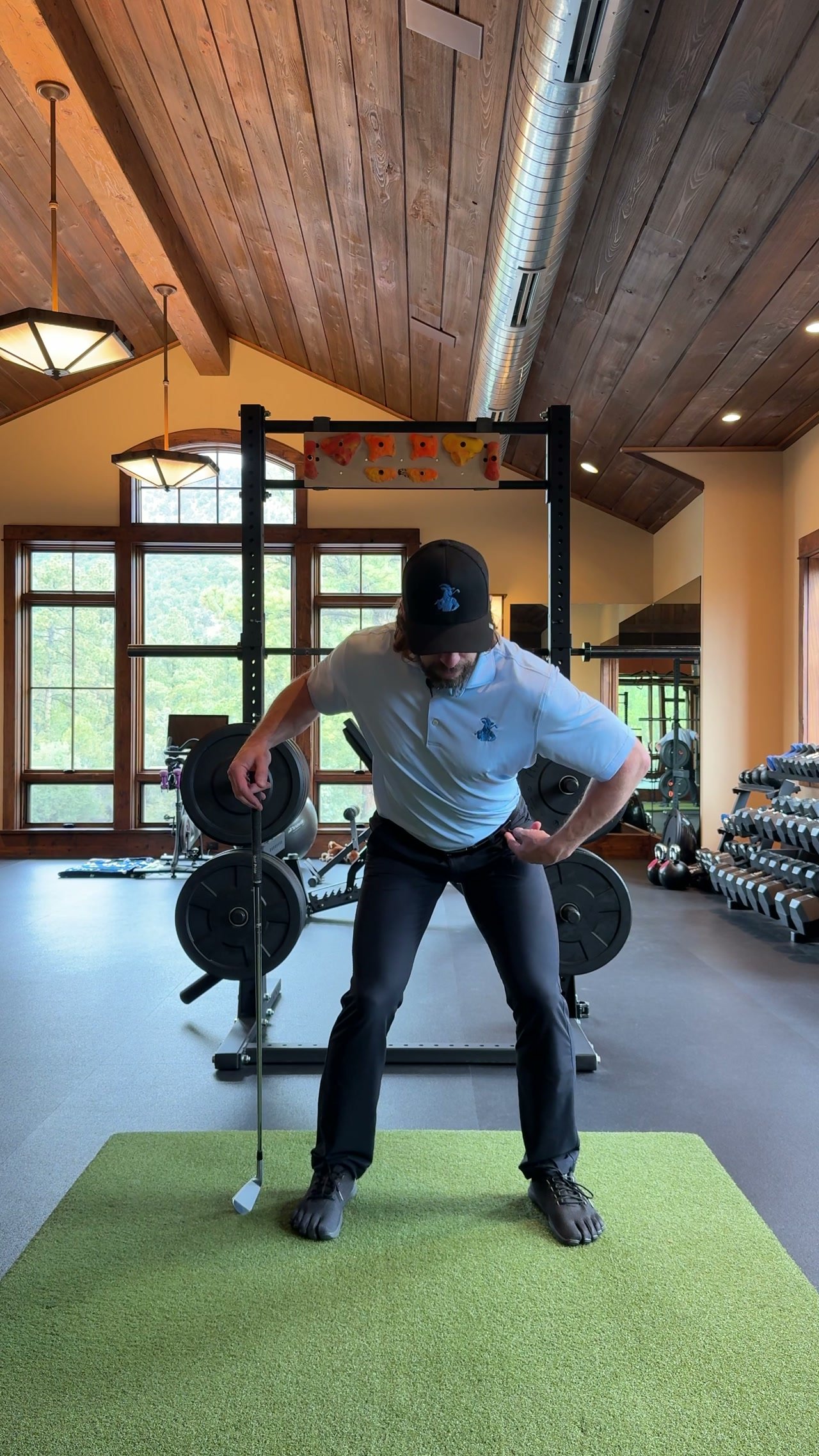
So the best way to get this feeling, I believe, is to use a weight.
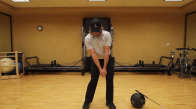
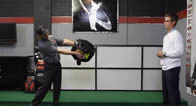
Now, I've got a kettlebell here.
You can use anything.
You can use a can of soup.
You just need something to help get you the feeling, but you can do this without weight too.
But the feeling of having mass that you're trying to actively accelerate and then let it go is the right feeling.
And this will actually be an exaggeration to teach you how to actively decelerate, which is again, not what you're trying to do in the swing, But this will help you start to feel the muscles and how the hips and glute have to work in order to create this natural acceleration of your arms and hands and club whipping past your body.
And that is what you're going to feel in the second half.
But the first half of this video, we have to feel how do we use our whole body to move correctly.
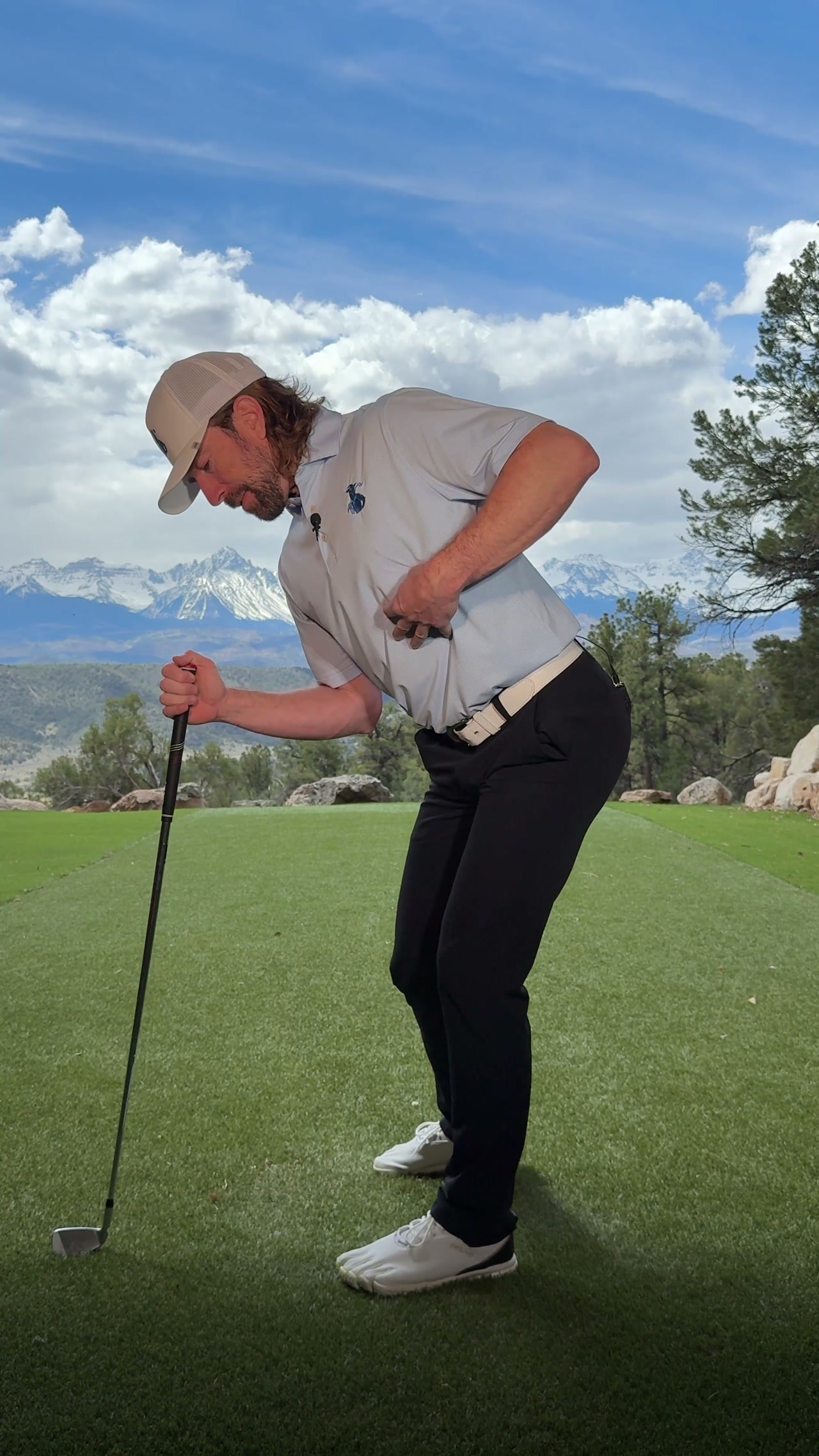
So take a kettlebell and kind of get your arms and your chest rotating back with it.
So just get this feeling of turning back and the mass you're going to feel is going to want to pull you around on, you know, deeper into your backswing.
And you're going to feel as long as your hips are staying relatively quiet and you're using the lead side, oblique muscles, lead side on your torso to start rotating you back, you're going to feel a big stretch across the lead side of your belly.
That's what you want to feel.
So this is going to pull you back.
And what you're going to do is let that stretching feeling that you had pull you back.
Now it's going to be a quick snap.
It's not going to be this slow and methodical move back.
It's you're feeling this stretch and then you let it come back.
Let it pull you back to neutral.
So back.
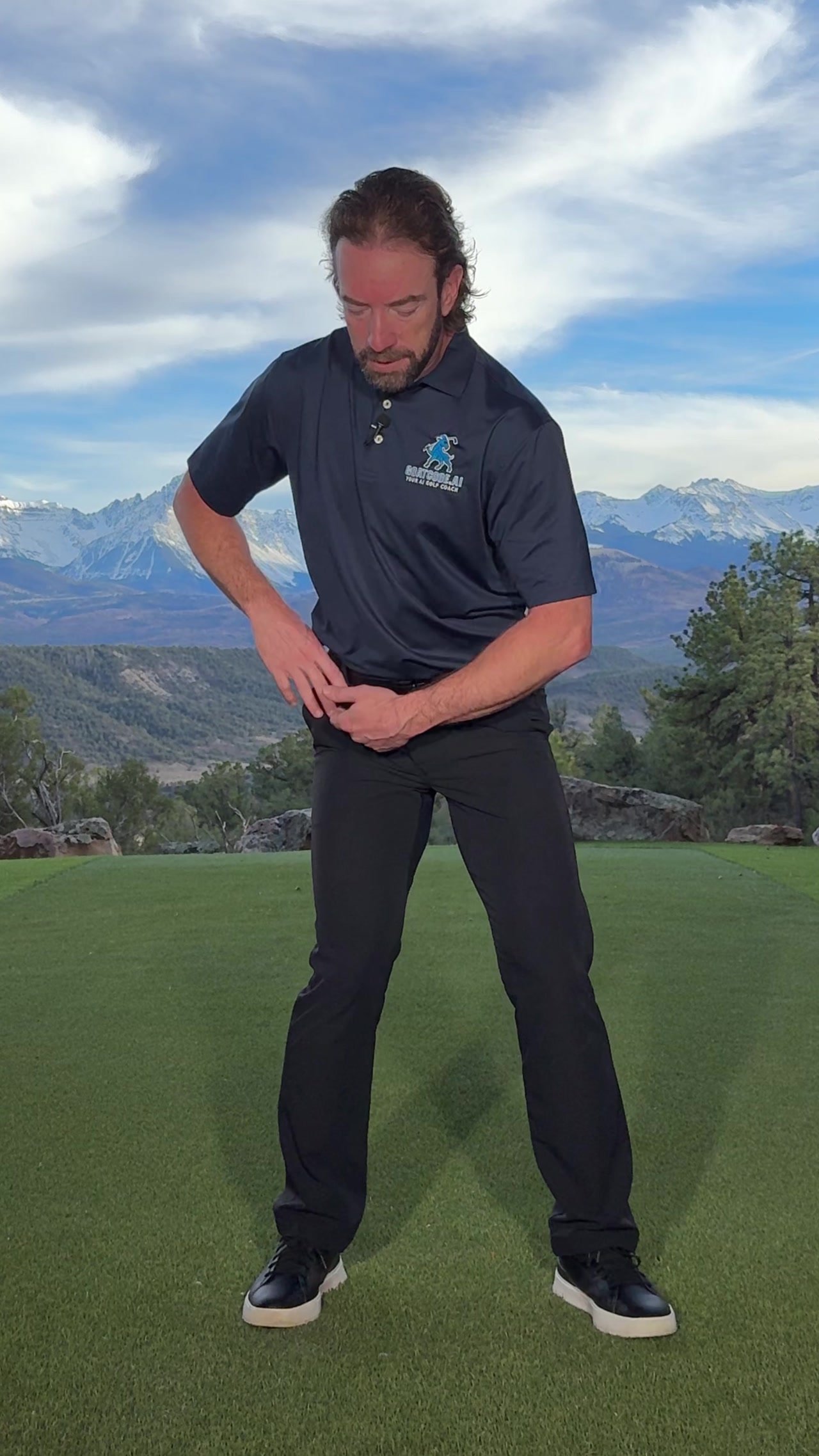
Now what I want you to do, once you get this feeling of these lead side of your abdominal wall and your obliques being stretched and starting to want to come back to neutral, which is how you let the fascial sling start to pull you back, I want you to actively brace.
Now again, this is an exaggeration of what happens in the swing because we don't have the momentum of the club and the arms right now.
But what I want you to feel next is once you get this stretch.
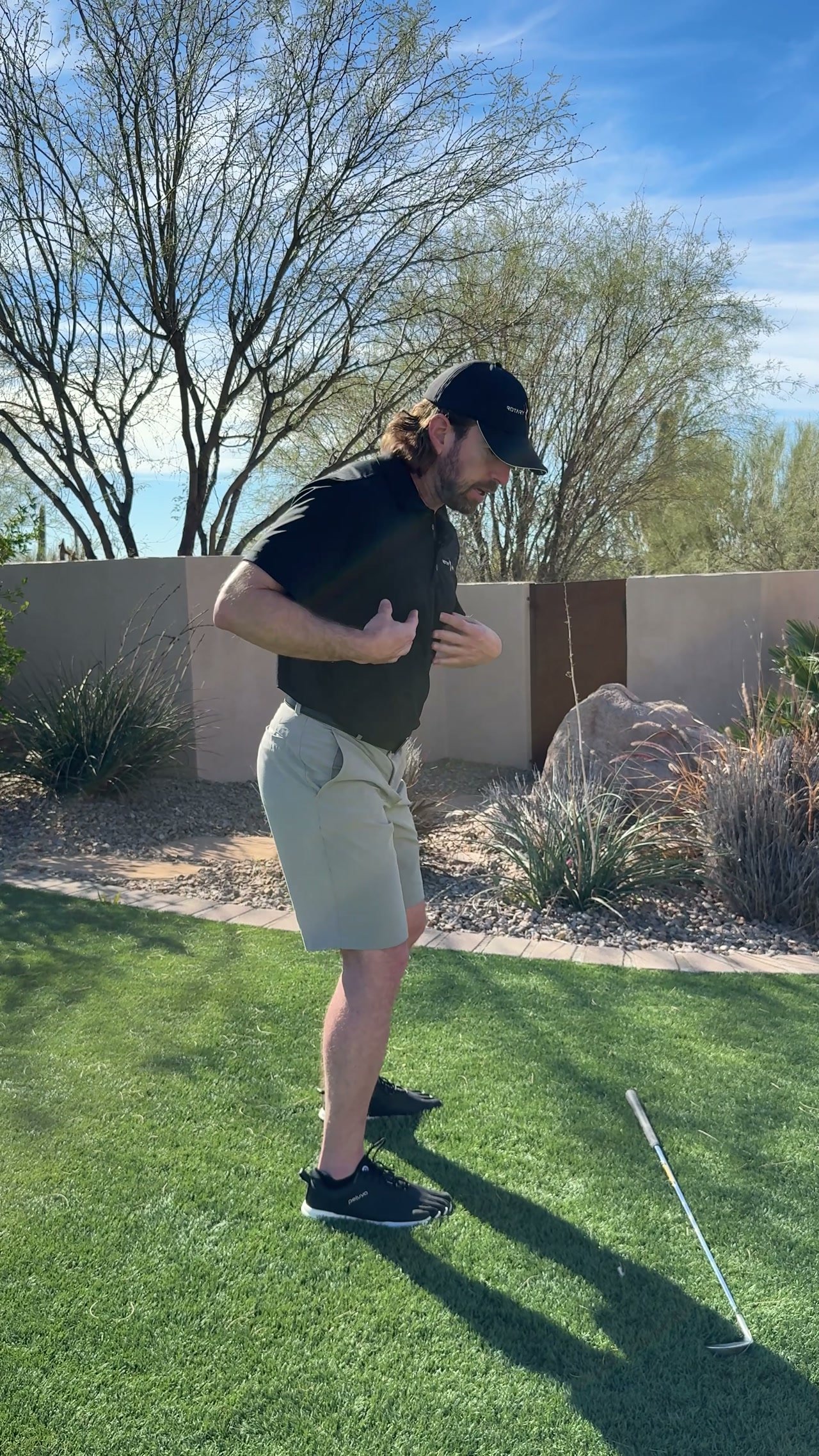
I want you to brace into your lead hip, your lead heel, and drive both of them into the ground.
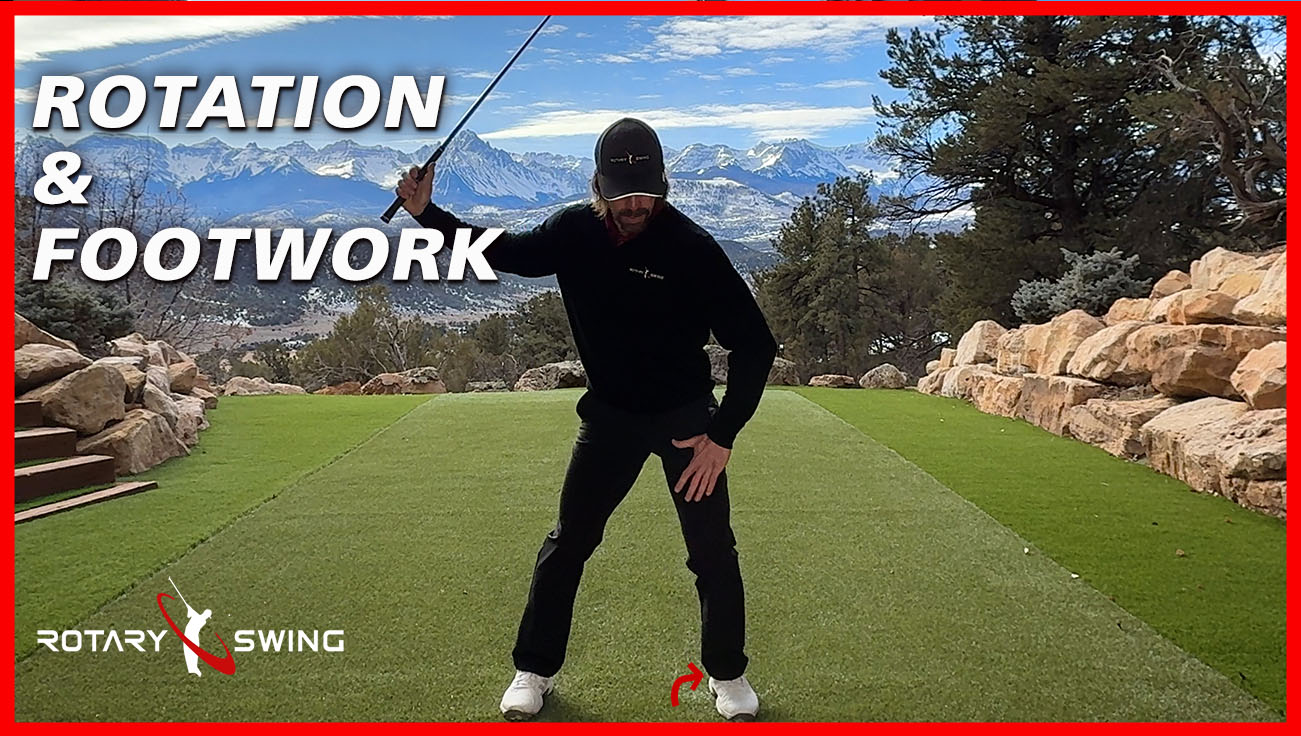
And watch my feet as I do this, my lead foot is actually twisting into the ground.
For me, as a right-handed golfer, my left foot is turning clockwise.
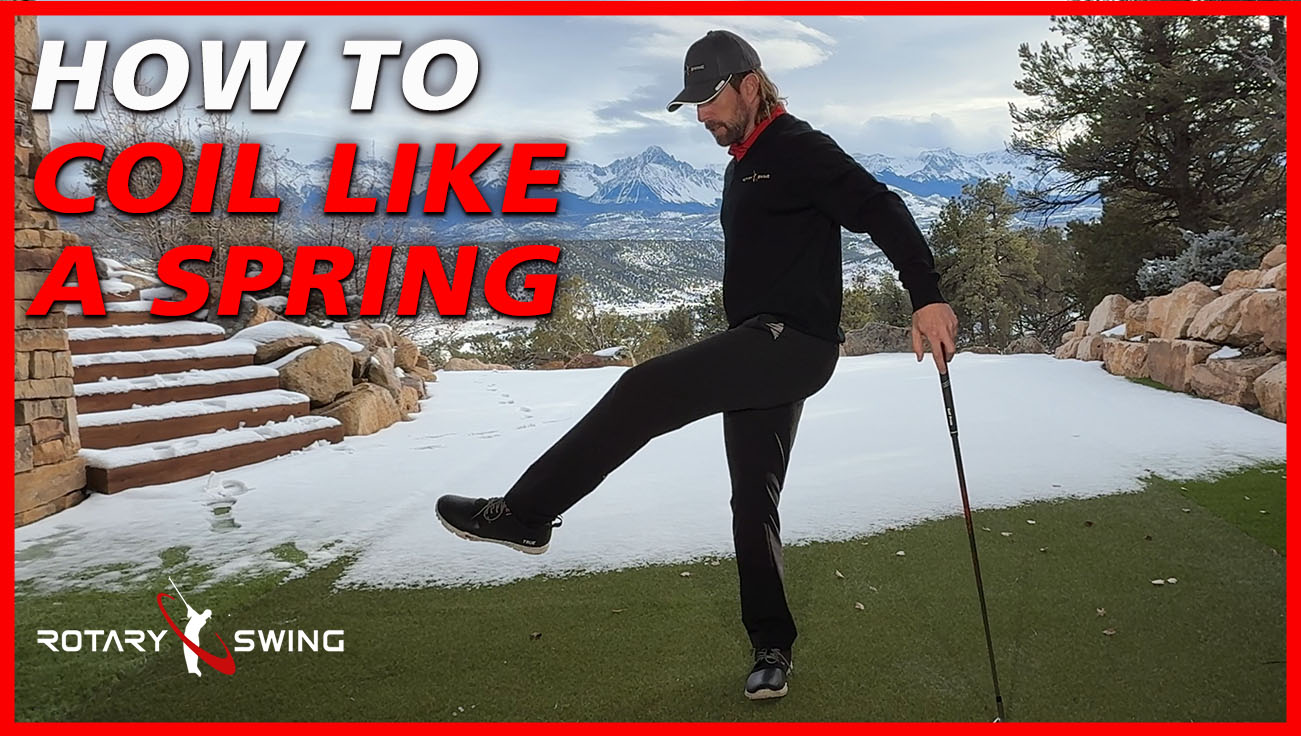
What most golfers do is they try to spin out and try to add a lot of rotational speed for long time in the swing.
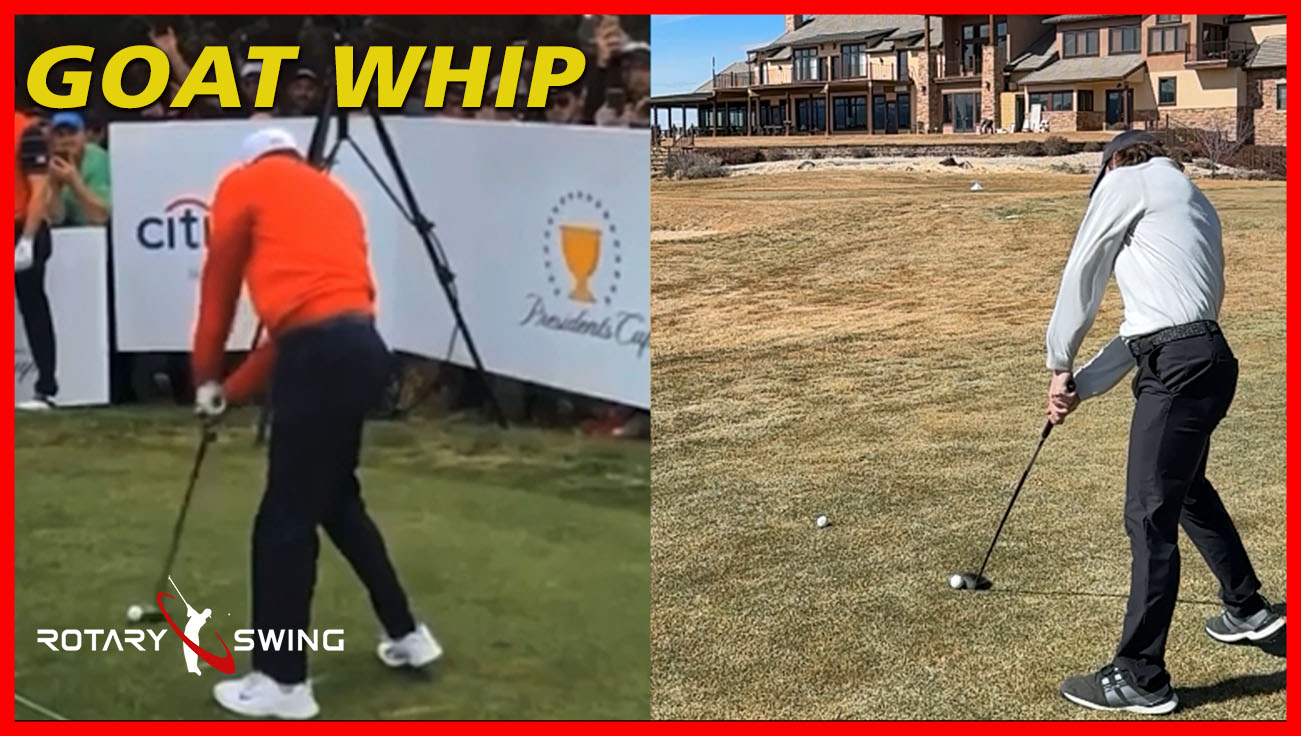
You won't have any whip, you actually have to decel, just like a whip.
If you think about it, when you're cracking a whip, your handle has to stop and actually even yank it back a little bit, and that transfers all that energy out.
In the golf swing, your the handle of the whip is your body.
And so as you're rotating, if you keep rotating, your arms and hands and club just get dragged through the shot, there's no snap.
Instead, I go back and I'm slamming on the brakes, pushing into the ground with my heel, twisting my lead foot clockwise for a right-handed golfer and feeling my lead hip brace.
And that is the whip effect starting to take shape because as my body begins to stop adding acceleration, my arms and hands are then going to catch up and take over my body.
And that's why elite ball strikers always look really effortless when they're hitting the of all.
And you see amateurs really spinning out and struggling, trying to add a lot of speed.
The secret of the pros is they're done adding speed way back here and then their arms and club are doing.
What we're going to talk about in the second half of the video, which is orbiting around this trail middle finger.
First, let's get back to feeling this deceleration profile, where you're going back and then bracing and resisting.
And you'll feel because you're trying to stop the momentum of this heavy weight, you'll feel the muscles that have to activate in your core and your hips to stop letting this weight pull you forward.
This is again, what you feel in the swing just as an exaggeration.
So that will get you the feeling of going down.
So your sternum starts to drop in the downswing.
if you're going arms first, your arms don't do, Jack in the golf swing.
I've said that a million times, it's never more true than understanding how the goats really move.
Your arms.
Do not add speed actively, they are purely being moved by your body, and so as you're going back, if you find that, your sternum trace.
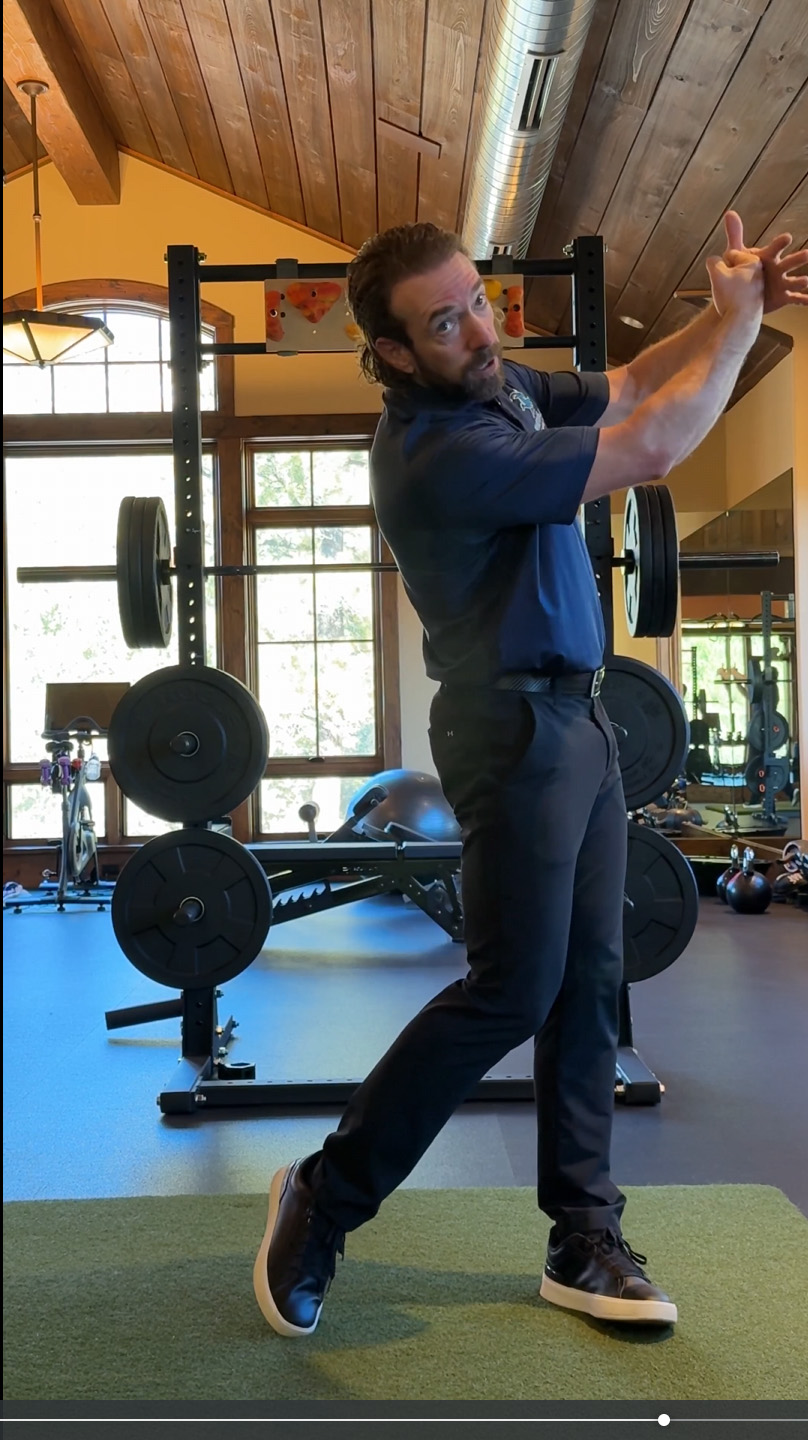
If we go back over here and I get into position here and I start to lift, now, you see, my sternum goes up.
And then if I fire my arms, I go up even further.
Or even if I stay back halfway, decent going back, and then I want to then throw my arms.
My body has to come up out of this in order to avoid sticking the club in the ground.
So that's what you're trying to learn is that as you're going back, I'm loading, letting my fascial slings pull me back, but I'm done and you'll see my sternum trace.
Watch the yellow dot drops.
And I'm breathing out, purposely exhaling, because my core, my abdominals and my whole core is bracing to allow the arms to whip past my body.
And that's what we're going to talk about next is how do we blend this into the arm movement.
Now for the magic.
Once you start to understand that you do not keep rotating your body, your body does keep rotating.
Absolutely.
In fact, it actually picks up speed through impact, but that's not from you actively trying to rotate.
The goats do the opposite, they stop way up here and let the arms and hands take over.
But for that to happen, your arms must be relaxed.
You must not be trying to push or pull the club through.
That's going to drag the handle through and kill your whip score.
When you start to understand that your arms must be flung past your body, then it makes sense that you don't keep adding rotational velocity to your ribcage, to your sternum.
If you keep turning, your arms are going to get trapped behind your body.
You're going to drag the club.
You're going to leave the face open.
You're going to block it off the planet.
What you're doing is rotating, only adding rotational speed in the blink of an eye.
It should feel like it happens immediately, from the top, as fast as possible and as brief as possible.
But that is all handled by your fascia.
You don't have to do that.
What you have to do is stretch that fascia quickly during the backswing and feel this big stretch.
And let that start to pull you back.
And then you're done.
Now all you have to do is get the feeling of the club.
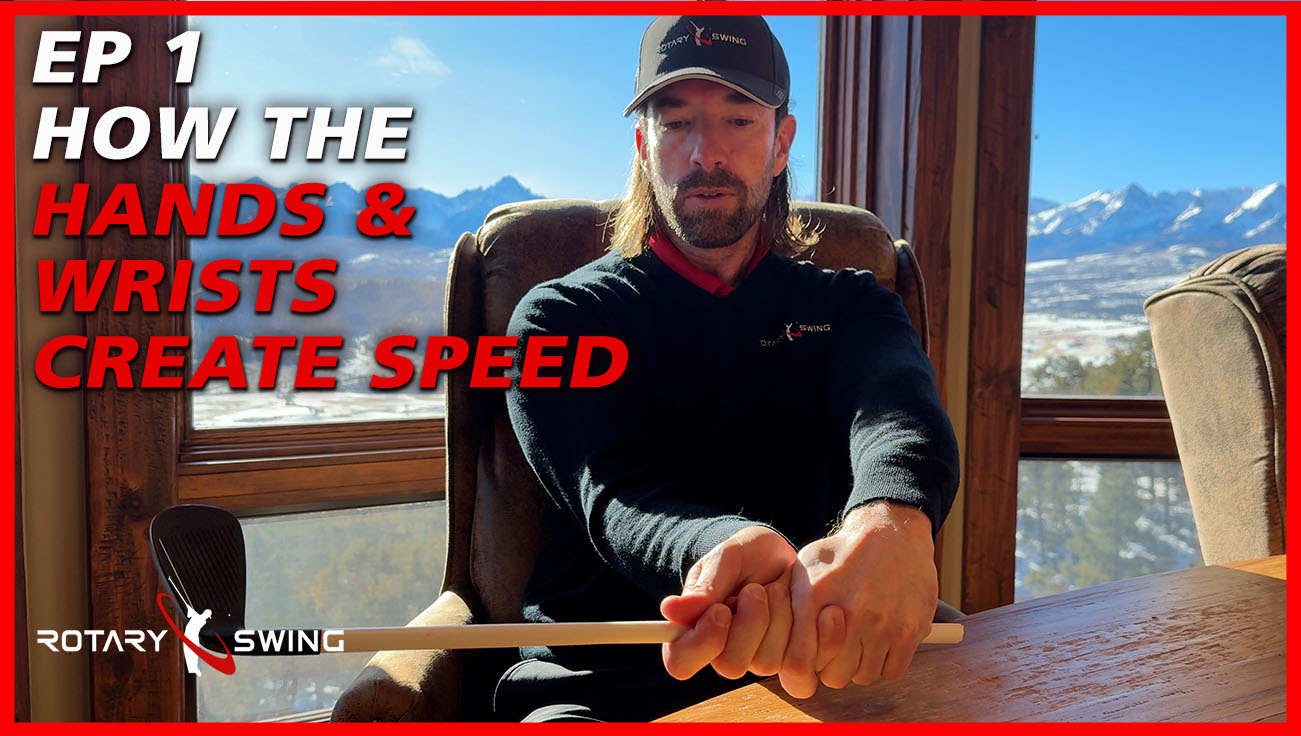
Orbiting around your middle finger, the first joint or the first pad in your middle finger, this is why you see Tiger always having this finger, this joint taped up.
In a swing, the motion of the swing is like that, it's just orbiting.
And again, for a right-handed golfer.
If I'm looking at a clock on the wall from your perspective, it's going to be counterclockwise.
From my perspective, it's clockwise, so that is the motion.
In order for this to happen with any velocity, your body has to move correctly and has to move powerfully and explosively and quick.
And that's what we just worked on is getting that feeling of having something heavy and then firing that core.
And that's why you see Tiger a lot of times when he's hitting a driver, you see his cheeks all pursed out.
Because his abdominals are firing.
In order to stop adding acceleration and start allowing the club to whip past.
Now, how to feel this at first is very simple.
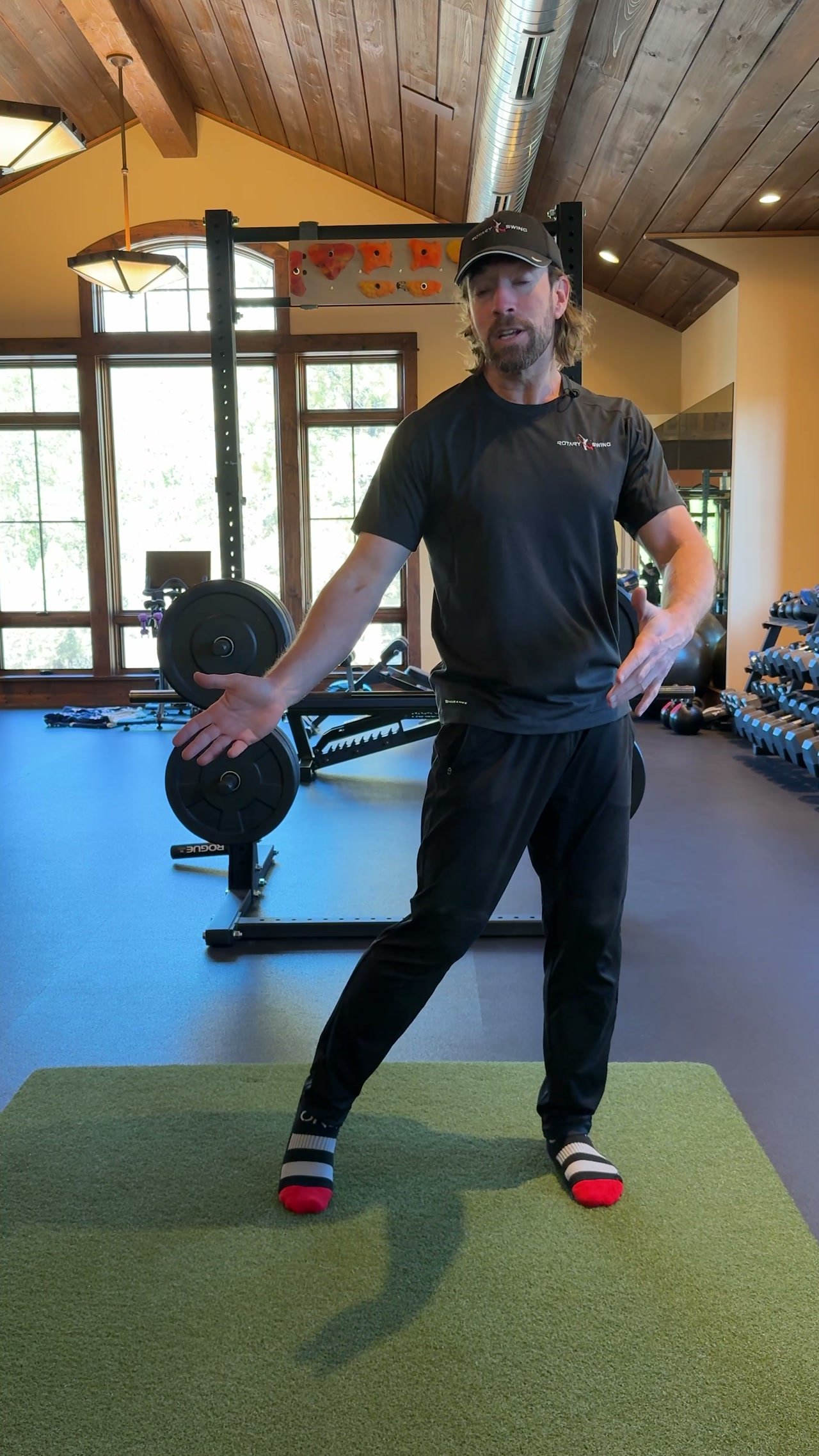
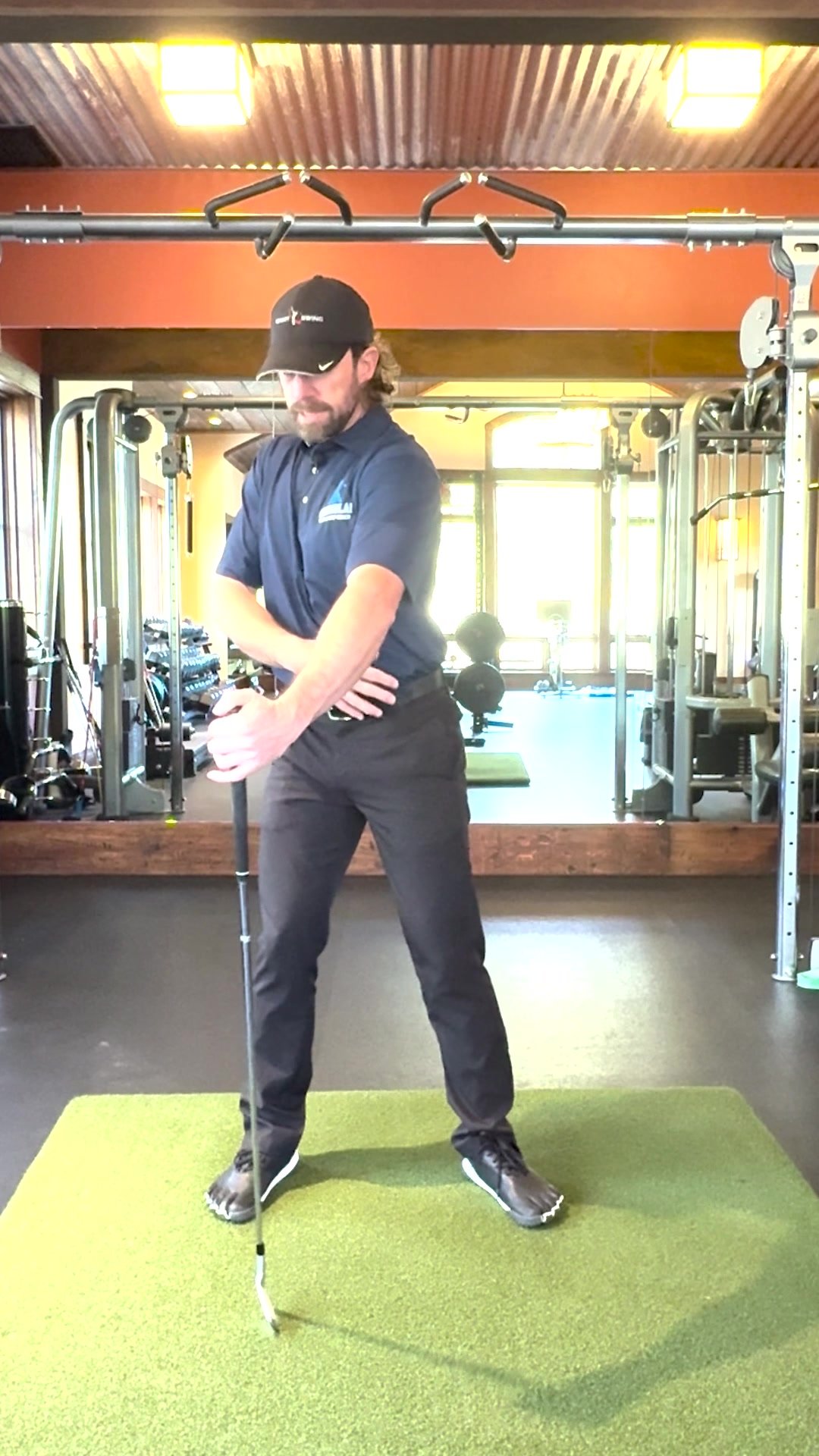
I want you to stand with a very narrow stance, you know about hip width, because I don't want you trying to muscle this.
You should find balance naturally and effortlessly when you do this correctly.
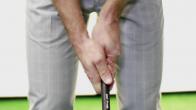
Now, take the club and hold it with your middle finger, and you'll see that.
As I let the club drop, it's going to kind of roll to the more side of my finger.
That's what we want as we're setting up and then my index finger is going to hook to balance that.
So you can see this finger's off the club.
This finger's off the club.
My middle finger, it's orbiting or it's bracing in that pad.
And now I put my index finger in there to help stabilize it and my thumb to help stabilize it.
Now I can wrap my ring finger back around a little bit, but the middle finger is where I feel the pressure.
And of course my index finger balancing it out as well, but that is the feeling of the grip and the pinky doesn't really do a whole heck of a lot.
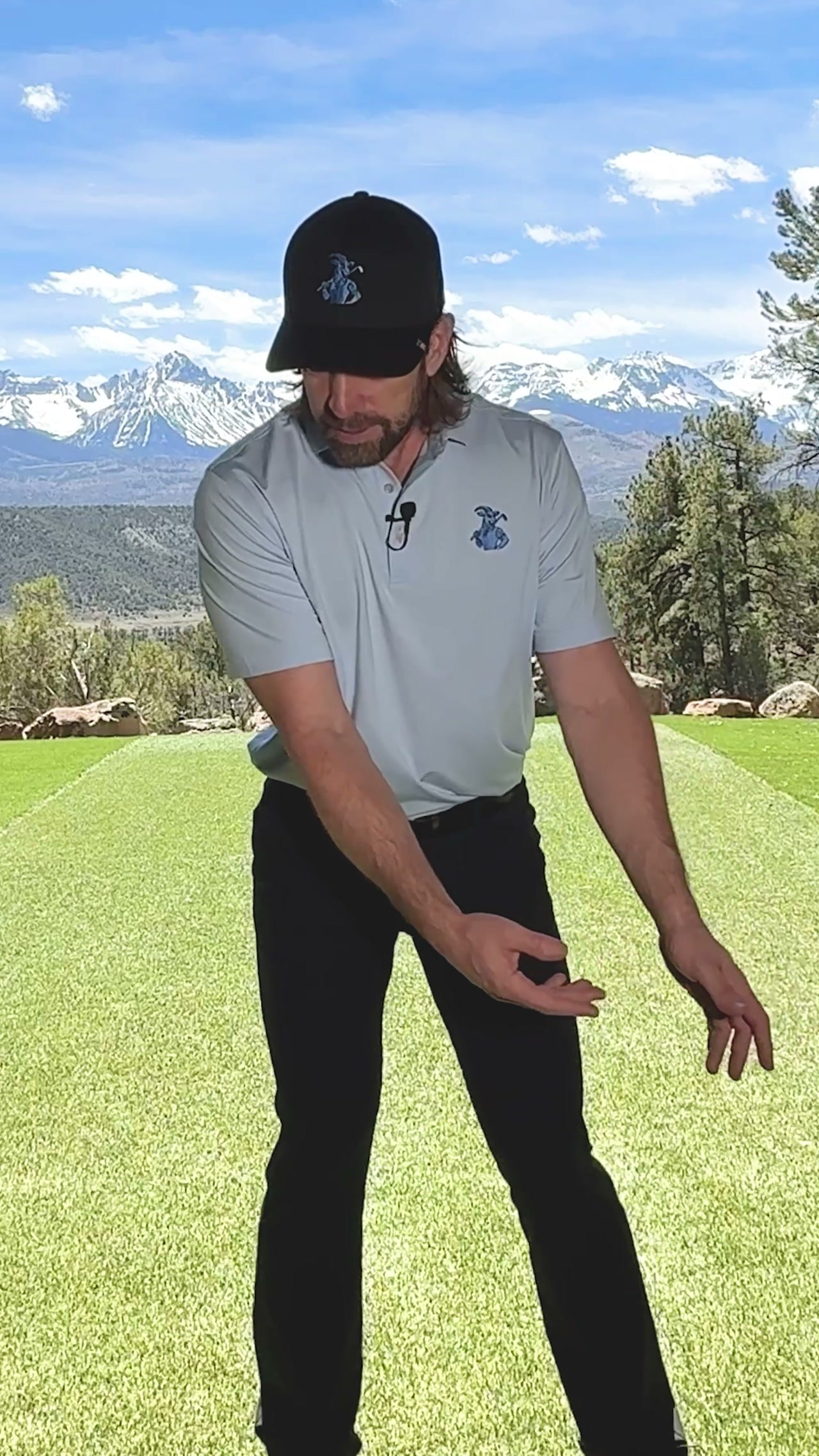
Now, get your arm supinated, just like you've learned in the GoAt code, and rotate back and do not pick up the club.
Don't do anything with the club.
Let your arms and hands and club be moved by your lead side, pushing that sternum away, stretching that oblique sling.
And as you do this, your arm's still going to be pretty connected to your body.
From down the line, you're going to see that the club's just going to stay right there with my body.
All I'm trying to do is set up that initial little pulse of the downswing.
So if I stretch this oblique sling again, this diagonal band of fascia going across my body to where my trail shoulder?
All I'm trying to do in the backswing is load that up.
Where most golfers go wrong is they start moving their arms and you kill your fascial stretch.
There is not going to be any, you're going to load up your arms, you're going to fire your arms.
First.
Your sternum will never drop, and you'll see it rising during the backswing as well.
But if I just load, going back, stretching that now as I start to unwind, the club should fall back into my middle finger.
And it's falling backwards now, as you're doing this at speed, it's not going to fall backwards.
Nearly this much, of course.
But the feeling that you're trying to get at first is that the club is waiting and falling.
And it's being dragged through by your body rotation now, as your body begins that deceleration phase, or, more appropriate, you're no longer adding acceleration to it.
That's when the club starts to catch up and starts to accelerate and go really quick.
What you're going to find is that this feeling is going to be right about here.
When your hands are roughly somewhere around waist height, the club is going to take over your hands.
If you don't feel that, it means that you are pushing the club through or pulling the club through.
Now, if we put both hands on here, we can start to get the feeling for this.
So as I go back, I'm winding my sternum up away from my lead hip to get that stretch.
And now, as I pulse, I feel the club falling back into my middle finger.
In fact, when I do this slow, I actually feel the club trying to get pulled out of my fingers.
Because the club's still going back this way a little bit and my chest is starting to go back the other way as that's happening, I feel the club in my middle finger.
On that pad start to get pulled away from my hands a little bit, and then as it drops, I feel the club head pulling further away from my hand.
This is the key to speed without effort.
If you feel that club beginning to be pulled out of your finger, and this is why Tiger tapes it, because as you start adding a ton of speed at the bottom, the club literally wants to pull out of your fingers.
That's the centrifugal force that's acting on the club that you must allow to happen, And you're creating it with that initial rotational velocity of your sternum.
So now as I go back and I start to go, I feel the club wanting to throw this way.
I want the feeling of the club trying to escape my hands.
So keep your hands and your arms and your shoulders very, very soft as you work on this next part of the drill.
So I'm going to stand very narrow.
I feel the club, I kind of it with my trail hand.
Only first get that feeling of the club trying to roll around, and this is what I mean by the club.
Orbiting around the middle finger, the feeling is like this, it's not this, you never push the club.
I'm wanting it to rotate like a rock on a sling, I want it to go around in a circle, that's where speed comes from.
So now very, very soft arms, narrow stance, feeling the club in middle finger, and I'm going to load up my sternum and just release it now.
I had a little whoosh sound there and I barely moved and there was nothing coming from my arms or hands.
What I did was rotate back and through, but the through part is only to there.
And then the club does this, so let's get that feeling.
Because this is the key to understanding how you let the club release and let the club and arms past your body, instead of you trying to push the club past the body.
So I go back.
I'm letting my sternum basically drag the club and arms and hands back right now.
And then as I start down, I feel this.
I don't want to feel my hands continuing to move forward.
And if you continue to add acceleration of your chest rotating through, that's exactly what you're going to feel.
You're not going to feel this.
The club should be releasing back here, you have to give it time to release.
And if I start letting it release back here, it's going to roll or orbit around that joint on my middle finger, that pad.
And that's what I'm trying to feel.
So if I go back and through all I have to feel, you hear that little woof.
All that is is letting the club start to release back here from the energy from my sternum, and then as I stop adding acceleration, the club wants to get thrown out that way.
That's exactly what I want.
Now notice that I can end up in perfect balance but with a ton of speed, but no effort from my arms or hands.
I felt the club literally go like this around my fingers.
It's almost like the club is trying to escape my palm or my fingers as it goes out away from me, and i just let it release there is no pushing there is no pulling the swing is as simple as load this fascial sling getting your sternum back let it start to let the fascial sling snap and pull you back and let the club release like this that's it so when you start feeling this if you swing kind of like 70 effort at first go really soft hands really soft arms so you can really exaggerate the feeling of this and start getting the feeling of going back quicker and your body moving quicker not your arms and hands your arms and hands are purely passive and they are being released by the body motion and the pulling action of the club pulling on your arms and hands your arms your hands do nothing so again we're going to go back nice and easy relax that's how simple the goat's swing is load very brief acceleration let the club start to release and you'll find that you've been working way too hard in your golf swing for way too long
Try a free live lesson with GOATY
GOATY, my AI golf coach, watches your swing through your phone camera and coaches every rep. Free, about 20 minutes, no credit card.



David
Craig (Certified RST Instructor)
David
Craig (Certified RST Instructor)
user57900
Craig (Certified RST Instructor)
Cameron Wolff
Craig (Certified RST Instructor)
Kevin
Craig (Certified RST Instructor)
Kevin
Craig (Certified RST Instructor)
Kevin
Craig (Certified RST Instructor)
Mark
Craig (Certified RST Instructor)
Mark
Craig (Certified RST Instructor)
Alex Francis Ver
Craig (Certified RST Instructor)
David
Atle
Craig (Certified RST Instructor)
Atle
Craig (Certified RST Instructor)
Ewan
Craig (Certified RST Instructor)
Ewan
Craig (Certified RST Instructor)
Juan Jose
Chuck
Dennis
Chuck
Dennis
Chuck
Alan
Chuck
Richard
Richard
Craig (Certified RST Instructor)
Richard