












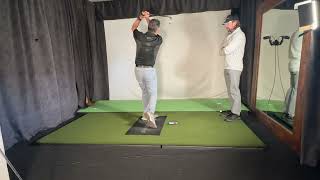
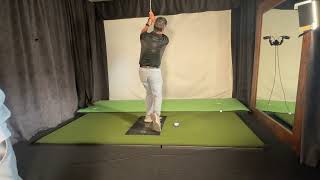


















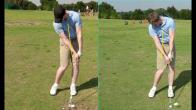
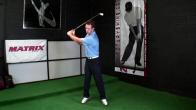
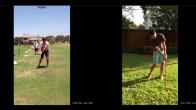













































Trail Hip Loading from the Ground Up
Sorry, you need to be a member to access this video.
You Are Just Seconds Away - Become a member here!
Already a member? Log in now

Try a free live lesson with GOATY
GOATY, my AI golf coach, watches your swing through your phone camera and coaches every rep. Free, about 20 minutes, no credit card.
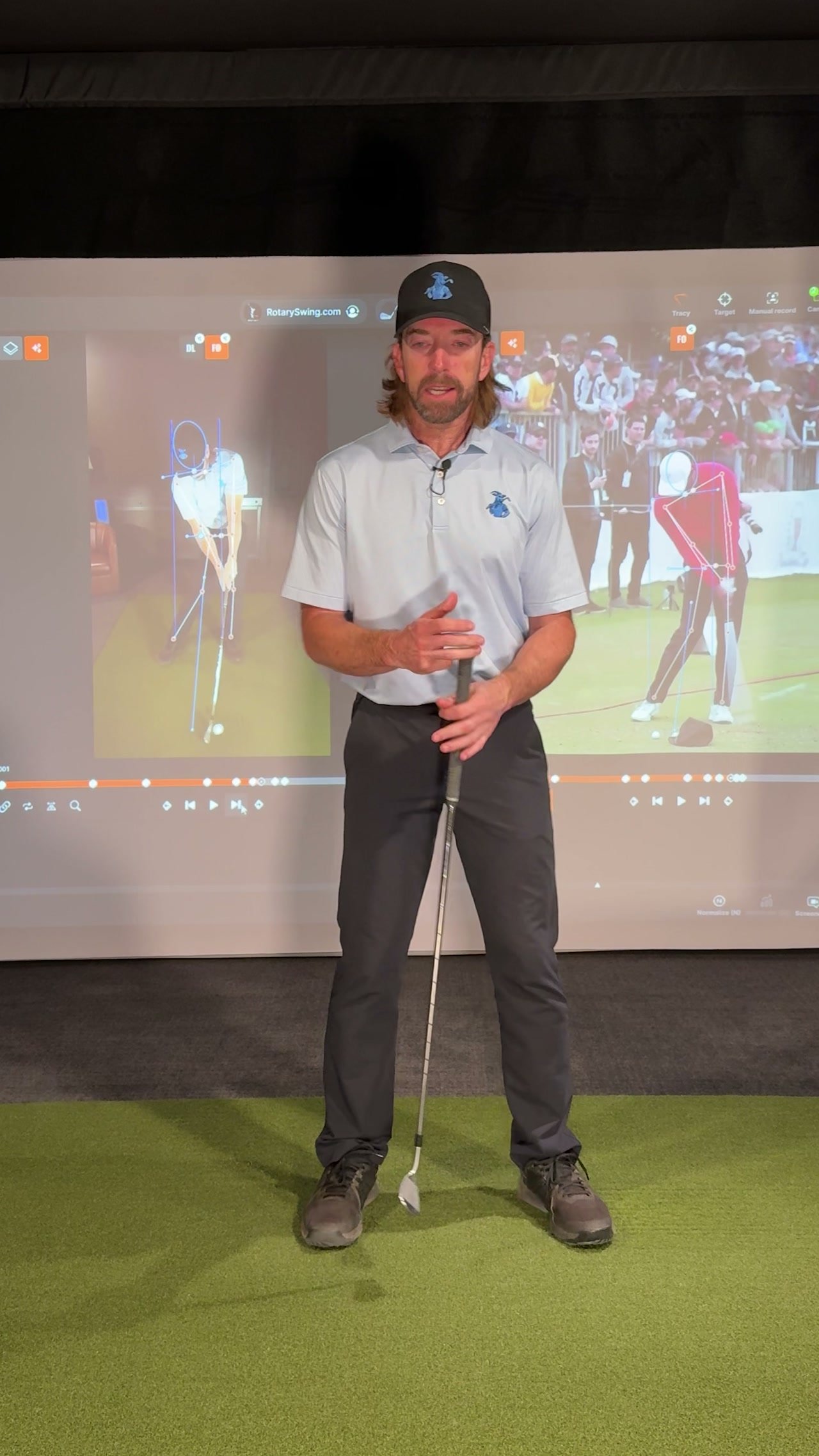
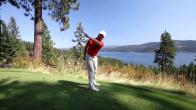
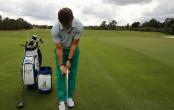
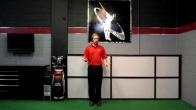
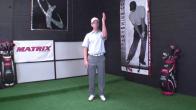
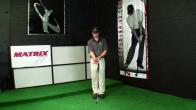
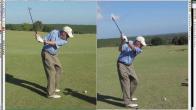
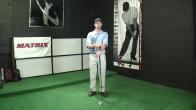
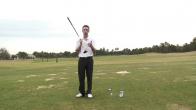
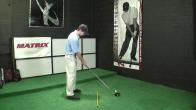
Everything you need to know about how to load the body in the golf swing and stop picking up the arms in 16 minutes.
Learning how to get your arms to stop lifting the club and how to load correctly in the swing is the most important thing that you're ever going to learn as a golfer.
If you want to, effortless power.
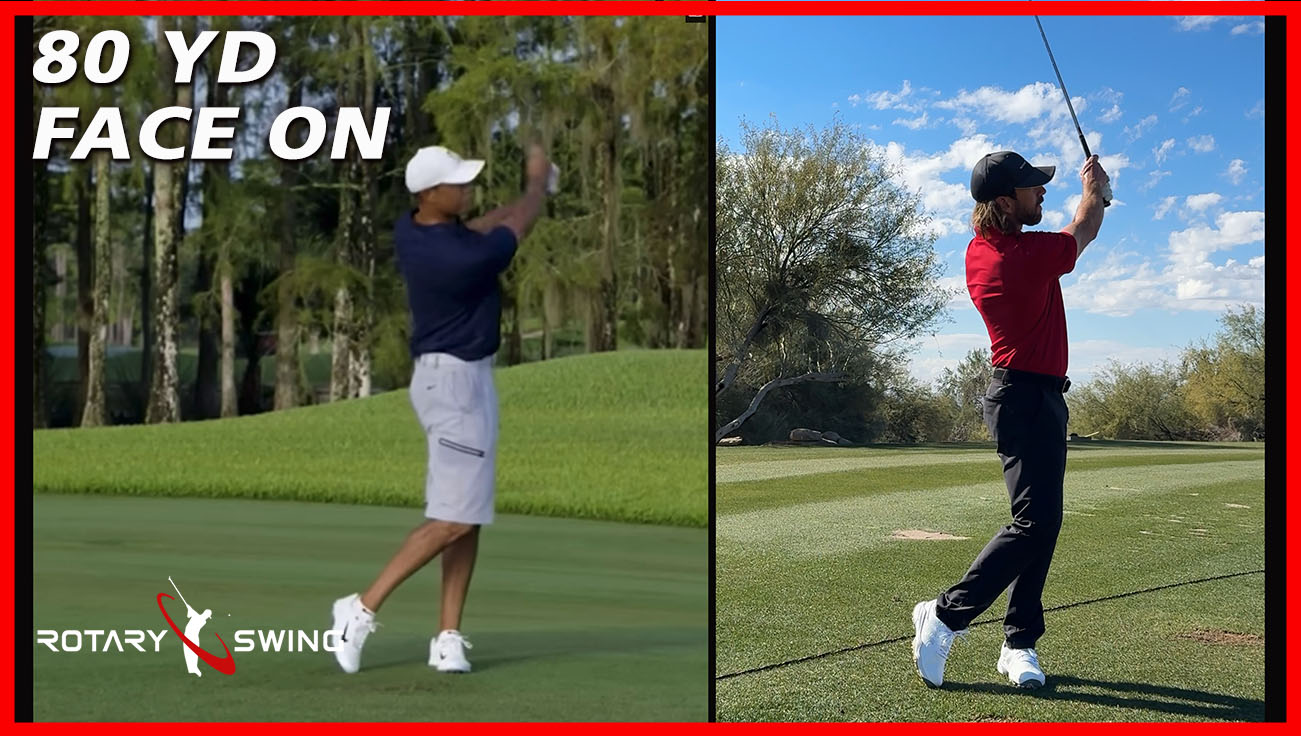
All the greats do this, and I'm going to show you a very unique perspective of this in just a moment.
So you can see it from your own perspective when you're looking down at the ground and seeing your shadow.
But first, I want to give you just a really brief overview of exactly what's supposed to happen.
And then I'm going to show you from your own perspective, what it's going to look like.
The most important key is understanding how to load your trail side.
This is where all of the coil happens in your swing.
So everything starts spiraling from the ground up.
And if you don't start from literally the ground up with a solid base, then your arms are going to have to lift and you're going to keep getting that gate one trail arm failure over and over and over again.
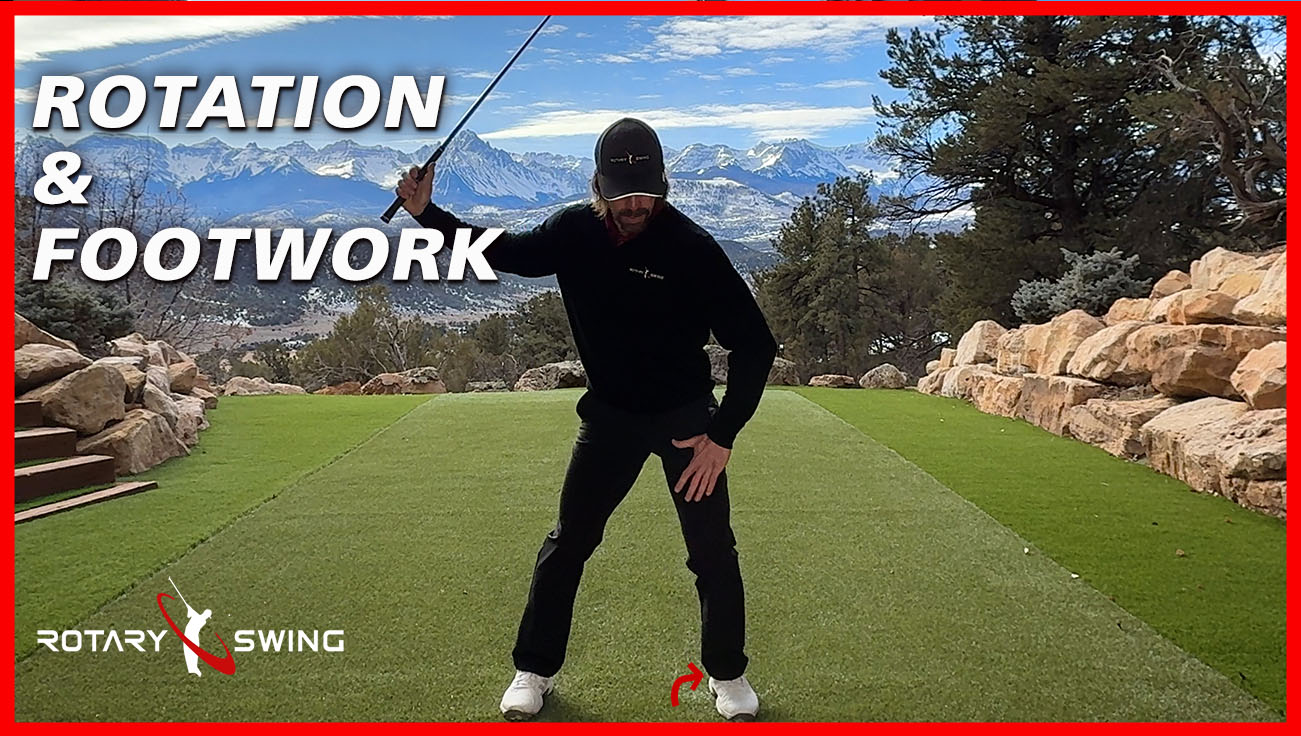
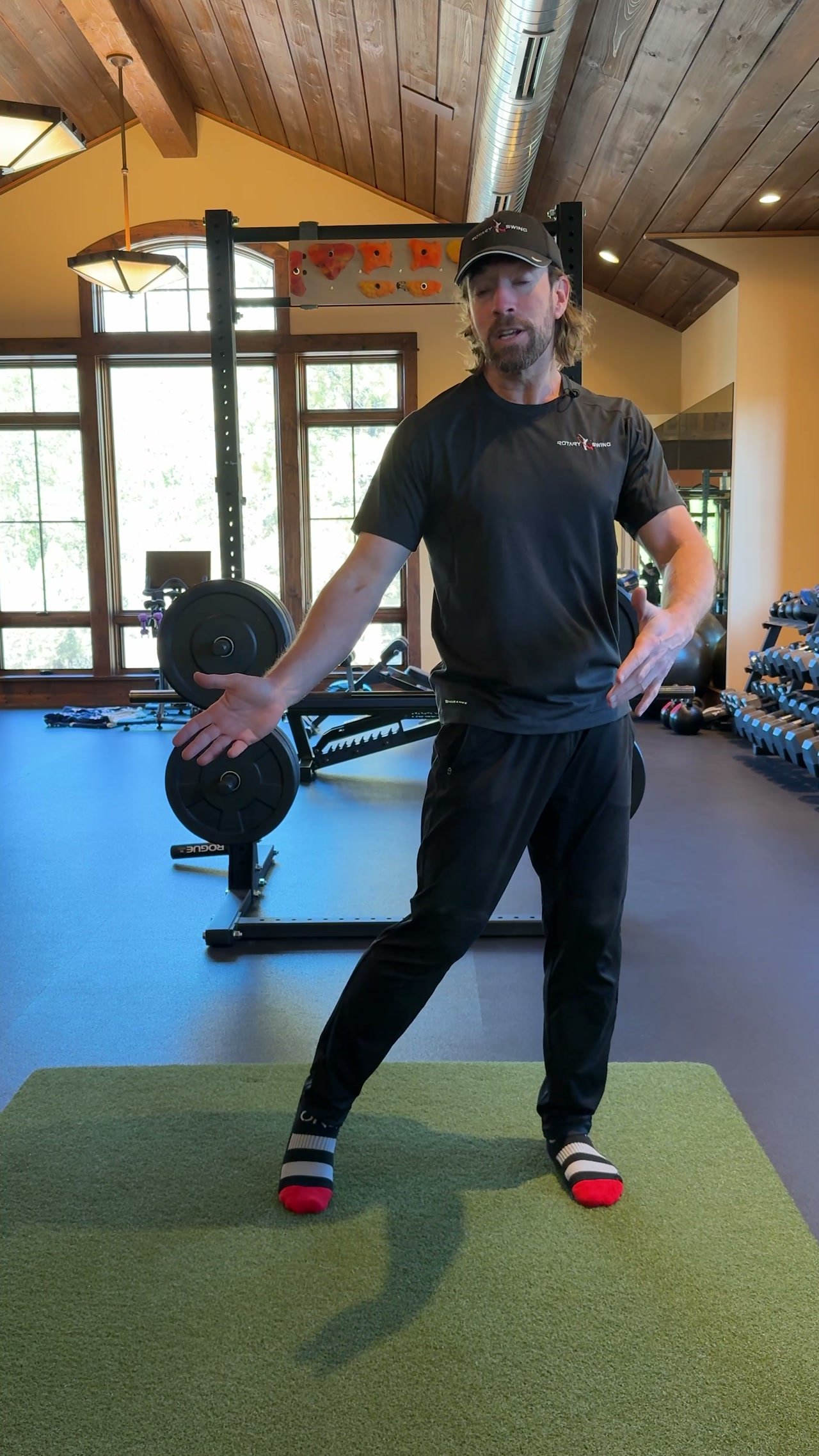
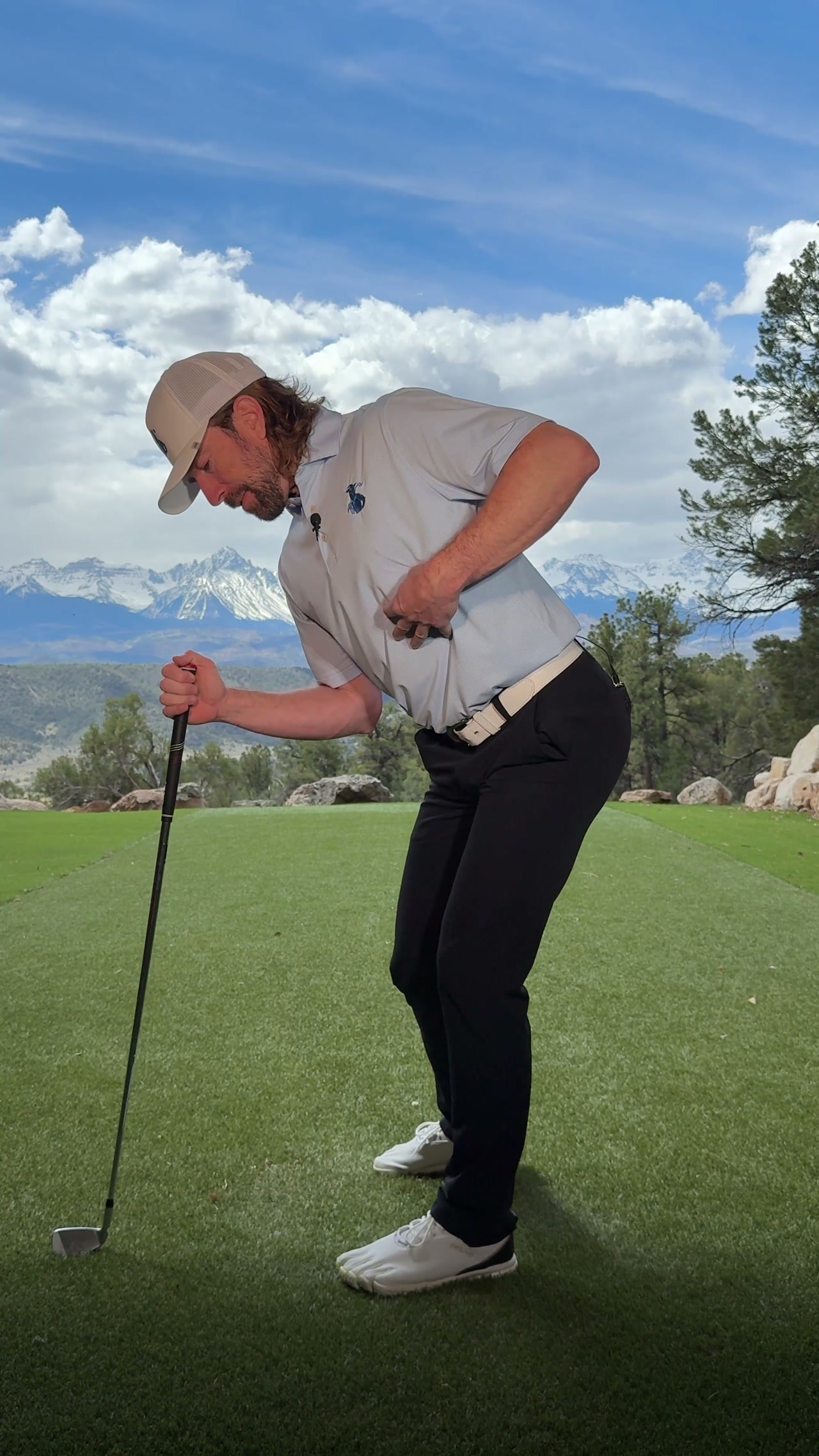
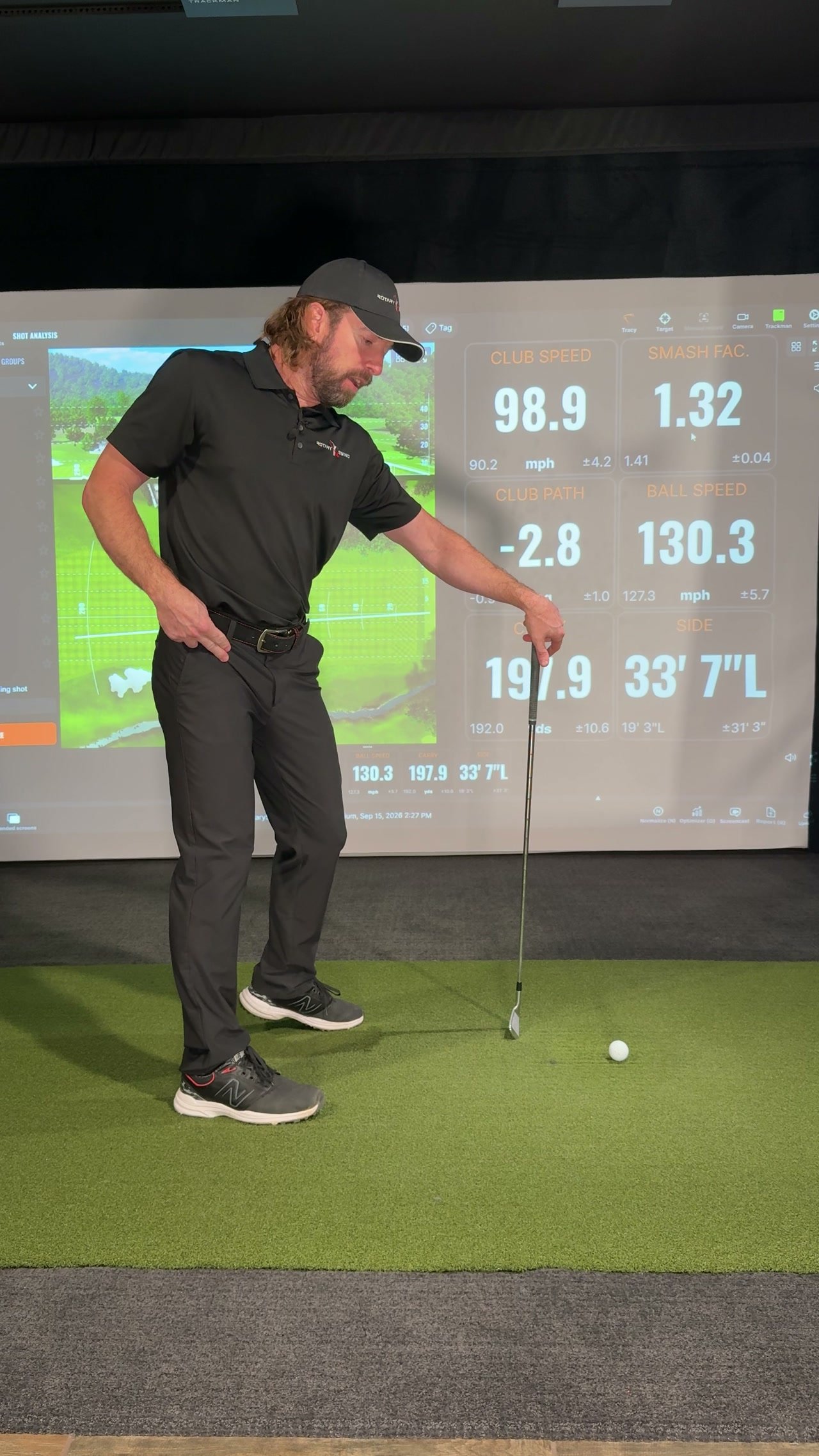
So as you start, you're going to feel that your trail foot provides resistance into the ground.
And if you're a right -handed golfer, this is going to be going toward the target, if you will, or in a counterclockwise direction.
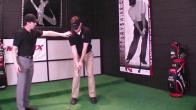
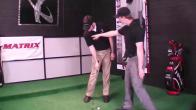
Now, I've seen a lot of golfers try and turn their leg and they say their hip is going this way.
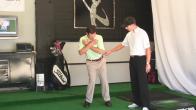
And when you do this correctly, if I'm providing resistance, you'll see that my hip actually goes back that way.
What you're, you're not trying to turn your foot into the ground with your hip.
That's the exact opposite of what you're trying to do.
What you're trying to do is provide resistance as if you were twisting a towel.
And if you're going to twist it with your top hand, the bottom hand has to provide some resistance.
If this hand's just allowed to twist, then there's no torque created.
And that's what you're trying to do in the golf swing.
You're trying to create torque.
And so what happens is, is I resist with my foot.
And this will make more sense when I show you from your perspective in just a moment.
As my foot is twisting, resisting toward the target, that actually drives my hip back.
But if you're trying to use your hip and your body to turn your foot into the ground, you're missing the point because your body is trying to create torsional resistance or a spiral from the ground up.
So as my leap, my trail foot resists and twists into the ground that way, that actually drives my hip back.
And that's what starts the entire swing as you shift and get pressure over here.
Now you're in a position where you can load up.
And this is really no different than a baseball player.
If you were to throw a ball when you're loading up, you don't let your foot roll out this way because then you're not creating any torsion.
You're not creating any resistance.
See, if my foot and hip go together, there's no resistance.
So now I have to use my whole upper body to sling the club.
But when I create resistance, this is loading up like a spring and then my core is going to fire.
And that's really the key that most golfers are missing is that.
As I'm providing resistance with my foot twisting into the ground so that my knee is like a torque coupler.
Don't try to use your knee, let your knee relax and your hip relax.
And respond to this pressure that you're creating with your trail foot to drive this back.
And then once that happens, you're going to be loaded up.
You should feel your glute really activated at this point from down the line, it's driving my hip back just a little bit, it's keeping it deep.
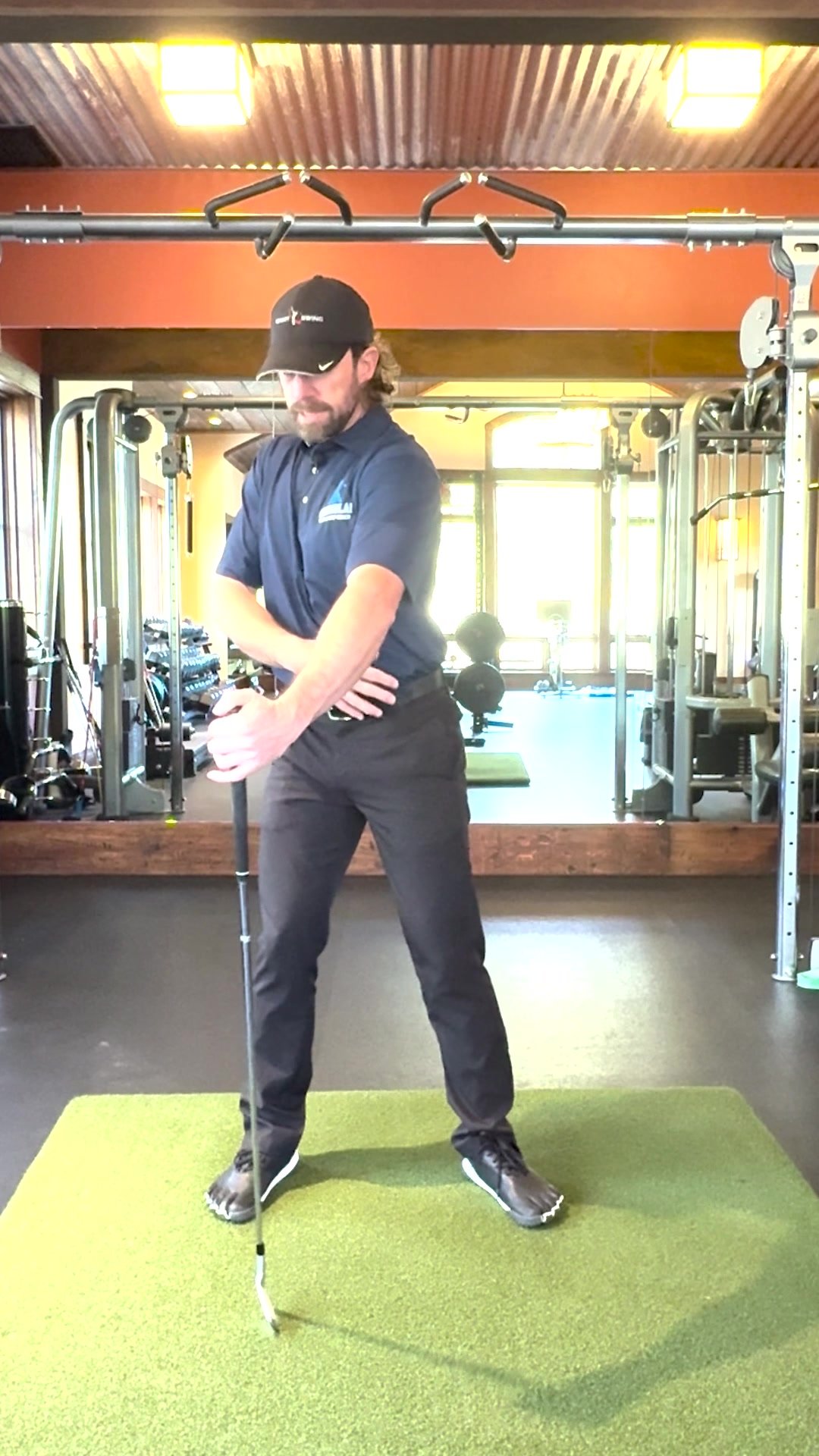
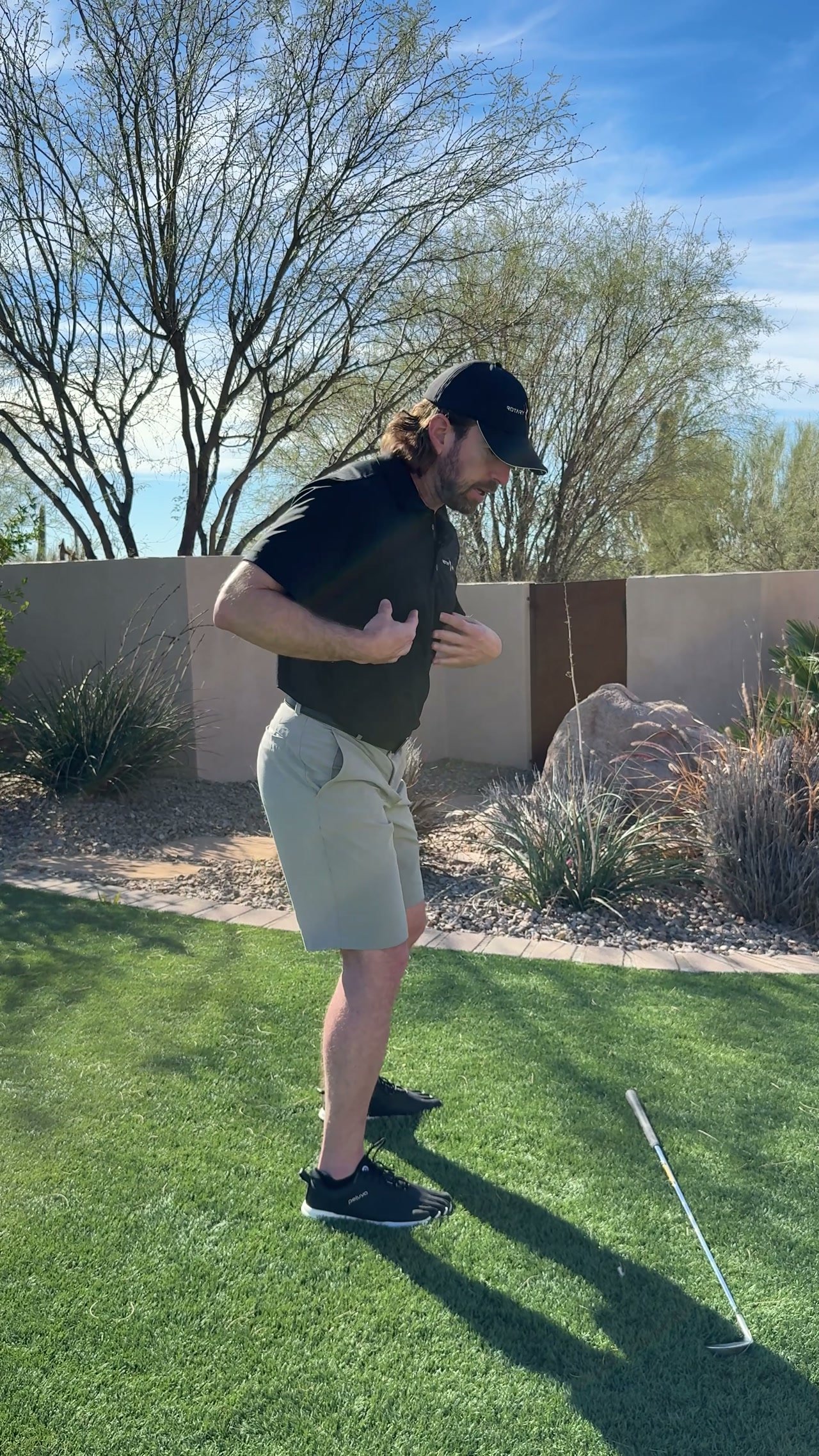
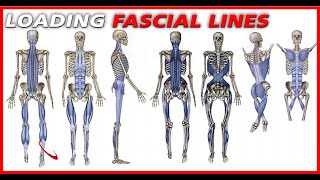
And this is critical because I need my pelvis to act as an anchor for my core, my belly, and my fascial oblique slings to load against.
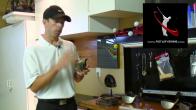
Now again, if everything kind of just goes back together in the backswing, so I let my foot twist out, I don't have any resistance on my foot, and I'll explain why I'm wearing these goofy looking shoes in just a moment, and then I let my upper body go back and my hips turn, there's no torque.
So literally I could stay here all day.
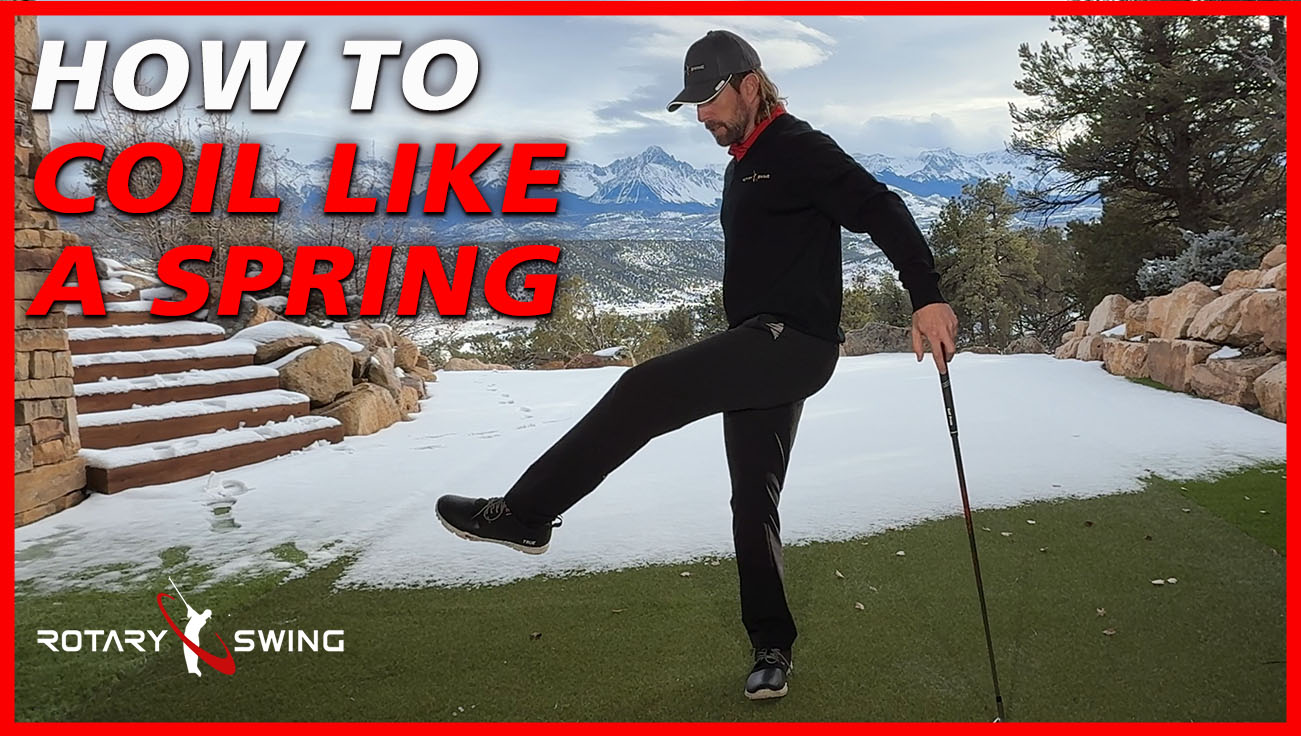
You want to feel coiled up, like a spring to where it's uncomfortable to stay here.
Because then your belly is starting to unwind you, and that's what slings your arms back through impact.
If you don't have that torque, you're gonna your proprioception.
Your brain's gonna pick up on this and say, like, No, I need to add arms, and you'll keep adding arms no matter what.
And that will cause you to continue to fail by lifting up the club with your trail arm.
So the key resistance with the lower, with the foot.
That's giving me something to load against.
And now I'm very coiled up and that's going to help me fire everything on the way down.
There's a couple little things I'm going to show you from your perspective in just a moment that are a little bit strange and unique at first, but once you see them in other elite players, it's going to start to make sense.
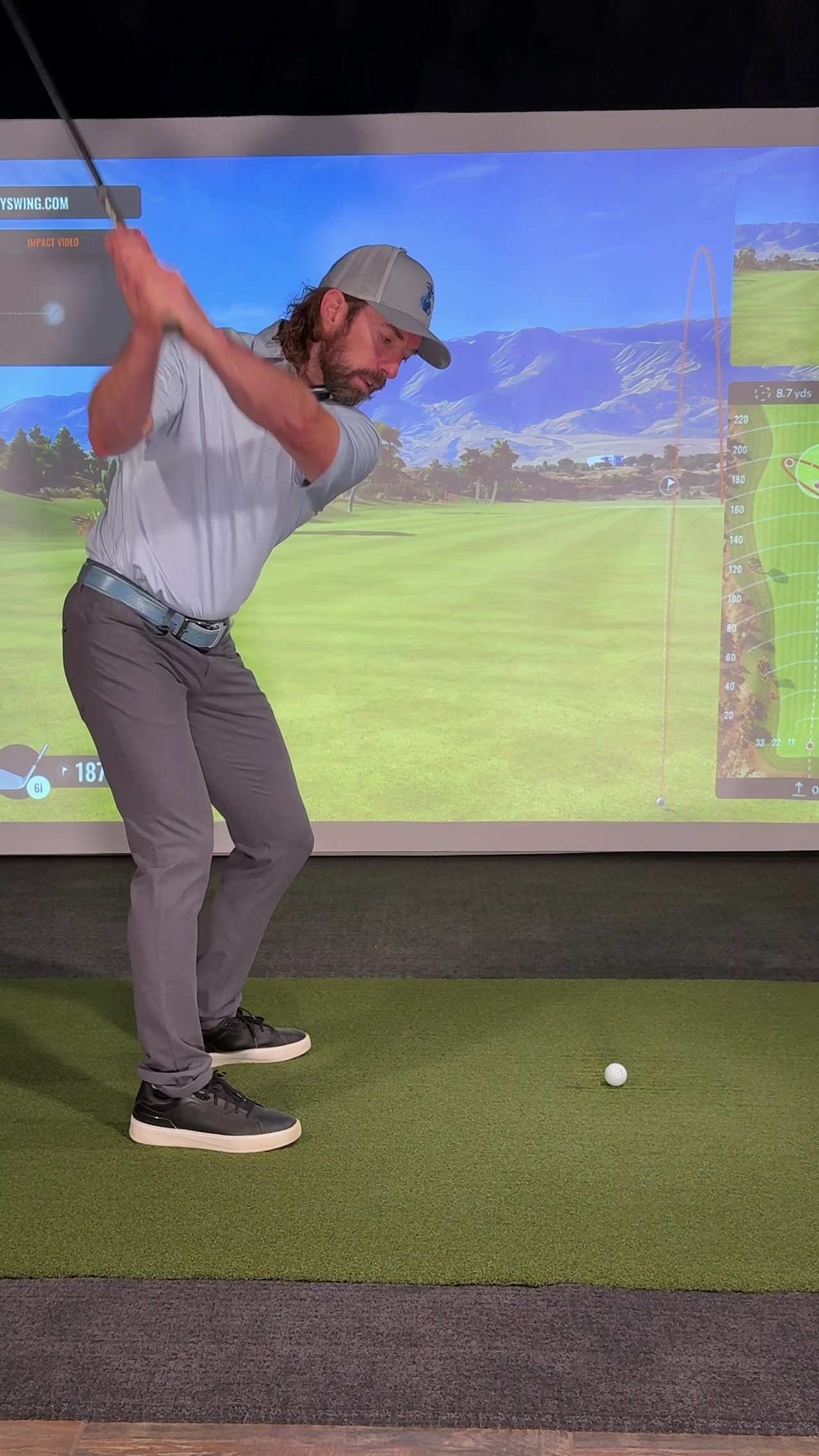
So the first little thing, as I go back and get into my trail side, there's a little kind of rock and I got to get some momentum.
So this is obviously way bigger movement than I would really have in the swing, but this movement is what's happening because that's going to get some rocking motion to start getting everything to give momentum to my arms.
You never want to pick your arms up.
And that's what I've seen thousands and thousands of times.
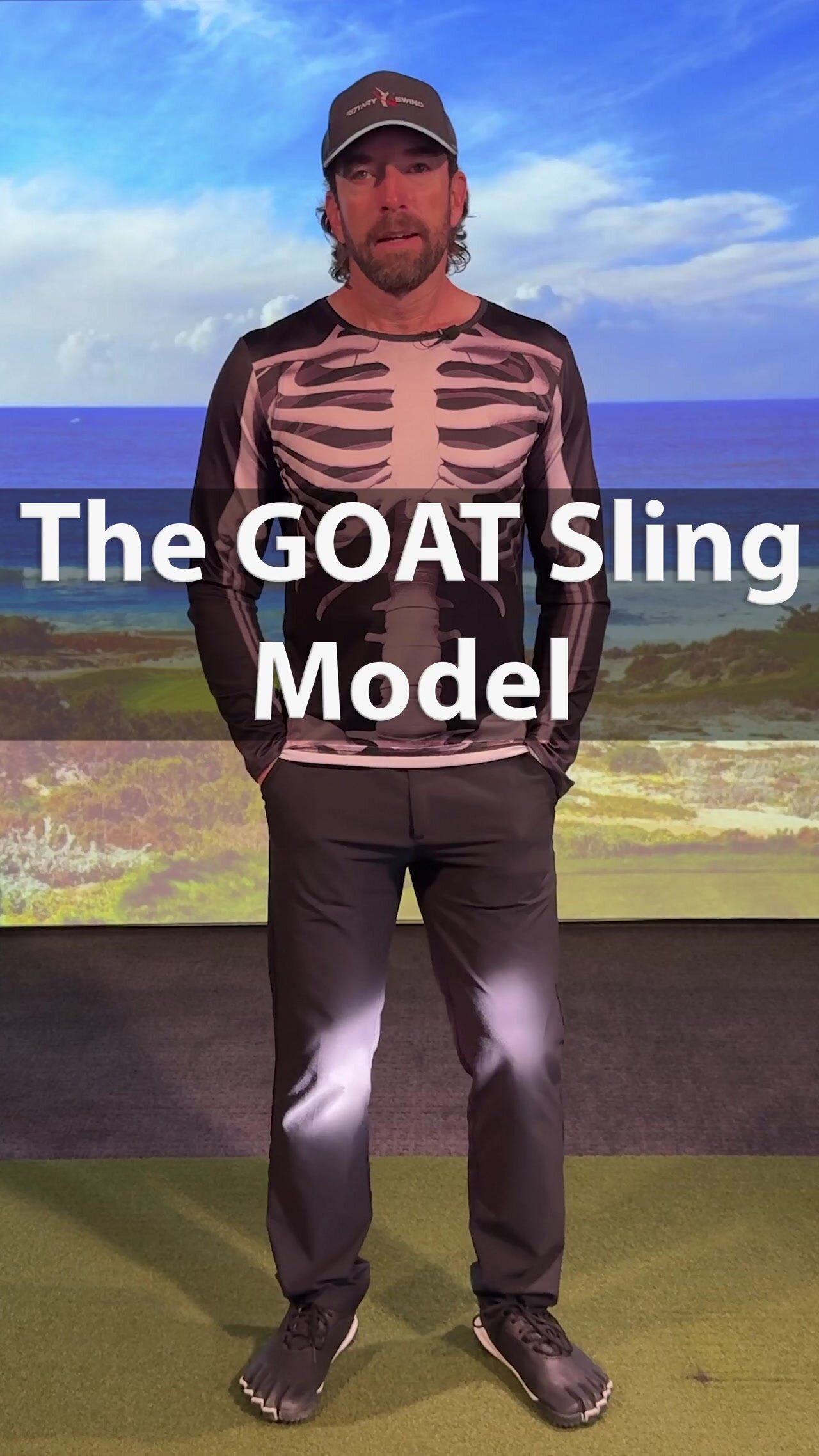
With all the goatee data that we have, is that almost everyone fails this first gate at the beginning, picking the club up with their trail arm.
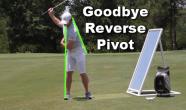
Once you start having this feeling, the next key is keeping this hip deep.
What I mean by that is that if you are loading and you feel a stretch across your belly, then what's going to happen is that this hip?
In order to stay back, your trail leg is going to kind of actually go like this, and again, I'll show you from your perspective in just a moment.
But if you see that your trail leg is going like this, you are now pushing off the trail side.
And that's going to cause you again to swing with your upper body and arms.
Instead of letting your body naturally unwind, so as you go back, you don't want to start unwinding this way.
Sit into it a little bit more.
Stay closed just that split second longer as your arms start to fall back down in front of your body.
And that's what's going to get everything to sling through together.
But if you're trying to muscle it and try to help it, you're missing this.
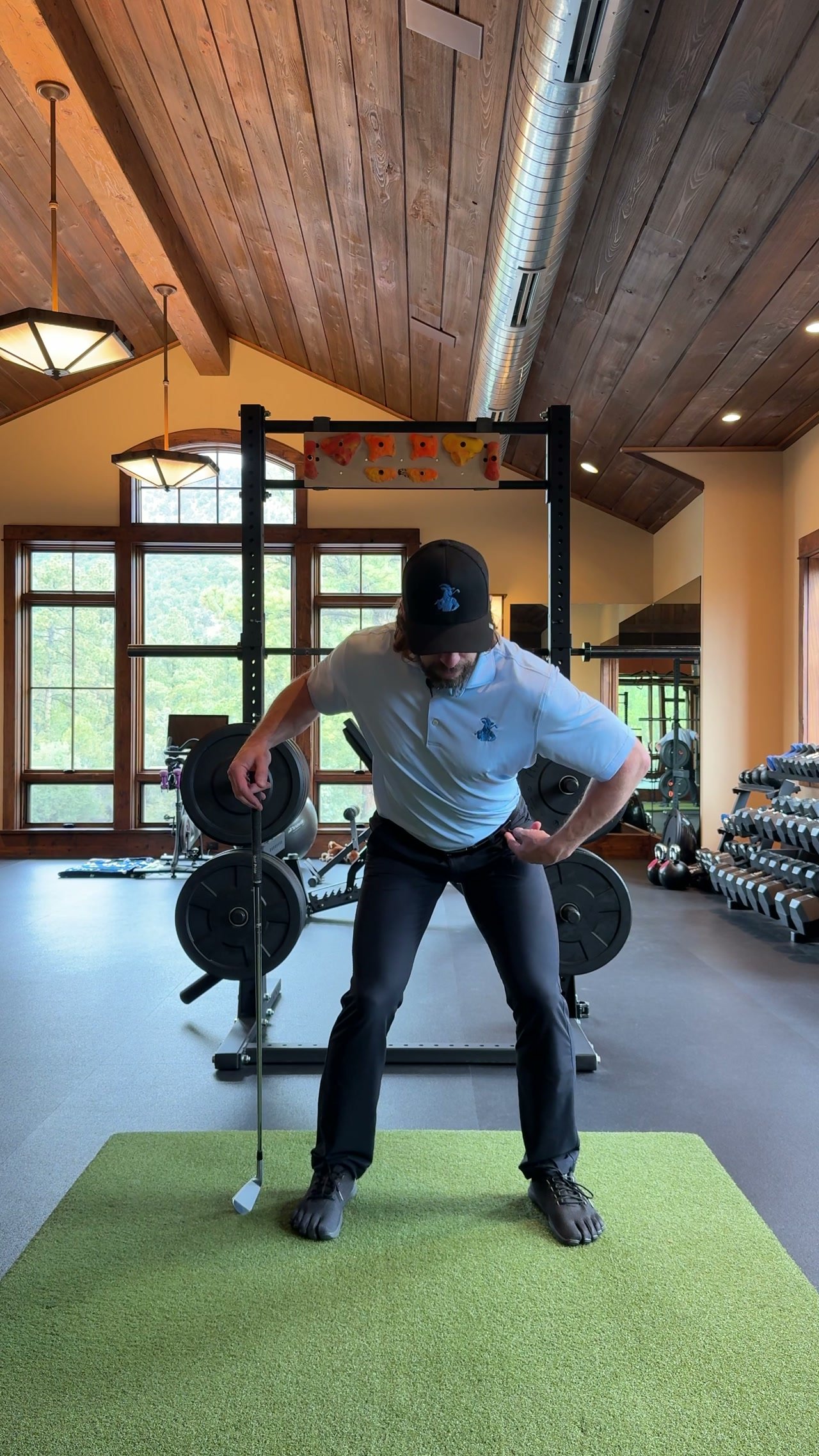
So as you go back, sit down just a little bit, and I'm going to show you from this perspective, sit down just a little bit.
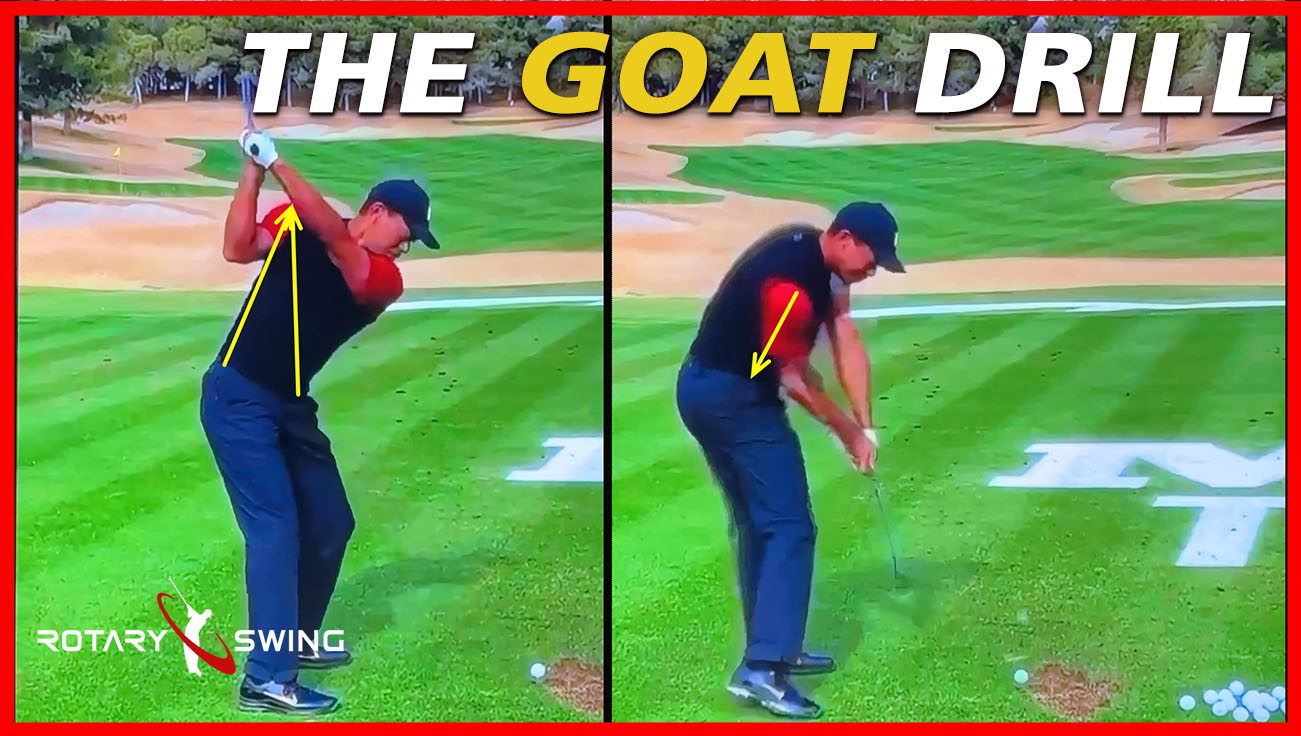
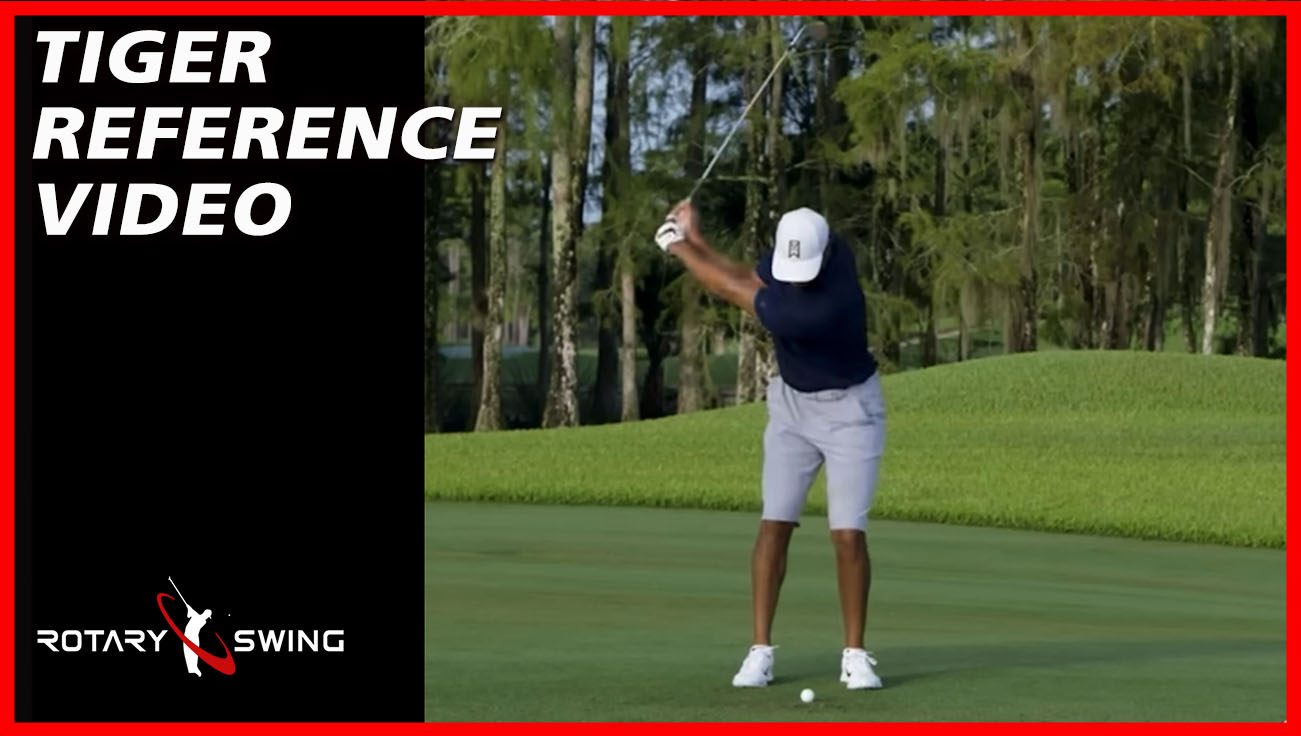
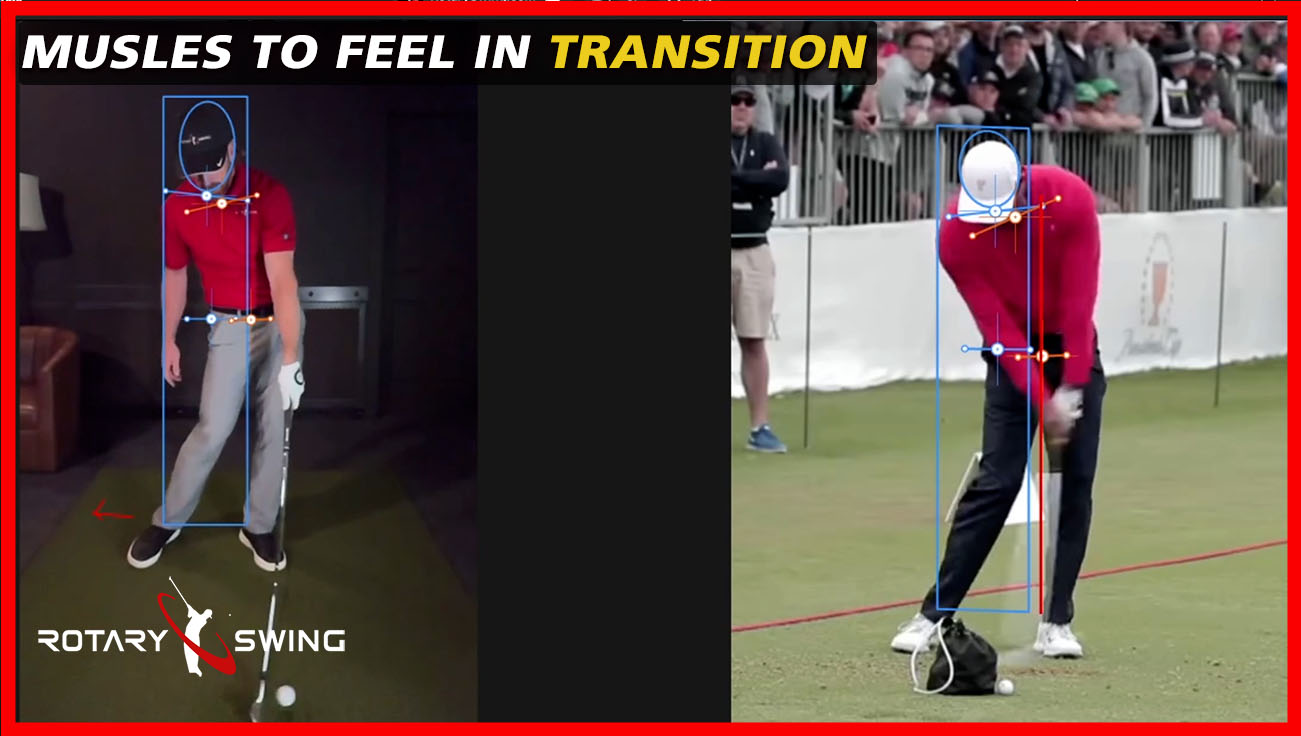
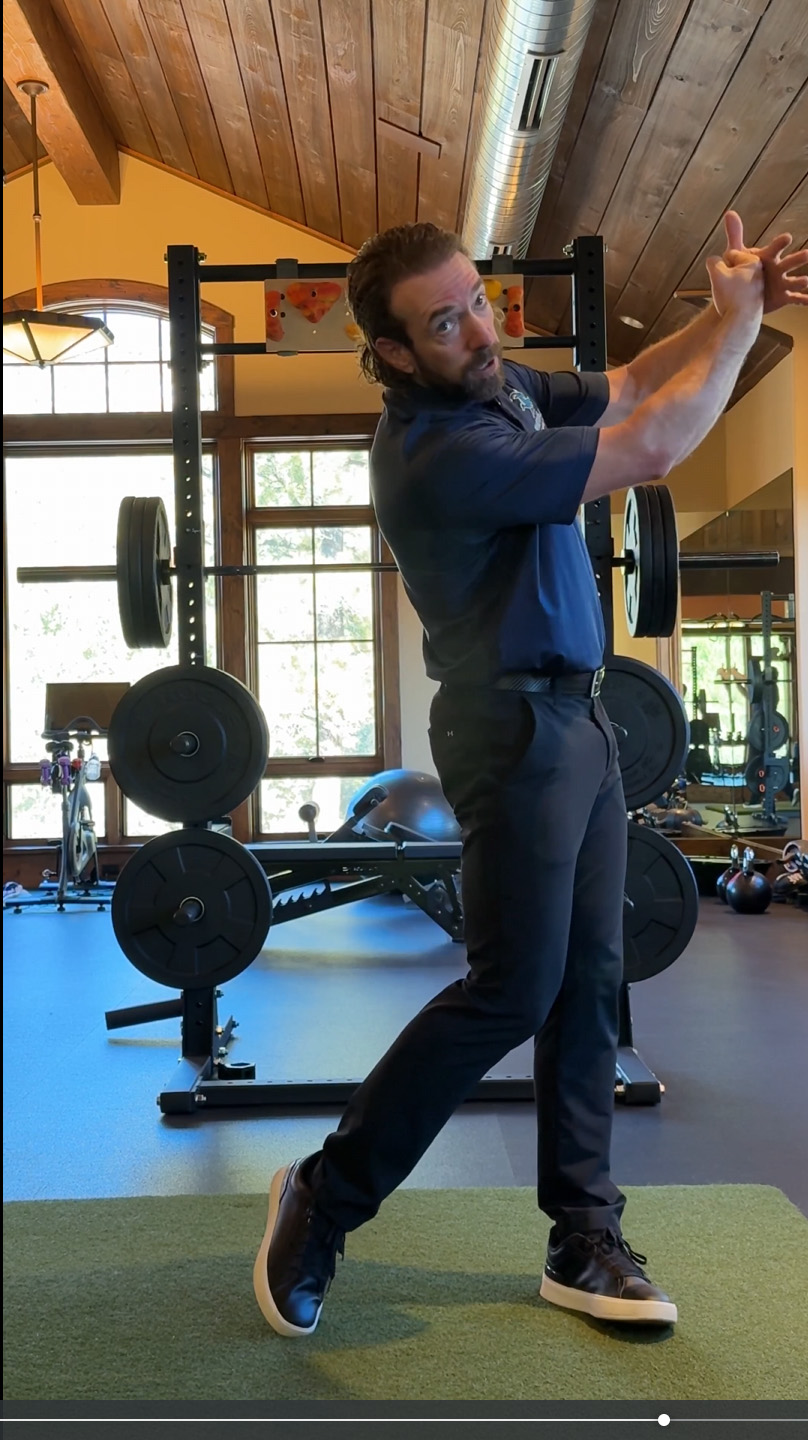
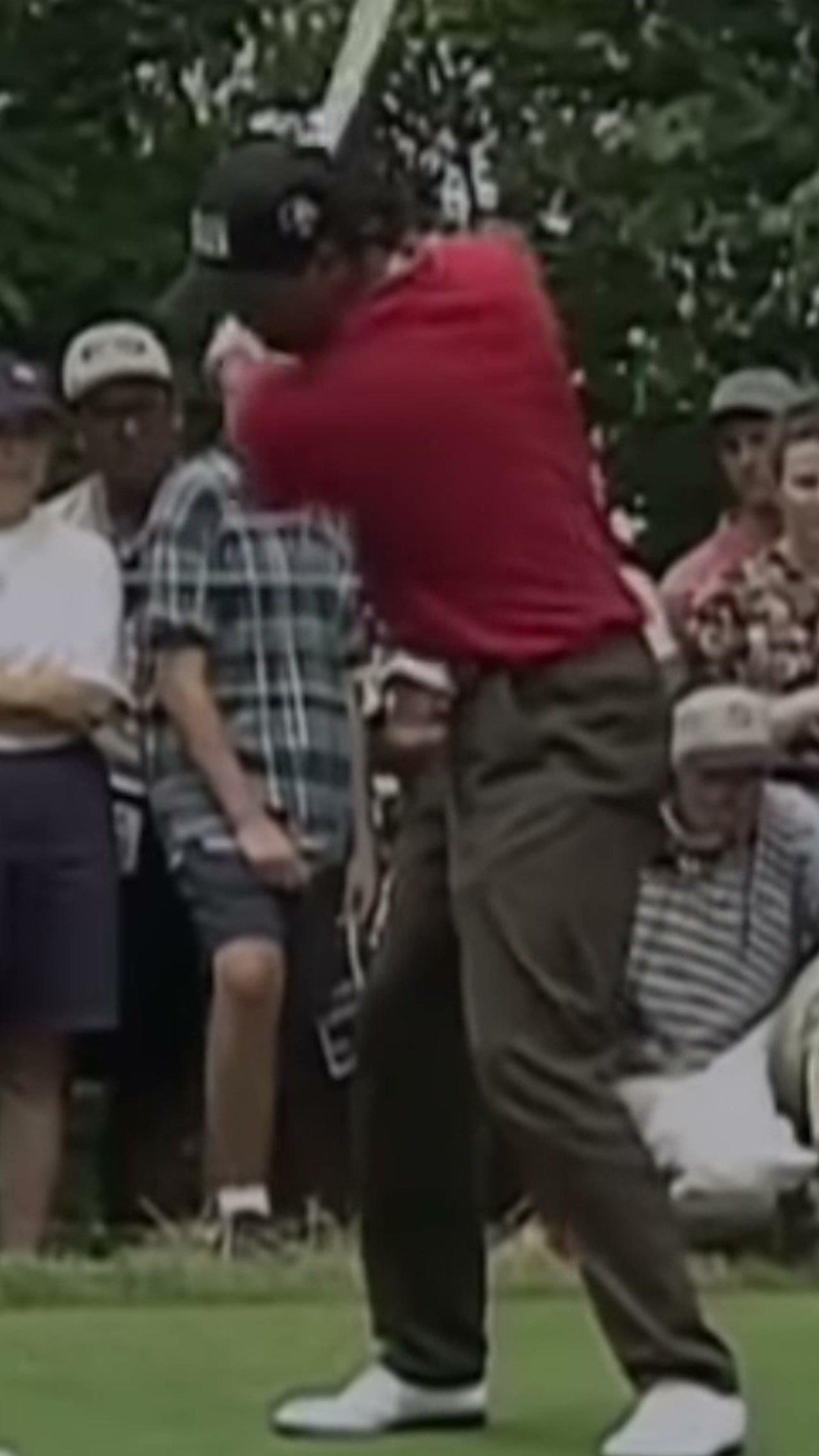
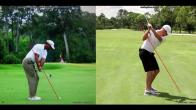
This is where you see really, really powerful players like Tiger have that squat.
This feeling is keeping this hip loaded during the transition so that my fascial slings in my belly can begin to unwind against the stable lower body.
So again, you don't want to ever feel like you're driving your hip or pushing off your foot.
You'll see that's going to cause early extension and for you to come down steep.
So as you go back, sit into it, wait, keep your hips closed, keep your shoulders closed.
Your arms would be falling at this point, and then your belly is going to sling them through.
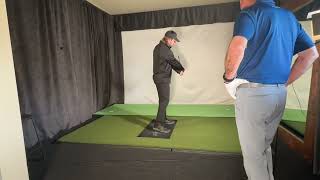
Now let me show you from a different perspective what this is going to look like when you're practicing inside.
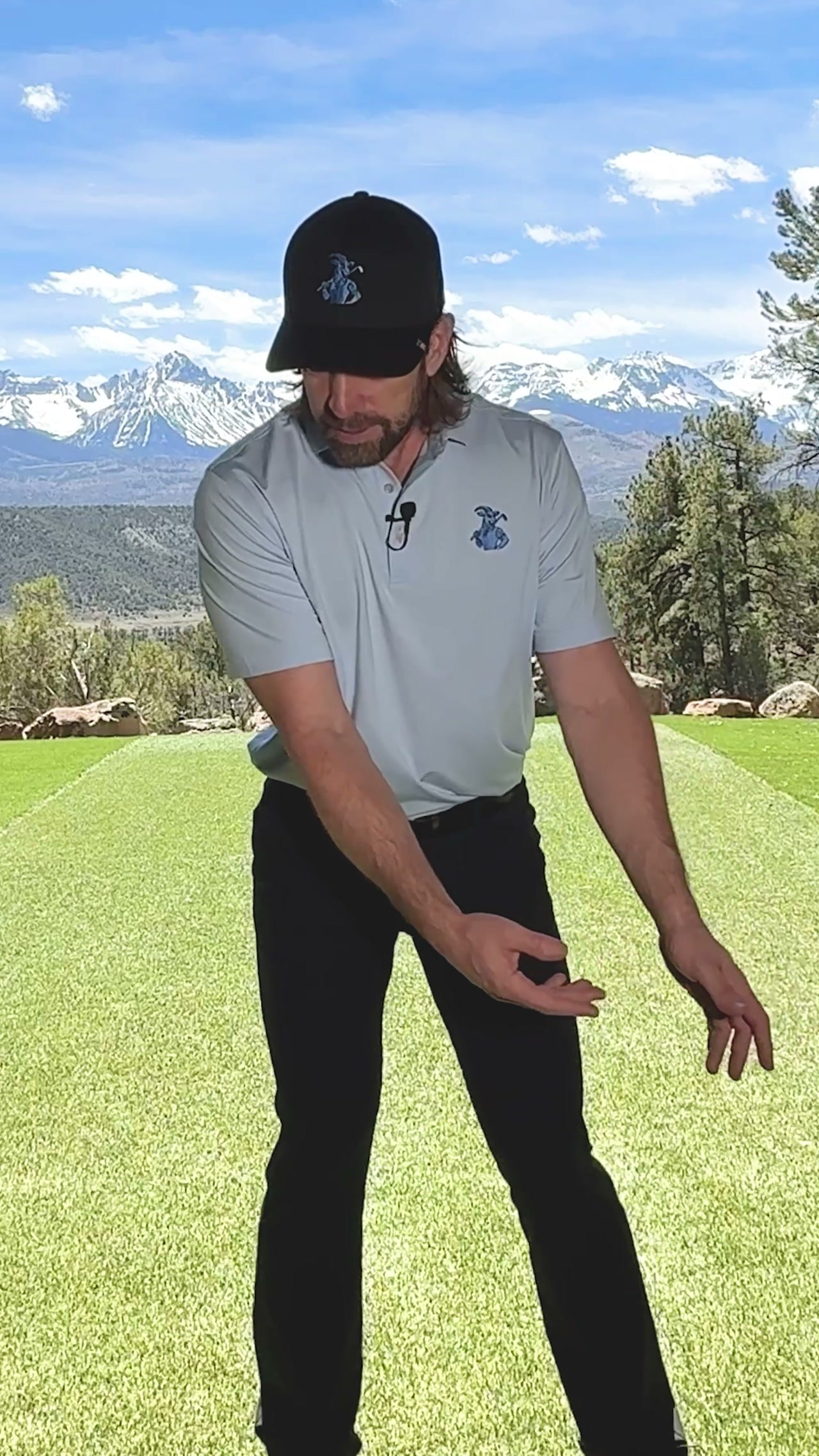
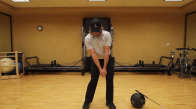
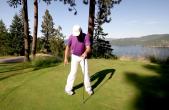
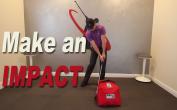
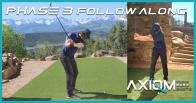
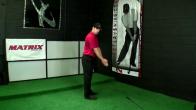
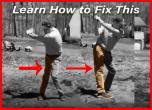
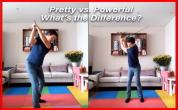
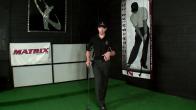
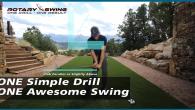
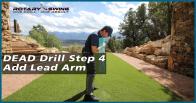
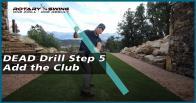
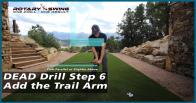
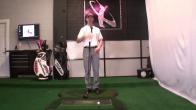
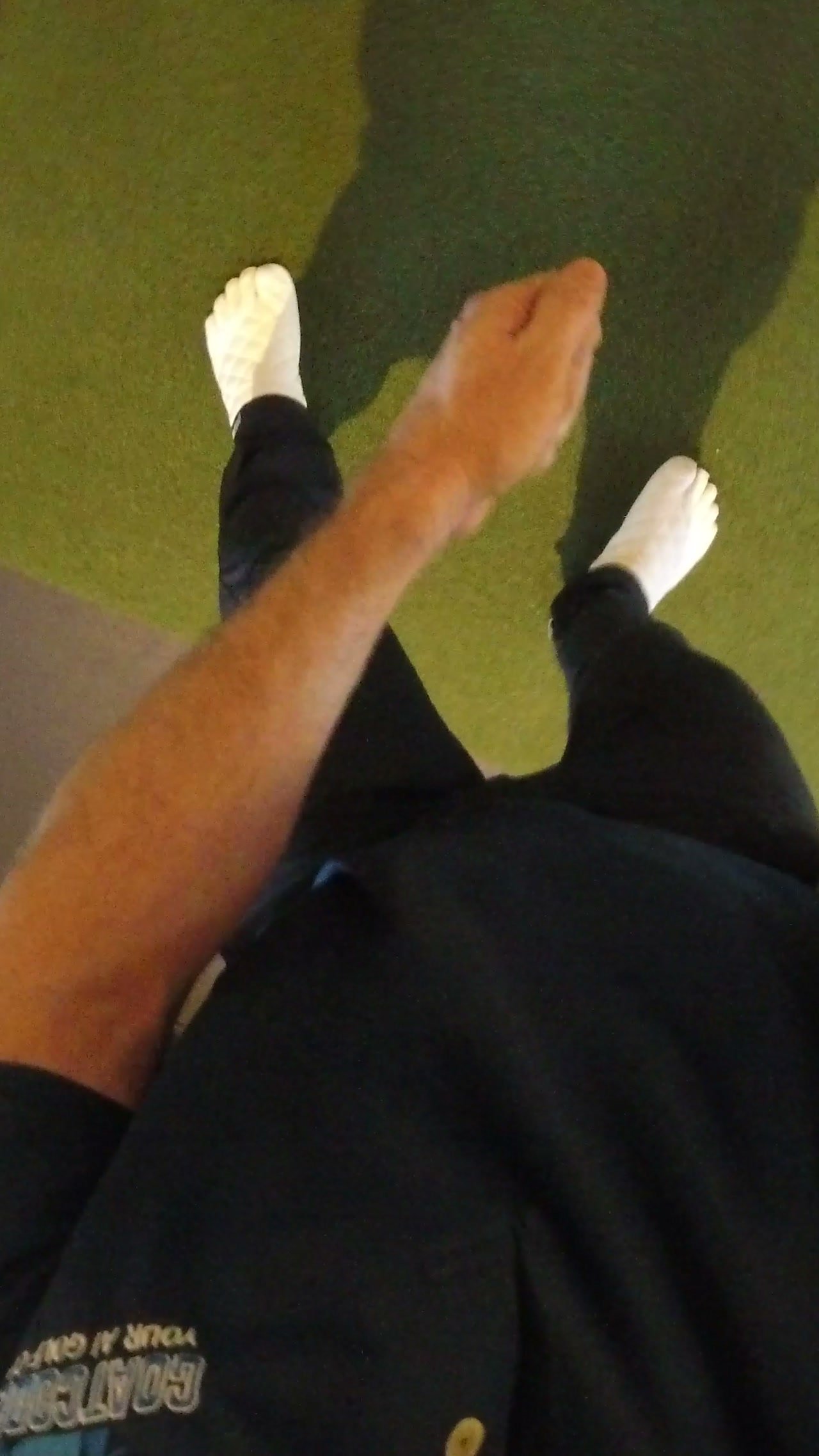
Now I have a camera on my head so that I can see my shadow.
Shadow golfing, like shadow boxing, is so valuable to start to understand what's really happening and starting to feel a more 3D perspective on your golf swing.
So get a light behind your head or even out in the sun.
You just need a shadow and you can start to feel this motion very simply.
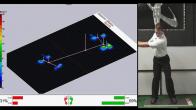
And now you're going to see the reason I wear these shoes.
One, they give you tremendous feel for what your feet are doing in the ground.
Because your feet are so vitally important to the golf swing, and these shoes are perfect for this.
But you'll be able to start to see little different movements that I'm going to show you in my feet.
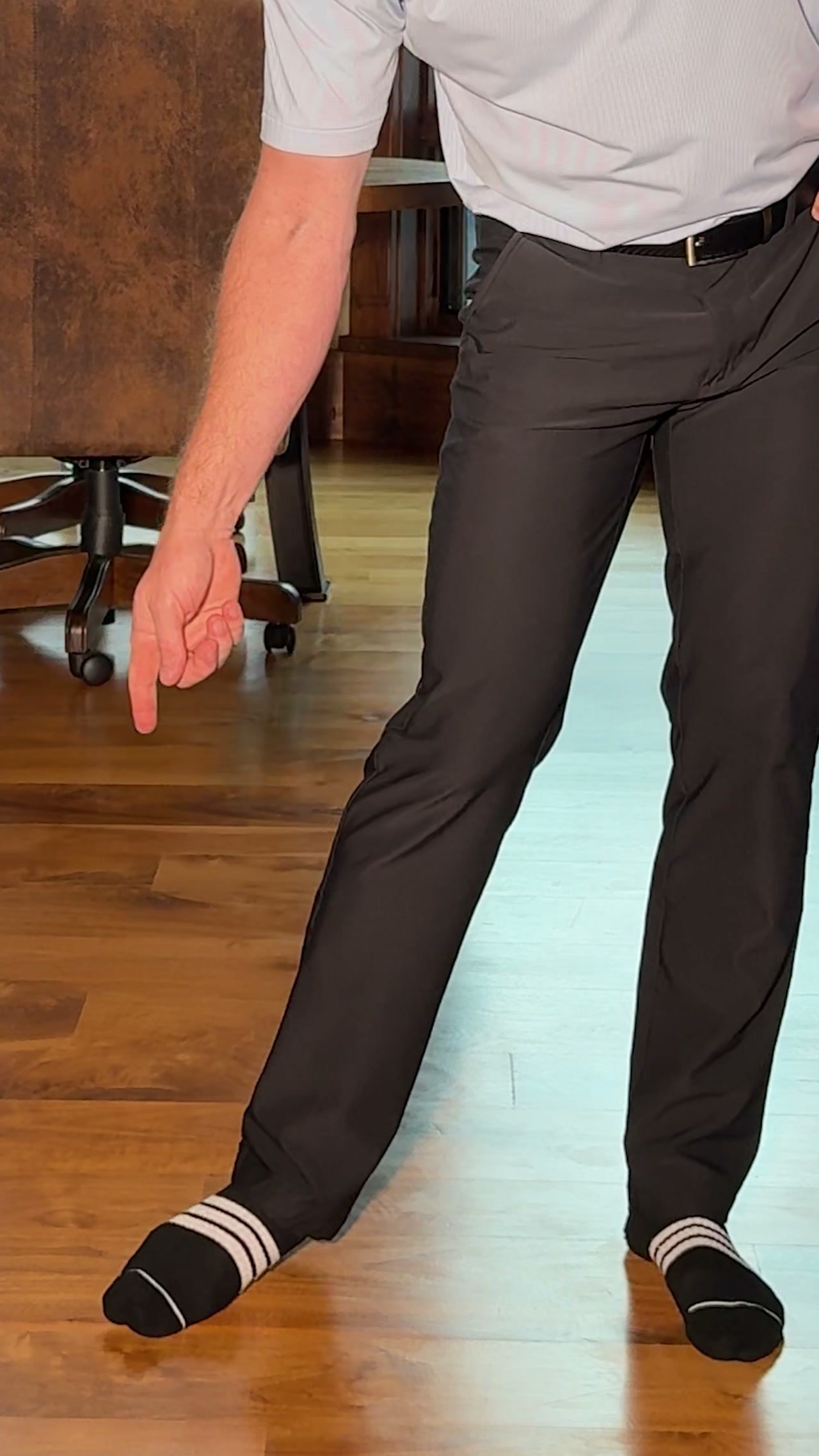
So first, as I start to go back, you'll see I'm just going to exaggerate this motion when again, I saw many people trying to turn their foot into the ground like this.
Because you're trying to use your whole body, relax your legs, relax your hips, you're not trying to use your hip to screw your foot into the ground.
Your foot is providing resistance.
And as it's providing resistance, as my knee and leg and hip are relaxed, you'll see that you can see my foot just twisting slightly into the ground.
And as I relax my hip, it naturally goes back.
And this is getting that hip depth that you need to start to stretch your belly here.
If you don't have that hip depth, you're going to start to be in a position where you don't get any stretch across your core.
And if you don't feel stretch across your belly, you're not loading your fascial slings correctly and you're going to have to muscle the swing.
So again, I'm going to relax my knee and leg and quad and glute.
And I'm going to just start to provide resistance, just a slight resistance against the ground.
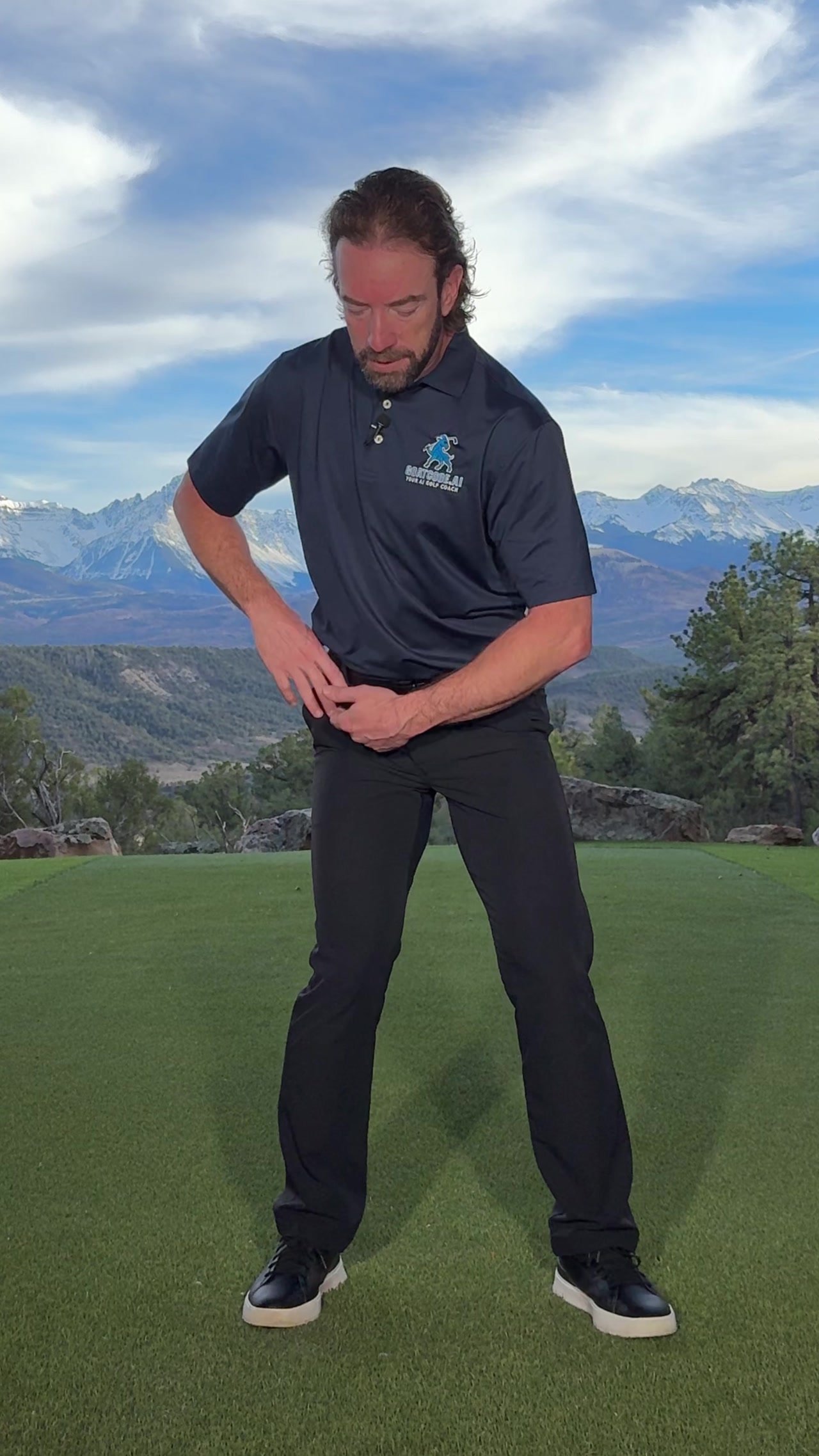
And now you can see my right butt cheek back here, my trail butt cheek.
I'm going to put my hand on there.
Kind of like a shark fin.
Watch what happens as I do this, where is it moving?
You can see very clearly in my shadow that's moving toward the target.
I'm starting to coil.
I'm not sliding laterally, not reverse shifting, I'm just providing torque and resistance with my foot into the ground.
That's driving my hip back.
Now, this is most of the backswing is done already.
All I did was just provide that resistance, let my hip and knee go back.
My leg extends slightly and now you can see my ribcage is rotated a ton, but all I've really done is focused on moving from the ground up.
And you'll see that's moving my hip back toward the target.
Now, what needs to happen here is as my hip needs to stay deep during that transition, you don't want to see that you immediately go like this.
That's a death move in the swing.
What you're going to feel is that you stay there and now slightly sit back.
So now what I'm feeling is almost trying to, I'm trying to sit my right butt cheek down into a high stool.
This is again, in the real swing, this happens incredibly fast.
I'm just exaggerating this to help you feel it.
So now you should feel even more coil on your hip and your outside of your hip and your glute.
And now what's happening is I've got a really stable and twisted coiled torqued up base and a whole body that as I'm doing this at speed, my belly is now able to stretch against this anchored hip.
If my hip is moving with my body, there's no stretch.
But once I get anchored and I sit into it just slightly, you'll see that it's kind of going to drop my head just a little bit.
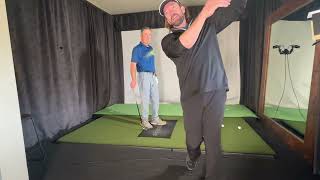
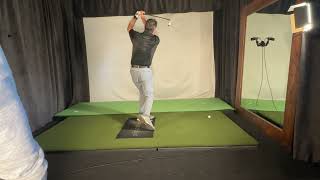
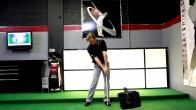
I'll show you from down the line here in this camera view as I go back.
As this hip goes deep and my hip keeps going toward the target, I'm now really deep with my hip.
It feels like my hips moved a foot compared to where it was at address.
And again, these are slight exaggerations, but this is what you should feel as you're doing this motion.
And now my chest and spine are actually tilting slightly further down toward the target.
And my hip has to go back in order to make room for that.
And it's not just going back straight away from the ball.
It's also moving toward the target because we're creating rotation.
So now, as I do this and my hips anchored and I sit back.
Now.
I want you to focus on my trail femur here as I start to sit back into it, note that my femur is kind of pointing outside of my foot again.
If I start rotating when trying to muscle this, trying to use my upper body or push off my trail leg, my femur is going to start immediately going like this.
And I lose all of that tension that I built up in the swing, and I have no torque it in my swing, so I have to muscle it instead.
I don't want to do that, so I'm staying back on this trail hip.
And now, as my as a momentum would build, my belly would start to get really stretched.
And that's what I want you to try and feel.
First, relax your arms, start with this ground resistance.
So I kind of bump to the left just a little bit and then I get back to the trail side.
My trail foot's creating resistance, my trail hips going back, and I use that to create momentum, to swing my arms and rotate my rib cage, I'm not just trying to turn my shoulders.
That's when you're going to see the gate fail.
That said, you started with your upper body first.
You can clearly see that's going to move my head, and my upper body is going to start first.
That's going to move me completely out of sequence.
If I start from the ground up, just this little torque, you can see my foot just twisting to the ground, my trail hip going back.
Now I'm in a great position to be loaded.
And if I do this with speed, my arms start to really stretch across this midsection of my body.
And that is what's going to unwind.
So as I get there and my hip stays back, watch my trail hip now I'm sitting into it, then it's going to start to unwind back this way.
But that's really happening as a result.
So if you think about it in this way, it all starts from right here.
The ground up, that spiraling motion builds all the way through my body.
It stretches my core, my obliques, my fascial slings.
They start to unwind first.
So as that's happening, my pelvis is now just responding to this.
And so everything unwinds in the reverse direction.
So the first move starting down is my obliques are starting to unwind.
My pelvis is providing the stability for my upper body to rotate on.
And now my foot, watch my right foot now.
Now it's twisting in the opposite direction, not because I'm trying to twist it, but because I'm producing torque in the golf swing.
So as my upper body is loading against my pelvis and it begins to unwind, My foot is going to do this and now it's.
But again, it's just responding because everything in my core is unwinding and now I'm in a great impact position.
So when we look at this from down the line, I'm going back as I do.
Momentum, I feel my as my shoulders kind of get slung around with from momentum that's generated from my whole body loading up and creating torque.
And then it's my hip stays back as I come down, I feel like I keep my hip even deeper to start down.
Because that's giving me that stable base for my belly and fascial slings to unwind on and bring everything down and impact.
So that is the most important thing.
If you practice with your shadow and you start seeing your body and your feet and your hips and everything move the way.
I just showed you, you'll be in a perfect position.
You'll be able to naturally start feeling your arms just being literally moved, starting from the ground up.
I almost feel like my right foot, my trail foot is kind of everything that I focus on.
In the swing.
That creates everything spiraling, winding up from there, and then everything unwinds on its own.
Try a free live lesson with GOATY
GOATY, my AI golf coach, watches your swing through your phone camera and coaches every rep. Free, about 20 minutes, no credit card.



philip
Craig (Certified RST Instructor)
Ewan
Craig (Certified RST Instructor)
Ewan
Craig (Certified RST Instructor)
Atle
Chuck
Eric
Chuck
Scott
Chuck