











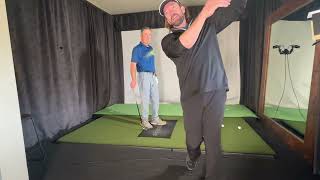
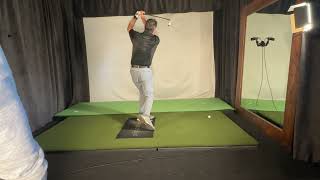
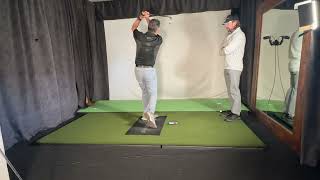
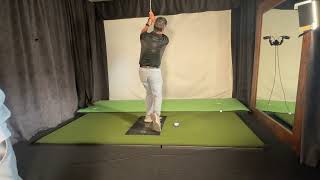



































































































How to Get Your Hips DEEP in the Golf Swing
Try a free live lesson with GOATY
GOATY, my AI golf coach, watches your swing through your phone camera and coaches every rep. Free, about 20 minutes, no credit card.
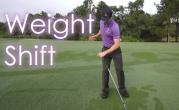
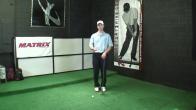
Want to work with GOATY and stop GUESSING on your swing? Go to GOATCode.ai Getting your trail hip depth is something that almost every single golfer has struggled with working with GOATY and the reason is what's holding you back from swinging like the GOATs! The key is in activating the glutes and this video shows you a critical drill for glute activation and how to start and sequence your swing naturally.
When you're struggling to get your hips deep enough in the swing and get your sequence moving, when goatee's tagging you that you don't have enough trail hip depth or you're starting to pick the club up with your arms, it's always related to the same thing.
And that is, how do I really get this whole thing started?
And that's what we're going to focus on today is how to get the sequencing going and what you need to feel specifically in your glutes, your butt muscles.
And I'm going to teach you how to feel those really quickly and help you understand how to get the whole swing sequenced and get your hips deep enough.
So one of the things you've no doubt, if you're working with Goaty, you see that he's talking about you're not getting enough hip depth.
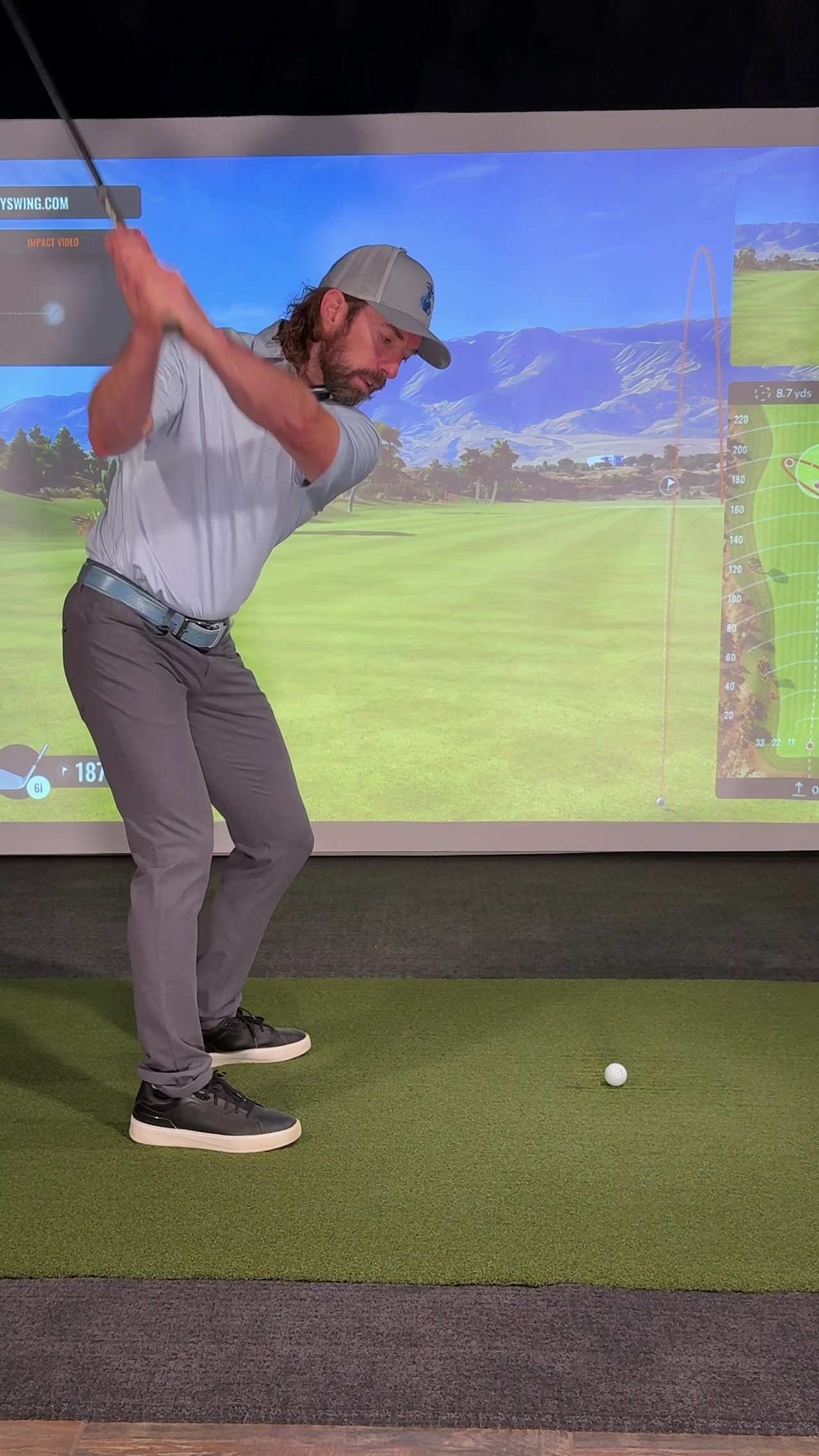
And this is something we see in the vast majority of golfers when they start working with Goaty, is that the trail hip depth doesn't get deep enough.
And when we're talking about deep enough, we're talking about depth away from the target line.
The only way that you're going to do that is both to trigger the swing correctly and to engage the right muscles.
And so the first thing I want you to do is get the feeling of how to trigger the swing correctly.
And this is where everything goes wrong or goes right right away in the swing.
Because if you trigger it correctly, everything's going to start to unfold naturally, and if you don't, you're going to be in trouble.
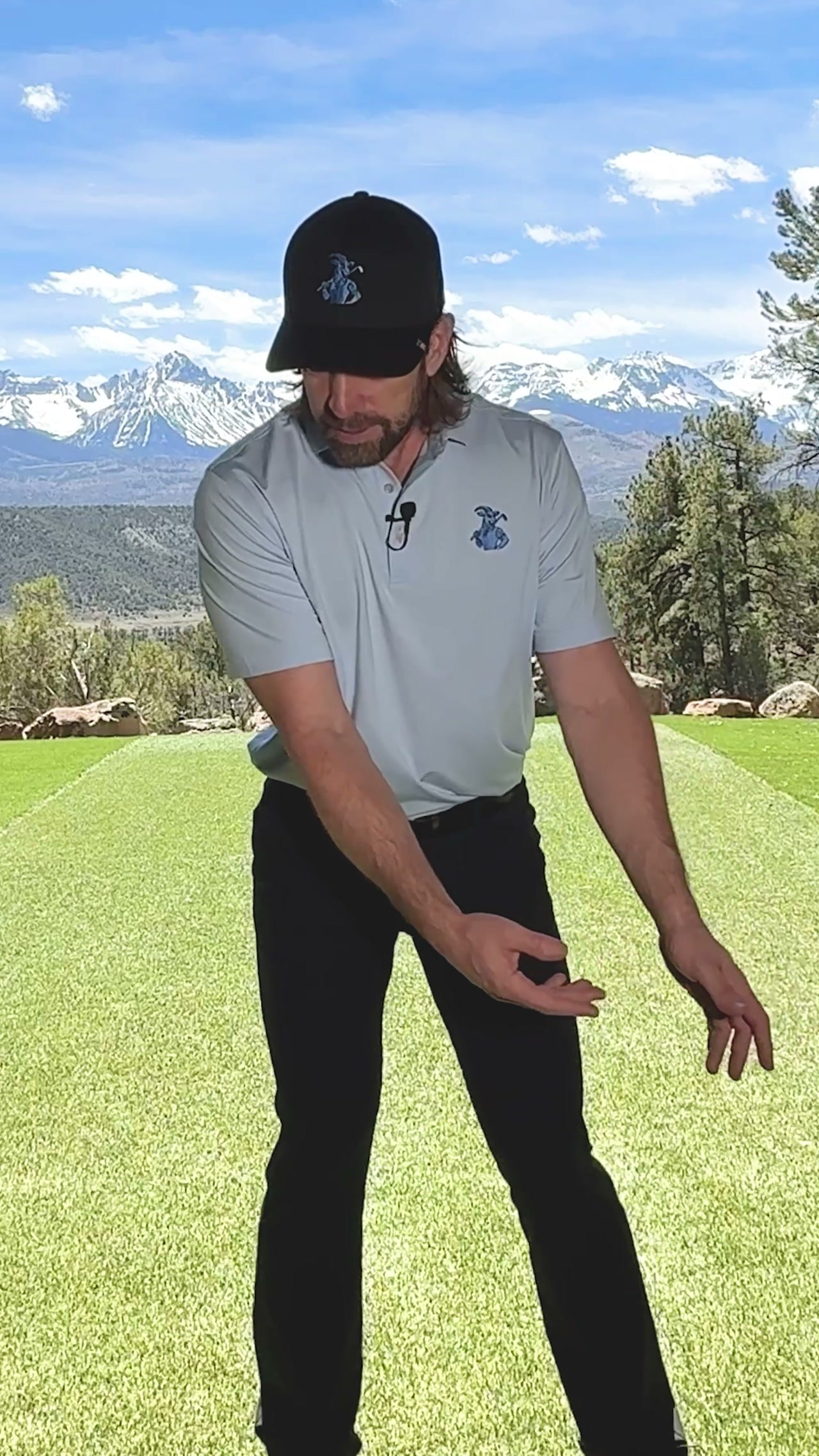
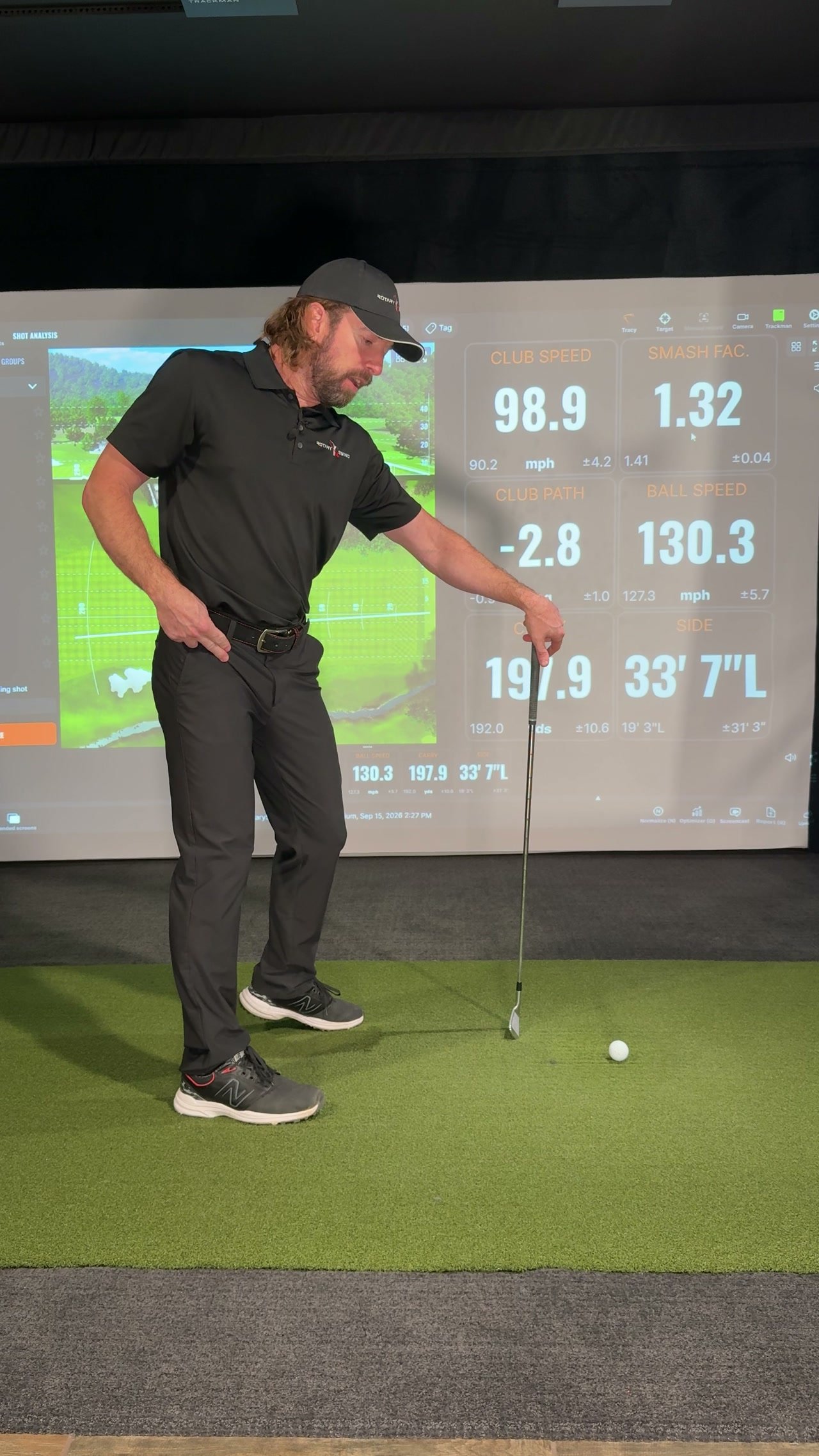
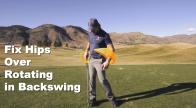
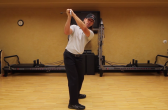
What most golfers do is they pick the club up with their arms, or they start turning their shoulders.
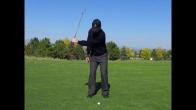
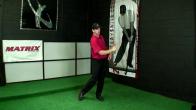
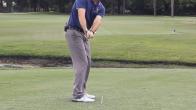
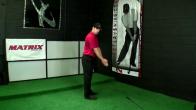
And when you do that, you'll see that my hip doesn't really move.
If anything, it may get pulled forward.
The only way you're going to get your hip deep enough is to move your hips.
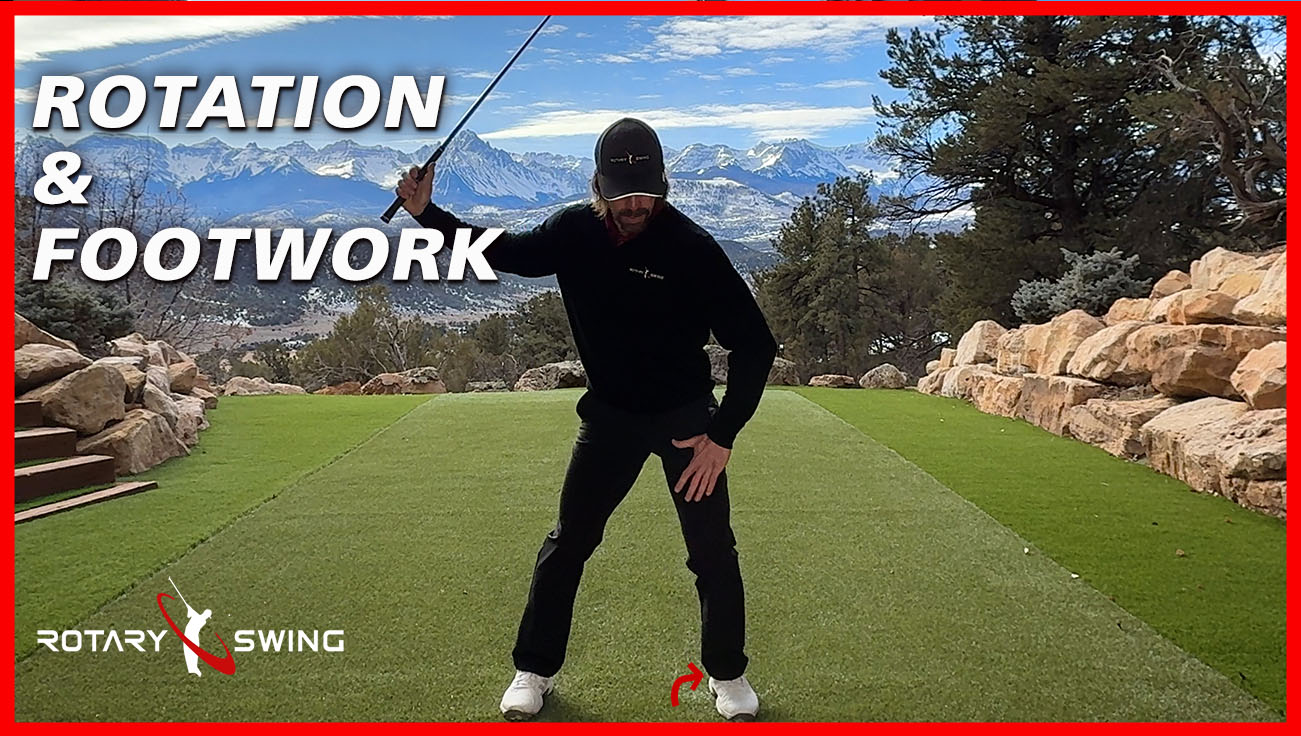
So the first thing I'm going to have you feel is to learn how to rock forward with your hips and then rock back to get the hip deep enough in order to give your rib cage and your arms momentum from your pelvis.
And that all starts from the ground up.
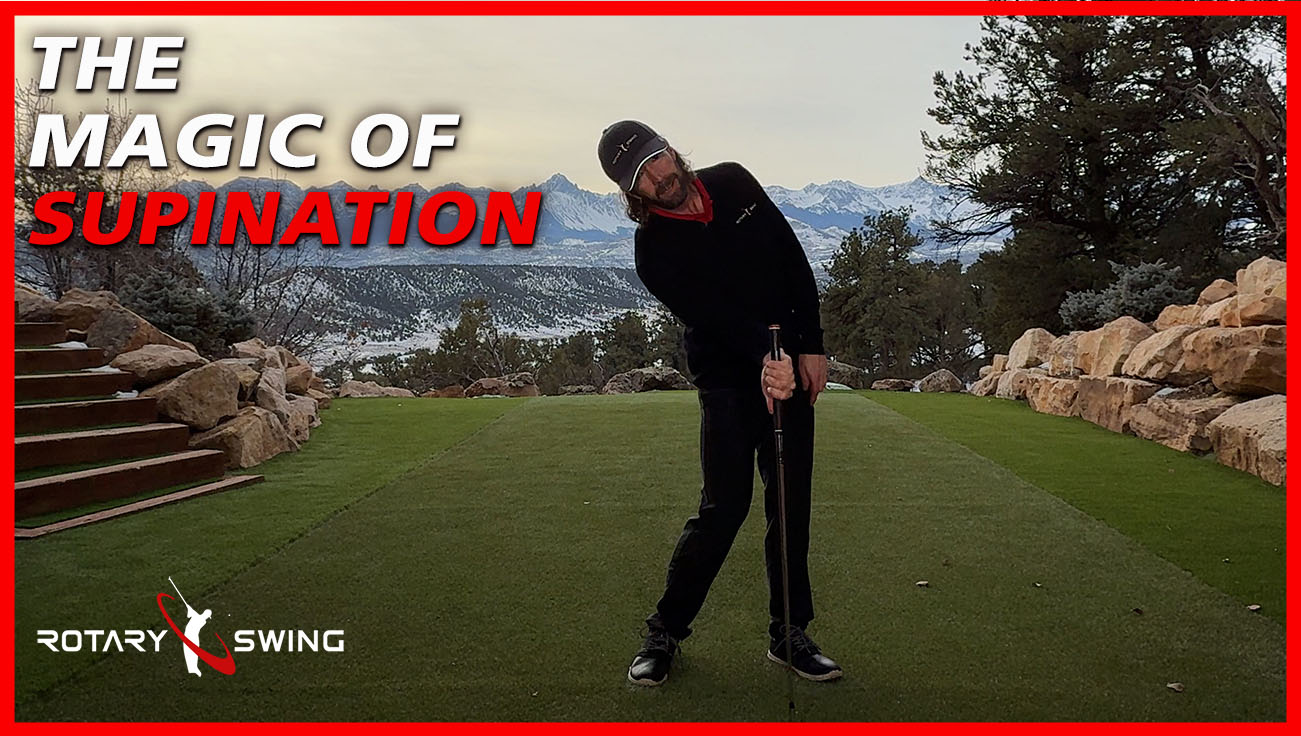
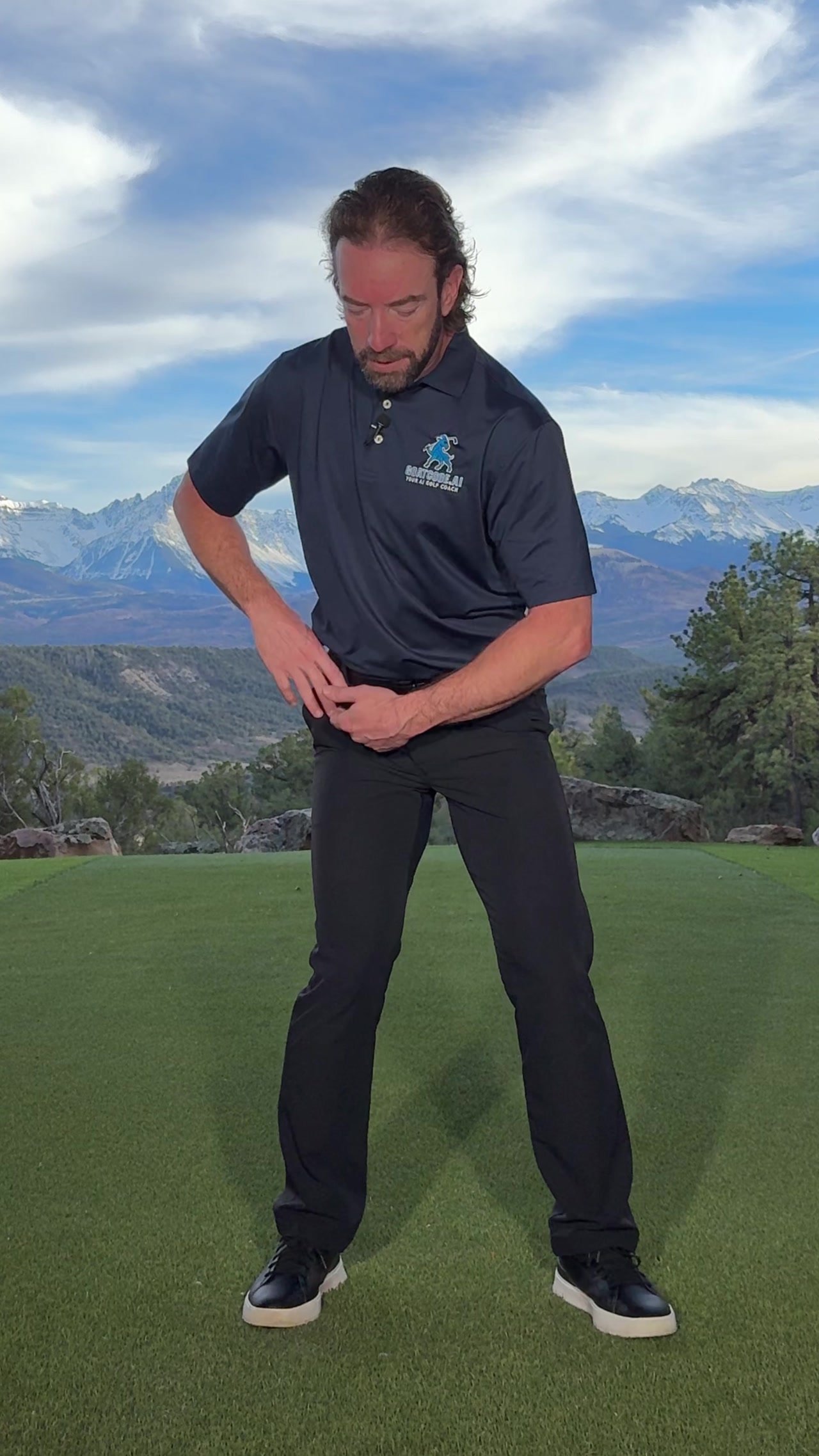
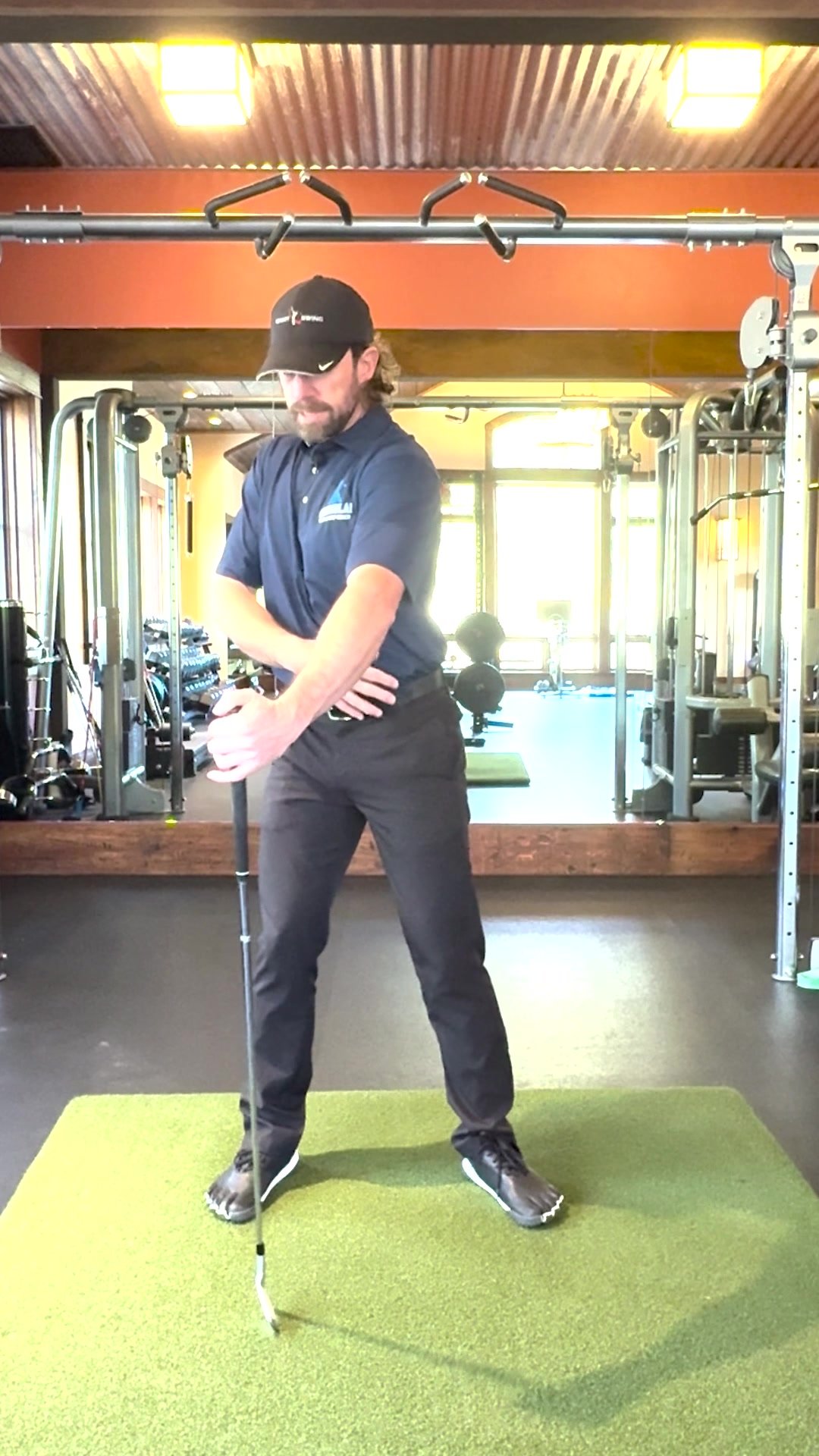
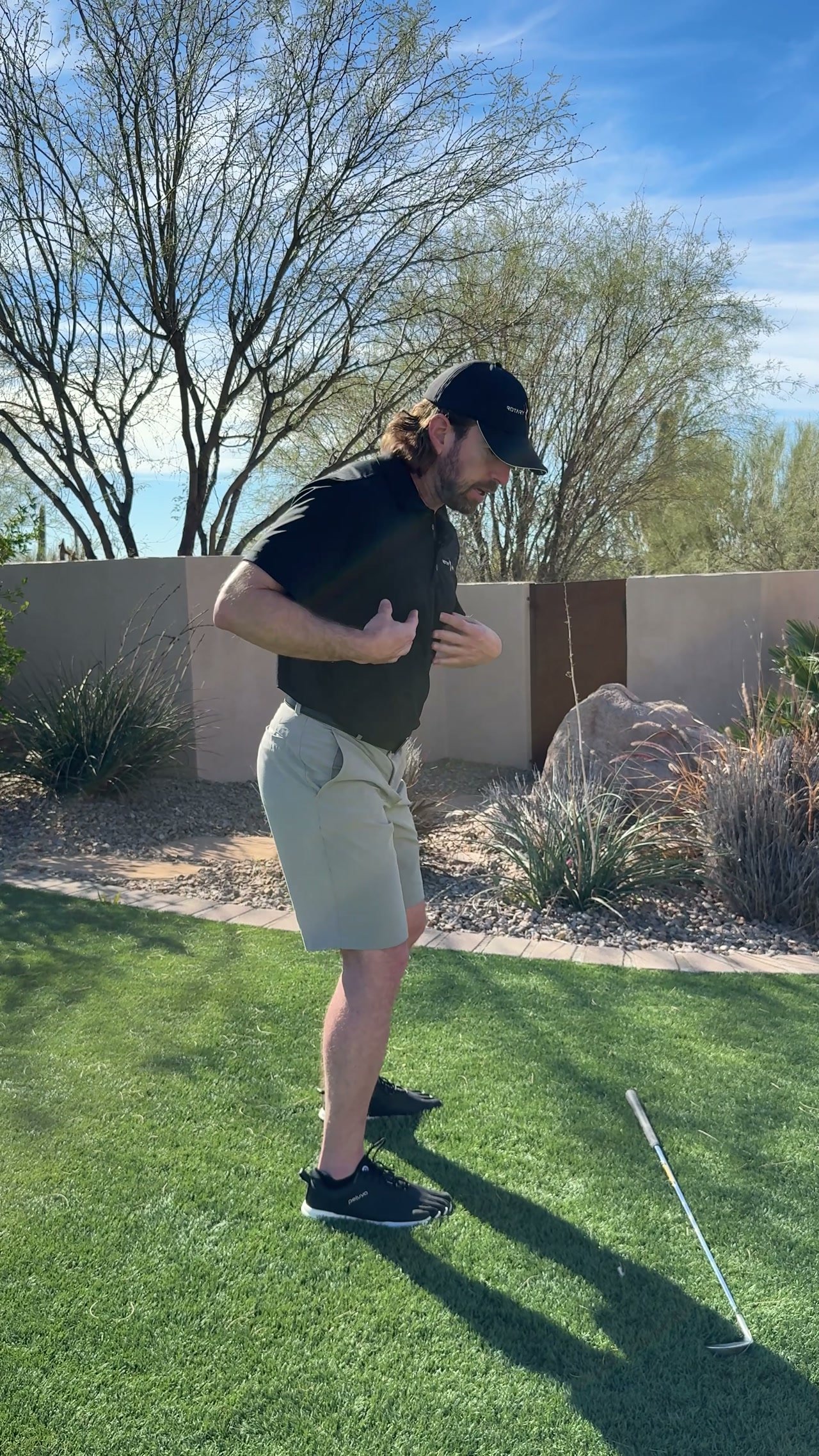
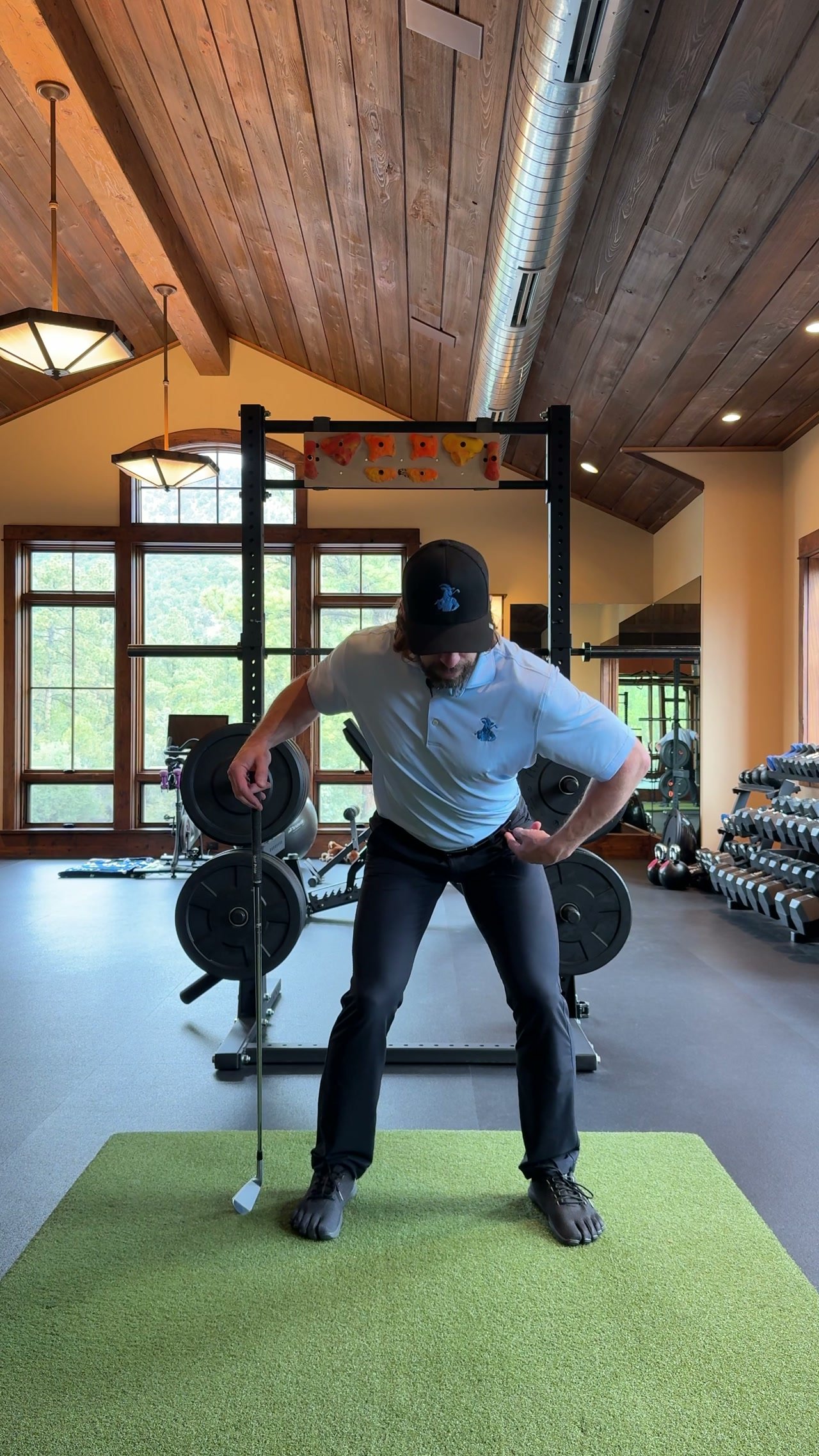
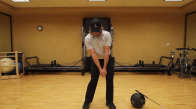
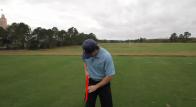
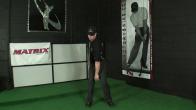
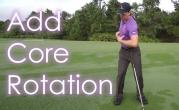
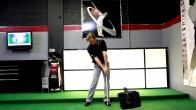
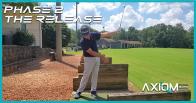
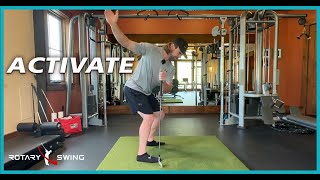
So the first thing I want you to do, and you can do this with or without a club, but what I want you to feel is I want you to rock forward.
So I'm kind of rocking my hips forward and my, that's obviously going to move my arms and my rib cage.
And then what I want you to do is sit back and you'll see.
My knee's going to flex and I'm going to sit down into my trail hip and start feeling my right butt cheek.
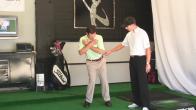
And you can actually put your hand on there if you're not used to feeling this muscle engage, because most people aren't because we sit all day and these muscles actually go dormant because they're in a relaxed stretch state all the time.
What I want you to do is sit down into it for a moment.
So your knee is going to flex, your hips are going to turn a little bit, and then you're going to be a little bit pre-wound.
That's going to help you start driving this hip back.
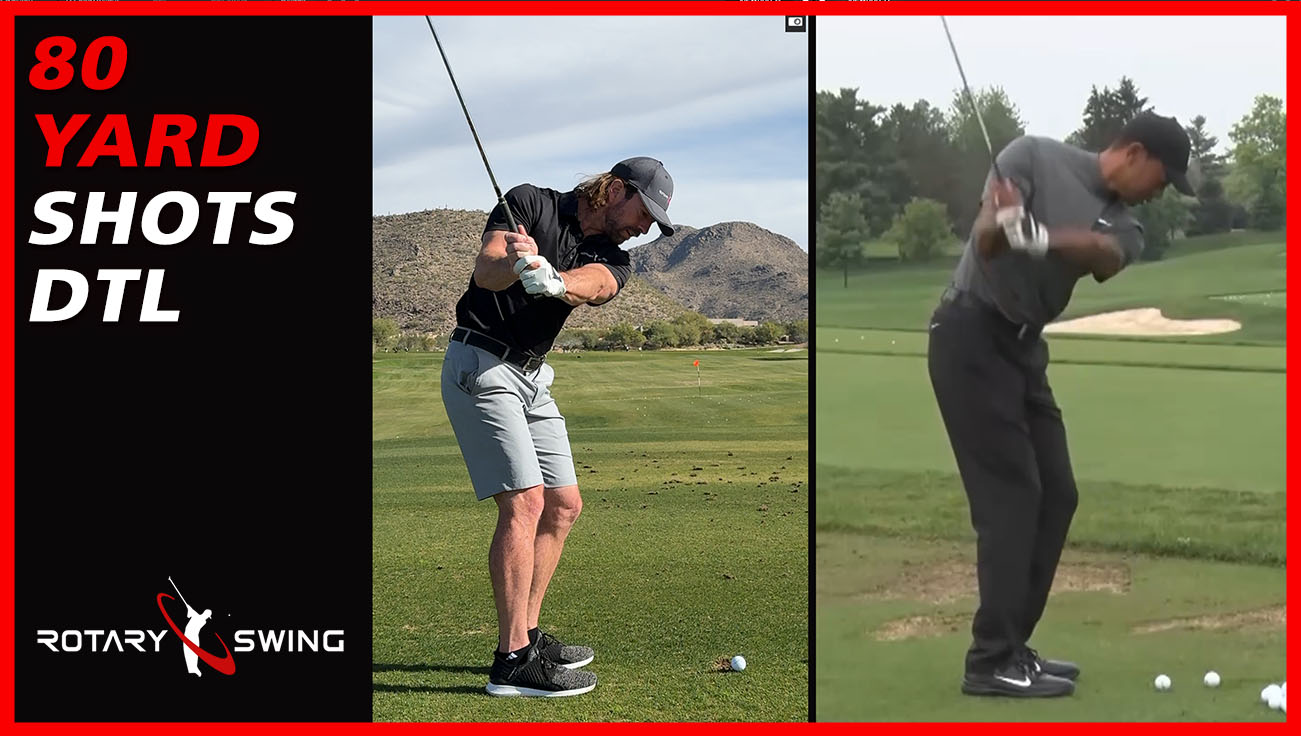
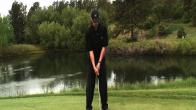
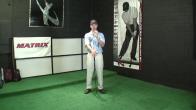
And so from the down the line perspective, you're going to see again.
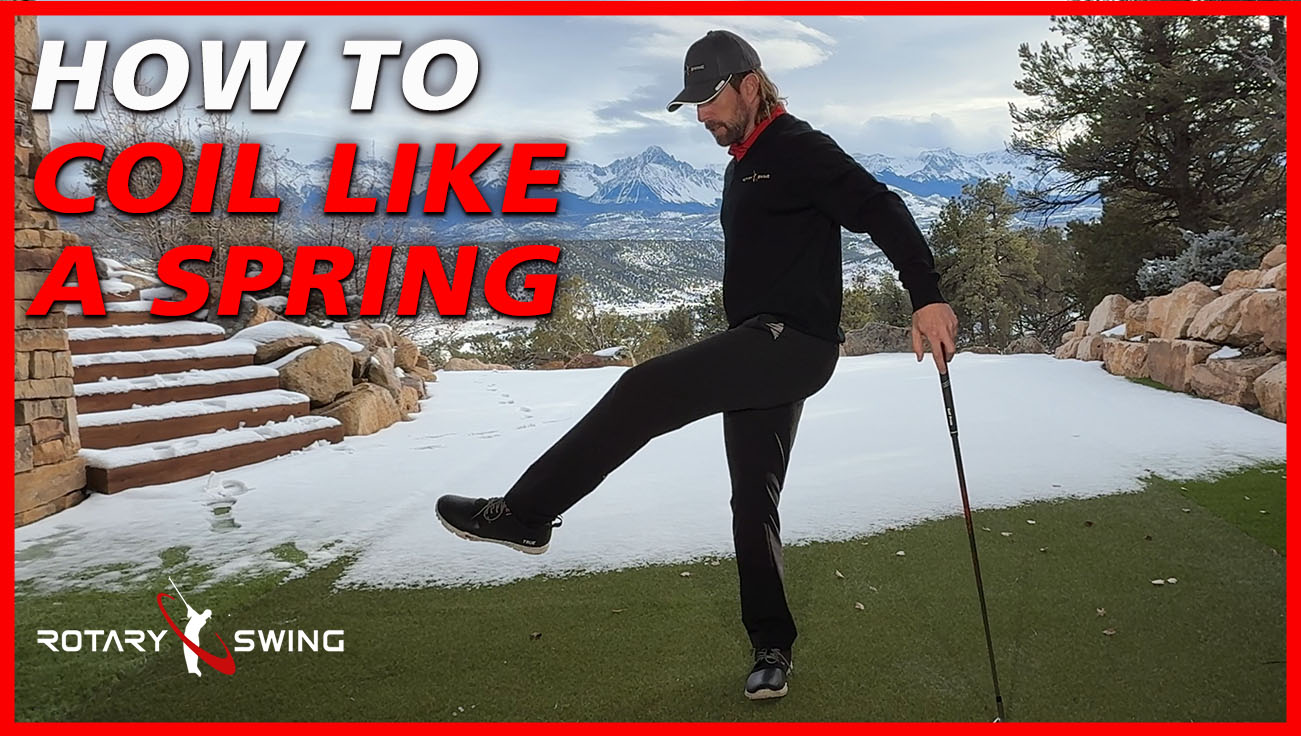
I'm going to rock forward, kind of come up onto my toes a little bit, then my hip's going to go back deep.
You'll feel that your spine is going to want to tilt forward more if you do this correctly.
And now I'm feeling like I'm sitting back into my trail glute.
Now.
The key is really just not doing anything with your arms or hands to start the swing.
Because you can see if I just start with my arms and start picking that club up, my hips are going to always go forward.
But if you start adding momentum into it and when you start really doing this, you're going to do it at speed.
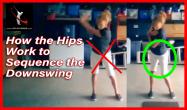
That's getting the sequence correctly so that my my, this starts from the ground up, my pelvis goes first, it goes deep.
I get deep into this hip socket, that gives me room for my chest to go forward and rotate around, and that's what's moving my arms for me now.
The trick from here is, What do I do next?
And this is the hardest part in the golf swing for most golfers, because now you've got to engage, probably your non-dominant side, your lead hip.
for right-handed golfers, your left hip.
You probably don't feel this a lot and you've got to sit back into it just the same way.
And this is where almost all golfers go wrong.
Because instead of using that rocking momentum to get them back over here, they lift their arms and throw and push.
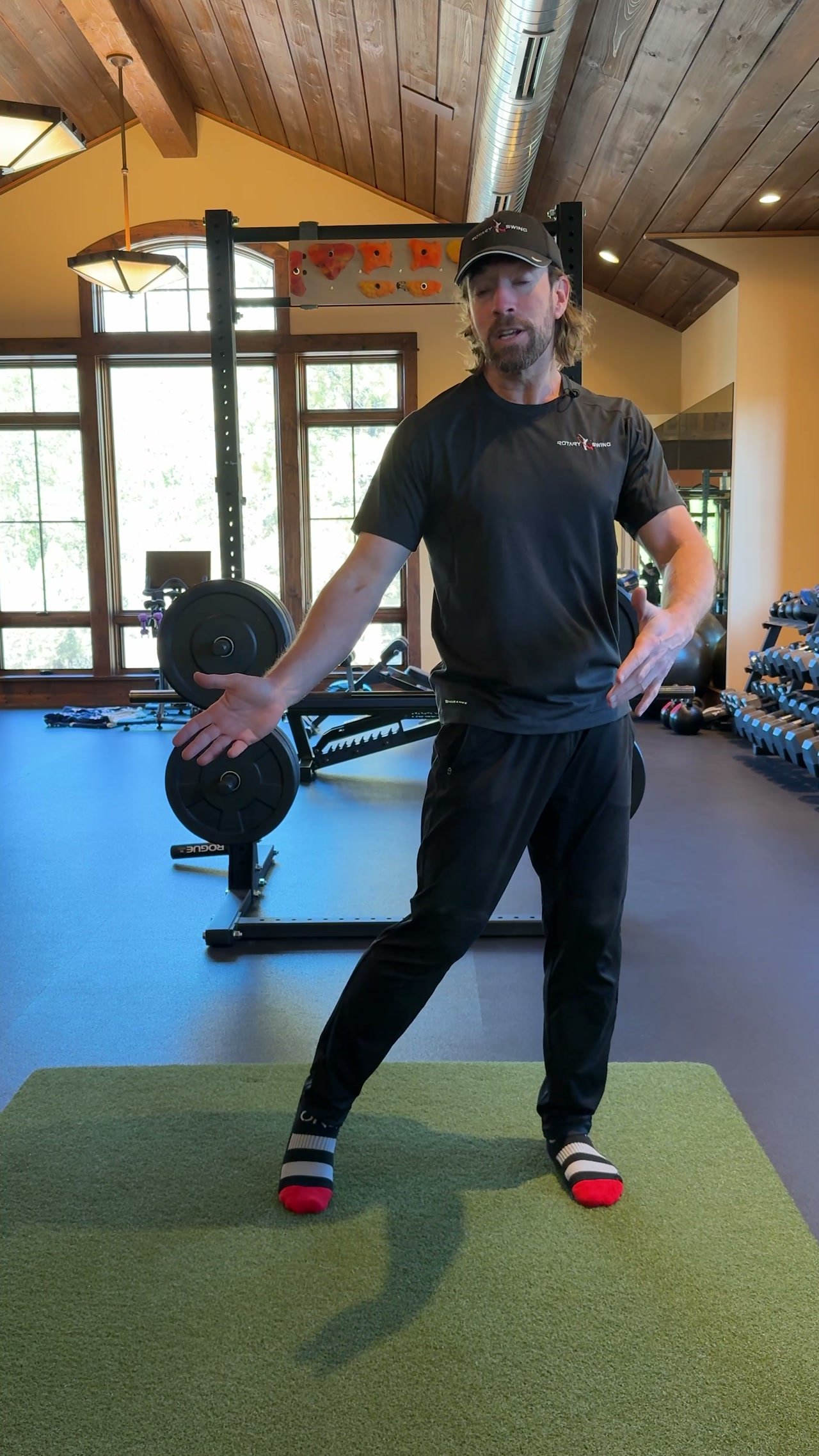
So instead, if I rock back, now you'll see there's naturally as the ground is pushing me back, I naturally get back to my left side.
I'm not ever actively pushing off my trail side to get back to the lead side.
This is all natural motion.
My hips are going this way.
And once that's loaded, it naturally starts pushing me back here.
And now here's the crux.
Now, don't push off your trail side, don't push up off your left side.
See how my head's moving up and down, I'm only engaging my trail.
Glute is what you're going to focus on feeling.
And now I'm going to drive my lead hip back.
Do you see how my head and chest, if anything, go down?
But if I use my quad, the muscles on the front of my leg, my head goes up.
You want your hip to go back, and that's going to help your chest feel like it stays down.
The trick to this is engaging this lead glute.
And for most golfers, they really struggle with this.
So I'm going to do two things that I'm going to help you feel this.
First, I'm going to show you kind of this whole blended motion, all as one thing.
And then I'm going to stop at two key points and help you start to feel these muscles start to activate in your swing.
And this is going to be really challenging for many of you at first.
So be ready.
So the first thing again, when you can hit balls like this rock forward, I'm rocking.
I'm really just getting this lead hip, I'm prepping it right now to open by open.
I mean, driving back and that's bringing this trail hip forward.
And now I'm going to use that momentum to get back into my trail side.
That's naturally going to start me falling back to the lead side.
Now, my lead hip glute is engaged and driving everything back.
And so you can see, I can stay down.
I get a lot of side bend.
And now if we put this all together, we're gonna rock forward.
And that's it.
Everything that you saw from here up was really just responding to the ground forces and my glutes.
And those all moving in this correct sequence is what makes the golf swing work and why elite players look like.
It's really, so simple, because that's really where they're moving from.
They are glute dominant and to be glute dominant, there's a couple things that you have to feel now.
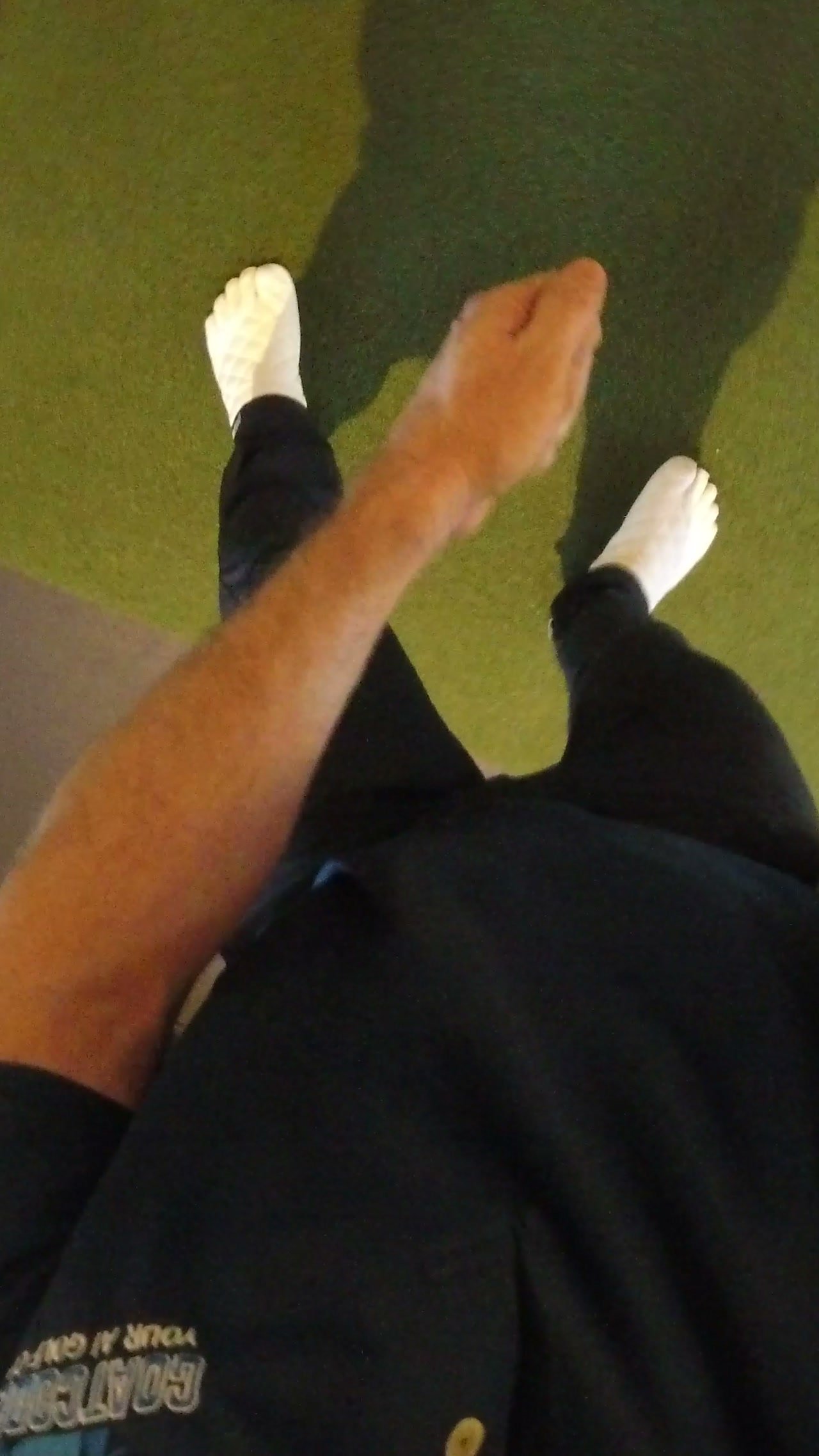
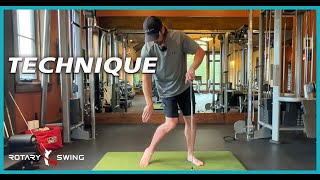
What I want you to feel first is as you go back and you get into this trail.
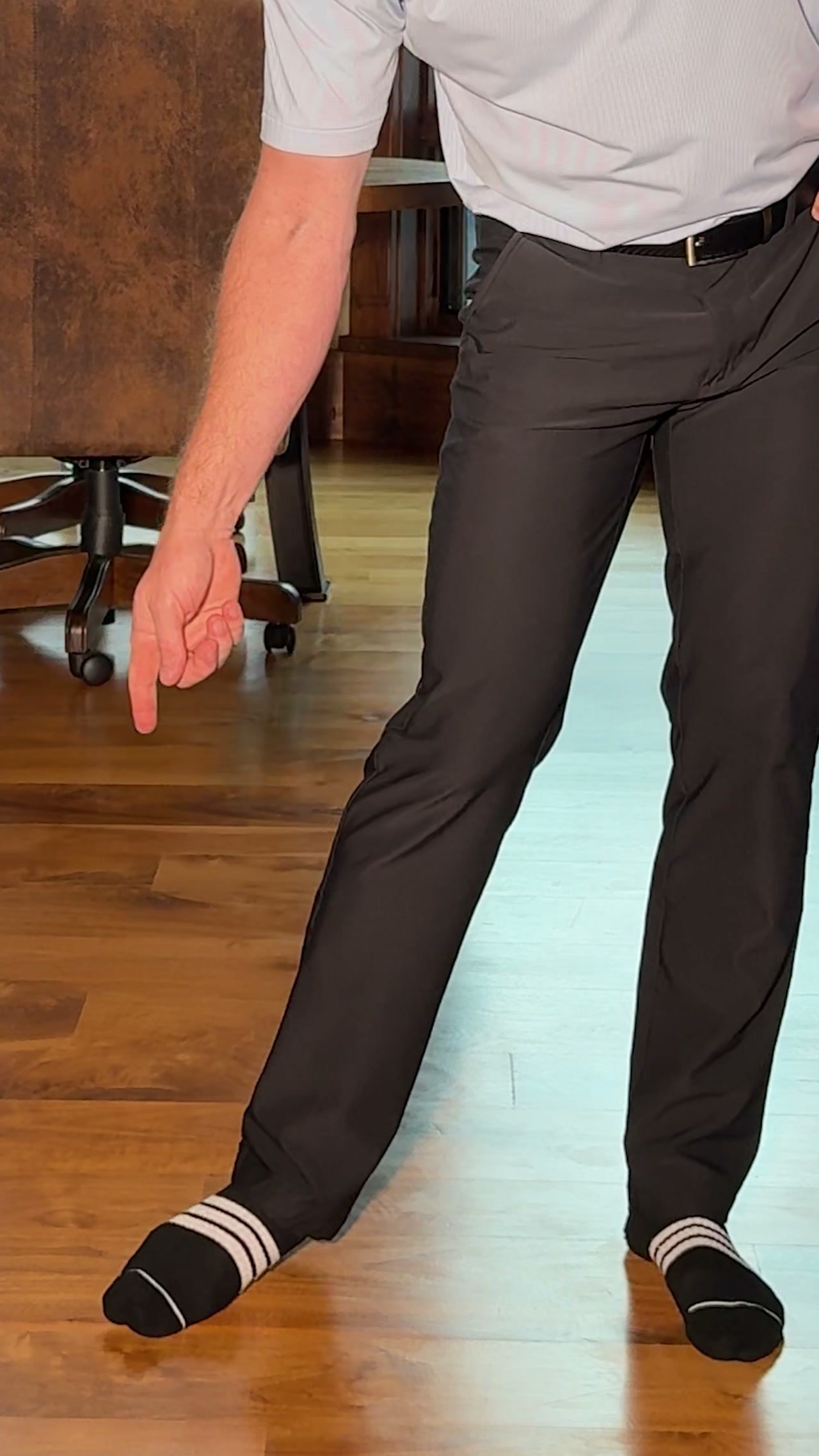
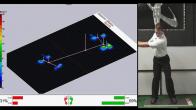
Hip first, I want you to feel your big toe, your pinky toe, the ball of your foot and your heel pressing into the ground.
And I'm going to do it from this angle and getting your hip deep back so you really feel this thing engage.
And now all I want you to do is hold it.
And when I say hold it, I want you to stay here for about a minute.
If you're somebody who doesn't really have a good connection between the ground and your big toe and your feet and your glute, hold it for about 60 seconds.
And you'll see that as your brain begins to understand what you're trying to fire and the muscles that you've been kind of compensating for, generally your quads start to kind of weaken and start to shake a little bit, you'll start to feel this glute engage and start to fire up.
So just keep holding it, holding it, holding it.
And the trail side's not quite as important as the lead side when it comes to this, because most golfers can load decently into their trail side.
So the trick comes into doing the same exercise on the other side.
So now I'm going to switch directions.
I'm going to do the same thing.
I'm going to go back.
I'm rocking back.
And now the tendency here is to push and stand up either because I'm throwing my arms, turning my chest, or just straightening my leg.
But instead, I don't want to straighten my leg.
I want to feel my glute.
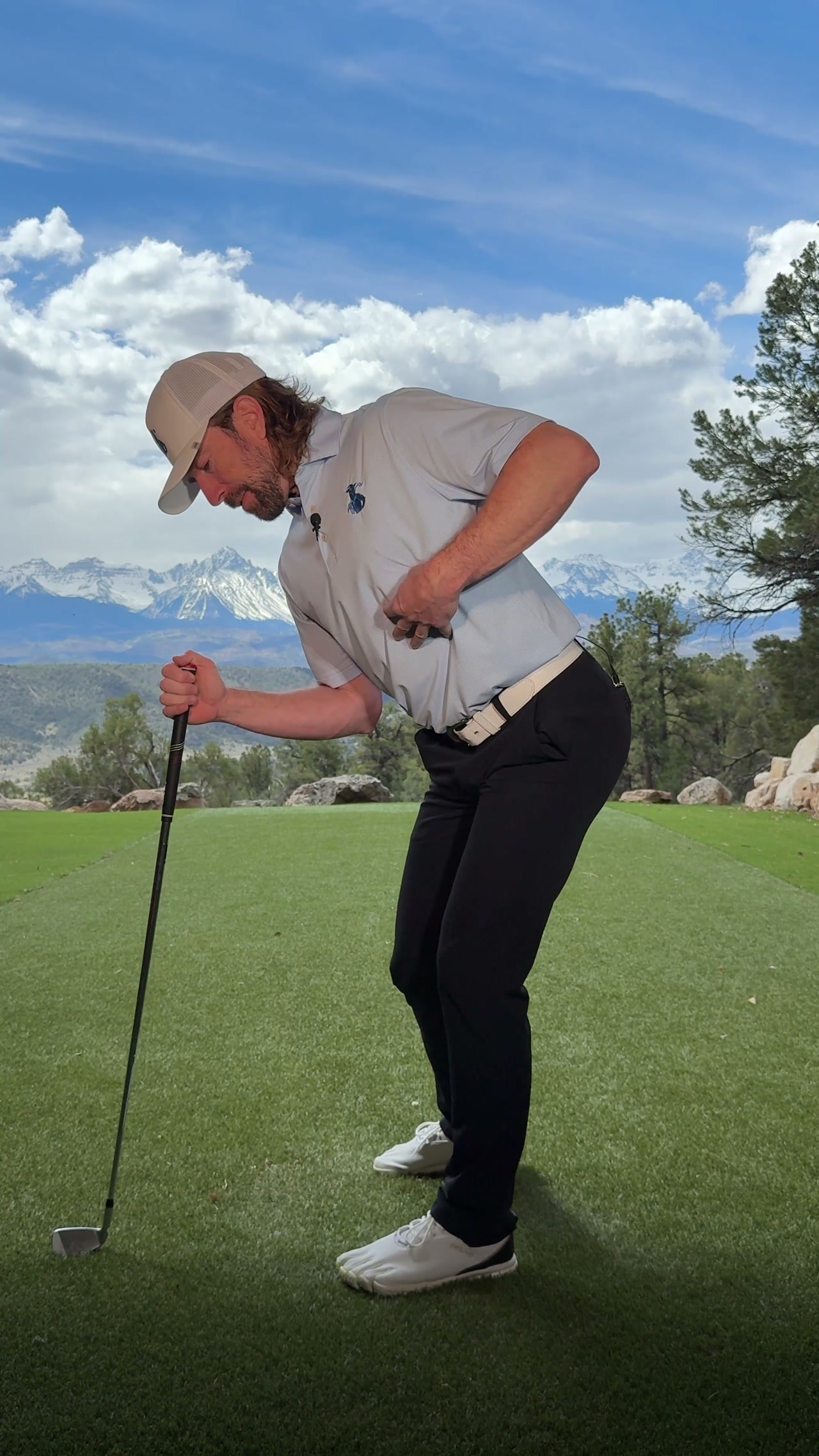
So I've rocked back now.
Now I feel my lead big toe, pinky toe ball on my foot and my heel pushing into the ground and helping and drive my hip back away from the ball.
And when I stand here, and if I'm going to stand here for about 60 seconds to really feel this glute start to engage and you'll start to shake a little bit.
That's totally normal.
As you're getting this, your nervous system to wake up and learn to fire this and then keep moving through this position.
Keep driving this lead hip back, not by pushing up with your quad.
You're going to see you stand up when you do that, but by driving this hip back, letting my hips open, letting myself fall into side bin.
That's all being done primarily by this lead glute.
And so you can hold these positions, just slowly start working your way to getting your hip back back.
You're going to feel really short, really close to the ground, like your chest is covering the ball.
These are good feelings you're going to feel.
You be able to keep your trail arm bent longer.
Because you're not standing up, because you're pushing off the ground incorrectly.
You're using your glute to help you rotate and get your hips cleared out of the way, but this glute has to fire.
So a simple, really good exercise.
Again, practice rocking back, feel this trail glute, not your quad, because again, you'll stand up in the backswing, your glute, keep it back, tuck that thing back.
As you start to fall back, catch yourself on this lead hip, lead glute, and you can just practice different positions in the swing as you're going back, transition.
Now wait, just wait.
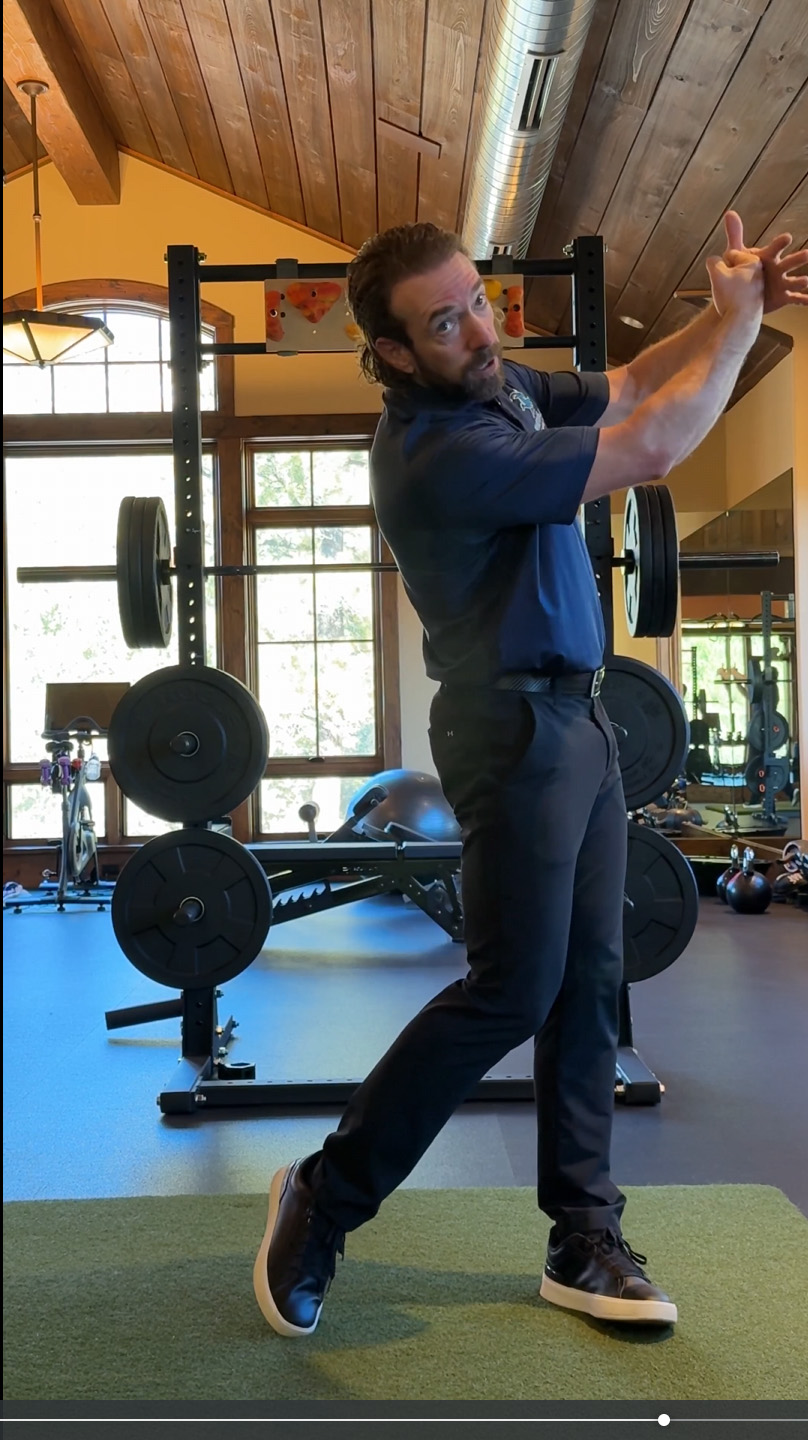
And now one of the key things that I did here that I want you to focus on is that as you go back, as this glute catches you, you should pop up onto your toes a little bit.
Now, of course, when you're doing this at speed and hitting controlled iron shots, you don't need to be this aggressive.
What I'm trying to get you to feel is the exaggeration of really getting this glute to fire.
And if you do that correctly, you're going to come up onto your toes.
And that's why I love these pelvis shoes, because I can feel my big toe holding pressure here, not that I'm pushing off of it.
It's hard to feel this with normal shoes because your foot, the sole is really stiff.
These shoes are really soft, almost like slippers.
So as my glute begins to fire, I feel myself come up to my big toe and it's supporting me.
But I'm not actively pushing off of it.
So that's why shoes like this are fantastic for this drill to feel yourself come up, you can see.
As soon as my glute catches me and begins to move my hip back, I pop up onto my toe.
And now my big toe is here for balance and support.
But I'm not pushing it.
But I can feel the ground I can feel when I'm pushing up in these shoes, so much better than a normal pair of golf shoes.
So again, back, catch yourself with your lead glute.
That lead glute continues to open yourself to the target, and that is how you get your hip depth.
The more you practice getting your glutes to engage and get your brain used to firing in these hips going back and forth, back and forth, and really concentrate on this, the more you're going to start feeling how this natural pressure move makes the swing kind of happen automatically.
You don't have to think about club positions, arm positions, etc.
You get your pelvis moving, your glutes engaging, and the swing unfolds on its own.
Try a free live lesson with GOATY
GOATY, my AI golf coach, watches your swing through your phone camera and coaches every rep. Free, about 20 minutes, no credit card.




THOMAS J
Craig (Certified RST Instructor)
GOATY
Chuck
GOATY
Jack
Anthony (Certified RST Instructor)
GOATY
Jack
GOATY
Anthony (Certified RST Instructor)
GOATY
Jack
Anthony (Certified RST Instructor)
GOATY
Jack
Anthony (Certified RST Instructor)
GOATY
William (Jeff)
Craig (Certified RST Instructor)
Juan Jose
Chuck
George
Chuck
Chuck