






















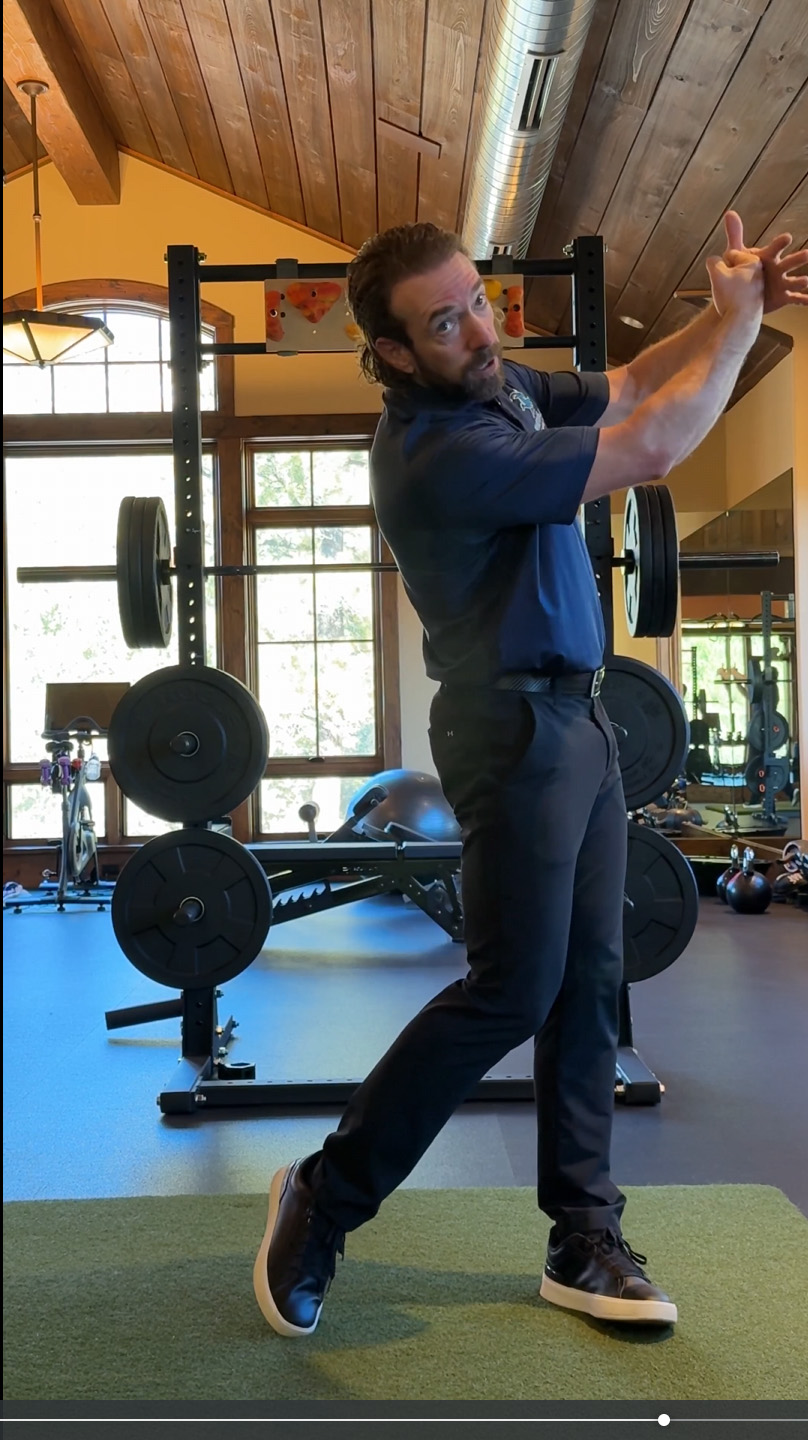
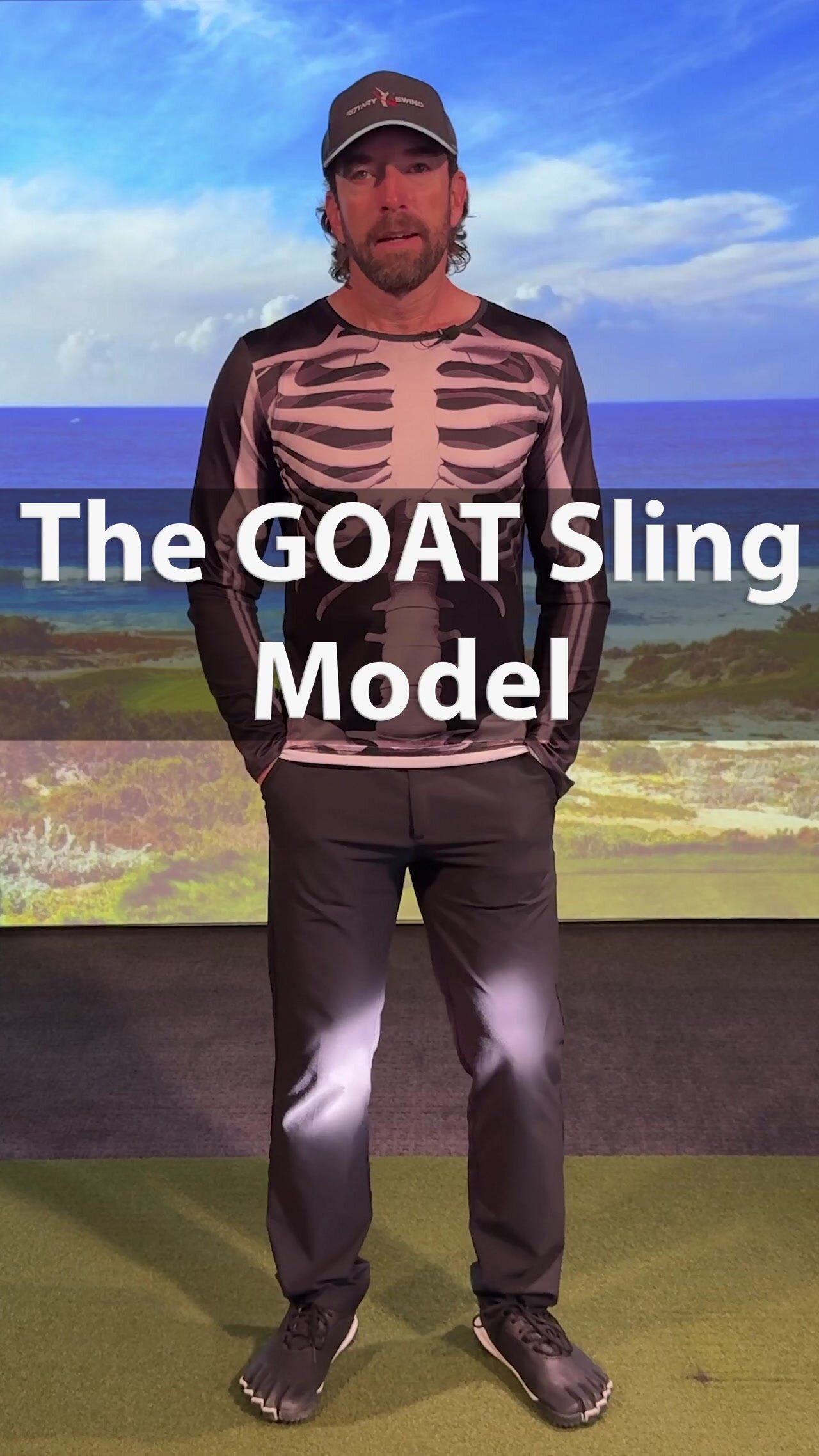
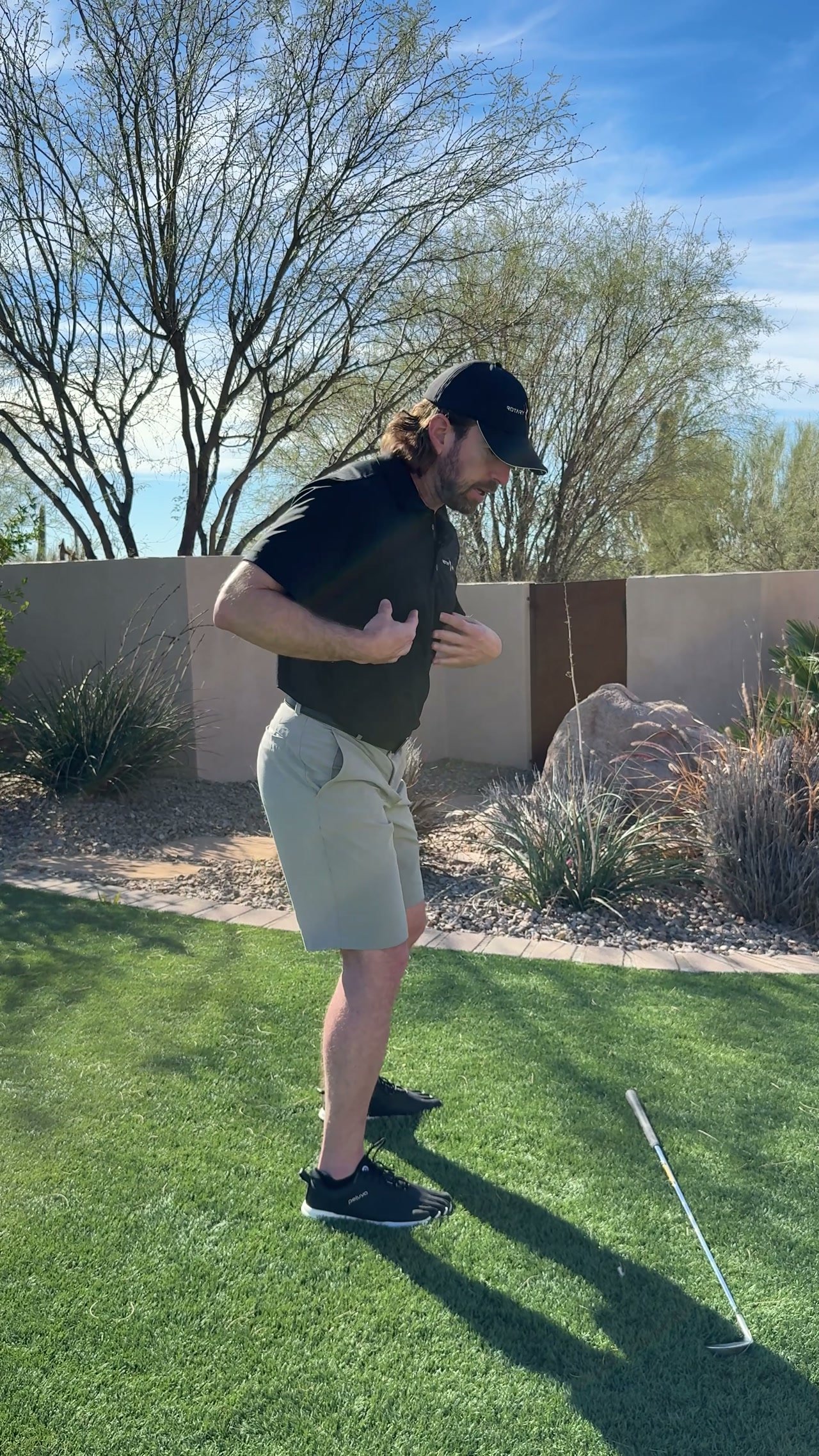
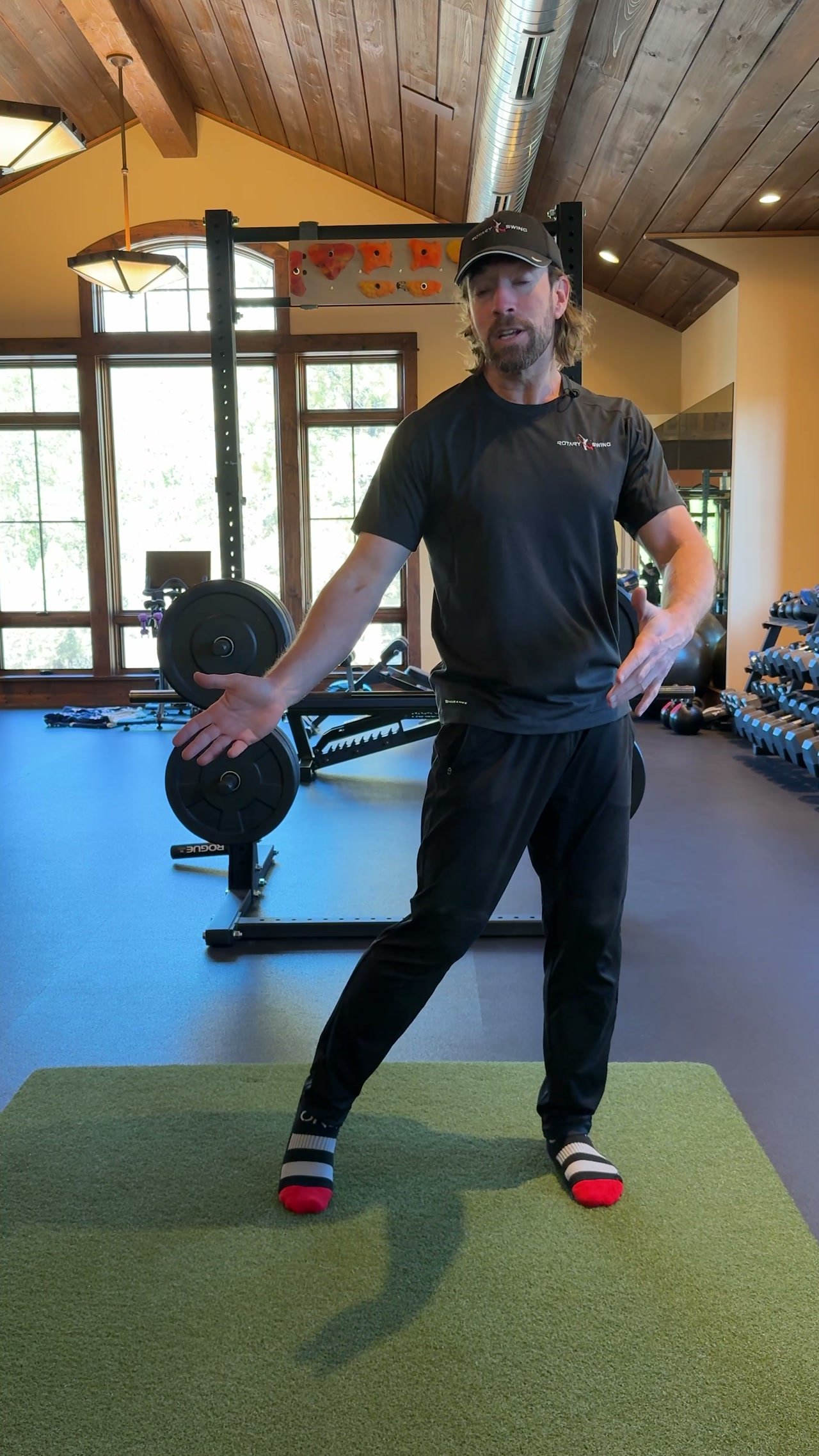

























































































































































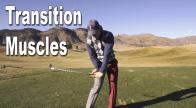
























































































AXIOM BootCamp 3, Chris Tyler, Dec 2021, Session 1
Sorry, you need to be a member to access this video.
You Are Just Seconds Away - Become a member here!
Already a member? Log in now


Session 1 of 4
Good evening, everyone.
I'm really excited to have you guys here tonight.
Those of you that are already in the room and have already posted up where you're from, welcome.
I'm really excited to be able to deliver tonight's information to you guys because we have worked around the clock developing this program, And I am very confident with the information that we're going to be delivering to you tonight, that we are going to turn you into ball -striking rock stars.
Really kind of working on behind the scenes.
And we just got through the first axiom boot camp and we made some adjustments.
And these adjustments were for the sheer fact that.
We want you guys to get the most success possible.
So we get to understand where some of your faults may lie.
And so what we're going to do tonight is we're going to get in front of those faults.
And we're going to work our butts off together.
To be able to get you guys the best results, so get ready to work because we are have.
We have a very aggressive objective.
Our objective is going to be a good setup in all of the proper lower body movements, from the backswing position, all the way to impact.
So you guys are going to be getting a ton of reps between now and Saturday.
And then what we're going to do from Saturday moving forward is we're going to start reverse engineering your golf swing into these lower body movements.
And you're going to see some fantastic results when this is all said and done.
So I'm excited to have you guys here tonight.
So hopefully everybody's had a great week so far.
Those of you that are coming into the room, we're going to give you guys a couple minutes just to get settled.
Um, if you want to go post up who's in here and where you guys are from, there's Craig Morrow, rubbery swing tour instructor Craig Morrow in here tonight with us.
He's going to be answering some questions, he's going to be moderating the forums.
Just to make sure that you guys don't go off the rails and start saying things that don't need to be said.
So, thank you, Craig for joining us tonight.
Welcome, welcome, welcome Nancy.
Welcome Alan Orlando from Buffalo.
Probably cooling off a little bit in your direction right now.
So then, if you have somebody that had did not get the link, have them contact your customer support right away because they'll be able to get in contact and get the link sent out to the person.
So definitely important for you to be able to get in contact with customer support.
So we got a big group tonight, big big group, I'm excited.
So we're just going to give everybody a couple of minutes.
There's Carver.
Carver, welcome, sir.
Carver's a longtime Rory Spring student.
Fantastic student again.
Done a really good job building this golf swing.
Greg checking in.
Welcome, Greg.
All right, so just another couple minutes here, and we are going to get started.
So the good news is, is over the next two weeks, if you miss, Any of the presentation?
Or maybe you find that I talk way too fast, like most of the people in this world.
Then you can always go back and watch the replay.
So after we finish up tonight, you are going to get a replay that is going to be available to you forever.
It's that your, that's your replay link.
Um, we ask that you don't share that link, obviously, because this is proprietary information at this point.
So we ask that you hang on to it and you'll be able to reflect back on the session.
So if you have something to do and you miss the Q A later tonight.
And you can always tune back in and see exactly what we are, what you might have missed.
All right.
So just one or two more minutes and then we are going to get started because we have a very busy night.
Very busy.
Charles, welcome.
Adrian, welcome.
Ulrich, welcome.
So you're going to see me peering off to this side quite a bit.
Because I have a monitor over here that allows me to see what's going on in the forum comments.
All right.
So we are getting pretty close to getting underway here.
Mr.
Tom Tenario, welcome, sir.
Glad to see you here.
Tom is a longtime student of Rotary Swing.
He's also been working with me and my limited swinger group for quite a while now.
So nice to see you.
Hopefully you're doing well.
Welcome, Nathan.
All right.
Let's go ahead and get this party started.
Okay, so first things first.
We are going to take you on a big journey, and tonight we are going to do things very different.
And the reason why we're going to do things a little bit different is because, like I said to you guys just a moment ago, is we were able to do a lot of testing in this process, and we want to make sure that our students get the best success possible.
So it's super important that you understand that we are going to be working on things a little bit slow.
A little bit dramatic at first.
And then we are going to quickly ramp up the speed of these movements and we're going to tie it all together.
And I'm really, really excited to be able to deliver this program to you guys tonight for the simple reason this is because this program works.
Okay, this program is going to teach you how to move into and through the most important positions in the golf swing.
That's going to allow you to start getting into some tour quality impact positions, and it's going to allow you to start actually compressing the golf ball.
And you're going to start doing that in session number two.
So we're going to try to take away some of the freedom at first, some of this big freedom movement, because we want you to have some really big focus points on how to get this lower body working for you perfectly.
Because a lot of you at home might feel like the lower body movement is a piece of cake, but make no mistake about it.
It is the hardest part of the golf swing to get right because you can cause so many faults down here.
And if you don't do the stuff with your lower half correct, then you're going to set off this really negative chain reaction of events that can force your hands and your arms to become really, really active.
So that's why tonight we are going to be working on your lower half with your arms across your shoulders.
We are not going to introduce the arms.
We're not going to introduce the golf club until further down the road.
Okay.
So our objective is to be able to get you into a good setup.
And for you to be able to load your body up and be able to get to a really good, solid impact position.
Rep.
after rep.
And we're going to talk about what that looks like here in just a moment.
Now, Couple of housekeeping items before we get underway.
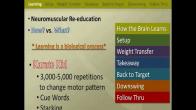
You should have received a PDF.
If you didn't get that PDF, let us know, we're going to email that back out to you guys.
This up here on the screen is the PDF that you can follow along with.
I realize that this screen is very small and you're not going to be able to see what's up here.
This is more of just like a reference point for me to be able to follow along with.
So if you do have your PDF available to you, great, if not no big deal.
We will get that to you, just let us know at the end of the presentation today.
And this is a very, very useful tool in this process.
So some really important things for us tonight, because it's night one and because we have a very large group of people.
We want you to kind of keep the chat a little bit on the quiet side until I'm done.
Because what you're going to find is that that could be really distracting.
We learned that from the Dead Drill boot Camp number one, when we had just mass chaos going on.
So we really encourage you guys to keep the questions to a minimum right now and keep the comments to a minimum so that everybody can focus.
Because in just a few minutes, I'm going to get you guys up out of your chairs and you're going to be following along with me.
Doing a setup and loading your body up and then starting to introduce the axiom movement to help you move into and through the positions.
So super important that you keep the chat a little bit on the lighter side unless there's something really pressing now.
Also.
We understand that we have people all over the world.
In fact, I saw some people checking in from Switzerland.
I see people from California.
I see people from New Jersey.
So we understand that there's going to be some different internet connections.
I've done a large amount of testing on my side tonight before I came on.
In fact, it's a little bit nerve wracking.
You can probably hear it in my voice because we want to bring you the best experience possible.
So if you find that the internet signal is not necessarily great on your side, Then double check to make sure it's on your side and not on ours.
Because you can start creating a lot of chaos and everybody will start lighting up the chat.
So also, if you find that your internet connection is not cooperating with you, then again, you'll be able to watch the replay of tonight's video and you'll be able to see the definition that I was broadcasting in.
So I've been broadcasting an excellent strength for all of the testing that I've been doing.
So hopefully it stays intact.
We know the world of the internet.
It could be a little bit.
That can be a little bit weird, right?
So we will get through tonight's session, and in about an hour's time, we will open up for questions and answers.
But the big thing that I want you to remember is that we are wanting your questions to be focused around what we talked about in tonight's session.
Why?
Well, because if we start talking about WAG and all this really fancy terminology that really doesn't really do us a whole lot of good at this point.
then you're going to put yourself into a tailspin and you're going to put others into a tailspin as well.
So keep your questions really geared around what we're going to be talking about tonight.
Now, that doesn't mean that you can't ask questions as we go further into the program.
In fact, I encourage you to write down questions that you might have or questions that you might come up with between now and Saturday.
And when we open up our session on Saturday, we start with Q&A.
And that Q&A is going to lead into the fault fixes.
Now, what do I mean by fault fixes?
Well, In this process, we like to study.
We like to study, you guys, because we like to see what you guys are capable of doing.
We understand very much so that not everybody perceives the information the same exact way, right?
So that's why if you've looked at some of our wake shift videos, you see 15 different ways to be able to transition, right?
So we understand that people are going to process this information a little bit different, and they might come up with some questions.
And those questions are going to be viable for us to be able to answer for other students, right?
So don't be afraid to ask questions.
Write down questions.
Now, the big rules of engagement, how you're going to get success for this program is you must use a mirror any time you're trying to make a change, a mirror or a camera, because so many times you guys rely on feel versus real.
And when you start relying on feel versus real, I'm sorry, but I'll hell break this.
Okay, so we are going to make sure that you use a mirror or you use a camera in this process.
And I guarantee you that next Saturday, not just Saturday coming up, but next Saturday when you get to graduation, if you follow this program exactly how I'm going to outline it just now, then you will get success.
Okay, I promise you.
If for any reason you're unsure if you're doing the movements correctly, submit your swing for review.
Now, some of you that are in this room tonight may not know me.
Some of you may.
So for those of you that don't know me, My name is Chris Tyler.
I am a master certified instructor.
I've been here at Rory Swing for just about 10 years now.
I've been teaching golf for 19 years, which is kind of crazy to say.
I've been playing golf for 34 of my 39 years in existence.
And in the time that I've been here at Rory Swing and the 60 plus thousand swing reviews that I've done, And the many, many hours of the thousands of hours of private instruction I've done is I've got to see how people go through the processes of change.
And it's really fun.
It's fascinating.
And so you're going to find that maybe you hear me deliver the information a little bit differently than what you might have heard from Chuck or what you might have heard from Craig.
But make no mistake about it.
It's all going to circle back to the exact same RST fundamentals where you're going to be into.
Really good, solid, safe, efficient positions.
Okay, so write that down on your notes that you might hear it a little bit differently from me, but that doesn't mean I'm evading RST principles.
You got that all right?
So ask questions during live trainings.
We just talked about that.
So if you have a pressing question, you can ask it.
Craig's in the forums, you can, you can answer the questions, Craig.
He's obviously extremely knowledgeable about the golf swing.
Craig has been an instrumental part of getting this program written.
And I worked side by side with him for the last eight or nine years.
And so he's there to answer some questions that he might have.
Okay?
In order to get the fastest results, you must do the drills on the days that we're not practicing.
So I'm going to give you guys a very, very large amount of homework.
I am.
Just because we have taken the dead drill that used to be a six-day program.
spread out over three weeks, and we've consolidated it down into a four-day or four-session program spread out over two weeks.
So you have to do your homework.
If you don't do your homework, then you might suck a dog, okay?
That's just the nature of the beast, okay?
Take notes.
Pretty simple.
So on the PDF, we give you a couple extra lines where you can take notes.
You can use your phone and take notes.
Whatever you want to use, just take notes because Again, you're only going to retain about 25% of the information after each session.
Well, some of you may retain a little bit more than that, but we want you to be able to reflect back on things.
And again, you'll still have access to the videos after campus complete.
Track reps.
So we actually give you a rep tracker page that you can write down to reps.
Okay, we're going to give you four or five hundred reps that we want you to complete before Saturday.
It's going to feel like work, but.
It's work that's going to help you benefit so that you can play this game at the level you want to play it.
So those are the rules of engagement.
Now, as I said to you before I just went through all that, is that we have a very aggressive program.
Chuck and I have been talking and Craig and I have been talking.
We've been really kind of going back and forth about the best way to get this information into your brain.
that you guys don't start creating faults.
We want you to have freedom, but we also don't want you to create catastrophic faults that are going to be very hard for us to be able to go back and unwind from your brain.
So the reason for the change is because we want to make sure that we get in front of these faults.
We want to make sure that you have a very, very clear understanding as to what you're doing, why you're doing it, and how you're going to get it done.
So what you're going to see tonight is you're going to see me go through some of the some of the steps of the Dead Drill.
You're going to see me.
Actually.
Streamline and fast track you through the loading process, the transitional process and the impact position.
And by the end of the session, we're going to have you being able to load and get to impact and getting into a really, really solid, stable position.
Every single rep that's going to have you avoiding faults like early extension spinning out.
Those are the big, big faults.
But also, I want you to remember one very important thing.
If you get the lower body right, the rest of the golf swing becomes so much easier for us to manage.
It does.
I promise you.
We've been there.
We've done that.
We've seen a lot of great success come from people that use their lower half better.
Why?
Well, let's just figure this out together.
In order for you to swing the golf club at 100 miles an hour, You have to have 32 pounds of muscle.
32 pounds of muscle is a lot.
I don't have it in my shoulders and my arms.
I've gained a little weight during COVID, but I'm not strong in my arms and my shoulders.
But I do have it available to me.
My biggest surface area muscles are my lats.
My chunkiest muscles are my glutes, my abs and my glutes.
So you're going to find that we want to do more with the bigger muscles in the body so that you guys stop using your hands and your arms so much.
When you start using these smaller muscles, you start.
actively manipulating the club too much, and you start changing the complexity of the hitting area.
You start changing the complexity of swing plane rapidly.
And so we're gonna get you past that, and we're gonna focus on getting this lower body stuff right.
And we were all in agreement, myself, Chuck, and Craig, that we're gonna get this stuff burned into your brain.
And we're gonna stop letting you have so much freedom, which again, the whole purpose of that is to get the best results possible, okay?
Everybody at home, if you have a good setup position, you're going to stand up with us.
If you don't have a good setup position, stand up with us as well, okay?
We're going to get you into a good setup position.
We're going to cover some simple little checkpoints, okay?
And we are going to make sure that you don't go into this program with a setup that looks like a puppy dog humping a firefighter, okay?
I'm sorry, that's a little off color for some of you at home, but that's just what it looks like for a lot of you that set up with your butt tucked up underneath you.
your shoulders rounded, and your chin down into your chest.
So a great way to get yourself set up perfectly is we're going to get in proper stance width.
Now, proper stance width is two inches outside of neutral joint alignment.
What's neutral joint alignment?
Well, if you cut off all the fat and the skin off of me, and I'm just standing here in bones, right?
If you drop up a string through my hip socket, down through the center of my knee, down through the center of my ankle, I'm standing in neutral joint alignment.
Okay.
Now you just want to step out two inches on each side.
So it's just a little small step.
So that's going to be your stance width.
Don't overthink this.
Okay.
This is not one of those things that we want you to spend so much time really.
Okay.
Is this going to be a hundred percent perfect?
Just think two inches outside of neutral.
Now we also understand that a lot of you guys are geared towards what you want it to be a hundred percent perfect.
If you need something perfect, measure a sharpie cap.
Sharpie cap is two inches, right?
All of us carry sharpies in our bag so we can draw.
pretty flowers or whatever all over our golf balls.
So a sharper cap is about two inches.
So you can use that as a reference point to step out.
There you go.
Bada bing, bada boom.
Okay.
Now, once you get stance with, all I want you to do is I want you to lean over your toes, rock over your heels.
Just lean over your toes, rock over your heels.
Some of you have had too much to drink tonight.
Maybe you don't want to do this.
Okay.
Then what I want you to do is I want you to close your eyes and I want you to come to rest where you feel like you're most balanced.
It should feel like most of your weight is underneath your ankle joints.
You're going to feel like your foot is spread out to the ground with weight in every quadrant of your foot.
You're going to feel the bulk of that pressure underneath your ankles.
Now what I want you to do is I want you to keep your legs locked out straight.
All I want you to do is I want you to imagine that you're going to do a hamstring stretch.
You're going to keep your legs locked out 100% straight, and you're going to hinge from your hips.
Your butt's going to go back.
And your chest is going to go over the golf ball.
Now, if you notice, I'm not allowing my chin to go down into my chest.
I'm keeping my chin up.
And what I'm going to do is I'm going to keep hinging until I can see where the golf ball would be.
Once I've hinged enough, I'm just going to soften the knees.
Now, when you soften the knees like this, we want the back of the knee to be directly over the center of the ankle.
So a lot of times what we see from students, we've been seeing this.
Quite often, in fact, we saw this a lot in axing bootcamp number one, And we saw it a ton in the first seven Dead Row.
Bootcamps is where people were sitting way too far back in their heels because they probably heard one of our videos before.
We talked about don't beating up in the balls of your feet, right?
Don't get up in the balls of your feet, don't get up in your toes.
We want your weight to be an anatomic true balance, okay?
And so that position that I had you freeze in, okay, was your anatomic true balance point.
So when you soften your knees after you've done that hinging, that should make your weight feel like it goes right underneath the ankle joints.
So let's go through that again.
So we're going to get in proper stance with, okay, we're going to make sure that we've got our weight underneath our ankle joints.
Okay, we're going to cross our arms over our shoulders.
Okay, we're going to make sure we're two inches outside of neutral, and we're going to just hinge from our hips, butt, back, chest, over the golf ball.
Now, a lot of you are going to feel like this is really bent over.
I get it because we're so used to being lazy, right?
We're so used to being upright, with our shoulders rounded and our butt tucked underneath us.
So a lot of you are going to feel like you're bent over like this, okay, you're not going to.
It's a feel versus real kind of thing.
So you're going to hinge until you can see the golf ball keeping your legs locked out straight, and then you're just going to soften your knees, that's it now.
The final piece of the puzzle is axis tilt.
With all part of the terminology, what is axis tilt?
Axis tilt is, if you were to take a line down from my sternum here and down my belt buckle, we want just a little bit of tilt to where our spine is just inside of our lead knee.
Now, I can tell you in the many, many years of golf instruction I've done here at this website, that people all want to get their axis tilt by doing one really, really, Not so great there.
They get their access over by just taking their body and leaning over to this side.
That's absolutely not what we want you to So after you hinge from your hips, okay, and you get your chest over the ball, and you let your arms hang down freely, you just want to bump your hip towards the target.
That's it.
Just a tiny little bump.
And then from there, your hands and arms will be on the dolphin.
So it looks like a pretty decent setup, right?
So, again, keep it simple.
Don't overthink this.
Setup.
Can ruin your world if it's not done right.
I'm going to give you an example.
I worked with a student last week that had an absolute nightmare of a lower back issue and he had absolutely no ability to be able to move.
None.
And I took one look at his setup and he was in that exact position.
He had his hips pulled up underneath him and he was very rounded and was very jammed up.
And he had a lot of knee flex and because he had all of his knee flex and he didn't have his his hips back, he was frozen.
Couldn't turn.
He turned probably like 45 degrees.
Couldn't rotate his hips.
And so I bring this up because a lot of times we often overlook that part of the balsam.
Setup can affect thousands of variables.
Thousands.
It can, I promise you.
It can affect swing play.
It can affect your loading process.
It can affect your ability to be able to move.
So the reason why we have to spend a little bit of time on this is because you can't cut corners.
So if you're unsure on your setup, then check out the lines and stuff that we have up here on the screen.
Okay, we want your butt back.
Okay, we want your butt back behind your heels.
We want just a little bit of knee flex, so the back of the knees over the center of the ankle.
We watch your hands and arms hanging down freely, with your shoulders in neutral.
And we want a little bit of axis tilt, that's it, don't overcook axis tilt.
Okay, I promise you, it's a very, very quick way to send off a negative chain reaction to your vent negative chain reaction events in your swing.
If you get preloaded in your right side, your upper body is leaning over here, it gives you no place to be able to move.
It's harder for you to rotate your shoulders properly around your spine.
Again, it can create a magnitude of faults.
So I want you over the next three or four days before you come into Saturday's camp to really spend some time going through your setup.
Now, you're going to find that the setup is going to be a little bit uncomfortable to you at first if you haven't set up the swing.
But I promise you, This is a hundred percent across the board.
If you take the time and put yourself into that uncomfortable position for the next week to two weeks, you're going to find that you're going to be able to walk into yourself just like this, just like I just did now.
And you're going to be able to be perfect with it.
And you're going to go through, you're not going to have that discomfort period anymore.
It's a static position.
Okay.
You're not going to have to go through the steps that I just walked you through.
Okay.
So remember proper stance with weight and true balance.
hinge from the hips till you can see the golf ball, soften the knees, arms hang freely, just a little bit of access to it.
Piece of cake, right?
So you're going to hear me talk to you guys in cue words.
That's what I just did there.
Those cue words are ways for you to kind of put the stuff in your brain and index it and have a little checklist, right?
And so your checklist is going to get a little bit longer, right?
And it's going to be in different segments of the swing.
And that's what we're about to work on now.
We're going to start working on.
Oops.
I've got to get this thing moving.
There we go.
We're going to work on your takeaway and your backside.
We're going to teach you the proper positions that we want your body to be Excuse me.
I just stuck that water in the wrong tube.
We're going to teach you.
A couple of key positions in your takeaway, in your backspin, for one really big reason.
Because when we were starting out with the axial movement and last kept camp, we gave you too much freedom, we gave you too much movement.
Right away, without having some specific checkpoints, so you could have faults that you could create.
And so we're not going to spend as much time in each one of these sections as we did in the Dead Drill.
Because of the fact we have a very simple outline that we want you to follow.
So, for those of you at home that want to be interactive and follow along, by all means, you can get up out of your chair and you can follow along and do these drills.
For those of you that just want to kind of sit and devour the information, totally fine as well.
You'll be able to go back and watch the replay when we're all done and follow along at that point.
Now, the big thing I want you to remember is the pieces that I'm going to be walking you through in backswing or takeaway in backswing, into transition, and into impact.
are going to be tied together with the axiom movement at the end.
So it's going to be a little bit different at first than what you might have heard from some of the axiom and that clockwise movement.
But we're going to come back to that to help you move through these positions because whether you know it or not, this is a big point, is that we never hit positions in the golf swing.
We move through positions, right?
But for now, at the start of this, I'm going to teach you how to hit some positions because we want you to have some checkpoints to help you get this stuff right.
So the way that we're going to start out is we're going to start out with 50-50.
We're going to be 50-50 at a dress, okay?
And we're going to do a little pressure shift here.
But the one big thing that I can't tell you that I see, I see this so often, it's mind-boggling.
Everybody's afraid of a little lateral movement.
It's okay for the hips to move a little bit laterally in the swing.
It's okay.
The hips are going to be doing a few things here.
They're going to be shifting laterally.
They're going to be rotating, and there's going to be a little downward movement, okay?
And I'm going to show you a little surprise move with the Ax in here in just a little bit, that's going to help you tie it all together.
Where you're not even going to have to think about a squat, or where your left hip needs to go to.
It's all going to tie together here very, very, very soon, okay?
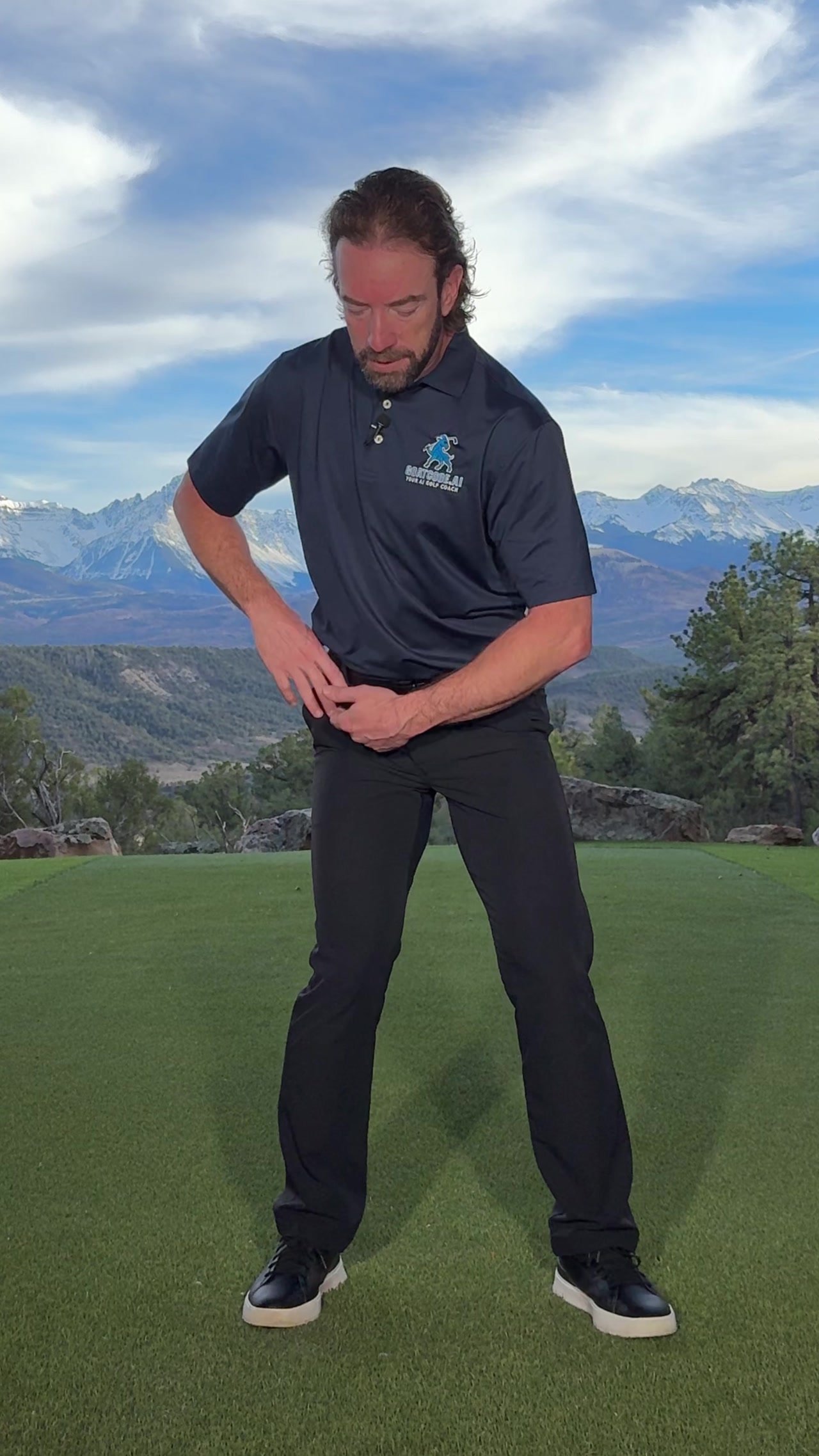
So from a static address position, I want you to visualize that your right hip, which you can see the belt loop on my pants here.
This is kind of right where my hip socket is.
You just live outside that I want you to visualize that.
That right hip moves a little bit back towards your right ankle, about an inch, and you're going to feel about 60 to 70 percent of your weight move underneath your radial red ankle.
So if you look, my right hip moved a little tiny bit louder, but most of it just kind of moved back towards my right angle.
So my hips are starting to rotate and they're shifting again.
What you're going to feel is is about 60 to 70 percent of your weight now move underneath your right ankle.
Now, how do we finish that up?
Great question, right?
So after we make that little tiny pressure shift, okay, that little shift, you're going to keep your weight underneath your ankle, and you're just going to pull your right shoulder back behind your head, okay?
So a little tiny pressure shift, pull your right shoulder back behind your head.
Now, if you notice, when I turn down the line, I want you to pay close attention to my right leg here.
I'm going to pressure shift, and I'm going to turn.
And what you can see here is I've maintained a little bit of flex in my right leg.
Not all of it, but I haven't let my right leg go ramrod straight.
You see this kind of window here between my knees?
This is your hips being over-rotated.
When your hips get over-rotated, it is a very, very tricky position for you to recover from.
Because in the golf swing, Your hips are going to go from 45 degrees closed to 45 degrees open in about a second.
No seconds shouldn't say seconds, it'd be really slow, right?
Not in those seconds.
It's going to go from here to here fast.
So if you over rotate, it forces you to have to recover, and that's not about what you want to have, I promise you.
Because we all know that we've got some speed demons attached to our body and we can use these and so often, your speed demons are going to win that race.
So, by maintaining a little bit of flex in that right leg, what it's going to do is it's going to help restrict some of the added rotation that some of you might have at home.
Now, some of you might be really restricted in your hips.
Okay?
You can allow for that right leg to straighten a little bit.
We want your hips to rotate.
We want them to shift a little bit.
We want them to rotate.
We just don't want them to get into a position where they're right now.
Okay?
That hurts me doing that.
Okay?
It's bad for your body, too, because when your hips over rotate, You can put a lot of stress on the labrum.
You can put a lot of stress on the outside part of the hip girdle.
And if any of you have had a labrum tear or any of you have had hip pain, it's not really helpful.
Okay?
And I don't want any of you to be in a hug around.
And if you don't know what a hug around is, I'm going to explain to you.
It's one of those little shopping cart things that you can put your keys in and you can drive up and down the aisles and you can, it's battery operating.
You don't want to be on those.
Those aren't cool.
Okay?
So a little lighthearted joke for you guys.
So simple little checkpoints for you are, A little pressure shift, okay, so a little pressure shift onto that right ankle by thinking about your right belt loop, moving kind of diagonally over towards your right ankle.
And then I want you just to take the right shoulder and pull it back behind your head.
Okay, and you're going to try to get this right shoulder popped out to where you can see it on the other side now.
I am not a very mobile person.
Okay, in fact, I'm very.
I'm tight because I'm not doing a whole lot of golf these days because I'm working so much and teaching you guys.
So my turn is going to get right at 90 degrees.
Some of you are going to be able to turn 95.
Some of you are going to be able to turn all the way to 100 degrees.
That's great.
That body rotation is another thing we saw a lot of people struggle with when we started adding some of the hand and arm movements.
So I really want you to make sure that as you move forward in this process that you're still being aggressive enough.
to be able to get that rotation in there.
It's going to go a long ways because the golf swing is made up of leverage, width, and rotation, and you have to balance the equation, okay?
So just a little nudge, try to get as much turn as you can by thinking about that right shoulder after you press your shift being pulled back behind your head, okay?
Now, another little tip for those of you that have a lack of mobility, let's say your hips are really, really bound up, then I want your left leg, Or your lead leg?
I'm sorry, I talk too much as a right-handed golfer and that's not fair to you.
Lefties at home bear with me.
I want your lead leg to feel very soft and relaxed when you start making that pressure shift.
Okay, I watch.
I don't want you to feel restrictive here.
You need to allow the hips to have some mobility.
And when we get to the axiom movement here in just a little bit, that is going to help you really kind of unlock the hips and legs anyways.
So you're going to feel some freedom there.
But again, we wanted to go down this pathway to give you some very specific checkpoints because the lower body can be a disaster for a lot of you.
So we want to help you understand that we want you to start slow, right?
We want you to start slow and chunky.
I want you to spend tonight and tomorrow going through the slow chunkiness.
And then I want you to start really ramping up the speed of these movements by tying the axiom back in there.
So end goal of this is that you should feel.
about 85 to 90% of your weight underneath your right ankle.
Okay.
You're going to hear me say right heel, right ankle a lot.
That doesn't mean the extreme heel.
Okay.
I'm so geared to say it like that because I've watched over the last 10 years, I've watched a lot of people shift their weight in the forward part of the foot early on.
And so you'll hear me say right heel, right ankle.
I don't want you going back to where you fall back on your heels like this.
That's ridiculous.
That's too far.
Okay.
Shoulders are going to be turned 90 degrees.
Things are going to be turned around 40 to 45 degrees.
So remember, that little pressure shift is going to feel like a little diagonal movement towards your right ankle.
It's about an inch or so.
It's not much.
And then big body turn.
Just try to maintain some knee flex.
That's it.
Piece of cake, right?
Now, here comes our transition.
Transition on a scale from 1 to 10.
10 being hard, one being easy, transition is like a 15.
Why?
Well, it's a very, very dynamic movement because your hips are going to be doing a bunch of stuff here.
But we're going to simplify this because, again, as I said to you about 10 minutes ago, is I'm going to give you a little secret sauce here that's tied into Axiom that I've been working on with my students specifically.
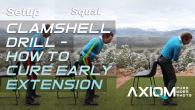
To move them through this position, it's basically the axiom tied to clamshell, and I know that a lot of you've seen the clamshell drill.
But you're going to feel how quickly you can move through these positions and you can get into that impact position that I showed you at first.
All right, so the transition, we're going to talk about some key checkpoints here.
So after you've loaded to your right side and you turn your body.
Okay, what we're going to do here is we're going to basically squat to square.
Okay, so we're going to take and we're going to drop down just a little bit.
And we're going to squat down, and our hips are going to come back to a square position.
And we're going to feel about 60% to 70% of our weight now move from our right side over to our left side.
Don't overthink that, because I know a lot of you at home are like, oh, how much is 60% to 70% of my weight?
You want to feel the pressure change.
You want to feel that weight move from the right side of your body, the trail side of your body, over to the lead side of your body.
You want to feel it through your feet.
So when you're doing this, you want to allow your hips to square back up.
So what that's going to look like from a down-the-line perspective is when I turn over into my right side, you're going to see me squat down.
It's very subtle, right?
It's not a workout program as much as I need one.
It's a subtle squat.
So my butt goes back just a little bit, and my hips and knees are virtually back to a square position.
Now, for those of you.
that have overused your upper body your entire life, well, you've got a really big key checkpoint with your upper half, okay?
In your upper half, what we want you to do is we want you to feel as closed as you possibly can, okay?
And so when you look at my shoulders, my shoulders are turned at 90 degrees.
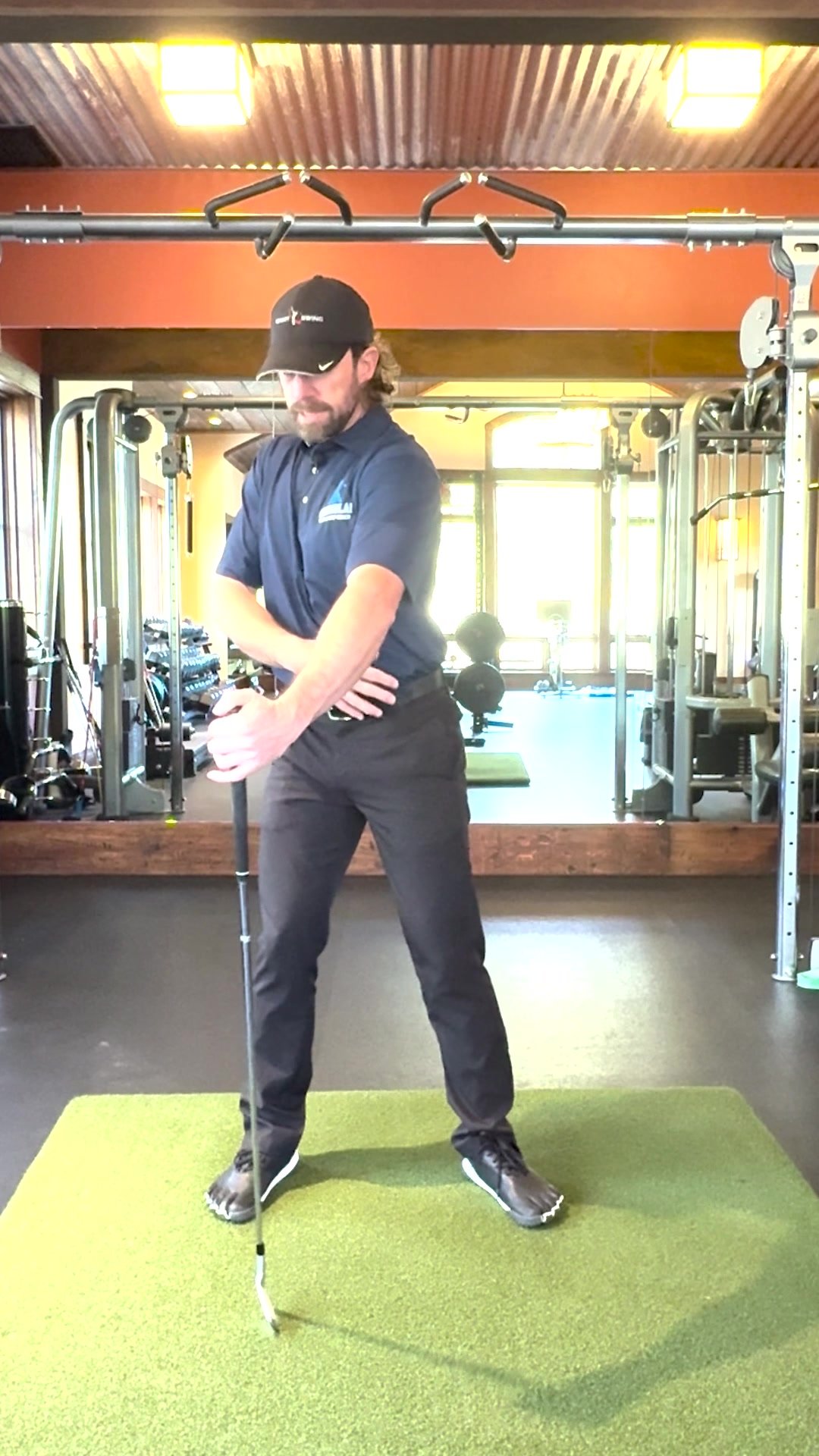
I'm going to shift left.
So I'm going to squat down on my left leg, okay?
And I'm going to keep my right shoulder up and my left shoulder is down.
So you can see here that.
My shoulders are still pretty close.
What that looks like from down the line, okay, is now my shoulders are still pointing back to you, so you can actually see the logo on my chest here.
Still, my shoulders aren't pulling back to square.
If you let your shoulders unwind too quickly, your hands and your arms are going to work out away from you.
You're going to make it nearly impossible for you to maintain lag, and you're going to have a really, really bad sequence.
That's harder for us golf instructors to manage.
So You want to feel really closed off.
So a good sort of thought process for you, for those of you that have been shoulder spinners or trying to be too upper body driven, is just try to feel like you're maintaining a coiled sensation with your midsection because you should feel pretty coiled up after your backseat.
Try to feel like you're staying coiled as you're squatting down into this left side.
Now, for those of you that don't know this, Craig and I got to do a whole lot.
Of golf instruction together.
Um, at the Dead Drill, so Craig and I were right here in this studio doing the dead drill boot camps.
And we found that when we were teaching this, that.
A very simple way for people to get this movement correctly was to kind of feel like your weight's falling to your left heel, left ankle, there's that left heel again, right?
So as you turn your body to your right side, you want to feel like your upper body falls onto your left side.
Now.
If you missed what I just said there, okay, your upper body should fall left.
For some reason, you guys, or I shouldn't say you guys, that's not fair.
A lot of people are afraid to move in this room.
We're afraid to shift.
Why?
Well, because we've always been geared to say, stay in the barrel, stay in the barrel, stay in the barrel.
In fact, I'll be honest with you.
I'll be upfront honest with you.
He used to teach that.
I used to teach people to stay centered.
That was before I had any sort of understanding of anatomy and kinesiology.
And that was before I understood the really, really negative effects out of not having a little bit of movement of your head and your chest and body.
Now, when you go and load your back swing up, I want you to watch my head position.
So when I pressure shift into my right ankle, that little tiny lateral movement, I pull my right shoulder back.
If you look at my head in relation to the screen behind me, my head just moved an inch and a half inch and a half or so.
Okay, it's okay for the head to move, everybody take a deep breath, it's okay for the head to move now in transition.
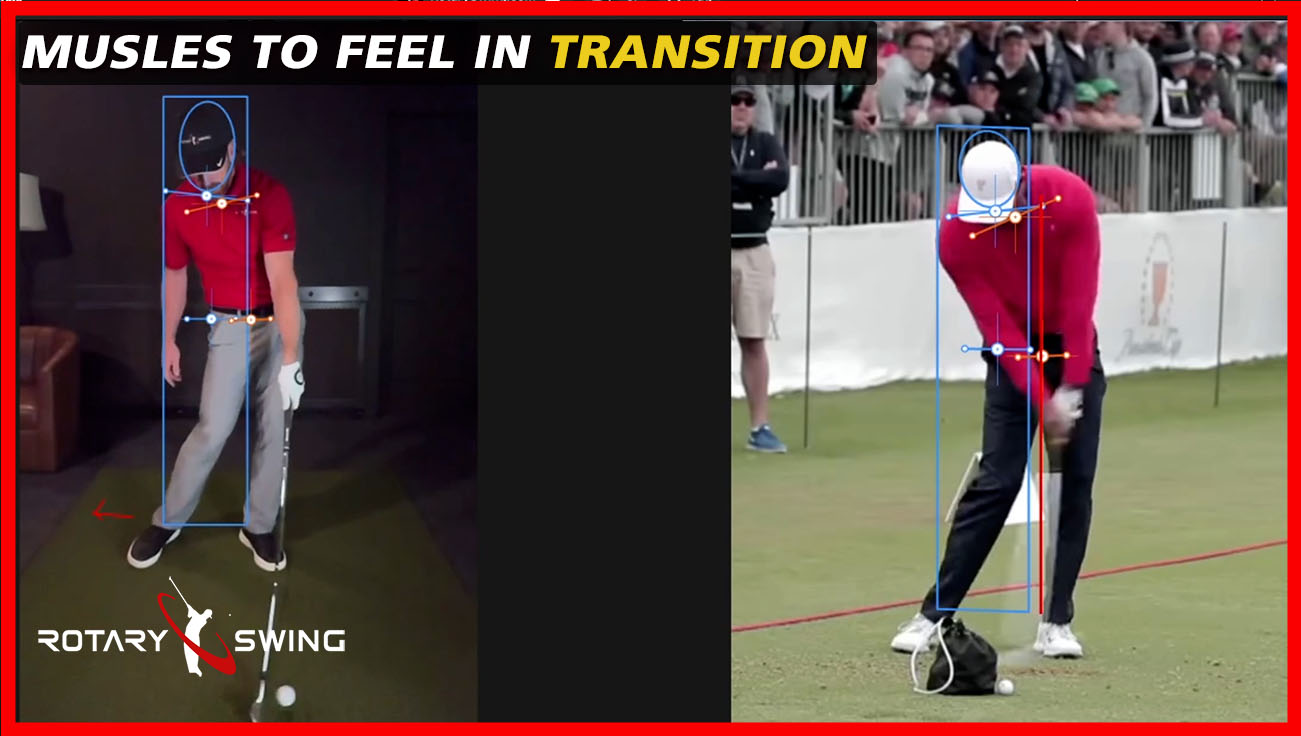
The number one mistake that we will see people make is that they will turn their body and they shift their hips left and look at where my upper body is.
This is not going to do you looking good.
In fact, this is What I consider to be a fault that leads to an absolute catastrophe in the bottom of the swinger.
And I see it way too often.
And Craig sees it way too often.
And Chuck sees it way too often.
And again, it's a byproduct of you trying to keep your upper half too still.
Allow your upper body to move.
So the way that I want you to quantify this, let me just use this water bottle for a second, is put a ball down in ball position, right?
You want your left ear and the ball, you want the ball to be off of your left ear.
Okay, so I'm going to use this water bottle as my reference point.
Get in the right spot.
So when I load it to my right and I turn okay, I want my head to come fully back to that position.
Okay, or slightly in front, slightly in front, okay.
Now, part of the way that your eyes process information, it's part of your vestibular process, it's part of proprioception.
That one inch of movement feels like 35 inches of movement, I get it, it sucks to feel that movement, But you have to have it, okay?
Because what other hitting or throwing sport do you not use weight transfer?
Figure it out.
You use weight transfer.
Everything in your throwing sport.
You wouldn't just take, load your weight to your trail side and then throw your arm and then not strive, right?
That wouldn't do you any good at all.
No good.
So you have to allow your body to move.
So key points for transition are, we're going to think about it from the ground up, right?
When you transfer your weight, Left, you're going to feel about 60 to 70 percent of your weight underneath your left ankle.
Okay, your hips and knees are going to be coming back to a square position, almost square is fine.
There's going to be a little tiny squat when you do this, and your shoulders are still going to be closed.
Head position is going to be back against the position it wasn't addressed, or slightly in front.
So I want you to think about the positions that I just talked about from the ground up.
Literally, focus on it from the pressure that you feel in your feet, up through your hips and your knees, being back to a square position, out through your shoulders, and up through your head.
Piece of cake, right?
So now you have some very specific checkpoints for backswing.
You have some very specific checkpoints for transition.
I'm not expecting you guys to be rock stars with a transition phase, right?
Because, again, a lot of you have some.
Really nasty faults in there.
But wait, in just a few minutes here, when I start bringing this movement all together, you're going to see.
Well, man, I've never really seen myself move through these positions as well as I am now.
And I'll be honest with you, I mean, I'll take some bets.
if you guys want to make some bets, I'll take some bets.
So we'll get there in here in a minute.
So now let's talk about the final move here.
Sorry, the post up, the post up is the fun one.
The post up is the position where we start letting things fly.
The post up is great for stability.
Okay?
This is a position where we're trying to stall the body out so the hips go through this really quick acceleration phase and then they stall and all.
That's all that's happening there is that your hands and your arms are now being propelled through the hitting area.
So it's just like a catapult, right?
So you think about that big, big component that's moving and then it stops and then out through the arms.
So this is where we're going to get a little bit fancy with the terminology, right?
We're going to make sure that you really feel some glute activity.
We're going to make sure you feel some squeezing, some tightness there because rotation is something that's really easy for us to achieve.
So we want to stop that rotation, right?
Because this allows the arms to start flying past you.
If you continue to turn through the hitting area, much like, how am I going to say it?
It rhymes with schmick baldo.
You all right?
It rhymes with Nick Faldo, who always tells us to turn our chest through the inner area, then you're just going to hit it really short, okay?
Because at that point, if you're turning through the inner area, a few things are going to happen.
Club face is going to be late to rotate, number one.
Number two, the club is moving at the same rate that your body can turn.
And number three, it's dangerous as all hell on your body.
Why?
Because your spine needs two things.
It needs shear force and it needs compression, okay?
So body rotation.
And these forces that we're putting on the body is just that.
Okay.
So the post -up move, we're not going to overthink it.
The post-up move is just simply getting your lead leg to a passively straight position.
Well, Chris, what is a passively straight position?
Well, think about it.
If I'm just in here talking to you guys, I'm standing in a passively straight position.
I don't have my legs locked out in this really ramrod straight position.
Okay.
Passively straight position.
Now, how do we do that?
After you make that transition, so we've got 60% to 70% of our weight on our left ankle, our lead ankle, we're going to push that into the ground.
That pushing into the ground is going to create ground force.
Ground force is an excellent thing.
It's a source of leverage.
This is one of the aiding factors to the leg moving to that straight position, but also aids with the rotation of the hip.
Now, in the past, with RST fundamentals, You've heard us talk about, as we're making that post-op move happen, that we want to use the lead side of obliques to help rotate the hips open.
If you can have some awareness of your obliques to help rotate the hips, totally fine.
If you don't have much awareness, again, I'm going to be tying this together with a simple little movement, that clockwise movement that you heard us talk about so much.
You may not have to feel that muscle group.
A lot of times, when you have a golf swing, you want to get to a point.
where you don't have to think about all the muscles that are firing.
You don't want to have to think about your right glute, your left glute.
You don't want to have to think about supination, pronation, ulnar deviation.
You don't want to have to think about those things.
You want these things to happen automatically because the reason why a lot of you are sitting here is because you've been around for a while, you've watched a lot of videos, and you really haven't got a lot of success because you continue to get too much muddled up in your brain.
We want to simplify the process.
All we want to do after we make that move in transition is we want to push the left ankle into the ground, and I want you to pull your lead hip back up and away.
So I want you to feel this lead hip move back up and away so that it's going to be rotated open right around 45 degrees.
That's it.
Okay?
45 degrees open.
Now, you want to be a neutral joint line.
When you make that shift onto your lead side, okay, you're going to be just short of neutral.
If you look right here, there's my belt loop, okay, I'm missing it there, it is right there.
okay, when I make my post-up move, watch my belt.
So it's rotating, and it's moving gladly at the same time, it's moving into neutral joint line, and it's rotating open.
I don't want you just to shift and transition and then just pull the hips open.
Because look at what, that all my weight just did, all right, all my weights on my right side.
This leaves a ton of mobility in your hips, puts you in a dangerous position and it's really inefficient.
So you have to remember that we're trying to get you full, neutral joint on.
So you have to continue to feel that hip move in the direction of the target.
You want to feel it move up and away now, what's the significance of it moving up and away?
Well, that's going to force the club to go really fast because we always want to move in the opposite direction.
So a little physics lesson, right?
So if I'm moving in this direction, the club wants to work away from us really fast.
That's how you create a lot of really good free speed in the swing without you having to work hard.
That's what we want.
We want to work less hard, less reactive from our hands, and we just want that club to fly.
Okay?
That's it.
So the final piece is what do the shoulders do?
Well, the shoulders, after they get to that 45-degree sort of closed position, they're going to be pulled around to square.
So your end point for impact.
And this is what you're going to be burning into your brain over the next four days.
Because you're going to be getting to that impact position and stopping.
Why?
Well, because that's where the big payoff is.
We want you to be able to get to this position where your hips are open 45 degrees, your shoulders are square, fairly level.
We want you to be as close to the level as you possibly can.
You're not going to be when your hands are on the club.
But we want you to feel pretty upright.
We want.
80 to 90 percent of your weight underneath your left ankle.
We want this position to be where you're going to deliver the club from.
But it's safe, efficient, and it's really, really cool.
I mean, look, even with my me being a little bit overweight, look how cool I look right right here, I can deliver.
Okay, another little joke for you guys.
Appreciate the enthusiasm, so that's it.
Those are your checkpoints, they're listed there for you in your PDF.
I want you to start out by doing these reps from a good setup position, just your back swing, then to transition, then to post up.
I want you to get those things as close to right as you possibly can.
And slow, chunky build.
You're not ready for a whole lot of speed if you've struggled with the lower body.
So you want to make sure that you spend the next day or two or three working through those.
If you need reference points, go to the PDF.
If you need help, myself, Craig, Chuck, we're all here for you.
We're not just throwing you out there in a pack of bulls.
We want you to use the review system.
Send in swing reviews.
I love doing swing reviews.
I love looking at the swing so I can help you understand what you're doing wrong.
It's a really, really easy, simple little tool that we have set up for you guys.
So if you haven't used swing reviews, or maybe you're new here and you didn't know they existed, there's swing reviews on the website.
You send them in.
It's myself or Craig, sometimes Chuck.
We're all in there just pounding away, sending you back information.
Use them.
You can buy blocks of them, or you can.
even join our unlimited swing review groups.
Greg and I have opened up spaces in our group, but we also want you guys to be able to communicate with each other because we have a pretty big group of people, right?
Pretty large group of people, and some people are actually really helpful.
Some people have relatable issues.
Some people can sit there and be like, okay, I actually battled with that myself.
So use the community forums.
Community forums are great.
You can go in there, post up what you're working on.
Other people can look at it with you.
They can help you.
Totally fine.
But if you find yourself struggling, Send it in for a straight swim review.
Okay, that's a little kick in the butt for you guys now, for those of you that are ready to have some fun and ready to tie this back together.
And as I said to you a couple times over, is I got a little secret sauce here for you?
I wanted to tell Chuck that I wanted to call it the Chrysium.
But we're just going to keep the accent because it's the same thing.
It's just coupled with the clam cell drill.
It's just finding a little bit of awareness of your left hip and your left leg.
And counterbalancing it with this aggressive movement that we're going to be making with the clockwise circle.
Now, I will say this, a couple of big faults that I saw over the first camp, I'm sure Craig will vouch for this.
When we get done is that when people were working to get off the merry-go-round, we'll talk about that here in a moment.
What that actually means is that people were really taking this right leg and driven it in towards the golf ball.
Okay, right foot, way up on the ground, and they were coming doing what, up and out of posture, okay, when you start losing posture, you start sending all kinds of things down the pipeline that can go wrong, right?
You start shifting plane, you start shifting the bottom of the swing arc around, you start forcing your hands to become really active.
So I know we all heard it before.
We do not want you to have an early extended spine position at an intake, we need you to stay in posture, okay, so what we're going to do is we're going to talk about when we start working off of the merry-go-round.
And transferring our weight from our lead side, how to kind of counterbalance it the proper way from the lead side.
So for those of you that have not seen the Axiom lower body Movement video, or for those of you who have not seen the clamshell drill?
Which is absolutely brilliant video because it outlines the exact movement from the hips and what the spine is actually doing through each section of the gospel, and it was like a big light bulb moment for everybody.
Those two videos are what?
How I'm going to teach you how to move through these positions, because I've seen a lot of really confuse people become, oh, all right, that's pretty easy.
And I'm not creating any faults that I was dealing with when I was just trying to do it on my own.
So the way that I want you to think about axiom, okay?
Axiom is movement.
The reason why Chuck designed axiom is because you guys all forget to move, right?
Golf swing is never a position.
It's movement through positions.
You have to be able to move through positions.
Don't get stuck, right?
And so many times we get so frozen with this technical aspect of the swing, That you can't even pull the trigger, so that's what this does is it helps eliminate it.
And we're going to start out by thinking about this.
Very exaggerated at first, right?
I hate doing that because why?
Well, because I'm wired to teach you guys details, right, to be very, very detail specific, but being detail specific as a golf instructor doesn't teach you guys.
How to move through positions, right?
So that's why the beauty of axiom is what it is, right, it helps you move through positions.
And that's why when I spoke to Chuck and Craig and I, and we were going back and forth on this.
If we can get the lower body moving dynamically and we could spend some extra time with this and you could get into that impact position that I just talked about.
Then you're going to be a lot easier to manage when we start putting the arms in the club back in the mix, I promise you.
So for those of you that haven't seen you guys been living under a rock, I get it.
For those of you who haven't seen what the accident is.
I want you to visualize a clock on the ground, Okay, like you're looking down on it, you can see the little image up here of Fred Flintstone foot.
Okay, I want you to imagine 12 o'clock is at your toes and 6 o'clock is at your heel.
And what we want you to do is we want you to start rotating the weight around the perimeter of your foot.
Okay, now when you're doing this, I want you to look at my hips and my knees.
Now, I've seen a lot of people doing this.
Okay, that's not what we're talking about.
All right, moving your weight around to the foot like I've done right here is not what we're trying to go after, okay?
What we're trying to go after is getting you to move, getting you to free up your legs and your hips, okay?
Because this is what you're going to be hitting the golf ball with.
So when you're making this perimeter shift, I want you to go around the entire perimeter, and I want your hips and your knees and your legs to be very relaxed, okay?
You're going to feel like old Elvis hips, right?
I was a pretty phenomenal dancer at one point in my life.
So this feels real good, man.
I feel like I put on some hip hop and do some good stuff, okay?
Now, for those of you that are left -handed, it's counterclockwise.
I'm sure you get that.
Now, what I want you to think about is when the hips are moving now, when you start feeling that weight move around the perimeter of your foot, and you start feeling what's actually taking place here, right?
We call this the vortex generator.
This little small kind of circle that you're creating down here.
With your foot is turning into a much bigger circle with my hips, right.
This right here is the movement that you want to get right.
Okay, because if you can get this pressure shift around the foot, okay, and then you can start working on this really aggressive movement.
As you work from six I want you to think about this objectively for a second.
Okay?
I want you to visualize.
So if you had a small chair sitting back behind your left bum, okay?
Small chair sitting back here.
And I told you that I wanted you to work around the perimeter of your foot.
And as you start getting to 6 o'clock, you start going up through 7, 8, 9, and you're going to work to get off the merry -go-round.
I want you to aggressively feel like your left butt moves down and back as you're moving off of your right side.
Would that allow you to feel movement into the correct position?
Well, I want you to try that out.
I want you to start working around the merry-go-round.
And just for those of you that don't know what the merry-go-round or getting off the merry-go-round means, is that as we go from six up through seven, eight, nine, is our weight is now going to go onto our big toe and our right knee.
Is going to start moving towards the left, not all the way in where you collapse down, it's going to start moving in.
This movement in is helping you shift your hips, but it's also helping you clear your hips.
I've seen a lot of people think they're going to just do that and not get their hips cleared out.
So what I'm giving you tonight is a counterbalanced movement.
Okay, which is very much in line, excuse me with the clam shoulder If you look at the latter half of the grand shoulder rope, and you see Chuck really getting into that left side and pulling that left hip out of the way, okay, if you think about that movement, as you're aggressively moving around the perimeter of your foot, okay, as you're moving around the perimeter of your foot, and then you start working to get off the merry-go -round, and you aggressively pull that left foot down and back, okay, then you're going to be in a position that I've been demonstrating all night.
So try it out.
So think about the weight moving around the perimeter of your foot.
Go around a couple times.
This is freedom.
And as you start getting six and then you can start rotating up onto the toe?
That's a great question because, again, I know there's maybe a little bit of confusion.
We're not going to evade the RST fundamentals.
We're doing things to give people movement that eventually, if we need to tone it back a little bit, we'll dial it back a little bit.
That's why I said think about the axiom as being a big movement first, and then when you get really proficient with it, it's going to feel like a little tiny clockwise.
Then you're really starting to move through it, and I really, We'll tell you, if you think about your left butt counterbalancing this movement, or you think about it as you're working to get off of the merry-go-round, so as you're working through 6 o'clock up through 7, and you think about this left butt going down and back, okay?
Try it.
Try it out of home.
You're going to be in this spot.
So, again, the big thing that we want you to understand is that we don't want you to overthink when it's axiom time.
We want you.
To let that stuff naturally happen, we want you to give you a simple focus point, so moving the weight around the perimeter of the foot.
As you start to get through that seven, eight, nine, think about the left button, moving down and back, okay, and you're in impact.
The end goal is from now until Tuesday.
I'm sorry, Saturday into the following Saturday is to be able to get you to do this, okay?
So now, if you think about that move, right?
So a lot of you really battle with squat to square.
How much squat do I need to have?
How much shift do I need to have?
If you drive around the merry-go -round and you go from 6 o'clock up through 7, 8, 9, as you're going around the perimeter of your foot, and you think about this moving down and back as you're working to get off the merry-go-round, you're going to be in that spot.
I promise you.
And if you look at it really slowly, as I'm going around, You can actually see my head drop down just a little bit.
Craig is answering some important questions in the comments right now about the position of where the weight's going to be.
Again, when you're working to get off the merry-go-round, you're going to be working to get up onto the big toe with your right knee moving towards your left.
Not towards the golf ball, towards your left.
When you're doing that, couple it with the left butt moving back, and you're in impact.
In just an hour's time, which is crazy that I've already been talking about.
I gave you guys set up.
I gave you guys back to specific positions.
I gave you transition.
I gave you post-up.
And I gave you movement.
Not expecting it to be perfect.
Remember, we're not looking for perfection.
We're looking for you to be able to start building good, good, solid baseline stuff.
That we, excuse me.
It can help you tweak.
Don't overthink the movement.
Don't.
All right.
The number one question that we get, when do I start getting my weight to go to 12 o'clock?
Where do I start my weight on my feet?
It's missing the point.
We don't want you to think about that.
We want you to think about getting the weight to move around the perimeter of your foot.
And as you get into six o'clock and you start going up from seven, eight, nine, that you are working to get off the merit around and you are getting into this position that you see me standing in right now.
Okay.
Now, every single rep that you guys are going to do this week.
is going to be done with your arms across your shoulders until Saturday.
Saturday, I got some exciting stuff for you guys.
And this is a really important part of the golf swing.
And if you can get that right, and then you can tie it back with some of this movement, then you can start hitting golf balls right away.
And then you can start lengthening the swing arm.
And then we can start choosing our dominant side.
This is going to be the most ideal approach to fixing your golf swing.
Hands down, I promise you.
We've tested it.
We've seen it.
It's freaking awesome.
I'm not one of those people that likes to bullshit around.
I'm one of those people that likes to tell you the honest truth.
Those of you people that have worked with me for many, many years know that I don't sugarcoat things.
I don't want you to feel warm and fuzzy inside.
I will tell you when you're doing things terribly, and I'll tell you when you're doing things awesomely.
Again, I want you to succeed.
Chuck wants you to succeed.
Craig wants you to succeed.
We're here to help you in this process.
Don't overthink things.
Right, when you understand what your faults are, you take the time, you go through the processes of change.
You're going to start to see some daylight at the end of the tunnel.
Go through the next day or two, go through the chippy little pieces that I taught you.
Make sure that your setup is perfect.
Send it in for swing review.
Let us look at it.
okay, if you need just to check on setup.
It's not a waste of a review, it's us checking to see if your foundation's in a good spot.
When you start moving from a good address position in the backswing into transition into post-up, and you notice those positions are done pretty well on a very, very accurate scale, then start putting the movement to it.
And when you get to that point, when you're starting to really move around the perimeter of your foot, don't overthink it.
Allow yourself to feel the pressure shift and allow yourself to counterbalance it with what your lead hip and your lead butt are doing.
And I promise you, you're going to be in a great spot.
I've had a guy from the MLB that I'm testing that sort of counterbalance movement with.
And you should see this guy's golf swing, I'll pull it up on on Saturday and let you guys see it, so that's it, so that's.
That's what I want you guys to be able to do is we want you guys to go and spend the next four days.
Working on your lower body, working on getting loaded up and working on transitioning into a really good, solid entire position.
If you could do that and you can do it at a very, very high percentage, then the rest is.
I'm not going to say a piece of cake, but the rest is easier for us to manage.
You will literally set the foundation off and you'll stop creating faults.
And Craig will tell you.
And I'll tell you here in just a minute.
When I start opening up for questions that this stuff down here, it, it has this sort of negative drawback to the swing.
If it's not done right.
We're always chasing your tail in circles.
We really are promising now, Rep.
wise, we want you to try to get somewhere between 100 to 300 repetitions a day.
I know a lot of you are home away.
Holy crap, how am I going to do that?
Okay, trust me.
100, 300 reps, it's not going to take you that long.
Don't overdo it because you're probably going to feel some muscles working that you didn't know you had before.
Okay, I'm not saying that I'm sore.
I'm just, I felt like my right foot was starting to get on fire from the four or five demonstrated reps that I did for you guys.
So you might feel some fatigue in some areas of the body.
Okay, if you start feeling pain, okay, some discomfort.
Then that probably means you're doing something wrong.
And you better get it in for us to take a look at, because we're not in the business of hurting people, right?
We're in the business of being able to help protect and preserve your bodies.
So that's really the bare bones of what we want you to do.
I want you to do 100 to 300 reps.
Spend time just focusing on getting yourself and focus on the lower body chunky movements, and then bring the axi movement so that you're moving through the positions.
And I'd be very interested to hear on.
Saturday, For those of you that look at the camera and look at your videos.
When you're using this axiom movement, and you're thinking about that sort of counterbalance that I threw in there, my secret saucer, I called it the chrysium, just bear with me on the joke.
When you use that, if you saw that your hips move dynamically and you move to impact perfectly without really having to think about it, if you could literally just do this without really having to think about it, boom.
Everything from there is much easier for us to manage.
I want to end with this.
This is really hero-racking.
It really is.
I haven't done a boot camp since the day, right?
So I want to thank you guys for bearing with me because it's difficult to get back into swinging things.
I know I do talk really fast, but the information that I gave to you tonight, I'm so freaking confident that if you follow this program, you're going to see some really good stuff come out of this.
Because I know some of you.
I know some of the faults you've had.
You have to be meticulous, you have to focus on.
In this order, we cut some of the freedom away from this because we want to take away some of the faults that were being generated.
And it's not again anybody's fault.
It's just when we start freeing up things a little bit early, then you guys can get really kind of out of hand, right?
Because again, people are processing the information differently.
So I want to thank you guys for for tuning in.
I know I talked a little bit long tonight.
I'm going to stick around and answer some Q A with Craig.
And I'll stay on as long as you guys need me to.
I would say, again, tonight, try your best to keep the questions really related to what you saw from me.
Come back on Saturday with a list of questions, okay?
And I'll be able to go through the Q&A at the start, and then we'll get into it.
And Saturday is a really focused program.
It's a really focused program on starting to develop a really good, solid hitting area movement that a lot of you tend to screw the booch Um, I do.
Thank you guys for joining us tonight.
If those of you that can't stick around for Q A, want to get out of here because I've lured you to death and get on out of here, you can watch the replay if you need to.
Um, those of you want to stick around for some.
Q A Um, then please post up some questions, I'll do my best to answer those.
Um, if you have a question that's outside the scope of what we talked about tonight, that's fine, you can ask it.
I'll try to answer it.
Okay, hopefully you guys enjoyed it, though, hopefully you guys can kind of see the passion and hear the passion for me.
I know sometimes it's a little bit difficult for me to demonstrate 100 perfectly, like, like you see from the master himself.
Chuck.
But I, I try my best.
Because I know getting into these positions is where you need to be in order to be able to learn.
So thank you guys very much.
So I'll open up for some.
Q A All right, I'm sure Craig has actually answered all these.
For those of you that don't know, Craig, Craig is Craig's my man.
Craig is an absolute phenomenal instructor.
Um, he's been been with us just as long.
As long as I have, I, maybe, I don't know, but he's awesome.
So thank you very much for the help tonight.
CRAIg.
Uh, hopefully you're feeling better buddy.
And, uh, any reference videos contained available on the website?
Yes, so the videos we reference on the PDF are all available on the website.
Um, we will.
Yes, they are all available.
You need to make sure that you check those out if you need some added information.
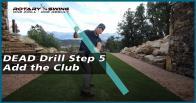
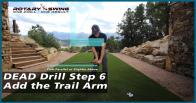
Okay, Again, what we gave you tonight was dead drill steps 1, 2, 3, and we gave you axiom footwork, and we gave you clamshell drill tied to it.
So the reason for that is because you've got to do that right.
Another good video for you to check out is impact alignments.
Remember, impact alignments are going to be the inside of the body stacked up on neutral.
Left ankle, left knee, left hip, left shoulder, hips open 45.
Okay, shoulders as close to being level to the ground as you can.
You're going to, you're going to have access to.
We're going to talk about that further into the program.
But we know where the faults lie, so you want to try to get in front of these faults.
Okay, so Tom, thank you very much, glad you enjoyed the presentation.
Are there any RSGS instructors?
Six hours of Oxford facility?
I don't know, I don't know, I don't.
There's a a listing of instructors on the website, I know you can check that out, you can find one that's close to your area.
Um, if not, then you can, you can come up here to Orlando, or you can go out to Colorado.
So, um, are you?
And I have an easy time shifting into the right ankle and then shifting back to the left with shoulders closed.
But doing the accident feel like I'm not getting the weight 90 on the back soon.
Okay, so you're probably not being patient enough and not allowing the hips to move, right?
Because a lot of times people are trying to move the foot around to get this perimeter shift.
So allow the hips to move, right?
When I start moving around onto that one, two, three o'clock, four o'clock range, my hips going over in that direction.
Again, this is overdone.
This would be way outside the right hip line.
This would be a position that would essentially hurt you.
But again, we tone that back.
So if you're not getting 90% of your weight over there, then allow the hip to move a little bit with that movement onto the perimeter.
It's okay to have it a little bit overdone for now.
We don't have any sort of big force with the hands and the arms in the club, and we can tone that back with you.
So don't be afraid to let it move onto that side.
So back in the notes here.
I'm sorry.
There's a lot of questions that are coming through.
Biggest challenge with axial movement for me is shifting our line perimeter, the right foot, 12 o'clock to 6 o'clock.
because the head moves off the ball and it feels like I started seven o'clock on Golden.
Can you explain?
So again, we don't want you to think about a certain spot on the clock that you want to start.
We know that we want to get your weight over onto your right side and we want to get your weight from there over to your left side, right?
So the weight moving around the perimeter of your foot, you have to allow the head to move.
I went through that part in the presentation.
If you lock your head still, then you're going to have problems, okay?
A little bit of movement is fine, right?
So whether you're doing it with a pressure shift or whether you're doing it with axiom, it's okay to have a little bit.
We don't want to move it all over the place because having your center move all over the place means you got to get things lined back up.
But if you deadlock your head still, then I'll tell you right now, you're going to get hurt.
Let the freedom happen here.
Let it happen.
Let it move.
If you see that all of a sudden when you're going around the foot and you're doing this, that's the left shoulder pushing you off the ball, okay?
A lot of times what people will do, and this is a very common mistake, I'm sure Craig will vouch for this one as well, is that you start feeling like you're shifting, but you never really do shift, and you lean your upper body over on this side, and you feel like the upper body leaning there is your source of weight shift.
Don't do that, okay?
Please don't do that.
That's going to make you suck at golf, and it's going to hurt you, okay?
So, good question.
How far should you allow your left knee to shift to the right and the back swing?
So, The lead knee, We're not going to give you a specific reference point because it's going to be a little bit different depending on how much mobility you have in your hips.
So we just want the lead knee to move in slightly when you make your shift and you start turning.
It's reaction to what the right hip is doing.
If it comes way in like this, that's when your hips can start getting really unstable going back.
What that can lead to is, if you look at my pelvis, it's got a lot of tilt to it, okay?
And that's a really dangerous position, a harder position to recover from.
We had some videos on the website called the Laser Beam Drills, um, where we've talked about, you know, giving yourself a specific point.
So when you turn, you don't want your lead knee to come inside the golf ball.
Um, so, if you have that problem, just try to let it, let it have some freedom, but don't let it just start diving in.
That's a that's where you're creating force of movement.
So good question.
So as I shift and post up and recognize the front of the lead foot does lift, correct.
The front of the lead foot has a shift and post up.
No, so Mike, that might be because you're going back a little bit too far.
So you might be getting too far back into the heel, okay?
So you want to get your weight just a little bit more underneath your ankle joint.
What happens in the pressure shift onto the lead side, and I probably should have talked about this tonight, was the weight actually goes kind of towards the ball of your foot, okay?
So it goes towards the forward part of the foot, and then it dynamically moves right underneath the ankle joint at your, Impact zone Okay, so it does move a little bit forward.
If you shift and you're going way too far back into the the heel, then you're going to find that when you rotate the hips open, you're going to be on the outside front.
Okay, so, after the post-up, should the shoulders be square to the ball or slightly past, or they should be square?
Okay, do not have your chest turned open.
So when you get to impact, okay, I know it looks like my shoulders are open.
Let me turn in a better angle here, so my shoulders are square, Okay, and they're square here.
You can see my left butt cheek kind of popping out right there.
You see my shoulders are pretty square.
Okay.
Craig, thank you so much, man.
You're answering a lot of questions.
When I start the accident, get off the merry-go-round and post up, my disconnect for me, does it feel like I'm falling on the left side?
It feels like my hips are just turning.
I'm looking in the mirror.
Okay, so Nathan, I love this question.
So if you think about it, when you start moving around the inside perimeter of the foot, okay, and then you start allowing yourself to kind of move in the direction where you're going to try to get off that toe, okay, you should feel the upper body kind of moving in this direction, right?
I tell people just stand here vertically and push your entire body towards the target.
That's not what we would be doing in the galsman, but do that movement, okay, isolated away from it for a second.
But now do that with your left leg moving down and back, and it should help you get your upper body moving into position.
Again, these instructional techniques that you hear me use are things that I use on an everyday basis with my students.
Same thing with Craig.
When Craig delivers his presentation, he's going to give his way of explaining it to the students.
And the reason why I use these sorts of thoughts are because I see success with them.
I know not everybody's going to grab it and be like, Just rock star movement.
This is gonna happen.
So, oh, Mr.
Vu, welcome back sir, I haven't seen you in a bit.
It's a quick question on the initial pressure shift.
Is the shifting of the belt loop directly diagonal, which would keep the hips square?
Or is it more of a slight rotation lateral shift which would cause all right?
So it's actually a little bit above so slight rotation lateral shift, which would cause a slight closing of the hips?
So it's again, if you think about it, I know I said lateral, I want you to feel like this right.
belt loop kind of moves diagonal towards your right ankle, okay, so just a little tiny bit back towards the right ankle.
It's about an inch.
I don't want the hips just to move this way, right?
I don't want to do that, it's too much.
So think about just a little press down on the right ankle and this right belt loop.
Kind of moving just a little bit in the lateral side and that's enough.
And that will help you start getting the weight shift, but also create dynamic movement from the hips.
What I mean by dynamic is the hips are going to be doing both of those things simultaneously.
If they get too much of one or the other, you're going to have problems.
All right.
So, Nicholas, thank you very much.
I appreciate the kind words.
What do you think is the best way to use the dead drill and accident together?
Also, approximately, where should your hands and club be when you post up?
Stop.
The dead drill and axiom is how I just taught it to you.
I was wondering, I was like, hopefully I can explain this right.
Using the dead drill and axiom together is what we're teaching you.
We're giving you the dead drill key checkpoints and we're moving it back together with axiom.
We want you to feel, we want you to get proper positions.
We want you to know what those positions are because it's a way for you to kind of go back check some things.
You notice that you're struggling with getting your hips in the right spot on the top of the back swing.
You notice that you're having a hard time.
And that midsection of the downswing.
Or maybe you even have a hard time to close up.
And then do those moves isolated and then start trying to move and tie action back into it.
Have that freedom, okay, that's a good way for you to be able to put it all together.
And I like, I love that approach because it moves you quickly away from the technical aspect of the swing.
Okay, it gets you more into.
I gotta go, I gotta do something.
All right, so good question.
all right, I do a locked right, but I tend to keep my hips laterally too far.
Suggestions for that?
Yep, just what Craig said.
Lead hip back.
again, I don't know if I explained my secret sauce move low enough.
Think about a small chair being back behind your left butt.
I'll bring a small chair.
My son has one somewhere that I can borrow.
Okay?
I want you to think about this butt going down the chair and moving away as you're driving off a merry-go-round.
If you do that, think about it.
If your left butt's going down towards the chair and moving back away, then you're going to introduce a little bit of squat and you're going to move into neutral.
If your hips continue to slide, then you're not rotating them, right?
You have to think about that first really good initial move as you're getting off the marathon.
That'll allow the hips to move really dynamically.
Really, really fun way to kind of tie it back together.
That's why I introduced it tonight to you guys.
So the cat is out of the bag.
I think the questions are winding down.
I don't know if I.
got all the questions i'm sorry if i missed any it's hard to scroll back through if i missed any questions um then please please please feel free to bring those questions with you on saturday okay so the plan on saturday is to open up for some q a go through some fault fixed up with what craig and i dealt with through the week and get right into it and saturday is going to be we're going to tie things back together we're going to do a bunch of reps together believe it or not so i'm going to walk you through setup and watch you walk you through the loading process and then we're going to do a bunch of really focused reps on how to do some things right in the hitting area and then what i'm going to do is we're going to get you out of there and we're going to continue to have you tie this these two things together and we'll be back next week so with that being said you guys are awesome thank you guys very much for helping me get through a little bit of the nervousness and let me get something back in here uh i'm looking forward to saturday looking forward to seeing you guys please let us know if you have questions post them up in the community send in reviews we are here to help you i'm really really excited to hear the sort of results that you guys get with the lower half on saturday so try out what i was giving you today get those those really focused positions and then tie it together use that little secret sauce move let's see how we do have a wonderful rest of your evening