


































How Far to Stand from the Golf Ball
Sorry, you need to be a member to access this video. You Are Just Seconds Away!

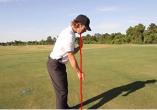
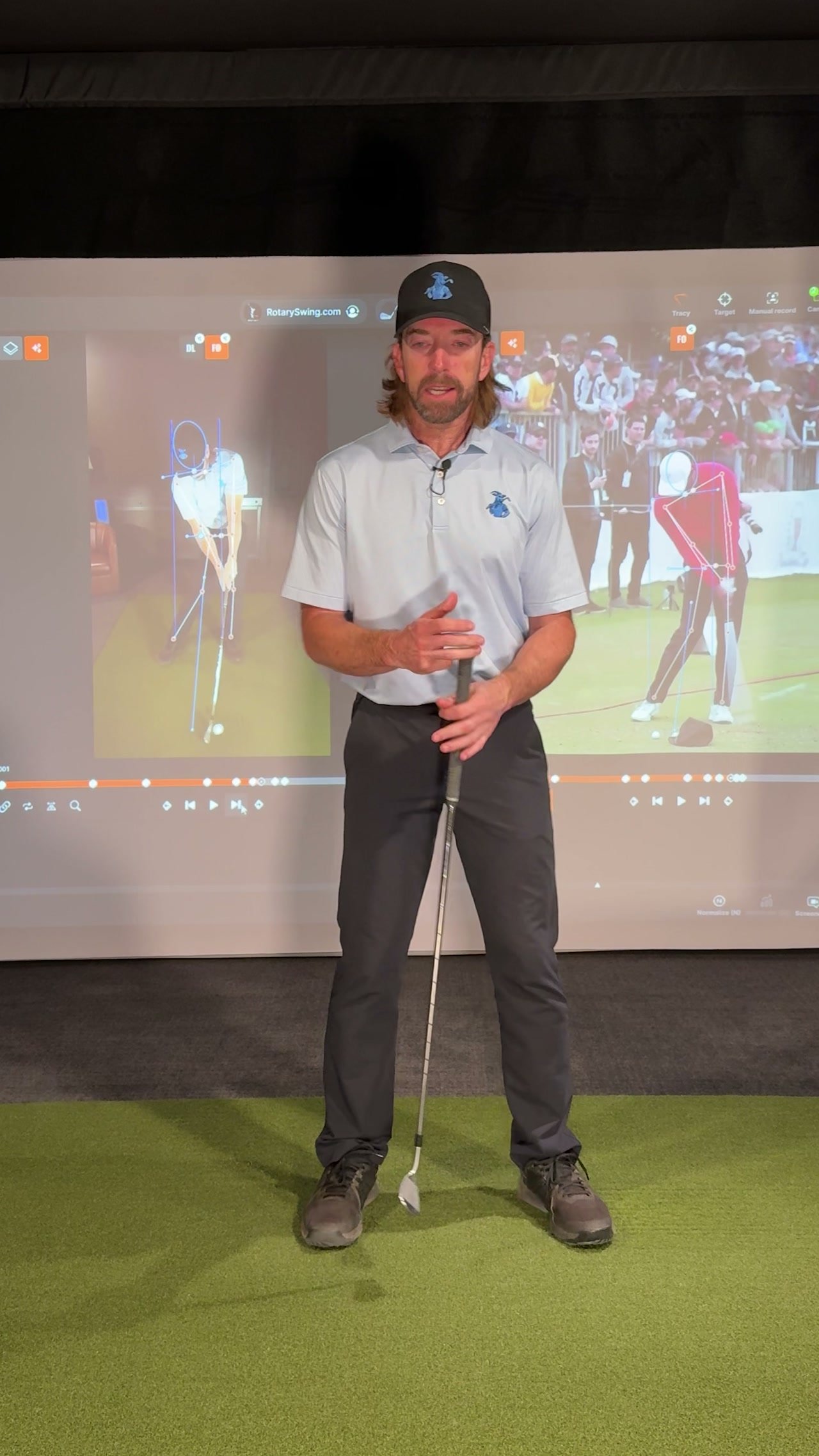
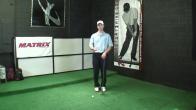
Learn how far you should stand from the ball at setup.
How far should you stand from the golf ball when viewed down the line?
This is a really common question that we get, and it has a very specific answer.
That's again RSC fundamentals on how far you should stand away from the ball.
I want to talk about a couple things that we see that are really common.
That shows when people are going to start having problems in their swing when they set up incorrectly.
And what that typically looks like is with the hands too close to the body.
And what you'll see?
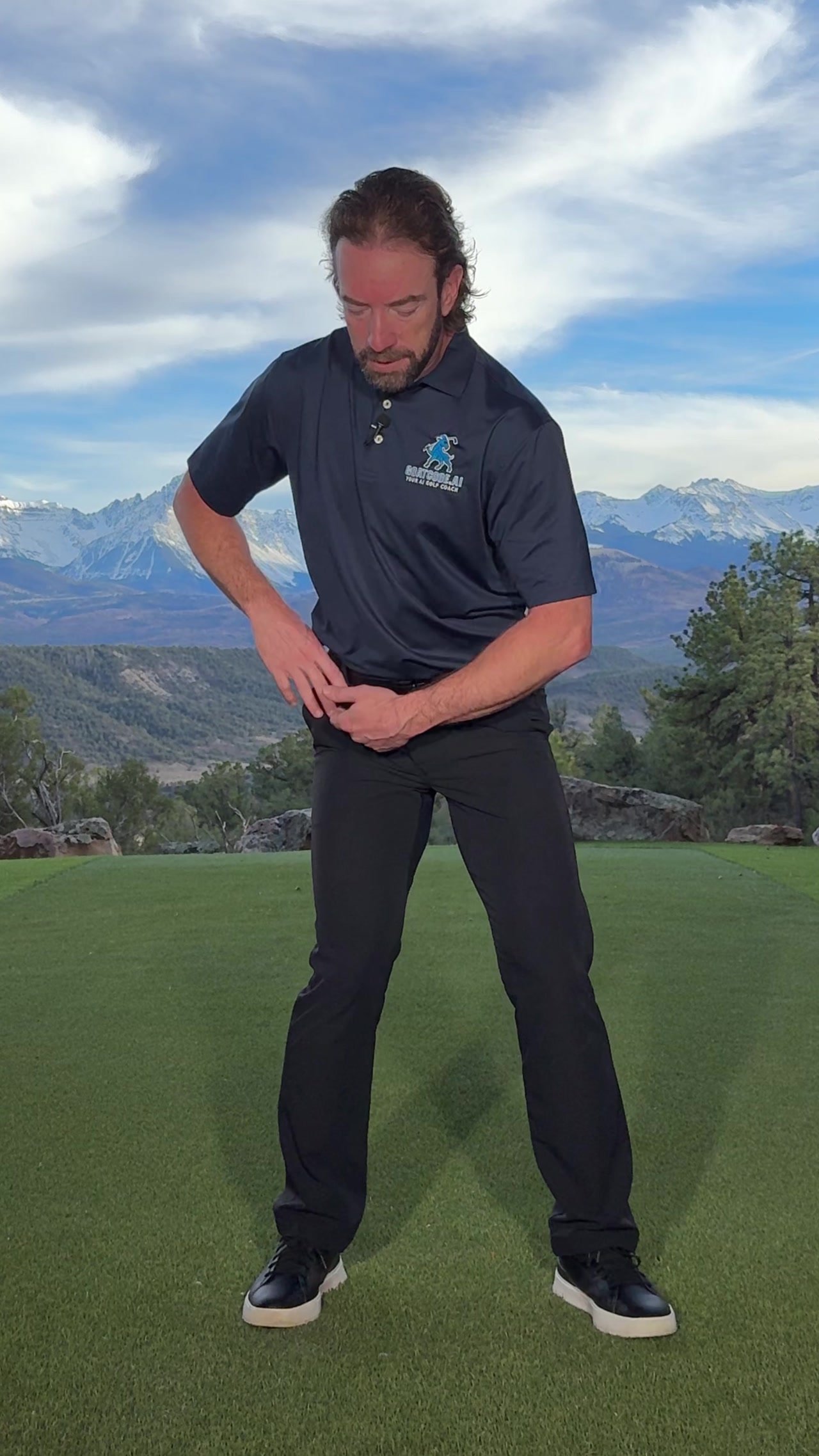
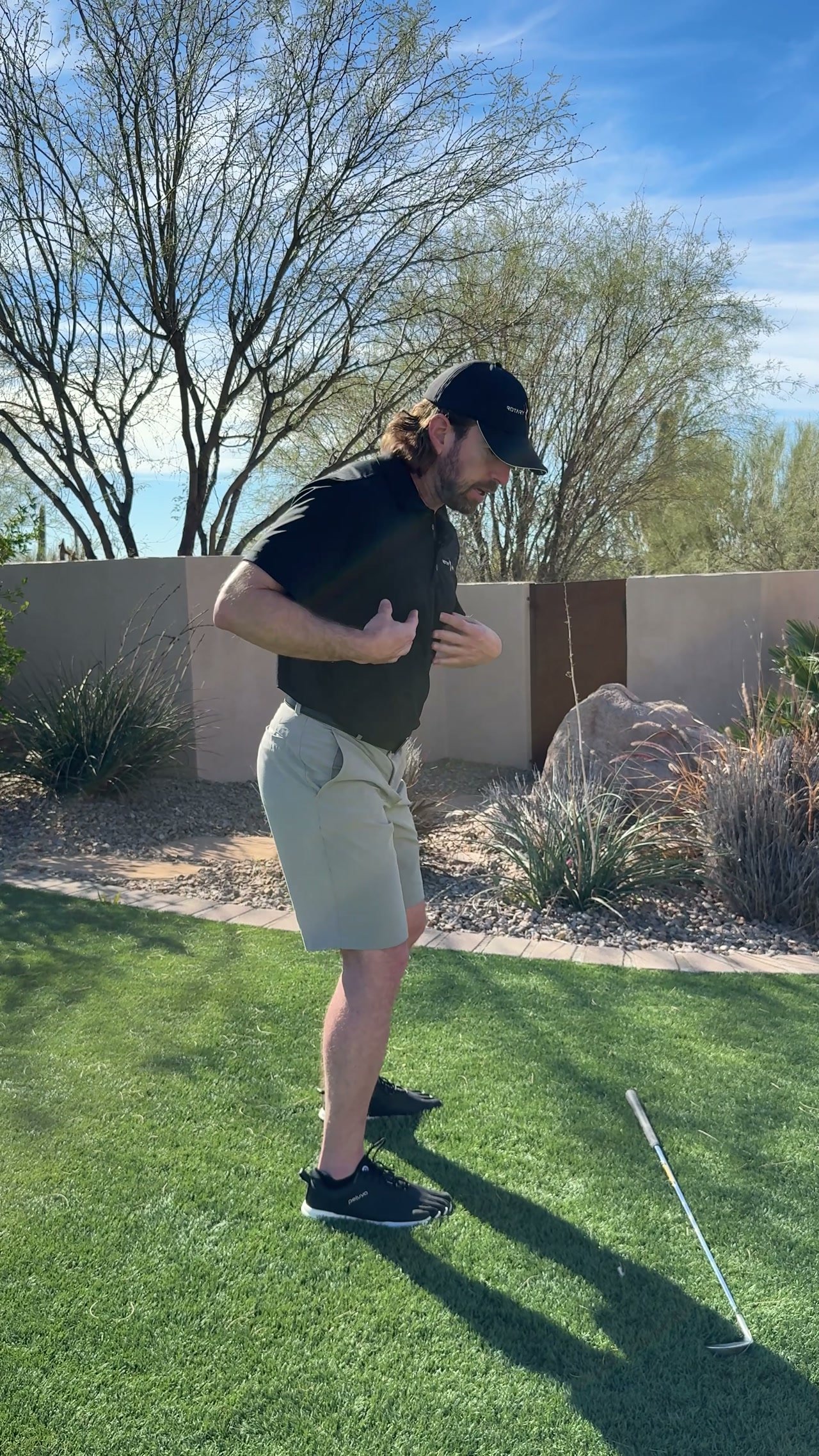
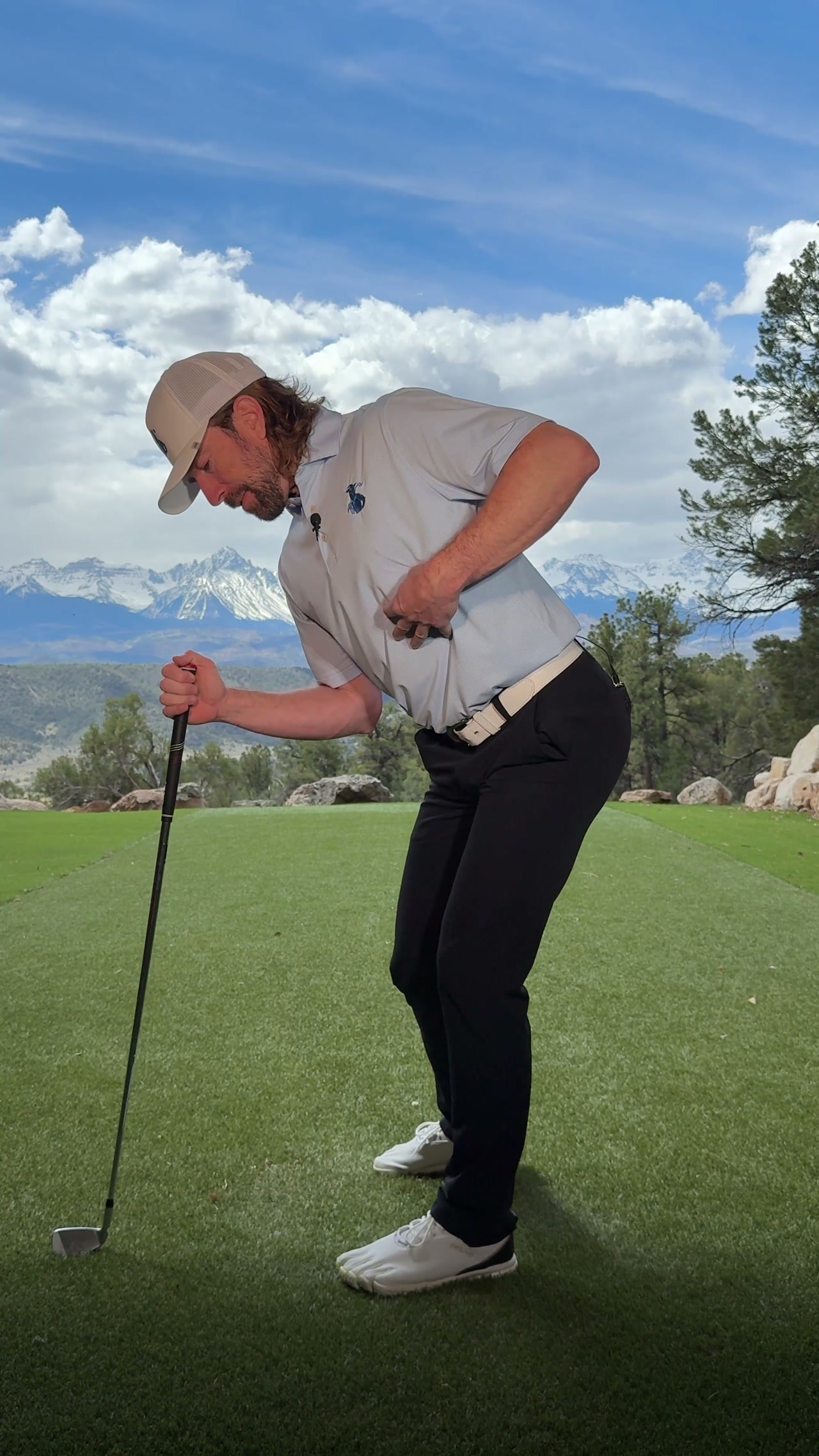
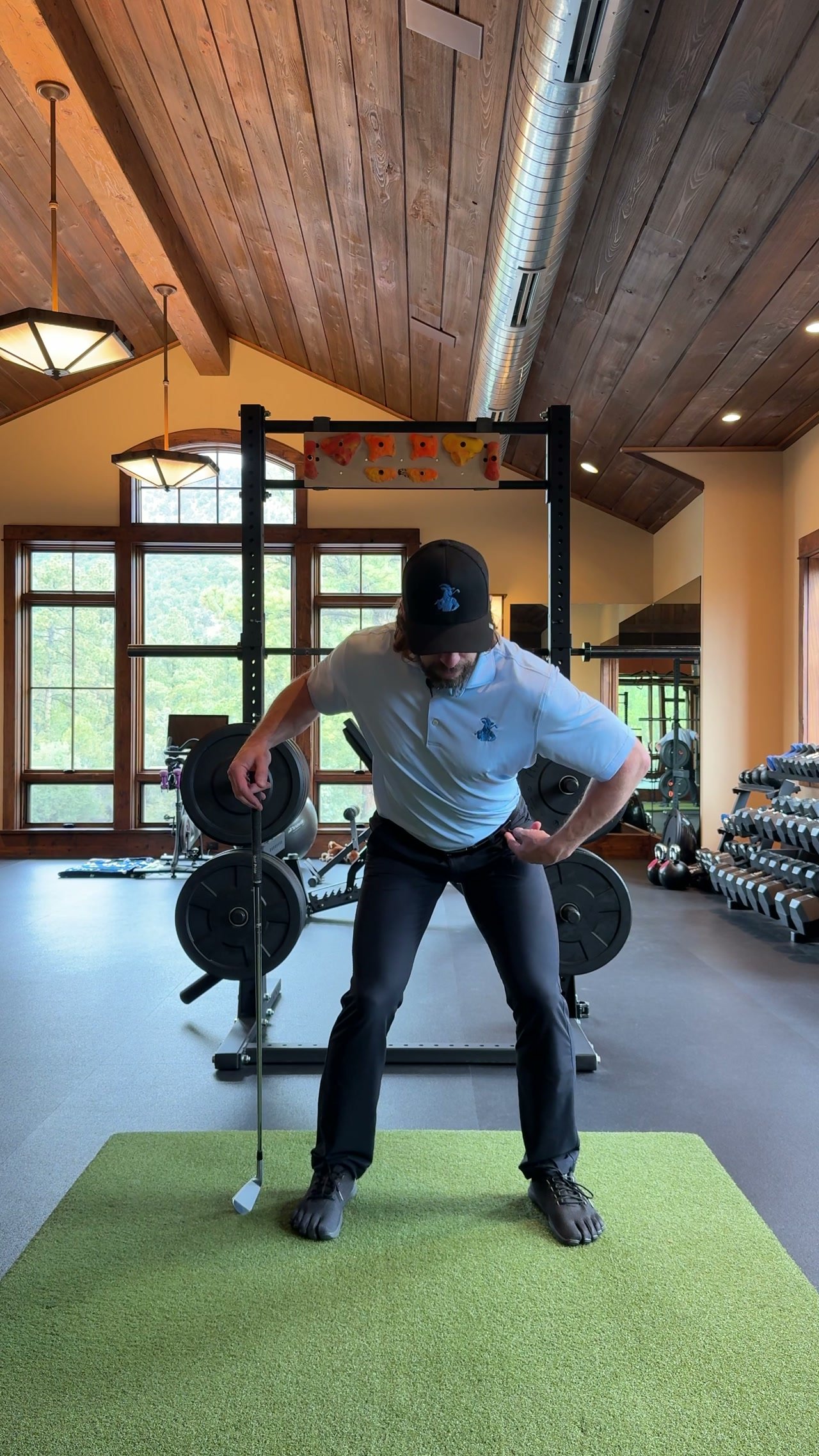
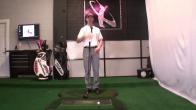
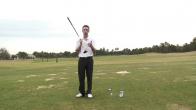
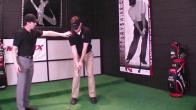
If you draw a line straight down from the chin, we call this a chin line, just vertically down.
The end of your right hand should be just on the edge of that chin line.
If it's outside of that, you're extending your arms too far, or, of course, you could have a postural issue.
Or what we see more commonly is that the hands are well inside that chin line.
Now what causes this?
This is the key.
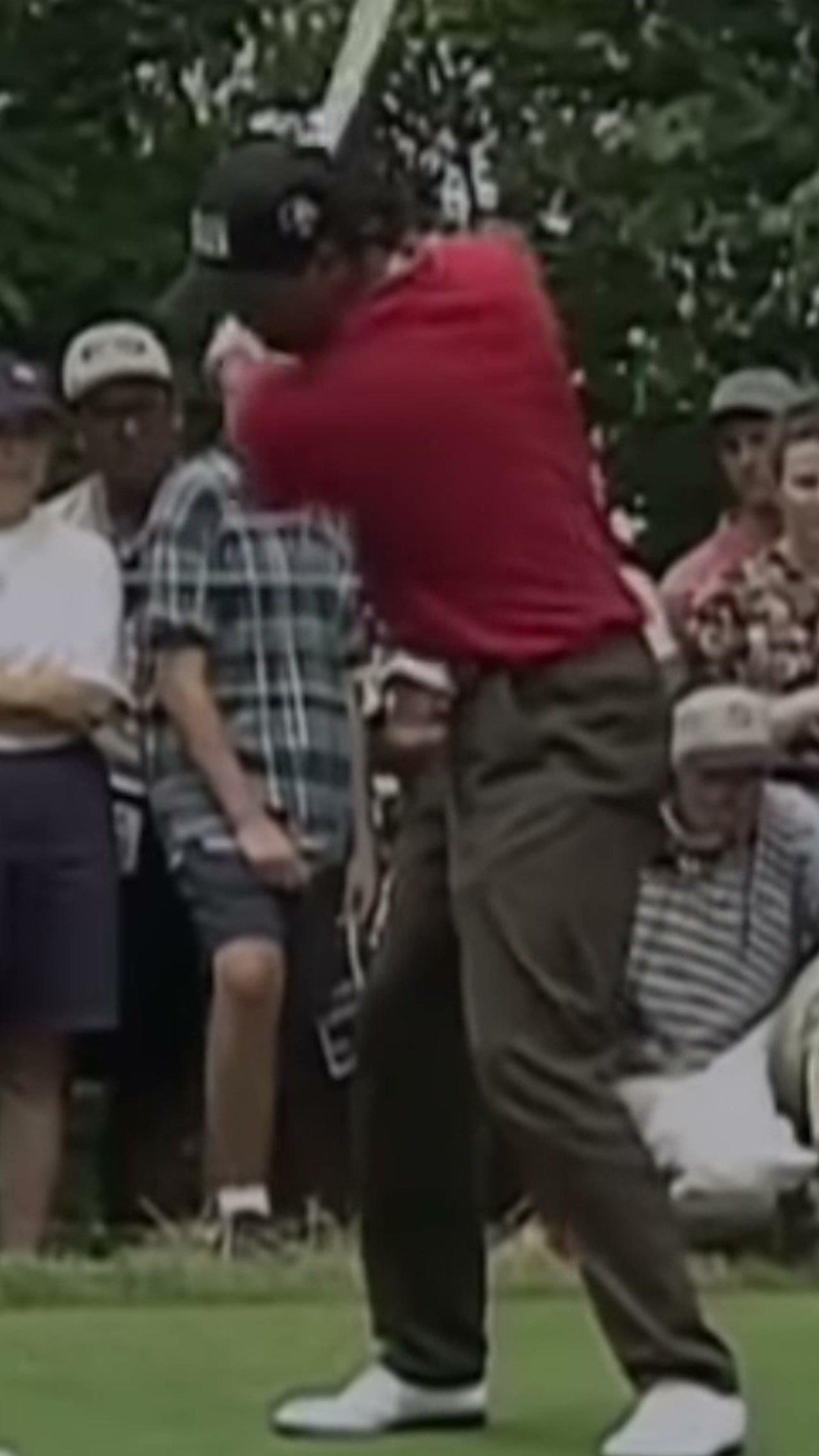
When I see somebody with their hands well inside that chin line and this right arm is really close to the body.
I know with a 99 certainty that they're going to be very right side dominant in their golf swing.
How do I know that?
Well, the reason that they're pulling their right arm is they're trying to get this lat connection back with their arm.
So that their right arm feels connected to their body because it feels more powerful.
So the left arm gets pulled really into this awkward position where it's really jammed up and close and they see this really hiked up left shoulder.
You see this stuff all the time because it doesn't have anywhere to go.
Because they're trying to pull the right arm in so close to their body that the left arm is getting beat up.
So how do we figure out how far we want to set up from the ball?
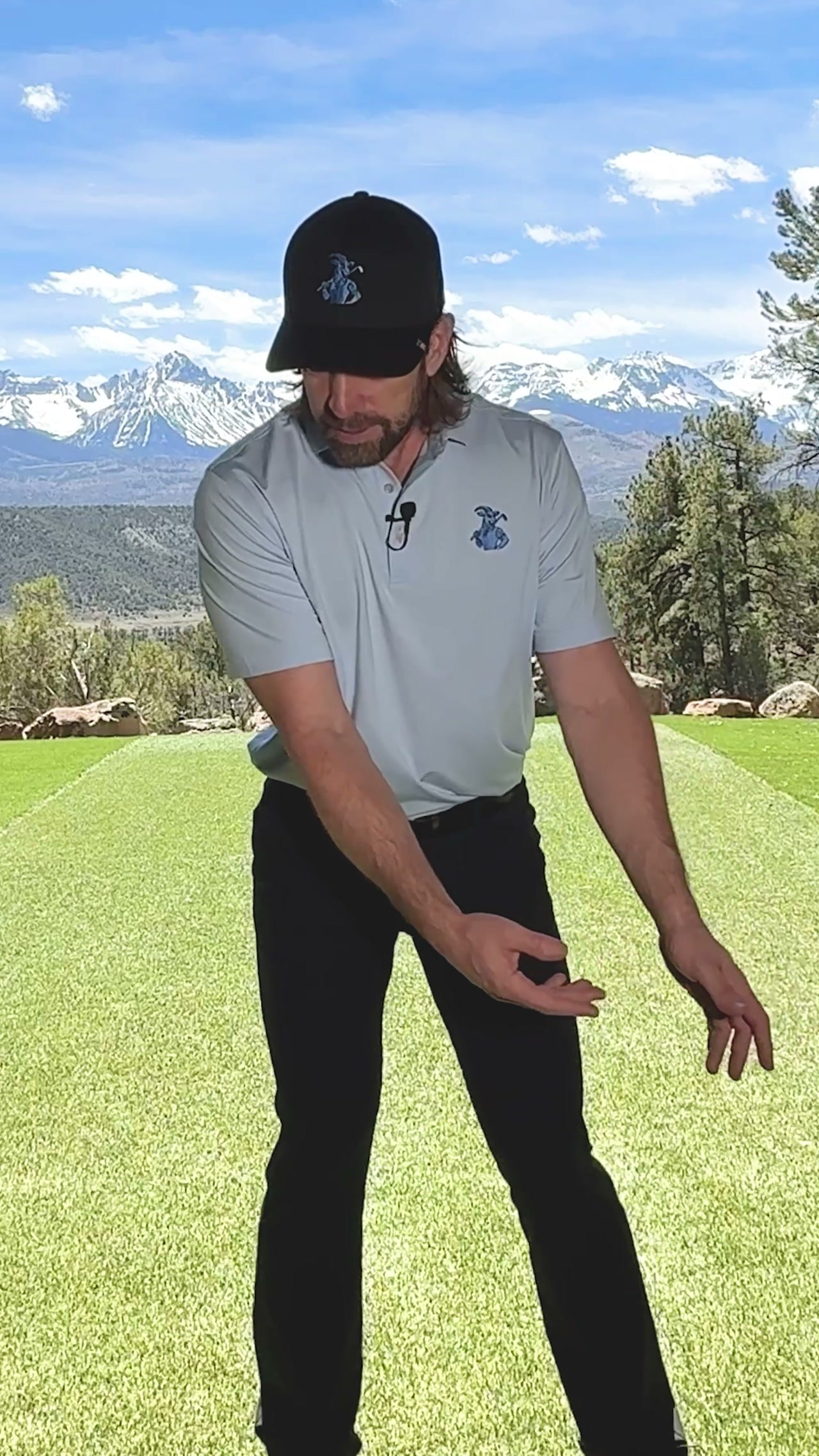
Well, again, the golf swing is lead side dominant, so what you've got to do is let your lead arm your left arm.
If you're a right-handed golfer.
Hang down.
Nice and free.
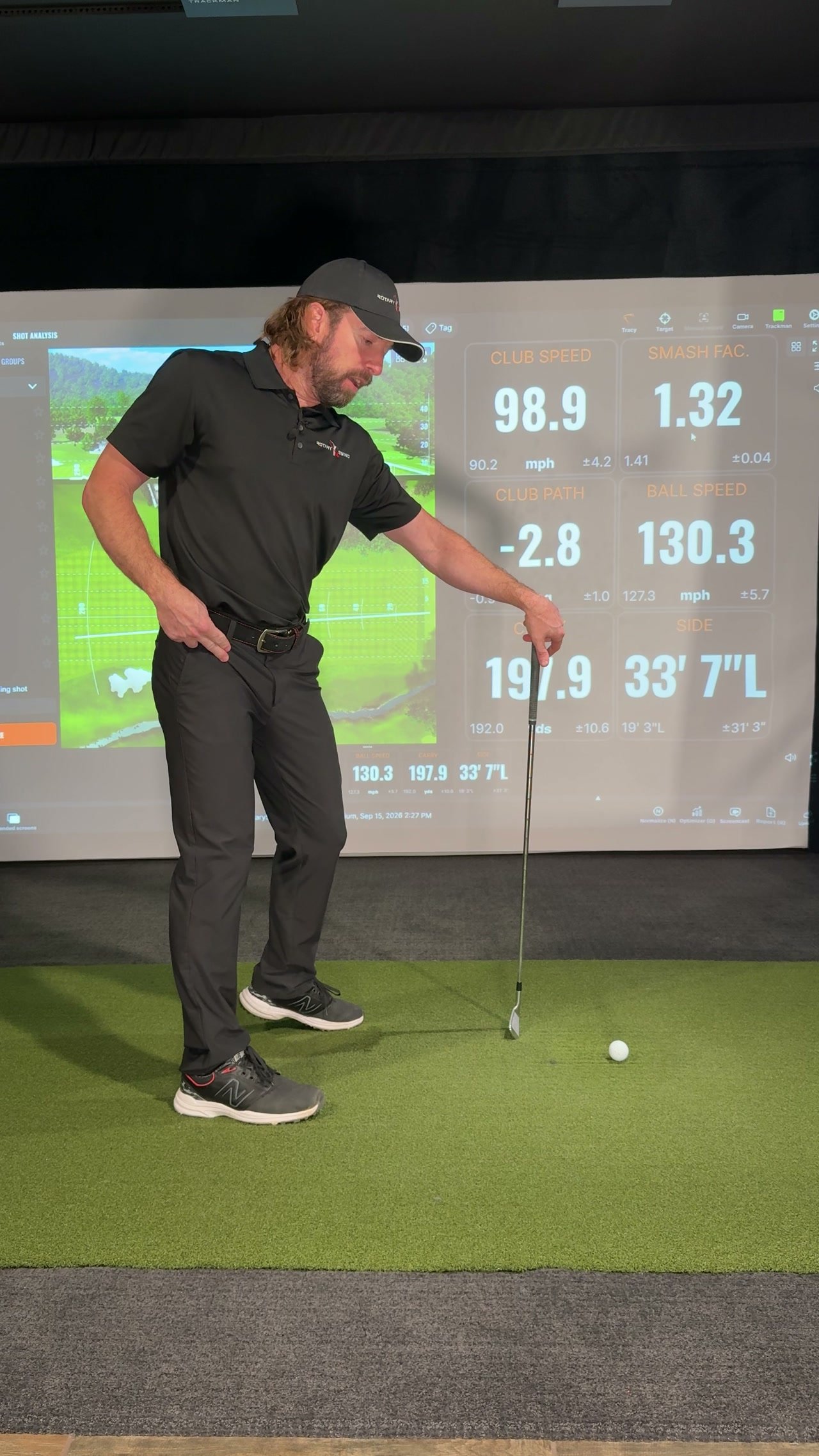
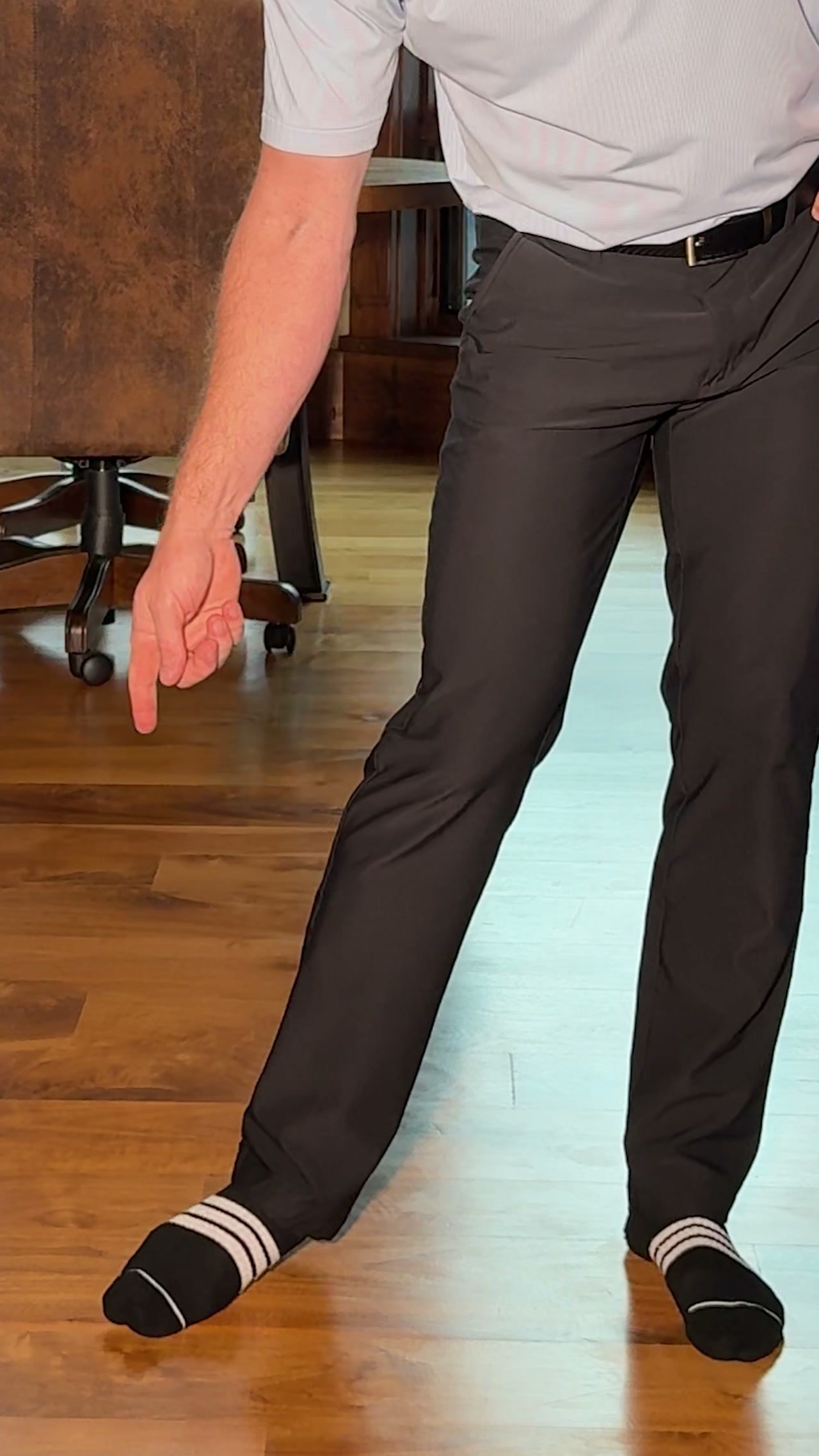
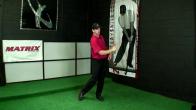
Now you're going to see that neutral just where I'm completely relaxed that has my my left hand right about at my chin line.
That would put the right hand outside of We don't want to be that far out with our left hand because then that's going to put the right arm way far out there.
We want to be in just a little bit to where the right arm still has connection to the core through our back.
But not so far out, not so far in that this left arm gets beat up and the left shoulder gets really hiked up.
So how do we find that as we set up?
If you're swinging left arm only and you're doing drills left arm only, then you want to keep the left arm that far outwards.
Completely neutral, relaxed.
My left arm is completely relaxed here, because as you swing left arm only, you don't have the right arm to kind of help hold it in place.
So it tends to swing out away from you.
So if you're doing a lot of left arm only drills or lead arm only drills and you find yourself shanking some, that's okay.
That's totally normal, you're just standing a little too close to the ball.
The centrifugal force from the club when you're going left arm only is going to pull the club out further away from you.
We see that all the time.
So let your left arm relax and let it swing out away from you.
The right arm, when it gets back on the club will pull it back in.
And that will pull the ball closer to you.
When you're doing hitting full shots with both hands on the club.
So left arm only this is perfectly okay but now we put the right arm on there we've got to find the healthy compromise and that's simple.
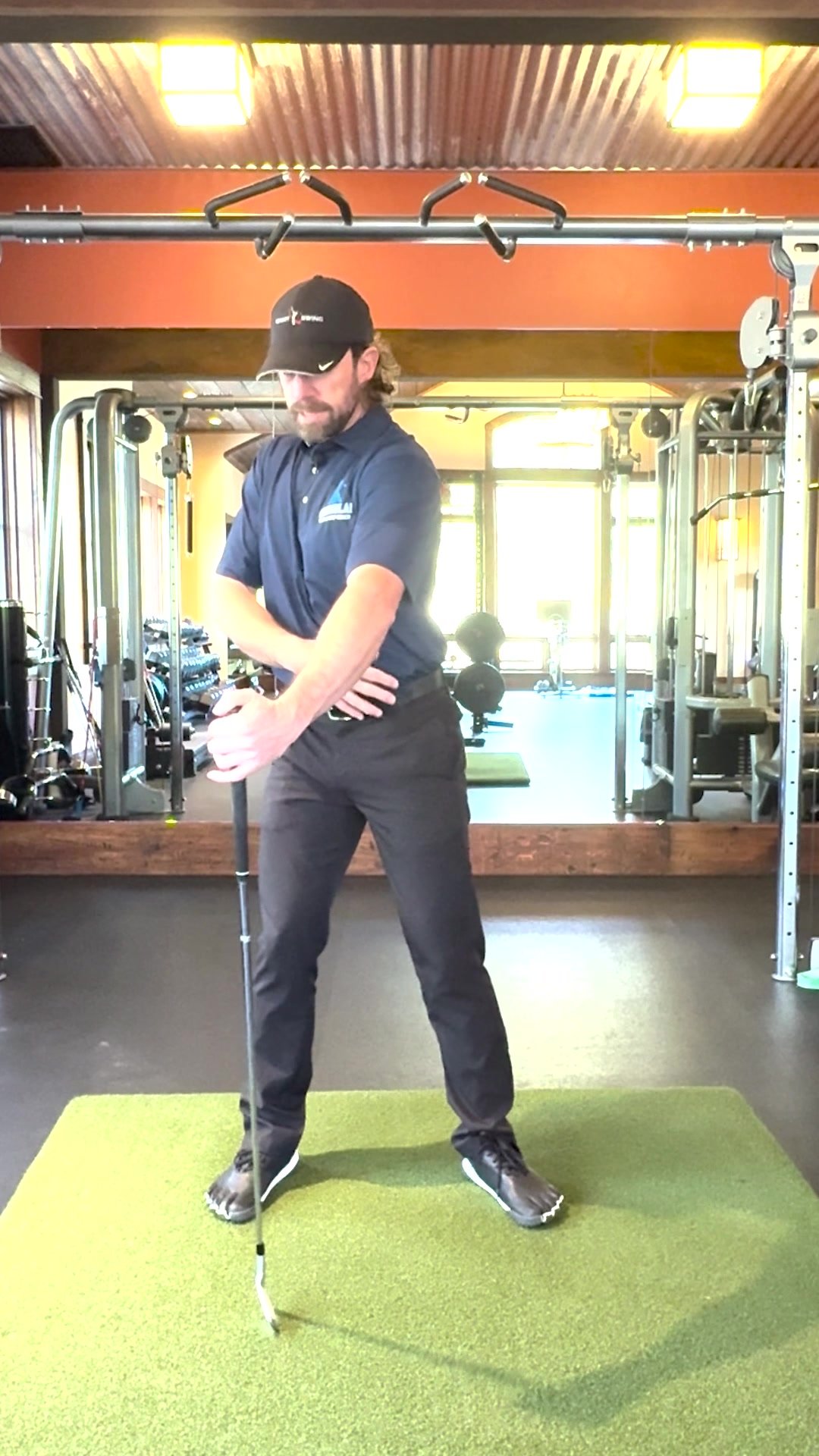
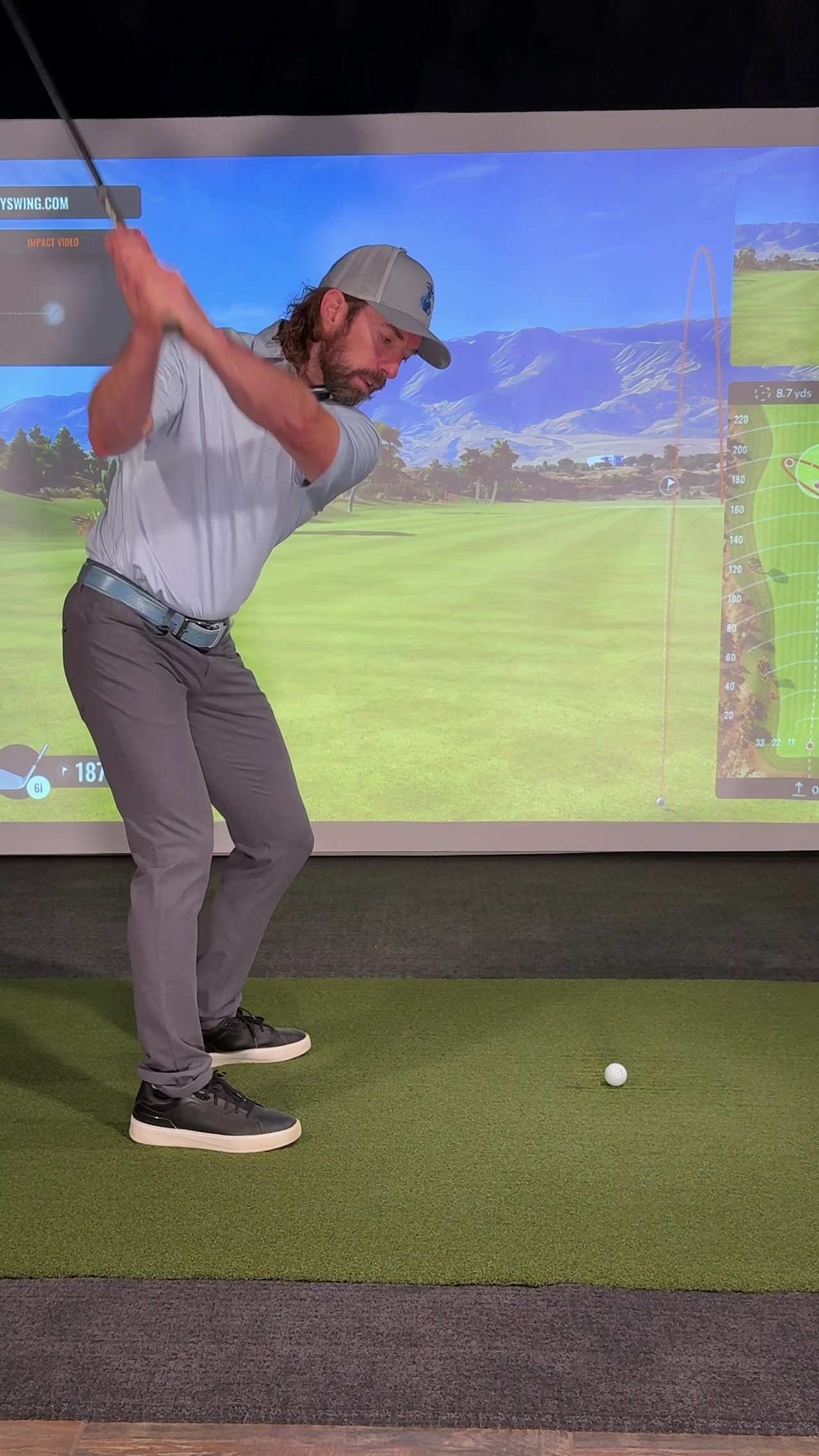
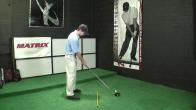
Again we're going to pull it in just a little bit so that again the right end of the right hand is just beneath my inside of that chin line.
So that'll pull the left hand in.
We kind of use almost two fist widths as a generic guide, or a fist width.
And a half of where the back of the left hand or the back of the butt of the club should be at address.
So if you set up there then you're in the right spot as long as this is inside that line.
Now again this assumes that you're following our setup protocol that you're getting set up correctly, Weights set up correctly.
Because if you're set up on the balls of your feet with no posture, then this is going to look really weird.
For your hand to be inside your chin line.
So watch the setup videos.
Make sure you're set up correctly with good forward tilt and your weight's balanced and that will help you find so where the chin line is.
So if you're not sure, just take a club and hold it down from your chin and you'll see where this line is.
And now you know how to set up how far from the ball.
This is a really common question that we get, and it has a very specific answer.
That's again RSC fundamentals on how far you should stand away from the ball.
I want to talk about a couple things that we see that are really common.
That shows when people are going to start having problems in their swing when they set up incorrectly.
And what that typically looks like is with the hands too close to the body.
And what you'll see?
If you draw a line straight down from the chin, we call this a chin line, just vertically down.
The end of your right hand should be just on the edge of that chin line.
If it's outside of that, you're extending your arms too far, or, of course, you could have a postural issue.
Or what we see more commonly is that the hands are well inside that chin line.
Now what causes this?
This is the key.
When I see somebody with their hands well inside that chin line and this right arm is really close to the body.
I know with a 99 certainty that they're going to be very right side dominant in their golf swing.
How do I know that?
Well, the reason that they're pulling their right arm is they're trying to get this lat connection back with their arm.
So that their right arm feels connected to their body because it feels more powerful.
So the left arm gets pulled really into this awkward position where it's really jammed up and close and they see this really hiked up left shoulder.
You see this stuff all the time because it doesn't have anywhere to go.
Because they're trying to pull the right arm in so close to their body that the left arm is getting beat up.
So how do we figure out how far we want to set up from the ball?
Well, again, the golf swing is lead side dominant, so what you've got to do is let your lead arm your left arm.
If you're a right-handed golfer.
Hang down.
Nice and free.
Now you're going to see that neutral just where I'm completely relaxed that has my my left hand right about at my chin line.
That would put the right hand outside of We don't want to be that far out with our left hand because then that's going to put the right arm way far out there.
We want to be in just a little bit to where the right arm still has connection to the core through our back.
But not so far out, not so far in that this left arm gets beat up and the left shoulder gets really hiked up.
So how do we find that as we set up?
If you're swinging left arm only and you're doing drills left arm only, then you want to keep the left arm that far outwards.
Completely neutral, relaxed.
My left arm is completely relaxed here, because as you swing left arm only, you don't have the right arm to kind of help hold it in place.
So it tends to swing out away from you.
So if you're doing a lot of left arm only drills or lead arm only drills and you find yourself shanking some, that's okay.
That's totally normal, you're just standing a little too close to the ball.
The centrifugal force from the club when you're going left arm only is going to pull the club out further away from you.
We see that all the time.
So let your left arm relax and let it swing out away from you.
The right arm, when it gets back on the club will pull it back in.
And that will pull the ball closer to you.
When you're doing hitting full shots with both hands on the club.
So left arm only this is perfectly okay but now we put the right arm on there we've got to find the healthy compromise and that's simple.
Again we're going to pull it in just a little bit so that again the right end of the right hand is just beneath my inside of that chin line.
So that'll pull the left hand in.
We kind of use almost two fist widths as a generic guide, or a fist width.
And a half of where the back of the left hand or the back of the butt of the club should be at address.
So if you set up there then you're in the right spot as long as this is inside that line.
Now again this assumes that you're following our setup protocol that you're getting set up correctly, Weights set up correctly.
Because if you're set up on the balls of your feet with no posture, then this is going to look really weird.
For your hand to be inside your chin line.
So watch the setup videos.
Make sure you're set up correctly with good forward tilt and your weight's balanced and that will help you find so where the chin line is.
So if you're not sure, just take a club and hold it down from your chin and you'll see where this line is.
And now you know how to set up how far from the ball.
À quelle distance devez-vous vous tenir de la balle de golf lorsque vous regardez la ligne ?
C’est une question très courante que nous recevons et elle a une réponse très spécifique.
Ce sont encore les principes fondamentaux du RSC sur la distance à laquelle vous devez vous tenir éloigné du ballon.
Je voudrais parler de quelques choses que nous voyons et qui sont vraiment courantes.
Cela montre à quel moment les gens vont commencer à avoir des problèmes dans leur swing lorsqu'ils se mettent mal en place.
Et cela se produit généralement lorsque les mains sont trop proches du corps.
Et que verrez-vous ?
Si vous tracez une ligne droite vers le bas à partir du menton, nous appelons cela une ligne de menton, juste verticalement vers le bas.
L’extrémité de votre main droite doit être juste au bord de cette ligne du menton.
Si c'est en dehors de cela, vous étendez trop vos bras ou, bien sûr, vous pourriez avoir un problème de posture.
Ou ce que nous voyons plus communément, c'est que les mains sont bien à l'intérieur de cette ligne du menton.
Et maintenant, qu’est-ce qui cause cela ?
C'est la clé.
Quand je vois quelqu'un avec ses mains bien à l'intérieur de la ligne du menton et que son bras droit est vraiment proche du corps.
Je sais avec une certitude de 99 % qu'ils vont être très dominants du côté droit dans leur swing de golf.
Comment puis-je le savoir ?
Eh bien, la raison pour laquelle ils tirent leur bras droit est qu'ils essaient de rétablir cette connexion latérale avec leur bras.
Pour que leur bras droit se sente connecté à leur corps parce qu’il semble plus puissant.
Ainsi, le bras gauche est tiré dans cette position vraiment inconfortable où il est vraiment coincé et proche et ils voient cette épaule gauche vraiment relevée.
Vous voyez ce genre de choses tout le temps parce qu'elles n'ont nulle part où aller.
Parce qu'ils essaient de rapprocher le bras droit si près de leur corps que le bras gauche est battu.
Alors, comment déterminer à quelle distance nous voulons nous placer du ballon ?
Eh bien, encore une fois, le swing de golf est dominé par le côté avant, donc ce que vous devez faire est de laisser votre bras avant sur votre bras gauche.
Si vous êtes un golfeur droitier.
Pendre.
Sympa et gratuit.
Maintenant, vous allez voir ce neutre, là où je suis complètement détendu, avec ma main gauche juste au niveau de ma ligne de menton.
Cela mettrait la main droite à l'extérieur. Nous ne voulons pas être aussi loin avec notre main gauche, car cela mettrait alors le bras droit très loin là-bas.
Nous voulons être juste un petit peu là où le bras droit est toujours connecté au noyau à travers notre dos.
Mais pas si loin, pas si loin que ce bras gauche soit battu et que l'épaule gauche soit vraiment soulevée.
Alors, comment pouvons-nous trouver cela lorsque nous nous installons ?
Si vous balancez uniquement le bras gauche et que vous faites des exercices uniquement avec le bras gauche, vous devez alors garder le bras gauche aussi loin vers l'extérieur.
Complètement neutre, détendu.
Mon bras gauche est complètement détendu ici, car lorsque vous balancez uniquement le bras gauche, vous n'avez pas le bras droit pour vous aider à le maintenir en place.
Il a donc tendance à s’éloigner de vous.
Donc, si vous faites beaucoup d'exercices uniquement avec le bras gauche ou uniquement avec le bras principal et que vous vous retrouvez à en rater quelques-uns, ce n'est pas grave.
C'est tout à fait normal, vous vous tenez juste un peu trop près du ballon.
La force centrifuge du club lorsque vous utilisez uniquement le bras gauche va éloigner le club de vous.
Nous voyons cela tout le temps.
Alors laissez votre bras gauche se détendre et laissez-le se balancer loin de vous.
Le bras droit, lorsqu'il revient sur le club, le ramènera vers l'intérieur.
Et cela rapprochera la balle de vous.
Lorsque vous effectuez des coups complets avec les deux mains sur le club.
Donc, le bras gauche uniquement, c'est parfaitement correct, mais maintenant que nous mettons le bras droit là-dessus, nous devons trouver le compromis sain et c'est simple.
Encore une fois, nous allons le tirer un peu vers l'intérieur pour que l'extrémité droite de la main droite soit juste en dessous de l'intérieur de ma ligne de menton.
Cela va donc attirer la main gauche.
Nous utilisons en quelque sorte presque deux largeurs de poing comme guide générique, ou une largeur de poing.
Et la moitié de l'endroit où le dos de la main gauche ou le dos de la crosse du club devrait être à l'adresse.
Donc, si vous vous installez là, vous êtes au bon endroit tant que cela se trouve à l'intérieur de cette ligne.
Maintenant, cela suppose que vous suivez notre protocole de configuration et que vous configurez correctement les poids.
Parce que si vous êtes assis sur la pointe des pieds sans aucune posture, cela va avoir l'air vraiment bizarre.
Pour que votre main soit à l’intérieur de votre menton.
Alors regardez les vidéos d’installation.
Assurez-vous que vous êtes correctement installé avec une bonne inclinaison vers l'avant et que votre poids est équilibré et cela vous aidera à trouver où se trouve la ligne du menton.
Donc, si vous n'êtes pas sûr, prenez simplement un club et maintenez-le enfoncé depuis votre menton et vous verrez où se trouve cette ligne.
Et maintenant vous savez comment régler à quelle distance du ballon.
C’est une question très courante que nous recevons et elle a une réponse très spécifique.
Ce sont encore les principes fondamentaux du RSC sur la distance à laquelle vous devez vous tenir éloigné du ballon.
Je voudrais parler de quelques choses que nous voyons et qui sont vraiment courantes.
Cela montre à quel moment les gens vont commencer à avoir des problèmes dans leur swing lorsqu'ils se mettent mal en place.
Et cela se produit généralement lorsque les mains sont trop proches du corps.
Et que verrez-vous ?
Si vous tracez une ligne droite vers le bas à partir du menton, nous appelons cela une ligne de menton, juste verticalement vers le bas.
L’extrémité de votre main droite doit être juste au bord de cette ligne du menton.
Si c'est en dehors de cela, vous étendez trop vos bras ou, bien sûr, vous pourriez avoir un problème de posture.
Ou ce que nous voyons plus communément, c'est que les mains sont bien à l'intérieur de cette ligne du menton.
Et maintenant, qu’est-ce qui cause cela ?
C'est la clé.
Quand je vois quelqu'un avec ses mains bien à l'intérieur de la ligne du menton et que son bras droit est vraiment proche du corps.
Je sais avec une certitude de 99 % qu'ils vont être très dominants du côté droit dans leur swing de golf.
Comment puis-je le savoir ?
Eh bien, la raison pour laquelle ils tirent leur bras droit est qu'ils essaient de rétablir cette connexion latérale avec leur bras.
Pour que leur bras droit se sente connecté à leur corps parce qu’il semble plus puissant.
Ainsi, le bras gauche est tiré dans cette position vraiment inconfortable où il est vraiment coincé et proche et ils voient cette épaule gauche vraiment relevée.
Vous voyez ce genre de choses tout le temps parce qu'elles n'ont nulle part où aller.
Parce qu'ils essaient de rapprocher le bras droit si près de leur corps que le bras gauche est battu.
Alors, comment déterminer à quelle distance nous voulons nous placer du ballon ?
Eh bien, encore une fois, le swing de golf est dominé par le côté avant, donc ce que vous devez faire est de laisser votre bras avant sur votre bras gauche.
Si vous êtes un golfeur droitier.
Pendre.
Sympa et gratuit.
Maintenant, vous allez voir ce neutre, là où je suis complètement détendu, avec ma main gauche juste au niveau de ma ligne de menton.
Cela mettrait la main droite à l'extérieur. Nous ne voulons pas être aussi loin avec notre main gauche, car cela mettrait alors le bras droit très loin là-bas.
Nous voulons être juste un petit peu là où le bras droit est toujours connecté au noyau à travers notre dos.
Mais pas si loin, pas si loin que ce bras gauche soit battu et que l'épaule gauche soit vraiment soulevée.
Alors, comment pouvons-nous trouver cela lorsque nous nous installons ?
Si vous balancez uniquement le bras gauche et que vous faites des exercices uniquement avec le bras gauche, vous devez alors garder le bras gauche aussi loin vers l'extérieur.
Complètement neutre, détendu.
Mon bras gauche est complètement détendu ici, car lorsque vous balancez uniquement le bras gauche, vous n'avez pas le bras droit pour vous aider à le maintenir en place.
Il a donc tendance à s’éloigner de vous.
Donc, si vous faites beaucoup d'exercices uniquement avec le bras gauche ou uniquement avec le bras principal et que vous vous retrouvez à en rater quelques-uns, ce n'est pas grave.
C'est tout à fait normal, vous vous tenez juste un peu trop près du ballon.
La force centrifuge du club lorsque vous utilisez uniquement le bras gauche va éloigner le club de vous.
Nous voyons cela tout le temps.
Alors laissez votre bras gauche se détendre et laissez-le se balancer loin de vous.
Le bras droit, lorsqu'il revient sur le club, le ramènera vers l'intérieur.
Et cela rapprochera la balle de vous.
Lorsque vous effectuez des coups complets avec les deux mains sur le club.
Donc, le bras gauche uniquement, c'est parfaitement correct, mais maintenant que nous mettons le bras droit là-dessus, nous devons trouver le compromis sain et c'est simple.
Encore une fois, nous allons le tirer un peu vers l'intérieur pour que l'extrémité droite de la main droite soit juste en dessous de l'intérieur de ma ligne de menton.
Cela va donc attirer la main gauche.
Nous utilisons en quelque sorte presque deux largeurs de poing comme guide générique, ou une largeur de poing.
Et la moitié de l'endroit où le dos de la main gauche ou le dos de la crosse du club devrait être à l'adresse.
Donc, si vous vous installez là, vous êtes au bon endroit tant que cela se trouve à l'intérieur de cette ligne.
Maintenant, cela suppose que vous suivez notre protocole de configuration et que vous configurez correctement les poids.
Parce que si vous êtes assis sur la pointe des pieds sans aucune posture, cela va avoir l'air vraiment bizarre.
Pour que votre main soit à l’intérieur de votre menton.
Alors regardez les vidéos d’installation.
Assurez-vous que vous êtes correctement installé avec une bonne inclinaison vers l'avant et que votre poids est équilibré et cela vous aidera à trouver où se trouve la ligne du menton.
Donc, si vous n'êtes pas sûr, prenez simplement un club et maintenez-le enfoncé depuis votre menton et vous verrez où se trouve cette ligne.
Et maintenant vous savez comment régler à quelle distance du ballon.
¿A qué distancia debe pararse de la pelota de golf cuando la mira desde la línea?
Esta es una pregunta muy común que recibimos y tiene una respuesta muy específica.
Estos son nuevamente los fundamentos de RSC sobre qué tan lejos debes pararte de la pelota.
Quiero hablar de un par de cosas que vemos que son realmente comunes.
Eso demuestra que las personas van a empezar a tener problemas en su swing si se preparan incorrectamente.
Y lo que normalmente ocurre es que las manos están demasiado cerca del cuerpo.
¿Y qué verás?
Si dibujamos una línea recta hacia abajo desde el mentón, la llamamos línea del mentón, sólo que verticalmente hacia abajo.
La punta de tu mano derecha debe estar justo en el borde de la línea de la barbilla.
Si está fuera de eso, estás extendiendo demasiado los brazos o, por supuesto, podrías tener un problema postural.
O lo que vemos más comúnmente es que las manos están bien dentro de esa línea de la barbilla.
¿Y ahora qué causa esto?
Ésta es la clave.
Cuando veo a alguien con sus manos bien dentro de esa línea de la barbilla y este brazo derecho está muy cerca del cuerpo.
Sé con un 99% de certeza que van a dominar el lado derecho en su swing de golf.
¿Cómo lo sé?
Bueno, la razón por la que están tirando de su brazo derecho es que están tratando de recuperar esta conexión lateral con su brazo.
Para que su brazo derecho se sienta conectado a su cuerpo porque se siente más poderoso.
Entonces, el brazo izquierdo queda realmente tirado en una posición incómoda, donde queda realmente atascado y cerrado, y ven este hombro izquierdo realmente levantado.
Ves estas cosas todo el tiempo porque no tienen dónde ir.
Porque están intentando acercar tanto el brazo derecho al cuerpo que el brazo izquierdo resulta golpeado.
Entonces, ¿cómo podemos saber a qué distancia queremos colocarnos de la pelota?
Bueno, nuevamente, el swing de golf es del lado adelantado dominante, así que lo que tienes que hacer es dejar que tu brazo adelantado sea tu brazo izquierdo.
Si eres golfista diestro.
Colgar.
Agradable y libre.
Ahora vas a ver ese punto neutro justo donde estoy completamente relajado y que tiene mi mano izquierda justo en la línea de mi barbilla.
Eso colocaría la mano derecha afuera. No queremos estar tan lejos con nuestra mano izquierda porque entonces eso pondría el brazo derecho muy lejos.
Queremos estar un poco más cerca de donde el brazo derecho todavía tenga conexión con el núcleo a través de nuestra espalda.
Pero no tan lejos, no tan lejos como para que este brazo izquierdo sea golpeado y el hombro izquierdo realmente se lastime.
Entonces, ¿cómo encontramos eso a medida que lo configuramos?
Si estás balanceando solo el brazo izquierdo y estás haciendo ejercicios con ese mismo brazo, entonces debes mantener el brazo izquierdo lo más afuera posible.
Completamente neutral, relajado.
Mi brazo izquierdo está completamente relajado aquí, porque como balanceas sólo el brazo izquierdo, no tienes el brazo derecho para ayudar a mantenerlo en su lugar.
Por lo que tiende a oscilar alejándose de usted.
Entonces, si estás haciendo muchos ejercicios usando solo el brazo izquierdo o solo el brazo principal y notas que te equivocas en algunos, no hay problema.
Eso es completamente normal, simplemente estás parado demasiado cerca de la pelota.
La fuerza centrífuga del palo cuando usas solo el brazo izquierdo va a alejar aún más el palo de ti.
Vemos eso todo el tiempo.
Así que deja que tu brazo izquierdo se relaje y oscile hacia afuera, lejos de ti.
El brazo derecho, cuando regresa al palo, lo tirará hacia adentro.
Y eso acercará la pelota hacia ti.
Cuando estás realizando tiros completos con ambas manos en el palo.
Entonces, solo con el brazo izquierdo está perfectamente bien, pero ahora ponemos el brazo derecho y tenemos que encontrar el equilibrio saludable, y eso es simple.
Nuevamente vamos a jalarlo un poquito para que nuevamente el extremo derecho de la mano derecha esté justo debajo de la parte interior de la línea del mentón.
Esto hará que la mano izquierda se incline hacia adentro.
Usamos aproximadamente dos anchos de puño como guía genérica, o un ancho de puño.
Y la mitad de donde debería estar el dorso de la mano izquierda o la parte trasera del extremo del palo en el momento de la colocación.
Entonces, si te instalas ahí, estarás en el lugar correcto siempre y cuando esté dentro de esa línea.
Nuevamente, esto supone que estás siguiendo nuestro protocolo de configuración y que la configuración es correcta, con los pesos configurados correctamente.
Porque si estás parado sobre las puntas de tus pies y sin postura, entonces esto se verá realmente extraño.
Para que tu mano quede dentro de la línea de la barbilla.
Así que mira los videos de instalación.
Asegúrate de estar colocado correctamente con una buena inclinación hacia adelante y con tu peso equilibrado; eso te ayudará a encontrar dónde está la línea del mentón.
Entonces, si no estás seguro, simplemente toma un palo y mantenlo hacia abajo desde tu barbilla y verás dónde está esta línea.
Y ahora ya sabes cómo configurar a qué distancia de la pelota.
Esta es una pregunta muy común que recibimos y tiene una respuesta muy específica.
Estos son nuevamente los fundamentos de RSC sobre qué tan lejos debes pararte de la pelota.
Quiero hablar de un par de cosas que vemos que son realmente comunes.
Eso demuestra que las personas van a empezar a tener problemas en su swing si se preparan incorrectamente.
Y lo que normalmente ocurre es que las manos están demasiado cerca del cuerpo.
¿Y qué verás?
Si dibujamos una línea recta hacia abajo desde el mentón, la llamamos línea del mentón, sólo que verticalmente hacia abajo.
La punta de tu mano derecha debe estar justo en el borde de la línea de la barbilla.
Si está fuera de eso, estás extendiendo demasiado los brazos o, por supuesto, podrías tener un problema postural.
O lo que vemos más comúnmente es que las manos están bien dentro de esa línea de la barbilla.
¿Y ahora qué causa esto?
Ésta es la clave.
Cuando veo a alguien con sus manos bien dentro de esa línea de la barbilla y este brazo derecho está muy cerca del cuerpo.
Sé con un 99% de certeza que van a dominar el lado derecho en su swing de golf.
¿Cómo lo sé?
Bueno, la razón por la que están tirando de su brazo derecho es que están tratando de recuperar esta conexión lateral con su brazo.
Para que su brazo derecho se sienta conectado a su cuerpo porque se siente más poderoso.
Entonces, el brazo izquierdo queda realmente tirado en una posición incómoda, donde queda realmente atascado y cerrado, y ven este hombro izquierdo realmente levantado.
Ves estas cosas todo el tiempo porque no tienen dónde ir.
Porque están intentando acercar tanto el brazo derecho al cuerpo que el brazo izquierdo resulta golpeado.
Entonces, ¿cómo podemos saber a qué distancia queremos colocarnos de la pelota?
Bueno, nuevamente, el swing de golf es del lado adelantado dominante, así que lo que tienes que hacer es dejar que tu brazo adelantado sea tu brazo izquierdo.
Si eres golfista diestro.
Colgar.
Agradable y libre.
Ahora vas a ver ese punto neutro justo donde estoy completamente relajado y que tiene mi mano izquierda justo en la línea de mi barbilla.
Eso colocaría la mano derecha afuera. No queremos estar tan lejos con nuestra mano izquierda porque entonces eso pondría el brazo derecho muy lejos.
Queremos estar un poco más cerca de donde el brazo derecho todavía tenga conexión con el núcleo a través de nuestra espalda.
Pero no tan lejos, no tan lejos como para que este brazo izquierdo sea golpeado y el hombro izquierdo realmente se lastime.
Entonces, ¿cómo encontramos eso a medida que lo configuramos?
Si estás balanceando solo el brazo izquierdo y estás haciendo ejercicios con ese mismo brazo, entonces debes mantener el brazo izquierdo lo más afuera posible.
Completamente neutral, relajado.
Mi brazo izquierdo está completamente relajado aquí, porque como balanceas sólo el brazo izquierdo, no tienes el brazo derecho para ayudar a mantenerlo en su lugar.
Por lo que tiende a oscilar alejándose de usted.
Entonces, si estás haciendo muchos ejercicios usando solo el brazo izquierdo o solo el brazo principal y notas que te equivocas en algunos, no hay problema.
Eso es completamente normal, simplemente estás parado demasiado cerca de la pelota.
La fuerza centrífuga del palo cuando usas solo el brazo izquierdo va a alejar aún más el palo de ti.
Vemos eso todo el tiempo.
Así que deja que tu brazo izquierdo se relaje y oscile hacia afuera, lejos de ti.
El brazo derecho, cuando regresa al palo, lo tirará hacia adentro.
Y eso acercará la pelota hacia ti.
Cuando estás realizando tiros completos con ambas manos en el palo.
Entonces, solo con el brazo izquierdo está perfectamente bien, pero ahora ponemos el brazo derecho y tenemos que encontrar el equilibrio saludable, y eso es simple.
Nuevamente vamos a jalarlo un poquito para que nuevamente el extremo derecho de la mano derecha esté justo debajo de la parte interior de la línea del mentón.
Esto hará que la mano izquierda se incline hacia adentro.
Usamos aproximadamente dos anchos de puño como guía genérica, o un ancho de puño.
Y la mitad de donde debería estar el dorso de la mano izquierda o la parte trasera del extremo del palo en el momento de la colocación.
Entonces, si te instalas ahí, estarás en el lugar correcto siempre y cuando esté dentro de esa línea.
Nuevamente, esto supone que estás siguiendo nuestro protocolo de configuración y que la configuración es correcta, con los pesos configurados correctamente.
Porque si estás parado sobre las puntas de tus pies y sin postura, entonces esto se verá realmente extraño.
Para que tu mano quede dentro de la línea de la barbilla.
Así que mira los videos de instalación.
Asegúrate de estar colocado correctamente con una buena inclinación hacia adelante y con tu peso equilibrado; eso te ayudará a encontrar dónde está la línea del mentón.
Entonces, si no estás seguro, simplemente toma un palo y mantenlo hacia abajo desde tu barbilla y verás dónde está esta línea.
Y ahora ya sabes cómo configurar a qué distancia de la pelota.
Wie weit sollten Sie vom Golfball entfernt stehen, wenn Sie die Linie entlang blicken?
Dies ist eine Frage, die uns sehr häufig gestellt wird und auf die es eine ganz konkrete Antwort gibt.
Dies sind wiederum die RSC-Grundlagen dazu, wie weit Sie vom Ball entfernt stehen sollten.
Ich möchte über ein paar Dinge sprechen, die wir beobachten und die wirklich häufig vorkommen.
Das zeigt, wann Leute Probleme mit ihrem Schwung bekommen, wenn sie sich falsch aufstellen.
Und das sieht typischerweise so aus, als wären die Hände zu nah am Körper.
Und was werden Sie sehen?
Wenn Sie eine Linie gerade vom Kinn nach unten ziehen, nennen wir das eine Kinnlinie, nur eben senkrecht nach unten.
Das Ende Ihrer rechten Hand sollte sich direkt am Rand dieser Kinnlinie befinden.
Liegt er außerhalb dieses Bereichs, strecken Sie Ihre Arme zu weit aus oder Sie haben möglicherweise ein Haltungsproblem.
Oder was wir häufiger sehen, ist, dass die Hände deutlich innerhalb der Kinnlinie liegen.
Was sind nun die Ursachen dafür?
Das ist der Schlüssel.
Wenn ich jemanden sehe, dessen Hände weit innerhalb der Kinnlinie liegen und dessen rechter Arm ganz nah am Körper ist.
Ich weiß mit 99-prozentiger Sicherheit, dass ihr Golfschwung sehr rechtslastig sein wird.
Woher weiß ich das?
Der Grund, warum sie ihren rechten Arm ziehen, ist, dass sie versuchen, die Verbindung zwischen Latissimus und Arm wiederherzustellen.
Damit sich ihr rechter Arm mit ihrem Körper verbunden anfühlt, weil er sich kraftvoller anfühlt.
Der linke Arm wird also in eine wirklich unangenehme Position gezogen, in der er ganz eingeklemmt und eng ist, und man sieht diese ganz hochgezogene linke Schulter.
Dieses Zeug sieht man ständig, weil es nirgendwo hin kann.
Weil sie versuchen, den rechten Arm so nah an den Körper zu ziehen, dass der linke Arm dabei überanstrengt wird.
Wie finden wir also heraus, wie weit wir vom Ball entfernt aufstellen wollen?
Nun, beim Golfschwung ist die Führungsseite dominant, Sie müssen also Ihren linken Arm als Führungsarm verwenden.
Wenn Sie ein Rechtshänder-Golfer sind.
Herabhängen.
Schön und kostenlos.
Jetzt werden Sie die neutrale Position sehen, in der ich völlig entspannt bin und meine linke Hand ungefähr auf Kinnhöhe liegt.
Dadurch würde die rechte Hand nach außen ragen. Wir möchten mit der linken Hand nicht so weit nach außen ragen, da der rechte Arm dann sehr weit nach außen ragen würde.
Wir wollen nur ein kleines Stückchen weiter hinein, bis der rechte Arm noch über unseren Rücken mit dem Rumpf verbunden ist.
Aber nicht so weit nach außen, nicht so weit nach innen, dass der linke Arm geschlagen und die linke Schulter ganz hochgezogen wird.
Wie finden wir das also bei der Einrichtung heraus?
Wenn Sie nur den linken Arm schwingen und Übungen nur mit dem linken Arm machen, sollten Sie den linken Arm so weit nach außen halten.
Völlig neutral, entspannt.
Mein linker Arm ist dabei völlig entspannt, denn wenn man nur den linken Arm schwingt, fehlt einem der rechte Arm, der dabei hilft, ihn an Ort und Stelle zu halten.
Es neigt also dazu, von Ihnen weg zu schwingen.
Wenn Sie also viele Übungen nur mit dem linken Arm oder nur mit dem vorderen Arm machen und dabei feststellen, dass Sie bei manchen Übungen zu weit gehen, ist das in Ordnung.
Das ist völlig normal, du stehst einfach etwas zu nah am Ball.
Wenn Sie nur mit dem linken Arm schlagen, zieht die Zentrifugalkraft des Schlägers den Schläger weiter von Ihnen weg.
Das sehen wir ständig.
Entspannen Sie also Ihren linken Arm und lassen Sie ihn von sich weg schwingen.
Der rechte Arm zieht den Schläger wieder ein, wenn er wieder aufliegt.
Und dadurch wird der Ball näher zu Ihnen gezogen.
Wenn Sie mit beiden Händen am Schläger volle Schläge ausführen.
Nur der linke Arm ist also völlig in Ordnung, aber wenn wir jetzt den rechten Arm da dranhängen, müssen wir einen gesunden Kompromiss finden, und das ist einfach.
Wir ziehen es wieder ein kleines Stückchen ein, sodass das rechte Ende der rechten Hand wieder direkt unter meiner Innenseite dieser Kinnlinie liegt.
Dadurch wird die linke Hand eingezogen.
Als allgemeine Richtlinie verwenden wir etwa zwei Faustbreiten oder eine Faustbreite.
Und die Hälfte davon, wo sich der Handrücken der linken Hand oder die Rückseite des Schlägergriffs beim Ansprechen befinden sollte.
Wenn Sie sich also dort niederlassen, sind Sie am richtigen Ort, solange es innerhalb dieser Linie liegt.
Auch hier wird davon ausgegangen, dass Sie unserem Einrichtungsprotokoll folgen und die Einrichtung und die Gewichte korrekt durchführen.
Denn wenn Sie ohne Haltung auf Ihren Fußballen stehen, sieht das wirklich komisch aus.
Damit sich Ihre Hand innerhalb Ihrer Kinnlinie befindet.
Schauen Sie sich also die Setup-Videos an.
Stellen Sie sicher, dass Sie richtig aufgestellt sind, mit einer guten Vorwärtsneigung und einem ausgeglichenen Gewicht. Das wird Ihnen dabei helfen, die Position der Kinnlinie zu finden.
Wenn Sie sich also nicht sicher sind, nehmen Sie einfach einen Schläger und halten Sie ihn von Ihrem Kinn nach unten. Dann sehen Sie, wo diese Linie ist.
Und jetzt wissen Sie, wie weit Sie vom Ball entfernt sein müssen.
Dies ist eine Frage, die uns sehr häufig gestellt wird und auf die es eine ganz konkrete Antwort gibt.
Dies sind wiederum die RSC-Grundlagen dazu, wie weit Sie vom Ball entfernt stehen sollten.
Ich möchte über ein paar Dinge sprechen, die wir beobachten und die wirklich häufig vorkommen.
Das zeigt, wann Leute Probleme mit ihrem Schwung bekommen, wenn sie sich falsch aufstellen.
Und das sieht typischerweise so aus, als wären die Hände zu nah am Körper.
Und was werden Sie sehen?
Wenn Sie eine Linie gerade vom Kinn nach unten ziehen, nennen wir das eine Kinnlinie, nur eben senkrecht nach unten.
Das Ende Ihrer rechten Hand sollte sich direkt am Rand dieser Kinnlinie befinden.
Liegt er außerhalb dieses Bereichs, strecken Sie Ihre Arme zu weit aus oder Sie haben möglicherweise ein Haltungsproblem.
Oder was wir häufiger sehen, ist, dass die Hände deutlich innerhalb der Kinnlinie liegen.
Was sind nun die Ursachen dafür?
Das ist der Schlüssel.
Wenn ich jemanden sehe, dessen Hände weit innerhalb der Kinnlinie liegen und dessen rechter Arm ganz nah am Körper ist.
Ich weiß mit 99-prozentiger Sicherheit, dass ihr Golfschwung sehr rechtslastig sein wird.
Woher weiß ich das?
Der Grund, warum sie ihren rechten Arm ziehen, ist, dass sie versuchen, die Verbindung zwischen Latissimus und Arm wiederherzustellen.
Damit sich ihr rechter Arm mit ihrem Körper verbunden anfühlt, weil er sich kraftvoller anfühlt.
Der linke Arm wird also in eine wirklich unangenehme Position gezogen, in der er ganz eingeklemmt und eng ist, und man sieht diese ganz hochgezogene linke Schulter.
Dieses Zeug sieht man ständig, weil es nirgendwo hin kann.
Weil sie versuchen, den rechten Arm so nah an den Körper zu ziehen, dass der linke Arm dabei überanstrengt wird.
Wie finden wir also heraus, wie weit wir vom Ball entfernt aufstellen wollen?
Nun, beim Golfschwung ist die Führungsseite dominant, Sie müssen also Ihren linken Arm als Führungsarm verwenden.
Wenn Sie ein Rechtshänder-Golfer sind.
Herabhängen.
Schön und kostenlos.
Jetzt werden Sie die neutrale Position sehen, in der ich völlig entspannt bin und meine linke Hand ungefähr auf Kinnhöhe liegt.
Dadurch würde die rechte Hand nach außen ragen. Wir möchten mit der linken Hand nicht so weit nach außen ragen, da der rechte Arm dann sehr weit nach außen ragen würde.
Wir wollen nur ein kleines Stückchen weiter hinein, bis der rechte Arm noch über unseren Rücken mit dem Rumpf verbunden ist.
Aber nicht so weit nach außen, nicht so weit nach innen, dass der linke Arm geschlagen und die linke Schulter ganz hochgezogen wird.
Wie finden wir das also bei der Einrichtung heraus?
Wenn Sie nur den linken Arm schwingen und Übungen nur mit dem linken Arm machen, sollten Sie den linken Arm so weit nach außen halten.
Völlig neutral, entspannt.
Mein linker Arm ist dabei völlig entspannt, denn wenn man nur den linken Arm schwingt, fehlt einem der rechte Arm, der dabei hilft, ihn an Ort und Stelle zu halten.
Es neigt also dazu, von Ihnen weg zu schwingen.
Wenn Sie also viele Übungen nur mit dem linken Arm oder nur mit dem vorderen Arm machen und dabei feststellen, dass Sie bei manchen Übungen zu weit gehen, ist das in Ordnung.
Das ist völlig normal, du stehst einfach etwas zu nah am Ball.
Wenn Sie nur mit dem linken Arm schlagen, zieht die Zentrifugalkraft des Schlägers den Schläger weiter von Ihnen weg.
Das sehen wir ständig.
Entspannen Sie also Ihren linken Arm und lassen Sie ihn von sich weg schwingen.
Der rechte Arm zieht den Schläger wieder ein, wenn er wieder aufliegt.
Und dadurch wird der Ball näher zu Ihnen gezogen.
Wenn Sie mit beiden Händen am Schläger volle Schläge ausführen.
Nur der linke Arm ist also völlig in Ordnung, aber wenn wir jetzt den rechten Arm da dranhängen, müssen wir einen gesunden Kompromiss finden, und das ist einfach.
Wir ziehen es wieder ein kleines Stückchen ein, sodass das rechte Ende der rechten Hand wieder direkt unter meiner Innenseite dieser Kinnlinie liegt.
Dadurch wird die linke Hand eingezogen.
Als allgemeine Richtlinie verwenden wir etwa zwei Faustbreiten oder eine Faustbreite.
Und die Hälfte davon, wo sich der Handrücken der linken Hand oder die Rückseite des Schlägergriffs beim Ansprechen befinden sollte.
Wenn Sie sich also dort niederlassen, sind Sie am richtigen Ort, solange es innerhalb dieser Linie liegt.
Auch hier wird davon ausgegangen, dass Sie unserem Einrichtungsprotokoll folgen und die Einrichtung und die Gewichte korrekt durchführen.
Denn wenn Sie ohne Haltung auf Ihren Fußballen stehen, sieht das wirklich komisch aus.
Damit sich Ihre Hand innerhalb Ihrer Kinnlinie befindet.
Schauen Sie sich also die Setup-Videos an.
Stellen Sie sicher, dass Sie richtig aufgestellt sind, mit einer guten Vorwärtsneigung und einem ausgeglichenen Gewicht. Das wird Ihnen dabei helfen, die Position der Kinnlinie zu finden.
Wenn Sie sich also nicht sicher sind, nehmen Sie einfach einen Schläger und halten Sie ihn von Ihrem Kinn nach unten. Dann sehen Sie, wo diese Linie ist.
Und jetzt wissen Sie, wie weit Sie vom Ball entfernt sein müssen.



Staale
Craig (Certified RST Instructor)
Dan
Craig (Certified RST Instructor)
Donnie
Craig (Certified RST Instructor)
Donnie
Craig (Certified RST Instructor)
Donnie
Craig (Certified RST Instructor)
Dennis
Craig (Certified RST Instructor)
Carlos
Manny (Certified RST Instructor)
Carlos
Rob
Craig (Certified RST Instructor)
Rob
James
Craig (Certified RST Instructor)
James
Craig (Certified RST Instructor)
James
Craig (Certified RST Instructor)
James
Craig (Certified RST Instructor)
James
Craig (Certified RST Instructor)
James
Craig (Certified RST Instructor)
James
James
Craig (Certified RST Instructor)
James
Craig (Certified RST Instructor)
James
Craig (Certified RST Instructor)
James
Craig (Certified RST Instructor)
James
Craig (Certified RST Instructor)
James
Craig (Certified RST Instructor)
James
Mohnishkumar
Craig (Certified RST Instructor)
Mohnishkumar
Emmanuel
Craig (Certified RST Instructor)
Tom
Craig (Certified RST Instructor)
gordon
Craig (Certified RST Instructor)
gordon
Mohnishkumar
Craig (Certified RST Instructor)
Mohnishkumar
Garry
Craig (Certified RST Instructor)
Chris
Craig (Certified RST Instructor)
Chris
Craig (Certified RST Instructor)
Craig (Certified RST Instructor)
Joseph
Howard (Certified RST Instructor)
Mark
Craig (Certified RST Instructor)
Terry
Craig (Certified RST Instructor)
James
Craig (Certified RST Instructor)
Michael
Craig (Certified RST Instructor)
Jamy
Craig (Certified RST Instructor)
Cori
Craig (Certified RST Instructor)
Robert
Craig (Certified RST Instructor)
Frank
Craig (Certified RST Instructor)
Jay
Craig (Certified RST Instructor)
john
Craig (Certified RST Instructor)
Callie
Craig (Certified RST Instructor)
Mariam
Craig (Certified RST Instructor)
Jan
Craig (Certified RST Instructor)
Jan
Craig (Certified RST Instructor)
Hector
Craig (Certified RST Instructor)
David
Craig (Certified RST Instructor)
frank
Craig (Certified RST Instructor)
Paul
Craig (Certified RST Instructor)
John
Craig (Certified RST Instructor)
Jeff
Craig (Certified RST Instructor)
Lee
Craig (Certified RST Instructor)
Loran
Craig (Certified RST Instructor)
Loran
Craig (Certified RST Instructor)
Brian
Chris (Certified RST Instructor)
Brian
Chris (Certified RST Instructor)
Loran
Craig (Certified RST Instructor)
chris
Craig (Certified RST Instructor)
James
Craig (Certified RST Instructor)
James
Chris (Certified RST Instructor)
James
James (Certified RST Instructor)
Chris (Certified RST Instructor)
Caleb
Chris (Certified RST Instructor)
Mariam
Chris (Certified RST Instructor)
Andrew
Chris (Certified RST Instructor)
Andrew
Chris (Certified RST Instructor)
John
Chris (Certified RST Instructor)